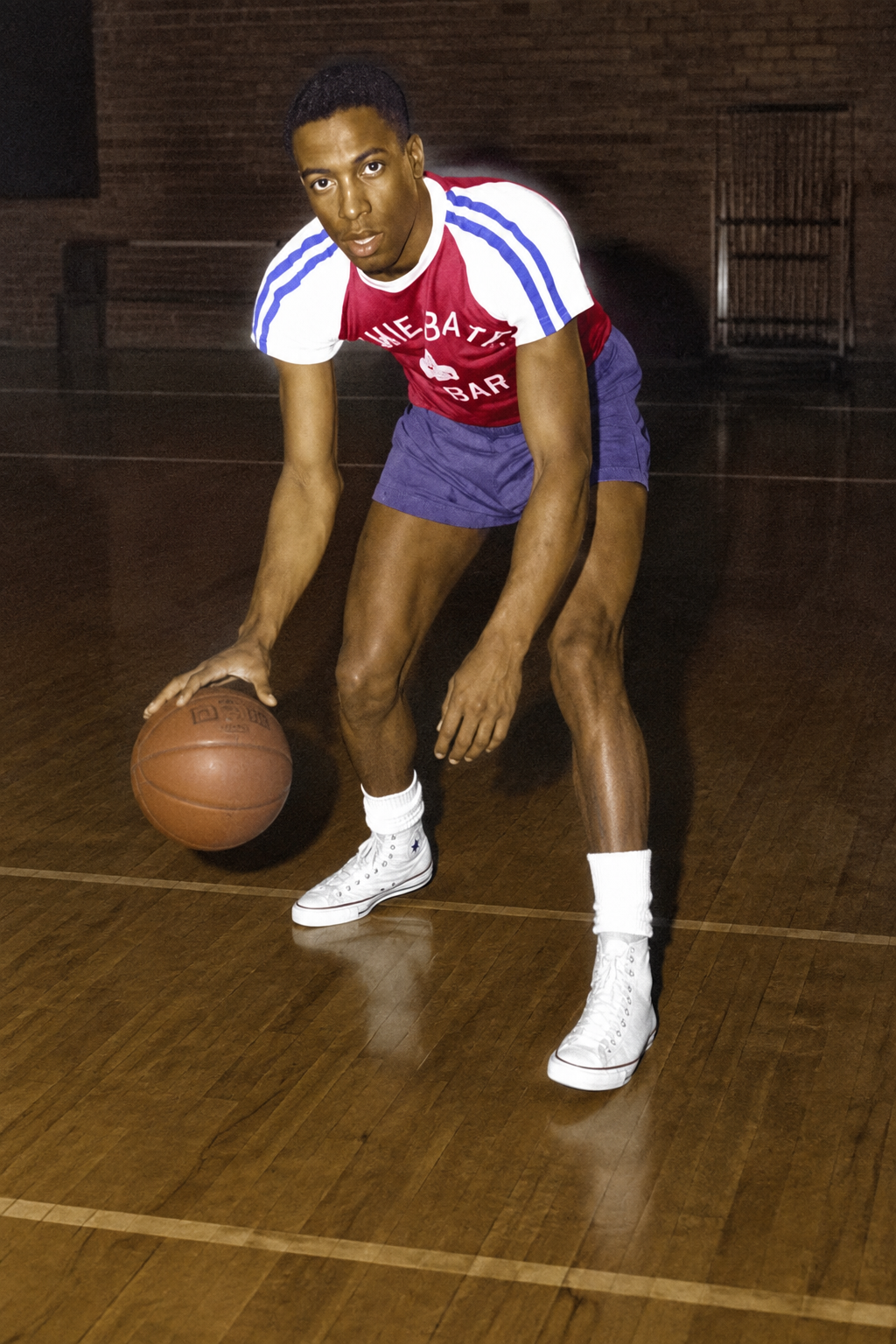
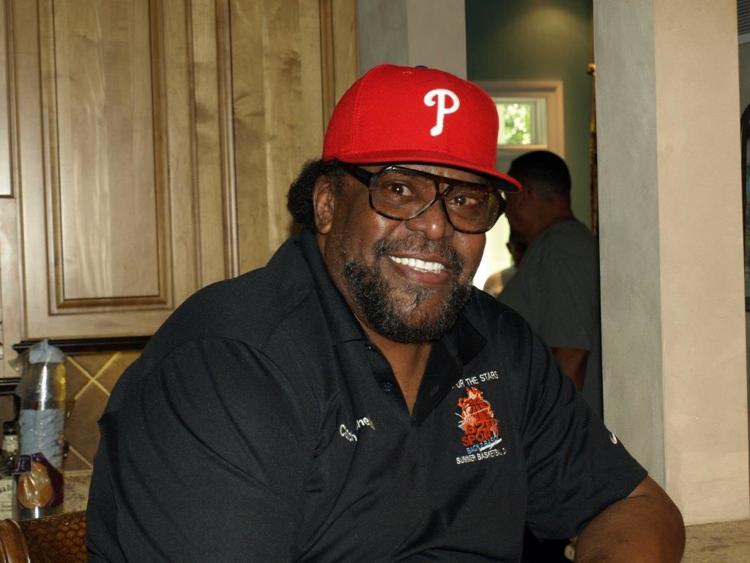
Tee Shields: The Last Coach of a Vanishing Philadelphia

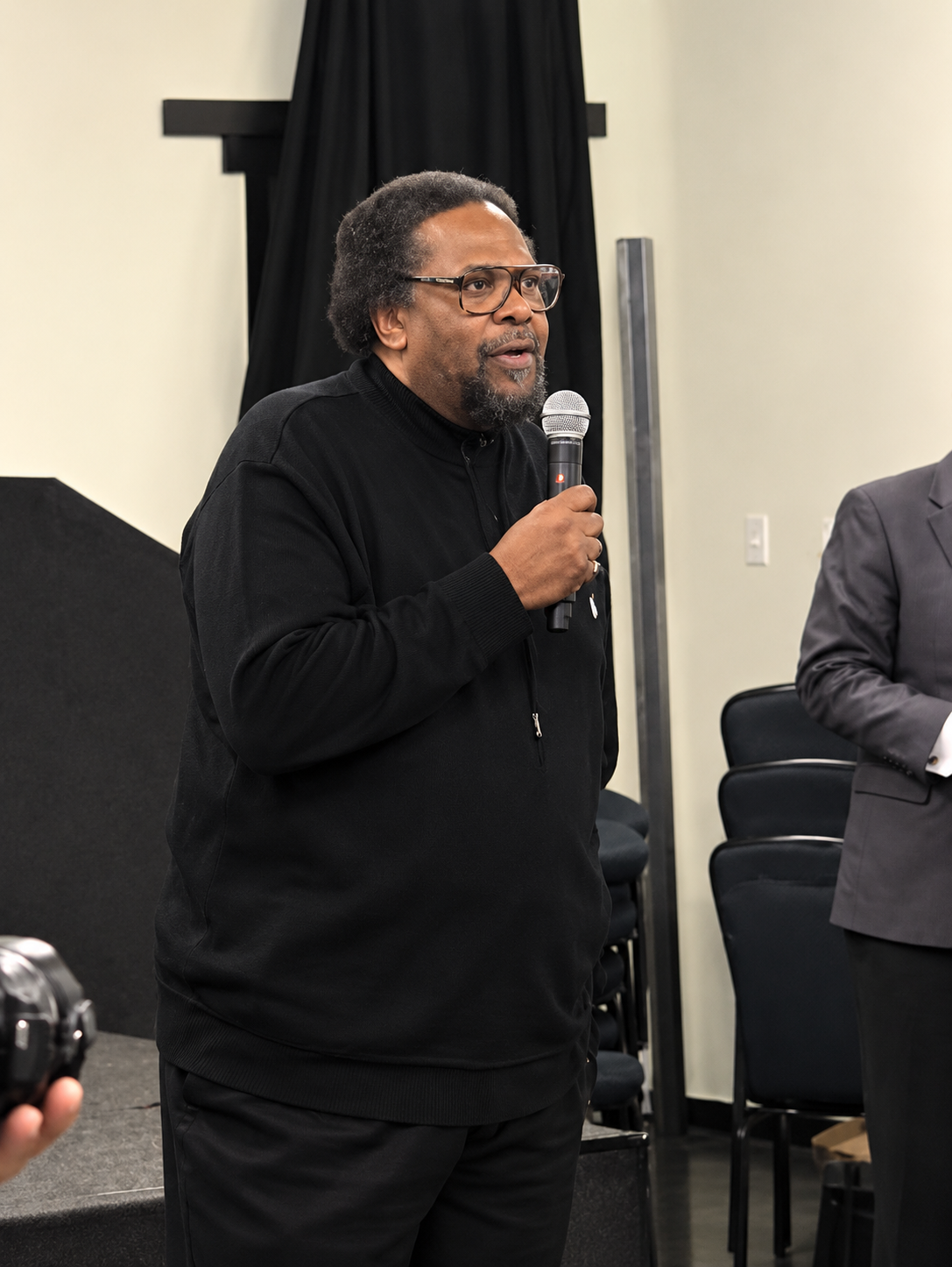
PHILADELPHIA, PA – The city of Philadelphia has long measured its summers not by the solstice, but by the squeak of sneakers on the hardwood gym floors and hot asphalt of its rec centers/playgrounds. It is a city where basketball is not merely a sport but a dialect, a shared language spoken in the narrow rowhouse streets of West Philly and the sprawling Uptown parks. When the news came that Tee Shields had passed, the city lost not just a man, but one of the last fluent translators of that language. He was an interpreter who carried the grammar of the game from an era of rigid segregation to the threshold of the modern age, and in his passing, we are forced to confront a bitter truth: the ecosystem that produced him, and the community he spent sixty years nurturing, is dying.
Mr. Shields was a product of a world that no longer exists. He was forged in the crucible of the Philadelphia Public League during the late 1950s, an era when the color line was not a metaphor but a law of the land, and Black excellence was forced to bloom in the shadows. He was a standout at West Philadelphia High School, a time when the city’s hardwood was a sovereign nation of its own, rich with rivalries that felt like civil wars. To hear him tell it, the battles with Overbrook—against future legends like Wali Jones and Walt Hazzard—were not just games; they were declarations of identity.

Like so many of his brilliant peers, Shields’ path to collegiate greatness was not charted by television deals or shoe contracts, but by the harsh realities of America’s racial caste system. Denied the opportunity to play for predominantly white universities in the North or South, he took his talents to South Carolina State University. There, alongside a caravan of Philadelphia talent—Frank Card, Deforia Coleman, and others—he found a home at an HBCU. It was a “Chitlin Circuit” of basketball, a parallel universe of elite athleticism that was invisible to the mainstream press but revered within the Black community. This experience did not embitter Tee Shields; it equipped him. It taught him that the scoreboard mattered less than the survival and elevation of the men standing next to you.

The Conscience of the Sonny Hill League

In 1968, while the nation was convulsing with riots and revolution, Sonny Hill founded a basketball league that sought to channel the chaos of the streets into the discipline of the court. The Sonny Hill Community Involvement Basketball League was never really about basketball. It was a life-skills seminar disguised as a fast break. And Tee Shields became one of its chief professors.

For more than half a century, Shields served as a coach and mentor, a role he fell into reluctantly at the behest of his own mentor, Claude Gross, but one he executed with the precision of a surgeon. His impact is measured not in championships, but in the careers of the men he guided. He coached Clarence Tillman and Lionel Simmons. He was present during the league’s golden age, a thirty-year stretch from the 1970s through the 1990s when the Hill League reigned as the undisputed heavyweight champion of summer basketball in America.

It is almost impossible to explain to a modern audience, weaned on the sterile, corporate environments of the Under Armour UAA, Nike EYBL and the Adidas 3SSB circuit, what it meant to walk into McGonigle Hall on a Tuesday night in July. It was a cultural séance. You could watch the raw power of Rico Washington battling Brian Shorter in the post, or the surgical wizardry of Michael Anderson trading crossovers with the blindingly quick Bruiser Flint. The concentration of talent was suffocating. From Gene Banks to Lionel Simmons, from Rasheed Wallace to a young Kobe Bryant, the lineage of the Hill League is the lineage of modern basketball itself. But the talent was never the point. The point was the instruction.

The Privatization of the Playground

The legacy of Tee Shields is a study in tragic irony. The very community he spent his life building is currently being demolished by the forces of capital. In the decades since Shields first laced up his sneakers, youth sports have undergone a radical, and largely destructive, metamorphosis. What was once a civic utility has become a luxury good.

The commercialization of youth athletics over the past twenty years has been relentless. As noted in recent Congressional hearings on the matter, the landscape is no longer defined by the volunteer coach or the recreation center, but by the balance sheet. Private equity has discovered that the hopes and anxieties of parents are a lucrative asset class. We have witnessed the rise of vast, consolidated tournament operators who have turned childhood play into a vertically integrated industry, complete with “stay-to-play” mandates that force families into specific hotels and streaming services that monetize the movements of pre-teens.

The result has been the systematic squeezing out of the pure, community-based organizations that defined the Tee Shields era. The Sonny Hill League, like the Holcombe Rucker League in Harlem, was organic. It grew from the soil of the neighborhood. It was staffed by men who knew your mother, who knew your struggles, and who understood that a missed jump shot was less important than a missed curfew. The new model is not organic; it is extracted. It is a subscription service where access is determined by disposable income.
The Widening Gap

The consequences of this shift are not aesthetic; they are societal. When the “Field of Fees” overtakes the public park, we lose the democratic nature of sport. We are creating a widening participation gap. Data shows that the disparity in sports participation between wealthy families and low-income families has grown sharply over the last decade. The child from North Philadelphia, the spiritual descendant of the players Tee Shields coached, is being priced out of the game.

This is not merely a loss of recreation; it is a loss of citizenship. The Sonny Hill League was a mechanism for socialization. It was a place where boys learned how to be men from elders who looked like them and had survived the same streets. It was a safe harbor from the violence of the city and the indifference of the system. When we replace that harbor with a pay-to-play tournament circuit run by distant investment firms, we sever the connective tissue of the community. The private equity model cares only about the liquidity of the asset. It does not care if a child graduates, if they learn resilience, or if they become a good father. Tee Shields cared.

The Irreplaceable Void

We are told that progress is inevitable, that the efficiency of the market is the only path forward. But the market cannot manufacture a Tee Shields. It cannot reverse-engineer the moral authority of a man who played on the Chitlin Circuit, who endured the indignities of segregation, and who then returned to the gym every summer not to get rich, but to give back.

The commercialization of youth sports has created a generation of consumers, but it has failed to create a generation of mentors. The volunteer coach—the Claude Gross who recruited Tee Shields, the Tee Shields who coached a future NBA superstar—is becoming an endangered species. As the private capital floods in, the sense of communal ownership drains out. Why would a father volunteer to run a league when a corporation can do it for a fee? Why would a neighborhood rally around a team when the roster is determined by who can afford the travel expenses?

Tee Shields represented a covenant between generations. It was a promise that no matter how high you climbed, you owed a debt to the pavement that launched you. That covenant is being broken. The games still go on, of course. The sneakers still squeak, and the balls still bounce, but they do so in sterile, branded facilities where the scoreboard is digital and the lessons are few.

We mourn Tee Shields not just for the man he was, but for the world he represented. He was a giant in the Philadelphia basketball community, a living link between the era of the segregated Public League and the modern NBA. His death leaves a void that cannot be filled by an algorithm or an investment portfolio. It can only be filled by a return to the principles he embodied: that the game belongs to the people who live on the block, that the coach is a guardian of the soul, and that the measure of a league is not its revenue, but the character of the men it produces.

Philadelphia has lost a coach, but more than that, it has lost a keeper of the flame. In the coming summers, when the heat rises off the concrete and the young men gather to play, they will be doing so in a world that is radically different, and infinitely poorer, for his absence. The era of giants like Tee Shields is over, and the lights of McGonigle Hall are dimming.

The Crucible Returns: Why the Black Cager Fall Classic Matters More Than Ever

PHILADELPHIA, PA – The cacophony of sneakers squeaking on hardwood, the reverberating thud of a perfectly placed outlet pass, the primal roar of a crowd witnessing a rising star—these are the sounds of autumn in the Mid-Atlantic. But this year, as the 11th Annual Black Cager Fall Classic prepares to take over the state-of-the-art Executive Fieldhouse on Saturday, October 17, 2026, the atmosphere carries a new weight. It is not merely the return of a premier preseason high school basketball showcase. It is the return of a vital compass for families navigating the most turbulent seas in the history of college athletics.

For over a decade, the Black Cager name has been synonymous with authentic, high-octane scholastic competition, curating a field that is the envy of regional event promoters. It has long been a high-stakes proving ground where legacies begin, scholarships are earned, and championship foundations are forged. Yet, in the annus horribilis of 2026, the tournament has ascended from a premier battleground to an indispensable lifeline. As the NCAA’s regulatory framework undergoes its most radical transformation since the advent of the forward pass, the Black Cager Fall Classic stands as a bulwark of clarity and opportunity for the student-athlete.

A Regulatory Perfect Storm

The college sports landscape has been upended. The traditional model of four seasons of competition over five years is officially a relic of a bygone era. In June 2026, the NCAA adopted a new “five-for-five” eligibility rule, granting Division I athletes five seasons of competition over a five-year period. This age-based model begins the eligibility clock the academic year following a student’s 19th birthday or upon high school graduation, whichever comes first. While intended to provide clarity, the implementation has been anything but.

The new rule has largely eliminated the redshirt year and almost all waivers for extended eligibility, except for narrow exceptions like religious missions or active-duty military service. More consequentially, the NCAA’s decision to exclude the high school Class of 2022 from this new model has triggered a cascade of litigation. Federal courts have issued nationwide injunctions, creating a chaotic patchwork of eligibility where some athletes are granted a fifth year while others are not. Lawsuits argue that these eligibility restrictions “unjustifiably restrain” an athlete’s ability to earn money through their name, image, and likeness (NIL).

Delgreco Wilson, Founder of Black Cager Sports

This legal tumult is compounded by the shifting focus of college coaches. As Delgreco Wilson, the founder of Black Cager Sports, astutely observes, “the recruitment process has changed so much in recent years, that many athletes and families find it very confusing. College coaches have shifted their focus to the transfer portal and there are far fewer opportunities for high school kids to go directly to the D1 level.” The premium on immediate contributors has risen sharply, while the traditional model of recruiting and developing high school players over multiple years has lost significant ground.

A Crucible of Competition and Clarity

It is against this backdrop of regulatory uncertainty that the Black Cager Fall Classic asserts its relevance. The event remains the ultimate live-action laboratory, providing answers that no summer workout or open gym ever could. For the attending coaching staffs, it offers a rare, pressure-filled environment to evaluate personnel. For the players, it is the unrivaled launchpad for uncommitted prospects. With a staggering lineage of over 200 alumni who have matriculated to NCAA Division I and II programs—including names like Collin Gillespie, Jalen Duren, and Derik Queen—the tournament’s pedigree as a pipeline to the highest levels of the sport is beyond dispute.

But this year, the stakes are higher than the box score. The event has evolved into a strategic symposium for families confronting the NIL era. As cash has flooded college and high school athletic recruiting, the potential for exploitation has grown exponentially. Coaches have warned of “street agents” exploiting athletes in NIL deals—former players, trainers, or parents who claim connections to collectives or sponsors. The Black Cager Fall Classic is directly countering this threat by bringing in some of the best NIL representatives in the business to engage parents and answer questions regarding athletic recruiting, the NCAA eligibility process, and NIL representation.

The Black Cager Guide: A Roadmap Through the Labyrinth

Perhaps the most profound contribution the tournament makes this year is its commitment to education. Every player on a participating team will receive a FREE copy of the Black Cager Guide for College-Bound Student-Athletes. This is not a pamphlet; it is a roadmap forged from three decades of experience. Over the past 30 years, Delgreco Wilson has helped well over 200 student-athletes successfully transition from high school to college—a list that reads like a who’s who of basketball talent, including Jameer Nelson, Dion Waiters, and the Morris twins.

In an era where the NCAA’s eligibility center is grappling with a new age-based model and proposed legislation like the Protect College Sports Act of 2026 is suggesting a five-year eligibility window, the guide serves as an essential tool. It provides families with the agency to develop and implement a strategy rather than simply reacting to a system in flux.

The Return of the Proving Ground

On October 17, the Executive Fieldhouse will once again become the epicenter of the basketball universe. It will be a day of fierce, live-game warfare where elite scholastic programs from the Mid-Atlantic and beyond engage in competition. But it will also be a day of learning, of strategy, and of empowerment.

The Black Cager Fall Classic is more than a tournament. It is a declaration that in an era of chaos, there is still a place where the future of the sport is not just showcased, but safeguarded. It is a reminder that while the rules of the game may change, the principles of hard work, education, and authentic competition remain the true foundations of a legacy. For the student-athletes of 2026, there is no better place to be.

Event Details:

The 11th Annual Black Cager Fall Classic

Saturday, October 17, 2026
Executive Fieldhouse
555 Union Boulevard, Allentown, PA 18109

A full slate of elite matchups will be accessible to college coaches and fans globally via a live broadcast on iUNGOworld.com

Media Credentials & Inquiries:

Jason Boggs, Tournament Director
Black Cager Fall Classic
jboggs501@yahoo.com – Email
484-522-2750 – Phone

The Unfair Dae’Quan Wright Question: Yes, I’m Cool With It. But Ask Me About 1956.

PHILADELPHIA, PA – There is a particular kind of interrogation reserved for moments of racial progress in America. It asks the beneficiaries of change to justify themselves, while never requiring the architects of exclusion to account for their sins.
This week, the Cleveland Browns waived tight end Dae’Quan Wright. The young man from Georgia, represented by agents Drew Rosenhaus and Kyle Lincoln, reportedly has an agreement in place to return to the collegiate ranks at Louisiana State University for the 2026 season, provided he clears waivers and the courts permit such a move. The news, which touches upon the rapidly shifting legal landscape of NCAA eligibility and name, image, and likeness compensation, prompted a question from an alumnus of St. Joseph’s University on a message board.

Dae’Quan Wright

“You cool with this?”

It is a question that demands a simple answer, a thumbs up or a thumbs down. But to answer it as posed is to accept a false premise: that the morality of a Black athlete maximizing his earning potential in a multibillion-dollar industry carries the same moral weight as the historical denial of that very opportunity.

If forced to answer narrowly, the answer is yes. If the courts determine that Dae’Quan Wright has the legal right to return to Baton Rouge and play football for the Tigers, then I am cool with it. I am cool with a young Black man from Georgia leveraging his labor to secure his future, whether that future lies in the National Football League or the Southeastern Conference.

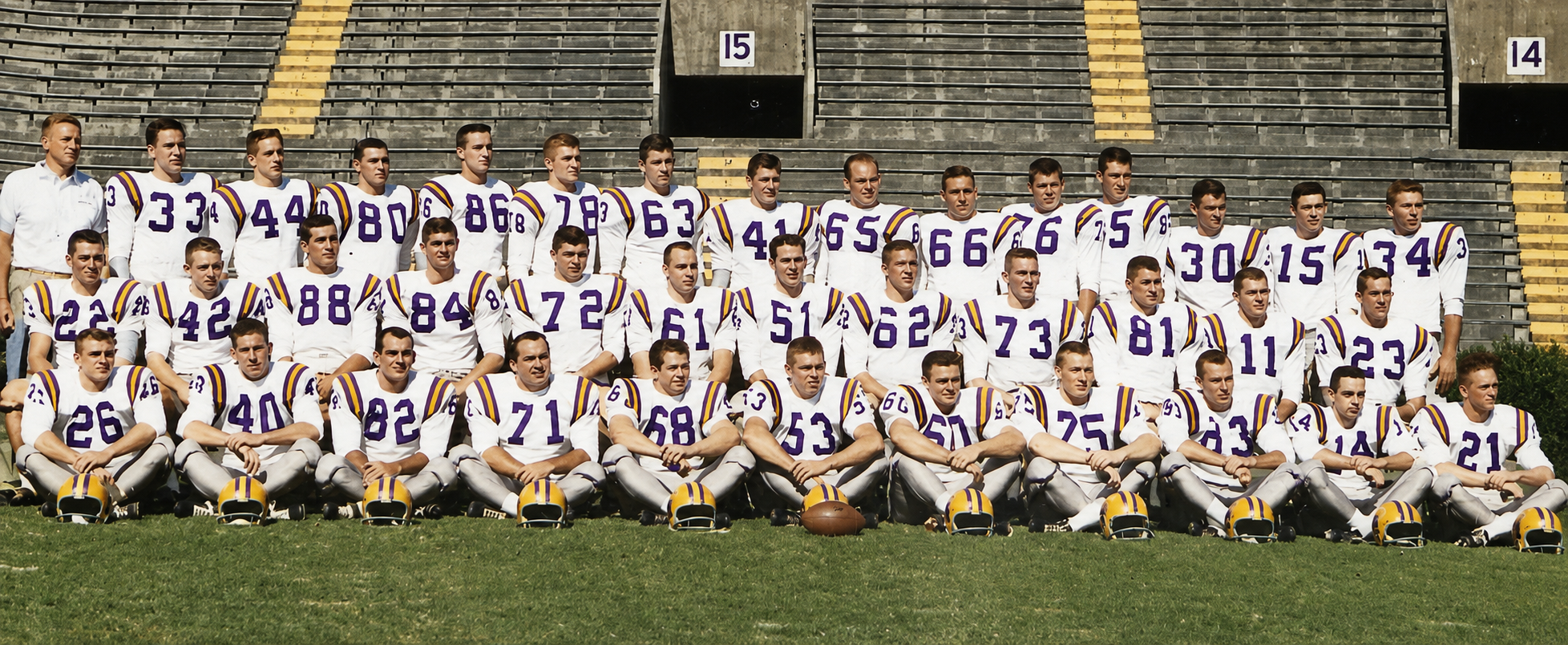
But the question is profoundly unfair, because it ignores the inconvenient history of the institution in question. Louisiana State University has been playing football since 1902. For the vast majority of that history, young men like Dae’Quan Wright were not permitted on the field—not because they lacked talent, but because they possessed melanin. It is deeply unfair to ask whether I am comfortable with a procedural rule change regarding eligibility without acknowledging that for seven decades, Apartheid/Jim Crow rules were rigidly enforced to exclude Black athletes altogether.

LSU Football team in the 1960s

The Echo of Jim Crow

To understand the weight of this question, one must travel back to New Orleans on January 1, 1956. In the Sugar Bowl, Georgia Tech defeated the University of Pittsburgh by a score of 7-0. The game is a footnote in football history, but it was a flashpoint in the American social fabric. Pittsburgh’s fullback was a young African-American named Bobby Grier. His presence on the field, in the heart of the Old Confederacy, coming on the heels of the Supreme Court’s landmark 1954 decision in Brown v. Board of Education, sent shockwaves through the segregationist South

The reaction was swift and legislative. Over the following months, while Southern politicians were busy constructing the edifice of what became known as Massive Resistance, lawmakers in Georgia and Louisiana debated bills to outlaw integrated sporting events entirely. The agitation in Georgia eventually fizzled. But Louisiana succeeded. In July 1956, the Louisiana State Assembly passed a social segregation law banning all integrated sporting events in the state. Governor Earl Long, brother of the legendary Huey Long, signed the bill into law.

Consider the implications of that moment. The same state that now houses the LSU Tigers—a team that relies heavily on the athleticism of Black players for its national championships and its share of billion-dollar conference revenues—once passed a law making it illegal for Black and white athletes to merely play a game together. This is the context that is missing when the question of “coolness” is raised. Where was the outrage from those who now vociferously object to a young man gaining an extra year of NCAA eligibility? Where were the op-eds and opinion pieces asking if alumni were “cool” with a law that legalized apartheid on the playing field?

They were silent. The system was working as intended.

Grambling football practice in the 1940s

Talent Beyond the Color Line

One cannot make a convincing argument that Black players during that era simply were not good enough to play at LSU. Such an argument collapses under the weight of statistical evidence located a short distance from Tiger Stadium.

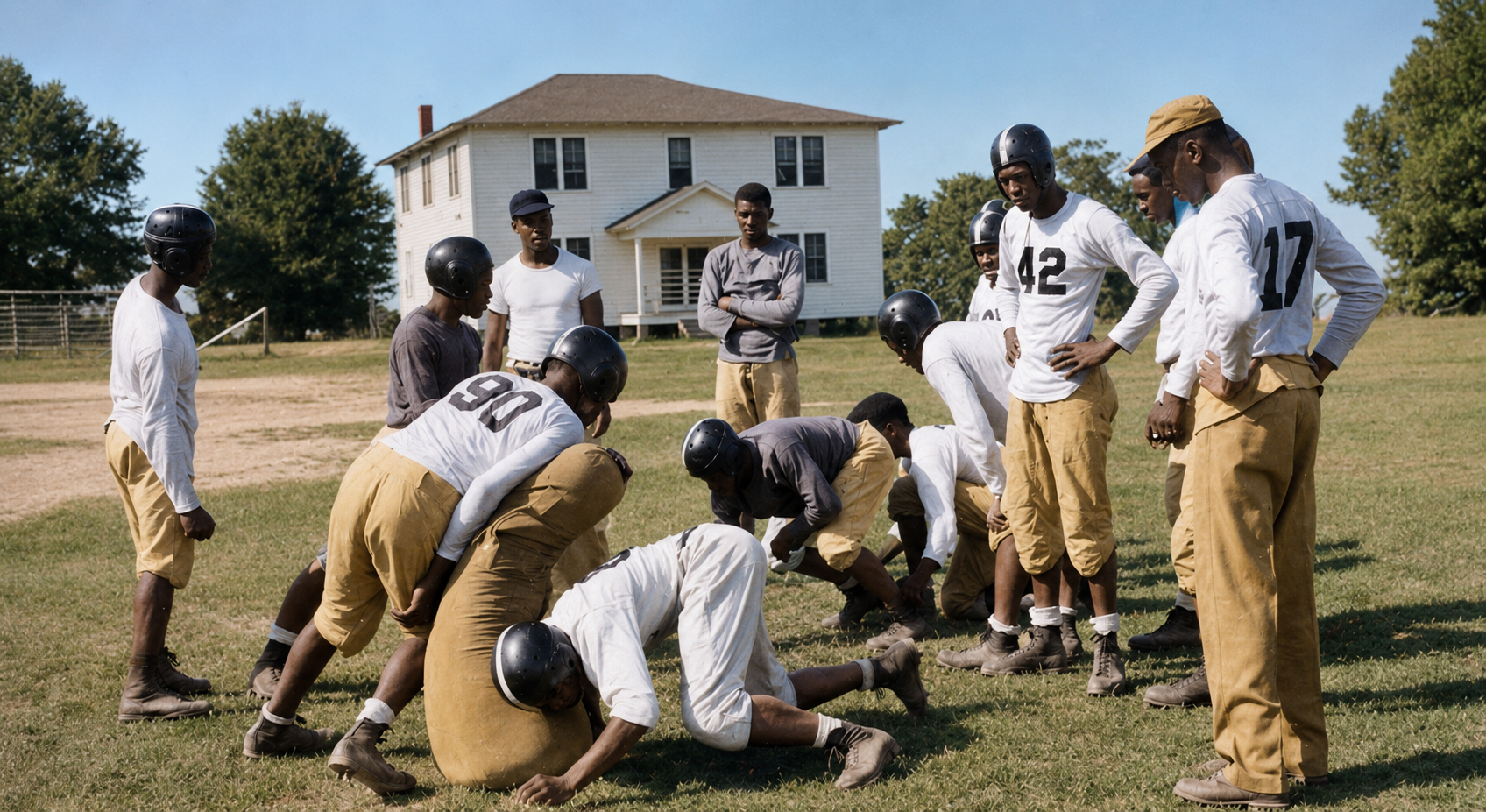
Southern University, a historically Black university situated a short walk from the LSU campus, has produced 78 professional football players and 83 NFL draft picks in its history. The overwhelming majority of those players toiled in obscurity during the Apartheid era, their brilliance hidden from the white gaze of the Southeastern Conference because of the color barrier. Just up the road, Grambling State University, under the legendary coach Eddie Robinson, produced more than 100 NFL players and over 130 draft picks. These were not marginal athletes. These were Hall of Famers, men who changed the way the game was played.
Every single one of those players was talented enough to play for LSU. Every single one of them was denied—not because of a slow 40-yard dash or a poor bench press, but because of a social system of white supremacy designed to keep them in a subordinate caste. LSU did not field a Black player on its varsity football roster until 1973, when I was eight years old. That is not ancient history. That is living memory. There are men alive today who were denied the chance to wear the purple and gold simply because of the color of their skin.

The Proper Context

So when asked if I am “cool” with Dae’Quan Wright returning to college to earn whatever the NIL market will bear, the answer must be placed in its proper historical context.

Yes, I am cool with a young Black man exercising the full extent of his legal rights to capitalize on his God-given talent. I am cool with him having an opportunity that his great-grandfather, his grandfather, and his great-uncles were violently and systematically denied. I am cool with him seeking an education and a financial windfall in a system that for decades exploited Black labor without compensation.

What I am not cool with is the selective amnesia that frames these questions. I am not cool with the racism and white supremacy that denied thousands of Black athletes—from Bobby Grier to the legends of the Southwestern Athletic Conference (SWAC) — the opportunity to compete in the SEC until the early 1970s. I am not cool with a society that jealously guards the sanctity of “amateurism” when it applies to a Black athlete trying to get paid, while ignoring the fact that for generations, the sanctity of the game was used as a weapon to enforce segregation.

It is exhausting to be asked for a moral judgment on a technical eligibility rule while being expected to ignore a century of systemic exclusion. The ledger of American sports is deeply unbalanced. We have witnessed a massive transfer of wealth from Black bodies to predominantly white institutions. Dae’Quan Wright’s potential return to LSU is not a scandal; it is a minor correction in a long history of injustice.

The real scandal is that we continue to ask the descendants of the excluded to validate the comfort of the excluders. The real scandal is that for seven decades, LSU played football without young men like Dae’Quan Wright, and almost no one thought to ask whether that was acceptable.

So no, the question is not fair. But if an answer is required, here it is: Yes. I am cool with it. I am cool with progress, however incremental. I am cool with a young Black man finally getting what he is owed.

I am not cool with the history that made this question necessary in the first place.

The Tradition Danny Rumph Built: A Summer Temple Where Philadelphia Renews Its Soul

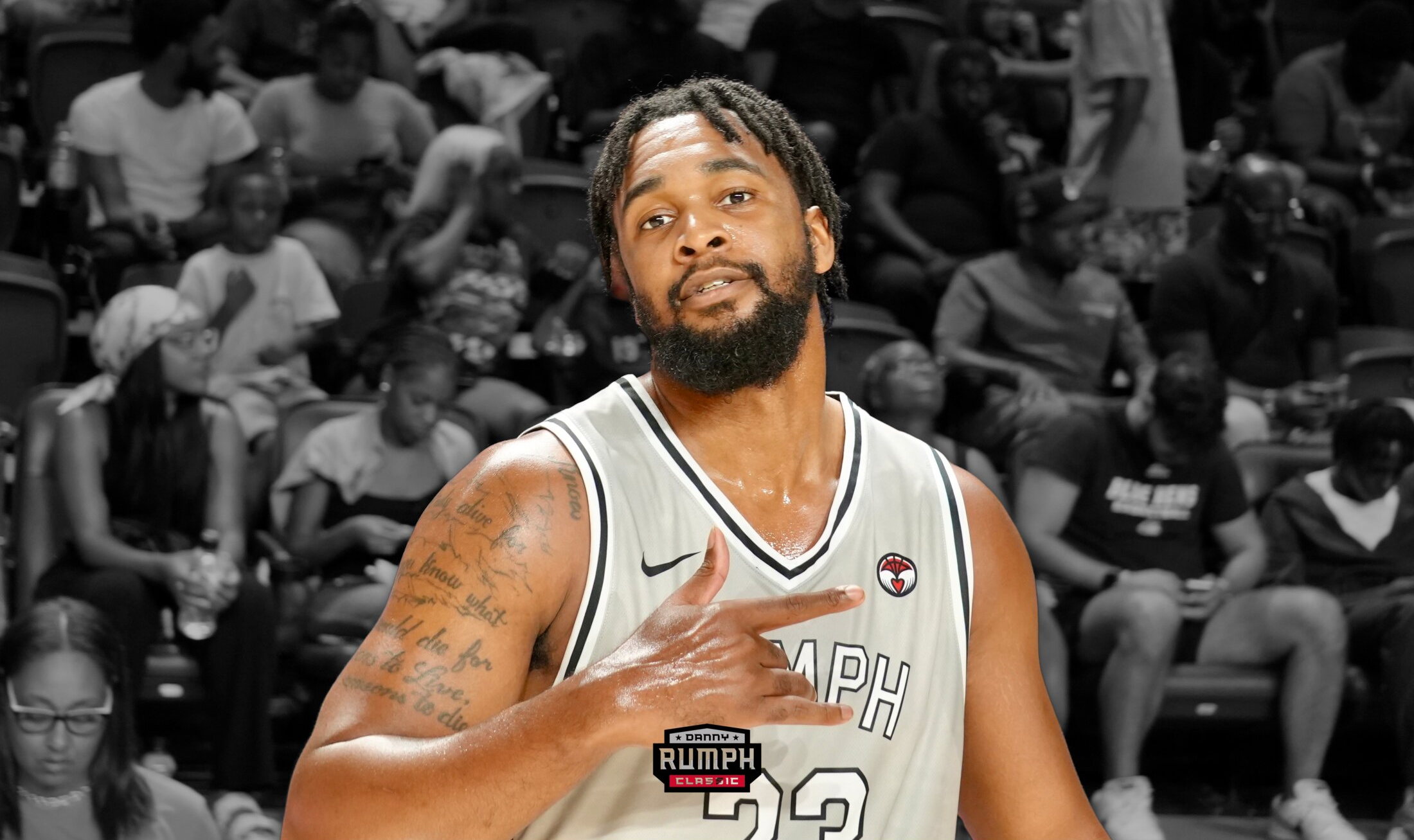
PHILADELPHIA, PA – It is one of the quiet peculiarities of civic life that a city’s most consequential traditions rarely announce themselves with fanfare at their founding. They emerge, instead, from some private grief or improbable hope, gather adherents year by year, and eventually harden into something indispensable—a fixed point on the calendar around which a community’s identity constellates. Philadelphia, a city unusually rich in such rituals, has a new one to acknowledge. The Danny Rumph Classic, a basketball tournament born of heartbreak in a Germantown recreation center, has over 21 summers become not merely a cause or a competition, but a full-fledged cultural tradition. Its claim on that status deserves formal recognition.

Donta Scott

For the uninitiated, the Rumph Classic is the signature event of the Daniel E. Rumph II Foundation, a charity established after its namesake—a gifted scholar-athlete—died of Hypertrophic Cardiomyopathy in 2005 while playing the game he loved. The foundation’s initial mission was urgently concrete: to educate coaches and gym administrators about sudden cardiac arrest and to seed Philadelphia’s recreation centers with automated external defibrillators. That mission has been admirably fulfilled. But the tournament that grew up alongside it has long since exceeded its instrumental purpose, evolving into something richer and more difficult to name. It has become, in a sense, a civic liturgy—an annual gathering where the extended family of Philadelphia basketball renews its covenants, transmits its values to the next generation, and demonstrates, through the ferocious eloquence of elite competition, what it means to belong to this place.

The Social Architecture of a Basketball Tournament

The temptation when describing the Rumph Classic is to reach first for the roster, which this year reads like a who’s-who of the city’s modern hardwood diaspora: Deandre Hunter and Tyrese Martin, fresh from NBA playoff rotations; Eric Dixon, the Villanova stalwart now testing the professional waters; Hysier Miller, Donta Scott, Mike Watkins, and a dozen other players whose careers span the globe’s top leagues. The basketball, as we shall come to, is extraordinary. But to start there is to miss the point. The Rumph Classic’s deepest significance is not aesthetic but anthropological. It is an institution that performs, year after year, the essential work of cultural transmission—the quiet labor by which a community’s accumulated wisdom, its norms of conduct and hierarchies of respect, pass from one generation to the next.

Mike Watkins

This is not a new role for basketball in Philadelphia. For decades, the Baker League and its successor, the Sonny Hill League, functioned as a kind of shadow civic institution, a place where Wilt Chamberlain and Earl Monroe shared the court with local legends and where young men absorbed lessons about comportment, discipline, and mutual obligation that no formal curriculum could deliver. The Baker League understood something that too many social programs forget: that young people are not argued into virtue but apprenticed into it, drawn forward by the magnetism of admired elders who model a way of being. The Rumph Classic has taken up that mantle with a quiet intentionality that its organizers might not even fully articulate. Watch the tournament for an evening, and you will see it everywhere—the reverence accorded to the “Philly basketball ol’ heads” who hold court in the stands, the easy camaraderie between current stars and the neighborhood fixtures who coached them as children, the young fans who absorb, almost through osmosis, the knowledge that success in this world comes with an obligation to remain present, to return, to give the gift of one’s example.

This is the social function that elevates the Rumph Classic above mere entertainment. In a liberal society that properly valorizes individual freedom and self-invention, there is always a countervailing risk of atomization—the unmoored self, cut loose from the stabilizing currents of tradition and mutual accountability. The institutions that thrive in such a society are those that manage to reconcile freedom with belonging, that create spaces where individual excellence flourishes within a framework of shared obligation. The Rumph Classic is precisely such an institution. It does not preach. It does not issue directives. It simply creates a setting in which the values that sustain Philadelphia basketball—hard work rewarded with respect, talent leavened by humility, success measured partly by what one gives back—are made visible and attractive. The young men and women who pass through its orbit do not need to be told how to behave. They can see it.

Justin Scott

A Tournament of Consequence

None of this would work, of course, if the basketball were not serious. A purely ceremonial event, however worthy, cannot command the attention of the young or earn the respect of the accomplished. The Rumph Classic, by contrast, has become one of the premier summer basketball gatherings on the Eastern Seaboard precisely because the competition is unforgiving. The talent level at this year’s edition, held at Drexel University’s Daskalakis Athletic Center, would not have been out of place in a high-level professional preseason camp. The play is unstructured—no coaches diagramming sets, no systems imposing order—and yet it is anything but anarchic. There is a fierce, improvisational intelligence to the action, a particular Philadelphia idiom of the game that prizes defensive intensity, physical toughness, and a kind of creative bravado on the offensive end. No one wants to be embarrassed. Everyone understands that pride is on the line, and in this city, pride counts.

The crowd at the DAC on Thursday night—the arena was filled to roughly 95 percent of capacity—understood exactly what they were watching. The stands held a cross-section of Philadelphia basketball life: current college stars from the Big 5 programs, high school prospects studying the men they hope to become, and families who have attended for years, for whom the tournament has become as much a fixture of August as the shore or the first hint of preseason football. The energy was not that of a casual summer league but of a community convened around something it holds dear.

Samme and Shannon Givens

The Case for Canonization

Philadelphia is justly proud of its calendar of cultural mainstays. The Mummers Parade, the Flower Show, the Penn Relays, the Odunde Festival, the Dad Vail Regatta, the Roots Picnic—these are not merely events. They are the vessels in which the city’s identity is carried forward, the rituals that bind neighbor to neighbor and generation to generation. They provide, as all genuine traditions do, a sense of continuity in a world of accelerating change, a reassurance that certain things endure, that the past has not been severed from the present. They are, in the deepest sense, conservative institutions—not in any partisan sense, but in their commitment to conserving what is precious and passing it on intact.

The Danny Rumph Classic now belongs in this company. It meets every criterion that makes a cultural tradition worthy of the name. It has persisted for more than two decades, long enough to become part of the rhythm of the year for thousands of Philadelphians. It connects the city to its history, both the specific tragedy of Daniel Rumph’s death and the longer lineage of Philadelphia basketball as a force for community cohesion. It transmits values—respect for elders, loyalty to place, the dignity of hard work—through the most effective pedagogical method available: immersion in a living practice. And it does all of this while putting on a basketball tournament of genuinely elite quality, one that draws professionals from the NBA and the world’s top leagues back to the city that shaped them.

Josh Sharkey

A tradition does not need a proclamation to exist. It needs only the steady, voluntary allegiance of the people who sustain it. By that measure, the Rumph Classic has already arrived. But there is value in saying so aloud, in recognizing that what began as a grief-stricken response to an unthinkable loss has flowered into something durable and beautiful. Daniel Rumph’s name now names not only a recreation center and a foundation, but a ritual of renewal—a summer temple where Philadelphia, year after year, remembers who it is and shows the young who they might become. The city’s cultural canon is stronger for its inclusion.

Ninety Candles, a Lifetime of Hoops: Honoring the Soul of Philadelphia Basketball

PHILADELPHIA, PA – When William Randolph “Sonny” Hill was born on July 22, 1936, the idea that a Black kid from North Philadelphia could become the conscience of a major American city’s basketball soul was, in the polite language of the era, a “reach.” The NBA was still a decade away from integrating. The opportunities for young Black athletes, no matter how gifted, were hemmed in by the same Jim Crow strictures that governed every other facet of American life.

Ninety years later, that kid is not merely a survivor of that brutal era. He is its conqueror. He is the connective tissue between the game’s pastoral origins and its global, billion-dollar present. He is a man known, affectionately and without hyperbole, as the “Mayor of Basketball”. And on this, his 90th birthday, we submit that Sonny Hill is not just a beloved local figure or a nostalgic footnote. He is one of the most consequential figures in the history of Philadelphia basketball—a title for which the competition is, to put it mildly, fierce.

The Player Who Could Have Been

In an era when the Eastern Professional Basketball League was the de facto destination for the most gifted Black basketball players—a purgatory of talent where greatness went to be underpaid and underappreciated—Hill thrived. Standing just 5-foot-10, he was not a physical marvel in the mold of his contemporary and lifelong friend, Wilt Chamberlain. He was something else entirely: a floor general of immense skill, a prolific scorer whose craft was forged on the concrete courts of Philadelphia.
Hill spent a decade in the EPBL, from 1958 to 1968, suiting up for the Allentown Jets, Wilkes-Barre Barons, Sunbury Mercuries, and Camden Bullets. Over his career, he averaged 20.6 points, 3.1 rebounds, and 2.5 assists per game. These are not the numbers of a role player. These are the numbers of a star.

Many who saw him play insist he had the skills to have graced the NBA. But the league, in its myopia, was not ready for all the talent that existed. So Hill did what so many greats of his generation did: he played where he could, he played brilliantly, and he never let the slight define him. Instead, he used the bitterness of that closed door as fuel to build a bigger, wider house for those who would come after him.

The Baker League and the Sonny Hill League: Laboratories of Greatness

It is impossible to overstate the importance of the Charles Baker Memorial League, which Hill founded in 1960. It was the first professional summer basketball league in the country, a four-team experiment that began outdoors on a concrete court in North Philadelphia. It was a place where the game’s titans—Chamberlain, Guy Rodgers, Hal Greer, Billy Cunningham, and a young Earl Monroe—could sharpen their skills against one another in the off-season.

It was, in essence, a laboratory for the modern game. Bill Bradley, the former U.S. Senator and Hall of Famer, credited Hill for helping him develop into the player he became. Twice a week, Bradley commuted from New York to Philadelphia, not for money, but for the competition. “I was, to put it bluntly, a failure,” Bradley wrote before he found his footing in Hill’s league. That is the power of the environment Hill created

Then came 1968. Amidst the urban unrest and gang warfare that was tearing communities apart, Hill founded the Sonny Hill Community Involvement League. He did not just create a summer basketball program; he created a sanctuary. Starting with just five teams, it has since grown to more than 60 teams serving more than 800 student athletes. The talent that flowed through those games at McGonigle Hall on Temple University’s campus is the stuff of legend.

A Roster of Legends

It is not hyperbole to say the Hill League was the gold standard of summer basketball. Gene Banks, Lewis Lloyd, Mo Howard, Pooh Richardson, Lionel Simmons—these were the kings of the city. You could walk into the gym and watch the powerful Rico Washington battle Brian Shorter on the blocks, or witness the wizardry of Michael Anderson going against Howie Evans. And then there were the future professionals: Kobe Bryant, Rasheed Wallace, Richard “Rip” Hamilton, and Aaron McKie all honed their craft in the Hill League.

“Everybody that’s in the league right now from Philadelphia has played in his league. Everybody,” said Seattle’s Ronald “Flip” Murray. That is not an exaggeration. It is a testament to the gravitational pull of Sonny Hill’s vision.

The Voice of Philadelphia

In 1969, Hill transitioned from the court to the booth, beginning a broadcast career that would make him a household name. As a color commentator for the Philadelphia 76ers alongside Andy Musser, and later as a commentator for the NBA on CBS from 1973 to 1977, Hill brought a player’s insight and a poet’s cadence to the microphone.

Since 1987, he has hosted “In the Living Room with Sonny Hill” on SportsRadio 94WIP. For nearly four decades, Sunday mornings in Philadelphia have been punctuated by his voice—a voice that doesn’t just talk about basketball, but about life, community, and responsibility. It is the voice of a man who has seen it all and is willing to share it with anyone who will listen.

A Life of Service, Not Just Sport

The Sonny Hill Legacy Award, established by the 76ers in 2017, is a fitting honor. But the true legacy is written in the lives of the hundreds of thousands of young people who passed through his programs. Hill has always been clear about his mission. “My philosophy wasn’t to try and find the next great basketball player through my league,” he said. “It was about finding young people and trying to help mold them into better human beings.”

In 2008, he received the Mannie Jackson Human Spirit Award from the Naismith Memorial Basketball Hall of Fame. He is a member of the Philadelphia Sports Hall of Fame. He serves as an executive advisor for the 76ers, a role in which he has mentored everyone from Allen Iverson to Joel Embiid.

“He ranks among Julius Erving, John Chaney, Earl ‘The Pearl’ Monroe, Wali Jones, Ray ‘Chink’ Scott, Hal Lear and Walt Hazzard as the city’s greatest basketball dignitaries,” wrote one observer. We would go further. He stands above them. Not because he was a better player—that is a debate for another day—but because he built the infrastructure upon which their greatness, and the greatness of so many others, was constructed.

A Lasting Friendship

Hill’s personal relationships with the game’s greats are the stuff of Philadelphia lore. His friendship with Wilt Chamberlain was deep and abiding. He called Chamberlain the greatest player to ever play the game. He was a confidant to Earl Monroe, who dropped out of an NBA tour of Japan just to play in the Baker League. He was a mentor to Ray Scott and a peer to Tom Gola.
These were not transactional relationships. They were friendships forged in the crucible of competition and cemented by mutual respect. They are also a reminder that Hill’s influence was not confined to the city limits. He was a gravitational force that attracted the game’s brightest stars to Philadelphia’s summer courts.

Happy Birthday, Mr. Hill!

Ninety years is a long time. It is a span that encompasses the entire modern history of basketball. Sonny Hill has been there for almost all of it—as a player, a coach, a broadcaster, a mentor, and a friend.

He has seen the game evolve from a regional curiosity to a global phenomenon. He has seen the doors that were closed to him swing wide open for the generations that followed. And he has been the one holding those doors open, ushering in the next wave of talent with a firm handshake and a few minutes of stories.

So on this day, we raise a glass to Mr Hill. We thank him for the leagues, the broadcasts, the mentorship, and the countless hours he has given to a city that loves him back. We thank him for proving that a man’s legacy is not measured by the points he scored, but by the lives he touched.

Happy 90th Birthday, Sonny Hill. Philadelphia is a better city because of you. Basketball is a better game because of you. And we are all better for having witnessed your journey

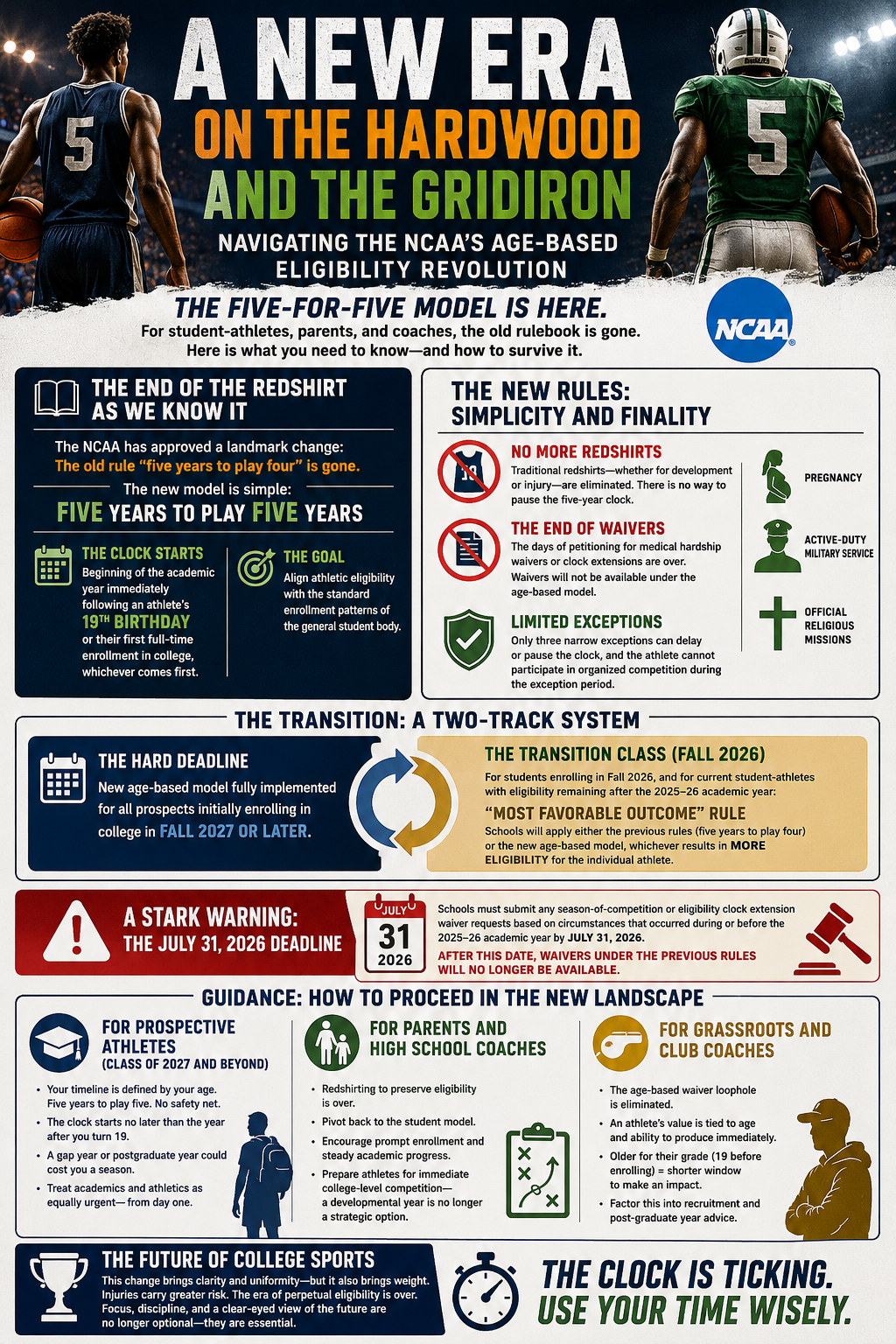
A New Era in College Recruiting: Navigating the NCAA’s Age-Based Eligibility Revolution

The five-for-five model is here. For student-athletes, parents, and coaches, the old rulebook is gone. Here is what you need to know about the new landscape—and how to survive it.


The End of the Redshirt as We Know It

For decades, the rhythm of college athletics was dictated by a simple, if often baffling, formula: five years to play four. It was a system rife with nuance, loopholes, and the occasional waiver wizardry that allowed star players to extend their collegiate careers into their mid-twenties. That era, for better or worse, is officially coming to an end. In a landmark move, the Division I Cabinet has unanimously approved a sweeping overhaul, ushering in an age-based eligibility model that fundamentally rewrites the rules of the game .

The new model is stark and simple: student-athletes are now permitted up to five years of eligibility, but those five years must be completed within a five-year window. This “five-for-five” model replaces the old system entirely . For the incoming class of fall 2027, the clock starts ticking based on a specific date: the beginning of the academic year immediately following an athlete’s 19th birthday, or their first full-time enrollment in college, whichever comes first . This is a seismic shift designed to align athletic eligibility with the standard enrollment patterns of the general student body .


The New Rules: Simplicity and Finality

The primary motivation behind this change is the elimination of complexity. In recent years, the NCAA’s waiver system became a source of frustration, legal challenges, and perceived inequity. Athletes in their mid-20s competing against 18-year-olds became a flashpoint for critics . The Cabinet’s decision, championed by Illinois Athletic Director Josh Whitman, aims to provide “rules that are simpler to administer and easier to predict for roster management decisions” .

Key changes include:

  1. No More Redshirts: The traditional redshirt—whether for physical development or a season-ending injury—is eliminated. Unless an athlete falls under the specific exceptions listed below, there is no way to pause the five-year clock.
  2. The End of Waivers: The days of petitioning the NCAA for a medical hardship waiver or a clock extension are over . The new rules specifically state that waivers will not be available under the age-based model, ending the practice of athletes seeking additional time for injuries or delayed enrollment .
  3. Limited Exceptions: The Cabinet has defined only three narrow exceptions that can delay or pause the eligibility clock: pregnancy, active-duty military service, and official religious missions. Crucially, the athlete cannot participate in organized competition during the exception period .

The Transition: A Two-Track System for Current Athletes

The most critical detail for those currently in the system is the implementation timeline. The new rules are not a sudden cut-off. For the next two years, we will operate under a unique dual system.

  • The Hard Deadline: The new age-based model will be fully implemented for all prospects initially enrolling in college in fall 2027 or later .
  • The Transition Class (Fall 2026): For students enrolling in fall 2026, and for current student-athletes who have eligibility remaining after the 2025-26 academic year, a “most favorable outcome” rule applies. Schools will apply either the previous rules (five years to play four) or the new age-based model, whichever results in more eligibility for the individual athlete . This creates a critical strategic opportunity for those who might benefit from the old rules.

A Stark Warning: The July 31, 2026, Deadline

For those who have been relying on the old system, time is of the essence. The NCAA has set a hard deadline of July 31, 2026, for schools to submit any season-of-competition or eligibility clock extension waiver requests based on circumstances that occurred during or before the 2025-26 academic year . After this date, waivers under the previous rules will no longer be available. This is a final window of opportunity that must not be ignored.


Guidance: How to Proceed in the New Landscape

For Prospective Athletes (High School Classes of 2027 and Beyond)

Your timeline is now defined by your age. You have five years to play five. There is no safety net. You must plan your academic and athletic career with the understanding that your clock will start no later than the year after you turn 19. A gap year or a postgraduate year is now a luxury that could cost you a season of eligibility. Treat your academic progress and athletic development as equally urgent priorities from day one.

For Parents and High School Coaches

Advocacy is key. The days of “redshirting” a freshman to preserve a year of eligibility are over. As NCAA President Charlie Baker noted, 98% of student-athletes will “go pro in something other than sports” . This rule forces a pivot back to the student model. Encourage athletes to focus on enrolling promptly and maintaining steady academic progress. For high school coaches, this means preparing athletes for immediate college-level competition, as a developmental year is no longer a strategic option.

For Grassroots and Club Coaches

The elimination of the age-based waiver loophole is a significant development. You will need to advise families that an athlete’s value is now tied to their age and their ability to produce immediately at the collegiate level. Players who are older for their grade (19 before enrolling) will have a shorter window to make an impact. This should influence your advice on recruitment and the choice of a post-graduate year.


The Future of College Sports

This is not merely an administrative change; it is a philosophical one. The era of the perpetual student-athlete, sustained by a web of medical and hardship waivers, is over. While the shift brings clarity and uniformity, it also carries immense weight. Athletes who are injured will now face the grim reality that their playing careers could end without the possibility of a fifth-year waiver. The “litigious environment” mentioned by Charlie Baker is likely to respond to this new reality, as attorneys have already threatened legal action on behalf of athletes who feel they are being unfairly denied a fifth year .

Yet, for all its finality, this new rule provides a roadmap. It requires focus, discipline, and a clear-eyed view of the future. For the student-athlete stepping onto campus in 2027, the message is clear: the clock is ticking. Use your time wisely.

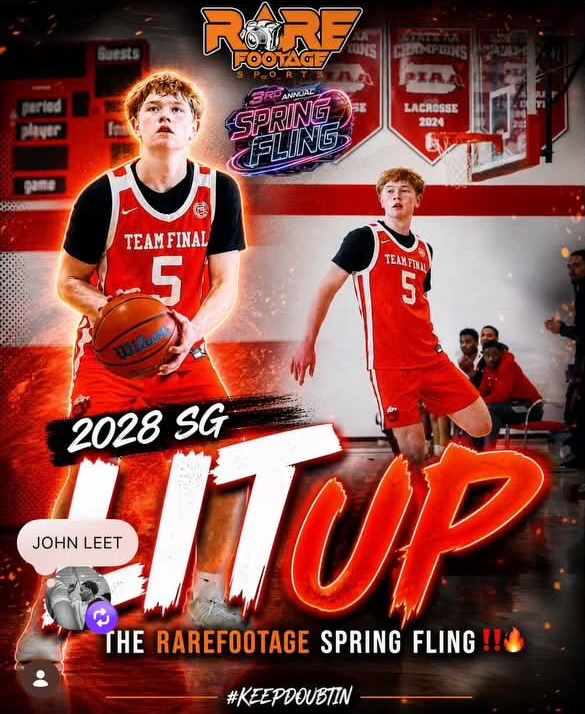
The Forgotten Marksman: Why John Leet Is Philadelphia’s Most Overlooked Prospect

By James Nelson-Stewart, Senior Basketball Writer

EAGLEVILLE, PA – In the hyper-ventilated ecosystem of Philadelphia-area high school basketball, we have become addicted to the neon lights. We obsess over the national rankings, the shoe-circuit mixtapes, and the prep-school behemoths. We have trained our eyes on the marquee names of the 2028 class—Colton Hiller, Mason Collins, Logan Chwastyk, Rowan Phillips, and Carter Smith—and rightly so. They are brilliant. They are worthy of the hype.

But in our relentless pursuit of the obvious, we are committing a cardinal sin of scouting: we are confusing fame with ability.

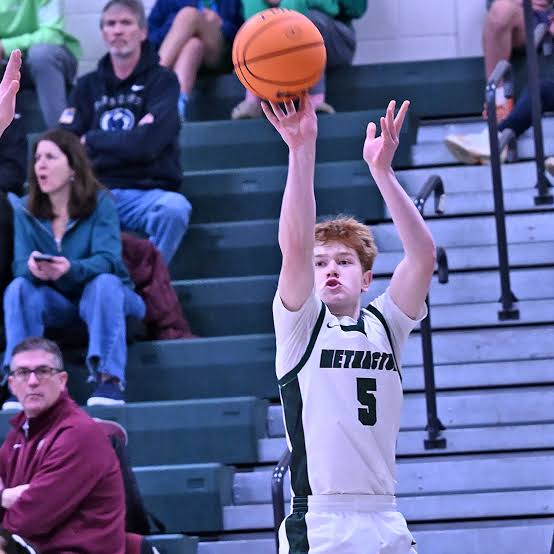
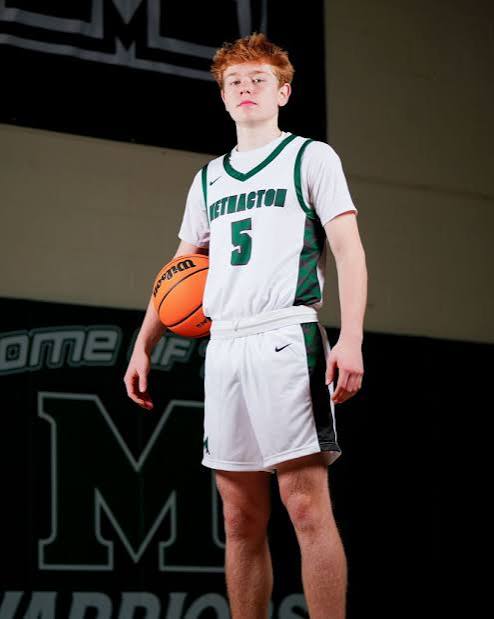
John Leet of Methacton High School is the most underappreciated guard in the Greater Philadelphia region, and if we are not careful, the Ivy League and Patriot League are going to steal him out from under our noses while we are busy fawning over the consensus lists. He is not just a “good player in a tough league.” He is a certified Division 1 difference-maker, and the evidence is no longer anecdotal—it is statistical tyranny.

Let us begin with the raw testimony of the court. During the opening salvo of Philly Live, while the college coaches packed the bleachers to see the five-star headliners, Leet delivered a performance that should have caused a seismic shift in recruiting boards. In a heartbreaking 66-64 loss to Arts High School from Newark, Leet poured in 41 points. Forty-one. In a region drowning in talent, he was the singular, unstoppable force on the floor. He followed that act by dropping over 20 in a blowout victory against Burlington City. This was not a fluke; it was a declaration.

But to understand Leet, one must look beyond the showcase stage and examine the bedrock of his production. As an unheralded sophomore—a player who entered the season as a ghost on the recruiting radar—he dragged Methacton to a 23-5 record, a District 1 Final Four, and a Sweet 16 berth in the PIAA 6A Tournament. He didn’t just lead; he carried. He amassed 538 points, the third-highest single-season total in school history, and drained 94 three-pointers, also third-best. He averaged 19 points per game on a stratospheric 46.8% shooting from beyond the arc and 80% from the line.

Those are not the numbers of a “system player.” Those are the numbers of a closer.

If there is any doubt that his high school heroics were a product of a weak schedule, his summer performance with Team Final Red has silenced that critique. In the crucible of the Nike EYBL—the most competitive proving ground in amateur basketball—Leet is the leading scorer on an undefeated 8-0 team that is knocking on the door of the Peach Jam. He is currently tied for third in the league in three-pointers made (23) at a scorching 42.6% clip. He is shooting 100% from the free-throw line. He is averaging nearly two steals a game, proving he is not just a stationary shooter but a cerebral, two-way competitor.

At roughly 6-foot-1, Leet does not possess the freakish length that makes scouts drool in warmups. He does not have the prep-school pedigree that guarantees a scholarship offer by junior year. Instead, he has something far more dangerous: a dead-eye shot, a high basketball IQ, and a chip on his shoulder.

This region has seen this movie before. We watched Collin Gillespie, a similarly undervalued guard, climb from a secondary recruit to a national champion and NBA player. We saw Kevair Kennedy and Jake West ascend through the ranks not because they were the biggest or the fastest, but because they were the most efficient and the most determined. John Leet is the heir to that lineage. He is a “Hidden Gem” in the truest sense—possessing exceptional value and quality, yet overlooked by the glitter of the national circuit.

To the coaches in the Patriot League and the Ivy League: stop sleeping. This is the player who will win you games in March. He is not a project; he is a plug-and-play piece who will stretch defenses and command respect from the moment he steps on campus. If he continues this trajectory for another two years, the Atlantic 10 will come calling.

John Leet does not need the hype. He has the production. It is time we gave him the recognition.

The Eligibility Clock Ticks Later: How the NCAA Rescued the Post-Grad Basketball Industry

PHILADELPHIA, PA – In the chaotic theater of college athletics governance, the NCAA Division I Cabinet rarely deserves a standing ovation. Its recent history is a highlight reel of botched reforms, antitrust losses, and a grudging retreat from amateurism’s ruins. But last Friday, in a move that has gone almost entirely unnoticed outside the niche world of postgraduate basketball factories, the men and women in Indianapolis may have thrown a lifeline to an entire endangered business model.

They saved prep school basketball.

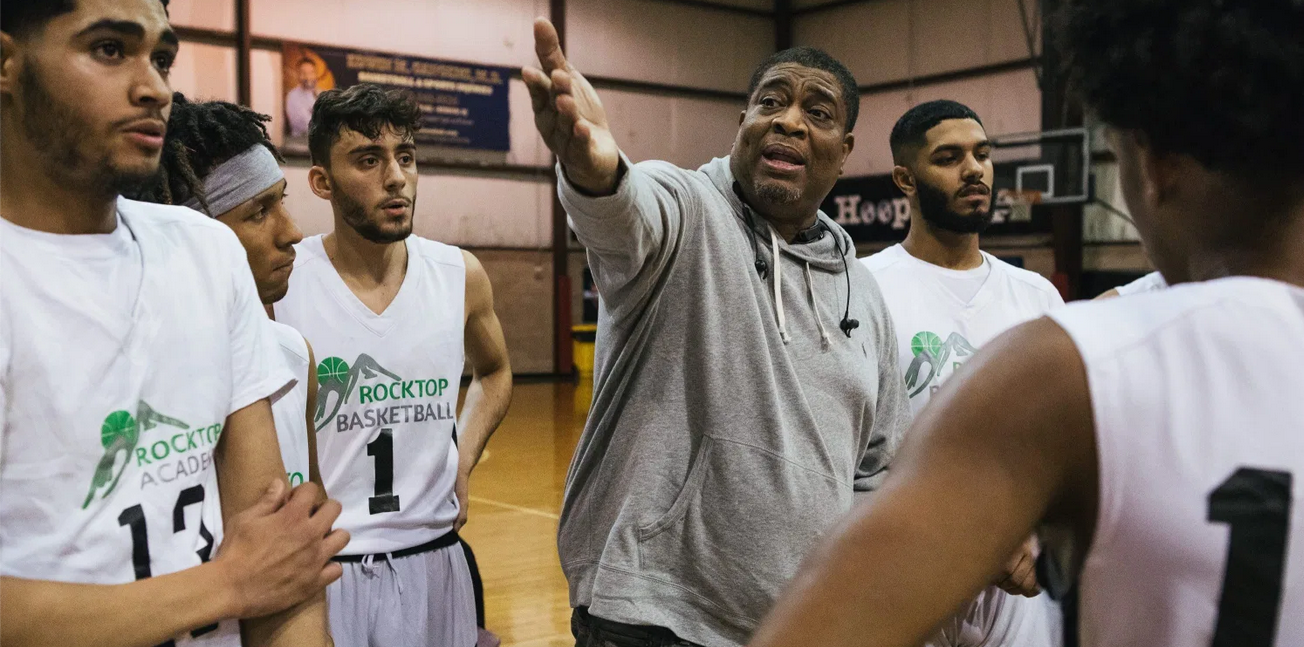
Rocktop Academy

Let that sink in. The same organization that spent decades clinging to an archaic one-and-done loophole, that watched its transfer portal become a Wild West, and that seems constitutionally incapable of keeping pace with reality, just made a decision so shrewd, so quietly counterintuitive, that it deserves a second look.

Here is the backstory that matters. For months, the NCAA has been wrestling with a new age-based eligibility model, colloquially known as the “five years to play five seasons” proposal. Under the original draft, the eligibility clock was set to start at high school graduation. On its face, that seemed reasonable. But for the prep school ecosystem—those expensive, yearlong finishing schools in New England, Florida, and the Midwest that churn out Division I prospects—it was an extinction-level event.

Under that old rule, a promising but academically raw 18-year-old who chose a fifth year of prep school would have been committing a kind of athletic seppuku. He would lose a full year of his precious five-year NCAA eligibility clock before ever stepping foot on a college campus. He would earn zero college credits. And he would pay $10,000 to $20,000 for the privilege. The rational economic choice was obvious: go to junior college, Division II, or Division III. Play immediately. Earn credits. Preserve your clock.

But then, the Cabinet pivoted. And in that pivot, an industry was spared.

The Clock Starts Later, Not Sooner

On Friday, the Cabinet announced a critical modification. The eligibility clock for student-athletes will now start upon “initial full-time enrollment in college or at the beginning of the academic year following their 19th birthday, whichever occurs earlier.”
Read that again. Whichever occurs earlier.

What this means in plain English: If you are a prep school prospect who reclassifies or takes a postgraduate year, your clock does not start ticking the moment your high school principal hands you a diploma. It starts when you actually show up for college, or the fall after you turn 19. In practical terms, that gap—the year between turning 18 as a high school graduate and turning 19 as a prep school alum—has become a free square on the bingo card.

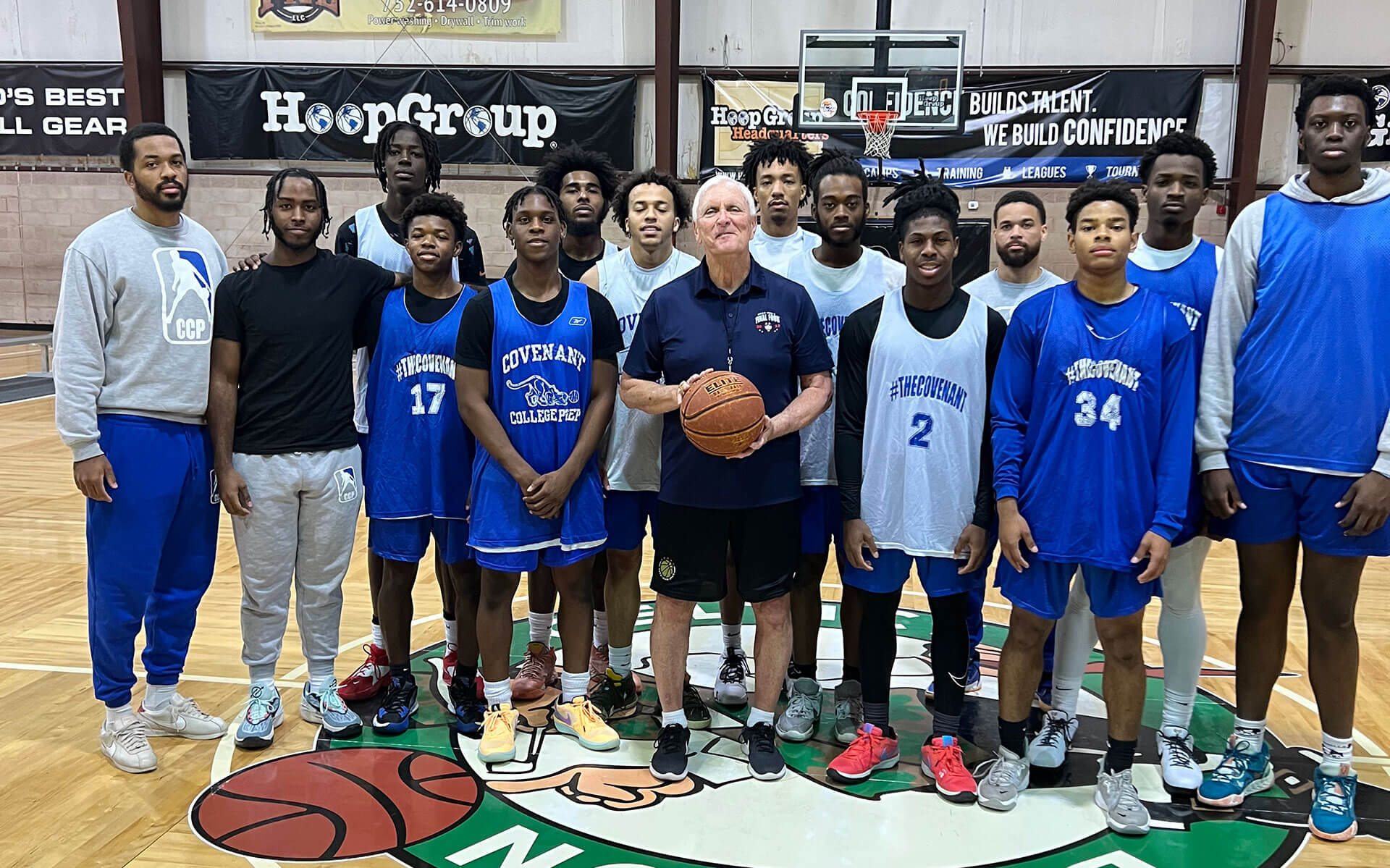
Covenant College Prep

Consider a typical prospect: born in July 2008. He graduates high school in June 2026, turns 18 that summer. Under the original proposal, his five-year eligibility clock would have started that June 2026. If he went to prep school for the 2026-27 academic year, he would arrive on a college campus in 2027 having already burned one of his five years. He would be a 19-year-old freshman with four years left. That is a terrible deal.

Under the new rule, his clock does not start until the fall after his 19th birthday—which would be the fall of 2026, exactly when he enrolls in college. He loses nothing. His five years to play four seasons begin the day he moves into the dorm.

The prep school year, in other words, has been transformed from a liability into a tax-free option. It is no longer a hole into which you throw a year of eligibility. It is now a holding pattern that costs you nothing but time—and given the maturation and recruitment advantages of being 19 versus 18, time is exactly what you are buying.

Why Junior College Just Lost Its Edge

When the original graduation-based clock was circulating among athletic directors and compliance officers, the smart money was on a mass migration to the junior college ranks. And for good reason. A JUCO offers what a prep school cannot: transferable credits, immediate playing time, and, crucially, an eligibility clock that remains mercifully paused until you sign a National Letter of Intent at a four-year school.

But the new rule narrows that advantage. The JUCO route still offers credits, which is not nothing. But consider the lifestyle. At a JUCO, you are one of dozens of mercenaries grinding through a two-year proving ground. The coaching turnover is high. The facilities are often spartan. And the academic rigor, while improving, is rarely mistaken for Choate Rosemary Hall.

Prep schools, by contrast, offer something that JUCOs cannot: relationships. They offer a handcrafted year of strength training, film study, and—let us be honest—transcript management. They offer a network of coaches who have direct lines to high-major programs. And now, they offer this without sacrificing a single year of NCAA eligibility.

For a family with $15,000 to $40,000 to invest in their son’s basketball future, the calculus has flipped. The prep school is no longer the sentimental choice. It is the rational one.

The Irony of the Service Academies

Perhaps the most delicious irony in all of this comes from the unlikely coalition that pushed for the change. According to the NCAA’s announcement, the adjustment “follows recommendations from stakeholders in men’s ice hockey, men’s basketball and the U.S. national service academies.”

Think about that. The service academies—West Point, Navy, Air Force—which typically recruit older, more mature prospects who have done postgraduate years at prep schools or military junior colleges, were instrumental in saving the very prep schools that feed them players. The same academies that produce future officers also produce the political cover for a rule that benefits elite basketball factories.

It is a strange bedfellows story worthy of a John le Carré novel. But it works. The service academies argued, correctly, that a graduation-based clock would penalize students who take a gap year for military prep. The NCAA, desperate for allies in its ongoing war against federal antitrust scrutiny, listened. And in listening, they extended that same grace to every fifth-year senior at Brewster Academy and IMG Academy.

Mt. Zion Prep

The Financial Reality: No One Is Paying to Lose

We must speak plainly about money. The prep school business model rests on a simple proposition: families will pay tuition in exchange for an improved athletic scholarship opportunity. That proposition collapses instantly if the cost includes a year of lost eligibility. No parent with a calculator is going to write a $20,000 check to reduce their child’s window for a free education.
Under the old graduation-clock model, the expected value of a prep school year went negative. You would have been better off red-shirting as a true freshman, at least then you get a meal plan. But under the new age-based clock, the expected value is positive again. You get the physical development, the recruiting exposure, the academic reclassification, and you still arrive on campus with a full five-year clock. The only cost is the tuition itself—and for families betting on a high-major scholarship, that is a risk they are willing to take.

The NCAA did not just tweak a bylaw. It recalibrated an entire market.

What Happens Next

The Cabinet plans to consider the age-based eligibility model for a formal vote at its June 23-24 meeting. The implementation details for prospects who turned 19 before 2026 are still being ironed out. And the July 31 deadline for waiver submissions is looming for current student-athletes impacted by existing rules.

But make no mistake: the substantive work has been done. The NCAA has signaled, in its lumbering, bureaucratic way, that the eligibility clock is no longer a weapon against postgraduate development. It is a neutral arbiter. And for the prep school basketball industry—which has survived the one-and-done era, the G League Ignite, and the rise of Overtime Elite—that is the only victory that matters.

The prep schools will not be sending the NCAA a thank-you bouquet. They are too savvy for that. But they should. Because in a world where every other institution seems determined to tear down the traditional pathways to college basketball, the NCAA just built a fence around one of the last remaining ones.

Say what you will about the Association’s competence. On this one Friday in May, it got the math right. And an entire cottage industry breathed a sigh of relief.

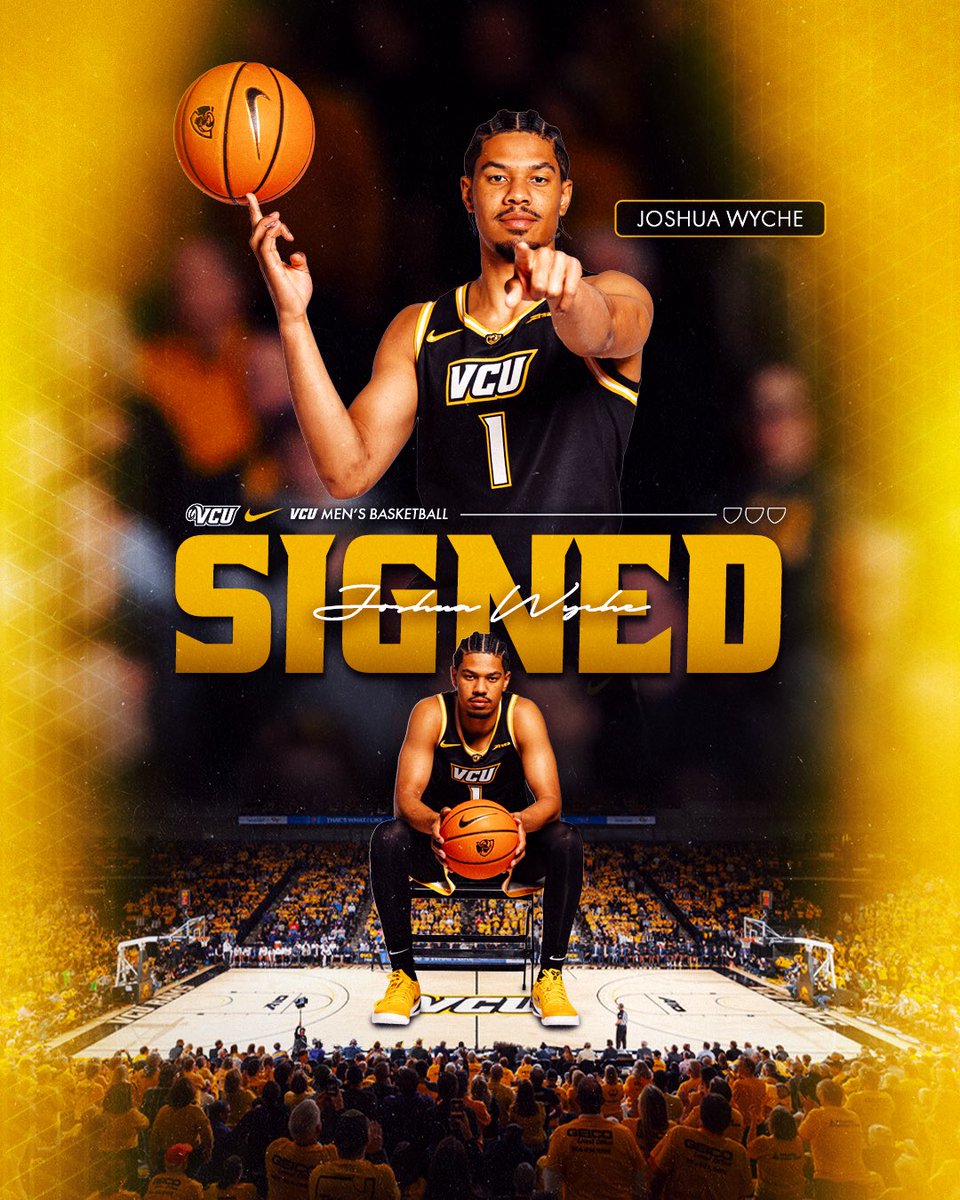
What Joshua Wyche Understood About the Portal That Most Players Don’t

PHILADELPHIA, PA – The transfer portal is often framed as a story of money and minutes—players chasing NIL deals or featured roles, often at the expense of their long-term development. But Joshua Wyche’s journey from Lafayette to VCU is a different kind of story. It is a story of a player who thought beyond basketball, who weighed his options with the precision of a business analyst, and who chose a path that balanced athletic ambition with intellectual growth.

Wyche is not a typical transfer. He is a highly intelligent Philadelphia kid who graduated from Lafayette College—home to one of America’s top business departments—in just three years. With an impeccable academic profile and two years of eligibility remaining, he was recruited by a wide range of programs, from Division III to high-major Division I. He could have been a featured player at a lower level, scoring 20 points per night and dominating lesser competition. He could have chased a larger NIL package at a program with more resources but less fit.

Instead, he chose VCU—a consensus top-25 program, widely considered the finest in the Atlantic 10—and Coach Phil Martelli Jr., one of the youngest and most respected coaches in college basketball. And he chose to pursue an MBA with a focus on business analytics, a degree that will allow him to bridge the gap between technical data science and corporate strategy.
This is not a story about a player who transferred to maximize his basketball exposure, though that is part of it. It is a story about a player who used the transfer portal to build a career—on and off the court.

The Portfolio Problem: Weighed Against Uncertainty

Wyche’s decision to enter the transfer portal and commit to VCU must be understood as a strategic choice made under conditions of incomplete information, asymmetric power, and time pressure. He was not simply choosing a team. He was weighing short-term financial incentives, projected on-court opportunity, developmental infrastructure, exposure to professional pathways, and personal fit against long-term career risk.

His portfolio looked like this:

Immediate Returns:
The opportunity to earn a Master’s degree in Business Analytics from VCU, a program with real-world applications

Guaranteed NIL compensation (modest by high-major standards, but meaningful)

A promised opportunity to compete for minutes—not a guaranteed role, but a chance


Speculative Assets:
Brand growth from playing at a nationally ranked program that defeated ACC powerhouse North Carolina in the NCAA Tournament

Skill development under Coach Phil Martelli Jr., one of the top young coaches in college basketball

Competitive success in the Atlantic 10, a conference that regularly sends teams to the NCAA Tournament

Professional pathway—not just in basketball, but in business analytics


Wyche could have chosen a different path. He could have transferred down to Division II or Division III, where he would have been a featured player, scoring 20 points per night, dominating lesser competition, and chasing a different kind of glory. That path would have offered immediate returns—playing time, scoring titles, the ego boost of being the man.

But it would have offered limited speculative assets. Division III does not attract NBA scouts. Division III does not provide the platform that VCU offers. And Division III would not have allowed him to pursue an MBA in Business Analytics from a nationally respected program.

Wyche chose the path of higher risk and higher reward. He chose to compete for minutes at a top-25 program rather than coast at a lower level. He chose to develop his analytical skills alongside his basketball skills. He chose to think beyond basketball.

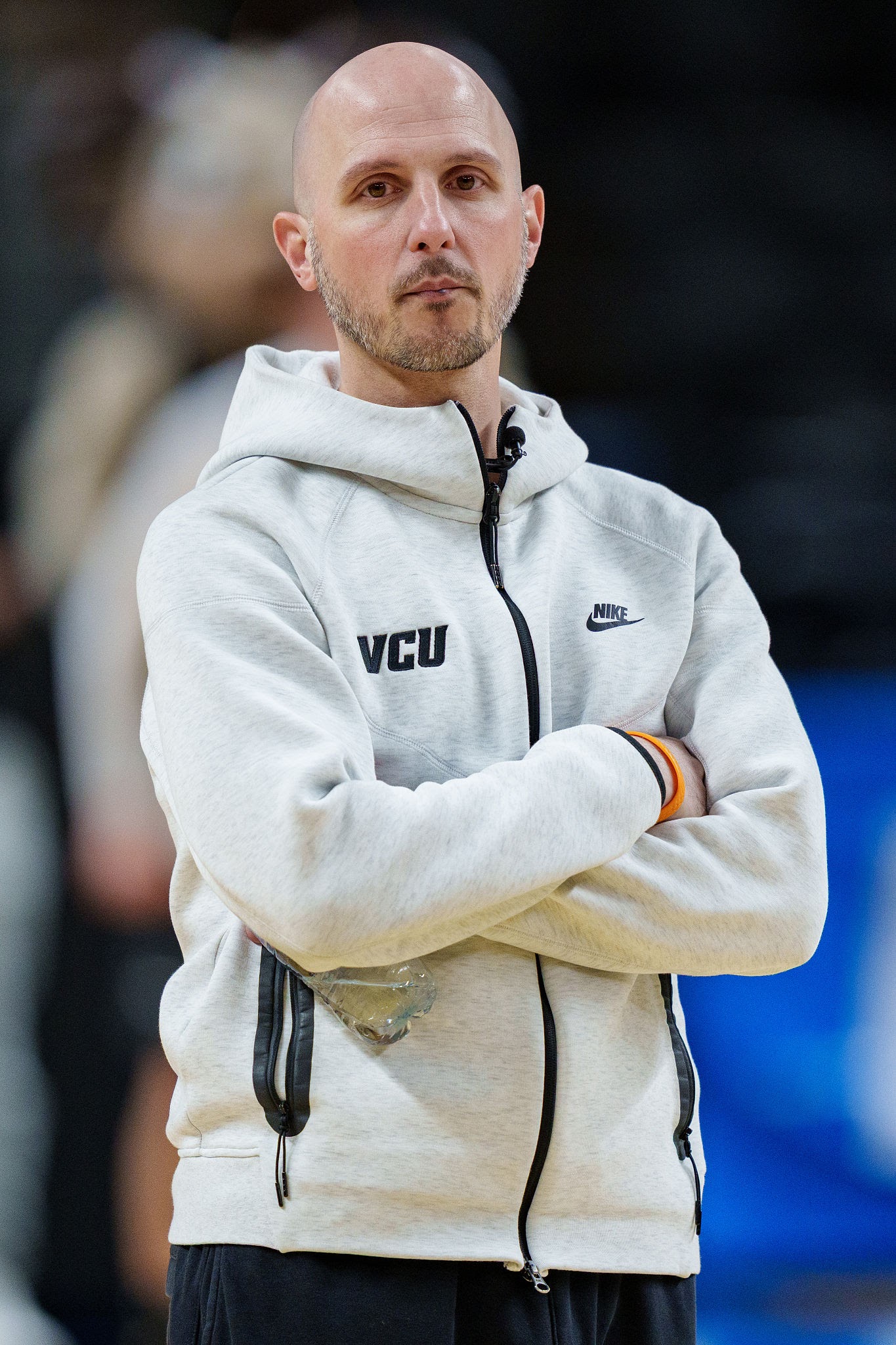
GREENVILLE, SOUTH CAROLINA – MARCH 18: Head coach Phil Martelli Jr. of the VCU Rams looks on during practice ahead of the NCAA Men’s Basketball Tournament at Bon Secours Wellness Arena on March 18, 2026 in Greenville, South Carolina. (Photo by Jacob Kupferman/Getty Images)

The Philly Connection: Martelli and Wyche

Phil Martelli Jr. is a Philadelphia guy. He grew up in the city’s basketball culture, the son of legendary St. Joseph’s coach Phil Martelli Sr. He learned the game in the Catholic League, on the playgrounds, in the gyms where toughness is currency and intelligence is underestimated.

Wyche is also a Philadelphia guy. He understands the same culture. He speaks the same language.

When Martelli recruited Wyche, he did not promise him a starting job. He did not promise him 30 minutes per night. He did not promise him a specific NIL number. He promised him two things: an opportunity to earn a Master’s degree in a highly valued field of study, and an opportunity to compete for minutes in one of the finest basketball programs in America.

That honesty—that refusal to make false promises—is increasingly rare in the portal era. And it is exactly what Wyche needed to hear.

Martelli is adding a mature, highly intelligent, and talented player to a program that just defeated ACC powerhouse North Carolina in the NCAA Tournament. Wyche is adding a coach who will develop him, a program that will challenge him, and a degree that will serve him long after his playing days are over.

The Data-Driven Decision

Wyche’s choice of academic program is not incidental. He is pursuing an MBA with a focus on business analytics—a field that examines and applies analytics to real-world decision contexts, emphasizing the use of data-driven methods to support, inform, and improve organizational decision-making.

In other words, Wyche is studying the very skills that will allow him to analyze his own career decisions. He is learning to weigh probabilities, assess risk, and optimize outcomes. He is practicing on himself.

This is the kind of player that Martelli wants in his program: someone who thinks critically, who understands that basketball is not an end in itself but a means to a larger goal, who will be a leader in the locker room and in the classroom.

A Win-Win Situation

This is truly a win-win.

VCU adds a mature, high-quality athlete to its roster. Wyche is not a project. He is not a one-and-done rental. He is a player who has earned a degree from one of America’s top business departments, who has battled through injuries, who has learned to contribute without a featured role. He will be a positive influence in the locker room, a player who understands that winning is more important than individual stats.

Wyche gets an opportunity to learn and play for one of the top young coaches in college basketball. He gets to compete at the highest level of the Atlantic 10, in a program that just defeated North Carolina in the NCAA Tournament. He gets to pursue a Master’s degree in Business Analytics from a nationally respected program. And he gets to do it all in his home region, close to family and friends.

And together, Martelli and Wyche are demonstrating that there is still more than NIL compensation driving smart college recruiting decisions. Fit matters. Development matters. Education matters. The pursuit of a career beyond basketball matters.

The Final Verdict: A Blueprint for the Student-Athlete

Joshua Wyche’s transfer to VCU is not the splashiest portal move of the offseason. He is not a five-star recruit. He is not chasing a seven-figure NIL deal. He is not guaranteed a starting job.

But it may be one of the smartest transfers of the year.

Wyche understood that his basketball career has a shelf life. He understood that the skills he develops in the classroom will serve him long after his playing days are over. He understood that competing at the highest level—even if it means competing for minutes—is worth more than dominating at a lower level.

He made a strategic choice, weighing his options with the precision of a business analyst. He chose VCU. He chose Martelli. He chose the MBA.

And in doing so, he demonstrated that the transfer portal can be used for more than chasing money or minutes. It can be used to build a life.

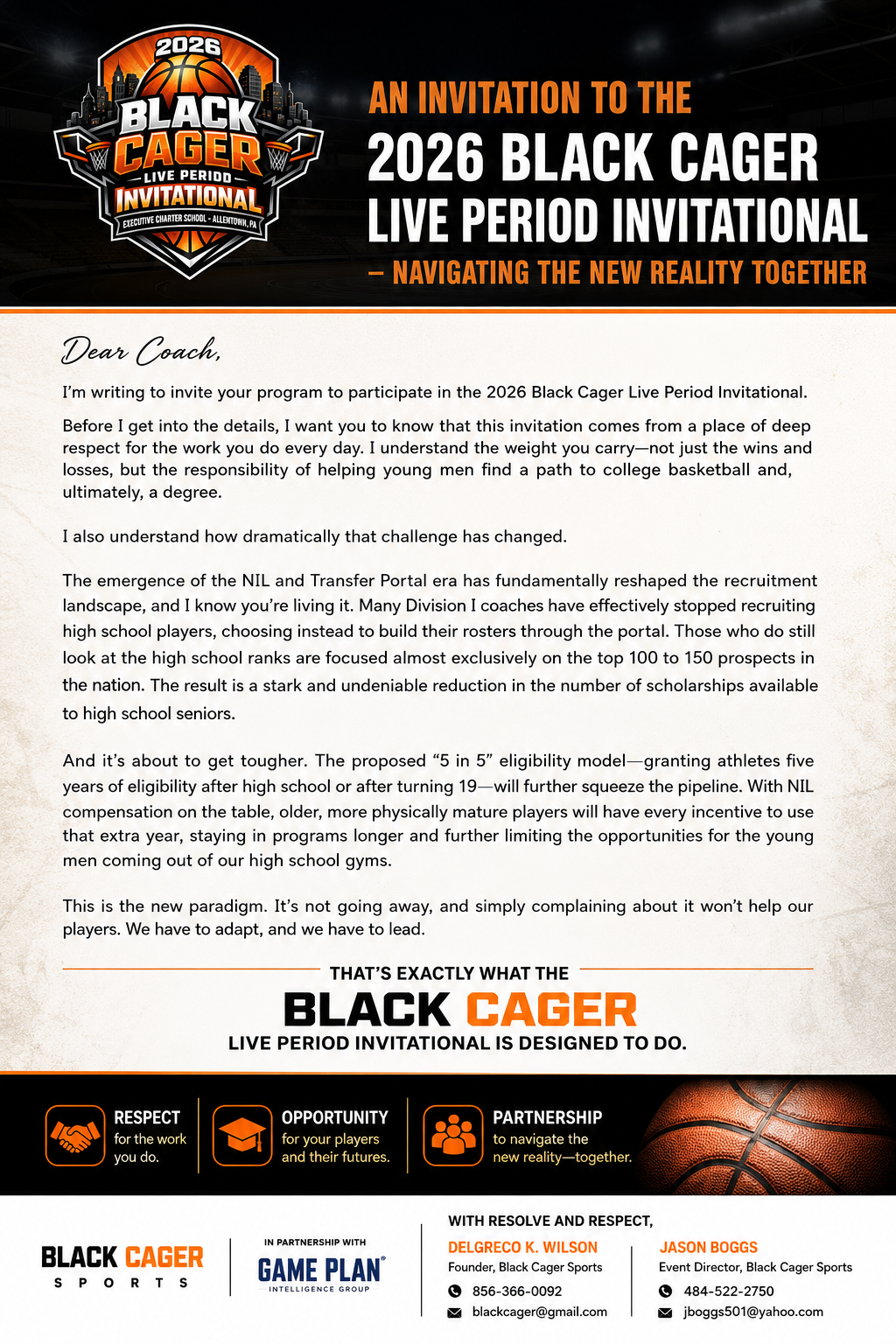
D2, D3, NAIA & JUCO Coaches – Find Your Next Program-Changer at the 2026 Black Cager Live Period Invitational

Dear Coach,

I know your reality. I know you spend countless hours on the road, in gyms, and on the phone, competing not just against the programs in your conference but against the perception that bigger is always better. I know how hard you work to get talented high school prospects and their families to truly see your program—to look past the division label and recognize the opportunity you’re offering: a quality education, a chance to play meaningful minutes, and a coaching staff that will develop them as players and people.

I’m writing to tell you that the recruiting landscape has shifted beneath everyone’s feet, and that shift is creating an unprecedented opportunity for programs like yours. I want to invite you to capitalize on it at the 2026 Black Cager Live Period Invitational.

The Portal Is Pushing Talent Downstream

The emergence of the NIL and Transfer Portal era hasn’t just changed Division I recruiting—it has turned it upside down. Division I staffs are now building their rosters primarily through the portal, reserving their high school recruiting efforts almost exclusively for the top 100-150 nationally ranked prospects. The talented high school senior who would have been a mid-major lock three years ago? He’s now a player the D-I staffs are passing over in favor of a 22-year-old transfer with college experience.

Here’s what that means for you: prospects who previously would have never been accessible to Division II, Division III, NAIA, or Junior College programs are now very much in play. The talent pool available to you has deepened considerably.

The 5-in-5 Model Will Accelerate This Trend

And it’s about to deepen further. The proposed “5 in 5” eligibility model will grant athletes five years of eligibility beginning after high school graduation or after turning 19, whichever comes first. With NIL compensation providing financial incentive to stay in school, older, physically mature players will absolutely use that extra year. They’ll occupy roster spots longer, clog the pipeline, and further shrink the number of D-I scholarships available to high school seniors.

The downstream effect on your programs will be significant—and positive. More quality high school prospects will be looking for homes. More families will need to be educated on the value of small-college basketball. Your opportunity to land difference-makers straight out of high school is growing in real time.

We’re Doing Something About It

Black Cager Sports, in partnership with Game Plan Intelligence Group, is inviting over 100 coaching staffs from Division II, Division III, NAIA, and Junior College programs to the 2026 Black Cager Live Period Invitational. This is not a showcase where you’ll be watching from the margins while the D-I staffs work the room. This event is built for you.

We are bringing together area prospects, their families, and high school coaching staffs who understand that the recruiting game has changed. These are players actively seeking opportunities at the levels you coach. These are families ready to have honest conversations about fit, playing time, development, and education—the conversations where your program shines.

We want to connect you directly with the prospects who can help you win games and graduate leaders. We want to help you identify the players who have been overlooked by a D-I system that is increasingly looking past high school talent.

We look forward to having you attend, evaluate, and build relationships with prospects who are ready to become the foundation of your next championship run.

Details on dates, venue, and registration will follow shortly. In the meantime, if you have any questions, please reach out directly.

The talent is there. The opportunity is now. Let’s go find your next program-changer together.

With respect and purpose,

Delgreco K. Wilson

Founder, Black Cager Sports

856-366-0992

Jason Boggs
Event Director, Black Cager Sports
484-522-2750