PHILADELPHIA, PA – The city of Philadelphia has long measured its summers not by the solstice, but by the squeak of sneakers on the hardwood gym floors and hot asphalt of its rec centers/playgrounds. It is a city where basketball is not merely a sport but a dialect, a shared language spoken in the narrow rowhouse streets of West Philly and the sprawling Uptown parks. When the news came that Tee Shields had passed, the city lost not just a man, but one of the last fluent translators of that language. He was an interpreter who carried the grammar of the game from an era of rigid segregation to the threshold of the modern age, and in his passing, we are forced to confront a bitter truth: the ecosystem that produced him, and the community he spent sixty years nurturing, is dying.
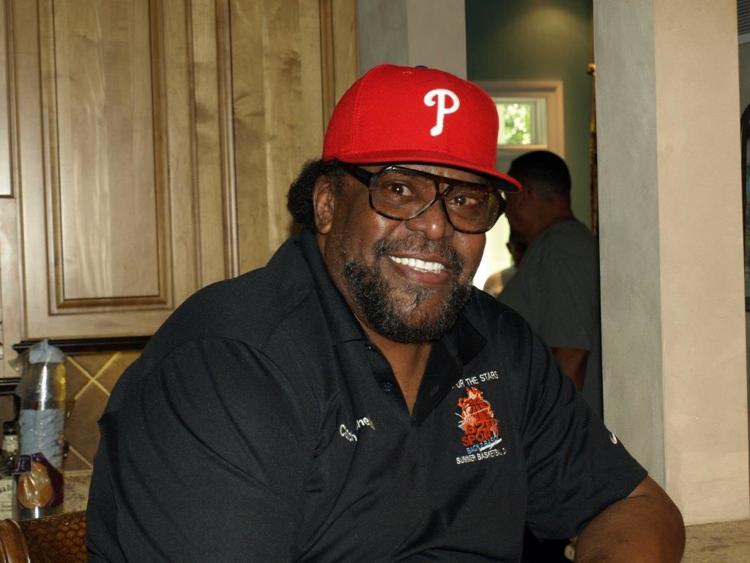
Mr. Shields was a product of a world that no longer exists. He was forged in the crucible of the Philadelphia Public League during the late 1950s, an era when the color line was not a metaphor but a law of the land, and Black excellence was forced to bloom in the shadows. He was a standout at West Philadelphia High School, a time when the city’s hardwood was a sovereign nation of its own, rich with rivalries that felt like civil wars. To hear him tell it, the battles with Overbrook—against future legends like Wali Jones and Walt Hazzard—were not just games; they were declarations of identity.
Like so many of his brilliant peers, Shields’ path to collegiate greatness was not charted by television deals or shoe contracts, but by the harsh realities of America’s racial caste system. Denied the opportunity to play for predominantly white universities in the North or South, he took his talents to South Carolina State University. There, alongside a caravan of Philadelphia talent—Frank Card, Deforia Coleman, and others—he found a home at an HBCU. It was a “Chitlin Circuit” of basketball, a parallel universe of elite athleticism that was invisible to the mainstream press but revered within the Black community. This experience did not embitter Tee Shields; it equipped him. It taught him that the scoreboard mattered less than the survival and elevation of the men standing next to you.
The Conscience of the Sonny Hill League
In 1968, while the nation was convulsing with riots and revolution, Sonny Hill founded a basketball league that sought to channel the chaos of the streets into the discipline of the court. The Sonny Hill Community Involvement Basketball League was never really about basketball. It was a life-skills seminar disguised as a fast break. And Tee Shields became one of its chief professors.
For more than half a century, Shields served as a coach and mentor, a role he fell into reluctantly at the behest of his own mentor, Claude Gross, but one he executed with the precision of a surgeon. His impact is measured not in championships, but in the careers of the men he guided. He coached Clarence Tillman and Lionel Simmons. He was present during the league’s golden age, a thirty-year stretch from the 1970s through the 1990s when the Hill League reigned as the undisputed heavyweight champion of summer basketball in America.
It is almost impossible to explain to a modern audience, weaned on the sterile, corporate environments of the Under Armour UAA, Nike EYBL and the Adidas 3SSB circuit, what it meant to walk into McGonigle Hall on a Tuesday night in July. It was a cultural séance. You could watch the raw power of Rico Washington battling Brian Shorter in the post, or the surgical wizardry of Michael Anderson trading crossovers with the blindingly quick Bruiser Flint. The concentration of talent was suffocating. From Gene Banks to Lionel Simmons, from Rasheed Wallace to a young Kobe Bryant, the lineage of the Hill League is the lineage of modern basketball itself. But the talent was never the point. The point was the instruction.
The Privatization of the Playground
The legacy of Tee Shields is a study in tragic irony. The very community he spent his life building is currently being demolished by the forces of capital. In the decades since Shields first laced up his sneakers, youth sports have undergone a radical, and largely destructive, metamorphosis. What was once a civic utility has become a luxury good.
The commercialization of youth athletics over the past twenty years has been relentless. As noted in recent Congressional hearings on the matter, the landscape is no longer defined by the volunteer coach or the recreation center, but by the balance sheet. Private equity has discovered that the hopes and anxieties of parents are a lucrative asset class. We have witnessed the rise of vast, consolidated tournament operators who have turned childhood play into a vertically integrated industry, complete with “stay-to-play” mandates that force families into specific hotels and streaming services that monetize the movements of pre-teens.
The result has been the systematic squeezing out of the pure, community-based organizations that defined the Tee Shields era. The Sonny Hill League, like the Holcombe Rucker League in Harlem, was organic. It grew from the soil of the neighborhood. It was staffed by men who knew your mother, who knew your struggles, and who understood that a missed jump shot was less important than a missed curfew. The new model is not organic; it is extracted. It is a subscription service where access is determined by disposable income.
The Widening Gap
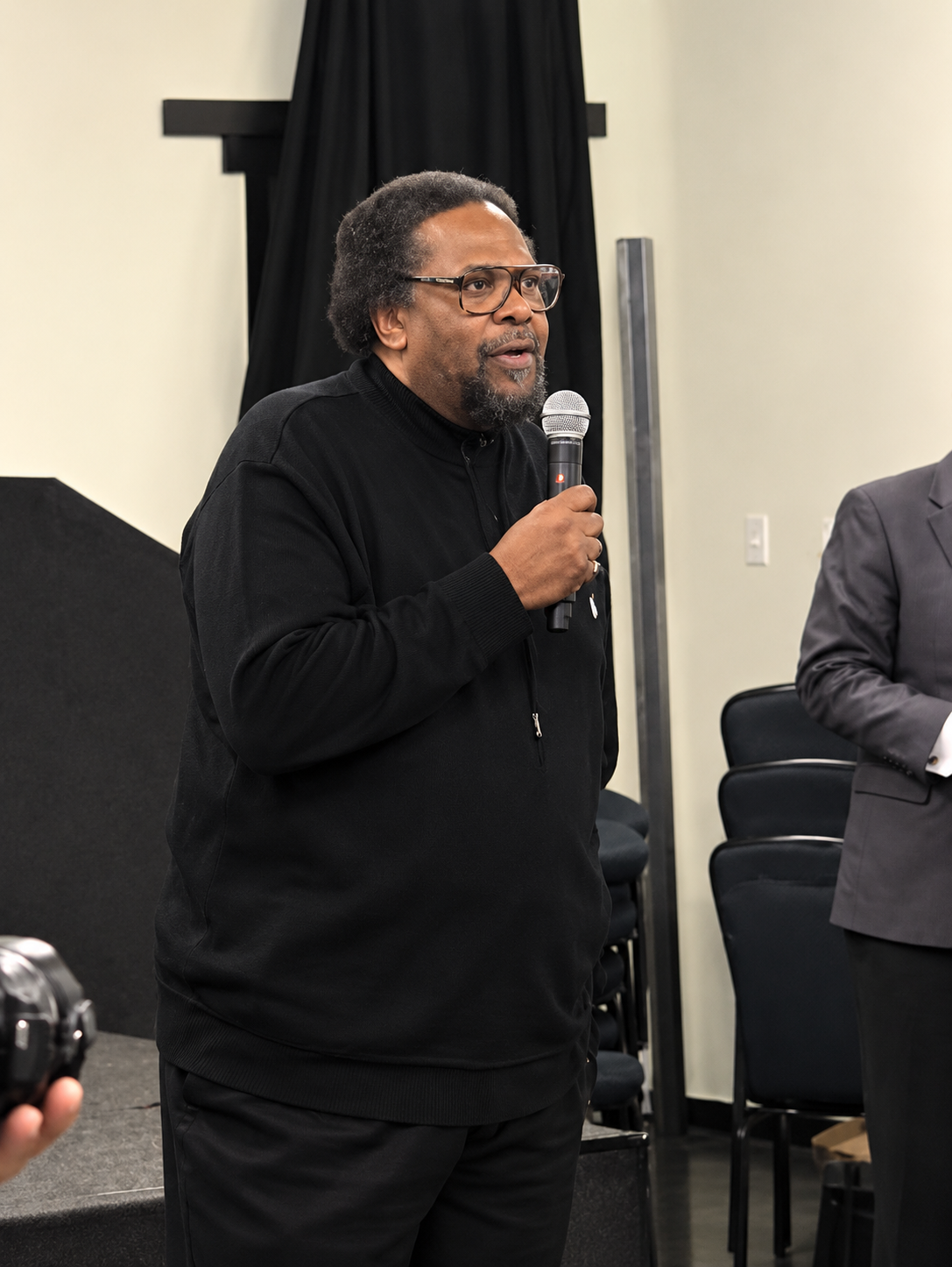
The consequences of this shift are not aesthetic; they are societal. When the “Field of Fees” overtakes the public park, we lose the democratic nature of sport. We are creating a widening participation gap. Data shows that the disparity in sports participation between wealthy families and low-income families has grown sharply over the last decade. The child from North Philadelphia, the spiritual descendant of the players Tee Shields coached, is being priced out of the game.
This is not merely a loss of recreation; it is a loss of citizenship. The Sonny Hill League was a mechanism for socialization. It was a place where boys learned how to be men from elders who looked like them and had survived the same streets. It was a safe harbor from the violence of the city and the indifference of the system. When we replace that harbor with a pay-to-play tournament circuit run by distant investment firms, we sever the connective tissue of the community. The private equity model cares only about the liquidity of the asset. It does not care if a child graduates, if they learn resilience, or if they become a good father. Tee Shields cared.
The Irreplaceable Void
We are told that progress is inevitable, that the efficiency of the market is the only path forward. But the market cannot manufacture a Tee Shields. It cannot reverse-engineer the moral authority of a man who played on the Chitlin Circuit, who endured the indignities of segregation, and who then returned to the gym every summer not to get rich, but to give back.
The commercialization of youth sports has created a generation of consumers, but it has failed to create a generation of mentors. The volunteer coach—the Claude Gross who recruited Tee Shields, the Tee Shields who coached a future NBA superstar—is becoming an endangered species. As the private capital floods in, the sense of communal ownership drains out. Why would a father volunteer to run a league when a corporation can do it for a fee? Why would a neighborhood rally around a team when the roster is determined by who can afford the travel expenses?
Tee Shields represented a covenant between generations. It was a promise that no matter how high you climbed, you owed a debt to the pavement that launched you. That covenant is being broken. The games still go on, of course. The sneakers still squeak, and the balls still bounce, but they do so in sterile, branded facilities where the scoreboard is digital and the lessons are few.
We mourn Tee Shields not just for the man he was, but for the world he represented. He was a giant in the Philadelphia basketball community, a living link between the era of the segregated Public League and the modern NBA. His death leaves a void that cannot be filled by an algorithm or an investment portfolio. It can only be filled by a return to the principles he embodied: that the game belongs to the people who live on the block, that the coach is a guardian of the soul, and that the measure of a league is not its revenue, but the character of the men it produces.
Philadelphia has lost a coach, but more than that, it has lost a keeper of the flame. In the coming summers, when the heat rises off the concrete and the young men gather to play, they will be doing so in a world that is radically different, and infinitely poorer, for his absence. The era of giants like Tee Shields is over, and the lights of McGonigle Hall are dimming.

