PHILADELPHIA, PA – There is a particular kind of interrogation reserved for moments of racial progress in America. It asks the beneficiaries of change to justify themselves, while never requiring the architects of exclusion to account for their sins.
This week, the Cleveland Browns waived tight end Dae’Quan Wright. The young man from Georgia, represented by agents Drew Rosenhaus and Kyle Lincoln, reportedly has an agreement in place to return to the collegiate ranks at Louisiana State University for the 2026 season, provided he clears waivers and the courts permit such a move. The news, which touches upon the rapidly shifting legal landscape of NCAA eligibility and name, image, and likeness compensation, prompted a question from an alumnus of St. Joseph’s University on a message board.
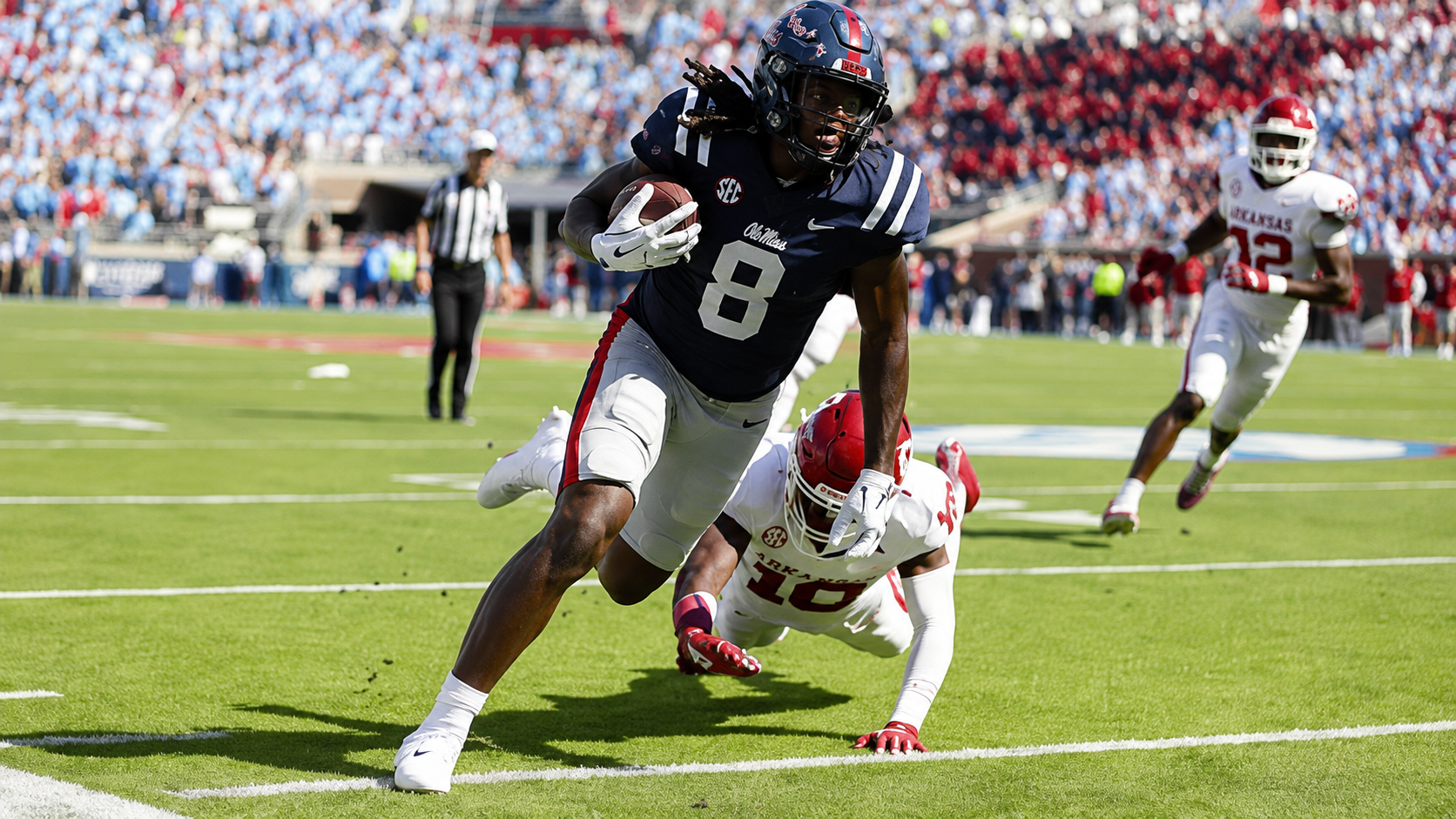
“You cool with this?”
It is a question that demands a simple answer, a thumbs up or a thumbs down. But to answer it as posed is to accept a false premise: that the morality of a Black athlete maximizing his earning potential in a multibillion-dollar industry carries the same moral weight as the historical denial of that very opportunity.
If forced to answer narrowly, the answer is yes. If the courts determine that Dae’Quan Wright has the legal right to return to Baton Rouge and play football for the Tigers, then I am cool with it. I am cool with a young Black man from Georgia leveraging his labor to secure his future, whether that future lies in the National Football League or the Southeastern Conference.
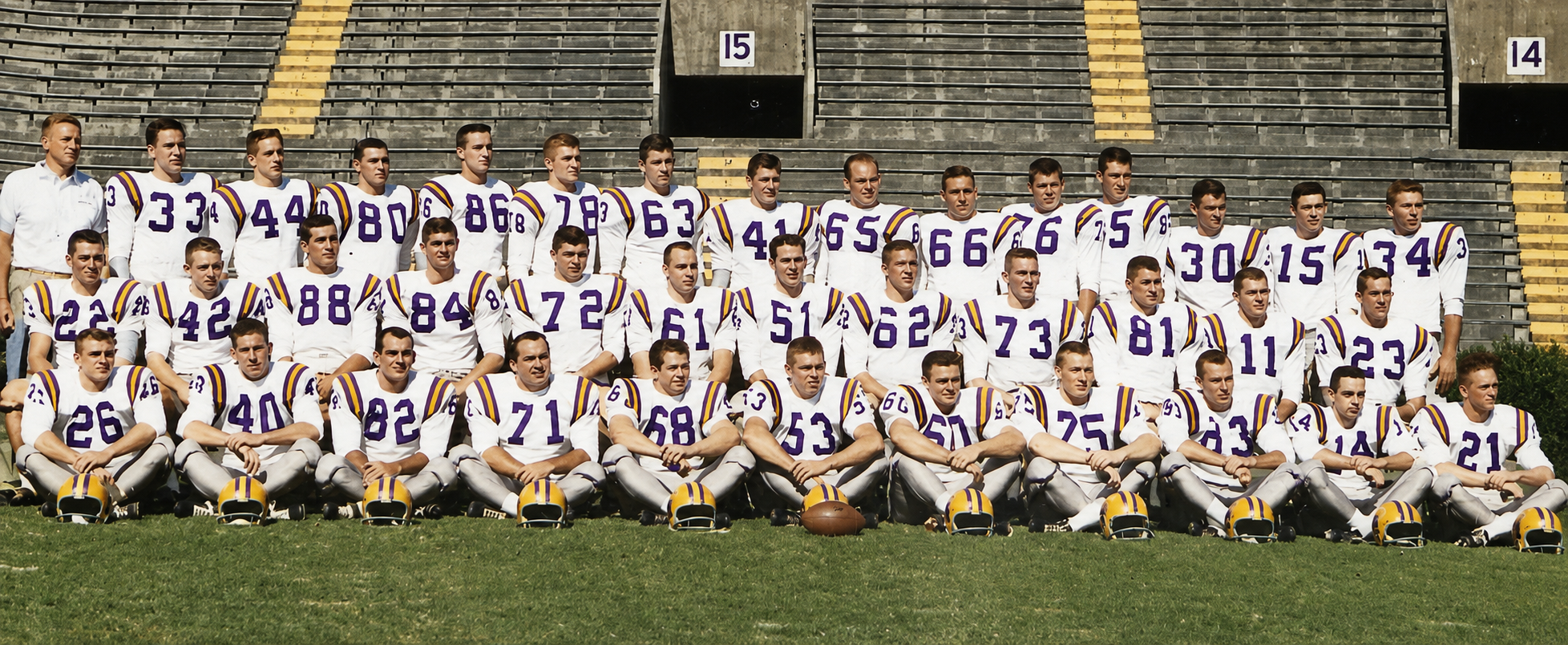
But the question is profoundly unfair, because it ignores the inconvenient history of the institution in question. Louisiana State University has been playing football since 1902. For the vast majority of that history, young men like Dae’Quan Wright were not permitted on the field—not because they lacked talent, but because they possessed melanin. It is deeply unfair to ask whether I am comfortable with a procedural rule change regarding eligibility without acknowledging that for seven decades, Apartheid/Jim Crow rules were rigidly enforced to exclude Black athletes altogether.
The Echo of Jim Crow
To understand the weight of this question, one must travel back to New Orleans on January 1, 1956. In the Sugar Bowl, Georgia Tech defeated the University of Pittsburgh by a score of 7-0. The game is a footnote in football history, but it was a flashpoint in the American social fabric. Pittsburgh’s fullback was a young African-American named Bobby Grier. His presence on the field, in the heart of the Old Confederacy, coming on the heels of the Supreme Court’s landmark 1954 decision in Brown v. Board of Education, sent shockwaves through the segregationist South
The reaction was swift and legislative. Over the following months, while Southern politicians were busy constructing the edifice of what became known as Massive Resistance, lawmakers in Georgia and Louisiana debated bills to outlaw integrated sporting events entirely. The agitation in Georgia eventually fizzled. But Louisiana succeeded. In July 1956, the Louisiana State Assembly passed a social segregation law banning all integrated sporting events in the state. Governor Earl Long, brother of the legendary Huey Long, signed the bill into law.
Consider the implications of that moment. The same state that now houses the LSU Tigers—a team that relies heavily on the athleticism of Black players for its national championships and its share of billion-dollar conference revenues—once passed a law making it illegal for Black and white athletes to merely play a game together. This is the context that is missing when the question of “coolness” is raised. Where was the outrage from those who now vociferously object to a young man gaining an extra year of NCAA eligibility? Where were the op-eds and opinion pieces asking if alumni were “cool” with a law that legalized apartheid on the playing field?
They were silent. The system was working as intended.
Talent Beyond the Color Line
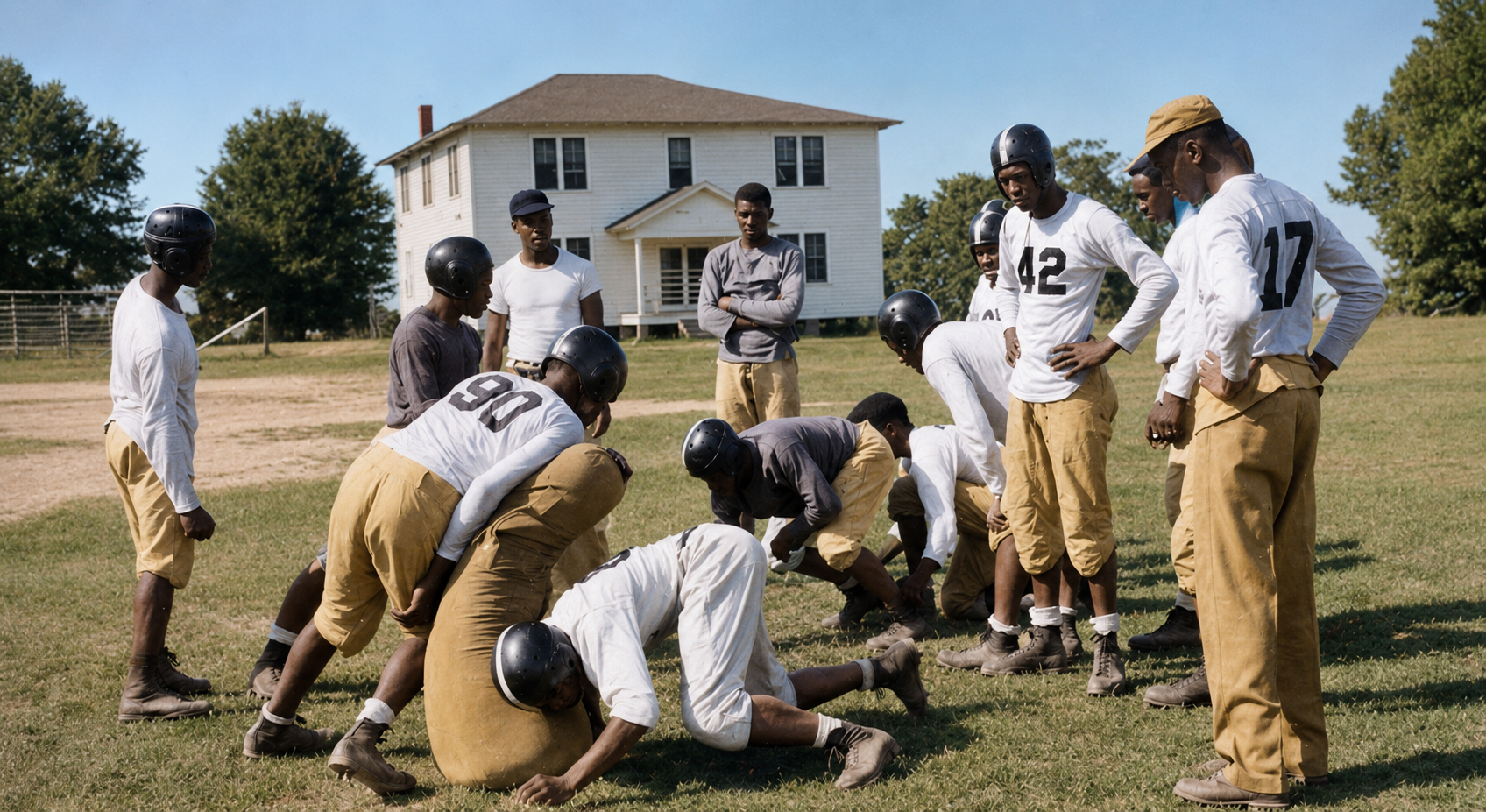
One cannot make a convincing argument that Black players during that era simply were not good enough to play at LSU. Such an argument collapses under the weight of statistical evidence located a short distance from Tiger Stadium.
Southern University, a historically Black university situated a short walk from the LSU campus, has produced 78 professional football players and 83 NFL draft picks in its history. The overwhelming majority of those players toiled in obscurity during the Apartheid era, their brilliance hidden from the white gaze of the Southeastern Conference because of the color barrier. Just up the road, Grambling State University, under the legendary coach Eddie Robinson, produced more than 100 NFL players and over 130 draft picks. These were not marginal athletes. These were Hall of Famers, men who changed the way the game was played.
Every single one of those players was talented enough to play for LSU. Every single one of them was denied—not because of a slow 40-yard dash or a poor bench press, but because of a social system of white supremacy designed to keep them in a subordinate caste. LSU did not field a Black player on its varsity football roster until 1973, when I was eight years old. That is not ancient history. That is living memory. There are men alive today who were denied the chance to wear the purple and gold simply because of the color of their skin.
The Proper Context
So when asked if I am “cool” with Dae’Quan Wright returning to college to earn whatever the NIL market will bear, the answer must be placed in its proper historical context.
Yes, I am cool with a young Black man exercising the full extent of his legal rights to capitalize on his God-given talent. I am cool with him having an opportunity that his great-grandfather, his grandfather, and his great-uncles were violently and systematically denied. I am cool with him seeking an education and a financial windfall in a system that for decades exploited Black labor without compensation.
What I am not cool with is the selective amnesia that frames these questions. I am not cool with the racism and white supremacy that denied thousands of Black athletes—from Bobby Grier to the legends of the Southwestern Athletic Conference (SWAC) — the opportunity to compete in the SEC until the early 1970s. I am not cool with a society that jealously guards the sanctity of “amateurism” when it applies to a Black athlete trying to get paid, while ignoring the fact that for generations, the sanctity of the game was used as a weapon to enforce segregation.
It is exhausting to be asked for a moral judgment on a technical eligibility rule while being expected to ignore a century of systemic exclusion. The ledger of American sports is deeply unbalanced. We have witnessed a massive transfer of wealth from Black bodies to predominantly white institutions. Dae’Quan Wright’s potential return to LSU is not a scandal; it is a minor correction in a long history of injustice.
The real scandal is that we continue to ask the descendants of the excluded to validate the comfort of the excluders. The real scandal is that for seven decades, LSU played football without young men like Dae’Quan Wright, and almost no one thought to ask whether that was acceptable.
So no, the question is not fair. But if an answer is required, here it is: Yes. I am cool with it. I am cool with progress, however incremental. I am cool with a young Black man finally getting what he is owed.
I am not cool with the history that made this question necessary in the first place.

