I know your reality. I know you spend countless hours on the road, in gyms, and on the phone, competing not just against the programs in your conference but against the perception that bigger is always better. I know how hard you work to get talented high school prospects and their families to truly see your program—to look past the division label and recognize the opportunity you’re offering: a quality education, a chance to play meaningful minutes, and a coaching staff that will develop them as players and people.
I’m writing to tell you that the recruiting landscape has shifted beneath everyone’s feet, and that shift is creating an unprecedented opportunity for programs like yours. I want to invite you to capitalize on it at the 2026 Black Cager Live Period Invitational.
The Portal Is Pushing Talent Downstream
The emergence of the NIL and Transfer Portal era hasn’t just changed Division I recruiting—it has turned it upside down. Division I staffs are now building their rosters primarily through the portal, reserving their high school recruiting efforts almost exclusively for the top 100-150 nationally ranked prospects. The talented high school senior who would have been a mid-major lock three years ago? He’s now a player the D-I staffs are passing over in favor of a 22-year-old transfer with college experience.
Here’s what that means for you: prospects who previously would have never been accessible to Division II, Division III, NAIA, or Junior College programs are now very much in play. The talent pool available to you has deepened considerably.
The 5-in-5 Model Will Accelerate This Trend
And it’s about to deepen further. The proposed “5 in 5” eligibility model will grant athletes five years of eligibility beginning after high school graduation or after turning 19, whichever comes first. With NIL compensation providing financial incentive to stay in school, older, physically mature players will absolutely use that extra year. They’ll occupy roster spots longer, clog the pipeline, and further shrink the number of D-I scholarships available to high school seniors.
The downstream effect on your programs will be significant—and positive. More quality high school prospects will be looking for homes. More families will need to be educated on the value of small-college basketball. Your opportunity to land difference-makers straight out of high school is growing in real time.
We’re Doing Something About It
Black Cager Sports, in partnership with Game Plan Intelligence Group, is inviting over 100 coaching staffs from Division II, Division III, NAIA, and Junior College programs to the 2026 Black Cager Live Period Invitational. This is not a showcase where you’ll be watching from the margins while the D-I staffs work the room. This event is built for you.
We are bringing together area prospects, their families, and high school coaching staffs who understand that the recruiting game has changed. These are players actively seeking opportunities at the levels you coach. These are families ready to have honest conversations about fit, playing time, development, and education—the conversations where your program shines.
We want to connect you directly with the prospects who can help you win games and graduate leaders. We want to help you identify the players who have been overlooked by a D-I system that is increasingly looking past high school talent.
We look forward to having you attend, evaluate, and build relationships with prospects who are ready to become the foundation of your next championship run.
Details on dates, venue, and registration will follow shortly. In the meantime, if you have any questions, please reach out directly.
The talent is there. The opportunity is now. Let’s go find your next program-changer together.
With respect and purpose,
Delgreco K. Wilson Founder, Black Cager Sports 856-366-0992
Jason Boggs Event Director, Black Cager Sports 484-522-2750
Howard’s Kenny Blakeney, Villanova’s Ashley Howard, Temple’s Bobby Jordan, and Rider’s Geoff Arnold to Equip Parents and Prospects with a Strategic Roadmap Through the NIL, Revenue-Sharing, and Roster Restructuring Revolution
PHILADELPHIA, PA – May 27, 2026 – The collegiate sports landscape has undergone a seismic, structural metamorphosis over the past decade, leaving even the most diligent parents and high school prospects disoriented. In a critical new episode, the Black Cager Sports Podcast is cutting through the noise to deliver an unflinching, insider’s guide to the new rules of engagement. The episode features a distinguished panel of Division I coaching royalty: Howard University Head Coach Kenny Blakeney, Villanova University Assistant Coach Ashley Howard, Temple University Assistant Coach Bobby Jordan, and Rider University Assistant Coach Geoff Arnold.
This is not a conversation about X’s and O’s. It is a masterclass in the political economy of modern college athletics, specifically designed to inform and empower high school athletes, parents, mentors, and advisors navigating a terrain defined by direct revenue-sharing, professional free agency tactics, and the extinction of the traditional walk-on.
“We are witnessing the death of amateurism in real-time, but with that comes a level of financial empowerment for our communities that we’ve never seen,” said Black Cager Sports Podcast host and founder Delgreco Wilson. “However, empowerment without information is chaos. We brought together four of the sharpest minds in the game—coaches who live in the living rooms, who sit at the negotiation tables, and who build rosters under these new mandates—to give our listeners a competitive advantage.”
The podcast unpacks the five structural pillars rewriting the recruiting rulebook, demanding a new level of sophistication from families:
The NIL Economy & Direct Revenue-Sharing: With landmark court rulings allowing schools to bypass collectives and make direct payments to athletes, recruitment has transformed into a pre-enrollment negotiation. The coaches detail how agents are securing complex, front-loaded financial packages months before a letter of intent is signed, treating high school commitment windows like professional free-agency periods. They will also decode the new 2026 NCAA rules allowing prospects to retain professional agents and accept prize money while still in high school without sacrificing eligibility.
Roster Architecture & The Death of Walk-Ons: The NCAA’s elimination of scholarship caps in favor of strict “hard roster caps” has turned roster construction on its head. While programs can now theoretically pay every athlete, the squeeze on spots has become brutal. The panel will discuss how bubble players and traditional walk-ons are being pushed out, making every roster decision a high-stakes financial calculation.
The Transfer Portal’s Infinite Loop: With unlimited immediate eligibility for transfers, the coaching relationship has fundamentally changed. The coaches will explain the brutal truth about how the portal now competes directly with high school recruiting, offering a pool of immediately eligible, proven collegiate talent that drastically shortens the timeline and narrows the window for prep prospects.
The 2026 “5-for-5” Eligibility Clock: The new age-based model—granting athletes a continuous five-year window to play five seasons beginning the academic year after they turn 19 or graduate high school—has eliminated strategic redshirting and delayed enrollment. The panel emphasizes why this “automatic clock” compels college staffs to bet heavily on prospects ready to contribute immediately.
Modernized Rules of Engagement: With the National Letter of Intent (NLI) abolished and commitment streamlined into financial aid agreements, and new rules delaying contact windows to junior year, the map for how to be seen and when to commit has changed entirely. The coaches will break down the new etiquette regarding unlimited official visits and the ban on early verbal offers during camps.
In an era where misinformation can cost a family a life-changing scholarship or a six-figure revenue-sharing agreement, this episode of the Black Cager Sports Podcast serves as the essential playbook. The four coaches provide not only a diagnosis of the chaos but a clear-eyed strategy for survival and success in the high-stakes world of modern college basketball. The episode drops June 24, 2026 on major podcast platforms, including Spotify, YouTube and Black Cager TV.
About Black Cager Sports Podcast: The Black Cager Sports Podcast is the premier destination for unfiltered, intelligent dialogue on the intersection of grassroots basketball, college athletics, and the culture that drives them. Hosted by Delgreco Wilson, the platform provides a vital voice for families striving to navigate the business of amateur sports.
###
MEDIA INQUIRIES:
Delgreco K. Wilson, M.A. , Managing Director, Black Cager Sports Media
The Black Cager Invitational — June 20, 2026 — Executive Fieldhouse, Allentown, PA
Coach,
Let’s cut through the noise.
On June 20, 2026, the inaugural Black Cager Invitational will transform the state-of-the-art Executive Fieldhouse into the most efficient, recruit-rich environment small college basketball has ever seen. This is not a high-major sideshow. This is your gym. Your evaluations. Your prospects.
We are issuing a direct invitation to every Division II, Division III, NAIA, and JUCO head coach, assistant coach, and program recruiter within driving distance of Allentown, Pennsylvania. This is the Live Period event where you are the main attraction.
NO D1 COACHES. NO DISTRACTIONS. NO PORTAL DRAMA. The high-major world has made its pivot abundantly clear. Rick Pitino said it. Others have followed. Division I coaching staffs are funneling their resources into the transfer portal, leaving an extraordinary collection of talented, coachable, academically qualified high school seniors and post-graduates overlooked and under-recruited. That reality is your program’s competitive advantage — but only if you can find those players.
The Black Cager Invitational is the only Live Period event that exclusively prohibits Division I attendance. We didn’t water down the invitation list. We eliminated the gatekeepers. When you walk into the Executive Fieldhouse, every prospect in the building is there because they want to be evaluated by you. Every conversation, every handshake, every follow-up phone number exchanged belongs to the small college ecosystem.
WHAT YOU WILL FIND IN ALLENTOWN:
A Curated Talent Pool: The Mid-Atlantic region’s most promising unsigned seniors and qualified post-graduates. City guards who can create their own shot. Long, athletic wings who defend multiple positions. Skilled bigs who run the floor. These are players who can contribute to a winning rotation as freshmen — not projects, not reaches, but immediate-impact small college athletes.
Academic Fit: We prioritize prospects positioned to succeed at institutions that emphasize the student in student-athlete. You will meet recruits with the transcripts, test scores, and character profiles that match your admissions standards.
Unfettered Access: The Executive Fieldhouse features multiple competition courts, designated viewing areas, and on-site meeting space. Coaches will receive a digital team packet upon registration, including verified measurables, academic summaries, and game schedules. You arrive prepared to evaluate, not to wander.
THE ECONOMICS OF THE MOMENT BELONG TO YOU. While Division I programs gamble millions on one-year rentals through the portal, your program can secure a four-year cornerstone — a player who grows in your system, graduates from your institution, and builds your culture. Those players are here. They need a coach willing to look them in the eye and believe in them. That coach is you.
EVENT DETAILS & REGISTRATION:
Date: Saturday, June 20, 2026
Location: Executive Fieldhouse — Allentown, PA (centrally located at the intersection of the PA/NJ/DE recruiting triangle)
Eligibility: Invitation extended exclusively to accredited Division II, Division III, NAIA, and Junior College coaching staffs. Institutional identification and coaching credentials required at check-in.
Cost to Coaches: $20.00 – Complimentary team packet and hospitality suite access.
Registration Deadline: June 6, 2026 (space is limited to maintain a premium evaluation environment)
Secure your staff’s credentials today by contacting Delgreco Wilson at blackcager@gmail.com or 856-366-0992.
The Black Cager Invitational was built on a simple belief: small college basketball is not a fallback plan. It is the destination for serious coaches who develop serious men. On June 20, the spotlight belongs to you.
Come find your next program pillar.
Sincerely,
Delgreco Wilson
Founder, Black Cager Invitational blackcager@gmail.com 856-366-0992
CAMDEN, NJ – The transfer portal is a marketplace of hope and hazard. For every player who moves up and flourishes, there is another who disappears into the depth chart, his career momentum stalled by poor fit, overcrowded rosters, or promises unmet.
Kevair Kennedy understood the risks. He entered the portal anyway. And when he chose Wake Forest over a host of other high-major suitors, he did so not as a gambler chasing a payday, but as a strategist making a calculated portfolio reallocation.
Kennedy’s freshman season at Merrimack was historic. He became the first player in MAAC history to win both Player of the Year and Rookie of the Year in the same season. He dropped a career-high 32 points against Siena. He nearly recorded a triple-double against Boston University with 16 points, 11 rebounds, and 8 assists. He torched Vermont for 20. He went toe-to-toe with #9 Florida, scoring 14 points on 4-of-8 shooting. He was named MAAC Player of the Week twice and Rookie of the Week seven times.
The numbers were undeniable. The tape was undeniable. And the portal came calling.
But Kennedy was not simply chasing the highest bidder. He was solving a portfolio problem—balancing immediate returns against the speculative assets that would determine his professional future.
The Portfolio Problem: What Kennedy Was Weighing
When Kennedy entered the portal, he faced a classic high-major transfer dilemma:
Immediate Returns (High Major Offers): Substantial NIL guarantees, the prestige of the ACC, Big East, Big 10 or SEC, and the promise of a national stage. On paper, the offers were overwhelming.
Speculative Growth Assets (Merrimack): A system where he was already the unquestioned star. A coaching staff that had built the offense around him. Guaranteed minutes, guaranteed touches, guaranteed leadership. But a platform—the MAAC—with limited national visibility and fewer NBA scouts in attendance.
Kennedy had already proven he could dominate the MAAC. He had nothing left to prove at that level. The question was whether he could translate that production to a higher stage—and whether the risk of losing his featured role was worth the reward of ACC exposure.
Why Wake Forest? The Steve Forbes Factor
Among the suitors, Wake Forest emerged as the optimal destination. And the reason is simple: Steve Forbes.
Forbes has built a program at Wake Forest defined by guard development, offensive freedom, and a track record of maximizing transfers. Under his watch, Alondes Williams went from a role player at Oklahoma to ACC Player of the Year. Jake LaRavia transformed from a mid-major standout into an NBA draft pick. Tyree Appleby became one of the most prolific scorers in the conference.
Forbes does not just recruit transfers. He features them. He builds his offense around them. He gives them the green light and the trust to play through mistakes.
For Kennedy, that was the critical variable. He did not need to be told he would compete for minutes. He needed to be told he would be the man.
The Information Asymmetry Problem
One of the most underappreciated dynamics of the transfer portal is the information asymmetry between players and programs. Programs have complete information about their own rosters, their own systems, and their own depth charts. Players do not.
When Kennedy entered the portal, every high-major program could promise him anything. But promises are not playing time. Depth charts shift. Coaches get fired. Recruiting classes arrive. The player who is promised 30 minutes in April may find himself playing 15 in November.
Wake Forest offered something different: a track record. Forbes has proven he will feature transfers. He has proven he will build his offense around a lead guard. He has proven he can prepare players for the professional level.
That track record was worth more than any NIL guarantee.
What Kennedy Leaves Behind (And What He Gains)
Let’s be clear: Kennedy is leaving a situation where he was a king. At Merrimack, he was the MAAC Player of the Year, the Rookie of the Year, a first-team all-conference performer, and the face of the program. He played 35 minutes per night. He had the ball in his hands in every critical moment.
At Wake Forest, nothing is guaranteed. The ACC is a different animal. The guards are longer, faster, more athletic. The scouting is more sophisticated. The margin for error is thinner.
But Kennedy is not a player who needs to prove he can dominate the MAAC. He has already done that. He needs to prove he can be an ACC lead guard—and that requires a platform, a coach, and a system that will give him the opportunity.
Wake Forest offers all three.
The Final Verdict: A Calculated Risk
Kennedy’s decision to leave Merrimack was not an indictment of the program that developed him. It was a recognition that his portfolio had appreciated to the point where the MAAC no longer offered sufficient growth potential.
At Wake Forest, he will face better competition, play in front of more NBA scouts, and prepare for the professional game under a coach who has proven he can develop guards for the next level. The risk is real—he could struggle, lose minutes, or fail to adjust to the ACC’s speed and physicality.
But the reward is worth the risk. A dominant season in the ACC would make him a legitimate NBA draft prospect. A dominant season in the MAAC would have been more of the same.
Kennedy made the strategic choice. He prioritized platform, development, and professional pathway over the comfort of guaranteed minutes and a guaranteed role.
CAMDEN, NJ – I want to assure my readers that the case is real but the people are anonymous. So I want to invoke the iconic phrase famously voiced by Sergeant Joe Friday (Jack Webb) in Dragnet during the 1950s and 1960s.
“The names have been changed to protect the innocent”.
In the new era of name, image, and likeness deals and revenue sharing, college athletes are no longer amateur bystanders in a billion-dollar industry. They are negotiators, entrepreneurs, and, increasingly, the protagonists of high-stakes economic games. But as the mathematician John von Neumann understood when he helped found game theory, strategic decision-making does not always reward the greedy or the powerful. Sometimes, the most “rational” choice leads both parties to a worse place than where they started.
Consider the case of a freshman college basketball player — a hometown hero, talented enough to command multiple six-figure offers. His story reads like a parable for the modern NIL era, and it reveals a deeply uncomfortable truth: even when everyone acts in their own self-interest, everyone can end up losing.
The Offer That Wasn’t
Let us set the stage. Our player — let’s call him Marquise — is a freshman at a university in his hometown. He loves playing in front of family and friends. He loves the community. At the end of his freshman year, the school’s athletic collective offers him an NIL/revenue sharing deal worth $115,000 to return as a sophomore. Marquise accepts. He shakes hands. He tells his mother. He begins planning his summer workouts.
Then the school calls back. The $115,000 offer is rescinded. In its place: $30,000.
Marquise is insulted. Not just because the number is smaller, but because the trust is broken. He has other offers — several of them, ranging from $150,000 to $250,000 — but each requires him to leave his hometown. He could take the money and go. But his heart says stay. His pride says leave.
This is not just a personal dilemma. It is a game.
The Game, Laid Bare
In game theory, a “game” is any situation where one person’s success depends on the choices of others. Here, the two players are Marquise and the school. Their moves are sequential:
The school makes an initial offer ($115k).
Marquise accepts.
The school decides whether to honor that offer or rescind it and offer $30k.
Marquise decides whether to accept the $30k, or reject it and leave for a competing offer ($150k–$250k elsewhere).
To understand who wins, we assign ordinal utilities — rankings of preference, not dollar amounts. For Marquise, the best outcome (5) is staying in his hometown with fair pay ($115k). Next best (4) is leaving for more money. The worst (1) is staying for the insulting $30k. For the school, the best outcome (5) is keeping Marquise at rock-bottom cost ($30k). The next best (4) is keeping him at fair cost ($115k). Losing him to a rival yields only a 2.
Now we play the game backward, as rational actors do.
If the school rescinds and offers $30k, Marquise compares his options: accept ($30k, utility 1) or leave (higher pay, utility 4). A rational Marquise leaves. Knowing this, the school compares honoring ($115k, utility 4) versus rescinding (which leads to Marquise leaving, utility 2). A rational school honors the original offer.
So the predicted equilibrium is happy: Marquise stays with fair pay, school keeps its star. Everyone wins But that is not what happened here. The school rescinded. Why?
Why a “Rational” School Would Self-Destruct
The problem says the school rescinded the $115k offer and offered $30k. Why would a rational school do that? In real life, schools do not always act with perfect foresight or pure altruism. Two explanations stand out, and both expose the fault lines of strategic thinking.
First, the hometown fallacy. Schools often overestimate the power of geographic loyalty. They assume that because Marquise grew up ten minutes from campus, because his grandmother comes to every game, because his high school jersey hangs in the local diner — he will accept almost anything to stay. They believe his preference for home is so strong that he will swallow the $30k rather than pack his bags. This is a classic cognitive bias: projecting one’s own value of place onto another’s decision calculus. But Marquise has offers two to eight times larger. Rationality says take the money. Emotion says stay. The school bets on emotion and loses.
Second, the teammate budget squeeze. There is a more structural, less irrational reason. Suppose the school’s NIL collective had a fixed pool of money for the upcoming season. They budgeted $115k for Marquise. But then several other players — perhaps a star center, a sharpshooting guard, a veteran leader — demanded and received substantially more expensive deals than anticipated. Perhaps the collective miscalculated the market. Perhaps an agent played hardball. By the time Marquise’s deal came up for final approval, the collective was overextended. They could not afford $115k without breaching other commitments. So they did the only thing they thought possible: rescind and offer $30k, hoping Marquise’s hometown loyalty would fill the gap between what they could pay and what he would accept.
In game theory terms, the school is now playing a different game — one where its own past commitments have constrained its present options. But Marquise does not see that. He sees only the rescinded offer. And he feels only the insult.
The Suboptimal Outcome
The school’s gamble fails. Marquise rejects the $30k. He signs with a university 1,500 miles away for $200,000. The school loses its hometown star to a rival. Marquise loses the chance to play in front of his family every night.
Compare this to the road not taken: Had the school honored the $115k, both would have been better off. Marquise would have stayed (utility 5 vs. 4). The school would have kept its star at a fair but manageable cost (utility 4 vs. 2). Instead, the school’s attempt to exploit Marquise’s loyalty — driven either by overconfidence or by a budget crisis — produces an outcome that is Pareto inferior. That is economist-speak for a situation where no one is better off and at least one is worse off. Here, both are worse off.
This is the central paradox of game theory in practice: rational choices, made in isolation, can lead to collectively irrational results.
Lessons for the NIL Era
Marquise’s story is fictional, but its structure repeats every year in locker rooms and athletic departments across the country. When schools treat verbal commitments as disposable, they erode trust. When they assume loyalty is infinite, they miscalculate. And when they squeeze one player to pay others, they risk losing the very talent that made the program worth watching.
The solution is not more regulation — at least not from the NCAA. The solution is for schools to recognize that they are playing a repeated game, not a one-off transaction. In a repeated game, reputation matters. If a school becomes known for rescinding offers, recruits will demand binding contracts or simply go elsewhere. The short-term gain of saving $85,000 becomes a long-term loss of millions in lost ticket sales, merchandise, and tournament revenue.
Game theory does not just describe the trap. It also shows the way out. Honor your offers. Respect your players. And remember: sometimes the most rational move is the one that keeps everyone at the table.
Because once a player leaves for $200,000 and a plane ticket home, you cannot get him back with $30,000 and a hometown discount.
PHILADELPHIA, PA – On a sun-splashed Sunday afternoon on the scenic campus of Girard College, Jamal Nichols and his non-profit organization, GRIND 2 GREATNESS brought together more than 100 children. They gathered not for a championship game or a high-stakes tournament, but for something far simpler and increasingly rare: a free basketball clinic. They came from across Philadelphia, lacing up sneakers that had seen better days, clutching dreams that had not yet been priced out of existence.
The scene was at once ordinary and extraordinary. Ordinary because it featured the timeless elements of childhood — the squeak of rubber on hardwood, the laughter of young people at play, the patient instruction of adults who cared. Extraordinary because in 2026 America and modern day Philadelphia, such gatherings have become an endangered species.
What unfolded within the stately walls of Girard College was an act of quiet rebellion against a youth sports industrial complex that has transformed play into product, turning America’s playgrounds into profit centers and its children into consumers before they have learned to tie their own cleats.
Jamal Nichols works with a camper on the Vertimax
The $40 Billion Machine
Youth sports in America is no longer merely an activity. It is an industry. With an estimated annual value of $40 billion, the ecosystem of travel teams, club leagues, private coaching, and tournament circuits now rivals the GDP of small nations . Private equity firms, family offices, and corporate investors have descended upon this once-pastoral landscape with the enthusiasm of prospectors who have struck gold.
They have built gleaming sports complexes where none existed. They have created entire leagues from scratch, marketing them not as opportunities for exercise and camaraderie but as essential waypoints on the road to college scholarships and professional careers. They have convinced millions of American families that the path to athletic fulfillment is paved with credit card swipes.
This is not our parents’ youth sports system. Gone are the days when local offshoots of Little League Baseball and Pop Warner reigned supreme, when children played multiple sports by season, when the neighborhood field or the parish gymnasium served as the natural gathering place for young athletes. In their place stands a new apparatus — sleek, expensive, and ruthlessly selective.
The average American family now spends more than $1,000 annually on a child’s primary sport, a staggering 46 percent increase since 2019 . For families with multiple children, for single-parent households, for those already struggling to meet the basic costs of urban existence, this figure might as well be a million dollars. And yet the marketing machine hums on, whispering promises of Division I scholarships and NIL deals to parents who can ill afford the lottery tickets they are purchasing .
Family watching their son participate in clinic
The Vanishing Commons
The consequences of this commercial transformation are written on the landscape of America’s cities. In Philadelphia, in Baltimore, in Washington, D.C., and in Camden, New Jersey, the asphalt basketball courts that once pulsed with life have fallen silent. The pickup game — that great democratic institution where skill mattered more than surname, where the only requirement for participation was showing up — has become a relic.
It is increasingly difficult to find 10 players for a full-court run. The reasons are many, but they share a common denominator: the migration of athletic activity behind a paywall. Young people no longer simply “play.” They train. And they train not in the company of peers but in isolation, under the watchful eye of expensive private trainers in sterile, rented gymnasiums. Their opponents, all too often, are not other children learning the game together but cones and chairs arranged in geometric precision .
What is lost in this transaction extends far beyond the physical benefits of exercise. When children play together on public courts, they build what sociologists call social capital — the networks of relationships that enable communities to function and individuals to thrive. They form friendships across neighborhood boundaries. They learn to navigate conflicts without adult intervention. They develop the “weak ties” — connections to coaches, officials, and other parents — that can later provide access to jobs, opportunities, and resources .
The pickup game is, among other things, a classroom in miniature. Players learn to cooperate toward shared goals, to understand the perspectives of teammates and opponents alike, to manage the frustrations of defeat and the temptations of victory. They discover that their role, however modest, contributes to a collective outcome. They practice leadership and followership in equal measure.
These lessons do not appear in any brochure. They cannot be purchased at any price. They emerge organically from the simple act of children playing together. And they are disappearing along with the public spaces that once hosted them.
The Exclusionary Economics of Elite Play
For those who cannot afford the entry fee, the message from the youth sports establishment is unmistakable: there is no place for you here.
Children from low-income families are six times more likely to drop out of organized sports than their wealthier peers . This is not a reflection of interest or ability but of simple arithmetic. When travel team fees range from $2,000 to $10,000 annually, when tournaments require hotel stays and restaurant meals, when equipment must be purchased and replaced, participation becomes a luxury good .
The consequences cascade through communities. Schools and recreation centers that once fielded teams find their best athletes drawn away by expensive private clubs. The remaining children, those whose families cannot compete in this arms race of expenditure, are left with diminished programs or none at all. The cycle reinforces itself: as more families opt for the private route, public investment in community sports declines, making the private option seem not merely attractive but necessary.
Even the dream of athletic scholarships, so carefully cultivated by the marketing departments of travel teams and club programs, proves largely illusory. Only 8 percent of parents believe the primary goal of youth sports should be a college scholarship, and just 12 percent cite professional preparation as the objective . Yet the system operates as if every child were a prospect in waiting, pushing ever-greater expenditures on families who know, in their hearts, that the odds are remote.
What Community Sports Teach
The value of accessible youth sports cannot be reduced to the number of Division I signings or professional contracts they produce. It must be measured in less tangible but ultimately more significant currencies: the development of competence, the experience of belonging, the acquisition of life skills that transfer far beyond the playing field.
In well-structured athletic environments, children learn to deal with adversity. They experience failure in a relatively safe context — a lost game, a missed shot, a coaching critique — and discover that disappointment need not be devastating. They build resilience and perseverance, qualities that will serve them long after their athletic careers have ended .
They explore identity. For adolescents especially, sports offer a valuable arena for testing limits, discovering passions, and seeing themselves in new roles — as leaders, as strategists, as supportive teammates. The question “Who am I?” finds partial answers on courts and fields where young people can experiment with different versions of themselves.
They learn responsibility. Being part of a team teaches that actions have consequences for others. Showing up on time, giving honest effort, supporting a struggling teammate — these behaviors become habits that shape character. The lesson that one’s choices affect the group is foundational to civic life .
Crucially, these benefits are not guaranteed. They depend on environments where coaches prioritize effort and learning over winning, where skill mastery takes precedence over social comparison, where parents provide support without pressure. When those conditions are absent — when the focus narrows to outcomes alone — the experience can produce burnout, stress, and the learning of unsportsmanlike behavior.
But when they are present, when children are allowed to play without the crushing weight of adult expectations and financial investment, the results are transformative. High school athletes have 40 percent lower dropout rates and are twice as likely to graduate. Young people in organized sports are 50 percent less likely to experience depression and 25 percent less anxious. They are three times more likely to volunteer in their communities and half as likely to use drugs .
These statistics describe outcomes that money alone cannot buy. They are the products of communities that invest in their young people, of programs that prioritize inclusion over exclusion, of adults who show up not for paychecks but for purpose.
The Alternative Model: Community-Based Nonprofits
Against the tide of commercialization, a countermovement is gathering strength. Across the country, organic community-based nonprofit organizations are demonstrating that another way is possible — that youth sports can be accessible, inclusive, and developmental without being expensive.
These organizations operate on a fundamentally different logic than their commercial counterparts. Rather than treating athletic participation as a commodity to be sold to the highest bidder, they approach it as a public good — a right of childhood rather than a privilege of wealth.
They eliminate financial barriers through sliding-scale fees, free programming, and equipment libraries that provide cleats, gloves, and shin guards to families who cannot afford them . They arrange transportation for children whose parents work multiple jobs or lack vehicles. They fund their work through grants, donations, and local fundraising rather than participant fees.
They leverage existing infrastructure — public parks, school gymnasiums, church parking lots, empty lots transformed into playing fields. By partnering with parks departments and school districts, they access facilities at minimal cost, ensuring that resources go directly to children rather than facility rentals .
They cultivate organic leadership drawn from the communities they serve. Coaches are often volunteers — parents, older siblings, former players, local residents who understand the specific challenges their players face. These coaches do more than teach skills. They become mentors who help families navigate school systems, connect them to social services, provide the consistent adult presence that may be missing elsewhere .
They prioritize inclusion through no-cut policies and a focus on participation over tournament victories. Every child who wants to play has a spot. The goal is not to produce elite athletes but to use sports as a hook — a way to keep young people engaged, healthy, and connected to positive peer groups.
Organizations like Washington, D.C.’s Open Goal Project, which serves 500 children through no-fee club teams and summer camps, demonstrate the model’s viability . Programs in Atlanta and Chicago show that creative partnerships between local government, nonprofits, and corporate sponsors can unlock opportunities for entire neighborhoods . The YMCA’s recreational leagues, focused on “achievement, relationships, and belonging” rather than elite competition, continue to provide affordable options for millions of families .
These efforts are not charity in the traditional sense. They are investments in human potential, in community cohesion, in the social fabric that holds cities together. And they are desperately needed.
The GRIND 2 GREATNESS/Girard College Model: A Philadelphia Story
On March 8, 2026, that alternative vision found expression on the campus of Girard College, a landmark independent boarding school that has provided full-scholarship education to Philadelphia children from families with limited financial resources since 1848. The setting was fitting: an institution built on the principle that opportunity should not depend on circumstance, opening its doors to the wider community.
The free basketball clinic organized by Jamal Nichols’ GRIND 2 GREATNESS drew more than 100 participants. Some were talented players with aspirations of high school stardom. Most were “developing ballers” — children still learning the game, still finding their footing, still discovering whether basketball might become a passion. For them, the clinic offered something priceless: instruction from adults who had reached the highest levels of the sport and returned to share what they learned.
Nichols himself embodies the possibilities of athletic achievement and the responsibilities it entails. A Philadelphia native and 2001 graduate of Ben Franklin High School, he won the Markward Award as the Public League’s Player of the Year before embarking on a collegiate career that took him from St. Joseph’s University to Riverside (Calif.) Community College to Globe Tech in New York to DePaul University . From there, he spent more than a decade playing professionally in Europe and the Middle East.
But Nichols did not simply accumulate accolades and move on. He returned to complete his bachelor’s degree at DePaul. He is now pursuing a master’s degree while working as an educator. And through Grind 2 Greatness, he provides free and low-cost opportunities for urban youth who might otherwise be locked out of the game entirely .
Beside him on the Girard College floor stood Mark Bass, the Cavaliers’ first-year head coach. Bass brings more than 25 years of experience to the role, including a 20-year tenure on Phil Martelli’s staff at St. Joseph’s University, where he helped develop NBA players Jameer Nelson, Delonte West, and DeAndre Bembry . A member of both the Mercer County Sports Hall of Fame and the St. Joseph’s University Basketball Hall of Fame, Bass could easily rest on his laurels or pursue more lucrative opportunities .
Instead, he chose Girard College, an institution whose mission aligns with his own commitment to using basketball as a vehicle for teaching life lessons. In his first season at the helm, Bass transformed a program that had won just five games the previous year into an 18-win team — a turnaround that surprised no one who knew his work at Trenton Catholic Preparatory Academy, where he led an undersized and undermanned squad to a state championship game appearance in his debut season .
Nichols, from Philadelphia, and Bass, from Trenton, represent something increasingly rare in youth sports: accomplished men who have reached the pinnacle of their profession and have no desire to live through or profit from the exploits of middle and high school students. They are not selling access, promising scholarships, or building personal brands. They are showing up, day after day, to work with children who need what they have to offer.
The Collaboration Imperative
The Grind 2 Greatness clinic at Girard College also illustrates another essential truth: in the struggle to preserve accessible youth sports, no institution can succeed alone. Partnerships between community organizations, educational institutions, and public agencies are not merely helpful but necessary.
Girard College deserves special recognition for opening its beautiful, safe, and secure campus to this effort. In a city where violence and insecurity too often limit children’s freedom to move and play, the school provided a sanctuary — a place where parents could entrust their children without fear, where the only concerns were basketballs and learning.
This is exactly the kind of collaboration struggling communities need. Schools with gymnasiums, parks with fields, churches with parking lots — these assets exist in every city. The question is whether they can be mobilized in service of young people, whether institutions can see beyond their immediate missions to recognize their roles in the larger ecosystem of youth development.
The answer, in too many cases, has been no. Facilities sit empty while children play in the streets. Insurance concerns trump community needs. Institutional boundaries become barriers rather than bridges. The commercial youth sports industry has exploited this fragmentation, building private facilities that fill the gap — for those who can pay.
But models like the one emerging at Girard College suggest another path. When schools open their doors, when community organizations bring their expertise and relationships, when funders support the combination, the results can be transformative. The whole becomes greater than the sum of its parts.
The Stakes
What is at stake in the struggle for accessible youth sports is nothing less than the future of American childhood. The trends are clear and deeply troubling. Seventy percent of children now quit organized sports by age 13 . Inactive youth feel negatively about themselves at nearly double the rate of active youth . One in three young people ages 10 to 17 are overweight or obese, with lifetime medical costs projected to exceed a trillion dollars .
Meanwhile, children spend an average of nearly eight hours daily on screens — two hours more for those who do not participate in extracurricular activities . Excessive screen time is linked to depression, anxiety, and reduced self-esteem. The loss of regular, in-person team activities means the loss of daily opportunities to build confidence, belonging, and real-world social connection.
These are not merely individual tragedies. They are collective failures with economic and social consequences that will reverberate for decades. The Healthy People 2030 goal of 63 percent youth sports participation would require adding about 3 million young people to the rolls of athletes — and would result in $80 billion in savings from reduced medical costs and lost productivity .
But the case for accessible youth sports cannot rest on dollars alone. It must rest on the kind of society we wish to be. Do we believe that the benefits of athletic participation should belong only to those who can afford them? Do we accept that children in low-income communities should be denied the physical, social, and emotional development that sports provide? Do we consent to a system that treats young people as consumers rather than as members of communities worthy of investment?
The answers to these questions will determine not only the fate of youth sports but the character of American childhood. In a nation increasingly divided by wealth and opportunity, the basketball court and the soccer field have historically served as rare spaces of integration — places where children from different backgrounds meet on something approaching equal terms. The erosion of those spaces threatens to accelerate the segregation of American life, confining young people to the narrow circles of their own circumstances.
A Path Forward
The commercial takeover of youth sports is not inevitable. It is the product of choices — by investors seeking returns, by parents seeking advantages, by institutions seeking revenues. And what has been chosen can be unchosen.
The path forward requires a fundamental reorientation of priorities. It requires recognizing that youth sports are not primarily a talent pipeline for college athletics or professional leagues. They are a public health intervention, a youth development strategy, a community-building tool. They belong in the same category as libraries, parks, and schools — essential public goods that require public investment.
It requires funding models that prioritize access over exclusivity. Public dollars for youth sports should flow to programs that serve all children, not those that cream the most talented or the most affluent. School districts should resist the temptation to outsource athletics to private clubs and should instead strengthen their own offerings. Parks departments should reclaim their historic role as providers of recreational opportunity.
It requires coach development that emphasizes positive youth development over tactical sophistication. The best coaches are not necessarily those with the most impressive playing resumes but those who understand child development, who can create psychologically safe environments, who prioritize effort and learning over winning . Programs that train coaches in these skills are essential.
And it requires a cultural shift — a rejection of the scarcity mindset that tells parents their children must specialize early, must play year-round, must join expensive travel teams to have any chance of success. The evidence suggests otherwise. Most elite athletes played multiple sports as children. Most college scholarships go to students who will never play professionally. The race to nowhere benefits no one except those selling the tickets.
Conclusion
On that Sunday afternoon at Girard College, none of these larger questions were visible on the surface. What was visible were children — running, jumping, laughing, learning. What was visible were coaches — patient, encouraging, present. What was visible was community — gathered not around screens or spreadsheets but around the simple act of play.
Jamal Nichols and Mark Bass, standing at the front of that gymnasium, were not thinking about $40 billion industries or private equity investments. They were thinking about the children before them — about the joy of the game, the lessons it teaches, the possibilities it opens. They were doing what concerned and accomplished adults have always done: passing along what they have learned to the next generation.
But their work exists within a context that cannot be ignored. They are swimming against a powerful current. They are preserving something precious in the face of forces that would sweep it away. They are demonstrating, by their example, that another way is possible.
The question for the rest of us is whether we will join them. Whether we will demand that our public institutions invest in youth sports as the public good they are. Whether we will support the community-based organizations that provide opportunity without exclusion. Whether we will resist the commercialization of childhood and insist that play remain play.
The children cannot wait. Every day that passes without action is another day in which the gap between those who can afford youth sports and those who cannot grows wider. Every day is another day in which the asphalt courts grow quieter, the pickup games grow rarer, the opportunities for simple play grow fewer.
But on days like March 8, 2026, at places like Girard College, hope breaks through. More than 100 children found their way to a free basketball clinic. They found coaches who cared about them. They found a community that welcomed them. They found, for a few hours on a Sunday afternoon, what childhood should be.
The work of extending that experience to every child, in every neighborhood, is the great challenge of our time. It is a challenge we can meet — if we choose to.
PHILADELPHIA, PA – In the Commonwealth of Pennsylvania, the high school basketball season does not end with a league trophy. For the vast majority of the state’s 500-plus schools, the ultimate validation arrives in the form of a gold medal from the Pennsylvania Interscholastic Athletic Association, Inc. (PIAA). For 113 years—since a group of principals gathered in Pittsburgh on December 29, 1913, to “eliminate abuses, establish uniform rules, and place interscholastic athletics in the overall context of secondary education”—the PIAA has served as the singular organizing body for scholastic sports. But in the realm of boys’ basketball, the organization has become something far greater than an administrative entity. It is the arbiter of legacy, the catalyst for communal ecstasy, and the stage upon which small-town legends are born.
Coatesville star, Colton Hiller, shoots over Plymouth-Whitemarsh defenders
Where the Gym is the Town Square: Small Town Pennsylvania Basketball
To understand the virtue of the PIAA state championship tournament is to understand the geography of Pennsylvania. It is a Commonwealth defined by its ridges and valleys, its coal towns and rust-belt boroughs, places where the bright lights of professional sports are a distant glow. In these communities, the local high school gymnasium is not merely a facility; it is the town square. When a team from Coatesville, Chester, or Scranton makes a run through February and into March, the gravitational pull of that pursuit is inescapable. There are no professional franchises in these towns, no high-major college programs to dilute the loyalty. The “basketball energy,” as it were, is concentrated entirely on the scholastic game.
A Personal Recollection: The Legend of Bob Stevenson and Elk Lake
I have witnessed this fervor firsthand. Growing up in Darby Township, the PIAA tournament was the backdrop of adolescence. Over a seventeen-year span, my alma mater played in four state championship games, winning two. But my true introduction to the mystique of small-town Pennsylvania basketball came in 1977, through the legend of Bob Stevenson of Elk Lake. In the small town of Elk Lake, Stevenson was not just a player; he was a titan. When an undefeated Darby Township squad—featuring a towering frontline of Alton McCoullough, Billy Johnson, and Mike Gale—met Elk Lake in a Single-A playoff game, the collision was seismic. A record crowd of 5,100 fans packed the Scranton CYC, a testament to the consuming nature of these contests. In a brutally physical game, Elk Lake’s reliance on Stevenson—who converted an astounding 26 of 30 free throws—neutralized our frontline and handed Darby Township a heartbreaking loss. That night, the stakes felt national, the heartbreak communal. It is a memory etched not just in my mind, but in the lore of two towns.
Coatesville coach John Allen and Plymouth-Whitemarsh coach Jim Donofrio chat before tipoff
The City That Stayed Home: Philadelphia’s Historic Distance from the PIAA
This passion, however, was for nearly a century a foreign concept to the giants of Philadelphia basketball. For decades, the Philadelphia Public League and the Philadelphia Catholic League operated as sovereign nations, producing prodigious talents—Tom Gola, Wilt Chamberlain, Earl Monroe, Lionel Simmons—who never competed for a PIAA title. They were ostracized from the state narrative, their brilliance confined to the city limits.
The Integration Era: When Philly Finally Joined the Party
That finally changed in the mid-2000s. The Public League joined the PIAA fold in 2004, followed by the Catholic League in 2008, ushering the city’s powerhouses into the newly formed District 12. The results on the scoreboard have been undeniable. Philadelphia’s depth and talent have produced a torrent of state championships. In 2025 alone, four Catholic League schools captured gold. Neumann-Goretti, under the legendary Carl Arrigale, has amassed ten titles. Imhotep Charter has become a veritable dynasty, winning ten championships since 2009 and once boasting a staggering 34-game state playoff winning streak.
Plymouth-Whitemarsh senior center, Michael Pereira (Penn commit)
The PCL vs. The State: Why the Catholic League Still Values Its Own Crown More
And yet, for all this on-court dominance, the small-town passion for the state tournament has failed to take root in the Philadelphia basketball psyche. Ask a Catholic League coach, player, or alum if they would rather have a PIAA gold medal or a Catholic League crown, and the answer is universal. One hundred out of one hundred would choose to cut down the nets at the Palestra for the PCL title. The city’s basketball identity is hyper-local, forged in the crucible of neighborhood rivalries like Roman vs. St. Joe’s Prep. The state tournament, for them, is an addendum, not the thesis.
A Charter School’s Unique Challenge: Imhotep’s Missing Generational Ties
Imhotep Charter’s rise perfectly illustrates this dichotomy. A charter school founded in 1998, it draws students from across the city, not from a specific geographic enclave. It lacks the generational continuity of a traditional town school. There are no octogenarian alums from the 1950s trekking through the Poconos to watch the Panthers in Hershey. The school’s identity is built on modern excellence, not ancestral tradition.
Plymouth-Whitemarsh’s junior guard, Buddy Denard, face-guards Colton Hiller in the second half
A District Final for the Ages: Coatesville and Plymouth-Whitemarsh at Hagan Arena
Contrast that with the scene at St. Joseph’s University’s Hagan Arena last Sunday. There, in the District 1 Class 6A championship, the very soul of suburban Pennsylvania basketball was on display. On one side stood Coatesville, a racially diverse working-class community of about 13,400. It was not hyperbole to suggest that a quarter of the town had made the hour-long trek to Philadelphia. On the other side stood Plymouth-Whitemarsh, backed by the fierce loyalty of Conshohocken and the surrounding townships of Montgomery County. The arena was sold out, standing room only, a raucous sea of school colors.
The Rise of a Phenom: Colton Hiller’s Stunning First Half
The game itself was a masterpiece drama of Shakespearean proportions. Coatesville’s super sophomore, Colton Hiller, looked every bit the part of a national recruit in the first half, pouring in 21 fantastic points. He drilled NBA-range three-pointers, finished over defenders, and seemed to will his team to a 42-27 lead just before halftime. The lead felt insurmountable.
Colton Hiller displays his picture perfect jump shot in the first half
The Adjustment: Coach Donofrio’s Old School Strategy
But PIAA playoff basketball, at its best, is a chess match, and Plymouth-Whitemarsh coach Jim Donofrio is a grandmaster. During the intermission, he devised a plan that was brutally simple and devastatingly effective: an old-school strategy reminiscent of the Moses Malone era, feeding the ball relentlessly to his Penn-bound senior, Michael Pereira. Playing in front of his future coach, Fran McCaffery, Pereira became the immovable object. Coatesville threw three different bigs at him. Colton’s older brother, the 6-foot-6, 290-pound junior Max Hiller—a football prospect destined for stadiums of 100,000—fouled out trying to contain him. The other two bigs finished with four fouls apiece.
A Methodical Comeback: Pereira and the Colonials Flip the Script
As Donofrio’s guard, Buddy Denard, face-guarded Colton Hiller for 94 feet, the younger star was neutralized. The Colonials chipped away, not through pretty offense, but through sheer force, sending Pereira to the line again and again. With 5:39 left, a Pereira putback gave Plymouth-Whitemarsh its first lead since the first quarter. Coatesville, which had managed only two field goals in the entire second half, fell, 56-52.
Plymouth-Whitemarsh fans celebrate
Conclusion: The Virtue of a Tournament That Unites the Commonwealth
It was a glorious, old-school suburban battle. It was a game decided by a coach’s adjustment, a senior’s will, and the roar of a crowd that treated every possession like a matter of life and death. For the fans who packed Hagan Arena, this was not a prelude; this was the main event. The win secured a district title, a trophy in its own right. But for both teams, the journey continues into the state bracket.
And that is the ultimate virtue of the PIAA tournament. It is the only arena where these two distinct basketball cultures—the small-town communal obsession and the city’s hyper-competitive league pride—can collide. For Coatesville and Plymouth-Whitemarsh, the state tournament is the culmination of a year’s work, a chance to bring glory back to Main Street. For Philadelphia’s powerhouses, it is a chance to prove their mettle against the “whole state.” The PIAA, born 113 years ago from a desire to bring order to scholastic sports, now provides the stage for the Commonwealth’s most compelling drama. It is a tournament that turns sophomores into legends, coaches into sages, and towns into families united in hope. And as long as there are communities like Coatesville willing to pack an arena on a Sunday afternoon, its virtue will remain beyond question.
PHILADELPHIA, PA — The times, they are a-changin’. Bob Dylan’s weary lament has become the unofficial anthem of American amateur athletics, a mournful soundtrack to an era in which innocence has been traded for N.I.L. valuations and recruitment has devolved into a bidding war. In the ecosystem of high school basketball, this transformation has been particularly stark. The sport that once thrived on parochial pride and local legend has been disrupted by well-funded national basketball academies that operate like minor-league franchises, poaching top talent with promises of exposure, training facilities and, increasingly, financial compensation that would have been unthinkable a generation ago.
The New Economics of Youth Basketball
Consider the trajectories of a few local products. Munir Greig, who was picking up opponents 94 feet from the basket for Archbishop Carroll in the Philadelphia Catholic League just last year, was just named Nevada State Player of the Year after transplanting himself across the country. Another former Carroll standout, the Gonzaga commit Luka Foster, spent this season in Branson, Mo., for Link Academy — a program with no alumni, no history and no hometown, just a roster. In recent years, star Catholic League prospects like A.J. Hoggard, Jalen Duren and Robert Wright III have bolted the City of Brotherly Love for the greener pastures of these national programs, lured by the siren song of shoe-company circuits and the promise of N.I.L. compensation down the line.
The commercialization that has colonized college sports has now metastasized into the scholastic ranks. Programs with the pedigree of Roselle Catholic in New Jersey, or the Beltway giants St. Frances and DeMatha in Maryland, now fight to keep their freshmen and sophomores from being poached. In Philadelphia, it is not uncommon to hear whispers of top prospects receiving $20,000, $30,000 or even $40,000 to play a handful of grassroots events on the shoe-company-sponsored circuits. NBA stars earning a third of a billion dollars in guaranteed money wage bidding wars over high school players, treating their AAU programs as a feudal extension of their own brands. The purity of the game, if it ever truly existed, feels like a sepia-toned myth.
A Sanctuary at the Palestra
But for one week every year, 10,000 members of the Philadelphia basketball community engage in a collective act of beautiful, willful suspension of disbelief. They file into the Cathedral of basketball — the historic Palestra on the campus of the University of Pennsylvania — and they watch the Catholic League championship. For a few hours, the noise of the national recruiting industrial complex fades to a distant hum. The only sounds that matter are the squeak of sneakers on the sacred floor, the roar of the student sections and the finality of the buzzer.
This year’s edition of the championship was not merely a game; it was a reaffirmation. For the past quarter-century, the PCL title game has largely been a coronation, a tug-of-war between two titans: the Neumann-Goretti Saints and the Roman Catholic Cahillites. These are the blue bloods, the programs whose names are etched into the city’s basketball D.N.A. Occasionally, a Hall of Fame coach like the legendary Speedy Morris could sneak a championship or two for St. Joe’s Prep, but the hierarchy felt immutable. Then, the coaching tree began to branch. John Mosco, a longtime Carl Arrigale and Neumann-Goretti assistant, took the reins at Archbishop Wood and led the Vikings to two championships. And from that branch, a new dynasty has flowered.
The New Dynasty on Solly Avenue
Chris Roantree, Mosco’s protégé, has battened down the hatches at Father Judge High School and refuses to surrender the throne. If the biblical cadence of the city’s coaching lineage reads “Arrigale begat Mosco and Mosco begat Roantree,” then Sunday’s 55-52 victory over Neumann-Goretti was the gospel confirmation that the student has not only become the teacher but has built his own cathedral.
The game itself was an instant classic, the kind that justifies the pilgrimage to 33rd and Walnut Streets. When the Crusaders’ seniors, Rocco Westfield and Derrick Morton-Rivera, took a seat on the bench early in the second quarter, each burdened with two personal fouls, the stage was set for a collapse. Neumann-Goretti, the very definition of a blue blood, smelled blood. But Coach Roantree looked to his anchor: the senior Max Moshinski.
What followed was a master class in composure. Moshinski, who did not sit for a second, became the calming eye in the storm of a sold-out Palestra. He finished with a double-double — 10 points and 10 rebounds — but his impact was measured in intangibles: three assists, two steals and three blocks, the last of which deflected a potential game-tying 3-pointer with 43 seconds left. Yet his most significant contribution came in that precarious second quarter. Flanked by a rotation of underclassmen — freshmen Ahmir Brown and Khory Copeland, the sophomore Rezon Harris, and the juniors Naz Tyler and Jeremiah Adedeji — Moshinski didn’t just keep Judge afloat; he kept them calm.
It was a scene that encapsulates everything the P.C.L. purists cherish. Here was a senior, who waited his turn as an underclassman and battled through injury, shepherding a group of wide-eyed freshmen through their first Palestra experience on the sport’s biggest local stage. It was mentorship, not marketing. It was development, not deployment.
This is the world Roantree sold to Moshinski when the player was in eighth grade — a vision that didn’t promise immediate gratification but a legacy. Moshinski, who will play at Iona next year, embodied that promise on Sunday. And Roantree, who in 2021 sat at a dining room table and promised Father Judge’s president a title within five years, has now delivered two in a row. The Crusaders, who won just one league game the season before his arrival, who last won a championship in 1998 — a fact memorialized by a faded T-shirt hanging behind the register at a local deli — are now the kings of the mountain.
Building a Family, Not a Roster
To understand why this matters, one must understand the geography of that mountain. Father Judge is a school on Solly Avenue in the Far Northeast, long known for its soccer players. Roantree didn’t just win games; he changed the postal code of Philadelphia basketball. He convinced Derrick Morton-Rivera, a Mayfair native whose father played at Neumann-Goretti, to stay home and build something new. He spotted Moshinski at a C.Y.O. game and sold him on a dream. He persuaded Rocco Westfield, who can walk to Archbishop Ryan from his home in Morrell Park, to cross the invisible lines of parochial allegiance.
The result was not just a team but a family. It is an image of small-town innocence in a big-city setting, a stark contrast to the transactional nature of the national academies where players are boarders, not sons. The Catholic League has managed to preserve this feeling of purity precisely because it refuses to cede its soul to the forces that seek to commodify its players. It understands that the value of a championship is not determined by the number of Division I signees but by the weight of the moment.
The Radical Act of Tradition
As Roantree climbed the ladder to cut down the nets for the second straight year, and the student section — a few hundred crazies dressed in Columbia blue — began chanting “Three-peat,” it was impossible not to feel that, here, the game remains in its proper perspective. The commercialized circus will return. The poachers will be back on the phone with next year’s freshmen. The six-figure shoe-contract whispers will resume. The national academies will continue to poach.
But for one week every year, in the hallowed halls of the Palestra, none of that matters. The Philadelphia Catholic League championship remains a testament to the radical idea that high school basketball should be about the school, the coach, the community and the kids who dream of cutting down a net in front of 10,000 people who call them their own. It is a tradition that, against all odds, remains unspoiled. And in this era of rampant commercialization, that feels like the most radical rebellion of all.
Player: Aiden Tobiason | Position: Shooting Guard | Height/Weight: 6’5″ Current Program: Temple Owls (American Athletic Conference) | Class: Sophomore High School: St. Elizabeth High School, Delaware Recruiting Profile: 2-star prospect, Class of 2024 (247Sports) Current Season (2025-26): 15.0 PPG, 3.2 RPG, 2.3 APG, 1.3 SPG, 50% FG, 34% 3PT, 81% FT Draft Projection: Undrafted. Path to a professional career is via the G-League or international leagues; a successful Power 5 transfer season could make him a potential late second-round flier in 2027.
I. Executive Summary & Portfolio Assessment
Aiden Tobiason’s current situation at Temple represents one of the most compelling and high-risk portfolio opportunities in the modern transfer market. As a former 2-star recruit, he has dramatically over-delivered on his initial valuation, transforming from a potential redshirt into an All-Freshman Team honoree and now the leading scorer for a Power 6 program. His portfolio is currently weighted almost entirely in the “Speculative Appreciation” category: his value is tied not to NIL guarantees but to the immense potential growth that another year of development and exposure could yield. The central question is whether to cash in on that appreciation now via a high-major transfer or invest further at Temple to refine his product. Based on his rapid trajectory and the structural realities of roster construction, a strategic transfer to a Power 5 program following this season is not only justified but represents the optimal path to maximizing his professional career value, earning this strategy a Strategic Grade of A-.
II. Portfolio Analysis: The Temple Investment & The Power 5 Decision
Tobiason’s initial choice to attend Temple over low/mid-major offers was a classic risk-reward play, betting on development over immediate opportunity. That bet has paid off spectacularly, creating a new, more complex decision matrix.
The Appreciated “Temple Assets”:
Developmental Proof of Concept: Tobiason sought a challenge at Temple, knowing he might not play immediately. He has validated the program’s development infrastructure, improving from a deep reserve to a conference standout. This proven capacity for growth is his single most valuable asset.
High-Major Production: He is no longer a theoretical prospect. Averaging 19.0 points on 50% shooting over a recent multi-game sample in the American Athletic Conference provides tangible, high-level evidence of his scoring ability.
Winning Mentality & Intangibles: Coaches consistently praise his work ethic, team-first attitude, and defensive commitment—traits that began in his freshman year. This “gym rat” mentality is a currency valued by every program.
The Power 5 Transfer Calculus: A move must be evaluated as a rebalancing of his portfolio from pure speculation toward securing guaranteed, high-return assets.
Portfolio Asset Class
Current Status at Temple
Potential Upside at Target Power 5 Program
Immediate Returns
Established Star Role. Undisputed go-to option, averaging 15.0 PPG with high usage.
Promised Contributing Role. Likely a 6th man or spot starter on a tournament team, with less volume but higher efficiency opportunities.
Speculative: Skill Development
Good, but Plateau Risk. Coach Fisher’s system has unlocked him, but Temple’s roster is built for the present.
Elite Infrastructure. Access to top-tier facilities, sports science, and competition in practice could refine his handle, defense, and consistency.
Speculative: Exposure & Pathway
Limited. The AAC provides a stage, but not the nightly NBA scout attendance of the Big Ten, SEC, or Big 12.
Maximized. Every game is a showcase. Deep NCAA Tournament runs are a more probable goal, directly impacting draft stock.
Speculative: Brand & NIL
Regional. Strong in Philadelphia but limited by conference and program reach.
National. A successful season at a blue blood can create lasting marketability and significant, though not guaranteed, NIL opportunities.
Structural Constraints & Risk Mitigation: The primary risk is transferring into another logjam. This requires extreme due diligence on the target program’s roster timeline, coaching philosophy, and incumbent wing depth. The goal is not just to join a Power 5 team, but to identify one where his specific skill set (shooting, defensive versatility, high IQ) fills an immediate need for the 2026-27 season. His experience navigating a crowded Temple roster as a freshman has uniquely prepared him to ask the right questions and assess fit under the “incomplete information” pressure of the portal window.
III. On-Court Performance & Skill Assessment
Tobiason’s sophomore leap is a case study in efficient, multi-level scoring and increased responsibility.
Quantitative Leap & Efficiency Profile:
Metric
Freshman Season (2024-25)
Sophomore Season (2025-26)
Analysis
Role
Redshirt candidate, later starter
Team leader & primary scorer
Embodies the “earned, not given” ethos. Trust is absolute.
Minutes Per Game
20.5
34.8 (as of Jan 31)
Handles a feature player’s workload with stamina.
Points Per Game
4.8
15.0
Scoring output has tripled, confirming alpha scoring instincts.
Field Goal %
45.9
50.0%
Elite efficiency for a high-volume guard.
3-Point %
41.2
34.0% (on 4.7 attempts/game)
Respectable volume shooter; room for consistency growth.
Free Throw %
76.9
81.2%
Excellent; indicates pure shooting stroke and composure.
Assists/Turnovers
1.0
2.3 APG / 1.6 TOV
Solid, low-mistake playmaker; not a primary initiator.
Qualitative Skill Breakdown:
Trait
Grade
Analysis & Evidence
Shooting & Scoring
A-
The cornerstone of his value. A smooth, quick release. Excels in catch-and-shoot (41%) and shows capable pull-up game (40% off dribble). Efficient from all three levels, with a knack for timely scoring (e.g., 23 pts vs FAU, 22 pts vs USF).
Athleticism & Finishing
B+
A “strong athlete” who finishes through contact. Not just a shooter; can attack closeouts and finish above the rim, as seen in highlight plays.
On-Ball Defense
B
Takes pride on this end. Uses length and IQ to be disruptive (1.3 SPG). Can guard multiple positions but can be challenged by elite, shifty ball-handlers.
Ball-Handling & Playmaking
B-
Capable but not elite. Can create for himself in space and makes simple, smart passes. Tightening his handle against intense pressure will be the next step.
Competitiveness & IQ
A
His defining intangible. A proven worker who embraces challenge. High communicator, understands team defense, and makes “energy-shifting plays”.
IV. Professional Projection & Recommended Pathway
Tobiason’s professional archetype is a 3-and-D wing with secondary creation ability. His current trajectory mirrors a less-heralded version of players like Max Strus or Dorian Finney-Smith—players who leveraged college success into critical NBA roles.
Actionable Recommendations:
Complete the 2025-26 Season: Continue building his case as the AAC’s most improved player. Focus on leading Temple (currently 12-10) to a strong finish and deep conference tournament run.
Enter the Transfer Portal (Post-Season): This is the strategic imperative. His value will never be higher as a proven, multi-year college scorer with three years of eligibility remaining.
Target Specific Power 5 Fits: Prioritize programs that:
Are losing senior wing scorers.
Run pro-style, spacing-oriented offenses.
Have a coach with a proven history of developing transfers (e.g., Nate Oats at Alabama, Tommy Lloyd at Arizona).
Offer a clear, competitive role as a connector and shooter within a more talented ecosystem.
Post-Transfer Development Focus: At his new program, dedicate the offseason to adding 5-10 lbs of functional strength, increasing his three-point volume and consistency, and refining pick-and-roll decision-making.
Scout’s Bottom Line: Aiden Tobiason is a classic “diamond in the rough” whose polish now demands a brighter light. Staying at Temple for a junior season offers comfort and continued stardom, but it also risks capping his exposure and development ceiling. The modern era rewards bold, calculated moves. By transferring to a tailored Power 5 fit, Tobiason would convert his hard-earned “speculative appreciation” at Temple into the tangible assets of elite competition, unparalleled exposure, and a direct pathway to the professional drafts. His story—from redshirt candidate to Power 5 transfer target—is the new blueprint for player empowerment, and the next chapter should be written on the biggest stage possible.
In the heart of the a city where sports passion runs as deep as the Schuylkill River, a quiet but determined resurgence is taking shape on the basketball courts of Hawk Hill and Olney. The St. Joseph’s Hawks and La Salle Explorers, two of Philadelphia’s historic college programs, are being rebuilt from the ground up by new leadership, playing a gritty, unselfish brand of ball that honors their city’s blue-collar ethos. Yet, as I sat among the 2,700 or so spectators—a sea of mostly older faces like my own—at their recent Big 5 matchup, a profound disconnect was palpable. Just 24 hours earlier and a few miles south, the new 3-on-3 Unrivaled women’s professional league had made history, drawing over 21,400 jubilant, youthful fans to South Philadelphia, setting an attendance record and electrifying the arena with a palpable, modern energy. The contrast was stark, revealing not a lack of love for basketball in Philadelphia, but a critical misalignment between its storied college programs and the city’s next generation of fans. For St. Joe’s and La Salle to truly rise again, their revival must extend beyond the sidelines. It demands a fundamental reimagining of what success looks like in a radically changed sport and a revolutionary, digitally-native marketing strategy to reclaim their place in the City of Basketball Love.
Steve Donahue, St. Joseph’s Head Coach
The New Reality: Recalibrating Success in a Transformed Landscape
The first step in this renaissance is an honest, clear-eyed assessment of the modern college basketball ecosystem, which has rendered the golden eras of these programs nearly impossible to replicate. Under coaches like Phil Martelli, who led St. Joe’s to A10 championships and memorable NCAA Tournament runs in 2014 and 2016, the expectation was clear: compete for conference titles and dance in March. Today, that template is obsolete. The Atlantic 10 conference, once a reliable multi-bid league, is now, at best, a two-bid conference and more often a one-bid league. The financial chasm between high-major conferences and the rest has widened into a canyon, accelerated by name, image, and likeness (NIL) policies and the transfer portal, which constantly threaten to siphon a mid-major’s best talent to richer programs.
Darris Nichols, La Salle Head Coach
Therefore, the reasonable expectation for St. Joseph’s and La Salle is no longer “regular and consistent NCAA appearances.” It is sustainable competitiveness. It is the gritty identity being forged by first-year coaches Steve Donahue and Darris Nichols—teams that play hard, defend, and represent the city’s toughness every night. Success should be measured by winning records in a tough conference, contention in the A10 tournament, and the development of players who become pillars of the program for more than a single season. The goal is to build programs that are perennial tough outs, occasionally catching lightning in a bottle for a tournament run, rather than factories for NBA talent like Jameer Nelson or Lionel Simmons. This is not a concession to mediocrity; it is a strategic adaptation to a harsh new reality.
The Marketing Mandate: From Nostalgia to Digital Native Engagement
While the on-court product adjusts, the off-court outreach must undergo a revolution. The demographic at the recent Big 5 game—predominantly older, male, and white—is not a sustainable audience. It is the echo of a past glory. To survive and thrive, these programs must aggressively court the diverse, youthful, and digitally-immersed fans who packed the arena for Unrivaled.
Khaafiq Myers, St. Joseph’s Point Guard
This requires abandoning a reliance on traditional sports pages and radio spots for a hyper-local, social media-infused marketing strategy. Philadelphia’s young hoops fans live on TikTok, Instagram, and YouTube, and they engage with personalities, authenticity, and interactive experiences. The city is teeming with influencers who have built passionate followings around Philadelphia sports. Imagine La Salle’s Darris Nichols doing a film breakdown crossover with a macro-influencer like @thephillysportsguy (129.6K followers), or St. Joe’s players collaborating on a skill challenge with a Philly-based influencer like @8eyemedia, whose tight-knit community of 96.6K followers represents exactly the engaged, youthful audience these programs need.
The blueprint for this exists within the city’s own professional ranks. During the COVID-19 pandemic, the Philadelphia 76ers’ youth marketing team brilliantly pivoted to digital platforms, leveraging the HomeCourt A.I. app to create virtual camps and challenges. They didn’t just stream content; they created interactive, gamified experiences. They hosted an “Al Horford Challenge” and later an “Allen Iverson Runs Practice” campaign, where fans could replicate drills and win shout-outs from legends. The result was staggering engagement: 1.25 million dribbles and 29,000 shots recorded by participating kids in just a few months.
Why can’t St. Joe’s and La Salle do the same? Imagine a “Hawk Hill Handles Challenge” judged by former star Langston Galloway, or a “La Salle Lockdown Drill” promoted through local micro-influencers. These programs should partner with the very tech companies and app developers that the Sixers used to “meet kids where they are”. As Mike Goings, the Sixers’ Director of Alumni & Youth Marketing, stated, this digital shift allowed them to “engage just as many kids” as in-person events and offered sponsors deeper, more meaningful impressions. For mid-majors with limited budgets, this is not a frivolous expense; it is a cost-effective necessity to build their brand and cultivate future donors and season-ticket holders.
Derek Simpson, St. Joseph’s Senior Guard
The Path Forward: Embracing a Holistic Revival
The resurgence of St. Joseph’s and La Salle will be defined by a dual commitment: competitive realism on the court and marketing innovation off it. Coaches Donahue and Nichols are laying the foundational groundwork with effort and identity. Now, the athletic departments and university administrations must match that energy with visionary outreach.
They must see the 21,000 fans at the Unrivaled event not as a threat, but as proof of concept. Philadelphia is a basketball city—a fact underscored by the 10 million viewers who tuned into the 2025 NCAA championship game and the major programs that regularly draw average home crowds of over 20,000. The passion is here; it simply needs to be channeled. The goal should be to make the Big 5 cool again—not as a museum piece, but as a living, breathing, and digitally-connected rivalry that celebrates city pride.
This means hosting doubleheaders with the vibrant women’s programs at these schools. It means transforming game days into community festivals with live music, local food trucks, and fan zones that mirror the energy of a block party. It means empowering student creators to tell their team’s story on social media. It means recognizing that in today’s landscape, building a compelling program is as much about cultural relevance as it is about win-loss records.
The history of Philadelphia basketball, written by legends from Gola to Nelson, is not a burden for St. Joseph’s and La Salle to bear, but a legacy to build upon in new ways. By marrying gritty, intelligent coaching with fearless, modern engagement, these programs can do more than just swing upward. They can reconnect with the soul of their city and ensure that the next generation is in the stands, not as occasional visitors, but as the lifeblood of a renewed tradition. The foundation is being poured. The time for a true renaissance is now.
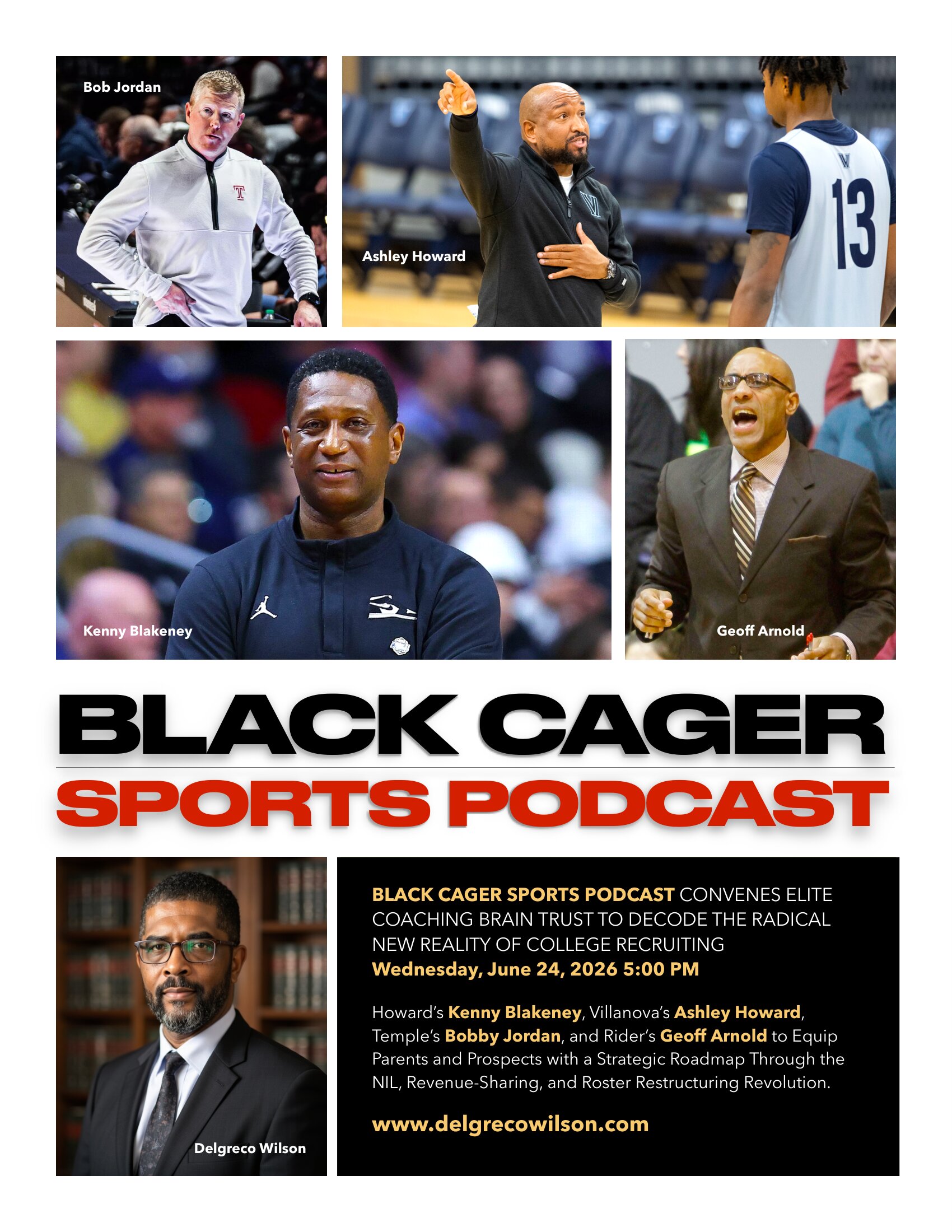
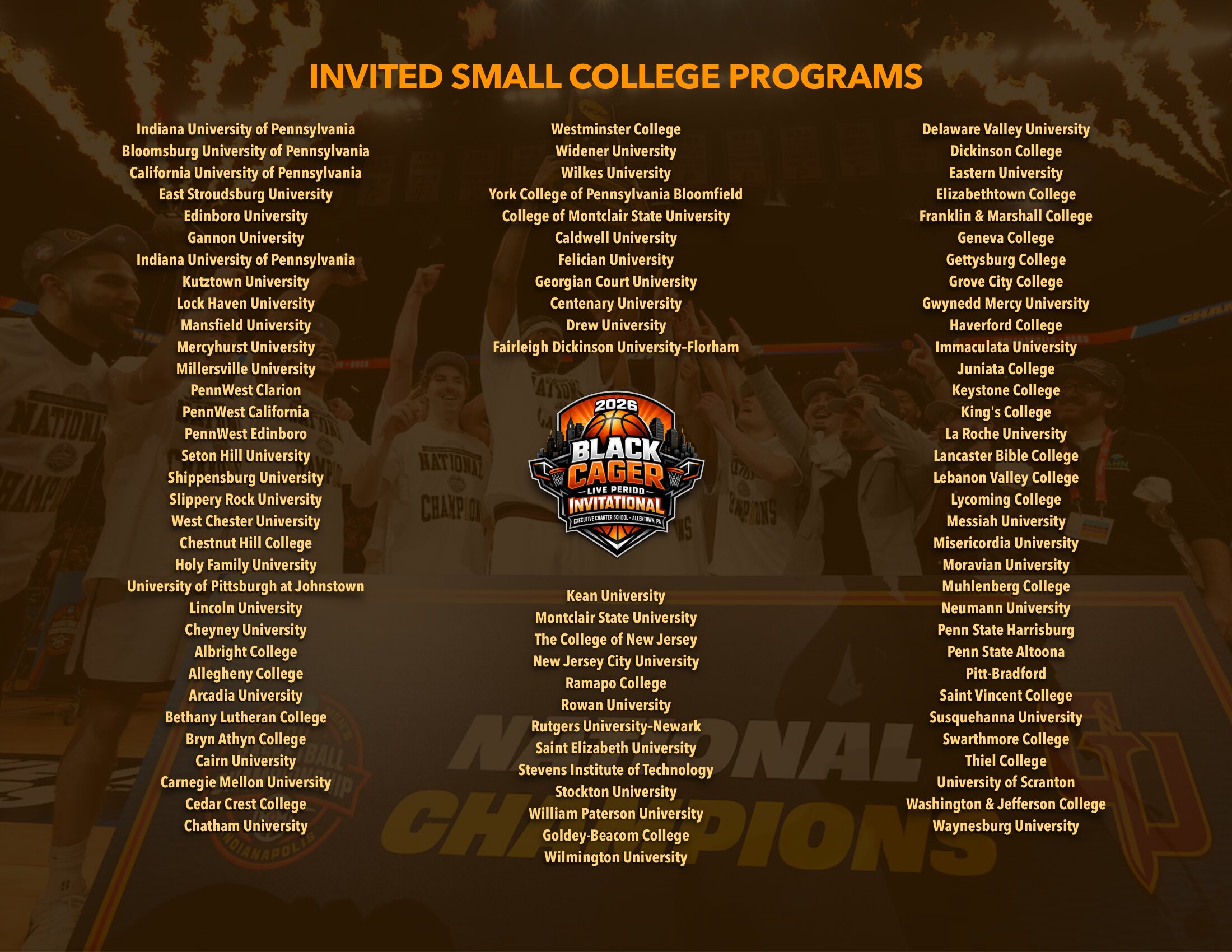

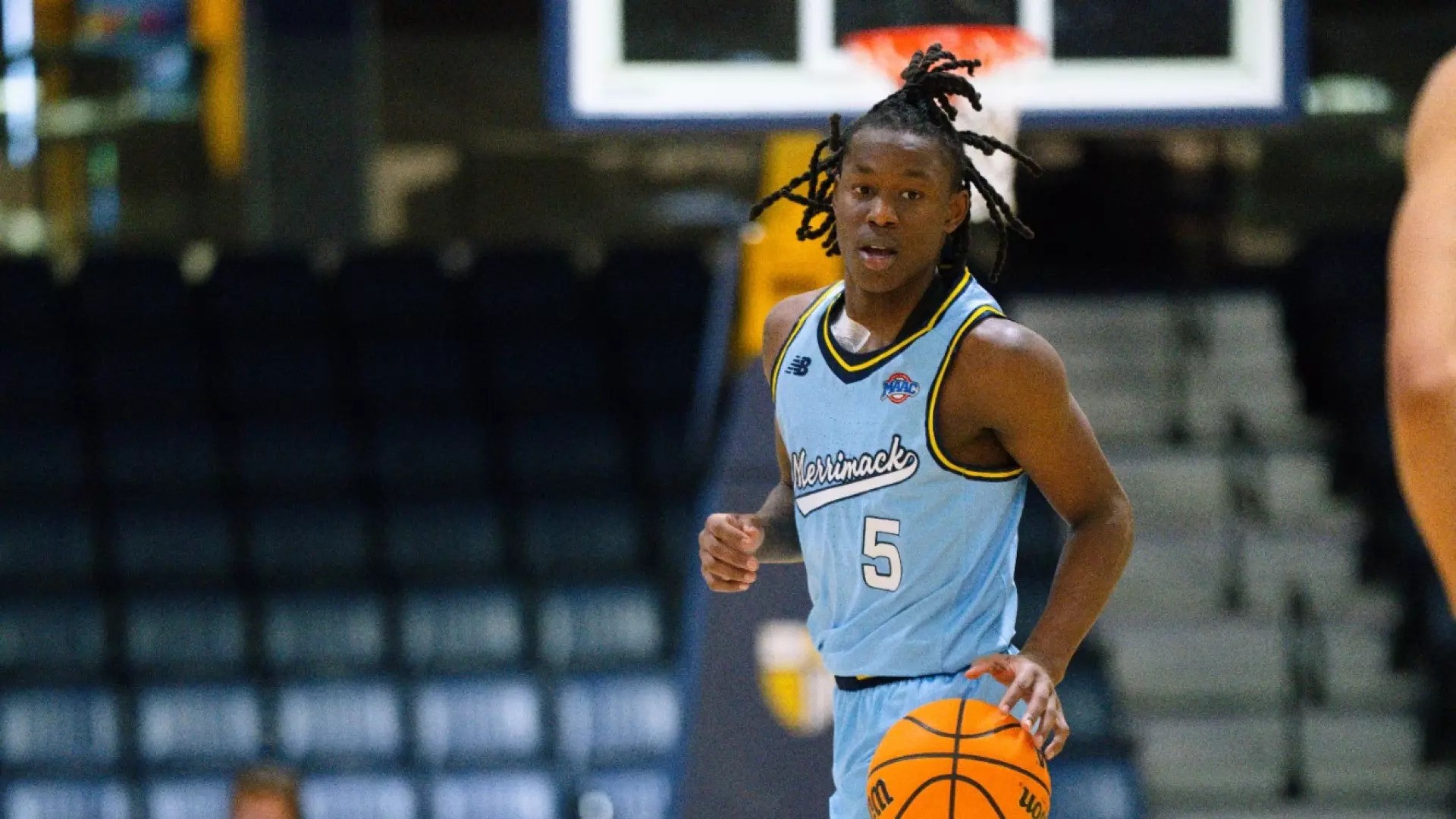
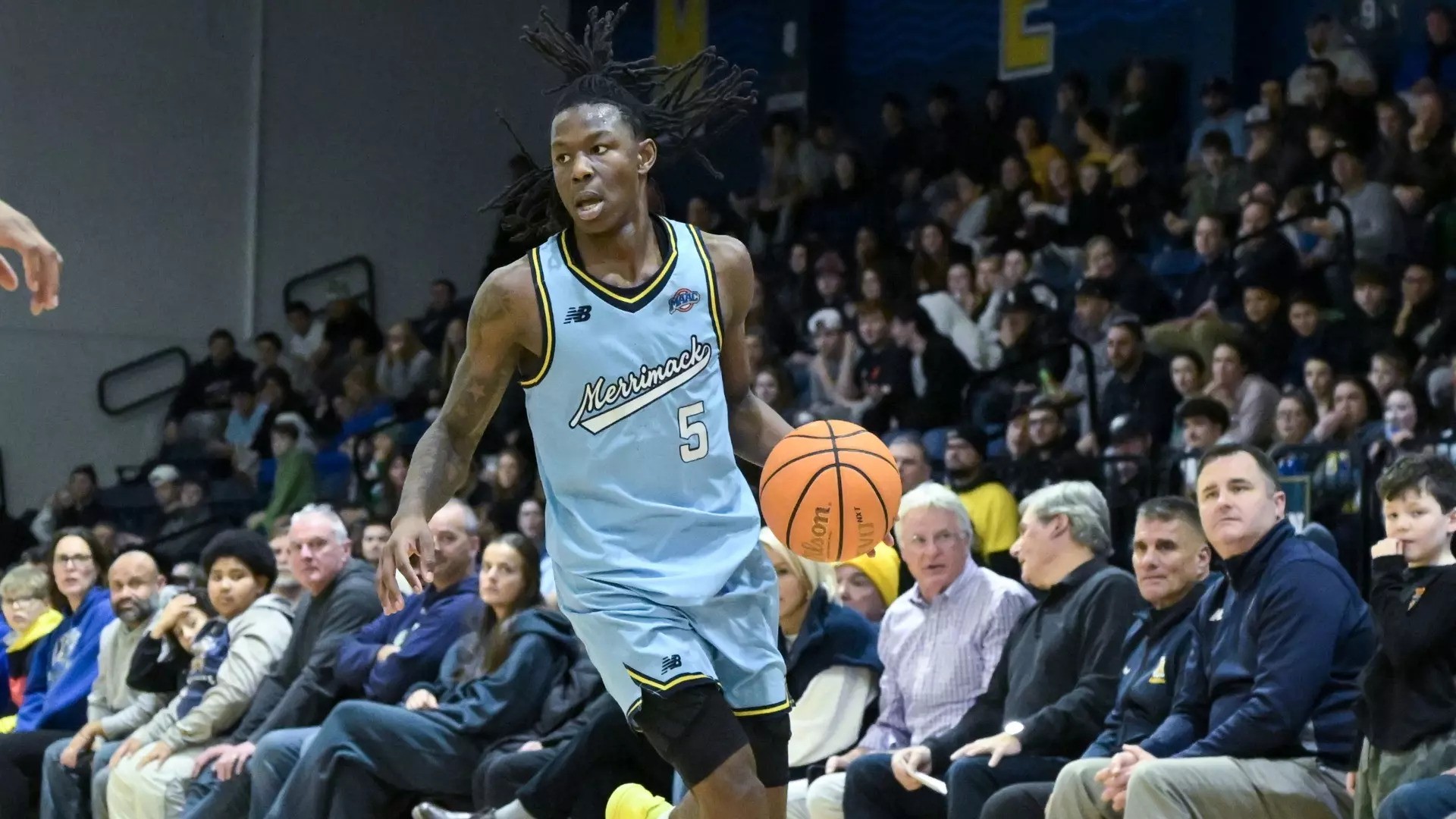
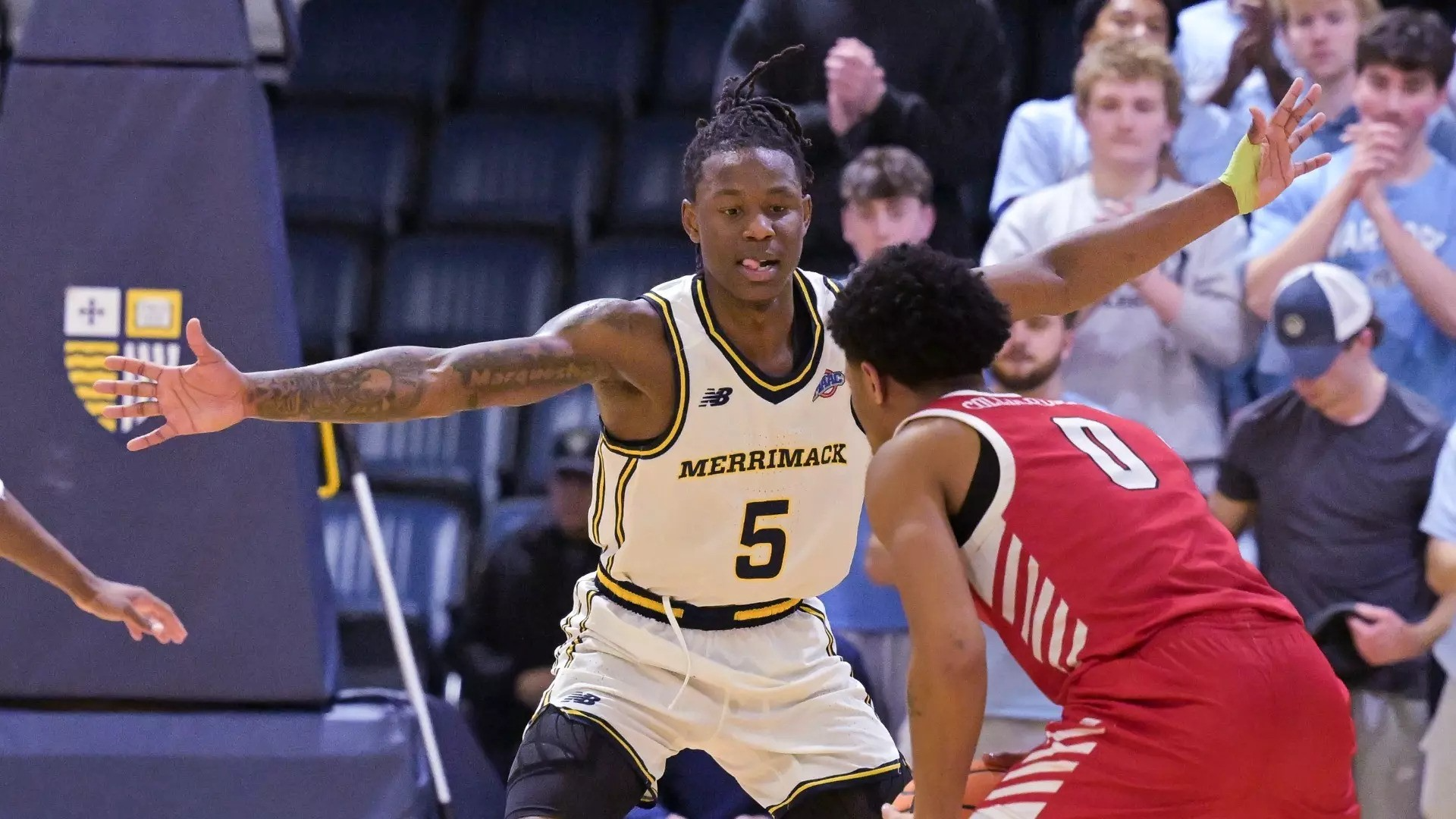
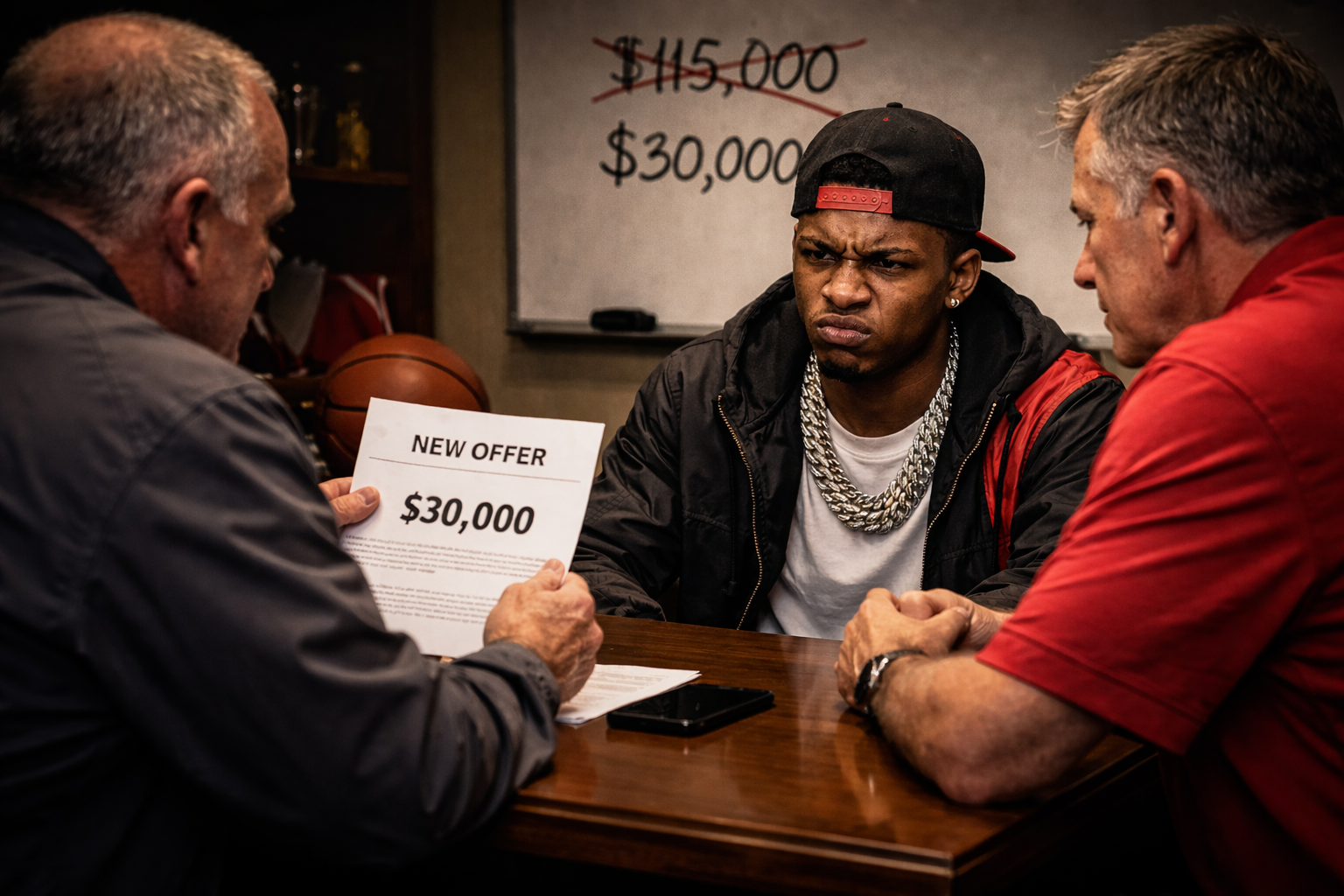
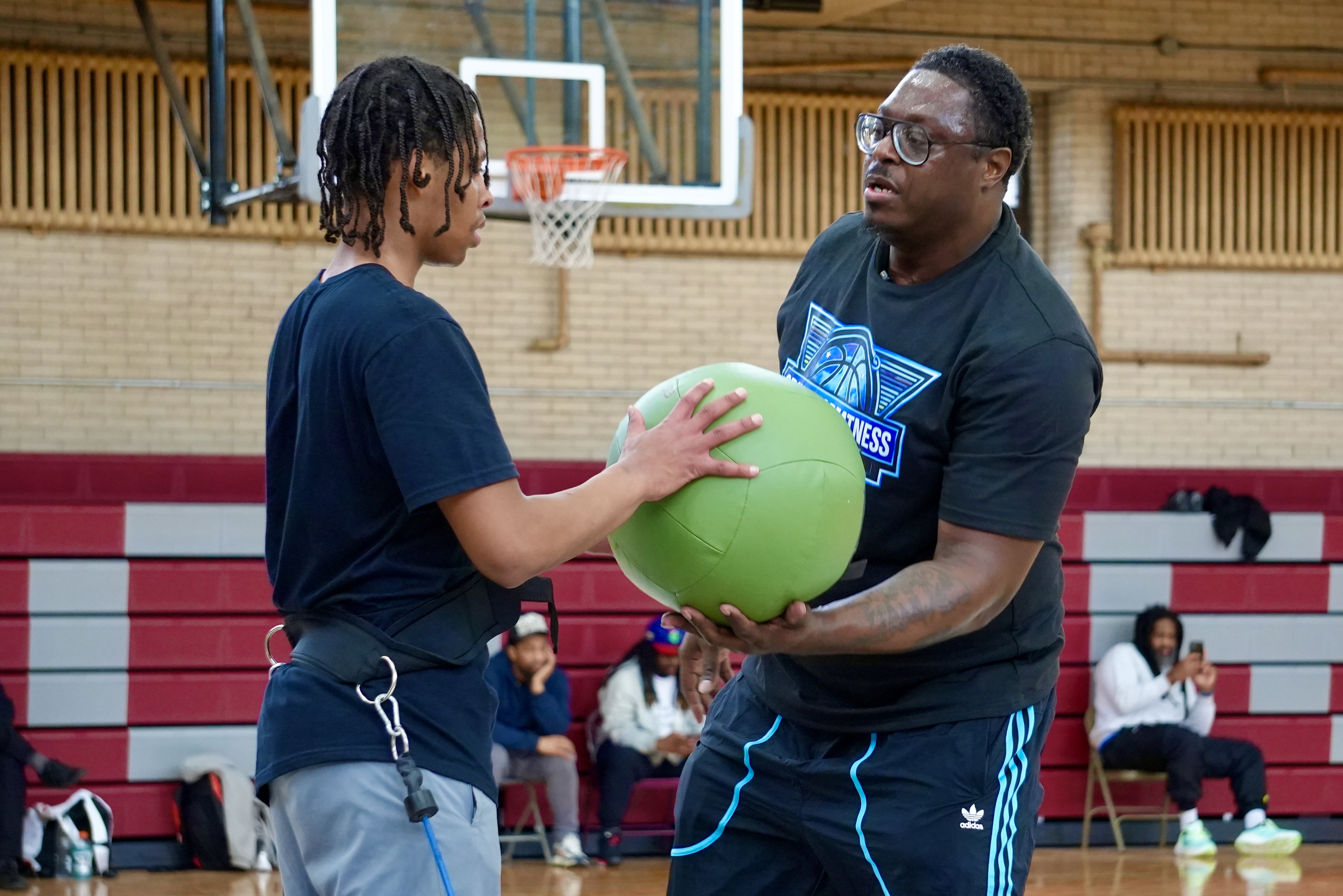
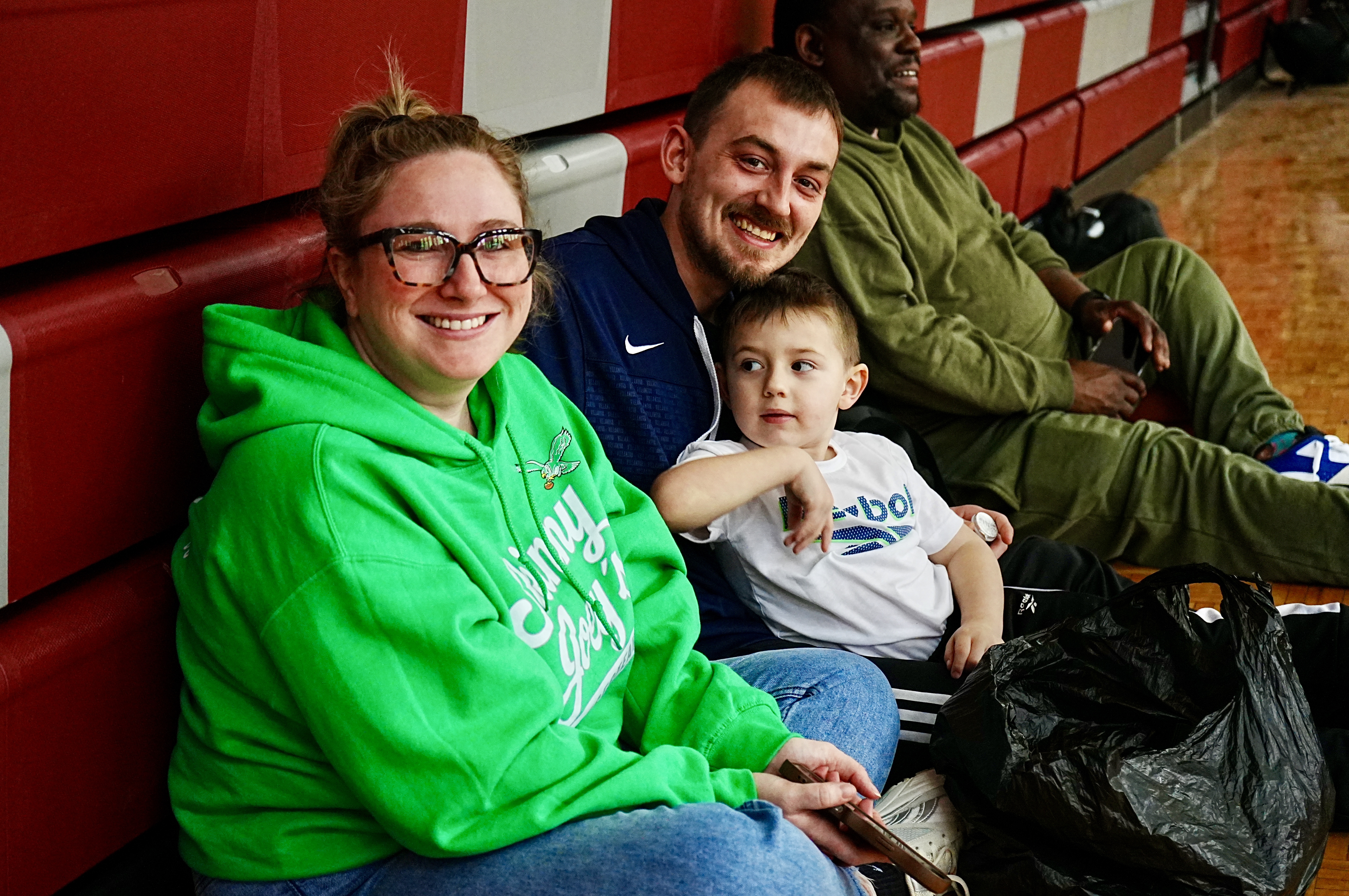
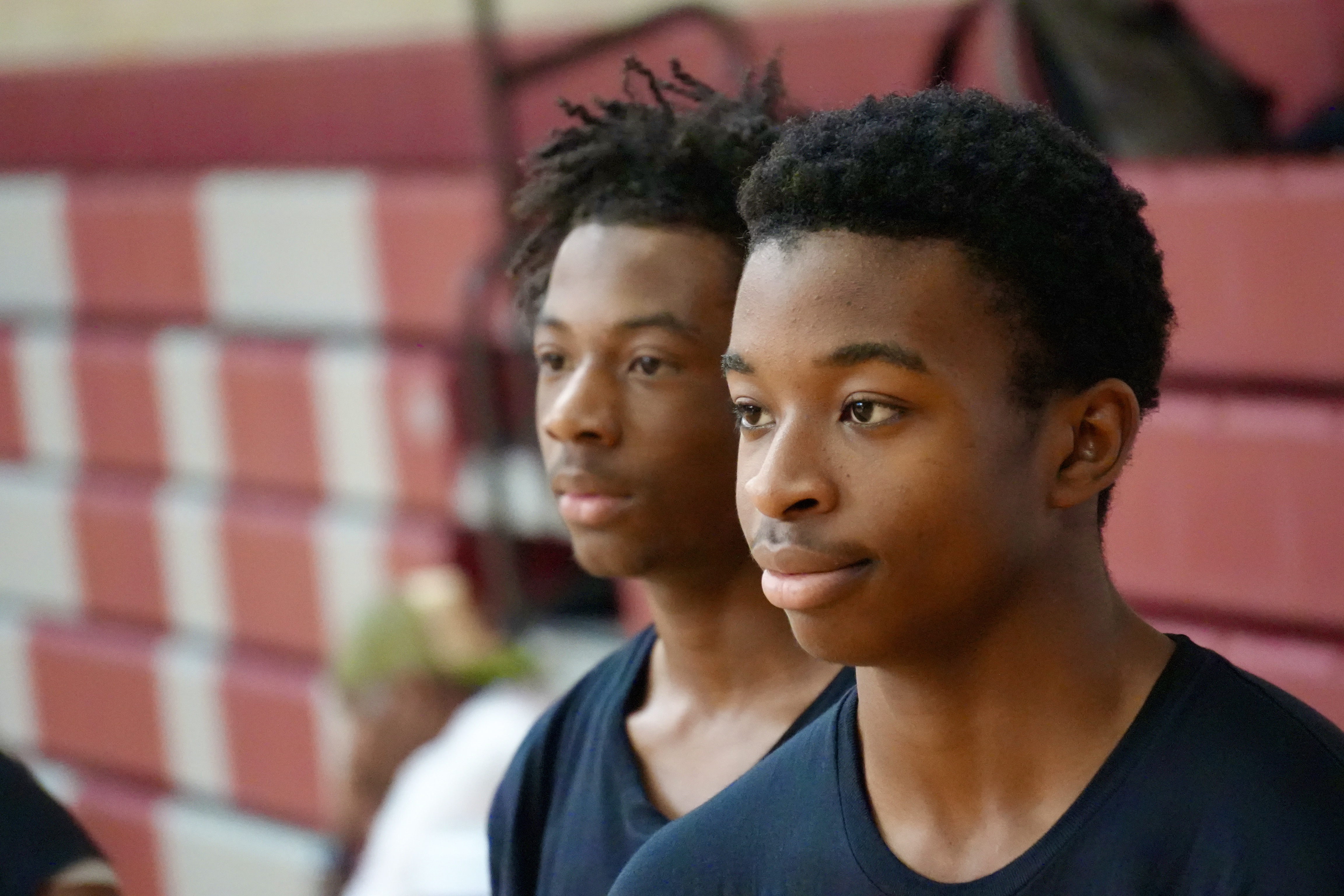

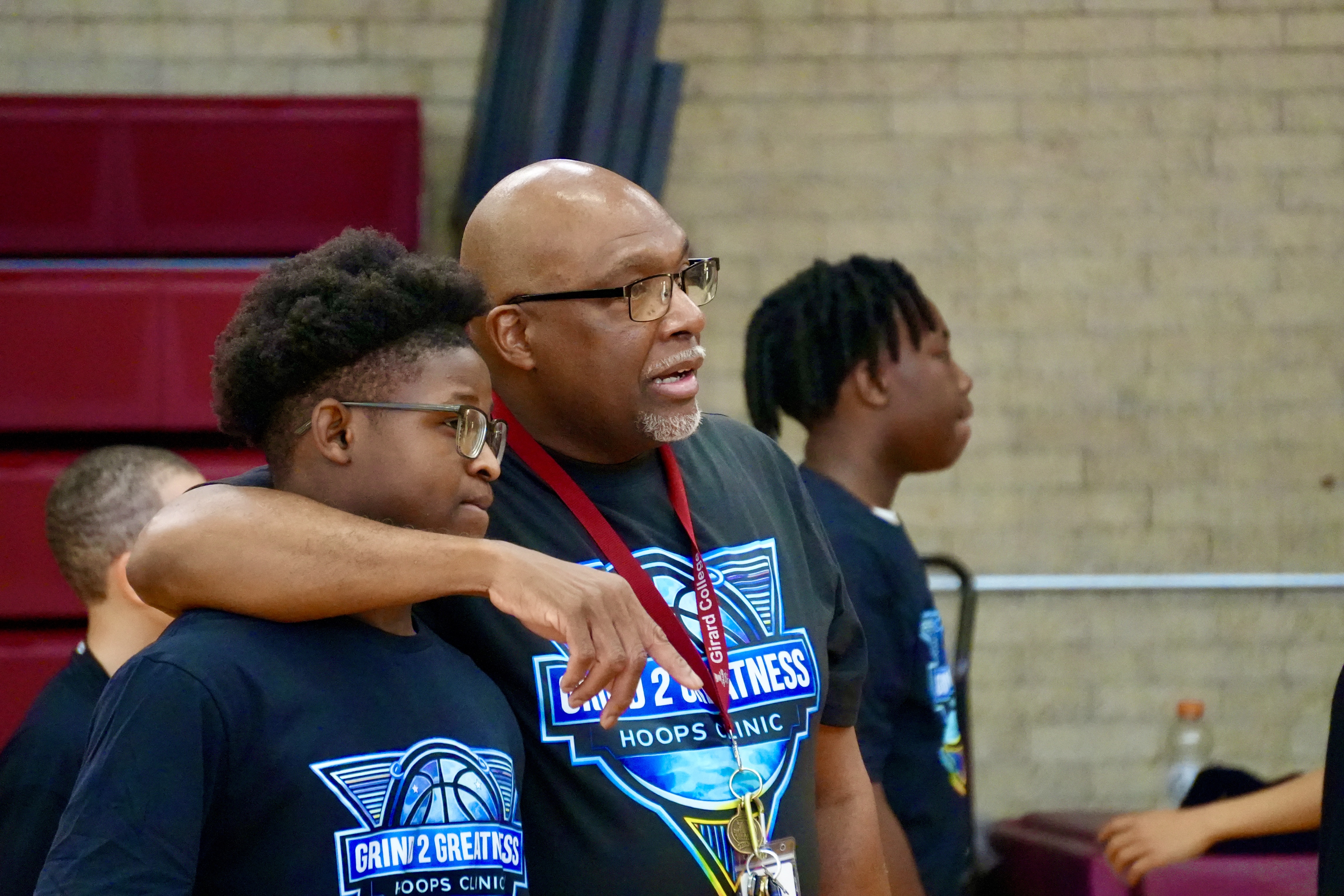
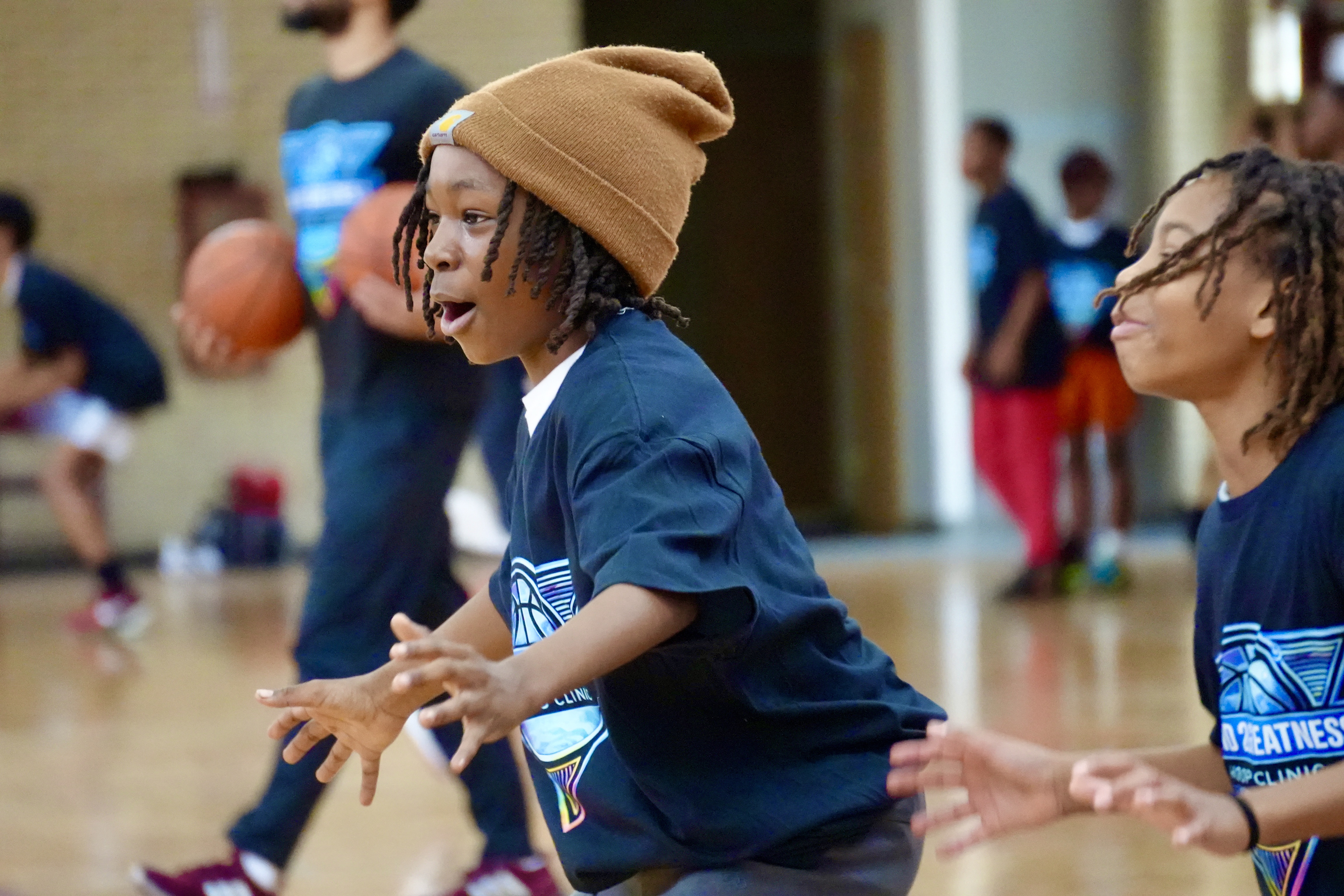
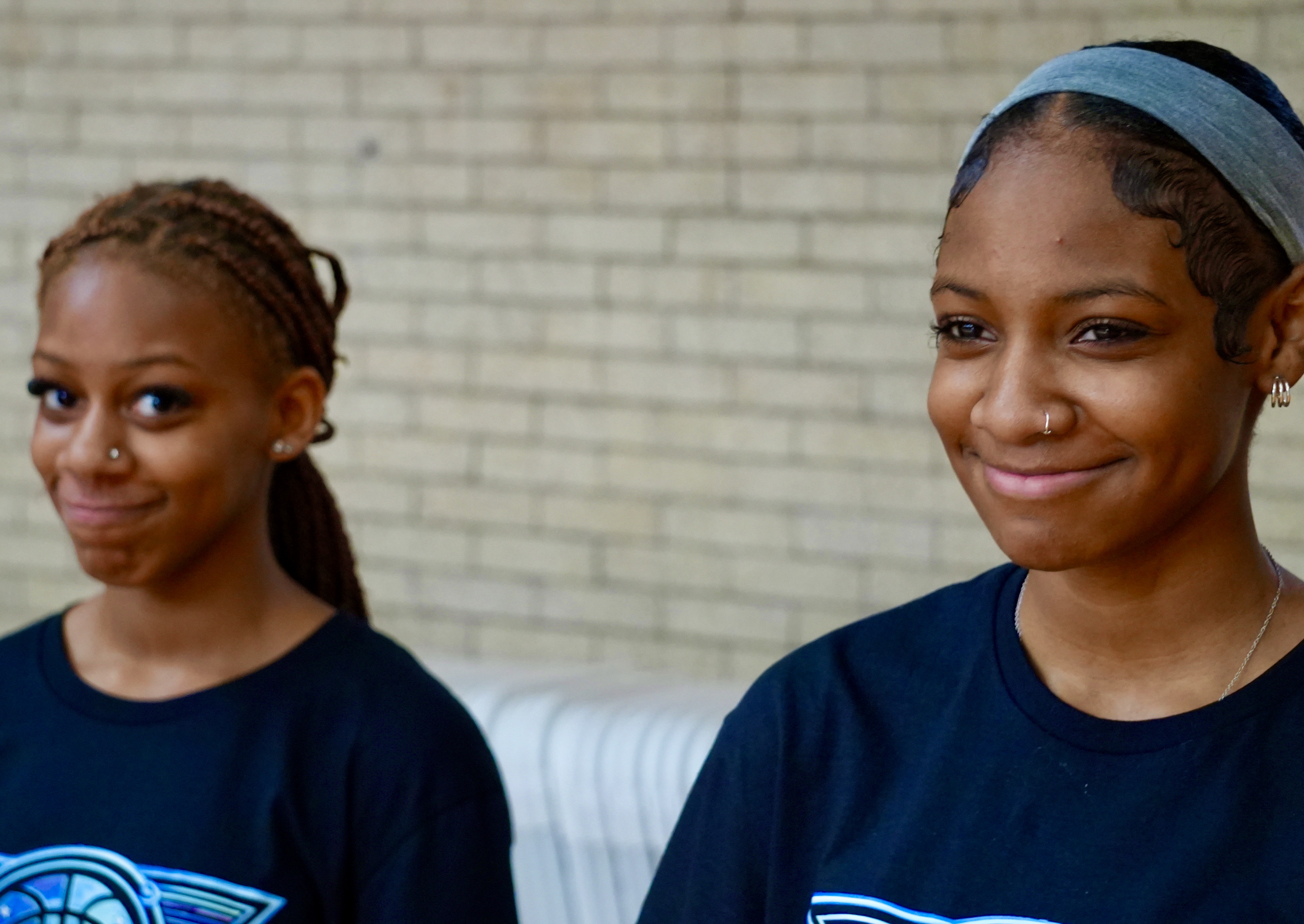
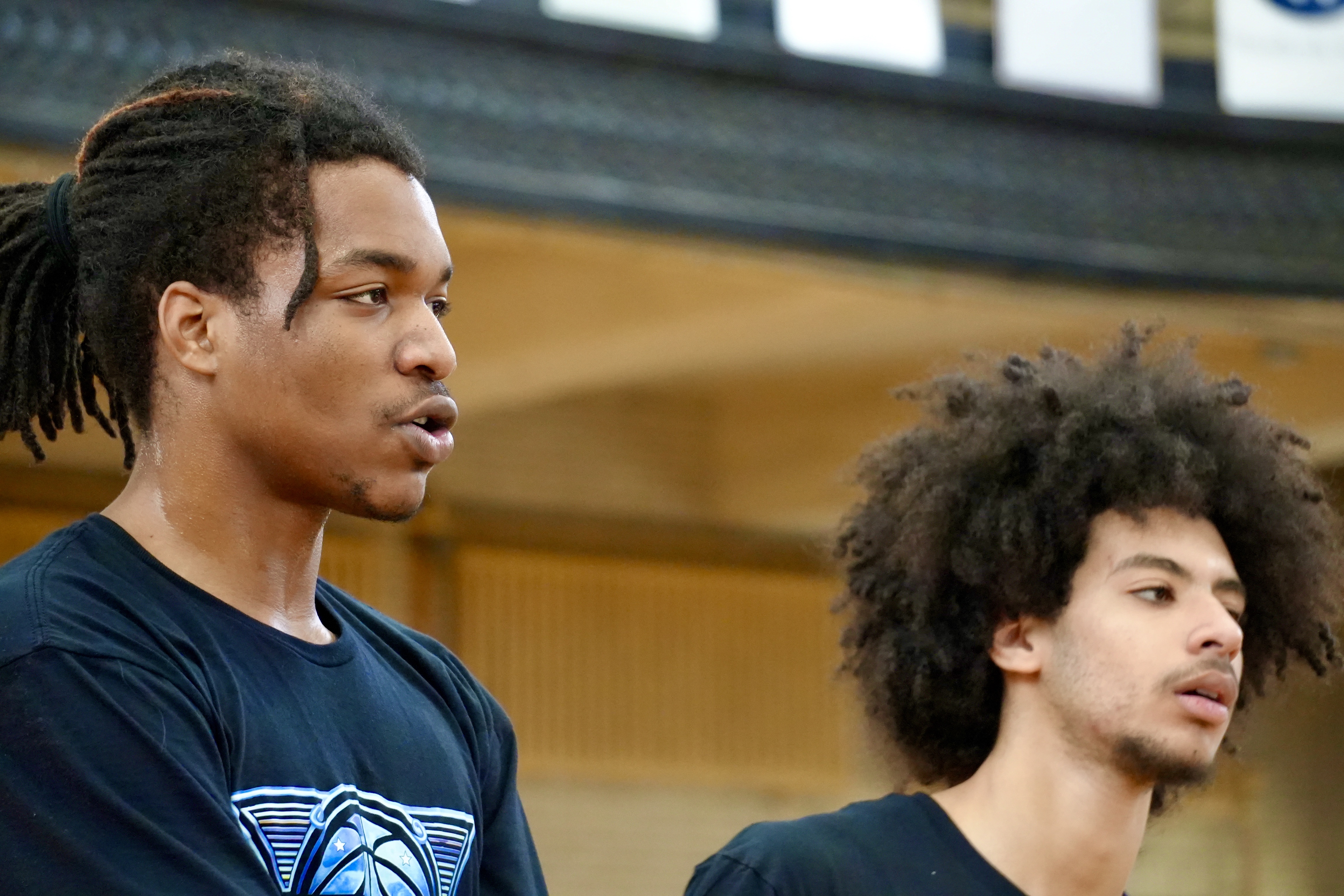
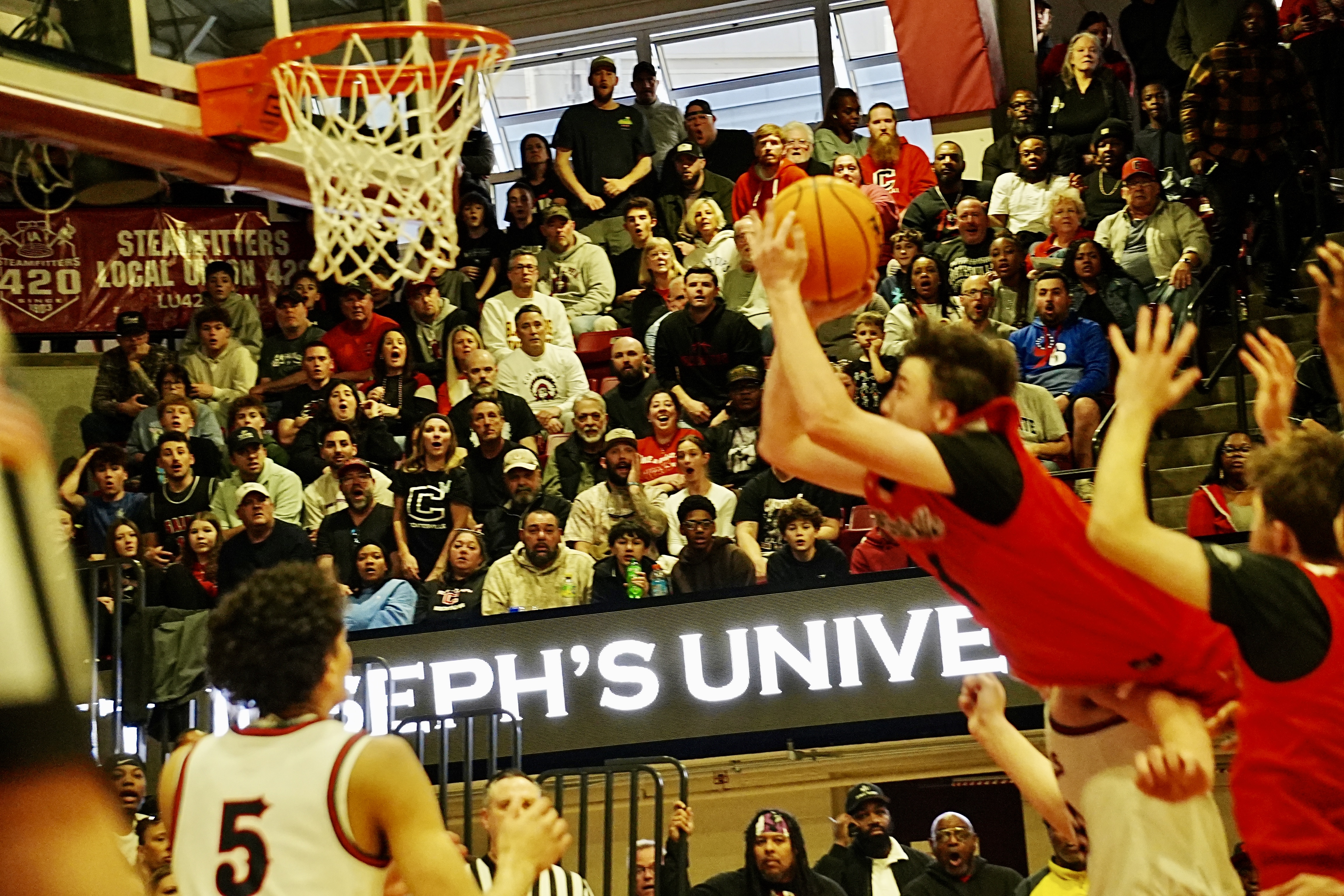
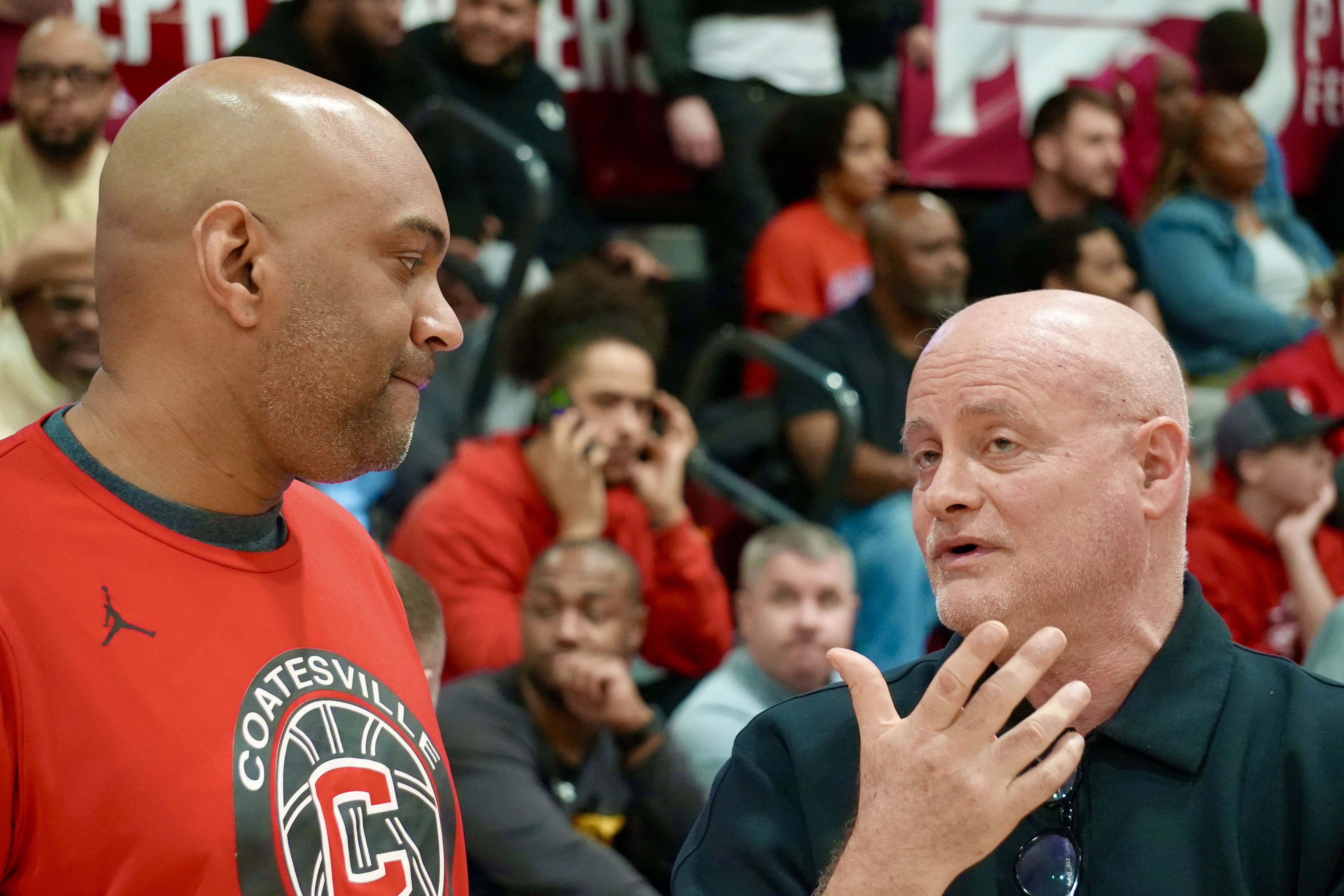
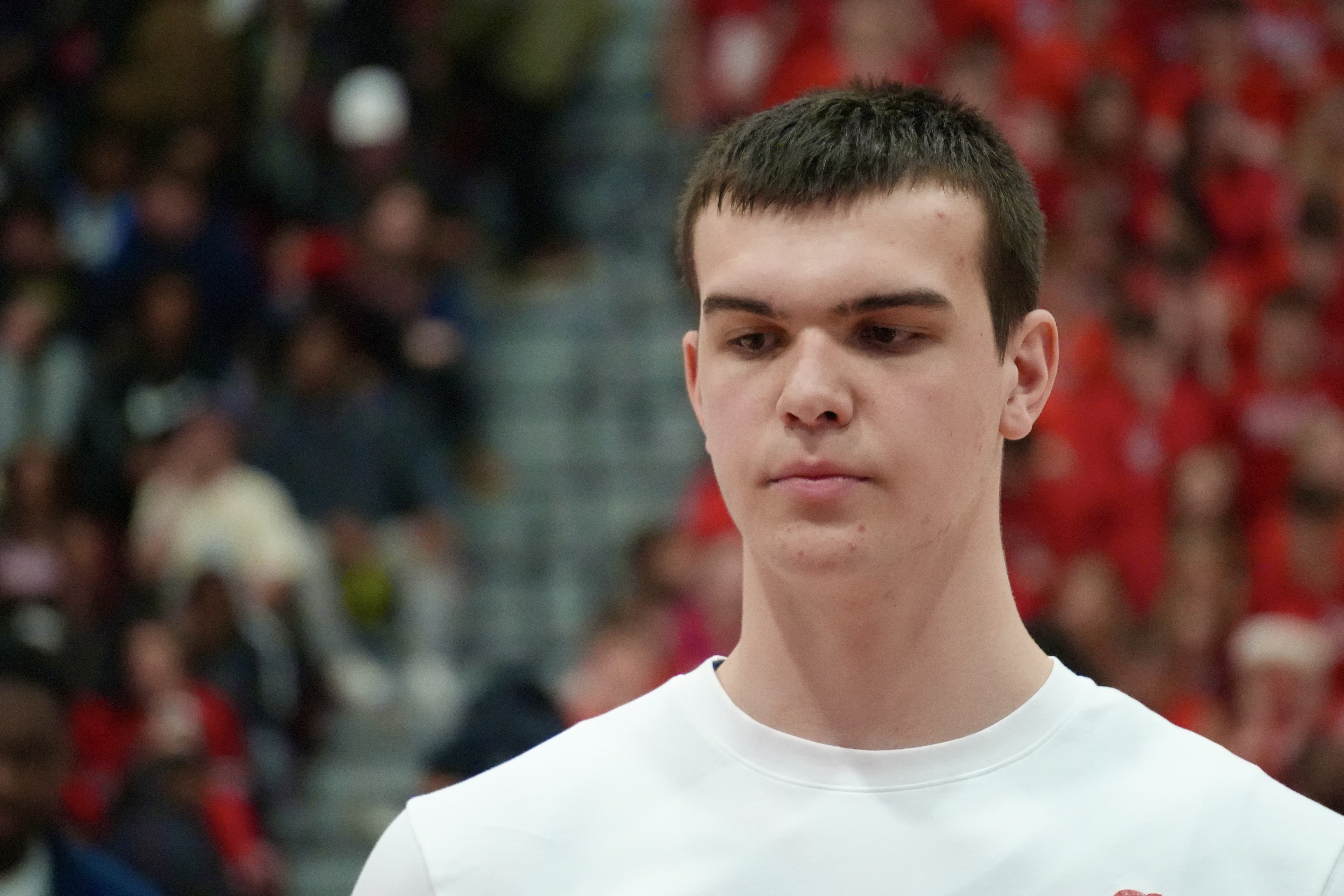
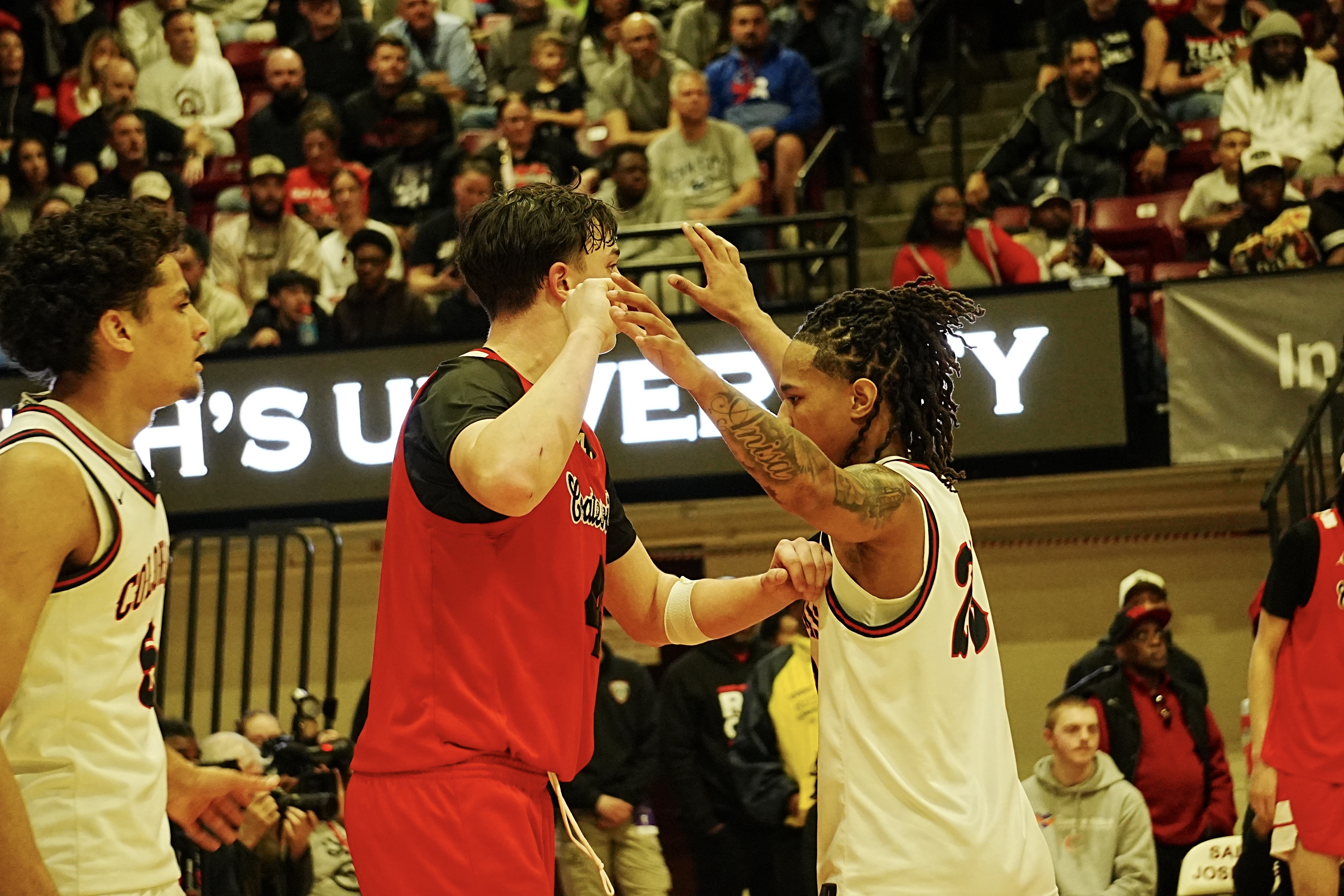
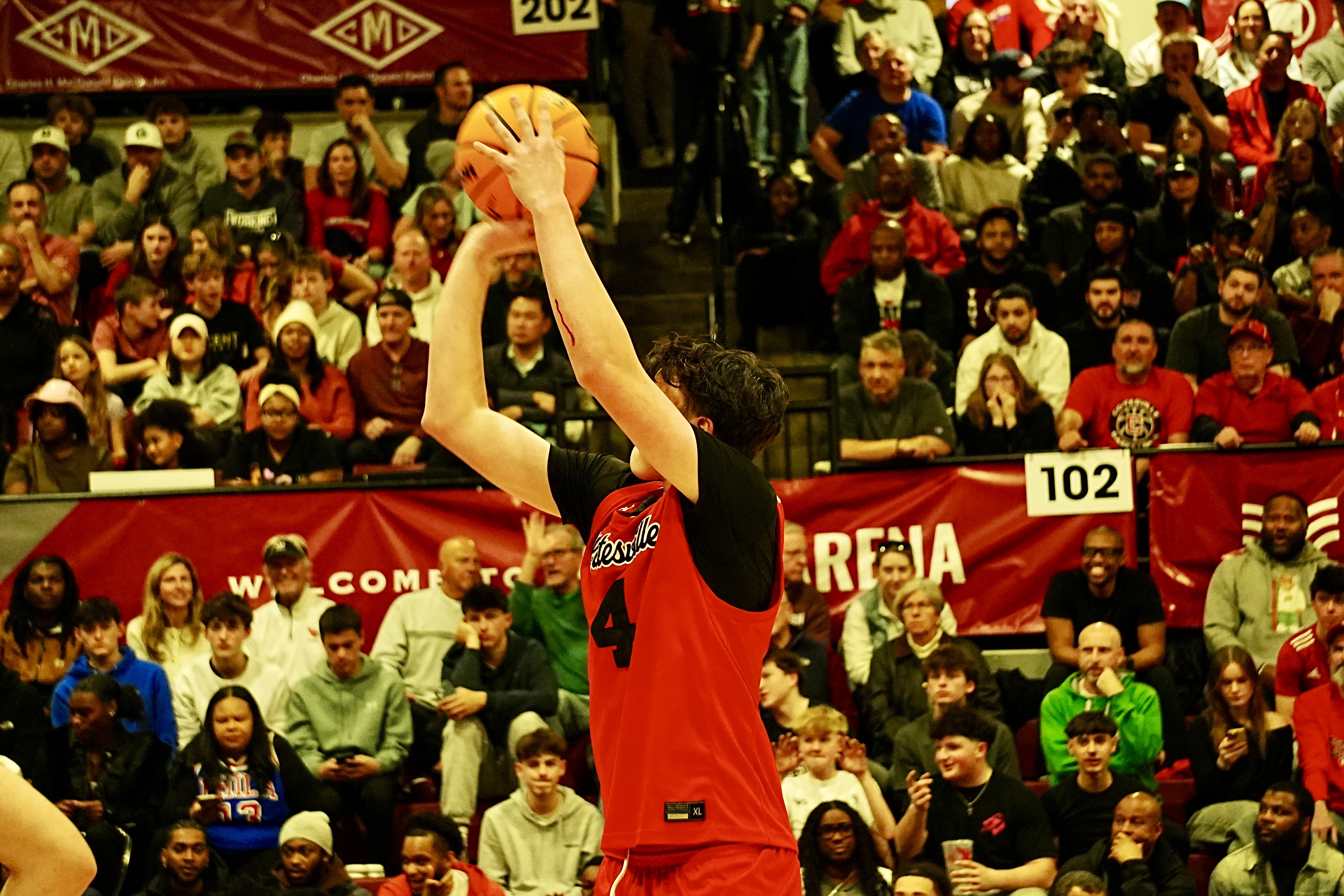
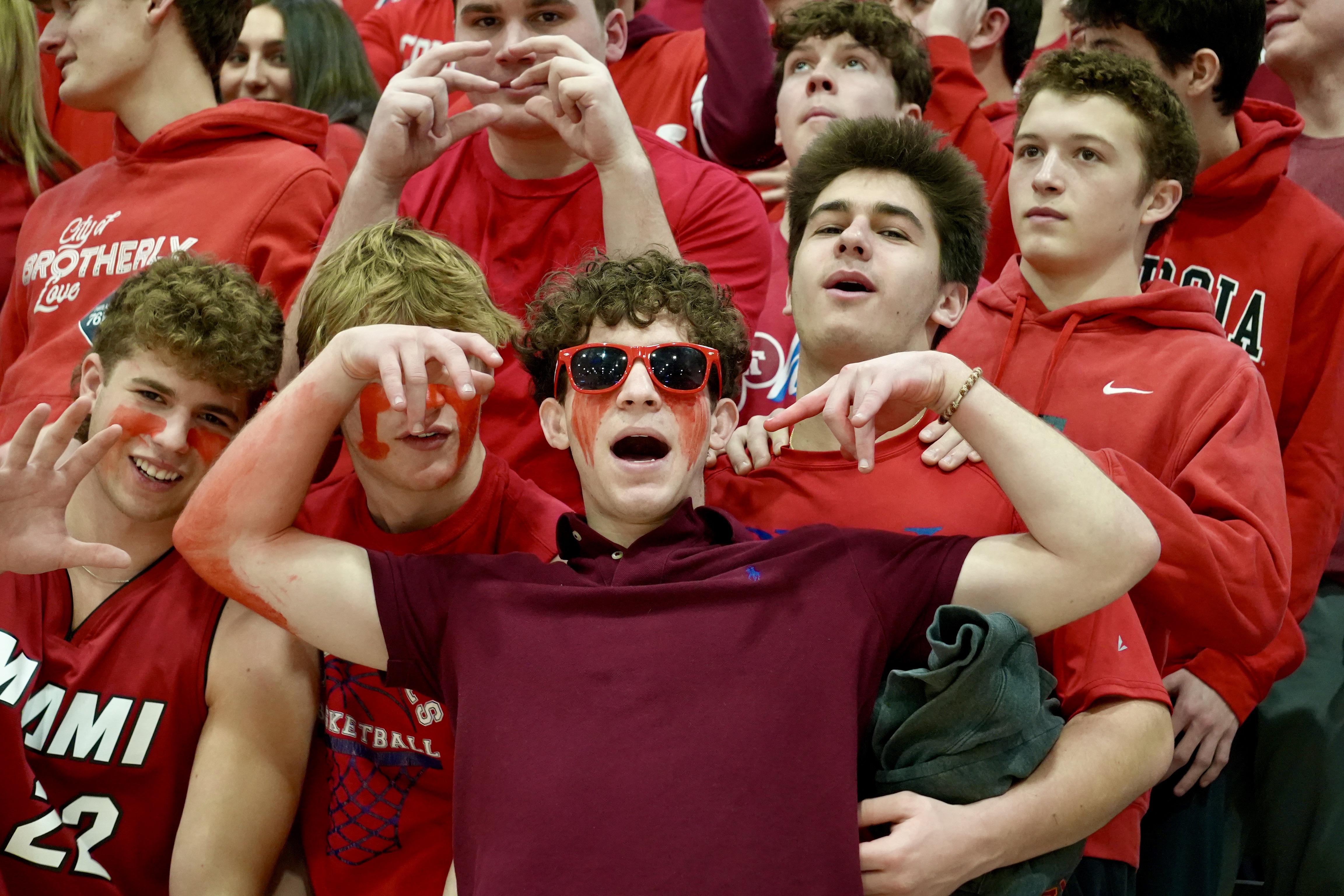
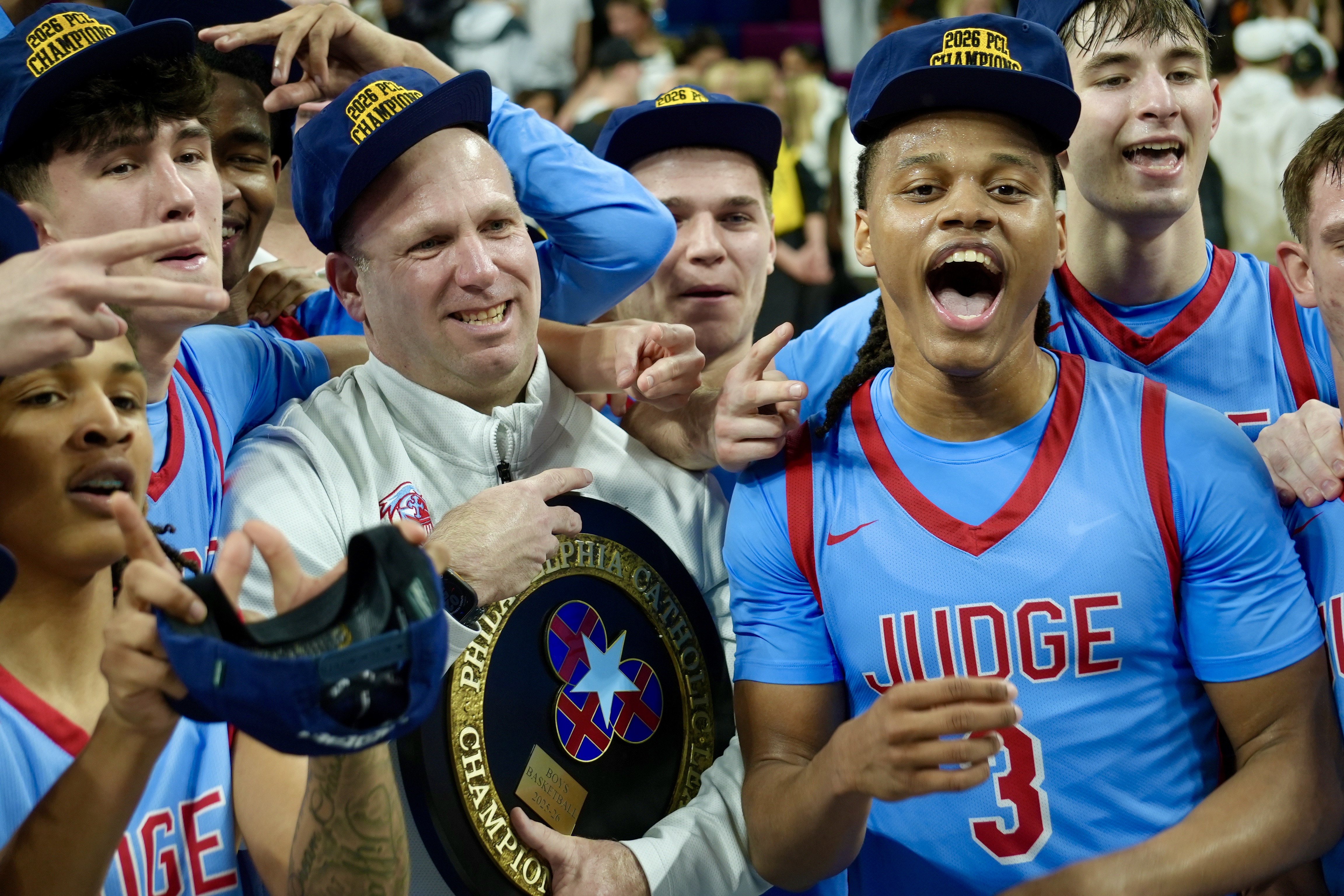
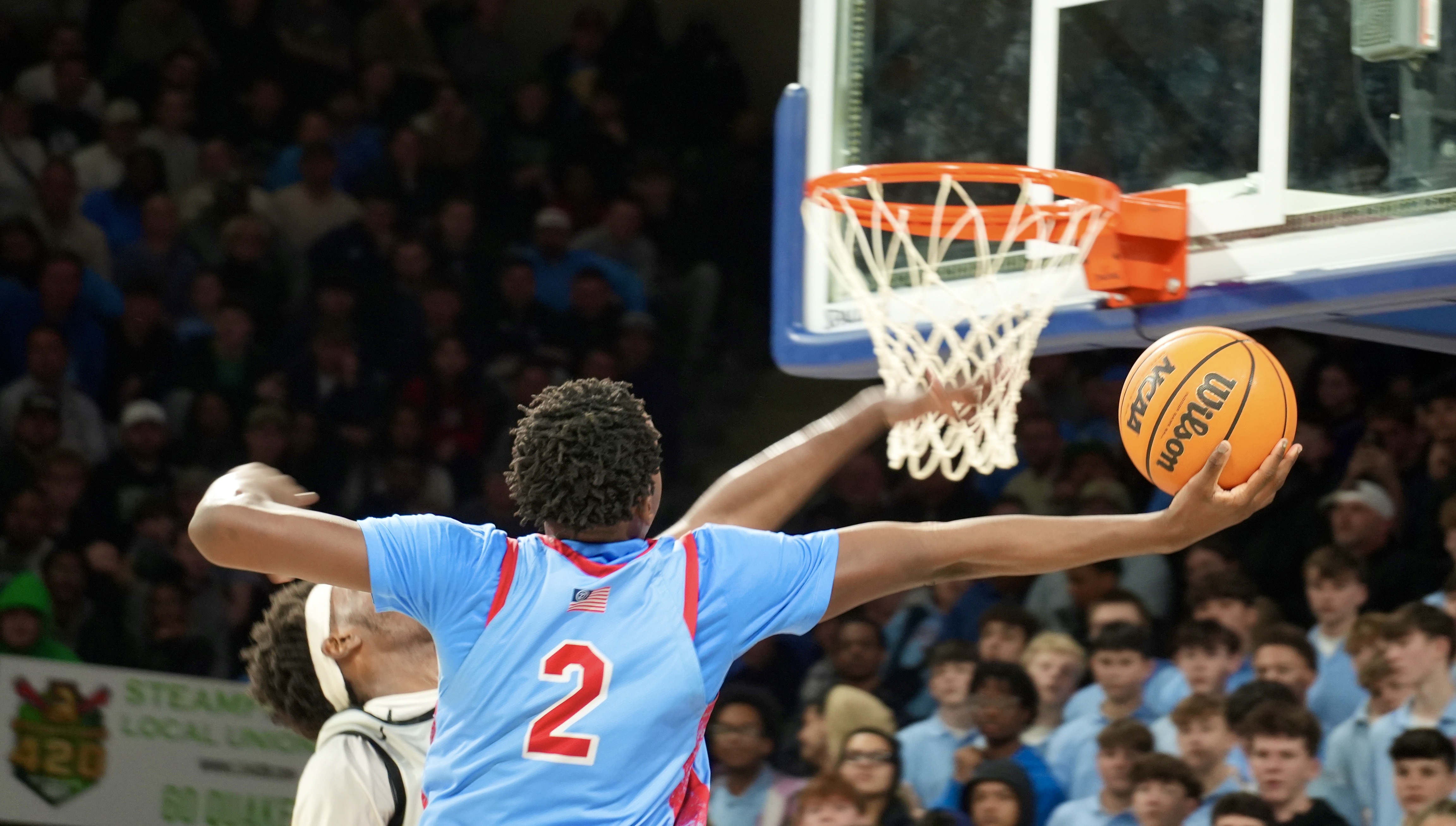
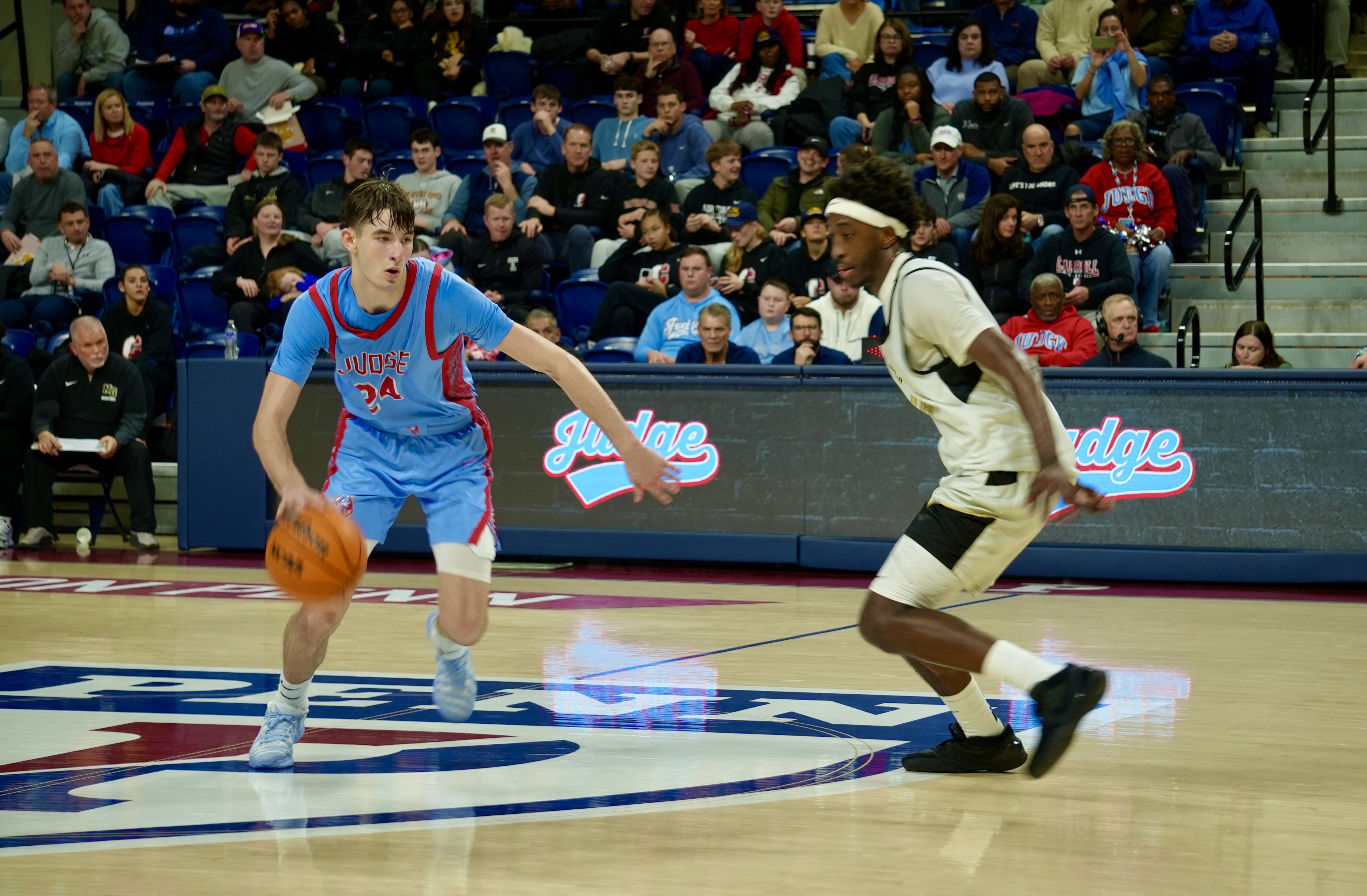
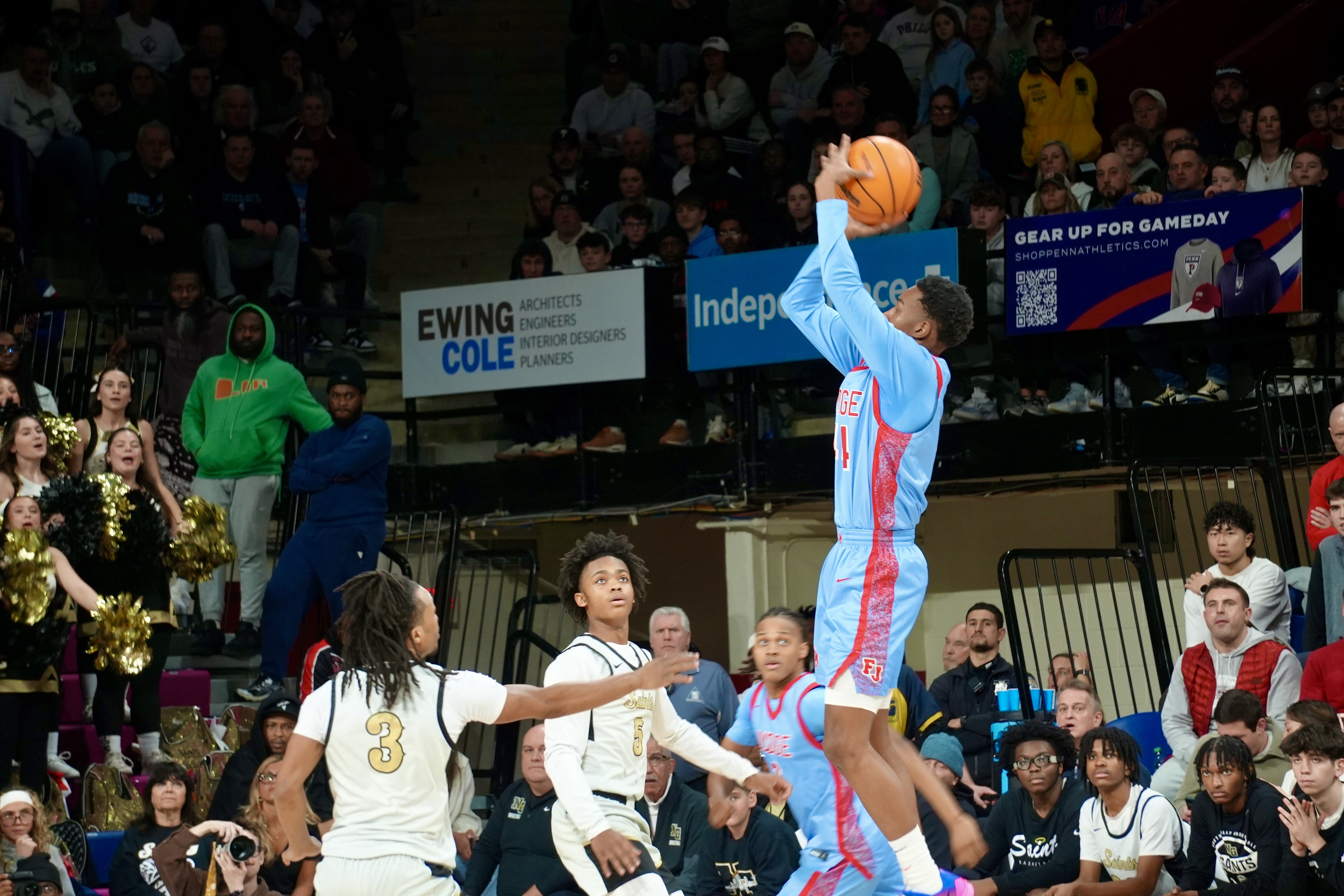
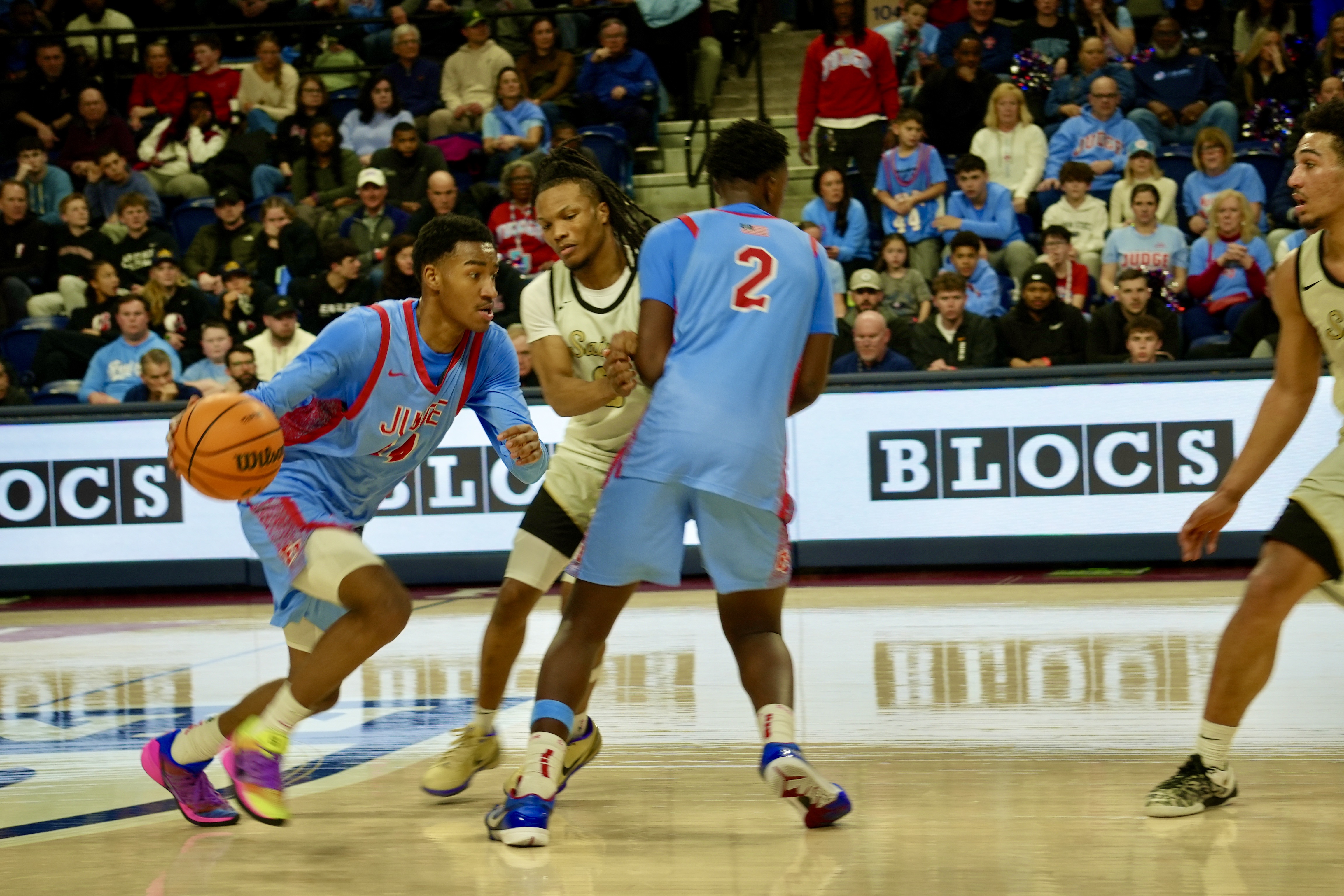
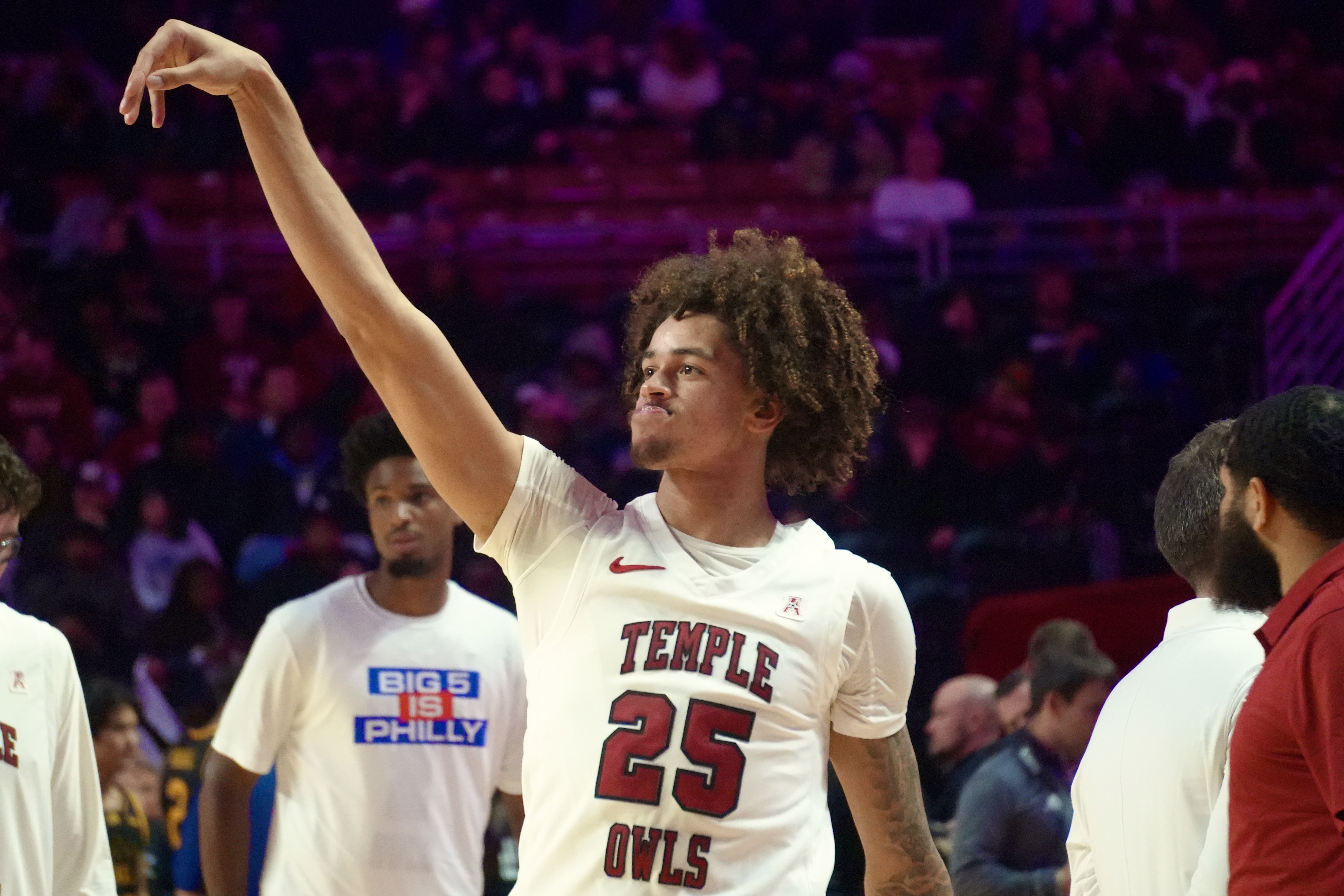
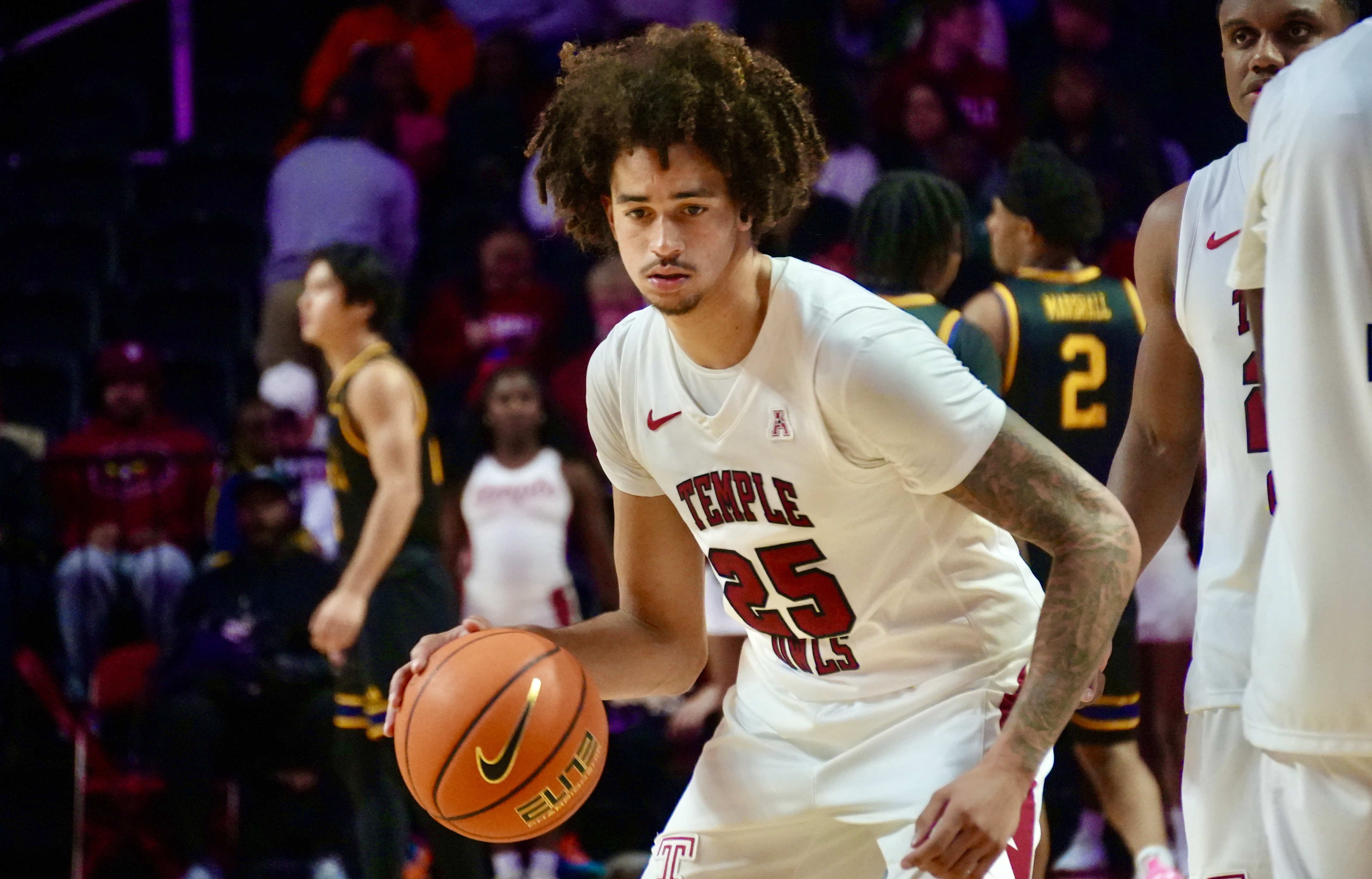

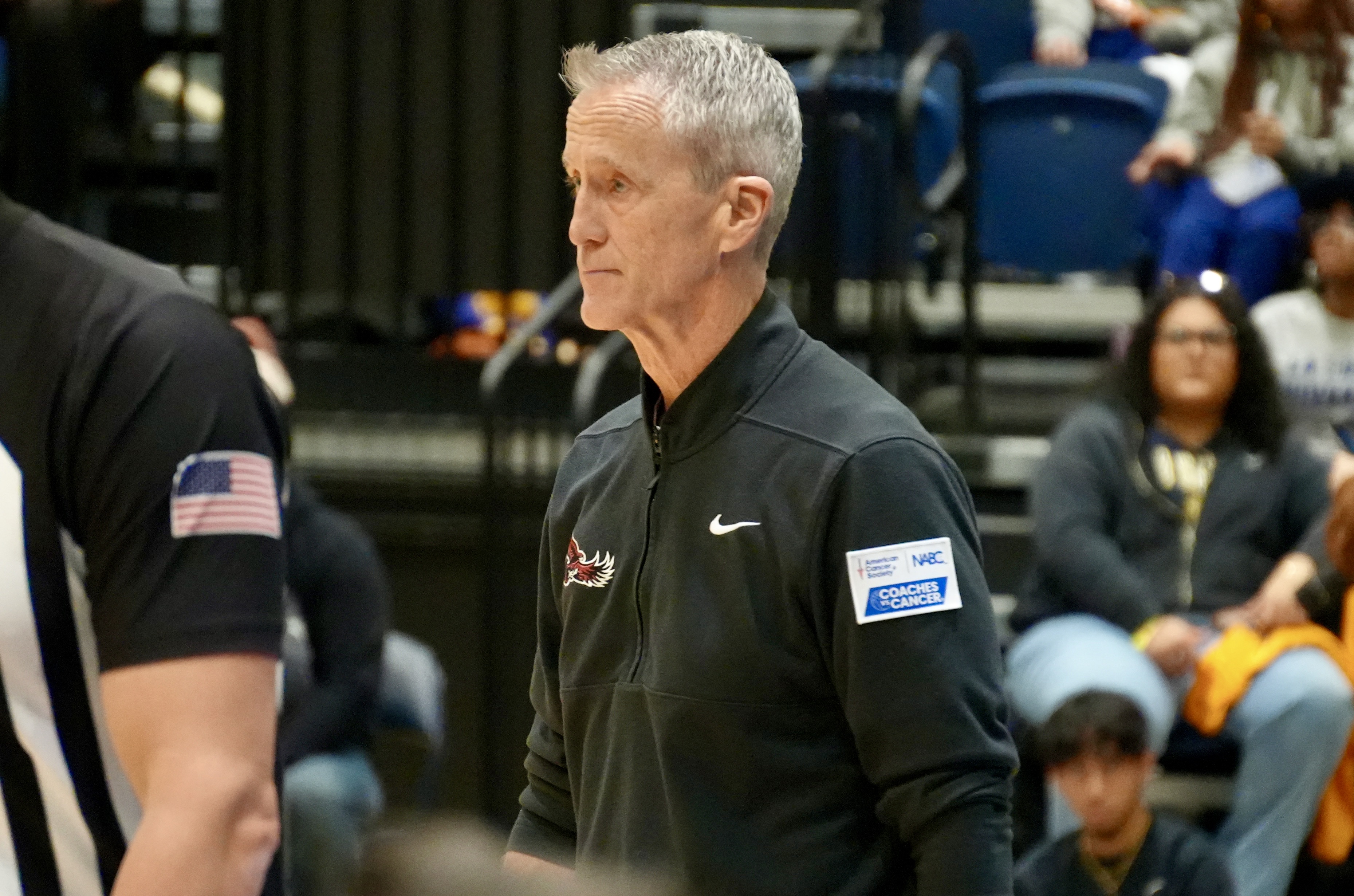
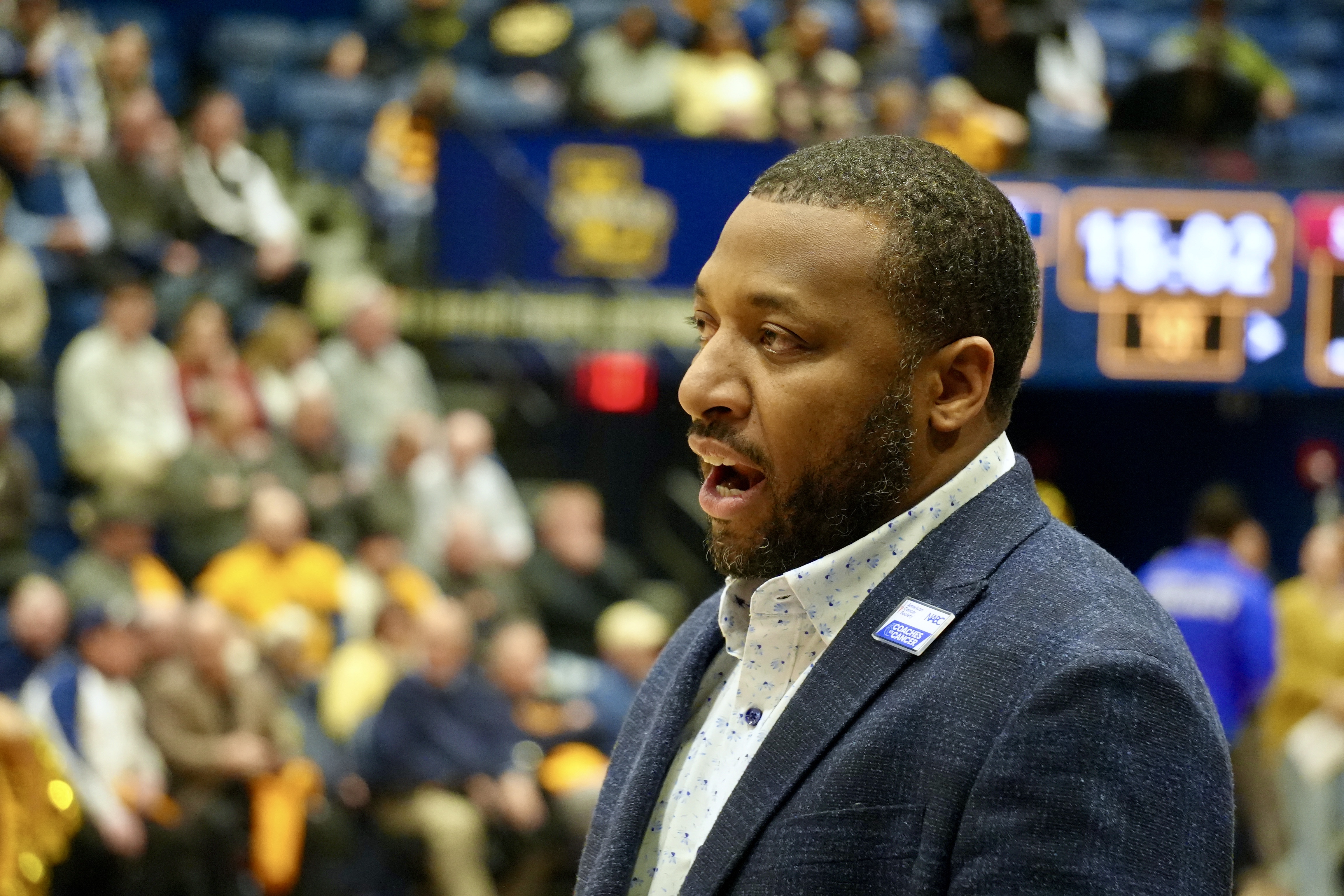
 The Black Cager