CAMDEN, NJ -The transfer portal is often framed as a story of impatience—players who leave at the first sign of adversity, who chase playing time, who refuse to wait their turn. But Chance Westry’s journey is different. His story is not about impatience. It is about survival.
Westry has transferred three times: from Auburn to Syracuse, from Syracuse to UAB, and now from UAB to Xavier. He has undergone two leg surgeries—one in 2022, another in 2023. He played in just 11 games as a freshman. He redshirted his sophomore season. He logged spot minutes off the bench at Syracuse as a junior.
And yet, after all of that, he is still standing. He is still improving. And at Xavier, he will likely start for a Big East program with two years of eligibility remaining.
This is not a story of a player who could not commit. It is a story of a player who refused to quit.
The Portfolio Problem: Three Decisions, One Trajectory
To understand Westry’s journey, you have to understand his decision-making as a series of portfolio allocations—each one shaped by injury, opportunity, and the need to find a program that would trust him.
Decision #1: Auburn to Syracuse (2023)
Westry arrived at Auburn as a consensus four-star recruit—ranked No. 26 by Rivals, No. 32 by ESPN, No. 38 by 247Sports. He had averaged 24.1 points, 5.3 rebounds, and 3.1 assists as a sophomore at Trinity High School in Pennsylvania, earning Class 3A Player of the Year honors. He had surpassed 1,000 career points in just two seasons. He had been invited to try out for the USA Basketball Junior National Team.
But injuries derailed his freshman season. He underwent arthroscopic knee surgery in the fall, missed the preseason and the first two games, and played in just 11 games, averaging 2.5 points. He needed a fresh start.
Syracuse offered that fresh start. The Orange had a history of developing guards. The ACC provided a national platform. And Westry hoped that a change of scenery would allow him to finally get healthy and play.
The Calculus: Westry traded the SEC for the ACC—a lateral move in terms of conference prestige. But he traded a program where he had barely played for a program where he hoped to earn a role. The speculative assets—health, opportunity, development—outweighed the risk.

Decision #2: Syracuse to UAB (2025)
Westry’s time at Syracuse was more frustration than fulfillment. A training camp leg injury required surgery. He missed the entire 2023-24 season. He returned in 2024-25 but logged only spot minutes off the bench against Tennessee, Notre Dame, and Albany.
Two years at Syracuse. Two surgeries. Minimal playing time. He needed a program where he could actually play—where he could be featured, not just a reserve.
UAB offered that opportunity. The Blazers were a rising program in the American Athletic Conference. They needed a lead guard. They promised him a featured role.
The Calculus: Westry traded ACC prestige for AAC opportunity. He traded a bench role for a starting job. He traded uncertainty for clarity. And the gamble paid off.
Decision #3: UAB to Xavier (2026)
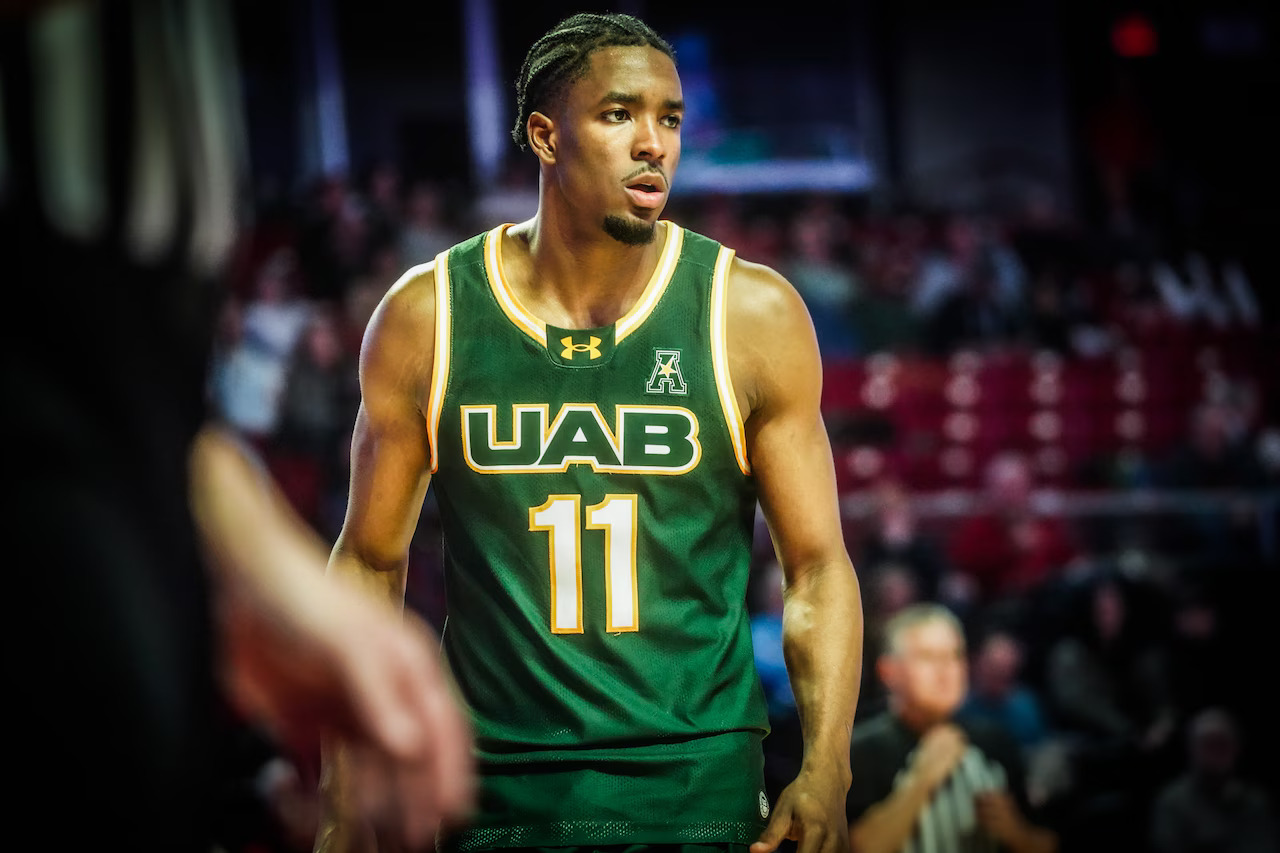
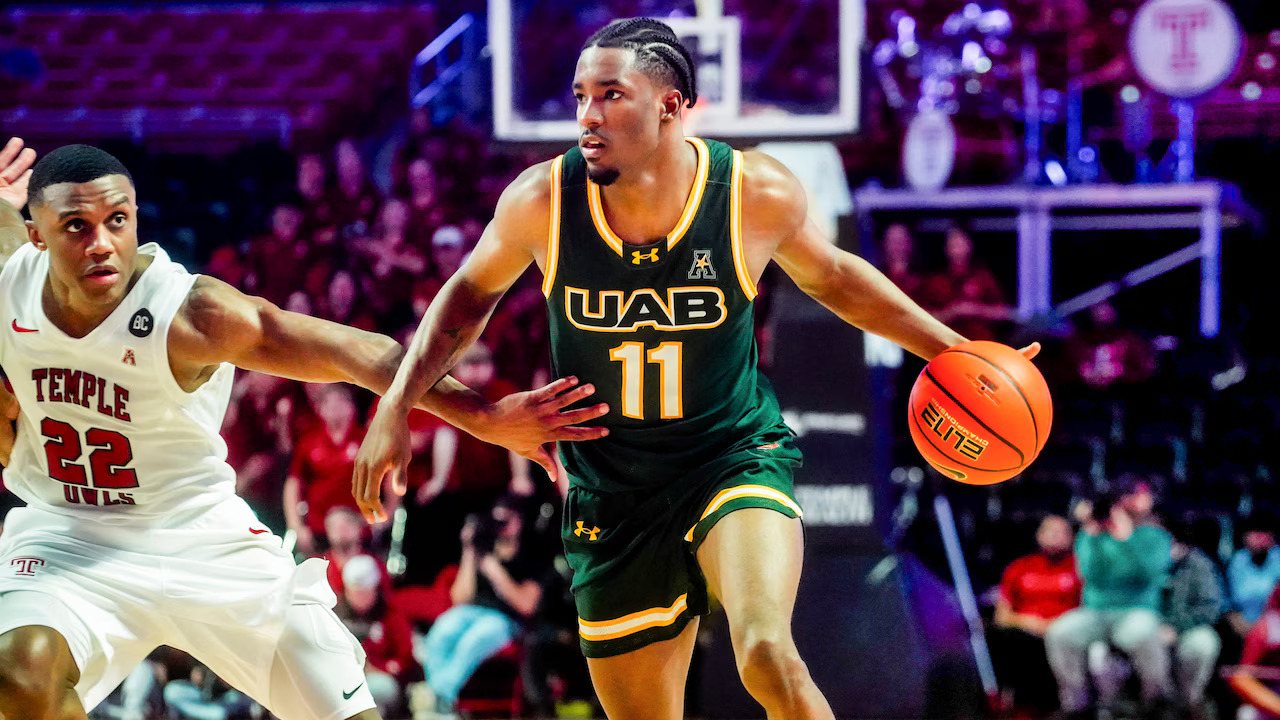
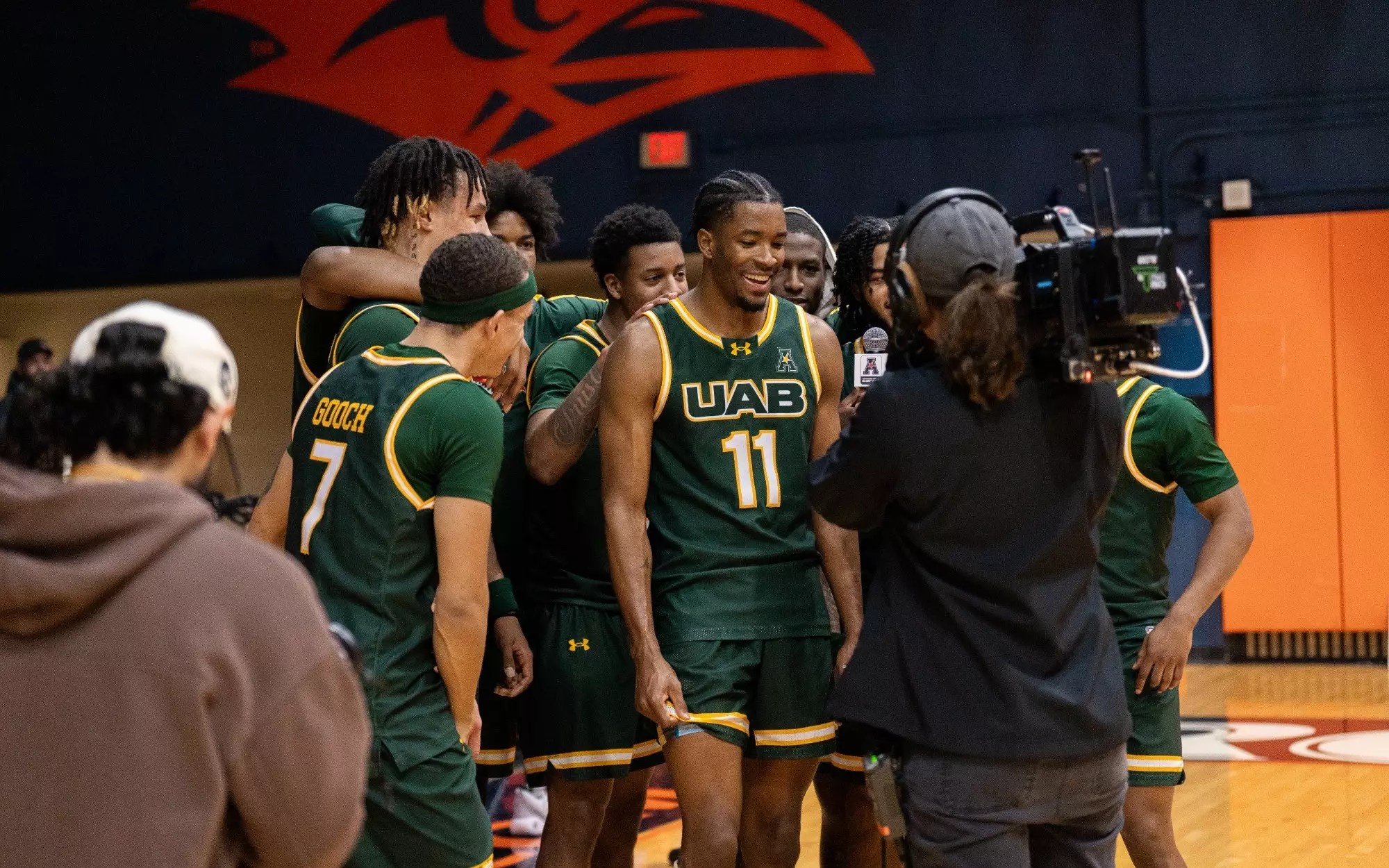
Westry’s single season at UAB was a breakout. He played in all 32 games, made 27 starts, and averaged 15.5 points, 5.6 assists, and 3.8 rebounds per game. He scored a career-high 31 points against Cleveland State. He broke the program record and American Conference record with 15 assists in a single game against Charlotte. He was named second-team All-American Conference.
He had proven he could produce. But the AAC, while respectable, is not the Big East. And Westry had two years of eligibility remaining.
Xavier offered the next rung on the ladder: a starting job in the Big East, a platform with NBA scouts in attendance, and a chance to prove he could produce against high-major competition.
The Calculus: Westry traded AAC production for Big East exposure. He traded a mid-major platform for a power conference stage. And he gained something else: a head coach with a proven track record of winning.
The Richard Pitino Factor: A Coach Who Wins
Richard Pitino arrived at Xavier after a successful stint at New Mexico, where he was named the 2024-25 Mountain West Coach of the Year. He has 15 seasons of experience as a head coach, a 262-204 record, an NIT Championship, and four NCAA Tournament appearances. He was the 2016-17 Big Ten Coach of the Year at Minnesota.
Pitino is sixth among the top winningest active head coaches under the age of 50, and second among active head coaches under the age of 45, according to the Elias Sports Bureau. Before becoming a head coach, he spent seven years as an assistant or associate head coach, including five NCAA Tournament appearances, one Final Four, four Elite Eights, and two 30-win seasons.
For Westry, a player who has battled injuries and inconsistency, playing for a proven winner matters. Pitino has built programs. He has won conference coach of the year awards in two different leagues. He has taken teams to the NCAA Tournament. He knows what it takes to win.
The Impact of Injury: A Career Nearly Lost
It is impossible to assess Westry’s journey without acknowledging the toll of his injuries. Two leg surgeries. Two lost seasons. The mental grind of rehab, of watching from the sideline, of wondering if he would ever be the player he was supposed to be.
Many players would have quit. Many would have transferred down to a lower level just to play. Westry kept believing. He kept working. And at UAB, he finally got his chance.
His numbers at UAB—15.5 points, 5.6 assists, 48.7% shooting—are even more impressive when you consider that he was still shaking off rust, still building confidence, still learning to trust his body again.
What Westry Gains at Xavier
A Big East Platform: Xavier will face UConn, Marquette, Creighton, Villanova, and Providence. NBA scouts attend Big East games nightly. Westry will be seen.
A Proven Head Coach: Richard Pitino has won everywhere he has coached. He has taken teams to the NCAA Tournament. He knows how to win.
A Clear Role: Xavier struggled to a 15-18 (6-14 Big East) record last season. They need a lead guard who can score and facilitate. Westry fits that profile. He will likely start from day one.
Two Years of Eligibility: Unlike many transfers who have one season to prove themselves, Westry has two. That extra year allows him to build, to develop, to position himself for a professional career.
The Final Verdict: A Testament to Resilience
Chance Westry’s journey is not a cautionary tale about the transfer portal. It is a testament to resilience. He has endured two leg surgeries, two lost seasons, and three transfers. He has been counted out, written off, and overlooked.
And yet, he is still standing. He is still improving. And at Xavier, he has a chance to write the final chapter of his college career—not as a player who transferred too many times, but as a player who refused to quit.
The portal is full of players who left and faded away. Chance Westry left, found himself, and came back stronger.

