The theater of amateurism has always demanded that the laborers perform gratitude. They are finally refusing the script.
CAMDEN, NJ – There is a familiar tremor of anxiety running through college sports, a sense among many fans, pundits and administrators that something essential has been lost. The arrival of name, image and likeness compensation and the liberated transfer portal has, we are told, unleashed a wave of selfishness, greed and disloyalty among the young men and women who play the revenue-generating sports. The athletes, particularly the Black athletes who dominate football and men’s basketball, are now routinely described as mercenaries, as bad teammates, as children who have been ruined by money they did not earn and freedoms they do not know how to wield. The language is moral, the tone is elegiac, and the target is precise.

What is remarkable about this cascade of criticism is not its volume but its selectivity. The same multibillion-dollar industry that has normalized the spectacle of middle-aged coaches jetting from one contract to another in pursuit of seismic paydays, leaving behind the very players they recruited with promises of family and brotherhood, now looks those players in the eye and calls them disloyal for doing the same thing on a much smaller scale and with a fraction of the institutional power. This glaring double standard is not a glitch in the logic of college sports. It is the logic itself, and it reveals the endurance of what the long-time NCAA Executive Director, Walter Byars, described as a “neo-plantation” arrangement of power dressed in the language of amateurism and moral character.
The System as a Battlefield
To understand this moment, one must see college athletics as a theater in a much larger system, a social machinery designed to manage the relationship between those who own the capital and those who produce the value with their bodies. In this arrangement, every major area of human activity—the economy, education, entertainment, labor—functions as a battlefield on which a racial hierarchy is reinforced. The role assigned to the Black body within this machinery is to be an instrument of production, a source of spectacle and revenue whose labor enriches institutions controlled almost entirely by white executives, white university presidents, white athletic directors, white head coaches and white-run media conglomerates. The unspoken rule of this arrangement is that the instrument must not acquire a will of its own. When it does, the system must declare a moral emergency.
This is precisely what we are witnessing in the era of the transfer portal and NIL rights. A class of laborers that was expected to perform, produce and remain gratefully in place has suddenly acquired the limited but real ability to move, to bargain and to claim a share of the wealth it generates. The response has been a language of character assassination that would be immediately recognizable to anyone who has studied how dominant groups have historically reacted when subjugated populations take a step toward economic autonomy. A person who was supposed to be a tool is now acting like an independent agent. That transformation must be defined as a moral failure, not a rational economic choice.
The Case Study That Exposes the Hypocrisy
The saga of Deuce Jones renders the double standard unavoidable, so naked in its contradictions that it functions as a kind of parable for the entire era.
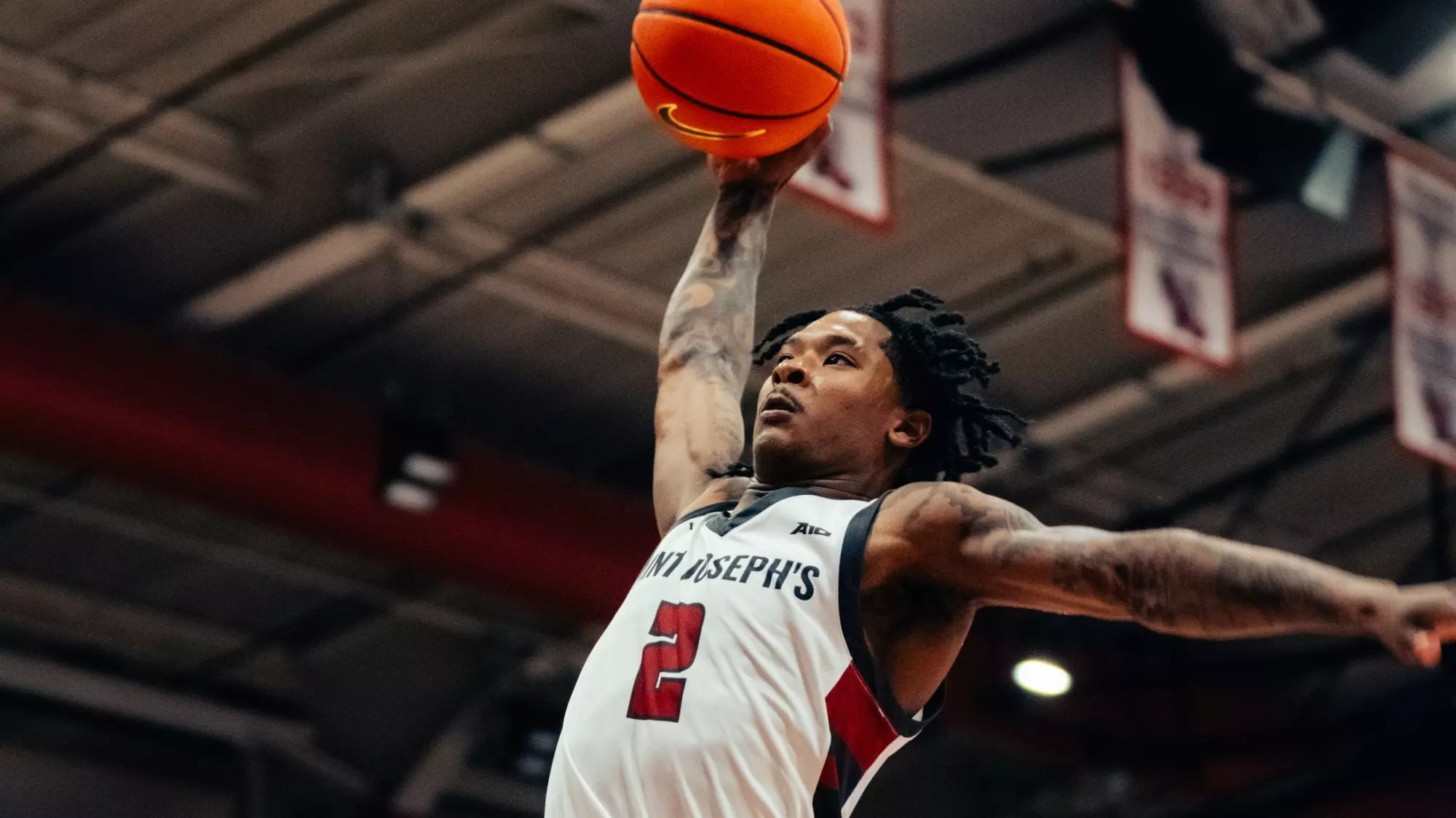
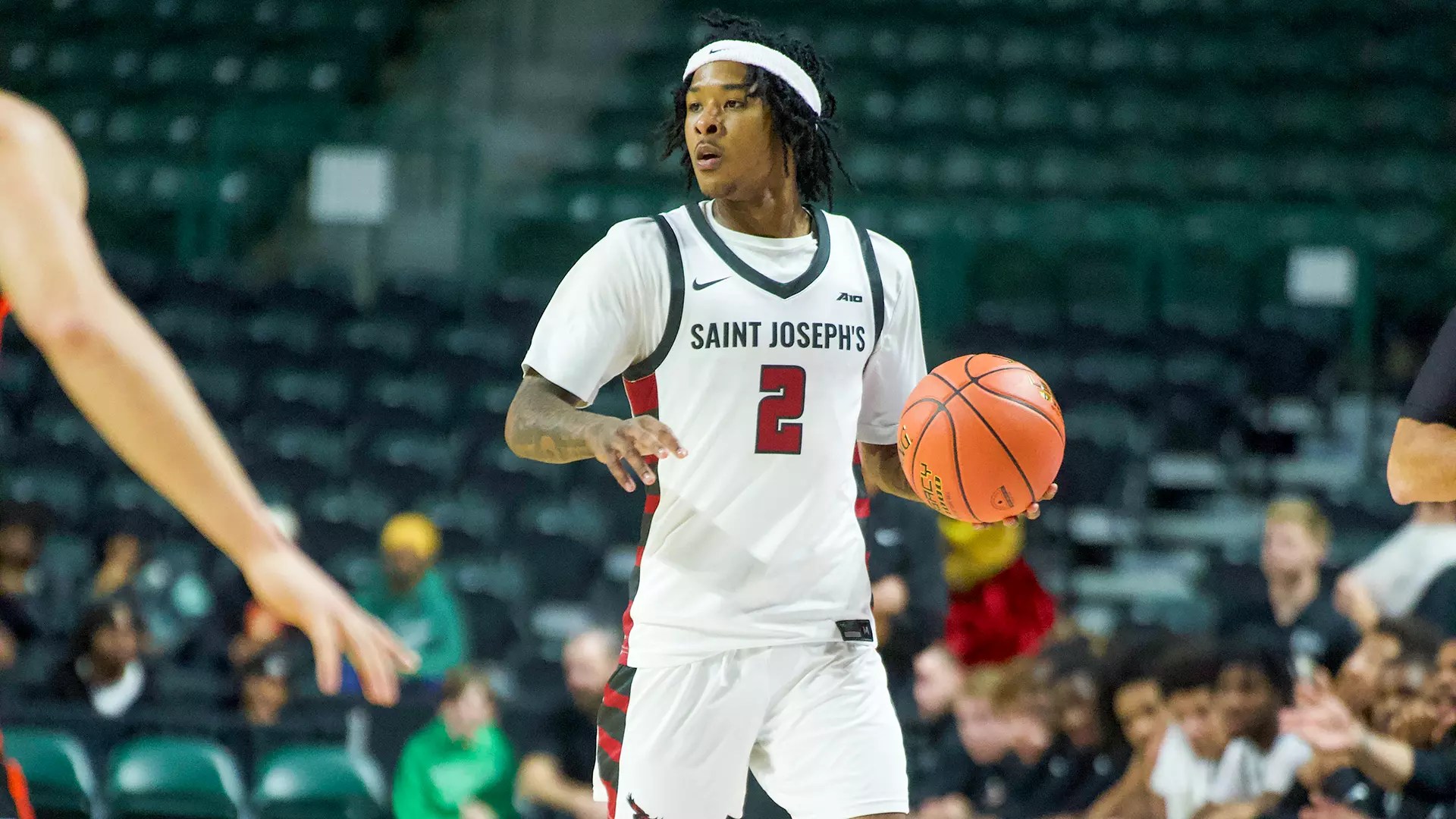
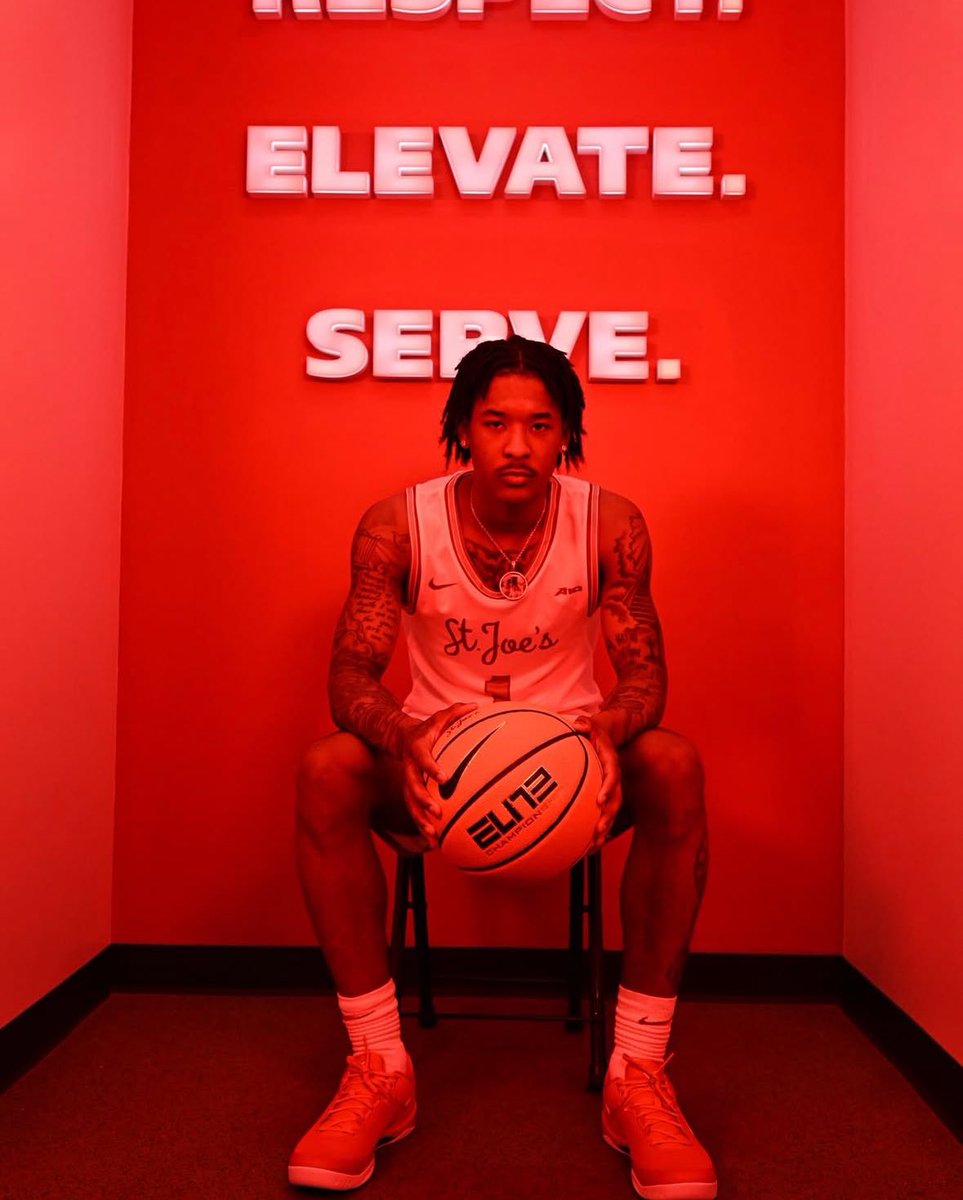
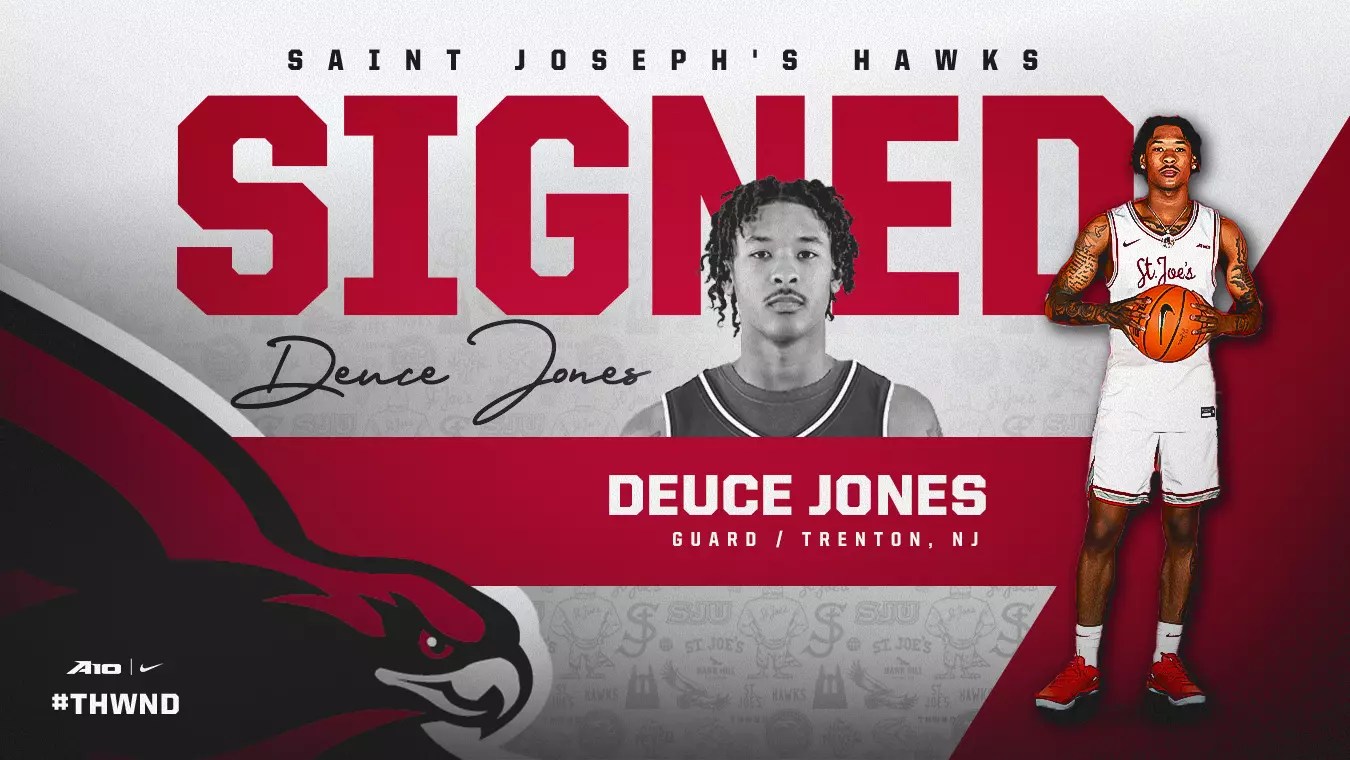
Jones was the Atlantic 10 Men’s Basketball Rookie of the Year during the 2024-2025 season while playing for La Salle University. Like thousands of other college athletes, he entered the transfer portal after the season ended—exercising the same freedom of movement that every American worker is taught to regard as a birthright. He ultimately committed to St. Joseph’s University, just a few miles across town, to play for Coach Billy Lange. He signed a lucrative NIL deal, the kind of contract that critics insist corrupts the young but that no one would begrudge a fifty-year-old man.
Before Jones could ever wear the Hawk uniform in a meaningful game, the architecture of his decision collapsed. Lange departed. He abruptly left St. Joseph’s and accepted a job within the New York Knicks organization. The coach who had recruited Jones, who had sold him on a vision, a system and a relationship, was gone before the season began—pursuing his own career advancement, his own economic interests, his own ambitions. The machinery of the sport processed this as normal. Lange was praised for seizing an NBA opportunity.
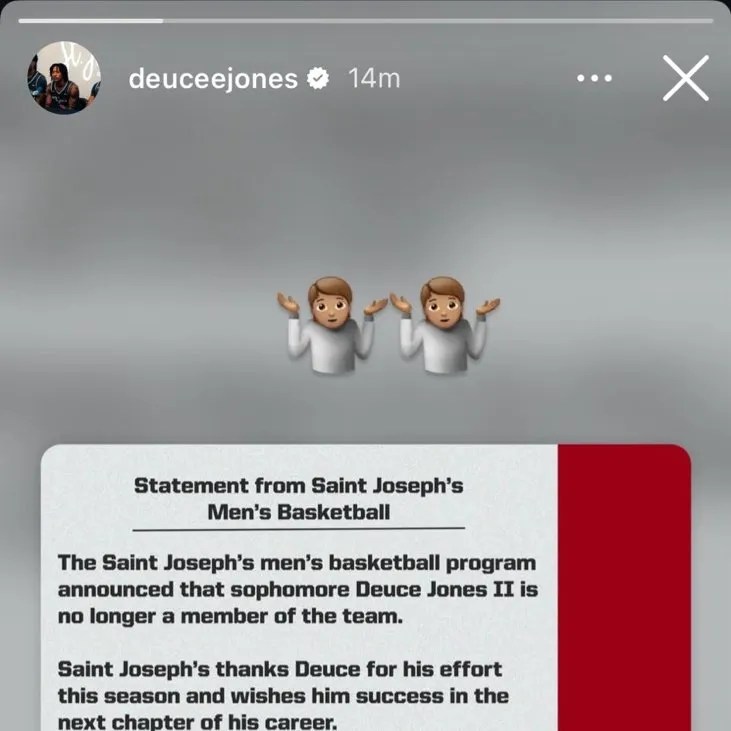
Steve Donahue, who had recently been hired as an assistant after being fired as head coach at the University of Pennsylvania, was promoted and signed a multiyear contract to replace Lange. The program Jones had chosen no longer existed. The coach he had committed to play for was gone. The system he had been recruited to fit was replaced by one designed by a man he never agreed to play for. The player-coach relationship did not work out. Jones, the reigning Atlantic 10 Rookie of the Year, left the team after 10 games.
Then came the familiar verdict. Some St. Joseph’s fans, reaching for the well-worn vocabulary of the moral panic, characterized Jones as a “bad teammate” following his commitment to the University of Alabama at Birmingham.
Pause on that sequence. A middle-aged white coach takes a job, recruits a young Black athlete, signs him to a contract, then abandons that contract before a single season is played to better his own professional standing. That coach’s departure sets off a chain reaction that fundamentally alters the conditions under which the athlete agreed to labor. The institution replaces the coach with someone the athlete never chose, in a system he never signed up for. When the relationship predictably fails, the athlete exercises the same prerogative the coach exercised—to leave for a better situation—and the athlete is the one branded disloyal. The coach is ambitious. The player is a bad teammate. The entire episode is a master class in how the language of character functions as a disciplinary weapon, applied only to those who are supposed to stay in their assigned place.

The Vocabulary of Control
Consider the word “selfish.” When a running back enters the transfer portal seeking a better offensive scheme, more exposure and a larger NIL collective payout, he is condemned as a mercenary who has abandoned the sacred cause of the team. But what is the unspoken expectation here? It is that the young Black athlete should subordinate his own economic interests, his own physical health during a famously short and brutal career, and his own family’s financial future to the emotional needs of a fanbase and the career ambitions of a coaching staff. The word “selfish” in this context functions as a code. It is a term of discipline applied to laborers who are supposed to think collectively only insofar as that collectivity serves the institution. The athlete’s individualism is a threat; the coach’s individualism is a sign of competitive greatness. Billy Lange leaves for the Knicks, chasing his own advancement, and that is the natural order of things. Deuce Jones leaves for UAB after the coach who recruited him disappears, and that is a character flaw.
Then there is “greedy.” The same television broadcasters who celebrate a coach’s new $95 million contract as a triumph of the free market will, minutes later, express grave concern that an NIL deal worth a few hundred thousand dollars is corrupting the souls of 19-year-olds. The accusation of greed is almost never directed upward. It does not attach itself to the conference commissioners earning millions or the athletic directors who preside over facilities arms races built on the uncompensated labor of generations. It is reserved for the laborer who dares to ask for more than what the system has deemed his appropriate allowance. The function of this selective accusation is to produce guilt. It is meant to make a young person feel dirty for wanting what the system’s architects take as their birthright.
“Disloyal” may be the most revealing epithet of all. Loyalty, in the moral vocabulary of college sports, flows only one way. The coach who leaves a program in the middle of the night, who breaks a contract without penalty to accept a richer offer, who tells recruits he will be there for their entire careers and then holds a press conference at another school 48 hours later—this man is described as ambitious, strategic, a winner. His disloyalty is recast as a natural expression of his excellence. But the player who transfers, especially after his coach has already left, is branded with a scarlet letter. The lesson is stark: Loyalty is an obligation demanded of the dominated and a courtesy occasionally offered by the dominant. It is a leash, not a contract.
And what of the charge of being a “bad teammate”? This accusation is a particularly effective instrument of internal policing. It transforms the entirely reasonable act of pursuing better working conditions into a betrayal of one’s peers. The logic is that a player who negotiates for his own value is fracturing the locker room’s sacred unity. But that unity, in the context of a system designed to extract maximum physical effort from Black bodies for the financial and reputational benefit of white-controlled institutions, is a unity of the plantation. It is a collectivism that does not empower the collective but rather harnesses it to the goals of those who own the land. A bad teammate, in this framework, is anyone who reminds his fellow workers that they have interests of their own that the institution will not protect. Deuce Jones was supposed to stay, to submit to a system he never chose under a coach he never committed to, for the sake of a unity that had already been shattered by the man who recruited him. When he declined that burden, he became the villain.

The Great Diversion
The exclusive focus on the athlete’s moral character is not an accident. It is a diversion. It turns the public’s gaze away from the actual economic violence of the system—the years of uncompensated brain trauma, the billion-dollar television deals built on scholarships that do not remotely cover the value produced, the universities that build gleaming athletic cathedrals while their academic missions strain—and redirects it toward the comportment of the 20-year-olds who have finally found a sliver of leverage. If the public can be persuaded that the real problem is the player’s ingratitude, then it will not ask why the coach’s salary has a different moral valence or why the system was built so that the vast majority of the wealth flows to everyone except the people the crowd actually pays to see.
This is not an argument against coaching salaries or the right of any professional to maximize their market value. It is an argument for consistency. Coaches and administrators are free to operate within the logic of capitalism because that is what the system permits people with power to do. The moral panic begins when people who were never supposed to have power begin to operate under the same logic. The dominant group’s freedom, when exercised by the dominated, is recoded as sin.
The Crisis Beneath the Crisis
The current hand-wringing over NIL and the transfer portal is, at bottom, a crisis of control disguised as a crisis of values. What has been disrupted is not the moral formation of young athletes. Young athletes, like young people in every industry, are responding rationally to the incentives and opportunities placed before them. What has been disrupted is a racialized labor arrangement that depended on a captive workforce performing gratitude while generating obscene wealth for others.
The story of Deuce Jones is not an outlier that complicates the dominant narrative. It is the narrative stripped of its euphemisms. A coach exercised his freedom and was celebrated. An athlete exercised the same freedom and was condemned. The language of selfishness, greed and disloyalty is the sound a system makes when its tools begin to talk back. We should not mistake that noise for wisdom, and we should be very clear about who benefits when we do.