Contact: Black Cager Invitational Tournament Jason Boggs, Tournament Director Senior jboggs501@yahoo.com | (484) 522-2750
Premier Live Period Event Exclusively Connects Mid-Atlantic Scholastic Standouts with Division II and III Programs as the NIL Era Reshapes Recruiting
ALLENTOWN, PA — May 8, 2026 — In an era where the economics of college basketball recruiting have been fundamentally rewritten, a new showcase is stepping onto center court to bridge a widening gap. On June 20, the inaugural Black Cager Invitational Basketball Tournament will tip off at the state-of-the-art Executive Fieldhouse in Allentown, Pennsylvania, with a singular, unapologetic mission: connecting the Mid-Atlantic’s most promising unsigned scholastic talent directly with coaches from every Division II and Division III program across Pennsylvania, New Jersey, and Delaware.
The seismic shifts caused by the Transfer Portal and NIL collectives have led prominent Division I figures, including Hall of Famer Rick Pitino of St. John’s, to publicly declare a pivot away from traditional high school recruiting. This new calculus has left a deep pool of high-academic, high-character senior and post-graduate prospects searching for a new home. The Black Cager Invitational answers that call.
“The market inefficiency in men’s college basketball right now isn’t a lack of talent—it’s a lack of exposure for the right talent to the right programs,” said Delgreco Wilson, Founder of the Black Cager Invitational. “While the high-major world chases transfers, D2 and D3 programs remain the bedrock of developmental college basketball. This event isn’t a consolation prize; it is a curated marketplace for winners, scholars, and late bloomers who want to impact a program immediately. We are the anti-portal.”
Unlike traditional Live Period events that pack the sidelines with mid-major and high-major staffers focused on elite-ranked prospects, the Black Cager Invitational curates its environment exclusively for small college programs. The event guarantees that every coach in attendance—from the PSAC to the NJAC, the CACC to the Centennial Conference—has an unobstructed view of rosters full of pre-vetted student-athletes eager to compete for roster spots and academic scholarships.
THE NEW BLUEPRINT: BEYOND THE D1 GLARE
The modern college coach at the Division II and III levels isn’t looking for a mercenary; they are looking for a four-year pillar. The Black Cager Invitational showcases athletes who are physically prepared to contribute as freshmen and academically positioned to thrive at rigorous institutions. This is high-level basketball stripped of the transactional NIL frenzy, focusing purely on fit, system, and education.
“Rick Pitino was simply bold enough to say what many are thinking,” the tournament’s executive committee noted. “But for every five-star jumping to a blue blood, there are five under-recruited guards in Philly, Jersey, and Delaware that can shoot the lights out and carry a 3.4 GPA. Those kids need a stage. We built that stage at the Executive Fieldhouse.”
EVENT DETAILS:
Event: The Black Cager Invitational Basketball Tournament
Date: Saturday, June 20, 2026
Venue: Executive Fieldhouse – A premier, state-of-the-art multi-court facility designed for elite-level competition, located in the heart of the Mid-Atlantic recruiting corridor.
Attendance: Exclusively open to accredited men’s basketball coaching staffs from Division II and Division III institutions in PA, NJ, and DE.
Player Eligibility: Unsigned seniors and qualified post-graduates from the Mid-Atlantic region.
For a landscape in flux, the Black Cager Invitational offers certainty: a direct pipeline from the scholastic hardwood to the scholarshipped small-college athlete.
For media credentials, event registration, and interview requests, please contact Jason Boggs at jboggs501@yahoo.com, (484) 522-2750.
About the Black Cager Invitational:
The Black Cager Invitational is the nation’s premier competitive platform dedicated exclusively to bridging the gap between high school basketball talent and small college recruiting. Founded on the principle that opportunity should not be stratified by the economics of Division I, the Invitational champions the student-athlete seeking competitive excellence and academic achievement at the Division II and III levels.
Elite New Jersey Academy Relaunches Under Founder Ian Turnbull to Address “Confusing” NCAA Landscape and Transfer Portal Disruption
BELMAR, NJ – April 27, 2026 – Covenant College Prep, one of the nation’s most proven pipelines for collegiate basketball talent, today announced the official return of its basketball program following a one-year hiatus. The program, founded and led by Executive Director Ian Turnbull, will resume operations immediately, offering high school and postgraduate student-athletes a structured, high-performance pathway to NCAA Division I, Division II, NAIA, and JUCO competition.
Naismith Hall of Fame Coach, Bob Hurley with Covenant College Prep players
Since its inception, Covenant has produced scores of players who have gone on to play at high major and mid-major Division I programs, in addition to over 100 scholarship athletes at the Division II, NAIA, and JUCO levels. Notable alumni include Nick Jourdain (Memphis University), Shavar Reynolds (Seton Hall University), and A.J. West (University of Nevada).
Turnbull cited the rapidly shifting NCAA regulatory environment as a primary catalyst for the program’s revival.
“The rapidly changing NCAA regulatory environment is confusing and frequently overwhelming for many talented players and their families,” said Turnbull. “With college coaches like Rick Pitino explicitly declaring that they are not recruiting high school players, and thousands of experienced athletes available in the transfer portal, the recruitment process has been transformed. We take a lot of pride in offering counsel and guidance to our players, as well as an opportunity to improve and compete against top-level competition.”
Covenant College Prep is modeled after the prestigious New England Preparatory School Athletic Council (NEPSAC) and operates on five core principles: Appropriate Behavior, Fair Play, Good Sportsmanship, Excellence, and Competition. The program’s “Commitment to Excellence” philosophy emphasizes continuous improvement and innovation, propelling athletes toward high performance in academics, social development, and athletics.
On-Court Identity & Development
Defense-First System: Stifling team defense built on individual accountability, designed to generate offense from defensive pressure.
Attack-Mode Offense: Fast-paced, matchup-exploiting schemes with innovative sets to outwit opponents.
College-Level Training: Daily team practices, “Skills Only” workouts, and position-specific instruction.
Strength & Conditioning: Measurable on-court performance improvements through elite S&C programming. Program Advantages for Student-Athletes
NCAA-approved classes (Full 48H credit structure)
Opportunity to earn college credits
National schedule with significant exposure opportunities
Housing & Meals
Student-athletes will reside in two dedicated team houses located two blocks from the ocean in scenic Belmar, New Jersey:
House 1: 8 bedrooms, 3 bathrooms, 3,500 sq. ft. House 2: 5 bedrooms, 2 bathrooms, 3,000 sq. ft. The two houses are situated two blocks apart.
Breakfast, lunch, and dinner will be provided daily at the team house by Covenant College Prep.
Enrollment & Contact
Interested players and parents are invited to contact Ian Turnbull directly for tryout and enrollment information.
Ian Turnbull, Executive Director
Phone: 732-642-3269
Covenant College Prep is a premier basketball academy committed to preparing young men for the challenges of collegiate athletics through superior instruction, competition, and character development.
The theater of amateurism has always demanded that the laborers perform gratitude. They are finally refusing the script.
CAMDEN, NJ – There is a familiar tremor of anxiety running through college sports, a sense among many fans, pundits and administrators that something essential has been lost. The arrival of name, image and likeness compensation and the liberated transfer portal has, we are told, unleashed a wave of selfishness, greed and disloyalty among the young men and women who play the revenue-generating sports. The athletes, particularly the Black athletes who dominate football and men’s basketball, are now routinely described as mercenaries, as bad teammates, as children who have been ruined by money they did not earn and freedoms they do not know how to wield. The language is moral, the tone is elegiac, and the target is precise.
What is remarkable about this cascade of criticism is not its volume but its selectivity. The same multibillion-dollar industry that has normalized the spectacle of middle-aged coaches jetting from one contract to another in pursuit of seismic paydays, leaving behind the very players they recruited with promises of family and brotherhood, now looks those players in the eye and calls them disloyal for doing the same thing on a much smaller scale and with a fraction of the institutional power. This glaring double standard is not a glitch in the logic of college sports. It is the logic itself, and it reveals the endurance of what the long-time NCAA Executive Director, Walter Byars, described as a “neo-plantation” arrangement of power dressed in the language of amateurism and moral character.
The System as a Battlefield
To understand this moment, one must see college athletics as a theater in a much larger system, a social machinery designed to manage the relationship between those who own the capital and those who produce the value with their bodies. In this arrangement, every major area of human activity—the economy, education, entertainment, labor—functions as a battlefield on which a racial hierarchy is reinforced. The role assigned to the Black body within this machinery is to be an instrument of production, a source of spectacle and revenue whose labor enriches institutions controlled almost entirely by white executives, white university presidents, white athletic directors, white head coaches and white-run media conglomerates. The unspoken rule of this arrangement is that the instrument must not acquire a will of its own. When it does, the system must declare a moral emergency.
This is precisely what we are witnessing in the era of the transfer portal and NIL rights. A class of laborers that was expected to perform, produce and remain gratefully in place has suddenly acquired the limited but real ability to move, to bargain and to claim a share of the wealth it generates. The response has been a language of character assassination that would be immediately recognizable to anyone who has studied how dominant groups have historically reacted when subjugated populations take a step toward economic autonomy. A person who was supposed to be a tool is now acting like an independent agent. That transformation must be defined as a moral failure, not a rational economic choice.
The Case Study That Exposes the Hypocrisy
The saga of Deuce Jones renders the double standard unavoidable, so naked in its contradictions that it functions as a kind of parable for the entire era.
Jones was the Atlantic 10 Men’s Basketball Rookie of the Year during the 2024-2025 season while playing for La Salle University. Like thousands of other college athletes, he entered the transfer portal after the season ended—exercising the same freedom of movement that every American worker is taught to regard as a birthright. He ultimately committed to St. Joseph’s University, just a few miles across town, to play for Coach Billy Lange. He signed a lucrative NIL deal, the kind of contract that critics insist corrupts the young but that no one would begrudge a fifty-year-old man.
Before Jones could ever wear the Hawk uniform in a meaningful game, the architecture of his decision collapsed. Lange departed. He abruptly left St. Joseph’s and accepted a job within the New York Knicks organization. The coach who had recruited Jones, who had sold him on a vision, a system and a relationship, was gone before the season began—pursuing his own career advancement, his own economic interests, his own ambitions. The machinery of the sport processed this as normal. Lange was praised for seizing an NBA opportunity.
Steve Donahue, who had recently been hired as an assistant after being fired as head coach at the University of Pennsylvania, was promoted and signed a multiyear contract to replace Lange. The program Jones had chosen no longer existed. The coach he had committed to play for was gone. The system he had been recruited to fit was replaced by one designed by a man he never agreed to play for. The player-coach relationship did not work out. Jones, the reigning Atlantic 10 Rookie of the Year, left the team after 10 games.
Then came the familiar verdict. Some St. Joseph’s fans, reaching for the well-worn vocabulary of the moral panic, characterized Jones as a “bad teammate” following his commitment to the University of Alabama at Birmingham.
Pause on that sequence. A middle-aged white coach takes a job, recruits a young Black athlete, signs him to a contract, then abandons that contract before a single season is played to better his own professional standing. That coach’s departure sets off a chain reaction that fundamentally alters the conditions under which the athlete agreed to labor. The institution replaces the coach with someone the athlete never chose, in a system he never signed up for. When the relationship predictably fails, the athlete exercises the same prerogative the coach exercised—to leave for a better situation—and the athlete is the one branded disloyal. The coach is ambitious. The player is a bad teammate. The entire episode is a master class in how the language of character functions as a disciplinary weapon, applied only to those who are supposed to stay in their assigned place.
The Vocabulary of Control
Consider the word “selfish.” When a running back enters the transfer portal seeking a better offensive scheme, more exposure and a larger NIL collective payout, he is condemned as a mercenary who has abandoned the sacred cause of the team. But what is the unspoken expectation here? It is that the young Black athlete should subordinate his own economic interests, his own physical health during a famously short and brutal career, and his own family’s financial future to the emotional needs of a fanbase and the career ambitions of a coaching staff. The word “selfish” in this context functions as a code. It is a term of discipline applied to laborers who are supposed to think collectively only insofar as that collectivity serves the institution. The athlete’s individualism is a threat; the coach’s individualism is a sign of competitive greatness. Billy Lange leaves for the Knicks, chasing his own advancement, and that is the natural order of things. Deuce Jones leaves for UAB after the coach who recruited him disappears, and that is a character flaw.
Then there is “greedy.” The same television broadcasters who celebrate a coach’s new $95 million contract as a triumph of the free market will, minutes later, express grave concern that an NIL deal worth a few hundred thousand dollars is corrupting the souls of 19-year-olds. The accusation of greed is almost never directed upward. It does not attach itself to the conference commissioners earning millions or the athletic directors who preside over facilities arms races built on the uncompensated labor of generations. It is reserved for the laborer who dares to ask for more than what the system has deemed his appropriate allowance. The function of this selective accusation is to produce guilt. It is meant to make a young person feel dirty for wanting what the system’s architects take as their birthright.
“Disloyal” may be the most revealing epithet of all. Loyalty, in the moral vocabulary of college sports, flows only one way. The coach who leaves a program in the middle of the night, who breaks a contract without penalty to accept a richer offer, who tells recruits he will be there for their entire careers and then holds a press conference at another school 48 hours later—this man is described as ambitious, strategic, a winner. His disloyalty is recast as a natural expression of his excellence. But the player who transfers, especially after his coach has already left, is branded with a scarlet letter. The lesson is stark: Loyalty is an obligation demanded of the dominated and a courtesy occasionally offered by the dominant. It is a leash, not a contract.
And what of the charge of being a “bad teammate”? This accusation is a particularly effective instrument of internal policing. It transforms the entirely reasonable act of pursuing better working conditions into a betrayal of one’s peers. The logic is that a player who negotiates for his own value is fracturing the locker room’s sacred unity. But that unity, in the context of a system designed to extract maximum physical effort from Black bodies for the financial and reputational benefit of white-controlled institutions, is a unity of the plantation. It is a collectivism that does not empower the collective but rather harnesses it to the goals of those who own the land. A bad teammate, in this framework, is anyone who reminds his fellow workers that they have interests of their own that the institution will not protect. Deuce Jones was supposed to stay, to submit to a system he never chose under a coach he never committed to, for the sake of a unity that had already been shattered by the man who recruited him. When he declined that burden, he became the villain.
The Great Diversion
The exclusive focus on the athlete’s moral character is not an accident. It is a diversion. It turns the public’s gaze away from the actual economic violence of the system—the years of uncompensated brain trauma, the billion-dollar television deals built on scholarships that do not remotely cover the value produced, the universities that build gleaming athletic cathedrals while their academic missions strain—and redirects it toward the comportment of the 20-year-olds who have finally found a sliver of leverage. If the public can be persuaded that the real problem is the player’s ingratitude, then it will not ask why the coach’s salary has a different moral valence or why the system was built so that the vast majority of the wealth flows to everyone except the people the crowd actually pays to see.
This is not an argument against coaching salaries or the right of any professional to maximize their market value. It is an argument for consistency. Coaches and administrators are free to operate within the logic of capitalism because that is what the system permits people with power to do. The moral panic begins when people who were never supposed to have power begin to operate under the same logic. The dominant group’s freedom, when exercised by the dominated, is recoded as sin.
The Crisis Beneath the Crisis
The current hand-wringing over NIL and the transfer portal is, at bottom, a crisis of control disguised as a crisis of values. What has been disrupted is not the moral formation of young athletes. Young athletes, like young people in every industry, are responding rationally to the incentives and opportunities placed before them. What has been disrupted is a racialized labor arrangement that depended on a captive workforce performing gratitude while generating obscene wealth for others. The story of Deuce Jones is not an outlier that complicates the dominant narrative. It is the narrative stripped of its euphemisms. A coach exercised his freedom and was celebrated. An athlete exercised the same freedom and was condemned. The language of selfishness, greed and disloyalty is the sound a system makes when its tools begin to talk back. We should not mistake that noise for wisdom, and we should be very clear about who benefits when we do.
CAMDEN, NJ – For three years, D.J. Wagner’s career has been defined by loyalty. Loyalty to John Calipari, the coach who recruited him to Kentucky, who coached his father at Memphis, who became a second father to the Wagner family. Loyalty that led him to follow Calipari from Kentucky to Arkansas after his freshman season, sacrificing the comfort of a program where he had already earned a starting role for the uncertainty of a rebuild.
That loyalty earned him nothing. Not a featured role. Not a clear path to the NBA. Not even consistent playing time.
As a freshman at Kentucky, Wagner shared the backcourt with Reed Sheppard and Rob Dillingham—both eventual one and done NBA first-round picks. As a sophomore at Arkansas, he watched Boogie Fland emerge as the team’s leader and go-to guy before Fland transferred to Florida. As a junior, he was pushed aside by Darius Acuff, the SEC Rookie of the Year and Player of the Year, a lottery pick in waiting.
In college, Wagner has never been the man. He has never had the opportunity to play 35 minutes per game as the featured option.
He has never been the player his team looked to in every critical moment.
That changes now.
Wagner’s decision to transfer from Arkansas to Maryland is not a story of disloyalty. It is a story of a player finally putting himself first. After three years of sacrificing for others, after three years of competing for minutes against NBA talent, after three years of deferring, Wagner has chosen to become the main character in his own story.
At Maryland, under Buzz Williams, Wagner will be the starting point guard and primary playmaker. He will have the opportunity to demonstrate that he remains one of the finest players in the nation and a viable NBA draft prospect. And he will finally answer the question that has followed him since high school: What can D.J. Wagner do when he is the man?
The Portfolio Problem: Two Decisions, Two Different Motivations
To understand Wagner’s journey, you have to understand his two transfer decisions as fundamentally different kinds of portfolio allocations.
Decision #1: Kentucky to Arkansas (2024) – The Loyalty Move
After a solid freshman season at Kentucky—SEC All-Freshman Team, three-time SEC Freshman of the Week, 28 starts in 29 appearances—Wagner faced a choice. Calipari was leaving for Arkansas. Wagner could stay at Kentucky, compete for minutes against a new crop of five-star recruits, or follow his coach to Fayetteville.
He chose loyalty. He followed Calipari.
The Calculus: Wagner traded the stability of a program where he had already earned a role for the uncertainty of a rebuild. He traded Kentucky’s brand for Arkansas’s promise. But he gained something invaluable: the trust of a coach who knew his family, who had coached his father, who would prioritize his development.
Or so he thought.
Decision #2: Arkansas to Maryland (2026) – The Self-Interest Move
After two seasons at Arkansas, Wagner’s production had plateaued. As a sophomore, he was an ironman—the only Razorback to start all 36 games, ranking second in the SEC in minutes (34:32 per game), leading the team with 131 assists. After Boogie Fland’s injury, he took over full-time at point guard and averaged 12.2 points and 4.6 assists over the final 18 games.
But as a junior, his role diminished. Darius Acuff arrived and immediately became the focal point of the offense. Wagner’s starts dropped from 36 to 19. His minutes, his shots, his assists—all down.
He had been loyal. He had waited his turn. And his turn never came.
This time, Wagner made a different choice. He chose self-interest. He entered the portal not to follow a coach, but to find a program where the wins and losses depend on his play.
The Calculus: Wagner traded SEC prestige for Big Ten opportunity. He traded a bench role for a starting job. He traded uncertainty for clarity. And he gained something invaluable: a chance to finally be the featured player.
The Maryland Opportunity: Buzz Williams and a Clean Slate
Buzz Williams is one of the most respected coaches in college basketball. He has won at least 100 games at Marquette, Virginia Tech, and Texas A&M—and he is seeking to become just the third Division I head coach to win 100 games at four different institutions, joining Maryland Hall of Fame coach Lefty Driesell and Steve Alford.
Williams’ track record speaks for itself: 18 seasons as a head coach: 373-228 (.621) 2x SEC Coach of the Year (2019-20, 2022-23) Led Texas A&M to the NCAA Tournament in each of his last three seasons Has won 100+ games at three different programs
But Wagner has already played a 100 games, logging major minutes, for a Hall of Fame coach.
Playing for Williams is opportunity to display his full game. Williams has a reputation for developing guards, for building defensive-minded teams, for maximizing the talent on his roster. He will give Wagner the keys to the offense and trust him to make plays.
The Numbers: A Player Who Keeps Improving
Wagner’s three-year college career shows steady improvement in the areas that matter most:
The positive trends: His three-point percentage has improved every season (29.2% → 30.4% → 34.6%) His assist-to-turnover ratio as a junior (85 assists, 23 turnovers) was elite (3.70) He is 52 points from 1,000 for his career and has 312 career assists
The concerning trends: His scoring and assists dropped significantly as a junior He started only 19 of 35 games He has never been the featured option
At Maryland, Wagner will have the opportunity to reverse those trends. He will be the main playmaker. He will play 30+ minutes per night. He will have the ball in his hands.
Arkansas head coach John Calipari speaks with guard D.J. Wagner (21), Saturday, Nov. 8, 2025, during the second half of the Razorbacks’ 69-66 loss to the Michigan State Spartans at the Breslin Center in East Lansing, Mich. Visit nwaonline.com/photo for today’s photo gallery. (NWA Democrat-Gazette/Hank Layton)
What Wagner Has Endured
It is impossible to assess Wagner’s journey without acknowledging what he has been through. He has competed against NBA-level guards every single year of his college career:
Freshman (Kentucky): Reed Sheppard (NBA first round) and Rob Dillingham (NBA first round) Sophomore (Arkansas): Boogie Fland (team leader, later transferred to Florida) Junior (Arkansas): Darius Acuff (SEC ROY, SEC POY, lottery pick)
He has never been the priority. He has always been the second or third option. And yet, he has never complained. He has never quit. He has played through injury—including an ankle injury that limited him as a junior. He has defended. He has facilitated. He has done whatever his team needed.
That maturity—that dedication to winning—made him an attractive prospect in the portal. High major programs like Villanova and St. John’s pursued him heavily. But Maryland offered something they could not: a clear path to being the man.
The Final Verdict: A Player Reclaiming His Narrative
D.J. Wagner was the No. 1 player in his high school class. He was the McDonald’s All-American Game MVP. He was supposed to be a one-and-done lottery pick.
That is not how his story has unfolded. But it is not too late to rewrite the ending.
At Maryland, under Buzz Williams, Wagner will have the opportunity to demonstrate that he is one of the best players in the nation and a viable NBA draft prospect. He will finally be the main playmaker.
He will finally have the chance to answer the question that has followed him since high school.
His first transfer was driven by loyalty. His second transfer is driven by self-interest. And that is exactly as it should be
Wagner has sacrificed enough. He has waited enough. He has been loyal enough.
CAMDEN, NJ -The transfer portal is often framed as a story of impatience—players who leave at the first sign of adversity, who chase playing time, who refuse to wait their turn. But Chance Westry’s journey is different. His story is not about impatience. It is about survival.
Westry has transferred three times: from Auburn to Syracuse, from Syracuse to UAB, and now from UAB to Xavier. He has undergone two leg surgeries—one in 2022, another in 2023. He played in just 11 games as a freshman. He redshirted his sophomore season. He logged spot minutes off the bench at Syracuse as a junior.
And yet, after all of that, he is still standing. He is still improving. And at Xavier, he will likely start for a Big East program with two years of eligibility remaining.
This is not a story of a player who could not commit. It is a story of a player who refused to quit.
The Portfolio Problem: Three Decisions, One Trajectory
To understand Westry’s journey, you have to understand his decision-making as a series of portfolio allocations—each one shaped by injury, opportunity, and the need to find a program that would trust him.
Decision #1: Auburn to Syracuse (2023)
Westry arrived at Auburn as a consensus four-star recruit—ranked No. 26 by Rivals, No. 32 by ESPN, No. 38 by 247Sports. He had averaged 24.1 points, 5.3 rebounds, and 3.1 assists as a sophomore at Trinity High School in Pennsylvania, earning Class 3A Player of the Year honors. He had surpassed 1,000 career points in just two seasons. He had been invited to try out for the USA Basketball Junior National Team.
But injuries derailed his freshman season. He underwent arthroscopic knee surgery in the fall, missed the preseason and the first two games, and played in just 11 games, averaging 2.5 points. He needed a fresh start.
Syracuse offered that fresh start. The Orange had a history of developing guards. The ACC provided a national platform. And Westry hoped that a change of scenery would allow him to finally get healthy and play.
The Calculus: Westry traded the SEC for the ACC—a lateral move in terms of conference prestige. But he traded a program where he had barely played for a program where he hoped to earn a role. The speculative assets—health, opportunity, development—outweighed the risk.
Decision #2: Syracuse to UAB (2025)
Westry’s time at Syracuse was more frustration than fulfillment. A training camp leg injury required surgery. He missed the entire 2023-24 season. He returned in 2024-25 but logged only spot minutes off the bench against Tennessee, Notre Dame, and Albany.
Two years at Syracuse. Two surgeries. Minimal playing time. He needed a program where he could actually play—where he could be featured, not just a reserve.
UAB offered that opportunity. The Blazers were a rising program in the American Athletic Conference. They needed a lead guard. They promised him a featured role.
The Calculus: Westry traded ACC prestige for AAC opportunity. He traded a bench role for a starting job. He traded uncertainty for clarity. And the gamble paid off.
Decision #3: UAB to Xavier (2026)
Westry’s single season at UAB was a breakout. He played in all 32 games, made 27 starts, and averaged 15.5 points, 5.6 assists, and 3.8 rebounds per game. He scored a career-high 31 points against Cleveland State. He broke the program record and American Conference record with 15 assists in a single game against Charlotte. He was named second-team All-American Conference.
He had proven he could produce. But the AAC, while respectable, is not the Big East. And Westry had two years of eligibility remaining.
Xavier offered the next rung on the ladder: a starting job in the Big East, a platform with NBA scouts in attendance, and a chance to prove he could produce against high-major competition.
The Calculus: Westry traded AAC production for Big East exposure. He traded a mid-major platform for a power conference stage. And he gained something else: a head coach with a proven track record of winning.
The Richard Pitino Factor: A Coach Who Wins
Richard Pitino arrived at Xavier after a successful stint at New Mexico, where he was named the 2024-25 Mountain West Coach of the Year. He has 15 seasons of experience as a head coach, a 262-204 record, an NIT Championship, and four NCAA Tournament appearances. He was the 2016-17 Big Ten Coach of the Year at Minnesota.
Pitino is sixth among the top winningest active head coaches under the age of 50, and second among active head coaches under the age of 45, according to the Elias Sports Bureau. Before becoming a head coach, he spent seven years as an assistant or associate head coach, including five NCAA Tournament appearances, one Final Four, four Elite Eights, and two 30-win seasons.
For Westry, a player who has battled injuries and inconsistency, playing for a proven winner matters. Pitino has built programs. He has won conference coach of the year awards in two different leagues. He has taken teams to the NCAA Tournament. He knows what it takes to win.
The Impact of Injury: A Career Nearly Lost
It is impossible to assess Westry’s journey without acknowledging the toll of his injuries. Two leg surgeries. Two lost seasons. The mental grind of rehab, of watching from the sideline, of wondering if he would ever be the player he was supposed to be.
Many players would have quit. Many would have transferred down to a lower level just to play. Westry kept believing. He kept working. And at UAB, he finally got his chance.
His numbers at UAB—15.5 points, 5.6 assists, 48.7% shooting—are even more impressive when you consider that he was still shaking off rust, still building confidence, still learning to trust his body again.
What Westry Gains at Xavier
A Big East Platform: Xavier will face UConn, Marquette, Creighton, Villanova, and Providence. NBA scouts attend Big East games nightly. Westry will be seen.
A Proven Head Coach: Richard Pitino has won everywhere he has coached. He has taken teams to the NCAA Tournament. He knows how to win.
A Clear Role: Xavier struggled to a 15-18 (6-14 Big East) record last season. They need a lead guard who can score and facilitate. Westry fits that profile. He will likely start from day one.
Two Years of Eligibility: Unlike many transfers who have one season to prove themselves, Westry has two. That extra year allows him to build, to develop, to position himself for a professional career.
The Final Verdict: A Testament to Resilience
Chance Westry’s journey is not a cautionary tale about the transfer portal. It is a testament to resilience. He has endured two leg surgeries, two lost seasons, and three transfers. He has been counted out, written off, and overlooked.
And yet, he is still standing. He is still improving. And at Xavier, he has a chance to write the final chapter of his college career—not as a player who transferred too many times, but as a player who refused to quit.
The portal is full of players who left and faded away. Chance Westry left, found himself, and came back stronger.
CAMDEN, NJ – Athletes are frequently criticized for chasing immediate NIL paydays rather than prioritizing programs that offer superior coaching, development, and professional pathways. You are well acquainted with the narrative: players sign with schools offering the largest guarantees, struggle to adapt, lose confidence, and watch their draft stock crater.
Rare are the stories of rational and intelligent decisions based on strategy. Where the player does not chase the highest NIL offer. Where the player chases the right fit, the right level, the right platform, and the right coach.
The transfer portal is often portrayed as a realm of chaos. But for every cautionary tale, there is a player like Ernest Shelton, who has used the portal not as an escape, but as a ladder.
Shelton’s journey from Division II Gannon to Merrimack to Boston College is not a story of impatience or disloyalty. It is a story of a player who has improved every single year, who has consistently bet on himself, and who has made well-informed strategic decisions to maximize his development, his exposure, and his professional future.
This season, after beginning his collegiate career in the PSAC, Shelton will likely start for Boston College in the ACC under first-year head coach Luke Murray—the architect of UConn’s back-to-back national championship offenses. That sentence would have seemed impossible three years ago. But Shelton has proven that the portal, used wisely, can be a tool for ascending—not just transferring.
The Portfolio Problem: Two Decisions, One Trajectory
To understand Shelton’s journey, you have to understand his decision-making as a series of portfolio allocations—each one balancing immediate returns against long-term growth.
Decision #1: Gannon to Merrimack (2024-25)
As a freshman at Gannon, Shelton was a reserve, averaging just under 13 minutes per game. But he showed flashes—a 24-point explosion in his collegiate debut (8-of-12 from three), a 40.8% three-point percentage that ranked fifth in the PSAC.
During his sophomore season at Gannon University in 2024-25, Ernest Shelton emerged as a full-time starter and one of the most prolific scorers in the PSAC, appearing in and starting all 34 games while averaging 27.8 minutes per contest. He led the team with 17.4 points per game, knocked down 150 three-pointers at a 37.0 percent clip, and shot an impressive 85.5 percent from the free-throw line. Shelton recorded seven 20-point games and one 30-point outburst, highlighted by a season-high 32 points against Virginia State (March 16) and a season-best seven three-pointers against Davis & Elkins (November 13). His breakout sophomore campaign proved he could carry a featured scoring load and set the stage for his subsequent transfer to Merrimack and eventual ascent to Boston College.
He needed a platform where he could play.
Merrimack offered that platform. The Warriors were a rising program in the MAAC. They needed shooting. They needed a guard who could stretch the floor. They promised him a featured role.
The Calculus: Shelton traded the comfort of a known system for the uncertainty of a new one. But he also traded D2 starter’s minutes for a D1 starting job. He traded PSAC obscurity for MAAC visibility. The speculative assets—development, exposure, professional pathway—outweighed the risk.
Decision #2: Merrimack to Boston College (2025-26)
Shelton’s single season at Merrimack was a resounding success. He tied the program’s single-game record with nine three-pointers (9-of-12) on his way to 33 points in a win at Boston University. He had the rare feat of two four-point plays in back-to-back games. He scored 23 points, making five threes, at No. 20 Auburn. He led the Warriors with 16 points in a win at Princeton. He made five threes on his way to 17 points in a win over La Salle at the Palestra.
He had proven he could produce at the Division I level. But the MAAC, while respectable, is not the ACC. And Shelton had one season of eligibility remaining.
And then Luke Murray was hired.
Boston College offered the next rung on the ladder: a starting job in the ACC, a platform with NBA scouts in attendance every night, and a chance to prove he could produce against high-major competition.
The Calculus: Shelton traded the comfort of a known role (featured scorer at Merrimack) for the uncertainty of a higher level. But he also traded MAAC visibility for ACC exposure. He traded a mid-major platform for a power conference stage. And he gained something invaluable: a head coach who had just coordinated the most dominant two-year stretch in modern NCAA history.
The Luke Murray Factor: A Championship Pedigree
If Shelton’s decision to transfer to Boston College was strategic, the arrival of Luke Murray made it inspired. Murray joined Dan Hurley’s UConn staff prior to the 2021-22 season. In four seasons in Storrs, the Huskies posted a 115-32 (.782) record—the winningest four-year span in program history.
They won back-to-back national championships in 2023 and 2024.
They produced eight NBA players and three lottery picks, including Donovan Clingan, a lottery pick whom Murray led recruiting efforts for.
Murray’s Offensive Pedigree: UConn’s offense ranked No. 22 in his first season (Kenpom) Soared to No. 3 in his second season Peaked as the nation’s No. 1 offense in 2023-24 The ’24-25 unit finished 15th in adjusted offensive efficiency and was the BIG EAST’s most efficient attack
Murray’s Player Development Track Record: Final Four MOP and All-American Adama Sanogo Lottery pick Donovan Clingan (lead recruiter) Alex Karaban (All-BIG EAST) Liam McNeeley (McDonald’s All-American) Cam Spencer (First Team All-Conference, NBA draft pick)
For Shelton, a shooter who has improved every year, playing for the architect of the nation’s most efficient offense is a dream scenario. Murray’s system prioritizes spacing, ball movement, and three-point shooting—all of which play directly to Shelton’s strengths.
The Consistency: A Player Who Improves Every Year
What makes Shelton’s journey remarkable is not just the transfers themselves, but the consistent improvement that has accompanied each move.
Shelton has improved every single season. He went from a reserve to a full-time starter. From 7.9 points per game to 17.4. From the PSAC to the MAAC to the ACC. And now, he will play for a coach who has coordinated the most efficient offense in college basketball.
The Information Asymmetry Problem
One of the most underappreciated dynamics of the transfer portal is the information asymmetry between players and programs. Programs have complete information about their own rosters, their own systems, and their own depth charts. Players do not. Shelton mitigated this risk by making moves that were logical, incremental, and evidence-based. He did not jump from Division II to the ACC in one move. He took an intermediate step—Merrimack—to prove he could produce at the Division I level.
He chose programs where he had a clear path to playing time. He chose coaches who had demonstrated they could develop guards.
And now, he has chosen to play for a coach who has demonstrated he can develop NBA talent and coordinate championship-level offenses.
That patience—that strategic sequencing—is the exception, not the rule, in the portal era.
What Shelton Gains at Boston College
A Championship Offensive System: Murray’s UConn offenses were historically efficient. The 2023-24 squad set a program-record with 37 wins and was the dual BIG EAST champion before concluding the most dominant two-year stretch in modern NCAA history. Shelton, a career 40% three-point shooter, will thrive in a system that prioritizes spacing and perimeter shooting.
NBA Development Infrastructure: UConn produced eight NBA players and three lottery picks during Murray’s four seasons. Shelton will be coached by someone who has prepared players for the professional level.
ACC Exposure: Boston College will face Duke, North Carolina, Virginia, Miami, and Florida State. NBA scouts attend every ACC game. Shelton will be seen nightly.
A Clear Role: Boston College needs shooting. Shelton provides shooting. He will likely start from day one.
The Final Verdict: A Blueprint for the Strategic Transfer
Ernest Shelton’s journey is a blueprint for how the transfer portal should work. He did not transfer out of desperation. He transferred out of strategy. He did not chase the highest NIL offer. He chased the right fit, the right level, the right platform, and the right coach.
He began his career as a reserve at a Division II program. He will end it as a starter in the ACC, playing for a coach who has won back-to-back national championships and developed lottery picks. That is not luck. That is a player who understood his own portfolio, who made calculated decisions under conditions of incomplete information, and who consistently bet on himself. The portal is full of cautionary tales. Ernest Shelton is a success story—one that should be studied by every player considering a transfer.
CAMDEN, NJ – The transfer portal is often framed as a story of players chasing money or fame. But sometimes, it is a story of fit—of a player finding the right system, the right coach, the right role at the right time.
Anthony Finkley’s decision to transfer from St. Joseph’s to La Salle is not a story of a player moving up to a power conference. It is not a story of a player cashing in on a massive NIL deal. It is a story of a Philadelphia kid who wanted to stay home, who needed a fresh start, and who made a strategic choice to prioritize development and fit over short-term gain.
Finkley’s career at St. Joseph’s was a tale of two coaches. Under Billy Lange, he thrived. As a sophomore, he appeared in all 35 games with 13 starts, averaged 24.6 minutes per game, and put up 7.1 points and 3.8 rebounds. His three-point percentage was an impressive 39.6%, fifth in the Atlantic 10. In his 13 starts, those numbers jumped to 9.8 points, 5.2 rebounds, and 1.6 steals per game. He scored in double figures in nine games, including six of the last seven contests of the season. He dropped a career-high 18 against Rhode Island. He drilled four threes against Villanova.
Finkley had found his role. He had found his rhythm. And then Billy Lange left to join the New York Knicks.
The Donahue Mismatch
Steve Donahue is a respected coach. But his system did not fit Finkley’s game.
The numbers tell the story. Under Donahue, Finkley’s minutes plummeted from 24.6 to 19.0 per game. His scoring dropped from 7.1 to 5.4 points per game. His rebounding fell from 3.8 to 3.3. His three-point percentage cratered from 39.6% to 28.8%. And the trend line was worsening. In his final 15 games with the Hawks, Finkley reached double figures just once. In his last two games, he averaged 1.0 point and 2.5 rebounds.
This is not a player who forgot how to play. This is a player who was miscast—a wing whose strengths were not utilized, whose role was unclear, whose confidence was eroding with every passing game.
The Portfolio Problem: What Finkley Was Weighing
When Finkley entered the portal with one season of eligibility remaining, he faced a classic portfolio dilemma.
Immediate Returns (Other Mid-Major Offers): NIL compensation, the promise of a defined role, and a fresh start. Several programs, including Delaware (CUSA) led by Philadelphia native Martin Inglesby, pursued him. But they were outside Philadelphia—away from his family, his network, his home.
Speculative Growth Assets (St. Joseph’s): He could have stayed. He could have hoped that another year in Donahue’s system would yield different results. But the data suggested otherwise. Over the past week, seven Hawks have entered the transfer portal. There is uncertainty regarding next year’s roster. His role was diminishing. His confidence was shaken. Staying would have been a gamble with no upside.
The La Salle Solution: A cross-town move. A familiar city. A coaching staff led by Darris Nichols that values his skill set. A program where he will play the 4, stretch the floor, and be a featured veteran presence.
For Finkley, the decision came down to one variable: fit.
Why La Salle? The Darris Nichols Factor
Darris Nichols is building something at La Salle. A former West Virginia point guard who learned under Bob Huggins, Nichols has brought a defensive identity and a player-development focus to the Explorers. He has also shown a willingness to feature transfers and build his system around their strengths.
For Finkley, that was the critical variable. He needed a coach who would trust him, who would design a role for him, who would let him play through mistakes.
Nichols offered that. Donahue did not.
The Information Asymmetry Problem
One of the most underappreciated dynamics of the transfer portal is the information asymmetry between players and programs. Programs have complete information about their own rosters, their own systems, and their own depth charts. Players do not. When Finkley entered the portal, every program could promise him a role. But promises are not playing time. Depth charts shift. Coaches get fired. The player who is promised 30 minutes in April may find himself playing 15 in November.
La Salle offered something different: proximity. Finkley could visit the campus. He could talk to players who had played for Nichols. He could see the system up close. He could make a decision based on evidence, not promises.
That proximity—geographic and relational—was worth more than any NIL guarantee.
What Finkley Leaves Behind (And What He Gains)
Let us be clear: Finkley is leaving a situation where he was a rotation player at an Atlantic 10 program. St. Joseph’s is a respected program. The A-10 is a solid mid-major conference.
But he was not thriving. His role was shrinking. His confidence was wavering. After years of roster stability, seven Hawks are in the transfer portal. And with only one season of eligibility remaining, he could not afford to wait for things to change.
At La Salle, he gets a fresh start. He gets a coach who believes in him. He gets a system that fits his game. He gets to play in front of family and friends in the city where he grew up.
That is not a step down. That is a strategic recalibration.
The Final Verdict: A Smart Move for a Player with One Shot Left
Finkley’s decision to transfer across town to La Salle is not a sexy portal headline. He is not a five-star recruit. He is not chasing a seven-figure NIL deal.
But it may be one of the smartest transfers of the offseason.
Finkley recognized that his portfolio had depreciated significantly under Donahue. He recognized that he needed a new environment—a new coach, a new system, a new role—to maximize his final season of eligibility. And he recognized that staying in Philadelphia, close to home, close to family, was not a consolation prize but a competitive advantage.
At La Salle, under Darris Nichols, Anthony Finkley has one last chance to be the player he was under Billy Lange—the efficient shooter, the versatile wing, the reliable veteran.
And sometimes, the smartest move is not the one that takes you farthest away. Sometimes, it is the one that keeps you home.
CAMDEN, NJ – The transfer portal is a marketplace of hope and hazard. For every player who moves up and flourishes, there is another who disappears into the depth chart, his career momentum stalled by poor fit, overcrowded rosters, or promises unmet.
Kevair Kennedy understood the risks. He entered the portal anyway. And when he chose Wake Forest over a host of other high-major suitors, he did so not as a gambler chasing a payday, but as a strategist making a calculated portfolio reallocation.
Kennedy’s freshman season at Merrimack was historic. He became the first player in MAAC history to win both Player of the Year and Rookie of the Year in the same season. He dropped a career-high 32 points against Siena. He nearly recorded a triple-double against Boston University with 16 points, 11 rebounds, and 8 assists. He torched Vermont for 20. He went toe-to-toe with #9 Florida, scoring 14 points on 4-of-8 shooting. He was named MAAC Player of the Week twice and Rookie of the Week seven times.
The numbers were undeniable. The tape was undeniable. And the portal came calling.
But Kennedy was not simply chasing the highest bidder. He was solving a portfolio problem—balancing immediate returns against the speculative assets that would determine his professional future.
The Portfolio Problem: What Kennedy Was Weighing
When Kennedy entered the portal, he faced a classic high-major transfer dilemma:
Immediate Returns (High Major Offers): Substantial NIL guarantees, the prestige of the ACC, Big East, Big 10 or SEC, and the promise of a national stage. On paper, the offers were overwhelming.
Speculative Growth Assets (Merrimack): A system where he was already the unquestioned star. A coaching staff that had built the offense around him. Guaranteed minutes, guaranteed touches, guaranteed leadership. But a platform—the MAAC—with limited national visibility and fewer NBA scouts in attendance.
Kennedy had already proven he could dominate the MAAC. He had nothing left to prove at that level. The question was whether he could translate that production to a higher stage—and whether the risk of losing his featured role was worth the reward of ACC exposure.
Why Wake Forest? The Steve Forbes Factor
Among the suitors, Wake Forest emerged as the optimal destination. And the reason is simple: Steve Forbes.
Forbes has built a program at Wake Forest defined by guard development, offensive freedom, and a track record of maximizing transfers. Under his watch, Alondes Williams went from a role player at Oklahoma to ACC Player of the Year. Jake LaRavia transformed from a mid-major standout into an NBA draft pick. Tyree Appleby became one of the most prolific scorers in the conference.
Forbes does not just recruit transfers. He features them. He builds his offense around them. He gives them the green light and the trust to play through mistakes.
For Kennedy, that was the critical variable. He did not need to be told he would compete for minutes. He needed to be told he would be the man.
The Information Asymmetry Problem
One of the most underappreciated dynamics of the transfer portal is the information asymmetry between players and programs. Programs have complete information about their own rosters, their own systems, and their own depth charts. Players do not.
When Kennedy entered the portal, every high-major program could promise him anything. But promises are not playing time. Depth charts shift. Coaches get fired. Recruiting classes arrive. The player who is promised 30 minutes in April may find himself playing 15 in November.
Wake Forest offered something different: a track record. Forbes has proven he will feature transfers. He has proven he will build his offense around a lead guard. He has proven he can prepare players for the professional level.
That track record was worth more than any NIL guarantee.
What Kennedy Leaves Behind (And What He Gains)
Let’s be clear: Kennedy is leaving a situation where he was a king. At Merrimack, he was the MAAC Player of the Year, the Rookie of the Year, a first-team all-conference performer, and the face of the program. He played 35 minutes per night. He had the ball in his hands in every critical moment.
At Wake Forest, nothing is guaranteed. The ACC is a different animal. The guards are longer, faster, more athletic. The scouting is more sophisticated. The margin for error is thinner.
But Kennedy is not a player who needs to prove he can dominate the MAAC. He has already done that. He needs to prove he can be an ACC lead guard—and that requires a platform, a coach, and a system that will give him the opportunity.
Wake Forest offers all three.
The Final Verdict: A Calculated Risk
Kennedy’s decision to leave Merrimack was not an indictment of the program that developed him. It was a recognition that his portfolio had appreciated to the point where the MAAC no longer offered sufficient growth potential.
At Wake Forest, he will face better competition, play in front of more NBA scouts, and prepare for the professional game under a coach who has proven he can develop guards for the next level. The risk is real—he could struggle, lose minutes, or fail to adjust to the ACC’s speed and physicality.
But the reward is worth the risk. A dominant season in the ACC would make him a legitimate NBA draft prospect. A dominant season in the MAAC would have been more of the same.
Kennedy made the strategic choice. He prioritized platform, development, and professional pathway over the comfort of guaranteed minutes and a guaranteed role.
PHILADELPHIA, PA – For three long winters, a familiar silence hung over the basketball cathedrals of Philadelphia. No streamers raining from the Palestra rafters. No jubilant students rushing the court at the Finn. No knowing smiles on Hawk Hill. For the first time in the modern era, the City of Brotherly Love was exiled from of March Madness for more than 1,000 days. The Big Five, that storied confederation of basketball identity, had become an afterthought on the national stage.
Kevin Willard, Villanova
That drought ended on Selection Sunday. And as the names “Villanova” and “Penn” flashed onto the bracket, it signaled not merely a return to the fold, but a validation of a new philosophy in college athletics. Faced with the existential disruption of the transfer portal and NIL (Name, Image, and Likeness), the Presidents and athletic directors at Villanova and Penn did not simply hire basketball coaches; they hired CEOs of basketball programs. In Kevin Willard and Fran McCaffery, they found leaders whose immediate success provides a masterclass in navigating the chaotic waters of modern college sports.
The Calculus of Change
To understand the euphoria of this March, one must revisit the difficult decisions of last spring. Villanova’s decision to move on from Kyle Neptune and Penn’s separation from Steve Donahue were not indictments of their character or effort. Rather, they were strategic choices made under conditions of incomplete information, asymmetric power, and immense time pressure. In the current paradigm, a coach is no longer judged solely on x’s and o’s, but on their ability to manage a high-turnover roster, fundraise for NIL collectives, and leverage support staff with the precision of a general manager.
Both programs were not simply choosing a coach; they were seeking a return to pride for programs with strong historical traditions. They needed leaders capable of translating history into a pitch that resonates in a present where players are also employees. By any measurable standard, both hires have paid immediate, resounding dividends.
Tyler Perkins, Villanova
The Measurable Success of Kevin Willard at Villanova
In the cutthroat environment of the Big East, Villanova needed to reclaim its birthright. Kevin Willard’s first season on the Main Line is a textbook example of modern roster management fused with winning basketball.
Traditional On-Court Performance: The Wildcats are dancing. After a 3 year absence, Villanova is back in the NCAA Tournament. While the regular season had its growing pains, the team peaked at the right time, demonstrating the coaching acumen necessary to win in March.
Recruiting & Roster Management: Willard inherited a program in flux. His immediate success in the transfer portal was staggering. He didn’t just fill gaps; he retooled the engine, securing high-impact players who bought into his system immediately. This ability to “re-recruit” his own roster while acquiring proven talent is the hallmark of a modern coach who understands the portal is not a threat, but a resource.
Adaptability to Modern Landscape: Willard arrived with a clear understanding that fundraising is coaching. He engaged the Villanova donor base, ensuring the NIL infrastructure could compete with the blue bloods of the sport.
Fran McCaffery, Penn
The Renaissance of Fran McCaffery at Penn
While Villanova fights in the gladiator arena of high-major basketball, Penn’s success is arguably a more delicate engineering feat. Coaching in the Ivy League requires adhering to strict academic standards and operating without the scholarship flexibility of the power conferences. Fran McCaffery has navigated these constraints with the savvy of a veteran diplomat.
Traditional On-Court Performance: The Quakers are Ivy League Champions. They cut down the nets. This is the ultimate metric. McCaffery took a program that had stagnated and immediately instilled a winning DNA, capturing the conference’s automatic bid.
Program Leadership & Culture: In the Ivy League, you cannot simply “portal” your way to a title. You must develop players over four years. McCaffery has a legendary reputation for player development. He inherited a roster and immediately improved its synergy, blending the returning talent with his system to create a cohesive unit that played with a chemistry absent in recent years. He restored the standard of Penn Basketball: excellence.
Budget Management & Adaptability: The Ivy League presents a unique challenge in the NIL era—namely, that it doesn’t exist in the same way. McCaffery’s success lies in selling a different kind of value: the value of an Ivy League degree combined with high-major coaching. He is winning the recruiting battles not with cash, but with culture and a vision, proving that adaptability sometimes means knowing how to win with the tools unique to your workshop.
TJ Power, Pennsylvania
A City’s Pride Restored
The return of Villanova and Penn to the NCAA Tournament is more than a statistical correction; it is a cultural revival. The “Holy City of Hoops” has its altars lit once more.
By moving on from the past, both programs embraced a future that demands versatility. Kevin Willard proved he could handle the mercenary nature of the Big East, while Fran McCaffery proved he could galvanize the scholar-athletes of the Ivy League. They represent two sides of the same coin: success in the 21st-century college game requires a coach who is part X’s and O’s savant, part general manager, and part fundraiser.
As the brackets are filled out in corner bars from Manayunk to Media, the names “Nova” and “Penn” are written in ink with hope. The drought is over. The strategic gambles paid off. And in Philadelphia, that is worth celebrating—because in this town, basketball isn’t just a game. It’s a birthright.
PHILADELPHIA, PA – There is a moment in early March, long before the office pools are printed and the talking heads begin their dissection of the regional finals, when a hush falls over mid-major arenas and Power Six conference halls alike. It is the moment when a team that has spent the entire season laboring in the middle of its league standings suddenly realizes that the previous four months no longer matter. The conference tournament has arrived, and with it, the last remaining path to salvation.
This is where March Madness truly begins.
For all the justifiable fanfare surrounding the NCAA Men’s and Women’s Basketball Championships, the popular conception of March Madness is missing its opening act. The 68-team brackets unveiled on Selection Sunday are not the start of the madness. They are the result of it. The actual crucible—the place where careers are forged and legends born—unfolds in the days preceding the Big Dance, when conference tournaments transform also-rans into champions and anonymous role players into household names.
Budd Clark, Seton Hall
The Crucible of Conference Play
Consider the mathematics of the NCAA tournament. Of the 68 teams that hear their names called on Selection Sunday, 32 arrive there not because of a cumulative resume of quadrant-one wins and strength-of-schedule metrics, but because they won their conference tournaments. They claimed the automatic bid, the golden ticket that renders the previous four months of evaluation suddenly, blissfully irrelevant .
This is the mechanism that makes American college basketball the most egalitarian postseason in sports. A team that stumbled through the regular season, that lost winnable games in December and January, that entered February with its NCAA hopes all but extinguished, can still play its way into the field. The only requirement is to catch fire at precisely the right moment.
Last year provided a master class in this phenomenon. North Carolina State entered the ACC tournament as a middle-of-the-pack team with little realistic hope of an at-large bid. What followed was one of the most improbable runs in recent memory. The Wolfpack won five games in five days, claimed the conference crown, and rode that momentum all the way to the Final Four as an 11-seed . DJ Burns Jr., a 6-foot-9, 275-pound forward with an old-school game and a new-school smile, became the breakout star of March, captivating a nation with his array of post moves and his simple, winning philosophy. “Nobody cares about a loser,” he told reporters. “That’s why I decided to be a winner” .
Burns did not make his name during the NCAA tournament’s first weekend. He made it in the crucible of the ACC tournament, when his team’s season hung by a thread and every possession carried the weight of finality.
The Audition Before the Stage
For players whose professional aspirations exceed their recruiting rankings, conference tournaments represent something even more valuable than a championship trophy. They represent an audition.
The NBA draft is an imperfect science, a multi-billion-dollar guessing game in which front offices attempt to project how 19 and 20-year-old athletes will perform against the world’s best competition. There is no better laboratory for this projection than the conference tournament. The stakes are higher than any regular-season game. The pressure is suffocating. The opponent is often familiar, which eliminates the element of surprise and forces players to win with execution rather than novelty.
Bryce Drew understands this reality as well as anyone. In 1998, he was a senior at Valparaiso University, a mid-major program that had not sent a player to the NBA since the Eisenhower administration. Then came the conference tournament. Then came the NCAA tournament. Then came “The Shot”—Drew’s last-second, game-winning basket against Ole Miss that remains one of the most replayed moments in March Madness history .
That moment, born in the crucible of postseason play, fundamentally altered the trajectory of Drew’s life. Though he insists that private workouts solidified his status as a first-round pick, he acknowledges that the tournament attention got his foot in the door. “It helped me get my name out there, because they got to see me play against a different type of athlete in the NCAA tournament on a different stage,” he later reflected .
The pattern repeats itself annually. Stephen Curry was a lightly recruited prospect from Davidson College until his 2008 NCAA tournament run, when he averaged over 30 points per game and captured the imagination of a sport . Ja Morant played at Murray State, a mid-major program that does not typically produce top-five NBA draft picks. But his performance in the 2019 postseason—including a historic triple-double—convinced scouts that his athleticism and court vision would translate to the next level . Jimmer Fredette became a cultural phenomenon during Brigham Young’s 2011 tournament run, earning name-drops in rap songs and a place in college basketball lore .
These players did not wait for the NCAA tournament to introduce themselves to the world. They used their conference tournaments as launching pads.
Bid Stealers and Bubble Bursters
There is a term of art that emerges this time every year, a phrase that captures the chaos of conference tournament week: “bid stealer.” It refers to a team that captures its league’s automatic bid despite having no chance of receiving an at-large invitation. By winning the tournament, that team “steals” a bid from a bubble team that would otherwise have slipped into the field .
Last year’s men’s tournament featured five such bid stealers: North Carolina State, Duquesne, UAB, Oregon, and New Mexico . On the women’s side, Portland’s stunning victory over Gonzaga in the West Coast Conference tournament sent shockwaves through the bracket . These are not merely statistical curiosities. They are the lifeblood of March Madness, the proof that the system still works, that the sport has not yet been reduced to a closed shop for the wealthy and well-connected.
The NCAA’s own selection criteria acknowledge the fluidity of this process. “Bubble teams’ statuses can change based on results from conference tournaments and potential ‘bid stealers’ who unexpectedly win their leagues, taking away an at-large spot from another deserving team,” the organization notes . In other words, the bracket is not finalized until the final buzzer sounds on the final conference championship game. Everything before that is provisional.
The Democracy of the Dance
What makes this system so peculiarly American, so resistant to the consolidation that has afflicted so many other aspects of our national life, is its fundamental fairness. As one observer recently noted, March Madness is America: deeply flawed, inherently unequal, but still “more conducive to magic and excitement than most anything else in its realm” .
The magic derives from the knowledge that anyone can win. Sure, the Kentuckys and Connecticuts and South Carolinas of the world enjoy inherent advantages. They recruit better players. They play in better facilities. They appear on television more frequently. But when the conference tournament begins, those advantages recede slightly. The game is played on a neutral court. The opponent is desperate. The officials swallow their whistles. And sometimes, a 15-seed becomes “Dunk City” and captures the imagination of a nation .
Florida Gulf Coast’s run to the Sweet 16 in 2013 began, as all such runs must, with a conference tournament championship. The Eagles won the Atlantic Sun tournament, earned their automatic bid, and then became the first 15-seed to advance to the second weekend of the NCAA tournament. Without the conference tournament, without the automatic bid, without the democracy of the Dance, that magic never happens.
The Weight of Finality
There is another dimension to conference tournaments that deserves acknowledgment, one that transcends brackets and bubble talk. For many players, these games represent the final competitive moments of their basketball lives.
The NBA employs approximately 450 players. Division I college basketball features more than 5,000. The vast majority of those 5,000 will never hear their names called on draft night. They will never sign professional contracts. Their careers will end not with a standing ovation, but with a loss in some mid-major arena, in a game that matters desperately to everyone on the court and almost no one watching at home.
Conference tournament games carry the weight of this finality. As one observer put it, “In each of these games, at least some of the players on the court are playing to keep their athletic careers alive. It’s survive and advance on multiple levels” . When the buzzer sounds, the victors experience joy and relief. The vanquished experience something far more permanent: the knowledge that they have played their final competitive game.
This is not melodrama. It is the structure of the sport, the architecture of March. And it is why conference tournaments matter more than the casual fan might suppose.
A Reassessment
The phrase “March Madness” has become synonymous with the NCAA tournament, with brackets and buzzer-beaters and the impossible hope of picking every game correctly. This is understandable. The three-week extravaganza that follows Selection Sunday is among the great spectacles in American sports, a carnival of competition that commands the nation’s attention.
But the spectacle does not emerge from a vacuum. It emerges from the crucible of conference tournament week, when teams that have struggled find their rhythm, when players who have labored in obscurity introduce themselves to the world, when the bracket begins to take shape not in some committee room but on the court, in real time, with everything at stake.
The madness, in other words, begins before the bracket. It begins in the conference tournaments, where the dreams of March are born.
The Finest From the Greater Philadelphia Region Make Their March Statements
There is a certain vernacular in college basketball that coaches use when they describe their ideal floor general. They do not say they are looking for a scorer, though that helps. They do not say they are looking for an athlete, though that is assumed. What they say, with increasing frequency and a kind of reverential shorthand, is that they are looking for a “Philly guard.”
The phrase carries meaning that transcends geography. It suggests a player who is unselfish by instinct but lethal when necessary. Fundamentally sound without being mechanical. Focused on winning rather than statistics. A defender first, a scorer second, a leader always. It is the basketball equivalent of “Pittsburgh steel” or “Napa Valley wine”—a designation that promises a certain standard, a certain toughness, a certain way of conducting business on the court.
Kyle Lowry, Villanova
Since the turn of the century, the archetype has been embodied by two sons of the city who happened to arrive in the same extraordinary high school class. Villanova’s Kyle Lowry and Saint Joseph’s Jameer Nelson did not merely succeed in college basketball; they redefined what success looks like for point guards from the region. Nelson won the Naismith Trophy as the national player of the year in 2004 and carried the Hawks to an undefeated regular season and an Elite Eight appearance. Lowry, perhaps the quintessential Philly guard, built a career on toughness, defensive tenacity, and an unerring feel for the game that would eventually make him an NBA champion and All-Star.
Their legacy is not measured merely in their own accomplishments, however. It is measured in the generation of players who have followed, who grew up watching them, who learned what it means to be a point guard from Philadelphia by observing how Lowry and Nelson conducted themselves in the crucible of March.
This past week, as conference tournaments unfolded across the country, that legacy was on full display. From the Big East to the SEC, from the Atlantic 10 to the MAC, Philadelphia guards seized the stage and reminded the sport what the designation means.
Jameer Nelson, St. Joseph’s
The Platform and the Stakes
Conference tournament week occupies a unique space in the basketball calendar. It is not the regular season, where a bad night can be forgotten by the next game. It is not the NCAA Tournament, where the stakes are obvious and the audience is national. It is something in between—a liminal space where careers can be made, where professional scouts finalize their evaluations, and where, in the era of name, image and likeness and the transfer portal, players dramatically enhance their market value.
For Philadelphia guards, this week represents an opportunity to demonstrate the qualities that have defined the city’s basketball culture for generations. Unselfishness manifests in assist totals. Fundamentally sound play manifests in low turnover rates and high basketball IQ. Defensive tenacity manifests in steals and disruptions. Winning manifests in, well, winning.
And for those considering their next move—whether to the NBA, the G League, overseas professional opportunities, or simply to a new program via the transfer portal—conference tournament performances serve as a kind of living resume, a demonstration of what a player can do when everything is on the line.
The Breakout and the Validation
Few players have embodied the Philly guard ethos this season quite like Budd Clark. The West Catholic alum made the leap from mid-major Merrimack in the MAAC to Seton Hall in the Big East, a significant step up in competition that could have overwhelmed a lesser talent. Instead, Clark thrived. He was named to the All-Big East Defensive Team and Second Team, validating the decision to test himself at the highest level of conference basketball.
In the Big East Tournament quarterfinal against Rick Pitino’s St. John’s squad—a game played at Madison Square Garden, on professional basketball’s most hallowed stage—Clark delivered a performance that encapsulated everything coaches seek in a Philly guard. In 33 minutes against the Red Storm’s relentless pressure, he accumulated 17 points, 11 assists, 3 rebounds and 2 steals . The Pirates ultimately fell to the deeper, more talented Johnnies, but Clark’s performance was not lost on the NBA scouts in attendance or the coaches who might seek his services in the portal. Now with over 1,500 career points and nine assists shy of 500, Clark has positioned himself as one of the most attractive guard prospects in the country, with another season of eligibility remaining.
His journey—from high school recruitment to mid-major success to high-major validation—illustrates the path that Philadelphia guards have been navigating for decades. It is a path that requires not only talent but judgment, the ability to make the right decision at the right time. Clark’s decision-making, both on the court and in his recruitment, has been exceptional.
The Veteran’s Journey
Quadir Copeland’s career has been something of a tour through college basketball’s landscape. After two seasons at Syracuse, he transferred to McNeese State to play for Will Wade, then followed Wade to NC State this year. Such a path might suggest instability to the casual observer, but to those who understand the modern game, it suggests something else: a player who knows what he wants and how to get it.
Quadir Copeland, NC State
This season, Copeland was named All-ACC Third Team, a recognition of his consistent excellence in one of the nation’s premier conferences. In the ACC Tournament, he reminded everyone why. Against Pittsburgh, Copeland exploded for 24 points and 8 assists, leading the Wolfpack to a 98-88 victory . It was the kind of performance—efficient, controlled, devastating—that makes coaches desperate to find a Philly guard of their own.
DJ Wagner’s journey is perhaps the most quietly instructive among this fraternity of Philadelphia area guards, a testament to the fact that the path does not always run in a straight line toward the spotlight. Once the consensus No. 1 recruit in his high school class, a player whose pedigree—son of a former NBA player, grandson of a basketball legend—suggested a preordained trajectory to stardom, Wagner has instead spent his three collegiate seasons learning a different kind of lesson. In two years at Kentucky and now his first at Arkansas, all under the demanding tutelage of John Calipari, Wagner has settled into a role he likely never anticipated as a high school senior: key contributor off the bench. The numbers—24.1 minutes per game, 7.7 points, 2.4 assists—do not scream lottery pick. They suggest something else entirely: a player absorbing the game’s nuances, learning to impact winning without dominating the box score. In Arkansas’ SEC Tournament victory over Oklahoma, Wagner’s line was modest—5 points, 1 rebound, 1 assist in 16 minutes—but those who watched him closely noticed the defensive rotations, the ball movement, the absence of forcing. He is still only a junior, still carrying that Philadelphia guard DNA, still playing for a Hall of Fame coach who has sent more point guards to the NBA than almost anyone in history. The headline numbers may have dimmed, but the education continues. And in a city that produced Kyle Lowry—a player whose own trajectory required patience before exploding—there is an understanding that Wagner’s story is far from finished.
DJ Wagner, Arkansas
The Freshman Phenoms
The future of Philadelphia point guard play appears to be in capable hands if this season’s freshman class is any indication. At St. Joseph’s, the Hawks feature two guards from the Greater Philadelphia area who have revitalized the program. Senior point guard Derek Simpson was named First Team All-Atlantic 10 after a season in which he stuffed the stat sheet with 13.8 points, 5.2 rebounds and 5.2 assists per game. In the A-10 Tournament quarterfinal win over Davidson, Simpson delivered 16 points, 5 rebounds and 6 assists, reminding everyone why he has been the engine of the Hawks’ surprising third-place finish in the regular season.
Khaafiq Myers, St. Joseph’s
Behind him, Khaafiq Myers has emerged as the logical successor at point guard on Hawk Hill. As a freshman, Myers has appeared in 30 games, averaging 15.5 minutes, 5.1 points, 2.8 rebounds and 2.2 assists. In that same Davidson victory, he contributed 2 points, 2 rebounds, 2 assists and 2 steals in 13 minutes—a stat line that reflects the well-rounded game that Philadelphia guards pride themselves on.
Kevair Kennedy, Merrimack
Further north, at Merrimack, Kevair Kennedy exploded onto the scene as a freshman, replacing Budd Clark and somehow making fans forget about the departed star. The Father Judge graduate and Philly Pride alum was named both Rookie of the Year and Player of the Year in the MAAC Conference—a rare double that speaks to his immediate dominance. Kennedy started all 34 games, averaging an astonishing 36.8 minutes, 18.4 points, 4.6 rebounds and 4.2 assists. In the MAAC Tournament Championship game, a tough loss to Siena, Kennedy played 38 minutes, scoring 15 points, grabbing 5 rebounds and dishing out 4 assists. It was a performance that announced his arrival as the next great Philly guard in the mid-major ranks.
Jake West, Northwestern
At Northwestern, Jake West has carved out a significant role as a freshman, starting 17 of 33 games and averaging 22.0 minutes, 5.3 points and 2.8 assists. In the Big Ten Tournament, West delivered his best performance of the season against Indiana, playing 36 minutes and scoring 18 points with 3 rebounds and 3 assists in a victory. Though he was held in check against Purdue in the subsequent game, the performance against the Hoosiers demonstrated his ability to rise to the occasion.
The Comeback and the Struggle
The path is not always linear, as several Philly guards have discovered. Chance Westry’s collegiate career began with promise but was derailed by injuries at Auburn and Syracuse. Three years of frustration might have broken a lesser competitor. Instead, Westry transferred to UAB, finally healthy, and made the most of his opportunity. He was named to the All-American Conference Second Team after averaging 15.5 points, 3.8 rebounds and 5.5 assists. In a tough loss to Charlotte in the AAC Tournament, Westry dished out 15 assists to go along with 9 points and 1 rebound—a performance that reminded everyone why he was so highly recruited coming out of high school.
Chance Westry, UAB
Elmarko Jackson’s story is different but equally compelling. After suffering a season-ending torn left patellar tendon during a camp scrimmage in June 2024, Jackson missed the entire 2024-25 season. He returned to action for the 2025-26 campaign, averaging 4.9 points, 1.8 rebounds and 1.5 assists. In the Big 12 Tournament, he contributed 3 points, 2 assists and 3 rebounds in a loss to Houston—modest numbers, to be sure, but significant for a player who had to wonder, during those long months of rehabilitation, whether he would ever play competitive basketball again.
The Transfer Portal Calculus
The transfer portal has fundamentally altered the calculus of college basketball, and Philadelphia guards have navigated it with the same savvy they display on the court. Xzayvier Brown’s journey from St. Joseph’s to Oklahoma represents a bet on himself—a decision to test his skills in the SEC, the nation’s deepest and most competitive conference. The bet has paid off in exposure if not always in results. Brown averaged 15.3 points, 3.2 rebounds and 3.2 assists during the regular season, but the SEC Tournament provided a reminder of how thin the margin is at this level. In a loss to Arkansas, Brown struggled to find his shot, finishing 2-10 from the field with 4 points, 7 rebounds and 8 assists in 31 minutes . The shooting line was disappointing, but the rebounding and assist numbers—7 and 8 from a 6-foot-2 guard—spoke to his willingness to impact the game in other ways.
Cian Medley, Kent State
Cian Medley’s transfer from Saint Louis to Kent State in the MAC Conference has been an unqualified success. This season, Medley led the MAC in assists, dishing out 6.4 per game while averaging 10.3 points and 2.3 rebounds. In a MAC Tournament loss to Akron, Medley played 32 minutes, scoring 7 points with 3 rebounds and 3 assists—a solid if unspectacular performance that nonetheless reflected his value to the program.
Ahmad Nowell’s journey from UConn to VCU has been more complicated. After a frustrating freshman season playing for Dan Hurley, Nowell transferred to VCU to play for first-year coach Phil Martelli, Jr. His minutes increased from 6.4 to 10.7, his scoring from 1.5 to 4.8. He has shown flashes of the skills that made him a consensus top-30 national recruit, shooting 41.1% from three-point range. Yet in VCU’s win over Duquesne in the A-10 Tournament, Nowell was a DNP-Coach’s Decision, a reminder that even the most talented players must earn their minutes in March.
Jalil Bethea’s adjustment from Miami to Alabama has been the most challenging of the group. His minutes have decreased from 18.9 to 8.5 per game, his scoring from 7.1 to 4.4. In an SEC Tournament loss to Ole Miss, Bethea played just 2 minutes and did not accumulate any statistics . For a player of his talent, it has been a humbling season. But those who know Philadelphia guards understand that adversity is often the precursor to breakthrough.
The Supporting Cast
The list extends beyond the headliners. Sam Brown, after two strong seasons at Pennsylvania, transferred to Davidson and started 31 games, averaging 8.0 points and 2.3 assists. In a loss to St. Joseph’s in the A-10 Tournament, he played 33 minutes and contributed 8 points and 3 assists. Nick Coval, also at Davidson, appeared in 32 games as a freshman, averaging 6.4 points and 1.6 assists in 19.8 minutes. In that same loss to St. Joseph’s, Coval played 13 minutes, scoring 6 points.
Ryan Williams, Northeastern
Ryan Williams, the sophomore guard at Northeastern, has had an up-and-down season, starting 10 of 29 games and averaging 7.1 points and 1.5 assists. In the CAA Tournament, he contributed 2 points, 2 assists and 2 steals in a win over North Carolina A&T, then added 4 points and 2 rebounds in a subsequent loss to Drexel.
The Philadelphia Brand
What unites these players, beyond their shared geography, is a certain approach to the game. It is visible in Budd Clark’s 11-assist performance against St. John’s, in Quadir Copeland’s 24-point outburst in the ACC Tournament, in Kevair Kennedy’s conference Player of the Year award as a freshman, in Chance Westry’s 15-assist game after three years of injury frustration.
College coaches do not seek Philly guards by accident. They seek them because they know what they are getting: unselfishness, fundamental soundness, a focus on winning, defensive tenacity. These are not qualities that can be taught in a single season. They are qualities that are cultivated over years, in playgrounds and high school gyms across the city, passed down from one generation to the next.
As conference tournament week gave way to Selection Sunday, the Philadelphia guards who competed across the country could take satisfaction in a job largely well done. Some will advance to the NCAA Tournament. Others will see their seasons end. Still others will enter the transfer portal once more, seeking new opportunities to demonstrate their value.
But whatever comes next, they have already made their statement. The legacy of Lowry and Nelson endures. The city’s point guard pipeline flows on. And coaches will continue to say, with that reverential shorthand, that they are looking for a Philly guard.
Because in March, when everything is on the line, there is no one else you would rather have with the ball in their hands.

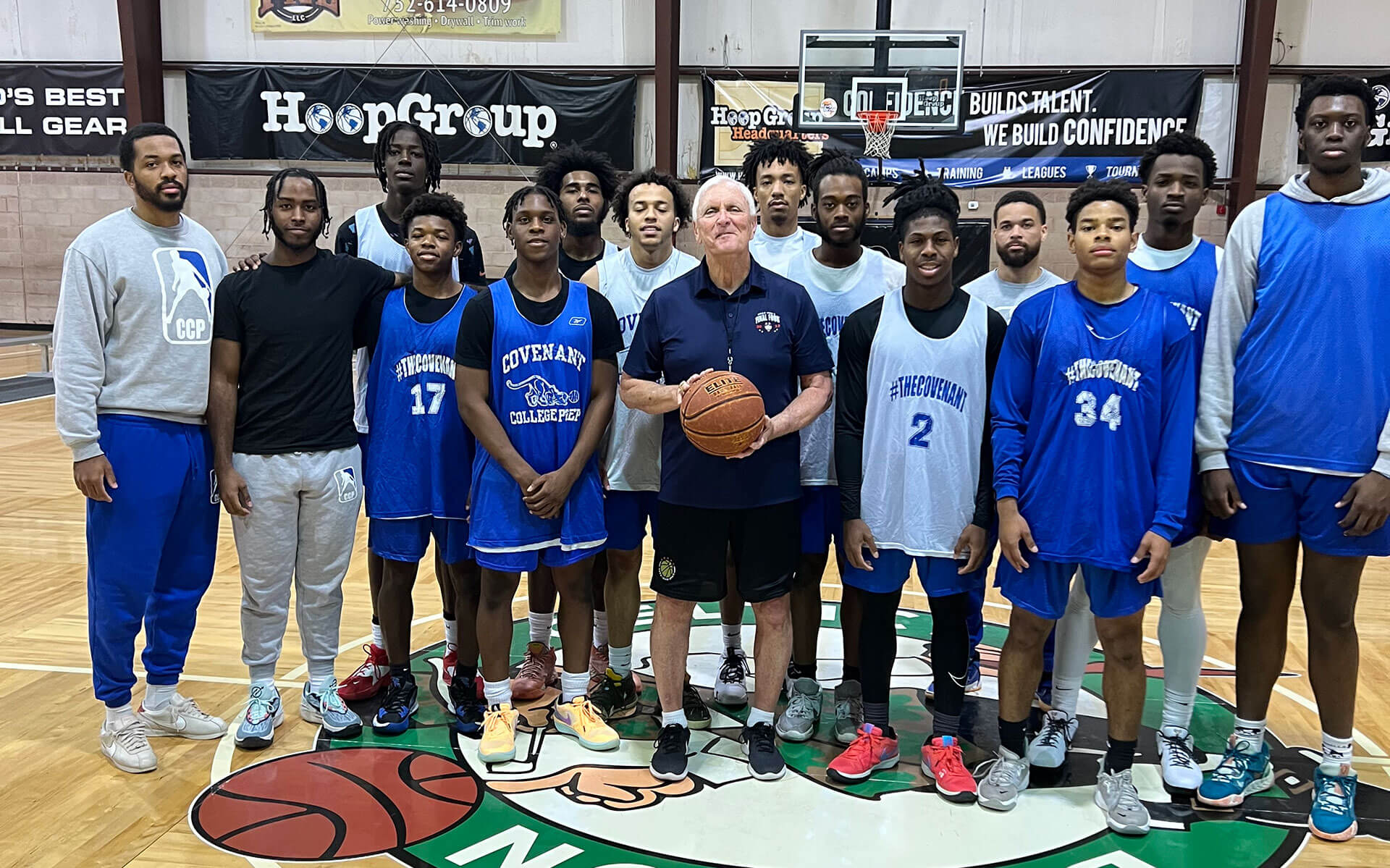
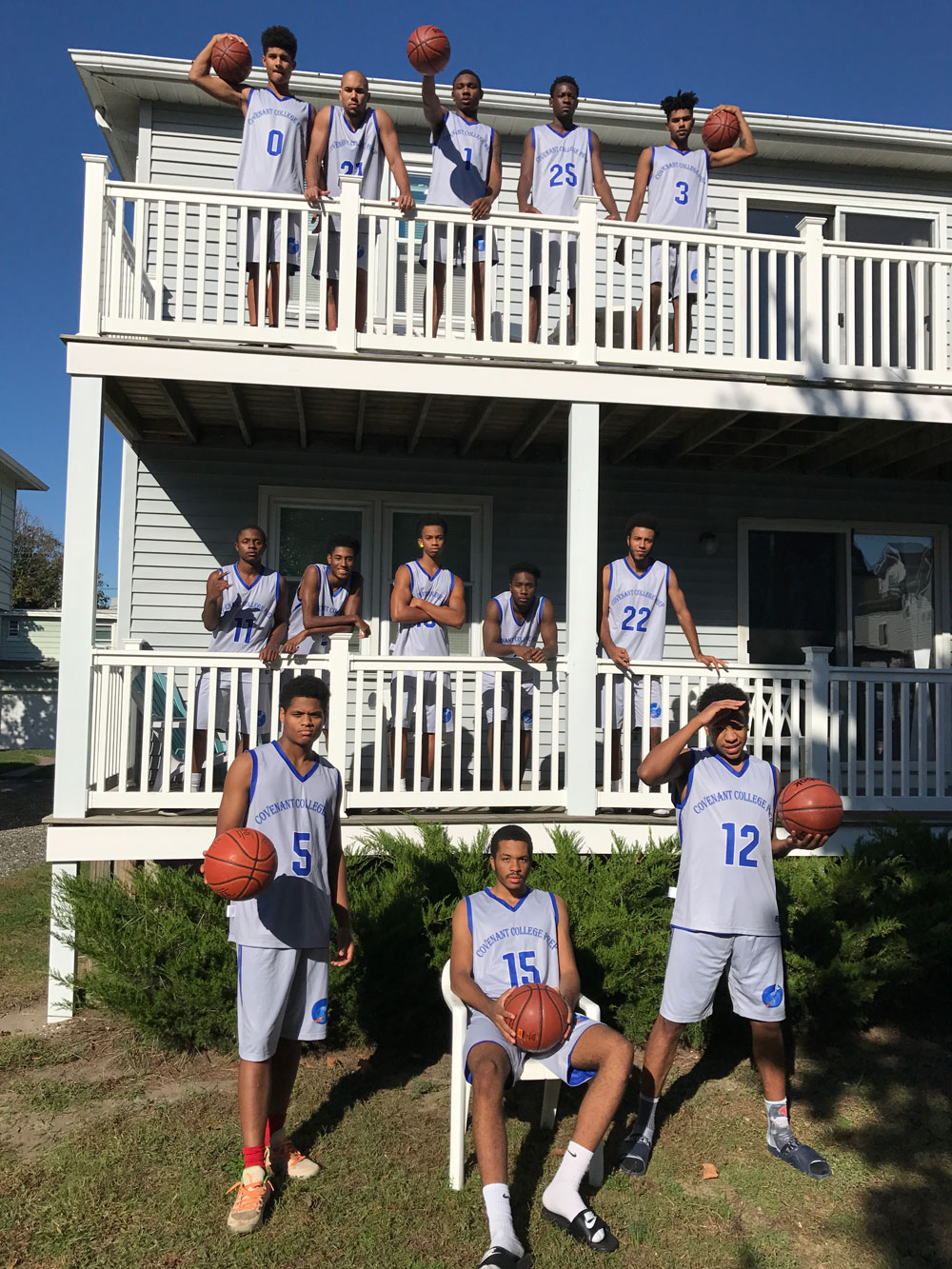
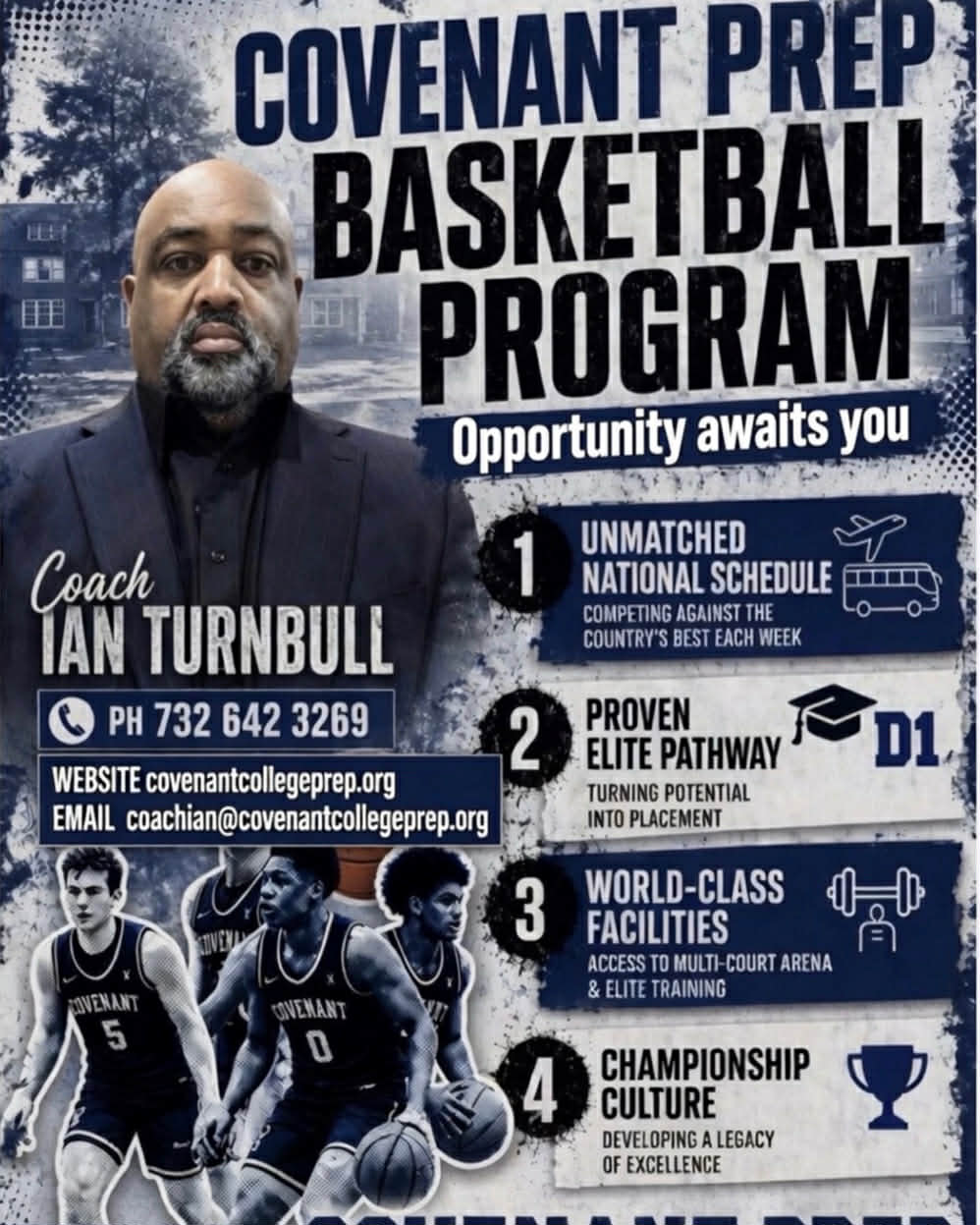
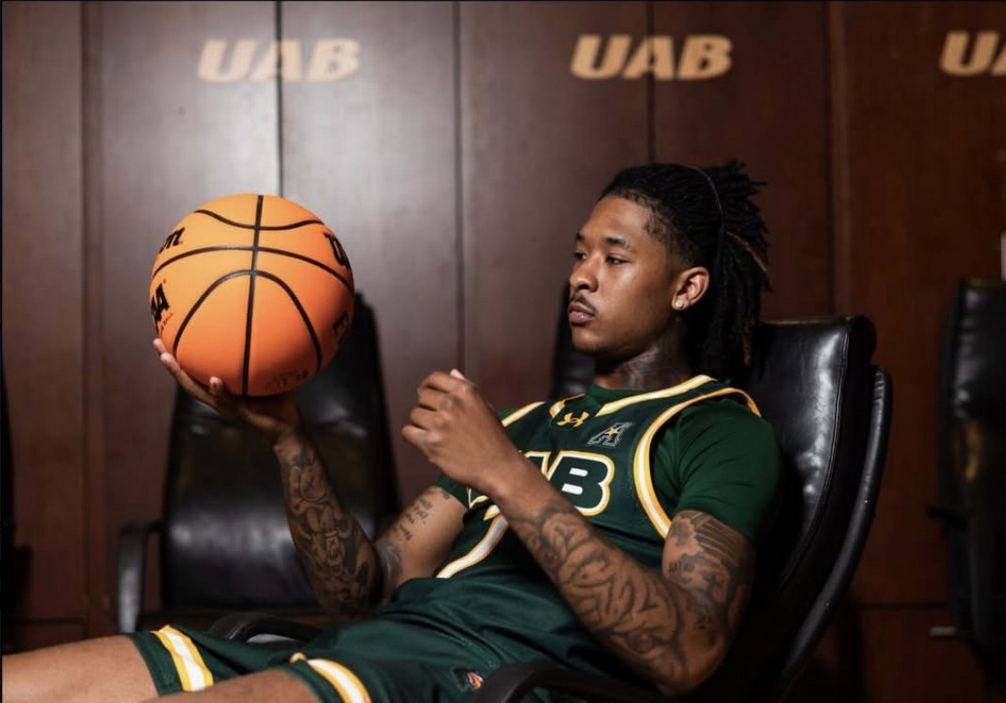
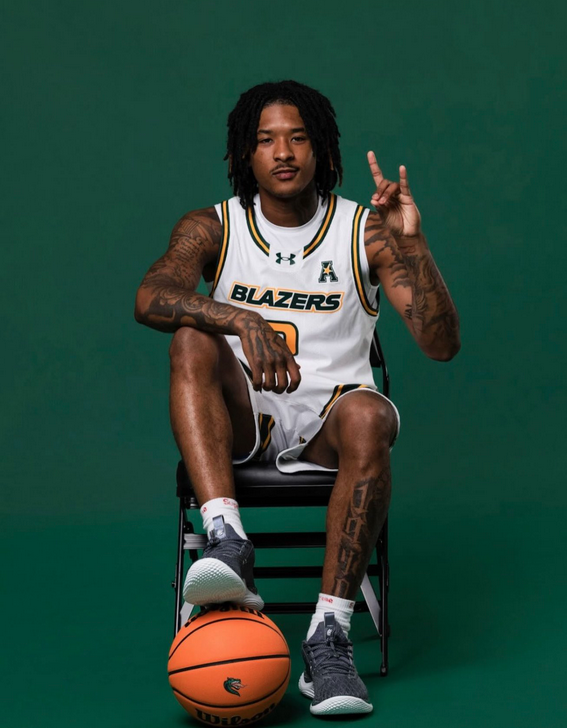
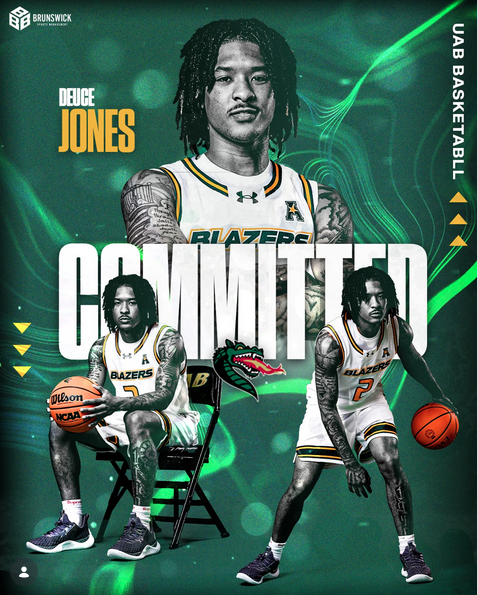
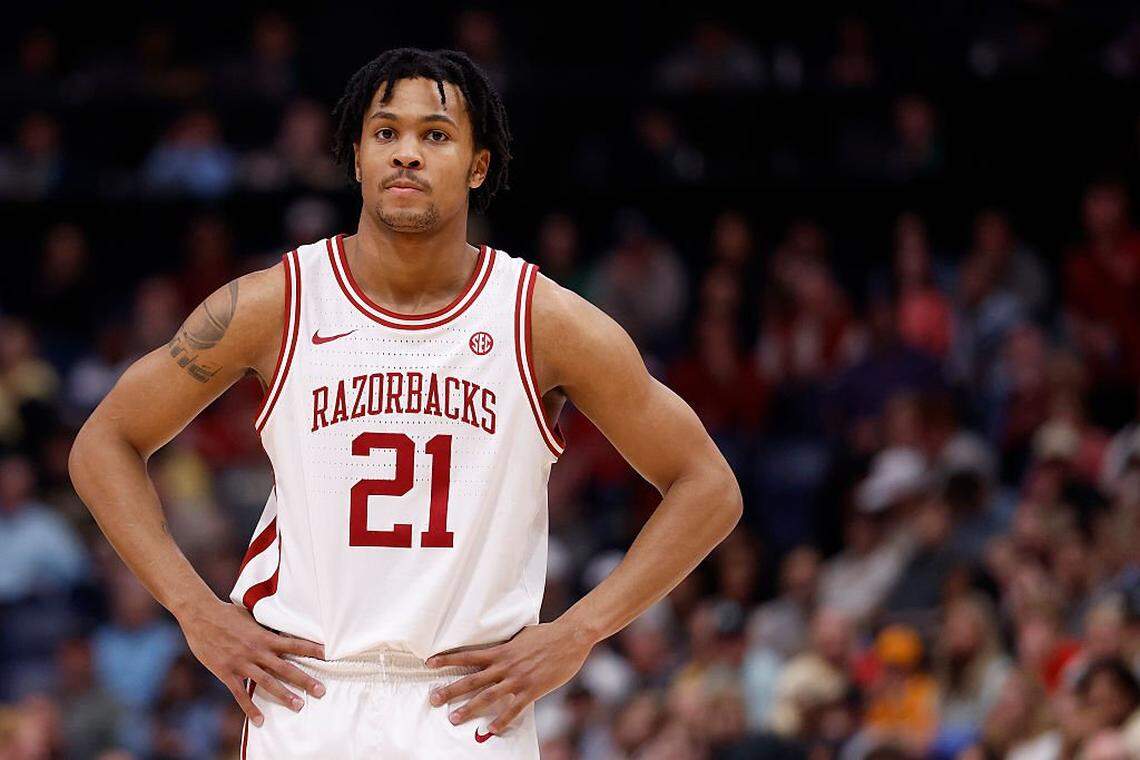

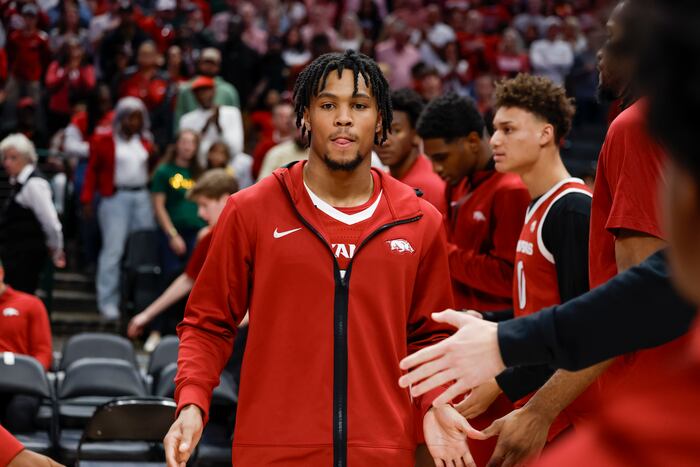
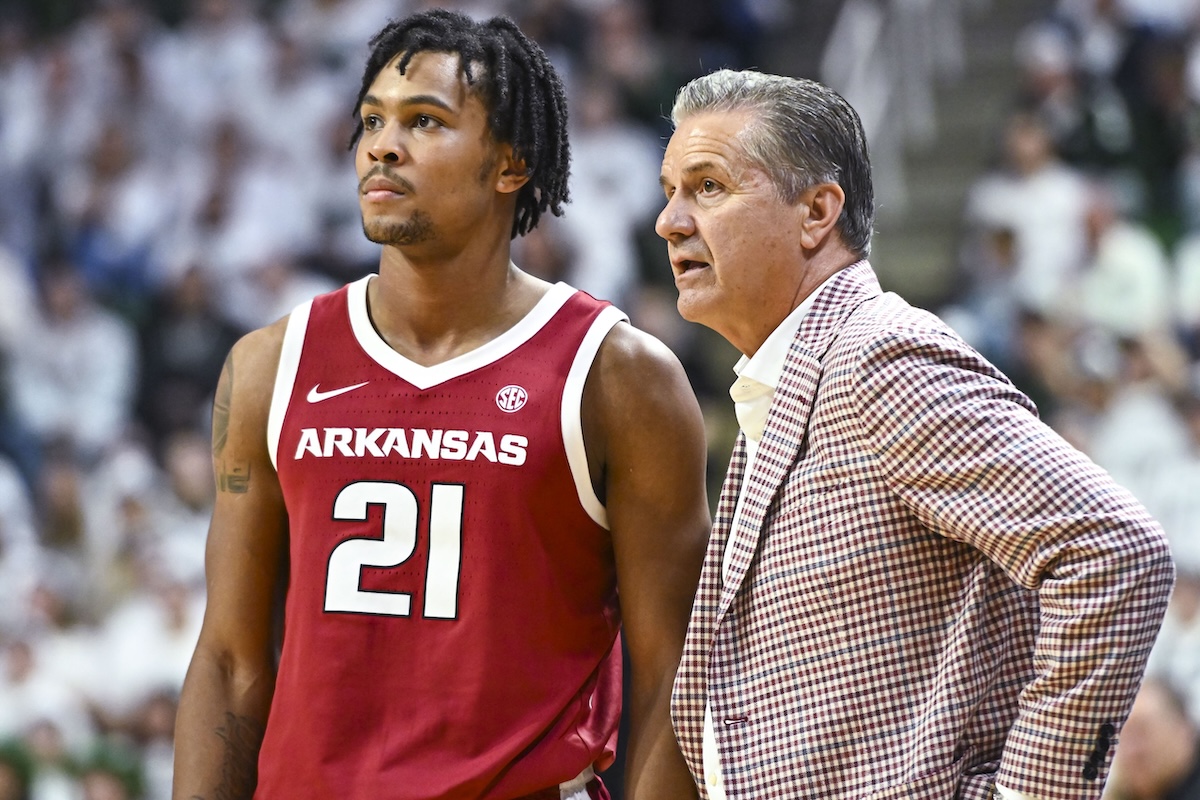
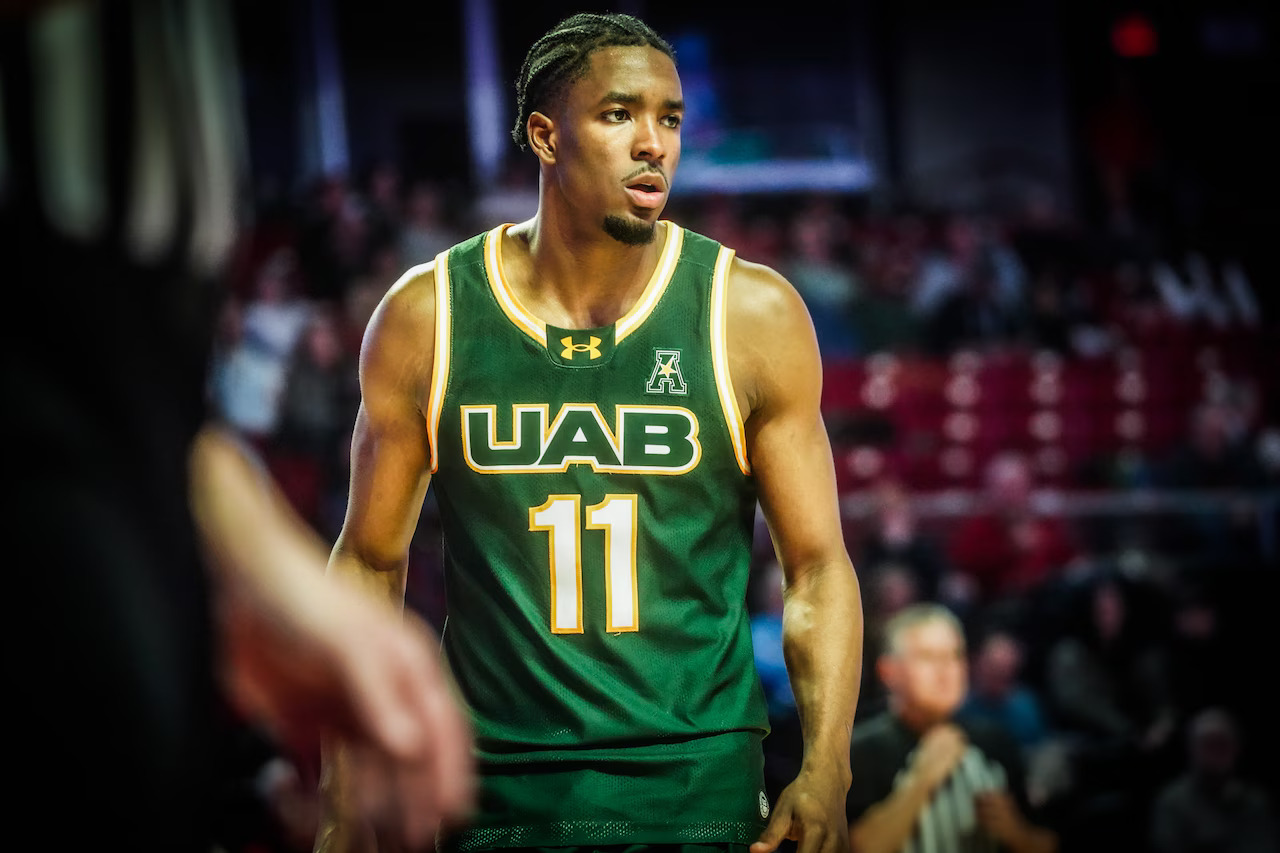

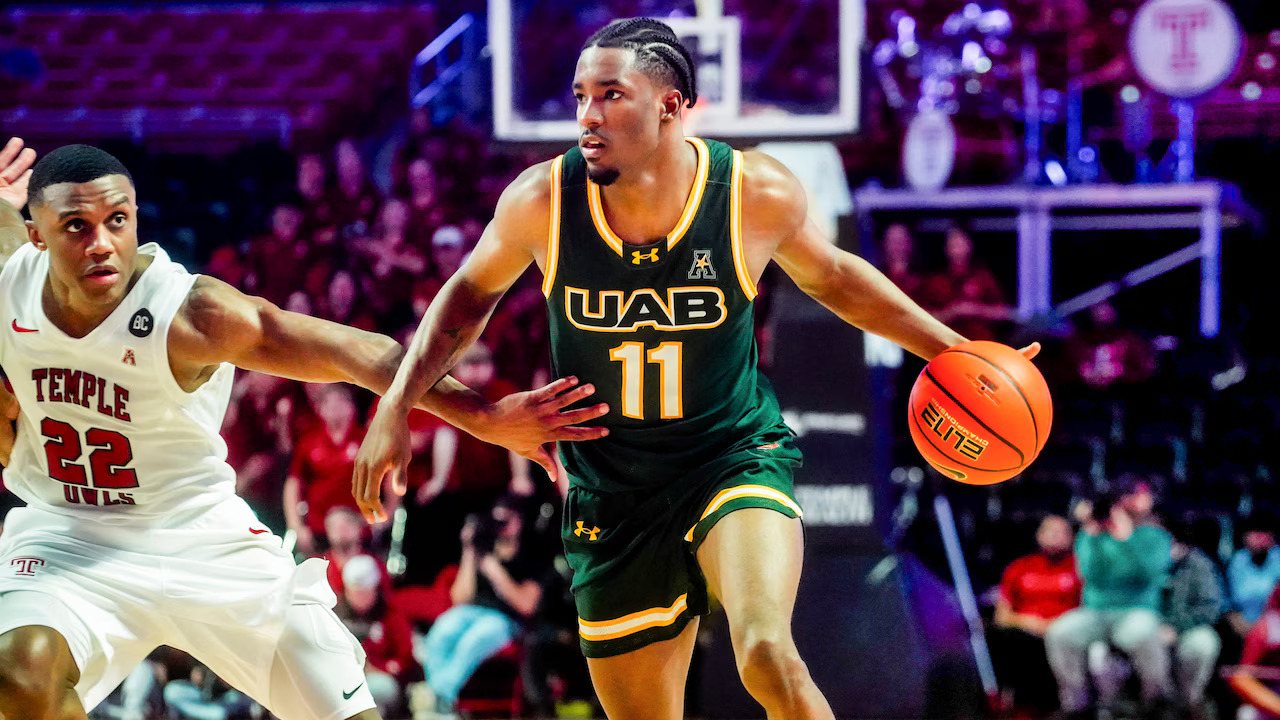
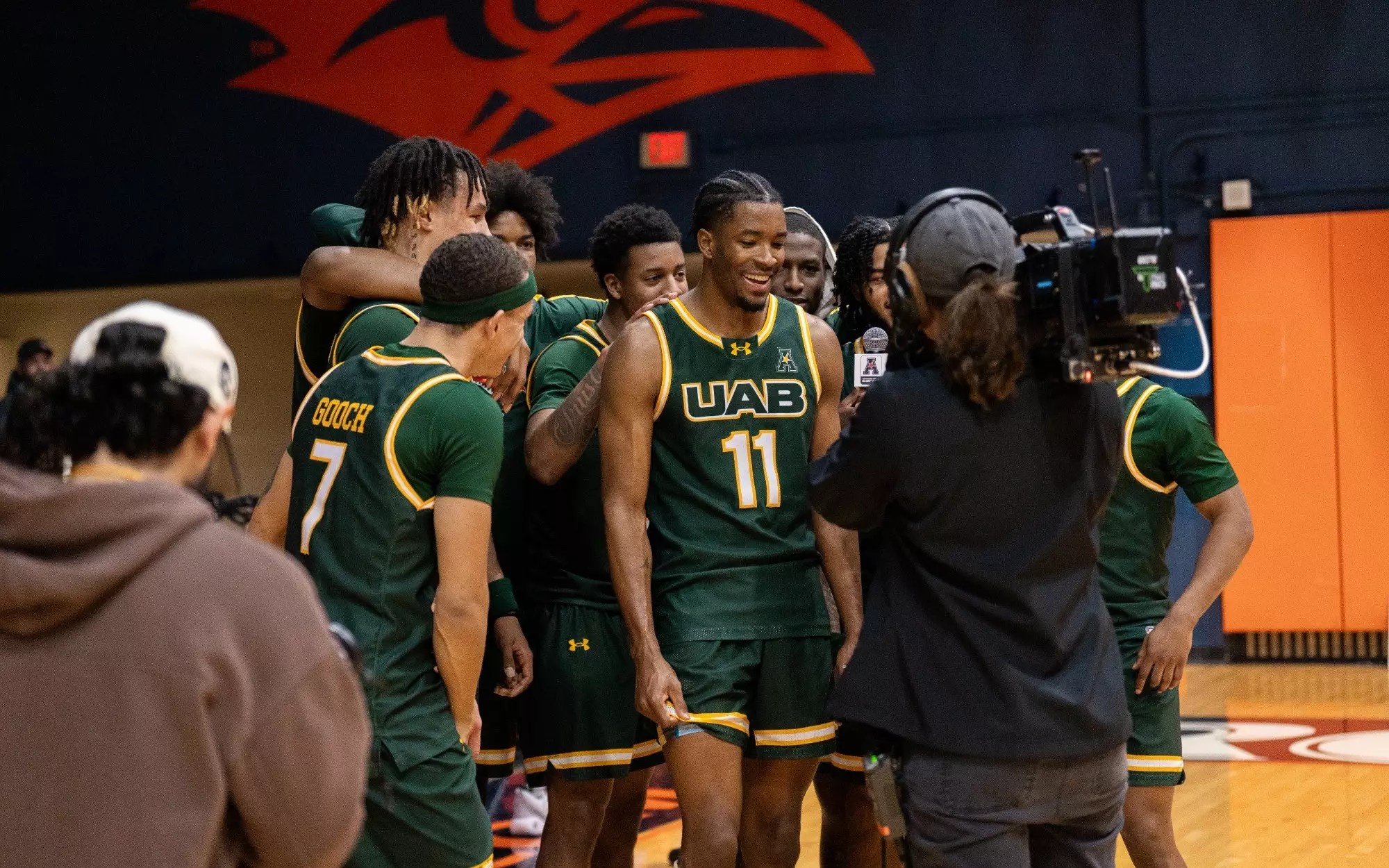
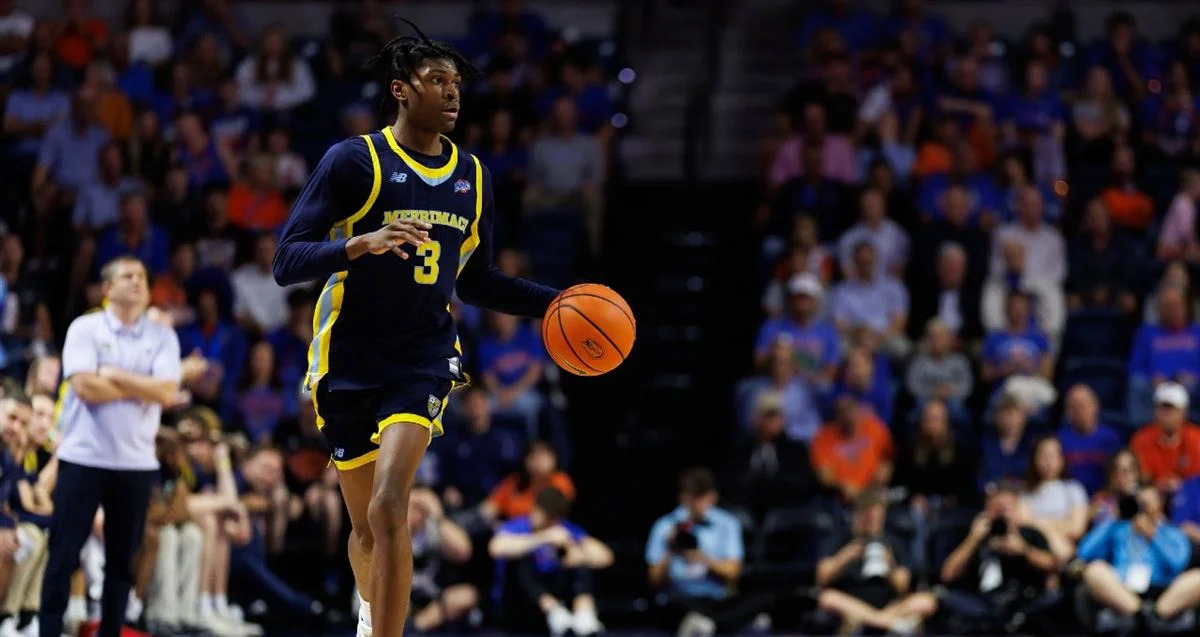

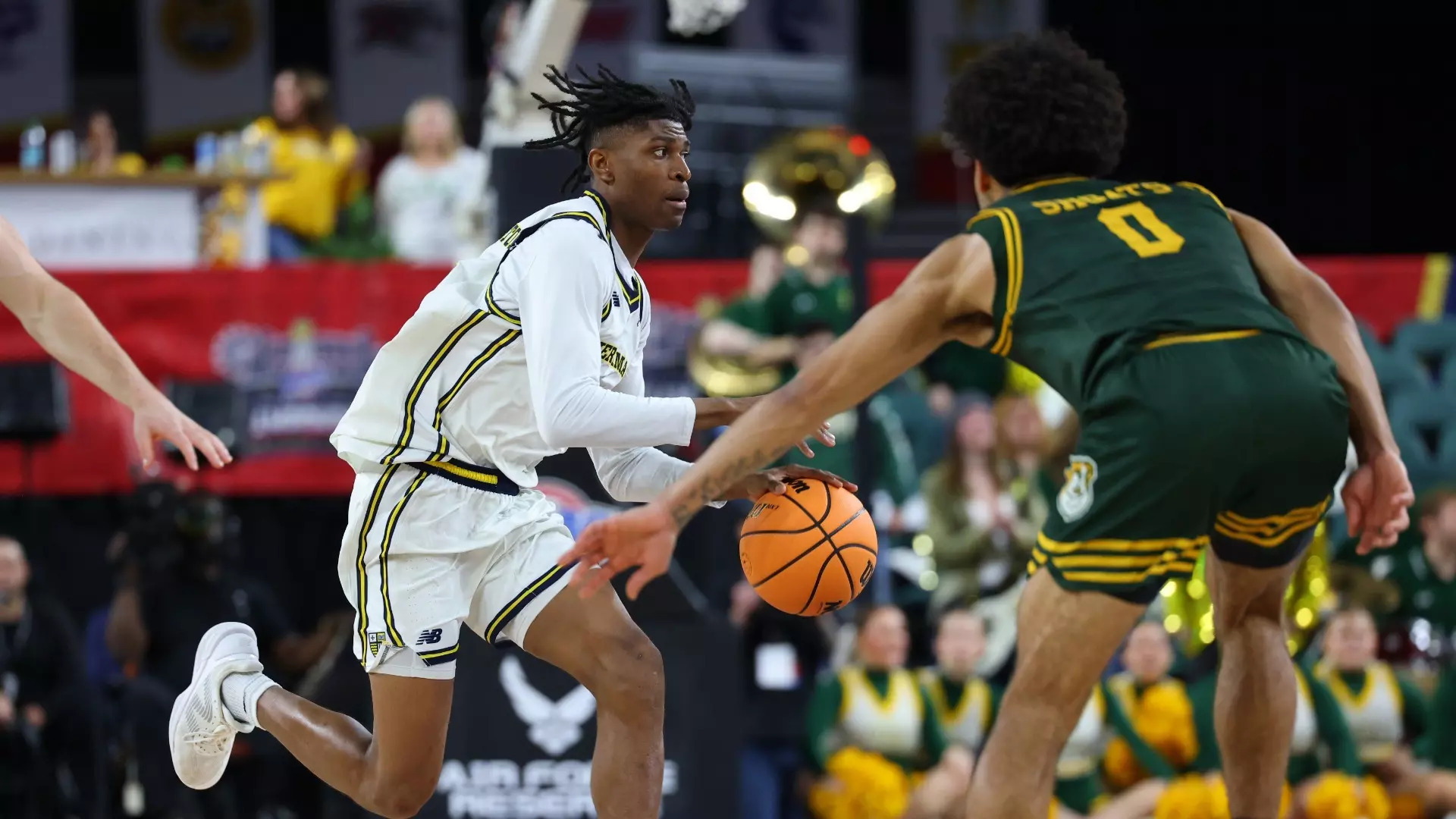
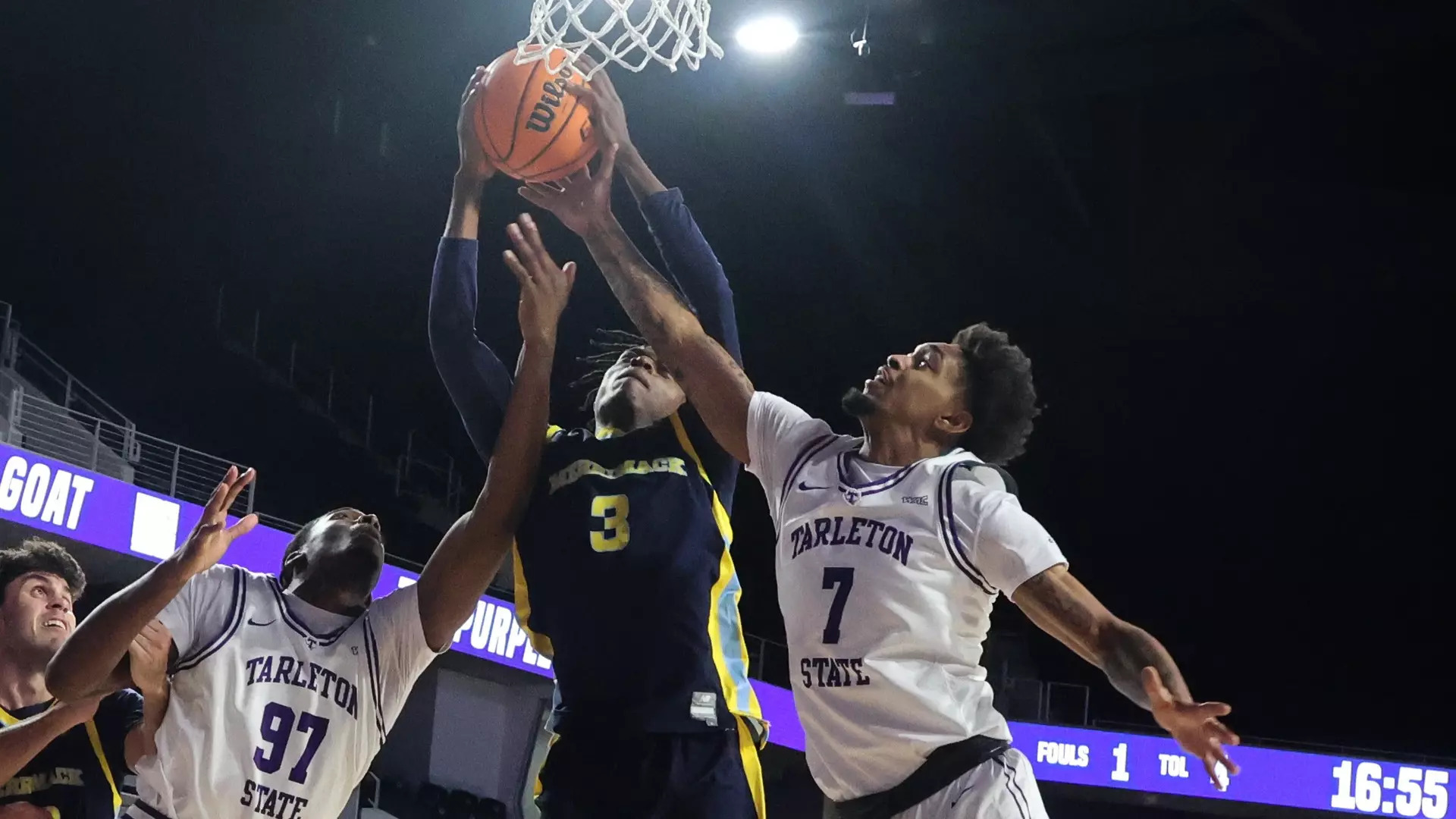
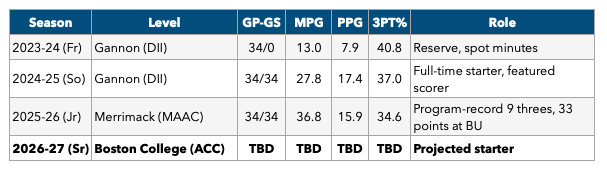
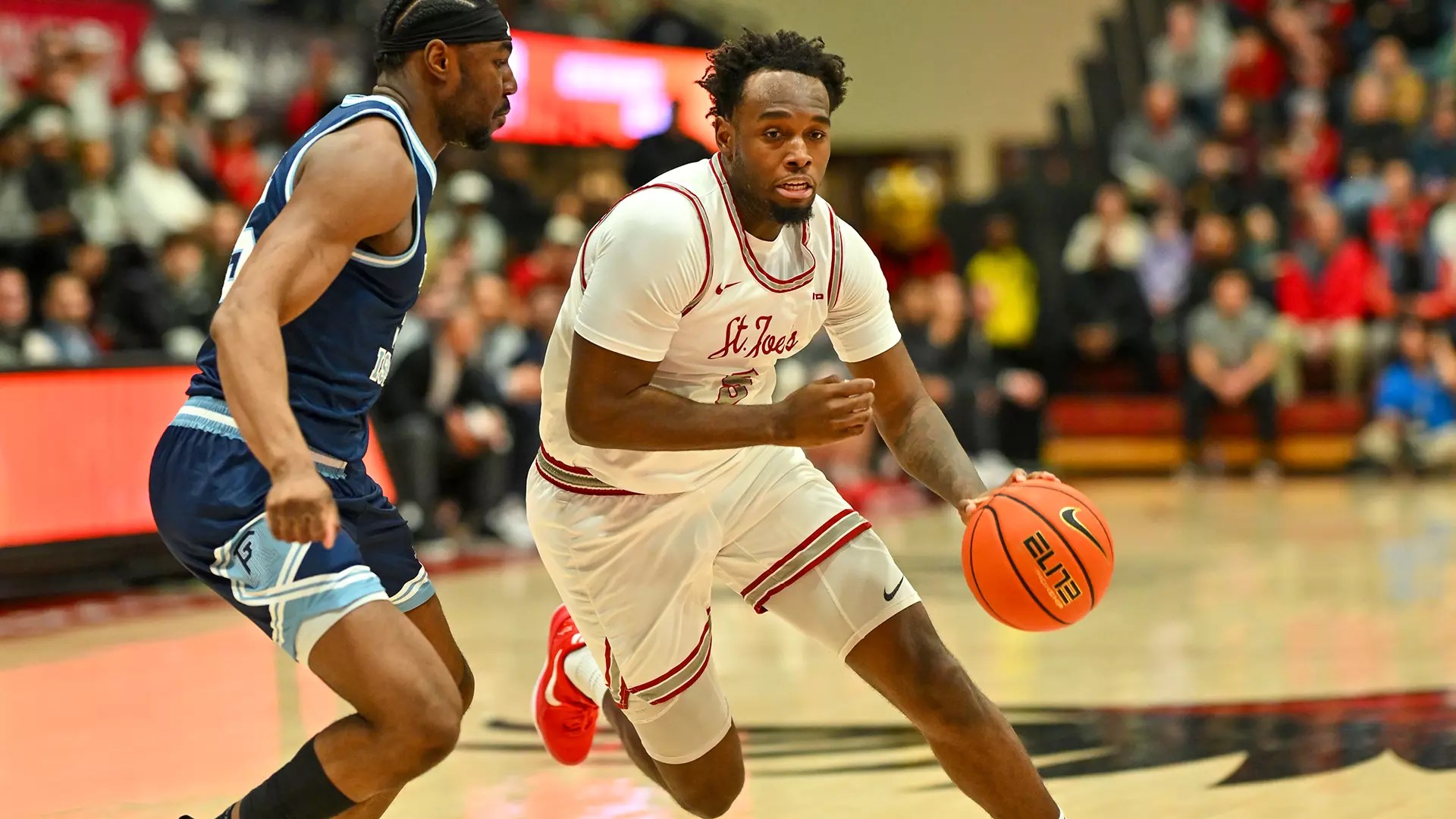

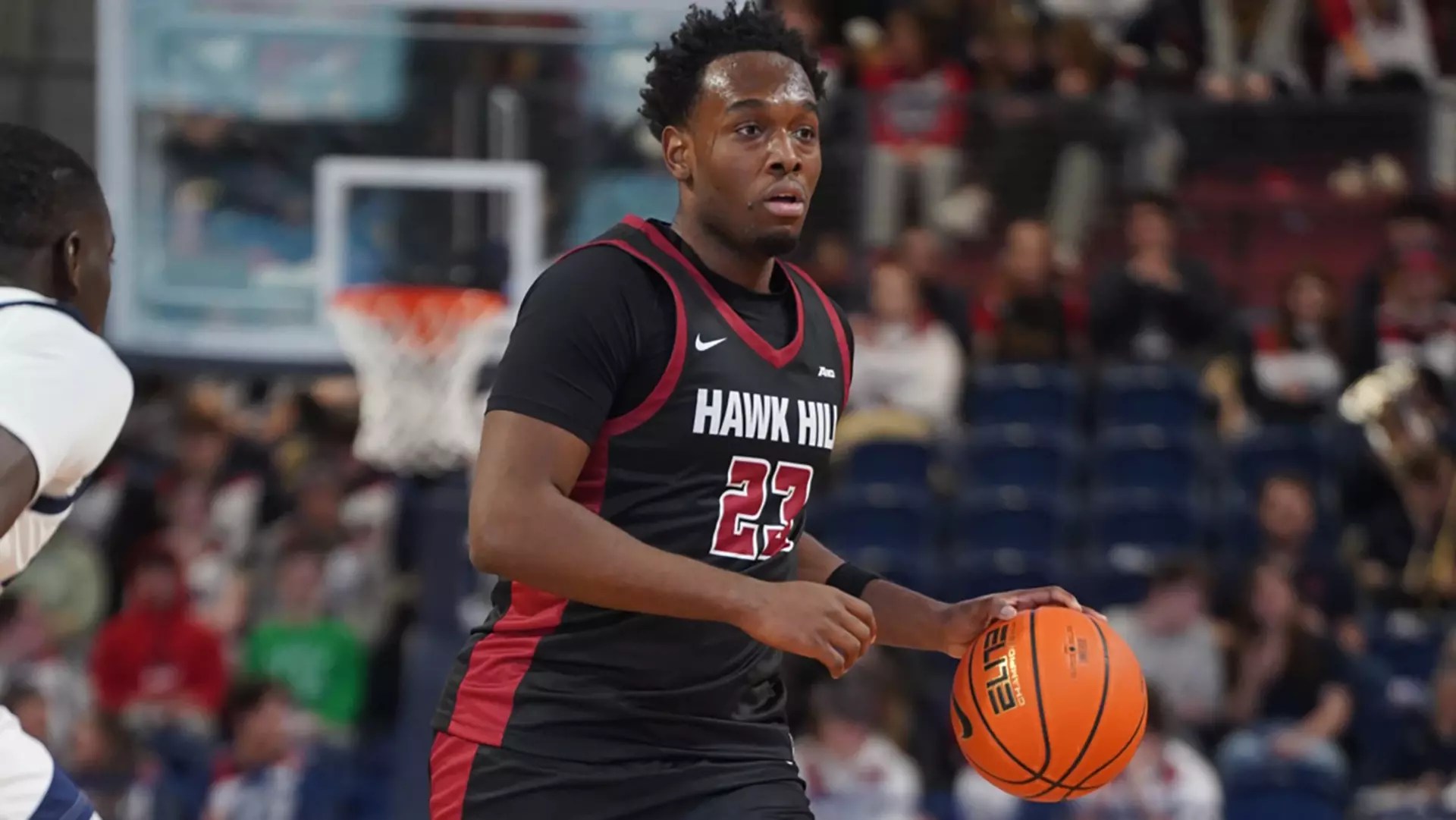
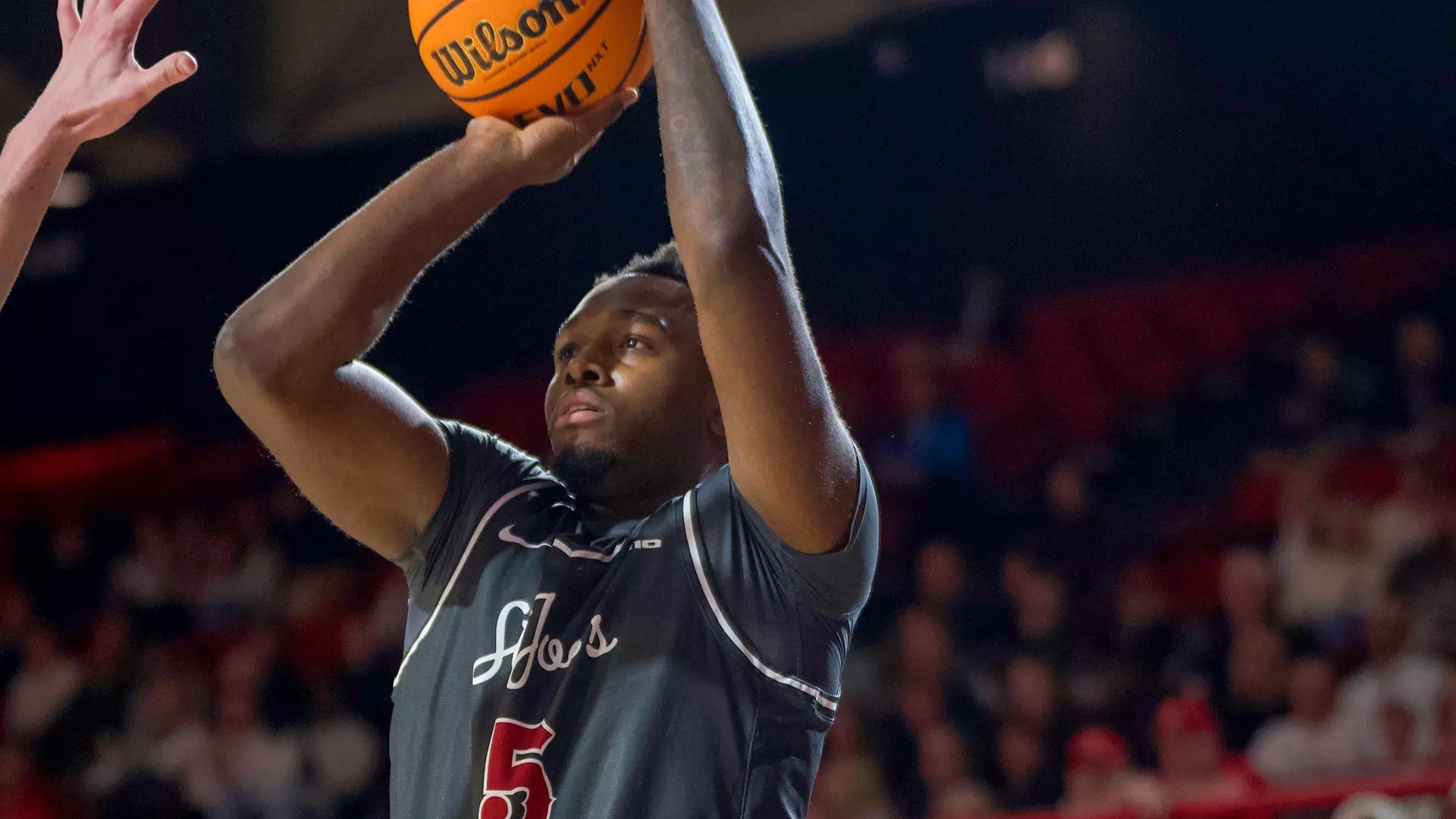
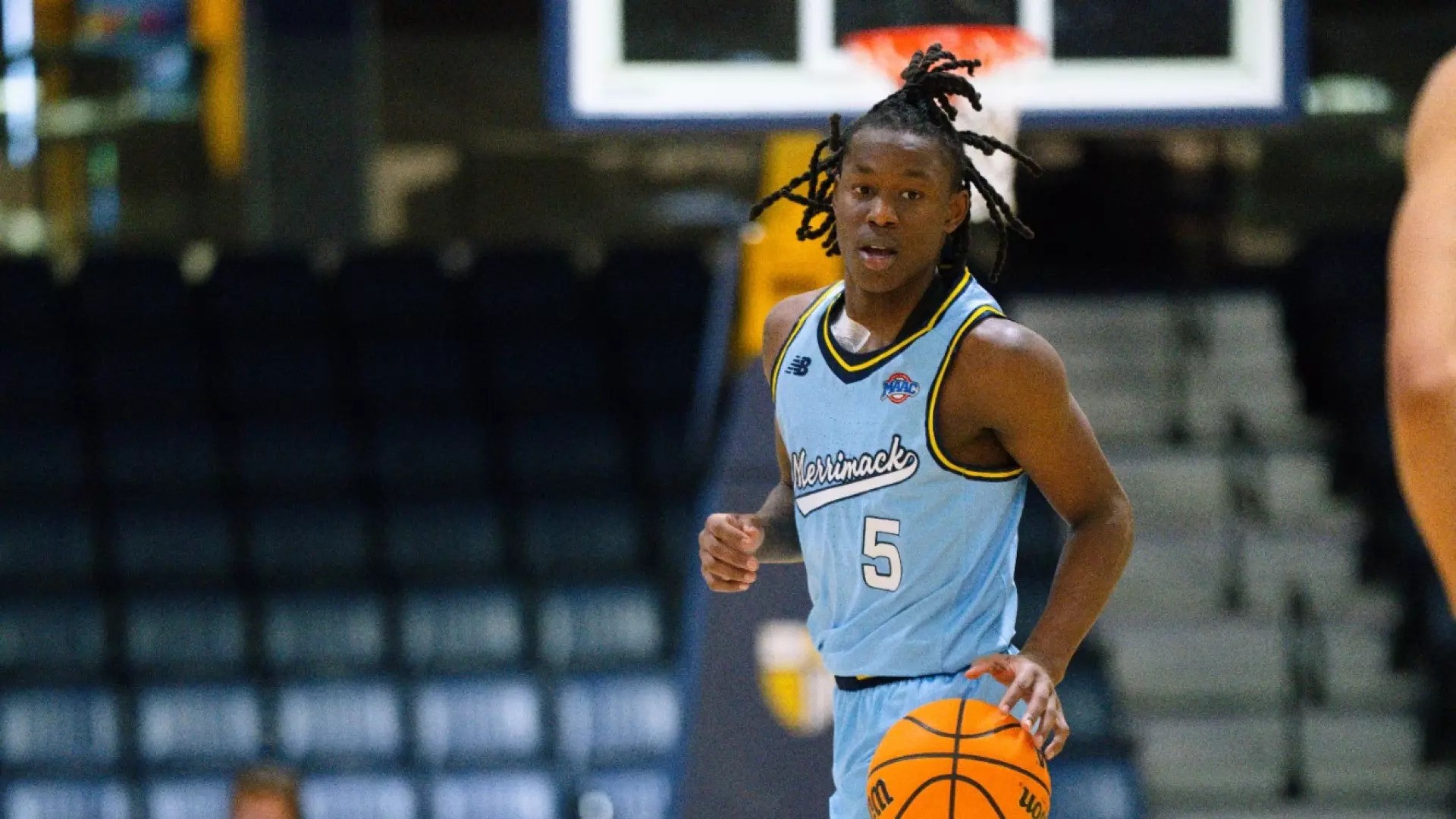

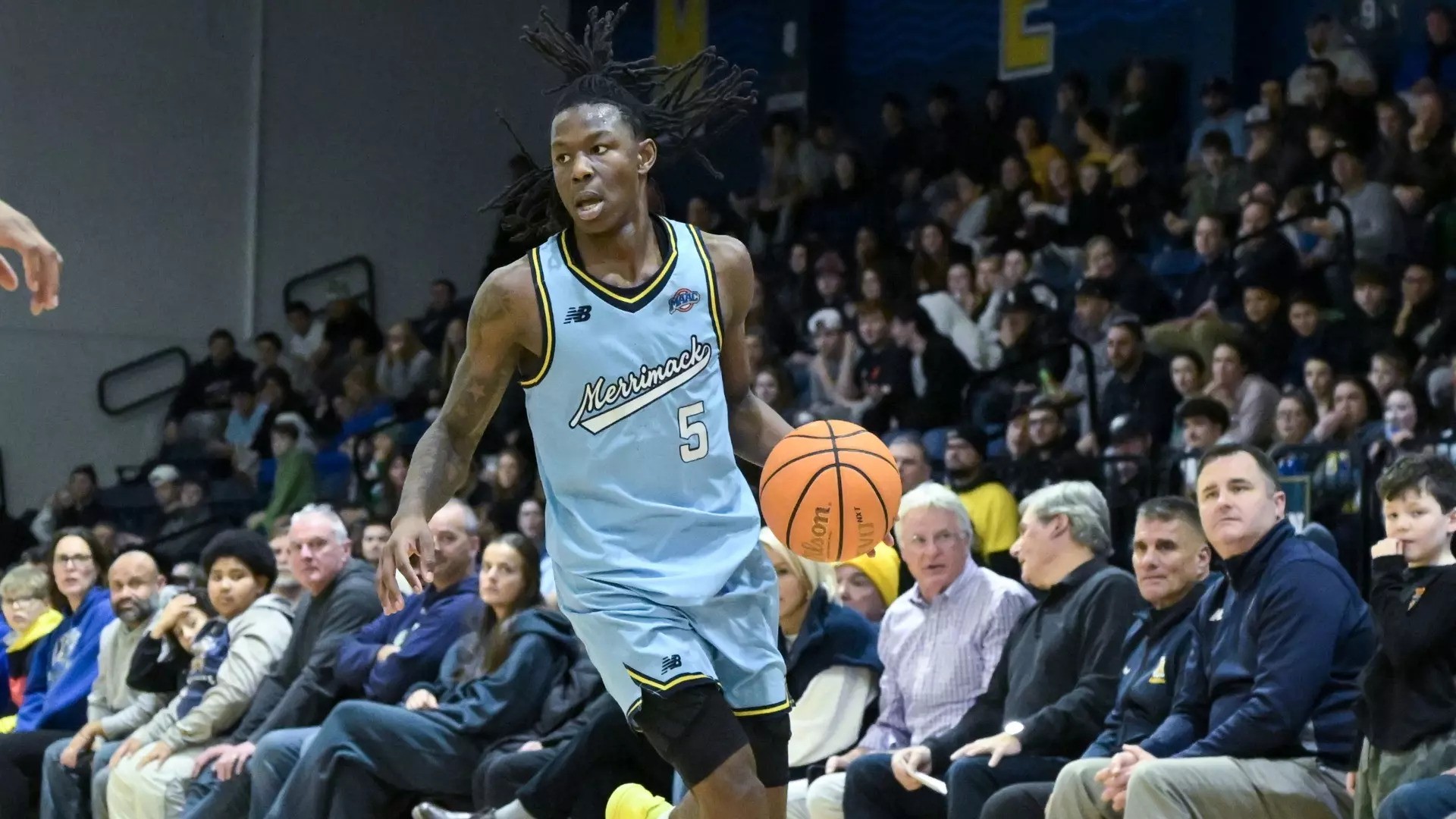
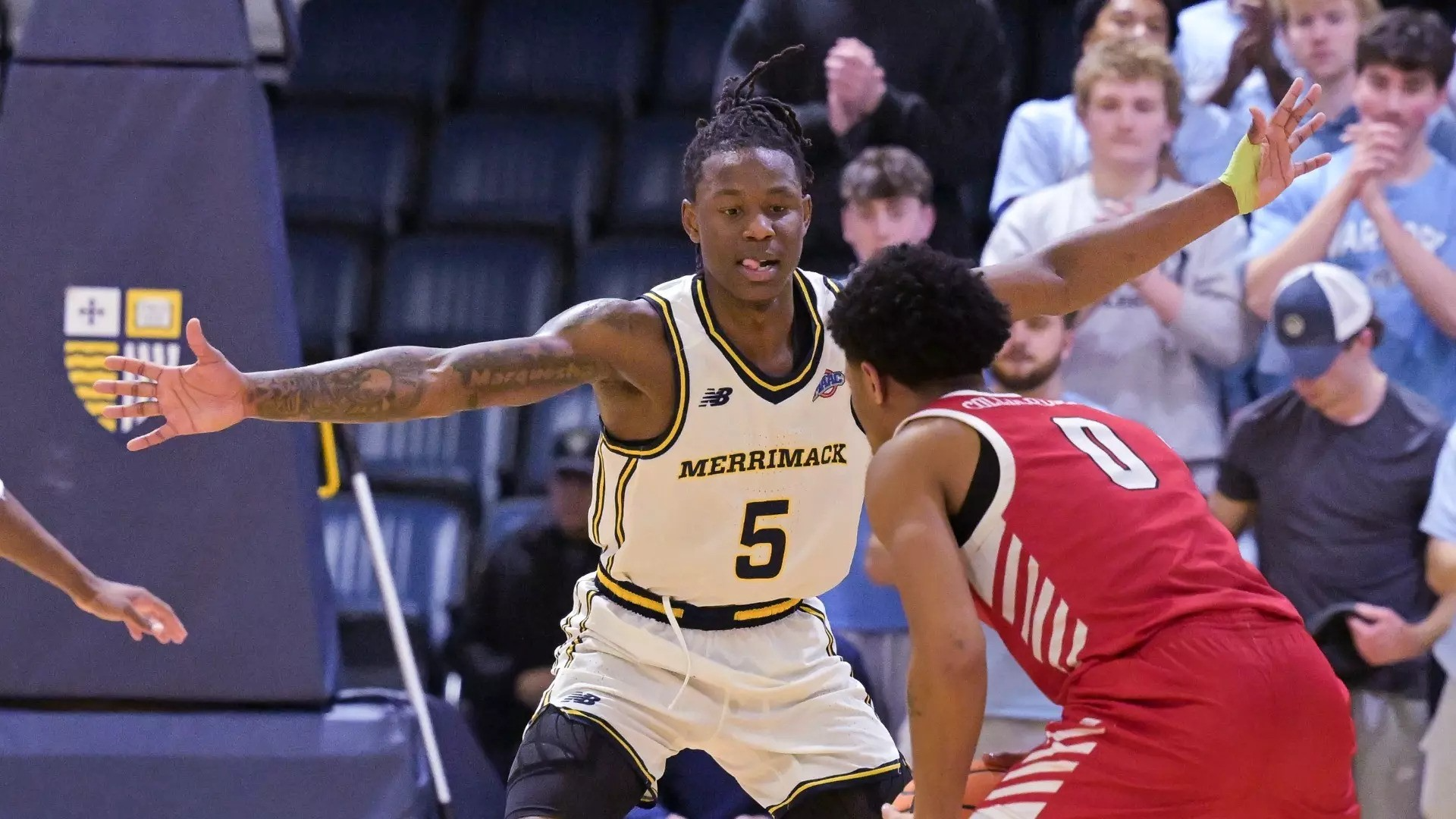
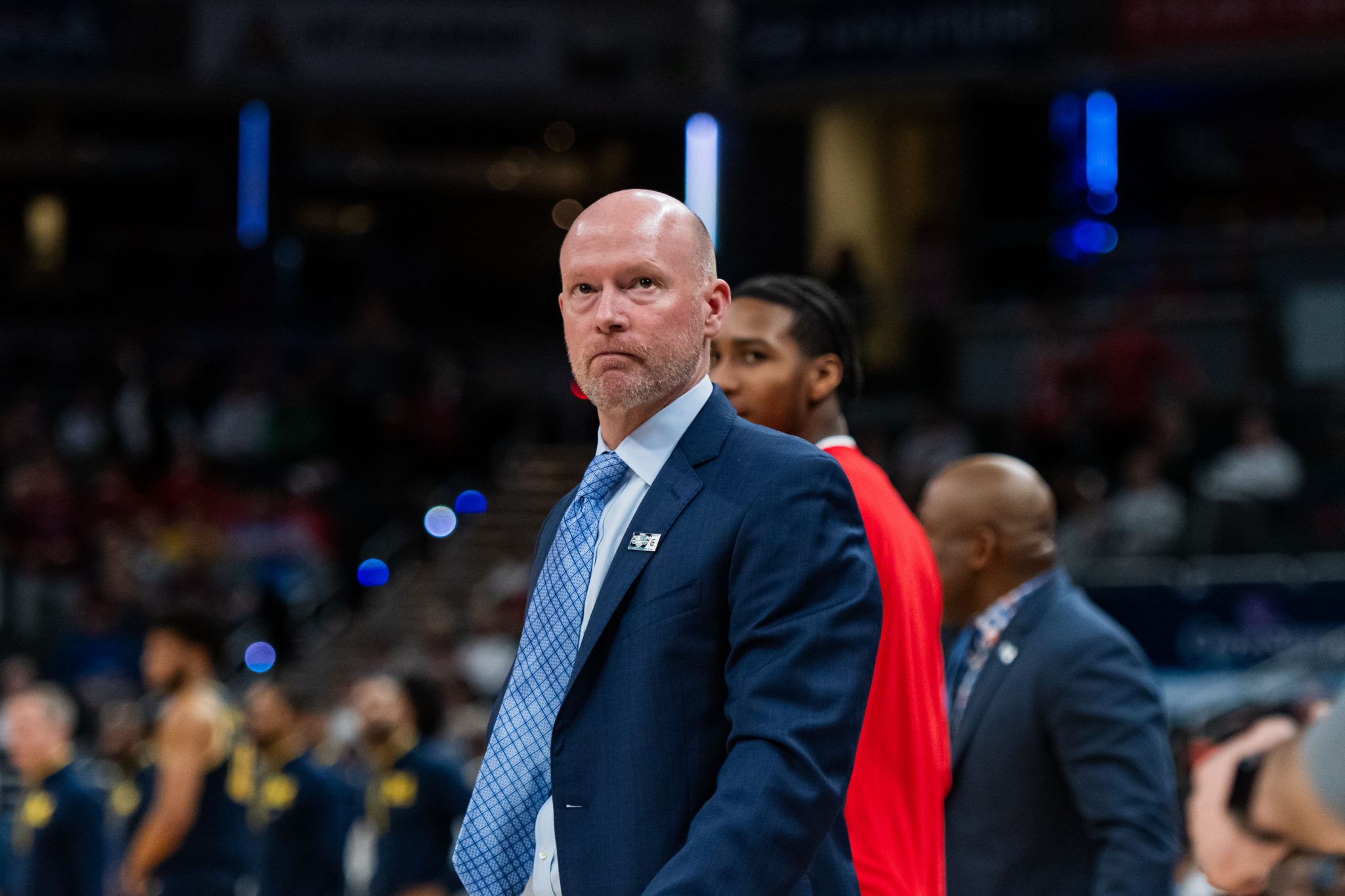
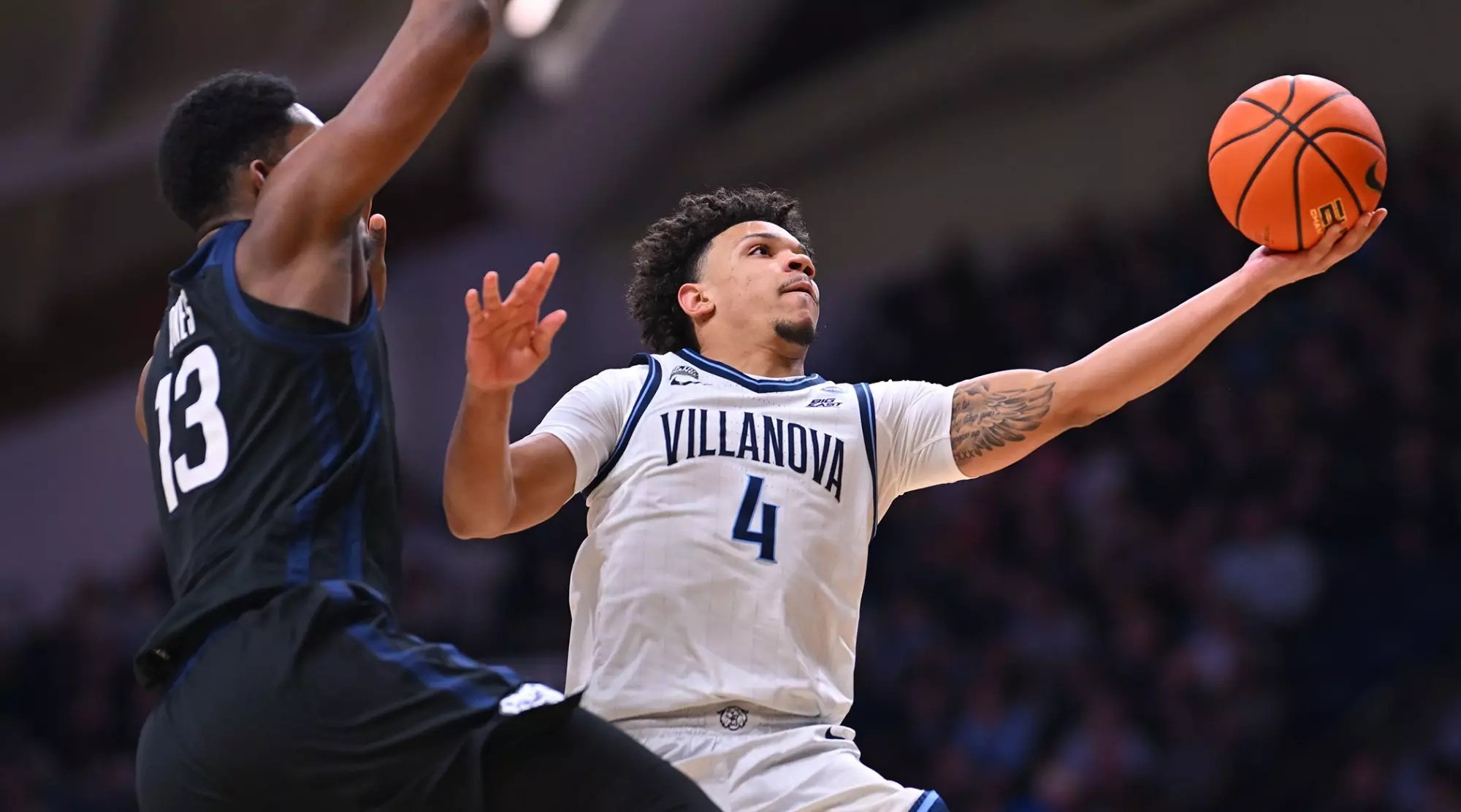
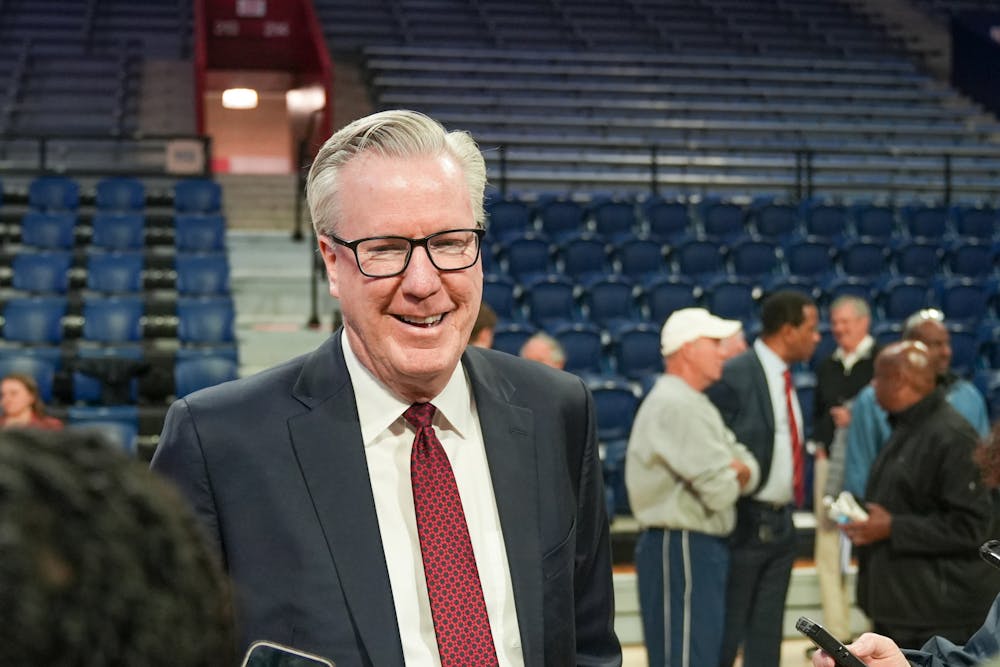
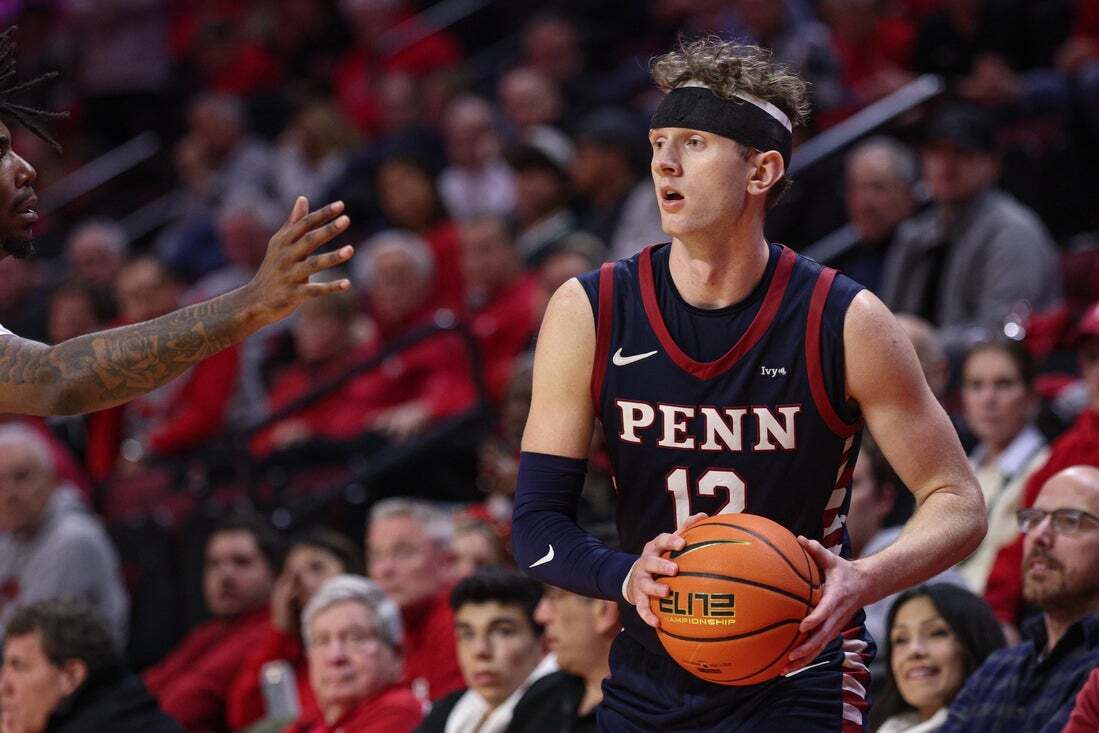
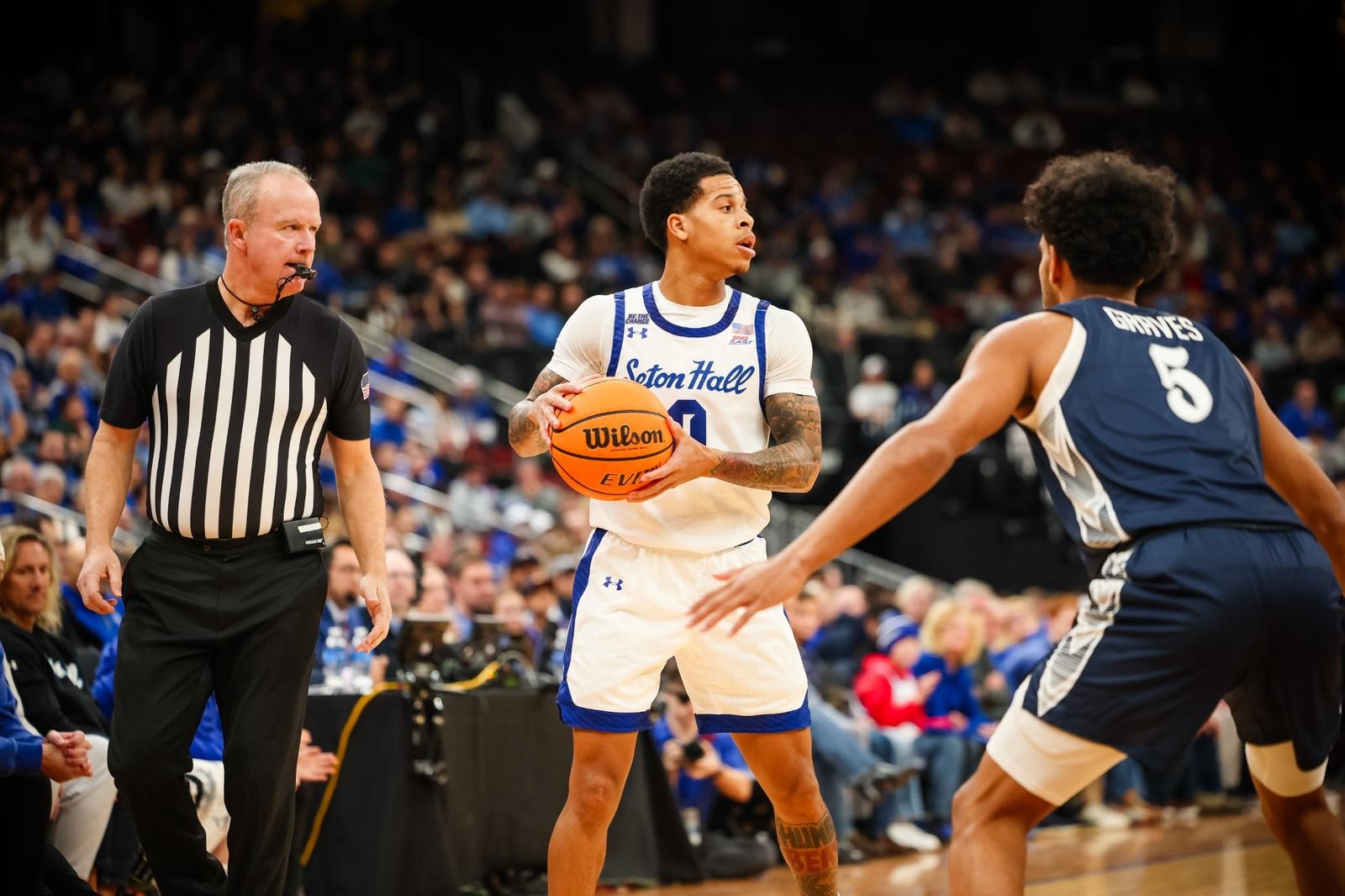
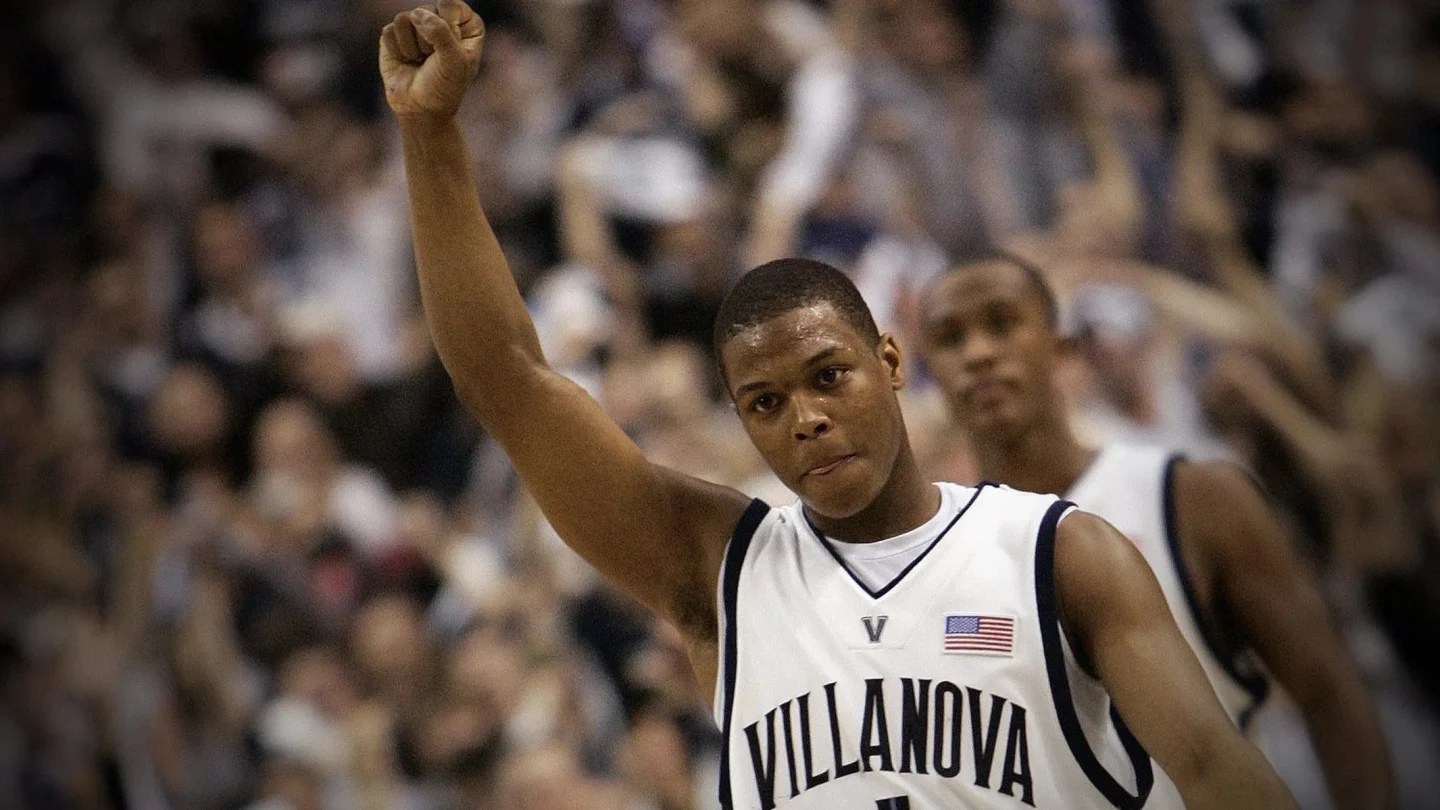
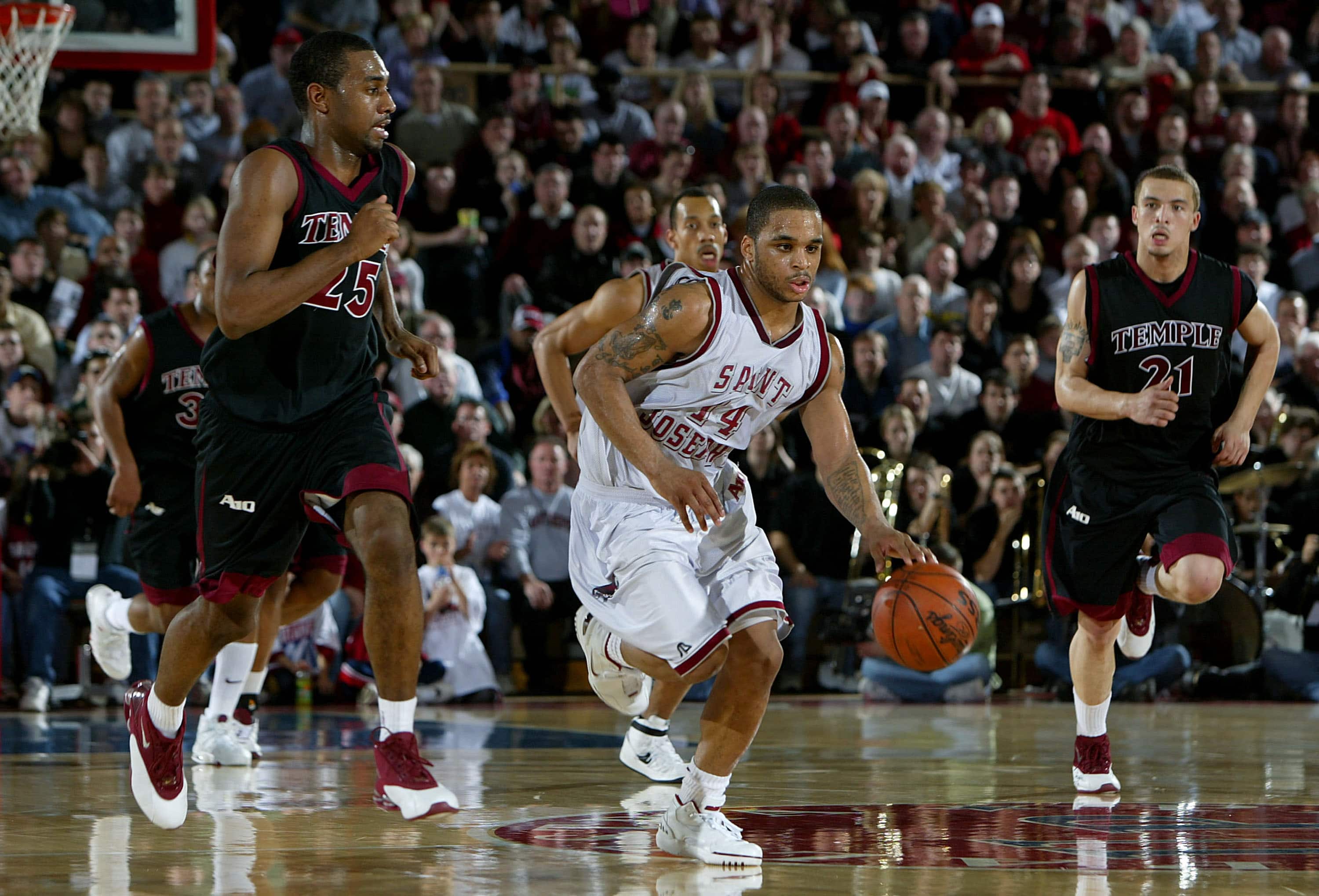
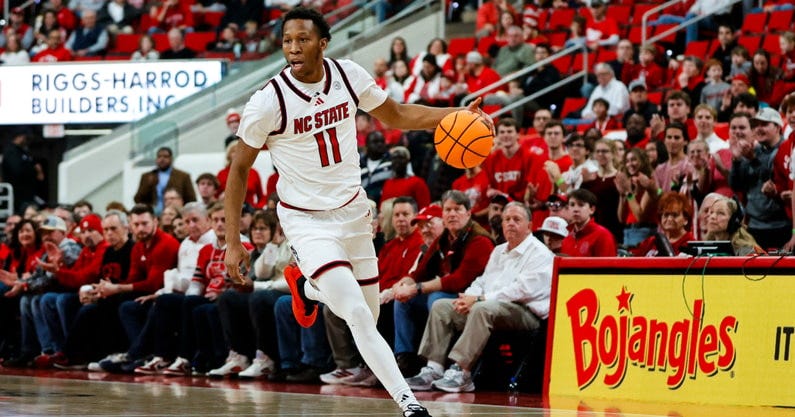
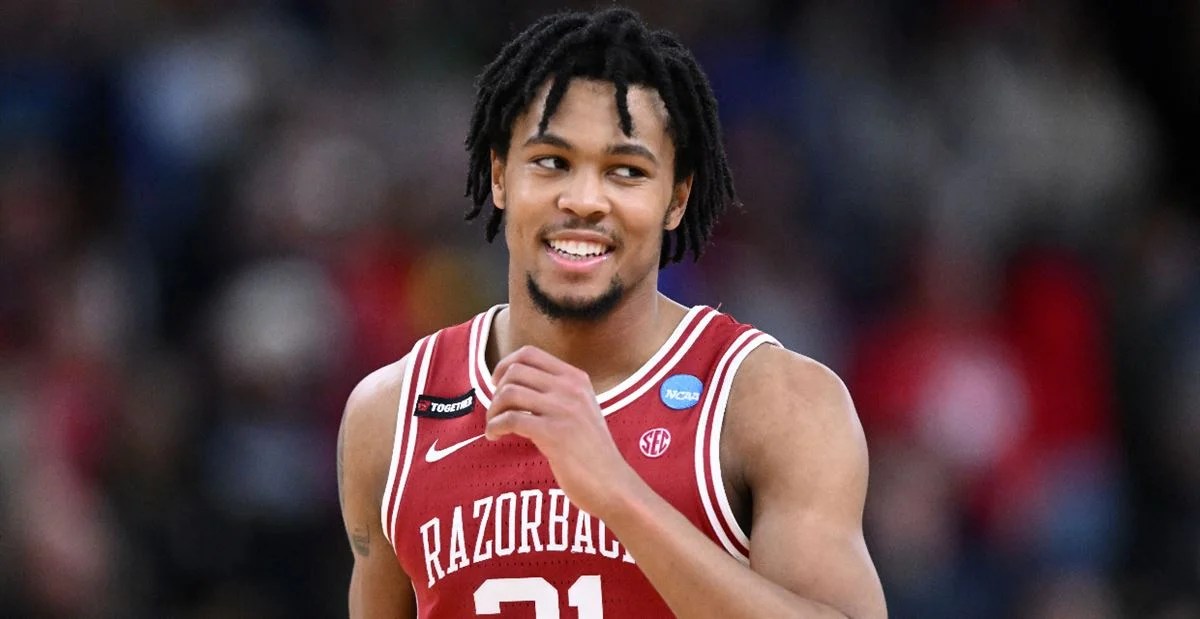
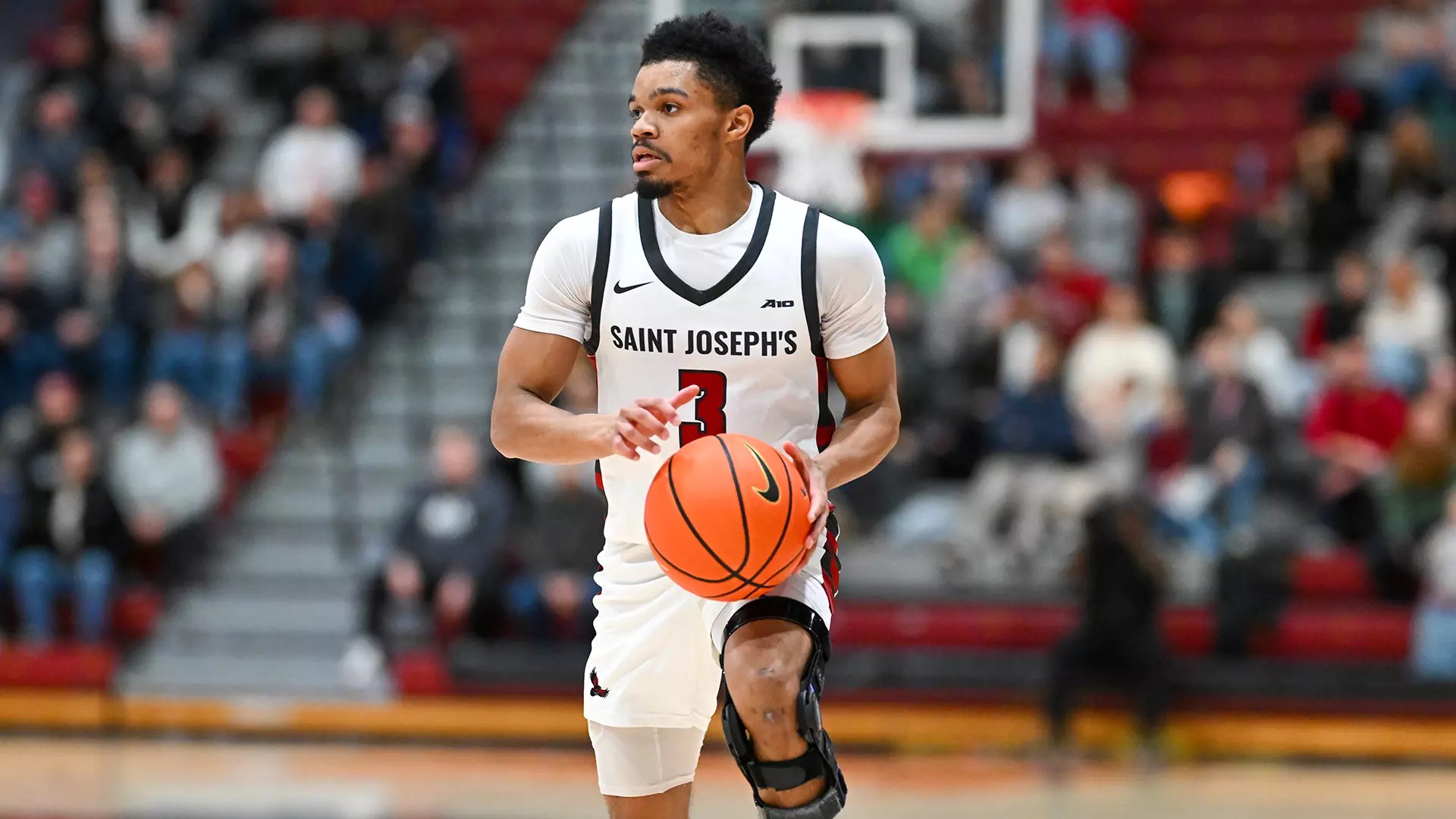
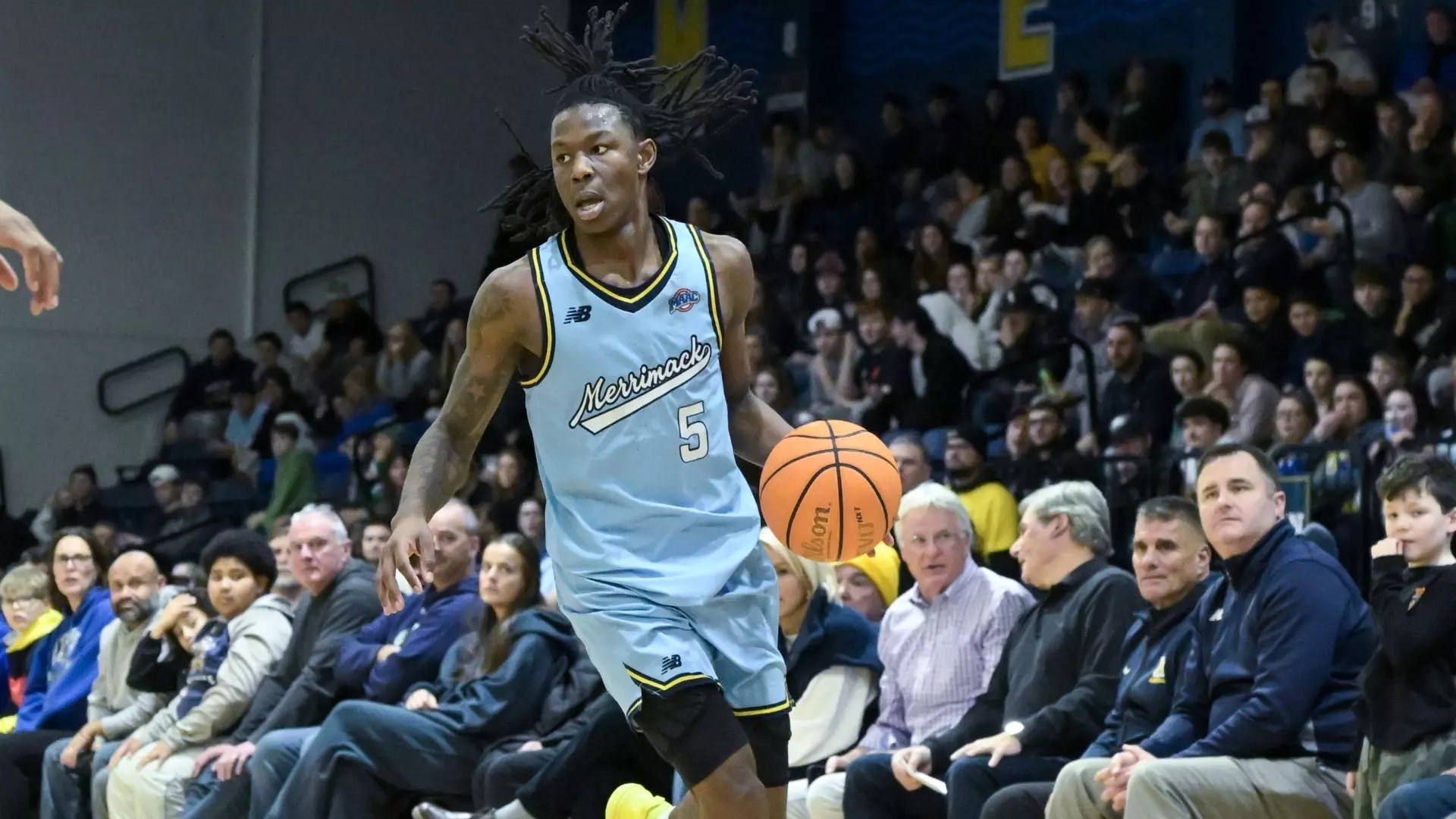
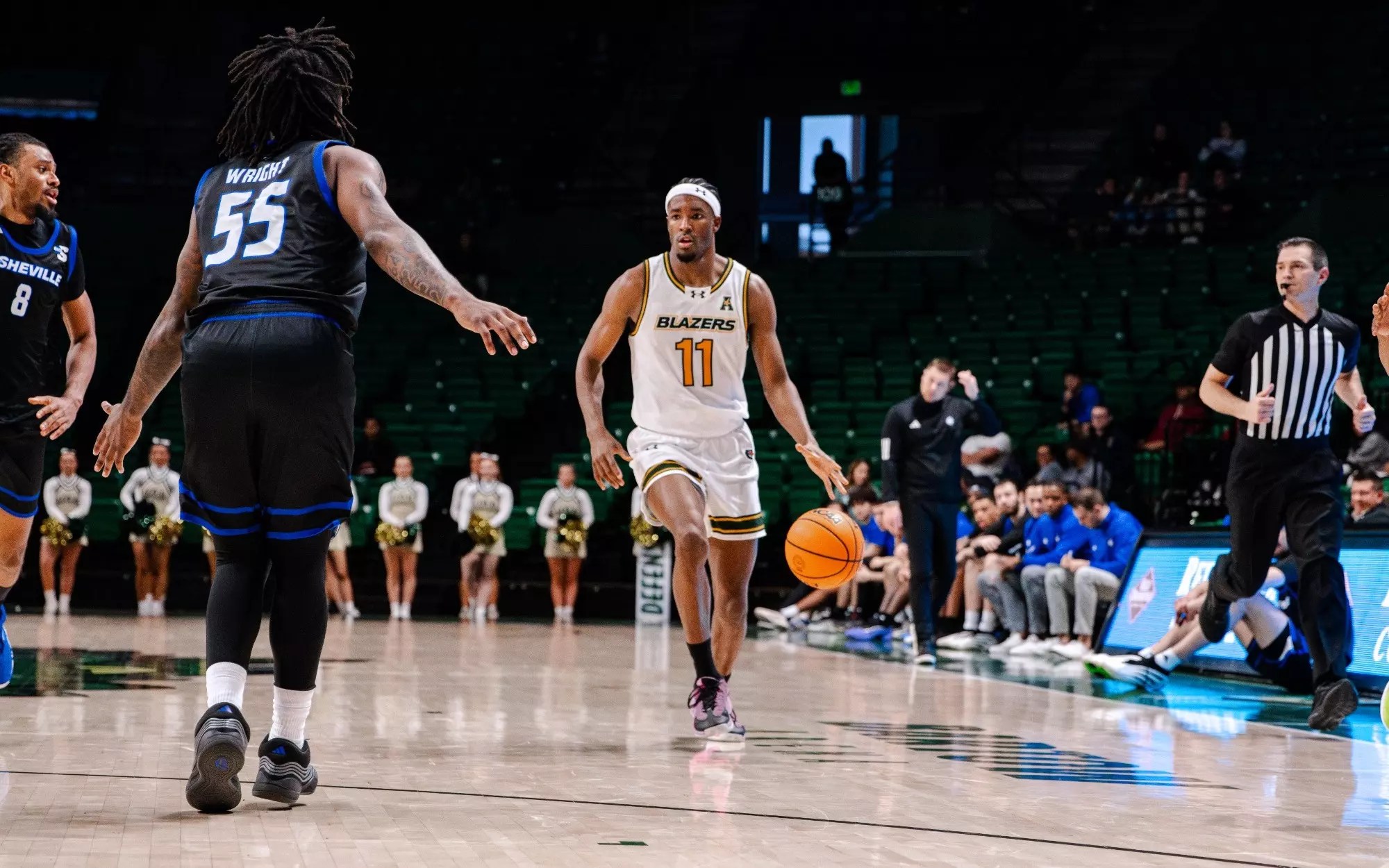
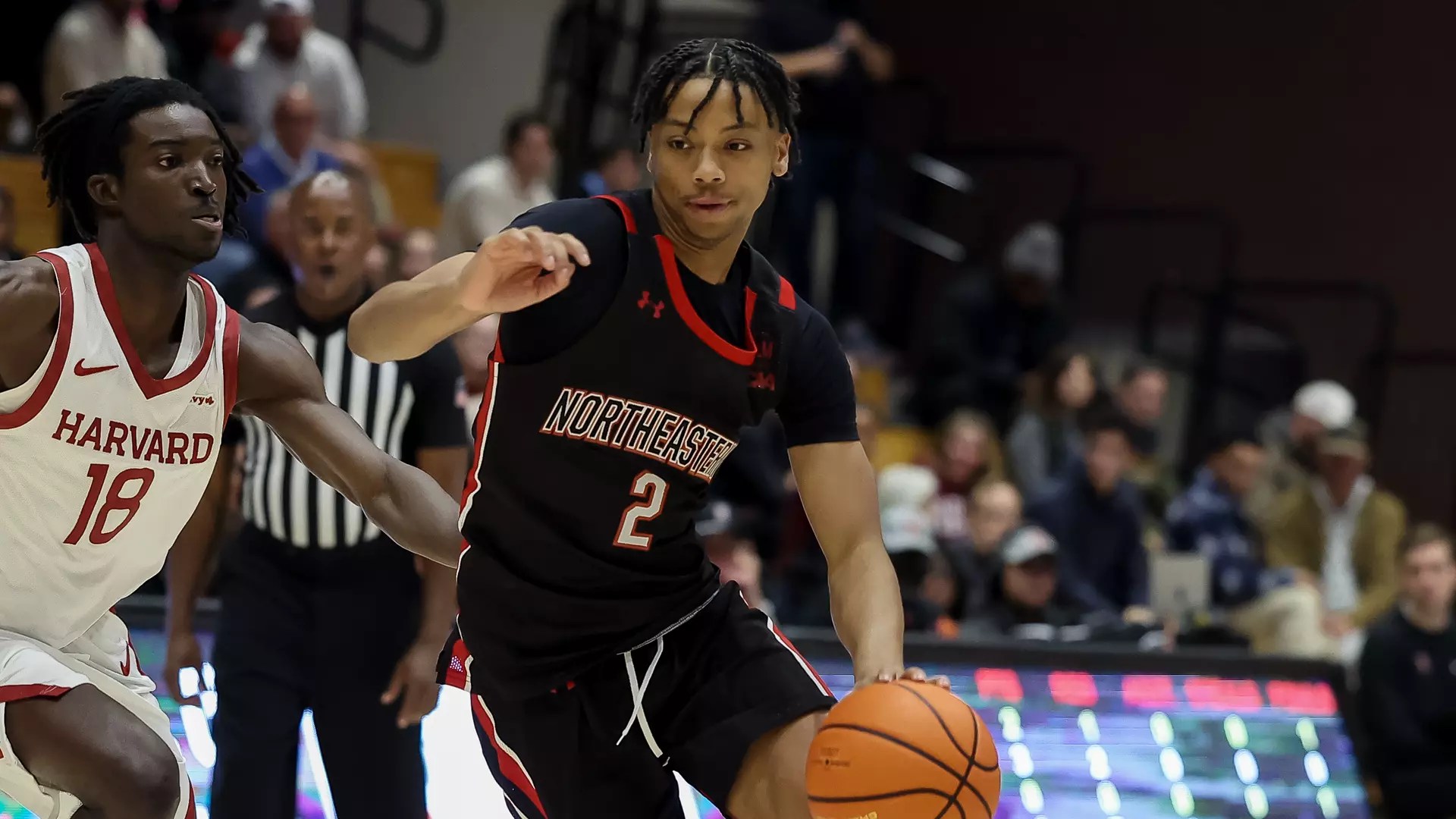
 The Black Cager