The Survivor: How Chance Westry Turned Three Transfers and Two Surgeries Into a Big East Breakthrough

CAMDEN, NJ -The transfer portal is often framed as a story of impatience—players who leave at the first sign of adversity, who chase playing time, who refuse to wait their turn. But Chance Westry’s journey is different. His story is not about impatience. It is about survival.

Westry has transferred three times: from Auburn to Syracuse, from Syracuse to UAB, and now from UAB to Xavier. He has undergone two leg surgeries—one in 2022, another in 2023. He played in just 11 games as a freshman. He redshirted his sophomore season. He logged spot minutes off the bench at Syracuse as a junior.

And yet, after all of that, he is still standing. He is still improving. And at Xavier, he will likely start for a Big East program with two years of eligibility remaining.

This is not a story of a player who could not commit. It is a story of a player who refused to quit.

The Portfolio Problem: Three Decisions, One Trajectory

To understand Westry’s journey, you have to understand his decision-making as a series of portfolio allocations—each one shaped by injury, opportunity, and the need to find a program that would trust him.

Decision #1: Auburn to Syracuse (2023)

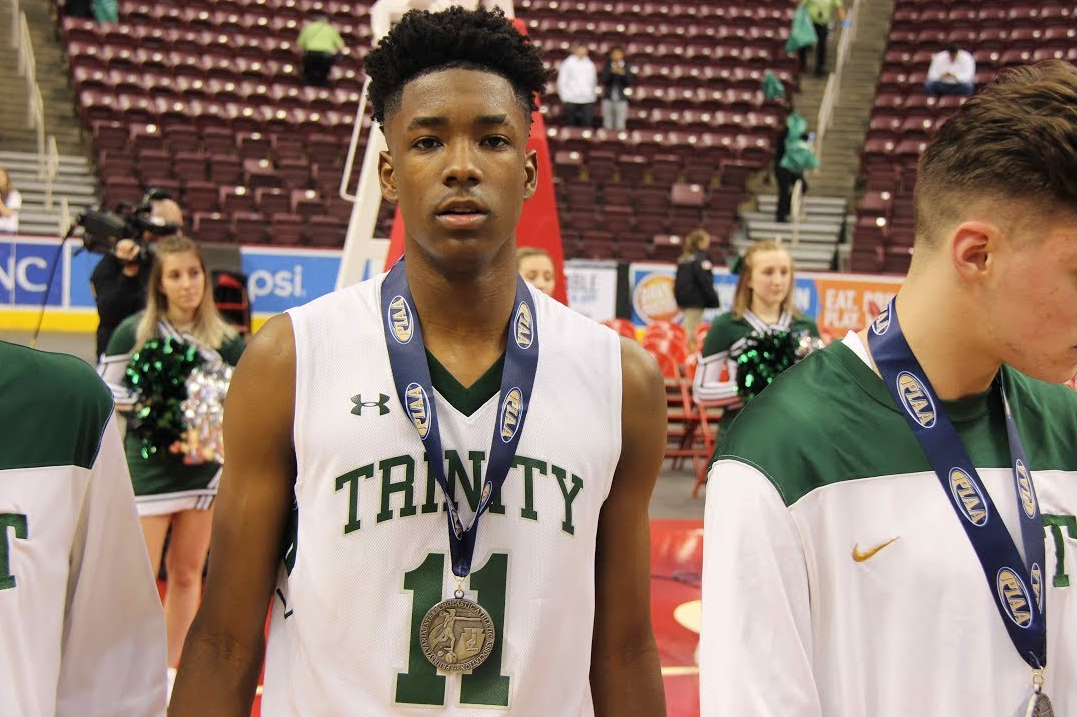
Westry arrived at Auburn as a consensus four-star recruit—ranked No. 26 by Rivals, No. 32 by ESPN, No. 38 by 247Sports. He had averaged 24.1 points, 5.3 rebounds, and 3.1 assists as a sophomore at Trinity High School in Pennsylvania, earning Class 3A Player of the Year honors. He had surpassed 1,000 career points in just two seasons. He had been invited to try out for the USA Basketball Junior National Team.

But injuries derailed his freshman season. He underwent arthroscopic knee surgery in the fall, missed the preseason and the first two games, and played in just 11 games, averaging 2.5 points. He needed a fresh start.

Syracuse offered that fresh start. The Orange had a history of developing guards. The ACC provided a national platform. And Westry hoped that a change of scenery would allow him to finally get healthy and play.

The Calculus: Westry traded the SEC for the ACC—a lateral move in terms of conference prestige. But he traded a program where he had barely played for a program where he hoped to earn a role. The speculative assets—health, opportunity, development—outweighed the risk.

Decision #2: Syracuse to UAB (2025)

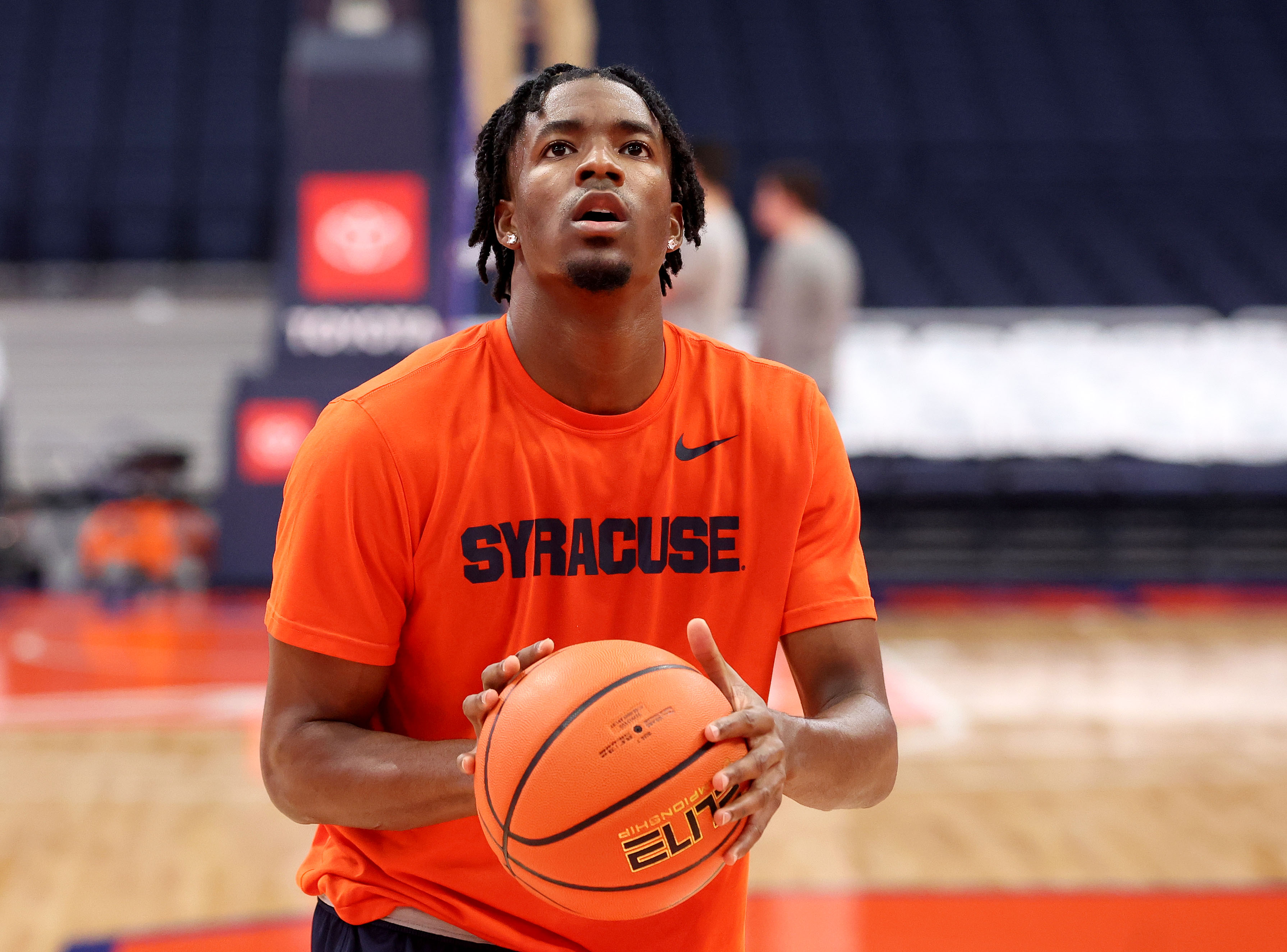
Westry’s time at Syracuse was more frustration than fulfillment. A training camp leg injury required surgery. He missed the entire 2023-24 season. He returned in 2024-25 but logged only spot minutes off the bench against Tennessee, Notre Dame, and Albany.

Two years at Syracuse. Two surgeries. Minimal playing time. He needed a program where he could actually play—where he could be featured, not just a reserve.

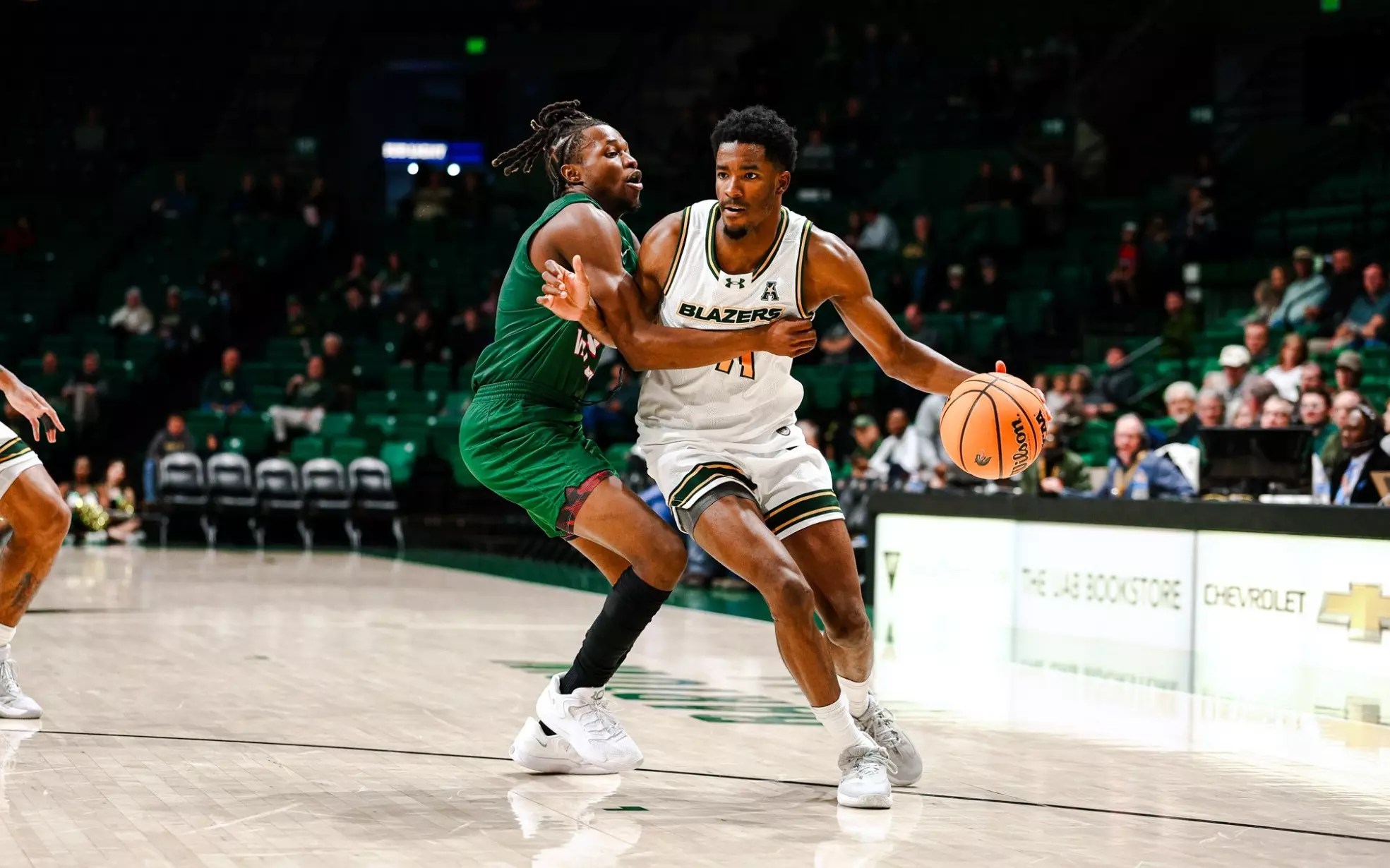
UAB offered that opportunity. The Blazers were a rising program in the American Athletic Conference. They needed a lead guard. They promised him a featured role.

The Calculus: Westry traded ACC prestige for AAC opportunity. He traded a bench role for a starting job. He traded uncertainty for clarity. And the gamble paid off.

Decision #3: UAB to Xavier (2026)

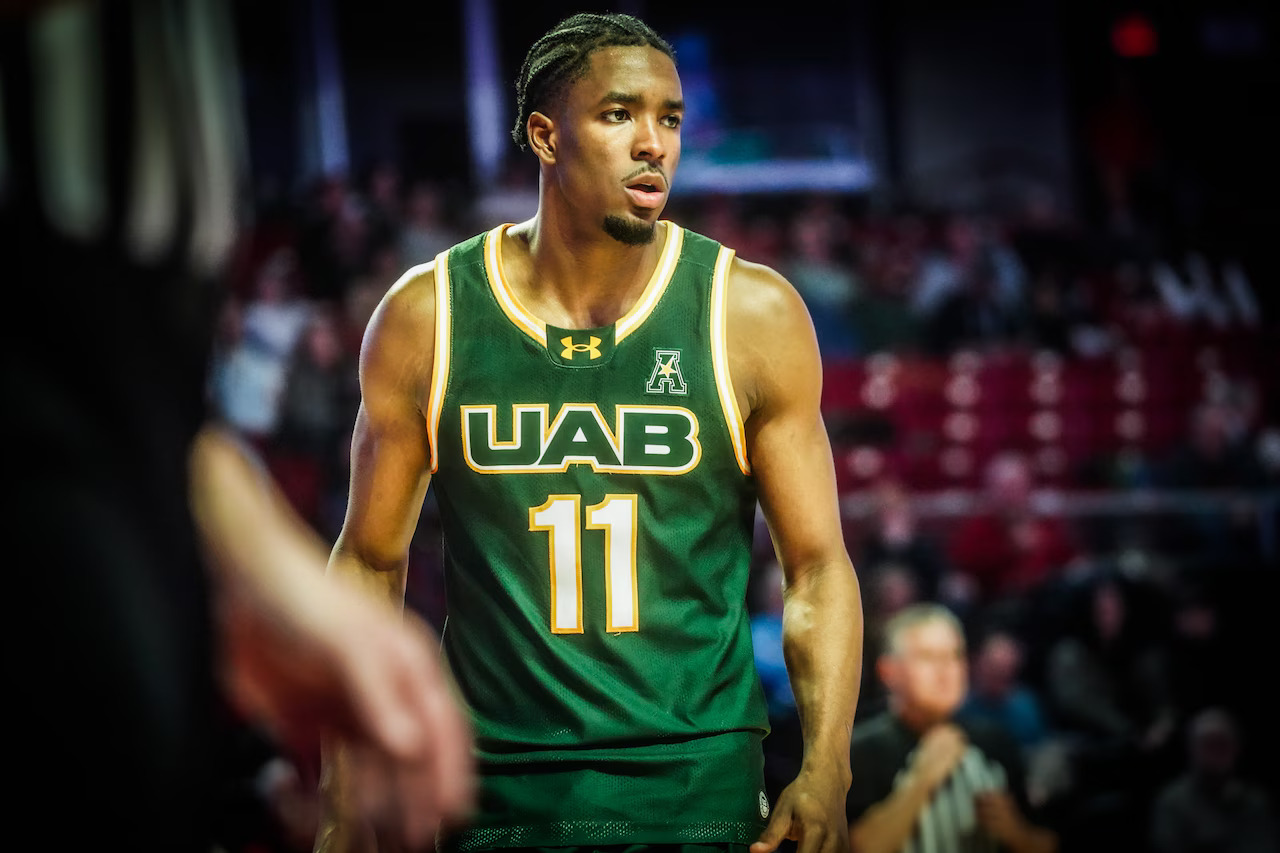
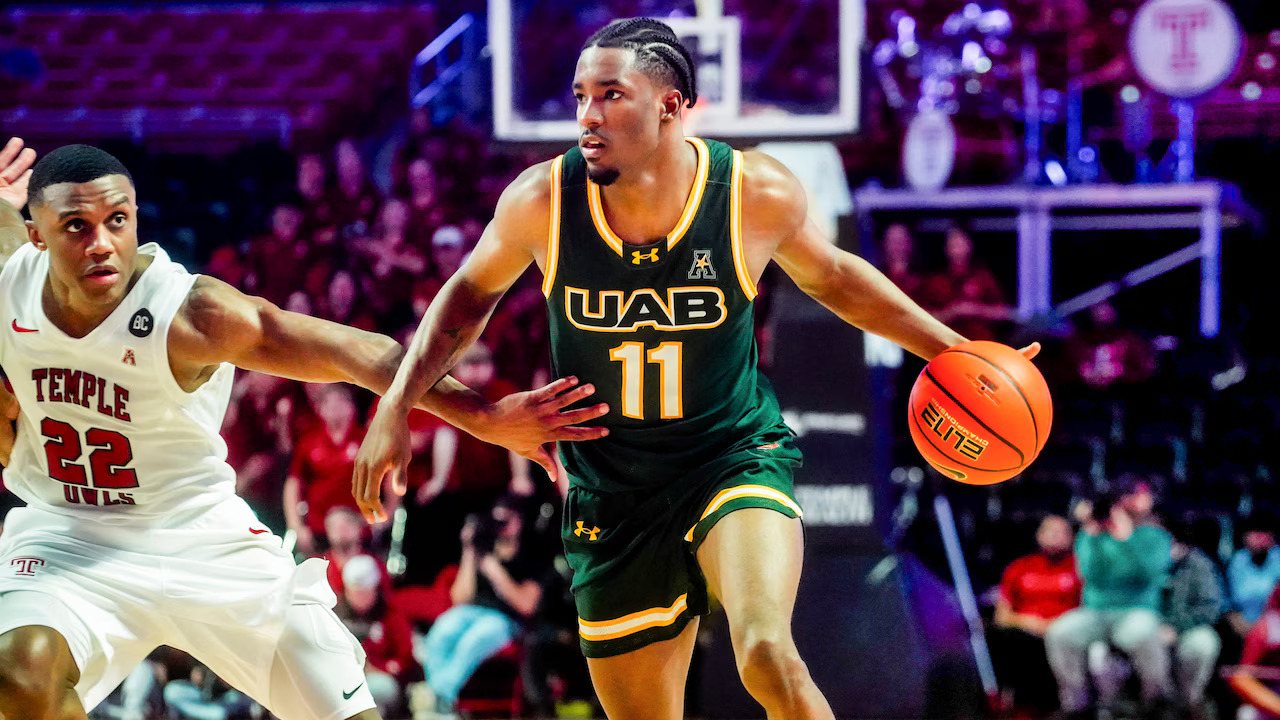
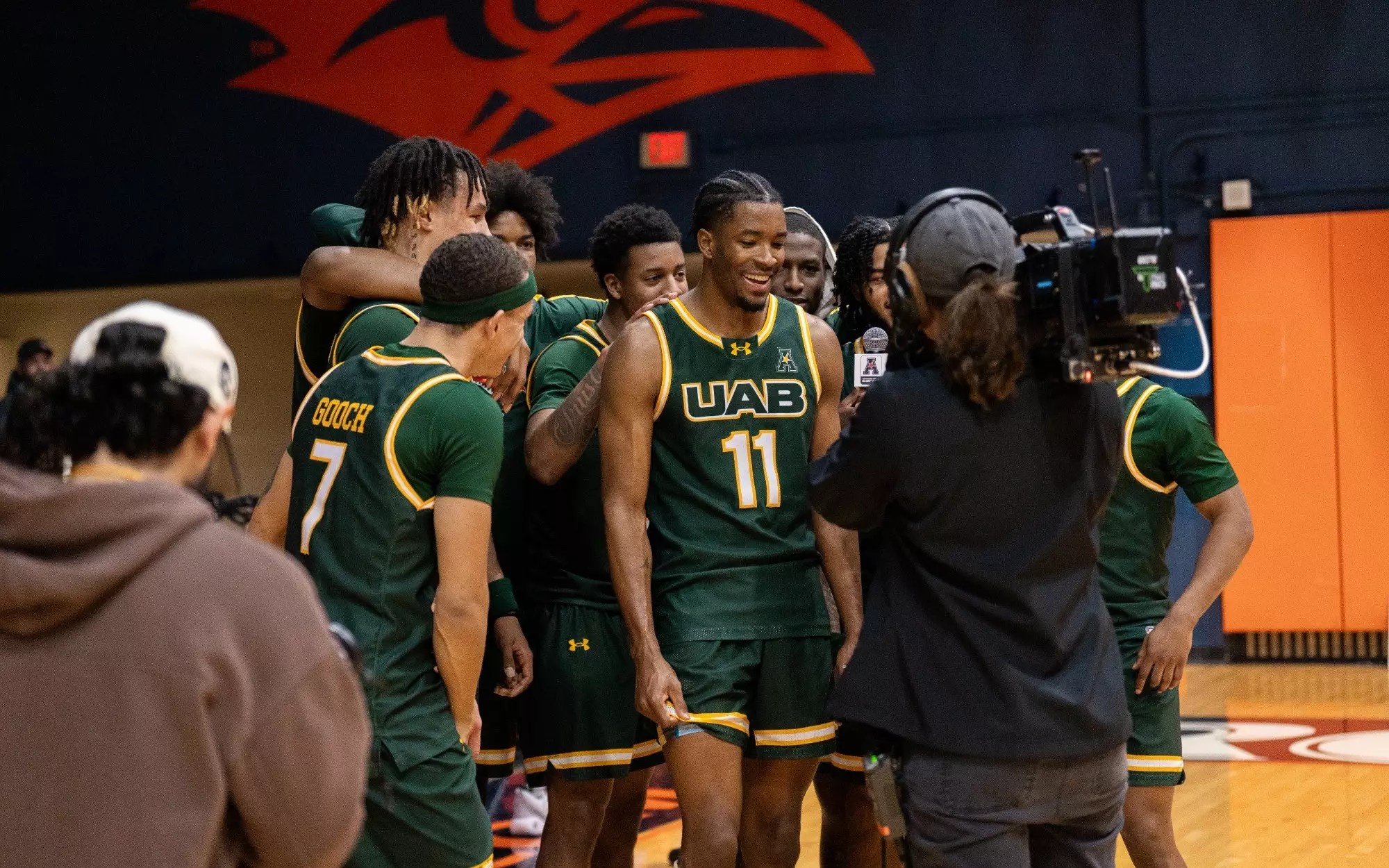
Westry’s single season at UAB was a breakout. He played in all 32 games, made 27 starts, and averaged 15.5 points, 5.6 assists, and 3.8 rebounds per game. He scored a career-high 31 points against Cleveland State. He broke the program record and American Conference record with 15 assists in a single game against Charlotte. He was named second-team All-American Conference.

He had proven he could produce. But the AAC, while respectable, is not the Big East. And Westry had two years of eligibility remaining.

Xavier offered the next rung on the ladder: a starting job in the Big East, a platform with NBA scouts in attendance, and a chance to prove he could produce against high-major competition.

The Calculus: Westry traded AAC production for Big East exposure. He traded a mid-major platform for a power conference stage. And he gained something else: a head coach with a proven track record of winning.

The Richard Pitino Factor: A Coach Who Wins

Richard Pitino arrived at Xavier after a successful stint at New Mexico, where he was named the 2024-25 Mountain West Coach of the Year. He has 15 seasons of experience as a head coach, a 262-204 record, an NIT Championship, and four NCAA Tournament appearances. He was the 2016-17 Big Ten Coach of the Year at Minnesota.

Pitino is sixth among the top winningest active head coaches under the age of 50, and second among active head coaches under the age of 45, according to the Elias Sports Bureau. Before becoming a head coach, he spent seven years as an assistant or associate head coach, including five NCAA Tournament appearances, one Final Four, four Elite Eights, and two 30-win seasons.

For Westry, a player who has battled injuries and inconsistency, playing for a proven winner matters. Pitino has built programs. He has won conference coach of the year awards in two different leagues. He has taken teams to the NCAA Tournament. He knows what it takes to win.


The Impact of Injury: A Career Nearly Lost

It is impossible to assess Westry’s journey without acknowledging the toll of his injuries. Two leg surgeries. Two lost seasons. The mental grind of rehab, of watching from the sideline, of wondering if he would ever be the player he was supposed to be.

Many players would have quit. Many would have transferred down to a lower level just to play. Westry kept believing. He kept working. And at UAB, he finally got his chance.

His numbers at UAB—15.5 points, 5.6 assists, 48.7% shooting—are even more impressive when you consider that he was still shaking off rust, still building confidence, still learning to trust his body again.

What Westry Gains at Xavier

A Big East Platform: Xavier will face UConn, Marquette, Creighton, Villanova, and Providence. NBA scouts attend Big East games nightly. Westry will be seen.

A Proven Head Coach: Richard Pitino has won everywhere he has coached. He has taken teams to the NCAA Tournament. He knows how to win.

A Clear Role: Xavier struggled to a 15-18 (6-14 Big East) record last season. They need a lead guard who can score and facilitate. Westry fits that profile. He will likely start from day one.

Two Years of Eligibility: Unlike many transfers who have one season to prove themselves, Westry has two. That extra year allows him to build, to develop, to position himself for a professional career.


The Final Verdict: A Testament to Resilience

Chance Westry’s journey is not a cautionary tale about the transfer portal. It is a testament to resilience. He has endured two leg surgeries, two lost seasons, and three transfers. He has been counted out, written off, and overlooked.

And yet, he is still standing. He is still improving. And at Xavier, he has a chance to write the final chapter of his college career—not as a player who transferred too many times, but as a player who refused to quit.

The portal is full of players who left and faded away. Chance Westry left, found himself, and came back stronger.
The Long Road Back: Chance Westry’s Patient Pursuit of a Promise Delayed

PHILADELPHIA, PA – In the contemporary arena of college athletics, the biography of a basketball player is too often compressed into a breathless highlight loop. The culture venerates the ascent that is both swift and steep: the five-star recruit who justifies his ranking in a single semester, the one-and-done phenomenon for whom college is merely a nine-month formality before the lottery draft. These are the straight lines that make for tidy narratives. They are also, in the grand arithmetic of sports, the exceptions.

The more common equation involves subtraction. It involves the long subtraction of lost seasons, of surgeries that etch scars across a young body, of the slow, quiet erosion of a reputation built in high school gymnasiums. For every player who glides unimpeded to the professional ranks, there are a dozen who find their path blocked by the cruel mathematics of injury. Chance Westry, a 6-foot-6 guard now starring for the University of Alabama at Birmingham, knows this equation intimately. He has spent the better part of four years solving for X, where X is the distance between the player he was supposed to be and the player he has fought to become. His emergence this season as one of the premier guards in the American Athletic Conference is not merely a comeback; it is a testament to a kind of perseverance that is increasingly rare in an era defined by instant gratification.

To grasp the magnitude of Westry’s current success, one must first revisit the heights he scaled as a teenager in Pennsylvania. Under the direction of Coach Larry Kostelac at Trinity High School, Westry was not just a prodigy; he was a force of historical proportion for the school. As a freshman, he helped guide the Shamrocks to a 22-3 record. By his sophomore year, he was a statistical marvel, averaging 24.1 points, 5.3 rebounds and 3.1 assists, earning him Class 3A Player of the Year honors. He surpassed 1,000 career points in just two seasons, a benchmark of sustained excellence.

The 2019 PIAA state championship game, a one-point loss to Lincoln Park, remains a haunting artifact of his potential: a 40-point performance on the sport’s biggest high school stage in the state. His playoff run that year was a tapestry of scoring virtuosity—28 points against Holy Redeemer, 22 in a semifinal win over Bishop McDevitt, 15 in a quarterfinal victory against New Hope-Solebury. Even in a 70-34 rout of Riverside in the 2020 playoffs, his 17 points were a quiet reminder of his consistency.

Seeking a broader canvas, Westry transferred to Sierra Canyon School in California, the national powerhouse known for its constellation of future stars. There, he held his own, averaging 14.2 points. He then moved to Arizona Compass Prep, a program ranked as high as third nationally, leading the Dragons to the GEICO High School Nationals quarterfinals. The recruiting services, those modern arbiters of potential, anointed him accordingly: Rivals ranked him 26th, ESPN 32nd and 247Sports 38th nationally. He was placed on the Jersey Mike’s Naismith High School Trophy Boys Watch List. He was, by every measure, a star on an inexorable rise. He committed to Auburn, choosing the crucible of the Southeastern Conference.

And then, without warning, the narrative went silent.

The rhythm of a basketball player’s life is built on the metronomic certainty of practice and game, repetition and competition. For Westry, that rhythm was shattered by a cruel, recurring dissonance. A preseason leg injury at Auburn required surgery, erasing the foundation of his freshman campaign before it could be laid. He would eventually make his debut, logging flashes of promise—five points, three rebounds and two assists against Texas Southern; a season-high 17 minutes against Bradley; a then-career-best eight points against Colgate. But these were fragments, glimpses of a player trying to find his footing on a limb that was not yet ready to support his talent. The dominance that defined his high school career was replaced by the uncertainty of rehabilitation.

If Auburn was a detour, Syracuse became a roadblock. During training camp of his sophomore year, another leg injury. Again, surgery. Again, the promise of a season vanished before the autumn leaves could fall. He spent the entire 2023-24 campaign as a spectator, a silent presence on a bench he could not leave. While his teammates battled in the Atlantic Coast Conference, Westry fought a quieter war in the training room, against the atrophy of muscle and the corrosion of hope. It would have been understandable, perhaps even predictable, for a young man to succumb to despair. The body that had been his greatest asset had become his most formidable adversary. Yet, even in that long darkness, a flicker of discipline remained: he was named to the 2023-24 ACC Academic Honor Roll for maintaining a 3.0 grade-point average. It was a small victory, but a profound one—a testament to a mind that refused to let his identity be reduced to a series of medical reports.

His third year at Syracuse offered little reprieve. The minutes were, as before, vanishingly small—brief cameos against Tennessee, Notre Dame and Albany. He was a player in limbo, a top-30 recruit just three years prior, now fighting for scraps of playing time. The narrative around him had shifted from “future star” to “injury-prone what-if.” The basketball world, with its notoriously short memory, had largely forgotten the 40-point scorer, the Class 3A Player of the Year, the dynamic playmaker who could bend a game to his will.

This is where the story of Chance Westry pivots from tragedy to triumph. With his college career at a crossroads, he transferred to UAB for the 2024-2025 season. It was a move born of necessity, but animated by hope. And finally, after nearly four years of fighting against his own body, Chance Westry was allowed to simply play basketball.

The results have been nothing short of revelatory. The player who was a ghost for three years has re-emerged as a star. Averaging 14.6 points, 3.8 rebounds and 4.7 assists while shooting 47 percent from the field, Westry has not just returned to form; he has evolved. The scoring punch is back, but it is now augmented by a refined playmaking vision. The 4.7 assists per game speak to a player who spent years watching the game from the bench, absorbing its nuances, its geometries, its silent rhythms. He has emerged as one of the premier guards in the American Conference, not by recapturing his high school glory, but by constructing a more mature version of his game on the foundation of his adversity.

Chance Westry’s journey is the epitome of perseverance because it traces a complete circuit of the athlete’s experience: from the apex of high school stardom, through the valley of collegiate obscurity and physical despair, and finally to the summit of meaningful contribution. Perseverance is often romanticized as a single, dramatic stand against the odds. But for Westry, it was the mundane, daily choice to keep working when there was no guarantee of a payoff. It was the decision to maintain a 3.0 GPA when his basketball future was most uncertain. It was the humility to accept limited minutes, and the wisdom to use that time to learn. It was the courage to transfer, not once, but twice, in search of a place where his body and his talent could finally align.

His story is a powerful rejoinder to the culture of immediacy that pervades modern sports. It is a reminder that a career is not defined by its interruptions, but by its conclusion. Chance Westry refused to let his be a story of what might have been. Through the pain of three surgeries and the frustration of hundreds of lost games, he held fast to the identity forged in those high school gyms in Pennsylvania: he is a basketball player. And now, at UAB, he is finally able to prove it to the world again. He is not merely a player who has persevered; he is a testament to the unyielding power of the human will to rise, again and again, until it finally stands exactly where it was always meant to be.