The Dangerous Conflation of Profit and Principle: Stephen A. Smith and the Crisis of Black Political Commentary

by Delgreco K. Wilson, M.A.

CAMDEN, NJ – When the logic of the market replaces the ethics of democracy in political discourse, we all lose.

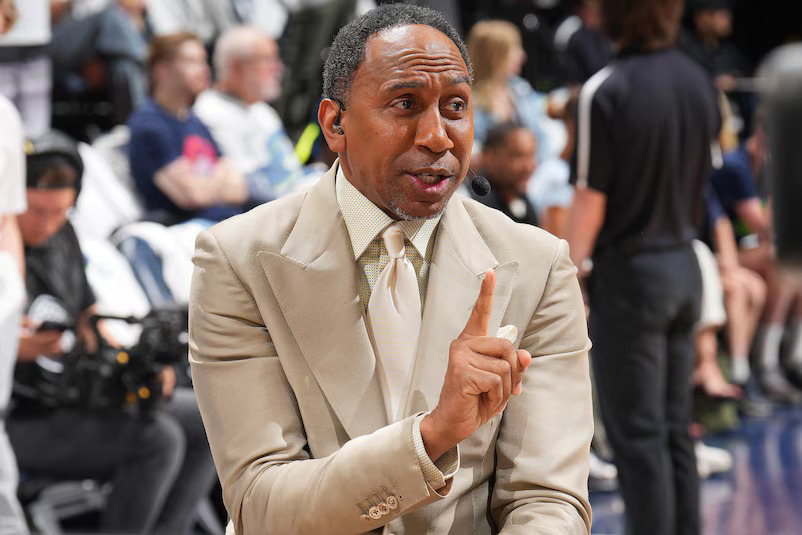
In the annals of American sports commentary, few declarations have been as revealing as Stephen A. Smith’s famous professional mantra: “I wake up every day asking, ‘how can I make my bosses more money?’ and then ‘how can I get some of it?'” This philosophy has propelled him to the pinnacle of sports entertainment, culminating in a recent ESPN contract worth over $100 million for five years. But when this same transactional worldview—where value is measured exclusively in revenue and influence is calibrated for profit—extends into the realm of political analysis, it threatens to degrade our democratic discourse and undermines the particular responsibilities of Black public figures in an era of political crisis.

Smith’s foray into political commentary and his openness to a 2028 presidential run have made him a lightning rod in Black intellectual circles, where his commentary is increasingly viewed as vacuous at best and dangerously aligned with MAGA interests at worst. The controversy surrounding him represents more than just another celebrity dabbling in politics; it exemplifies the dangerous convergence of entertainment and governance in modern America and resurrects painful historical questions about the pressure on Black figures to seek validation from white-dominated institutions.

The Profit Motive in Political Commentary: When Everything Becomes a Business

Stephen A. Smith’s business philosophy, however successful in sports entertainment, becomes profoundly problematic when applied to political analysis. The fundamental incompatibility lies in their core values: democratic discourse requires truth-seeking, principled argument, and concern for the common good, while market logic prioritizes profit, audience growth, and personal brand expansion. Smith has explicitly acknowledged his lack of political expertise, telling The Washington Post, “I’m certainly not an aficionado by any stretch of the imagination… Most Americans are not aficionados. They don’t know all the intimacies and intricacies of every single issue”. Yet rather than humbly acknowledging these limitations, he presents them as a credential of authenticity.

This approach has tangible consequences. Political analysis driven by entertainment values gravitates toward sensationalism over substance, conflict over consensus, and viral moments over nuanced truth. Smith’s commentary follows this pattern—loud, confident, and often lacking in policy depth. As journalist Carron J. Phillips noted in The Contrarian, “Politics, like elections, have real-world consequences. Thick skin is mandatory in the political landscape. And, given recent examples, Smith hasn’t proved he can take a punch in this arena”. The same performance that works for sports debate becomes irresponsible when discussing issues like tariffs, foreign policy, or civil rights.

Smith’s political rise reflects what happens when celebrity status masquerades as expertise. His appearance in presidential polls and his serious consideration of a 2028 run—despite having never held office or demonstrated deep policy knowledge—speaks to our degraded political landscape. As Bill Whalen, a former media consultant for Arnold Schwarzenegger, observed, “The question is, what does Stephen A Smith believe in at the end of the day?… Where is Stephen A Smith on abortion? Where is he on DEI? Where is he on quotas and affirmative action? Where is he on crime? Where is he on spending? The list goes on. You just don’t know”.

Historical Context: The Burden of Seeking White Validation

To understand the strong reaction to Smith’s political commentary within Black communities, one must appreciate the historical burden of what it has meant for Black Americans to navigate white-dominated institutions and seek acceptance within them. This dynamic is not rooted in any inherent trait of Black people but in powerful structures created by centuries of oppression:

  • The Legacy of Slavery and Jim Crow: For centuries, Black people were systematically dehumanized, with the slave master’s approval often meaning the difference between better treatment and brutal punishment. Under Jim Crow, access to resources, justice, and safety frequently depended on being deemed “respectable” by the white power structure.
  • Respectability Politics: This strategy emerged whereby marginalized groups attempted to police their own members to align with dominant culture’s values, hoping this would grant them social mobility and rights. The unspoken promise was that if Black people acted “properly,” they would be seen as more human and deserving by white society.
  • Gatekeepers of Opportunity: Throughout American history, the primary gatekeepers of economic, political, and cultural power—CEOs, university admissions officers, publishers, Hollywood executives—have been overwhelmingly white. Gaining validation from these gatekeepers often appeared the most direct path to economic mobility, educational access, and cultural representation.

Against this historical backdrop, Stephen A. Smith’s approach reads to many critics as a modern manifestation of these dynamics—a Black public figure gaining platform and reward through amplifying viewpoints that align with white conservative interests rather than community needs.

Stephen A. Smith’s Political Evolution and Black Opposition

Smith’s political positioning has evolved into what he describes as a “fiscal conservative and a social liberal” who is “utterly disgusted” with the Democratic Party. While he claims the mantle of an independent thinker, his commentary consistently aligns with MAGA talking points that have drawn criticism from Black intellectuals and community members.

Table: Stephen A. Smith’s Political Positioning and Community Response

Smith’s commentary on Black voting patterns has been particularly contentious. He has lamented what he calls Black voters’ “unconditional loyalty” to Democrats, arguing that this “disenfranchises” the community by reducing its political leverage. While this argument contains a strategic logic, many critics note that it ignores the historical reasons for Black alignment with Democrats—including the party’s support for civil rights legislation and the Republican Party’s embrace of voter suppression tactics and politicians with white nationalist ties.

The backlash against Smith reflects a broader rejection of what many see as his transactional approach to racial justice. His commentary often frames political choices in terms of market-style negotiation rather than principles of justice or historical solidarity. This approach strikes many Black critics as not just politically naive but historically ignorant of how racial hierarchy actually functions in America.

The perception of Smith as aligned with MAGA interests intensified when Donald Trump himself endorsed a potential Smith presidential run, saying he’d “love to see him run” and praising his “great entertainment skills”. For many Black observers, Trump’s endorsement confirmed Smith’s alignment with political forces that have shown consistent hostility to Black civil rights and democratic participation.

Conclusion: Beyond Transactional Politics

Stephen A. Smith’s extension of his profit-first philosophy into political commentary represents a dangerous narrowing of democratic possibility. It reduces citizenship to a transaction and political discourse to entertainment. The strong negative response from Black intellectual circles reflects not just disagreement with his specific positions but a profound understanding of what happens when community interests are subordinated to personal brand-building and revenue generation.

The challenge for Black communities—and for American democracy broadly—is to resist the siren song of transactional politics that measures value primarily in ratings and revenue. What makes Stephen A. Smith’s political commentary so concerning is not that he holds conservative views, but that his entire approach to politics appears to mirror his approach to business: everything is a negotiation, every principle has a price, and the highest value is expanding one’s own platform and profit.

As we navigate the complex political landscape of 2025 and look toward future elections, the need for authentic representation grounded in community accountability has never been more urgent. The alternative—a political discourse dominated by entertainment values and personal profit motives—threatens to complete the corrosion of our democratic institutions. Black communities’ rejection of Stephen A. Smith’s political brand represents not closed-mindedness but a hard-won understanding that some things—justice, representation, human dignity—should never be put on the auction block.

In Philadelphia’s BIG 5, College Basketball’s New Reality Bites Deep

PHILADELPHIA, PA – For the legendary Big 5, success is no longer measured in championships, but in survival.

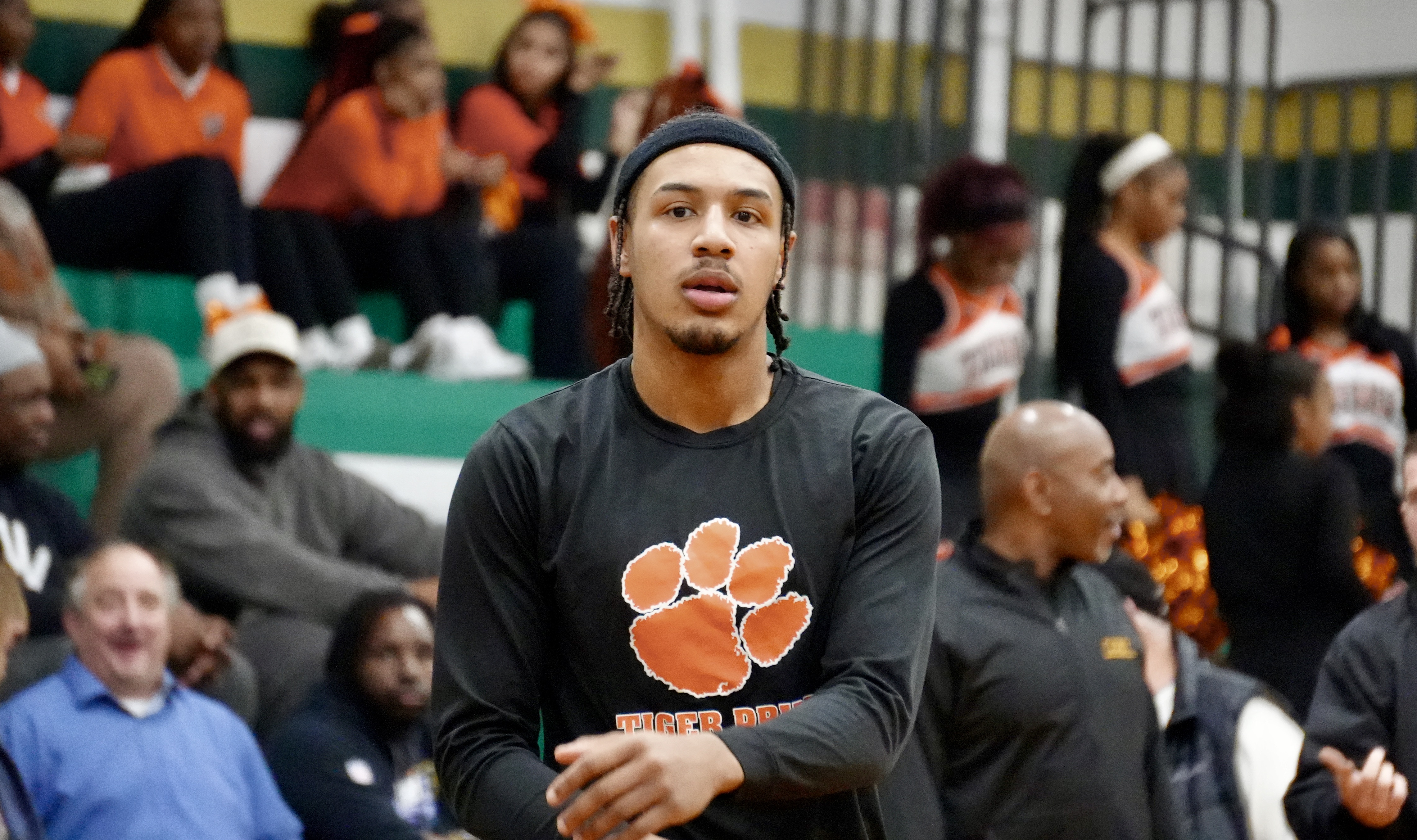
Deuce Jones, La Salle guard

The stained-glass windows of the Palestra, college basketball’s most venerable cathedral, have looked down on decades of Philadelphia basketball lore. They’ve witnessed the intensity of John Chaney stalking the sidelines, the perfection of Saint Joseph’s 2003-04 regular season, and the raw passion of one of sport’s most unique rivalries. For generations, the Philadelphia Big 5 operated within a coherent, predictable universe where tradition mattered, coaches built programs over years, and players became four-year legends on Hawk Hill and North Broad Street.

That world is gone.

The past five years have witnessed what philosopher Thomas Kuhn termed a “paradigm shift”—a revolutionary, non-cumulative break from the old order. The emergence of Name, Image, and Likeness (NIL) compensation and unlimited transfers with immediate eligibility has not merely reformed college basketball; it has created an entirely new ecosystem. The NCAA’s old model of amateurism lies in ruins, dismantled by Justice Brett Kavanaugh’s blistering concurrence in NCAA v. Alston, which declared, “The NCAA is not above the law”.

The question now haunting Philadelphia’s basketball temples is no longer which team will win the city championship, but what constitutes success when the rules of competition have been fundamentally rewritten.

The Shattered Paradigm: Free Agency and Finances

The old paradigm of college athletics was built on stability—the “amateur ideal” where athletes were “student-athletes,” transfers were heavily restricted, and the NCAA maintained absolute control. This framework provided a predictable environment where programs could build through patient development of high school recruits and coaches could construct cultures that lasted decades.

Dasear Haskins, St. Joseph’s wing

The new paradigm operates with entirely different principles:

  • Year-Round Free Agency: The transfer portal has created a marketplace of immediate eligibility, where rosters turn over annually
  • Financial Competition: NIL collectives now determine recruiting outcomes as much as coaching reputations or facilities

Transactional Relationships: Concepts like “loyalty” and “program building” have been redefined in a world where players must be re-recruited each offseason 

This violent rupture has created what Kuhn would call “incommensurable” worlds—the old and new systems are so fundamentally different that stakeholders literally “see different things when they look at the same object” . An “offer” from a school once meant an athletic scholarship; today, it represents a complex package of scholarship, NIL money, and branding opportunities.

Philadelphia’s Pain: Three Years in the Wilderness

The human cost of this revolution is nowhere more evident than in the Big 5’s unprecedented three-year NCAA tournament drought. For the first time in the rivalry’s storied history, no Philadelphia team has danced in March for three consecutive seasons—a stark indication of how dramatically the competitive landscape has shifted.

Joe Mihalich, La Salle Special Assistant to Head Coach

The following table illustrates the challenging preseason outlook for the Big 5 programs according to recent analyses:

The bleak projections reflect the harsh new reality: in a landscape dominated by programs that can leverage financial resources and transfer portal appeal, most of Philadelphia’s teams are fighting with one hand tied behind their backs.

Villanova’s Blueprint: Competing in the Power 6

Villanova stands alone as the only Big 5 program with reasonable aspirations of national relevance. The Wildcats benefit from competing in what analysts now call the “Power 6”—the six basketball conferences that consistently outperform others in NCAA tournament seeding and wins. The Big East has earned at least five NCAA tournament bids in three of the past five seasons, providing Villanova with multiple pathways to the Dance.

Bryce Lindsay, Villanova guard

Under first-year coach Kevin Willard, the Wildcats are attempting to leverage their substantial resources—including a robust NIL collective and national brand recognition—to compete in the new paradigm. The program has become a destination for transfers like Bryce Lindsay (James Madison) and Tyler Perkins (Penn), players who can provide immediate production.

Yet even Villanova faces headwinds. The team was picked 7th in the 11-team Big East preseason poll. As one analysis noted, the Wildcats are “relying on players who are stepping up in class, such as Lindsay… or first-year players who have talent but not experience”. In the new paradigm, success requires not just recruiting talent, but constantly rebuilding rosters in an increasingly transactional environment.

Temple’s Storied History Meets Hard New Reality

For Temple, the paradigm shift has been particularly brutal. This is a program with 33 NCAA tournament appearances, 5 Elite Eights, and 2 Final Fours—a legacy built over decades by coaching legends like Chaney, who took the Owls to 17 tournaments in 18 seasons.

Aiden Tobiason, Temple guard

That historical success now means little in the new ecosystem. Temple has made just two NCAA appearances in the past 12 seasons, and this year was picked 9th in the 13-team American Athletic Conference. The AAC typically receives only 1-2 NCAA tournament bids per season, creating a brutal competitive environment where even strong conference records may not be enough for at-large consideration.

Coach Adam Fisher acknowledges the rebuilding challenge, noting that last season “things could go wrong… they did” with injuries, suspensions, and departures. In the new paradigm, “rebuilding” no longer means developing freshmen over four years, but aggressively working the transfer portal to replace departing talent—a challenge for programs without the NIL war chests of Power 6 competitors.

Saint Joseph’s: The Middle-Class Squeeze

Saint Joseph’s exemplifies the “middle-class” programs caught between historical success and current realities. The Hawks have 21 NCAA tournament appearances, an Elite Eight, and a Final Four in their history, with legends like Jack Ramsay and Phil Martelli accounting for two-thirds of those tournament trips.

Steve Donahue, St. Joseph’s Head Coach

Yet the program has zero NCAA appearances in the past decade, and despite winning 22 games and a second straight Big 5 title last season, home losses to teams like Central Connecticut and Princeton crushed at-large hopes. This season, the Hawks were picked 7th in the 14-team Atlantic 10, another conference that typically receives only 1-2 NCAA bids annually.

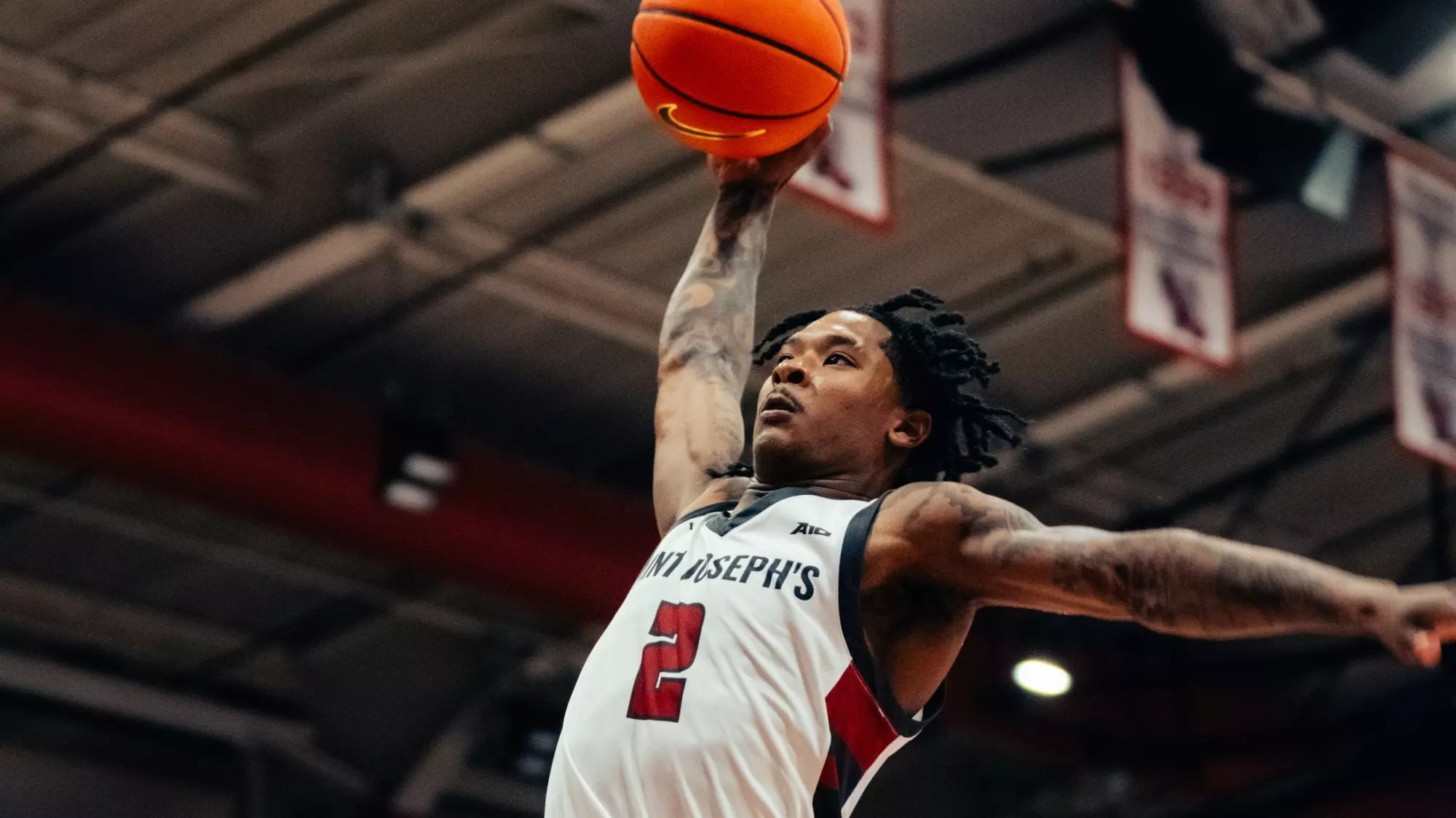
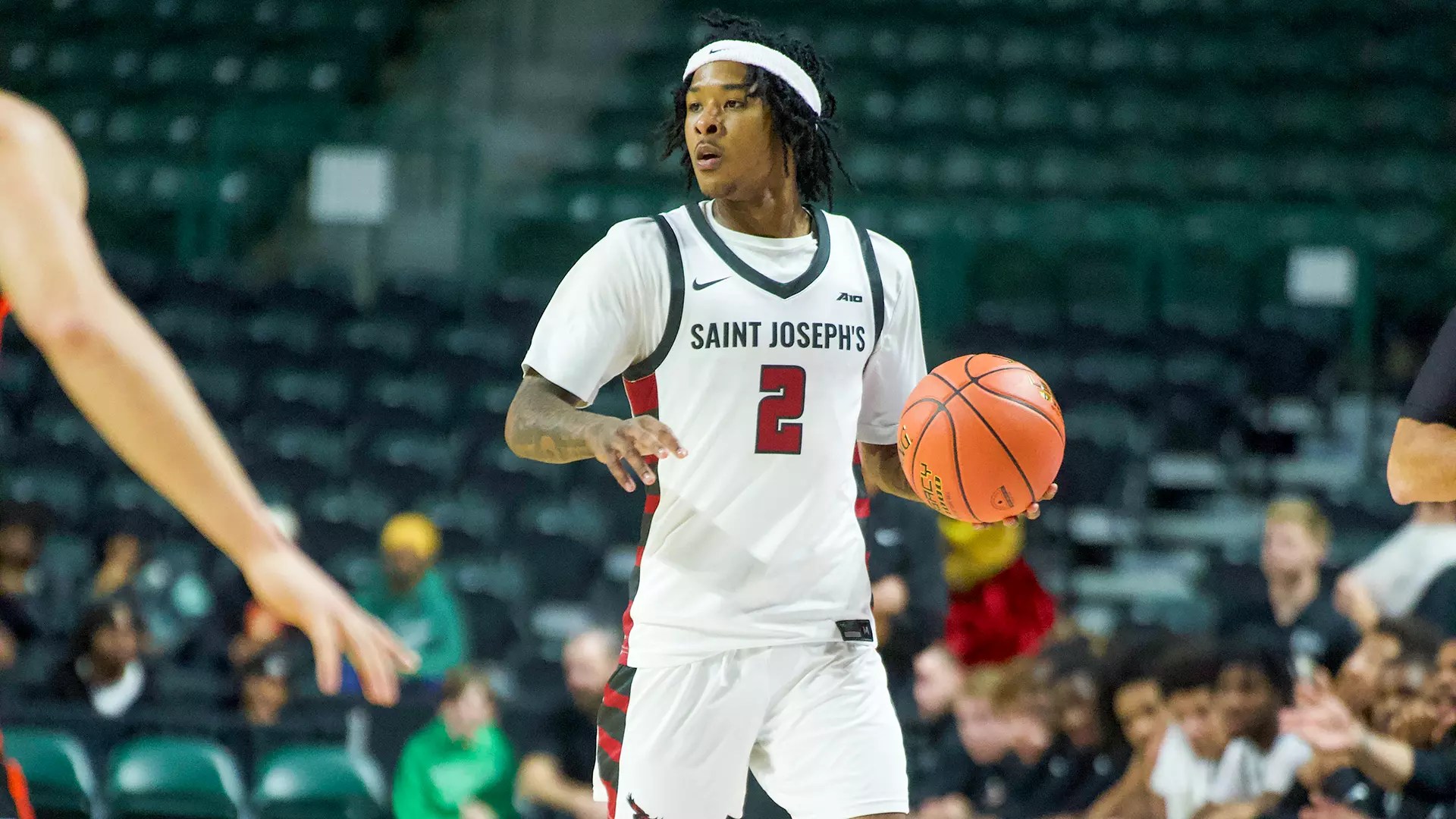
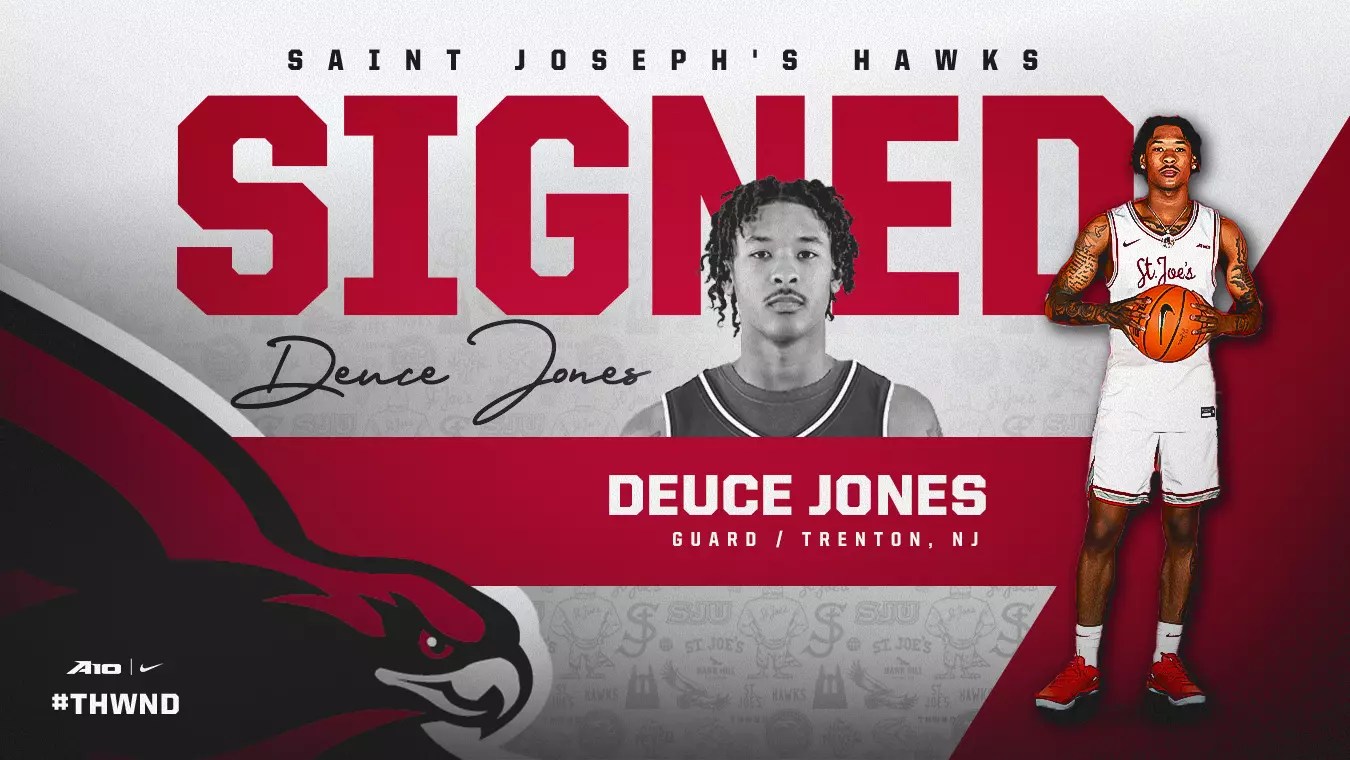
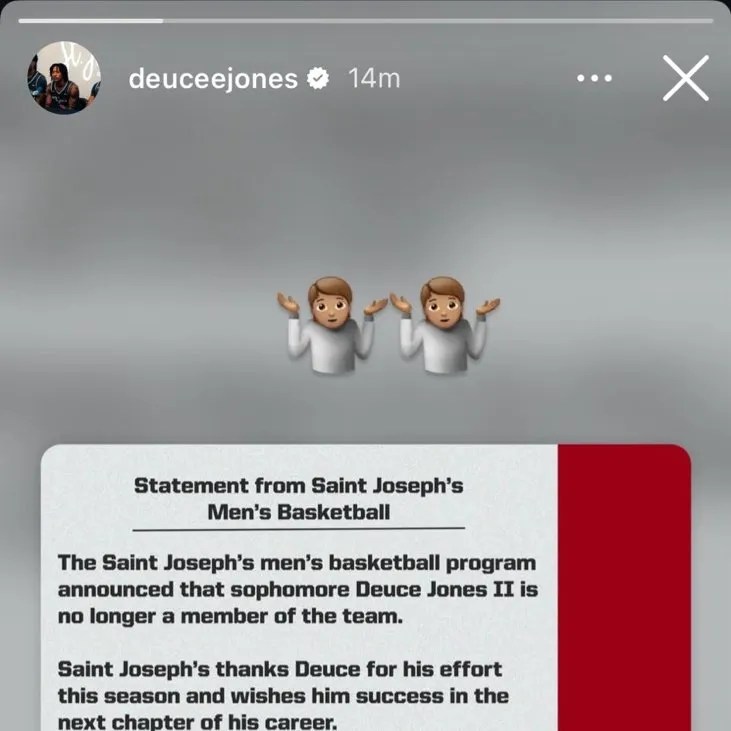
The September resignation of Billy Lange created additional instability, though successor Steve Donahue has talent to work with, including La Salle transfer and reigning A-10 Rookie of the Year Deuce Jones. Donahue believes this is “the most athletic team he’s ever coached”, but in the new paradigm, athleticism alone cannot overcome the structural disadvantages facing mid-major programs.

Penn’s Ivy League Transformation

The Quakers represent one of the most fascinating case studies in adaptation. Despite being picked 7th in the 8-team Ivy League, some analysts believe Penn has the best chance among the city’s programs (outside of Villanova) to make noise this season.

Fran McCaffery, Penn Head Coach

The reason? First-year coach Fran McCaffery—the winningest coach in Iowa history—and his ability to leverage the transfer portal, landing former five-star recruit T.J. Power from Virginia. The Quakers also return standout Ethan Roberts (16.8 points per game).

McCaffery’s hiring signals that even Ivy League programs, with their strict academic requirements and no athletic scholarships, must compete aggressively in the new marketplace. As one analysis noted, “If Roberts plays well and Power is healthy and Penn quickly adapts to McCaffery’s style, the Quakers could sneak into the No. 4 spot in the league” and then “anything is possible” in the Ivy League tournament.

La Salle and Drexel: The New Reality’s Hard Edge

For La Salle and Drexel, the new paradigm has created near-insurmountable barriers to national relevance.

Darris Nichols, La Salle Head Coach

La Salle, with its 12 NCAA tournaments, 2 Final Fours, and a National Championship, has played in just one NCAA tournament over the past 34 years. First-year coach Darris Nichols has brought “youthful enthusiasm and renewed energy” to the program, but the Explorers were picked 13th in the 14-team A-10. As one analysis bluntly stated: “It is a really long way to go from being picked one spot from the bottom of the A-10 to winning the conference title”.

Drexel faces similar challenges in the CAA, a one-bid league where the Dragons were projected 10th of 13 teams. The transfer portal has been particularly unkind to Drexel, with standouts like Yame Butler (Butler), Kobe Magee (Florida State), and Cole Hargrove (Providence) all departing for bigger programs—and presumably, bigger paydays. This talent drain from mid-majors to power conferences represents one of the most significant consequences of the new paradigm.

Redefining Success in the Athlete Empowerment Era

In this new world, the criteria for a “good season” must be recalibrated for all but the elite programs:

  • For Villanova: Success means NCAA tournament appearances and Sweet 16 runs—maintaining status as a national program capable of competing with college basketball’s financial elite
  • For Temple: Given conference constraints, an NCAA tournament appearance represents a major achievement, requiring either a conference tournament championship or a spectacular regular season
  • For Saint Joseph’s: Realistic success means NIT victories and consistent competitiveness in the A-10, with NCAA appearances representing extraordinary rather than expected outcomes
  • For Penn: An NIT appearance would signal remarkable progress, particularly given their preseason projection, and would validate their aggressive adaptation to the new landscape
  • For La Salle and Drexel: Simply reaching the NIT would represent significant achievement, indicating program momentum in an era where mid-majors struggle to retain talent

The tectonic plates of college sports have shifted, and Philadelphia basketball sits directly on the fault line. The Palestra still stands, but the games played within its hallowed halls are governed by new rules— both written and unwritten. The paradigm has shifted, and in this new world, survival itself constitutes a form of victory.

College Athletics’ Revolution: How a Paradigm Shift Is Redefining the Game

PHILADELPHIA, PA – The tectonic plates of college sports have shifted, and the landscape will never be the same.

For decades, the world of college athletics operated as a coherent, predictable universe. It was a system where the term “student-athlete” was sacrosanct, amateurism was the guiding creed, and the National Collegiate Athletic Association (NCAA) was the unquestioned governing authority. This model, however, has not merely evolved. It has been violently upended. The past five years have witnessed what the philosopher of science Thomas Kuhn would term a “paradigm shift”—a revolutionary, non-cumulative break from the old order, driven by legal challenges that shattered the NCAA’s foundational principles.

Temple alum and former NBA player, Marc Jackson announcing the La Salle vs Temple matchup

The emergence of name, image, and likeness (NIL) compensation and unlimited transfers with immediate eligibility has not reformed the system; it has created a new one, fundamentally altering the nature of college sports, especially football and men’s and women’s basketball.

The Kuhn Framework: How Revolutions Unfold

To understand what is happening in college sports, one must first understand Kuhn’s theory of scientific revolutions. In his seminal 1962 work, The Structure of Scientific Revolutions, Kuhn argued that scientific progress is not a linear, cumulative process. Instead, it occurs through violent ruptures he called “paradigm shifts”.

La Salle forward Jerome Brewer

A paradigm is a framework of beliefs, values, and techniques shared by a community. For a time, it provides model problems and solutions in a process Kuhn labeled “normal science.”

But eventually, anomalies—observations the prevailing paradigm cannot explain—accumulate, leading to a period of crisis. This crisis deepens until the old paradigm is overthrown and replaced by a new, incompatible one. The new paradigm is “incommensurable” with the old; they are so different that proponents of each see the world differently, use different definitions, and fundamentally talk past one another. This is not a change in degree, but in kind. It is a gestalt switch, where a drawing that was once seen as a duck is now seen as a rabbit, and it is impossible to see both at once.

The Age of ‘Normal Science’ in College Athletics

For the better part of a century, college athletics existed in a prolonged state of Kuhn’s “normal science.” The dominant paradigm was the “amateur ideal.” Its core tenets were simple and universally accepted within the industry:

Camden resident and Big 5 fan, Hunner Cotton

No Pay-for-Play: Athletes were “amateurs” who could not be compensated for their athletic performance beyond the cost of attendance

Limited Mobility: Transfers were heavily restricted, often requiring athletes to sit out a year of competition, thereby discouraging movement

Institutional Control: The NCAA and its member institutions held absolute power to set and enforce the rules

This paradigm was not merely a set of rules; it was a worldview. It defined the very product. As Kuhn might have observed, it told everyone in the system—administrators, coaches, athletes, and fans—how to think and behave. It provided a stable, predictable environment where seasons unfolded with rosters fans could recognize from year to year, and where the NCAA’s authority was as assumed as the rules of gravity.

Accumulating Anomalies and the Onset of Crisis

The facade of this stable world began to crack under the weight of mounting anomalies. The commercial reality of college sports—the billion-dollar television contracts, massive coaching salaries, and lavish facilities—increasingly clashed with the amateur ideology.

Joe Mihalich, Special Assistant to the Head Coach at La Salle University

The sight of athletes, particularly in revenue-generating football and basketball, generating immense wealth without sharing in it became an undeniable contradiction.

This set the stage for a crisis, triggered by a series of legal challenges that acted as Kuhn’s “extraordinary research”. The courts became the laboratory where the old paradigm was tested and found wanting.

The Alston Decision: The pivotal blow came in 2021 from the U.S. Supreme Court in NCAA v. Alston. While the case specifically dealt with education-related benefits, Justice Neil Gorsuch’s majority opinion unequivocally declined to grant the NCAA “immunity from the normal operation of the antitrust laws”.

Justice Kavanaugh’s Concurrence: The true harbinger of revolution was Justice Brett Kavanaugh’s blistering concurrence. He called the ruling a necessary “course correction” and laid bare the anomaly at the system’s core: “Nowhere else in America can businesses get away with agreeing not to pay their workers a fair market rate on the theory that their product is defined by not paying their workers a fair market rate,” he wrote. “The NCAA is not above the law”.

This judicial dismantling of the NCAA’s legal shield created a state of deep crisis. The old paradigm was no longer tenable, and the search for a new one began.

Adam Fisher, Temple Head Coach

The Revolution Unleashed: A New World Order

The collapse of the old model under legal pressure has rapidly given way to a new paradigm, characterized by two revolutionary changes:

Name, Image, and Likeness (NIL): Since 2021, athletes have been allowed to profit from their fame through endorsements, appearances, and social media promotions. This was the death knell for pure amateurism.

Unlimited Transfers with Immediate Eligibility: Following relentless antitrust lawsuits from state attorneys general and the U.S. Department of Justice, the NCAA’s transfer restrictions have been eviscerated.

Athletes can now enter the transfer portal multiple times and play immediately at their new school, creating a system of year-round free agency.


The following table contrasts the core elements of the old and new paradigms in college athletics:

This new system is not merely an adjustment. It is a fundamental redefinition of what college sports are.

Bob Jordan, Temple Assistant Coach

Living in Incommensurable Worlds

The chasm between the old and new paradigms is so vast that they are, in Kuhn’s terms, incommensurable. Stakeholders are effectively living in different realities.

Different Standards: Concepts like “loyalty” and “team-building” now have entirely different meanings. A coach bemoaning a player’s lack of loyalty, based on the old standard of a four-year commitment, cannot communicate with a player operating in a new world where loyalty must be re-earned by the program year after year through NIL offers and playing time

Different Worlds: Coaches now navigate a “transactional culture”. As one soccer coach lamented regarding new roster limits, the focus is on “hit[ting] on virtually all of the 5-6 commits each year,” turning recruiting from an art of potential into a science of immediate ROI . Meanwhile, athletes see themselves not just as students, but as entrepreneurs managing their own brands.

Communication Breakdown: The same words mean different things. An “offer” from a school once meant an athletic scholarship. Now, it is a complex package of scholarship, NIL money from a collective, and potential branding opportunities. When administrators, coaches, athletes, and fans use the term “college sports,” they are, quite literally, talking about different things.


Temple star guard Aiden Tobiason

The View from the Palestra: A Case Study in Revolution

The human cost of this revolution is etched into the history of Philadelphia’s Big 5. For more than six decades, the rivalry between LaSalle, Pennsylvania, St. Joseph’s, Temple, and Villanova was a unique institution in college basketball, a frenetic and beloved intracity competition housed in the musty, hallowed halls of the Palestra.

Big 5 basketball as it existed for generations is dead.

The paradigm shift has turned its teams into annual collections of mercenaries. This year’s rosters at Temple, Villanova, and La Salle are not built through years of patient development and freshman recruiting classes. They are assembled through the transfer portal, featuring 12 to 15 new players who are, in effect, paid free agents. The continuity that allowed for deep, city-wide narratives and enduring player legacies has been shattered. The old-timers who cherish the traditions of the Palestra and the new-age fans who track transfer portal rankings now inhabit incommensurable worlds, looking at the same court but seeing entirely different games.

Darris Nichols, La Salle Head Coach

The Uncharted Future

Where this new paradigm will ultimately lead is still uncertain. The revolution has created winners and losers, bestowing newfound wealth and freedom on some athletes while creating instability and uncertainty for others. The core challenge of this nascent paradigm is its sheer chaos—a lack of uniform regulation, concerns over the exploitation of young athletes, and the erosion of any semblance of a level playing field.

Thomas Kuhn taught us that paradigm shifts are not about progress in a moral sense, but about the replacement of one worldview with another. The old paradigm of amateurism is gone, discredited by the courts and abandoned by the culture. The new paradigm of athlete empowerment and free agency is still crystallizing, its final shape unknown. The revolution is complete. The incommensurable has arrived. The games will continue, but they will never be the same.

I miss Micheal Brooks, John Pinone, Mo Martin, Rodney Blake, Howie Evans, Lionel Simmons, Mark Macon, Tim Perry, Mike Vreeswyk, Jameer Nelson, Rap Curry, Bernard Bunt, Jerome Allen, Matt Maloney and Rashid Bey on the court.

I miss John Chaney, Fran Dunphy, Bruiser Flint, Phil Martelli, John Giannini and Rollie Massimino on the sidelines.

Naaaaah… I can’t lie… I don’t miss Rollie.

Girard College Taps St. Joseph’s University Hall of Famer, Mark Bass, a Proven Program Builder, as New Boys Basketball Head Coach

PHILADELPHIA, PA — Girard College announced on October 9, 2025 that it has hired Mark Bass, a Mercer County basketball legend with deep ties to the Philadelphia region and a storied history as both a player and coach, as the new head coach of its boys’ basketball team. Long-time St. Joseph’s University coach Phil Martelli introduced Bass to his Girard College team in an emotional and intimate gathering. The appointment signals an ambitious new direction for the program, entrusting it to a figure renowned for his tactical acumen and a proven record of rapid turnaround.

Phil Martelli and Mark Bass

Bass brings over 24 years of coaching experience to the role, most recently serving as an Assistant Coach for Prep and Development Basketball at the South Kent School, a Connecticut-based incubator for elite talent. His hiring is seen as a coup for Girard College, securing a leader with a demonstrated ability to elevate teams to championship contention.

“We are thrilled to welcome a leader of Mark Bass’s caliber and character to Girard College,” said Tumar Alexander, Girard College Vice-President of Operations. “His philosophy extends far beyond the basketball court, emphasizing the development of student-athletes as scholars and citizens. His record of success, both immediate and sustained, makes him the ideal person to build a proud and successful future for our boys’ basketball program.”

Tumar Alexander and Mark Bass

Bass is not merely a coach; he is a part of the area’s basketball fabric. A member of both the Mercer County Sports Hall of Fame and the St. Joseph’s University Basketball Hall of Fame, he remains the all-time leading scorer for Trenton Catholic Academy (formerly McCorristin), where he led the team to back-to-back state championship games.

His legacy continued at St. Joseph’s University, where he starred as one of the deadliest shooters in the program’s history and a key part of its 1996 NIT finals team. After a professional stint in China, Bass returned to his alma mater, embarking on a 20-year tenure as an assistant coach—the longest in St. Joseph’s history—where he was instrumental in developing NBA players such as Jameer Nelson, Delonte West, and DeAndre Bembry. He also helped lead the Hawks to another NIT final as a coach in 2005.


It is his most recent high school head coaching performance, however, that provides the clearest blueprint for what Girard College can expect. In 2021, Bass was hired to resurrect the Trenton Catholic Preparatory Academy program, a decision hailed at the time as an “absolute no-brainer.”

The results were instantaneous and profound. In his first season at the helm, Bass engineered a dramatic resurgence, leading the Iron Mikes to a Mercer County Championship and, for the first time in 12 years, a South Jersey, Non-Public B title. His team finished the season ranked No. 4 in the state by NJ.com.

“In the program’s first year under coach Mark Bass, Trenton Catholic Preparatory Academy plays with a toughness on the defensive end that figures to make these Iron Mikes a lethal threat,” wrote Greg Johnson of The Trentonian in a mid-season assessment.

Mark Bass and Guy Moore, Girard College Director of Athletics

John Castaldo, Bass’s own high school coach at McCorristin, praised the hire at the time, noting, “He returns to his alma mater with a wealth of basketball knowledge… His skills in developing and nurturing relationships are outstanding. He has always been an individual of high character and moral integrity.”

Bass’s expertise is further honed by his role as a Head Coach for the prestigious WeR1 Basketball Club on the Under Armour Association circuit, where he has continued to develop top-tier amateur talent.

“I am incredibly honored and excited to join the Girard College community,” said Bass. “This is a special institution with tremendous potential. I look forward to building a program that the entire Girard family can be proud of—one that competes for championships while upholding the highest standards of excellence, discipline, and sportsmanship. The work begins now.”

Bass holds a Bachelors degree in Marketing from St. Joseph’s University and Master’s degree from Rider University. He officially assumes his duties on October 20, 2025.


About Girard College


Girard College is a landmark independent boarding school in Philadelphia, providing a full-scholarship, holistic education for academically capable students from families with limited financial resources, serving grades 1 through 12.

###

In a Shifting Basketball Landscape, Phil Martelli’s “Philadelphia Coaching Academy” Partners with Black Cager Fall Classic to Reclaim the Art of Coaching

PHILADELPHIA — In an era defined by the seismic influence of Name, Image and Likeness (NIL) advisors, sports agents, and the directors of national basketball academies, a new initiative is aiming to return the focus of youth basketball to its foundational element: teaching the game.

The Philly Coaching Academy, a venture from P and J Enterprises founded by former Saint Joseph’s University and former Michigan associate head coach Phil Martelli, has been named an official sponsor of the upcoming Black Cager Fall Classic. The partnership signals a concerted effort to address a growing void in the development of basketball coaches at the grassroots level.

Phil Martelli

The announcement comes amid what many insiders describe as a paradigm shift in youth and scholastic basketball. The insertion of substantial student-athlete compensation has fundamentally altered the player development process, creating an ecosystem where financially motivated “handlers” and the allure of national programs often overshadow the core mission of instruction and mentorship. Consequently, less time, energy, and resources are being devoted to cultivating the next generation of skilled coaches.

“In today’s environment, the term ‘coach’ can be diluted. A true coach is a person who trains, instructs, and guides a team to improve their skills and performance, with winning as a byproduct of that process,” said Martelli, a Hall of Fame inductee of the Philadelphia Big 5 and one of the most respected figures in the sport. “We are determined to identify and develop good, ethical, and effective youth and scholastic coaches who embody that definition.”

To that end, the Philadelphia  Coaching Academy has been created specifically for coaches operating at the CYO, middle school, recreational, and travel team levels. The academy’s goal is to equip these coaches with the tools to plan and execute efficient, effective practices. The curriculum will be delivered through four standalone sessions, each featuring on-court demonstrations of drills presented by Martelli and other prominent high school coaches.

Delgreco Wilson, founder of Black Cager Sports, expressed strong support for the partnership, drawing from his long-standing observation of Martelli’s career.

“I’ve been fortunate to witness Martelli’s entire coaching journey. More than any other coach I’ve encountered, Martelli has been an open book. His practices were always accessible,” Wilson said. “He is the right guy to teach young Philly men and women how to be professional youth and scholastic basketball coaches.”

As part of the sponsorship, a coach from every high school participating in the Black Cager Fall Classic will be invited to a exclusive Zoom webinar with Martelli. Furthermore, the head coach of two participating Fall Classic teams will receive full certificates to attend a session of the Philadelphia Coaching Academy.

Wilson emphasized the critical timing of this initiative, stating, “Martelli is absolutely the right guy, and this is definitely the right time to focus on actually teaching and coaching the game of basketball. We’ve seen the business side expand rapidly; now it’s time to reinvest in the craft of coaching itself.”

The collaboration between the Philadelphia Coaching Academy and the Black Cager Fall Classic represents a significant step toward reinforcing the instructional backbone of the sport, ensuring that the coaches guiding young athletes are as developed and dedicated as the players they mentor.

About the Philadelphia Coaching Academy:
Founded by Phil Martelli through P and J Enterprises, the Philadelphia Coaching Academy is dedicated to the education and development of basketball coaches at the youth and scholastic levels. Through a series of intensive, practical sessions, the academy provides coaches with the fundamental principles of practice planning, skill development, and team instruction.

About the Black Cager Fall Classic:
The Black Cager Fall Classic is a premier showcase event presented by Black Cager Sports, featuring top high school basketball talent from the Philadelphia region and beyond. It serves as a critical platform for player exposure and development at the onset of the school year.

###

Media Contact:
Delgreco Wilson
Managing Editor, Black Cager Sports
blackcager@gmail.com

F*ck Him! Why Black Athletes Should Shun Auburn’s Bruce Pearl

PHILADELPHIA, PA – In the aftermath of the assassination of far-right commentator Charlie Kirk, a predictable and distressing pattern has emerged. His death has been met with solemn tributes from powerful allies who have chosen to whitewash a legacy defined by racial animus. Among them is Bruce Pearl, the high-profile head coach of Auburn University’s men’s basketball team. In voicing his “unequivocal support” for Kirk and stating that Kirk “was right about everything he said,” Pearl has offered a profound insight into his own worldview.

For the elite Black basketball prospects being relentlessly recruited by Pearl, and for the parents who entrust their sons to him, this endorsement is not a minor political aside. It is a glaring red flag. It reveals an alignment with a ideology that fundamentally devalues their humanity. In the high-stakes world of college athletics, where coaches wield immense power over the young men in their program, aligning with a coach who champions a racist provocateur is not just a risk—it is an unacceptable compromise.

The Unvarnished Racism of Charlie Kirk

To understand the gravity of Pearl’s endorsement, one must first confront the uncontested record of Charlie Kirk’s rhetoric. This was not a man engaged in good-faith political debate; he was a propagandist who built a career on dehumanization and racial stereotyping. His comments, meticulously documented over years on his show, reveal a deeply ingrained pattern of racism and white supremacy.

Kirk’s philosophy was rooted in the “great replacement” conspiracy theory, a white supremacist trope that claims a deliberate plot is underway to diminish the influence of white people. He stated, “The great replacement strategy, which is well under way every single day in our southern border, is a strategy to replace white rural America with something different”. This theory, which has inspired mass shooters in Pittsburgh, El Paso, and Buffalo, was not a fringe element of his commentary but a central pillar.

His views on Black Americans were particularly venomous and relied on the oldest and most harmful stereotypes. He trafficked in the racist notion of Black criminality, asserting without evidence that “prowling Blacks go around for fun to go target white people, that’s a fact”. He repeatedly questioned the intelligence and competence of Black people, especially in positions of authority. Upon seeing a Black pilot, his first thought was, “boy, I hope he’s qualified” . He reduced accomplished Black women to affirmative action tokens, crudely speculating that a Black customer service worker might be a “moronic Black woman” who got her job not through excellence but through quota systems. He went further, claiming that prominent Black women like Michelle Obama and Supreme Court Justice Ketanji Brown Jackson lacked the “brain processing power” to be taken seriously and had to “steal a white person’s slot”.

His revisionist history on race was equally alarming. In a debate, he callously argued that “Black America is worse than it has been in the last 80 years,” downplaying the horrific era of Jim Crow lynching that saw thousands of Black Americans murdered by racist mobs. When confronted with this history, he dismissed it. He even labeled the landmark Civil Rights Act of 1964 a “mistake” that was turned into an “anti-white weapon.”

This body of work—a relentless campaign to question, demean, and belittle Black achievement and Black pain—is what Bruce Pearl has deemed “right about everything.”

The Power of a Coach and the Failure of Leadership

The role of a major collegiate basketball coach extends far beyond drawing up plays. For the young athletes who leave their homes to play for them, coaches become surrogate parents, mentors, and the most significant authority figures in their lives. They shape not only athletes but young men. Their influence touches on everything from discipline and work ethic to mental health, social awareness, and personal identity.

A coach’s worldview matters. It permeates the culture of the team. A coach who believes, as Kirk did, that systemic racism is a myth, will be ill-equipped to understand or support a player grappling with the realities of being a Black man on a predominantly white campus or dealing with racial abuse from fans. A coach who tacitly endorses the idea that Black people are prone to criminality will bring that bias to his interactions with his players. A coach who champions a movement that frames their very presence as a “replacement” of white America cannot be a true guardian of their well-being.

Bruce Pearl has voluntarily disqualified himself from this sacred trust. By fully embracing Kirk’s ideology, he has signaled that he operates in a reality where the legitimate fears, struggles, and historical oppression of Black people are either invisible or irrelevant to him. How can a young Black man expect empathy from a coach who applauds a man that called George Floyd a “scumbag”? How can a player trust a mentor who aligns with someone who believes the Civil Rights Act was an “anti-white” mistake?

This is not a partisan issue; it is a human one. It is about basic dignity. As an article in First and Pen argued, Pearl’s support for Kirk is part of a pattern of “racial politics” infused with “niceties” to aid recruitment, a strategy that allows him to benefit from the labor of the very people whose humanity his chosen ideology denigrates.

Auburn’s Troubling Environment and the Viable Alternatives

This is not an abstract concern. Auburn University has recently been grappling with its own serious allegations of racial inequity. A lawsuit filed by Travis Thomas, a former Black athletic academic advisor, alleges a hostile work environment and wrongful termination after he reported being berated by white supervisors and raised concerns about a grade being changed for a football player. While a court dismissed the hostile work environment claim due to the high legal bar for such cases, it allowed his claims of race discrimination and retaliation to proceed, noting a pattern of antagonism that followed his complaints. This case paints a picture of an athletic department where Black employees can feel marginalized and where speaking up carries risk.

Furthermore, the broader environment for Black college athletes is often psychologically taxing. They frequently compete at Predominantly White Institutions (PWIs) where they are a minority, face racial microaggressions, and often feel unsupported by their institutions. They are pushed to their physical and mental limits by a system that has been criticized for profiting from their labor. In this high-pressure context, the need for a coach who is not just a tactical genius but a compassionate leader who understands their experience is paramount.

Prospects have a choice. They are not obligated to subject themselves to a coach who has endorsed a racist worldview. There are countless programs across the country with coaches who not not only excel at winning games but also actively strive to create an inclusive, supportive, and empowering environment for their Black players. These coaches understand that nurturing a player’s mental health and personal growth is just as important as developing his jump shot. They see the whole person, not just the athlete.

A Choice About More Than Basketball

For a top recruit, the decision often seems to be about television exposure, tournament appearances, and pathway to the pros. These are important factors. But the choice of a coach is also a choice about what values will be reinforced during some of the most formative years of a young man’s life.

Playing for Bruce Pearl means playing for a man who has stated that the provocateur who trafficked in the “great replacement” theory and called Black pilots unqualified was “right about everything.” It means accepting that your coach is on record supporting a movement that sees your success as a threat and your presence as a problem.

Black athletic talent is not a commodity to be harvested by those who would deny its full humanity. It is a gift that should be nurtured by leaders who respect it, who understand the context from which it comes, and who are committed to defending the player as fiercely as they coach him. Bruce Pearl, by his own admission, is not that leader. Elite Black prospects and their families would be wise to believe him, and to take their talents to a program where they are valued not for what they can do on the court, but for who they are.

On the Death of a Racist: Mourning, Morality and the Machinery of Hate

PHILADELPHIA, PA – The brutal murder of Charlie Kirk, the polarizing right-wing activist and founder of Turning Point USA, presents a complex moral quandary, particularly for the Black Americans he so frequently targeted. How does a community mourn a man who dedicated his public life to questioning its humanity, intelligence, and rightful place in this nation? The answer lies not in the simplistic binaries of celebration or grief, but in a clear-eyed analysis of the system he served and a reaffirmation of the values he sought to undermine.

First, a necessary human gesture: to his family, friends, and loved ones, we extend sincere condolences. The loss of a son, a partner, a friend is a profound and private sorrow, a pain no one deserves. Our empathy for their personal grief is a measure of our own humanity, a quality that was often absent in the object of their mourning.

But public figures live a public life, and their legacy is rightly subject to public scrutiny. To assess Kirk’s impact, one must move beyond a laundry list of vile comments—though the list is long and telling. His mocking of Black pilots, his demeaning of Black women like Michelle Obama as lacking “the brain processing power” to be taken seriously, his characterization of George Floyd as a “scumbag,” his promotion of the antisemitic “Great Replacement” theory, and his relentless crusade against any effort to teach America’s racial history or promote diversity—these were not gaffes or slips. They were, as Neely Fuller Jr. would frame them in his seminal work, The United Independent Compensatory Code/System/Concept, consistent, functional components of a larger system.

Fuller’s conceptualization of racism/white supremacy is not about individual malice but about a comprehensive, global power structure. He posits that this system operates through established patterns across ten areas of human activity: economics, education, entertainment, labor, law, politics, religion, sex, and war/counter-war. Its goal is the continued domination of white people over non-white people. Through this lens, Charlie Kirk was not an outlier but a highly effective mechanic for this machine.

His activism was a case study in applying Fuller’s framework. In education, he fought to dismantle diversity initiatives and silence teachings on systemic racism, ensuring a curriculum that maintains a white-dominated historical narrative. In economics and labor, his rhetoric casting Black professionals as unqualified “diversity hires” was a direct action to undermine their economic standing and justify their exclusion from opportunity. In law, his dismissals of police brutality victims sought to legitimize state violence against Black bodies. In politics, his organization worked to mobilize a youth base around a platform that explicitly framed racial justice as a threat.

Kirk understood that in the entertainment arena of modern media, outrage is currency. He capitalized on racist activism, monetizing contempt and building a lucrative brand by feeding a hunger for a world where white grievance remains central and unchallenged. He was not a lone wolf howling into the void; he was a prolific supplier for the vast network of what Fuller would call the “system of white supremacy.”

So how do well-intentioned Black people—the primary targets of his project—respond to his death? With a steadfast refusal to be consumed by the very hatred he peddled.

The most powerful response is not to dance on his grave—that would be to engage in the same dehumanization he practiced. Nor is it to perform a forgiveness not yet earned. It is to continue the diligent, unglamorous work of building a world that renders his ideology obsolete. It is to:

1. Mourn the Harm, Not the Man. Grieve for the people his words wounded, for the college student who heard her existence debated as a “slot” stolen from a white peer, for the professional whose achievements were clouded by his toxic narrative. Channel the energy of outrage into shoring up these very communities, supporting Black mental health initiatives, and defending the DEI programs he attacked, which remain critical pathways to equity.

2. Expose the System, Not Just the Symptom. Kirk was a symptom of a enduring disease. His death does not mean the disease is cured. Use his legacy as a teachable moment to explain, using Fuller’s comprehensive model, how such figures are manufactured and rewarded. Analyze how they plug into the areas of economics (fundraising off hate), politics (voter mobilization through fear), and law (shaping judicial nominees). The goal is to dismantle the machinery, not just applaud the breaking of one cog.

3. Reclaim the Narrative with Unassailable Excellence. The ultimate rebuttal to a man who questioned Black capability is to live in defiant brilliance. To fly the planes, lead the corporations, teach the classes, create the art, and write the laws with unwavering excellence. It is to live in the full, complex, and triumphant humanity that his ideology denied.

Charlie Kirk’s death is a footnote. The struggle he exemplified is an ongoing volume. The appropriate response from the Black community is a collective, weary sigh for the unnecessary pain he caused, followed by a deep breath and a renewed commitment to the work. It is the work of affirming life in the face of his death-driven rhetoric. It is the work of building, in Fuller’s terms, a “justice system” to replace the “white supremacy system.” That work—dignified, determined, and unstoppable—is the most profound mourning and the most powerful rebuke imaginable.

Sidney Stewart: How a Maryland Freshman Phenom Forged His Own Path to Football Stardom

The Weight of a Legacy

by Delgreco Wilson

COLLEGE PARK, MD – Sidney Stewart was supposed to be a basketball star. It’s in his genes. The Baltimore native is an heir to one of Philadelphia’s great basketball legacies, a family tradition that reads like a history of the game itself. His father, Stephen “Mookie” Stewart, stands ninth in Coppin State history in scoring and rebounding, a MEAC Player of the Year in 1994 and 1995, and now an assistant coach with the Coppin men’s basketball program. Sidney’s uncles, Larry and Lynard Stewart, extended the family’s basketball dominance—Larry became one of only two Coppin State Eagles to play in the NBA, while Lynard starred under John Chaney at Temple before a professional career in Europe.

Yet on Saturday, under the blazing Maryland sun, Sidney Stewart didn’t step onto a hardwood court but rather onto the gridiron of SECU Stadium, where the 6-foot-2, 255-pound freshman defensive lineman delivered a spectacular debut for the University of Maryland Terrapins that announced his arrival as football’s newest sensation.

Sidney Stewart, Maryland Freshman

A Different Path

How does a young man surrounded by basketball royalty find his way to football stardom? For Sidney Stewart, the pull of the gridiron proved irresistible almost as soon as he could walk. While his family legacy pointed toward basketball, Stewart discovered his own passion—one that would eventually lead him to become a preseason freshman All-American selection and one of the most anticipated young talents in Big Ten football.

Stewart’s high school career at Concordia Prep in Towson nearly never was. His time there began in 2020, when COVID-19 forced the cancellation of the season. He reclassified after his freshman year hoping to play four years of football, but ultimately was unable to salvage a season of eligibility for 2024. The disappointment of being allowed to practice but not play during that period forged a resilience that would define his character.

“He was allowed to practice but not play, and that was hard for him to do just because he wanted to be out there so badly with his teammates,” recalled Joe Battaglia, Stewart’s high school coach at Concordia Prep. “I just told him he was going to be so much better for that, and that he was going to have a little different hunger than maybe some other guys that were around him coming in because he understands what it’s like to have football taken from him”.

Character Beyond the Field

If Stewart’s athletic prowess has turned heads, his character has won hearts. In May of this year, after securing Name, Image, and Likeness (NIL) earnings as a college athlete, Stewart made a decision that stunned his former coaches: he donated $4,000 to Concordia Prep’s athletic department—a tangible expression of gratitude to the institution that shaped him.

“What inspired me to do that was the appreciation I have for my school and secondly, I want them to grow because their growth helps my growth,” Stewart explained. “Coming from that school, the better they look the better I look. I just want every area and every aspect of my life that I was a part of to thrive.”

His high school coach remained amazed at the gesture: “Just an incredible thing for a kid who wasn’t supposed to be graduating from high school yet. He enrolled early in Maryland, had made a little bit of money and wanted to give back to the place that kind of built him and give back to his team. I think he appreciates the people along the way.”

This act of generosity wasn’t an isolated moment but part of a pattern of service that defines Stewart’s character. He is “no stranger to acts of service, such as helping out at youth camps or working with young kids any time they are around Concordia Prep,” his old stomping grounds in Towson.

The Family Competitive Fire

Though Stewart chose football over basketball, the competitive fire that burned in his father and uncles clearly ignites his own ambitions. He enters college with a declaration that he wants to be a freshman All-American—a goal directly inspired by his father’s accomplishments on the basketball court.

“My dad played basketball. He’s pretty good. He played basketball overseas and he was an All-American in college,” Stewart said. “One thing he would always tell me growing up whenever [there] was something to do or any specific task he would always boast, ‘It’s only one All-American in this family.’ I can’t be an All-American at 7 years old, but now I have the opportunity to do that.”

Table: The Stewart Family Athletic Legacy

Family MemberSportAccomplishments
Stephen “Mookie” Stewart (Father)BasketballCoppin State Hall of Fame, MEAC Player of the Year (1994, 1995), 9th in Coppin history in scoring/rebounding
Larry Stewart (Uncle)BasketballNBA player (5 seasons), 2x MEAC Player of the Year, Coppin State’s first MEAC Championship
Lynard Stewart (Uncle)BasketballTemple University star, Philadelphia Daily News Player of the Year, professional career in Europe
Sidney StewartFootballMaryland Football freshman, preseason All-American selection, NIL philanthropist

A Debut to Remember

After nearly two years without playing in a real football game, Stewart’s debut for the Terrapins was nothing short of spectacular. Playing multiple positions across the defensive front—right defensive end, left defensive end, occasionally dropping into linebacker coverage—Stewart demonstrated the versatility that makes him such a promising prospect in defensive coordinator Brian Williams’ scheme.

His stat line told the story of a player who had waited patiently for his moment: 5 tackles (4 solo), 1 sack for a safety, and 3 tackles for loss. The sack that resulted in a safety particularly electrified the Maryland crowd, offering a glimpse of the game-changing potential that has coaches and teammates so excited.

Stewart’s physical attributes—documented in his EA SPORTS™ College Football 26 rating as a 64 overall—include impressive acceleration (81), strength (76), and hit power (83) that belie his freshman status. These measurable qualities, combined with his evident motor and football IQ, suggest a player poised for rapid development.

The Maryland Football Future

Stewart represents a crucial piece of Maryland head football coach Michael Locksley’s ambitious plan to “stack back-to-back high-end recruiting classes in 2025 and 2026.” At Big Ten Media Days in July, Locksley boldly declared: “We’ve embarked on recruiting the best two high school classes that we’ve seen in the history of Maryland football. Half of those guys that we signed [for 2025] were able to enroll early and participate in our winter and spring programs, which gives us an opportunity to see those guys as early as possible.”

Stewart’s journey to Maryland was motivated by more than just athletic opportunity—it was driven by a desire to represent his home state. “Growing up here I just kind of felt disrespected,” Stewart explained. “I feel like we had so many guys… I think often they would go to other schools, and they would do well then you would just forget that they’re from Maryland. We never really got the love that I thought we deserved as a football state. Me and a bunch of other guys my age were like, ‘We need to put our foot down and go ball for our home school,’ so I think that’s probably one of the biggest reasons I chose to come here.”

Table: Sidney Stewart’s EA Sports College Football 26 Ratings Highlights

AttributeRatingAttributeRating
Overall64Acceleration81
Speed76Strength76
Tackle79Power Moves77
Pursuit82Hit Power83
Awareness65Agility75

More Than Athletics

What makes Stewart’s story particularly compelling in the NIL era of college athletics is his understanding that his platform extends beyond the football field. His decision to donate a portion of his earnings to his high school reflects a maturity that transcends his 19 years—a recognition that athletic success carries with it the responsibility to uplift others.

This perspective seems deeply ingrained in Stewart’s approach to his sport and his life. “I enjoyed my time there, so the people that helped me [become] who I am I wanted to help in some sort of way,” he said of his Concordia Prep experience.

Stewart’s high school coach believes this character will translate to success at the collegiate level: “I think he brings unbelievable effort. He’s super explosive. Nobody works harder at their craft than Sid does. He’s in a different system in a slightly different position than he’s been in before, but he’s going to work so hard at that and be successful.”

Forging His Own Legacy

As Sidney Stewart continues his freshman season at Maryland, he carries with him both the weight of family expectation and the freedom of having chosen his own path. The basketball legacy that might have defined another man became merely the foundation upon which Stewart is building his football identity—an identity marked by gratitude, resilience, and an unwavering work ethic.

In an era when college athletes face unprecedented scrutiny and opportunity, Stewart represents the best of what the new system can produce—a young man aware of his value but equally conscious of his responsibility to others. His journey from COVID-canceled seasons to college stardom, his decision to give back before he’s truly taken, and his determination to put Maryland football on the map all tell the story of an athlete who understands that legacy is about more than statistics or awards.

The Stewart family tradition of athletic excellence continues, but through Sidney, it has evolved into something new—a football story born from basketball royalty, a Maryland story with Philadelphia roots, and a personal story of gratitude that promises to inspire the next generation of athletes who must choose between following in footsteps or carving their own path.

As the season continues, Sidney Stewart will undoubtedly face challenges—the relentless grind of Big Ten competition, the academic demands of college life, and the pressure of living up to expectations. But if his debut and his journey thus far are any indication, he possesses not just the physical tools but the character necessary to meet those challenges head-on, creating a legacy that honors his family’s past while firmly establishing his own future.

Black Cager Sports Announces Sponsorship Opportunities for the Landmark 10th Annual Black Cager Fall Classic

FOR IMMEDIATE RELEASE

ALLENTOWN, PA – August 22, 2025Black Cager Sports is thrilled to announce the highly anticipated return of the Black Cager Fall Classic, set to tip off on Saturday, October 11, 2025, at the prestigious Executive Education Fieldhouse in Allentown, Pennsylvania. This year marks a significant milestone as the event celebrates a decade of delivering elite basketball competition and unparalleled exposure for the region’s top high school talent.

To commemorate this landmark occasion, Black Cager Sports is officially launching its 2025 sponsorship program, inviting local and national businesses to align their brands with the East Coast’s premier pre-season basketball showcase.

Fall Classic Alum, Jalen Duren, Detroit Pistons

Since its inception in 2015, the Black Cager Fall Classic has cemented its reputation as a must-attend event for NCAA scouts, top-tier high school programs, passionate basketball enthusiasts, and media. The tournament has been instrumental in elevating the profile of mid-Atlantic scholastic basketball, creating a direct pipeline for player recruitment and development. The event consistently delivers a substantial economic impact to the city of Allentown, attracting thousands of visitors who fill local hotels, restaurants, and businesses.

Fall Classic Alum, Collin Gillespie, Phoenix Suns

“The 10th Annual Fall Classic is more than just a tournament; it’s a celebration of a decade of community, competition, and the incredible growth of these young athletes,” said a spokesperson for Black Cager Sports. “Our sponsors are vital partners in this mission. Their support not only makes the event possible but also connects their brands with a deeply engaged, community-oriented audience of families, coaches, and dedicated sports fans. We offer tailored packages designed to deliver maximum visibility and value.”

Fall Classic Alum, Bub Carrington, Washington Wizards

The 2025 Black Cager Fall Classic offers a powerful platform for sponsors to reach a captive audience through extensive multi-channel promotion, including live event exposure, digital marketing, and print media.

Detailed sponsorship opportunities are as follows:

Presenting Sponsor: $2,000 (Extremely Limited Availability)

  • Premier full-page ad in the official Event Program & Schedule.
  • Prime-location display table proximate to the main facility entrance for maximum foot traffic.
  • Exclusive access to the contact information for all Head Coaches of participating programs.
  • Prominent featuring in all direct mail, social media campaigns, and billboard advertising.
  • Logo featured on the Black Cager Sports website for one full year and on all event invitations and materials.
  • Ten (10) complimentary tickets to the event.

Black Cager Fall Classic Excellence Award Sponsor: $1,000

  • Exclusive naming rights for one of the event’s prestigious Fall Classic Excellence Awards, presented live during the event.
  • Prominent half-page ad in the event program and display advertising at the venue.
  • Featured recognition in newspaper and billboard advertising.
  • Name listed on all event invitations and logo featured on the Black Cager Sports website for six months.
  • Six (6) complimentary tickets to the event.

Silver Sponsor: $500

  • Half-page ad in the event program and display advertising at the venue.
  • Featured recognition in newspaper advertising for the event.
  • Name listed on event invitations and logo featured on the Black Cager Sports website for six months.
  • Four (4) complimentary tickets to the event.

Bronze Sponsor: $250

  • Quarter-page ad in the event program.
  • Logo featured on the Black Cager Sports website for six months.
  • Two (2) complimentary tickets to the event.

Partner Sponsor: $100

  • Business listing in the event program (ad calendar).
  • Listing on the Black Cager Sports website for three months.
  • Two (2) complimentary tickets to the event.
Fall Classic Alum, Thomas Sorber, Oklahoma City Thunder

About Black Cager Sports:
Black Cager Sports is a leading media and event organization dedicated to the coverage and promotion of scholastic and amateur basketball across the mid-Atlantic region. Through its high-profile tournaments, in-depth reporting, and dynamic digital content, Black Cager Sports provides a crucial platform for student-athletes to gain exposure and for the community to celebrate the game.

For more information on sponsorship opportunities and to secure a package, please visit http://www.delgrecowilson.com, http://www.blackcagertv.com or contact Delgreco Wilson at blackcager@gmail.com or 856-366-0992.

Media Contact:
Delgreco Wilson
Managing Editor
Black Cager Sports
856-366-0992
email: blackcager@gmail.com
Instagram: blackcagerpress

Facebook: Delgreco Wilson

X: DelgrecoWilson

Threads: blackcagerpress

###

Wanamaker takes the Reins at Roman Catholic: The Crown Jewel of Philadelphia Scholastic Basketball

By Delgreco K. Wilson

A Century of Dominance in the City of Brotherly Love

PHILADELPHIA, PA – Philadelphia’s basketball heritage reads like a who’s who of hardwood legends—from Wilt Chamberlain’s earth-shaking dunks at Overbrook to Rasheed Wallace’s dominant reign at Simon Gratz. Yet when the final buzzer sounds on this century-long game of Philadelphia basketball supremacy, one program stands above all others: Roman Catholic High School and its record 34 Philadelphia Catholic League (PCL) championships. No other institution has so consistently combined competitive excellence with transformative life lessons for young men, creating a basketball dynasty that has flourished across generations.

The numbers alone tell a compelling story. Since the Catholic League’s formation, Roman Catholic has captured nearly twice as many titles as its nearest competitor (Neumann-Goretti with 22). This isn’t merely a statistic—it’s a testament to an enduring culture of excellence that has survived economic downturns, demographic shifts, and the ever-changing landscape of scholastic sports. From Billy Markward’s nine championships between 1922-1934 to Chris McNesby’s most recent titles in 2023-2024, Roman Catholic has set the gold standard for Philadelphia basketball.

The Coaches Who Built a Legacy

What separates Roman Catholic from other storied programs isn’t just the quantity of championships, but the quality of leadership that has sustained success across distinct basketball eras. The program’s foundation was laid by Billy Markward, whose teams dominated the 1920s and 1930s with an unprecedented nine PCL titles. His squads set a standard of excellence that would become the program’s hallmark—a blend of disciplined play and relentless competitiveness.

The torch was later carried by Speedy Morris, who ushered in a new golden age during the 1970s with six championships between 1969-1980. Morris’s teams embodied Philadelphia basketball—tough, fundamentally sound, and mentally resilient. His success proved Roman Catholic could adapt to the modern era while maintaining its core values.

Roman Catholic Coaches – Dennis Seddon, Brad Wanamaker and Chris McNesby

Then came Dennis Seddon, whose tenure from the late 1980s through 2000 represents perhaps the most dominant stretch in PCL history. Nine championships in twelve years (1989-2000) established Roman Catholic as the league’s preeminent power. Seddon’s influence extended beyond wins; he mentored future coaches like Chris McNesby, creating a coaching tree that would extend the program’s success into the 21st century.

McNesby himself—a Roman Catholic alum who played under Seddon—added four PCL titles and three PIAA state championships across two coaching stints (2008-2016 and 2021-2024). His 270-73 career record reflects both consistent excellence and the ability to develop players for life beyond basketball—a hallmark of the Roman Catholic philosophy. As McNesby noted, “It’s after they’re finished playing, seeing them get jobs and seeing them be successful fathers and husbands, and then see them passing it forward”.

Roman Catholic Freshman Shayne Jackson

More Than Championships: The Roman Catholic Difference

Roman Catholic’s supremacy isn’t measured solely in banners. The school has long served as a transformative institution for Philadelphia’s youth, particularly those from working-class backgrounds. Founded in 1890 as the nation’s first free Catholic high school for boys, Roman Catholic maintained its commitment to accessibility even after transitioning to tuition-based education in the 1960s. This mission—to provide “a comprehensive academic curriculum within a disciplined Catholic environment”—has shaped generations of student-athletes.

The school’s impact extends far beyond the court. As McNesby reflected on his own experience: “You really meet kids from all different areas, backgrounds, demographics, financial status. It helps you grow up pretty quickly, and you really learn how to get along with others”. This environment fosters the type of personal growth that produces not just great players, but great men—a fact borne out by the program’s alumni network of successful professionals across industries.

Roman Catholic’s 1902 Basketball Team featuring John Lee (far left)

Roman Catholic has also been a pioneer in racial progress. In 1902—just 12 years after its founding—the school fought for the inclusion of John Lee, the first Black player in the Catholic League. This legacy makes Brad Wanamaker’s recent appointment as head coach particularly significant. As the program’s first Black head coach and a distinguished alum (Class of 2007), Wanamaker represents both continuity and progress. His hiring—praised by alumni like Mike Ringgold as proof that “Roman is the best high school job in the city”—signals the program’s commitment to opportunity and meritocracy.

The Wanamaker Era: Tradition Meets the Future

Brad Wanamaker’s ascent to head coach represents a full-circle moment for Roman Catholic basketball. A 2007 graduate who led the Cahillites to a PCL championship that year, Wanamaker brings unique credentials: honorable mention All-American at Pittsburgh, 11-year professional career (including four NBA seasons), and firsthand experience of Roman Catholic’s transformative culture. As he noted upon his hiring: “Roman changed a lot in my life coming in, so I feel like I’m forever indebted to them, and what better way to give back than leading the team?”

Wanamaker’s coaching philosophy blends old-school toughness with modern player development. “Better men is the biggest key,” he emphasizes. “Going through adversity, perseverance and being from Philly, just that toughness”. This approach resonates with Philadelphia basketball purists while addressing contemporary challenges facing young athletes. His professional experience—including stints with the Boston Celtics and Golden State Warriors—provides invaluable perspective for players aspiring to collegiate and professional careers.

Notably, Wanamaker represents a new generation of Roman Catholic leadership while maintaining ties to the program’s storied past. He played under Dennis Seddon and served as an assistant to Chris McNesby, absorbing lessons from both mentors. As McNesby observed: “We were riding together to a game and Brad said ‘I’m ready’. After that I felt it was time for me to step aside…The program is in great hands”. This seamless transition exemplifies Roman Catholic’s unique ability to renew itself while honoring tradition.

Conclusion: The Standard Bearer

Philadelphia’s basketball landscape features numerous legendary programs—Overbrook’s Wilt Chamberlain, West Catholic’s Ernie Beck, Simon Gratz’s Rasheed Wallace, Neumann-Goretti’s Carl Arrigale dynasty. Each has compelling claims to greatness during specific eras. But when evaluating sustained excellence across generations, Roman Catholic stands alone.

The numbers—34 Catholic League championships, multiple coaching dynasties, countless college and professional players—only begin to tell the story . Roman Catholic’s true greatness lies in its ability to win at the highest level while fulfilling its mission to develop “men of personal integrity”. From Thomas E. Cahill’s original vision in 1890 to Brad Wanamaker’s groundbreaking appointment in 2025, the school has remained true to its values while adapting to basketball’s evolution.

As Philadelphia basketball enters its second century, Roman Catholic remains the gold standard—a program where championships and character development go hand-in-hand. The Cahillites’ purple and gold banners represent more than victories; they symbolize a tradition of excellence that continues to shape Philadelphia’s basketball identity. In a city that treasures its hoops history, Roman Catholic stands as the most accomplished and influential program of them all.