The Danny Rumph Classic: How a Memorial Tournament Became Philadelphia’s Basketball Heartbeat

By Delgreco K. Wilson
August 10, 2025

PHILADELPHIA, PA — In a city where basketball is less a pastime than a birthright—where legends like Wilt Chamberlain, Earl Monroe, Gene Banks and Rasheed Wallace honed their games on cracked asphalt and in dimly lit rec centers—the Danny Rumph Classic has carved out its own special legacy. What began 20 years ago as a somber tribute to a fallen local star has grown into something far greater: a summer institution that embodies Philadelphia’s grit, camaraderie, and unwavering love for the game.

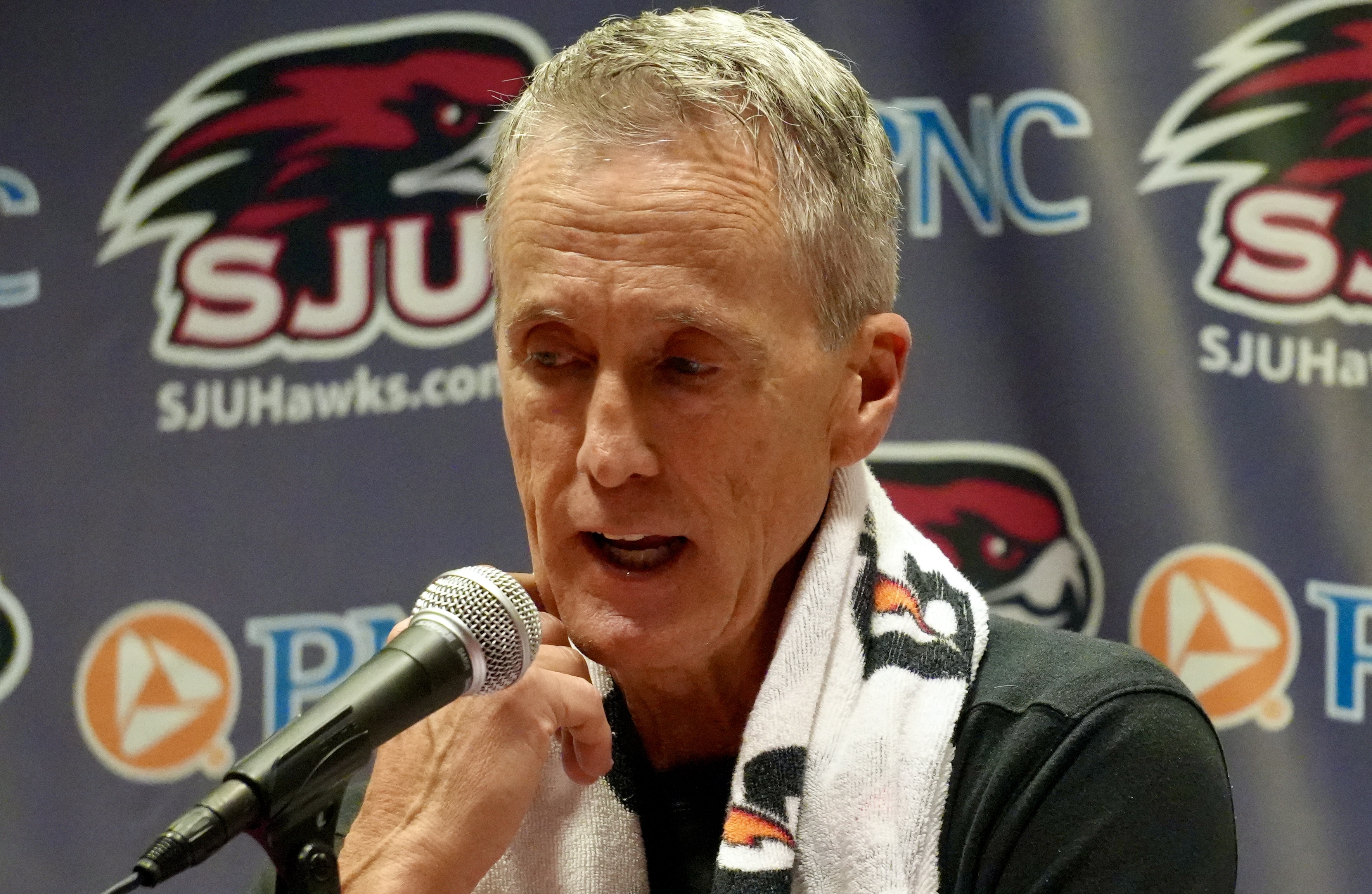
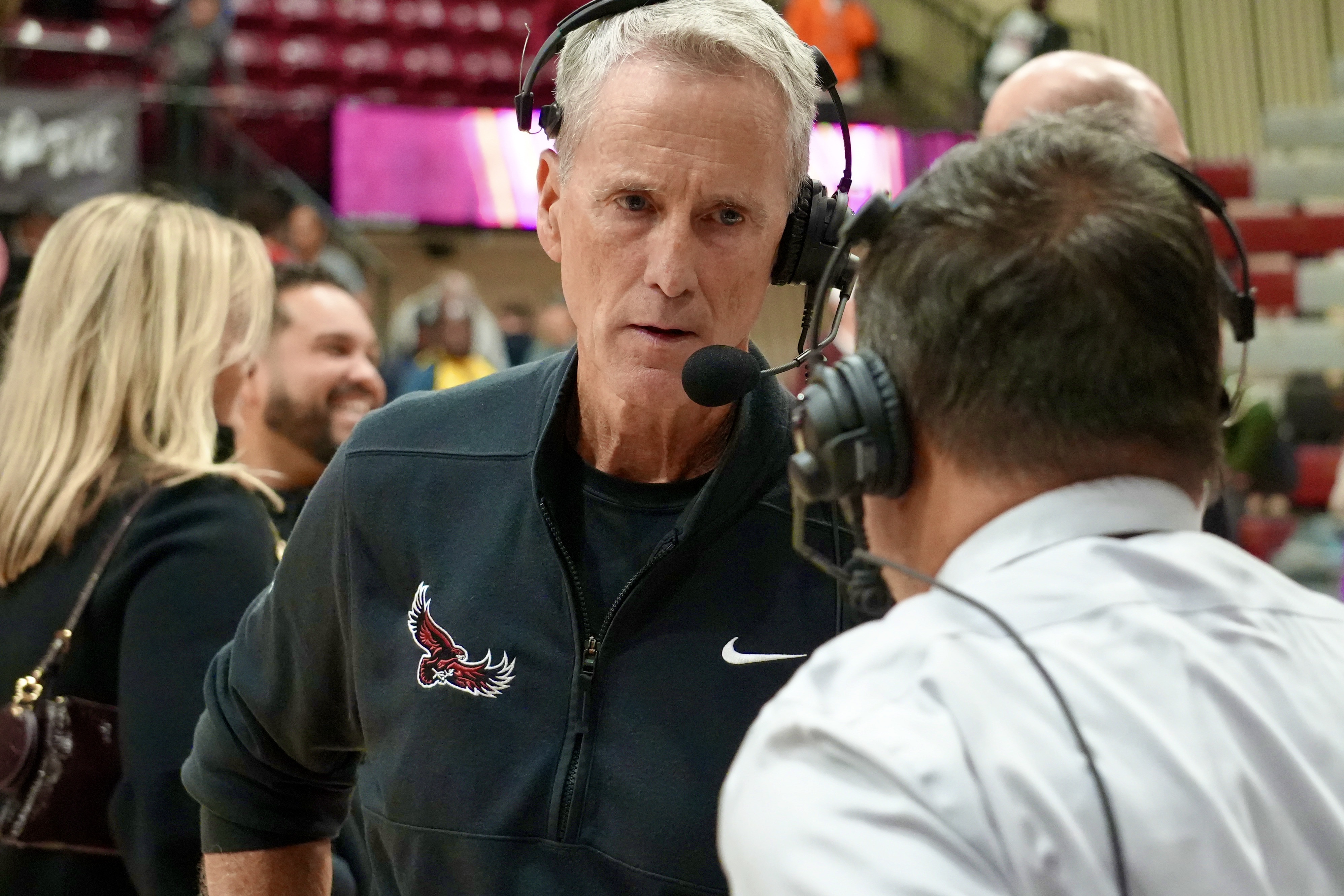
Marcus Randolph (St. Peter’s and Archbishop Wood alum) and Darris Nichols, La Salle University Head Coach

A City Forged on the Hardwood

Philadelphia’s basketball history runs deep. From the Big Five’s collegiate rivalries to the playground kings of Sonny Hill and Baker League fame, the City of Brotherly Love has long been a crucible for hoops talent. The Danny Rumph Classic, now in its 20th year, sits squarely in this tradition—a bridge between the past and present, where NBA stars share courts with neighborhood heroes and wide-eyed kids clutch free tickets at the door.

But unlike the storied Sonny Hill League or the fabled Donofrio Classic, the Rumph is more than just a showcase. It’s a lifeline. The tournament honors Danny Rumph, a 21-year-old Western Kentucky guard who collapsed and died in 2005 after a pickup game at Germantown’s Mallery Recreation Center, a victim of hypertrophic cardiomyopathy. His death galvanized friends and family to turn grief into action, launching a tournament to fund heart screenings and place defibrillators in gyms across the city.

This mission has been accomplished.

The Classic’s evolution mirrors Philadelphia itself. It’s scrappy (moving venues from rec centers to college arenas), inclusive (adding women’s pro games and youth clinics), and relentlessly purposeful.

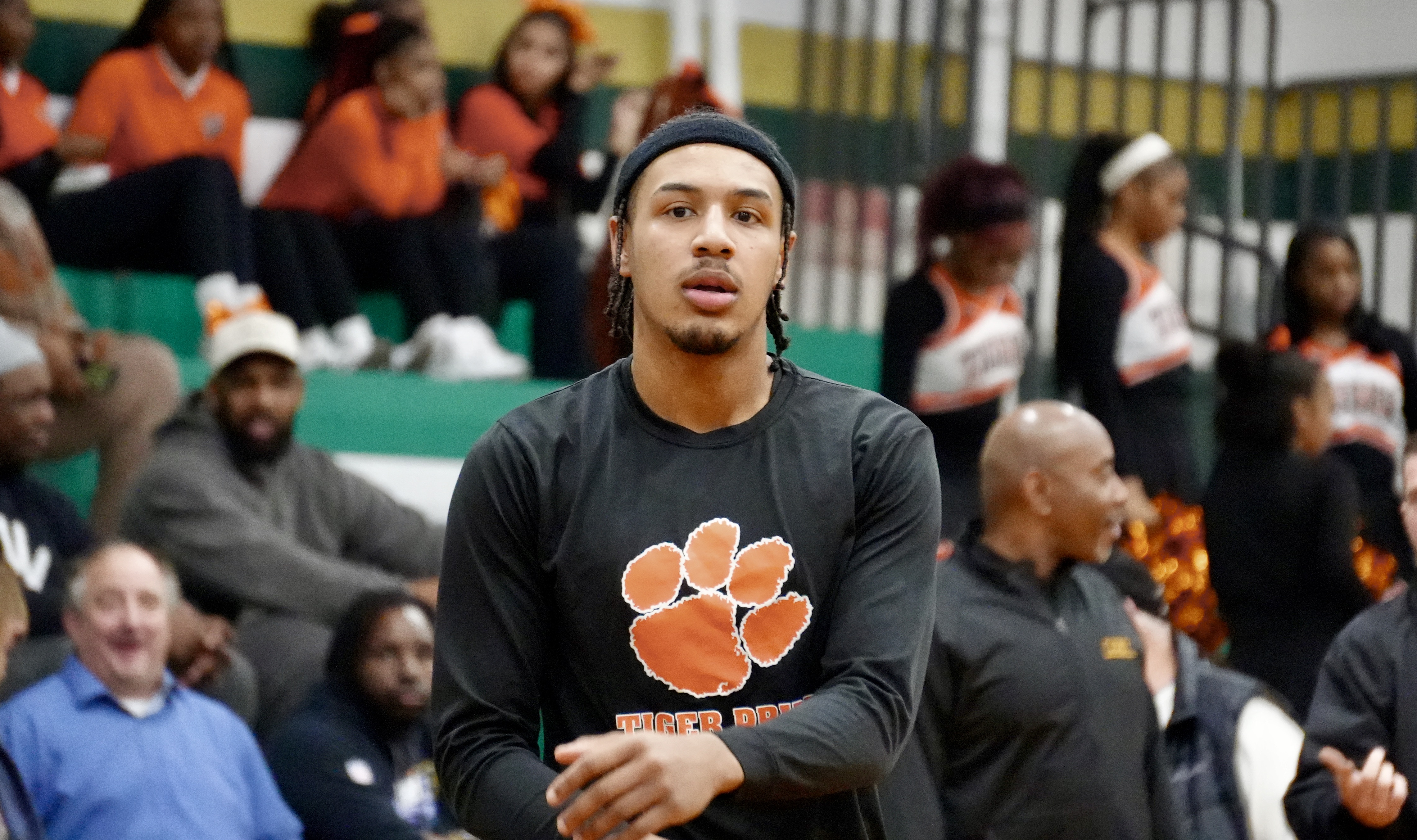
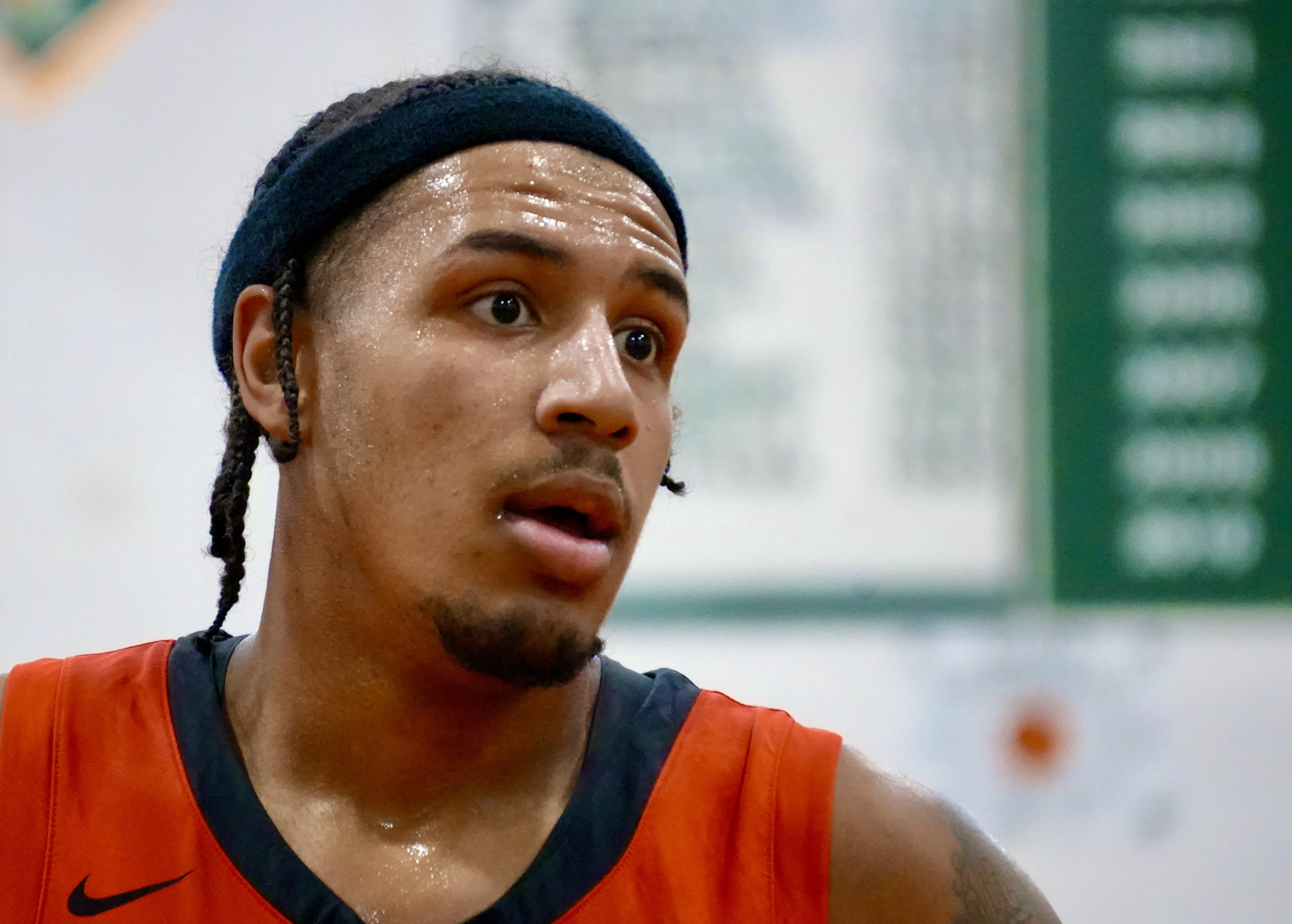
Hysier Miller (Temple and Neumann-Goretti alum)

From Germantown to the National Stage

The early years were intimate. The first Classic, held at the rec center later renamed for Rumph, drew 500 fans crammed so tightly they couldn’t see the out-of-bounds lines. Former NBA forward Hakim Warrick, a Rumph family friend, became the tournament’s first marquee participant, playing in all 12 of its early editions.

Then came the tipping point. In 2016, NBA superstar James Harden—then a Houston Rocket—showed up unannounced. The line outside La Salle’s Tom Gola Arena snaked down Wister Street, and social media lit up. “That’s when it went to the stratosphere,” said Marcus Owens, Danny’s uncle. Soon, Philly-connected NBA stars like Tyrese Maxey, Jalen Brunson, Bones Hyland and the Morris twins made the Rumph a summer pilgrimage. The tournament’s “Philly basketball festival” vibe—a mix of elite talent, trash talk, and communal pride—became its trademark.

Mike Watkins (Penn State and MCS alum)

More Than a Game

The Classic’s evolution mirrors Philadelphia itself. It’s scrappy (moving venues from rec centers to college arenas), inclusive (adding women’s pro games and youth clinics), and relentlessly purposeful. Viola “Candy” Owens, Danny’s mother, estimates the event has funded thousands of heart screenings and placed over 100 defibrillators in rec centers. One undiagnosed teen, flagged at a Rumph screening, underwent life-saving surgery—proof, as co-founder Mike Morak says, that “the basketball’s cool, but the mission’s the thing.”

The tournament also stitches together generations. Middle schoolers now scrimmage before the championship game, just as a young Jessie Moses once sat on the Morris twins’ bench, wide-eyed. Former players return as coaches; kids who once mopped floors now run the shot clock. “It’s all the people you grew up with,” Morak said. “This is the time you come back.”

A Tradition Built to Last

In a sports landscape where summer leagues often prioritize hype over heart, the Rumph Classic stands apart. It’s a living memorial—one that thrives not just on NBA star power but on Philly’s unshakable sense of community. As Marcus Owens put it: “We miss Danny every day. But we believe he’s looking down with a big smile.”

Two decades in, the Classic is no longer just a tournament. It’s a Philadelphia tradition—one that dribbles, defends, and saves lives with equal ferocity. And if the city’s basketball history is any guide, it’s only just getting started.

For schedules or to donate: rumphclassic.com 

The New Jim Crow: Why BLACK ATHLETES Must Respond

By Delgreco K. Wilson
Aug. 9, 2025

PHILADELPHIA, PA – The contemporary push by MAGA Republicans to redraw congressional maps in states like South Carolina, Texas, Florida, and Ohio represents nothing less than a 21st century iteration of the Jim Crow-era voter suppression tactics that systematically disenfranchised Black Americans following Reconstruction. This modern assault on Black political power—exemplified by South Carolina gubernatorial candidate Ralph Norman’s bid to eliminate the state’s sole majority-Black congressional district—follows the same playbook white supremacists used after the Civil War: using ostensibly race-neutral mechanisms to achieve racially discriminatory outcomes while maintaining a thin veneer of legal justification. As these efforts intensify, Black student-athletes who power the billion-dollar high major college sports industrial complex face a moral imperative: withhold their talents from institutions in states actively suppressing Black votes, just as civil rights activists used economic boycotts to combat segregation.

The Blueprint of Suppression: From Reconstruction to Redistricting

The post-Reconstruction dismantling of Black political participation provides the historical template for today’s Republican redistricting schemes. Following the 15th Amendment’s ratification in 1870, southern states implemented an arsenal of discriminatory measures—literacy tests, poll taxes, grandfather clauses, and all-white primaries—that reduced Black voter registration to single digits within decades. Mississippi’s 1890 constitutional convention openly admitted its purpose was to “reduce the colored vote to insignificance” without explicitly violating the 15th Amendment. The results were catastrophic: by 1920, Louisiana’s 130,000 registered Black voters dwindled to just 1,342.

Today’s MAGA Republican mapmakers employ nearly identical tactics with updated jargon. The Supreme Court’s 2024 Alexander v. South Carolina NAACP decision—which upheld South Carolina’s congressional map despite evidence it “bleached” 30,000 Black voters from Charleston County—established a troubling precedent. Writing for the 6-3 conservative majority, Justice Samuel Alito created nearly insurmountable barriers for proving racial gerrymanders, requiring plaintiffs to “disentangle race and politics” in regions where race and party affiliation correlate at 90%. This legal framework enables what Justice Elena Kagan condemned as “sorting citizens by race” under the guise of partisan gerrymandering.

The South Carolina Case Study: MAGA’s Modern-Day Vardaman

Ralph Norman’s push to dismantle Rep. Jim Clyburn’s 6th District mirrors the rhetoric of Mississippi Governor James Vardaman (1904-1908), who vowed to use “any device” necessary to maintain white supremacy. Norman’s public rationale—that a 7-0 Republican delegation would help “President Trump pass his agenda”—masks the racial impact: eliminating South Carolina’s only Black-majority district in a state where 30% of residents are Black. The 6th District was originally created in the 1990s to comply with the Voting Rights Act after centuries of Black political exclusion.

Legal experts note this violates Section 2 of the Voting Rights Act, which requires minority communities to have “an opportunity to elect representatives of their choice.” The ACLU’s Allen Chaney calls Section 2 an “impenetrable bulwark” against such plans, but the Supreme Court’s recent rulings have weakened these protections. Norman’s proposal follows South Carolina Republicans’ successful 2021 redistricting that made the neighboring 1st District safely Republican by excising Black Charleston neighborhoods—a move the Supreme Court sanctioned in Alexander.

The National MAGA Playbook: Texas, Florida, and the New Voter Suppression Complex

South Carolina’s efforts are part of a coordinated national MAGA strategy:

  • Texas Republicans seek to gain five new GOP House seats through redistricting, with Trump declaring they’re “entitled” to them
  • Florida Governor Ron DeSantis signed a 2022 map dismantling two Black-performing districts, which courts initially blocked before conservative appellate rulings allowed it
  • Ohio Republicans repeatedly defied state Supreme Court orders to stop using unconstitutionally gerrymandered maps

These states share Reconstruction’s sinister innovation: using technical legality to mask racial disenfranchisement. Just as Mississippi’s 1890 poll tax avoided mentioning race while devastating Black turnout, today’s GOP cites “partisan fairness” while surgically removing Black voters from competitive districts. The Princeton Gerrymandering Project gives South Carolina’s map an “F” for fairness and competitiveness, creating districts where general elections are irrelevant and representatives cater only to far-right primaries.

“If 5-star recruits en masse chose Michigan over Alabama, or UCLA over Texas, the message would resonate louder than any court ruling.

The Athletes’ Dilemma: Billion-Dollar Bodies, Second-Class Citizenship

Black athletes—particularly in revenue-generating football and basketball programs—face a moral contradiction: their labor funds universities in states actively suppressing their communities’ votes. Consider:

  • Southeastern Conference (SEC) schools generated $852 million in 2022 athletics revenue, predominantly from Black football players
  • Clemson (SC) and Texas A&M football programs each exceed $150 million annual value
  • NCAA Tournament basketball broadcasts net $1 billion yearly, powered, primarily, by Black athletes

Yet these same states:

  • Host 63% of all restrictive voting laws passed since 2021 (Brennan Center)
  • Contain 9 of 10 worst Black voter suppression states (Northern Illinois University)
  • Are dismantling majority-minority districts like Clyburn’s

The Boycott Imperative: Leveraging Athletic Capital for Civil Rights

A coordinated boycott by elite Black recruits could achieve what lawsuits cannot: imposing economic consequences for voter suppression. Potential strategies:

  1. Targeted Recruitment Strikes
  • Top 300 football and Top 100 boys and girls basketball recruits pledge to avoid SEC/ACC schools in suppression states
  • Current suppression state players transfer to HBCUs or northern schools (Michigan, Ohio State)

2. Game-Day Protests

  • Kneeling during alma maters in state capitols (e.g., South Carolina State House visible from USC stadium)
  • Wearing “Votes Over Victories” jerseys during warmups

3. NIL Collective Bargaining

  • Athlete-led protests demand universities lobby against suppression laws
  • Redirect a portion of endorsement money to voting rights groups

History shows economic pressure works. The Montgomery Bus Boycott (1955-56) crippled transit revenues, forcing desegregation. Today, a 20% decline in SEC football ratings could cost ESPN $285 million annually—enough to spur change.

Counterarguments and Complexities

Critics will claim:

  • “Sports and politics shouldn’t mix”: But stadiums fly state flags; coaches earn millions from public funds
  • “It hurts Black athletes’ futures”: Yet NFL/NBA scouts will find talent anywhere (see: Antonio Brown from Central Michigan)
  • “It’s unfair to students”: More unfair than losing voting rights?

The NCAA’s own history shows activism works. After 1969, when Black Texas Western players boycotted segregated facilities, the Southwest Conference integrated.

Conclusion: From Reconstruction to Redistribution of Power

The MAGA redistricting push proves that voter suppression remains the GOP’s most potent tool—updated with GIS precision rather than burning crosses. As in 1896, when Plessy v. Ferguson sanctioned “separate but equal,” today’s Supreme Court has greenlit racialized gerrymandering through Alexander.

Black athletes now stand where sharecroppers once did: exploited for economic value while denied full citizenship. Their predecessors fought poll taxes with protest; today’s stars must weaponize their billion-dollar leverage. If 5-star recruits en masse chose Michigan over Alabama, or UCLA over Texas, the message would resonate louder than any court ruling.

As Rep. Clyburn—whose district faces elimination—told the Post and Courier, this is about “absolutism.” The response must be equally absolute: no Black knees on fields in states that kneel on Black necks at ballot boxes. The playbook exists—from Reconstruction’s martyrs to Colin Kaepernick. Time to run the damn play.

Black Cager Fall Classic Returns to Executive Education Fieldhouse for 2025 Showcase

FOR IMMEDIATE RELEASE

*Premier Pre-Season Basketball Tournament Set to Light Up Allentown on October 11*

Allentown, PA – July 28, 2025 – Black Cager Sports is thrilled to announce the return of the Black Cager Fall Classic to the Executive Education Fieldhouse in Allentown, Pennsylvania, on Saturday, October 11, 2025. Celebrating a decade of elite competition, the Fall Classic has solidified its reputation as one of the East Coast’s premier pre-season basketball showcases, drawing top high school talent, college scouts, and passionate fans from across the region.

Since its inception in 2015, the Black Cager Fall Classic has become a must-attend event for players, coaches, and basketball enthusiasts alike. The tournament has played a pivotal role in elevating mid-Atlantic scholastic basketball, providing unmatched exposure through live streaming, social media coverage, and high-level competition. Each year, the event delivers a significant economic boost to Allentown as teams and fans travel in to witness the action.

“The Executive Education Fieldhouse is the perfect home for the Fall Classic,” said Delgreco Wilson, founder of Black Cager Sports. “When we moved the event here, we knew we had found something special—a world-class facility with four courts, ample parking, and an incredible fan experience. This is where the Fall Classic belongs, and we’re proud to make it our permanent home.”

With over 2,300 college players entering the transfer portal in 2025, roster management has never been more critical. The Fall Classic offers high school coaches a unique opportunity to evaluate their teams in competitive game settings before the official season tips off. For college coaches, the event serves as a key scouting platform, allowing them to identify rising stars early in the year.

Robert Lysek, Chief Executive Officer of Executive Education Academy Charter School, echoed the excitement: “The Black Cager Fall Classic has become a beloved tradition in Allentown, bringing elite basketball talent to our city and introducing new visitors to the Executive Education Fieldhouse each year. We’re honored to partner with Black Cager Sports to host such a prestigious event.”

The tournament’s legacy speaks for itself. NBA standouts like Derik Queen (New Orleans Pelicans), Jalen Duren (Detroit Pistons), Bub Carrington (Washington Wizards), Jamir Watkins (Washington Wizards), and Collin Gillespie (Phoenix Suns) all showcased their skills at past Fall Classics. The event has also been a launching pad for college stars such as Derek Simpson (Saint Joseph’s), DJ Wagner (Arkansas), and Zion Stanford (Villanova). Even Hall of Fame coaches like Bill Self (Kansas), John Calipari (Arkansas), and Danny Hurley (UConn) follow the action closely, using livestreams and game footage to evaluate talent.

Don’t miss the 2025 Black Cager Fall Classic—where the next generation of basketball stars takes center stage!

For media inquiries, contact:
Delgreco Wilson
Founder, Black Cager Sports
Email: blackcager@gmail.com
Instagram: @BlackCagerPress
X: @DelgrecoWilson
Facebook: Delgreco Wilson

#BlackCagerFallClassic #ExecutiveFieldhouse #AllentownBasketball #NextUp

About Black Cager Sports

Black Cager Sports is dedicated to promoting and elevating basketball talent through premier showcases, scouting reports, and media coverage. The Fall Classic remains one of its flagship events, providing unparalleled exposure for high school athletes and a must-see experience for basketball fans.

END

Flash Burton Hosts FREE Basketball Camp for Young Athletes in South Philadelphia

FOR IMMEDIATE RELEASE
July 24, 2025

College Star gives back to South Philly and Delco Youth

PHILADELPHIA, PA – Rising basketball star Flash Burton will host the Flash Burton Basketball Camp on Saturday, August 23, 2025, at Smith Playground in South Philadelphia. The camp, which runs from 9:00 AM to 3:00 PM, is open to young players looking to improve their skills and learn from one of the area’s top talents.

Located at the intersection of 25th Street and Snyder Avenue (Philadelphia, PA 19145), the camp is FREE for all participants. Preregistration is encouraged by emailing coolfabahletics@gmail.com.

2024 graduate of Cardinal O’Hara High School, Burton was a standout performer, averaging 21.6 points, 5.1 rebounds, 3.6 assists, and 1.9 steals per game as a senior. His impressive play earned him All-Delco and Second Team All-Catholic honors, including multiple 30+ point performances. He now plays for Rider University under Head Coach Kevin Baggett, who praised Burton’s work ethic and leadership.

“Flash was an immediate contributor as a freshman, and we expect him to emerge as a leader of the team this year,”said Coach Baggett. “He works really hard on and off the court.”

Burton, eager to give back to the community, invites young players from Delaware County and South Philadelphia to attend. “I want any young ballers to come out, have fun, and get better,” he said.

The camp will focus on fundamental skills, game strategy, and teamwork, offering participants a chance to train with a Division I athlete.

For media inquiries or additional information, contact:
coolfabahletics@gmail.com

Event Details:

  • What: Flash Burton Basketball Camp
  • When: Saturday, August 23, 2025 | 9:00 AM – 3:00 PM
  • Where: Smith Playground (25th St & Snyder Ave, Philadelphia, PA 19145)
  • Cost: FREE
  • Registration: Email coolfabahletics@gmail.com

###

About Flash Burton:
Flash Burton is a former Cardinal O’Hara High School basketball standout and current Rider University guard. Known for his scoring ability and leadership, he continues to inspire young athletes through community engagement.

Media Contact:
coolfabahletics@gmail.com

The NBA Summer League: A High-Stakes Proving Ground for the Next Generation from Philly & Baltimore

LAS VEGAS — The NBA Summer League, an annual showcase held in the sweltering heat of July, is often dismissed as a series of glorified scrimmages. But for the young Philly and Baltimore area players fighting for their professional futures, it is anything but an exhibition. This is where dreams are validated, where undrafted free agents claw for contracts, and where first-round picks face their first real test against NBA-level competition. The stakes could not be higher.

Thomas Sorber, Oklahoma City Thunder

At its core, the Summer League serves as a bridge between college basketball and the pros—a no-man’s-land where potential meets scrutiny. The rosters are filled with recent draft picks, second-year players looking to prove they belong, and unsigned free agents desperate for a breakthrough. For every future All-Star who shines (think Damian Lillard in 2012 or Donovan Mitchell in 2017), there are dozens whose careers stall before they ever truly begin.

The audience in the gyms of Las Vegas, Salt Lake City, or Sacramento is not just made up of casual fans. NBA executives, scouts, and agents line the courtside seats, evaluating every crossover, every defensive rotation, every missed assignment. Overseas scouts linger as well, ready to offer lifelines to those who fall short of NBA expectations. A strong performance can mean a guaranteed contract; a poor one might relegate a player to the G League—or worse, professional obscurity.

Wooga Poplar, Chicago Bulls

For franchises, the Summer League is an early litmus test. Did the front office make the right draft pick? Is that raw prospect further along than expected? Can that overlooked college star translate his game to the pros? The answers aren’t always definitive—after all, Summer League success doesn’t always translate to the regular season—but the games provide the first real glimpse of how these players handle pressure, coaching, and the speed of the pro game.

And then there are the narratives: The second-round pick outplaying a lottery selection. The undrafted guard from a mid-major school dropping 30 points. The big man from overseas adjusting to the physicality of American basketball. These stories captivate because they are unscripted, unfiltered, and often unpredictable.

Derik Queen, New Orleans Pelicans

In a league where roster spots are scarce and margins for error are slim, the Summer League remains one of the few meritocratic spaces in professional basketball. It doesn’t guarantee stardom, but for those who seize the moment, it can be the first step toward something greater. For everyone else, it’s a reminder of just how fleeting opportunity can be.

The games may not count in the standings, but for these players from the mid-Atlantic region, they count for everything.

NBA Teams & Colleges Breakdown:

  • Atlanta Hawks
    • Dwight Murray Jr. – Rider
  • Boston Celtics
    • Zack Hicks – Temple/Penn State
    • Amari Williams – Drexel/Kentucky
  • Brooklyn Nets
    • TJ Bamba – Villanova/Oregon
    • Caleb Daniels – Tulane/Villanova
  • Chicago Bulls
    • Jahmir Young – Maryland
    • Wooga Poplar – Miami/Villanova
  • Dallas Mavericks
    • Jordan Hall – Saint Joseph’s (SJU)
  • Detroit Pistons
    • Zakai Zeigler – Tennessee
  • Golden State Warriors
    • Donta Scott – Maryland
  • Houston Rockets
    • Jermaine Samuels Jr. – Villanova
  • LA Clippers
    • Izaiah Brockington – Penn State/Iowa State
  • Los Angeles Lakers
    • Eric Dixon – Villanova
    • Julian Reese – Maryland
  • Memphis Grizzlies
    • Ace Baldwin Jr. – VCU/Penn State
    • Tyler Burton – Richmond/Villanova
    • Aaron Estrada – Alabama
  • Miami Heat
    • Steve Settle III – Temple
  • New Orleans Pelicans
    • Derik Queen – Maryland
    • AJ Hoggard – Michigan State/Vanderbilt
  • New York Knicks
    • Nick Jourdain – Temple/Memphis
    • Lance Ware – Kentucky/Villanova
  • Oklahoma City Thunder
    • Thomas Sorber – Georgetown
    • Cameron Brown – Saint Joseph’s (SJU)
    • Erik Reynolds II – Saint Joseph’s (SJU)
  • Philadelphia 76ers
    • Justin Edwards – Kentucky
    • Jack Clark – VCU
    • Andrew Funk – Bucknell/Penn State
  • Phoenix Suns
    • Rasheer Fleming – Saint Joseph’s (SJU)
    • Khalif Battle – Temple/Gonzaga
  • Portland Trail Blazers
    • Andrew Carr – Delaware/Wake Forest/Kentucky
  • Sacramento Kings
    • Daeqwon Plowden – Bowling Green
  • San Antonio Spurs
    • Jameer Nelson Jr. – Delaware/TCU
  • Toronto Raptors
    • Clifford Omoruyi – Rutgers/Alabama
  • Washington Wizards
    • Bub Carrington – Pittsburgh
    • Jamir Watkins – Florida State

The Shadow Market: How “Handlers” Distort the Truth in College Basketball Recruiting

PHILADELPHIA, PA – In the high-stakes world of elite basketball recruiting, the path from high school phenom to college star is rarely straightforward. Parents and young athletes are told they are making rational, informed choices—weighing scholarship offers, development opportunities, and long-term career prospects. But beneath the glossy promises of scouts and recruiters operates a shadow economy of middlemen—known in the industry as “handlers”—whose influence distorts the decision-making process in ways that often leave families at a disadvantage.

These handlers—AAU coaches, trainers, family advisors, and other self-appointed power brokers—position themselves as indispensable guides, offering access to top programs and insider knowledge. Yet their role frequently undermines the very premise of rational choice: that decisions are made with full information and in the best interest of the athlete. Instead, many operate with hidden agendas, steering players toward schools and agents who compensate them, regardless of whether those choices serve the athlete’s long-term future.

The Myth of Perfect Information

Rational choice theory assumes that individuals make decisions by objectively assessing costs and benefits. In an ideal world, a blue-chip recruit and their family would evaluate colleges based on coaching style, academic fit, playing time, and professional development potential. But the reality is messier. Handlers often control the flow of information, selectively presenting options that benefit them—sometimes at the expense of the athlete.

Consider the case of a five-star recruit deciding between two programs:

  • School A offers strong academics, a proven developmental track record, and a clear path to NBA exposure.
  • School B has a flashier reputation but a history of mismanaging talent—yet its boosters have a financial arrangement with the player’s AAU coach.

If the handler only emphasizes School B’s perks—perhaps exaggerating its NBA pipeline or downplaying past player dissatisfaction—the family may make a choice based on manipulated data. This is not rational decision-making; it is a rigged game.

The Handler’s Playbook: Side Deals and Hidden Incentives

The most insidious aspect of this system is the financial undercurrent. While NCAA rules prohibit direct payments to players (at least before NIL reforms), there are no such restrictions on backroom deals between handlers and programs. Common arrangements include:

  • Kickbacks for commitments: Some AAU coaches receive “donations” from college staff or boosters for delivering top recruits.
  • Agent partnerships: Handlers may have informal ties to sports agencies, steering players toward certain representatives in exchange for future cuts of professional earnings.
  • Shoe company influence: Since Nike, Adidas, and Under Armour sponsor both AAU circuits and college teams, handlers aligned with a brand may push athletes toward affiliated schools, regardless of fit.

These conflicts of interest are rarely disclosed to families. A parent might believe their child is choosing a school for its coaching staff, only to later discover the decision was swayed by a handler’s financial stake.

The Consequences of Distorted Choices

When recruits land in suboptimal situations—riding the bench at a program that doesn’t develop them, or worse, flunking out due to inadequate academic support—the handlers face no repercussions. They’ve already collected their fees. The athlete, meanwhile, bears the cost: wasted eligibility, damaged draft stock, or even a derailed career.

Even when players do succeed, the system’s opacity raises ethical concerns. If a top recruit thrives at a school that paid his handler, was it truly the best choice—or just the most lucrative one for the middleman?

Toward a More Transparent System

Reform is possible, but it requires dismantling the handler economy’s secrecy. Potential solutions include:

  • Mandating disclosure: Requiring handlers to register as “recruiting advisors” and disclose financial ties to schools or agents.
  • Strengthening NCAA enforcement: Investigating suspicious recruitment patterns, such as AAU coaches with unusual influence over multiple high-profile commitments.
  • Educating families: Providing independent resources to help parents and athletes navigate recruitment without relying on potentially biased intermediaries.

For now, the burden falls on families to ask hard questions: Who benefits from this decision? What information am I not seeing? Because in the murky world of elite basketball recruiting, the people whispering in their ears don’t always have their best interests at heart.

The tragedy is not just that some athletes make poor choices—it’s that the system is designed to obscure the truth, leaving them to pay the price for decisions they never fully controlled. Until that changes, the myth of rational choice in recruiting will remain just that: a myth.

Understanding the Drastic Increase in Transfers Among HS Basketball Players: A Rational Choice Approach

by Delgreco K. Wilson, M.A.

The Onset of the Modern Transfer Era in Philly: Brian Shorter’s Transfer to Oak Hill

As a freshman at Simon Gratz High School in Philadelphia, Brian Shorter quickly established himself as a force on the court. Coming off the bench, he averaged 15.3 points per game, earning All-Public League Third Team honors—an impressive debut for a young player in one of the nation’s most competitive high school leagues.

By his sophomore year, Shorter’s dominance was undeniable. Named ESPN’s Sophomore of the Year, he put up 20 points and 10 rebounds per game, leading Gratz to the Public League semifinals, where they fell just short, 70-69, to a Southern High team led by future college standout Lionel Simmons. Shorter’s efforts landed him on the All-Public League First Team and All-City Third Team—a testament to his rapid ascent.

His junior season was nothing short of spectacular. Averaging 31.8 points, 15.8 rebounds, and 2.6 blocks, Shorter delivered a masterclass in the semifinals, dropping 33 points and grabbing 17 rebounds while shooting an astonishing 14-of-15 from the field. Yet once again, Gratz fell to Southern, leaving Shorter with back-to-back semifinal heartbreaks. Despite the team’s playoff struggles, his individual brilliance was undeniable: repeat First Team All-Public and All-City selections, along with Pennsylvania’s Gatorade Player of the Year award.

After three seasons, Shorter had amassed 1,869 career points—just 383 shy of Wilt Chamberlain’s storied Philadelphia Public League record. But rather than return for a final chase at history, he made a pivotal decision: transferring to Oak Hill Academy, the Virginia boarding school renowned for grooming elite basketball talent.

The move was a calculated one. At Oak Hill, Shorter would face national competition, gain exposure to top-tier scouts, and position himself for a marquee college recruitment—priorities that outweighed the allure of local accolades. In an era before high school transfers became commonplace, Shorter’s choice foreshadowed a growing trend: the pursuit of broader horizons, even at the cost of hometown legacy.

His story raises enduring questions about ambition, loyalty, and the evolving landscape of prep sports. Was it a betrayal of Philadelphia basketball, or simply the smart play for a star with bigger dreams? Decades later, as elite prospects routinely hop between schools in search of the best platform, Shorter’s decision looks less like an anomaly and more like a precursor to the modern game.

Rational Choice Analysis of Elite High School Basketball Transfers

Under a rational choice framework, individuals (in this case, elite basketball players and their families) make decisions by weighing the perceived costs and benefits of different options to maximize their expected utility. In the context of high school basketball transfers, the primary utility being maximized is future career success in basketball, which includes college scholarships, NBA prospects, and long-term financial security.

Key Factors Influencing Transfer Decisions

1. Maximizing Exposure & Development (Benefit)

  • National academies (IMG, Montverde, Oak Hill, etc.) provide:
    • Higher-level competition, improving skills faster.
    • Better coaching & training facilities, increasing NBA draft potential.
    • National TV games & scouting exposure, enhancing recruitment chances.
  • Rational calculation: The long-term payoff (D1 scholarship/NBA career) outweighs short-term costs (leaving hometown).

2. College Scholarship & NBA Draft Prospects (Benefit)

  • Elite programs have proven pipelines to top NCAA programs (Duke, Kentucky, etc.).
  • Playing at a nationally ranked school boosts recruiting rankings, increasing scholarship offers.
  • Rational choice: A marginal increase in draft stock (e.g., moving from a 3-star to a 5-star recruit) can mean millions in future earnings.

3. Social & Peer Effects (Benefit)

  • Networking with other elite players improves visibility (e.g., playing alongside future NBA talent).
  • Rational incentive: Being in a “basketball factory” increases the likelihood of being scouted.

4. Financial Incentives (Benefit – Sometimes Explicit, Often Implicit)

  • While direct payments are prohibited (NCAA rules), some elite programs offer:
    • Indirect benefits (housing, travel, academic support).
    • Name, Image, Likeness (NIL) opportunities in states with favorable laws.
  • Rational calculation: Even without direct pay, the future financial upside justifies the move.

5. Costs of Transferring (Considered but Outweighed)

  • Social/emotional cost of leaving friends & family.
  • Academic disruption (though many elite programs provide tutoring).
  • Risk of reduced playing time (if joining a stacked roster).
  • Rational response: These costs are deemed acceptable given the potential career payoff.

Conclusion: A Calculated Risk for Long-Term Gain

Under rational choice theory, elite players and their families act as utility-maximizing agents, making strategic moves to optimize career outcomes. The short-term sacrifices (relocating, leaving hometown teams) are outweighed by the expected long-term benefits (scholarships, NBA opportunities, financial security).

This trend mirrors free agency in professional sports, where players seek the best environment for career advancement—except in this case, the “market” is high school basketball, and the “currency” is future earning potential.

Some Prominent High School Transfers in the Greater Philadelphia Region

Carlin Warley, transferred from Frankford to Phil-Mont Christian in 1989

Arthur “Yah” Davis, transferred from Frankford to Roman in 1996

Kyle Lowry,  transferred from Northeast High School to Cardinal Dougherty in 2002

Jarrod Denard, transferred from Imhotep to Friere Charter in 2006

Shannon Givens, transferred from ANC to Fels in 2008

DJ Newbill, transferred from Imhotep to Strawberry Mansion in 2008

Sam Foreman, transferred from Haverford School to Vaux in 2012

Lamar Stevens, transferred from Haverford School to Roman in in 2015

Stevie Jordan, transferred from Conwell-Egan to Advanced Prep in 2015

David Beatty, transferred from Carroll to St. Benedict to Imhotep

Cam Reddish, transferred from Haverford School to Westtown  in 2016

Hakim Hart, transferred from Kingsway Regional to Roman in 2017

Isaiah Wong, transferred from Notre Dame to Bonner in 2017

Allen Betrand, transferred from Fels to Roman in 2017

AJ Hoggard, transferred from Carrol to Huntington Prep in 2018

Jerome Brewer, transferred from West Catholic to Camden in 2018

Taquan Woodley, transferred from Neumann-Goretti to Camden in 2018

Jaylen Stinson, transferred from Haverford School to Wood in 2019

Hysier Miller, transferred from King to Neumann in 2019

Marcus Randolph, transferred from Willingboro to Wood in 2019

Jalen Duren, transferred from Roman to Montverde in 2020

Justice Williams, transferred from Roman to Montverde in 2020

Dan Skillings, transferred from St. Joe’s Hammonton to Roman in 2020

Khalil Farmer, transferred from Shipley to Roman Catholic in 2020

Christian Tomasco, transferred from Bishop Eustace to Ryan in 2020

Budd Clark, transferred from Boys Latin to West Catholic in 2020

Sultan Adewale, transferred from St. Louis Christian Academy to Neumann-Goretti on 2020

Jameel Brown, transferred from Haverford School to Westtown in 2021 

Thomas Sorber, transferred from Trenton Catholic to Ryan in 2021

Ahmad Nowell, transferred from Houston High School to Roman Catholic in 2021

Flash Burton, transferred from MCS to O’Hara to in 2022

Larenzo Jerkins, transferred from Chester to Neumann-Goretti in 2202

Elmarko Jackson, transferred from St. Augustine Prep to South Kent in 2022

Ant Finkley, transferred from West Catholic to Huntington Prep to Roman Catholic

Shawn Simmons, transferred from Bonner to Friends Central to Life Center to Hillcrest

Tristen Guillouette, Life Center Academy, St. Joseph’s Prep, George School 

Robert Wright III, transferred from Neumann-Goretti to Montverde in 2023

RJ Smith, transferred from Imhotep to Roman Catholic in 2025

Luca Foster, transferred from Archbishop Carroll to Link Academy in 2025

The Uninhibited Brilliance of Calvin Coleman: A Lincoln Lion’s Journey From Classroom to Canvas

A Lincoln Legacy

Baltimore, Maryland – There are places that shape you irrevocably—not just through education, but through an alchemy of community, history, and shared purpose. Lincoln University, the nation’s first degree-granting HBCU, chartered in 1854 as the Ashmun Institute, is such a place. To attend Lincoln in the 1980s, as Calvin Coleman and I did, was to be woven into a tapestry of Black excellence, where the echoes of Langston Hughes’ poetry and Thurgood Marshall’s courtroom triumphs lingered in the halls. It was, then and remains today, a small, loving, nurturing learning community where the motto “If the Son shall make you free, ye shall be free indeed” wasn’t just scripture—it was a call to creative and intellectual audacity.

Coleman, a Hampton-born, Swarthmore-raised scholar-athlete with a Lincoln degree in Early Childhood Education, seemed an unlikely candidate to become a globally exhibited artist. He admits art was “the furthest thing from [his] mind” during his athletic youth. Yet Lincoln’s transformative spirit—where future doctors, lawyers, and poets sat shoulder-to-shoulder in the shadow of the Alumni Memorial Arch—has a way of revealing hidden destinies. For Coleman, that destiny would unfold in layers of acrylic, fabric, and lyrical abstraction.

The Unlikely Artist: From Classroom to Canvas

After 14 years teaching elementary school, Coleman made a leap of faith in 2004, trading lesson plans for canvases. His self-taught style, a vibrant fusion of Abstract Expressionism and Fauvism, emerged not from formal training but from an intuitive dialogue with texture and hue. “My work is inspired by spirituality, love of music, and nature’s beauty,” he explains. “The messages are global: God is real, the human spirit is strong, and the world is a beautiful place”.

Coleman’s technique is tactile, unrestrained and authentically Black. He builds paintings like a jazz composer—layering “heavy body acrylic paint,” textiles, and manipulated canvas strips into symphonies of color. Influenced by Richard Mayhew’s chromatic fluidity and Chaim Soutine’s dense textures, his works pulse with what critic Wuanda Walls called “an aura of originality and poetic whimsy”. In series like “The Family” and “The Key to Knowing,” Coleman distills universal themes into visual poetry. A 2008 “Rebirth” exhibition at Philadelphia’s ArtJaz Gallery showcased his evolution: haunting portraits of familial bonds, where “together as a unit, the family prevails with greater strength”.

Lincoln’s Echoes in Coleman’s Art

The Lincoln experience—steeped in Black intellectual tradition and communal resilience—permeates Coleman’s oeuvre. His 2013 exhibition “Do You Feel What I See?” (Galerie Myrtis, Baltimore) and 2010 “Amalgamation” (DuSable Museum, Chicago) reflect the same interdisciplinary curiosity nurtured at Lincoln, where Albert Einstein once lectured on physics and racism. Coleman’s art, like Lincoln’s legacy, bridges divides: his works hang in U.S. embassies and corporate offices (Goldman Sachs, GE Healthcare).

During our recent reunion at his Maryland home/studio, Coleman gestured to a half-finished piece. “This is Lincoln,” he said. “The colors, the chaos, the harmony—it’s all there.” Indeed, his paintings mirror the university’s ethos: bold, unapologetic, and deeply human.

A Testament to Black Creative Freedom

Coleman’s journey—from Lincoln’s “Orange and Blue” to international galleries—embodies the HBCU’s mission: Learn. Liberate. Lead. His art, like Lincoln itself, refuses to be confined. Whether in Rome’s U.S. Embassy or a private collection, his works declare, as Langston Hughes might, that Black creativity is “a dream deferred” no longer.

As the sun set over his studio, Coleman mused, “Lincoln gave me the courage to trust my voice.” For those of us who walked those hallowed grounds, his art is more than pigment and fabric—it’s a love letter to the institution that taught us to rise, always, in our might.

“L U!” we shout—knowing, as ever, that Calvin Coleman’s brilliance is Lincoln’s too.

Delgreco K. Wilson, ’88  is a Lincoln University alumnus and cultural critic. Calvin Coleman’s work can be viewed at ArtJaz Gallery.

A New Era for Villanova Basketball: Why Kevin Willard is the Right Fit

RADNOR, PA – In Philadelphia, the head coaching job for Villanova men’s basketball isn’t just another position—it’s a crown. As a lifelong Philadelphian, I’d argue that only the Eagles’ and Phillies’ top jobs command more universal respect than leading the Wildcats. The Sixers, Flyers, and Union coaches have their admirers, but none occupy the same pedestal as the man steering Villanova.

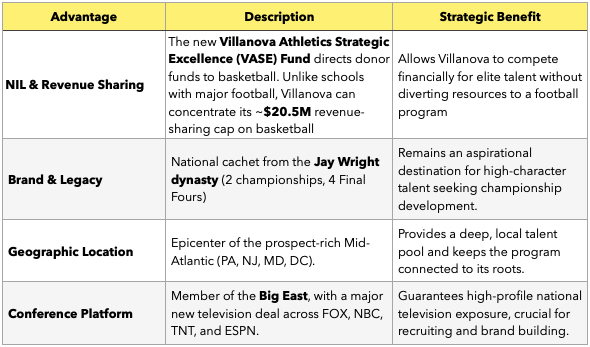
That reverence is largely the legacy of Jay Wright, who transformed the program into a national powerhouse. Wright didn’t just surpass Big 5 legends like John Chaney and Jack Ramsay—he redefined what success looked like in Philadelphia basketball. Six Big East titles, four Final Fours, and two national championships in 21 seasons set a standard that seemed almost impossible to maintain.

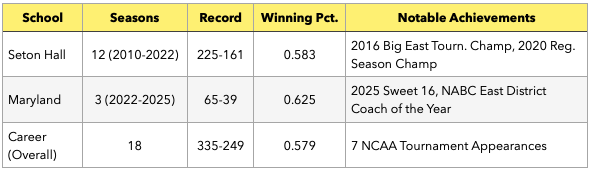
When Wright stepped down in 2022, Villanova turned to his protégé, Kyle Neptune. But after three underwhelming seasons—no NCAA Tournament appearances, no deep Big East runs—the school moved on. Now, the Wildcats have handed the keys to Kevin Willard, a seasoned Big East hand with a track record of player development and program-building.

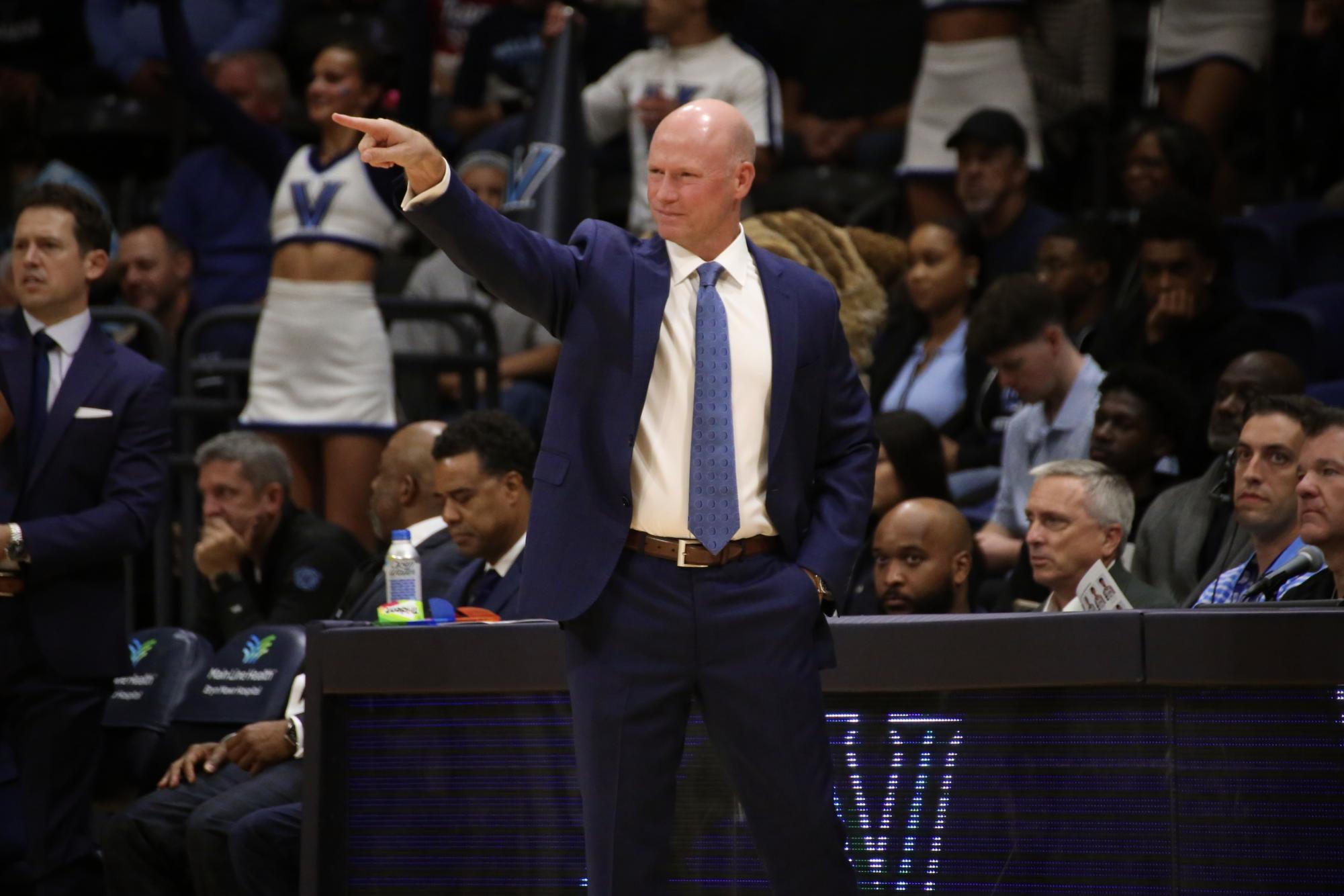
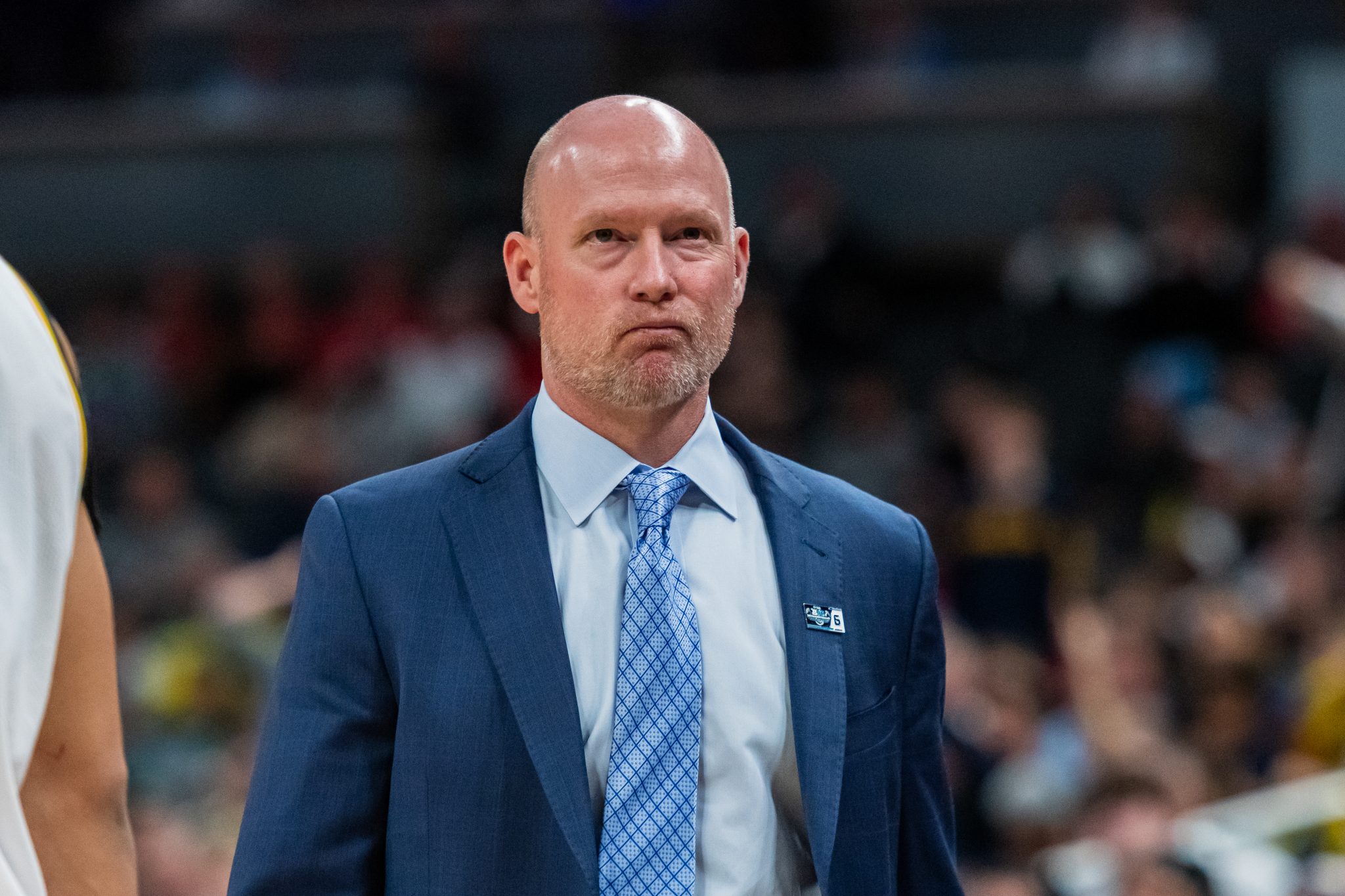
Kevin Willard, Villanova

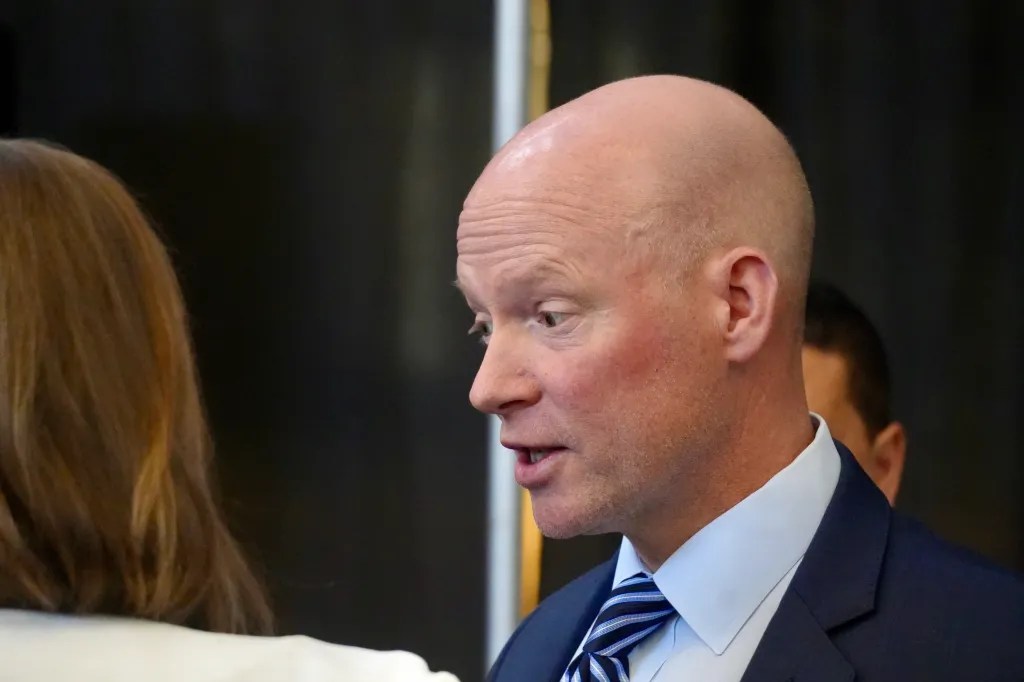
Willard, 50, arrives after a three-year stint at Maryland, but his roots run deep in the Big East. He spent six years as Rick Pitino’s assistant at Louisville and 12 as Seton Hall’s head coach, where he turned the Pirates into consistent contenders. At his introductory press conference, flanked by a strong staff—David Cox, Kevin Norris, Ashley Howard, Greg Manning Jr.—Willard sounded like a man ready to plant his flag.

Delgreco Wilson, Black Cager Sports (l) and Greg Manning, Villanova Assistant Coach (r)

“I’m in the prime of my coaching career,” he said. “This is where I want to be.”

But beyond the résumé, what makes Willard the right hire? Because he’s a player’s coach—a term often overused but perfectly fitting here. He doesn’t just develop talent; he invests in his players as people.

Take Donta Scott, the former Imhotep Charter star. Willard recruited him to Seton Hall, then coached him at Maryland, pushing him to embrace a more aggressive offensive role. Scott, now in the G League, credits Willard’s guidance for his growth. Or Julian Reese, who became just the second Terp ever to reach 1,000 rebounds under Willard’s watch. And then there’s freshman phenom Derek Queen, whose buzzer-beater in this year’s NCAA Tournament announced him as a future star.

Perhaps the most telling story is that of Michael Nzei, a Seton Hall role player under Willard. When asked if Nzei could play professionally overseas, Willard didn’t hesitate: “He’ll make more money on Wall Street.” Two weeks after his final game, Nzei landed a job at Goldman Sachs.

Eric Watkins, VU Sports (l) and Ashley Howard, Villanova Assistant Coach (r)

That’s the kind of coach Villanova is getting—one who sees the bigger picture. In a Big East loaded with heavyweights like Rick Pitino, Shaka Smart, and Dan Hurley, Willard has the presence, the pedigree, and the player-first approach to restore Villanova to its rightful place among college basketball’s elite.

The Main Line is ready. The Big East should be too.

Jerome Brewer’s La Salle University Homecoming: A Lesson in Maturity and Purpose

CAMDEN, NJ – In an era when college basketball players often chase the brightest spotlight or the most lucrative NIL deals, Jerome Brewer’s decision to return home stands as a rare act of introspection and social responsibility. The 6’8” forward, who has navigated a winding collegiate journey from Texas A&M Commerce to McNeese State, could have followed his former coach to North Carolina State or sought a bigger stage elsewhere. Instead, he chose La Salle University—not just for basketball, but to fulfill a deeper mission.

Brewer’s choice reflects a maturity beyond his years. At a time when young athletes are frequently pressured to prioritize immediate success, he considered something more enduring: his ability to influence the next generation. His insistence that La Salle facilitate access for Camden City Public School students to games and practices isn’t a mere publicity gesture; it’s an intentional effort to reinforce the values that shaped him.

“Sports act as an agent of socialization,” Brewer said, articulating a perspective more common among seasoned coaches than 22-year-old players. “They teach values, behaviors, and skills—teamwork, communication, resilience.” His words underscore an awareness of basketball’s broader role, one that extends far beyond the box score.

This understanding didn’t emerge in a vacuum. Brewer’s formative years were spent in Camden’s gyms, where the game was both an escape and an education. After a brief stint in the Philadelphia Catholic League, he returned to Camden High, helping restore its basketball prominence alongside future Division I standouts. When college offers didn’t meet his expectations, he bet on himself—first at prep school, then in the Southland Conference, where he blossomed into an All-League performer before injury intervened.

His resilience was tested again last year when he redshirted at McNeese State, biding his time for the right opportunity. When it arrived, he weighed his options with the discernment of someone who recognizes that a career is more than stats or conference prestige. He thought of his younger brother, Domani, a budding seventh-grade phenom who now has a front-row seat to his brother’s final collegiate chapters. He thought of Camden’s kids, who will see in him a path forward.

Camden Mayor Vic Carstarphen, a former Temple standout under John Chaney, praised Brewer’s character, calling him “one of the finest student-athletes to come through Camden in recent years.” City Councilman Arthur Barclay, who played for John Calipari at Memphis, highlighted Brewer’s potential as a role model: “He was one of them not long ago. Now, he’s showing them what’s possible.”

La Salle, under new coach Darris Nichols, gains not just a versatile forward who can stretch defenses and guard multiple positions, but a leader who grasps the weight of his platform. In return, Brewer gets a chance to cement his legacy where it matters most—at home.

In an age of fleeting allegiances and transactional relationships, Brewer’s decision is a reminder that some choices are about more than basketball. They’re about purpose. And in that regard, his homecoming is already a victory.