La Salle University’s Quietly Radical Playbook for Institutional and Athletic Survival

PHILADELPHIA, PA – In an era of convulsive change for American higher education, where small private universities are shuttering their doors with alarming regularity and the very value of a college degree is under interrogation, La Salle University in Philadelphia is pursuing something increasingly rare: a coherent, multi-prong strategy not simply to endure, but to thrive. While many of its peers are slashing programs, merging, or closing entirely, La Salle is betting that an unapologetic commitment to first-generation students, a deep investment in racial diversity at every level, and a reimagined athletic identity rooted in local soil can together form a bulwark against the demographic and economic headwinds bearing down on the sector. The evidence so far suggests the bet is paying off.

The headwinds are formidable. The nation is undergoing profound demographic shifts—an aging population, plummeting birth rates since the 2008 financial crisis, and a steady migration away from the Northeast and Midwest toward the South and West. The number of high school graduates is projected to drop by 13 percent nationwide by 2041, with declines of 16 to 17 percent in the very region La Salle calls home. The traditional pool of 18-year-old applicants is shrinking, and the competition for them has grown cutthroat. At the same time, colleges that depend overwhelmingly on tuition revenue face rising operational, health care, and labor costs. In the Philadelphia area alone, the closures of Cabrini College and the University of the Arts, and the mergers of several others into larger institutions, are fresh reminders that institutional longevity provides no immunity against market forces.

Within this landscape of existential threat, La Salle’s recent trajectory is striking. It represents not a story of frantic cost-cutting and curricular cannibalization, but one of strategic adaptation that draws deeply on the university’s LaSallian mission of serving the underserved.
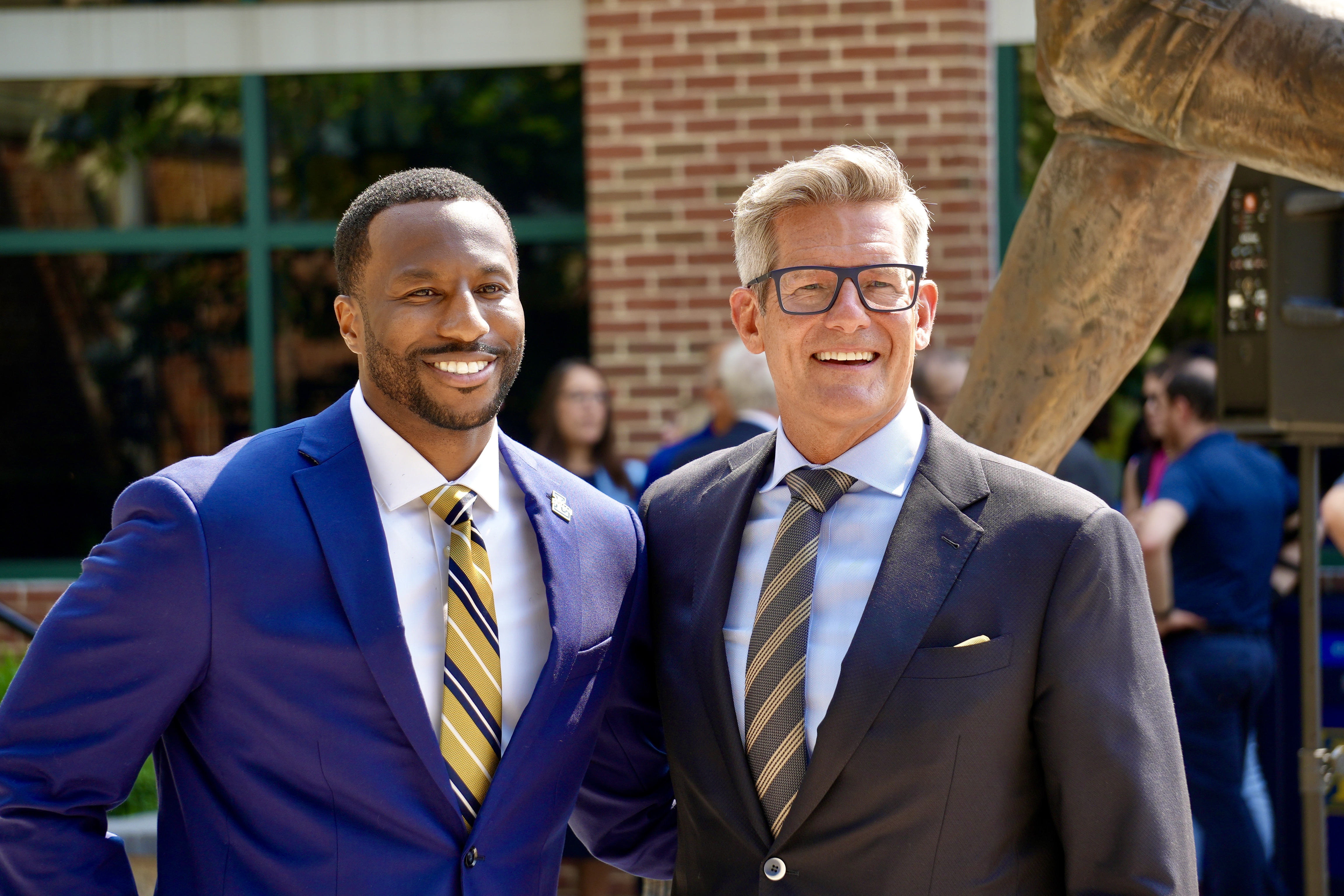
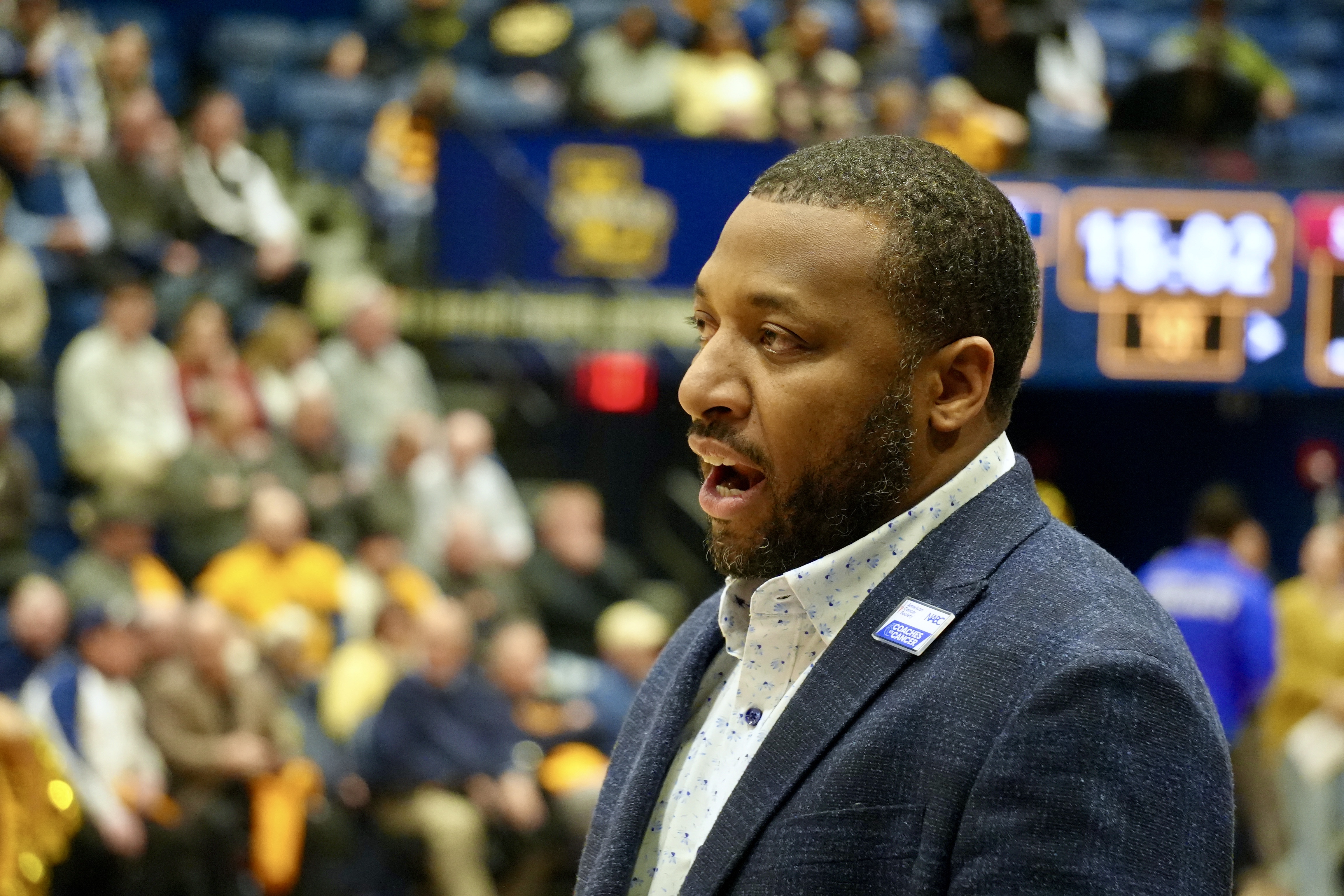
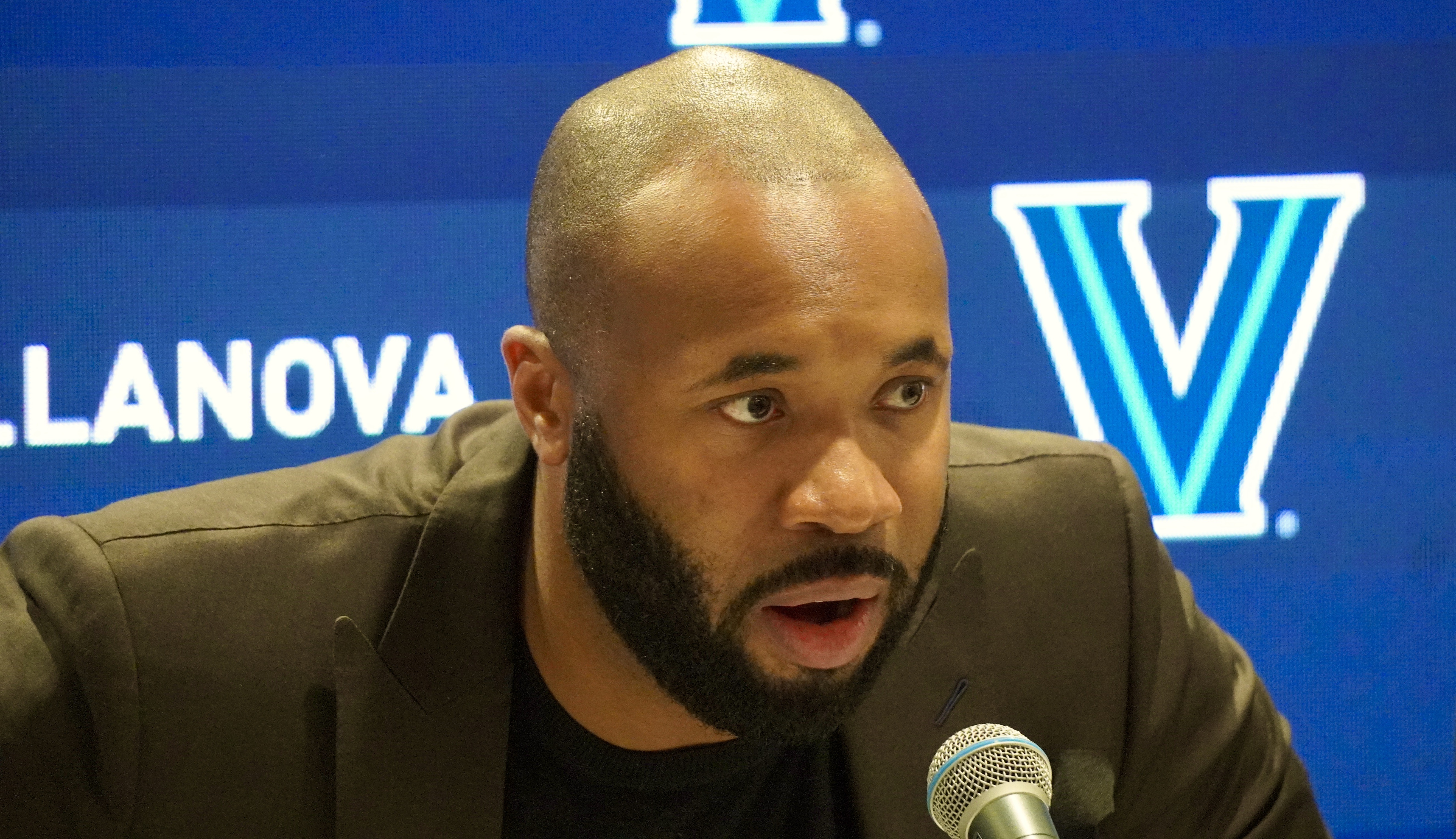
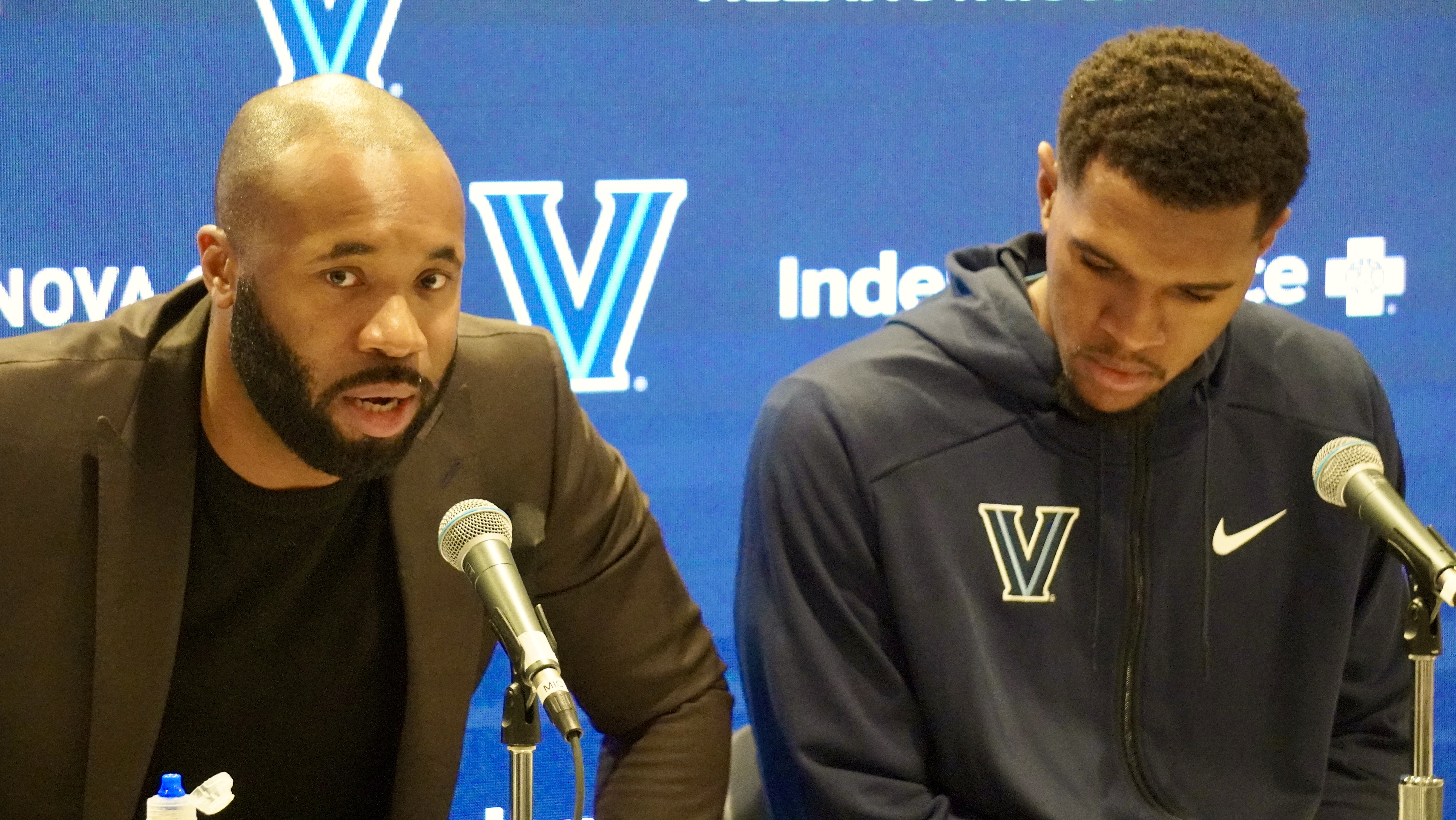
Jarrett Gerald, Vice-President of Athletics & Recreation and Athletics Director and Daniel J. Allen, Ph. D. President

Navigating the Enrollment Abyss

Under the leadership of President Daniel J. Allen, Ph.D., who took office in April 2022 after more than two decades in Catholic higher education, La Salle has mounted a concerted effort to reverse enrollment declines by focusing on access, retention, and the quality of the on-campus experience. The results have been tangible. In the fall of 2025, the university welcomed over 700 full-time first-year students, a 40 percent increase from the previous year and the largest entering class since 2019. Transfer students surged by 60 percent, and 25 new international students arrived. To house the influx, two residence halls that had been offline were reopened for the first time in years.

Those numbers are no accident. They reflect a deliberate pivot toward the very populations other institutions are neglecting, or actively turning away. Allen, whose own doctoral research examined how academically talented, low-income students access highly selective postsecondary education, has made clear that La Salle’s future lies in fulfilling its historic commitment to opportunity. At a time when the qualifications of Black and Brown students on college campuses are being openly impugned—both in coded political attacks on diversity, equity, and inclusion and in the post-affirmative-action anxieties of selective institutions—La Salle has moved forcefully in the opposite direction.
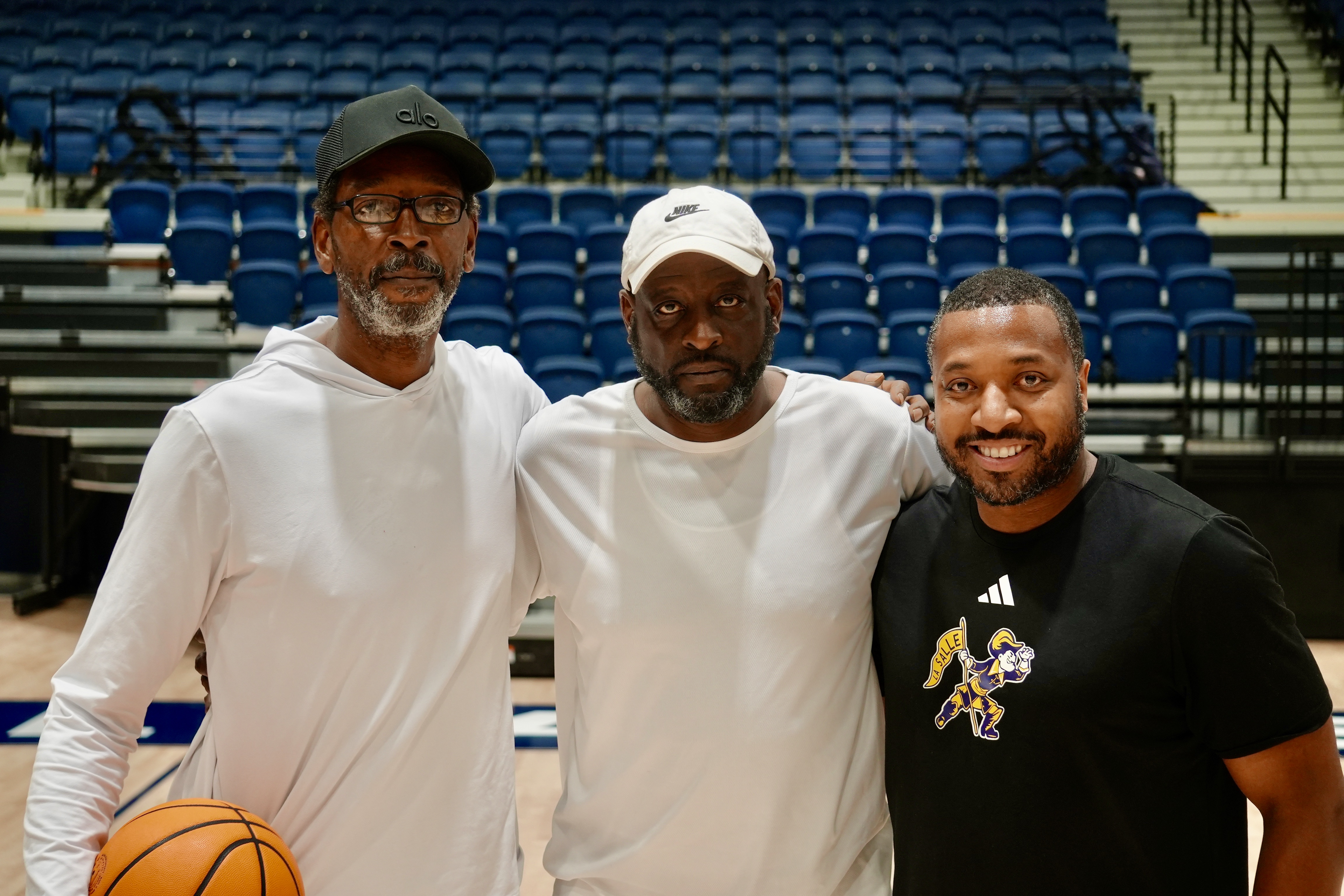
Lionel Simmons, ’90, Bobby Johnson, ’90 and Coach Nichols

A Bold Commitment to Diversity Amid a National Backlash

The Supreme Court’s 2023 decision gutting race-conscious admissions sent a shudder through higher education. Early reports show that enrollment of Black students at several Ivy League and other elite universities declined in the first admissions cycle after the ruling. At La Salle, however, the proportion of Black students in the freshman class has continued to climb—from 18.69 percent in the 2018-2019 academic year to an extraordinary 37.72 percent in 2024-2025. Over the same six-year period, the share of white students dropped from nearly 47 percent to just over 26 percent. This is not merely a demographic shift; it is a profound reimagining of whom the university serves and who feels at home on its campus.

To be clear, this diversification is not occurring at the expense of academic quality. La Salle recruits students from Philadelphia schools and beyond who are prepared to do college-level work and deserve a fair shot at a degree. The surge in Black enrollment is a testament to intentional outreach, robust financial aid packaging, and a campus culture that signals genuine belonging. In an environment where skeptics suggest that expanding access inevitably diminishes rigor, La Salle is demonstrating that mission and excellence can reinforce each other.

The stakes here extend well beyond a single institution. When selective universities retreat from diversity under legal and political pressure, it falls to mission-driven schools like La Salle to ensure that the doors to higher education do not slam shut for students who have already been systematically disadvantaged. By centering the needs of first-generation students and students of color, La Salle is not only securing its own enrollment base but also modeling a more just and sustainable form of institutional strategy.
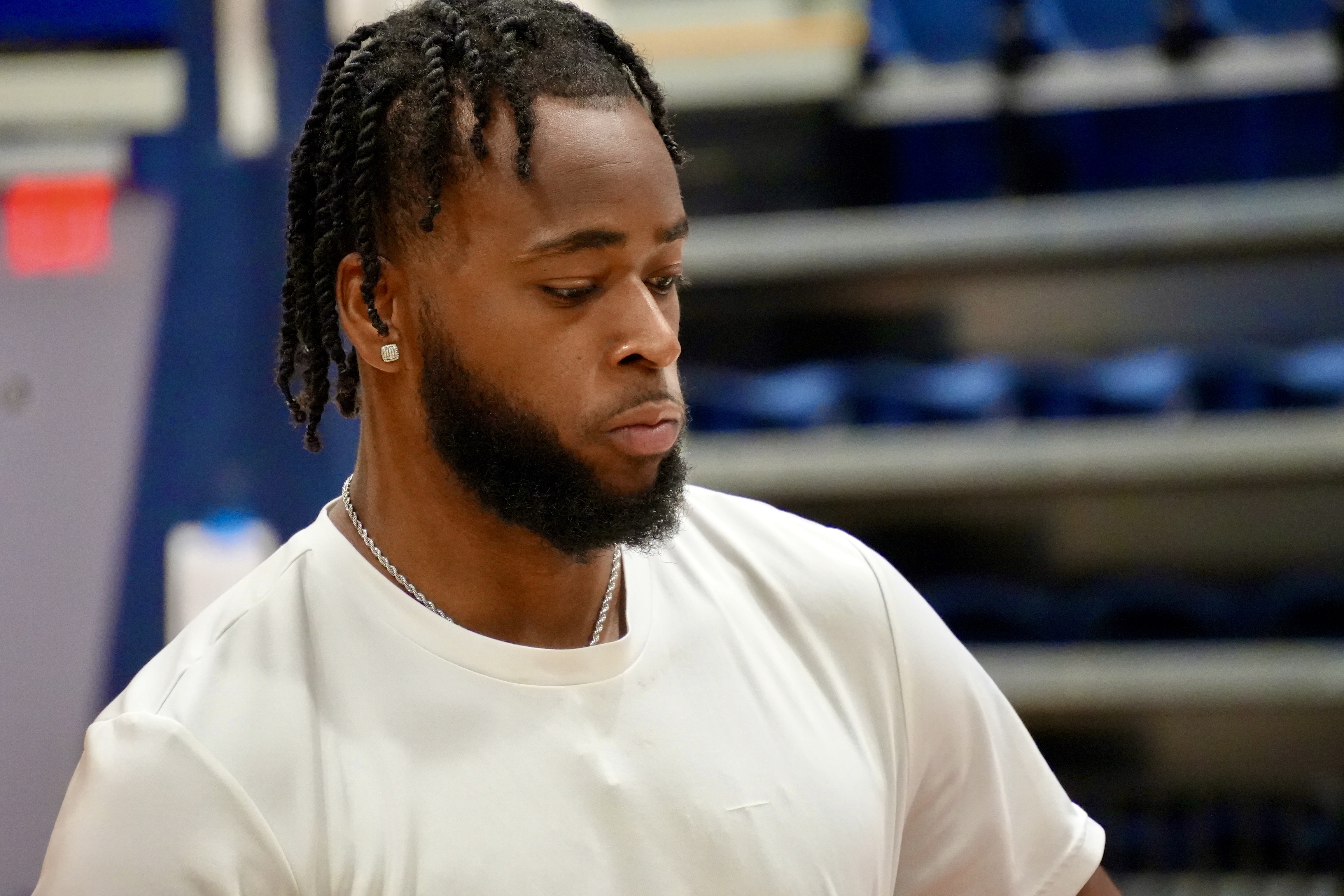
Jerome Brewer, Senior Forward, Camden High Alum

Redefining Leadership in College Athletics

If the enrollment strategy reflects one pillar of La Salle’s reinvention, its approach to athletics provides another. The landscape of college sports has been transformed by the twin forces of the transfer portal and Name, Image, and Likeness (NIL) compensation, which together have created a system resembling professional free agency. Roster instability is rampant, with thousands of athletes switching schools each year. Wealthy programs with enormous booster collectives can effectively purchase talent, while smaller, resource-constrained athletic departments struggle to retain their best players. For many mid-major universities, the new era has been a competitive nightmare.

At the same time, opportunities for Black professionals to occupy leadership positions in Division I athletics appear to be contracting, not expanding. Despite years of talk about the importance of diverse hiring, the coaching and administrative ranks in college sports remain overwhelmingly white and male, and the trend lines in some sports are pointed in the wrong direction. Here, too, La Salle has charted its own course. Two of the university’s last three men’s basketball head coaches, Ashley Howard and current coach Darris Nichols, have been Black men. So have two of the last three athletic directors—Brian Baptiste and the newly appointed Jarrett Gerald. This pattern is not accidental. It flows from an institutional conviction that a truly inclusive search process, one that looks beyond the tired Rolodex of retread candidates, yields leaders who can connect authentically with today’s student-athletes and recruit a broad spectrum of talent.

The symbolic power of such representation, on a campus where the student body now reflects the full diversity of urban America, cannot be overstated. But the proof is in the doing. La Salle’s athletic leadership is actively translating institutional values into a concrete recruiting and retention model.
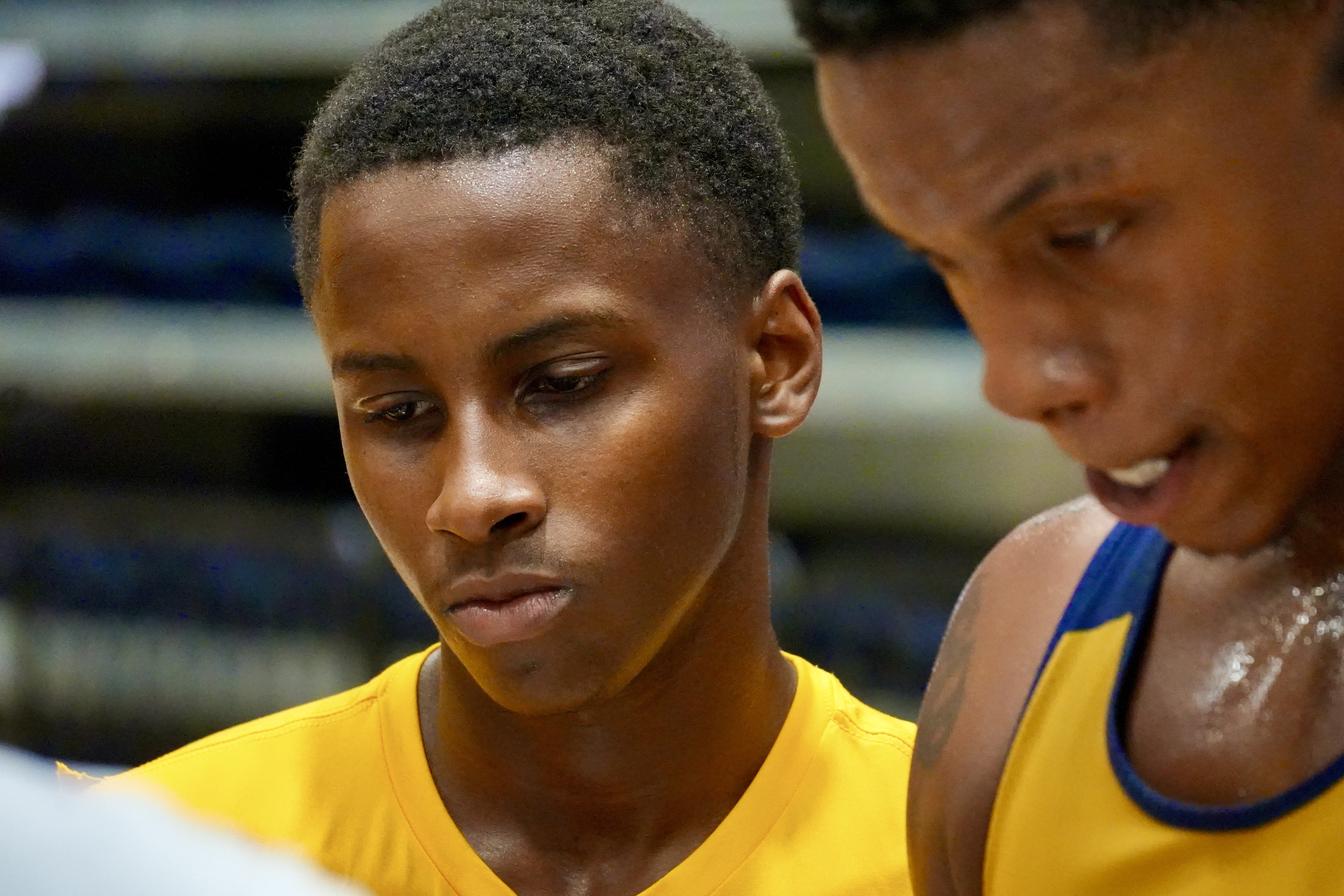
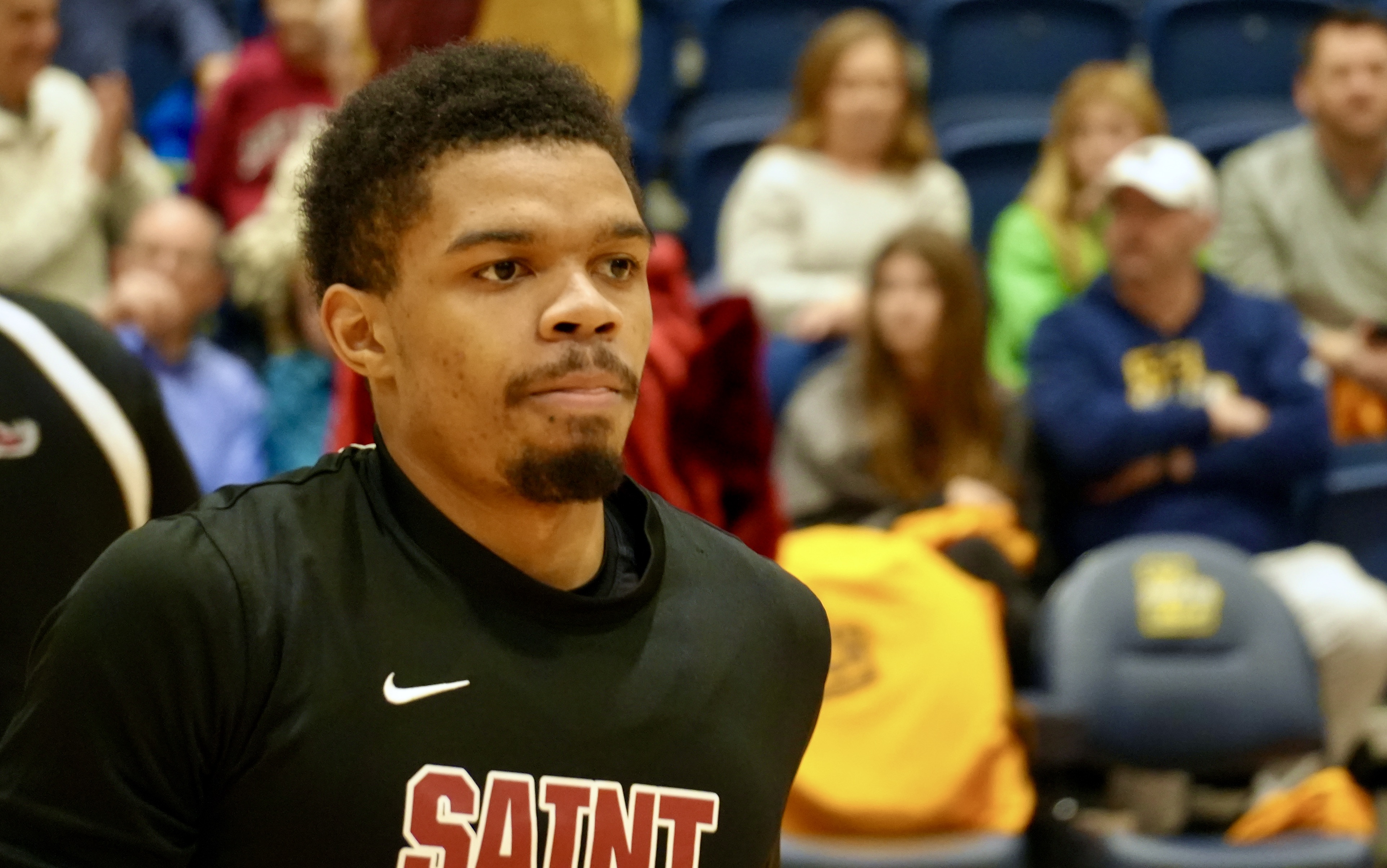
RJ Smith, Freshman Point Guard, Roman Catholic Alum

A Basketball Renaissance Rooted in Local Soil

Nowhere is this more visible than in men’s basketball, a program that occupies an almost mythic place in Philadelphia sports history. It was here that Tom Gola, Larry Cannon, Kenny Durrett, Mike Brooks, and Lionel Simmons built a legacy of grit and greatness. During the height of Jim Crow, La Salle suited up Black stars like John “Jackie” Moore and Alonzo Lewis, long before inclusion was fashionable. That legacy is now being reclaimed in a distinctly 21st-century fashion.

President Allen, Coach Nichols, and Athletic Director Gerald have concluded that the path back to relevance in the hyper-competitive Atlantic 10 Conference—where VCU, Dayton, and Saint Louis boast far larger budgets—does not lie in outspending rivals for transient transfers. Instead, La Salle is doubling down on identifying, recruiting, and retaining academically qualified and athletically gifted players from the deep well of Philadelphia-area high school and AAU talent. The current roster is a map of local basketball culture: Jerome Brewer from Camden High School (WER1 AAU), Anthony Finkley from Roman Catholic (K-Low Elite), Noah Collier from Westtown School (Team Final), Devin Booker from Cristo Rey (K-Low Elite), and RJ Smith from Roman Catholic (Team Final). Commitments for 2027 have already been secured from Shakur Starling of Central Dauphin (WER1) and Anthony Pannell of John Bartram (Philly Pride).

In just over a year, Nichols and his staff have earned the trust of four different shoe-company grassroots programs in the region. That is no small feat; it is a testament to deep relationship-building, tenacity, and a clear, compelling vision. Rather than chasing the latest national rankings, the Explorers are constructing a roster that can be sustained even in the chaotic NIL era, because it is rooted in local pride and personal connections. Lionel Simmons himself, one of the most electrifying players in college basketball history, is publicly committed to seeing a return to glory under this leadership.

The move is simultaneously practical and symbolic. Local players attract local fans. Community-rooted rosters are harder to poach. And an athletic program that reflects the racial and socioeconomic makeup of its surrounding city can serve as a unifying force, bringing alumni, neighbors, and current students together.
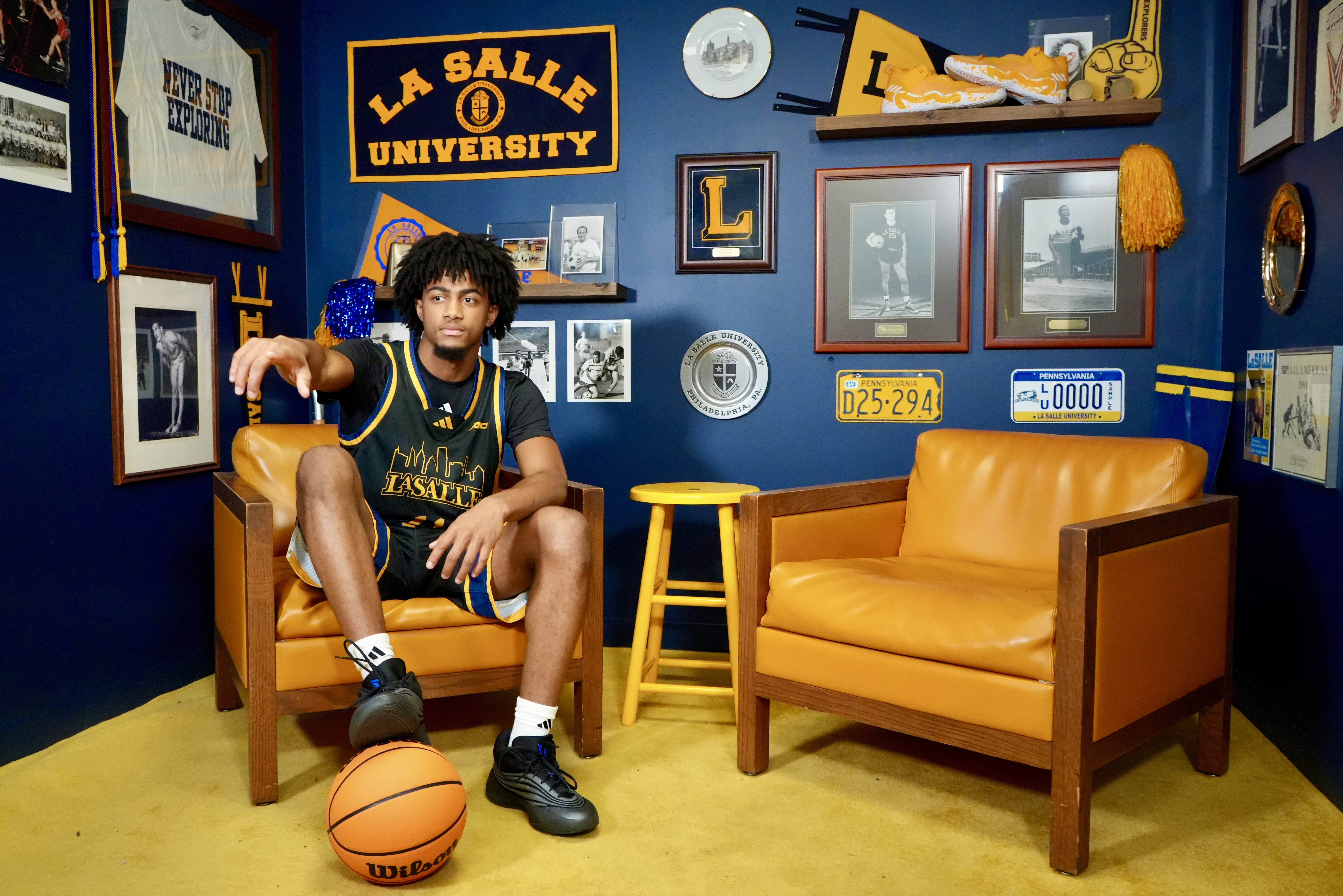
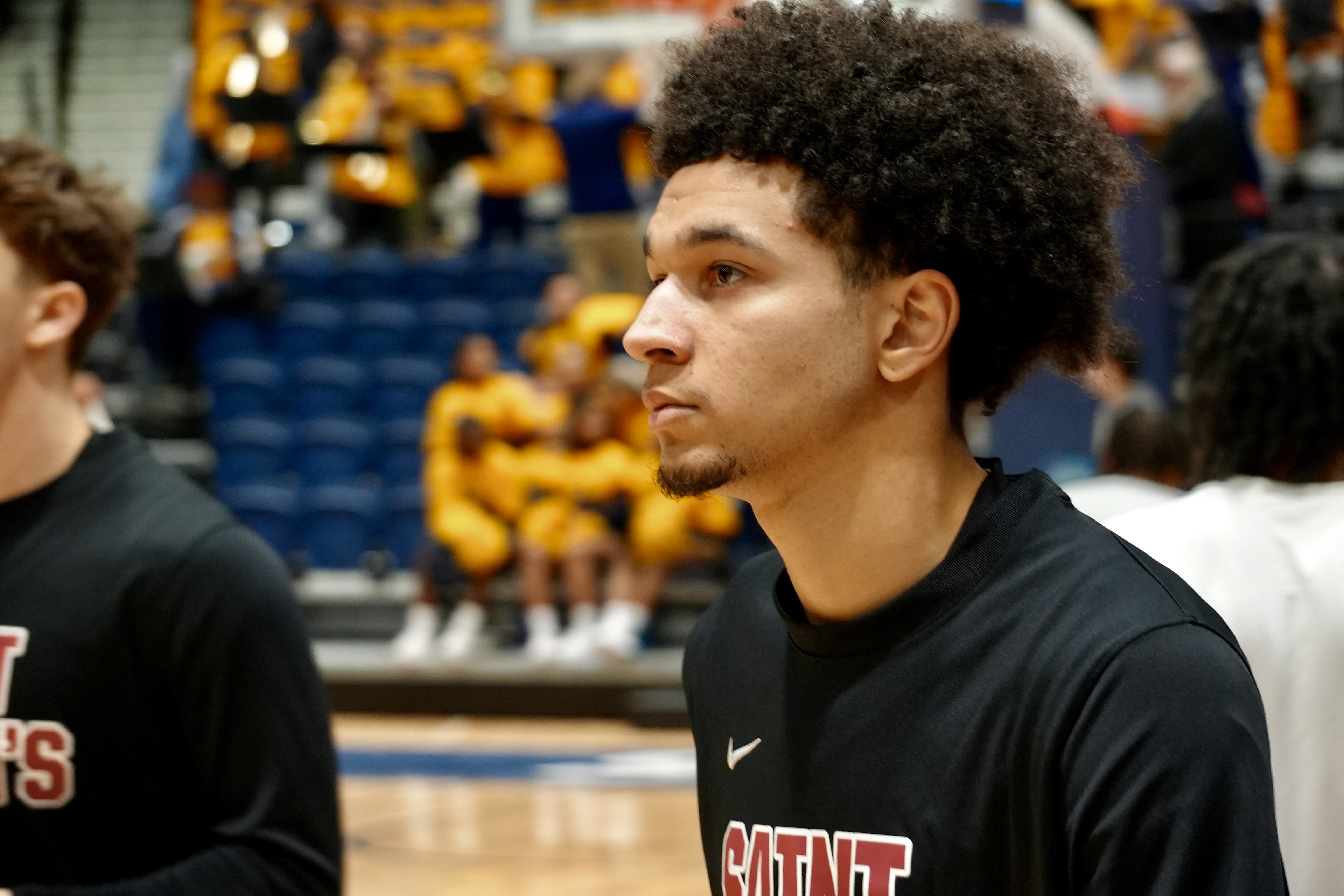
Shakur Starling, 2027 commit

The Multi-Prong Playbook for a Sustainable Future

The genius of La Salle’s strategy lies in the way its parts reinforce one another. Academic enrollment growth, fueled by aggressive outreach to underserved communities, creates a diverse student body that in turn makes the university more attractive to minority coaches and athletes. A basketball program built on homegrown talent strengthens the university’s visibility and community ties, which helps recruitment across the board. Inclusive hiring in athletics demonstrates that the institution practices what it preaches, building credibility with the families it seeks to enroll. And all of this proceeds from a core mission—rooted in the Lasallian tradition—that sees education as a vehicle for social mobility, not merely a credentialing service for the already advantaged.

This is not to minimize the obstacles. La Salle remains tuition-dependent, and demographic headwinds are intensifying. The Atlantic 10 is an unforgiving league. The university must continue to make a compelling case that its degrees offer a genuine return on investment, and it must invest strategically in the student experience to ensure that enrollment gains translate into higher retention and graduation rates. But what La Salle has shown is that a small, private, mission-centered university in a high-cost Northeast city is not doomed by the actuarial tables. It can chart its own future if it has the courage to reject the default playbook of cutting programs, hiking tuition, and hoping for a demographic miracle.

In a season when elite universities are quietly retreating from racial diversity, La Salle is leaning in. In an athletic marketplace that devalues loyalty, it is betting on roots. In a higher education landscape that too often treats low-income students and students of color as liabilities, it is treating them as the bedrock of its strategy. That isn’t just a matter of institutional survival. It’s a quietly radical model for what American higher education could become, if only more institutions had the nerve to try.
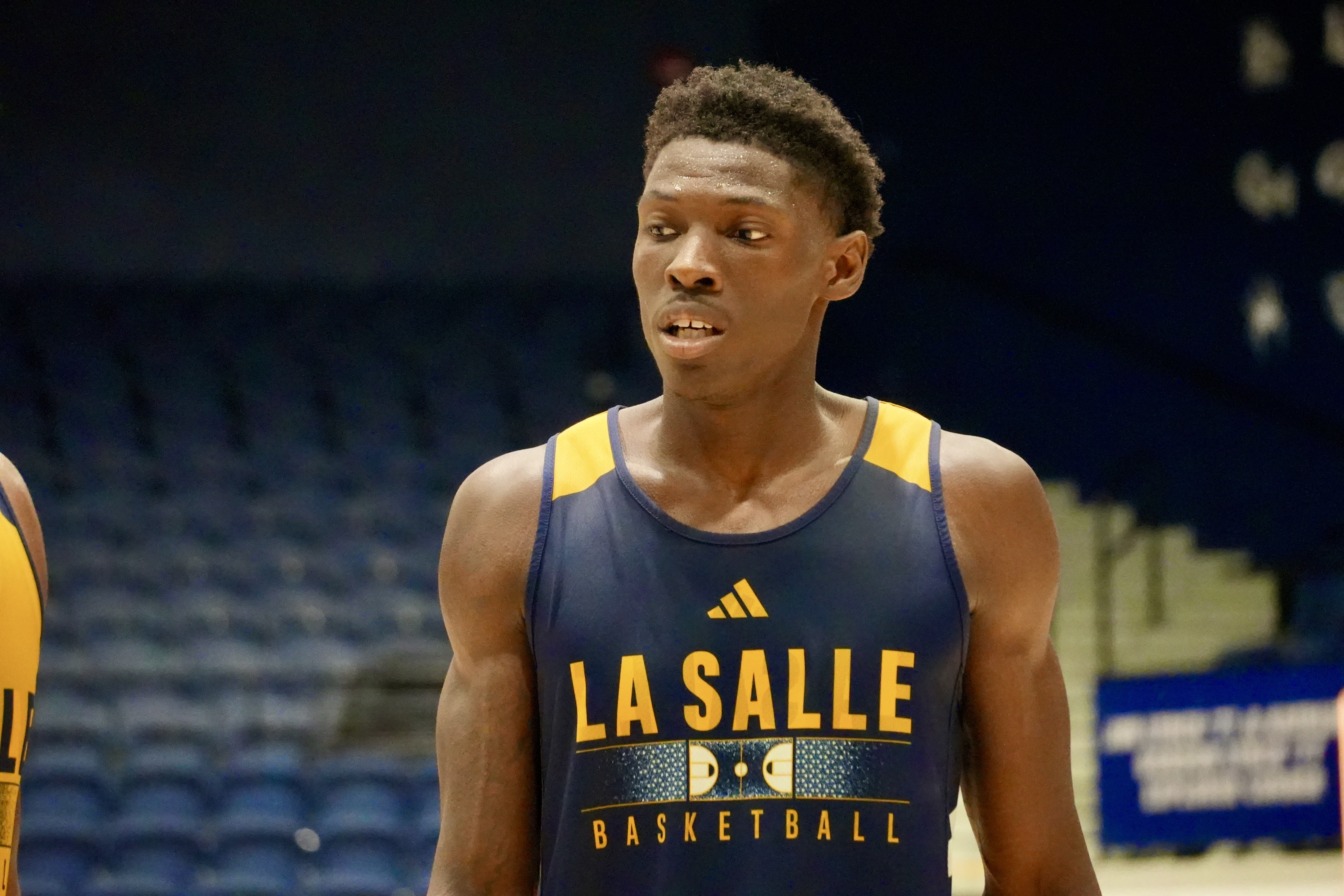
Devin Booker, Sophomore Guard, Cristo Rey Alum

In the City of Basketball Love, a New Playbook for Mid-Major Survival

By Delgreco Wilson

In the heart of the a city where sports passion runs as deep as the Schuylkill River, a quiet but determined resurgence is taking shape on the basketball courts of Hawk Hill and Olney. The St. Joseph’s Hawks and La Salle Explorers, two of Philadelphia’s historic college programs, are being rebuilt from the ground up by new leadership, playing a gritty, unselfish brand of ball that honors their city’s blue-collar ethos. Yet, as I sat among the 2,700 or so spectators—a sea of mostly older faces like my own—at their recent Big 5 matchup, a profound disconnect was palpable. Just 24 hours earlier and a few miles south, the new 3-on-3 Unrivaled women’s professional league had made history, drawing over 21,400 jubilant, youthful fans to South Philadelphia, setting an attendance record and electrifying the arena with a palpable, modern energy. The contrast was stark, revealing not a lack of love for basketball in Philadelphia, but a critical misalignment between its storied college programs and the city’s next generation of fans. For St. Joe’s and La Salle to truly rise again, their revival must extend beyond the sidelines. It demands a fundamental reimagining of what success looks like in a radically changed sport and a revolutionary, digitally-native marketing strategy to reclaim their place in the City of Basketball Love.

Steve Donahue, St. Joseph’s Head Coach

The New Reality: Recalibrating Success in a Transformed Landscape

The first step in this renaissance is an honest, clear-eyed assessment of the modern college basketball ecosystem, which has rendered the golden eras of these programs nearly impossible to replicate. Under coaches like Phil Martelli, who led St. Joe’s to A10 championships and memorable NCAA Tournament runs in 2014 and 2016, the expectation was clear: compete for conference titles and dance in March. Today, that template is obsolete. The Atlantic 10 conference, once a reliable multi-bid league, is now, at best, a two-bid conference and more often a one-bid league. The financial chasm between high-major conferences and the rest has widened into a canyon, accelerated by name, image, and likeness (NIL) policies and the transfer portal, which constantly threaten to siphon a mid-major’s best talent to richer programs.

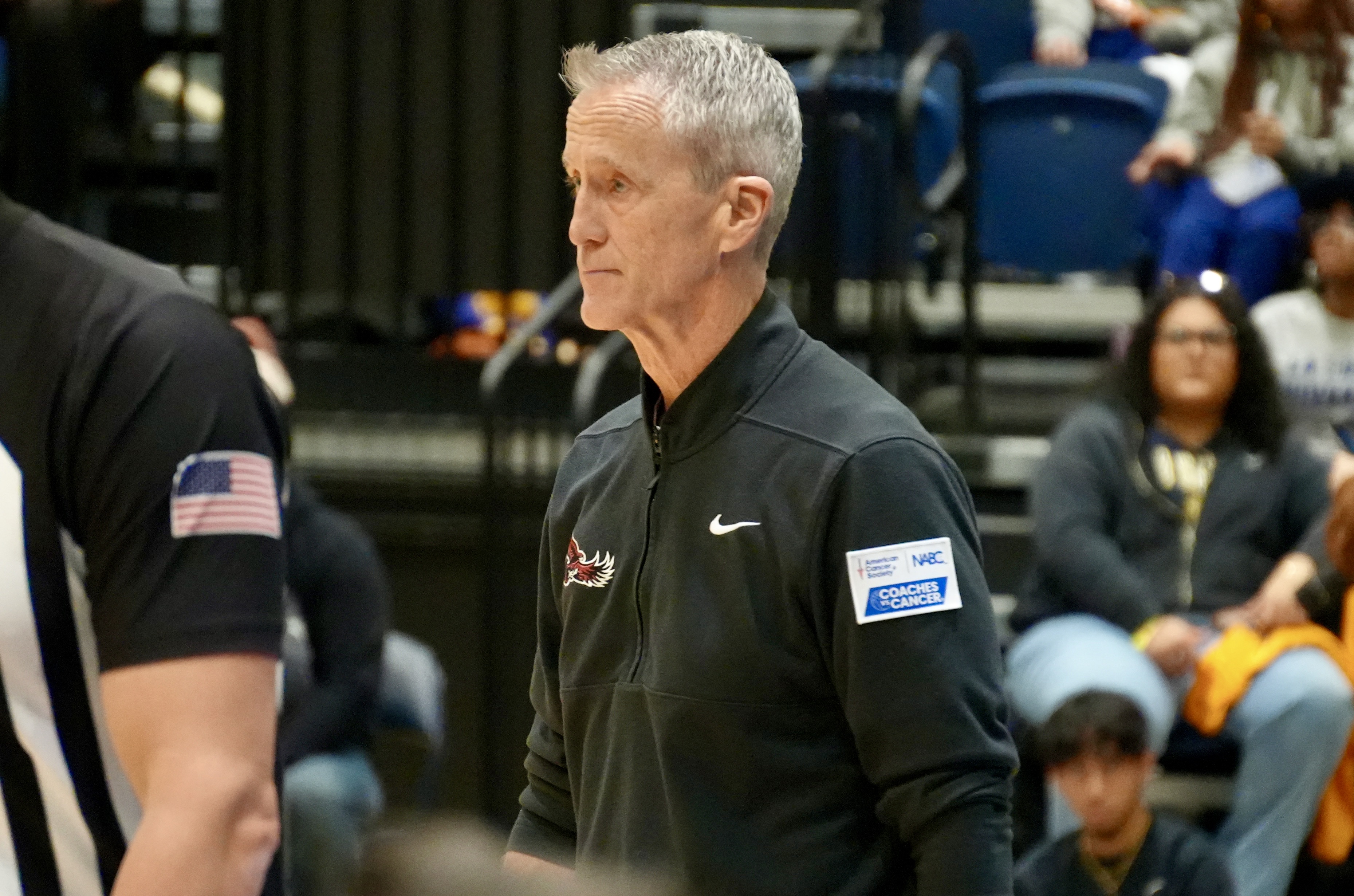
Darris Nichols, La Salle Head Coach

Therefore, the reasonable expectation for St. Joseph’s and La Salle is no longer “regular and consistent NCAA appearances.” It is sustainable competitiveness. It is the gritty identity being forged by first-year coaches Steve Donahue and Darris Nichols—teams that play hard, defend, and represent the city’s toughness every night. Success should be measured by winning records in a tough conference, contention in the A10 tournament, and the development of players who become pillars of the program for more than a single season. The goal is to build programs that are perennial tough outs, occasionally catching lightning in a bottle for a tournament run, rather than factories for NBA talent like Jameer Nelson or Lionel Simmons. This is not a concession to mediocrity; it is a strategic adaptation to a harsh new reality.

The Marketing Mandate: From Nostalgia to Digital Native Engagement

While the on-court product adjusts, the off-court outreach must undergo a revolution. The demographic at the recent Big 5 game—predominantly older, male, and white—is not a sustainable audience. It is the echo of a past glory. To survive and thrive, these programs must aggressively court the diverse, youthful, and digitally-immersed fans who packed the arena for Unrivaled.

Khaafiq Myers, St. Joseph’s Point Guard

This requires abandoning a reliance on traditional sports pages and radio spots for a hyper-local, social media-infused marketing strategy. Philadelphia’s young hoops fans live on TikTok, Instagram, and YouTube, and they engage with personalities, authenticity, and interactive experiences. The city is teeming with influencers who have built passionate followings around Philadelphia sports. Imagine La Salle’s Darris Nichols doing a film breakdown crossover with a macro-influencer like @thephillysportsguy (129.6K followers), or St. Joe’s players collaborating on a skill challenge with a Philly-based influencer like @8eyemedia, whose tight-knit community of 96.6K followers represents exactly the engaged, youthful audience these programs need.

The blueprint for this exists within the city’s own professional ranks. During the COVID-19 pandemic, the Philadelphia 76ers’ youth marketing team brilliantly pivoted to digital platforms, leveraging the HomeCourt A.I. app to create virtual camps and challenges. They didn’t just stream content; they created interactive, gamified experiences. They hosted an “Al Horford Challenge” and later an “Allen Iverson Runs Practice” campaign, where fans could replicate drills and win shout-outs from legends. The result was staggering engagement: 1.25 million dribbles and 29,000 shots recorded by participating kids in just a few months.

Why can’t St. Joe’s and La Salle do the same? Imagine a “Hawk Hill Handles Challenge” judged by former star Langston Galloway, or a “La Salle Lockdown Drill” promoted through local micro-influencers. These programs should partner with the very tech companies and app developers that the Sixers used to “meet kids where they are”. As Mike Goings, the Sixers’ Director of Alumni & Youth Marketing, stated, this digital shift allowed them to “engage just as many kids” as in-person events and offered sponsors deeper, more meaningful impressions. For mid-majors with limited budgets, this is not a frivolous expense; it is a cost-effective necessity to build their brand and cultivate future donors and season-ticket holders.

Derek Simpson, St. Joseph’s Senior Guard

The Path Forward: Embracing a Holistic Revival

The resurgence of St. Joseph’s and La Salle will be defined by a dual commitment: competitive realism on the court and marketing innovation off it. Coaches Donahue and Nichols are laying the foundational groundwork with effort and identity. Now, the athletic departments and university administrations must match that energy with visionary outreach.

They must see the 21,000 fans at the Unrivaled event not as a threat, but as proof of concept. Philadelphia is a basketball city—a fact underscored by the 10 million viewers who tuned into the 2025 NCAA championship game and the major programs that regularly draw average home crowds of over 20,000. The passion is here; it simply needs to be channeled. The goal should be to make the Big 5 cool again—not as a museum piece, but as a living, breathing, and digitally-connected rivalry that celebrates city pride.

This means hosting doubleheaders with the vibrant women’s programs at these schools. It means transforming game days into community festivals with live music, local food trucks, and fan zones that mirror the energy of a block party. It means empowering student creators to tell their team’s story on social media. It means recognizing that in today’s landscape, building a compelling program is as much about cultural relevance as it is about win-loss records.

The history of Philadelphia basketball, written by legends from Gola to Nelson, is not a burden for St. Joseph’s and La Salle to bear, but a legacy to build upon in new ways. By marrying gritty, intelligent coaching with fearless, modern engagement, these programs can do more than just swing upward. They can reconnect with the soul of their city and ensure that the next generation is in the stands, not as occasional visitors, but as the lifeblood of a renewed tradition. The foundation is being poured. The time for a true renaissance is now.

Jerome Brewer’s La Salle University Homecoming: A Lesson in Maturity and Purpose

CAMDEN, NJ – In an era when college basketball players often chase the brightest spotlight or the most lucrative NIL deals, Jerome Brewer’s decision to return home stands as a rare act of introspection and social responsibility. The 6’8” forward, who has navigated a winding collegiate journey from Texas A&M Commerce to McNeese State, could have followed his former coach to North Carolina State or sought a bigger stage elsewhere. Instead, he chose La Salle University—not just for basketball, but to fulfill a deeper mission.

Brewer’s choice reflects a maturity beyond his years. At a time when young athletes are frequently pressured to prioritize immediate success, he considered something more enduring: his ability to influence the next generation. His insistence that La Salle facilitate access for Camden City Public School students to games and practices isn’t a mere publicity gesture; it’s an intentional effort to reinforce the values that shaped him.

“Sports act as an agent of socialization,” Brewer said, articulating a perspective more common among seasoned coaches than 22-year-old players. “They teach values, behaviors, and skills—teamwork, communication, resilience.” His words underscore an awareness of basketball’s broader role, one that extends far beyond the box score.

This understanding didn’t emerge in a vacuum. Brewer’s formative years were spent in Camden’s gyms, where the game was both an escape and an education. After a brief stint in the Philadelphia Catholic League, he returned to Camden High, helping restore its basketball prominence alongside future Division I standouts. When college offers didn’t meet his expectations, he bet on himself—first at prep school, then in the Southland Conference, where he blossomed into an All-League performer before injury intervened.

His resilience was tested again last year when he redshirted at McNeese State, biding his time for the right opportunity. When it arrived, he weighed his options with the discernment of someone who recognizes that a career is more than stats or conference prestige. He thought of his younger brother, Domani, a budding seventh-grade phenom who now has a front-row seat to his brother’s final collegiate chapters. He thought of Camden’s kids, who will see in him a path forward.

Camden Mayor Vic Carstarphen, a former Temple standout under John Chaney, praised Brewer’s character, calling him “one of the finest student-athletes to come through Camden in recent years.” City Councilman Arthur Barclay, who played for John Calipari at Memphis, highlighted Brewer’s potential as a role model: “He was one of them not long ago. Now, he’s showing them what’s possible.”

La Salle, under new coach Darris Nichols, gains not just a versatile forward who can stretch defenses and guard multiple positions, but a leader who grasps the weight of his platform. In return, Brewer gets a chance to cement his legacy where it matters most—at home.

In an age of fleeting allegiances and transactional relationships, Brewer’s decision is a reminder that some choices are about more than basketball. They’re about purpose. And in that regard, his homecoming is already a victory.

The Rise of Corey McKeithan: La Salle’s Star Guard

PHILADELPHIA, PA – The transfer portal has redefined college basketball, bringing both challenges and opportunities for programs across the nation. For La Salle, the offseason loss of All-League guards Jhamir Brickus and Khalil Brantley to Villanova and Oklahoma State respectively seemed to leave a gaping hole in the backcourt. Yet, in a twist of fate, the portal also delivered a savior — Corey McKeithan.

Corey McKeithan, La Salle Explorers

After three seasons as a role player at Rider University, McKeithan has burst onto the scene with the La Salle Explorers, quickly establishing himself as one of the top players in the Atlantic 10 and Philadelphia Big 5. His latest performance on Saturday night against Temple underscored his meteoric rise.

McKeithan is a combo guard whose game is marked by a lethal capacity for scoring. He is averaging a team high 19 points per game this season. His off the dribble variety is elite—hesitation, rocker and crossover—excellent shiftiness and ability to burst through an open seam. He has demonstrated an ability to score from all three levels. As a result, he is a truly unpredictable defensive assignment in the half court. He is highly efficient in both isolation offense and the pick & roll for the Explorers. 

Facing the Owls in a pivotal Big 5 matchup on Saturday afternoon, McKeithan delivered a career-best performance, scoring 28 points on 10-for-19 shooting. Beyond his scoring outburst, the junior guard added four assists without a single turnover, collected three rebounds, swatted a block, and picked up two steals. McKeithan’s all-around brilliance powered the Explorers to their sixth win in eight games this season and secured a spot in next Saturday’s Big 5 Classic championship game against St. Joseph’s.

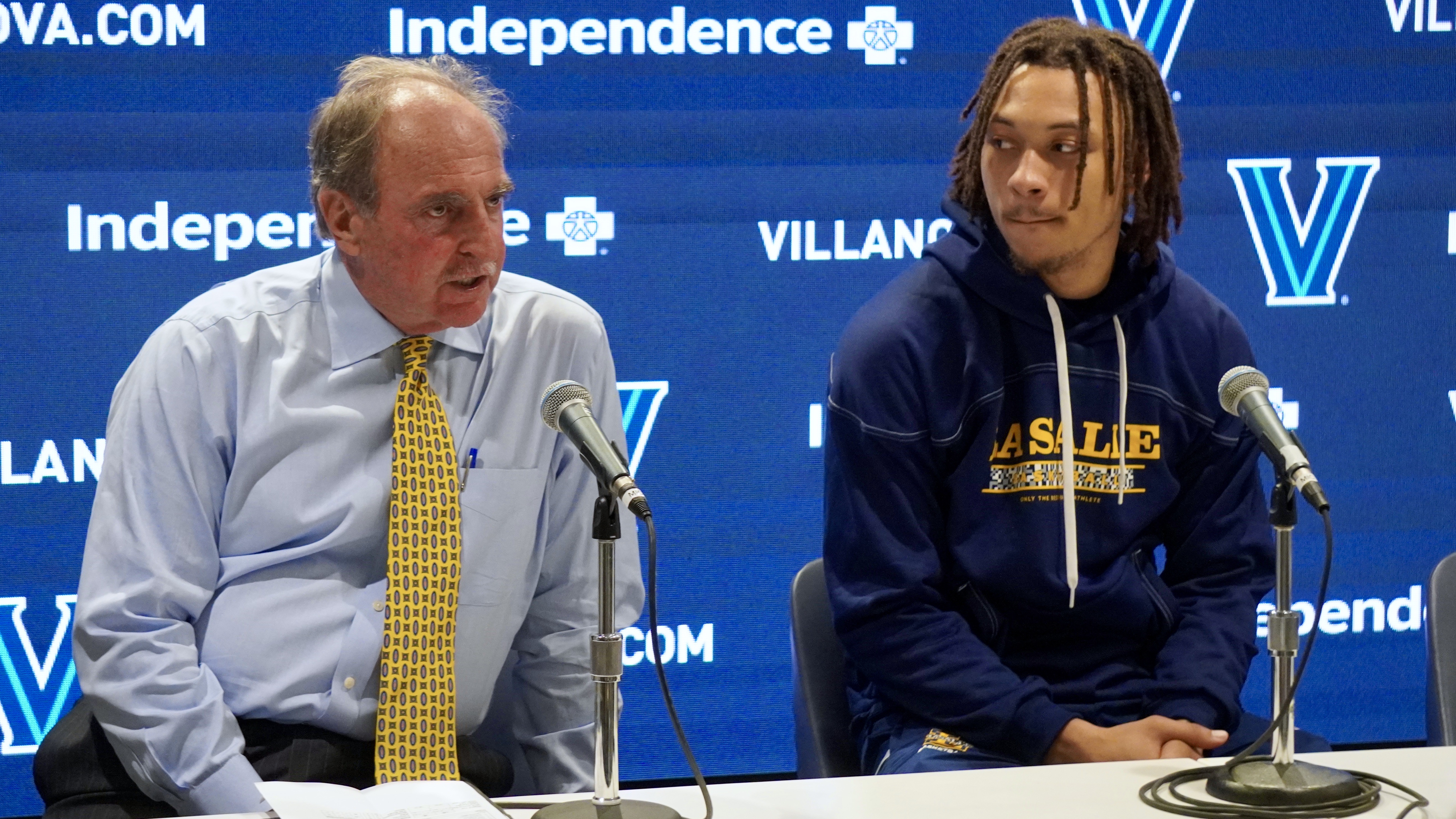
Fran Dunphy, La Salle Head Coach

For La Salle head coach Fran Dunphy, McKeithan’s emergence couldn’t have come at a better time. “Corey has a confidence and swagger about him that’s infectious,” Dunphy said. “He’s elevated not just his game but the entire team’s energy. That’s what great players do.”

McKeithan’s transformation has been remarkable. At Rider, he spent much of his time playing off the ball, recording just 15 double-digit scoring games across three seasons. Now, as the primary playmaker for La Salle, McKeithan has embraced the responsibility, showcasing an assertiveness and flair that has turned him into a leader on and off the court.

McKeithan has a deep bag and he’s been digging deep into it…

Saturday’s win was another sign that Dunphy and his staff unearthed a gem in the transfer portal. McKeithan’s ability to step up in critical moments has given La Salle an edge, offsetting the departures of Brickus and Brantley while providing the Explorers with a centerpiece around whom the team can rally.

However, the road ahead is challenging. In the Big 5 Classic championship game, McKeithan will face one of the most formidable guard trios in college basketball: Erik Reynolds, Xzayvier Brown, and Derek Simpson of St. Joseph’s. The Hawks’ elite backcourt will undoubtedly test McKeithan’s mettle, providing a marquee showdown between rising stars and seasoned talent.

As La Salle continues its resurgence, McKeithan’s performance has not only revived the Explorers’ prospects but also solidified his place as one of the premier guards in the region. For La Salle fans, his emergence is a testament to the transformative power of belief, hard work, and the right opportunity.

Next Saturday, all eyes will be on Corey McKeithan, who has proven that sometimes, all it takes to shine is the right stage. The best Philly Guard, just might be the kid from Connecticut.

Neptune Leads Nova To Win Over La Salle in First Game at the Helm

PHILADELPHIA, PA: The College Basketball Season got underway today. Which game to watch live? Tough call for me… Donta Scott and Hakim Hart opened up their fourth season at Maryland under new Head Coach Kevin Willard. The Terps faced Niagara at home. Hysier Miller and Zach Hicks began their sophomore campaign at Temple. The Owls faced a tough Wagner squad led by Donald Copeland in his first year at the helm. Seth Lundy and Andrew Funk laced ’em up for Penn State against Winthrop.

Villanova Head Coach, Kyle Neptune

I decided to head to Villanova. I wanted to see if Fran Dunphy’s Xs & Os could overcome a distinct disadvantage in the Jimmies and Joes. Dunphy began his coaching career 50 years ago at the United States Military Academy (1971–72). Bear in mind, Dunphy is the all-time winningest coach in Big 5 history. After a three year hiatus, he’s back to coach his alma mater and lead his third Big 5 program.

Nova’s head coach, Kyle Neptune was 16-16 last year in his lone season at Fordham in the Atlantic 10 Conference before being tapped to succeed the greatest coach in Big 5 history. This matchup against the Explorers was Neptune’s inaugural Big 5 game.

Does the Big 5 matter? Was I alone in considering that aspect of the game? Did anyone else give even the slightest f*#k that this was a Big 5 contest?

La Salle Head Coach, Fran Dunphy and guard, Josh Nickelberry

Serious question… Just curious.

With 580 career wins, it seemed reasonable to give the X & O advantage to Dunphy. Neptune, however, had a rather distinct Jimmy & Joe advantage. Eric Dixon and Caleb Daniel are top notch veteran Big East performers. During his senior year in high school, Dixon was named by USA Today as Pennsylvania State Player of the Year. He was listed at No. 74 by espn.com in its Top 100 Prospects of 2019. Last season, Dixon started every one of Villanova’s 38 games during the run to another Wildcat Final Four. He averaged 9.1 points and 6.4 rebounds in 25.2 minutes per outing. A very efficient offensive player, he shot .498 from the field goal and .486 from behind the 3-point line. Last year he was awarded Most Improved Player by the Philadelphia Big Five.

This year he’s making an early case for best player in the Big 5.

Kyle Neptune and Villanova forward, Eric Dixon

He’s just one of the Neptune’s Jimmies…

And… There are several Joes.

Last year, Caleb Daniels averaged 10.2 points per game and helped Nova win the BIG EAST Tournament title and make it to another Final Four. Daniels was named to the All-NCAA South Regional Team and Second Team All-Philadelphia Big Five.

Brandon Slater started all 38 games last season. He scored 8.5 points and grabbed 3.7 rebounds for the Wildcats on their run to the Final Four.

Highly touted freshman Mark Armstrong was the 2022 Hudson County Interscholastic Player of the Year. He set a St. Peter’s Prep record with 1,776 career points. Armstrong was listed at No. 61 in ESPN’s Top 100 in the Class of 2022.

Keep in mind that Villanova has two (2) NBA Joes in street clothes at the moment. Senior guard, Justin Moore was named Second Team all-BIG EAST and First Team All-Philadelphia Big Five last season. He was the second leading scorer for the Wildcats, contributing 14.8 points per game and grabbing 4.8 rebounds per game. Moore tore his right achilles tendon suffered in the final minute of Villanova’s 50-44 victory over Houston in the NCAA South Regional Final. He is currently rehabbing the injury.

Freshman Cam Whitmore was the 2022 Gatorade Maryland Boys Basketball Player of the Year and a McDonald’s All-American. He was a two-time Baltimore Catholic League Player of the Year who also played in the 2022 Jordan Brand Classic. Whitmore was ranked No. 21 in the ESPN Top 100 of the Class of 2022.

Now… Keep in mind Whitmore and Moore were unavailable. Maybe… just maybe… Dunphy could scheme his way to an upset in a sold out Finneran Pavillion.

After all, it is a Big 5 game. Anything can happen… right?

Naaaaaah…

The Jimmies and Joes overcame the Xs & Os…

Indeed, there were moments when Eric Dixon looked like he was playing against Quakertown. He finished with 20 points on 8-17 shooting, including 2-4 from behind the 3 point line. Dixon also contributed 4 assists and 3 blocks. Grabbing only 2 rebounds, he’ll need to improve considerably on the boards going forward.

Daniels was magnificent. He finished with 24 points, while shooting an efficient 8-11 from the field and 6-7 from behind the 3 point line. Daniels also pulled down a game high 10 rebounds.

Villanova guard, Caleb Daniels

Dixon and Daniels bussed dey ass…

For the Explorers, Josh Nickelberry scored 22 points while shooting 7-12 from the field and 5-9 from 3. He also pulled down 6 rebounds and 2 assists.

Khalil Brantley probed and penetrated throughout the contest. He managed to score a tough 11 points on 5-12 shooting from the field. He grabbed 4 rebounds and dished 2 assists.

Jhamir Brickus played a listless 34 minutes and did not score a point. Indeed, he only took 3 shots and 2 of them were 3 point attempts. La Salle will struggle to compete against quality opponents if Brickus is not contributing significantly at the offensive end.

Nonetheless, Dunphy kept it within reach… the Explorers were only down 11 with 2:37 remaining.

But it was not to be… Not tonight… The young coach with the Jimmies & Joes got the win. The winningest coach in Big 5 history learned something about his team… Gotta somehow get some of those Jimmies & Joes…

For the first time in the history of the Wildcat program, the Head Men’s Basketball coach is a Black man. Deserves mentioning, didn’t really factor in the game so I placed it here.

#RespeckNova