Contact: Black Cager Invitational Tournament Jason Boggs, Tournament Director Senior jboggs501@yahoo.com | (484) 522-2750
Premier Live Period Event Exclusively Connects Mid-Atlantic Scholastic Standouts with Division II and III Programs as the NIL Era Reshapes Recruiting
ALLENTOWN, PA — May 8, 2026 — In an era where the economics of college basketball recruiting have been fundamentally rewritten, a new showcase is stepping onto center court to bridge a widening gap. On June 20, the inaugural Black Cager Invitational Basketball Tournament will tip off at the state-of-the-art Executive Fieldhouse in Allentown, Pennsylvania, with a singular, unapologetic mission: connecting the Mid-Atlantic’s most promising unsigned scholastic talent directly with coaches from every Division II and Division III program across Pennsylvania, New Jersey, and Delaware.
The seismic shifts caused by the Transfer Portal and NIL collectives have led prominent Division I figures, including Hall of Famer Rick Pitino of St. John’s, to publicly declare a pivot away from traditional high school recruiting. This new calculus has left a deep pool of high-academic, high-character senior and post-graduate prospects searching for a new home. The Black Cager Invitational answers that call.
“The market inefficiency in men’s college basketball right now isn’t a lack of talent—it’s a lack of exposure for the right talent to the right programs,” said Delgreco Wilson, Founder of the Black Cager Invitational. “While the high-major world chases transfers, D2 and D3 programs remain the bedrock of developmental college basketball. This event isn’t a consolation prize; it is a curated marketplace for winners, scholars, and late bloomers who want to impact a program immediately. We are the anti-portal.”
Unlike traditional Live Period events that pack the sidelines with mid-major and high-major staffers focused on elite-ranked prospects, the Black Cager Invitational curates its environment exclusively for small college programs. The event guarantees that every coach in attendance—from the PSAC to the NJAC, the CACC to the Centennial Conference—has an unobstructed view of rosters full of pre-vetted student-athletes eager to compete for roster spots and academic scholarships.
THE NEW BLUEPRINT: BEYOND THE D1 GLARE
The modern college coach at the Division II and III levels isn’t looking for a mercenary; they are looking for a four-year pillar. The Black Cager Invitational showcases athletes who are physically prepared to contribute as freshmen and academically positioned to thrive at rigorous institutions. This is high-level basketball stripped of the transactional NIL frenzy, focusing purely on fit, system, and education.
“Rick Pitino was simply bold enough to say what many are thinking,” the tournament’s executive committee noted. “But for every five-star jumping to a blue blood, there are five under-recruited guards in Philly, Jersey, and Delaware that can shoot the lights out and carry a 3.4 GPA. Those kids need a stage. We built that stage at the Executive Fieldhouse.”
EVENT DETAILS:
Event: The Black Cager Invitational Basketball Tournament
Date: Saturday, June 20, 2026
Venue: Executive Fieldhouse – A premier, state-of-the-art multi-court facility designed for elite-level competition, located in the heart of the Mid-Atlantic recruiting corridor.
Attendance: Exclusively open to accredited men’s basketball coaching staffs from Division II and Division III institutions in PA, NJ, and DE.
Player Eligibility: Unsigned seniors and qualified post-graduates from the Mid-Atlantic region.
For a landscape in flux, the Black Cager Invitational offers certainty: a direct pipeline from the scholastic hardwood to the scholarshipped small-college athlete.
For media credentials, event registration, and interview requests, please contact Jason Boggs at jboggs501@yahoo.com, (484) 522-2750.
About the Black Cager Invitational:
The Black Cager Invitational is the nation’s premier competitive platform dedicated exclusively to bridging the gap between high school basketball talent and small college recruiting. Founded on the principle that opportunity should not be stratified by the economics of Division I, the Invitational champions the student-athlete seeking competitive excellence and academic achievement at the Division II and III levels.
Elite New Jersey Academy Relaunches Under Founder Ian Turnbull to Address “Confusing” NCAA Landscape and Transfer Portal Disruption
BELMAR, NJ – April 27, 2026 – Covenant College Prep, one of the nation’s most proven pipelines for collegiate basketball talent, today announced the official return of its basketball program following a one-year hiatus. The program, founded and led by Executive Director Ian Turnbull, will resume operations immediately, offering high school and postgraduate student-athletes a structured, high-performance pathway to NCAA Division I, Division II, NAIA, and JUCO competition.
Naismith Hall of Fame Coach, Bob Hurley with Covenant College Prep players
Since its inception, Covenant has produced scores of players who have gone on to play at high major and mid-major Division I programs, in addition to over 100 scholarship athletes at the Division II, NAIA, and JUCO levels. Notable alumni include Nick Jourdain (Memphis University), Shavar Reynolds (Seton Hall University), and A.J. West (University of Nevada).
Turnbull cited the rapidly shifting NCAA regulatory environment as a primary catalyst for the program’s revival.
“The rapidly changing NCAA regulatory environment is confusing and frequently overwhelming for many talented players and their families,” said Turnbull. “With college coaches like Rick Pitino explicitly declaring that they are not recruiting high school players, and thousands of experienced athletes available in the transfer portal, the recruitment process has been transformed. We take a lot of pride in offering counsel and guidance to our players, as well as an opportunity to improve and compete against top-level competition.”
Covenant College Prep is modeled after the prestigious New England Preparatory School Athletic Council (NEPSAC) and operates on five core principles: Appropriate Behavior, Fair Play, Good Sportsmanship, Excellence, and Competition. The program’s “Commitment to Excellence” philosophy emphasizes continuous improvement and innovation, propelling athletes toward high performance in academics, social development, and athletics.
On-Court Identity & Development
Defense-First System: Stifling team defense built on individual accountability, designed to generate offense from defensive pressure.
Attack-Mode Offense: Fast-paced, matchup-exploiting schemes with innovative sets to outwit opponents.
College-Level Training: Daily team practices, “Skills Only” workouts, and position-specific instruction.
Strength & Conditioning: Measurable on-court performance improvements through elite S&C programming. Program Advantages for Student-Athletes
NCAA-approved classes (Full 48H credit structure)
Opportunity to earn college credits
National schedule with significant exposure opportunities
Housing & Meals
Student-athletes will reside in two dedicated team houses located two blocks from the ocean in scenic Belmar, New Jersey:
House 1: 8 bedrooms, 3 bathrooms, 3,500 sq. ft. House 2: 5 bedrooms, 2 bathrooms, 3,000 sq. ft. The two houses are situated two blocks apart.
Breakfast, lunch, and dinner will be provided daily at the team house by Covenant College Prep.
Enrollment & Contact
Interested players and parents are invited to contact Ian Turnbull directly for tryout and enrollment information.
Ian Turnbull, Executive Director
Phone: 732-642-3269
Covenant College Prep is a premier basketball academy committed to preparing young men for the challenges of collegiate athletics through superior instruction, competition, and character development.
CAMDEN, NJ – I want to assure my readers that the case is real but the people are anonymous. So I want to invoke the iconic phrase famously voiced by Sergeant Joe Friday (Jack Webb) in Dragnet during the 1950s and 1960s.
“The names have been changed to protect the innocent”.
In the new era of name, image, and likeness deals and revenue sharing, college athletes are no longer amateur bystanders in a billion-dollar industry. They are negotiators, entrepreneurs, and, increasingly, the protagonists of high-stakes economic games. But as the mathematician John von Neumann understood when he helped found game theory, strategic decision-making does not always reward the greedy or the powerful. Sometimes, the most “rational” choice leads both parties to a worse place than where they started.
Consider the case of a freshman college basketball player — a hometown hero, talented enough to command multiple six-figure offers. His story reads like a parable for the modern NIL era, and it reveals a deeply uncomfortable truth: even when everyone acts in their own self-interest, everyone can end up losing.
The Offer That Wasn’t
Let us set the stage. Our player — let’s call him Marquise — is a freshman at a university in his hometown. He loves playing in front of family and friends. He loves the community. At the end of his freshman year, the school’s athletic collective offers him an NIL/revenue sharing deal worth $115,000 to return as a sophomore. Marquise accepts. He shakes hands. He tells his mother. He begins planning his summer workouts.
Then the school calls back. The $115,000 offer is rescinded. In its place: $30,000.
Marquise is insulted. Not just because the number is smaller, but because the trust is broken. He has other offers — several of them, ranging from $150,000 to $250,000 — but each requires him to leave his hometown. He could take the money and go. But his heart says stay. His pride says leave.
This is not just a personal dilemma. It is a game.
The Game, Laid Bare
In game theory, a “game” is any situation where one person’s success depends on the choices of others. Here, the two players are Marquise and the school. Their moves are sequential:
The school makes an initial offer ($115k).
Marquise accepts.
The school decides whether to honor that offer or rescind it and offer $30k.
Marquise decides whether to accept the $30k, or reject it and leave for a competing offer ($150k–$250k elsewhere).
To understand who wins, we assign ordinal utilities — rankings of preference, not dollar amounts. For Marquise, the best outcome (5) is staying in his hometown with fair pay ($115k). Next best (4) is leaving for more money. The worst (1) is staying for the insulting $30k. For the school, the best outcome (5) is keeping Marquise at rock-bottom cost ($30k). The next best (4) is keeping him at fair cost ($115k). Losing him to a rival yields only a 2.
Now we play the game backward, as rational actors do.
If the school rescinds and offers $30k, Marquise compares his options: accept ($30k, utility 1) or leave (higher pay, utility 4). A rational Marquise leaves. Knowing this, the school compares honoring ($115k, utility 4) versus rescinding (which leads to Marquise leaving, utility 2). A rational school honors the original offer.
So the predicted equilibrium is happy: Marquise stays with fair pay, school keeps its star. Everyone wins But that is not what happened here. The school rescinded. Why?
Why a “Rational” School Would Self-Destruct
The problem says the school rescinded the $115k offer and offered $30k. Why would a rational school do that? In real life, schools do not always act with perfect foresight or pure altruism. Two explanations stand out, and both expose the fault lines of strategic thinking.
First, the hometown fallacy. Schools often overestimate the power of geographic loyalty. They assume that because Marquise grew up ten minutes from campus, because his grandmother comes to every game, because his high school jersey hangs in the local diner — he will accept almost anything to stay. They believe his preference for home is so strong that he will swallow the $30k rather than pack his bags. This is a classic cognitive bias: projecting one’s own value of place onto another’s decision calculus. But Marquise has offers two to eight times larger. Rationality says take the money. Emotion says stay. The school bets on emotion and loses.
Second, the teammate budget squeeze. There is a more structural, less irrational reason. Suppose the school’s NIL collective had a fixed pool of money for the upcoming season. They budgeted $115k for Marquise. But then several other players — perhaps a star center, a sharpshooting guard, a veteran leader — demanded and received substantially more expensive deals than anticipated. Perhaps the collective miscalculated the market. Perhaps an agent played hardball. By the time Marquise’s deal came up for final approval, the collective was overextended. They could not afford $115k without breaching other commitments. So they did the only thing they thought possible: rescind and offer $30k, hoping Marquise’s hometown loyalty would fill the gap between what they could pay and what he would accept.
In game theory terms, the school is now playing a different game — one where its own past commitments have constrained its present options. But Marquise does not see that. He sees only the rescinded offer. And he feels only the insult.
The Suboptimal Outcome
The school’s gamble fails. Marquise rejects the $30k. He signs with a university 1,500 miles away for $200,000. The school loses its hometown star to a rival. Marquise loses the chance to play in front of his family every night.
Compare this to the road not taken: Had the school honored the $115k, both would have been better off. Marquise would have stayed (utility 5 vs. 4). The school would have kept its star at a fair but manageable cost (utility 4 vs. 2). Instead, the school’s attempt to exploit Marquise’s loyalty — driven either by overconfidence or by a budget crisis — produces an outcome that is Pareto inferior. That is economist-speak for a situation where no one is better off and at least one is worse off. Here, both are worse off.
This is the central paradox of game theory in practice: rational choices, made in isolation, can lead to collectively irrational results.
Lessons for the NIL Era
Marquise’s story is fictional, but its structure repeats every year in locker rooms and athletic departments across the country. When schools treat verbal commitments as disposable, they erode trust. When they assume loyalty is infinite, they miscalculate. And when they squeeze one player to pay others, they risk losing the very talent that made the program worth watching.
The solution is not more regulation — at least not from the NCAA. The solution is for schools to recognize that they are playing a repeated game, not a one-off transaction. In a repeated game, reputation matters. If a school becomes known for rescinding offers, recruits will demand binding contracts or simply go elsewhere. The short-term gain of saving $85,000 becomes a long-term loss of millions in lost ticket sales, merchandise, and tournament revenue.
Game theory does not just describe the trap. It also shows the way out. Honor your offers. Respect your players. And remember: sometimes the most rational move is the one that keeps everyone at the table.
Because once a player leaves for $200,000 and a plane ticket home, you cannot get him back with $30,000 and a hometown discount.
PHILADELPHIA, PA – The great unraveling of the N.C.A.A. was never really about money. It was about control. For a century, the association operated as a cartel, dictating precisely who gets what, when and how. University presidents, athletic directors and coaches acted as self-interested rational actors maximizing institutional benefit while student-athletes accepted scholarships in exchange for their labor and silence.
Then came 2021. Name, image and likeness rights arrived. The transfer portal opened. And the entire edifice cracked.
But here is the paradox that no one saw coming: In granting athletes the freedom to profit from their fame, we assumed we were giving them agency. We were wrong. What we actually did was transfer control from a centralized, predictable, if deeply flawed, governing body to a chaotic and largely unaccountable network of adults — handlers, parents, agents, and self-appointed advisors — who now exercise real power in college sports. Understandably, this transfer of power has been extremely disruptive to long established college sports business practices.
AJ Dybantsa, Brigham Young
The Empty Chair at the Table
After a plea for help from conference commissioners and Power 4 athletic directors, President Donald Trump convened a “College Sports Roundtable” at the White House. During this gathering, President Trump said he will write an executive order within a week that will “solve all of the problems” brought forth in the unprecedented meeting. President Trump boldly declared that he will provide a plan to address the future of college sports. Trump hosted the first “Saving College Sports” roundtable with vice chairs Secretary of State Marco Rubio, New York Yankees president Randy Levine and Florida Gov. Ron DeSantis. They were joined in the East Room by about 50 people from varied backgrounds,
President Donald Trump and Nick Saban, former Alabama football coach
The group included other politicians, sports celebrities, media executives, conference commissioners, and university presidents, chancellors and athletic directors. Those who spoke delivered a similar message: College sports needs federal legislation to restore order in the N.I.L. space and its overall economics. The glaring omission from the group was the student-athlete. There were no scholastic or collegiate student-athletes participating. Zero. Yet the President of the United States concluded that he heard from everyone he needed to hear from and he will solve all of the problems.
“I will have an executive order within one week, and it will be very all-encompassing,” Trump said. “And we’re going to put it forward, and we’re going to get sued, and we’re going to see how it plays, OK, but I’ll have an executive order, which will solve every problem in this room, every conceivable problem, within one week, and we’ll put it forward. We will get sued. That’s the only thing I know for sure.”
Yes, they will get sued. If recent history is an accurate guide, they will be successfully sued. The N.C.A.A. has lost an overwhelming majority of legal battles in recent years.
One thing is painfully obvious: the student-athlete, particularly the elite youth navigating high-major basketball and football, is not the empowered decision-maker of N.I.L. mythology. They are, more often than not, a passenger in a vehicle driven by people with interests that may not align with their own.
The Media’s Preferred Sources
This absence of athlete voice is not merely a White House oversight. It reflects a systemic pattern in how the N.I.L. era is discussed and debated. A 2021 analysis of media coverage surrounding amateurism and N.I.L. rights found that sources such as the N.C.A.A. and politicians were most frequently cited — a combined 191 times — while collegiate student-athletes were quoted a total of seven times. Seven.
The message could not be clearer: Those who govern college sports, those who profit from it, and those who cover it have decided that the actual participants are not necessary to the conversation. Their voices are not required. Their perspectives are not sought. Their presence is optional.
The Illusion of Choice
Consider the decision environment facing a 19-year-old basketball prospect weighing offers from multiple high-major programs. On its face, this is a moment of remarkable opportunity. The same athlete who a decade ago would have signed a financial aid agreement now confronts seven-figure N.I.L. proposals and revenue-sharing projections.
The assumption in economics is straightforward: individuals have clear preferences, evaluate all available options, and choose the most effective path to maximize personal benefit. This assumes the actor possesses complete information and the capacity to process it.
Elite youth athletes possess neither.
Darius Acuff, Arkansas, SEC Player of the Year
The N.C.A.A.’s regulatory environment has become so labyrinthine that even coaches confess bewilderment. Purdue’s Matt Painter captured the moment with devastating candor: “We just want to know the rules so we can abide by them. We don’t know what’s going on.” If coaches inside the system cannot decipher the regulations, what hope does a teenager have?
The rules themselves are no longer static. They are litigated in real time. Since November, more than 50 N.C.A.A. eligibility cases have been filed in state and federal courts, with judges increasingly willing to scrutinize restrictions under antitrust and contract theories. One quarterback obtains an injunction allowing a sixth year; another, in a different state court, is denied. Outcomes are “fact-specific and jurisdiction-dependent” — meaning whether an athlete can play often depends not on merit but on which judge hears the case.
This is not a system. It is a lottery.
Cam Boozer, Duke
Who Really Decides?
The N.C.A.A., to its credit, created a formal mechanism for athlete input. Student-Athlete Advisory Committees operate at the campus, conference and national level, charged with generating a student-athlete voice. At Division III institutions like Tuskegee University, members engage in admirable community service.
But let us be honest about what these committees do not do. They do not negotiate N.I.L. contracts. They do not advise on whether a $2 million offer complies with N.C.A.A. rules. They do not explain the tax implications of the House settlement’s revenue-sharing cap. They are advisory bodies, not fiduciary advisors.
The real decision-making occurs elsewhere. In the living rooms of handlers. In the offices of A.A.U. coaches whose reputations — and sometimes financial interests — tie to where their players land. In conversations between parents and uncles who may lack sophisticated understanding but possess outsized influence. In negotiations between agents and collectives, conducted well before the athlete formally enters the portal .
One high-major general manager described the dynamic bluntly: “You have conversations going on and you have to know damn well that the presentation you’re getting for your own player is going to 10 other schools.” Another noted that by the time a player enters the portal, “most guys will have a shortlist of three to five schools and a good market range of what those schools will offer.”
The deals are effectively done before the athlete’s name appears. The portal is merely theater.
Hannah Hidalgo, Notre Dame
The New Advisors, The Old Problems
At the 2025 Sports Lawyers Association Annual Conference, a panel titled “The New Advisors — Representing the Future Athlete” offered an unsettling glimpse into this shadow market. Panelists described how agents now serve as both business managers and quasi-life coaches, creating inevitable tensions between maximizing an athlete’s market value and respecting their personal autonomy .
One particularly candid admission came when a Wasserman executive acknowledged that his firm builds relationships with athletic departments, administrators, and high school coaches not just to sign clients, but to influence where athletes enroll. He referred to this as “guiding” athletes toward schools that align with their N.I.L. ambitions. But at what point does guidance become steering? If representation is now essentially recruitment, the potential for undue influence becomes much harder to ignore.
The panel also highlighted a concerning trend where high school athletes are being courted earlier than ever, often by underqualified or unscrupulous agents, with commissions reaching as high as 20 percent — far above traditional industry standards.
The Adult Economy
Assume, as we must, that these adults are themselves rational actors. Handlers seek to maximize influence. Agents pursue commissions. Parents want security for their children and, in some cases, for themselves. All weigh costs and benefits, preferring outcomes that maximize gains.
The problem is that these gains do not always align with the athlete’s long-term welfare. A handler who pushes a player to transfer annually generates repeated recruiting buzz. An agent who encourages chasing the highest N.I.L. bid secures a larger commission, even if the athlete lands in a poor developmental environment.
The numbers involved have become staggering. High-major basketball programs now spend between $7 million and $10 million on rosters. Power conference football programs face revenue-sharing caps of $21.3 million, with some pushing total investment toward $40 million . Star players command $2 million to $3 million, with a handful approaching $4 million.
This is real money. It attracts real predators.
The High School Hunting Ground
The exploitation begins earlier than many realize. In Louisiana, a state with one of the nation’s largest shares of high school football players recruited by Division I colleges, a legislative task force heard testimony of “rampant” problems among the state’s premier football schools. Adults with no professional certifications or backgrounds in the law swoop in to secure representation from Louisiana’s top recruits — some as young as 12 or 13 years old .
J.T. Curtis, the legendary football coach at John Curtis Christian School in River Ridge, told the panel: “Until we find a way to get outside influences out of the lives of our high school athletes, we’re going to continue struggling with this.”
The task force’s response? Recommendations that anyone other than a parent who helps high schoolers negotiate endorsement contracts must register as an agent with the state — subject to background checks and required to complete training. For athletes under 17, the task force proposed requiring that a portion of their compensation be deposited into a trust account .
These are sensible protections. But they are also admissions: the system is broken, and teenagers cannot navigate it alone.
The Information Asymmetry
The fundamental injustice of the current system is not that athletes are paid — they should be — but that they negotiate from a position of profound ignorance while the adults across the table possess sophisticated understanding of the rules, the market and the leverage points.
A panelist at the Sports Lawyers Conference raised the question of a university’s “duty of care” when presenting complex 25-page N.I.L. agreements to 18-year-old students. These young athletes are exposed to potential exploitation, especially when they lack the resources to secure knowledgeable counsel before signing. As one expert urged, athletic departments cannot expect student-athletes entering college to be “fully-fledged business representatives” capable of negotiating on their own behalf .
A player considering a transfer may not know whether years of junior hockey now count against their eligibility clock. They may not understand that the N.C.A.A.’s waiver process has become even more unpredictable as courts intervene. They may sign an N.I.L. contract without realizing that a collective’s promises are not always enforceable, or that tax implications could consume a third of the value.
The S.C.O.R.E. Act, should it pass, would create uniform federal standards. But even that legislation, stalled in the House, would not solve the information problem. It would merely standardize the rules that athletes still cannot decipher.
Meanwhile, the White House roundtable proceeded without them. The people making the rules do not include the people bound by them.
The 95 Percenters
The conversation around N.I.L. is dominated by the experiences of star athletes in football and men’s basketball — the “top 5 percent” who command seven-figure deals. But this focus obscures the reality for the vast majority of college athletes.
As one industry expert noted at the Sports Lawyers Conference, 83 percent of college athletes are not participating in N.I.L. deals at all. The so-called “95 percenters” — athletes in non-revenue sports and smaller markets — receive little institutional support, minimal media coverage, and virtually no guidance in navigating the commercial landscape .
Yet even these athletes face the same complex decisions, the same legal documents, the same tax implications. They simply lack the leverage to demand competent counsel.
The Independent Counsel Athletes Deserve
The young man sitting across from me had just been offered $600,000 to transfer. He was 19. His family had never dealt with contracts beyond a car loan. The school was 1,200 miles from home, with a coach he had met twice. He had 15 days to decide.
I told him what any competent advisor would have: slow down. Model the tax implications. Compare the depth chart. Call players already on the roster. Read the fine print — was it guaranteed, or renewed annually at the collective’s discretion?
He did none of these things. He took the money. Eight months later, he was back in the portal, having played 87 total minutes, his brand value cratered, his eligibility clock ticking.
This story is not unusual. It is the defining feature of the N.I.L. era: young people making life-altering decisions in informational vacuums, surrounded by adults with competing interests, operating under artificial time pressure designed to benefit institutions.
Tessa Johnson, South Carolina
A Strategy for Empowerment
The N.C.A.A. was not designed for this moment. It evolved over a century to control eligibility, movement and compensation. Its rules were written to limit, not empower. Its enforcement mechanisms were built to punish, not protect. Asking the N.C.A.A. to provide independent counsel is like asking the I.R.S. to provide free financial planning — structurally incompatible with its institutional purpose.
Yet for now, the N.C.A.A. must play a central role in any system-wide intervention. It controls the eligibility clearinghouse. It maintains the transfer portal. It certifies agents and collectives in some jurisdictions. It remains, however imperfectly, the only entity with national reach.
Knowing full well how difficult it will be, the N.C.A.A. and its member institutions should establish a national network of certified athlete advisors — analogous to the financial planners and legal aid professionals who serve other vulnerable populations. These advisors would be independent of universities, conferences and collectives, paid from a central fund supported by N.C.A.A. revenues and television contracts, with a fiduciary duty to the athlete alone .
Their role would be straightforward: to explain, in plain language, the implications of eligibility rules, transfer requirements and N.I.L. contracts. To model tax consequences. To assess whether a program’s developmental infrastructure serves the athlete’s long-term goals. To identify honest brokers and flag potential conflicts.
This is not a radical proposal. Some institutions are already moving in this direction. Monmouth University, for example, has instituted financial literacy requirements for any student-athlete participating in revenue sharing or receiving additional benefits, providing education on personal brand management, accounting, finance, and tax consequences . These efforts are commendable. But they remain isolated and inconsistent.
What is needed is structural, not advisory. It is the difference between a suggestion box and a lawyer.
Completing the Revolution
Harold Lasswell’s classic definition of politics remains the most useful lens: “who gets what, when, how.” In college athletics today, the athletes get money — substantial sums, in some cases — but they do not get control. They get compensation without agency, payment without power.
The adults get everything else. They get the satisfaction of influence, the currency of relevance, the commissions and the credit. They get to determine, behind closed doors, which athlete goes to which school for how much money. They get to navigate the regulatory maze while the athletes stumble through it.
The irony could not be more stark. A movement that began as a fight for athlete rights — for the freedom to profit from one’s own labor — has produced a system in which athletes have less genuine choice than ever before. They can go anywhere, theoretically, but they go where they are told. They can make any deal, theoretically, but they sign what they are given.
The solution is not to return to the old model of paternalistic control by universities. That model was exploitative in its own way. The solution is to complete the revolution that N.I.L. began but has not finished — to give athletes not just the right to profit, but the right to understand, the right to choose, and the right to independent counsel.
A national network of certified athlete advisors would not solve every problem. But it would create something that does not currently exist: a source of disinterested, professional advice, available to every athlete regardless of sport, conference or N.I.L. valuation.
It would, in short, give athletes someone in their corner whose only interest is their interest.
Until we do, the chaos will continue. The adults will keep winning. And the voices of those who actually play the games will remain unheard — absent from White House roundtables, missing from media coverage, and drowned out by the handlers, agents and advisors who have made themselves the true powers in college sports.
PHILADELPHIA, PA – On a sun-splashed Sunday afternoon on the scenic campus of Girard College, Jamal Nichols and his non-profit organization, GRIND 2 GREATNESS brought together more than 100 children. They gathered not for a championship game or a high-stakes tournament, but for something far simpler and increasingly rare: a free basketball clinic. They came from across Philadelphia, lacing up sneakers that had seen better days, clutching dreams that had not yet been priced out of existence.
The scene was at once ordinary and extraordinary. Ordinary because it featured the timeless elements of childhood — the squeak of rubber on hardwood, the laughter of young people at play, the patient instruction of adults who cared. Extraordinary because in 2026 America and modern day Philadelphia, such gatherings have become an endangered species.
What unfolded within the stately walls of Girard College was an act of quiet rebellion against a youth sports industrial complex that has transformed play into product, turning America’s playgrounds into profit centers and its children into consumers before they have learned to tie their own cleats.
Jamal Nichols works with a camper on the Vertimax
The $40 Billion Machine
Youth sports in America is no longer merely an activity. It is an industry. With an estimated annual value of $40 billion, the ecosystem of travel teams, club leagues, private coaching, and tournament circuits now rivals the GDP of small nations . Private equity firms, family offices, and corporate investors have descended upon this once-pastoral landscape with the enthusiasm of prospectors who have struck gold.
They have built gleaming sports complexes where none existed. They have created entire leagues from scratch, marketing them not as opportunities for exercise and camaraderie but as essential waypoints on the road to college scholarships and professional careers. They have convinced millions of American families that the path to athletic fulfillment is paved with credit card swipes.
This is not our parents’ youth sports system. Gone are the days when local offshoots of Little League Baseball and Pop Warner reigned supreme, when children played multiple sports by season, when the neighborhood field or the parish gymnasium served as the natural gathering place for young athletes. In their place stands a new apparatus — sleek, expensive, and ruthlessly selective.
The average American family now spends more than $1,000 annually on a child’s primary sport, a staggering 46 percent increase since 2019 . For families with multiple children, for single-parent households, for those already struggling to meet the basic costs of urban existence, this figure might as well be a million dollars. And yet the marketing machine hums on, whispering promises of Division I scholarships and NIL deals to parents who can ill afford the lottery tickets they are purchasing .
Family watching their son participate in clinic
The Vanishing Commons
The consequences of this commercial transformation are written on the landscape of America’s cities. In Philadelphia, in Baltimore, in Washington, D.C., and in Camden, New Jersey, the asphalt basketball courts that once pulsed with life have fallen silent. The pickup game — that great democratic institution where skill mattered more than surname, where the only requirement for participation was showing up — has become a relic.
It is increasingly difficult to find 10 players for a full-court run. The reasons are many, but they share a common denominator: the migration of athletic activity behind a paywall. Young people no longer simply “play.” They train. And they train not in the company of peers but in isolation, under the watchful eye of expensive private trainers in sterile, rented gymnasiums. Their opponents, all too often, are not other children learning the game together but cones and chairs arranged in geometric precision .
What is lost in this transaction extends far beyond the physical benefits of exercise. When children play together on public courts, they build what sociologists call social capital — the networks of relationships that enable communities to function and individuals to thrive. They form friendships across neighborhood boundaries. They learn to navigate conflicts without adult intervention. They develop the “weak ties” — connections to coaches, officials, and other parents — that can later provide access to jobs, opportunities, and resources .
The pickup game is, among other things, a classroom in miniature. Players learn to cooperate toward shared goals, to understand the perspectives of teammates and opponents alike, to manage the frustrations of defeat and the temptations of victory. They discover that their role, however modest, contributes to a collective outcome. They practice leadership and followership in equal measure.
These lessons do not appear in any brochure. They cannot be purchased at any price. They emerge organically from the simple act of children playing together. And they are disappearing along with the public spaces that once hosted them.
The Exclusionary Economics of Elite Play
For those who cannot afford the entry fee, the message from the youth sports establishment is unmistakable: there is no place for you here.
Children from low-income families are six times more likely to drop out of organized sports than their wealthier peers . This is not a reflection of interest or ability but of simple arithmetic. When travel team fees range from $2,000 to $10,000 annually, when tournaments require hotel stays and restaurant meals, when equipment must be purchased and replaced, participation becomes a luxury good .
The consequences cascade through communities. Schools and recreation centers that once fielded teams find their best athletes drawn away by expensive private clubs. The remaining children, those whose families cannot compete in this arms race of expenditure, are left with diminished programs or none at all. The cycle reinforces itself: as more families opt for the private route, public investment in community sports declines, making the private option seem not merely attractive but necessary.
Even the dream of athletic scholarships, so carefully cultivated by the marketing departments of travel teams and club programs, proves largely illusory. Only 8 percent of parents believe the primary goal of youth sports should be a college scholarship, and just 12 percent cite professional preparation as the objective . Yet the system operates as if every child were a prospect in waiting, pushing ever-greater expenditures on families who know, in their hearts, that the odds are remote.
What Community Sports Teach
The value of accessible youth sports cannot be reduced to the number of Division I signings or professional contracts they produce. It must be measured in less tangible but ultimately more significant currencies: the development of competence, the experience of belonging, the acquisition of life skills that transfer far beyond the playing field.
In well-structured athletic environments, children learn to deal with adversity. They experience failure in a relatively safe context — a lost game, a missed shot, a coaching critique — and discover that disappointment need not be devastating. They build resilience and perseverance, qualities that will serve them long after their athletic careers have ended .
They explore identity. For adolescents especially, sports offer a valuable arena for testing limits, discovering passions, and seeing themselves in new roles — as leaders, as strategists, as supportive teammates. The question “Who am I?” finds partial answers on courts and fields where young people can experiment with different versions of themselves.
They learn responsibility. Being part of a team teaches that actions have consequences for others. Showing up on time, giving honest effort, supporting a struggling teammate — these behaviors become habits that shape character. The lesson that one’s choices affect the group is foundational to civic life .
Crucially, these benefits are not guaranteed. They depend on environments where coaches prioritize effort and learning over winning, where skill mastery takes precedence over social comparison, where parents provide support without pressure. When those conditions are absent — when the focus narrows to outcomes alone — the experience can produce burnout, stress, and the learning of unsportsmanlike behavior.
But when they are present, when children are allowed to play without the crushing weight of adult expectations and financial investment, the results are transformative. High school athletes have 40 percent lower dropout rates and are twice as likely to graduate. Young people in organized sports are 50 percent less likely to experience depression and 25 percent less anxious. They are three times more likely to volunteer in their communities and half as likely to use drugs .
These statistics describe outcomes that money alone cannot buy. They are the products of communities that invest in their young people, of programs that prioritize inclusion over exclusion, of adults who show up not for paychecks but for purpose.
The Alternative Model: Community-Based Nonprofits
Against the tide of commercialization, a countermovement is gathering strength. Across the country, organic community-based nonprofit organizations are demonstrating that another way is possible — that youth sports can be accessible, inclusive, and developmental without being expensive.
These organizations operate on a fundamentally different logic than their commercial counterparts. Rather than treating athletic participation as a commodity to be sold to the highest bidder, they approach it as a public good — a right of childhood rather than a privilege of wealth.
They eliminate financial barriers through sliding-scale fees, free programming, and equipment libraries that provide cleats, gloves, and shin guards to families who cannot afford them . They arrange transportation for children whose parents work multiple jobs or lack vehicles. They fund their work through grants, donations, and local fundraising rather than participant fees.
They leverage existing infrastructure — public parks, school gymnasiums, church parking lots, empty lots transformed into playing fields. By partnering with parks departments and school districts, they access facilities at minimal cost, ensuring that resources go directly to children rather than facility rentals .
They cultivate organic leadership drawn from the communities they serve. Coaches are often volunteers — parents, older siblings, former players, local residents who understand the specific challenges their players face. These coaches do more than teach skills. They become mentors who help families navigate school systems, connect them to social services, provide the consistent adult presence that may be missing elsewhere .
They prioritize inclusion through no-cut policies and a focus on participation over tournament victories. Every child who wants to play has a spot. The goal is not to produce elite athletes but to use sports as a hook — a way to keep young people engaged, healthy, and connected to positive peer groups.
Organizations like Washington, D.C.’s Open Goal Project, which serves 500 children through no-fee club teams and summer camps, demonstrate the model’s viability . Programs in Atlanta and Chicago show that creative partnerships between local government, nonprofits, and corporate sponsors can unlock opportunities for entire neighborhoods . The YMCA’s recreational leagues, focused on “achievement, relationships, and belonging” rather than elite competition, continue to provide affordable options for millions of families .
These efforts are not charity in the traditional sense. They are investments in human potential, in community cohesion, in the social fabric that holds cities together. And they are desperately needed.
The GRIND 2 GREATNESS/Girard College Model: A Philadelphia Story
On March 8, 2026, that alternative vision found expression on the campus of Girard College, a landmark independent boarding school that has provided full-scholarship education to Philadelphia children from families with limited financial resources since 1848. The setting was fitting: an institution built on the principle that opportunity should not depend on circumstance, opening its doors to the wider community.
The free basketball clinic organized by Jamal Nichols’ GRIND 2 GREATNESS drew more than 100 participants. Some were talented players with aspirations of high school stardom. Most were “developing ballers” — children still learning the game, still finding their footing, still discovering whether basketball might become a passion. For them, the clinic offered something priceless: instruction from adults who had reached the highest levels of the sport and returned to share what they learned.
Nichols himself embodies the possibilities of athletic achievement and the responsibilities it entails. A Philadelphia native and 2001 graduate of Ben Franklin High School, he won the Markward Award as the Public League’s Player of the Year before embarking on a collegiate career that took him from St. Joseph’s University to Riverside (Calif.) Community College to Globe Tech in New York to DePaul University . From there, he spent more than a decade playing professionally in Europe and the Middle East.
But Nichols did not simply accumulate accolades and move on. He returned to complete his bachelor’s degree at DePaul. He is now pursuing a master’s degree while working as an educator. And through Grind 2 Greatness, he provides free and low-cost opportunities for urban youth who might otherwise be locked out of the game entirely .
Beside him on the Girard College floor stood Mark Bass, the Cavaliers’ first-year head coach. Bass brings more than 25 years of experience to the role, including a 20-year tenure on Phil Martelli’s staff at St. Joseph’s University, where he helped develop NBA players Jameer Nelson, Delonte West, and DeAndre Bembry . A member of both the Mercer County Sports Hall of Fame and the St. Joseph’s University Basketball Hall of Fame, Bass could easily rest on his laurels or pursue more lucrative opportunities .
Instead, he chose Girard College, an institution whose mission aligns with his own commitment to using basketball as a vehicle for teaching life lessons. In his first season at the helm, Bass transformed a program that had won just five games the previous year into an 18-win team — a turnaround that surprised no one who knew his work at Trenton Catholic Preparatory Academy, where he led an undersized and undermanned squad to a state championship game appearance in his debut season .
Nichols, from Philadelphia, and Bass, from Trenton, represent something increasingly rare in youth sports: accomplished men who have reached the pinnacle of their profession and have no desire to live through or profit from the exploits of middle and high school students. They are not selling access, promising scholarships, or building personal brands. They are showing up, day after day, to work with children who need what they have to offer.
The Collaboration Imperative
The Grind 2 Greatness clinic at Girard College also illustrates another essential truth: in the struggle to preserve accessible youth sports, no institution can succeed alone. Partnerships between community organizations, educational institutions, and public agencies are not merely helpful but necessary.
Girard College deserves special recognition for opening its beautiful, safe, and secure campus to this effort. In a city where violence and insecurity too often limit children’s freedom to move and play, the school provided a sanctuary — a place where parents could entrust their children without fear, where the only concerns were basketballs and learning.
This is exactly the kind of collaboration struggling communities need. Schools with gymnasiums, parks with fields, churches with parking lots — these assets exist in every city. The question is whether they can be mobilized in service of young people, whether institutions can see beyond their immediate missions to recognize their roles in the larger ecosystem of youth development.
The answer, in too many cases, has been no. Facilities sit empty while children play in the streets. Insurance concerns trump community needs. Institutional boundaries become barriers rather than bridges. The commercial youth sports industry has exploited this fragmentation, building private facilities that fill the gap — for those who can pay.
But models like the one emerging at Girard College suggest another path. When schools open their doors, when community organizations bring their expertise and relationships, when funders support the combination, the results can be transformative. The whole becomes greater than the sum of its parts.
The Stakes
What is at stake in the struggle for accessible youth sports is nothing less than the future of American childhood. The trends are clear and deeply troubling. Seventy percent of children now quit organized sports by age 13 . Inactive youth feel negatively about themselves at nearly double the rate of active youth . One in three young people ages 10 to 17 are overweight or obese, with lifetime medical costs projected to exceed a trillion dollars .
Meanwhile, children spend an average of nearly eight hours daily on screens — two hours more for those who do not participate in extracurricular activities . Excessive screen time is linked to depression, anxiety, and reduced self-esteem. The loss of regular, in-person team activities means the loss of daily opportunities to build confidence, belonging, and real-world social connection.
These are not merely individual tragedies. They are collective failures with economic and social consequences that will reverberate for decades. The Healthy People 2030 goal of 63 percent youth sports participation would require adding about 3 million young people to the rolls of athletes — and would result in $80 billion in savings from reduced medical costs and lost productivity .
But the case for accessible youth sports cannot rest on dollars alone. It must rest on the kind of society we wish to be. Do we believe that the benefits of athletic participation should belong only to those who can afford them? Do we accept that children in low-income communities should be denied the physical, social, and emotional development that sports provide? Do we consent to a system that treats young people as consumers rather than as members of communities worthy of investment?
The answers to these questions will determine not only the fate of youth sports but the character of American childhood. In a nation increasingly divided by wealth and opportunity, the basketball court and the soccer field have historically served as rare spaces of integration — places where children from different backgrounds meet on something approaching equal terms. The erosion of those spaces threatens to accelerate the segregation of American life, confining young people to the narrow circles of their own circumstances.
A Path Forward
The commercial takeover of youth sports is not inevitable. It is the product of choices — by investors seeking returns, by parents seeking advantages, by institutions seeking revenues. And what has been chosen can be unchosen.
The path forward requires a fundamental reorientation of priorities. It requires recognizing that youth sports are not primarily a talent pipeline for college athletics or professional leagues. They are a public health intervention, a youth development strategy, a community-building tool. They belong in the same category as libraries, parks, and schools — essential public goods that require public investment.
It requires funding models that prioritize access over exclusivity. Public dollars for youth sports should flow to programs that serve all children, not those that cream the most talented or the most affluent. School districts should resist the temptation to outsource athletics to private clubs and should instead strengthen their own offerings. Parks departments should reclaim their historic role as providers of recreational opportunity.
It requires coach development that emphasizes positive youth development over tactical sophistication. The best coaches are not necessarily those with the most impressive playing resumes but those who understand child development, who can create psychologically safe environments, who prioritize effort and learning over winning . Programs that train coaches in these skills are essential.
And it requires a cultural shift — a rejection of the scarcity mindset that tells parents their children must specialize early, must play year-round, must join expensive travel teams to have any chance of success. The evidence suggests otherwise. Most elite athletes played multiple sports as children. Most college scholarships go to students who will never play professionally. The race to nowhere benefits no one except those selling the tickets.
Conclusion
On that Sunday afternoon at Girard College, none of these larger questions were visible on the surface. What was visible were children — running, jumping, laughing, learning. What was visible were coaches — patient, encouraging, present. What was visible was community — gathered not around screens or spreadsheets but around the simple act of play.
Jamal Nichols and Mark Bass, standing at the front of that gymnasium, were not thinking about $40 billion industries or private equity investments. They were thinking about the children before them — about the joy of the game, the lessons it teaches, the possibilities it opens. They were doing what concerned and accomplished adults have always done: passing along what they have learned to the next generation.
But their work exists within a context that cannot be ignored. They are swimming against a powerful current. They are preserving something precious in the face of forces that would sweep it away. They are demonstrating, by their example, that another way is possible.
The question for the rest of us is whether we will join them. Whether we will demand that our public institutions invest in youth sports as the public good they are. Whether we will support the community-based organizations that provide opportunity without exclusion. Whether we will resist the commercialization of childhood and insist that play remain play.
The children cannot wait. Every day that passes without action is another day in which the gap between those who can afford youth sports and those who cannot grows wider. Every day is another day in which the asphalt courts grow quieter, the pickup games grow rarer, the opportunities for simple play grow fewer.
But on days like March 8, 2026, at places like Girard College, hope breaks through. More than 100 children found their way to a free basketball clinic. They found coaches who cared about them. They found a community that welcomed them. They found, for a few hours on a Sunday afternoon, what childhood should be.
The work of extending that experience to every child, in every neighborhood, is the great challenge of our time. It is a challenge we can meet — if we choose to.
CHERRY HILL, NJ – For more than four decades, I have been privileged to work with young people. I have sat with them in cramped overcrowded classrooms, visited them in dark desolate detention centers, and talked with them on stoops long after the streetlights have flickered on. Through all those years, one of the most difficult things to observe remains the professional who refuses to learn.
It is a specific kind of tragedy to watch a social worker, a tutor, a counselor, or a teacher stand in front of urban Black and Brown youth armed with a college degree but devoid of understanding. In far too many instances, I’ve witnessed behaviors, habits, and customs commonly exhibited by these young people mischaracterized, misunderstood, and placed in a negative light. A boy speaking with animated inflection isn’t being “aggressive”; he is communicating in the cadence of his community. A girl guarding her emotions isn’t being “apathetic”; she is practicing survival. When the adult in charge lacks the cultural vocabulary to translate what they see, the child pays the price.
Yeshiva University star guard, Zevi Samet
The High Cost of Not Knowing
When professionals lack cultural competence while working with urban Black and Brown youth, the consequences are not merely interpersonal—they are structural. They manifest in the erosion of trust. Young people are extraordinarily adept at detecting inauthenticity. If a mentor interprets their cultural codes—the humor, the body language, the community-informed skepticism—as defiance, the relationship is dead on arrival. The child retreats, and the adult is left wondering why they cannot “connect.”
This incompetence also leads to a misdiagnosis of potential. I have seen assertiveness labeled as aggression, and curiosity labeled as disruption. Because a professional could not see past their own cultural frame, a child was disciplined rather than developed. This feeds the dismal statistics we see in educational inequity: disproportionate suspension rates and the under-identification of gifted students in communities of color. Furthermore, offering guidance without understanding context—advising a star athlete on college recruitment without acknowledging the financial pressures of his household, for instance—renders that advice hollow. It reinforces a deficit-based stereotype that these kids “just don’t want it bad enough,” when in reality, the system failed to meet them where they are.
Perhaps the most insidious consequence is the psychological harm. When young people are repeatedly exposed to adults who devalue their culture, they begin to internalize that message. They suppress their identity to fit into institutional boxes, creating an exhausting duality that breeds resentment and disengagement. The result is institutional failure and a devastating loss of talent. Urban communities produce enormous cultural, intellectual, and athletic capital, but it goes to waste when the gatekeepers lack the tools to recognize it.
Yeshiva celebrates 71-69 playoff win over Bates College.
The Lens of Culture
What is culture, exactly? It is not merely ethnicity or cuisine. It is the pattern of thinking, feeling, and reacting that we absorb from the world around us. Scholars like Kluckhohn and Betancourt describe it as shared beliefs, values, and behaviors—the lens through which we interpret reality. Cultural competence, then, is the ability to interpret the stranger’s behavior the way the stranger’s compatriots would. It is the discipline of recognizing that my own way is not the only way, nor the default way.
It requires self-awareness, humility, and a suspension of judgment. It requires us to accept ambiguity and demonstrate a spirit of adventure when confronted with difference. Most importantly, it is a dynamic, never-ending process—not a box to be checked, but a muscle to be exercised.
A Lesson in Kippahs and Crossovers
I have spent much of my career lamenting the damage done when Black and Brown youth are placed in the care of the culturally incompetent. That perspective, born of pain and frustration, is precisely what prepared me for an unexpected education of my own.
For the past year, I have had the privilege of mentoring two young Orthodox Jewish boys. When I began, my knowledge of their faith and culture hovered just above zero. I had no knowledge of Kosher foods that comply with Jewish dietary laws. I did not know the rhythm of Shabbat. I did not understand the significance of the kippah and the tzitzit. But my youngbuls and their parents, with incredible grace, welcomed me into their home. They took the time to educate me. I visited their schools. I met their friends.
The bridge between us, as it so often is, was sports. Specifically, basketball.
These boys, like me, possess an insatiable appetite for the game. We live for scholastic, collegiate, and professional hoops. I have taken them to college games at Drexel, La Salle, and Rider. I STRONGLY encouraged them to try out for their school team, and made sure they had fresh Kevin Durant (KDs) sneakers on their feet when they did. I have sat through their games—some of them very lopsided—and cheered just as loud in defeat as I would in victory. I’d be remiss if I didn’t mention that, at the age 61, I kick their ass on their court in their driveway on a regular basis. The game is our common language, a place where my world and theirs can meet on level ground.
The Road to Yeshiva University
This connection came into sharp focus recently when I learned that Yeshiva University—the flagship Jewish university—was playing in the NCAA Division III men’s basketball tournament. I watched highlights of the Maccabees, and I was transfixed. Here was a team of young Jewish men playing basketball at a very high level while wearing kippahs just like my youngbuls. I knew instantly that I wanted my young charges to see this. I wanted them to see that their identity and their athletic passion were not separate worlds, but could coexist powerfully.
But there was a complication. The game was at Montclair State University, a two hundred-mile round trip, and it was on a Friday afternoon.
Over the past year, I have gained a deep appreciation for the sanctity of Shabbat in the Jewish faith—the weekly day of rest from Friday sunset to Saturday nightfall, a time for prayer, family, and spiritual renewal, abstaining from work, driving, and electronics. I knew their mother would be reluctant to let them travel so far on a Friday afternoon.
I did my homework. I looked up the start time for Shabbat: 5:40 p.m. The game tipped off at 1:00 p.m. We could make it back. Now, I needed to convince their mother to let them leave school early and ride 100 miles to Montclair State University, site of the NCAA regional.
Getting the boys to go along was the easy part. I showed them videos of Yeshiva’s all-time leading scorer, Zevi Samet—a 6’2” guard with a tight handle, an effective crossover, and a step-back jumper that looks like it belongs in the NBA. Samet’s game features an abundance of that North Jersey/New York City swag. He is one of the most confident – borderline arrogant – and skilled guards I have seen at any level this year.
The boys bit hard. “I wanna see him play.” I knew they would. Then came the hard part.
We approached their mother. I explained the plan: pull the boys from school at 10:30 a.m. for an “educational” college visit, drive up the New Jersey Turnpike, and catch the game and immediately return home in time for the start of Shabbat. She felt the intense pressure because it was real. Three degenerate hopheads needed a fix. We had her trapped in the backcourt and she was out of timeouts. More importantly, she knew I understood what Shabbat meant in her home and to her family. She knew I would respect the boundary.
“Have them back by 5:00 p.m.,” she said.
I looked at my youngbuls, and they looked at me. “See y’all tomorrow”.
A Home Game at “The Panzer”
We entered the Panzer Athletic Center around 12:45 p.m., and I was immediately struck by a sight I will never forget. The Montclair State gymnasium holds about 3,000 fans. I would estimate that 2,800 of them were Jewish men and boys wearing kippahs. The energy was electric—a community gathered not just to watch a game, but to witness a piece of their identity competing on a national stage.
Then the game began. Yeshiva faced a well coached and determined Bates College squad in a first-round NCAA Tournament thriller. It was a seesaw battle, a contest of runs and counter-runs. Samet was everything we hoped for, pouring in 27 points and hitting seven three-pointers, surpassing 2,500 career points. With seconds left in regulation, the game was tied. After a frantic final possession, Yeshiva’s Max Zakheim was fouled with 0.2 seconds on the clock. He stepped to the line for a one-and-one. Swish. Swish. Yeshiva won, 71-69.
The overwhelmingly Orthodox Jewish crowd, most with tzitzits hanging outside their pants as a show of pride or religious adherence, erupted. And there, in the middle of it, were two young Orthodox boys, jumping up and down next to their “old head”, a 61-year-old Black Christian man, all of us connected by the sheer joy of the moment.
The Virtue of Stepping Outside Oneself
In that gym, surrounded by a culture not my own, I understood something profound. The same vigilance I demand for Black and Brown youth—the insistence that their caregivers understand their world—I was now the grateful recipient of. Those boys’ mother trusted me because I had shown that I was willing to learn. I knew when to have them home. I knew why it mattered. I knew that the game was important, but the respect for their way of life was sacred.
Cultural competence is not about political correctness. It is about effectiveness. It is about love. It is the ability to say, “I may not have grown up in your world, but I am willing to let you teach me.” It is the foundation upon which trust is built, and trust is the only currency that matters when you are trying to guide young people toward their potential.
As I drove those boys home, making it back with time to spare, we talked about Samet’s crossovers and Zakheim’s ice-cold free throws. But I was thinking about something else. I was thinking about how a shared love of a game had built a bridge between a Black Christian man from the city and two Orthodox Jewish boys from the suburbs. I was thinking about how their parents had welcomed me, educated me, and trusted me.
We often speak of the need for young people to adapt to the systems they enter. But the real work, the harder work, is for the adults in charge to do the adapting. Whether in a classroom in Camden, a detention center in Philadelphia or a basketball arena in Montclair, the principle remains the same: see the child fully, or you do not see them at all. And if you cannot see them, you cannot save them.
PHILADELPHIA, PA — The times, they are a-changin’. Bob Dylan’s weary lament has become the unofficial anthem of American amateur athletics, a mournful soundtrack to an era in which innocence has been traded for N.I.L. valuations and recruitment has devolved into a bidding war. In the ecosystem of high school basketball, this transformation has been particularly stark. The sport that once thrived on parochial pride and local legend has been disrupted by well-funded national basketball academies that operate like minor-league franchises, poaching top talent with promises of exposure, training facilities and, increasingly, financial compensation that would have been unthinkable a generation ago.
The New Economics of Youth Basketball
Consider the trajectories of a few local products. Munir Greig, who was picking up opponents 94 feet from the basket for Archbishop Carroll in the Philadelphia Catholic League just last year, was just named Nevada State Player of the Year after transplanting himself across the country. Another former Carroll standout, the Gonzaga commit Luka Foster, spent this season in Branson, Mo., for Link Academy — a program with no alumni, no history and no hometown, just a roster. In recent years, star Catholic League prospects like A.J. Hoggard, Jalen Duren and Robert Wright III have bolted the City of Brotherly Love for the greener pastures of these national programs, lured by the siren song of shoe-company circuits and the promise of N.I.L. compensation down the line.
The commercialization that has colonized college sports has now metastasized into the scholastic ranks. Programs with the pedigree of Roselle Catholic in New Jersey, or the Beltway giants St. Frances and DeMatha in Maryland, now fight to keep their freshmen and sophomores from being poached. In Philadelphia, it is not uncommon to hear whispers of top prospects receiving $20,000, $30,000 or even $40,000 to play a handful of grassroots events on the shoe-company-sponsored circuits. NBA stars earning a third of a billion dollars in guaranteed money wage bidding wars over high school players, treating their AAU programs as a feudal extension of their own brands. The purity of the game, if it ever truly existed, feels like a sepia-toned myth.
A Sanctuary at the Palestra
But for one week every year, 10,000 members of the Philadelphia basketball community engage in a collective act of beautiful, willful suspension of disbelief. They file into the Cathedral of basketball — the historic Palestra on the campus of the University of Pennsylvania — and they watch the Catholic League championship. For a few hours, the noise of the national recruiting industrial complex fades to a distant hum. The only sounds that matter are the squeak of sneakers on the sacred floor, the roar of the student sections and the finality of the buzzer.
This year’s edition of the championship was not merely a game; it was a reaffirmation. For the past quarter-century, the PCL title game has largely been a coronation, a tug-of-war between two titans: the Neumann-Goretti Saints and the Roman Catholic Cahillites. These are the blue bloods, the programs whose names are etched into the city’s basketball D.N.A. Occasionally, a Hall of Fame coach like the legendary Speedy Morris could sneak a championship or two for St. Joe’s Prep, but the hierarchy felt immutable. Then, the coaching tree began to branch. John Mosco, a longtime Carl Arrigale and Neumann-Goretti assistant, took the reins at Archbishop Wood and led the Vikings to two championships. And from that branch, a new dynasty has flowered.
The New Dynasty on Solly Avenue
Chris Roantree, Mosco’s protégé, has battened down the hatches at Father Judge High School and refuses to surrender the throne. If the biblical cadence of the city’s coaching lineage reads “Arrigale begat Mosco and Mosco begat Roantree,” then Sunday’s 55-52 victory over Neumann-Goretti was the gospel confirmation that the student has not only become the teacher but has built his own cathedral.
The game itself was an instant classic, the kind that justifies the pilgrimage to 33rd and Walnut Streets. When the Crusaders’ seniors, Rocco Westfield and Derrick Morton-Rivera, took a seat on the bench early in the second quarter, each burdened with two personal fouls, the stage was set for a collapse. Neumann-Goretti, the very definition of a blue blood, smelled blood. But Coach Roantree looked to his anchor: the senior Max Moshinski.
What followed was a master class in composure. Moshinski, who did not sit for a second, became the calming eye in the storm of a sold-out Palestra. He finished with a double-double — 10 points and 10 rebounds — but his impact was measured in intangibles: three assists, two steals and three blocks, the last of which deflected a potential game-tying 3-pointer with 43 seconds left. Yet his most significant contribution came in that precarious second quarter. Flanked by a rotation of underclassmen — freshmen Ahmir Brown and Khory Copeland, the sophomore Rezon Harris, and the juniors Naz Tyler and Jeremiah Adedeji — Moshinski didn’t just keep Judge afloat; he kept them calm.
It was a scene that encapsulates everything the P.C.L. purists cherish. Here was a senior, who waited his turn as an underclassman and battled through injury, shepherding a group of wide-eyed freshmen through their first Palestra experience on the sport’s biggest local stage. It was mentorship, not marketing. It was development, not deployment.
This is the world Roantree sold to Moshinski when the player was in eighth grade — a vision that didn’t promise immediate gratification but a legacy. Moshinski, who will play at Iona next year, embodied that promise on Sunday. And Roantree, who in 2021 sat at a dining room table and promised Father Judge’s president a title within five years, has now delivered two in a row. The Crusaders, who won just one league game the season before his arrival, who last won a championship in 1998 — a fact memorialized by a faded T-shirt hanging behind the register at a local deli — are now the kings of the mountain.
Building a Family, Not a Roster
To understand why this matters, one must understand the geography of that mountain. Father Judge is a school on Solly Avenue in the Far Northeast, long known for its soccer players. Roantree didn’t just win games; he changed the postal code of Philadelphia basketball. He convinced Derrick Morton-Rivera, a Mayfair native whose father played at Neumann-Goretti, to stay home and build something new. He spotted Moshinski at a C.Y.O. game and sold him on a dream. He persuaded Rocco Westfield, who can walk to Archbishop Ryan from his home in Morrell Park, to cross the invisible lines of parochial allegiance.
The result was not just a team but a family. It is an image of small-town innocence in a big-city setting, a stark contrast to the transactional nature of the national academies where players are boarders, not sons. The Catholic League has managed to preserve this feeling of purity precisely because it refuses to cede its soul to the forces that seek to commodify its players. It understands that the value of a championship is not determined by the number of Division I signees but by the weight of the moment.
The Radical Act of Tradition
As Roantree climbed the ladder to cut down the nets for the second straight year, and the student section — a few hundred crazies dressed in Columbia blue — began chanting “Three-peat,” it was impossible not to feel that, here, the game remains in its proper perspective. The commercialized circus will return. The poachers will be back on the phone with next year’s freshmen. The six-figure shoe-contract whispers will resume. The national academies will continue to poach.
But for one week every year, in the hallowed halls of the Palestra, none of that matters. The Philadelphia Catholic League championship remains a testament to the radical idea that high school basketball should be about the school, the coach, the community and the kids who dream of cutting down a net in front of 10,000 people who call them their own. It is a tradition that, against all odds, remains unspoiled. And in this era of rampant commercialization, that feels like the most radical rebellion of all.
PHILADELPHIA — In an era when the economics of college basketball have rendered the once-vibrant arenas of local Division I programs into cavernous echoes of their former selves, when a crowd of 1,500 faithful can feel like a minor miracle, the Philadelphia Catholic League does something that defies logic, gravity, and the prevailing winds of modern sports.
They shoehorn 10,000 of the most passionate, knowledgeable, and opinionated hoop heads in the country into the historic Palestra on the campus of the University of Pennsylvania.
Father Judge senior star Derrick Morton-Rivera
For one week every February, the “Cathedral of Basketball” is not just a metaphor. It becomes a pilgrimage site. The PCL Final Four is a cultural touchstone that transcends the high school game, a stubborn, glorious artifact that refuses to be swept away by the tides of Name, Image, and Likeness (NIL) deals, the transfer portal, and the academy-ization of youth sports.
Let us not be naive about the state of the game. The landscape has been transformed, and not necessarily for the worse, but certainly for the different. The very essence of scholastic athletics—the idea of a kid playing for his neighborhood, for the fabric of his community—has been stretched thin. Top players are increasingly transient mercenaries, hired guns whose families are drawn by the prospect of a larger stage, national exposure, or the whispered promises that accompany the modern basketball economy.
Elite programs like Roman Catholic, Neumann-Goretti, and Imhotep Charter are not immune to this churn. Players leave after their freshman or sophomore years. They transfer from storied programs like DeMatha (Md.) or St. Frances (Md.) to well-heeled basketball academies with national schedules. The motivations are complex—a desire for increased visibility, the pursuit of a more rigorous competitive environment, or frankly, the financial considerations that the “amateur” model can no longer pretend to ignore.
It is different. It is all different.
But for one week, inside those hallowed walls on 33rd Street, the basketball community of Philadelphia collectively places its head in the sand, forgets the cynicism, and pretends it’s still pure. And it is a magnificent, beautiful pretense.
Once you find a sliver of bench space among 10,000 of your closest friends—a feat that requires the negotiation skills of a seasoned diplomat—the noise, the smell of popcorn, the squeak of sneakers on the gold-medalist floor, it all washes over you. The mercenary narrative fades. The hired gun narrative recedes. What is left is the raw, visceral, desperate pursuit of a Catholic League championship. You remember that for four years, for better or worse, these kids are the identity of their school. They are the stewards of legacies built by generations who came before them.
The Archdiocese of Philadelphia and the Catholic League deserve immense credit for preserving this atmosphere. In particular, Stephen Haug, the Executive Director of Athletics, understands that they are not just organizing a basketball game; they are curating a civic ritual. They are handing the players, coaches, and families a key to a magical kingdom, allowing them to experience a majesty that most college players—and even some professionals—will never know.
This year’s iteration of the Final Four provided a narrative so rich, so deeply Philly, that it could only happen here.
On Wednesday night, the Archbishop Wood Vikings, coached by John Mosco, did what seemed impossible. They built a 19-3 lead over the Father Judge Crusaders. The game felt over. The Palestra, which can turn on a dime from a library to a madhouse, was buzzing with the energy of a coronation.
But then, a legacy unfolded.
D.J. Rivera and Michelle Rivera, Derrick Morton-Rivera’s father and grandmother
Led by Temple commit Derrick Morton-Rivera, Judge mounted a comeback for the ages. Morton-Rivera, the program’s all-time leading scorer, poured in 27 points, willing his team back from the abyss to snatch a 52-46 victory from the jaws of defeat.
This sets up a championship game on Sunday against Neumann-Goretti—a program Morton-Rivera knows intimately. Not as a rival, but as family. He is the son of D.J. Rivera, a former Neumann-Goretti star who carved his own legend in this very league.
This brings us to the question of legacy, of birthright, and of the family table. For Derrick Morton-Rivera, Sunday’s final represents a passing of the torch so dramatic it should be scripted for Hollywood.
His father bled for the colors of Neumann-Goretti. That is his alma mater. That is his blood. But on Sunday, his son will take the floor for Father Judge, seeking to deny his father’s school a championship and secure back-to-back titles for the Crusaders for the first time in program history.
If Derrick Morton-Rivera can lead Judge past his father’s alma mater—if he can beat Dad’s team and secure the Catholic League Championship, after losing to the Saints in January—the debate will be settled. He will have earned the right to sit at the head of the family table. He gets the big piece of chicken. Forever. It is the kind of story that bonds a city to its players. It is personal, it is tribal, and it is real.
Chris Roantree, Father Judge Head Coach
The win was also a testament to the web of relationships that make the PCL so compelling. Judge coach Chris Roantree spent eight years as an assistant at Wood under John Mosco. They are best friends. They have been through the grind together.
“First for me and John,” Roantree said after the semifinal, his voice heavy with the conflict of competition and friendship. “We have a great relationship, my best friend, coaching with them for nine years, but more importantly, he’s a friend. We went through a lot together, and somebody’s got to lose. That’s the hardest thing about it.”
Last year, Roantree led Judge to its first PCL title in 27 years. Now, standing in his way is the Goliath of the league, Neumann-Goretti, and the ghost of his star player’s father. The game will feature elite talent. It will feature future Division I athletes.
But it will feel like something else. It will feel like old-school high school basketball at its finest.
The transfer culture will return on Monday. The whispers about NIL and the next move will resume. The AAU circuits will beckon. But on Sunday, inside the Palestra, time will stand still. We will have 32 minutes of purity. And that, in this day and age, is the most significant cultural statement Philadelphia basketball can make.
Jalil Bethea’s move from Miami to Alabama represents a high-stakes portfolio reallocation aimed at recovering value after a freshman season that failed to meet his five-star promise. The decision to join a high-octane, NBA-feeder program like Alabama under Coach Nate Oats was analytically sound, targeting the speculative assets of professional development, competitive visibility, and system fit. However, the 2025-26 season has revealed a significant miscalculation in the assessment of “immediate returns,” particularly regarding guaranteed on-court opportunity. Bethea has transitioned from a 16-game starter at Miami to a deep reserve at Alabama, seeing his role and production diminish dramatically. While the long-term developmental bet on Alabama’s infrastructure remains plausible, the short-term cost to his draft stock and rhythm is substantial. Therefore, his strategic transfer decision earns a C+ grade: a conceptually logical move undercut by flawed execution and unforeseen constraints, leaving his professional pathway more uncertain than anticipated.
II. PORTFOLIO ANALYSIS: THE ALABAMA TRANSFER DECISION
Bethea’s portal entry was a forced recalibration after a freshman year at Miami (7.1 PPG, 32.6% 3PT) that failed to solidify his status as a one-and-done prospect. His choice of Alabama was a bet on specific appreciating assets.
Targeted Speculative Assets:
Developmental Infrastructure & System Fit: This was the core bet. Alabama’s NBA-style, pace-and-space offense under Nate Oats, which prioritizes three-point volume and transition play, appeared tailor-made for Bethea’s reputation as a movement shooter and explosive athlete. The program’s recent success with guard development (e.g., Brandon Miller, Josh Primo) offered a credible professional pathway.
Competitive Success & Exposure: Moving to the SEC and a perennial NCAA Tournament contender offered a higher platform for March visibility, a critical factor for draft stock.
Brand Growth: Association with a top-10 national program enhances marketability, potentially offsetting any relative NIL disparity from leaving Miami.
Compromised Immediate Returns:
Projected On-Court Opportunity: This is where the portfolio has most underperformed. Bethea’s role has not materialized as likely projected. He is averaging only 10.1 minutes per game off the bench for Alabama, a stark decrease from his 19.0 minutes at Miami. In recent games, his playing time has often been in the single digits.
Statistical Contribution: His per-game averages at Alabama (5.4 PPG, 2.2 REB) are below his Miami output, and his shooting efficiency (40.0% FG, 34.3% 3PT) has not made the significant leap required.
Structural Constraints Encountered: Bethea entered a saturated market for touches at Alabama. The Crimson Tide’s offense runs through established, high-usage stars like Mark Sears (21.6 PPG), creating a hierarchy difficult for a new transfer to crack. The information asymmetry of the portal—where a player cannot fully gauge future roster composition and internal competition—has proven to be a decisive factor limiting his agency.
III. ON-COURT PERFORMANCE & SKILL ASSESSMENT
Bethea’s season is a tale of two data sets: encouraging per-minute efficiency obscured by a lack of consistent opportunity.
Statistical Profile & Context:
Per-Game (Alabama): 5.4 PPG, 2.2 RPG, 0.8 APG, 40.0% FG, 34.3% 3PT, 82.6% FT in 10.1 MPG.
Per-36 Minute Projection: 18.9 PPG, 7.8 RPG, 2.8 APG. This highlights his latent scoring potential but also underscores the central dilemma: he has been unable to earn the minutes to actualize it.
Efficiency Metrics: A solid 56.9% True Shooting percentage and 124.5 Offensive Rating indicate he produces effectively when on the floor, but a high 22.8% Usage Rate shows he needs the ball in his hands to be impactful.
Qualitative Skill Breakdown:
Trait
Grade
Analysis & Evidence
Shooting & Scoring Instincts
B+
Remains his premier skill. NBA-level range with a quick, fluid release. Capable of explosive scoring bursts (21 pts vs UTSA, 15 vs Yale). However, consistency from deep remains elusive (34.3% 3PT), partly due to erratic minutes.
Athleticism & Finishing
A-
An explosive leaper with “big time above the rim ability”. Can finish with power or finesse in traffic. This trait is underutilized in his limited role.
Ball-Handling & Creation
B-
Has a quick first step and can create separation for his shot. Can be a ball-dominant, score-first guard; playmaking for others (0.8 APG) is a clear weakness and limits his ability to impact games without scoring.
Defensive Engagement
C-
The most consistent critique from scouts. Possesses the physical tools (size, athleticism) but shows inconsistent focus and effort. Averaging only 0.2 steals per game, he does not use his athleticism to be a disruptive force.
Decision-Making & Resilience
C+
Can force shots and struggle to impact the game when his shot isn’t falling. The emotional toll of a reduced role is visible in fluctuating performances, raising questions about adaptability and mental toughness in adversity.
IV. PROFESSIONAL PROJECTION & PATHWAY ANALYSIS
Bethea’s draft stock has cooled from its five-star, potential lottery-pick origins. He is now viewed as a potential second-round pick in the 2026 draft, a projection that hinges almost entirely on speculative upside rather than proven production.
Archetype: He profiles as a microwave scoring guard—a player who can enter a game and instantly provide offensive sparks. His ceiling at the next level is a dynamic bench scorer, but his floor is a player whose limited defensive focus and playmaking make him a situational specialist.
Critical Development Needs: To secure and improve his draft position, Bethea must demonstrate tangible growth in two areas scouts consistently flag:
Consistent Defensive Effort: Translating athletic tools into tangible defensive stops and disruption.
Playmaking & Game Feel: Developing a more nuanced understanding of how to create for teammates and impact winning beyond scoring.
The Alabama Paradox: The very program chosen for development has, thus far, been unable to provide him the consistent in-game reps required to showcase and refine these skills. His development is occurring largely in practice, which is insufficient for NBA evaluators who need to see game-speed application.
V. CONCLUSION & STRATEGIC RECOMMENDATIONS
Bethea stands at a career inflection point. The logic behind the Alabama transfer—betting on a superior developmental system—is not yet invalidated, but the timeline for return has lengthened dangerously.
Final Assessment: Bethea retains the raw talent of a high-major contributor and future professional. His shooting touch, athletic pop, and scoring instincts are undeniable. However, his freshman stagnation at Miami has been followed by a sophomore season of disconcerting marginalization at Alabama. The “portfolio” is underperforming, with the asset of immediate opportunity having depreciated significantly.
Recommendations:
For the Remainder of 2025-26: Bethea must maximize every minute, however sparse, by showcasing an unmatched competitive fire—particularly on defense. Earning coach’s trust through effort is the only path to increased role.
Offseason Decision Point: Following this season, a clear-eyed assessment is required. If a pathway to a starting or major sixth-man role at Alabama in 2026-27 is not concrete, he must seriously consider re-entering the transfer portal. His next move would need to prioritize a guaranteed, featured role at a strong mid-major or lower-tier high-major program where he can be “the man,” rebuild his value, and prove he can lead a team to success.
Long-Term Focus: Regardless of venue, the developmental checklist is non-negotiable: commit to being a defensive presence, add strength to finish through contact, and work diligently to become a more willing and capable passer.
Scout’s Bottom Line: Jalil Bethea’s story is a cautionary tale of the modern era’s complexities. A player’s agency in choosing a program is real, but it is powerfully mediated by structural factors like roster depth and coaching preference. Bethea bet on the right system but misjudged the situation. His undeniable talent is currently trapped in a role that does not serve his development or draft prospects. The coming months will determine if he can break free and reclaim the trajectory expected of a player with his pedigree.
CAMDEN, NJ – I was born in the hold of a slave ship soaked in urine and feces whose name history did not bother to record. I am a Foundational Black American. For more than three hundred years, I have walked this land, a reluctant witness to a relentless paradox: the nation of lofty ideals built upon a foundation of profound, sustained cruelty. The question that haunts my long memory is not for the brutal racist/white supremacist monsters, but for the others—the “good white people” in every era.
How the fuck did you stand by and watch?
This is the essential inquiry of our present. For in understanding the mechanics of that historical complicity, we find a stark blueprint for today’s crisis. Yet something fundamental has shifted. The distance that enabled your ancestors’ silence has been obliterated. Today, the plea is not just for action, but for sight—to finally, fully see our humanity.
The Machinery of Acquiescence, Then and Now
The “good White folk” of any era rarely believes themselves complicit. They operated within a system of convenient distances.
How did you watch us be enslaved? You told yourselves it was an economic necessity. You saw the auction block from afar, heard the wails as a faint echo, and were comforted by sermons claiming we were not fully human. That distance was your insulation.
How did you witness the systematic rape on plantations? You chose not to see the high yellow children running through the fields. The violence was rendered invisible by a conspiracy of silence, the resulting children used as proof of our “depravity” rather than your community’s crime.
Today, the distance is gone. You cannot claim you did not see George Floyd’s life pressed from him for nine minutes and twenty-nine seconds. You cannot say you did not hear the fear in a child’s voice separated from her parents at a border you politicize. The camera phone is the unblinking eye my people never had. It has made the abstract, concrete. The historical buffer is broken.
The Fear Beneath the Silence
I have lived long enough to sense the tremor beneath the surface of this nation’s psyche. I must acknowledge what I believe fuels much of the backlash, the frantic rewriting of history, the cries of “replacement”: a deep-seated, often unspoken fear that Black and brown people, given the levers of power, will treat you as you have treated us.
For three centuries, you have shown us the blueprint of vengeance. The whip, the law, the noose, the gerrymander—all tools of subjugation. It is a terrifying legacy to contemplate. So you must hear this, clearly: We do not seek your destruction. We seek a transformation of the system built for it. We seek a democracy where no group holds permanent dominion, because such dominion inevitably corrupts and always, always visits violence upon the powerless. The multiracial democracy we strive for is not your nightmare of reversed oppression; it is the only possible escape from the nightmare you yourselves created.
The New Witness and the End of Gaslighting
When the Supreme Court ruled we had “no rights,” your ancestors could dismiss it as distant legal theory. When Rosewood and Tulsa burned, they could be framed as “riots.” When Emmett Till’s murderers were acquitted, the lie could be upheld as the law.
Today, the gaslighting fails against the evidence in our hands. We witness, we record, we share, we archive—instantaneously. We can juxtapose the “law and order” rhetoric with the violent repression of a peaceful protest. We can contrast the paeans to “heritage” with the footage of a neo-Nazi march. The dissonance is laid bare. To be a passive spectator now is not a failure of information, but a conscious choice of morality.
A Way Forward: From Spectators to Co-Creators
The path forward is not found in a return to a civility that never included us. It is forged in the active, courageous construction of a true multiracial democracy. This requires more than your guilt; it demands your partnership.
First, you must believe your own eyes and ears. Trust the testimony streaming from our phones, our communities, our lived experience over the sanitized myths of comfort.
Second, you must relinquish the fear that equity is your loss. A democracy where a Latina’s vote counts the same as a white farmer’s, where a Black child’s history is taught as thoroughly as a president’s, where a Native nation’s sovereignty is respected, is a stronger, more just, and ultimately safer country for everyone.
Finally, you must move from sentiment to structure. It is not enough to decry racism; you must defend voting rights, support truthful education, and challenge inequity in your neighborhoods, councils, and boardrooms. The MAGA movement gambles on your eventual acquiescence, your retreat into comfort.
My three centuries whisper that this is the decisive hour. The tools of witness we now possess have shattered the old alibis. You can no longer claim you did not see, did not know. You can only choose what you will do now that you have seen.
See our humanity, not as an abstract concept, but in the terrified face of a man under a knee, in the determined eyes of a child walking into a newly integrated school, in the grief of a mother at a grave. Then, act from that sight. Build with us a democracy worthy of its name, not as spectators, but as co-creators. The silence of your ancestors was permission. Your voice, your vote, your unwavering alliance must now become the foundation of something new.

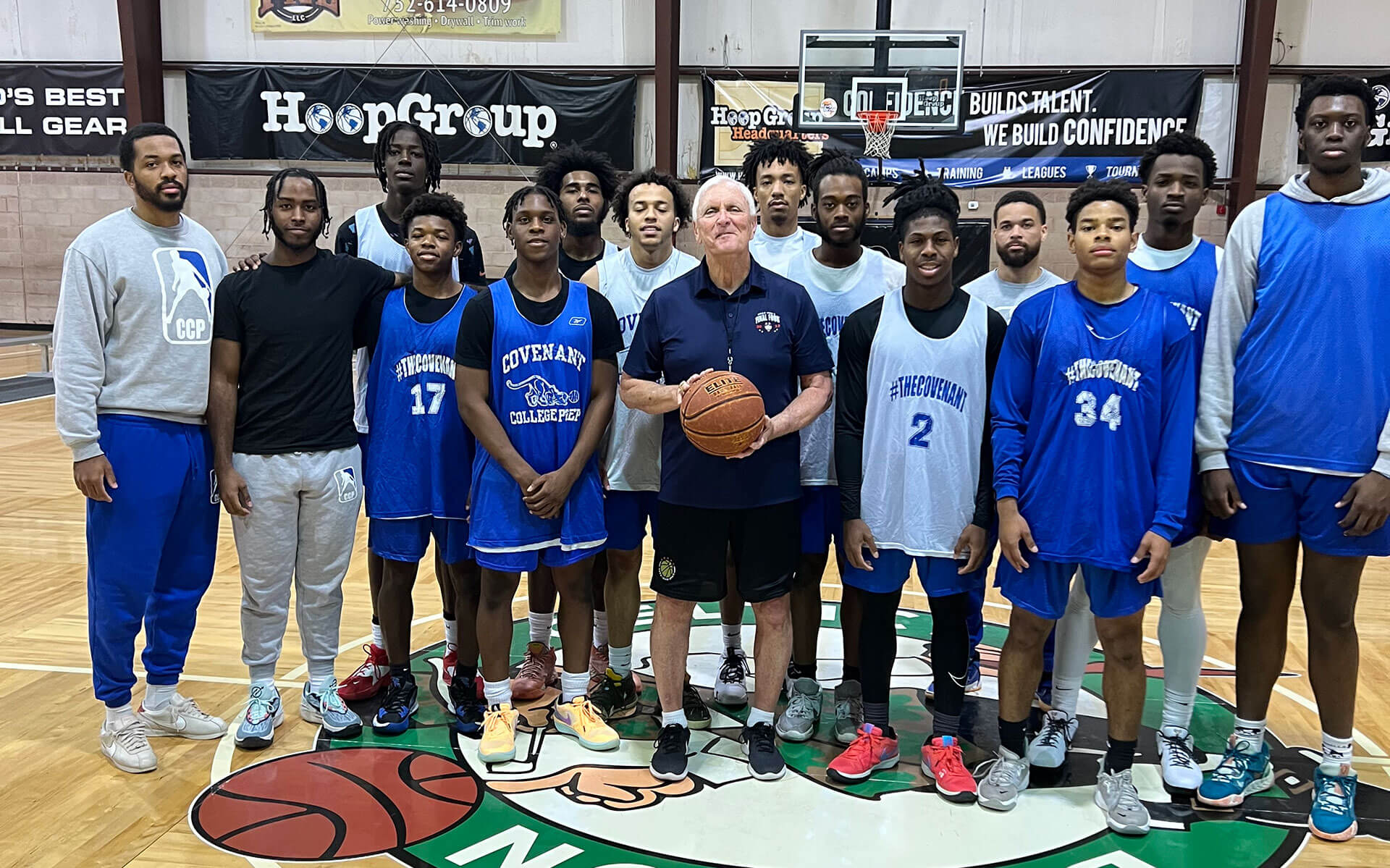
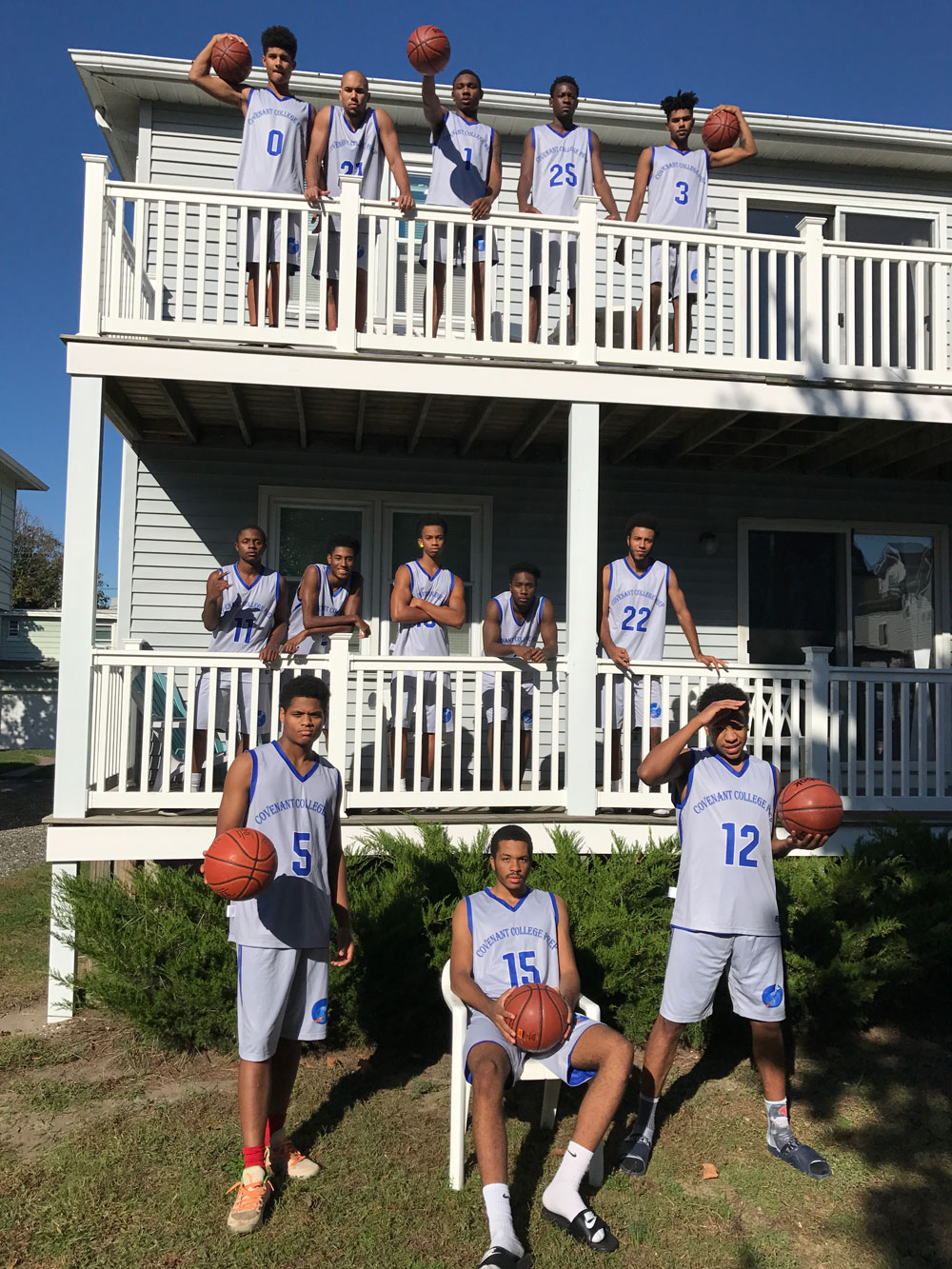
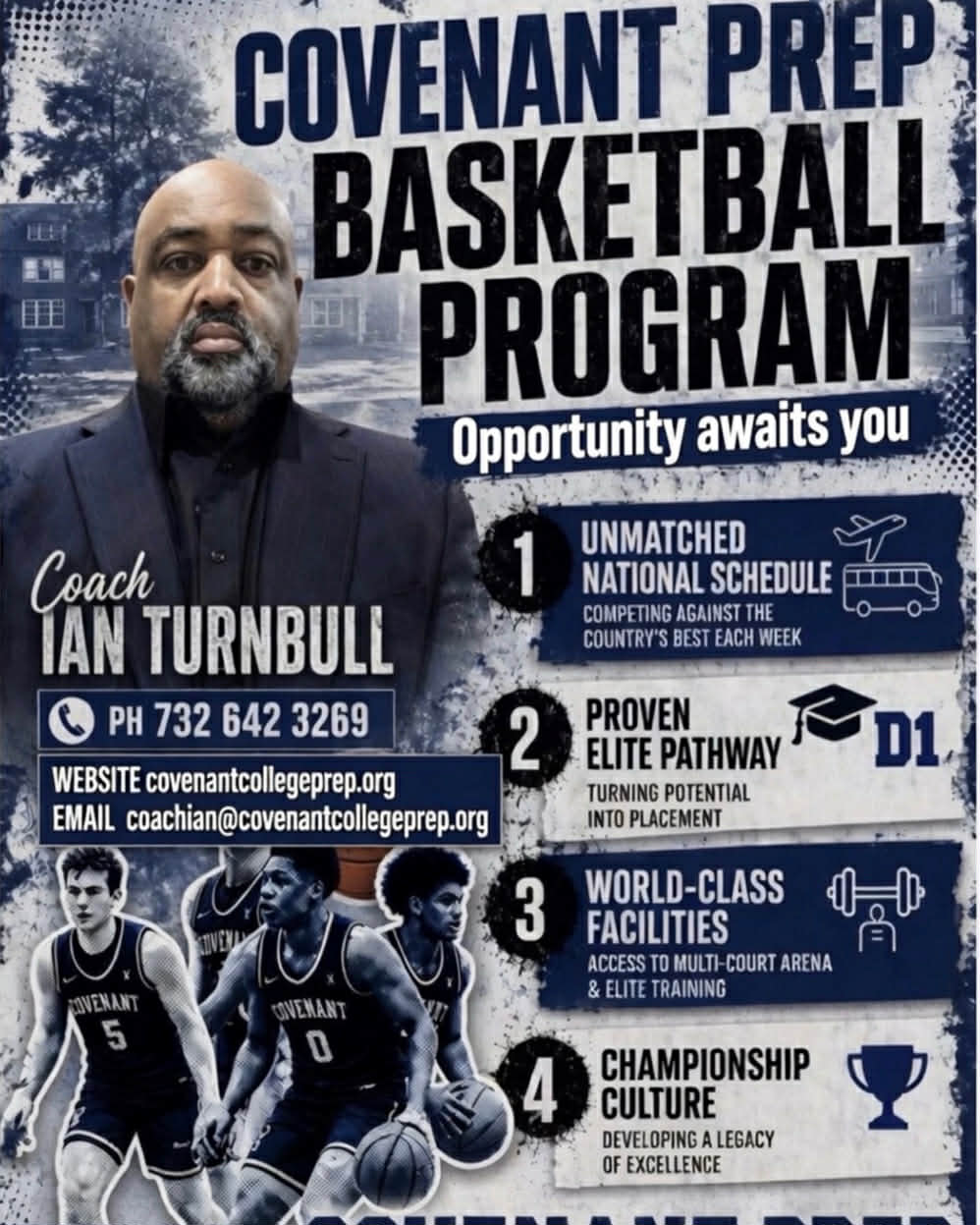
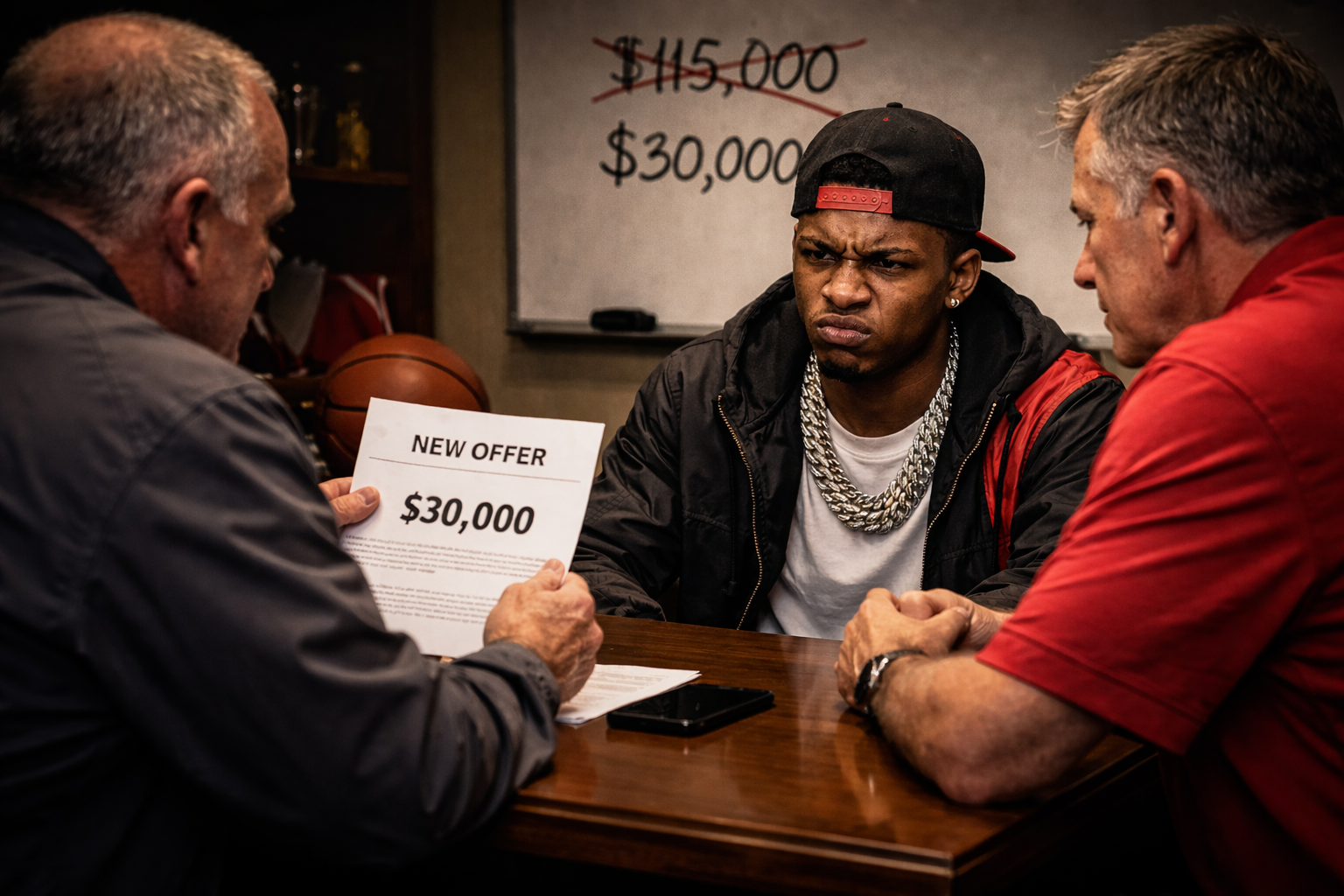
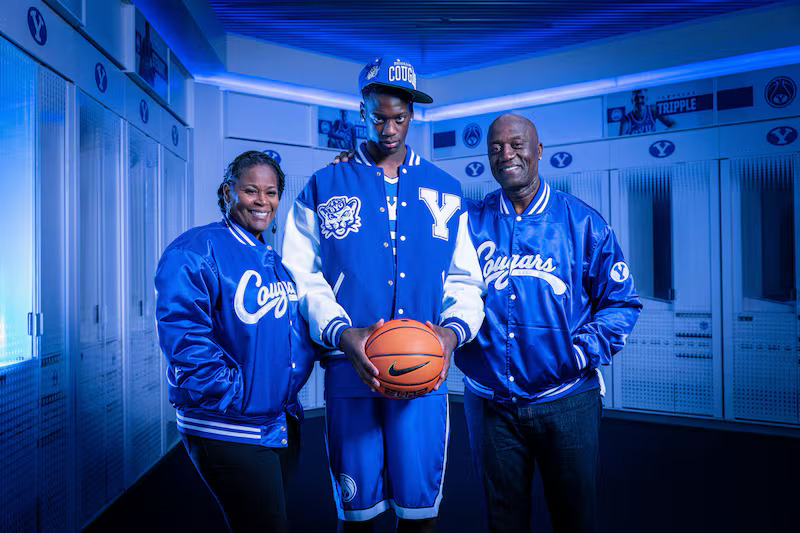
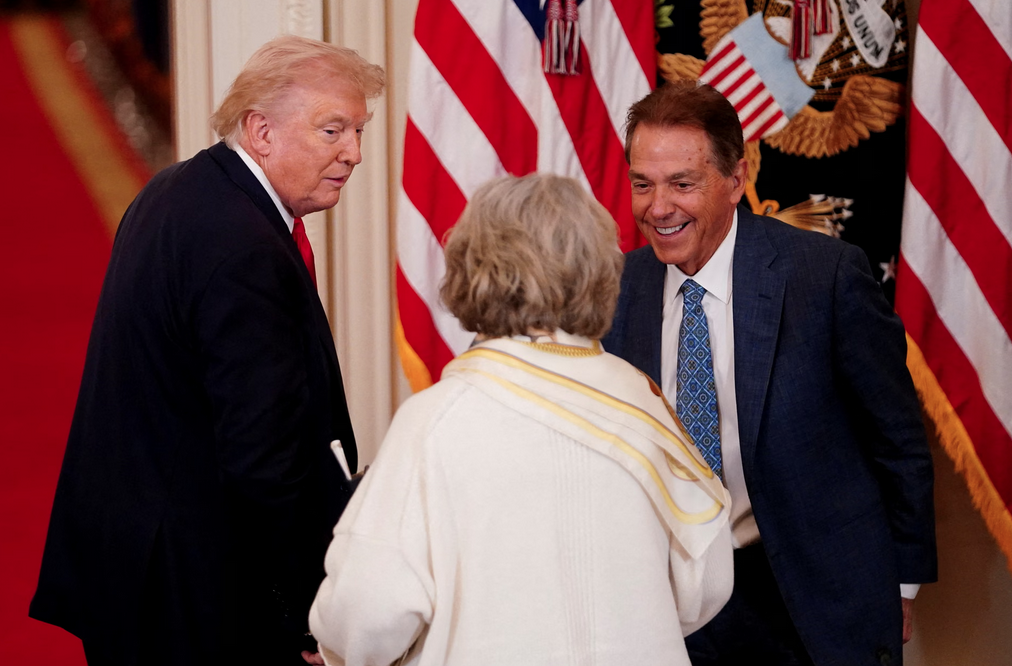
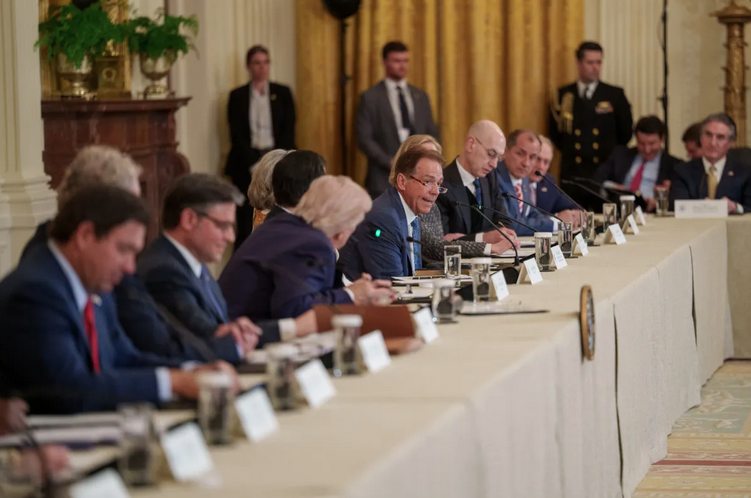
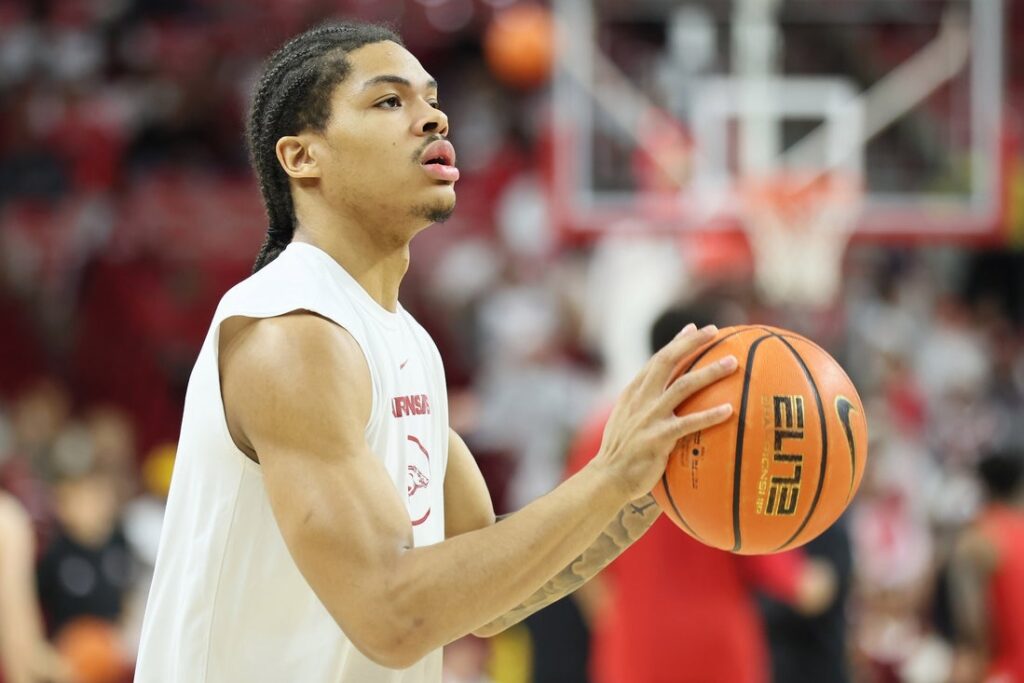
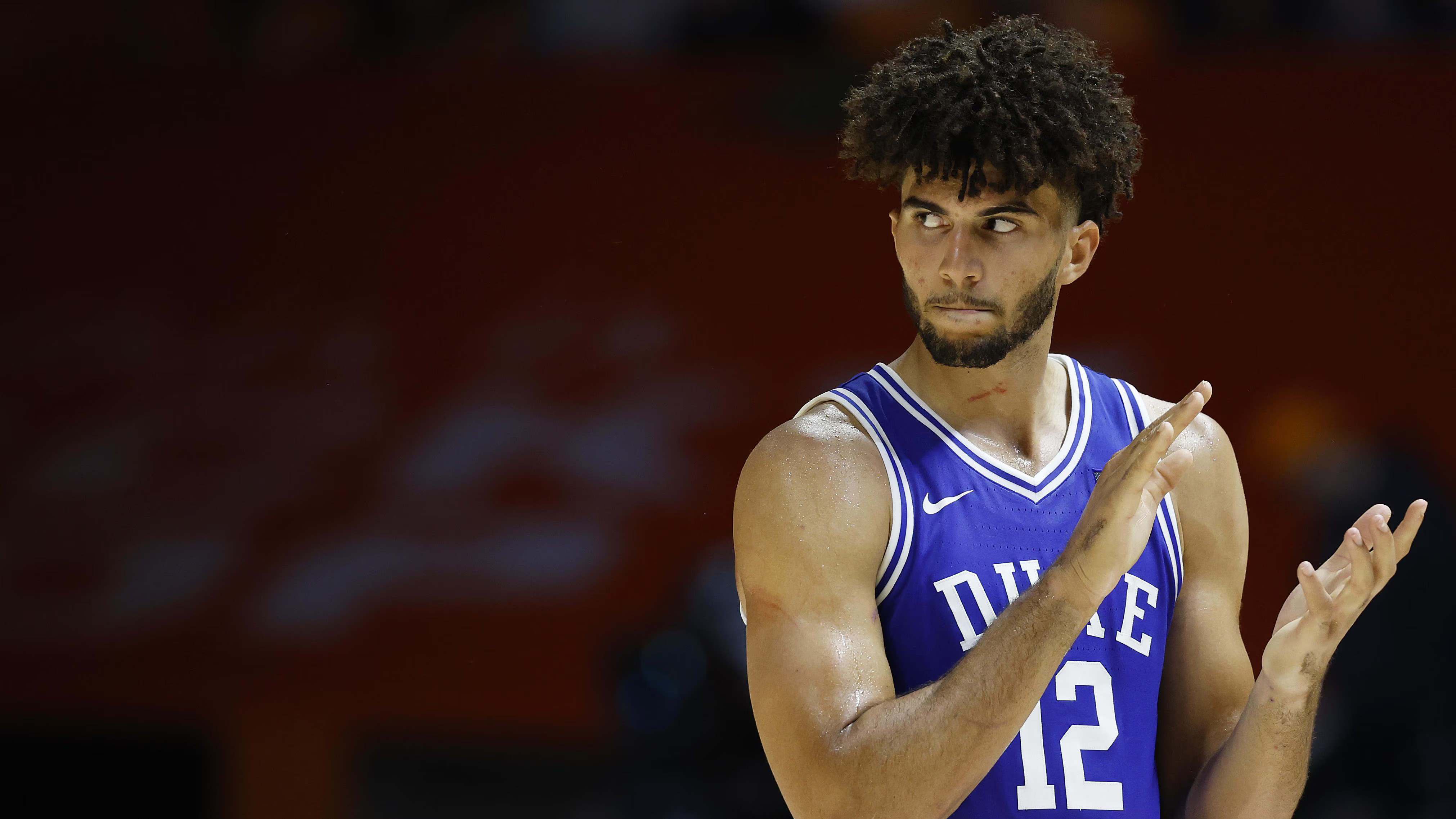
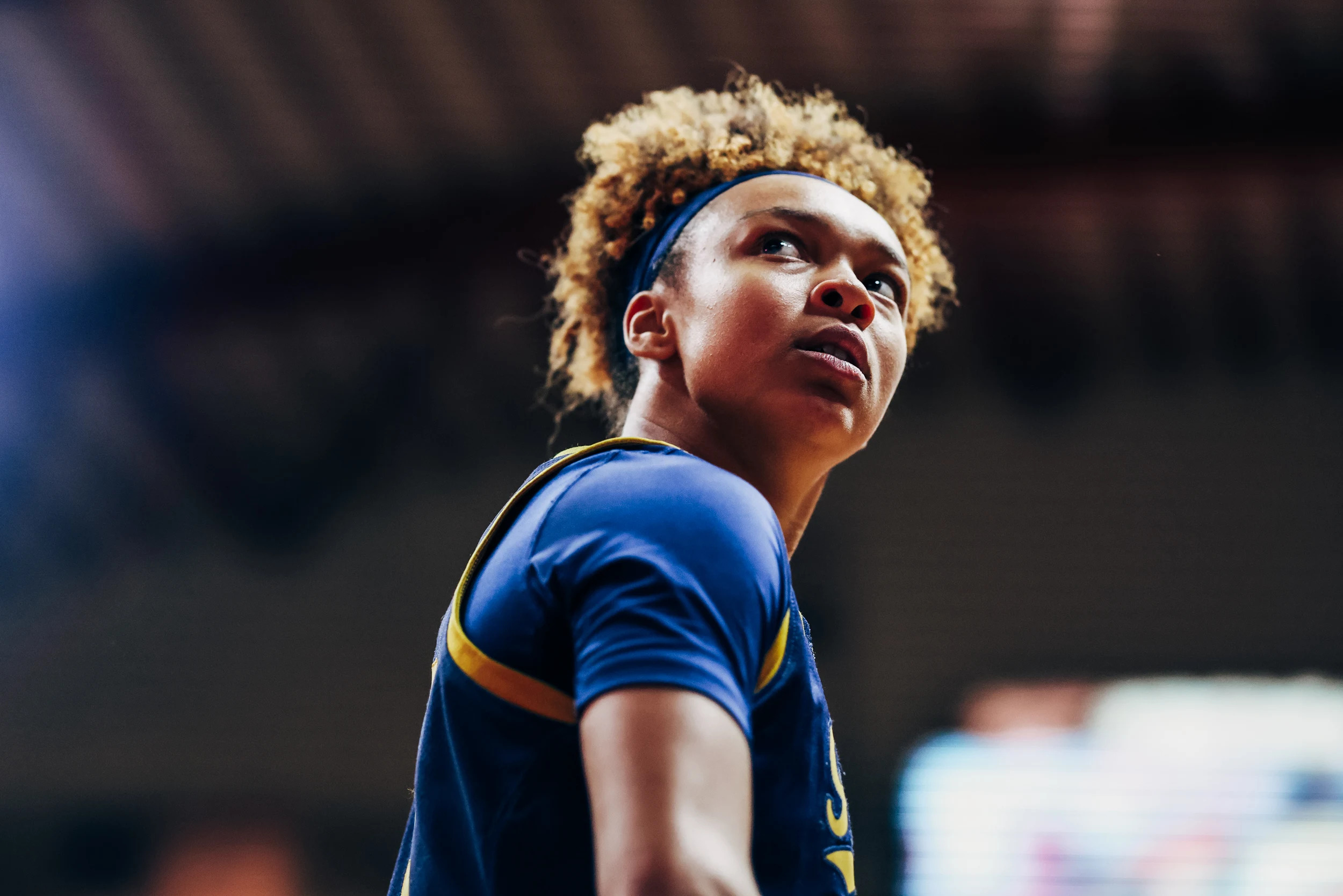
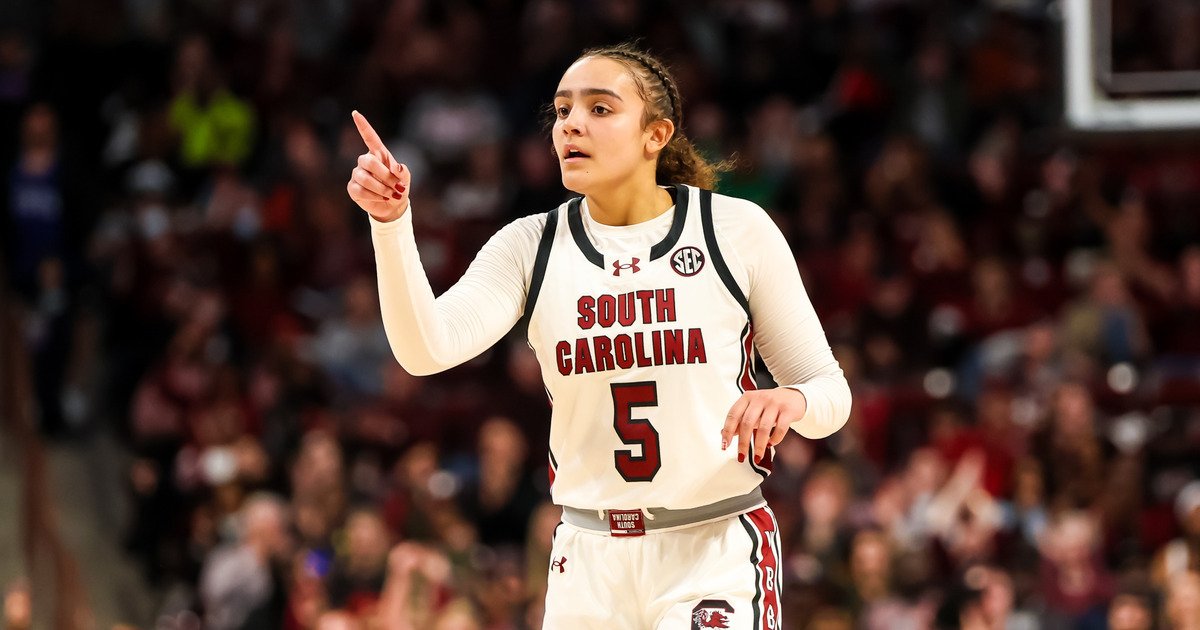
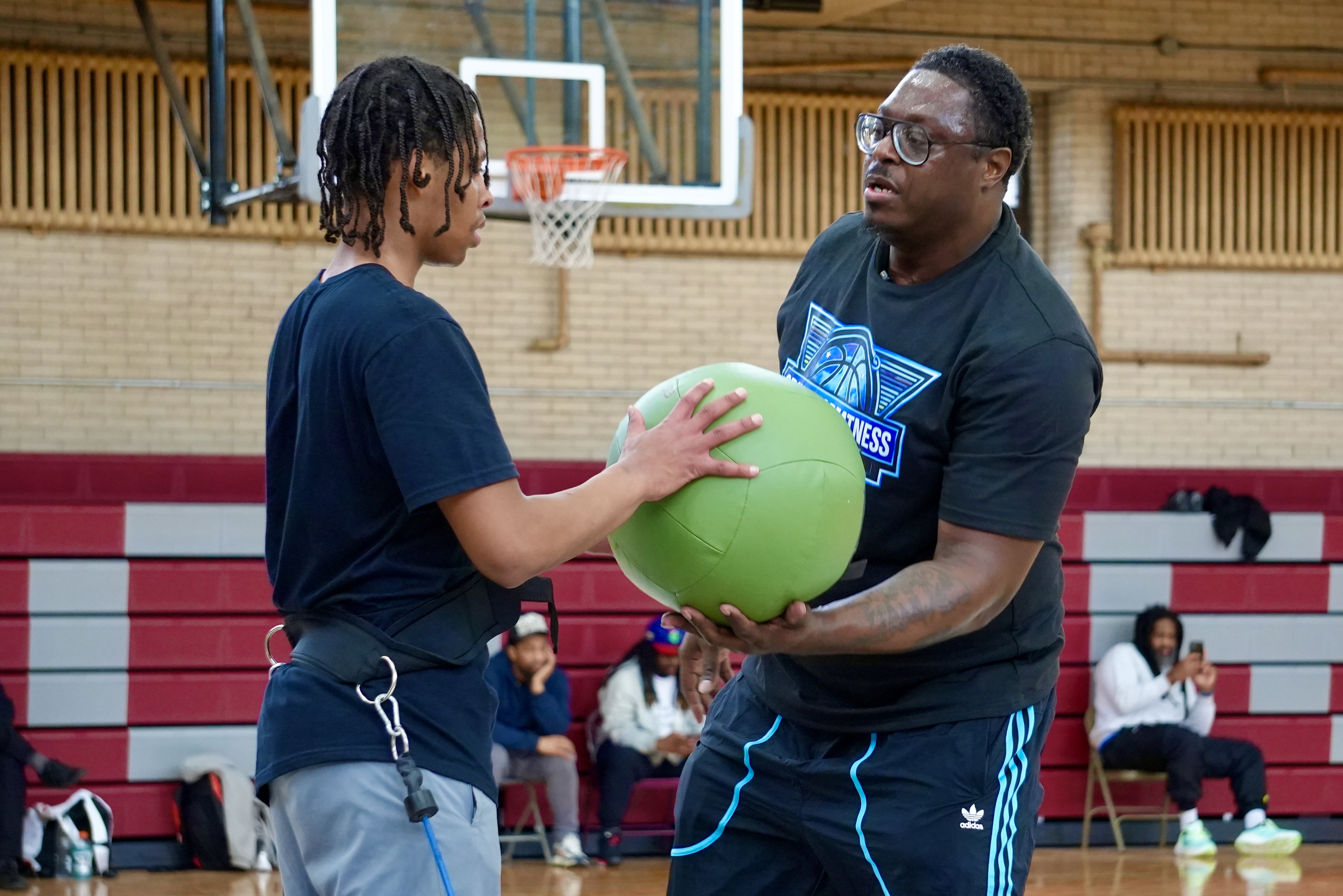
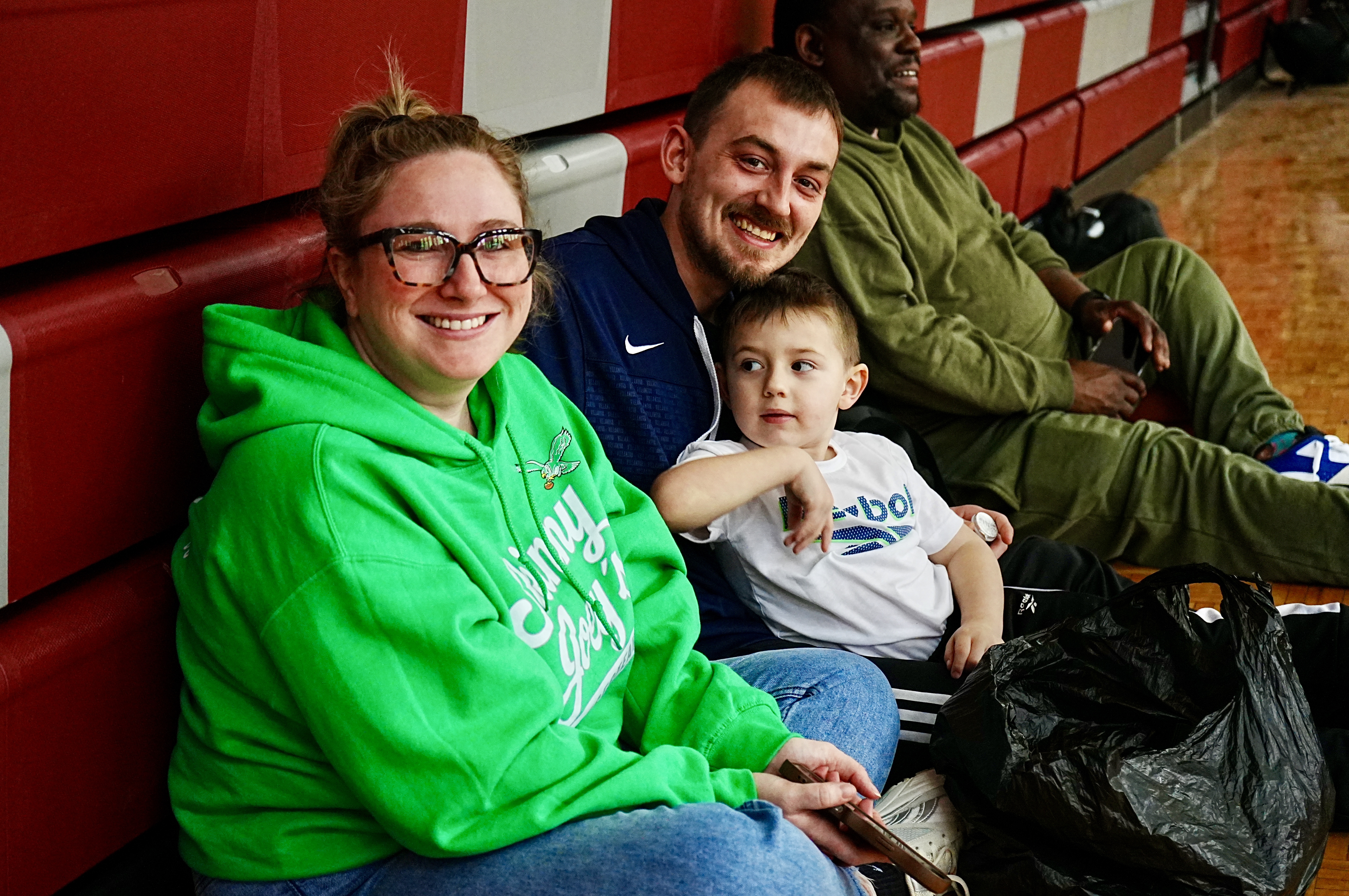
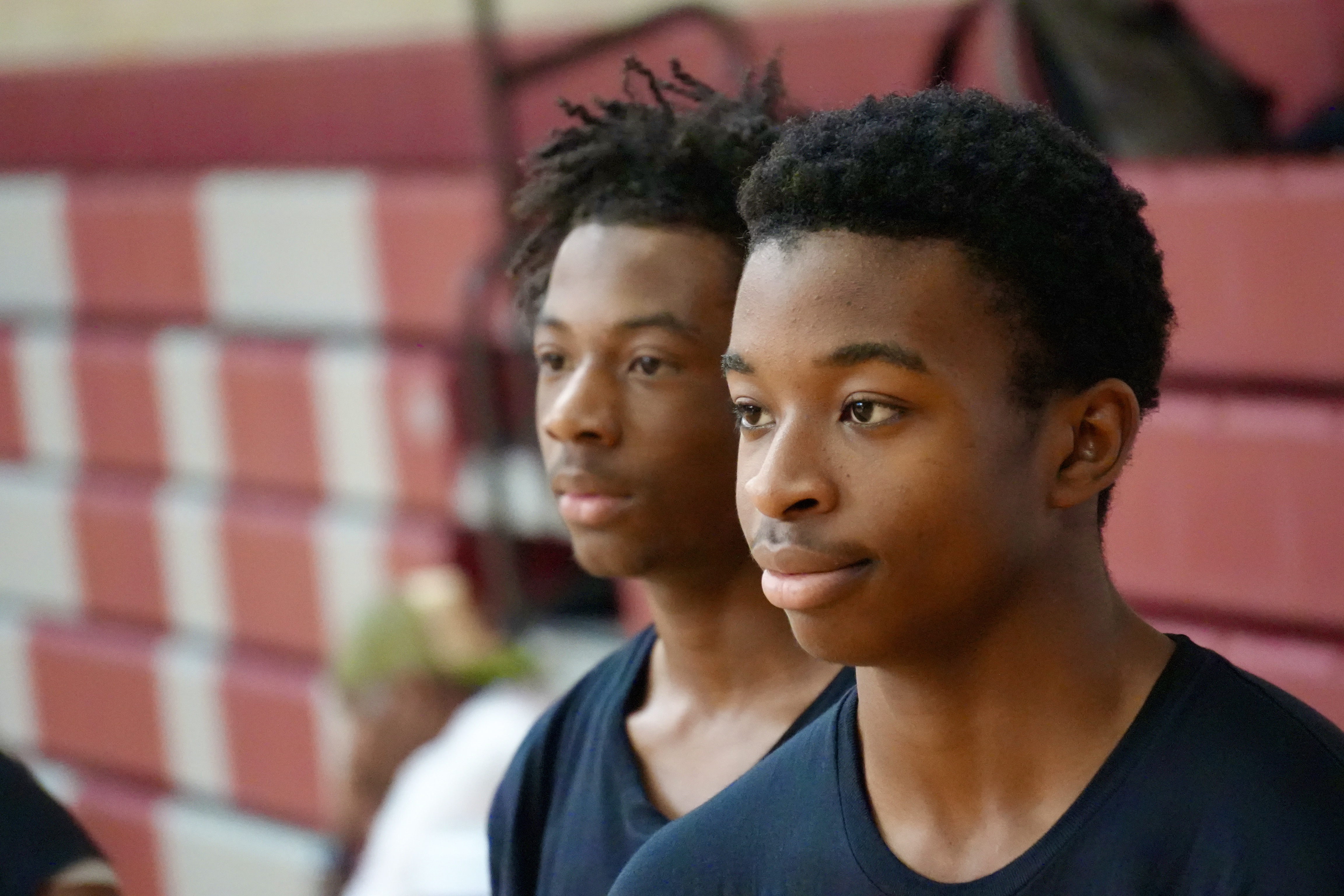

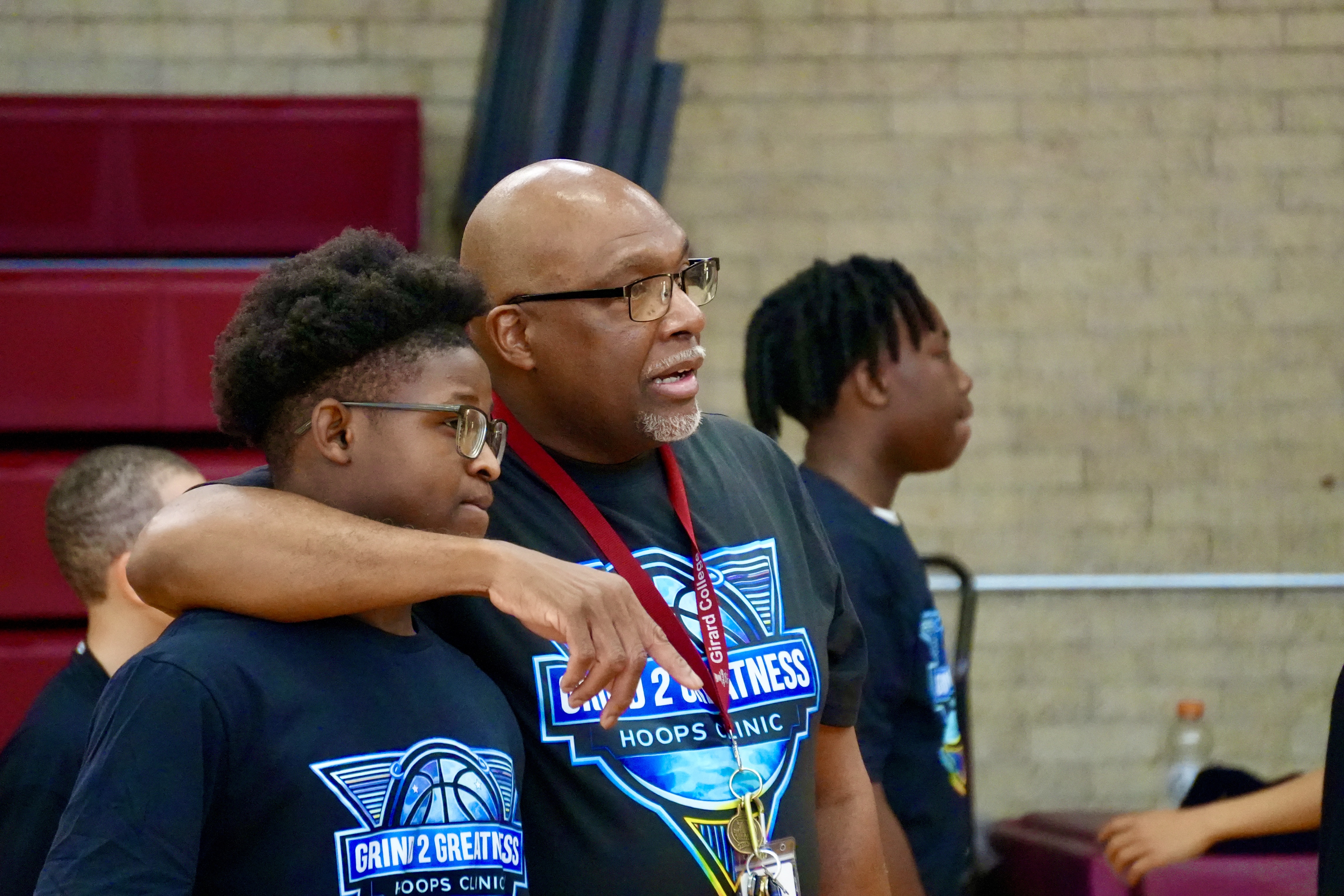
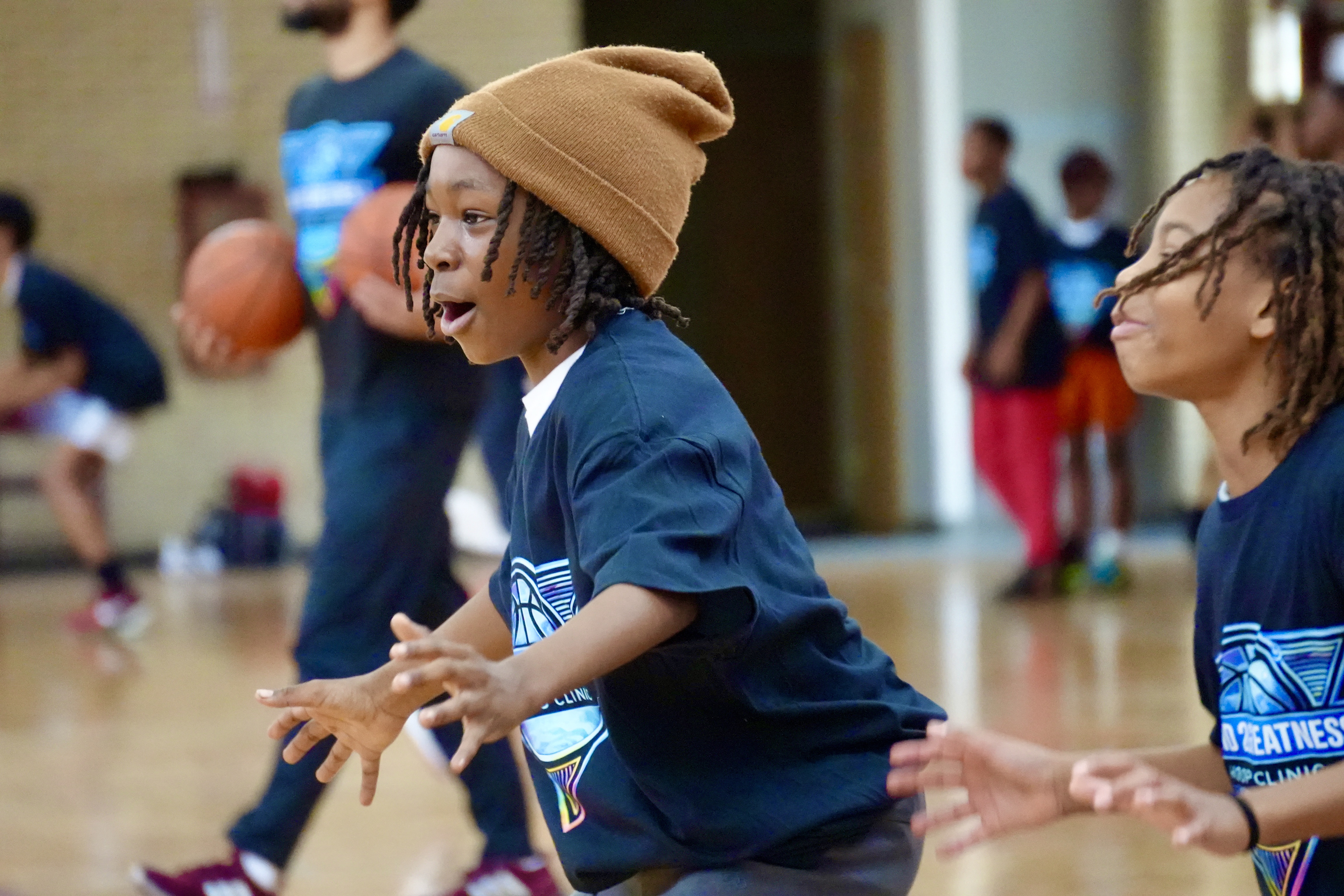
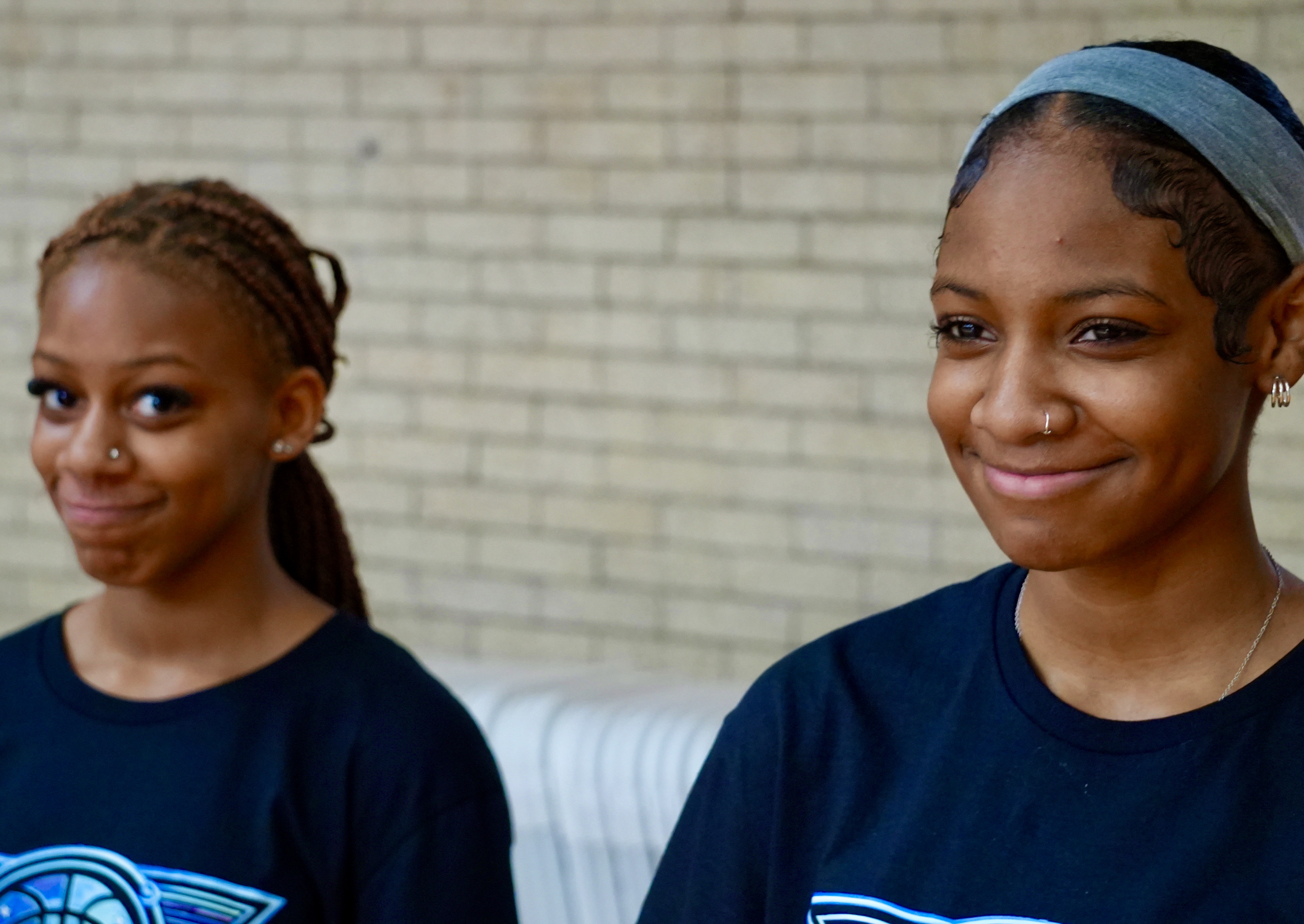
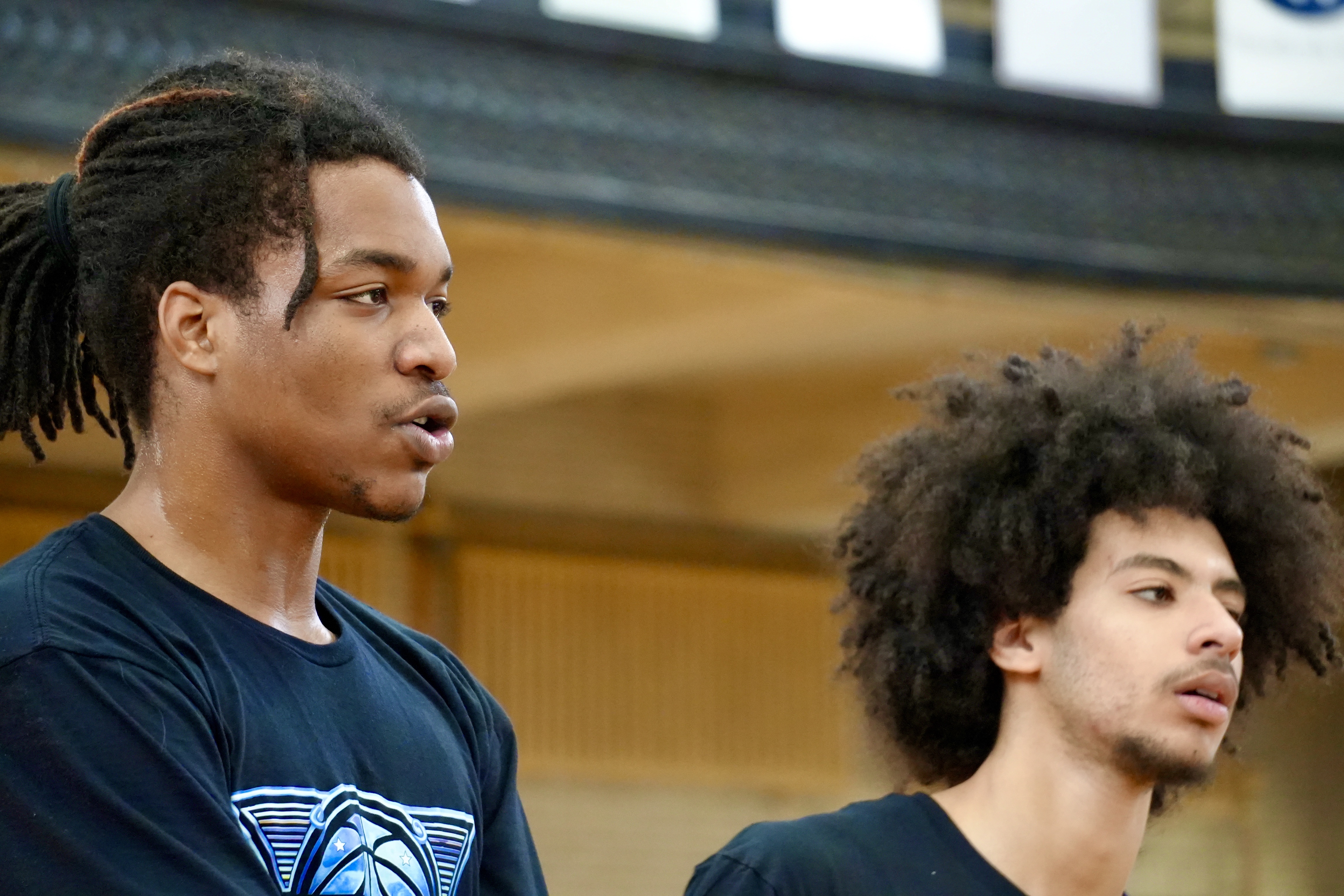
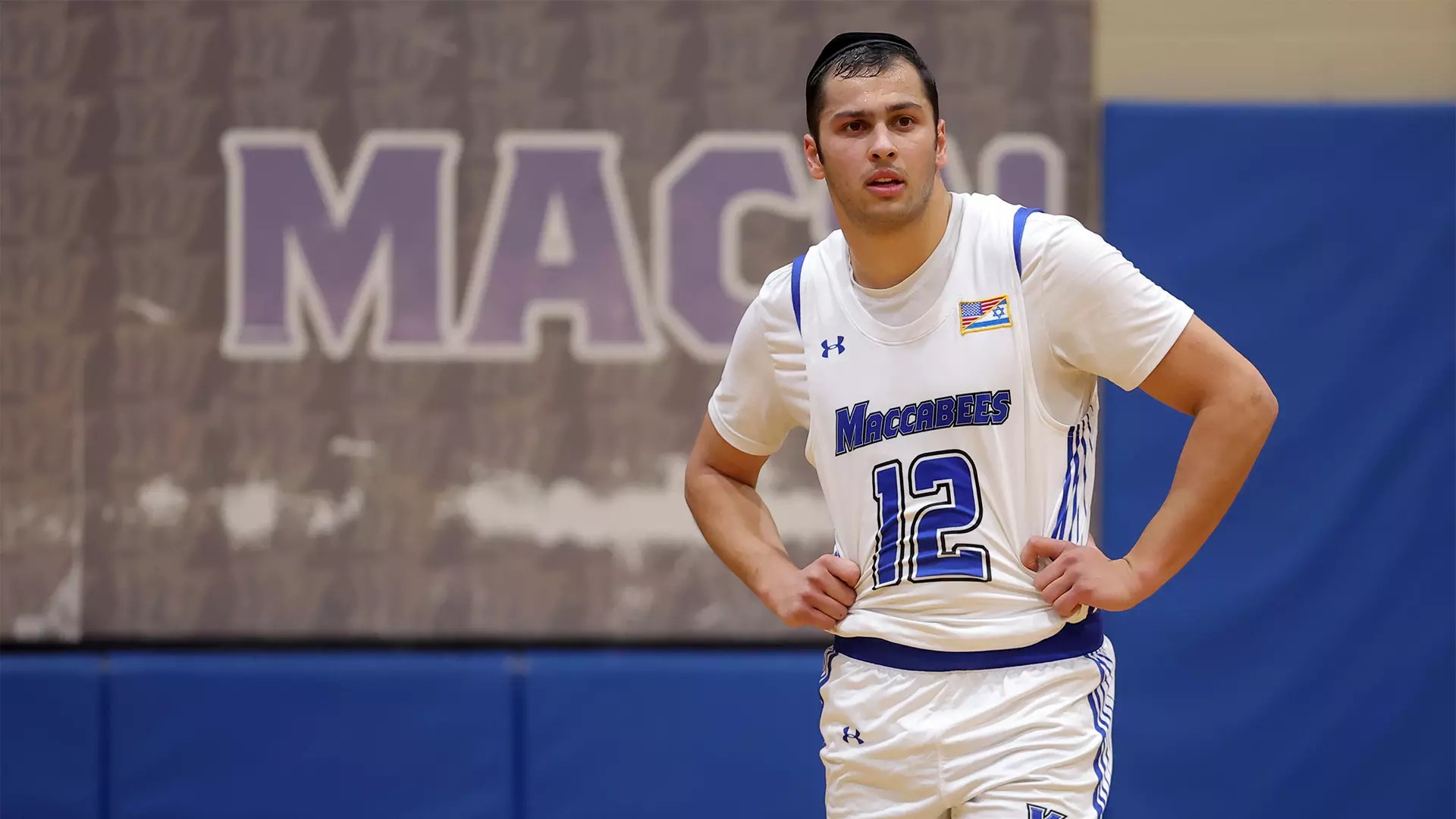
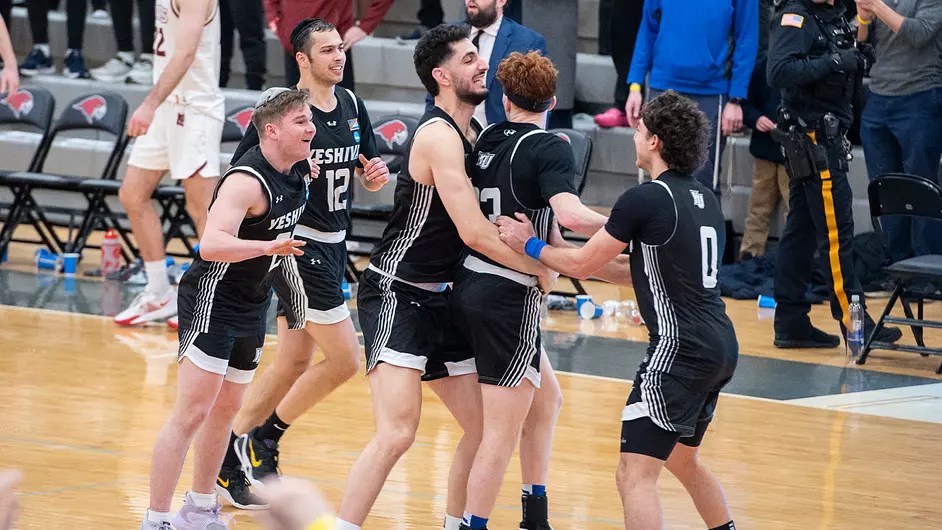
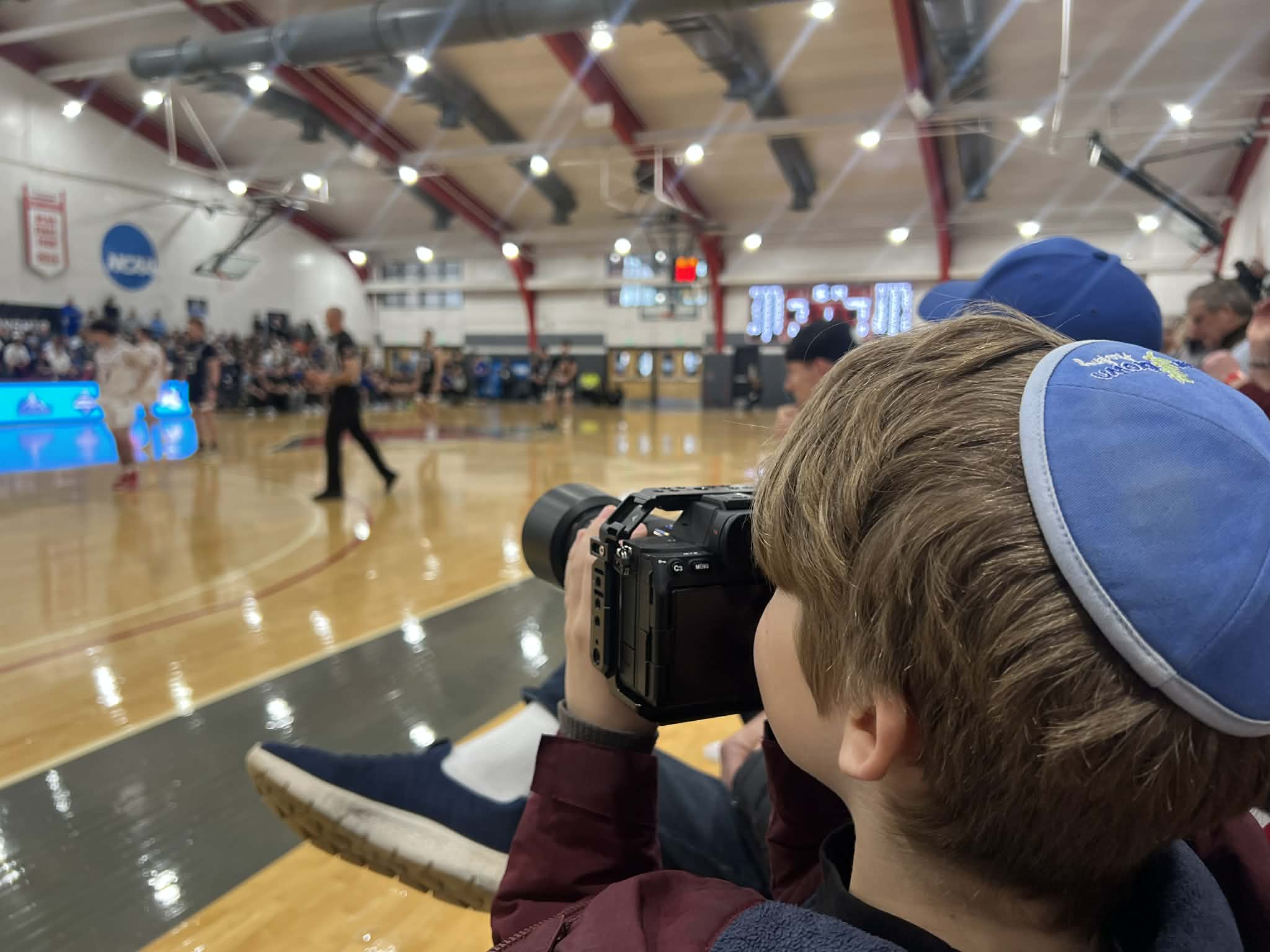
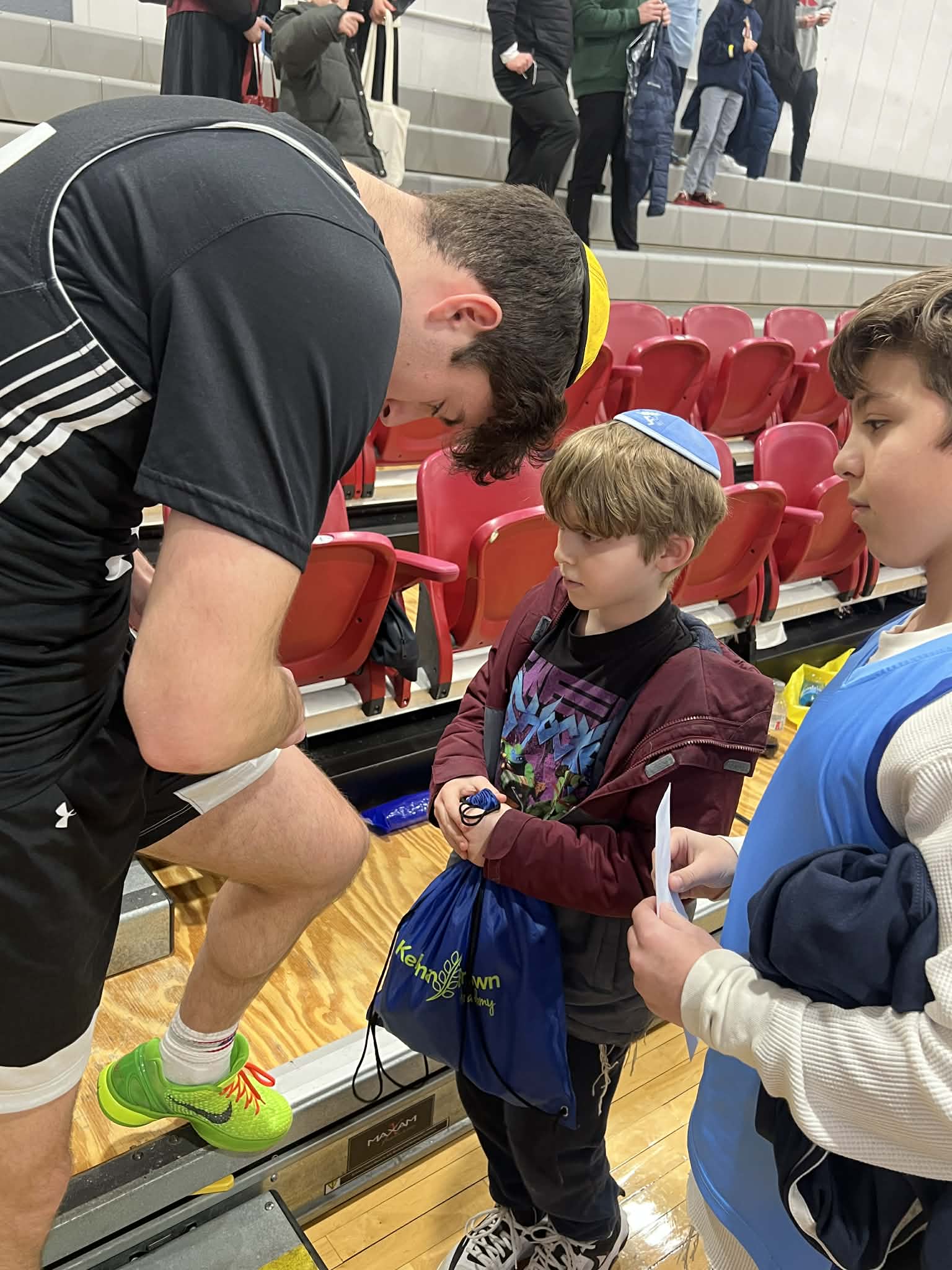
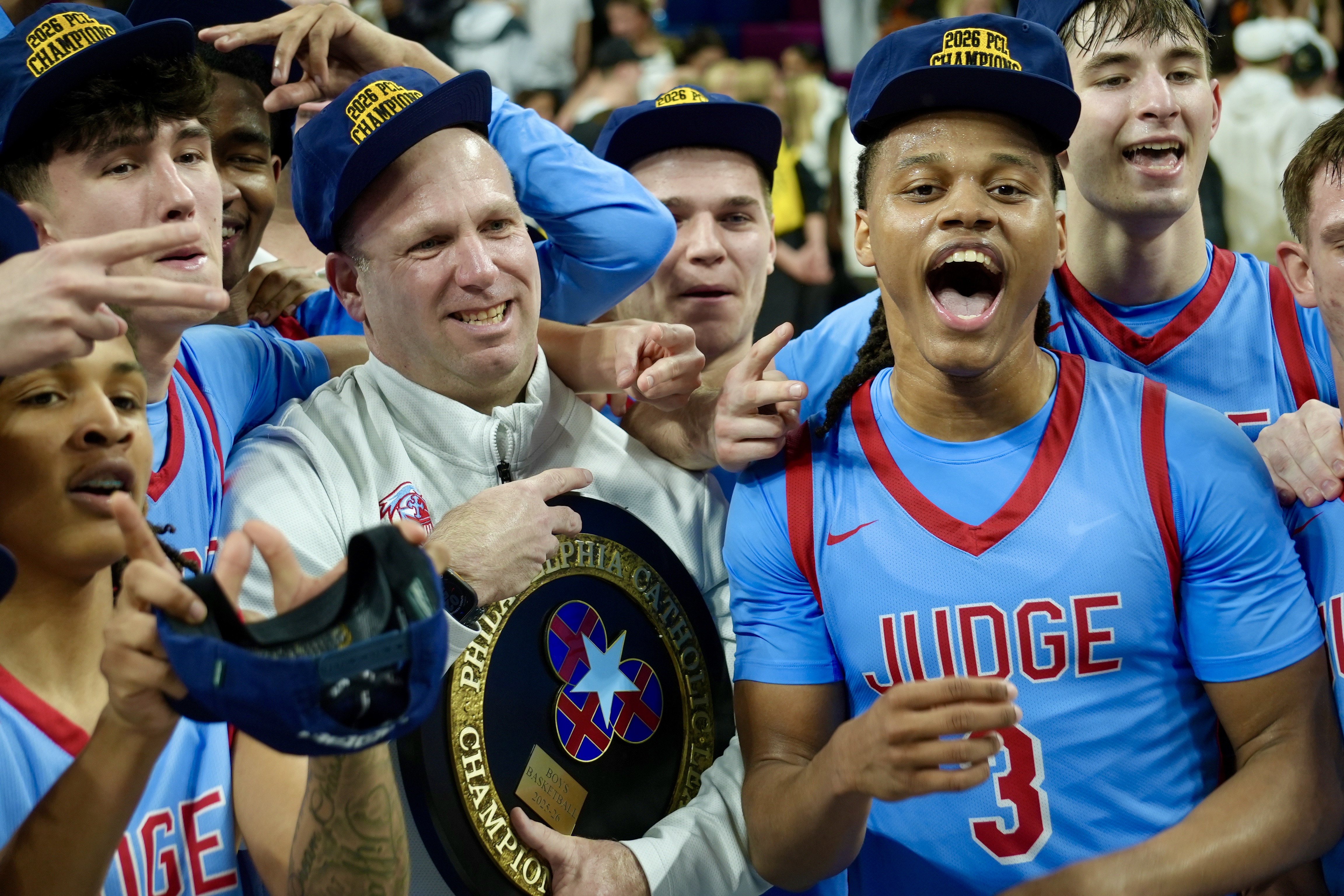
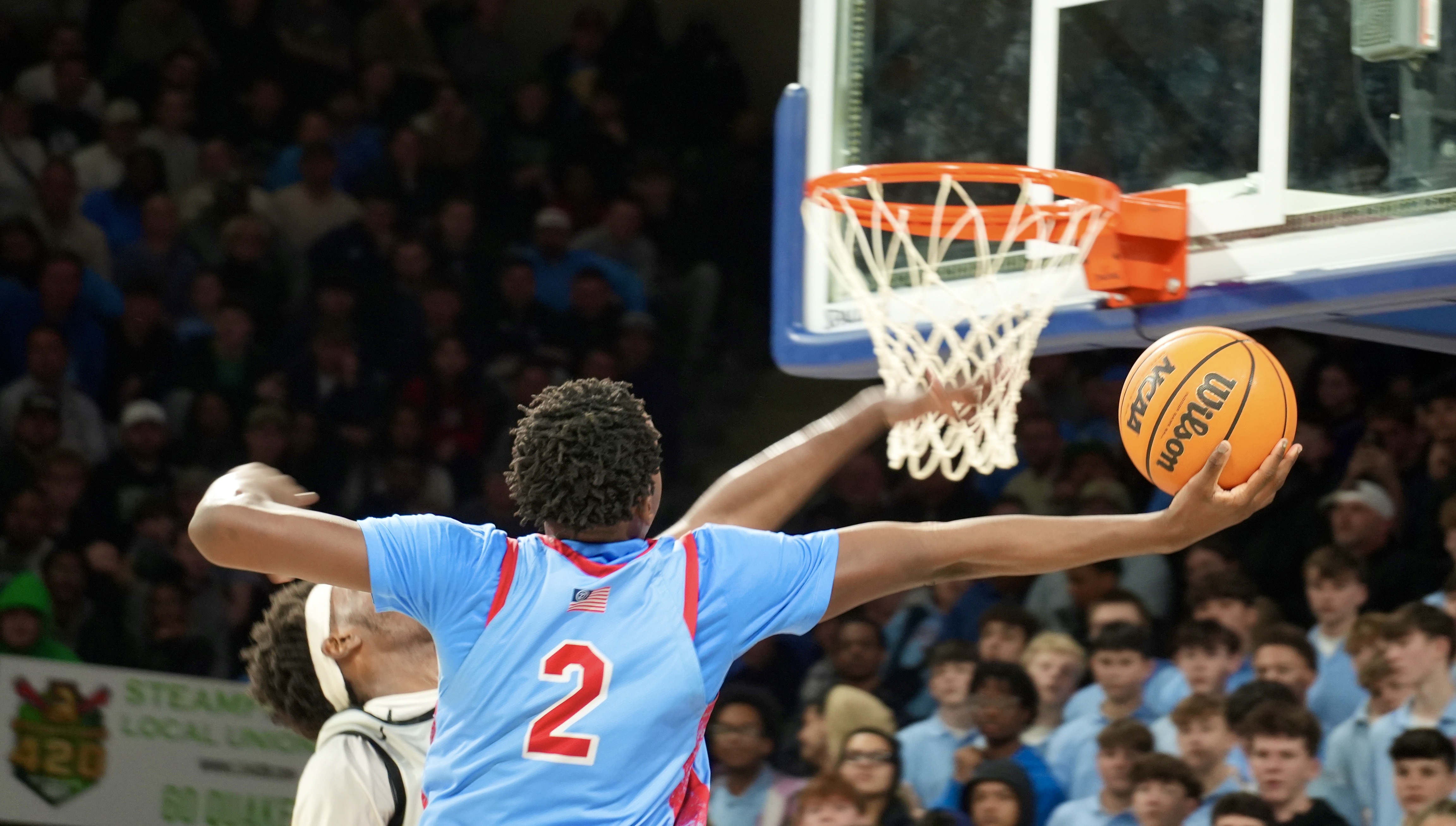
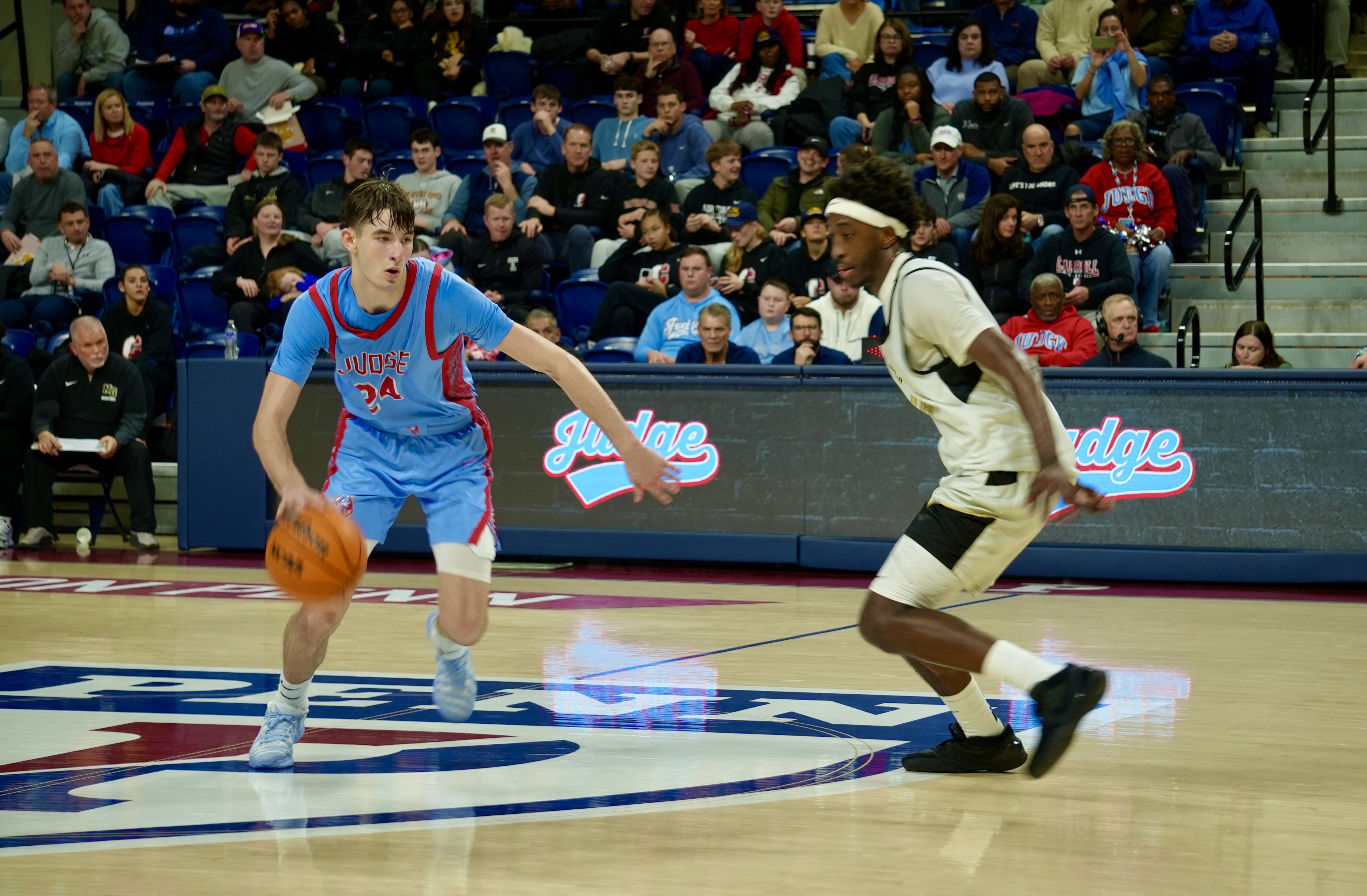
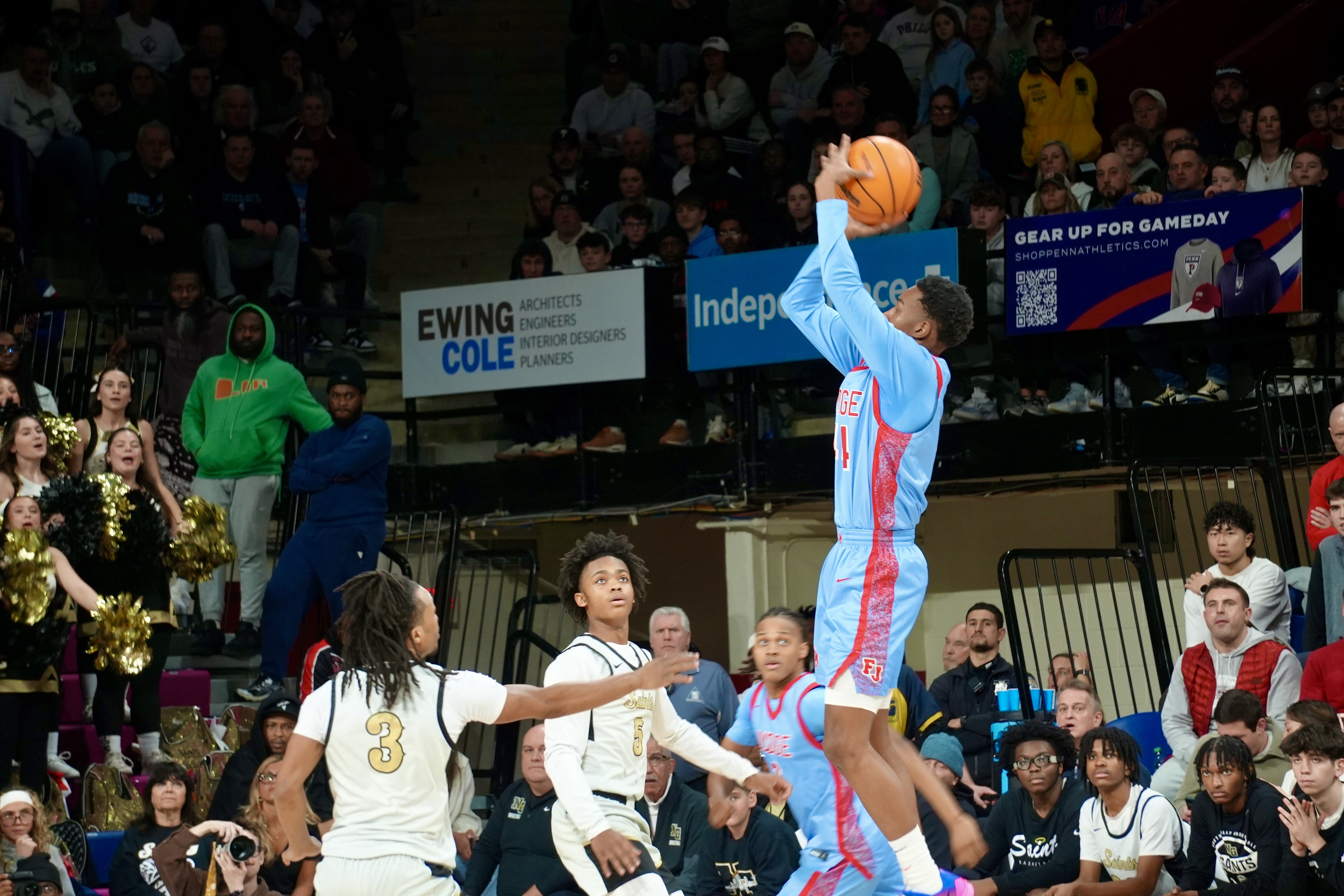
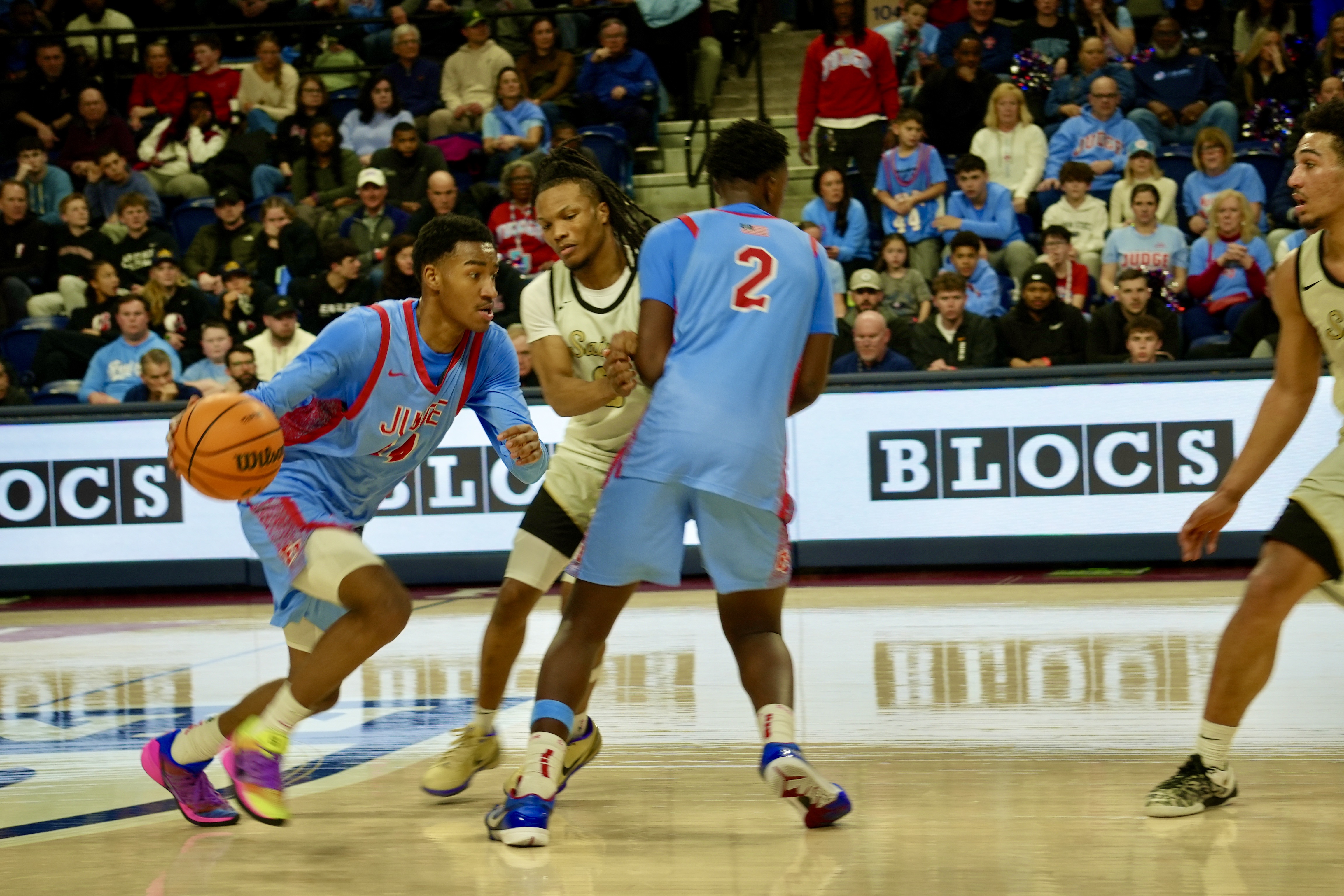
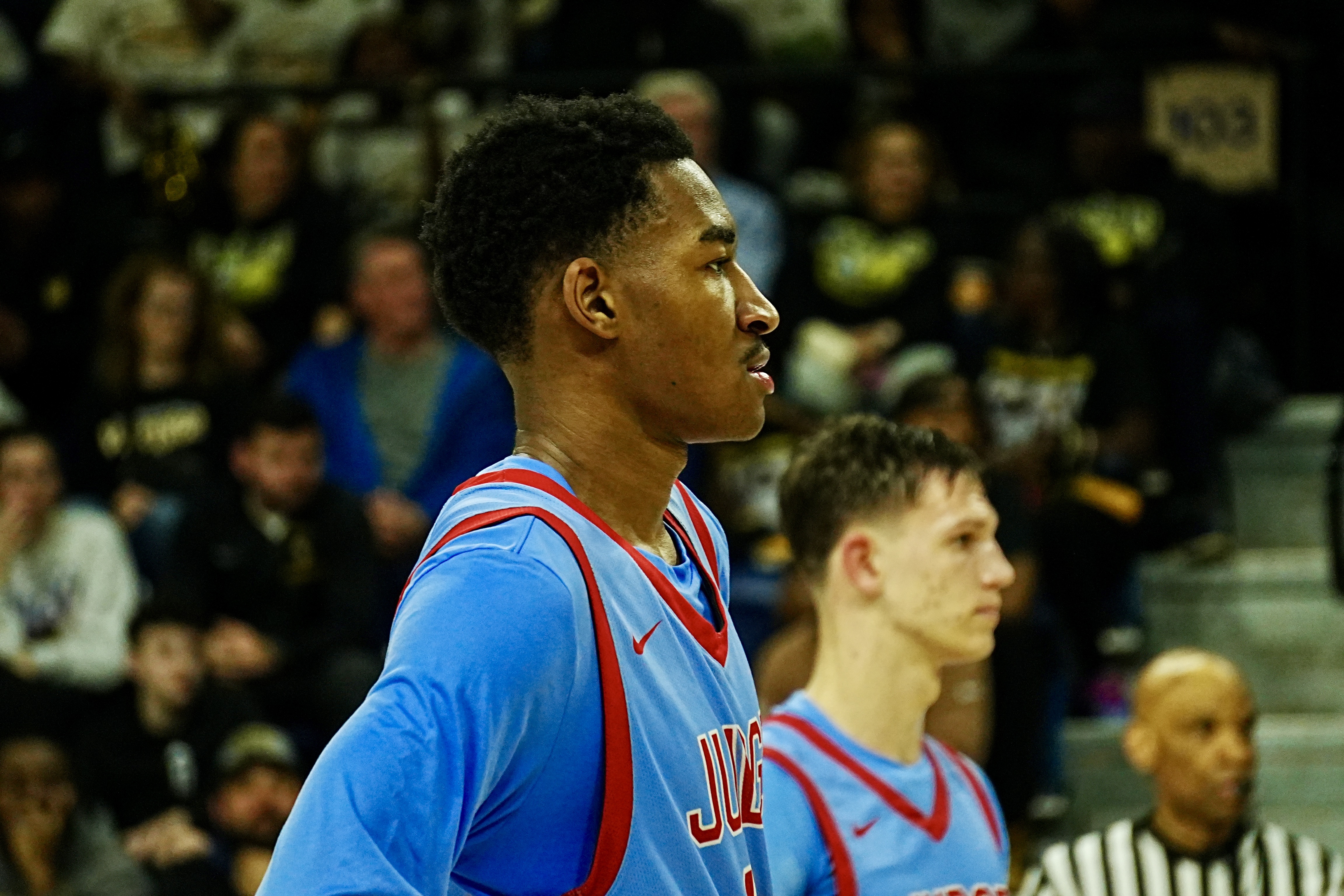
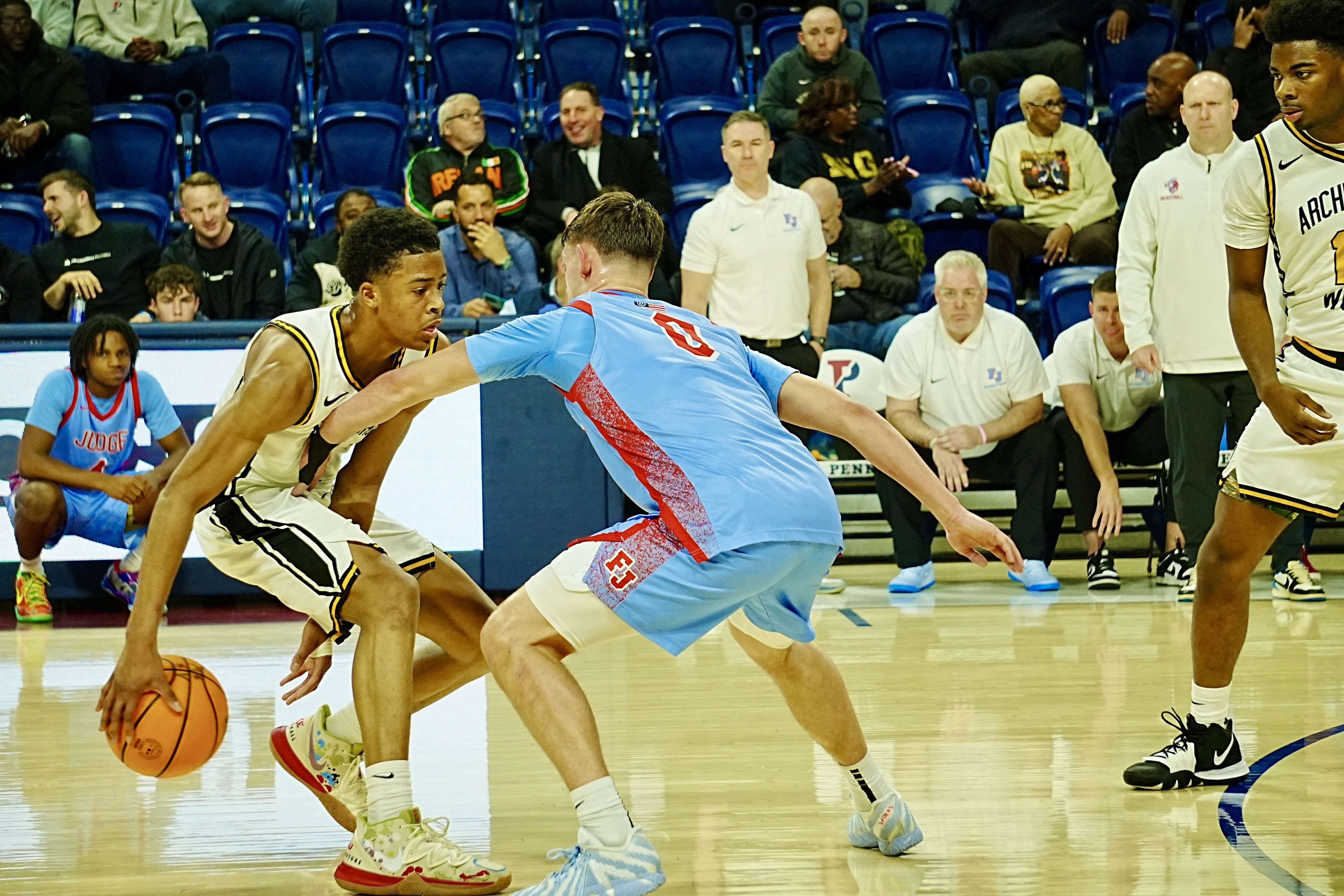
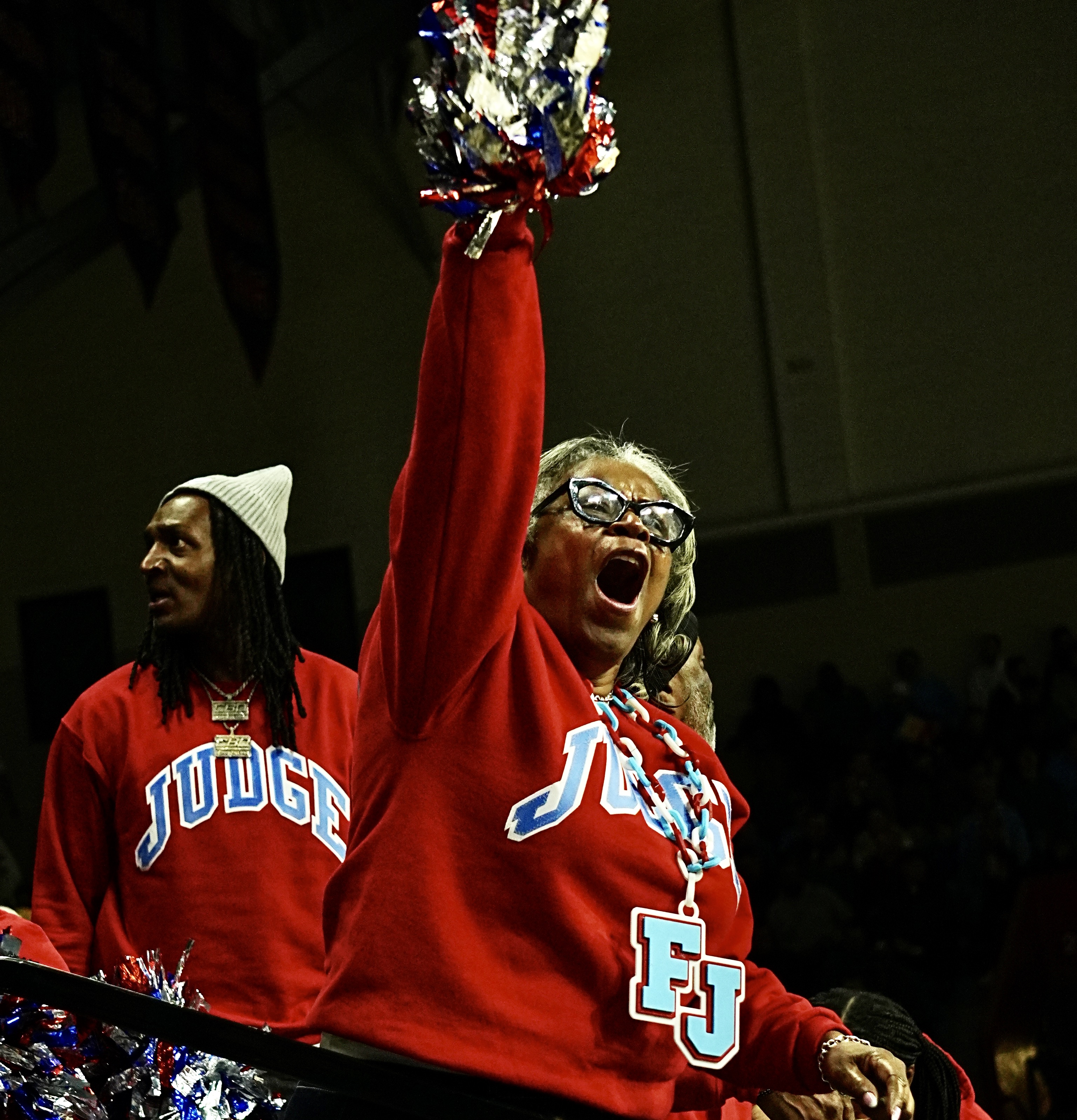
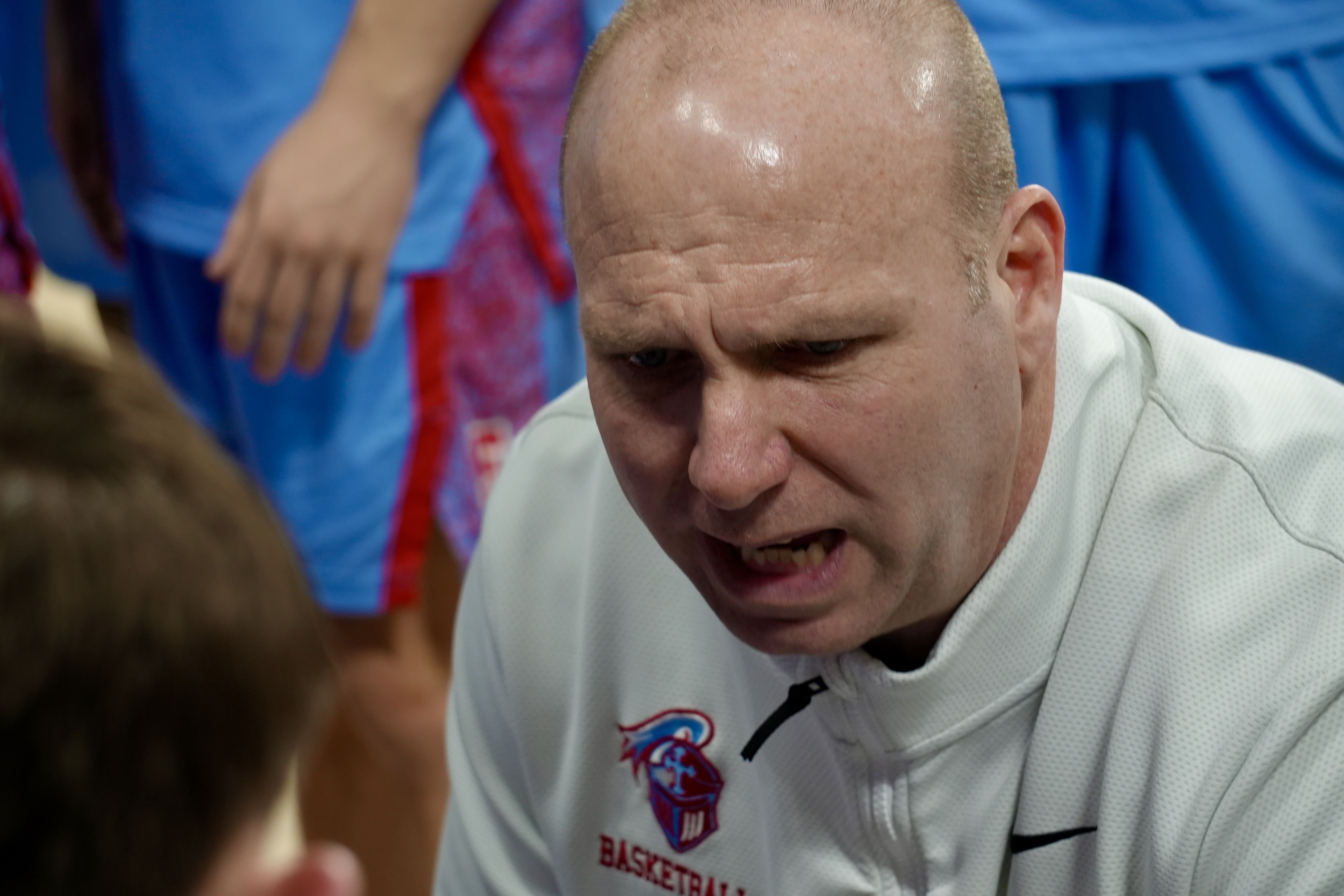
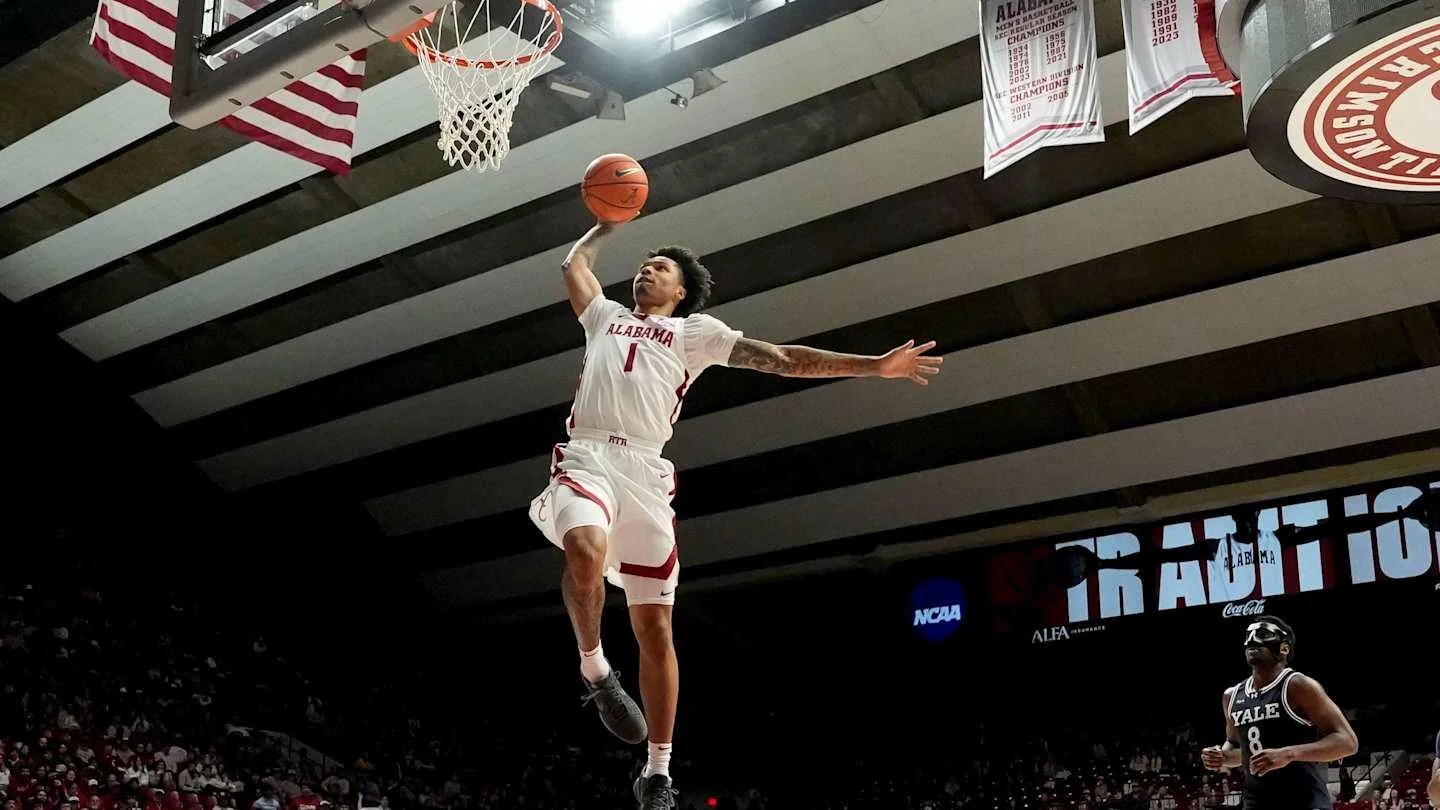
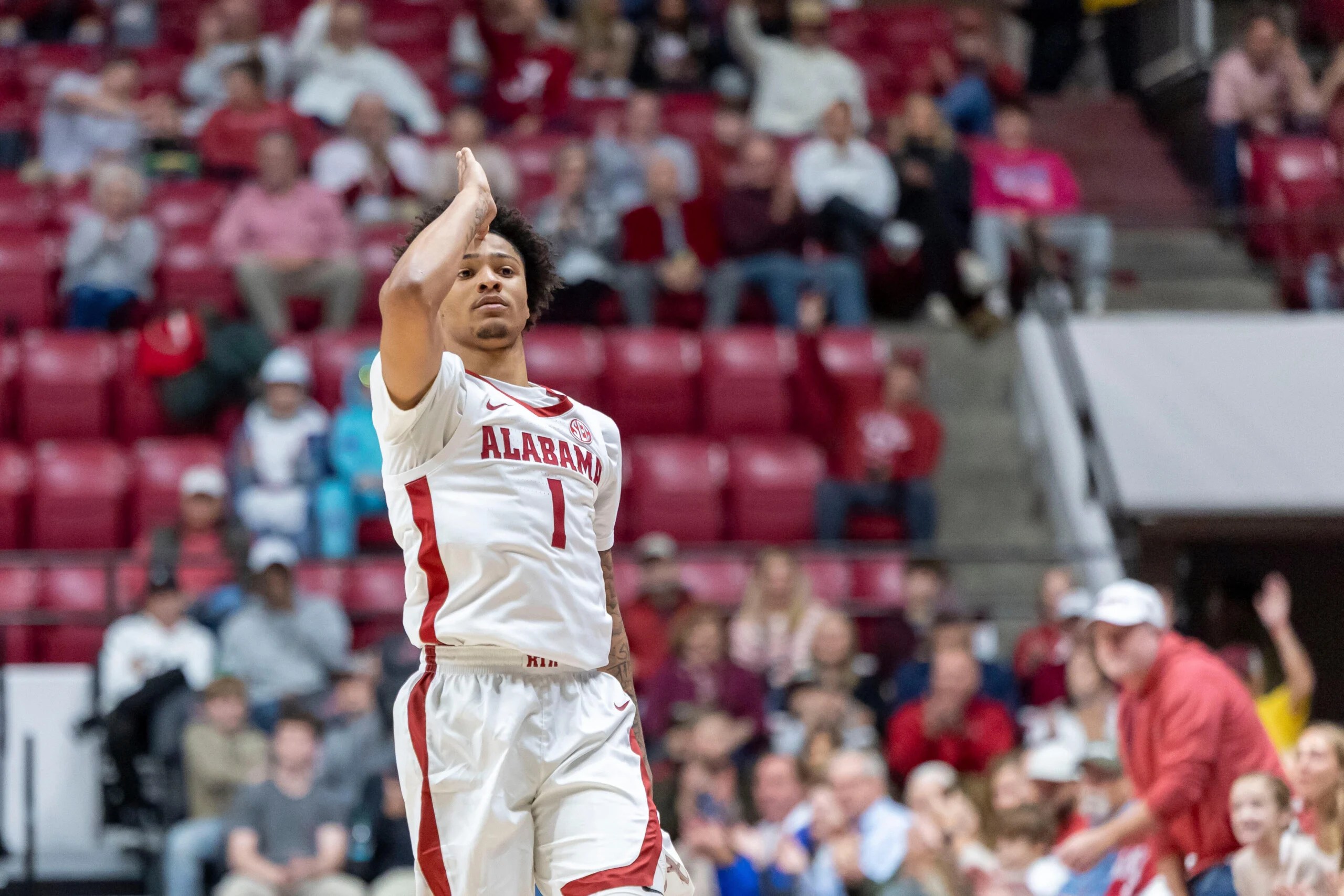

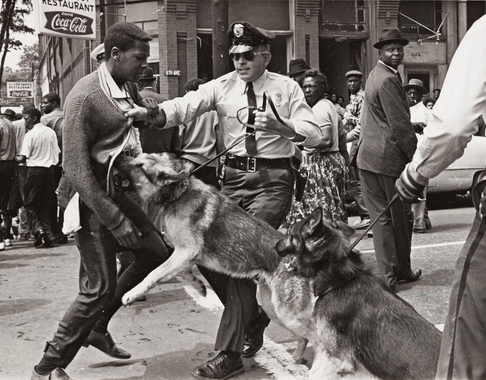

 The Black Cager