PHILADELPHIA, PA – For three long winters, a familiar silence hung over the basketball cathedrals of Philadelphia. No streamers raining from the Palestra rafters. No jubilant students rushing the court at the Finn. No knowing smiles on Hawk Hill. For the first time in the modern era, the City of Brotherly Love was exiled from of March Madness for more than 1,000 days. The Big Five, that storied confederation of basketball identity, had become an afterthought on the national stage.
Kevin Willard, Villanova
That drought ended on Selection Sunday. And as the names “Villanova” and “Penn” flashed onto the bracket, it signaled not merely a return to the fold, but a validation of a new philosophy in college athletics. Faced with the existential disruption of the transfer portal and NIL (Name, Image, and Likeness), the Presidents and athletic directors at Villanova and Penn did not simply hire basketball coaches; they hired CEOs of basketball programs. In Kevin Willard and Fran McCaffery, they found leaders whose immediate success provides a masterclass in navigating the chaotic waters of modern college sports.
The Calculus of Change
To understand the euphoria of this March, one must revisit the difficult decisions of last spring. Villanova’s decision to move on from Kyle Neptune and Penn’s separation from Steve Donahue were not indictments of their character or effort. Rather, they were strategic choices made under conditions of incomplete information, asymmetric power, and immense time pressure. In the current paradigm, a coach is no longer judged solely on x’s and o’s, but on their ability to manage a high-turnover roster, fundraise for NIL collectives, and leverage support staff with the precision of a general manager.
Both programs were not simply choosing a coach; they were seeking a return to pride for programs with strong historical traditions. They needed leaders capable of translating history into a pitch that resonates in a present where players are also employees. By any measurable standard, both hires have paid immediate, resounding dividends.
Tyler Perkins, Villanova
The Measurable Success of Kevin Willard at Villanova
In the cutthroat environment of the Big East, Villanova needed to reclaim its birthright. Kevin Willard’s first season on the Main Line is a textbook example of modern roster management fused with winning basketball.
Traditional On-Court Performance: The Wildcats are dancing. After a 3 year absence, Villanova is back in the NCAA Tournament. While the regular season had its growing pains, the team peaked at the right time, demonstrating the coaching acumen necessary to win in March.
Recruiting & Roster Management: Willard inherited a program in flux. His immediate success in the transfer portal was staggering. He didn’t just fill gaps; he retooled the engine, securing high-impact players who bought into his system immediately. This ability to “re-recruit” his own roster while acquiring proven talent is the hallmark of a modern coach who understands the portal is not a threat, but a resource.
Adaptability to Modern Landscape: Willard arrived with a clear understanding that fundraising is coaching. He engaged the Villanova donor base, ensuring the NIL infrastructure could compete with the blue bloods of the sport.
Fran McCaffery, Penn
The Renaissance of Fran McCaffery at Penn
While Villanova fights in the gladiator arena of high-major basketball, Penn’s success is arguably a more delicate engineering feat. Coaching in the Ivy League requires adhering to strict academic standards and operating without the scholarship flexibility of the power conferences. Fran McCaffery has navigated these constraints with the savvy of a veteran diplomat.
Traditional On-Court Performance: The Quakers are Ivy League Champions. They cut down the nets. This is the ultimate metric. McCaffery took a program that had stagnated and immediately instilled a winning DNA, capturing the conference’s automatic bid.
Program Leadership & Culture: In the Ivy League, you cannot simply “portal” your way to a title. You must develop players over four years. McCaffery has a legendary reputation for player development. He inherited a roster and immediately improved its synergy, blending the returning talent with his system to create a cohesive unit that played with a chemistry absent in recent years. He restored the standard of Penn Basketball: excellence.
Budget Management & Adaptability: The Ivy League presents a unique challenge in the NIL era—namely, that it doesn’t exist in the same way. McCaffery’s success lies in selling a different kind of value: the value of an Ivy League degree combined with high-major coaching. He is winning the recruiting battles not with cash, but with culture and a vision, proving that adaptability sometimes means knowing how to win with the tools unique to your workshop.
TJ Power, Pennsylvania
A City’s Pride Restored
The return of Villanova and Penn to the NCAA Tournament is more than a statistical correction; it is a cultural revival. The “Holy City of Hoops” has its altars lit once more.
By moving on from the past, both programs embraced a future that demands versatility. Kevin Willard proved he could handle the mercenary nature of the Big East, while Fran McCaffery proved he could galvanize the scholar-athletes of the Ivy League. They represent two sides of the same coin: success in the 21st-century college game requires a coach who is part X’s and O’s savant, part general manager, and part fundraiser.
As the brackets are filled out in corner bars from Manayunk to Media, the names “Nova” and “Penn” are written in ink with hope. The drought is over. The strategic gambles paid off. And in Philadelphia, that is worth celebrating—because in this town, basketball isn’t just a game. It’s a birthright.
PHILADELPHIA, PA – There is a moment in early March, long before the office pools are printed and the talking heads begin their dissection of the regional finals, when a hush falls over mid-major arenas and Power Six conference halls alike. It is the moment when a team that has spent the entire season laboring in the middle of its league standings suddenly realizes that the previous four months no longer matter. The conference tournament has arrived, and with it, the last remaining path to salvation.
This is where March Madness truly begins.
For all the justifiable fanfare surrounding the NCAA Men’s and Women’s Basketball Championships, the popular conception of March Madness is missing its opening act. The 68-team brackets unveiled on Selection Sunday are not the start of the madness. They are the result of it. The actual crucible—the place where careers are forged and legends born—unfolds in the days preceding the Big Dance, when conference tournaments transform also-rans into champions and anonymous role players into household names.
Budd Clark, Seton Hall
The Crucible of Conference Play
Consider the mathematics of the NCAA tournament. Of the 68 teams that hear their names called on Selection Sunday, 32 arrive there not because of a cumulative resume of quadrant-one wins and strength-of-schedule metrics, but because they won their conference tournaments. They claimed the automatic bid, the golden ticket that renders the previous four months of evaluation suddenly, blissfully irrelevant .
This is the mechanism that makes American college basketball the most egalitarian postseason in sports. A team that stumbled through the regular season, that lost winnable games in December and January, that entered February with its NCAA hopes all but extinguished, can still play its way into the field. The only requirement is to catch fire at precisely the right moment.
Last year provided a master class in this phenomenon. North Carolina State entered the ACC tournament as a middle-of-the-pack team with little realistic hope of an at-large bid. What followed was one of the most improbable runs in recent memory. The Wolfpack won five games in five days, claimed the conference crown, and rode that momentum all the way to the Final Four as an 11-seed . DJ Burns Jr., a 6-foot-9, 275-pound forward with an old-school game and a new-school smile, became the breakout star of March, captivating a nation with his array of post moves and his simple, winning philosophy. “Nobody cares about a loser,” he told reporters. “That’s why I decided to be a winner” .
Burns did not make his name during the NCAA tournament’s first weekend. He made it in the crucible of the ACC tournament, when his team’s season hung by a thread and every possession carried the weight of finality.
The Audition Before the Stage
For players whose professional aspirations exceed their recruiting rankings, conference tournaments represent something even more valuable than a championship trophy. They represent an audition.
The NBA draft is an imperfect science, a multi-billion-dollar guessing game in which front offices attempt to project how 19 and 20-year-old athletes will perform against the world’s best competition. There is no better laboratory for this projection than the conference tournament. The stakes are higher than any regular-season game. The pressure is suffocating. The opponent is often familiar, which eliminates the element of surprise and forces players to win with execution rather than novelty.
Bryce Drew understands this reality as well as anyone. In 1998, he was a senior at Valparaiso University, a mid-major program that had not sent a player to the NBA since the Eisenhower administration. Then came the conference tournament. Then came the NCAA tournament. Then came “The Shot”—Drew’s last-second, game-winning basket against Ole Miss that remains one of the most replayed moments in March Madness history .
That moment, born in the crucible of postseason play, fundamentally altered the trajectory of Drew’s life. Though he insists that private workouts solidified his status as a first-round pick, he acknowledges that the tournament attention got his foot in the door. “It helped me get my name out there, because they got to see me play against a different type of athlete in the NCAA tournament on a different stage,” he later reflected .
The pattern repeats itself annually. Stephen Curry was a lightly recruited prospect from Davidson College until his 2008 NCAA tournament run, when he averaged over 30 points per game and captured the imagination of a sport . Ja Morant played at Murray State, a mid-major program that does not typically produce top-five NBA draft picks. But his performance in the 2019 postseason—including a historic triple-double—convinced scouts that his athleticism and court vision would translate to the next level . Jimmer Fredette became a cultural phenomenon during Brigham Young’s 2011 tournament run, earning name-drops in rap songs and a place in college basketball lore .
These players did not wait for the NCAA tournament to introduce themselves to the world. They used their conference tournaments as launching pads.
Bid Stealers and Bubble Bursters
There is a term of art that emerges this time every year, a phrase that captures the chaos of conference tournament week: “bid stealer.” It refers to a team that captures its league’s automatic bid despite having no chance of receiving an at-large invitation. By winning the tournament, that team “steals” a bid from a bubble team that would otherwise have slipped into the field .
Last year’s men’s tournament featured five such bid stealers: North Carolina State, Duquesne, UAB, Oregon, and New Mexico . On the women’s side, Portland’s stunning victory over Gonzaga in the West Coast Conference tournament sent shockwaves through the bracket . These are not merely statistical curiosities. They are the lifeblood of March Madness, the proof that the system still works, that the sport has not yet been reduced to a closed shop for the wealthy and well-connected.
The NCAA’s own selection criteria acknowledge the fluidity of this process. “Bubble teams’ statuses can change based on results from conference tournaments and potential ‘bid stealers’ who unexpectedly win their leagues, taking away an at-large spot from another deserving team,” the organization notes . In other words, the bracket is not finalized until the final buzzer sounds on the final conference championship game. Everything before that is provisional.
The Democracy of the Dance
What makes this system so peculiarly American, so resistant to the consolidation that has afflicted so many other aspects of our national life, is its fundamental fairness. As one observer recently noted, March Madness is America: deeply flawed, inherently unequal, but still “more conducive to magic and excitement than most anything else in its realm” .
The magic derives from the knowledge that anyone can win. Sure, the Kentuckys and Connecticuts and South Carolinas of the world enjoy inherent advantages. They recruit better players. They play in better facilities. They appear on television more frequently. But when the conference tournament begins, those advantages recede slightly. The game is played on a neutral court. The opponent is desperate. The officials swallow their whistles. And sometimes, a 15-seed becomes “Dunk City” and captures the imagination of a nation .
Florida Gulf Coast’s run to the Sweet 16 in 2013 began, as all such runs must, with a conference tournament championship. The Eagles won the Atlantic Sun tournament, earned their automatic bid, and then became the first 15-seed to advance to the second weekend of the NCAA tournament. Without the conference tournament, without the automatic bid, without the democracy of the Dance, that magic never happens.
The Weight of Finality
There is another dimension to conference tournaments that deserves acknowledgment, one that transcends brackets and bubble talk. For many players, these games represent the final competitive moments of their basketball lives.
The NBA employs approximately 450 players. Division I college basketball features more than 5,000. The vast majority of those 5,000 will never hear their names called on draft night. They will never sign professional contracts. Their careers will end not with a standing ovation, but with a loss in some mid-major arena, in a game that matters desperately to everyone on the court and almost no one watching at home.
Conference tournament games carry the weight of this finality. As one observer put it, “In each of these games, at least some of the players on the court are playing to keep their athletic careers alive. It’s survive and advance on multiple levels” . When the buzzer sounds, the victors experience joy and relief. The vanquished experience something far more permanent: the knowledge that they have played their final competitive game.
This is not melodrama. It is the structure of the sport, the architecture of March. And it is why conference tournaments matter more than the casual fan might suppose.
A Reassessment
The phrase “March Madness” has become synonymous with the NCAA tournament, with brackets and buzzer-beaters and the impossible hope of picking every game correctly. This is understandable. The three-week extravaganza that follows Selection Sunday is among the great spectacles in American sports, a carnival of competition that commands the nation’s attention.
But the spectacle does not emerge from a vacuum. It emerges from the crucible of conference tournament week, when teams that have struggled find their rhythm, when players who have labored in obscurity introduce themselves to the world, when the bracket begins to take shape not in some committee room but on the court, in real time, with everything at stake.
The madness, in other words, begins before the bracket. It begins in the conference tournaments, where the dreams of March are born.
The Finest From the Greater Philadelphia Region Make Their March Statements
There is a certain vernacular in college basketball that coaches use when they describe their ideal floor general. They do not say they are looking for a scorer, though that helps. They do not say they are looking for an athlete, though that is assumed. What they say, with increasing frequency and a kind of reverential shorthand, is that they are looking for a “Philly guard.”
The phrase carries meaning that transcends geography. It suggests a player who is unselfish by instinct but lethal when necessary. Fundamentally sound without being mechanical. Focused on winning rather than statistics. A defender first, a scorer second, a leader always. It is the basketball equivalent of “Pittsburgh steel” or “Napa Valley wine”—a designation that promises a certain standard, a certain toughness, a certain way of conducting business on the court.
Kyle Lowry, Villanova
Since the turn of the century, the archetype has been embodied by two sons of the city who happened to arrive in the same extraordinary high school class. Villanova’s Kyle Lowry and Saint Joseph’s Jameer Nelson did not merely succeed in college basketball; they redefined what success looks like for point guards from the region. Nelson won the Naismith Trophy as the national player of the year in 2004 and carried the Hawks to an undefeated regular season and an Elite Eight appearance. Lowry, perhaps the quintessential Philly guard, built a career on toughness, defensive tenacity, and an unerring feel for the game that would eventually make him an NBA champion and All-Star.
Their legacy is not measured merely in their own accomplishments, however. It is measured in the generation of players who have followed, who grew up watching them, who learned what it means to be a point guard from Philadelphia by observing how Lowry and Nelson conducted themselves in the crucible of March.
This past week, as conference tournaments unfolded across the country, that legacy was on full display. From the Big East to the SEC, from the Atlantic 10 to the MAC, Philadelphia guards seized the stage and reminded the sport what the designation means.
Jameer Nelson, St. Joseph’s
The Platform and the Stakes
Conference tournament week occupies a unique space in the basketball calendar. It is not the regular season, where a bad night can be forgotten by the next game. It is not the NCAA Tournament, where the stakes are obvious and the audience is national. It is something in between—a liminal space where careers can be made, where professional scouts finalize their evaluations, and where, in the era of name, image and likeness and the transfer portal, players dramatically enhance their market value.
For Philadelphia guards, this week represents an opportunity to demonstrate the qualities that have defined the city’s basketball culture for generations. Unselfishness manifests in assist totals. Fundamentally sound play manifests in low turnover rates and high basketball IQ. Defensive tenacity manifests in steals and disruptions. Winning manifests in, well, winning.
And for those considering their next move—whether to the NBA, the G League, overseas professional opportunities, or simply to a new program via the transfer portal—conference tournament performances serve as a kind of living resume, a demonstration of what a player can do when everything is on the line.
The Breakout and the Validation
Few players have embodied the Philly guard ethos this season quite like Budd Clark. The West Catholic alum made the leap from mid-major Merrimack in the MAAC to Seton Hall in the Big East, a significant step up in competition that could have overwhelmed a lesser talent. Instead, Clark thrived. He was named to the All-Big East Defensive Team and Second Team, validating the decision to test himself at the highest level of conference basketball.
In the Big East Tournament quarterfinal against Rick Pitino’s St. John’s squad—a game played at Madison Square Garden, on professional basketball’s most hallowed stage—Clark delivered a performance that encapsulated everything coaches seek in a Philly guard. In 33 minutes against the Red Storm’s relentless pressure, he accumulated 17 points, 11 assists, 3 rebounds and 2 steals . The Pirates ultimately fell to the deeper, more talented Johnnies, but Clark’s performance was not lost on the NBA scouts in attendance or the coaches who might seek his services in the portal. Now with over 1,500 career points and nine assists shy of 500, Clark has positioned himself as one of the most attractive guard prospects in the country, with another season of eligibility remaining.
His journey—from high school recruitment to mid-major success to high-major validation—illustrates the path that Philadelphia guards have been navigating for decades. It is a path that requires not only talent but judgment, the ability to make the right decision at the right time. Clark’s decision-making, both on the court and in his recruitment, has been exceptional.
The Veteran’s Journey
Quadir Copeland’s career has been something of a tour through college basketball’s landscape. After two seasons at Syracuse, he transferred to McNeese State to play for Will Wade, then followed Wade to NC State this year. Such a path might suggest instability to the casual observer, but to those who understand the modern game, it suggests something else: a player who knows what he wants and how to get it.
Quadir Copeland, NC State
This season, Copeland was named All-ACC Third Team, a recognition of his consistent excellence in one of the nation’s premier conferences. In the ACC Tournament, he reminded everyone why. Against Pittsburgh, Copeland exploded for 24 points and 8 assists, leading the Wolfpack to a 98-88 victory . It was the kind of performance—efficient, controlled, devastating—that makes coaches desperate to find a Philly guard of their own.
DJ Wagner’s journey is perhaps the most quietly instructive among this fraternity of Philadelphia area guards, a testament to the fact that the path does not always run in a straight line toward the spotlight. Once the consensus No. 1 recruit in his high school class, a player whose pedigree—son of a former NBA player, grandson of a basketball legend—suggested a preordained trajectory to stardom, Wagner has instead spent his three collegiate seasons learning a different kind of lesson. In two years at Kentucky and now his first at Arkansas, all under the demanding tutelage of John Calipari, Wagner has settled into a role he likely never anticipated as a high school senior: key contributor off the bench. The numbers—24.1 minutes per game, 7.7 points, 2.4 assists—do not scream lottery pick. They suggest something else entirely: a player absorbing the game’s nuances, learning to impact winning without dominating the box score. In Arkansas’ SEC Tournament victory over Oklahoma, Wagner’s line was modest—5 points, 1 rebound, 1 assist in 16 minutes—but those who watched him closely noticed the defensive rotations, the ball movement, the absence of forcing. He is still only a junior, still carrying that Philadelphia guard DNA, still playing for a Hall of Fame coach who has sent more point guards to the NBA than almost anyone in history. The headline numbers may have dimmed, but the education continues. And in a city that produced Kyle Lowry—a player whose own trajectory required patience before exploding—there is an understanding that Wagner’s story is far from finished.
DJ Wagner, Arkansas
The Freshman Phenoms
The future of Philadelphia point guard play appears to be in capable hands if this season’s freshman class is any indication. At St. Joseph’s, the Hawks feature two guards from the Greater Philadelphia area who have revitalized the program. Senior point guard Derek Simpson was named First Team All-Atlantic 10 after a season in which he stuffed the stat sheet with 13.8 points, 5.2 rebounds and 5.2 assists per game. In the A-10 Tournament quarterfinal win over Davidson, Simpson delivered 16 points, 5 rebounds and 6 assists, reminding everyone why he has been the engine of the Hawks’ surprising third-place finish in the regular season.
Khaafiq Myers, St. Joseph’s
Behind him, Khaafiq Myers has emerged as the logical successor at point guard on Hawk Hill. As a freshman, Myers has appeared in 30 games, averaging 15.5 minutes, 5.1 points, 2.8 rebounds and 2.2 assists. In that same Davidson victory, he contributed 2 points, 2 rebounds, 2 assists and 2 steals in 13 minutes—a stat line that reflects the well-rounded game that Philadelphia guards pride themselves on.
Kevair Kennedy, Merrimack
Further north, at Merrimack, Kevair Kennedy exploded onto the scene as a freshman, replacing Budd Clark and somehow making fans forget about the departed star. The Father Judge graduate and Philly Pride alum was named both Rookie of the Year and Player of the Year in the MAAC Conference—a rare double that speaks to his immediate dominance. Kennedy started all 34 games, averaging an astonishing 36.8 minutes, 18.4 points, 4.6 rebounds and 4.2 assists. In the MAAC Tournament Championship game, a tough loss to Siena, Kennedy played 38 minutes, scoring 15 points, grabbing 5 rebounds and dishing out 4 assists. It was a performance that announced his arrival as the next great Philly guard in the mid-major ranks.
Jake West, Northwestern
At Northwestern, Jake West has carved out a significant role as a freshman, starting 17 of 33 games and averaging 22.0 minutes, 5.3 points and 2.8 assists. In the Big Ten Tournament, West delivered his best performance of the season against Indiana, playing 36 minutes and scoring 18 points with 3 rebounds and 3 assists in a victory. Though he was held in check against Purdue in the subsequent game, the performance against the Hoosiers demonstrated his ability to rise to the occasion.
The Comeback and the Struggle
The path is not always linear, as several Philly guards have discovered. Chance Westry’s collegiate career began with promise but was derailed by injuries at Auburn and Syracuse. Three years of frustration might have broken a lesser competitor. Instead, Westry transferred to UAB, finally healthy, and made the most of his opportunity. He was named to the All-American Conference Second Team after averaging 15.5 points, 3.8 rebounds and 5.5 assists. In a tough loss to Charlotte in the AAC Tournament, Westry dished out 15 assists to go along with 9 points and 1 rebound—a performance that reminded everyone why he was so highly recruited coming out of high school.
Chance Westry, UAB
Elmarko Jackson’s story is different but equally compelling. After suffering a season-ending torn left patellar tendon during a camp scrimmage in June 2024, Jackson missed the entire 2024-25 season. He returned to action for the 2025-26 campaign, averaging 4.9 points, 1.8 rebounds and 1.5 assists. In the Big 12 Tournament, he contributed 3 points, 2 assists and 3 rebounds in a loss to Houston—modest numbers, to be sure, but significant for a player who had to wonder, during those long months of rehabilitation, whether he would ever play competitive basketball again.
The Transfer Portal Calculus
The transfer portal has fundamentally altered the calculus of college basketball, and Philadelphia guards have navigated it with the same savvy they display on the court. Xzayvier Brown’s journey from St. Joseph’s to Oklahoma represents a bet on himself—a decision to test his skills in the SEC, the nation’s deepest and most competitive conference. The bet has paid off in exposure if not always in results. Brown averaged 15.3 points, 3.2 rebounds and 3.2 assists during the regular season, but the SEC Tournament provided a reminder of how thin the margin is at this level. In a loss to Arkansas, Brown struggled to find his shot, finishing 2-10 from the field with 4 points, 7 rebounds and 8 assists in 31 minutes . The shooting line was disappointing, but the rebounding and assist numbers—7 and 8 from a 6-foot-2 guard—spoke to his willingness to impact the game in other ways.
Cian Medley, Kent State
Cian Medley’s transfer from Saint Louis to Kent State in the MAC Conference has been an unqualified success. This season, Medley led the MAC in assists, dishing out 6.4 per game while averaging 10.3 points and 2.3 rebounds. In a MAC Tournament loss to Akron, Medley played 32 minutes, scoring 7 points with 3 rebounds and 3 assists—a solid if unspectacular performance that nonetheless reflected his value to the program.
Ahmad Nowell’s journey from UConn to VCU has been more complicated. After a frustrating freshman season playing for Dan Hurley, Nowell transferred to VCU to play for first-year coach Phil Martelli, Jr. His minutes increased from 6.4 to 10.7, his scoring from 1.5 to 4.8. He has shown flashes of the skills that made him a consensus top-30 national recruit, shooting 41.1% from three-point range. Yet in VCU’s win over Duquesne in the A-10 Tournament, Nowell was a DNP-Coach’s Decision, a reminder that even the most talented players must earn their minutes in March.
Jalil Bethea’s adjustment from Miami to Alabama has been the most challenging of the group. His minutes have decreased from 18.9 to 8.5 per game, his scoring from 7.1 to 4.4. In an SEC Tournament loss to Ole Miss, Bethea played just 2 minutes and did not accumulate any statistics . For a player of his talent, it has been a humbling season. But those who know Philadelphia guards understand that adversity is often the precursor to breakthrough.
The Supporting Cast
The list extends beyond the headliners. Sam Brown, after two strong seasons at Pennsylvania, transferred to Davidson and started 31 games, averaging 8.0 points and 2.3 assists. In a loss to St. Joseph’s in the A-10 Tournament, he played 33 minutes and contributed 8 points and 3 assists. Nick Coval, also at Davidson, appeared in 32 games as a freshman, averaging 6.4 points and 1.6 assists in 19.8 minutes. In that same loss to St. Joseph’s, Coval played 13 minutes, scoring 6 points.
Ryan Williams, Northeastern
Ryan Williams, the sophomore guard at Northeastern, has had an up-and-down season, starting 10 of 29 games and averaging 7.1 points and 1.5 assists. In the CAA Tournament, he contributed 2 points, 2 assists and 2 steals in a win over North Carolina A&T, then added 4 points and 2 rebounds in a subsequent loss to Drexel.
The Philadelphia Brand
What unites these players, beyond their shared geography, is a certain approach to the game. It is visible in Budd Clark’s 11-assist performance against St. John’s, in Quadir Copeland’s 24-point outburst in the ACC Tournament, in Kevair Kennedy’s conference Player of the Year award as a freshman, in Chance Westry’s 15-assist game after three years of injury frustration.
College coaches do not seek Philly guards by accident. They seek them because they know what they are getting: unselfishness, fundamental soundness, a focus on winning, defensive tenacity. These are not qualities that can be taught in a single season. They are qualities that are cultivated over years, in playgrounds and high school gyms across the city, passed down from one generation to the next.
As conference tournament week gave way to Selection Sunday, the Philadelphia guards who competed across the country could take satisfaction in a job largely well done. Some will advance to the NCAA Tournament. Others will see their seasons end. Still others will enter the transfer portal once more, seeking new opportunities to demonstrate their value.
But whatever comes next, they have already made their statement. The legacy of Lowry and Nelson endures. The city’s point guard pipeline flows on. And coaches will continue to say, with that reverential shorthand, that they are looking for a Philly guard.
Because in March, when everything is on the line, there is no one else you would rather have with the ball in their hands.
PHILADELPHIA, PA – In the burgeoning industry of college basketball, where the transfer portal spins faster than a full-court press and name, image and likeness deals have rewritten the economics of amateurism, the career arc of a player like Derek Simpson offers something increasingly rare: a coherent narrative. It is a story not of dissatisfaction or chasing a bag, but of strategic foresight. It is a case study in how a young athlete, facing the cold calculus of roster construction, can reclaim his trajectory by understanding that sometimes, the smartest move is a lateral step designed to launch a vertical rise.
Simpson, a 6-foot-3 guard from Lenape High School in Burlington County, N.J., arrived at Rutgers as a three-star prospect, ranked as high as seventh in the state and 44th among point guards nationally by ESPN. He was known as a quick, decisive playmaker and a tenacious on-ball defender—traits forged, under the tutelage of Kyle Sample and Lonnie Lowry in the crucible of the Adidas 3SSB Circuit with the K-Low Elite Basketball Club, where he faced national-level competition. The son of a Division I player, Simpson understood the game’s demands. He was ready to contribute immediately, and he did, playing 20.1 minutes a night as a freshman and expanding his role to 26.0 minutes as a sophomore, averaging 8.3 points and 2.9 assists.
Then the tectonic plates of recruiting shifted under his feet.
The Calculus of a Crowded Backcourt
On December 6, 2023, Dylan Harper, a consensus five-star combo guard and the No. 2 overall prospect in the 2024 class, committed to Rutgers. It was a seismic win for the Scarlet Knights, a program-defining moment that brought a potential one-and-done lottery pick to Piscataway. But for Derek Simpson, it presented a stark reality. In the modern game, a player of his profile does not merely compete with a talent like Harper for minutes; he competes against the gravitational pull of a franchise player’s usage rate. The math was simple: there would be fewer touches, a diminished role, and a shrinking canvas on which to paint his professional aspirations.
Simpson’s subsequent decision to enter the transfer portal was not an act of flight, but of portfolio reallocation. In an environment where players must weigh short-term financial incentives against long-term career risk, he made a calculated bet on himself. He opted out of the volatility of a diminished role in the Big Ten and placed his assets in a high-growth opportunity: the Atlantic 10 and St. Joseph’s University. It was a move that prioritized developmental infrastructure and on-court equity over the simple prestige of a conference logo.
The Platform and the Coach
If the decision to transfer was the strategic investment, the choice of St. Joseph’s was the blue-chip stock. The Hawks, under the guidance of Billy Lange, had built a reputation for player development. But when Lange departed suddenly for an assistant coaching position with the New York Knicks, the program turned to Steve Donahue. In a season defined by coaching flux, Donahue steadied the ship with the steady hand of a veteran tactician. He was subsequently named Atlantic 10 Coach of the Year, a testament to his ability to maximize his roster.
For Simpson, Donahue’s arrival was serendipitous. Donahue recognized that Simpson’s greatest asset—his decisive, attacking mentality—needed freedom, not restraint. Rather than forcing him into a rigid system, Donahue built actions around his penetration, allowing Simpson to play to his strengths. St. Joseph’s needed a leader; they got one who had been waiting for the opportunity to lead. The Hawks finished the regular season 21-10 overall and 13-5 in the A-10, good for third place. Simpson was named First Team All-Conference. The platform had delivered.
Rejuvenation and the Path Forward
The A-10 has long been a league that rewards guard play, a proving ground where skill meets opportunity. Simpson thrived in that environment. Freed from the shadow of a generational talent, he demonstrated the full spectrum of his abilities: the quick first step, the defensive pressure, the playmaking vision that had been honed since childhood. He did not merely accumulate statistics; he engineered victories. His professional aspirations, which risked stagnation in a diminished role at Rutgers, were not just rejuvenated—they were amplified.
A Blueprint for the New Era
Derek Simpson’s journey is a persuasive argument for agency in an era of uncertainty. He understood that remaining at Rutgers, while comfortable and familiar, carried the risk of becoming a schematic afterthought. He recognized that the value of a player is not solely determined by the conference in which he plays, but by the role he occupies within it. By transferring to St. Joseph’s, he found a coach in Steve Donahue who needed his talents and a league that showcased them.
In the end, Simpson’s story is not about what he left behind, but about what he correctly anticipated he could become. It is a reminder that in the complex economy of modern college basketball, the most valuable asset a player can possess is not a highlight reel, but a clear-eyed understanding of where his skills will be valued most.
The Pro Comparison — Finding the Stylistic Parallel
Identifying a professional comparison for Derek Simpson requires looking beyond simple physical measurements and instead focusing on archetype, skill set, and role projection. Simpson is not a primary creator in the Jalen Brunson mold, nor is he an undersized two-guard. He occupies a specific niche: the secondary playmaker who initiates offense, pressures the ball defensively, and operates with a decisive, attacking mentality.
The NBA Comparison: A Prime Cory Joseph / Jevon Carter Hybrid
The most apt NBA comparison for Simpson is a fusion of Cory Joseph (in his prime Indiana/ Sacramento years) and Jevon Carter. Here is why this parallel holds:
The Cory Joseph Elements: Joseph built a decade-long NBA career as a steady, low-mistake point guard who could play on or off the ball. At 6’3″, he lacked elite burst but compensated with strength, timing, and a high basketball IQ. Simpson mirrors this in his decision-making—note the single turnover in that signature Richmond upset, a game where he also logged 37 minutes and grabbed 13 rebounds . Like Joseph, Simpson understands that his value lies in limiting negative plays while applying consistent defensive pressure.
The Jevon Carter Elements: Carter built his NBA reputation on being an absolute nuisance defensively while providing spot three-point shooting. Simpson’s on-ball defensive tenacity—honored in the original scouting report—echoes Carter’s relentlessness. However, Simpson has shown a superior ability to rebound for his size (5.7 rebounds per game as a senior, including that 13-rebound outburst) . The three-point shooting remains the variable; like Carter, Simpson’s percentage can fluctuate (27% as a senior, but with hot streaks like the 5-7 performance) .
The International Comparison: A French League Star Archetype
If the NBA path proves narrow, Simpson projects as a standout in top European leagues, specifically the French LNB Pro A or German BBL. His game resembles a composite of veteran American guards who thrive overseas: the ability to control tempo, defend multiple positions, and score in bunches without needing isolation possessions. The 9-assist game against Dayton is particularly instructive—it reveals a playmaking vision that was often suppressed in his Rutgers years . In Europe, where team structure and defensive discipline are paramount, Simpson’s low-turnover, high-pressure style is a luxury commodity.
Mock Draft Profile — Derek Simpson
Position: Point Guard / Combo Guard Class: Senior School: St. Joseph’s University Height: 6’3″ Weight: ~190 lbs (estimated) Age: 22
Prospect Overview
Derek Simpson enters the 2026 draft cycle as a classic “late bloomer” whose trajectory was temporarily suppressed by circumstance before exploding at the appropriate level. After two seasons at Rutgers where he showed flashes (8.3 PPG, 2.9 APG as a sophomore) but faced a diminishing role with the arrival of Dylan Harper, Simpson transferred to St. Joseph’s and revitalized his career. He leaves college as a First Team All-Atlantic 10 selection, having led the Hawks to a 21-10 record and a third-place conference finish.
Simpson’s appeal to professional teams lies in his clarity of role. He knows exactly what he is: a decisive, quick-twitch playmaker who defends with tenacity and makes winning plays. He is not a volume scorer who forces offense, but a pressure-release valve who can create for himself and others when the defense collapses. His experience on the Adidas 3SSB Circuit with K-Low Elite prepared him for this moment—he has been competing against high-level competition for years and carries none of the deer-in-headlights tendencies that plague many mid-major prospects.
Statistical Snapshot (Senior Season)
Strengths
Decision-Making Under Pressure: Simpson’s assist-to-turnover ratio tells only part of the story. Watch the film: he makes the right read consistently, whether attacking off a ball screen or kicking to a shooter. The 9-assist, low-turnover games are not anomalies; they are the product of a point guard raised by a Division I father and forged in competitive grassroots basketball.
Defensive Versatility: Simpson’s lateral quickness allows him to stay in front of most point guards, while his strength enables him to switch onto larger wings in a pinch. He is the type of defender who disrupts timing simply by existing in the opponent’s space.
Rebounding from the Guard Spot: At 6’3″, Simpson’s 5.7 rebounds per game—including a 13-rebound performance against Richmond—indicate a nose for the ball and a willingness to do dirty work. This translates directly to the next level, where guards who rebound are valued as “winning players.”
Free Throw Shooting: A 90.3.% mark from the line suggests that the three-point shooting inconsistency is correctable. Players who shoot this well from the stripe typically have the mechanical foundation to improve their deep accuracy with NBA coaching.
Areas for Improvement
Three-Point Consistency: The 30.5% mark as a senior is the glaring flaw. Simpson has shown the ability to get hot (5-7 against Richmond), but he also endures cold stretches where his mechanics waver . Professional teams will need to see a more reliable catch-and-shoot stroke to keep defenses honest.
Shot Selection at the Next Level: Simpson’s mid-range game is effective in college, but the NBA and top European leagues increasingly demand rim pressure or three-point attempts. He must refine his shot diet to eliminate inefficient looks.
Creating Separation Against Elite Athletes: At the high-major level, Simpson occasionally struggled to create space against longer, more explosive defenders. While he dominated the A-10, the gap between that league and the NBA is vast. He will need to develop counters—floaters, step-backs, pace changes—to compensate for any lack of elite burst.
Draft Projection
NBA: Late Second Round / Priority Undrafted Free Agent International: Guaranteed Contract in Top-Tier European League (France, Germany, Spain)
Simpson is unlikely to hear his name called on draft night, but he is precisely the type of player who signs a two-way contract within hours of the draft’s conclusion. His combination of defensive readiness, decision-making, and positional size fits the archetype of the “three-and-d” guard, provided the three-point shooting stabilizes. Teams like the Miami Heat or San Antonio Spurs—franchises known for maximizing guards with his profile—should have him on their summer league radars.
The Verdict
Derek Simpson made a calculated bet on himself by leaving Rutgers, and that bet is about to pay dividends. He identified a platform—St. Joseph’s, the A-10, Steve Donahue’s system—that would showcase his complete skill set rather than bury him in a crowded backcourt. The result is a professional trajectory that now includes legitimate options: a two-way NBA contract, a lucrative European deal, or a training camp invite with a chance to stick.
In an era where prospects are often over-drafted based on high school rankings, Simpson represents the opposite: a player whose value is best measured not by where he started, but by where he finished and how he got there.
PHILADELPHIA, PA – On a sun-splashed Sunday afternoon on the scenic campus of Girard College, Jamal Nichols and his non-profit organization, GRIND 2 GREATNESS brought together more than 100 children. They gathered not for a championship game or a high-stakes tournament, but for something far simpler and increasingly rare: a free basketball clinic. They came from across Philadelphia, lacing up sneakers that had seen better days, clutching dreams that had not yet been priced out of existence.
The scene was at once ordinary and extraordinary. Ordinary because it featured the timeless elements of childhood — the squeak of rubber on hardwood, the laughter of young people at play, the patient instruction of adults who cared. Extraordinary because in 2026 America and modern day Philadelphia, such gatherings have become an endangered species.
What unfolded within the stately walls of Girard College was an act of quiet rebellion against a youth sports industrial complex that has transformed play into product, turning America’s playgrounds into profit centers and its children into consumers before they have learned to tie their own cleats.
Jamal Nichols works with a camper on the Vertimax
The $40 Billion Machine
Youth sports in America is no longer merely an activity. It is an industry. With an estimated annual value of $40 billion, the ecosystem of travel teams, club leagues, private coaching, and tournament circuits now rivals the GDP of small nations . Private equity firms, family offices, and corporate investors have descended upon this once-pastoral landscape with the enthusiasm of prospectors who have struck gold.
They have built gleaming sports complexes where none existed. They have created entire leagues from scratch, marketing them not as opportunities for exercise and camaraderie but as essential waypoints on the road to college scholarships and professional careers. They have convinced millions of American families that the path to athletic fulfillment is paved with credit card swipes.
This is not our parents’ youth sports system. Gone are the days when local offshoots of Little League Baseball and Pop Warner reigned supreme, when children played multiple sports by season, when the neighborhood field or the parish gymnasium served as the natural gathering place for young athletes. In their place stands a new apparatus — sleek, expensive, and ruthlessly selective.
The average American family now spends more than $1,000 annually on a child’s primary sport, a staggering 46 percent increase since 2019 . For families with multiple children, for single-parent households, for those already struggling to meet the basic costs of urban existence, this figure might as well be a million dollars. And yet the marketing machine hums on, whispering promises of Division I scholarships and NIL deals to parents who can ill afford the lottery tickets they are purchasing .
Family watching their son participate in clinic
The Vanishing Commons
The consequences of this commercial transformation are written on the landscape of America’s cities. In Philadelphia, in Baltimore, in Washington, D.C., and in Camden, New Jersey, the asphalt basketball courts that once pulsed with life have fallen silent. The pickup game — that great democratic institution where skill mattered more than surname, where the only requirement for participation was showing up — has become a relic.
It is increasingly difficult to find 10 players for a full-court run. The reasons are many, but they share a common denominator: the migration of athletic activity behind a paywall. Young people no longer simply “play.” They train. And they train not in the company of peers but in isolation, under the watchful eye of expensive private trainers in sterile, rented gymnasiums. Their opponents, all too often, are not other children learning the game together but cones and chairs arranged in geometric precision .
What is lost in this transaction extends far beyond the physical benefits of exercise. When children play together on public courts, they build what sociologists call social capital — the networks of relationships that enable communities to function and individuals to thrive. They form friendships across neighborhood boundaries. They learn to navigate conflicts without adult intervention. They develop the “weak ties” — connections to coaches, officials, and other parents — that can later provide access to jobs, opportunities, and resources .
The pickup game is, among other things, a classroom in miniature. Players learn to cooperate toward shared goals, to understand the perspectives of teammates and opponents alike, to manage the frustrations of defeat and the temptations of victory. They discover that their role, however modest, contributes to a collective outcome. They practice leadership and followership in equal measure.
These lessons do not appear in any brochure. They cannot be purchased at any price. They emerge organically from the simple act of children playing together. And they are disappearing along with the public spaces that once hosted them.
The Exclusionary Economics of Elite Play
For those who cannot afford the entry fee, the message from the youth sports establishment is unmistakable: there is no place for you here.
Children from low-income families are six times more likely to drop out of organized sports than their wealthier peers . This is not a reflection of interest or ability but of simple arithmetic. When travel team fees range from $2,000 to $10,000 annually, when tournaments require hotel stays and restaurant meals, when equipment must be purchased and replaced, participation becomes a luxury good .
The consequences cascade through communities. Schools and recreation centers that once fielded teams find their best athletes drawn away by expensive private clubs. The remaining children, those whose families cannot compete in this arms race of expenditure, are left with diminished programs or none at all. The cycle reinforces itself: as more families opt for the private route, public investment in community sports declines, making the private option seem not merely attractive but necessary.
Even the dream of athletic scholarships, so carefully cultivated by the marketing departments of travel teams and club programs, proves largely illusory. Only 8 percent of parents believe the primary goal of youth sports should be a college scholarship, and just 12 percent cite professional preparation as the objective . Yet the system operates as if every child were a prospect in waiting, pushing ever-greater expenditures on families who know, in their hearts, that the odds are remote.
What Community Sports Teach
The value of accessible youth sports cannot be reduced to the number of Division I signings or professional contracts they produce. It must be measured in less tangible but ultimately more significant currencies: the development of competence, the experience of belonging, the acquisition of life skills that transfer far beyond the playing field.
In well-structured athletic environments, children learn to deal with adversity. They experience failure in a relatively safe context — a lost game, a missed shot, a coaching critique — and discover that disappointment need not be devastating. They build resilience and perseverance, qualities that will serve them long after their athletic careers have ended .
They explore identity. For adolescents especially, sports offer a valuable arena for testing limits, discovering passions, and seeing themselves in new roles — as leaders, as strategists, as supportive teammates. The question “Who am I?” finds partial answers on courts and fields where young people can experiment with different versions of themselves.
They learn responsibility. Being part of a team teaches that actions have consequences for others. Showing up on time, giving honest effort, supporting a struggling teammate — these behaviors become habits that shape character. The lesson that one’s choices affect the group is foundational to civic life .
Crucially, these benefits are not guaranteed. They depend on environments where coaches prioritize effort and learning over winning, where skill mastery takes precedence over social comparison, where parents provide support without pressure. When those conditions are absent — when the focus narrows to outcomes alone — the experience can produce burnout, stress, and the learning of unsportsmanlike behavior.
But when they are present, when children are allowed to play without the crushing weight of adult expectations and financial investment, the results are transformative. High school athletes have 40 percent lower dropout rates and are twice as likely to graduate. Young people in organized sports are 50 percent less likely to experience depression and 25 percent less anxious. They are three times more likely to volunteer in their communities and half as likely to use drugs .
These statistics describe outcomes that money alone cannot buy. They are the products of communities that invest in their young people, of programs that prioritize inclusion over exclusion, of adults who show up not for paychecks but for purpose.
The Alternative Model: Community-Based Nonprofits
Against the tide of commercialization, a countermovement is gathering strength. Across the country, organic community-based nonprofit organizations are demonstrating that another way is possible — that youth sports can be accessible, inclusive, and developmental without being expensive.
These organizations operate on a fundamentally different logic than their commercial counterparts. Rather than treating athletic participation as a commodity to be sold to the highest bidder, they approach it as a public good — a right of childhood rather than a privilege of wealth.
They eliminate financial barriers through sliding-scale fees, free programming, and equipment libraries that provide cleats, gloves, and shin guards to families who cannot afford them . They arrange transportation for children whose parents work multiple jobs or lack vehicles. They fund their work through grants, donations, and local fundraising rather than participant fees.
They leverage existing infrastructure — public parks, school gymnasiums, church parking lots, empty lots transformed into playing fields. By partnering with parks departments and school districts, they access facilities at minimal cost, ensuring that resources go directly to children rather than facility rentals .
They cultivate organic leadership drawn from the communities they serve. Coaches are often volunteers — parents, older siblings, former players, local residents who understand the specific challenges their players face. These coaches do more than teach skills. They become mentors who help families navigate school systems, connect them to social services, provide the consistent adult presence that may be missing elsewhere .
They prioritize inclusion through no-cut policies and a focus on participation over tournament victories. Every child who wants to play has a spot. The goal is not to produce elite athletes but to use sports as a hook — a way to keep young people engaged, healthy, and connected to positive peer groups.
Organizations like Washington, D.C.’s Open Goal Project, which serves 500 children through no-fee club teams and summer camps, demonstrate the model’s viability . Programs in Atlanta and Chicago show that creative partnerships between local government, nonprofits, and corporate sponsors can unlock opportunities for entire neighborhoods . The YMCA’s recreational leagues, focused on “achievement, relationships, and belonging” rather than elite competition, continue to provide affordable options for millions of families .
These efforts are not charity in the traditional sense. They are investments in human potential, in community cohesion, in the social fabric that holds cities together. And they are desperately needed.
The GRIND 2 GREATNESS/Girard College Model: A Philadelphia Story
On March 8, 2026, that alternative vision found expression on the campus of Girard College, a landmark independent boarding school that has provided full-scholarship education to Philadelphia children from families with limited financial resources since 1848. The setting was fitting: an institution built on the principle that opportunity should not depend on circumstance, opening its doors to the wider community.
The free basketball clinic organized by Jamal Nichols’ GRIND 2 GREATNESS drew more than 100 participants. Some were talented players with aspirations of high school stardom. Most were “developing ballers” — children still learning the game, still finding their footing, still discovering whether basketball might become a passion. For them, the clinic offered something priceless: instruction from adults who had reached the highest levels of the sport and returned to share what they learned.
Nichols himself embodies the possibilities of athletic achievement and the responsibilities it entails. A Philadelphia native and 2001 graduate of Ben Franklin High School, he won the Markward Award as the Public League’s Player of the Year before embarking on a collegiate career that took him from St. Joseph’s University to Riverside (Calif.) Community College to Globe Tech in New York to DePaul University . From there, he spent more than a decade playing professionally in Europe and the Middle East.
But Nichols did not simply accumulate accolades and move on. He returned to complete his bachelor’s degree at DePaul. He is now pursuing a master’s degree while working as an educator. And through Grind 2 Greatness, he provides free and low-cost opportunities for urban youth who might otherwise be locked out of the game entirely .
Beside him on the Girard College floor stood Mark Bass, the Cavaliers’ first-year head coach. Bass brings more than 25 years of experience to the role, including a 20-year tenure on Phil Martelli’s staff at St. Joseph’s University, where he helped develop NBA players Jameer Nelson, Delonte West, and DeAndre Bembry . A member of both the Mercer County Sports Hall of Fame and the St. Joseph’s University Basketball Hall of Fame, Bass could easily rest on his laurels or pursue more lucrative opportunities .
Instead, he chose Girard College, an institution whose mission aligns with his own commitment to using basketball as a vehicle for teaching life lessons. In his first season at the helm, Bass transformed a program that had won just five games the previous year into an 18-win team — a turnaround that surprised no one who knew his work at Trenton Catholic Preparatory Academy, where he led an undersized and undermanned squad to a state championship game appearance in his debut season .
Nichols, from Philadelphia, and Bass, from Trenton, represent something increasingly rare in youth sports: accomplished men who have reached the pinnacle of their profession and have no desire to live through or profit from the exploits of middle and high school students. They are not selling access, promising scholarships, or building personal brands. They are showing up, day after day, to work with children who need what they have to offer.
The Collaboration Imperative
The Grind 2 Greatness clinic at Girard College also illustrates another essential truth: in the struggle to preserve accessible youth sports, no institution can succeed alone. Partnerships between community organizations, educational institutions, and public agencies are not merely helpful but necessary.
Girard College deserves special recognition for opening its beautiful, safe, and secure campus to this effort. In a city where violence and insecurity too often limit children’s freedom to move and play, the school provided a sanctuary — a place where parents could entrust their children without fear, where the only concerns were basketballs and learning.
This is exactly the kind of collaboration struggling communities need. Schools with gymnasiums, parks with fields, churches with parking lots — these assets exist in every city. The question is whether they can be mobilized in service of young people, whether institutions can see beyond their immediate missions to recognize their roles in the larger ecosystem of youth development.
The answer, in too many cases, has been no. Facilities sit empty while children play in the streets. Insurance concerns trump community needs. Institutional boundaries become barriers rather than bridges. The commercial youth sports industry has exploited this fragmentation, building private facilities that fill the gap — for those who can pay.
But models like the one emerging at Girard College suggest another path. When schools open their doors, when community organizations bring their expertise and relationships, when funders support the combination, the results can be transformative. The whole becomes greater than the sum of its parts.
The Stakes
What is at stake in the struggle for accessible youth sports is nothing less than the future of American childhood. The trends are clear and deeply troubling. Seventy percent of children now quit organized sports by age 13 . Inactive youth feel negatively about themselves at nearly double the rate of active youth . One in three young people ages 10 to 17 are overweight or obese, with lifetime medical costs projected to exceed a trillion dollars .
Meanwhile, children spend an average of nearly eight hours daily on screens — two hours more for those who do not participate in extracurricular activities . Excessive screen time is linked to depression, anxiety, and reduced self-esteem. The loss of regular, in-person team activities means the loss of daily opportunities to build confidence, belonging, and real-world social connection.
These are not merely individual tragedies. They are collective failures with economic and social consequences that will reverberate for decades. The Healthy People 2030 goal of 63 percent youth sports participation would require adding about 3 million young people to the rolls of athletes — and would result in $80 billion in savings from reduced medical costs and lost productivity .
But the case for accessible youth sports cannot rest on dollars alone. It must rest on the kind of society we wish to be. Do we believe that the benefits of athletic participation should belong only to those who can afford them? Do we accept that children in low-income communities should be denied the physical, social, and emotional development that sports provide? Do we consent to a system that treats young people as consumers rather than as members of communities worthy of investment?
The answers to these questions will determine not only the fate of youth sports but the character of American childhood. In a nation increasingly divided by wealth and opportunity, the basketball court and the soccer field have historically served as rare spaces of integration — places where children from different backgrounds meet on something approaching equal terms. The erosion of those spaces threatens to accelerate the segregation of American life, confining young people to the narrow circles of their own circumstances.
A Path Forward
The commercial takeover of youth sports is not inevitable. It is the product of choices — by investors seeking returns, by parents seeking advantages, by institutions seeking revenues. And what has been chosen can be unchosen.
The path forward requires a fundamental reorientation of priorities. It requires recognizing that youth sports are not primarily a talent pipeline for college athletics or professional leagues. They are a public health intervention, a youth development strategy, a community-building tool. They belong in the same category as libraries, parks, and schools — essential public goods that require public investment.
It requires funding models that prioritize access over exclusivity. Public dollars for youth sports should flow to programs that serve all children, not those that cream the most talented or the most affluent. School districts should resist the temptation to outsource athletics to private clubs and should instead strengthen their own offerings. Parks departments should reclaim their historic role as providers of recreational opportunity.
It requires coach development that emphasizes positive youth development over tactical sophistication. The best coaches are not necessarily those with the most impressive playing resumes but those who understand child development, who can create psychologically safe environments, who prioritize effort and learning over winning . Programs that train coaches in these skills are essential.
And it requires a cultural shift — a rejection of the scarcity mindset that tells parents their children must specialize early, must play year-round, must join expensive travel teams to have any chance of success. The evidence suggests otherwise. Most elite athletes played multiple sports as children. Most college scholarships go to students who will never play professionally. The race to nowhere benefits no one except those selling the tickets.
Conclusion
On that Sunday afternoon at Girard College, none of these larger questions were visible on the surface. What was visible were children — running, jumping, laughing, learning. What was visible were coaches — patient, encouraging, present. What was visible was community — gathered not around screens or spreadsheets but around the simple act of play.
Jamal Nichols and Mark Bass, standing at the front of that gymnasium, were not thinking about $40 billion industries or private equity investments. They were thinking about the children before them — about the joy of the game, the lessons it teaches, the possibilities it opens. They were doing what concerned and accomplished adults have always done: passing along what they have learned to the next generation.
But their work exists within a context that cannot be ignored. They are swimming against a powerful current. They are preserving something precious in the face of forces that would sweep it away. They are demonstrating, by their example, that another way is possible.
The question for the rest of us is whether we will join them. Whether we will demand that our public institutions invest in youth sports as the public good they are. Whether we will support the community-based organizations that provide opportunity without exclusion. Whether we will resist the commercialization of childhood and insist that play remain play.
The children cannot wait. Every day that passes without action is another day in which the gap between those who can afford youth sports and those who cannot grows wider. Every day is another day in which the asphalt courts grow quieter, the pickup games grow rarer, the opportunities for simple play grow fewer.
But on days like March 8, 2026, at places like Girard College, hope breaks through. More than 100 children found their way to a free basketball clinic. They found coaches who cared about them. They found a community that welcomed them. They found, for a few hours on a Sunday afternoon, what childhood should be.
The work of extending that experience to every child, in every neighborhood, is the great challenge of our time. It is a challenge we can meet — if we choose to.
PHILADELPHIA, PA – For eighty-seven years, the phrase “Philadelphia City Champion” has carried a weight that transcends the ordinary boundaries of high school athletics. It is a designation steeped in the soot and sweat of a blue-collar town, a title that once represented the ultimate validation of hardwood supremacy. In the era before the PIAA enfranchised the city’s two great leagues, the City Title game was not merely a postseason affair; it was a civic referendum. When Simon Gratz High School edged South Catholic 23-13 in that inaugural 1939 clash at Convention Hall, they established more than a trophy line. They established a proving ground.
In the decades that followed, Convention Hall, the Palestra, and the Spectrum became coliseums where legends were certified. The roll call of those who competed for the crown reads like a syllabus of Philadelphia basketball history: from Tom Gola’s machine-like precision to Wilt Chamberlain’s unfathomable dominance, from the imposing power and skill of Gene Banks to the iron will of the Lynn Greer I and Lynn Greer II. These were not just players; they were demigods whose local mythology was forged in the crucible of the Public vs. Catholic clash.
A Dormant Tradition, A Resurrection
For 27 years following Overbrook’s overtime masterpiece against Roman Catholic in 1980, the tradition lay dormant, a victim of the changing landscape of statewide competition. When the games resumed in 2009, the format had splintered into classification-specific contests, a necessary concession to the parity of the PIAA but a dilution of the singular, unifying spectacle. This year, however, the basketball gods realigned the stars. The Public League champion, Imhotep Charter, and the Catholic League champion, Father Judge, both stood as Class 6A titans. The District 12 championship was no longer just a procedural step toward Hershey; it was a resurrection. It was, at long last, a true City Title.
That the game was played in the gloriously cramped confines of Archbishop Ryan’s gymnasium—a building bulging at the seams with 1,600 souls where only 1,300 were meant to fit—was poetically appropriate. The intimacy of the setting forced the intensity. The roaring, 80-20 pro-Judge crowd created an atmosphere that felt less like a district final and more like a block party on the verge of a brawl. It was precisely the kind of environment where Philadelphia basketball character is revealed.
The Panther’s Response: Muhammad-Gray and the Wire-to-Wire Statement
And in that environment, the character of the Imhotep Panthers, and their architect, Coach Andre Noble, was undeniable. Zaahir Muhammad-Gray, playing with the vintage power and rebounding ferocity of a young Buck Williams, imposed his will, scoring 21 points and answering every Judge surge with a stoic, two-handed reply. The Panthers controlled the game wire-to-wire, silencing a building that had arrived expecting to will the Crusaders to victory.
Andre Noble: Carving a Place in the Pantheon
Yet, to focus solely on the box score of this 57-54 victory is to miss the larger historical narrative taking shape on the sideline. Coach Andre Noble is not merely winning games; he is redefining the paradigm of Philadelphia basketball. To mention the pantheon of great coaches in this city—Joe Goldenberg, Bill Ellerbee, Ken Hamilton, the venerable Speedy Morris, and the gold standard of the modern Catholic League, Carl Arrigale—is to invite a necessary addition. Andre Noble now belongs on that mount.
His Imhotep program has become an anomaly, a Public League school that operates with the discipline of a prep school powerhouse and the swagger of a neighborhood legend. While the Philadelphia Catholic League rightfully boasts of its depth, its coaching acumen, and its production of Division I talent, it is no longer the sole proprietor of the city’s basketball soul. The argument must be made, emphatically and with evidence, that Imhotep Charter is not just among the best in the city, but among the very best programs in the entire country.
Dismantling the Old Trope: Public League Grit Meets Strategic Sophistication
Consider the landscape. The Catholic League’s dominance in the modern era—particularly runs by Neumann-Goretti and Roman Catholic—is undisputed. They play a brutal schedule, they prepare players for the rigors of college basketball, and they win state titles. But Imhotep, under Noble, has built a fortress on the idea that Public League kids can not only compete with that pedigree but surpass it. Year after year, the Panthers face a national schedule, travel to premier tournaments, and return to Philadelphia to bulldoze local competition. They have become a destination program, not despite being a charter school, but because of the culture Noble has cultivated.
A Microcosm of Excellence: The Victory Over Father Judge
This year’s victory over Father Judge was a microcosm of that programmatic excellence. Facing a hostile crowd and a resilient Judge team led by the ice-veined Temple-bound guard Derrick Morton-Rivera and the explosive Nazir Tyler, Imhotep never flinched. When Tyler singlehandedly tried to drag the Crusaders back into the game, scoring nine straight points in the third quarter, it was the Panthers’ collective defensive resolve—honed in countless high-leverage moments over the years—that held the line. When Muhammad-Gray sank those clinching free throws with 38 seconds left, it was the culmination of a trust built between a coach and his player in the thousands of unseen reps.
The Verdict: A Crown Worthy of the City
The narrative that the Catholic League represents a higher brand of basketball is a comfortable, decades-old trope. But Andre Noble and Imhotep have systematically dismantled that notion. They have proven that the grit of the Public League, when combined with strategic sophistication and a commitment to player development, yields a product that is not just competitive, but superior. The Panthers are now 6A District 12 champions. They will embark on a quest for the PIAA “big boy” state championship, the one title that has eluded them.
Win or lose in Hershey, however, this season has already served its purpose for the historical record. It has reminded a fractured city of the magic of a unified title game. It has showcased the heart of a Father Judge program that refused to quit. And it has cemented Andre Noble’s legacy as a coach who took the raw materials of the Public League and built a dynasty that stands toe-to-toe with any in the nation. For the first time in years, Philadelphia has a true, undisputed City Champion. And in Imhotep Charter, the city has a program worthy of that singular, historic crown.
PHILADELPHIA, PA — The times, they are a-changin’. Bob Dylan’s weary lament has become the unofficial anthem of American amateur athletics, a mournful soundtrack to an era in which innocence has been traded for N.I.L. valuations and recruitment has devolved into a bidding war. In the ecosystem of high school basketball, this transformation has been particularly stark. The sport that once thrived on parochial pride and local legend has been disrupted by well-funded national basketball academies that operate like minor-league franchises, poaching top talent with promises of exposure, training facilities and, increasingly, financial compensation that would have been unthinkable a generation ago.
The New Economics of Youth Basketball
Consider the trajectories of a few local products. Munir Greig, who was picking up opponents 94 feet from the basket for Archbishop Carroll in the Philadelphia Catholic League just last year, was just named Nevada State Player of the Year after transplanting himself across the country. Another former Carroll standout, the Gonzaga commit Luka Foster, spent this season in Branson, Mo., for Link Academy — a program with no alumni, no history and no hometown, just a roster. In recent years, star Catholic League prospects like A.J. Hoggard, Jalen Duren and Robert Wright III have bolted the City of Brotherly Love for the greener pastures of these national programs, lured by the siren song of shoe-company circuits and the promise of N.I.L. compensation down the line.
The commercialization that has colonized college sports has now metastasized into the scholastic ranks. Programs with the pedigree of Roselle Catholic in New Jersey, or the Beltway giants St. Frances and DeMatha in Maryland, now fight to keep their freshmen and sophomores from being poached. In Philadelphia, it is not uncommon to hear whispers of top prospects receiving $20,000, $30,000 or even $40,000 to play a handful of grassroots events on the shoe-company-sponsored circuits. NBA stars earning a third of a billion dollars in guaranteed money wage bidding wars over high school players, treating their AAU programs as a feudal extension of their own brands. The purity of the game, if it ever truly existed, feels like a sepia-toned myth.
A Sanctuary at the Palestra
But for one week every year, 10,000 members of the Philadelphia basketball community engage in a collective act of beautiful, willful suspension of disbelief. They file into the Cathedral of basketball — the historic Palestra on the campus of the University of Pennsylvania — and they watch the Catholic League championship. For a few hours, the noise of the national recruiting industrial complex fades to a distant hum. The only sounds that matter are the squeak of sneakers on the sacred floor, the roar of the student sections and the finality of the buzzer.
This year’s edition of the championship was not merely a game; it was a reaffirmation. For the past quarter-century, the PCL title game has largely been a coronation, a tug-of-war between two titans: the Neumann-Goretti Saints and the Roman Catholic Cahillites. These are the blue bloods, the programs whose names are etched into the city’s basketball D.N.A. Occasionally, a Hall of Fame coach like the legendary Speedy Morris could sneak a championship or two for St. Joe’s Prep, but the hierarchy felt immutable. Then, the coaching tree began to branch. John Mosco, a longtime Carl Arrigale and Neumann-Goretti assistant, took the reins at Archbishop Wood and led the Vikings to two championships. And from that branch, a new dynasty has flowered.
The New Dynasty on Solly Avenue
Chris Roantree, Mosco’s protégé, has battened down the hatches at Father Judge High School and refuses to surrender the throne. If the biblical cadence of the city’s coaching lineage reads “Arrigale begat Mosco and Mosco begat Roantree,” then Sunday’s 55-52 victory over Neumann-Goretti was the gospel confirmation that the student has not only become the teacher but has built his own cathedral.
The game itself was an instant classic, the kind that justifies the pilgrimage to 33rd and Walnut Streets. When the Crusaders’ seniors, Rocco Westfield and Derrick Morton-Rivera, took a seat on the bench early in the second quarter, each burdened with two personal fouls, the stage was set for a collapse. Neumann-Goretti, the very definition of a blue blood, smelled blood. But Coach Roantree looked to his anchor: the senior Max Moshinski.
What followed was a master class in composure. Moshinski, who did not sit for a second, became the calming eye in the storm of a sold-out Palestra. He finished with a double-double — 10 points and 10 rebounds — but his impact was measured in intangibles: three assists, two steals and three blocks, the last of which deflected a potential game-tying 3-pointer with 43 seconds left. Yet his most significant contribution came in that precarious second quarter. Flanked by a rotation of underclassmen — freshmen Ahmir Brown and Khory Copeland, the sophomore Rezon Harris, and the juniors Naz Tyler and Jeremiah Adedeji — Moshinski didn’t just keep Judge afloat; he kept them calm.
It was a scene that encapsulates everything the P.C.L. purists cherish. Here was a senior, who waited his turn as an underclassman and battled through injury, shepherding a group of wide-eyed freshmen through their first Palestra experience on the sport’s biggest local stage. It was mentorship, not marketing. It was development, not deployment.
This is the world Roantree sold to Moshinski when the player was in eighth grade — a vision that didn’t promise immediate gratification but a legacy. Moshinski, who will play at Iona next year, embodied that promise on Sunday. And Roantree, who in 2021 sat at a dining room table and promised Father Judge’s president a title within five years, has now delivered two in a row. The Crusaders, who won just one league game the season before his arrival, who last won a championship in 1998 — a fact memorialized by a faded T-shirt hanging behind the register at a local deli — are now the kings of the mountain.
Building a Family, Not a Roster
To understand why this matters, one must understand the geography of that mountain. Father Judge is a school on Solly Avenue in the Far Northeast, long known for its soccer players. Roantree didn’t just win games; he changed the postal code of Philadelphia basketball. He convinced Derrick Morton-Rivera, a Mayfair native whose father played at Neumann-Goretti, to stay home and build something new. He spotted Moshinski at a C.Y.O. game and sold him on a dream. He persuaded Rocco Westfield, who can walk to Archbishop Ryan from his home in Morrell Park, to cross the invisible lines of parochial allegiance.
The result was not just a team but a family. It is an image of small-town innocence in a big-city setting, a stark contrast to the transactional nature of the national academies where players are boarders, not sons. The Catholic League has managed to preserve this feeling of purity precisely because it refuses to cede its soul to the forces that seek to commodify its players. It understands that the value of a championship is not determined by the number of Division I signees but by the weight of the moment.
The Radical Act of Tradition
As Roantree climbed the ladder to cut down the nets for the second straight year, and the student section — a few hundred crazies dressed in Columbia blue — began chanting “Three-peat,” it was impossible not to feel that, here, the game remains in its proper perspective. The commercialized circus will return. The poachers will be back on the phone with next year’s freshmen. The six-figure shoe-contract whispers will resume. The national academies will continue to poach.
But for one week every year, in the hallowed halls of the Palestra, none of that matters. The Philadelphia Catholic League championship remains a testament to the radical idea that high school basketball should be about the school, the coach, the community and the kids who dream of cutting down a net in front of 10,000 people who call them their own. It is a tradition that, against all odds, remains unspoiled. And in this era of rampant commercialization, that feels like the most radical rebellion of all.
PHILADELPHIA, PA – In the contemporary arena of college athletics, the biography of a basketball player is too often compressed into a breathless highlight loop. The culture venerates the ascent that is both swift and steep: the five-star recruit who justifies his ranking in a single semester, the one-and-done phenomenon for whom college is merely a nine-month formality before the lottery draft. These are the straight lines that make for tidy narratives. They are also, in the grand arithmetic of sports, the exceptions.
The more common equation involves subtraction. It involves the long subtraction of lost seasons, of surgeries that etch scars across a young body, of the slow, quiet erosion of a reputation built in high school gymnasiums. For every player who glides unimpeded to the professional ranks, there are a dozen who find their path blocked by the cruel mathematics of injury. Chance Westry, a 6-foot-6 guard now starring for the University of Alabama at Birmingham, knows this equation intimately. He has spent the better part of four years solving for X, where X is the distance between the player he was supposed to be and the player he has fought to become. His emergence this season as one of the premier guards in the American Athletic Conference is not merely a comeback; it is a testament to a kind of perseverance that is increasingly rare in an era defined by instant gratification.
To grasp the magnitude of Westry’s current success, one must first revisit the heights he scaled as a teenager in Pennsylvania. Under the direction of Coach Larry Kostelac at Trinity High School, Westry was not just a prodigy; he was a force of historical proportion for the school. As a freshman, he helped guide the Shamrocks to a 22-3 record. By his sophomore year, he was a statistical marvel, averaging 24.1 points, 5.3 rebounds and 3.1 assists, earning him Class 3A Player of the Year honors. He surpassed 1,000 career points in just two seasons, a benchmark of sustained excellence.
The 2019 PIAA state championship game, a one-point loss to Lincoln Park, remains a haunting artifact of his potential: a 40-point performance on the sport’s biggest high school stage in the state. His playoff run that year was a tapestry of scoring virtuosity—28 points against Holy Redeemer, 22 in a semifinal win over Bishop McDevitt, 15 in a quarterfinal victory against New Hope-Solebury. Even in a 70-34 rout of Riverside in the 2020 playoffs, his 17 points were a quiet reminder of his consistency.
Seeking a broader canvas, Westry transferred to Sierra Canyon School in California, the national powerhouse known for its constellation of future stars. There, he held his own, averaging 14.2 points. He then moved to Arizona Compass Prep, a program ranked as high as third nationally, leading the Dragons to the GEICO High School Nationals quarterfinals. The recruiting services, those modern arbiters of potential, anointed him accordingly: Rivals ranked him 26th, ESPN 32nd and 247Sports 38th nationally. He was placed on the Jersey Mike’s Naismith High School Trophy Boys Watch List. He was, by every measure, a star on an inexorable rise. He committed to Auburn, choosing the crucible of the Southeastern Conference.
And then, without warning, the narrative went silent.
The rhythm of a basketball player’s life is built on the metronomic certainty of practice and game, repetition and competition. For Westry, that rhythm was shattered by a cruel, recurring dissonance. A preseason leg injury at Auburn required surgery, erasing the foundation of his freshman campaign before it could be laid. He would eventually make his debut, logging flashes of promise—five points, three rebounds and two assists against Texas Southern; a season-high 17 minutes against Bradley; a then-career-best eight points against Colgate. But these were fragments, glimpses of a player trying to find his footing on a limb that was not yet ready to support his talent. The dominance that defined his high school career was replaced by the uncertainty of rehabilitation.
If Auburn was a detour, Syracuse became a roadblock. During training camp of his sophomore year, another leg injury. Again, surgery. Again, the promise of a season vanished before the autumn leaves could fall. He spent the entire 2023-24 campaign as a spectator, a silent presence on a bench he could not leave. While his teammates battled in the Atlantic Coast Conference, Westry fought a quieter war in the training room, against the atrophy of muscle and the corrosion of hope. It would have been understandable, perhaps even predictable, for a young man to succumb to despair. The body that had been his greatest asset had become his most formidable adversary. Yet, even in that long darkness, a flicker of discipline remained: he was named to the 2023-24 ACC Academic Honor Roll for maintaining a 3.0 grade-point average. It was a small victory, but a profound one—a testament to a mind that refused to let his identity be reduced to a series of medical reports.
His third year at Syracuse offered little reprieve. The minutes were, as before, vanishingly small—brief cameos against Tennessee, Notre Dame and Albany. He was a player in limbo, a top-30 recruit just three years prior, now fighting for scraps of playing time. The narrative around him had shifted from “future star” to “injury-prone what-if.” The basketball world, with its notoriously short memory, had largely forgotten the 40-point scorer, the Class 3A Player of the Year, the dynamic playmaker who could bend a game to his will.
This is where the story of Chance Westry pivots from tragedy to triumph. With his college career at a crossroads, he transferred to UAB for the 2024-2025 season. It was a move born of necessity, but animated by hope. And finally, after nearly four years of fighting against his own body, Chance Westry was allowed to simply play basketball.
The results have been nothing short of revelatory. The player who was a ghost for three years has re-emerged as a star. Averaging 14.6 points, 3.8 rebounds and 4.7 assists while shooting 47 percent from the field, Westry has not just returned to form; he has evolved. The scoring punch is back, but it is now augmented by a refined playmaking vision. The 4.7 assists per game speak to a player who spent years watching the game from the bench, absorbing its nuances, its geometries, its silent rhythms. He has emerged as one of the premier guards in the American Conference, not by recapturing his high school glory, but by constructing a more mature version of his game on the foundation of his adversity.
Chance Westry’s journey is the epitome of perseverance because it traces a complete circuit of the athlete’s experience: from the apex of high school stardom, through the valley of collegiate obscurity and physical despair, and finally to the summit of meaningful contribution. Perseverance is often romanticized as a single, dramatic stand against the odds. But for Westry, it was the mundane, daily choice to keep working when there was no guarantee of a payoff. It was the decision to maintain a 3.0 GPA when his basketball future was most uncertain. It was the humility to accept limited minutes, and the wisdom to use that time to learn. It was the courage to transfer, not once, but twice, in search of a place where his body and his talent could finally align.
His story is a powerful rejoinder to the culture of immediacy that pervades modern sports. It is a reminder that a career is not defined by its interruptions, but by its conclusion. Chance Westry refused to let his be a story of what might have been. Through the pain of three surgeries and the frustration of hundreds of lost games, he held fast to the identity forged in those high school gyms in Pennsylvania: he is a basketball player. And now, at UAB, he is finally able to prove it to the world again. He is not merely a player who has persevered; he is a testament to the unyielding power of the human will to rise, again and again, until it finally stands exactly where it was always meant to be.
Player: Aiden Tobiason | Position: Shooting Guard | Height/Weight: 6’5″ Current Program: Temple Owls (American Athletic Conference) | Class: Sophomore High School: St. Elizabeth High School, Delaware Recruiting Profile: 2-star prospect, Class of 2024 (247Sports) Current Season (2025-26): 15.0 PPG, 3.2 RPG, 2.3 APG, 1.3 SPG, 50% FG, 34% 3PT, 81% FT Draft Projection: Undrafted. Path to a professional career is via the G-League or international leagues; a successful Power 5 transfer season could make him a potential late second-round flier in 2027.
I. Executive Summary & Portfolio Assessment
Aiden Tobiason’s current situation at Temple represents one of the most compelling and high-risk portfolio opportunities in the modern transfer market. As a former 2-star recruit, he has dramatically over-delivered on his initial valuation, transforming from a potential redshirt into an All-Freshman Team honoree and now the leading scorer for a Power 6 program. His portfolio is currently weighted almost entirely in the “Speculative Appreciation” category: his value is tied not to NIL guarantees but to the immense potential growth that another year of development and exposure could yield. The central question is whether to cash in on that appreciation now via a high-major transfer or invest further at Temple to refine his product. Based on his rapid trajectory and the structural realities of roster construction, a strategic transfer to a Power 5 program following this season is not only justified but represents the optimal path to maximizing his professional career value, earning this strategy a Strategic Grade of A-.
II. Portfolio Analysis: The Temple Investment & The Power 5 Decision
Tobiason’s initial choice to attend Temple over low/mid-major offers was a classic risk-reward play, betting on development over immediate opportunity. That bet has paid off spectacularly, creating a new, more complex decision matrix.
The Appreciated “Temple Assets”:
Developmental Proof of Concept: Tobiason sought a challenge at Temple, knowing he might not play immediately. He has validated the program’s development infrastructure, improving from a deep reserve to a conference standout. This proven capacity for growth is his single most valuable asset.
High-Major Production: He is no longer a theoretical prospect. Averaging 19.0 points on 50% shooting over a recent multi-game sample in the American Athletic Conference provides tangible, high-level evidence of his scoring ability.
Winning Mentality & Intangibles: Coaches consistently praise his work ethic, team-first attitude, and defensive commitment—traits that began in his freshman year. This “gym rat” mentality is a currency valued by every program.
The Power 5 Transfer Calculus: A move must be evaluated as a rebalancing of his portfolio from pure speculation toward securing guaranteed, high-return assets.
Portfolio Asset Class
Current Status at Temple
Potential Upside at Target Power 5 Program
Immediate Returns
Established Star Role. Undisputed go-to option, averaging 15.0 PPG with high usage.
Promised Contributing Role. Likely a 6th man or spot starter on a tournament team, with less volume but higher efficiency opportunities.
Speculative: Skill Development
Good, but Plateau Risk. Coach Fisher’s system has unlocked him, but Temple’s roster is built for the present.
Elite Infrastructure. Access to top-tier facilities, sports science, and competition in practice could refine his handle, defense, and consistency.
Speculative: Exposure & Pathway
Limited. The AAC provides a stage, but not the nightly NBA scout attendance of the Big Ten, SEC, or Big 12.
Maximized. Every game is a showcase. Deep NCAA Tournament runs are a more probable goal, directly impacting draft stock.
Speculative: Brand & NIL
Regional. Strong in Philadelphia but limited by conference and program reach.
National. A successful season at a blue blood can create lasting marketability and significant, though not guaranteed, NIL opportunities.
Structural Constraints & Risk Mitigation: The primary risk is transferring into another logjam. This requires extreme due diligence on the target program’s roster timeline, coaching philosophy, and incumbent wing depth. The goal is not just to join a Power 5 team, but to identify one where his specific skill set (shooting, defensive versatility, high IQ) fills an immediate need for the 2026-27 season. His experience navigating a crowded Temple roster as a freshman has uniquely prepared him to ask the right questions and assess fit under the “incomplete information” pressure of the portal window.
III. On-Court Performance & Skill Assessment
Tobiason’s sophomore leap is a case study in efficient, multi-level scoring and increased responsibility.
Quantitative Leap & Efficiency Profile:
Metric
Freshman Season (2024-25)
Sophomore Season (2025-26)
Analysis
Role
Redshirt candidate, later starter
Team leader & primary scorer
Embodies the “earned, not given” ethos. Trust is absolute.
Minutes Per Game
20.5
34.8 (as of Jan 31)
Handles a feature player’s workload with stamina.
Points Per Game
4.8
15.0
Scoring output has tripled, confirming alpha scoring instincts.
Field Goal %
45.9
50.0%
Elite efficiency for a high-volume guard.
3-Point %
41.2
34.0% (on 4.7 attempts/game)
Respectable volume shooter; room for consistency growth.
Free Throw %
76.9
81.2%
Excellent; indicates pure shooting stroke and composure.
Assists/Turnovers
1.0
2.3 APG / 1.6 TOV
Solid, low-mistake playmaker; not a primary initiator.
Qualitative Skill Breakdown:
Trait
Grade
Analysis & Evidence
Shooting & Scoring
A-
The cornerstone of his value. A smooth, quick release. Excels in catch-and-shoot (41%) and shows capable pull-up game (40% off dribble). Efficient from all three levels, with a knack for timely scoring (e.g., 23 pts vs FAU, 22 pts vs USF).
Athleticism & Finishing
B+
A “strong athlete” who finishes through contact. Not just a shooter; can attack closeouts and finish above the rim, as seen in highlight plays.
On-Ball Defense
B
Takes pride on this end. Uses length and IQ to be disruptive (1.3 SPG). Can guard multiple positions but can be challenged by elite, shifty ball-handlers.
Ball-Handling & Playmaking
B-
Capable but not elite. Can create for himself in space and makes simple, smart passes. Tightening his handle against intense pressure will be the next step.
Competitiveness & IQ
A
His defining intangible. A proven worker who embraces challenge. High communicator, understands team defense, and makes “energy-shifting plays”.
IV. Professional Projection & Recommended Pathway
Tobiason’s professional archetype is a 3-and-D wing with secondary creation ability. His current trajectory mirrors a less-heralded version of players like Max Strus or Dorian Finney-Smith—players who leveraged college success into critical NBA roles.
Actionable Recommendations:
Complete the 2025-26 Season: Continue building his case as the AAC’s most improved player. Focus on leading Temple (currently 12-10) to a strong finish and deep conference tournament run.
Enter the Transfer Portal (Post-Season): This is the strategic imperative. His value will never be higher as a proven, multi-year college scorer with three years of eligibility remaining.
Target Specific Power 5 Fits: Prioritize programs that:
Are losing senior wing scorers.
Run pro-style, spacing-oriented offenses.
Have a coach with a proven history of developing transfers (e.g., Nate Oats at Alabama, Tommy Lloyd at Arizona).
Offer a clear, competitive role as a connector and shooter within a more talented ecosystem.
Post-Transfer Development Focus: At his new program, dedicate the offseason to adding 5-10 lbs of functional strength, increasing his three-point volume and consistency, and refining pick-and-roll decision-making.
Scout’s Bottom Line: Aiden Tobiason is a classic “diamond in the rough” whose polish now demands a brighter light. Staying at Temple for a junior season offers comfort and continued stardom, but it also risks capping his exposure and development ceiling. The modern era rewards bold, calculated moves. By transferring to a tailored Power 5 fit, Tobiason would convert his hard-earned “speculative appreciation” at Temple into the tangible assets of elite competition, unparalleled exposure, and a direct pathway to the professional drafts. His story—from redshirt candidate to Power 5 transfer target—is the new blueprint for player empowerment, and the next chapter should be written on the biggest stage possible.
Player: Ahmad Nowell | Position: Combo Guard | Height/Weight: 6’1″, 195 lbs Current Program: VCU Rams (Atlantic 10) | Class: Sophomore High School: Imhotep Charter, Philadelphia Public League Prior Program: Connecticut Huskies (Big East) Draft Projection: Possible Second-Round Pick (2026/2027)
I. Executive Summary & Strategic Transfer Grade
Ahmad Nowell’s transfer from Connecticut to VCU represents a masterclass in modern player agency and portfolio optimization. Confronted with a clear developmental bottleneck as a deep reserve at a national powerhouse, Nowell executed a high-leverage decision to prioritize immediate on-court opportunity and system fit over brand prestige. The early returns on this strategic bet are overwhelmingly positive. He has transformed from a seldom-used prospect at UConn into a core rotational piece for a competitive VCU squad, posting elite efficiency metrics and validating his high school pedigree as a quintessential “Philly Guard”. By maximizing his tangible assets—guaranteed minutes, a tailored role, and a winning environment—Nowell has not only salvaged his collegiate trajectory but has significantly enhanced his professional profile. His decision is a case study in astute self-assessment, earning a strategic grade of A- for its clarity, execution, and the dramatic appreciation in his primary assets.
II. Portfolio Analysis: The VCU Transfer Decision
Nowell’s portal entry was a direct response to a freshman season at UConn where he averaged just 6.4 minutes and 1.5 points per game. His choice of VCU was a targeted investment in specific, appreciating assets while mitigating the risks of continued obscurity.
Immediate Returns (Appreciated Assets):
Guaranteed Role & Usage: The foundational bet. At VCU, Nowell’s minutes have nearly doubled to 12.0 per game, providing the consistent floor time essential for development and scouting visibility. He has transitioned from a practice player to a legitimate game-changer, evidenced by outbursts like a 19-point game on perfect shooting (7-7 FG, 5-5 3PT).
System & Cultural Fit: VCU’s hard-nosed, defensive identity under Coach Phil Martelli Jr. is a seamless match for Nowell’s “bulldog mentality”. He is celebrated for his toughness, competitiveness, and defensive tenacity—traits that were underutilized at UConn but are foundational at VCU. This alignment maximizes his innate strengths.
Competitive Success: VCU is a consistent winner and NCAA Tournament contender in the Atlantic 10. Nowell contributes to a program with a 16-6 record (as of late January 2026), providing the “winning proof” that professional scouts value.
Speculative Assets & Long-Term Risk Mitigation:
Skill Development: The VCU environment allows for the practical application and refinement of skills. His dramatic statistical improvements are the direct result of this applied development.
Professional Pathway: By showcasing his full two-way arsenal in a featured role, Nowell has rebuilt his draft stock from an afterthought to a potential second-round pick. The exposure is different but more effective; he is now a “big fish” demonstrating leadership and impact.
NIL & Brand Growth: While total compensation may differ from a high-major, his marketability as a standout local star in a passionate market like Richmond can create unique, sustainable value that complements his athletic brand.
Structural Constraints Navigated: Nowell operated within the classic power asymmetry of the portal, where a young player must forecast fit without complete roster information. He astutely identified a program in VCU that had just won the A-10 but was in need of backcourt reinforcement, thereby creating a mutually beneficial opportunity for impact.
III. On-Court Performance & Skill Assessment
Nowell’s sophomore season statistics represent not just improvement, but a qualitative leap in efficiency and impact.
Quantitative Leap & Efficiency Profile:
Metric
UConn (Freshman)
VCU (Sophomore)
Analysis
Minutes Per Game
6.4
12.0
Role has solidified, trust earned.
Points Per Game
1.5
5.7
Scoring output has increased nearly fourfold.
Field Goal %
35.7%
47.3%
Elite efficiency for a guard.
3-Point %
18.8%
42.9%
Transformative improvement; now a certified weapon.
Effective FG%
41.1%
61.5%
Ranks among the most efficient guards nationally.
Player Efficiency Rating
16.1
17.9
Confirms high-level impact in his minutes.
Qualitative Skill Breakdown:
Trait
Grade
Analysis & Evidence
Shooting & Scoring
A-
Once a question mark, now a premier strength. His 42.9% three-point shooting on 2.5 attempts per game is elite. He combines this with a fearless, physical drive game, using his strength to absorb contact and finish.
On-Ball Defense
A-
The hallmark of his “Philly Guard” identity. An aggressive, communicative, and physically imposing defender who takes pride in shutting down opponents. His steal rate (0.6 per game) is solid and reflects his active hands.
Physicality & Competitiveness
A
Built like a “hard-hitting safety”. His strength and “bulldog mentality” allow him to guard bigger players, rebound in traffic, and set a relentless tone. He is a certified winner and gym rat.
Ball-Handling & Playmaking
B
Shows excellent control and can initiate offense. His assist numbers are modest (0.8 APG), suggesting his current role is more scoring-oriented, but his high school eval noted elite vision and passing creativity.
Decision-Making & Poise
B+
Plays within himself and the flow of the game. Low turnover rate (0.7 per game) indicates good care of the ball. Thrives in high-pressure moments, a trait honed at Imhotep.
IV. Professional Projection & Pathway Analysis
Nowell has successfully repositioned himself from a project to a prospect. His archetype is the defensive-minded, three-and-D combo guard with secondary creation ability, drawing a compelling comparison to Eric Bledsoe for his power and two-way aggression.
Current Draft Stock: Projected as a possible second-round pick in the 2026 or 2027 NBA Draft. This is a significant restoration of value from his freshman year.
Critical Development Needs: To secure and elevate his position, the focus must now shift to scaling his production within a larger role.
Increase Playmaking Volume: Showcasing more of the orchestration skills noted in high school to prove he can run an offense at the next level.
Sustain Elite Efficiency with Increased Usage: The next challenge is maintaining his stellar shooting percentages as his shot attempts and defensive attention inevitably rise.
The VCU Advantage: The program provides the ideal laboratory for this next phase. He can incrementally increase his responsibilities as a junior, potentially as a starter, within a system that already highlights his best traits.
V. Conclusion & Strategic Recommendations
Nowell’s transfer portfolio is performing exceptionally well. The investment in immediate opportunity at VCU has yielded massive dividends in skill manifestation, confidence, and professional visibility.
Final Assessment: Nowell has proven that shrewd self-placement in the modern ecosystem can be more valuable than association with a traditional blue blood. He has not just found minutes; he has found a home that magnifies his identity as a tough, two-way competitor. His story is one of the clearest successes of the portal era for a player of his caliber.
Strategic Recommendations:
For the Remainder of 2025-26: Continue to be a dominant force in his reserve role. Focus on being the definitive “energy and defensive stopper” off the bench, while capitalizing on every offensive opportunity. Lead VCU on a deep A-10 and NCAA Tournament run.
Offseason & 2026-27 Outlook: The clear and obvious path is to return to VCU for his junior season. The goal should be to transition into a full-time starting role, where he can work on increasing his playmaking load and proving his efficiency is scalable. Another year of development and production in this ideal system could make him a surefire draft pick.
Long-Term Focus: Continue to hone the pull-up jumper and expand his pick-and-roll repertoire. Physically, maintaining his strength and explosiveness is paramount for his style of play.
Scout’s Bottom Line: Ahmad Nowell’s decision to transfer to VCU was not a step down; it was a step into the spotlight. He traded the jersey prestige of UConn for the player empowerment of VCU, and in doing so, has authored one of the most impressive career resurgences in college basketball. His portfolio is strong, his assets are appreciating, and his pathway is clear. The recommendation is unequivocal: stay the course at VCU.
Jalil Bethea’s move from Miami to Alabama represents a high-stakes portfolio reallocation aimed at recovering value after a freshman season that failed to meet his five-star promise. The decision to join a high-octane, NBA-feeder program like Alabama under Coach Nate Oats was analytically sound, targeting the speculative assets of professional development, competitive visibility, and system fit. However, the 2025-26 season has revealed a significant miscalculation in the assessment of “immediate returns,” particularly regarding guaranteed on-court opportunity. Bethea has transitioned from a 16-game starter at Miami to a deep reserve at Alabama, seeing his role and production diminish dramatically. While the long-term developmental bet on Alabama’s infrastructure remains plausible, the short-term cost to his draft stock and rhythm is substantial. Therefore, his strategic transfer decision earns a C+ grade: a conceptually logical move undercut by flawed execution and unforeseen constraints, leaving his professional pathway more uncertain than anticipated.
II. PORTFOLIO ANALYSIS: THE ALABAMA TRANSFER DECISION
Bethea’s portal entry was a forced recalibration after a freshman year at Miami (7.1 PPG, 32.6% 3PT) that failed to solidify his status as a one-and-done prospect. His choice of Alabama was a bet on specific appreciating assets.
Targeted Speculative Assets:
Developmental Infrastructure & System Fit: This was the core bet. Alabama’s NBA-style, pace-and-space offense under Nate Oats, which prioritizes three-point volume and transition play, appeared tailor-made for Bethea’s reputation as a movement shooter and explosive athlete. The program’s recent success with guard development (e.g., Brandon Miller, Josh Primo) offered a credible professional pathway.
Competitive Success & Exposure: Moving to the SEC and a perennial NCAA Tournament contender offered a higher platform for March visibility, a critical factor for draft stock.
Brand Growth: Association with a top-10 national program enhances marketability, potentially offsetting any relative NIL disparity from leaving Miami.
Compromised Immediate Returns:
Projected On-Court Opportunity: This is where the portfolio has most underperformed. Bethea’s role has not materialized as likely projected. He is averaging only 10.1 minutes per game off the bench for Alabama, a stark decrease from his 19.0 minutes at Miami. In recent games, his playing time has often been in the single digits.
Statistical Contribution: His per-game averages at Alabama (5.4 PPG, 2.2 REB) are below his Miami output, and his shooting efficiency (40.0% FG, 34.3% 3PT) has not made the significant leap required.
Structural Constraints Encountered: Bethea entered a saturated market for touches at Alabama. The Crimson Tide’s offense runs through established, high-usage stars like Mark Sears (21.6 PPG), creating a hierarchy difficult for a new transfer to crack. The information asymmetry of the portal—where a player cannot fully gauge future roster composition and internal competition—has proven to be a decisive factor limiting his agency.
III. ON-COURT PERFORMANCE & SKILL ASSESSMENT
Bethea’s season is a tale of two data sets: encouraging per-minute efficiency obscured by a lack of consistent opportunity.
Statistical Profile & Context:
Per-Game (Alabama): 5.4 PPG, 2.2 RPG, 0.8 APG, 40.0% FG, 34.3% 3PT, 82.6% FT in 10.1 MPG.
Per-36 Minute Projection: 18.9 PPG, 7.8 RPG, 2.8 APG. This highlights his latent scoring potential but also underscores the central dilemma: he has been unable to earn the minutes to actualize it.
Efficiency Metrics: A solid 56.9% True Shooting percentage and 124.5 Offensive Rating indicate he produces effectively when on the floor, but a high 22.8% Usage Rate shows he needs the ball in his hands to be impactful.
Qualitative Skill Breakdown:
Trait
Grade
Analysis & Evidence
Shooting & Scoring Instincts
B+
Remains his premier skill. NBA-level range with a quick, fluid release. Capable of explosive scoring bursts (21 pts vs UTSA, 15 vs Yale). However, consistency from deep remains elusive (34.3% 3PT), partly due to erratic minutes.
Athleticism & Finishing
A-
An explosive leaper with “big time above the rim ability”. Can finish with power or finesse in traffic. This trait is underutilized in his limited role.
Ball-Handling & Creation
B-
Has a quick first step and can create separation for his shot. Can be a ball-dominant, score-first guard; playmaking for others (0.8 APG) is a clear weakness and limits his ability to impact games without scoring.
Defensive Engagement
C-
The most consistent critique from scouts. Possesses the physical tools (size, athleticism) but shows inconsistent focus and effort. Averaging only 0.2 steals per game, he does not use his athleticism to be a disruptive force.
Decision-Making & Resilience
C+
Can force shots and struggle to impact the game when his shot isn’t falling. The emotional toll of a reduced role is visible in fluctuating performances, raising questions about adaptability and mental toughness in adversity.
IV. PROFESSIONAL PROJECTION & PATHWAY ANALYSIS
Bethea’s draft stock has cooled from its five-star, potential lottery-pick origins. He is now viewed as a potential second-round pick in the 2026 draft, a projection that hinges almost entirely on speculative upside rather than proven production.
Archetype: He profiles as a microwave scoring guard—a player who can enter a game and instantly provide offensive sparks. His ceiling at the next level is a dynamic bench scorer, but his floor is a player whose limited defensive focus and playmaking make him a situational specialist.
Critical Development Needs: To secure and improve his draft position, Bethea must demonstrate tangible growth in two areas scouts consistently flag:
Consistent Defensive Effort: Translating athletic tools into tangible defensive stops and disruption.
Playmaking & Game Feel: Developing a more nuanced understanding of how to create for teammates and impact winning beyond scoring.
The Alabama Paradox: The very program chosen for development has, thus far, been unable to provide him the consistent in-game reps required to showcase and refine these skills. His development is occurring largely in practice, which is insufficient for NBA evaluators who need to see game-speed application.
V. CONCLUSION & STRATEGIC RECOMMENDATIONS
Bethea stands at a career inflection point. The logic behind the Alabama transfer—betting on a superior developmental system—is not yet invalidated, but the timeline for return has lengthened dangerously.
Final Assessment: Bethea retains the raw talent of a high-major contributor and future professional. His shooting touch, athletic pop, and scoring instincts are undeniable. However, his freshman stagnation at Miami has been followed by a sophomore season of disconcerting marginalization at Alabama. The “portfolio” is underperforming, with the asset of immediate opportunity having depreciated significantly.
Recommendations:
For the Remainder of 2025-26: Bethea must maximize every minute, however sparse, by showcasing an unmatched competitive fire—particularly on defense. Earning coach’s trust through effort is the only path to increased role.
Offseason Decision Point: Following this season, a clear-eyed assessment is required. If a pathway to a starting or major sixth-man role at Alabama in 2026-27 is not concrete, he must seriously consider re-entering the transfer portal. His next move would need to prioritize a guaranteed, featured role at a strong mid-major or lower-tier high-major program where he can be “the man,” rebuild his value, and prove he can lead a team to success.
Long-Term Focus: Regardless of venue, the developmental checklist is non-negotiable: commit to being a defensive presence, add strength to finish through contact, and work diligently to become a more willing and capable passer.
Scout’s Bottom Line: Jalil Bethea’s story is a cautionary tale of the modern era’s complexities. A player’s agency in choosing a program is real, but it is powerfully mediated by structural factors like roster depth and coaching preference. Bethea bet on the right system but misjudged the situation. His undeniable talent is currently trapped in a role that does not serve his development or draft prospects. The coming months will determine if he can break free and reclaim the trajectory expected of a player with his pedigree.
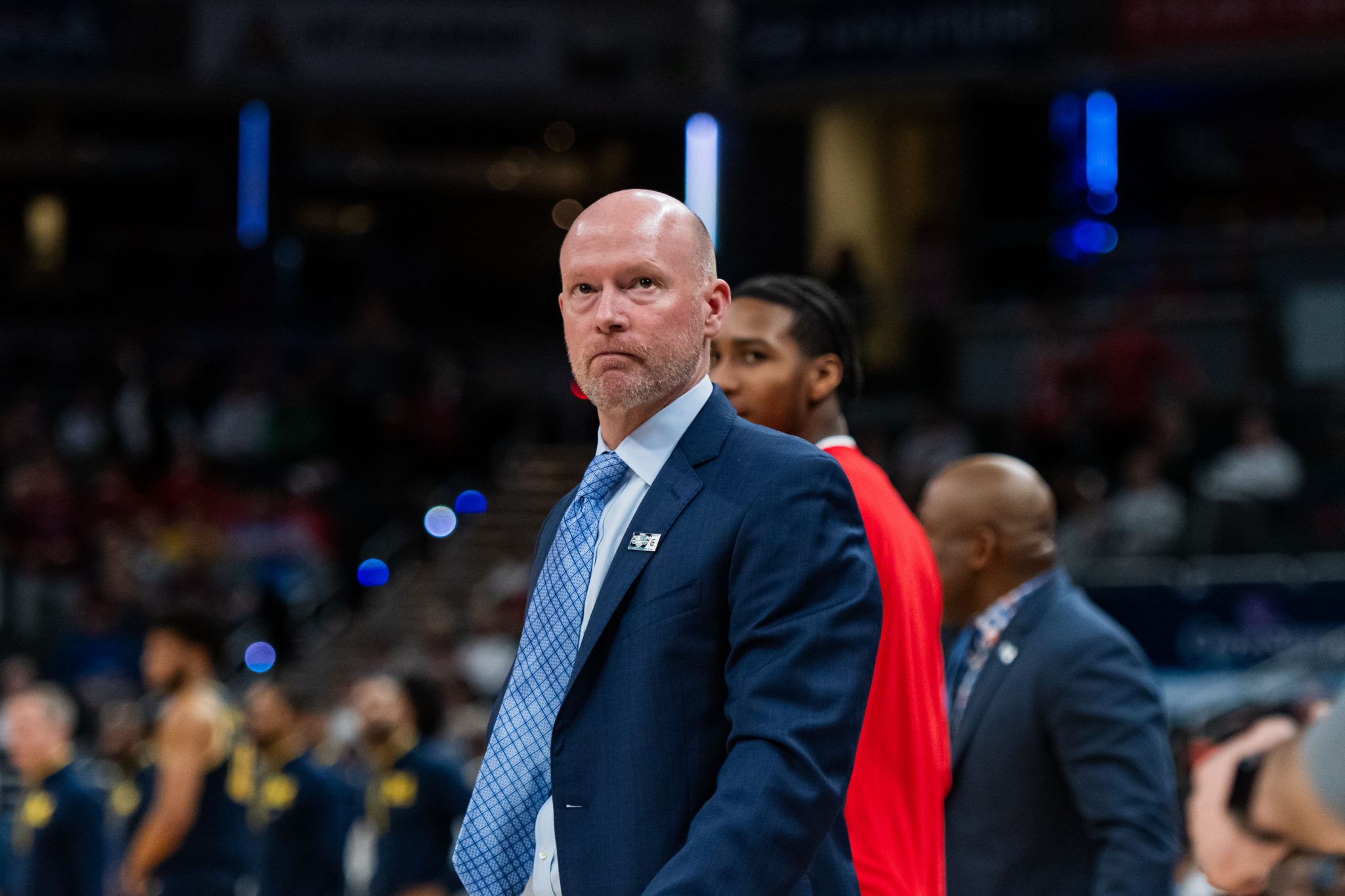
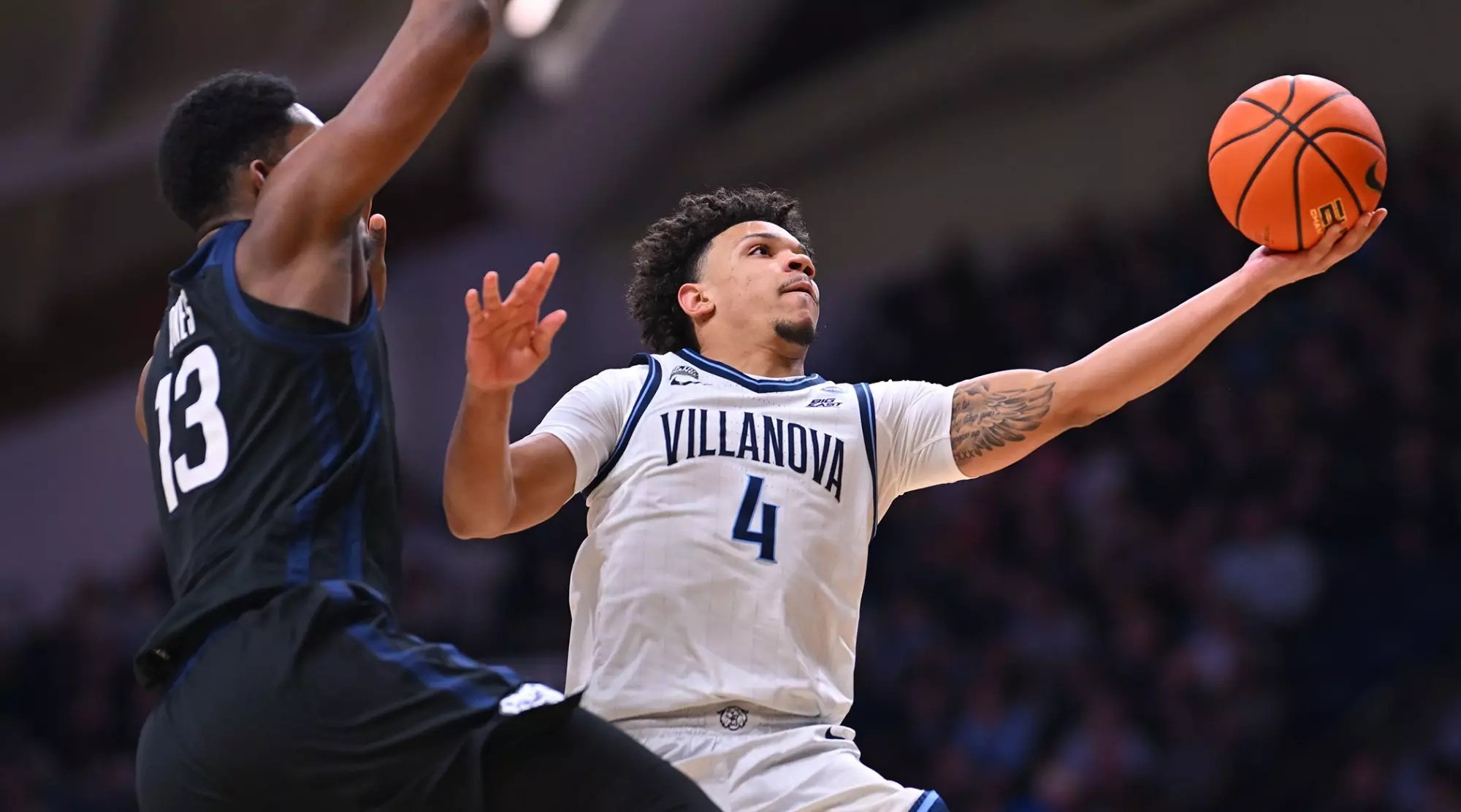
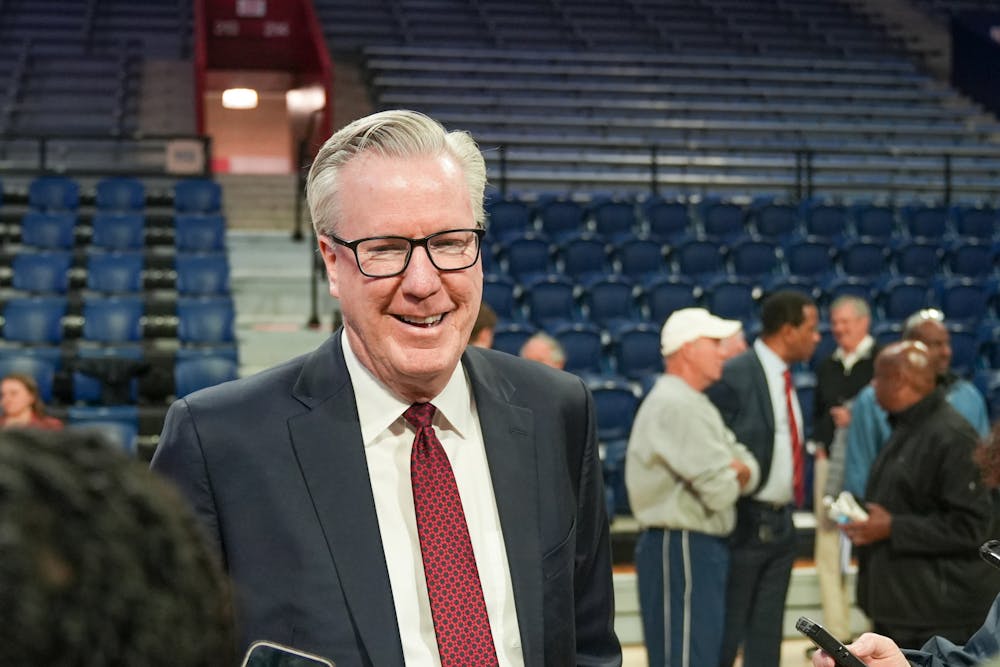
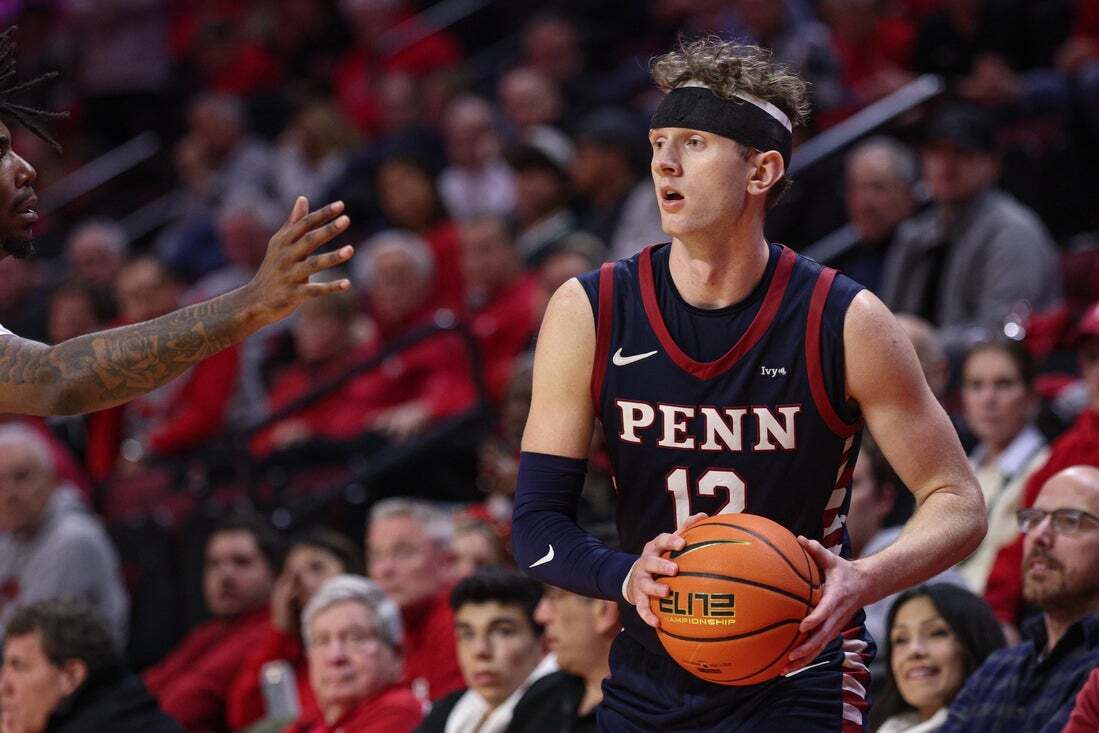
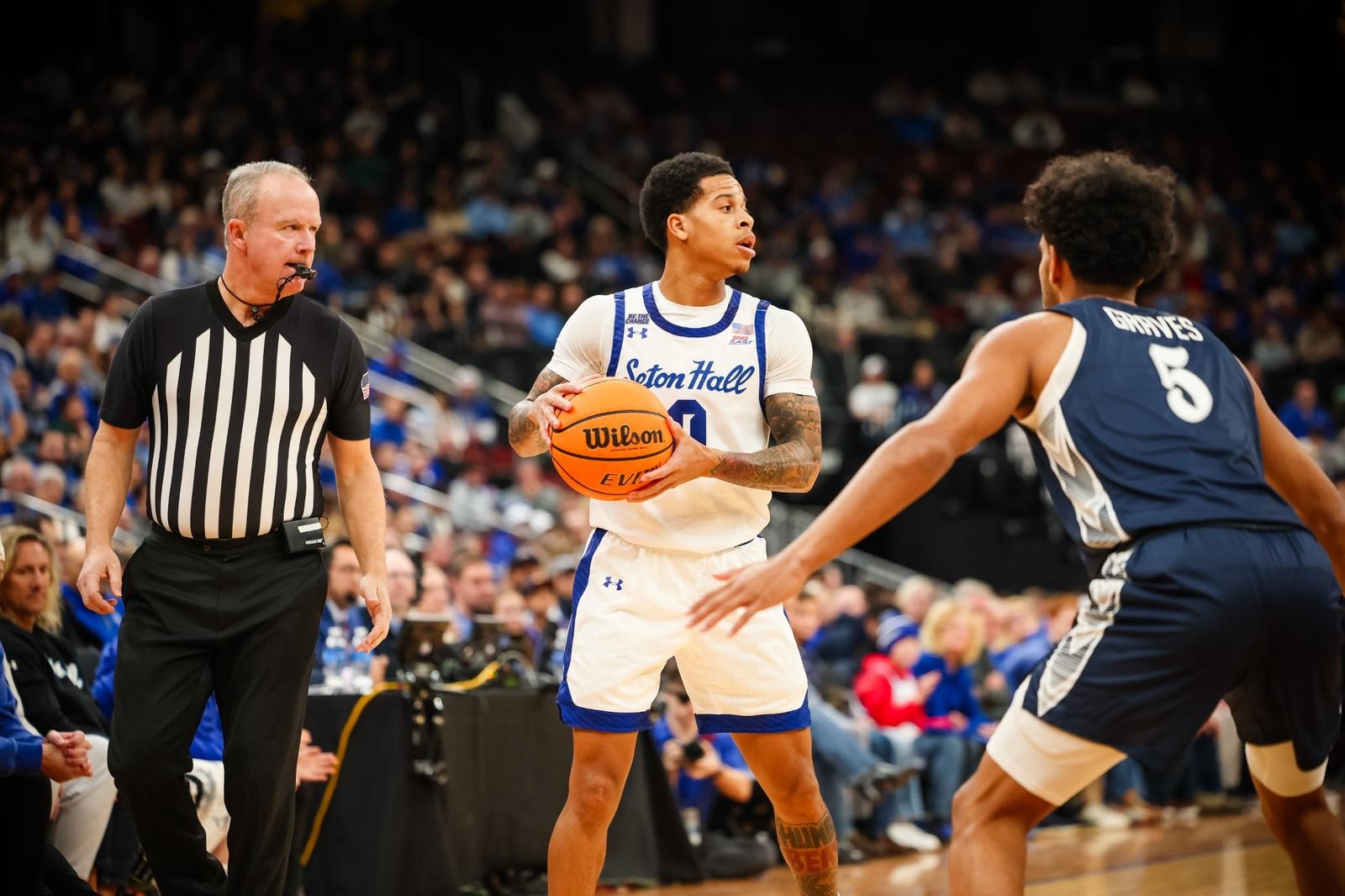
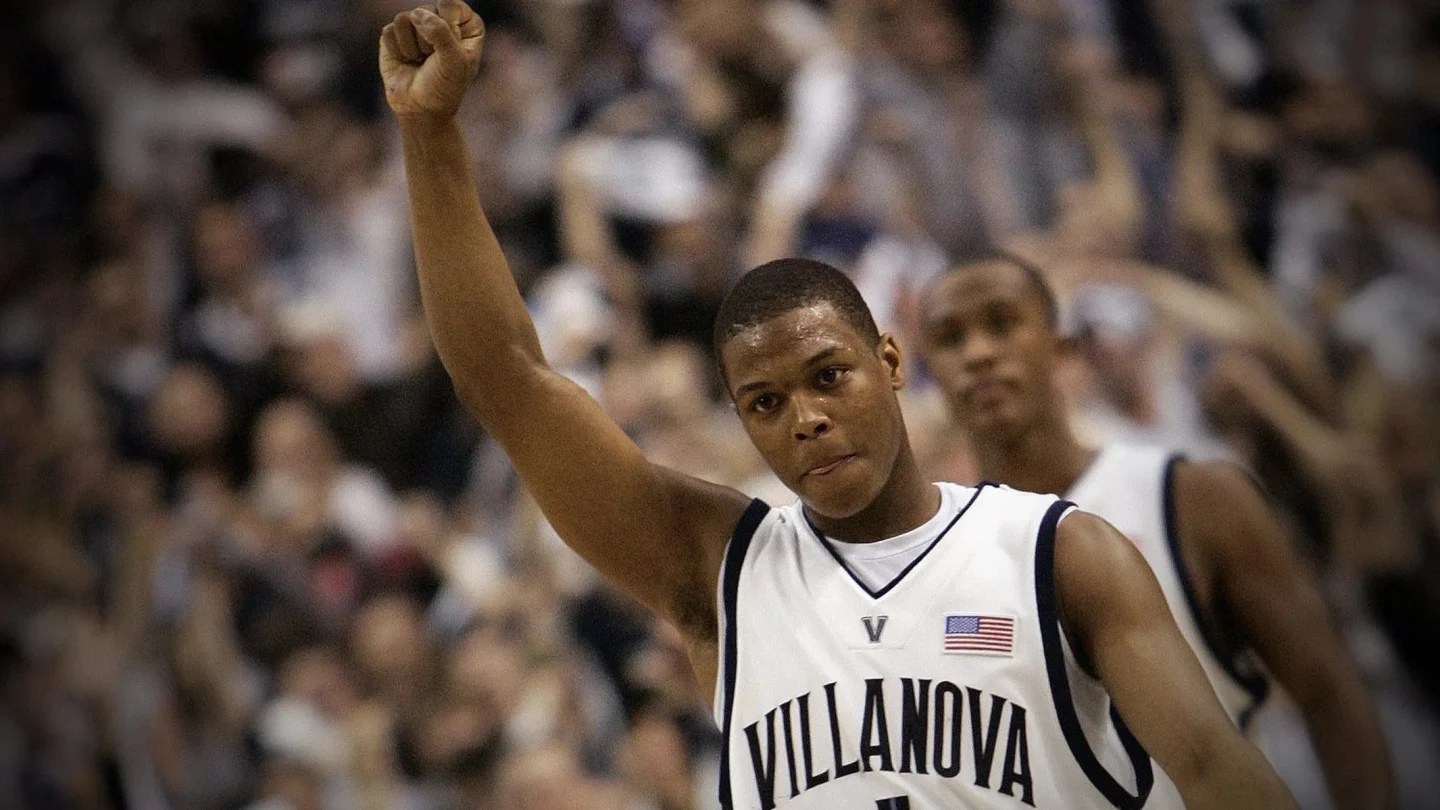
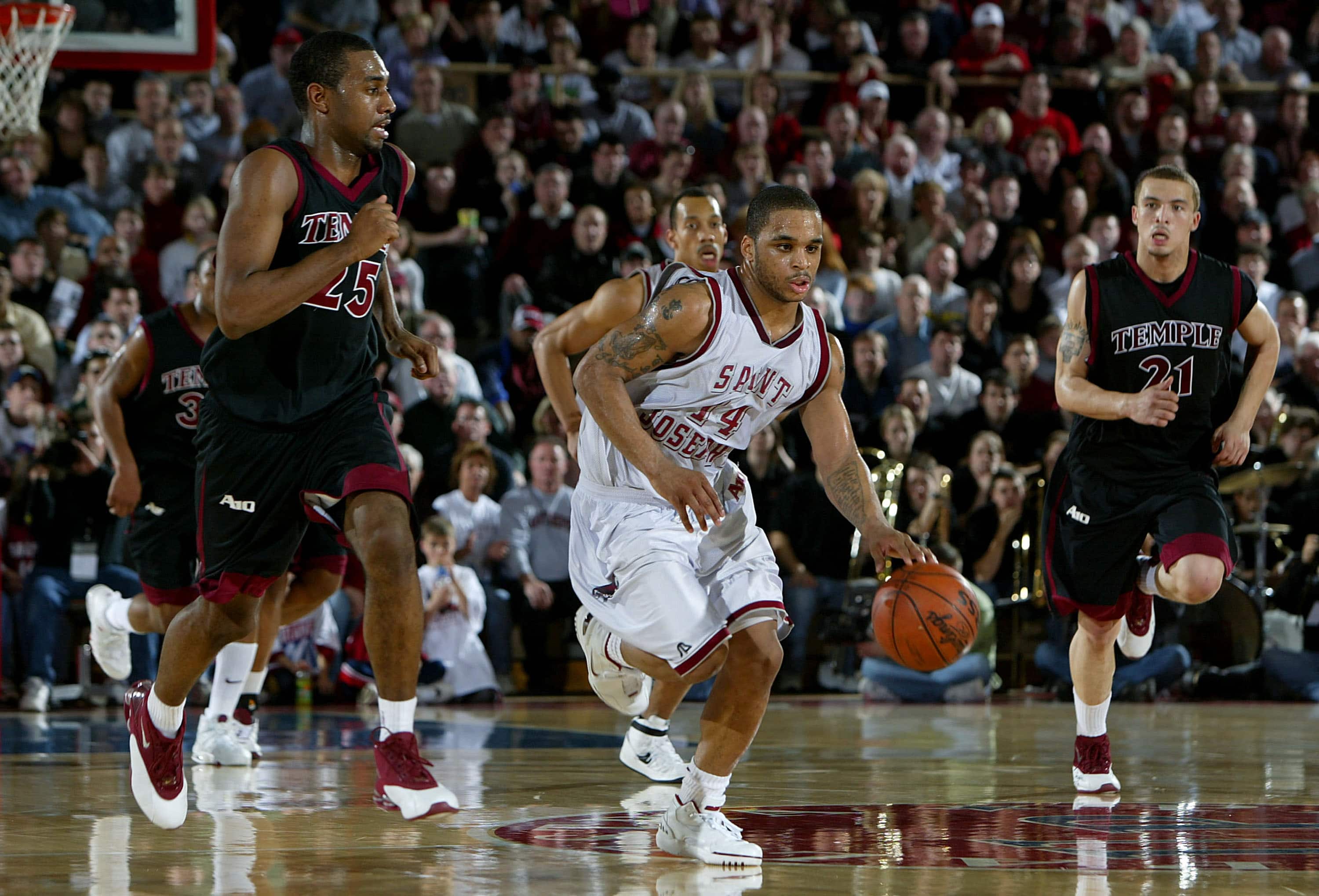
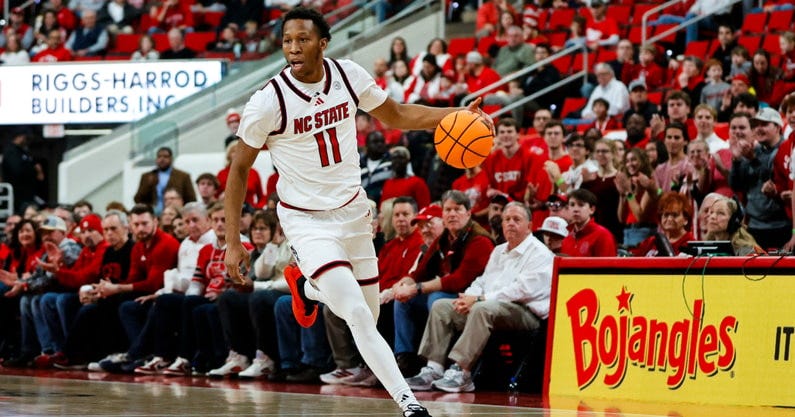
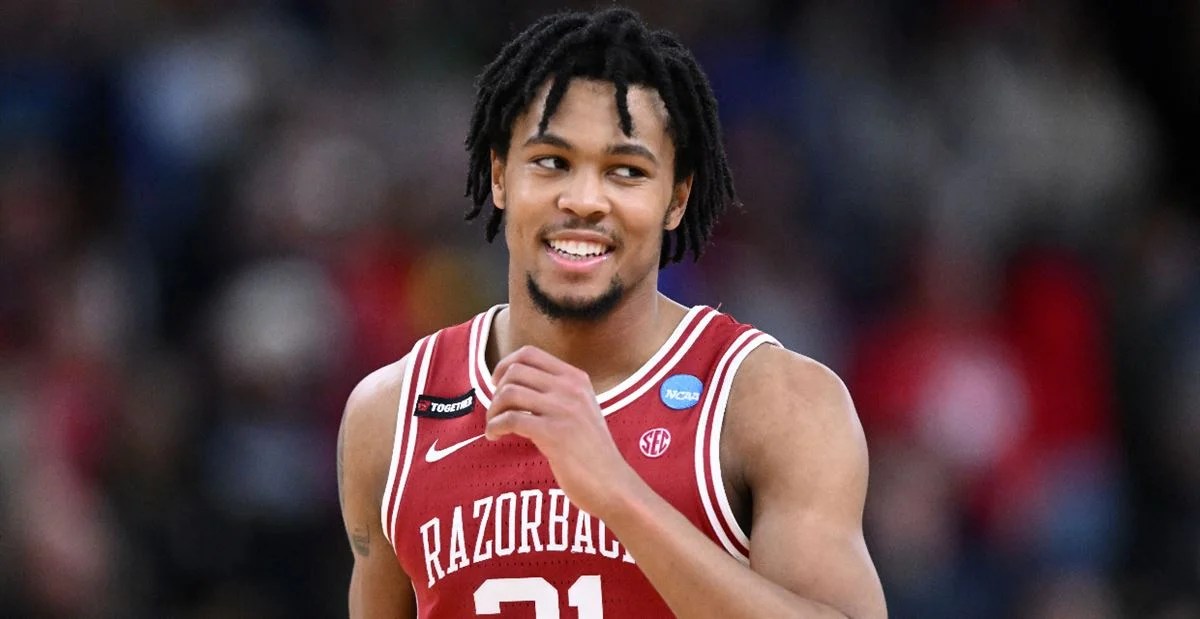
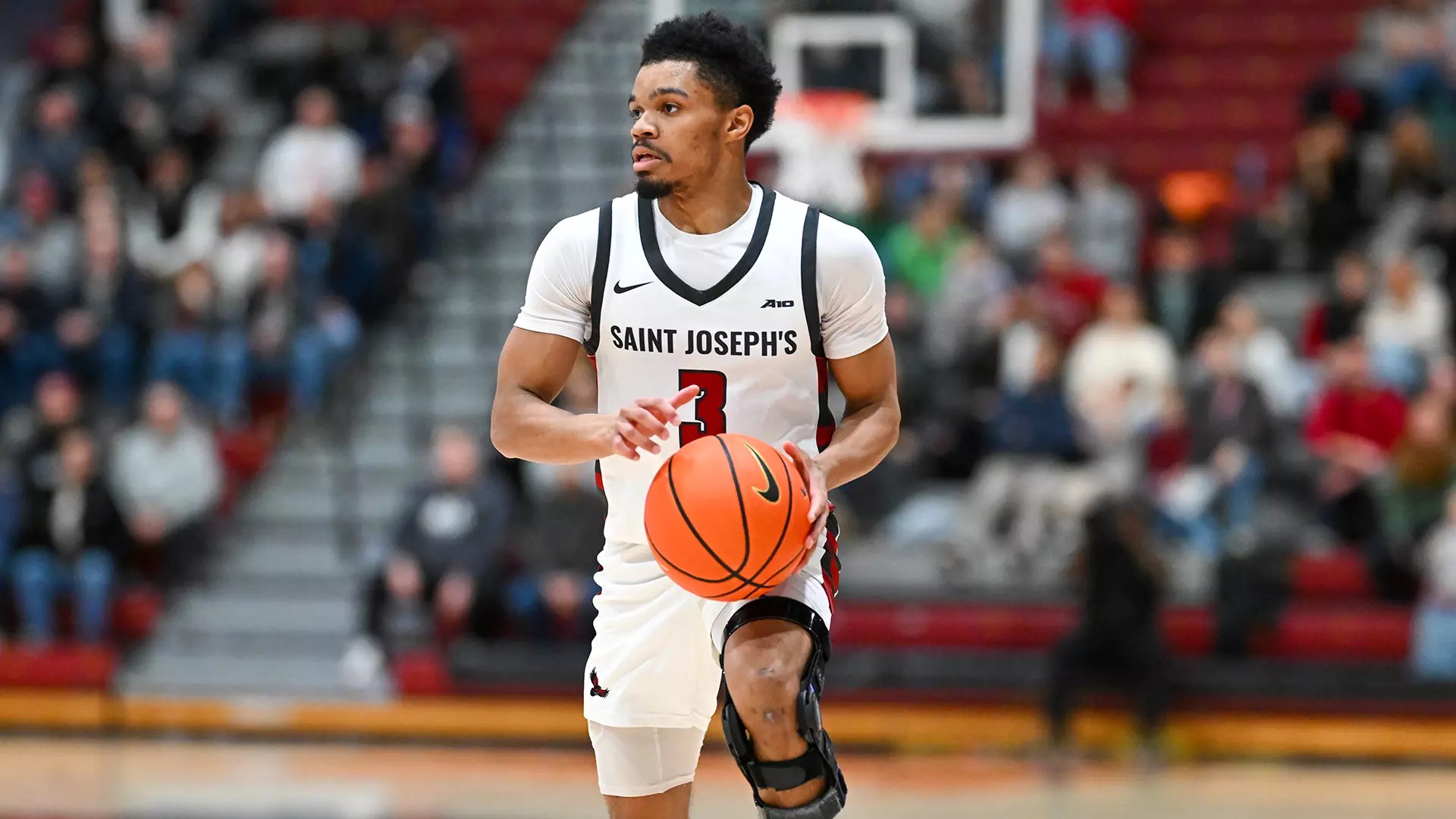
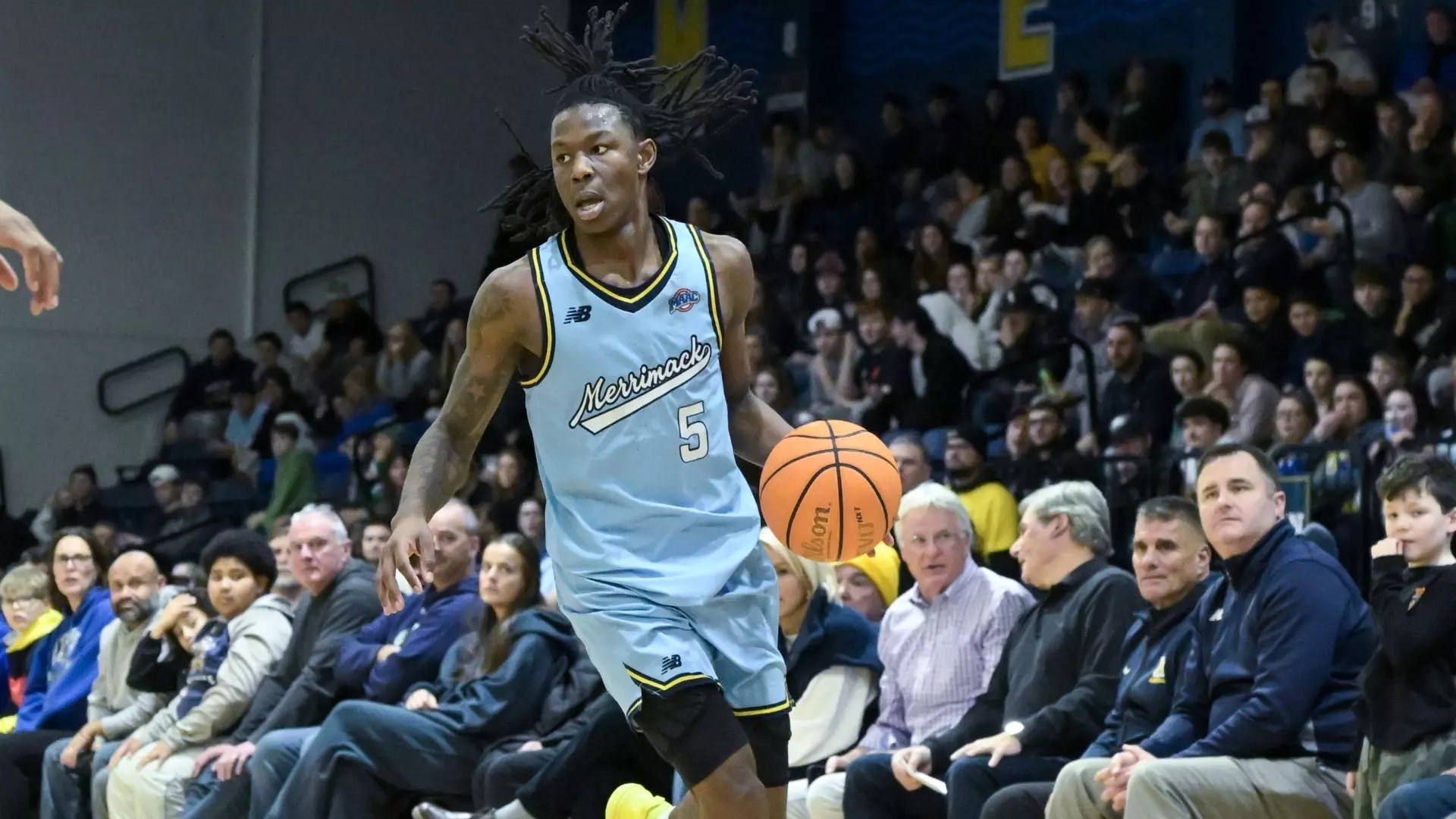
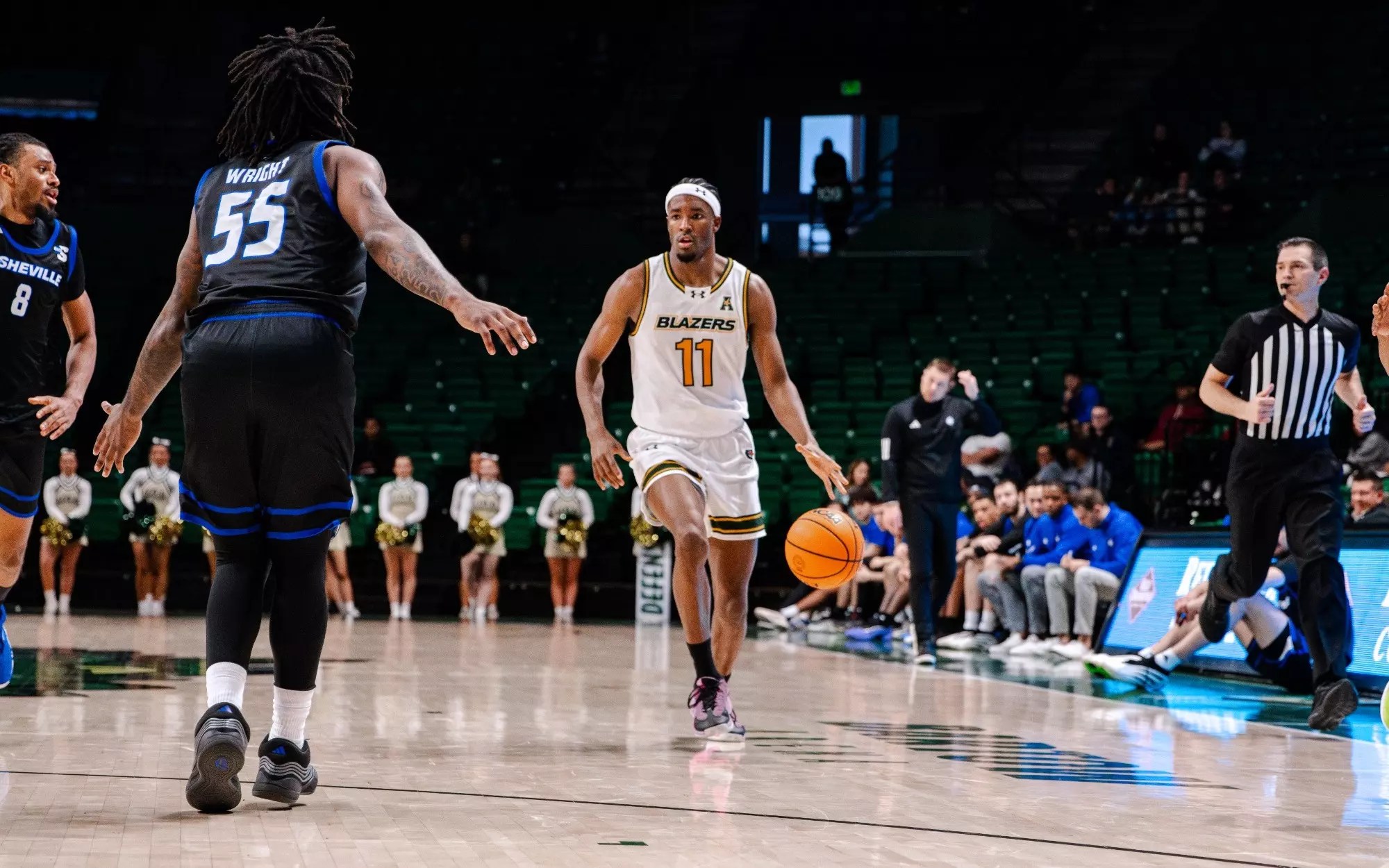
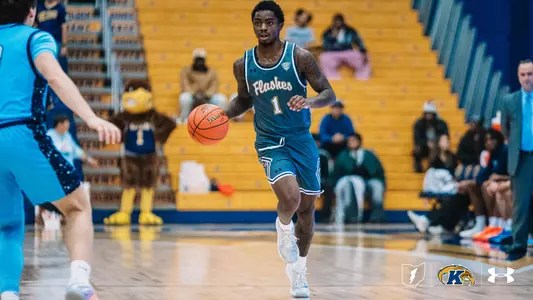
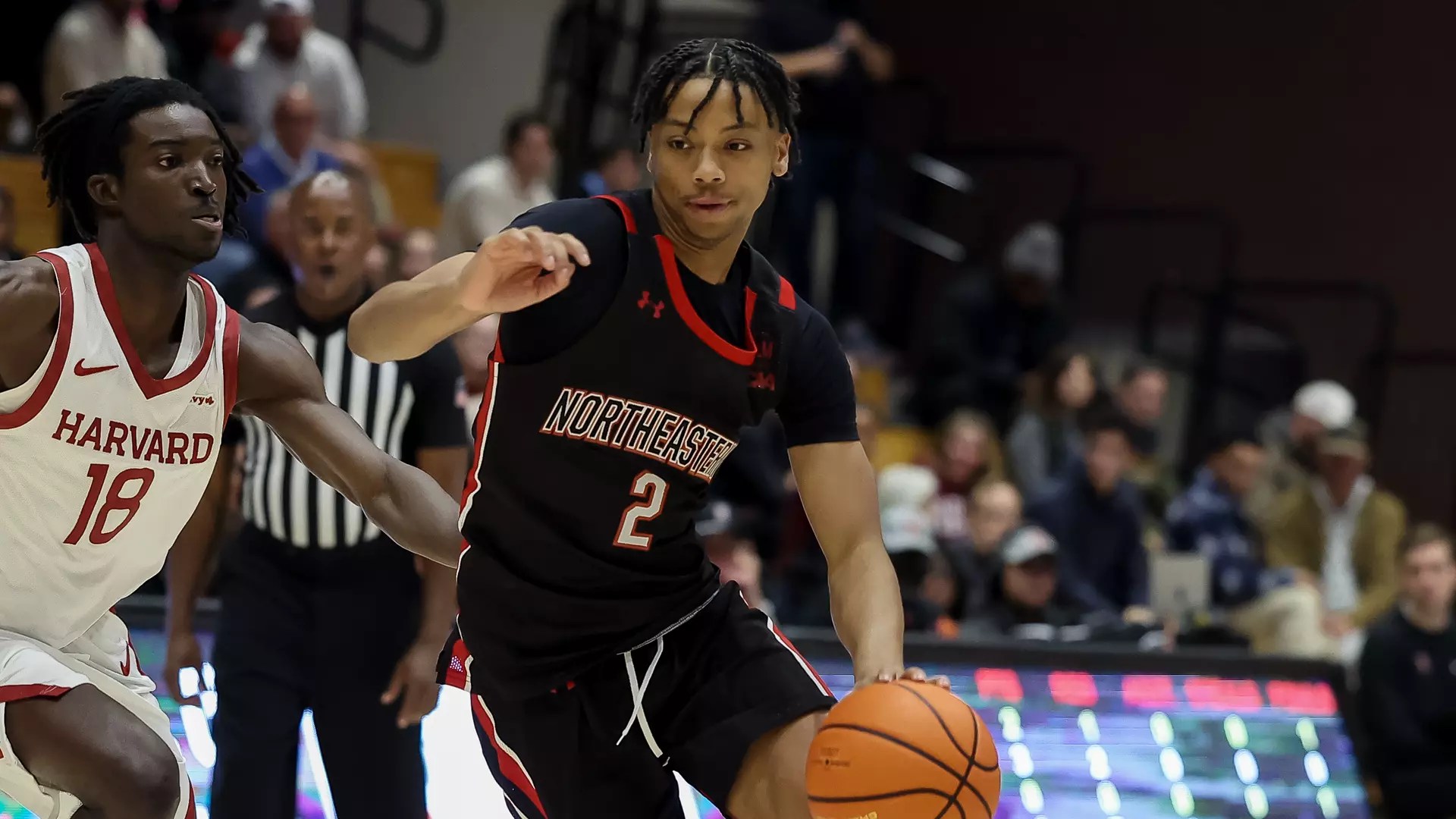
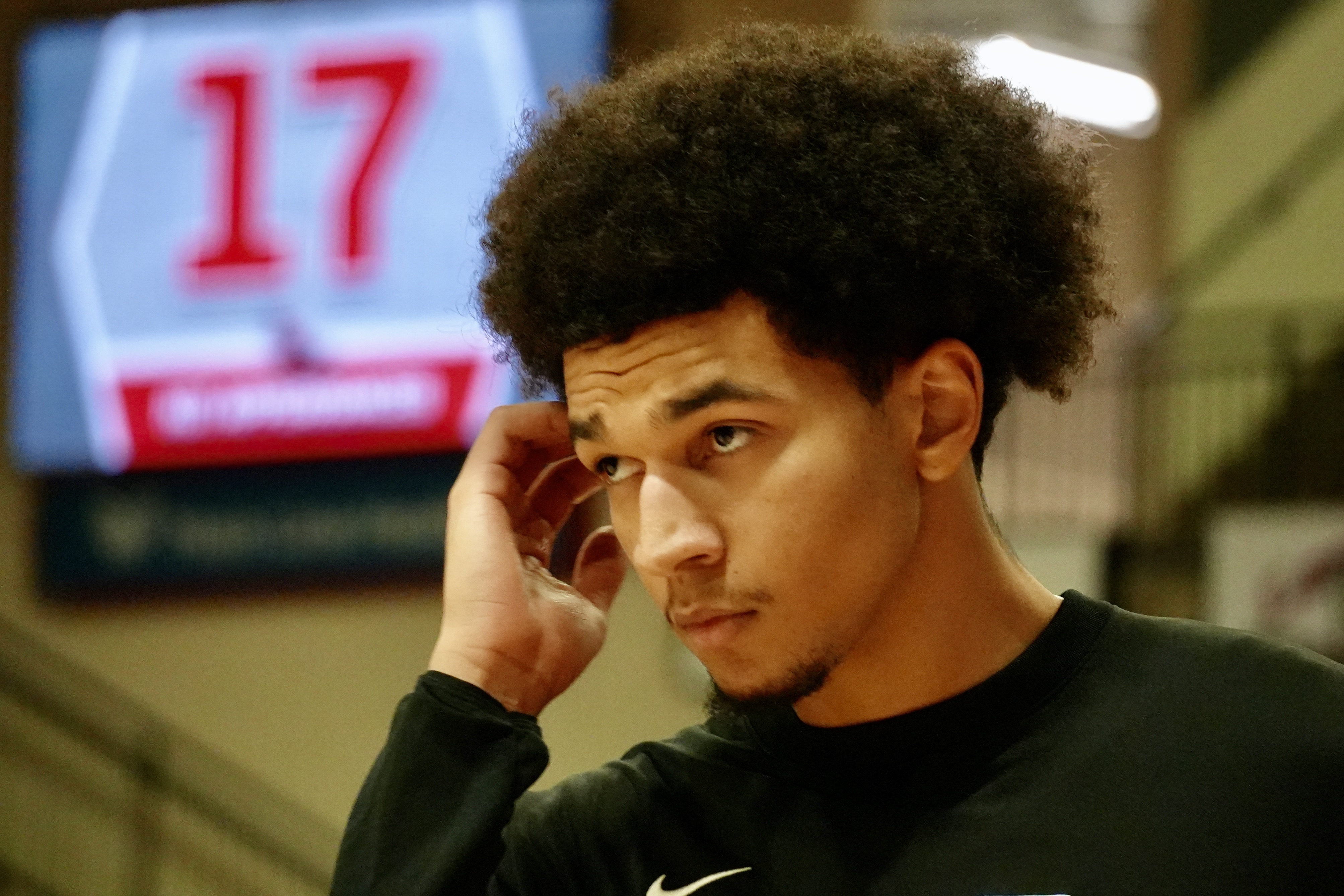
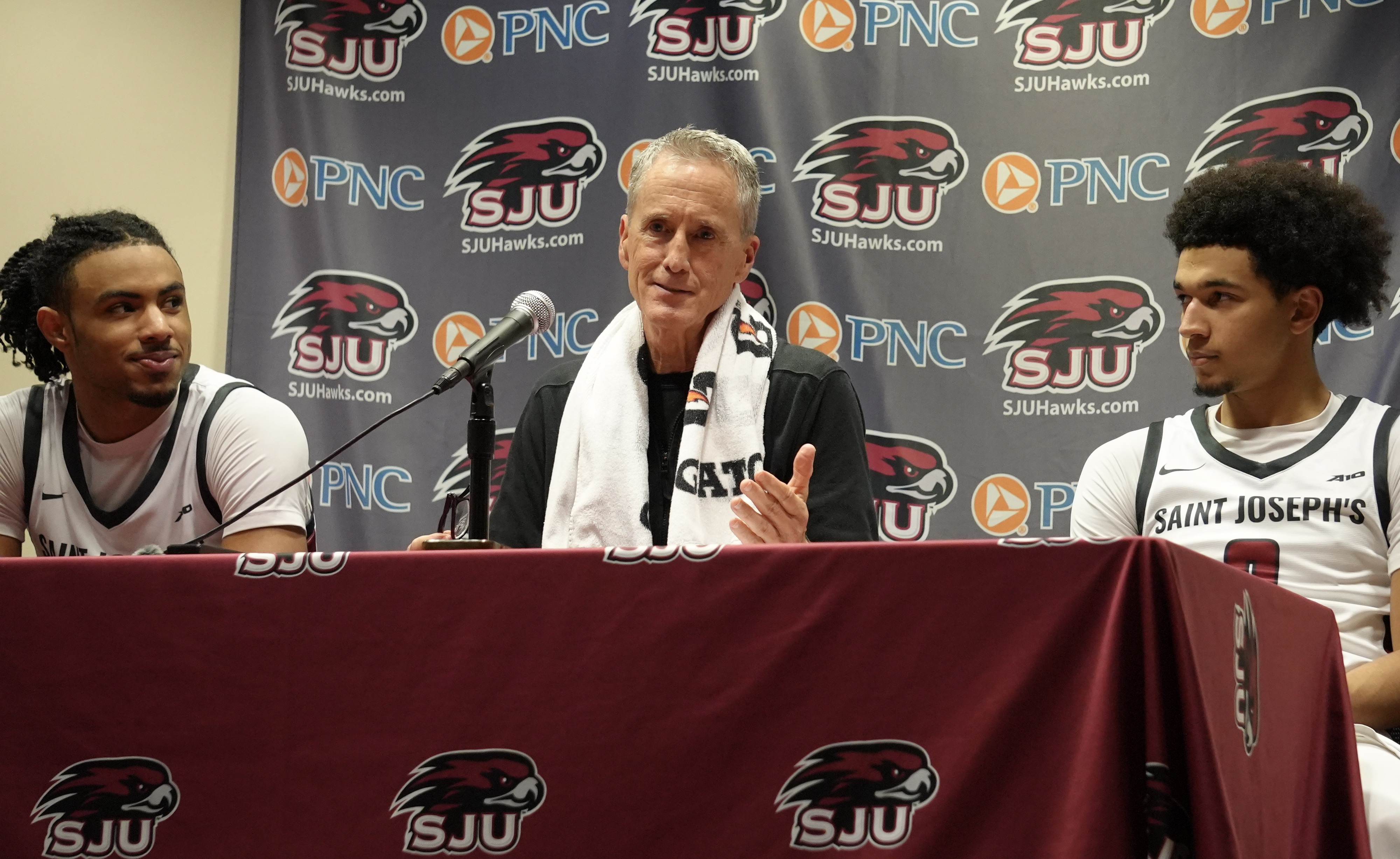

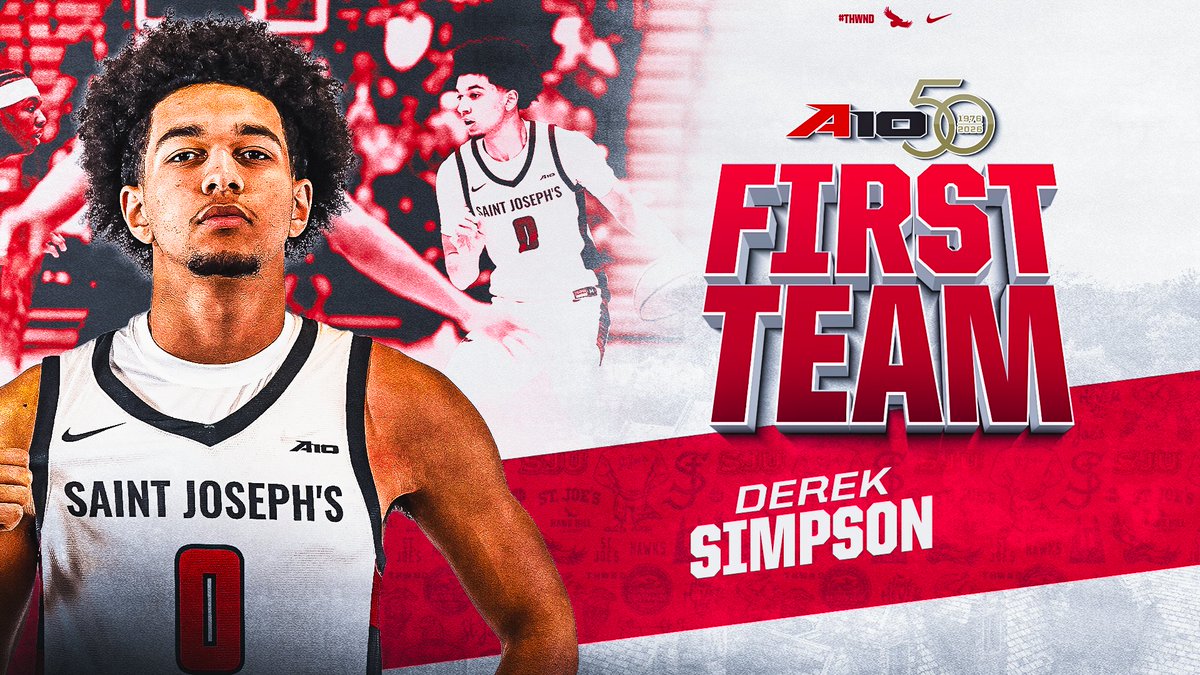
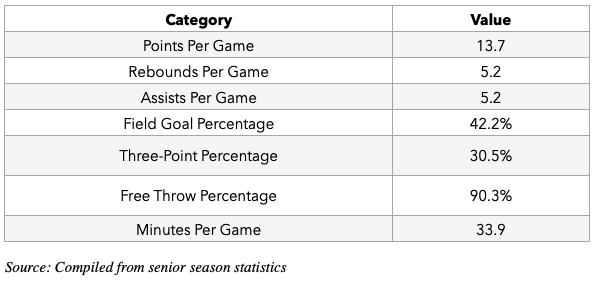
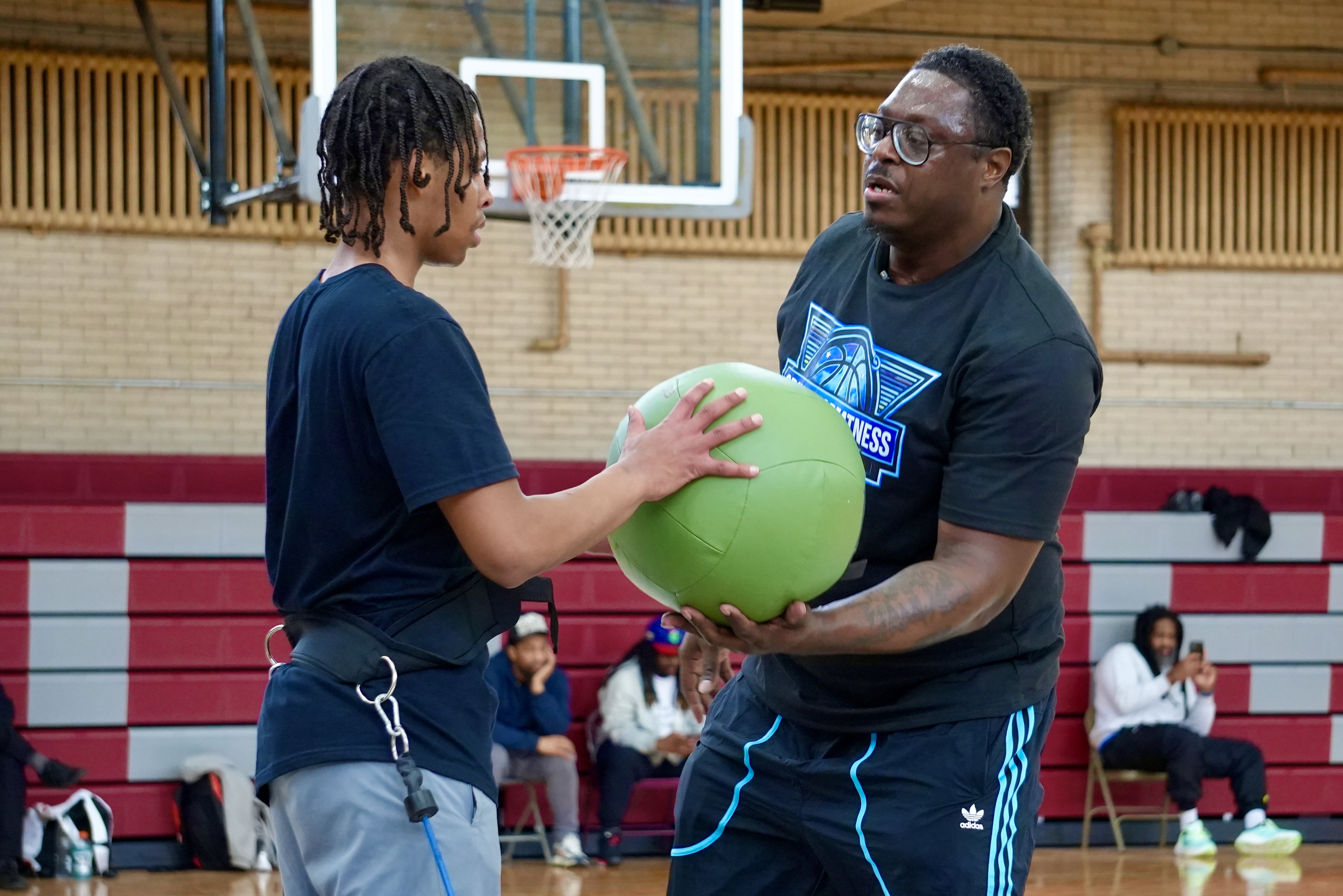
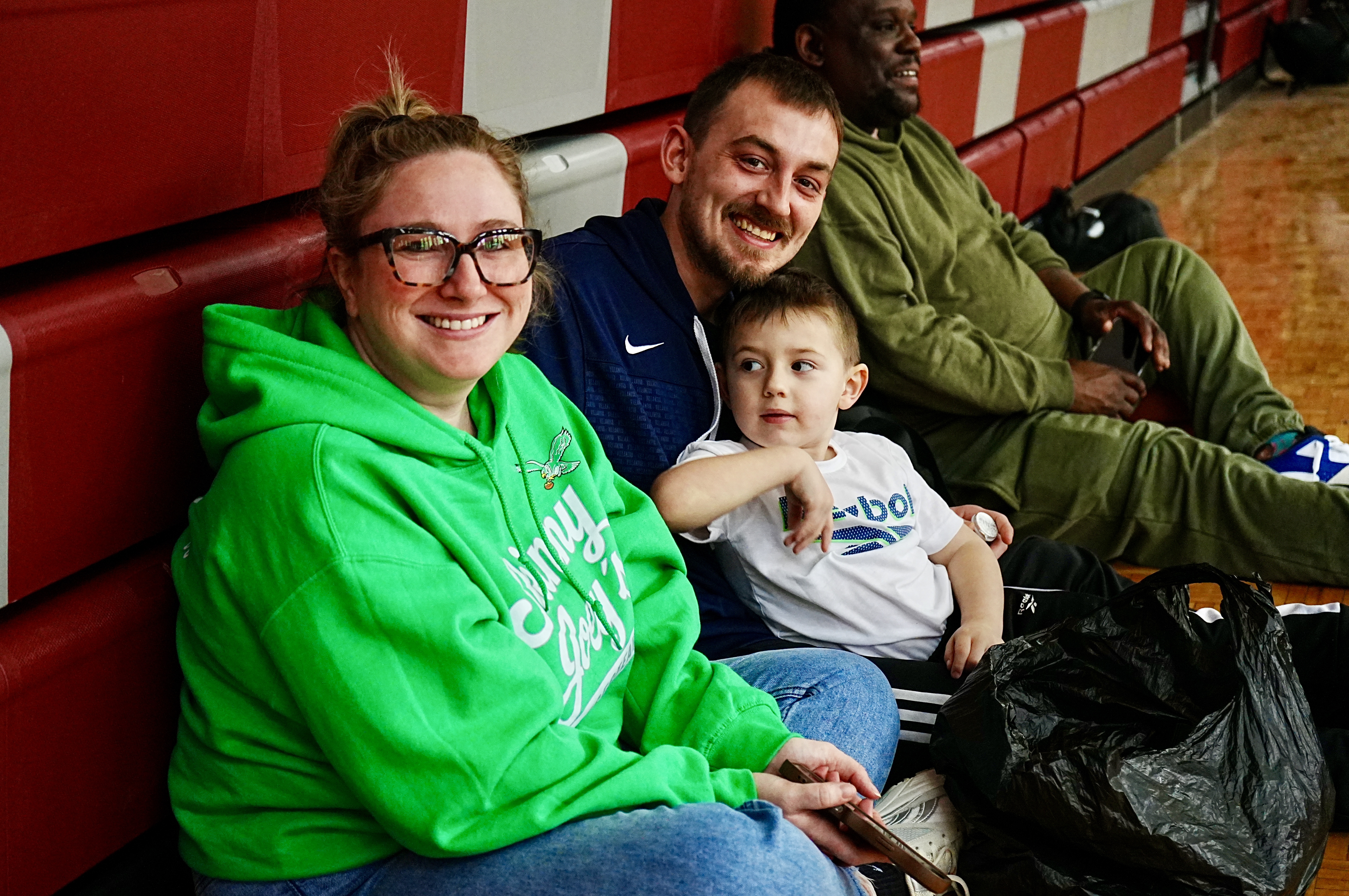

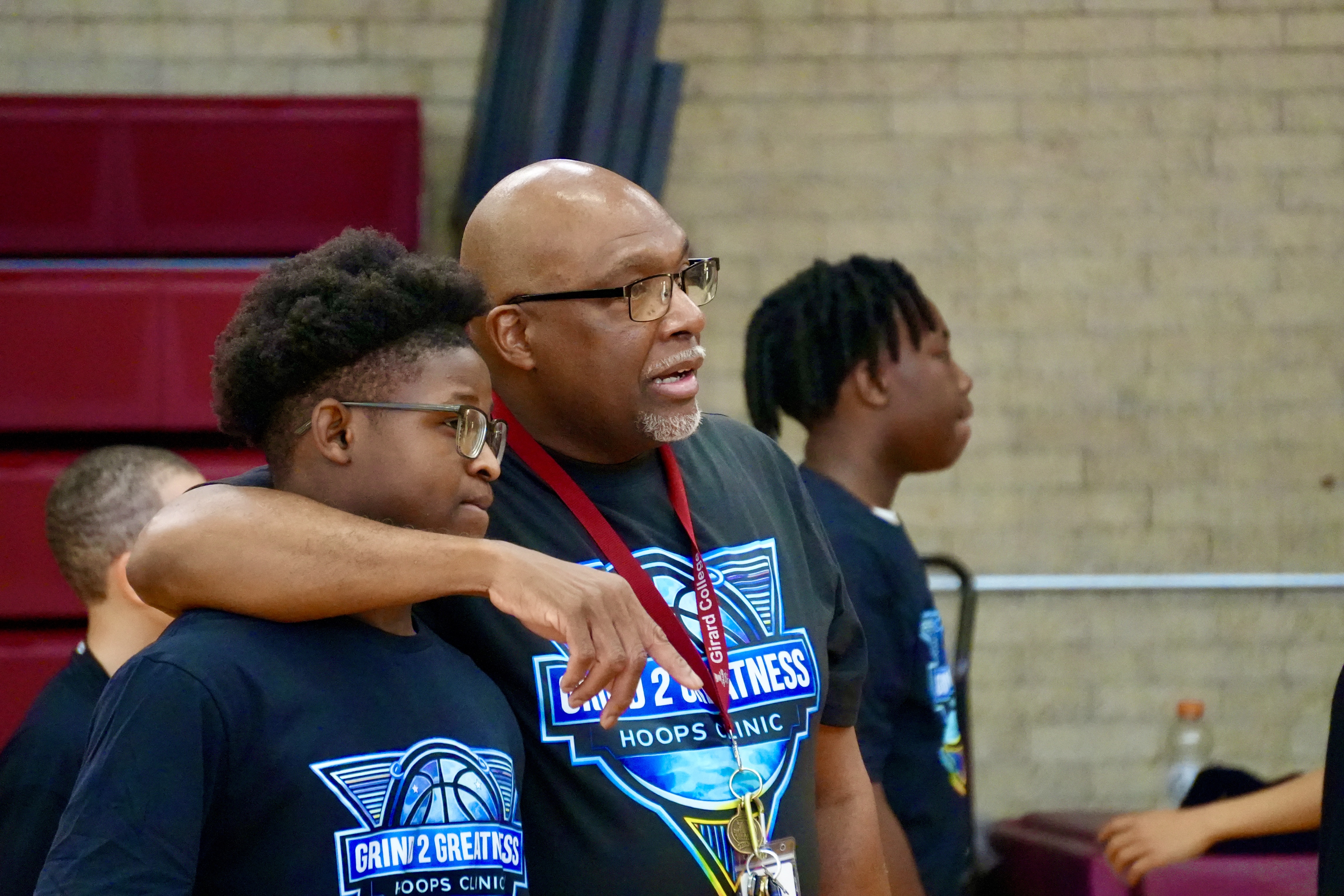

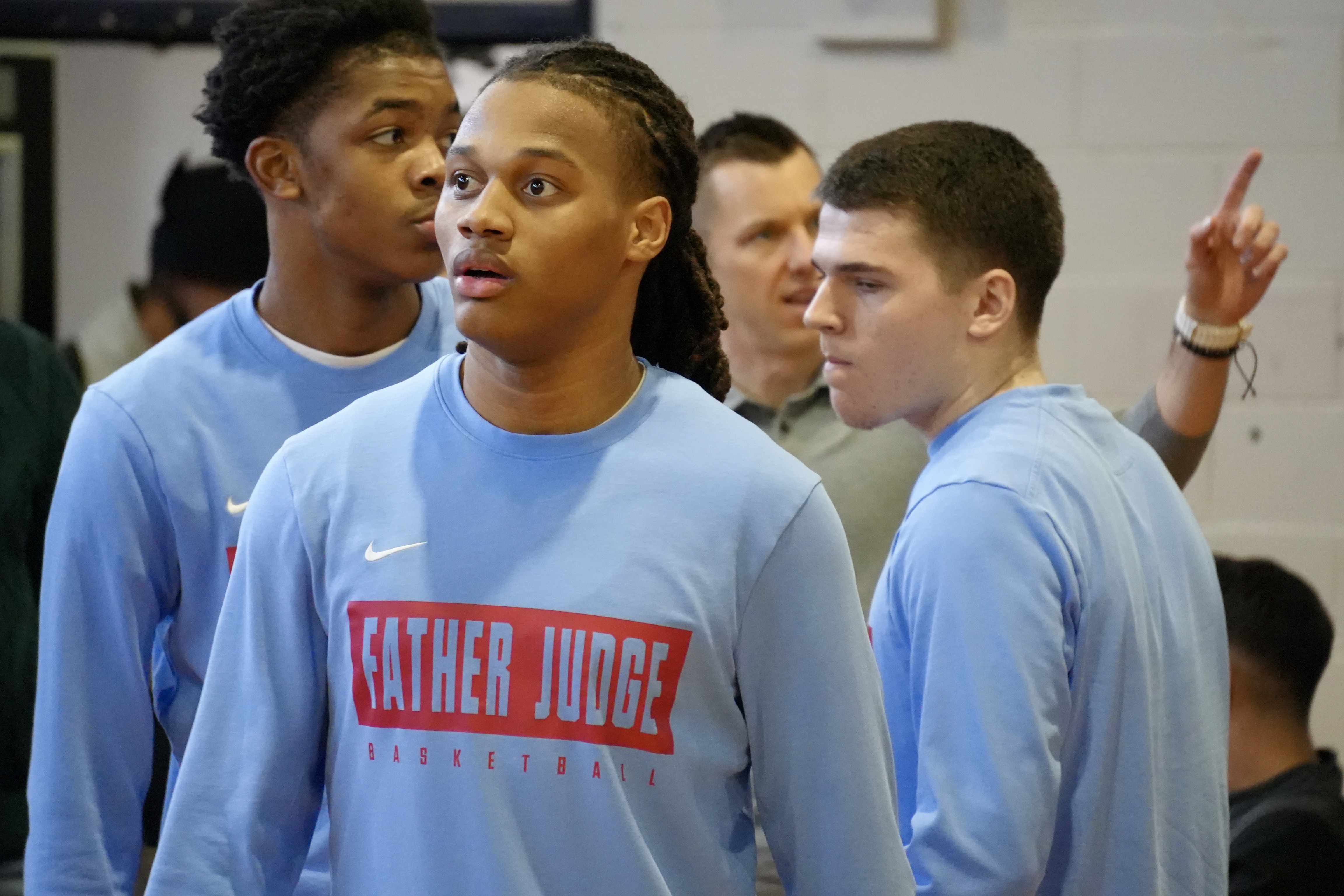
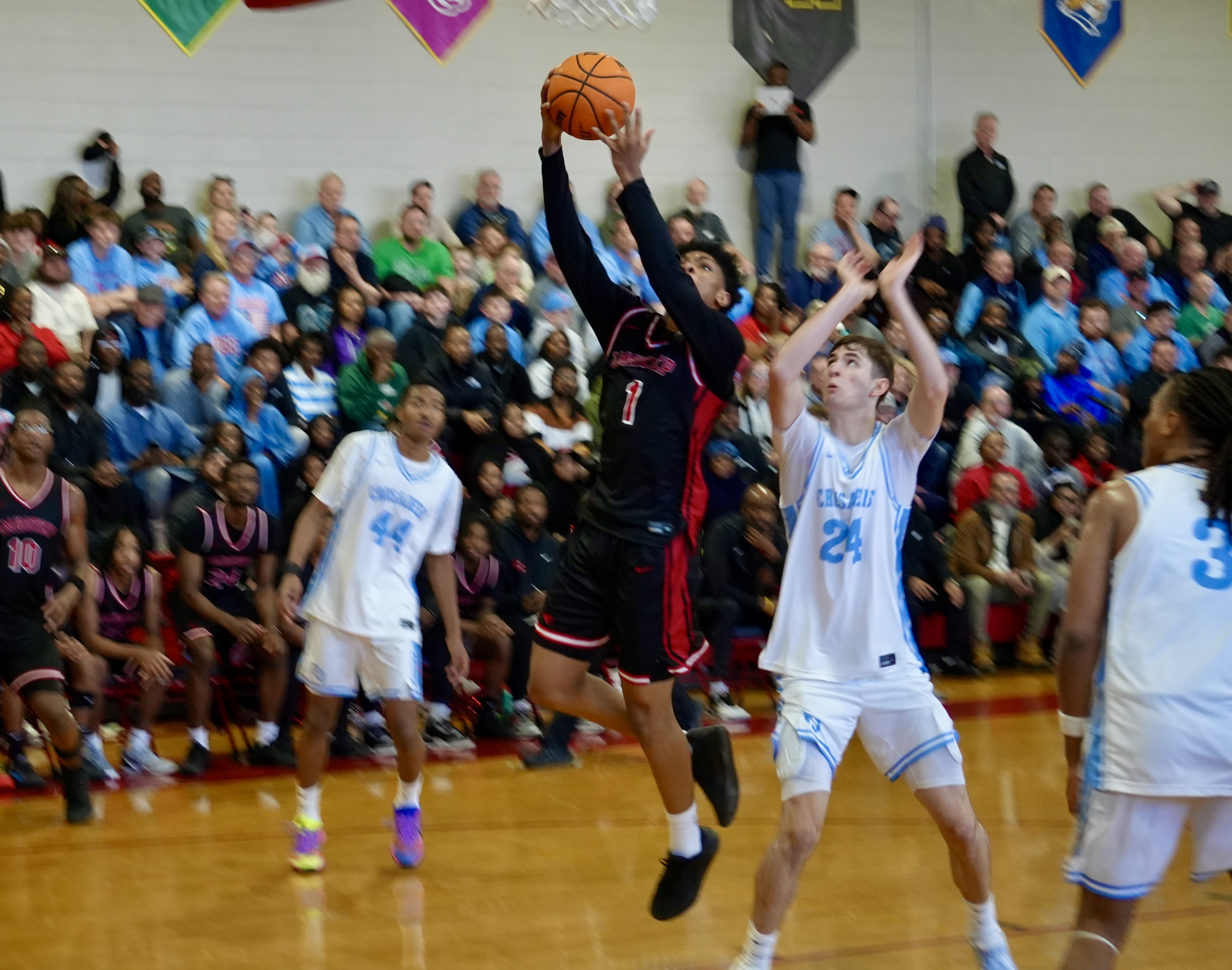
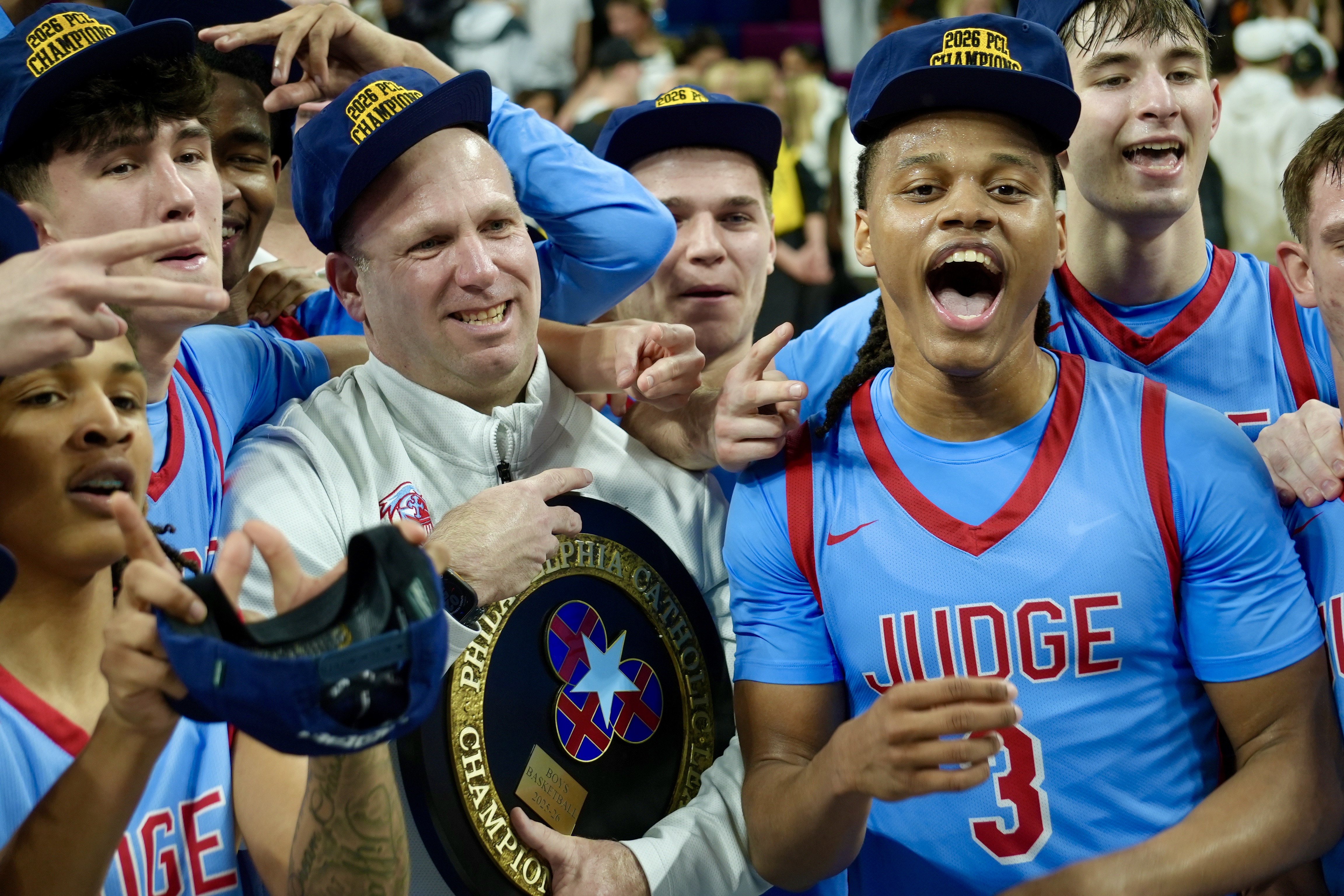
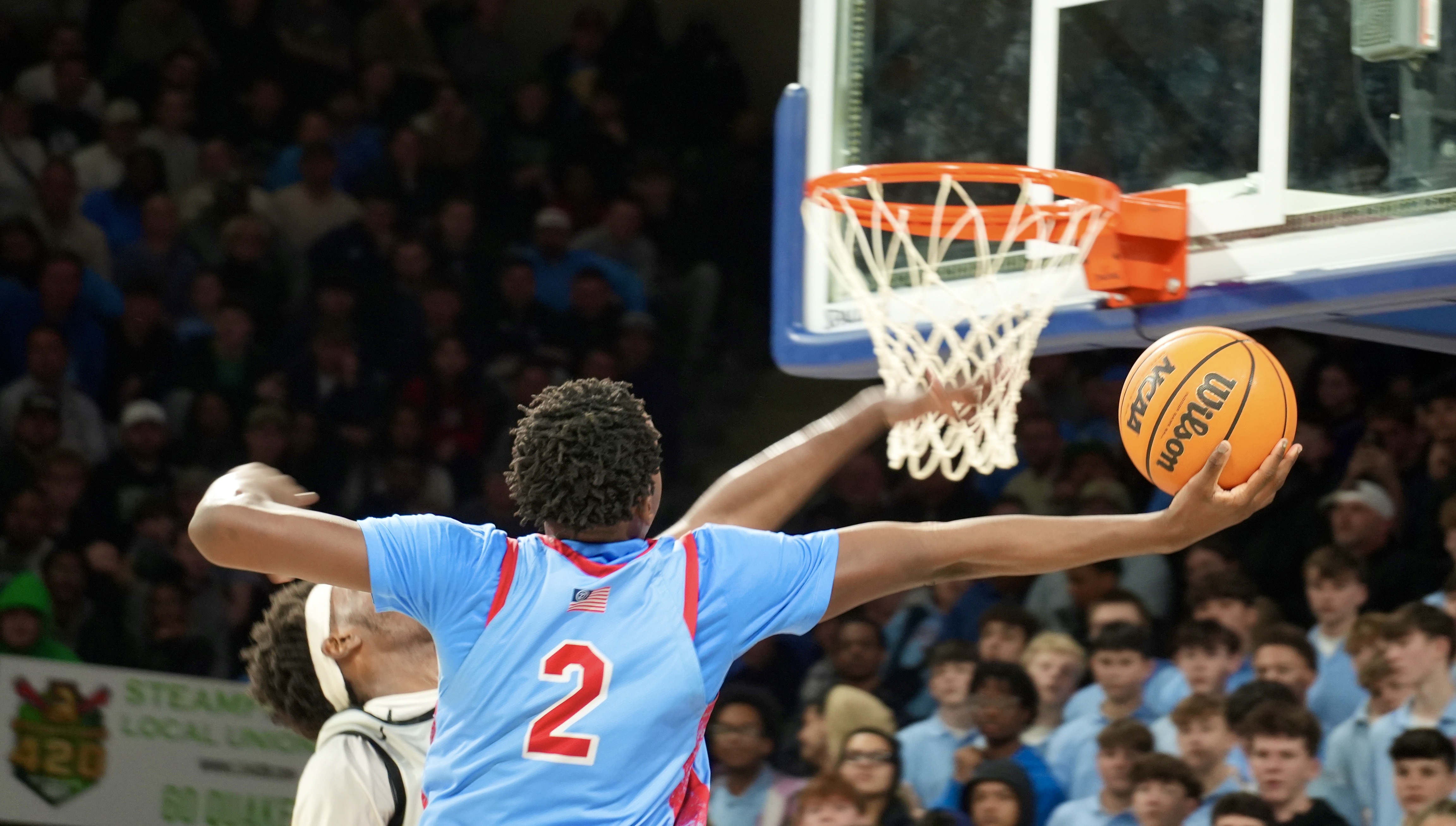
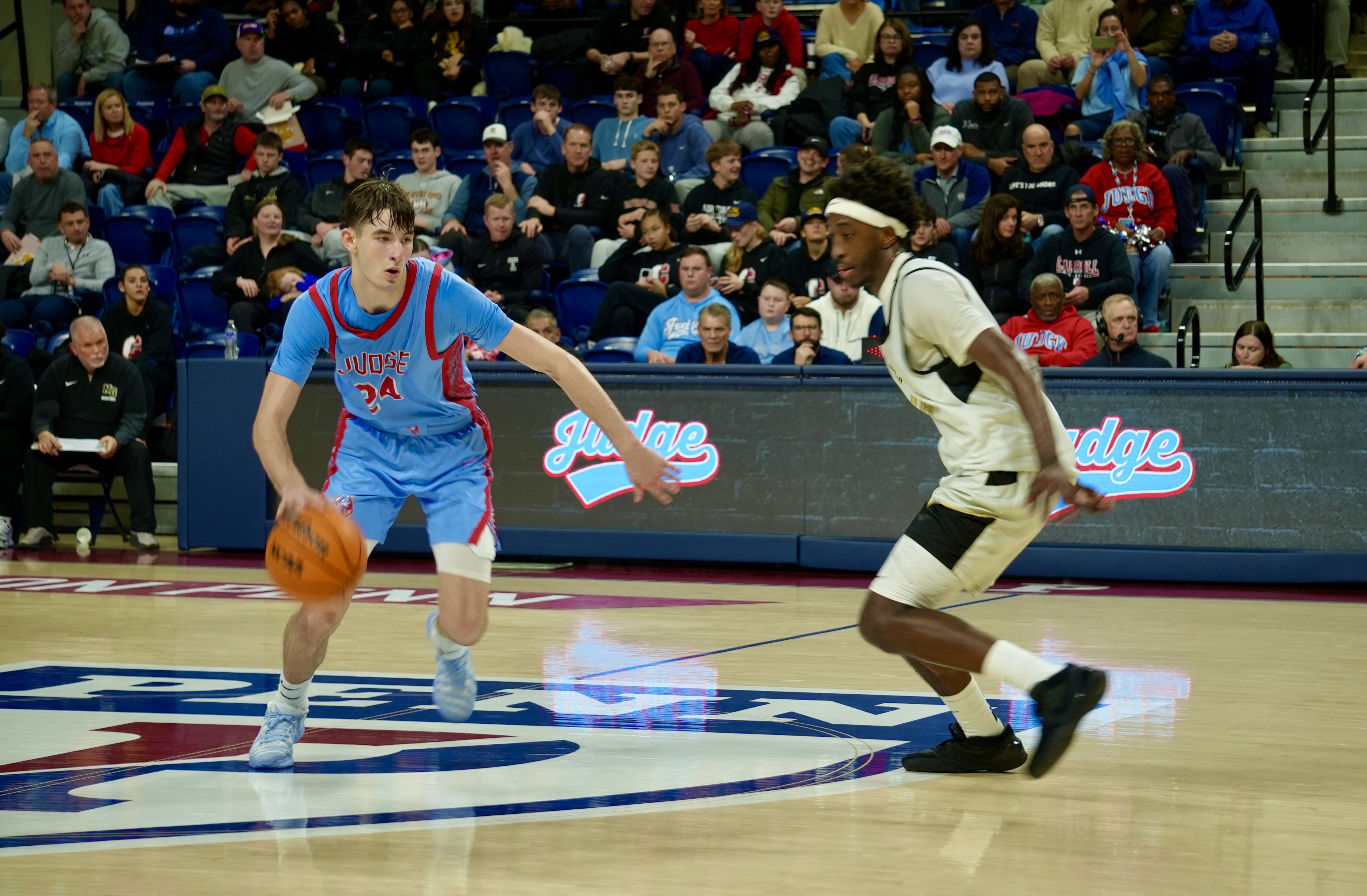
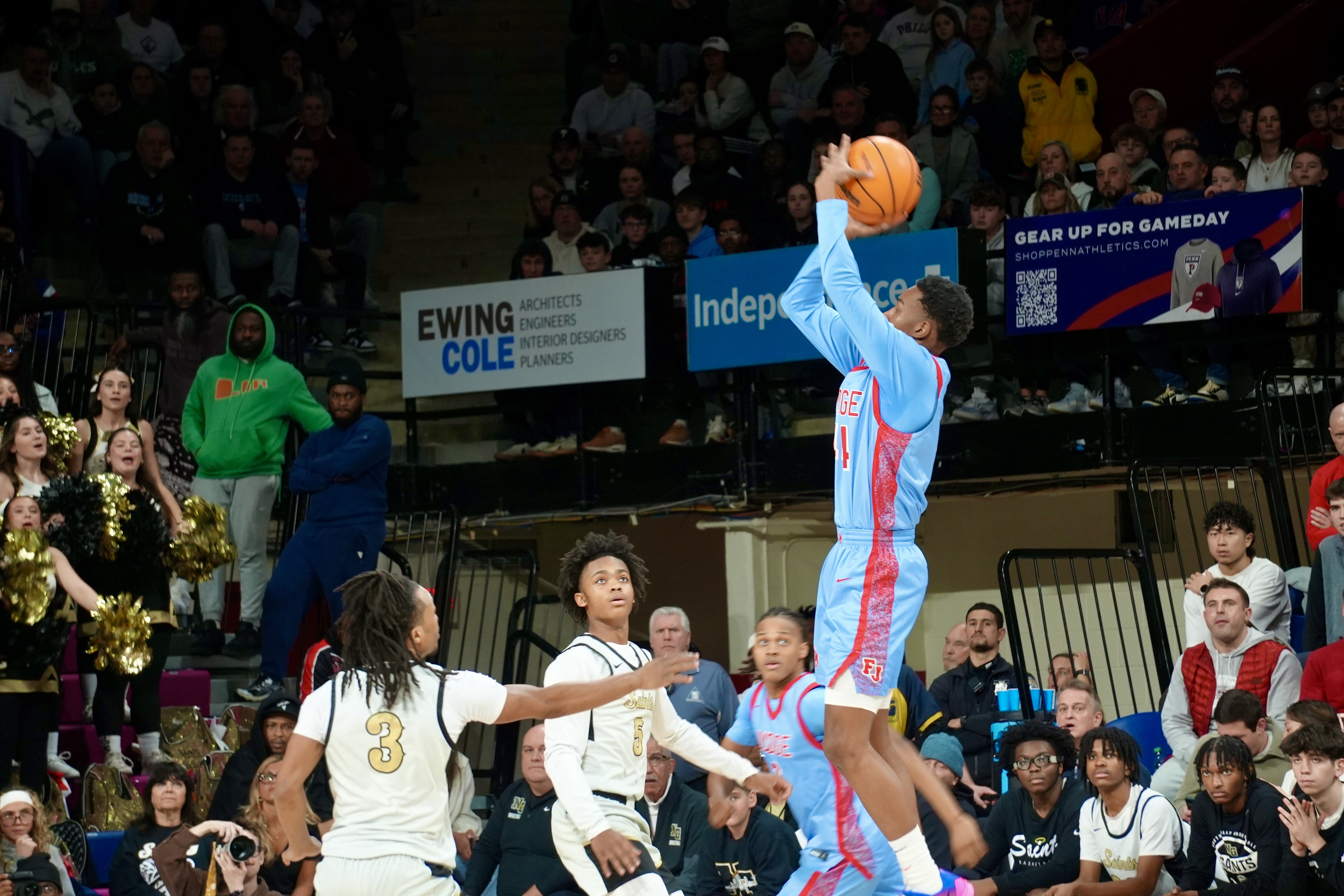
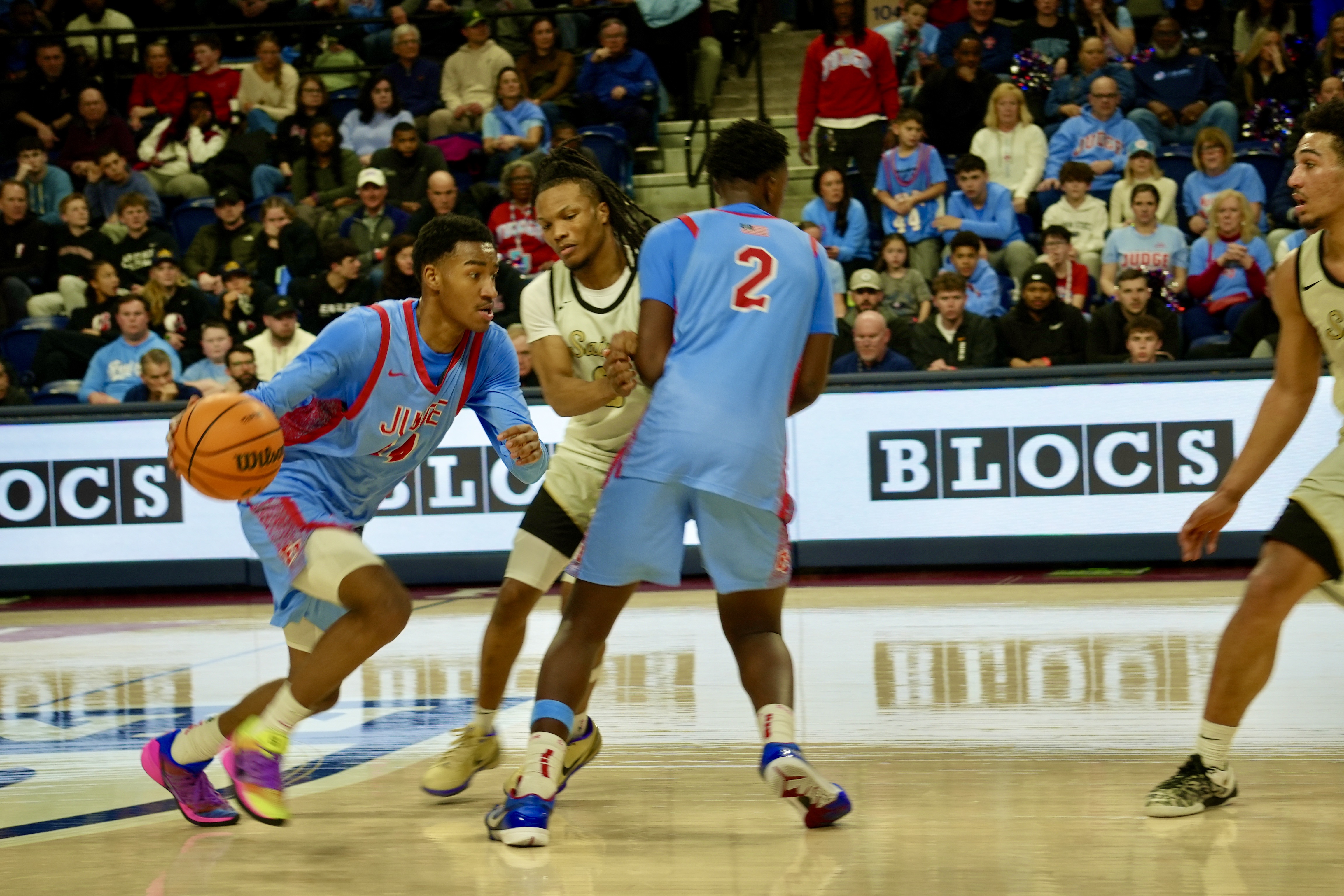
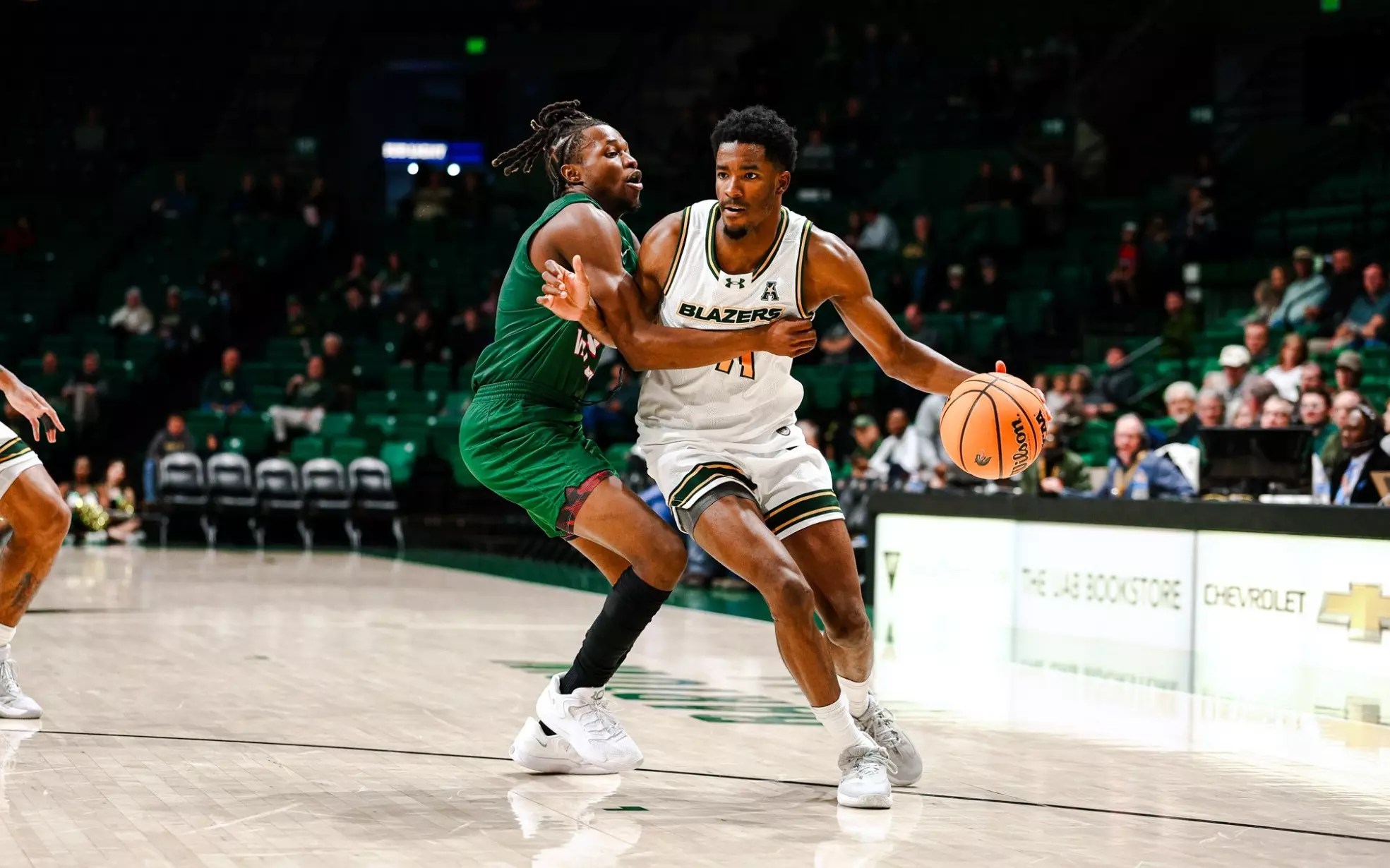
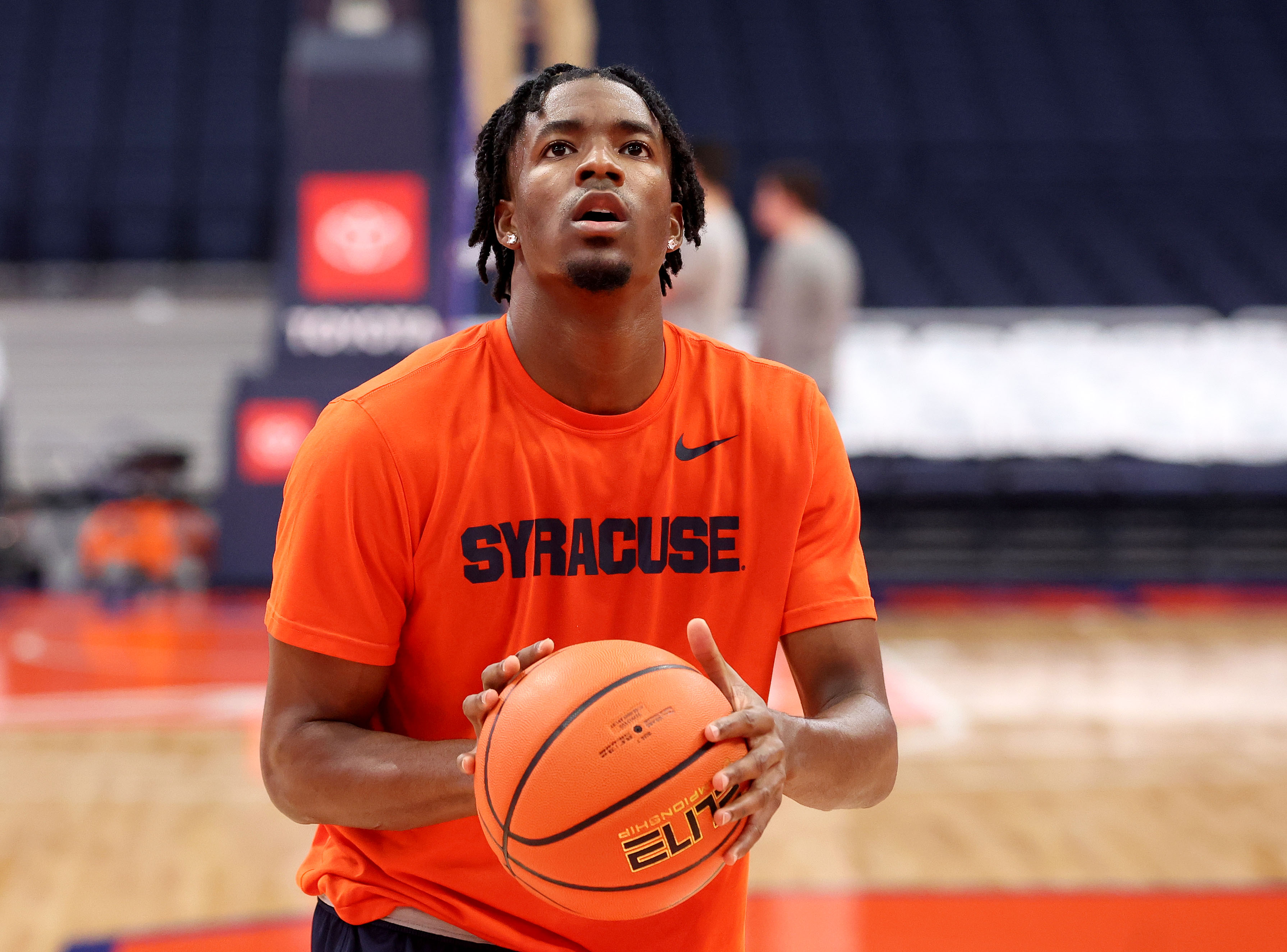
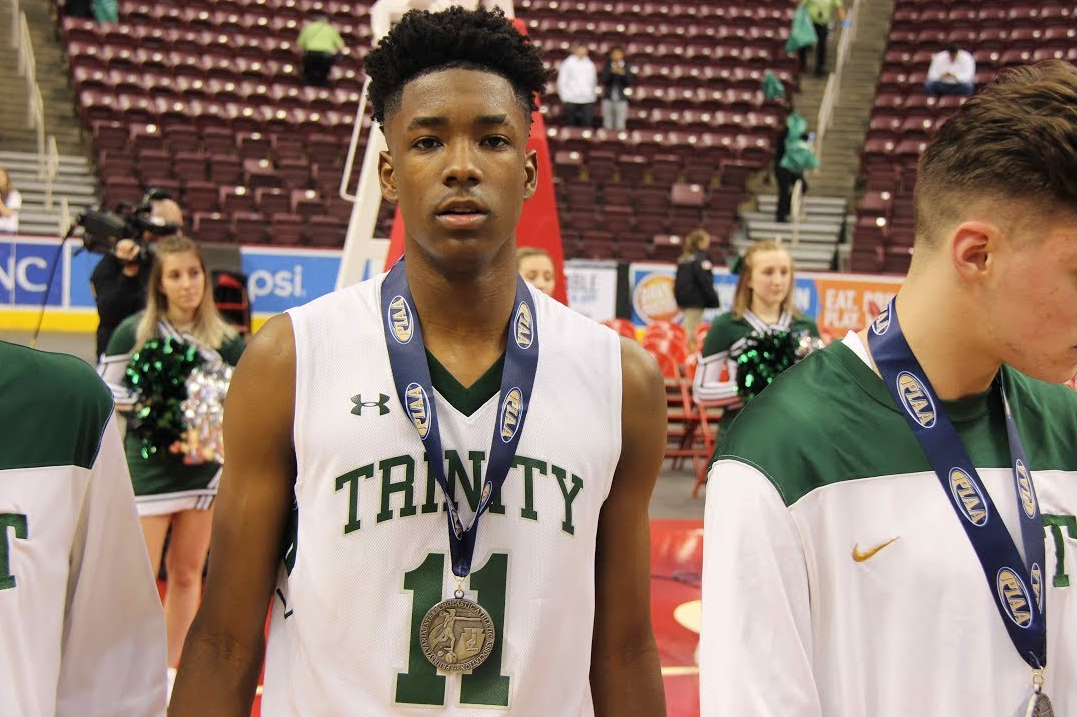
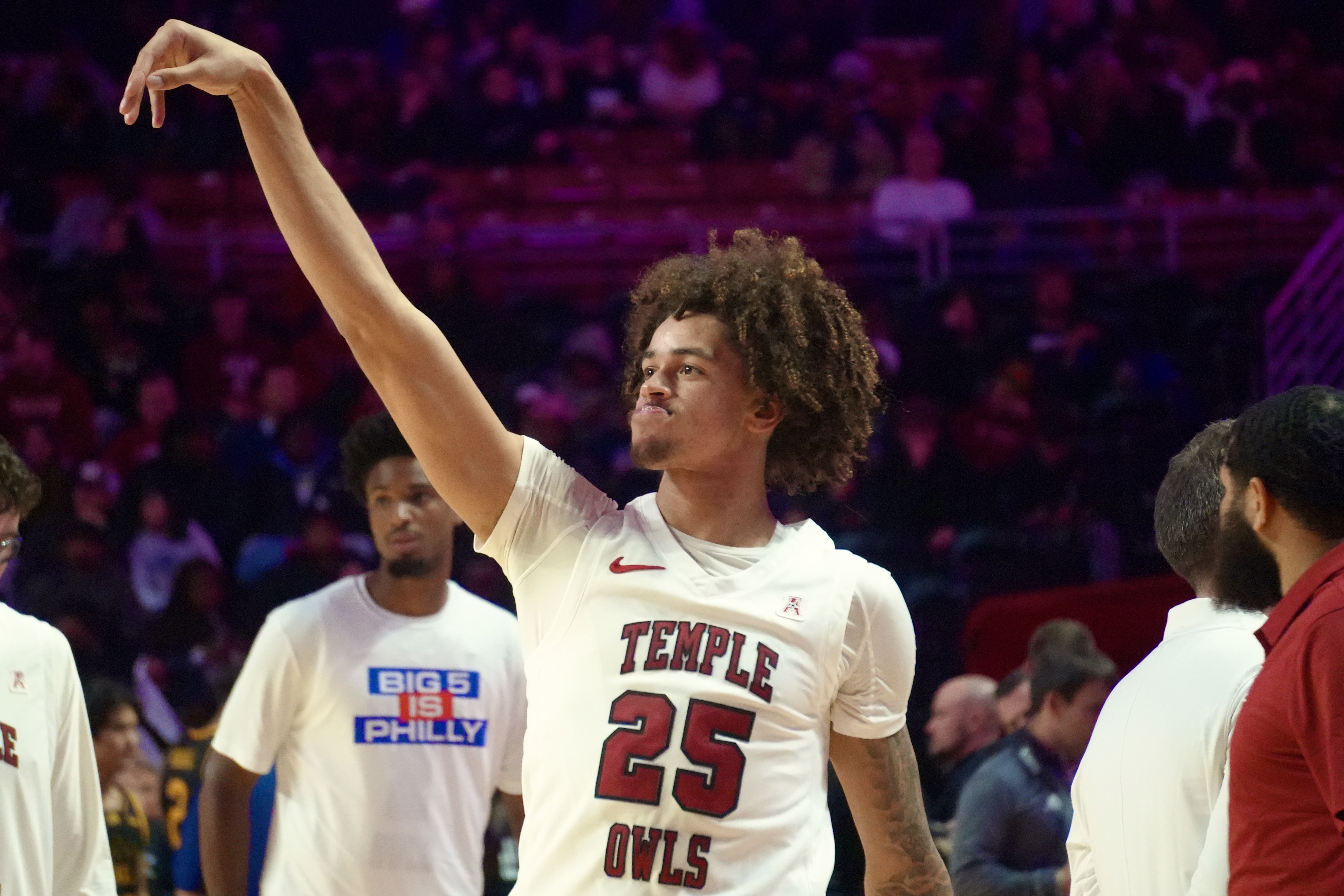
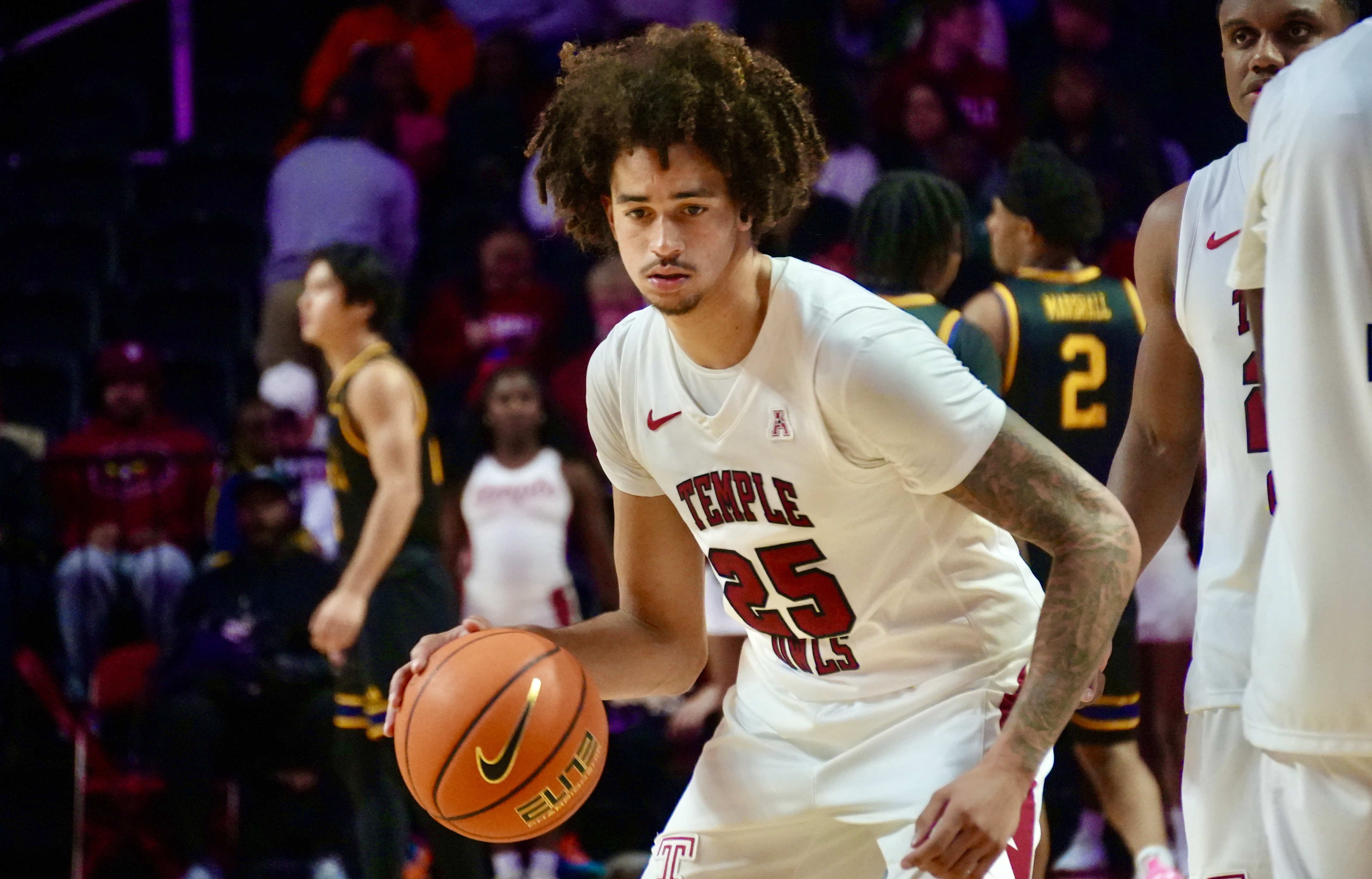

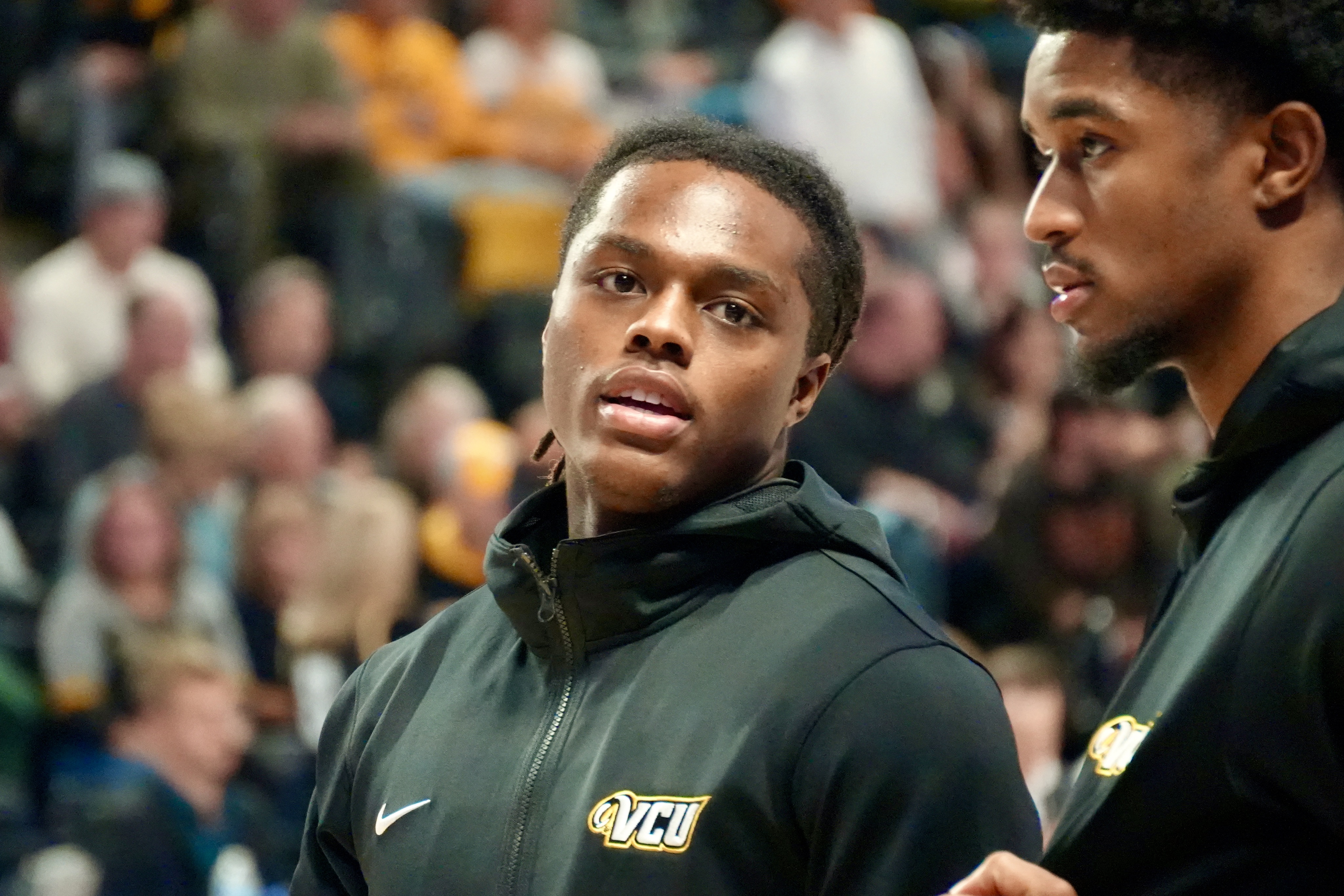

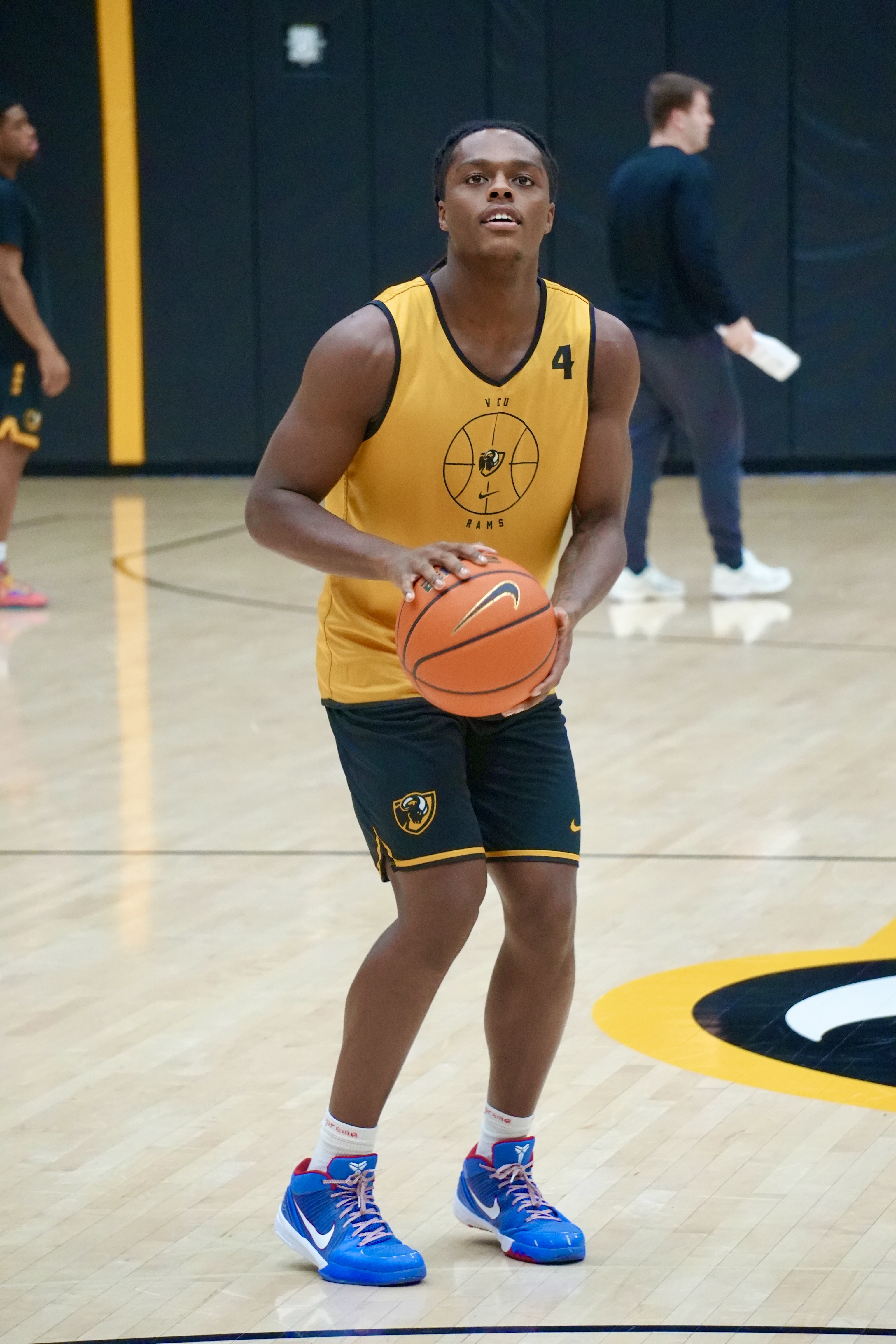
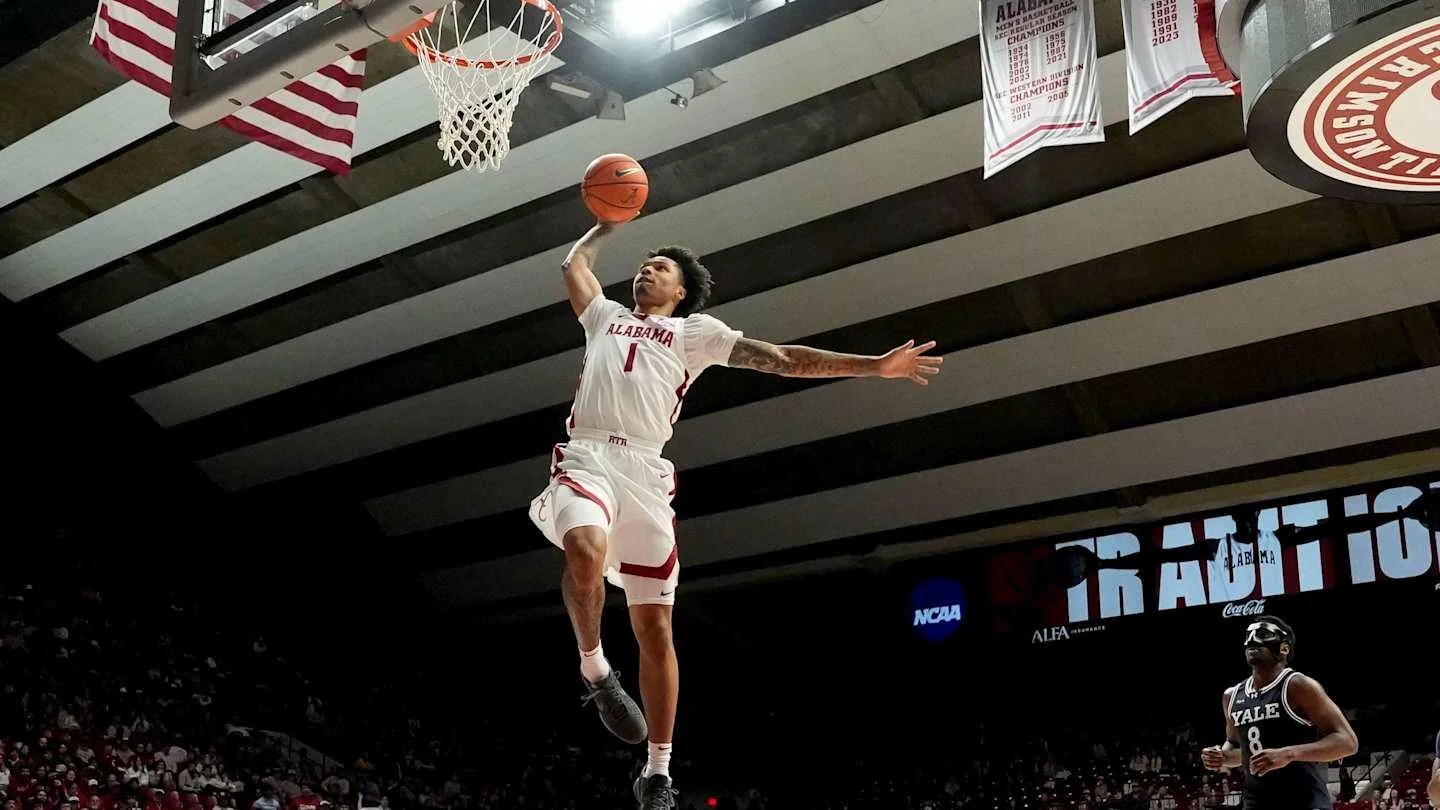
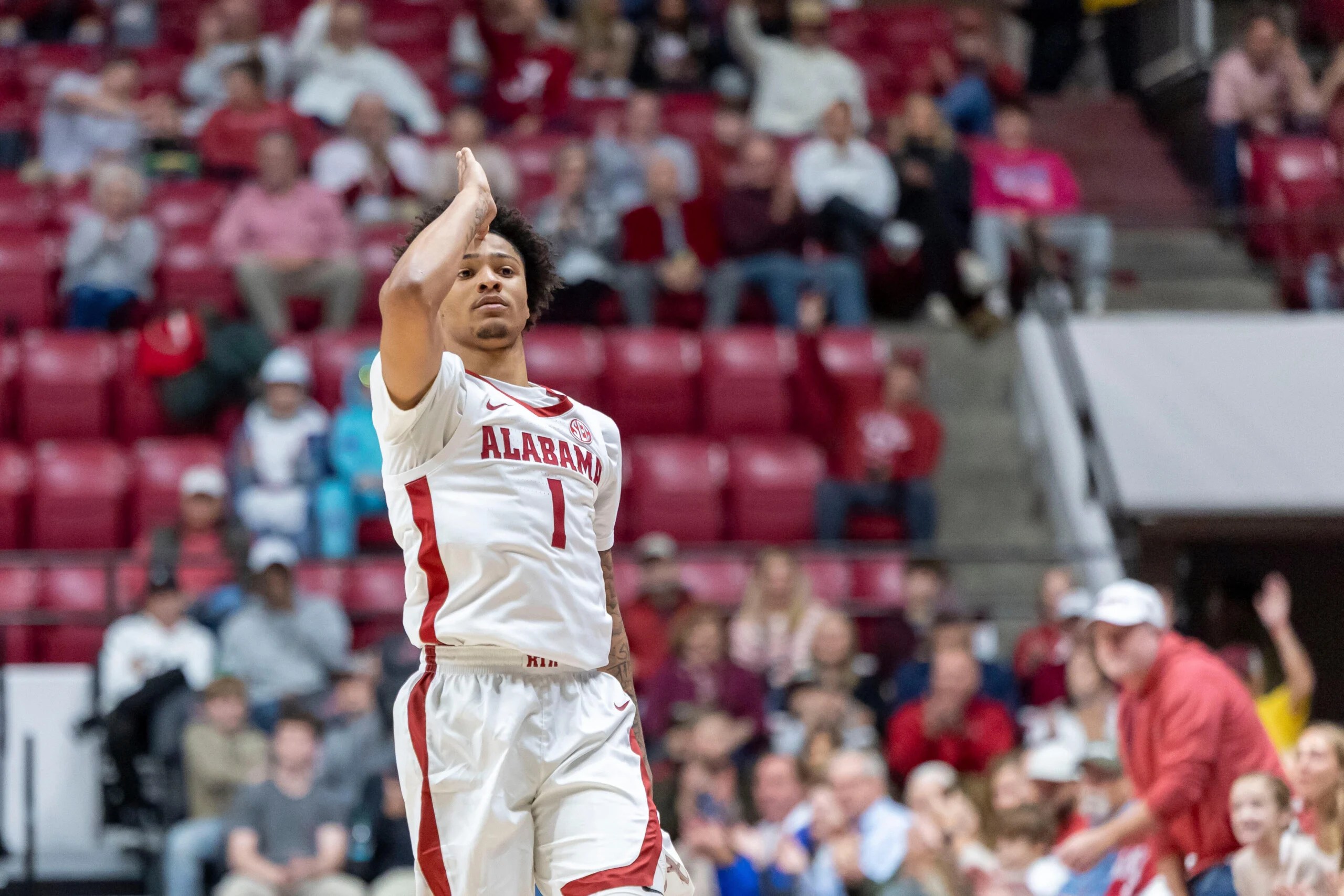

 The Black Cager