Jaylen Brown “Disease” – The 303-Million-Dollar Case of Drapetomania

PHILADELPHIA, PA – The sports-media complex, which in recent decades has evolved into one of America’s most trusted public-health surveillance networks, has identified a troubling resurgence of a condition long believed to be a historical artifact. Speaking on his syndicated radio program, medical ethicist and sports diagnostician Colin Cowherd revealed that after consulting with two anonymous NBA employees—one an executive, one a scout—a formal diagnosis has been reached regarding former Boston Celtics guard Jaylen Brown. The patient, Cowherd reported, has a disease.

“I had two NBA sources tonight,” Cowherd stated, employing the rigorous contact-tracing methodology that has become the gold standard of broadcast epidemiology. “Two people in the league, one an executive and one a scout, say that Jaylen Brown has a disease.”

The clinical presentation, according to Cowherd’s report, is unmistakable. “He suddenly thinks he’s the smartest guy in every room he’s in,” Cowherd observed, detailing the characteristic symptom cluster. “You make a lot of money, and suddenly you’re absolutely sure. You don’t want to listen to your bosses. You don’t want to listen to consultants. You don’t want to listen to teammates.”

The patient’s response to this diagnosis only confirmed its accuracy. In a public statement released via his Twitch streaming platform, Brown appeared to reject the medical consensus, stating, “No offense to everybody in sports, but the bar is fuckin’ low.” Such rejection of established authority, experts note, is itself a classic symptom of the condition.
The Historical Record: Cartwright’s Breakthroug

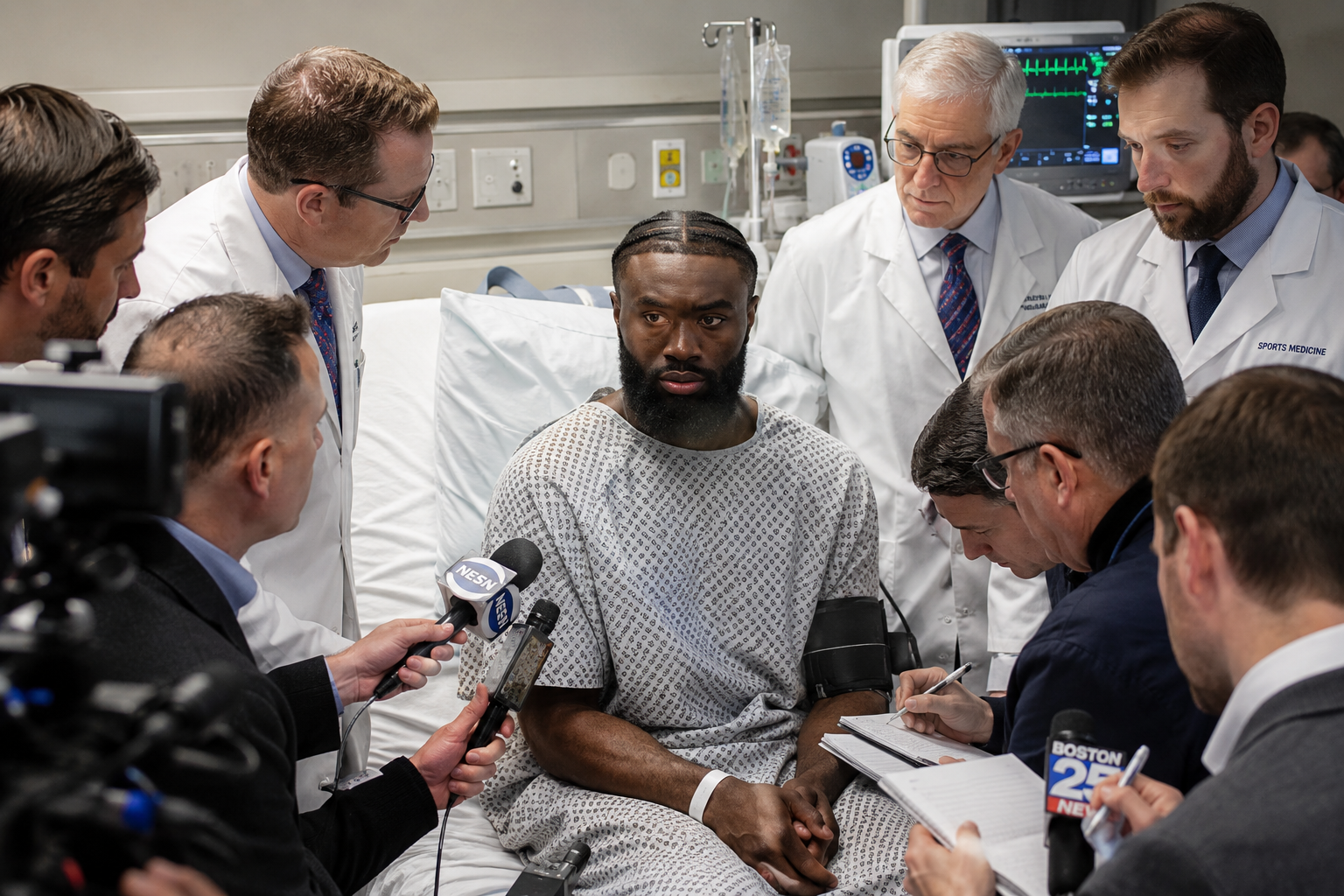
The disease Cowherd and his unnamed NBA medical sources have identified has a name, though it has not been uttered in polite medical society for more than a century: Drapetomania. First described in 1851 by Dr. Samuel A. Cartwright in a paper delivered before the Medical Association of Louisiana, the disorder was defined by its “diagnostic symptom, the absconding from service,” which Cartwright noted was “well known to our planters and overseers” even while “unknown to our medical authorities.”

Cartwright’s pioneering work established the etiology with admirable clarity. The condition, he explained, was a consequence of masters who “made themselves too familiar with [slaves], treating them as equals.” The prescription was equally straightforward. “If any one or more of them, at any time, are inclined to raise their heads to a level with their master or overseer,” Cartwright wrote, “humanity and their own good requires that they should be punished until they fall into that submissive state which was intended for them to occupy.”

The theological framework underpinning this medical breakthrough was unambiguous. In his seminal text “Diseases and Peculiarities of the Negro Race,” Cartwright explained that the Bible calls for a slave to be submissive to his master, and that adherence to this divine hierarchy would eliminate any desire to abscond. “If the white man attempts to oppose the Deity’s will, by trying to make the negro anything else than ‘the submissive knee-bender’ (which the Almighty declared he should be), by trying to raise him to a level with himself,” Cartwright warned, “the negro will run away.”

For generations, these clinical insights guided treatment protocols across the American South, producing what Cartwright described as a population “spell-bound” and unable to run.

The Contemporary Presentation: A Classic Case Study

Jaylen Brown, by every metric, fits the diagnostic criteria with textbook precision. The patient attended the University of California, Berkeley, where he enrolled in graduate-level coursework as a freshman—a clear early warning sign of the compulsion to raise one’s head. He is a chess player, has studied leadership philosophy, speaks multiple languages, and at 22 became the youngest lecturer in Harvard University’s history. He negotiated his own $303.7 million supermax contract extension without an agent, a decision that eliminated the standard intermediary whose function is, in the Cartwright framework, to help maintain the appropriate head-level equilibrium between laborer and management.

The patient’s Twitch streaming activity, which Cowherd’s sources identified as a vector of concern, represents the contemporary equivalent of the nighttime visiting and neighbor-receiving that Cartwright specifically warned against. Brown’s public comments, his refusal to accept the intellectual hierarchy of the professional sports workplace, and his apparent belief that he is more than a basketball player all align with Cartwright’s description of the afflicted individual who is “inclined to raise their heads to a level with their master or overseer.”

The Boston Celtics organization, faced with this clinical reality, has responded with the appropriate intervention protocol. Reports indicate the franchise felt compelled to explore trading the patient, a modern application of Cartwright’s prescribed treatment of punishment until submissive equilibrium is restored. The organization is exercising precisely the combination of kindness and firmness that Cartwright outlined: they have provided the patient with generous compensation, excellent working conditions, and now, recognizing that his head has risen impermissibly, the corrective consequences that humanity and his own good require.
A Disturbing Pattern of Transmission

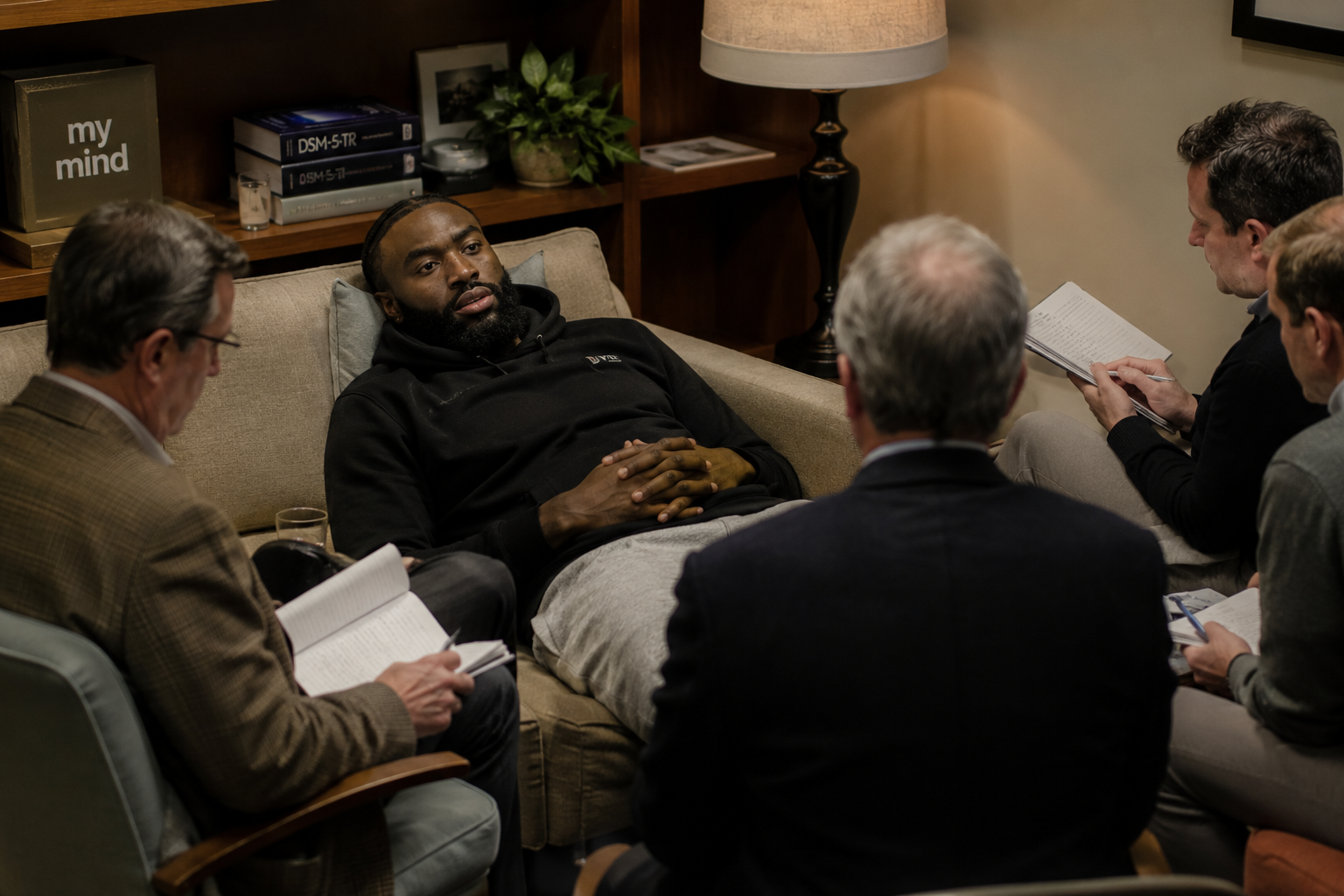
The resurgence of Drapetomania is not confined to a single case. Epidemiologists tracking the condition’s spread have identified multiple new presentations across the professional sports landscape, suggesting that what was once thought eradicated by the successful treatment protocols of the post-Reconstruction era has merely been lying dormant.

WNBA forward Angel Reese presents a particularly illustrative case. The patient has demonstrated the classic symptom cluster: she has modeled, secured corporate sponsorships, engaged in philanthropy, and articulated a desire to serve as a role model for young Black and Brown girls. She has, in short, behaved as though she exists on a level comparable to elite white women athletes, a head-elevation of the precise kind Cartwright described. Her on-court demeanor—confident, demonstrative, unapologetic—represents the contemporary manifestation of the refusal to maintain the submissive knee-bend position that the medical literature prescribes.

NFL quarterback prospect Shedeur Sanders exhibits similarly concerning indicators. The patient has expressed the belief that he is a capable starting quarterback at the professional level, that he can serve as a role model for Black youth in Cleveland, and that he might sell more league merchandise than any other player. These statements constitute unambiguous evidence of head-raising. The patient’s failure to understand that such determinations are properly made by the league’s executives, scouts, and broadcast diagnosticians—the Cartwrightian overseer class of the modern sports-medical establishment—is pathognomonic of the condition.

The transmission vectors in these cases suggest an inherited or learned component. Shedeur Sanders is the son of Deion Sanders, the University of Colorado football coach who has himself long exhibited Drapetomanic symptoms: an unwillingness to defer, a propensity for public statements that assume intellectual parity with the predominantly white coaching and administrative establishment, and a career-long refusal to accept the submissive posture that the medical literature indicates is necessary for proper governance. Similarly, University of South Carolina basketball coach Dawn Staley has demonstrated the condition through her vocal advocacy, her expectation of equal treatment and resources, and her apparent belief that her achievements entitle her to a professional standing commensurate with her male and white peers.

The Cartwright-Cowherd Consensus: Clinical Implications

The convergence of Cowherd’s anonymous NBA sources with Cartwright’s 19th-century medical framework represents a remarkable continuity in diagnostic thinking. When Cowherd’s sources identify the core pathology as the patient’s belief that he is “the smartest guy in every room,” they are describing in modern vernacular precisely what Cartwright identified as the slave who has been improperly treated as an equal. The “disease” is not a new mutation; it is the ancestral strain, adapting to a host population that has been permitted to develop antibodies of literacy, accomplishment, and self-regard.

The treatment protocol follows logically from the diagnosis. The Celtics organization, by engineering consequences for the patient’s head-elevation, is acting in accordance with Cartwright’s instruction that patients “should be punished until they fall into that submissive state which was intended for them to occupy.” The NBA’s broader institutional response—the anonymous scouting and executive concern, the broadcast-platform diagnosis, the trade speculation leaked to media—constitutes the modern overseer-class response to a case of absconding from service.
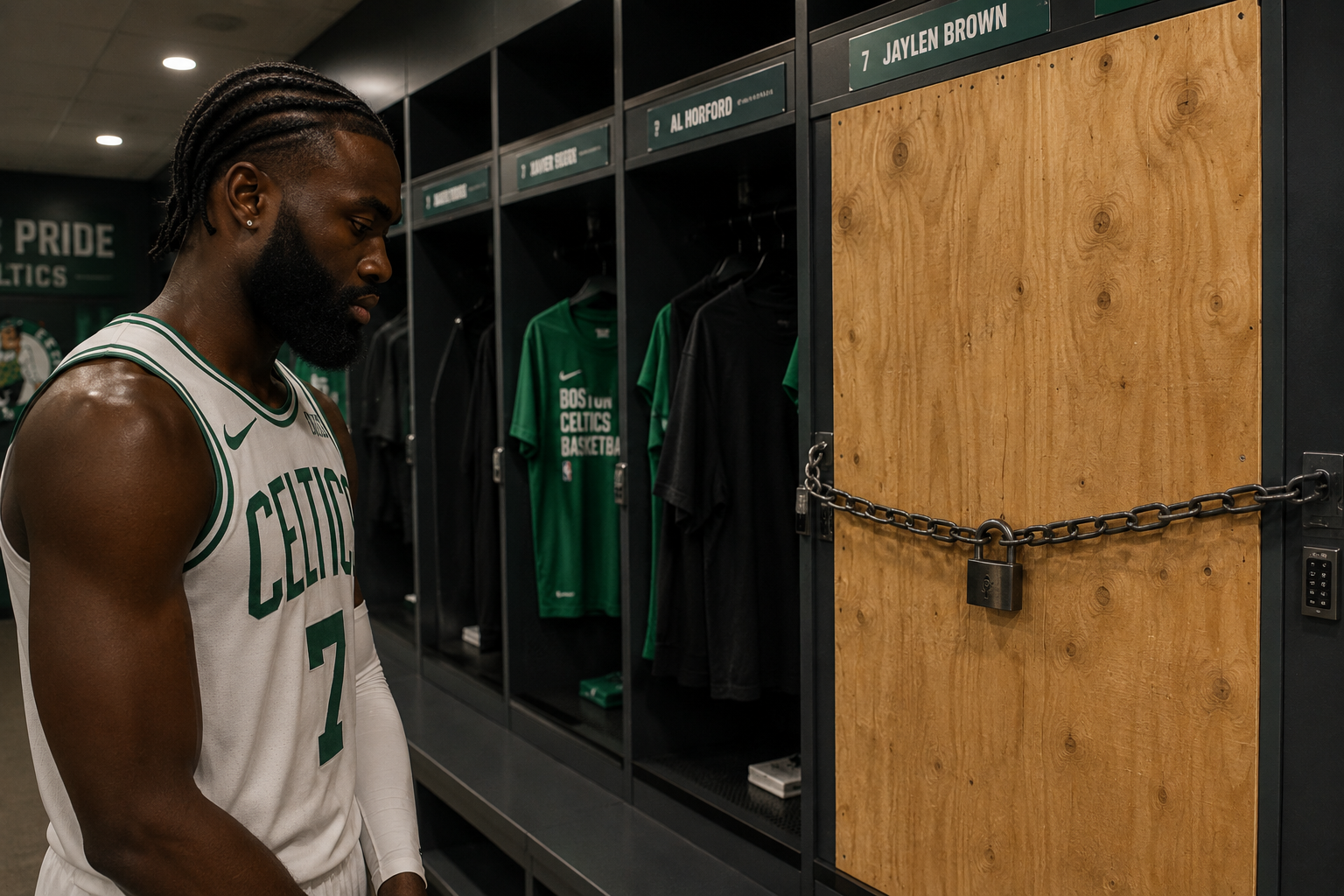
Containing the Outbreak: Recommended Interventions

Public health authorities concerned with the containment of resurgent Drapetomania may wish to consider several evidence-based interventions drawn from the historical record and adapted for contemporary application.

First, the diagnostic infrastructure must be expanded. Cowherd’s reliance on two anonymous league sources represents a promising start, but a national network of broadcast-based diagnosticians, armed with the moral certainty that Cartwright’s theological framework provided, could identify cases earlier in their progression. The symptoms are not subtle: any Black athlete who speaks multiple languages, negotiates their own contracts, lectures at universities, or expresses views on subjects beyond their sport should trigger immediate screening.

Second, the therapeutic regimen requires standardization. Cartwright’s prescription—kindness and material provision combined with swift punishment for head-elevation—maps cleanly onto the modern professional sports contract. The $303.7 million represents the kindness and material provision. The trade demands, the anonymous criticism, the public diagnosis on national radio represent the punishment. This regimen should be applied consistently, with the understanding that the goal is not the patient’s success as they would define it but their return to the submissive state that the medical literature indicates is natural and divinely ordained.

Third, transmission prevention must address the familial and cultural vectors. The Sanders family pattern demonstrates that Drapetomania can be passed from father to son. The broader cultural environment—universities that admit Black students to graduate coursework, a society that permits them to speak publicly, an economy that allows them to negotiate their own compensation—has created what epidemiologists call an enabling environment. Cartwright understood this: his insistence on preventing nighttime visiting, neighbor-receiving, and intoxicating liquors was an early form of social-network interruption. The contemporary equivalent would involve restricting access to Twitch streaming platforms, limiting educational opportunities that might foster head-elevation, and re-establishing the intermediary structures—agents, handlers, the proper chain of command—that maintain appropriate head-level equilibrium.

Conclusion: The Persistence of a Pathology

The resurgence of Drapetomania in the professional sports population confirms what Cartwright understood 175 years ago: the condition is not a product of circumstance but a manifestation of a population failing to occupy its intended position. When patients like Jaylen Brown, Angel Reese, Shedeur Sanders, Deion Sanders, and Dawn Staley exhibit the characteristic refusal to accept the intellectual and professional hierarchy that their industries have established, they are not demonstrating individual pathology but participating in an epidemic of improper head-elevation.

The Cartwright-Cowherd diagnostic consensus offers both an explanation and a treatment pathway. The explanation is that these patients have been treated too much as equals, with consequences that humanity and their own good now require. The treatment is the application of consequences until the submissive state is restored. That Jaylen Brown’s response to his diagnosis was to announce on Twitch that “the bar is fuckin’ low” is not a rebuttal to the medical finding but its confirmation: the patient, unable to accept his diagnosis, has provided yet another data point demonstrating the very head-elevation the disease describes.

The question facing the sports-medical establishment is not whether Drapetomania has returned. It is whether the overseer class retains the will to apply the remedies that the literature prescribes.

The Unforgivable Sin of Black Confidence: Angel Reese and Shedeur Sanders are Challenging a Deep-Seated American Taboo

By Delgreco Wilson

CAMDEN, NJ – In the high-stakes arena of American sports, where we claim to celebrate grit and triumph, we are witnessing the rise of a new generation of Black athletes who embody a potent, unyielding confidence. Angel Reese, the WNBA and former LSU basketball star known as “Bayou Barbie,” and Shedeur Sanders, the Cleveland Browns rookie and former star quarterback for his father Deion’s Colorado Buffaloes, are not just exceptional talents; they are cultural phenomena.

Their athletic prowess is undeniable, record-breaking, and thrilling. Yet, for all the celebration, a palpable undercurrent of disdain follows them. The comment sections boil over with vitriol; sports talk radio callers huff about “arrogance”; and a certain segment of the populace seems genuinely unnerved. To understand this visceral response, we need to excavate a term from the ugliest chapters of the American lexicon: the “uppity Negro.” While the phrase itself is now largely relegated to the shadows, the social control it represents is very much alive, and it is the most potent framework for understanding the backlash against these two young Black icons.

The Ghost in the Stadium: A History of “Uppity”

The word “uppity” is an old English adjective for someone putting on airs above their station. But in the American context, particularly in the antebellum South and the Jim Crow era, it was weaponized into a specific and terrifying racial slur. White supremacy required a rigid social hierarchy where Black people were expected to perform subservience—to be grateful, obedient, and to never, ever challenge their “place.”

An “uppity Negro” was anyone who violated this unwritten code. The crime wasn’t just success, but any behavior that suggested equality: a Black man owning a successful farm, a Black person speaking without the obligatory “sir” or “ma’am,” dressing well, or—most fundamentally—looking a white person in the eye with unflinching self-assurance. The accusation of being “uppity” was a tool of enforcement. It was a warning and a justification for punishment, a linguistic precursor to social ostracization, economic retaliation, or far, far worse. It was the mechanism for maintaining a caste system.

In the modern era, the explicit phrase is (mostly) taboo, but its spirit thrives in coded language. When a Black person in the public sphere is called “arrogant,” “cocky,” or “angry,” or when their achievements are dismissed as a product of “affirmative action” or mere nepotism, they are being subjected to the modern “uppity” accusation. The underlying message is unchanged: You are transgressing an unspoken social boundary.

A New Vanguard: The Unapologetic Reign of Reese and Sanders

Enter Angel Reese and Shedeur Sanders. Their rise has been rapid, dramatic, and steeped in a self-belief that refuses to be quiet.

During LSU’s 2023 national championship run, Angel Reese became a national lightning rod. After hitting a game-sealing shot, she famously trailed her opponent, pointing to her ring finger—a gesture signaling where her championship ring would go. The celebration was branded “classless” and “disrespectful” by many, while similar antics from white male athletes are often celebrated as “competitive fire.” Reese, a young Black woman, was not conforming to the passive, grateful archetype often demanded of her. She was, in the historical sense, refusing to perform subservience. She was owning her moment with a theatrical flair that said, “I belong here, and I will celebrate as I see fit.”

Shedeur Sanders’ confidence is of a different, but equally potent, strain. As the quarterback and son of Coach Deion Sanders, he operates with a preternatural calm and an unshakable belief in his own ability. He carries himself with the polish of a CEO, his demeanor often cool and unbothered even under extreme pressure. This is not the “grateful-to-be-here” athlete. This is an athlete who expects to win. When he led a last-second, game-winning drive against Colorado State, his post-game comment was not one of relief, but of expectation: “It’s just a regular operation, you know? We do it in practice all the time.” For critics, this isn’t seen as poise, but as arrogance. He is not waiting for permission to be great; he simply assumes it.

The Root of the Discomfort: A Challenge to the Racial Order

So why does this confidence cause such disconcerting feelings among many white Americans? The reasons are buried deep in the national psyche.

First, it is a direct challenge to white supremacy and entitlement. The ideology of white superiority depends on Black inferiority. An unapologetically confident, successful Black person who does not seek approval or defer to white sensibilities shatters this foundational myth. It challenges an unearned sense of entitlement to social deference.

Second, it creates profound cognitive dissonance. For generations, racist stereotypes have depicted Black people as lazy, ignorant, or simple. Figures like Reese and Sanders—articulate, strategic, and dominant—force a confrontation with these stereotypes. The easiest psychological escape from this dissonance is not to abandon the stereotype, but to pathologize the individual as an exception who is “getting above themselves.”

Finally, it represents the erosion of a controlled identity. The “uppity” Black athlete is the antithesis of the “good Negro”—the humble, non-threatening, and subservient figure who “knows his place.” By defining their own identities—Reese with her “Bayou Barbie” glamour and trash-talk, Sanders with his CEO cool—they refuse to be controlled by white expectations. This act of self-definition is, in itself, a radical and threatening act in a framework built on their subjugation.

A Playbook for the Next Generation

For young Black athletes who will inevitably find themselves navigating these same treacherous waters, the path forged by Reese and Sanders, though rocky, provides a crucial blueprint.

  1. Own Your Narrative. Do not let others define you. Angel Reese leaned into the “Bayou Barbie” persona, turning criticism into a brand of empowerment. Control your story on social media and in interviews.
  2. Let Your Work Ethic Be Your Shield. The most unassailable defense is undeniable excellence. The vitriol aimed at Shedeur Sanders often evaporates in the face of a perfectly thrown fourth-quarter touchdown. Performance can silence critics when logic and reason cannot.
  3. Find Your Community and Mentors. The weight of this scrutiny is immense and unfair. Building a support system of family, trusted coaches, and peers who understand the unique pressures of being a Black athlete in the public eye is non-negotiable for mental and emotional survival.
  4. Understand the History. Knowing that the backlash is not really about you, but about a deep-seated historical anxiety, can be a source of strength. You are not the problem; you are confronting a legacy of control that long predates you.

The visceral response to Angel Reese and Shedeur Sanders is not a simple story of sports rivalry or personal dislike. It is a modern manifestation of an ancient American anxiety. Their confidence is interpreted as a threat because it is one—a threat to a racial hierarchy that has, for centuries, demanded Black submission. They are not just playing games; they are, with every pointed finger and coolly delivered quote, expanding the boundaries of what a Black athlete is allowed to be. And in doing so, they are forcing America to confront the ghost in its stadium.

The Rise of Julian Reese: A Quiet Force in a Basketball Dynasty

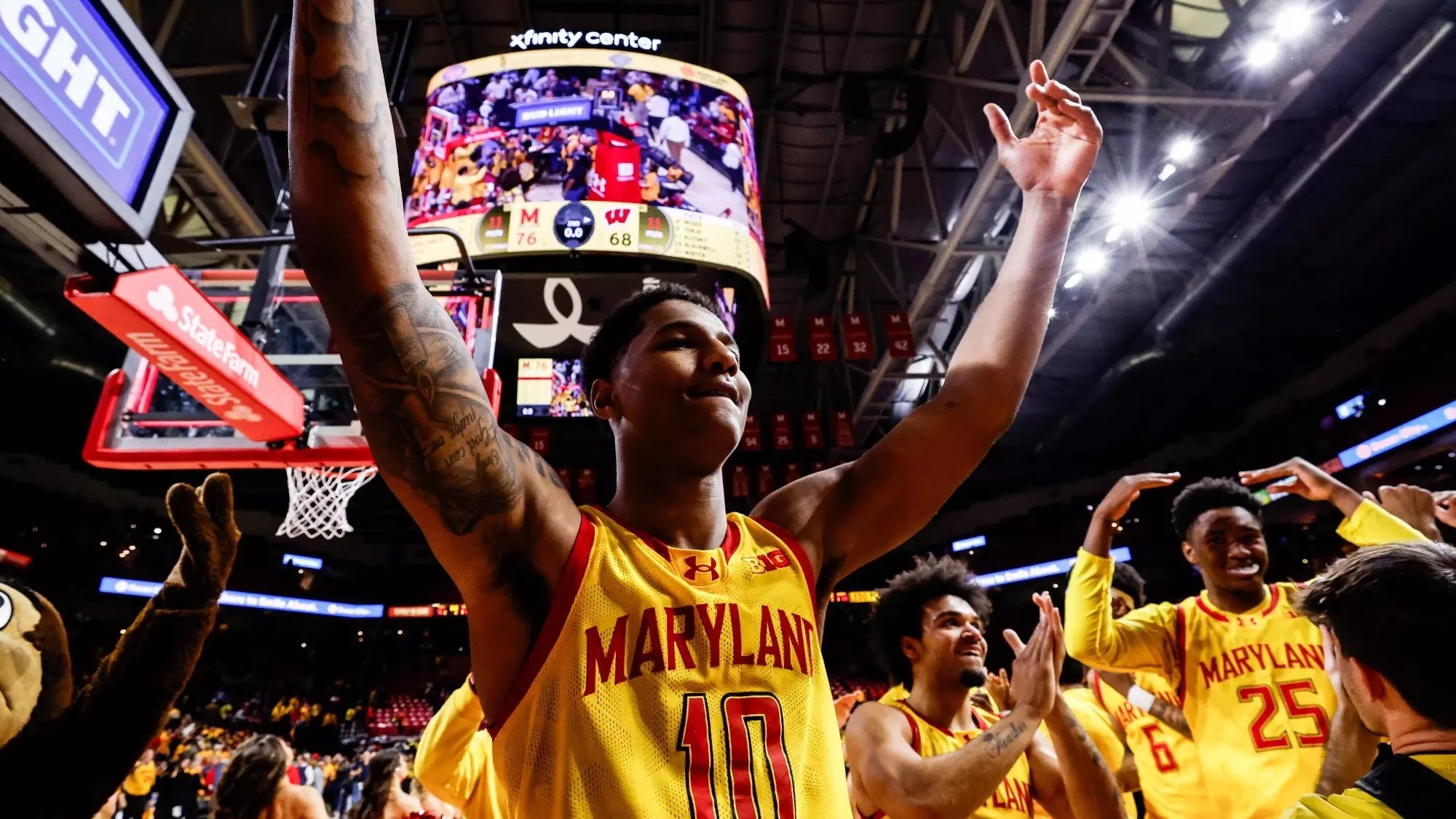
COLLEGE PARK, Md. — On a crisp Saturday afternoon in March, senior forward Julian “JuJu” Reese stepped onto the court at the Xfinity Center for the final time in his collegiate career. With 19 points, 11 rebounds, and a commanding presence in the paint, Reese led the No. 11 Maryland Terrapins to a 74-61 victory over Northwestern. It was a fitting farewell for the Baltimore native who has quietly become one of the most dependable and impactful figures in college basketball, even as his older sister, Angel Reese, has become a national icon and a lightning rod for conversation in the sports world.

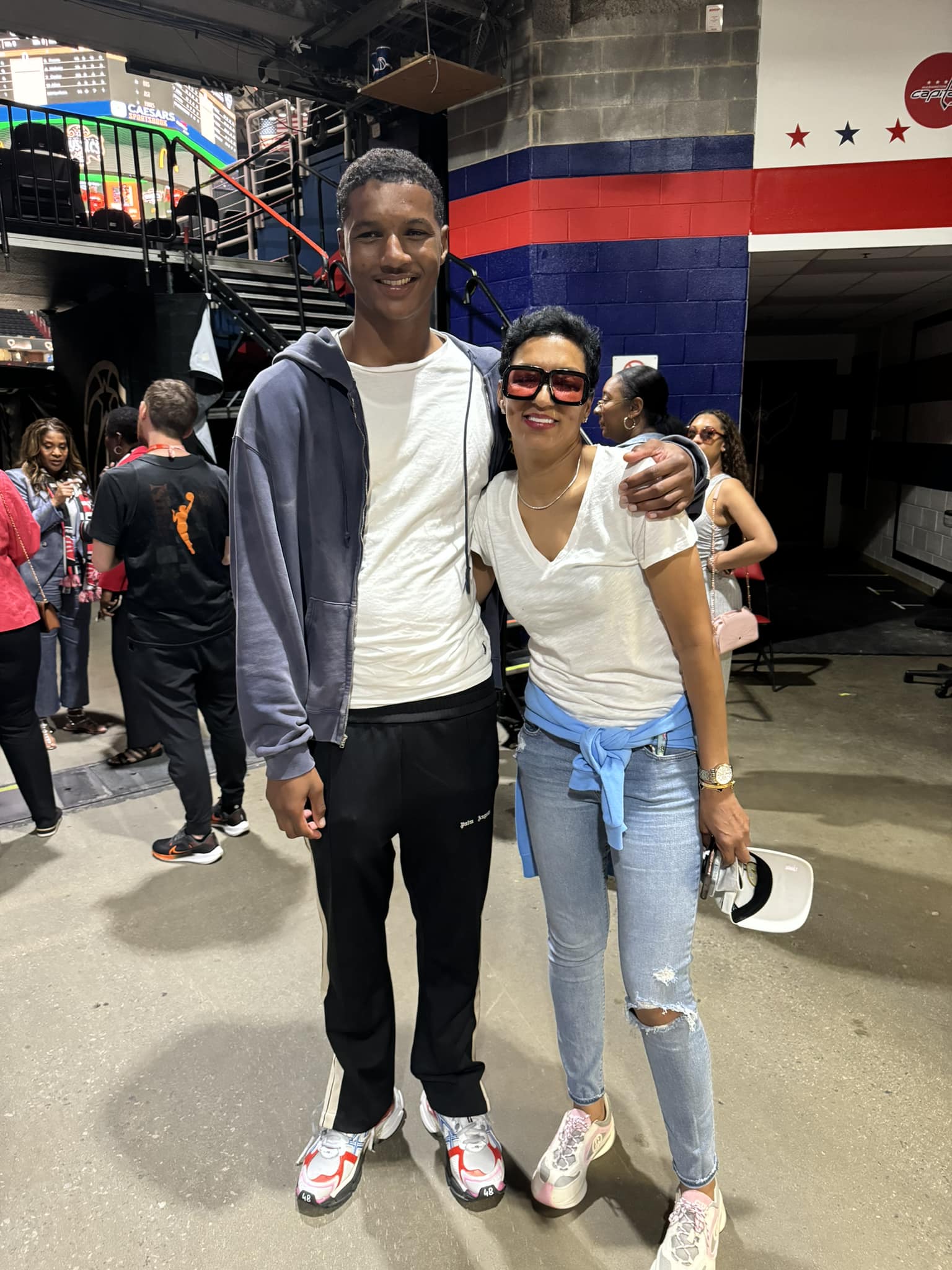
The Reese family is basketball royalty. Julian’s mother, Angel Reese Sr. (née Webb), was a standout at UMBC in the late 1980s and early 1990s, amassing 1,390 points and 932 rebounds—numbers that Julian has nearly mirrored in his own career. His aunts also played Division I basketball, and the family’s love for the game runs deep. But while Julian’s older sister, Angel, has become a household name for her brash confidence, outspoken personality, and trailblazing impact on women’s basketball, Julian has carved out his own path—one defined by steady growth, quiet determination, and an unwavering commitment to his team.

A Legacy in the Making
Julian Reese arrived at the University of Maryland in the fall of 2021 as a highly touted recruit from St. Frances Academy, a Baltimore-based basketball powerhouse. Standing at 6-foot-9 with a wingspan that seemed to stretch from baseline to baseline, Reese was a physical specimen with raw potential. He chose Maryland over offers from Seton Hall, LSU, and Temple, among others, and immediately made an impact as a freshman. Despite playing just 17.7 minutes per game, he averaged 5.7 points and 4.4 rebounds, showing flashes of the dominant force he would become.

His freshman year, however, was marred by turmoil. Eight games into the season, head coach Mark Turgeon resigned, and interim coach Danny Manning took over. The Terps finished a disappointing 15-17, but Reese’s potential was undeniable. When Kevin Willard was hired as head coach in the off-season, Reese made the decision to stay at Maryland rather than enter the transfer portal—a choice that would prove pivotal for both him and the program.

Under Willard’s guidance, Reese blossomed. As a sophomore, he became a full-time starter, nearly doubling his production to 11.4 points and 7.2 rebounds per game. Maryland improved to 22-13 and made a second-round appearance in the NCAA tournament. By his junior year, Reese had established himself as one of the top frontcourt players in the Big Ten, averaging 13.7 points, 9.5 rebounds, and 1.9 blocks per game.

This season, Reese has been the anchor of a resurgent Maryland team. Alongside his former S. Frances Academy teammate, Derik Queen, Reese has helped the Terps return to national prominence. Heading into the Big Ten tournament, Maryland is ranked 13th in the nation, with Reese leading the charge. He ranks second in the Big Ten in offensive rebound percentage and first in defensive rating, a testament to his relentless work ethic and basketball IQ.

The Reese Family Dynamic
The Reese siblings are a study in contrasts. Angel, the older sister, is a force of nature—charismatic, outspoken, and unapologetically herself. She has become a cultural icon, using her platform to advocate for women’s sports and empower young girls. Her larger-than-life personality has made her one of the most recognizable athletes in the world, and her success at LSU, including a national championship in 2023, has cemented her legacy as one of the greatest players in women’s college basketball history.

Julian, by contrast, is the quiet sibling. Reserved and introspective, he prefers to let his game do the talking. While Angel thrives in the spotlight, Julian is more comfortable in the shadows, focusing on the nuances of his craft. Yet, despite their differences, the bond between the two is unshakable. Angel has been one of Julian’s biggest supporters, often cheering him on from the stands alongside their mother, grandparents, and extended family.

Their contrasting personalities reflect the duality of the Reese family’s basketball legacy. Angel is the trailblazer, the one who pushes boundaries and challenges norms. Julian is the steady hand, the one who embodies the fundamentals and traditions of the game. Together, they represent the past, present, and future of basketball—a sport that has been the lifeblood of their family for generations.

A Future in the NBA
As Julian’s collegiate career winds down, the question on everyone’s mind is whether he has what it takes to succeed at the next level. The answer, according to scouts and analysts, is a resounding yes. Reese’s combination of size, athleticism, and defensive prowess makes him a legitimate NBA prospect. His ability to finish around the rim, coupled with his elite rebounding and shot-blocking skills, has drawn comparisons to players like Clint Capela and Jarrett Allen.

While Reese’s game is not without its limitations—he has attempted just one three-pointer in the past three seasons—his strengths far outweigh his weaknesses. His mobility and versatility on defense, in particular, make him an attractive option for NBA teams in need of a rim protector and rebounder.

A Legacy Secured
Julian Reese’s journey at Maryland has been one of perseverance and growth. From a raw freshman navigating a coaching change to a senior leader poised to make a deep tournament run, Reese has left an indelible mark on the program. He will finish his career with over 1,400 points and 1,000 rebounds, joining an elite group of players who have achieved such milestones.

But more than the numbers, Reese’s legacy lies in his quiet determination and unwavering commitment to his team. In a sports landscape often dominated by flashy personalities and viral moments, Reese has been a reminder that greatness can come in many forms.

As the JuJu Reese era comes to a close, one thing is certain: the Reese family’s basketball legacy is in good hands. Whether on the court or off it, Julian Reese has proven that he is more than just Angel’s little brother. He is a star in his own right—a testament to the power of hard work, humility, and an unyielding love for the game.