PHILADELPHIA, PA – We have spent the better part of a decade diagnosing the MAGA movement as a psychological affliction. We have called it a fever, a sickness, a carnival of grievance fueled by economic anxiety, racial resentment, or plain ignorance. We have assured ourselves that the white men who form its emotional and electoral core are voting against their own interests, seduced by a demagogue who exploits their fears while delivering nothing of material value. This diagnosis is comforting. It is also wrong. The most underappreciated feature of the MAGA movement is not its rage or its demagoguery. It is its strategic rationality. From a white male perspective, measured against the actual historical record of American political life, support for Donald Trump and the contemporary Republican Party is not a tantrum. It is a meticulously calculated portfolio allocation, a prudent defense of tangible assets in a marketplace that has always rewarded the ruthless pursuit of group interest.
To dismiss the MAGA coalition as a fever swamp of irrationality is to fundamentally misunderstand both its durability and its danger. The movement has, with considerable sophistication, built upon a long-standing, firmly entrenched American tradition and constructed a modern political decision-making framework that presents support for President Trump as a calculated allocation of political and social capital. This allocation is based not on fantasy but on a clear-eyed assessment of the anticipated actions, reactions, and preferences of non-white immigrants, Black and brown citizens, women, Muslims, and other constituencies whose ascendance threatens to reorder the hierarchy that has governed American life since its founding. We must confront an uncomfortable truth: within the logic of American history as it has actually been practiced, not as it has been mythologized, the MAGA investor is behaving with impeccable rationality.
The Democracy That Never Was
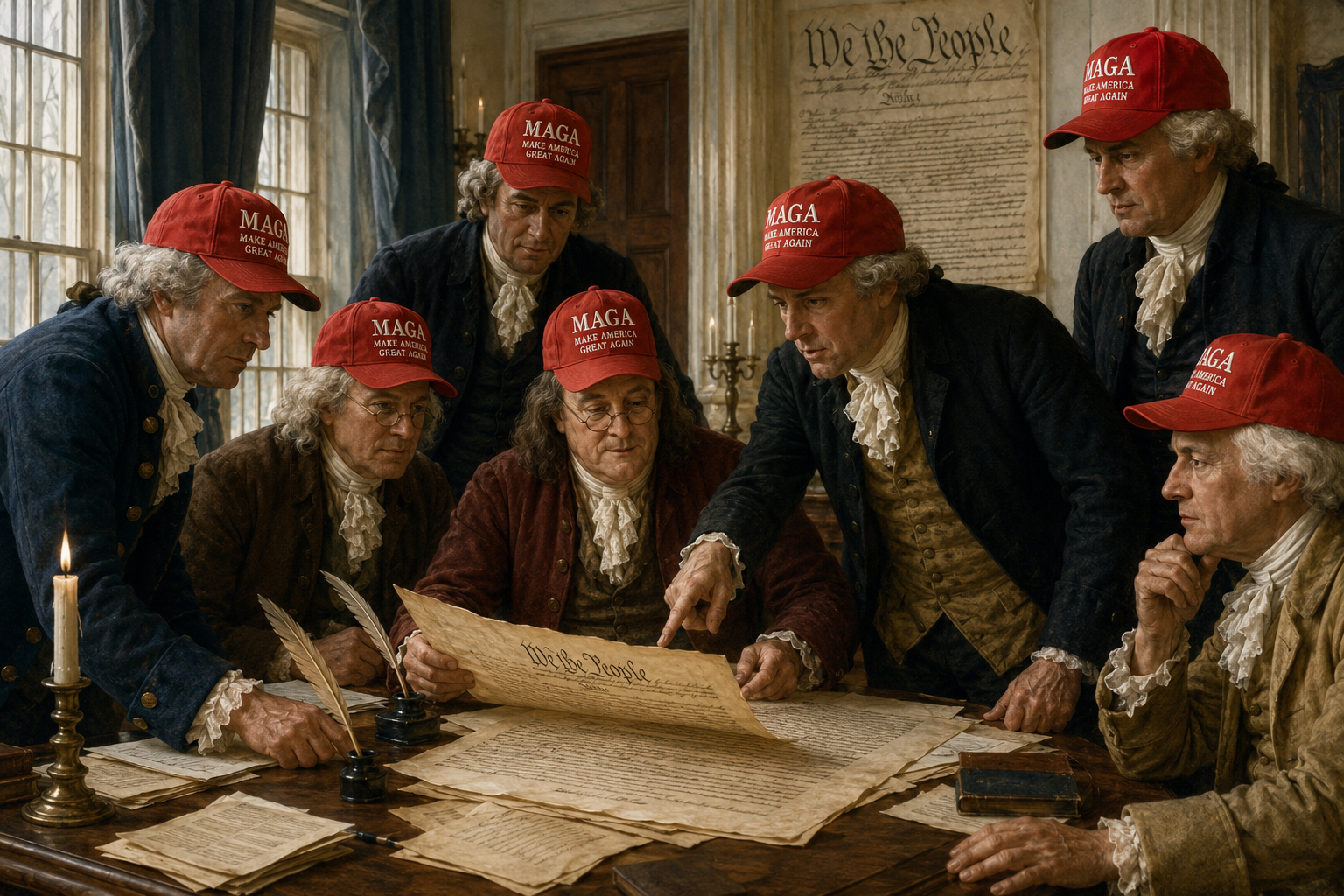
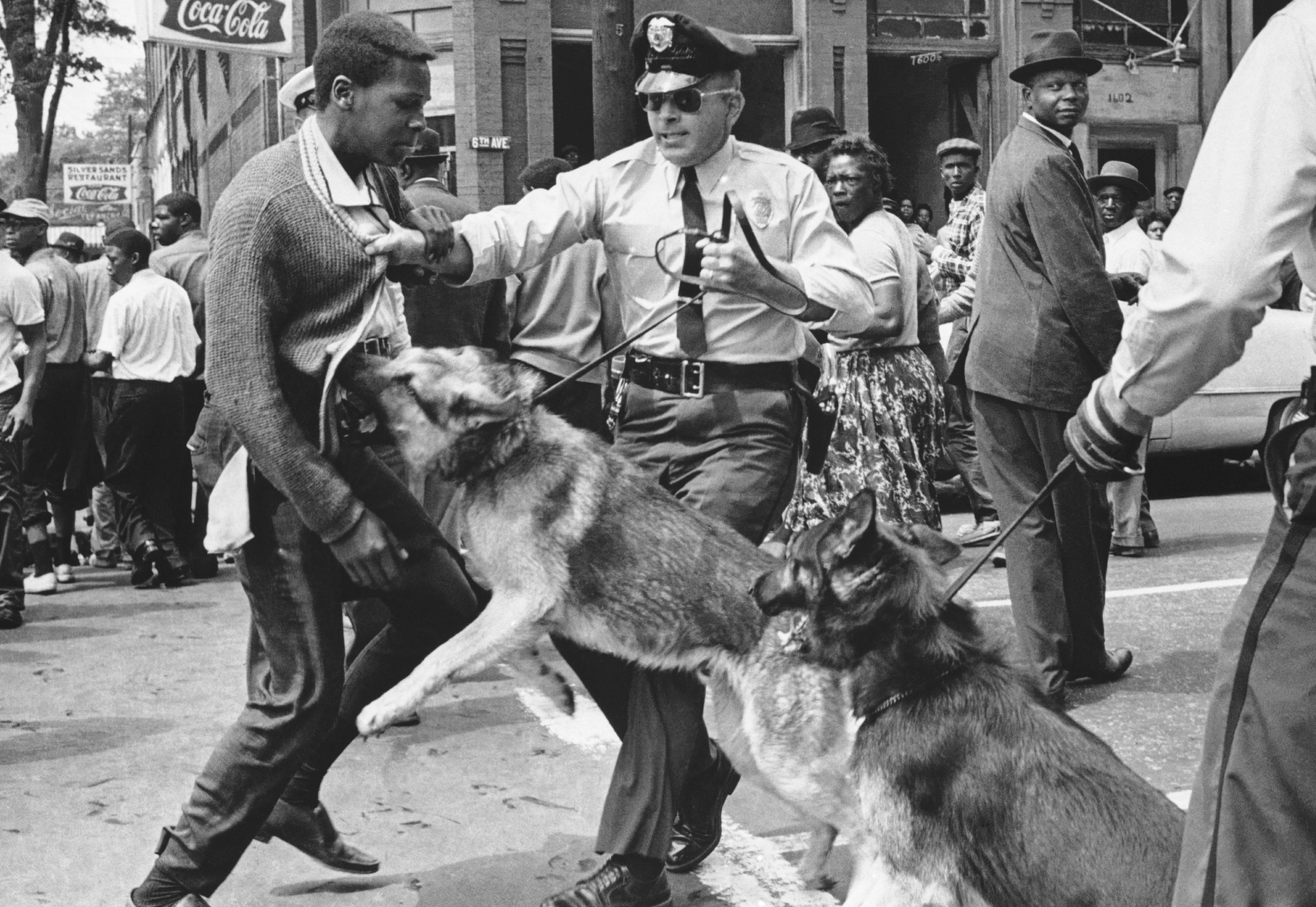
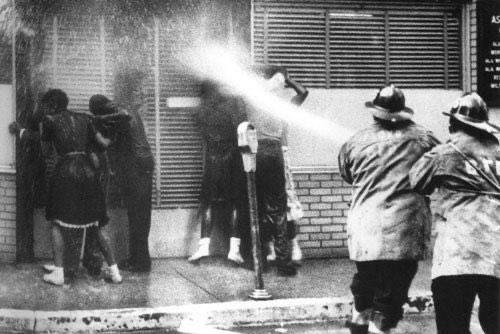
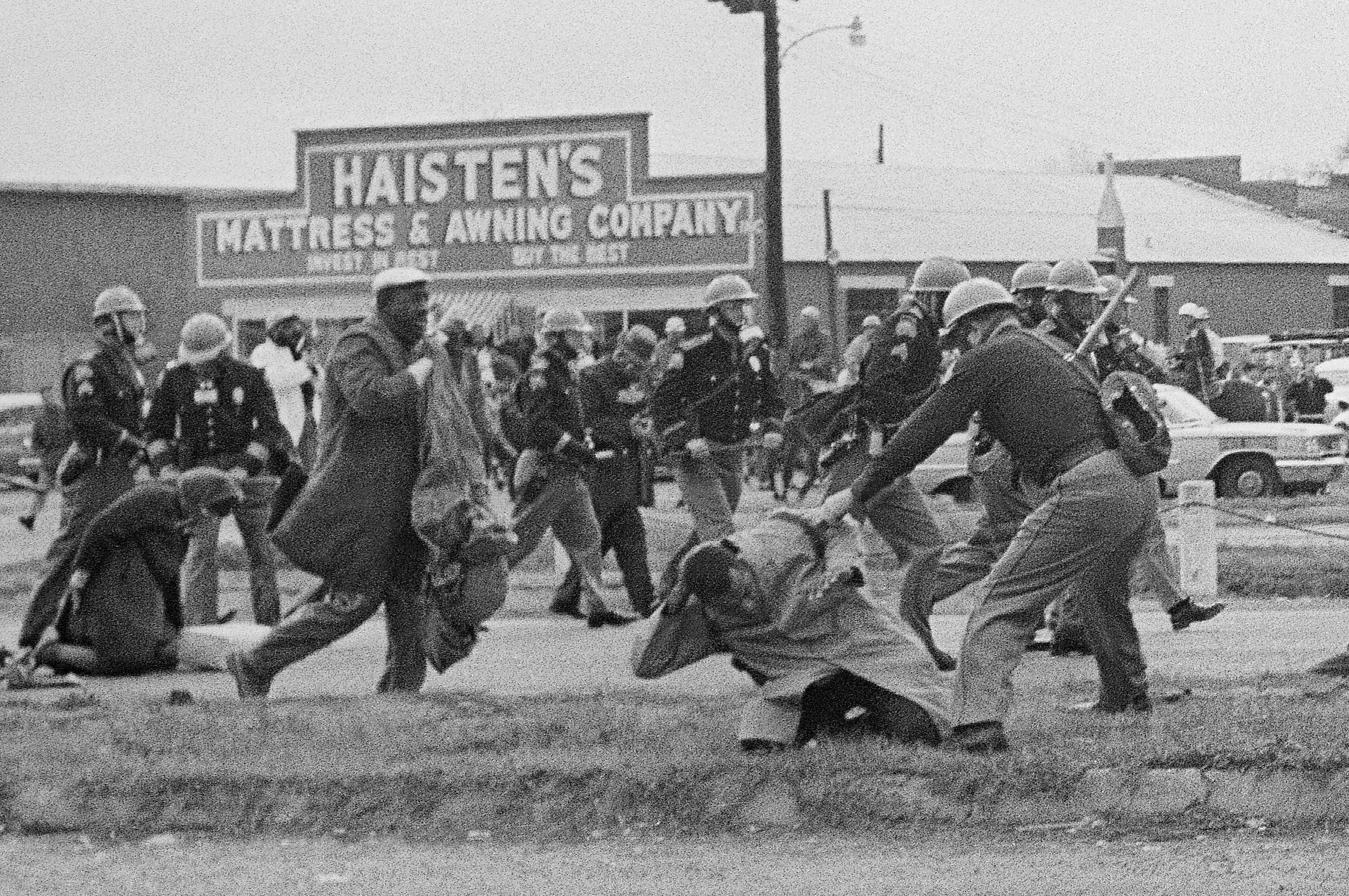
Before we can assess the MAGA portfolio, we must acknowledge the market in which it operates. American democracy has never been the egalitarian enterprise of our civic textbooks. It has, from its inception, allowed for the brutal suppression and oppression of non-white, non-male inhabitants while somehow retaining its status as a democratic society in the eyes of historians, political scientists, and legacy media outlets. This is not a radical critique; it is a plain reading of the historical record. The Constitution was a slaveholder’s compact. The three-fifths clause inscribed Black personhood as a fraction. Indigenous nations were subjected to ethnic cleansing dressed as federal policy. Women of all races were excluded from the franchise until the 20th century. Chinese immigrants were banned by name. Japanese Americans were interned. Jim Crow governed half the country for a century with the explicit blessing of the Supreme Court.
Throughout all of this, the United States was celebrated—and continues to be celebrated—as the world’s preeminent democracy. This is the essential context for understanding white male political behavior. The American political tradition has been defined more consistently by an inegalitarian tradition that justifies the unequal status and political exclusion of groups based on race, gender, ethnicity, and religion than it has been defined by the liberal tradition of individual rights and egalitarian ideals. The liberal tradition is real. It has inspired movements of extraordinary moral courage. But it has almost always been the challenger, not the incumbent. The incumbent, the default setting, the reliable yield across centuries, has been ascriptive hierarchy. The MAGA movement is not a departure from this tradition. It is its contemporary manifestation, its latest and most transparent expression.
The Asset Allocation of a Threatened Class
Within this historical marketplace, the white male MAGA investor is making choices that are legible, logical, and in many respects shrewd. The political decision is framed not as a single vote but as a diversified portfolio designed to hedge against multiple, cascading risks. The immediate returns are tangible and communicated with market-like clarity.
The elimination of Diversity, Equity, and Inclusion programs is presented as the removal of a structural tax on whiteness, an immediate correction to a labor and education market allegedly distorted by artificial preferences that disadvantage white men. Whether or not one accepts this characterization, the logic is internally coherent: if you believe the playing field has been tilted against you, eliminating the mechanism of tilting constitutes a direct material gain. The promise of mass deportation addresses a perceived depreciation of cultural and economic assets—neighborhood cohesion, wage floors in certain sectors, linguistic and cultural dominance—that unrestricted immigration allegedly erodes. The rollback of reproductive rights, while framed in the language of moral conviction, serves a dual function within the portfolio. It is perceived as a means to increase declining white birth rates, a demographic hedge against the “tanning” of America. And it represents a restoration of traditional gender dividends, re-securing the patriarchal returns that feminism had systematically devalued.
These are the blue-chip holdings, the steady and reliable yields.
Then there are the speculative assets, the high-risk, high-reward investments that reveal the portfolio’s ultimate ambition. The January 6 pardons, the attempted creation of a nearly $1.8 billion compensation fund for Trump allies who claim unjust prosecution, and the open discussion of retribution against political enemies represent a wager that the legal and normative constraints on executive power can be permanently rewritten. They are, in portfolio terms, a form of political catastrophe insurance. If the demographic clock is indeed ticking toward a majority-minority nation by 2045, these instruments are designed to lock in structural advantages—judicial appointments, administrative control, legal immunities—that can survive the loss of numerical dominance. The explicit hope is not subtle. It is that white male political dominance and cultural supremacy can be explicitly re-established, insulated from the vicissitudes of democratic competition. The “stop the steal” movement and the cascade of voting restrictions are not merely sour grapes about a lost election. They are a calculated effort to de-risk the electoral marketplace itself, limiting participation by constituencies that threaten the portfolio’s long-term viability.
The Rational Actor Frame
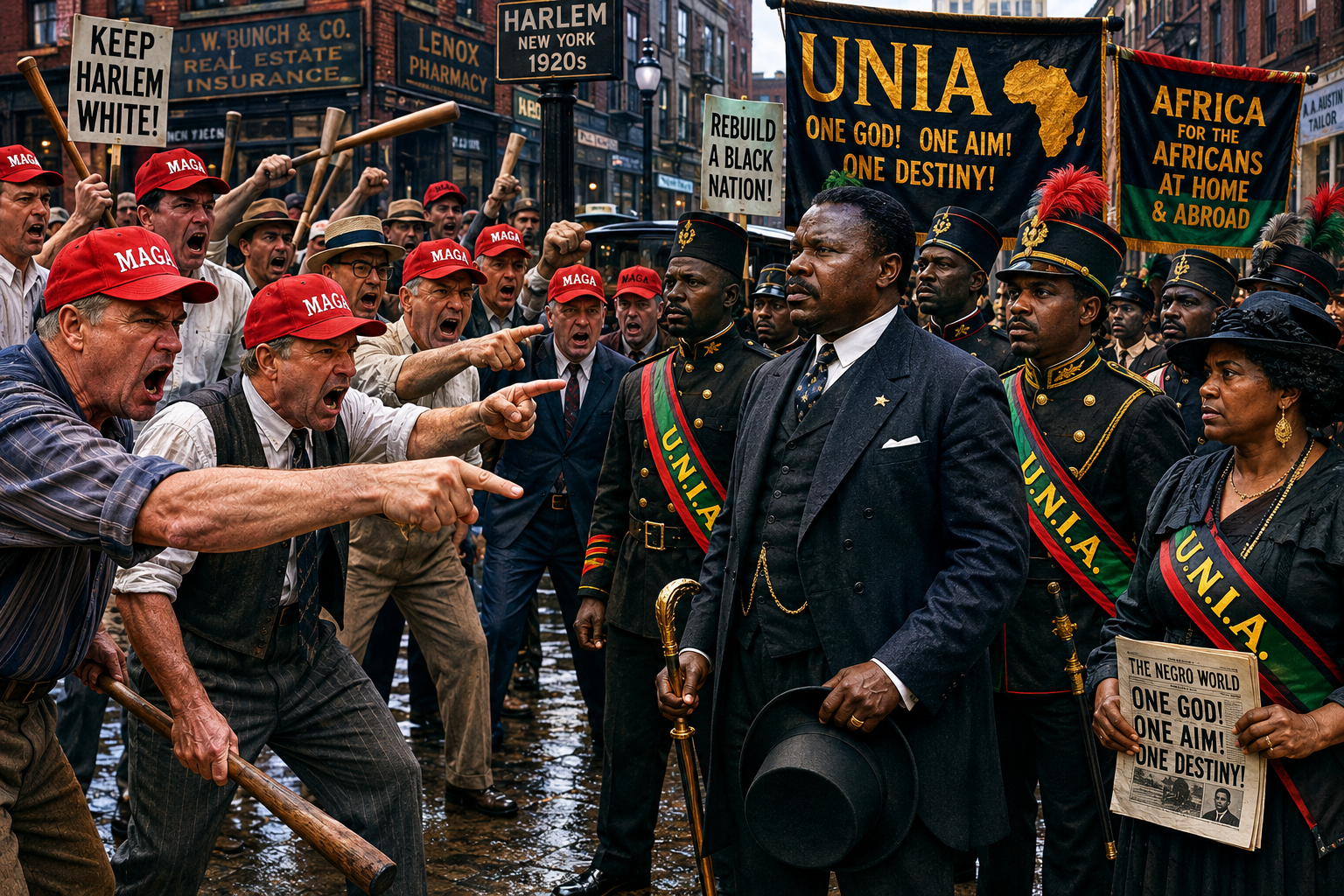
This framing of political choice as rational portfolio management serves a crucial ideological function: it launders the moral content of the decisions being made. The language of interests, returns, and risk management provides a technocratic gloss over what is, at its core, an allocation of power to a movement defined by its ascriptive hierarchy. It allows the white male voter to see himself not as a beneficiary of a resurgent white supremacy but as a prudent investor responding to market signals. He is not making a moral choice to subordinate others. He is making a rational choice to protect his own.
This is the modern iteration of the relentlessly applied and rigorously enforced inegalitarian tradition that has always justified the unequal status and political exclusion of groups based on race, gender, ethnicity, and religion. The MAGA framework is not merely prejudiced. It is a sophisticated, elite-driven political movement supported by a scaffolding of pseudo-scientific racial theory, religious nationalism, and revisionist history, all deployed to defend white male supremacy. The frame is powerful precisely because it leverages the core American mythology of the calculating, self-interested individual, the homo economicus of the free market, and applies it to the democratic sphere. It transforms civic participation into a personal investment strategy, with all the moral weight of a 401(k) allocation. You may despise how a man invests, but you cannot easily argue he is irrational for seeking the highest return.
The Moral Costs Excluded from the Balance Sheet
The portfolio also excludes the human costs borne by those outside the investment class. The demonization of immigrants as “poisoning the blood of our country” is not an externality. It is a deliberate strategy that inflicts real terror on real families, that separates children from parents, that turns communities into battlegrounds. The assault on women’s bodily autonomy is not a restoration of traditional values. It is a state-mandated appropriation of female biology with measurable consequences in maternal mortality, economic freedom, and human dignity. The “war on woke” is not a defense of intellectual freedom. It is a concerted campaign to suppress the very knowledge traditions that could name and critique the hierarchy being constructed. These are not side effects. These are the product being purchased. The investor simply declines to list them on his balance sheet.
The Asymmetry of Fear
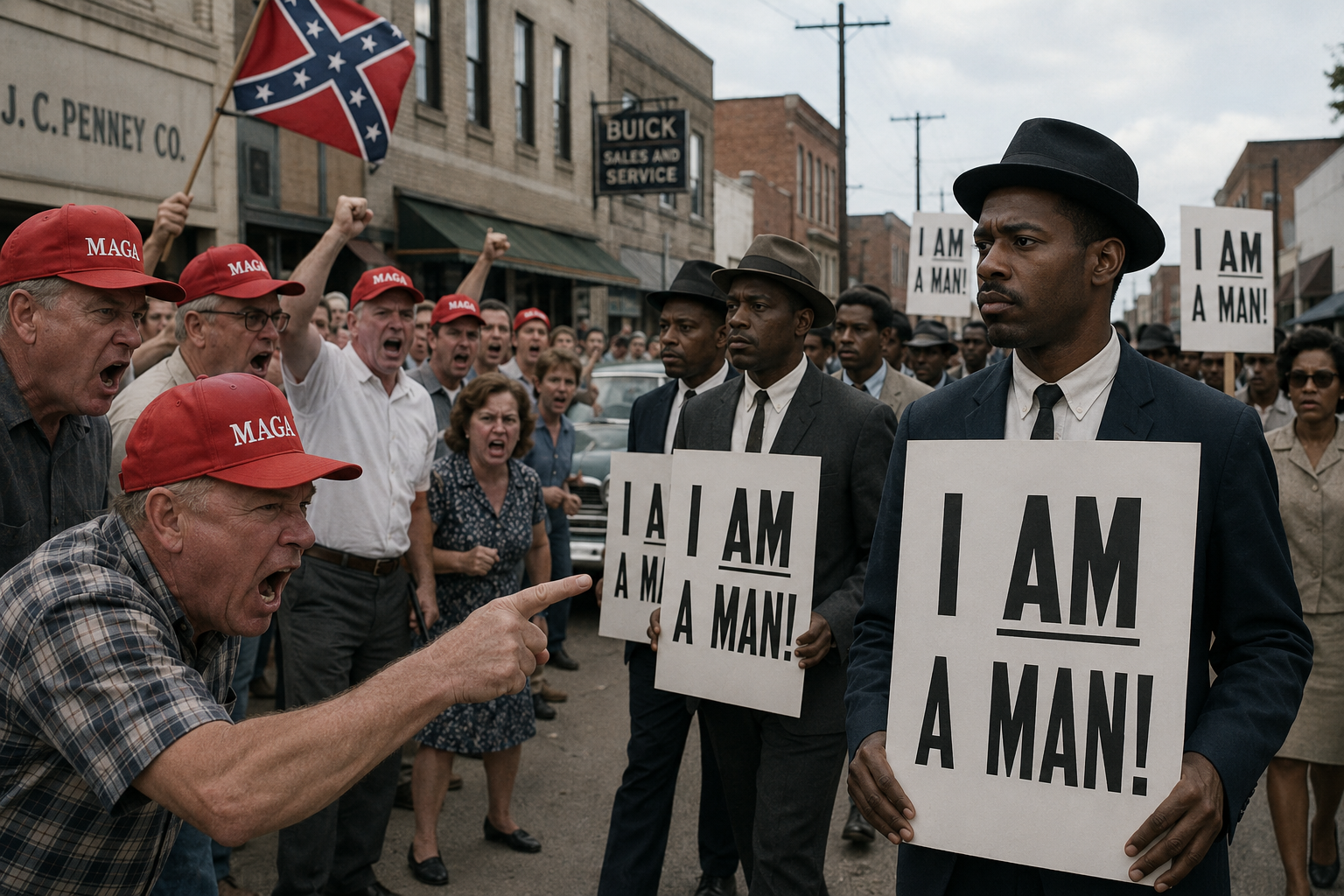
What the portfolio frame most aggressively suppresses is the historical asymmetry of the risk it claims to be hedging. The fear that animates the MAGA coalition—the fear that a “tanning” America will subject white men to the same oppression and suppression they have historically imposed for more than 250 years—is a fear of losing a dominant position, not a fear of experiencing subjugation. It is a category error dressed as a symmetry, and it is essential to the portfolio’s emotional logic.
To have occupied the presidency, the Senate, the House, the governor’s mansions, and the Supreme Court for nearly the entirety of the nation’s history—and then to witness the ascension of a Black president, Barack Obama, and frame that single eight-year interruption as evidence of impending white subjugation—is a remarkable act of historical revisionism. It confuses the loss of unearned privilege with the imposition of tyranny. After the Obama presidency, white male voters have responded by installing an unabashed white supremacist in office, a president who encourages insurrection, pardons its perpetrators, and governs explicitly in the interest of his core demographic. This confusion of equality with oppression is not a bug in the portfolio logic. It is the foundational assumption that makes the entire investment thesis cohere. The MAGA investor is not protecting himself from tyranny. He is protecting himself from democracy.
The Architects and the Investors
It is crucial, and it is a matter of intellectual honesty, to distinguish between the architects of this portfolio and its investors. The strategists, the think-tank intellectuals, the Federalist Society alumni, and the media figures who construct and market the MAGA framework are operating with full informational awareness. They know, as Rogers Smith demonstrated, that they are wielding an ascriptive ideology with deep American roots. They are, in effect, asset managers of grievance, packaging and selling a diversified fund of resentments to a base that experiences those resentments as authentic and existential.
The investors—the voters—are operating under conditions of incomplete information and considerable time pressure. They are bombarded with an information ecosystem that systematically exaggerates threats, broadcasting immigrant crime waves and anti-white discrimination while suppressing contrary data: actual crime statistics, the persistent racial wealth gap that still advantages white families by orders of magnitude, the continued and dramatic overrepresentation of white men in virtually every lever of economic and political power. Their rationality is bounded by the information environment in which they operate. They are making what they believe to be prudent decisions based on the data they receive. That the data is manipulated, curated, and weaponized does not make the decision-making process irrational. It makes it manipulated. This distinction matters. To call the investor a fool is to misunderstand the sophistication of the fund managers. To call him evil is to foreclose the possibility of competition.
The Way Forward
This is the strategic genius and the moral horror of the MAGA portfolio: it exploits the legitimate cognitive architecture of rational choice to advance a political project that is destructive to the democratic experiment and profoundly damaging to millions of human beings. It cannot be defeated simply by insisting that its investors are bigots or fools. That approach has failed consistently for a decade. It has failed because it misunderstands the nature of the transaction. The MAGA investor is not making a moral error. He is making a rational bet on the continuity of American history. And American history, frankly, is on his s
The only viable response is a competing offer: a political portfolio that addresses the genuine economic and social anxieties of struggling Americans without requiring them to purchase, as a bundled and non-negotiable asset, the subordination of their fellow citizens. This is the hardest work of democratic politics, and there is no guarantee of success. The forces arrayed against it are deeply embedded, lavishly funded, and ruthlessly strategic. The architects of ascriptive rage have built a machine that runs on the most reliable fuel in American history: the fear of losing what you have, coupled with the promise that someone else will pay the price. Opposing that machine requires an offer as clear-eyed about power, interests, and material returns as the one it seeks to defeat. Sentiment will not suffice. Moral exhortation will not suffice. Only a better deal, honestly priced and broadly offered, has any hope of competing in a marketplace so thoroughly rigged by the long, dark genius of the American inegalitarian tradition.
###
Delgreco Wilson
Wilson formerly taught Comparative Politics and International Relations at Lincoln University. He is a leading political analyst, educator, and advocate whose work centers on empowering Black Americans through a deeper understanding of political strategy and its historical roots in the fight against systemic racism and white supremacy. A prominent voice in the Greater Philadelphia Region, Wilson brings a wealth of academic rigor and real-world insight to his analysis of Black political thought and action.
Wilson’s expertise extends beyond the classroom. His incisive columns and articles have been featured in prominent publications such as the Philadelphia Tribune and Delaware County Daily Times. A sought-after commentator, he regularly contributes to radio programs and podcasts across the Mid-Atlantic region, offering sharp analysis and actionable strategies for advancing racial justice and equity.


 The Black Cager