PHILADELPHIA, PA – On a brisk Saturday afternoon, December 28, 2024, the Delaware State Hornets swagger into Hagan Arena, on City Avenue, ready to measure themselves against the Saint Joseph’s Hawks. For the Hornets, this isn’t just another game—it’s a homecoming of sorts. The roster hums with Philly flavor, a testament to the keen eye and relentless hustle of Assistant Coach Horace Owens. Owens, a name that carries tremendous weight in Philly hoops, has orchestrated a symphony of second chances and unpolished gems, bringing together a crew that embodies the grit of their hometown.
Stan Waterman, now in his fourth year as head coach, has steadily turned Delaware State into a competitive program, raising eyebrows with each passing season. But the secret sauce of his success recruiting the City of Brotherly Love is the man beside him: Horace Owens. Known simply as “Pappy” to those who run the city’s courts, Owens’ reputation precedes him. A McDonald’s All-American in 1979, Owens has been both a player and a sage, with his finger on the pulse of Philly basketball for decades.
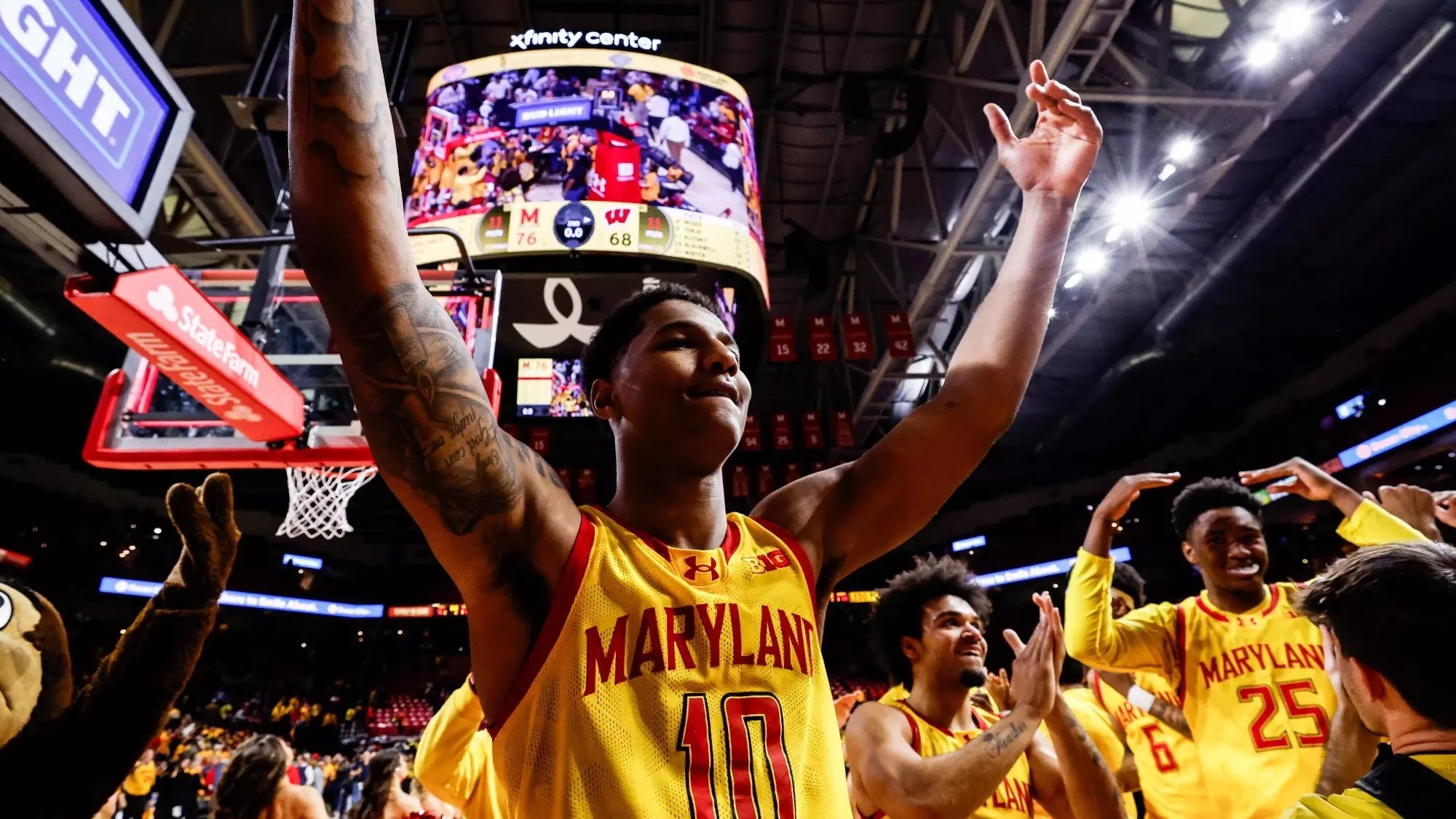
Robert Smith, Delaware State
Owens’ recruiting prowess lies in spotting what others miss—diamonds in the rough. Take Robert “Man-Man” Smith and Muneer Newton, for example. Both were All-Catholic League stars whose talents were initially deemed too raw or unorthodox for Division 1 programs. Smith began his collegiate journey at a Division 2 school, while Newton found himself in the NAIA. But under Owens’ guidance, they’ve blossomed. Smith has emerged as one of the MEAC’s premier guards, averaging 16.1 points per game while shooting 42% from the field and 35.2% from deep. His scoring binges against Alabama State, NJIT, and Delaware—where he poured in 26, 27, and 22 points respectively—serve as warnings to Saint Joseph’s.
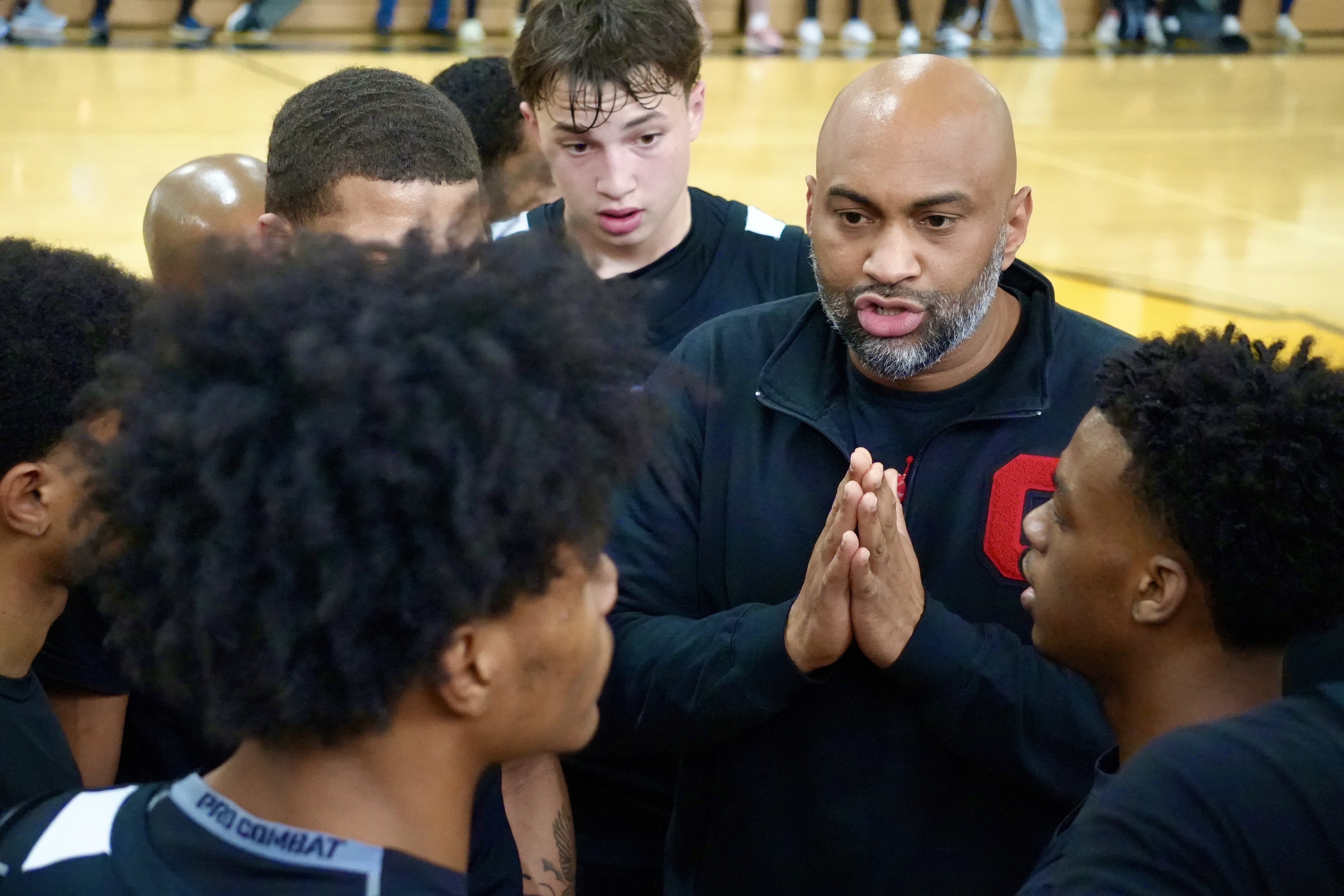
Stan Waterman, Delaware State Head Coach
Newton, meanwhile, has become the Hornets’ quintessential glue guy, chipping in 6.8 points and 5 rebounds per game while taking on the unenviable task of guarding the opposition’s top forward. And then there are the Watson twins,Kareem and Kaseem, who started their college careers at Cal State Bakersfield before Owens lured them back east. Kaseem, with his 12.8 points and 6.2 rebounds per game, has become a cornerstone of Delaware State’s success, while Kareem’s contributions add depth to a squad that’s hungry for respect.
The Hornets arrive in Philadelphia with a 7-6 record and a spot atop the MEAC standings. For them, this game isn’t just about basketball; it’s about proving that Philly talent doesn’t just belong on big-name rosters but can thrive in overlooked places like Dover, Delaware. Their opponent, Saint Joseph’s, represents the establishment: a well-heeled A10 program with a storied history and a home-court advantage that can turn Hagan Arena into a cauldron. The Hawks are heavy betting favorites, but the Hornets’ gritty Philly core has never been one to back down from a fight.
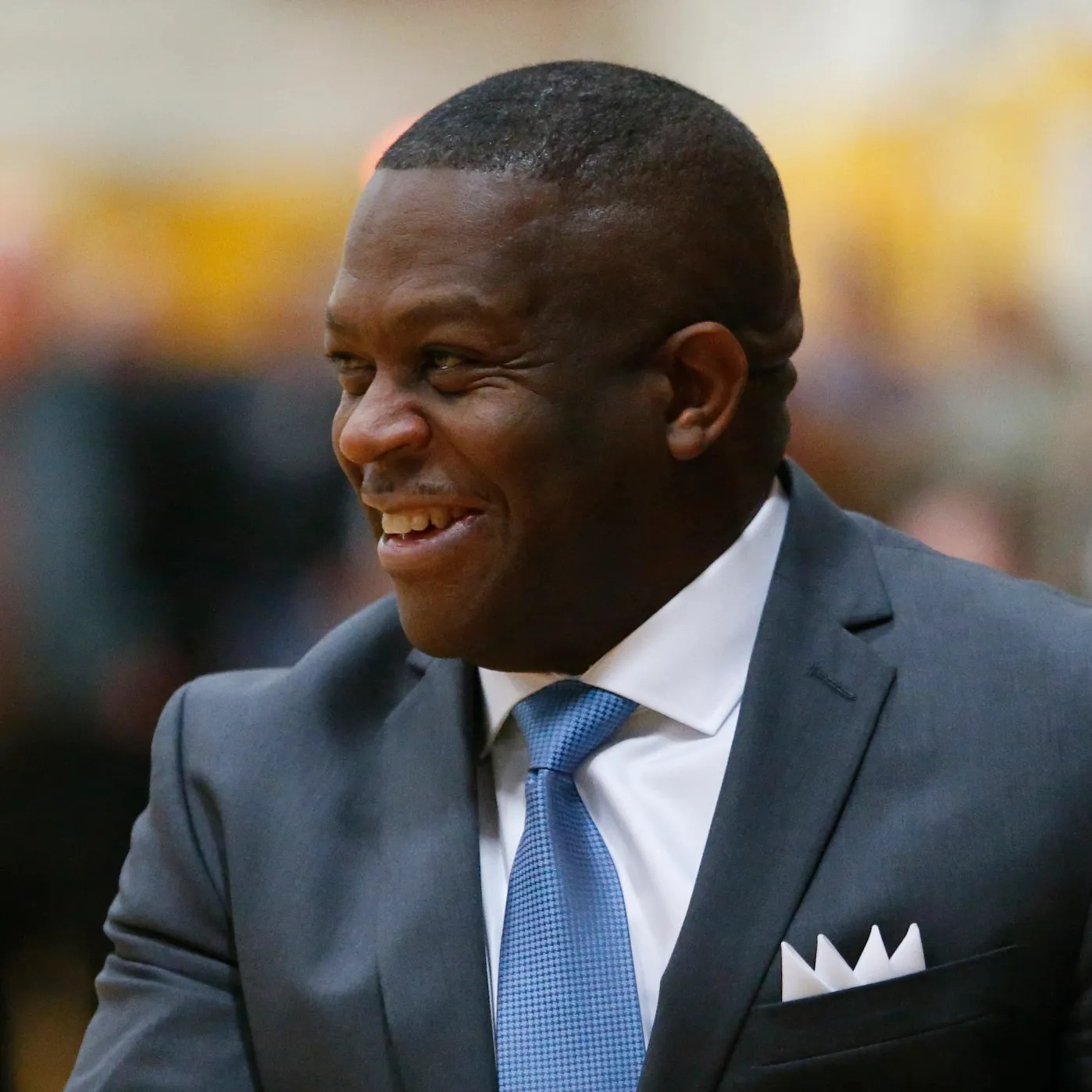
Muneer Newton, Delaware State
Ray Somerville and Muneer Newton’s inside presence will need to counter the Hawks’ big men, while Smith and Kaseem Watson will have to carry the scoring load. But more than Xs and Os, this game will come down to heart—and no one embodies that more than Horace Owens. His fingerprints are all over this squad, from the way they defend to their relentless approach to the game.
Saturday’s game will be a clash of styles: the relentless offensive barrage of Saint Joseph’s versus the raw, unyielding grit of Delaware State. For Owens, it’s another chance to show that his eye for talent is unmatched, and for the Hornets, it’s an opportunity to put their program on the map. Win or lose, one thing is certain: the Hornets will leave it all on the court, embodying the scrappy, resilient spirit of the city that shaped them.
PHILADELPHIA, PA – The sun was playing peek-a-boo behind the Philly skyline, June 2023, as I strolled into “Philly Live,” the kind of basketball jungle where reputations are forged and dreams find traction. Every year, John Mosco and Andre Noble gather over 150 hungry squads, each one packed with kids chasing a hoop dream. It wasn’t my first rodeo, I’ve attended each and every year since it’s inception. The gym was crowded, loud, and buzzing with scouts and whispers, but one game drew my attention—not because of the action on the hardwood, but because of who was standing beside me. Georgetown Head Coach, Ed Cooley.
Thomas Sorber, Georgetown’s freshman center/power forward
Now, if you know basketball, you know Cooley. He’s not just a coach; he’s a craftsman, with well-earned reputation for molding raw talent into polished gems. He had his eye fixed on one of his own, Thomas Sorber, a young big man from Archbishop Ryan, part of Philly’s fiercely competitive Catholic League. On the court, Sorber was doing what he does best—owning the paint, swatting shots like flies, and moving the ball with a finesse you don’t expect from a kid his size. Cooley leaned in, his voice steady but electric.
“Del,” he said, with a quiet authority that didn’t leave room for doubt, “I’m gonna develop Thomas into an NBA player. When he leaves Georgetown, he’s going to the NBA.”
Ed Cooley
It wasn’t a brag or a pitch—it was a statement of fact. And I believed him. How could I not? Cooley’s track record was bulletproof. Sorber had the frame, the skill, and the fire. All he needed was Cooley’s steady hand and a couple of years surviving the Big East grind. At least, that’s what we thought.
But life, like basketball, loves an upset. Nobody told Sorber he was supposed to take his time. Fast forward to last night: Seton Hall vs. Georgetown. A Big East slugfest in Newark, New Jersey. Sorber, now a freshman, lit up the scoreboard—19 points, 8 boards, 4 blocks, 2 assists, and 2 steals. The Hoyas edged out a nail-biter, 61-60, and now sit at 10-2. For the first time since the Sasha and Malia were playing tag in the White House, Georgetown’s two games above .500 in the conference.
The young man from Trenton, who honed his craft in the crucible of Philly’s Catholic League, isn’t just making waves—he’s dragging the Hoyas out of the depths and putting the Big East on notice. Ewing. Mourning. Mutombo. Hibbert. Sorber. Damn, that lineup’s got a ring to it.
Big Thomas is the next GREAT GEORGETOWN BIG MAN!
Cooley didn’t just call it—he sped up the clock. Year one, and Sorber’s already building a legacy. And me? I was there at the start, when a coach with a vision and a kid with a dream crossed paths in a steamy gym in Philly. This ain’t the end of the story—it’s the prologue.
Allow me to introduce you to a young Chester County hustler on the hardwood, straight outta Coatesville. Standing a proud 6’5″, this freshman named Colton Hiller steps onto the court like he’s been there a thousand times before, the kind of confidence you can’t teach but only admire. His jump shot? It’s a thing of beauty—pure poetry in motion. When he lets it fly, you’d swear he borrowed Jerry West’s stroke, tucking his elbow tight like a secret and pointing it at the rim like he’s aiming down the sights of destiny. The follow-through is the exclamation point, a silky salute to a ball that’s already thinking of kissing the net.
Coatesville freshman Colton Hiller
Coatesville has a history of breeding ballers who play the game like it’s second nature. Richard Hamilton made his way from these streets to UConn and then the NBA, gliding through defenders with the same ease he probably walked through hallways back in high school. John Allen took his hustle and tenacity to Seton Hall, and Jhamir Brickus—a magician with the rock—handled his business at La Salle before landing at Villanova. These legends built their names one bucket, one crossover, one clutch moment at a time.
And now there’s Hiller.
He’s got the body of a man and the raw talent of a prodigy, but his game is seasoned beyond his years. In addition to NBA 3-point long balls, he’s starting to master the art of the 1-2 dribble midrange, that lost treasure most players won’t dig for. The youngbul is moving like a chess player, thinking three steps ahead, and when the defense collapses, his passing finds teammates like a jazz musician hitting the perfect note.
Coatesville Head Coach John Allen
The next four years? They’ll be a ride for anyone lucky enough to watch this kid. He’ll play in packed gyms where the air buzzes with the dreams of a city that loves its basketball like family. Every game will add to the legend, every highlight reel another chapter in the story of Hiller. Where he’ll wind up after Coatesville is a question only time can answer. Will it be UConn, Seton Hall, Villanova—or some other kingdom where his game will reign supreme?
But for now, we get to sit back and enjoy the show, watching a young king rise. This is Coatesville basketball. This is history in the making. And Hiller? He’s writing it one jumper at a time.
PHILADELPHIA, PA – In many ways, I have lived like a sports fan version of Forrest Gump. An ordinary hoop head from Philadelphia, I’ve somehow managed to stumble into key moments in the modern history of women’s basketball—all without realizing their significance at the time. This story isn’t about my serendipitous journey, but about the tenacious brilliance of one player I’ve unknowingly followed since she was a shy, unassuming kid with a basketball in her hands. Her name is Hannah Hidalgo, and she’s the best player in women’s college basketball today.
It was the summer of 2017, and I was attending a Team Final grassroots basketball event at Life Center in Burlington, New Jersey. My eyes were on future NBA stars like Cam Reddish, Louis King, and Isaiah Stewart, as well as a couple of my youngbuls, Sam Sessoms and Matthue Cotton. The competition was intense, the gym buzzing with the kind of energy that comes with elite talent. But off to the side, barely noticeable amidst the chaos, was a young girl dribbling a basketball like it was an extension of her body.
She couldn’t have been more than 12 or 13 years old, but her handle was mesmerizing. She manipulated the ball with an ease that reminded me of Allen Iverson or Kyrie Irving. One of my close friends, NBA agent Stephen Pina, grabbed my arm and pointed at her. “Del,” he said, “she’s the one. That’s Hannah.”
“Really?” I replied, unsure.
“Yo… remember I told you. She is the one.”
At the time, I didn’t think much of it. Women’s basketball wasn’t on my radar, and while I respected her dad, Orlando Hidalgo, as one of the best basketball minds in the Greater Philadelphia Region, I had absolutely no idea I was witnessing the genesis of greatness.
A couple of years later, Hannah was a high school freshman. Orlando called me one day to share the news that she was attending Paul VI High School and that he’d be coaching her. “Hannah likes South Carolina,” he said. “Could you reach out to Dawn Staley?”
Staley, a Philly legend of the highest magnitude herself, was at the helm of the nation’s top women’s basketball program. I made the call, but in my heart, I wasn’t sure if Hannah could embody the intense physicality and relentless grit of a Gamecock.
Imagine that shit… Father please forgive me, for I knew not what I was thinking…
Moreover, Dawn had her pick of the nation’s best guards, including MiLaysia Fulwiley, a South Carolina high school legend. Fulwiley, was a four-time South Carolina Basketball Coaches Association (SCBCA) Player of the Year, a five-time SCBCA First-Team All-State, and a WCBA All-American. She was also named a McDonald’s All-American and a Naismith (third team) All-American.
Fulwiley grew up a stone’s throw from the Arena where Staley has established the preeminent program in women’s college basketball. Fulwiley would eventually commit to Staley and the Gamecocks.
It was not meant to be… While Dawn, Hannah and Orlando kept in touch, it wasn’t meant to be. Hannah would have to find another home.
In the meantime, she turned high school basketball into her personal showcase. As a senior, against Camden High, she scored 40 points, along with 6 rebounds, 6 assists, and 12 steals. Facing powerhouse Morris Catholic, she dropped 41 points and added 7 rebounds and 7 steals. Against nationally ranked Westtown, she went nuclear with 48 points, 11 rebounds, and 8 steals. Watching her play was like witnessing prime Oscar Robertson—except she did it with a defensive tenacity that bordered on ferocious.
Eventually, she announced her commitment to Notre Dame. I was there, like Forrest Gump, camera in hand, recording the moment but still failing to grasp its significance. I knew she’d be very good. I didn’t know she’d become the very best.
As a freshman at Notre Dame, Hannah took the college game by storm. She averaged 22.6 points, 6.2 rebounds, 5.5 assists, and an astonishing 4.6 steals per game, earning first-team All-American honors. Still, entering this season, some debated whether JuJu Watkins or Paige Bueckers was the best player in the country. Those debates have been laid to rest.
Plainly, stated… Hannah BUSSED DEY ASS! Real Rap…
Hannah has consistently risen to the occasion against the best competition. She outplayed Watkins in Notre Dame’s victory over USC and followed that up by leading the Irish to a win over the undefeated, second-ranked UConn Huskies, outdueling Bueckers in the process. Her performances have been nothing short of legendary, and her relentless drive is what sets her apart.
Hannah Hidalgo doesn’t just play basketball; she imposes her will on the game. She bullies the best players in the nation. She is the embodiment of tenacity, a player who thrives on the biggest stages and against the toughest opponents. Every steal, every basket, every defensive stand feels like a declaration: “I belong here. I’m the best.”
Stephen Pina, for once in his life, was absolutely right. She is the one. And now, the rest of the basketball world knows it too.
PHILADELPHIA, PA – Philly youth and high school is dominated by conventional wisdom, high-profile high school transfers and shoe-sponsored travel teams often dictate the trajectory of a young player’s career. However, two guys from South Philly, Aasim “Flash” Burton and his mentor, Shon Minnis, have crafted a path that seems to echo Robert Frost’s timeless reflection in his 1916 poem The Road Not Taken. Every decision made by Burton and guided by Minnis over the past five years could be characterized as a deliberate divergence from the norms of Philly basketball’s unforgiving system. Each choice was calculated, often scrutinized, and yet, in the end, remarkably effective.
The First Fork in the Road
Burton’s journey, one marked by thoughtful strategy rather than flashy optics, began when he was a very talented eighth grader with undeniable talent and a world of options. His decision to attend Math, Civics, and Sciences (MCS)Charter High School—a school with a respectable basketball pedigree but outside the traditional powerhouse orbit of Imhotep Charter or the Catholic League giants Roman Catholic and Neumann-Goretti—was met with skepticism.
Why you sending him there?
Why not join a program guaranteed to compete for championships in the fabled Palestra? Why not be part of one of the machines that churn out Division I prospects year after year? The answer, as Minnis would later explain, was rooted in a long-term vision. At MCS, Burton would play meaningful minutes early in his career, honing his skills against strong competition without being buried on a deep bench. The short-term objective was to actually PLAY meaningful games and develop a nuanced feel for the intricacies of the game and not become another workout warrior. Minnis understands that chairs and cones don’t play defense. For two years, Burton thrived at MCS, developing into a multi-dimensional player who could not just contribute but lead.
Another Road Less Traveled
As he entered his junior year, Burton and Minnis decided to pivot. This time, they sought the rigor of the Philadelphia Catholic League, but once again, their choice raised eyebrows. Instead of transferring to Roman Catholic, Neumann-Goretti, or another storied program like Archbishop Wood, Burton enrolled at Cardinal O’Hara—a program more often seen as an underdog than a contender.
This move seemed, to some, like a misstep. Minnis was told by prominent members of the local basketball aristocracy that he was “fucking up” Burton’s opportunity to land a division 1 scholarship. The naysayers LOUDLY noted that O’Hara lacked the glitz and glamour of Imhotep or the Catholic League’s traditional powers, but Minnis saw opportunity where others saw mediocrity. At O’Hara, Burton would have the chance to shoulder the load, to truly grow into his role as a point guard and leader. It was a choice emblematic of Minnis’s philosophy: prioritize substance over style, development over hype.
A Different Kind of Summer
Then came the summers, where the stakes in grassroots basketball are, arguably, higher than during the high school season. Kids play in front of hundreds of college coaches and scouts at a time instead of the 2 or 3 that might attend a good scholastic game. In Philly and other basketball hotbeds like Baltimore, Washington, D.C. and New York/North Jersey, most elite prospects gravitate toward Nike’s EYBL, Adidas’s 3SSB, or Under Armour’s UAA Circuit. Burton had already scratched his shoe company itch the previous year by dabbling with Team Final, a Nike EYBL powerhouse, enjoying the spoils of elite competition and coveted swag. He had a closet full of flip flops, headbands, shorts and, of course, the shoes. But when faced with the choice of returning to Team Final or joining another shoe-sponsored team, Burton, with Minnis’s counsel, opted for East Coast Power, an independent club based in King of Prussia.
They took the road less traveled…
This decision, like the others, was rooted in pragmatism. Playing for East Coast Power meant guaranteed playing time, a chance to truly command the floor as a point guard, and focused, personalized attention from coaches who prioritized his development for the next level. It also meant stepping away from the spotlight that many young players covet. But as Minnis often reminded Burton, the goal wasn’t to chase fleeting validation but to build an impactful and sustainable college career.
By the end of summer and just before the onset of his senior year, Burton’s unconventional choices were beginning to pay off. He had developed into a polished floor general, capable of running an offense and playing with poise under pressure. The work done by East Coast Power’s staff, coupled with Burton’s own maturity and growth, attracted interest from a host of mid-major programs. And when Rider University came calling, Burton and Minnis knew it was the right fit.
The Commitment
Burton’s decision to commit to Rider before his senior season was yet another departure from the norm. Many players in his position, with multiple mid-major offers, might have held out, hoping for offers from schools in higher-profile conferences like the Atlantic 10, the American Athletic or even the Big East. But Burton trusted his instincts and leaned into a philosophy that Minnis instilled in him and served him well: choose the place that truly wants—and needs—you.
These South Philly Muthafuckas truly blocked out all the noise…
Rider offered Burton not just a scholarship but a clear vision for his role within the program. Head Coach Kevin Baggett made it clear that Burton wasn’t just a recruit; he was a cornerstone for the team’s future. Burton appreciated the brutal honesty of Rider Assistant Coaches Geoff Arnold and Dino Presley. These guys are incapable of sugarcoating anything related to basketball. Minnis, ever the realist, tempered expectations but remained confident. Before the start of Burton’s freshman campaign, Minnis predicted, “He’s not gonna be ready to start the first game,” Minnis said, “but he’ll be starting by the time they begin playing league games.”
Tonight… True to Minnis’s prediction, Burton made his first collegiate start in just his 10th college, and 2nd MAAC league, game. The man knows his protege… His performance thus far suggests he will be a fixture in Rider’s lineup for years to come—a testament to the power of patient, deliberate choices in a world often obsessed with instant gratification.
The relationship between Burton and Minnis has been central to this journey. Minnis, a self-described “basketball lifer” with a quiet wisdom honed through decades in the game, has been the steady hand guiding Burton through a labyrinth of pressures and expectations. Minnis’s experiences navigating the high school and college recruiting processes for his own son, Biggie Minnis (Texas Tech, Rhode Island and Wright State), and stepson, Jamir Hanner (Marshall and Buffalo), gave him the perspective needed to help Burton avoid common pitfalls.
At every juncture, the two have chosen what Frost might call “the road less traveled.” And as Frost so poignantly concluded, “that has made all the difference.” For Burton, the difference isn’t just about where he is today but the foundation he has built for the future—a foundation rooted in authenticity, hard work, and a refusal to conform for conformity’s sake.
In an era where basketball decisions are often dictated by trends and peer pressure, Flash Burton and Shon Minnis have shown that there is another way. Their story is not just a basketball story; it’s a story of trust, vision, and the courage to forge one’s own path. And in doing so, they remind us that the road less traveled, though fraught with challenges, often leads to the most rewarding destinations.
PHILADELPHIA, PA – In the ever-evolving ecosystem of college basketball, where the transfer portal and NIL opportunities have reshaped the traditional landscape, players like Drexel University’s Kobe Magee are a rarity. Magee’s emergence as an elite college basketball player this season is a testament to a journey almost unrecognizable in today’s game: one marked by patience, commitment, and steady growth.
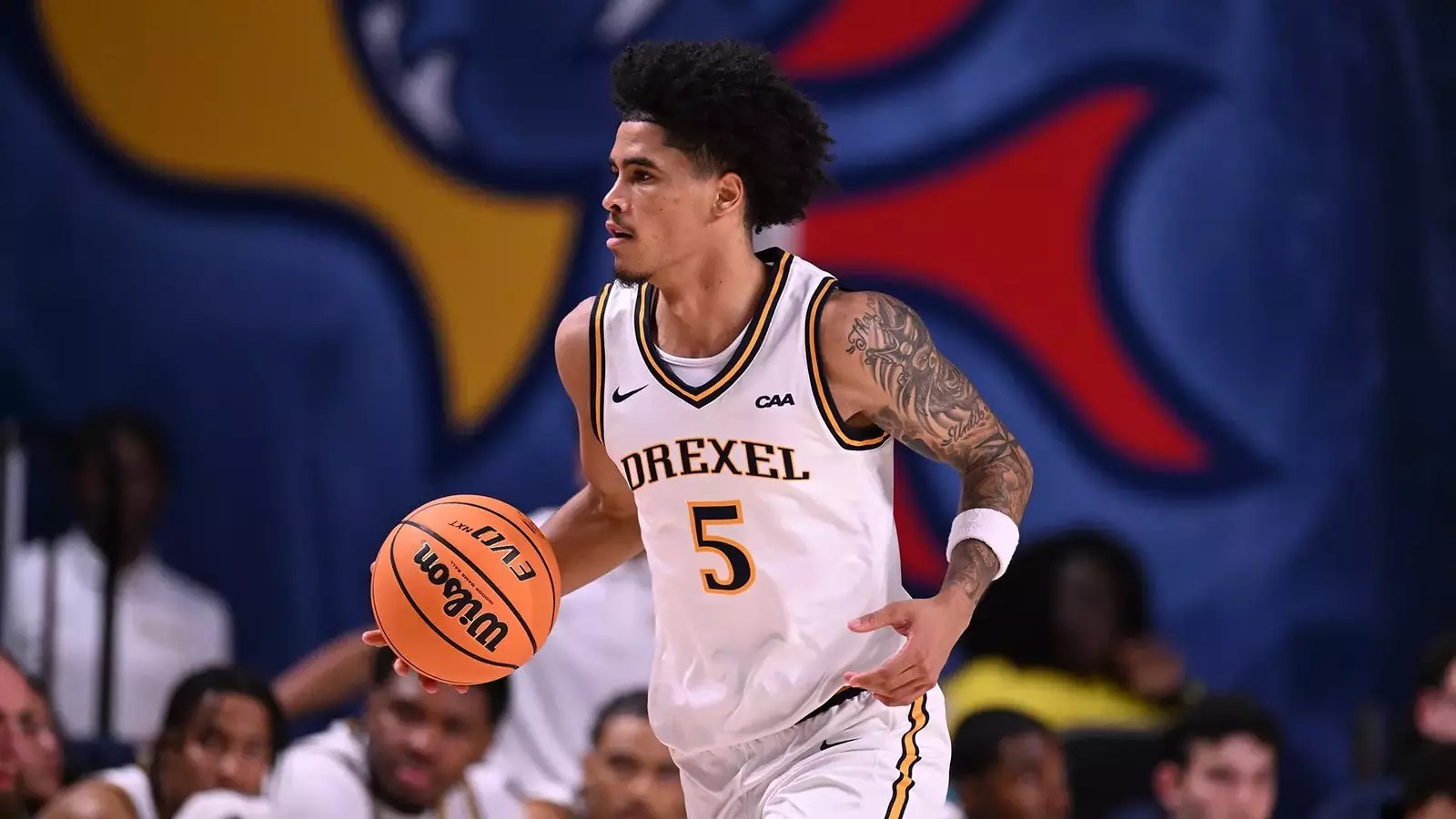
Kobe Magee, Drexel University
Magee, a junior guard, is averaging 16.5 points per game on an impressive 54.7% shooting from the field and 48.1% from beyond the arc. His production, coupled with 31.4 minutes of relentless effort per game, has propelled Drexel to an unexpectedly competitive season. The Dragons record stands at 5-3 after the first 8 games. This is no small feat for a team that lost its entire starting lineup from last year, including its top five scorers, to either the transfer portal or exhausted eligibility.
Head Coach Zach Spiker was left with a daunting task: rebuild a program gutted by the loss of Amari Williams (now at Kentucky), Justin Moore (Loyola Chicago), and other key contributors. But Magee, who came to Drexel as a true freshman and spent his first two years playing limited minutes (7.8 as a freshman, 18.2 as a sophomore), has answered the call to lead in spectacular fashion.
His path stands in stark contrast to those of his peers, including former high school teammates at Allentown’s Executive Education Charter School. Jevin Muniz, Jeremiah Bembry, and Moustapha Sanoh—all Division 1 talents—have navigated the revolving doors of the transfer portal, seeking better opportunities and larger stages. Magee, meanwhile, stayed put.
When asked why he resisted the siren call of the portal, Magee’s answer was as refreshing as it was rare: “Honestly, it’s the love that they are giving me. The coaching staff, the preparation, and the time they consistently take out of their day to help me and my teammates get better. I really appreciate the level of competitiveness that we’ve achieved in this program. I also believe Drexel is a place where I can grind and make it from the bottom. I see all the people transferring for more money. But I don’t play for money; I truly play for the love of the game.”
Magee’s commitment is about more than basketball. A business entrepreneurship major with excellent grades, he embodies the ideals of the student-athlete in an era where those ideals are often overshadowed by financial incentives and career pragmatism.
For Spiker, Magee’s development is a point of pride. “Kobe came to Drexel as a very young true freshman,” Spiker reflects. “He had to compete against older, stronger, and more mature players from day one. He worked on his body, worked on his craft, and has always been ready when called upon.”
This season, Magee has done far more than simply step up. With Drexel facing the grueling competition of a Coastal Athletic Association (CAA) and Big 5 schedule, Magee has shouldered the scoring load while serving as the team’s emotional anchor.
Magee’s path is increasingly rare in a sport where the transfer portal and NIL have become dominant forces. College basketball today often rewards immediate impact over gradual improvement, and programs are built on an annual shuffle of talent. In this context, Magee’s steady climb at Drexel—a mid-major program often overshadowed in the Philadelphia basketball hierarchy—is both a throwback and a revelation.
In many ways, Magee represents the antithesis of what college basketball has become. He is not chasing greener pastures or larger paydays. He is chasing excellence on his terms, embracing the grind, and trusting the process.
His former high school teammates’ journeys highlight the contrast. Jevin Muniz has moved from Delaware State to Florida Gulf Coast. Jeremiah Bembry has traveled from Florida State to West Virginia to Oakland University. Moustapha Sanoh, initially at Rider, now plays for Jefferson University. Each has sought to navigate the sport’s new realities, but none have stayed the course like Magee.
Kobe Magee is the kind of player coaches dream of building programs around. He represents something endangered: a college athlete who sees value in growth, loyalty, and team culture. In an era defined by the quick fix, Magee’s journey is proof that the long road can still lead to greatness.
For Spiker and Drexel, Magee is not just a player. He is the heart of a team and a beacon of hope for a program finding its way in a turbulent landscape. And for college basketball as a whole, Magee is a reminder that while the game may change, the virtues of hard work and perseverance will always have a place in it.
Magee’s rise is a story worth celebrating—not because it is flashy or immediate, but because it is rare and enduring. For Drexel and for college basketball, players like Magee might just be the bridge between what the game was and what it could still aspire to be.
PHILADELPHIA, PA – The transfer portal has redefined college basketball, bringing both challenges and opportunities for programs across the nation. For La Salle, the offseason loss of All-League guards Jhamir Brickus and Khalil Brantley to Villanova and Oklahoma State respectively seemed to leave a gaping hole in the backcourt. Yet, in a twist of fate, the portal also delivered a savior — Corey McKeithan.
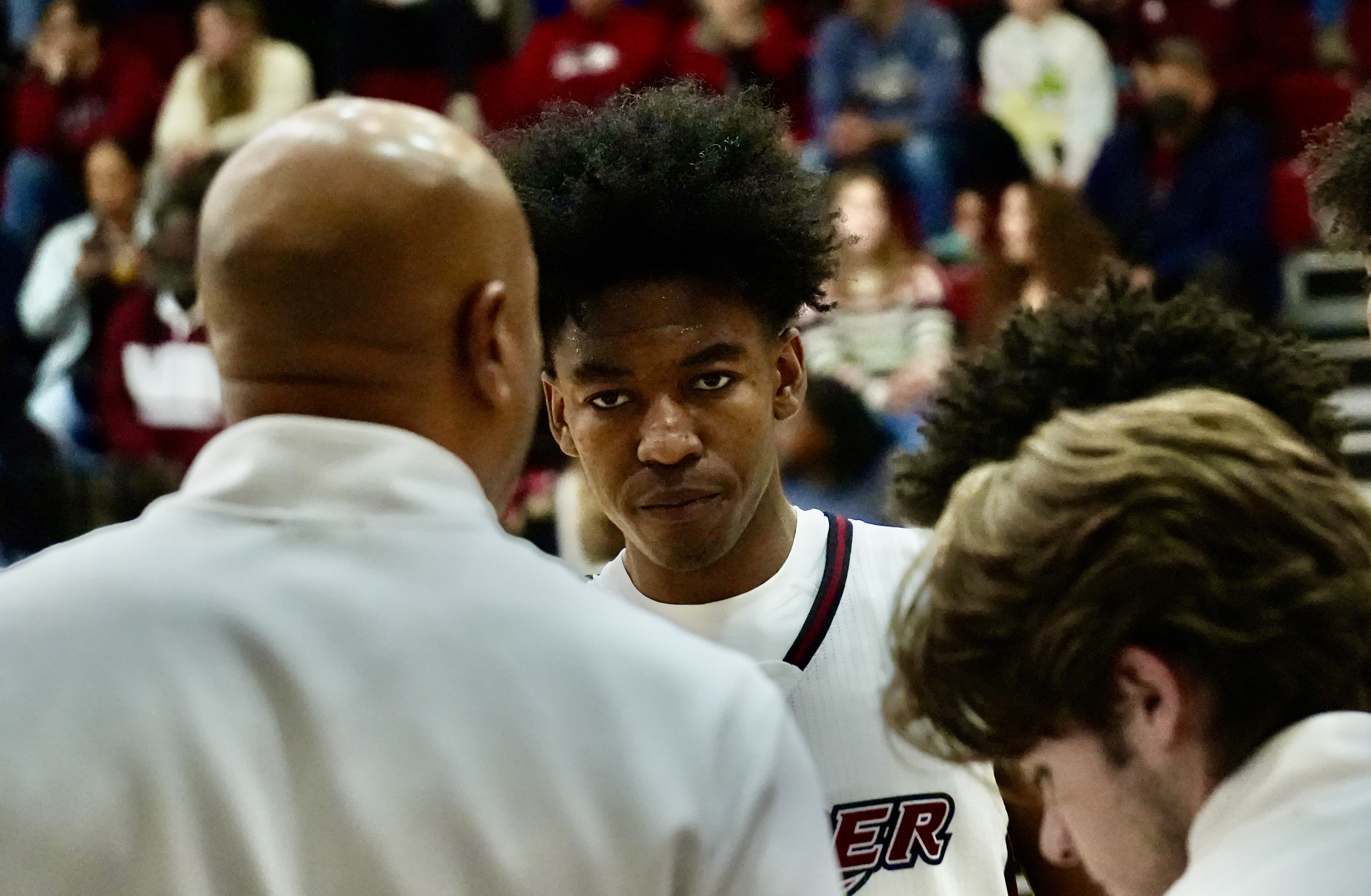
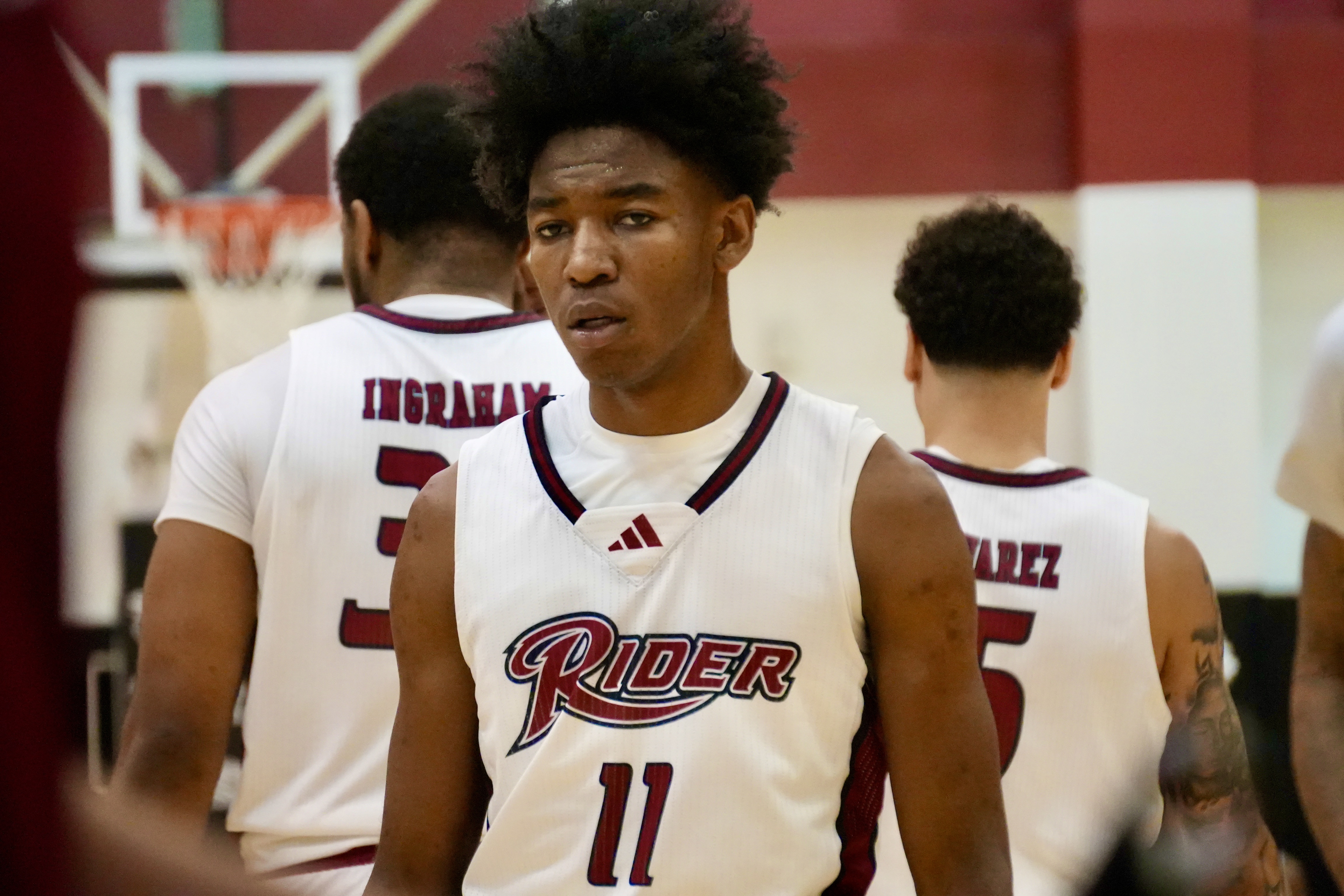
Corey McKeithan, La Salle Explorers
After three seasons as a role player at Rider University, McKeithan has burst onto the scene with the La Salle Explorers, quickly establishing himself as one of the top players in the Atlantic 10 and Philadelphia Big 5. His latest performance on Saturday night against Temple underscored his meteoric rise.
McKeithan is a combo guard whose game is marked by a lethal capacity for scoring. He is averaging a team high 19 points per game this season. His off the dribble variety is elite—hesitation, rocker and crossover—excellent shiftiness and ability to burst through an open seam. He has demonstrated an ability to score from all three levels. As a result, he is a truly unpredictable defensive assignment in the half court. He is highly efficient in both isolation offense and the pick & roll for the Explorers.
Facing the Owls in a pivotal Big 5 matchup on Saturday afternoon, McKeithan delivered a career-best performance, scoring 28 points on 10-for-19 shooting. Beyond his scoring outburst, the junior guard added four assists without a single turnover, collected three rebounds, swatted a block, and picked up two steals. McKeithan’s all-around brilliance powered the Explorers to their sixth win in eight games this season and secured a spot in next Saturday’s Big 5 Classic championship game against St. Joseph’s.
Fran Dunphy, La Salle Head Coach
For La Salle head coach Fran Dunphy, McKeithan’s emergence couldn’t have come at a better time. “Corey has a confidence and swagger about him that’s infectious,” Dunphy said. “He’s elevated not just his game but the entire team’s energy. That’s what great players do.”
McKeithan’s transformation has been remarkable. At Rider, he spent much of his time playing off the ball, recording just 15 double-digit scoring games across three seasons. Now, as the primary playmaker for La Salle, McKeithan has embraced the responsibility, showcasing an assertiveness and flair that has turned him into a leader on and off the court.
McKeithan has a deep bag and he’s been digging deep into it…
Saturday’s win was another sign that Dunphy and his staff unearthed a gem in the transfer portal. McKeithan’s ability to step up in critical moments has given La Salle an edge, offsetting the departures of Brickus and Brantley while providing the Explorers with a centerpiece around whom the team can rally.
However, the road ahead is challenging. In the Big 5 Classic championship game, McKeithan will face one of the most formidable guard trios in college basketball: Erik Reynolds, Xzayvier Brown, and Derek Simpson of St. Joseph’s. The Hawks’ elite backcourt will undoubtedly test McKeithan’s mettle, providing a marquee showdown between rising stars and seasoned talent.
As La Salle continues its resurgence, McKeithan’s performance has not only revived the Explorers’ prospects but also solidified his place as one of the premier guards in the region. For La Salle fans, his emergence is a testament to the transformative power of belief, hard work, and the right opportunity.
Next Saturday, all eyes will be on Corey McKeithan, who has proven that sometimes, all it takes to shine is the right stage. The best Philly Guard, just might be the kid from Connecticut.
As the Founder and Content Manager for Black Cager Sports, I am fortunate—blessed, really—to have access to some of the most interesting, thoughtful, and impactful minds in sports and public service. Among those who continually shape my understanding of the interplay between high school and collegiate athletics, education, and the unique challenges of urban centers like Philadelphia, Baltimore, and Camden is Phil Martelli.
Phil Martelli, Host of “Make a Difference”
For over three decades, Martelli has been more than a basketball coach; he’s been a moral compass for many of us trying to navigate the tricky terrain of sports and society. His podcast, Make A Difference, is a fitting extension of his life’s work: shedding light on the bigger picture, the human connections, and the societal change that can come from sports.
This week’s episode, which aired on Wednesday, November 27, features a guest as equally invested in the soul of Philadelphia as Martelli: City Councilman Isaiah Thomas. A rising star in the Democratic Party, Councilman Thomas is not just a policymaker but also a devoted coach who has guided the Sankofa basketball program in the Philadelphia Public League for 15 years. His dual roles as a civic leader and “hoophead” make him the perfect complement to Martelli’s deeply rooted perspective on youth, community, and the power of sport.
Councilman Isaiah Thomas
It’s almost hard to believe that these two hadn’t sat down for a conversation until now. But when they finally connected, the result was something special. Their discussion weaves through basketball—the love of the game that binds so many of us in this city—but it doesn’t stop there. They tackle the urgent issues impacting young people in Philadelphia, from the hurdles in education to the systemic barriers that hold back progress for underserved communities.
This isn’t just a sports podcast; it’s a deep dive into the heart of what makes Philadelphia tick. Martelli’s seasoned insight and Thomas’s fresh, passionate advocacy make for a conversation that will resonate far beyond the court.
If you care about this city, its youth, or the way sports can transform lives, this is a can’t-miss episode. Tune in to Make A Difference—because that’s exactly what Phil Martelli and Isaiah Thomas are doing.
PHILADELPHIA, PA: The journey from high school basketball to high major college hoops is a steep climb fraught with challenges that fans, particularly those entrenched in the local Philadelphia and Camden basketball communities, often fail to understand. The expectations placed on young players—mere teenagers stepping onto the brightest of stages—are not only unreasonable but often cruelly uninformed.
Quade Green
Plainly stated, niggas have no fuckin idea what they are talkin’ bout…
Freshmen entering high major programs are thrust into hypercompetitive environments where success is measured against near-impossible standards. They compete with older, stronger, and more experienced upperclassmen who have little incentive to step aside for an 18-year-old prodigy. The results, while often admirable in context, are ruthlessly critiqued.
Quade Green’s freshman season at Kentucky in 2017-2018 is a case study in this phenomenon. A five-star recruit and McDonald’s All-American, Green arrived in Lexington with immense fanfare. Kentucky, coached by the legendary John Calipari, was a perennial powerhouse, and Green joined a roster featuring seven future NBA players. As a freshman, Green averaged 9.3 points, 2.7 assists, and shot a respectable 37.6% from beyond the arc—all while competing in the cutthroat SEC conference. By any reasonable measure, this was highly successful freshman campaign in the mighty SEC conference. Kentucky went 26-11 that year and finished the year ranked 18th in the nation in the final Associated Press poll. Yet, in his hometown of Philadelphia, his performance was derided by armchair critics who declared his choice to attend Kentucky a mistake.
These critiques, fueled by local pride and a lack of understanding about the difficulty of transitioning to college basketball, are misguided. A player like Green, who carved out a significant role on one of the nation’s top teams as a freshman, was achieving success against the odds. But those odds are rarely considered by fans who see only carefully curated highlight reels and box scores.
Plainly stated, niggas have no fuckin idea what they are talkin’ bout…
The story is repeating itself with Jalil Bethea, a heralded Philadelphia recruit now at Miami. Through four games, Bethea has shown flashes of brilliance, averaging 7.8 points in just 12.3 minutes per game. Yet the grumblings have already started. Some question why a player of his talent isn’t starting or dominating. What they fail to grasp is the reality of high major basketball: Bethea is competing with veterans like Nijel Pack (14.7 points, 6.7 assists), a fifth-year senior, and Jalen Blackmon (14.0 points, 1.7 steals), another seasoned guard. These are players with years of college experience who know the system and the physical and mental demands of the game.
Jalil Bethea
In this context, the transition from high school to college basketball is more than a step up—it is a leap. Freshmen, even the most talented, are adjusting to faster-paced games, more complex schemes, and physically mature opponents. High school dominance against inferior competition like “Collingdale Catholic” or “Roast Pork Charter,” simply does not translate directly to the high major college level.
Additionally, high major basketball rosters are stocked with talent. Freshmen are not handed minutes; they earn them. Coaches at programs like Kentucky, Miami, and Duke are tasked not with developing individual players in isolation but with building cohesive units that can contend for national championships. This often means limiting the roles of freshmen while leaning on upperclassmen who can deliver consistent results.
The problem lies partly in how young players are marketed. Highlight tapes, social media buzz, and grassroots hype build unrealistic expectations. A player dropping 40 points in a high school game might dazzle fans, but the competition level is rarely considered. This leads to a false narrative that high school stars can seamlessly dominate at the collegiate level. When they don’t, fans often blame the player, the coach, or even the program, without acknowledging the broader context.
The consequences of these unreasonable expectations can be damaging. The pressure to live up to hype can erode a player’s confidence. The constant scrutiny can impact mental health, and the pervasive narrative that a player “chose the wrong school” can sow doubt and create tension within a team.
Muthafuckas need to shut the fuck up and let it play out…
High major basketball is not a fairytale; it’s a crucible. Upperclassmen who have spent years developing their skills and bodies do not defer to 18-year-olds, no matter how talented. Coaches prioritize winning over everything else, which often means favoring experience over potential.
For players like Green and Bethea, the freshman year is rarely about stardom—it’s about survival and growth. By the time these players become sophomores or juniors, they often evolve into key contributors, but that progression is ignored by fans who judge them prematurely.
If we are to fairly evaluate young players, we must adjust our expectations. Freshmen should not be seen as saviors but as students of the game, learning and adapting to an environment more challenging than most fans can imagine. Instead of demanding instant results, we should celebrate their resilience, their flashes of potential, and their determination to succeed in the face of daunting odds.
Quade Green’s journey shows that even a “successful” freshman season is not immune to misplaced criticism. Jalil Bethea’s story is still unfolding, but one hopes that he, like Green, has the fortitude to rise above the noise. Fans and critics alike must recognize the difficulty of the transition and the strength it takes to endure. Only then can we truly appreciate the young athletes who dare to take on the challenge of high major college basketball.
Scouting Report: Caiden Kennedy Team: Gloucester City Mustangs (Gloucester City, NJ) Age: 9 Positions: Linebacker, Running Back
Caiden Kennedy is a tough, physical competitor whose love for contact and relentless effort make him a standout player. Known for his hard-nosed approach to the game, Caiden is the type of athlete who sets the tone on both sides of the ball.
Caiden Kennedy
Defensive Analysis
As a linebacker, Caiden is a punishing presence in the middle of the field. His ability to read plays quickly and attack downhill leads to consistent big stops for his team. Caiden thrives on delivering hard hits, often stopping ball carriers in their tracks and halting any forward progress. His toughness and instinct for the game make him a leader on defense and a critical piece of the Mustangs’ game plan.
Offensive Analysis
On offense, Caiden brings the same physicality to the running back position. He relishes contact, often initiating it rather than avoiding it. His refusal to go down on first contact and determination to fight for extra yards make him a difficult player to tackle. Caiden has a powerful running style complemented by surprising agility, allowing him to break through defenses and create big plays.
Strengths
Physicality: Thrives in physical situations, delivering hard hits on defense and running through contact on offense.
Toughness: Plays with a relentless attitude, showing grit and determination in every snap.
Instincts: Reads plays well, especially on defense, where his ability to anticipate the action leads to timely tackles.
Work Ethic: Puts in the effort to improve his skills and elevate his game.
Areas for Growth
Speed and Agility: Continued focus on speed and lateral quickness will enhance his ability to make plays in space.
Pass Coverage: Developing his skills in coverage will make him a more complete linebacker.
Vision as a Runner: Refining his ability to read blocks and find running lanes will add to his offensive effectiveness.
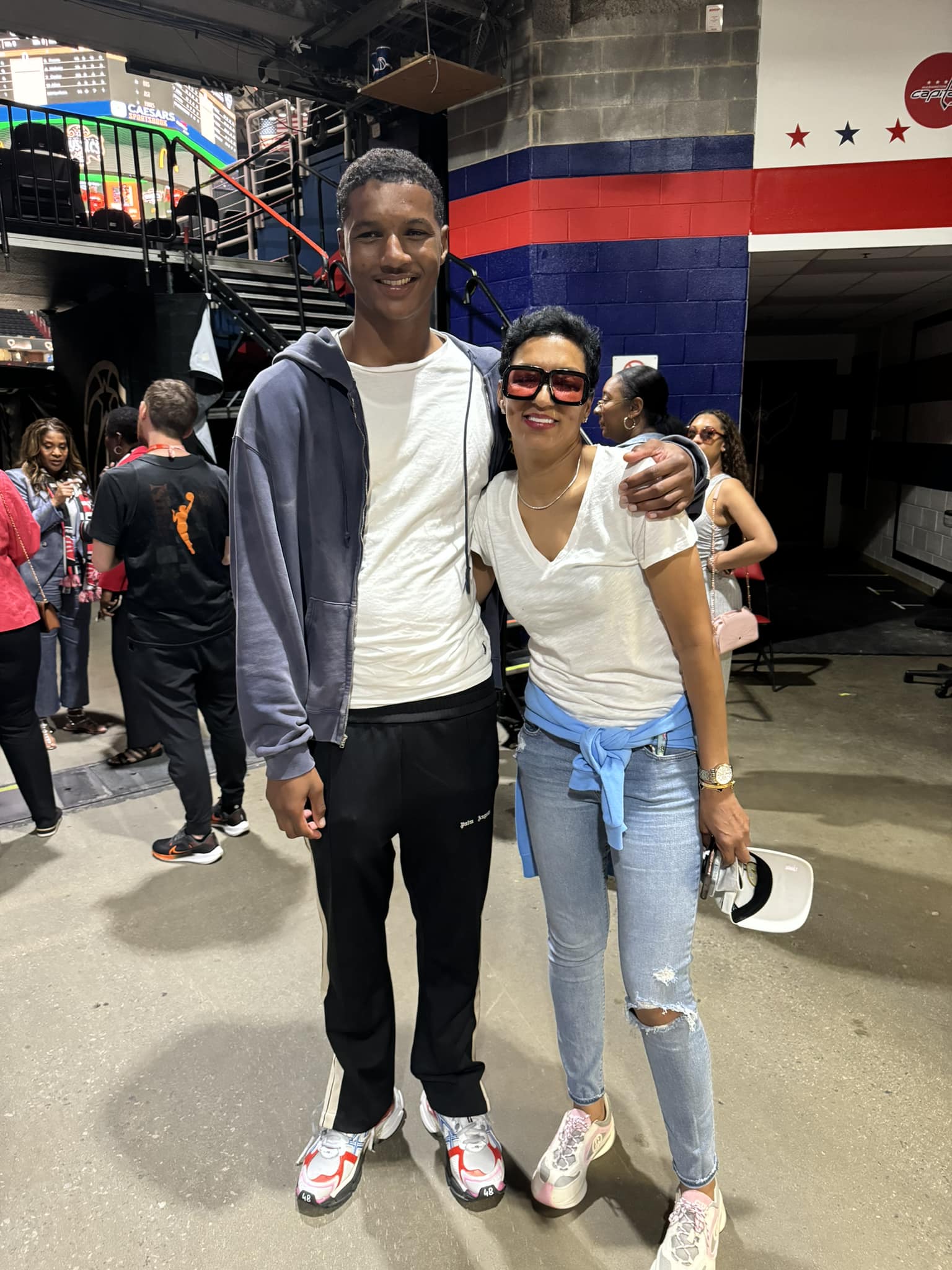
Caiden Kennedy and his Mother, Maureen O’Kane
Outlook
As a proud Gloucester City legacy athlete, Caiden Kennedy has all the tools to continue his family tradition of excellence at Gloucester City High School. His physical style of play, combined with his natural leadership on the field, positions him as a future star at the middle school and high school levels. With his unmatched determination and love for the game, Caiden is on track to become a highly recruited middle school prospect and a key contributor to any team he plays for.
Projection: High-impact middle school player with the potential to be a cornerstone for Gloucester City High School’s football program. A true competitor whose best years of football are still ahead.