The Most Credible Messenger: Antwann Postell’s Legacy and a City’s Loss

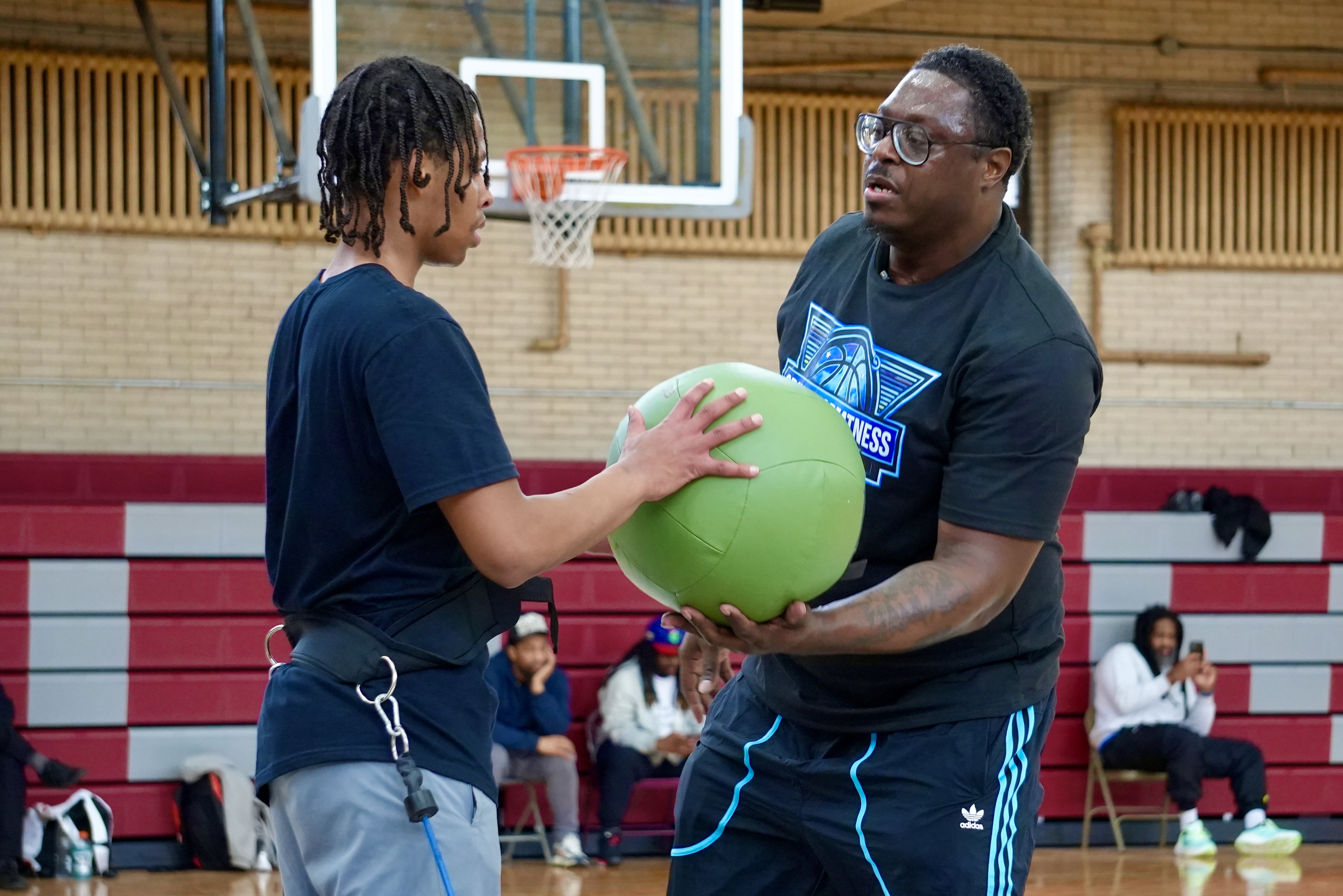
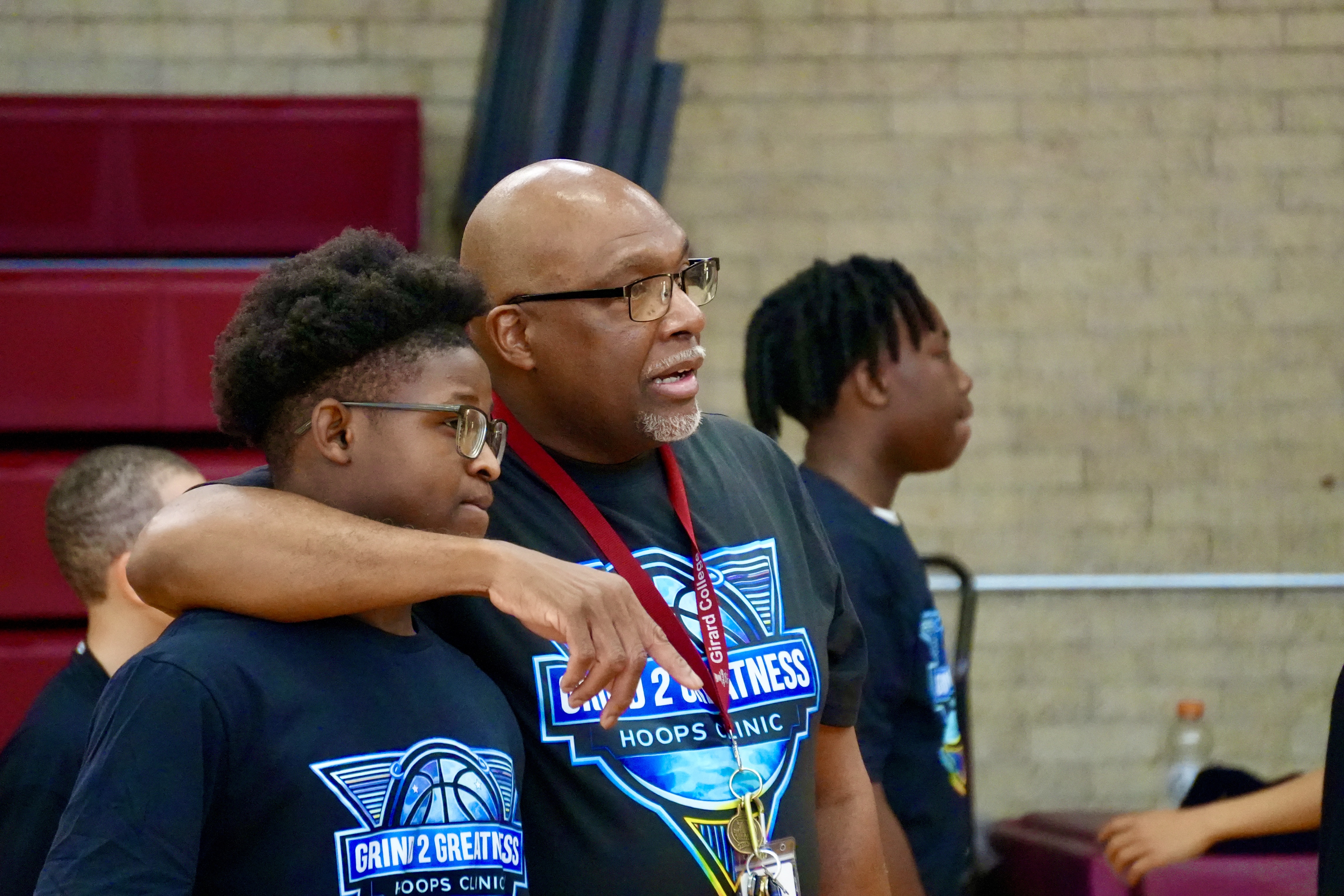
PHILADELPHIA, PA – The death of Antwann Postell, announced this morning in Philadelphia, will not make national headlines. It will not trend on national social media, nor will it prompt statements from elected officials. Yet in the neighborhoods of West Philadelphia, where the constant hum of sirens and the echo of bouncing basketballs create a dissonant soundtrack to daily life, his absence rings with a profound and devastating silence. Postell, a mentor, coach, and a quiet force of redemption, was 35. His sudden passing leaves a void not easily measured in column inches, but in the lives of young men for whom he was a lifeline, a mirror, and a map.

Postell’s story was not one of unblemished virtue, but of hard-won transformation. He emerged over the past decade not as a saint, but as a stalwart—a quintessential “credible messenger” in a city that desperately needs them. He never hid nor minimized his past, including time served in a state penitentiary. In a world where at-risk youth have learned to expertly detect condescension and false promises from outsiders, this history was not a liability; it was the foundation of his authority. He was not a visitor from a safer, more privileged world coming to preach. He was a guide who knew the treacherous terrain because he had walked it, stumbled in it, and found a way out.

The Currency of Credibility

In the ecology of urban mentorship, theoretical advice is cheap. The currency that matters is credibility, earned through shared experience. For the young men on the cracked asphalt courts of West Philly, Postell possessed an enormous amount of this “street credibility.” His warnings about the swift, dead-end finality of violence or the soul-crushing grind of incarceration carried weight because they were not abstract lessons. They were etched in memory, written in the language of personal consequence. When he spoke of lost time and missed opportunities, he spoke from a place of profound, lived loss. This bypassed the reflexive skepticism of a teenager who has heard too many hollow sermons. It built a bridge of trust where other well-intentioned programs often find only a moat of distrust.

Postell understood, at a deep and intellectual level, that he was part of a critical socialization process. He knew the basketball court was more than a place to play a game; it was a powerful classroom. Under the rusting rims and fading lines, he taught the norms and values that sports can instill—teamwork over selfishness, discipline over impulse, resilience over surrender. He used the game to foster communication, leadership, and a sense of identity that wasn’t tied to a corner or a crew, but to a team. For young men often stripped of dignity by systemic neglect, he used the sport to rebuild self-esteem and forge a sense of belonging. It was a two-way process: he taught the game, and through their shared interpretation of its struggles and triumphs, they learned about life.

Heir to a Sacred Legacy

In this sacred work, Postell was one of the most prominent modern heirs to a legendary Philadelphia lineage. He walked in the footsteps of giants like Sonny Hill, Claude Gross, Tee Shields, Sam Rines, Sr., and James Flint—men who understood that coaching in this city was never just about developing players, but about building character and saving lives. They were the architects of an alternative infrastructure of care in neighborhoods where such structures are scarce. Postell took up that mantle, not in a lavish gym, but on the same streets where those legends started, tending to the same deep-seated needs with the same fierce, paternal love. He was a living link in a chain of mentorship that has held entire communities together for generations.

His death, therefore, is not merely the loss of one man. It is a rupture in that vital chain. It leaves a monumental void in the intricate and fragile support network that exists just beneath the official surface of the city. Who now will be there for the 3 a.m. phone call from a kid in crisis? Who will have the earned right to look a young man in the eye and say, “I’ve been where you are, and this path leads nowhere”? The institutional memory of how to navigate from despair to hope—memory held in one man’s heart and stories—is now suddenly, tragically, gone.

The Flicker of Hope He Leaves Behind

There is, perhaps, a fragile hope to be found in the nature of Postell’s work. His teachings were not kept in a manual but embedded in the hearts of those he coached. The real testament to his life will be if the young men he mentored—those who felt the grip of his hand on their shoulder, heard his blunt wisdom in a timeout huddle—can now step forward to keep his teachings alive. The true success of a credible messenger is not in creating dependents, but in creating a new generation of messengers. The legacy of Sonny Hill lives on in every coach who teaches more than a pick-and-roll. So too must Postell’s spirit live on in the next young man who chooses to put down a weapon and pick up a clipboard, who uses his own hard past to forge a safer future for the kid behind him.

Antwann Postell’s life was a testament to the radical power of second chances and the transformative potential of authentic, earned connection. His death is a stark reminder of how precious and precarious such forces are in our cities. We mourn not just a coach, but a cornerstone. And we are left with a pressing question for Philadelphia and every community wrestling with violence and lost youth: How do we identify, support, and protect the next Antwann Postell before his voice, too, is silenced? The game on the West Philly courts will go on. But the guiding voice from the sidelines, the one that spoke with the hard-earned authority of a life redeemed, is now heartbreakingly still.

The Next Crown Prince of Harrisburg Hardwood: Why Shakur Starling is Central Pennsylvania’s Must-See Prospect

PHILADELPHIA, PA – In the constellation of American basketball talent, certain places have become fixed stars, producing a rhythm and a archetype of player as reliable as the changing seasons. New York City guards carry a certain swagger, Philadelphia guards a specific mental and physical toughness. And in recent years, a new locus has emerged, a crucible for backcourt talent that demands the attention of college basketball’s power brokers: Harrisburg, Pennsylvania.

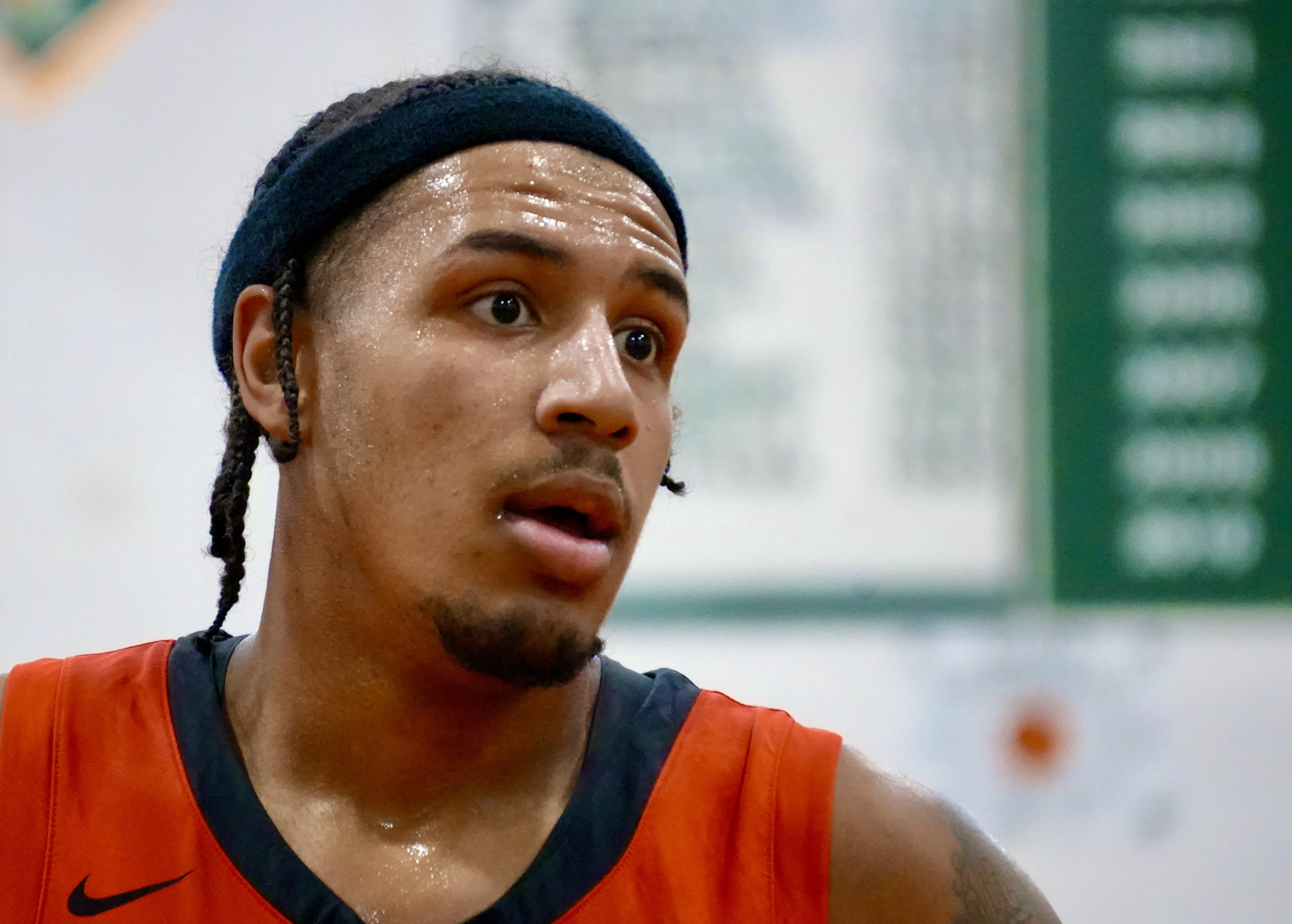
Shakur Starling, Central Dauphin junior guard

This is not a fluke, but a tradition being built in real time. It’s a lineage defined by Chance Westry and Malachi Palmer—elite guards who honed their games here before taking the well-trod path to national academies and, subsequently, the bright lights of the Big 10, ACC and Big East. Their departures created a vacuum, a question of who would next assume the throne. The answer is already here, and he is not following the same script. His name is Shakur Starling, a junior guard at Central Dauphin High School, and he is poised to become the most compelling recruitment story in the region, a prospect whose substance may ultimately outshine even his considerable flash.

The Harrisburg Guard: A New Archetype

To be a Harrisburg guard in 2025 means something. It carries a weight and an expectation. It means you are battle-tested in gyms where space is a luxury and physicality a given. It implies a defensive tenacity, a chip-on-the-shoulder grit forged in the crucible of Mid-Penn Conference play. Westry and Palmer established this brand—long, athletic, versatile perimeter players who could dictate the terms of a game on both ends.

Shakur Starling is the latest model, inheriting and evolving this prototype. He has assumed the mantle as “the guy” in Harrisburg, not through self-proclamation, but through a quantum leap in performance over the past year. His game is a testament to the area’s burgeoning reputation, but his story, rooted deeply in family and faith, suggests a different kind of journey—one that will unfold not at a distant basketball factory, but right here at home.

Shyheim Starling (l), freshman guard and Shakur Starling (r)

A Foundation of Character, A Profile of Excellence

Before the first crossover dribble is admired, one must understand the foundation. Starling is, by every account, poised and unfailingly respectful—a young man who looks adults in the eye and understands the weight of “please” and “thank you.” This is not incidental. It is the direct product of an exceptional upbringing by his parents, who are raising Shakur and his three brothers with a clear emphasis on faith, academics, and accountability.

This bedrock character is his first and most persuasive selling point. He is an outstanding student from a family deeply grounded in their faith. In an era of transfer portals and fleeting commitments, a prospect like Starling represents stability. It is why he already holds an offer from John Griffin at Bucknell University, a Patriot League institution that prizes scholars as much as scorers. One can confidently project that nearly every Ivy and Patriot League program will soon enter the fray, seeing in Starling the ideal marriage of academic readiness and athletic promise.

The Game Travels: From Central Dauphin to the EYBL

Do not, however, mistake this strong academic and moral profile for a limited game. Starling’s talent transcends zip codes. He has already proven his mettle on the Nike EYBL circuit, the most competitive grassroots basketball arena in the country, playing for Baltimore-based Team Melo. This is critical. It demonstrates his skills are not merely a product of local competition; they translate against national, elite-level peers.

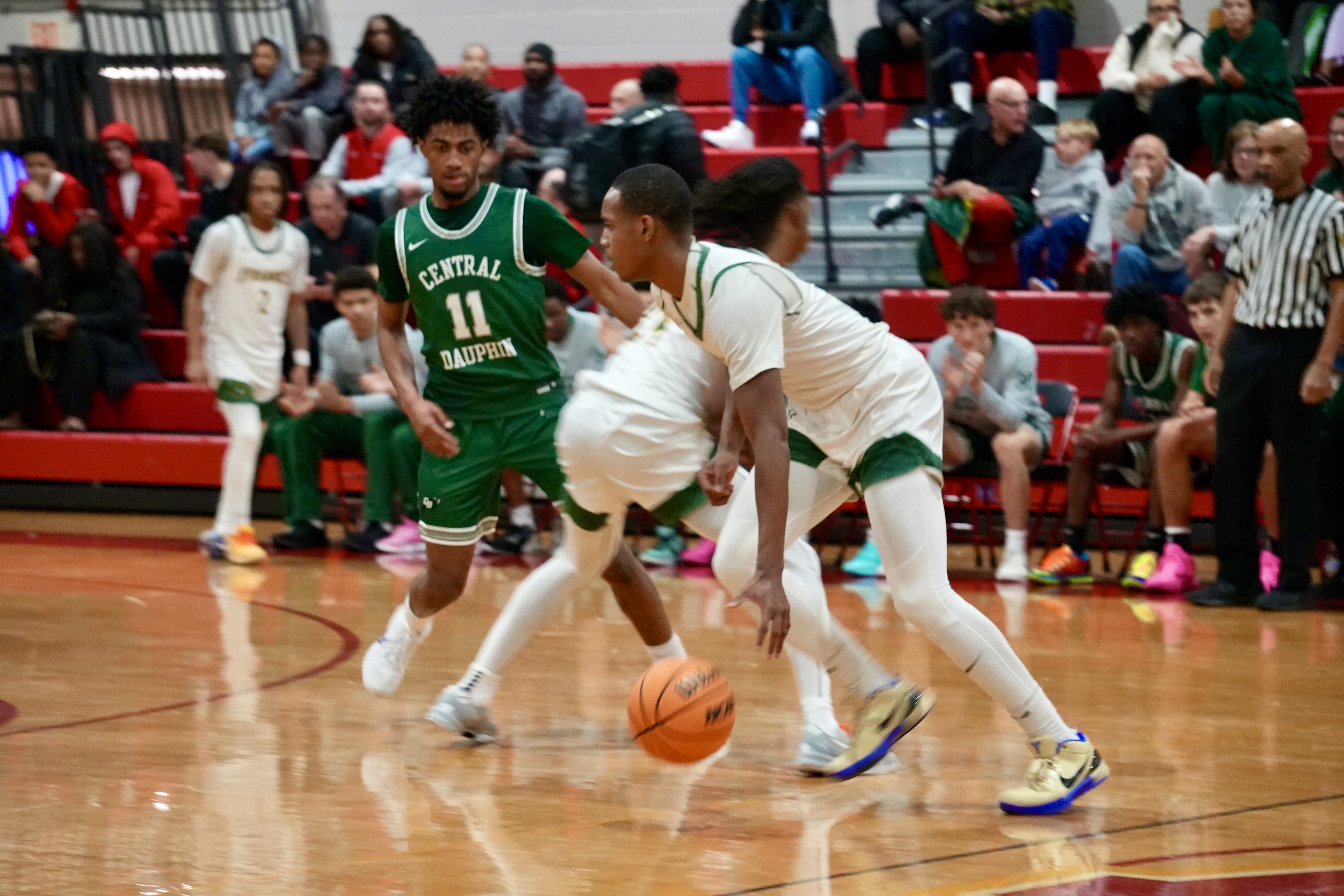
Starling knocks down a 3 pointer in tough loss to Bonner

On this stage, his athleticism announces itself without subtlety. He possesses a quick-twitch explosiveness and open-floor speed that are innate—you cannot teach a player to get off the ground as he does. In transition, he is a runaway train, capable of finishing through contact and with the acrobatic body control to convert seemingly impossible circus shots at the rim. Defensively, his combination of that athleticism, a strong motor, and high effort makes him a nightmare. He has the tools to be a lockdown, multi-position defender, the kind of “two-way potential” that jumps off the screen to college coaches.

The Blueprint for a High-Major Future

From a purely basketball perspective, Starling is just beginning to scratch the surface. At Central Dauphin, he often operates as an off-guard in half-court sets, using his athleticism to slash and attack. His ability to go through high school bigs is already notable. Yet, the roadmap to becoming a high-major standout is clear.

First, the ceiling of his offensive game will be determined by the consistency and range of his three-point shot. He is solid now, but to transition from an athletic slasher to an elite “3-and-D” wing—the most coveted commodity in modern basketball—requires making that significant leap. Second, to become a primary ball-handling playmaker at the next level, his decision-making must continue to evolve, learning patience and picking his moments within a system.

The raw materials, however, are undeniable. As one evaluator noted, “The athletic prowess is there as far as just speed, explosiveness… When he gets to college, when you have more space, he is going to be a problem for four years.”

Starling matched up against Bonner-Prendie star guard Korey Francis

A Different Path, A Loyal Legacy

This is where Shakur Starling’s story diverges from his predecessors. His deep commitments to family, church, school, and teammates make a late transfer to a national academy highly unlikely. Unlike Westry and Palmer, we are likely to see this recruitment play out in real time, in the gym at Central Dauphin. This loyalty is rare, and it adds another layer of allure for college coaches seeking a program pillar, not just a transient talent.

The time for passive interest is over. Coaches from the CAA, Atlantic 10, and, yes, the Big East, should be making their pilgrimages to Harrisburg now. They will see a top-tier mid-Atlantic prospect whose best basketball is emphatically ahead of him. They will see a scholar-athlete whose character is as polished as his crossover. And they will see the next chapter in the story of the Harrisburg guard—a chapter defined not by departure, but by legacy; not just by athleticism, but by an unwavering foundation.

Shakur Starling is more than a prospect; he is a statement. He proves that in today’s nomadic basketball landscape, a crown prince can choose to build his kingdom at home, and in doing so, become an even more compelling figure for the programs wise enough to see the complete picture.

The Case for Korey Francis: The Mid-Atlantic Region’s Most Underrated Court General

PHILADELPHIA, PA – In the era of basketball as personal branding, where elite high school prospects migrate to national academies and highlight reels are currency, a counter-narrative is quietly building in the Philadelphia suburbs. His name is Korey Francis, a junior guard at Monsignor Bonner & Archbishop Prendergast Catholic High School. To the casual observer scanning national rankings, he may not yet register. But to watch him play—to truly understand the fabric of his game—is to witness one of the finest, most complete guard prospects in the nation. He is not a product of the assembly line; he is a testament to the enduring value of loyalty, intelligence, and old-school grit.

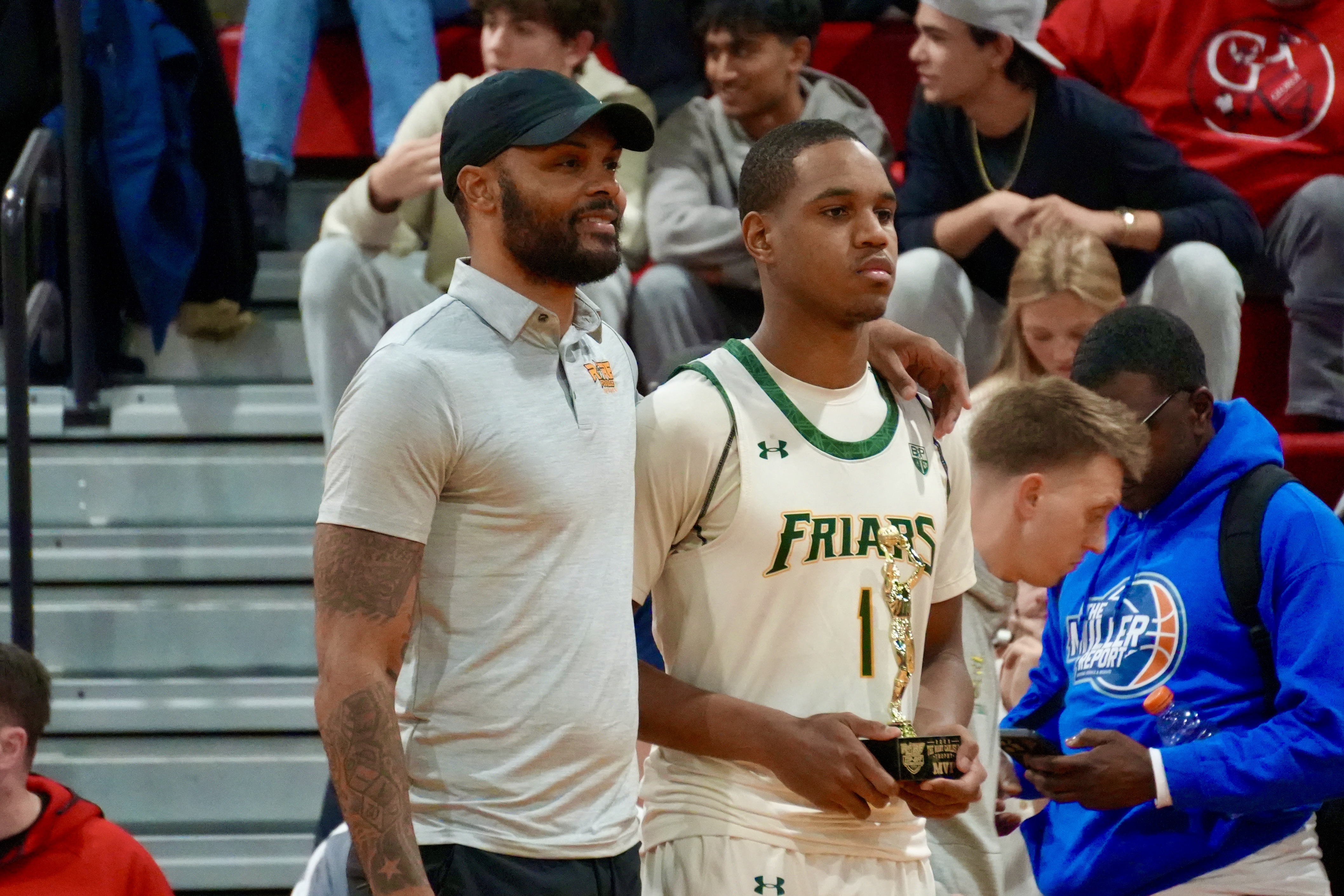
Korey Francis, Bonner-Prendie junior guard

A Player Without a Position, A Team Without a Ceiling

At Bonner-Prendie, Francis is a basketball paradox listed at guard. Under the shrewd guidance of Coach Billy Cassidy, Francis morphs from game to game, even possession to possession, into whatever his Friars need to win. With a roster featuring smaller, quicker perimeter players, Cassidy deploys Francis as a point guard, shooting guard, small forward, and even a burly power forward. He initiates the offense, posts up smaller defenders, switches onto bigs defensively, and crashes the glass with the tenacity of a forward. This positional fluidity isn’t a gimmick; it’s a master class in basketball utility. Yet, when the clock winds down and the outcome hangs in the balance, the ball inevitably finds its way to Francis’s hands. He is the calm in the chaos, the team’s true north.

The Anatomy of a Floor General

Projecting Francis to the next level clarifies his ultimate destiny: he is a cerebral, classic point guard. His strengths read like a manifesto for purists who believe the game is won between the ears.

His court vision and playmaking are elite. He pushes the ball with purpose, not panic, and sees passing lanes before they materialize. He is a quarterback in high-tops, running the offense with a veteran’s poise, his primary objective being to make his teammates more effective. His physicality is his signature. At a sturdy 6’3″, he leverages his strength like an NFL fullback, using a deft handle and a decisive first step to get a shoulder into defenders, creating space to barrel into the lane. Once there, he is a maestro of the “penetrate-and-pitch” game, finishing through contact or dishing with perfect timing.

Furthermore, he is an exceptional rebounder for a guard, a skill that instantly triggers transition opportunities. Defensively, his strength and intelligence allow him to guard multiple positions, effectively switching onto both bigger and smaller opponents. This is not a flashy scorer hunting shots; this is a conductor orchestrating a victory.

The Measurable Questions and the Intangible Answers

The scouting report will rightly note areas for growth: his three-point shot is inconsistent, and he lacks the blinding, elite athleticism commonly associated with top prospects in leagues like the SEC or Big Ten. He is a worker, not a wow-er.

But to focus solely on these metrics is to miss the forest for the trees. Francis is only a junior, with ample time to refine his jumper—a project far more achievable than instilling the innate feel for the game he already possesses. More importantly, his perceived “lack of elite quickness” is mitigated by a high basketball IQ that allows him to anticipate and dictate, rather than simply react. He wins with positioning, strength, and savvy, assets that translate to any level of competition. He is, in essence, D1-ready in the categories that are hardest to teach: leadership, physicality, and clutch decision-making. His “Iron Man” durability and unflappable demeanor under pressure are the bedrock of his value.

The Loyalty and Leadership of a Throwback

In an age of transactional basketball, Korey Francis’s story is profoundly refreshing. While peers of his stature have left Philadelphia for the national academy circuit, Francis has remained fiercely loyal to Coach Cassidy and Bonner-Prendie. This commitment speaks to a character often absent from the recruiting discourse. He is not just building a team; he is building a community.

Off the court, Francis embodies the ideal of the scholar-athlete. A straight-A student and the elected president of his class, he demonstrates that elite competitiveness and academic excellence are not mutually exclusive but mutually reinforcing. This discipline and intelligence are palpably evident in his play. He processes the game like an honor student, solving defensive schemes in real time.

The Verdict: A Prospect Worth Betting On

The modern basketball landscape is littered with athletic marvels whose games lack soul and structure. Korey Francis is the antithesis. He is a throwback to a time when the point guard was an extension of the coach, tasked with elevating everyone around him.

Yes, he must continue to extend his shooting range. Yes, he will face athletes at the next level who can match his strength. But to bet against Korey Francis is to bet against intelligence, against leadership, against an unwavering will to win. He is not just a mid-to-high major Division I point guard prospect; he is the prototype of a player who wins championships because he makes the complex simple and his teammates better.

In the noisy, hype-driven world of high school basketball, the steady, commanding drumbeat of Korey Francis’s game is a sound more and more college coaches are beginning to hear. They are listening to the future of a program—a leader who doesn’t just play the game, but truly understands it.

College Athletics’ Revolution: How a Paradigm Shift Is Redefining the Game

PHILADELPHIA, PA – The tectonic plates of college sports have shifted, and the landscape will never be the same.

For decades, the world of college athletics operated as a coherent, predictable universe. It was a system where the term “student-athlete” was sacrosanct, amateurism was the guiding creed, and the National Collegiate Athletic Association (NCAA) was the unquestioned governing authority. This model, however, has not merely evolved. It has been violently upended. The past five years have witnessed what the philosopher of science Thomas Kuhn would term a “paradigm shift”—a revolutionary, non-cumulative break from the old order, driven by legal challenges that shattered the NCAA’s foundational principles.

Temple alum and former NBA player, Marc Jackson announcing the La Salle vs Temple matchup

The emergence of name, image, and likeness (NIL) compensation and unlimited transfers with immediate eligibility has not reformed the system; it has created a new one, fundamentally altering the nature of college sports, especially football and men’s and women’s basketball.

The Kuhn Framework: How Revolutions Unfold

To understand what is happening in college sports, one must first understand Kuhn’s theory of scientific revolutions. In his seminal 1962 work, The Structure of Scientific Revolutions, Kuhn argued that scientific progress is not a linear, cumulative process. Instead, it occurs through violent ruptures he called “paradigm shifts”.

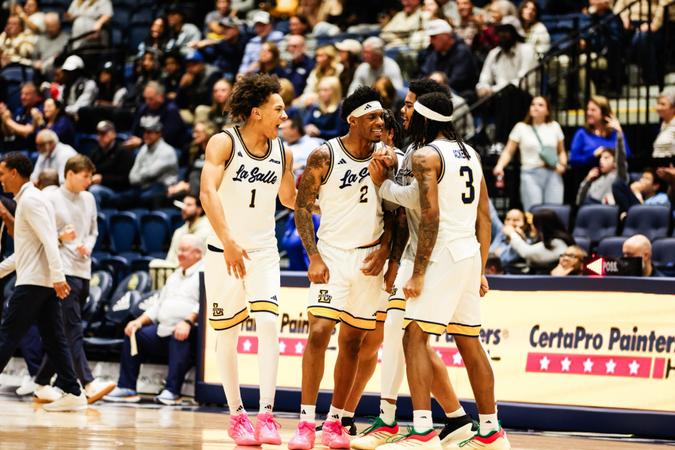
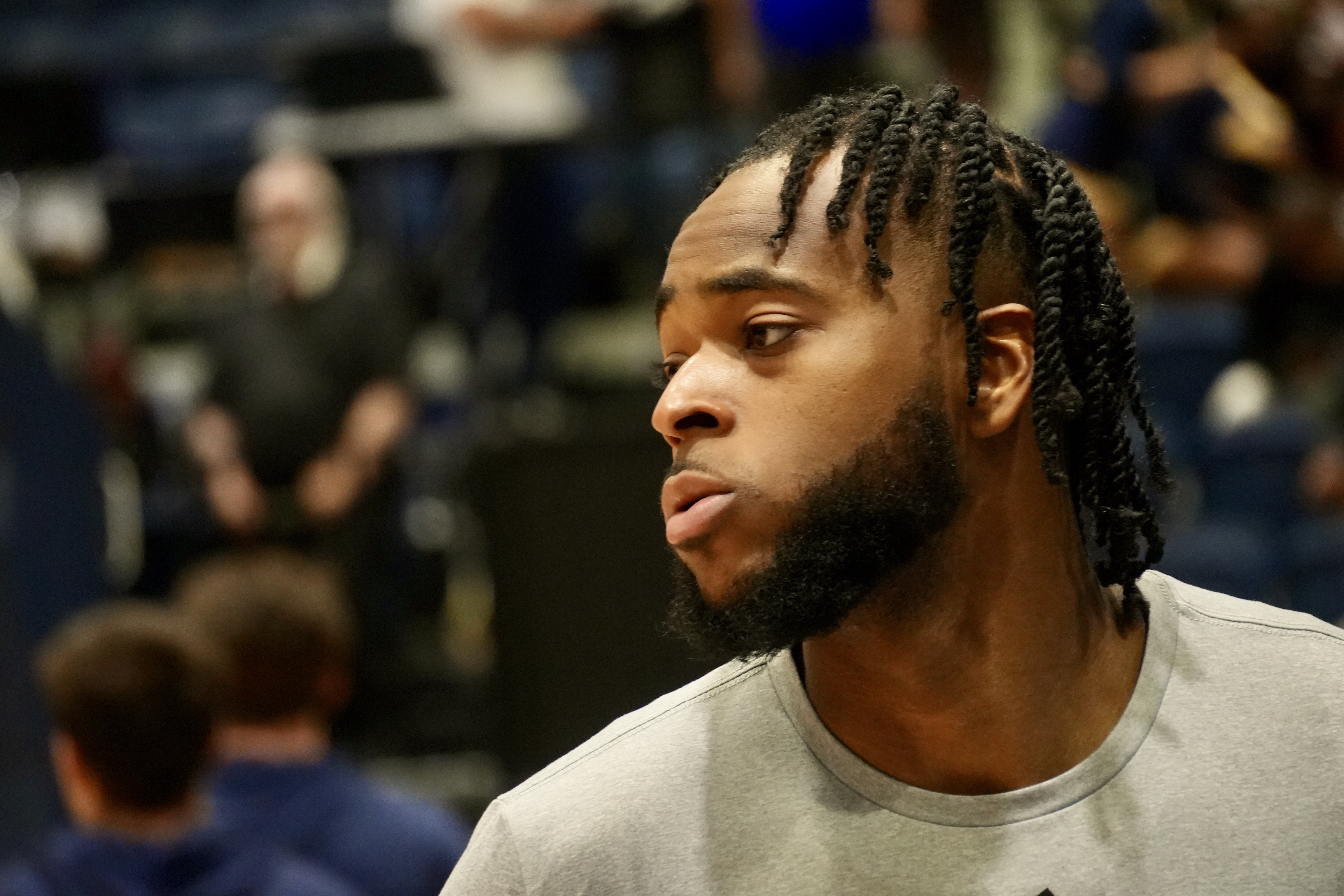
La Salle forward Jerome Brewer

A paradigm is a framework of beliefs, values, and techniques shared by a community. For a time, it provides model problems and solutions in a process Kuhn labeled “normal science.”

But eventually, anomalies—observations the prevailing paradigm cannot explain—accumulate, leading to a period of crisis. This crisis deepens until the old paradigm is overthrown and replaced by a new, incompatible one. The new paradigm is “incommensurable” with the old; they are so different that proponents of each see the world differently, use different definitions, and fundamentally talk past one another. This is not a change in degree, but in kind. It is a gestalt switch, where a drawing that was once seen as a duck is now seen as a rabbit, and it is impossible to see both at once.

The Age of ‘Normal Science’ in College Athletics

For the better part of a century, college athletics existed in a prolonged state of Kuhn’s “normal science.” The dominant paradigm was the “amateur ideal.” Its core tenets were simple and universally accepted within the industry:

Camden resident and Big 5 fan, Hunner Cotton

No Pay-for-Play: Athletes were “amateurs” who could not be compensated for their athletic performance beyond the cost of attendance

Limited Mobility: Transfers were heavily restricted, often requiring athletes to sit out a year of competition, thereby discouraging movement

Institutional Control: The NCAA and its member institutions held absolute power to set and enforce the rules

This paradigm was not merely a set of rules; it was a worldview. It defined the very product. As Kuhn might have observed, it told everyone in the system—administrators, coaches, athletes, and fans—how to think and behave. It provided a stable, predictable environment where seasons unfolded with rosters fans could recognize from year to year, and where the NCAA’s authority was as assumed as the rules of gravity.

Accumulating Anomalies and the Onset of Crisis

The facade of this stable world began to crack under the weight of mounting anomalies. The commercial reality of college sports—the billion-dollar television contracts, massive coaching salaries, and lavish facilities—increasingly clashed with the amateur ideology.

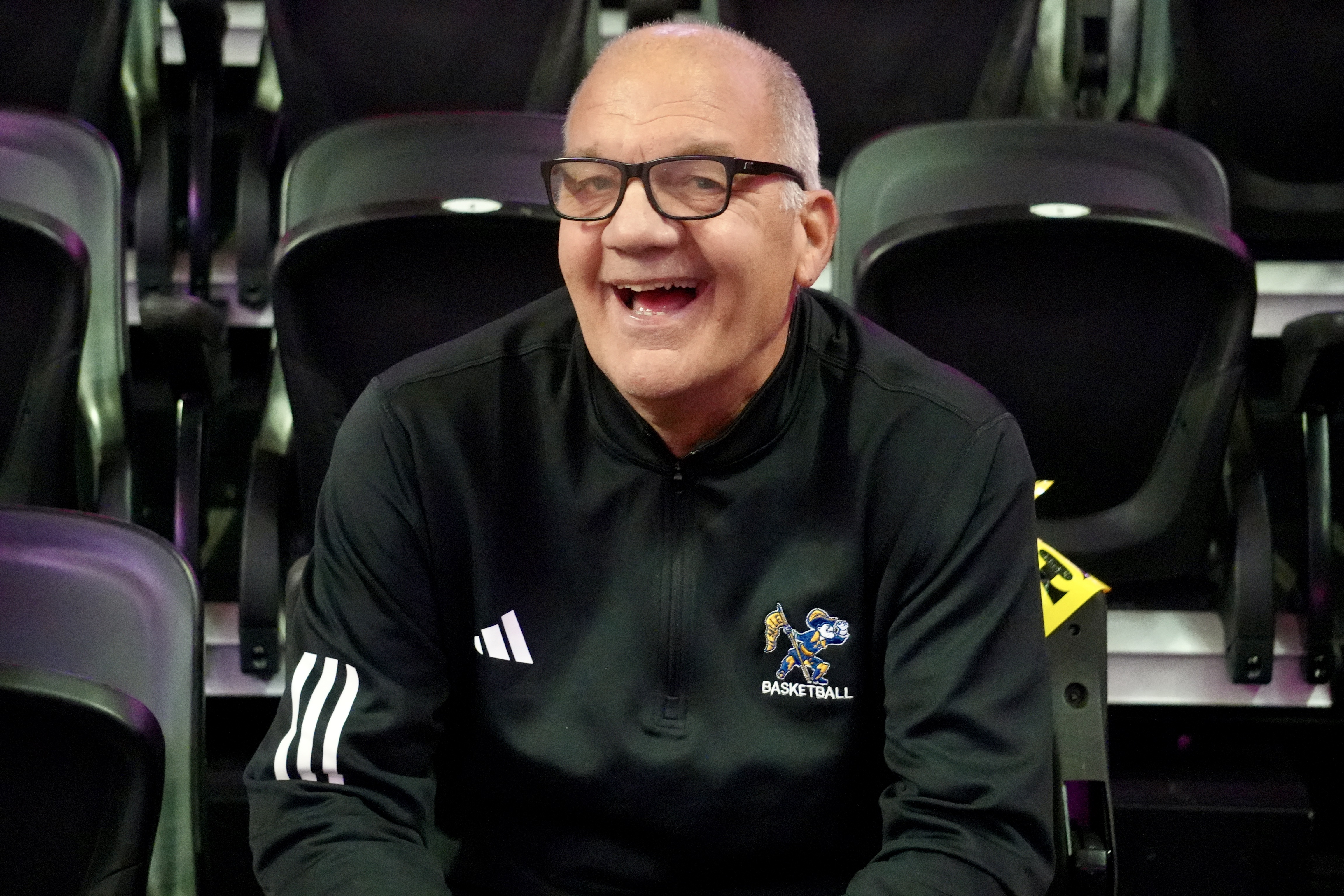
Joe Mihalich, Special Assistant to the Head Coach at La Salle University

The sight of athletes, particularly in revenue-generating football and basketball, generating immense wealth without sharing in it became an undeniable contradiction.

This set the stage for a crisis, triggered by a series of legal challenges that acted as Kuhn’s “extraordinary research”. The courts became the laboratory where the old paradigm was tested and found wanting.

The Alston Decision: The pivotal blow came in 2021 from the U.S. Supreme Court in NCAA v. Alston. While the case specifically dealt with education-related benefits, Justice Neil Gorsuch’s majority opinion unequivocally declined to grant the NCAA “immunity from the normal operation of the antitrust laws”.

Justice Kavanaugh’s Concurrence: The true harbinger of revolution was Justice Brett Kavanaugh’s blistering concurrence. He called the ruling a necessary “course correction” and laid bare the anomaly at the system’s core: “Nowhere else in America can businesses get away with agreeing not to pay their workers a fair market rate on the theory that their product is defined by not paying their workers a fair market rate,” he wrote. “The NCAA is not above the law”.

This judicial dismantling of the NCAA’s legal shield created a state of deep crisis. The old paradigm was no longer tenable, and the search for a new one began.

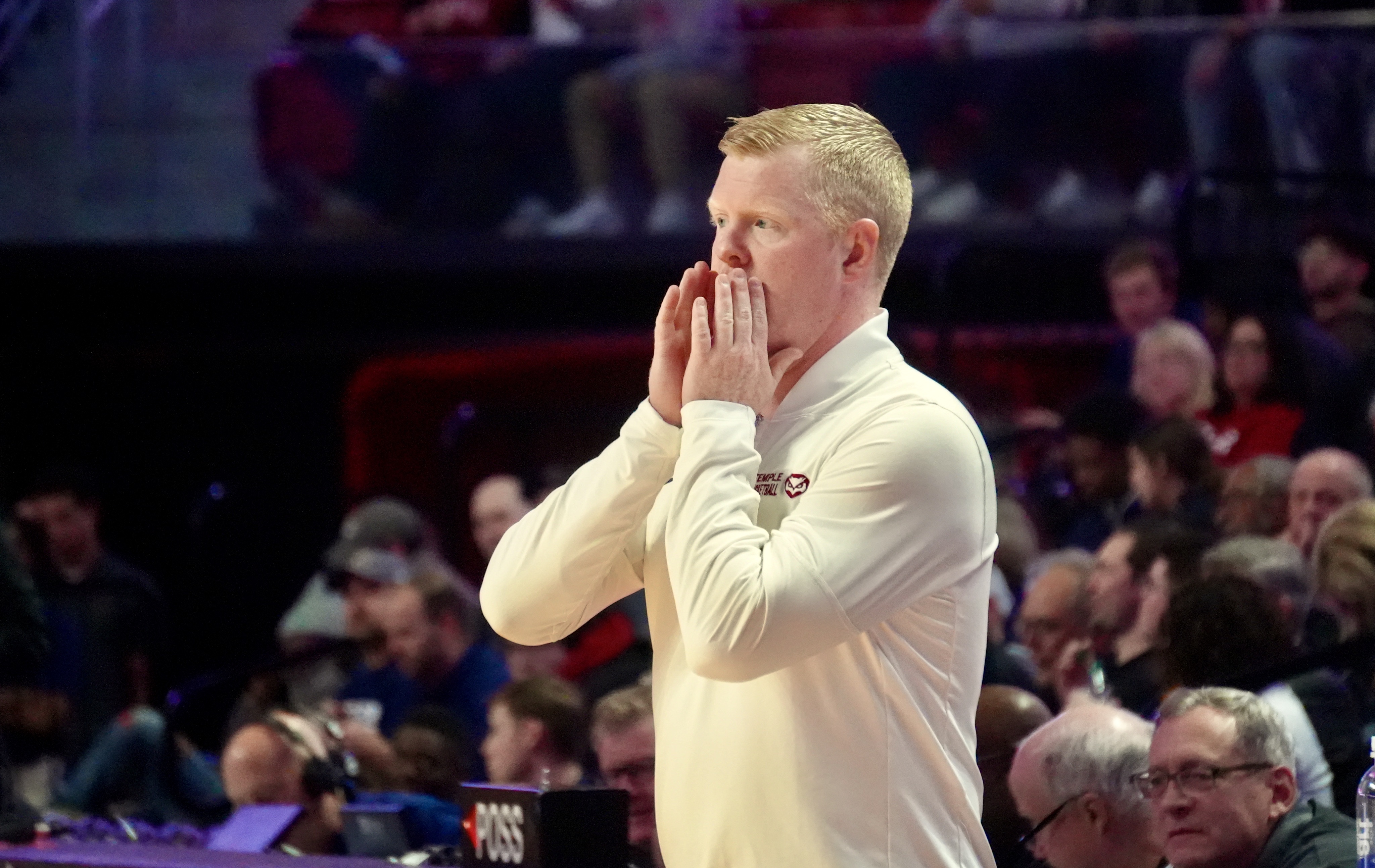
Adam Fisher, Temple Head Coach

The Revolution Unleashed: A New World Order

The collapse of the old model under legal pressure has rapidly given way to a new paradigm, characterized by two revolutionary changes:

Name, Image, and Likeness (NIL): Since 2021, athletes have been allowed to profit from their fame through endorsements, appearances, and social media promotions. This was the death knell for pure amateurism.

Unlimited Transfers with Immediate Eligibility: Following relentless antitrust lawsuits from state attorneys general and the U.S. Department of Justice, the NCAA’s transfer restrictions have been eviscerated.

Athletes can now enter the transfer portal multiple times and play immediately at their new school, creating a system of year-round free agency.


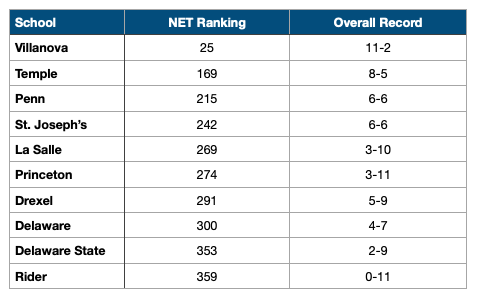
The following table contrasts the core elements of the old and new paradigms in college athletics:

This new system is not merely an adjustment. It is a fundamental redefinition of what college sports are.

Bob Jordan, Temple Assistant Coach

Living in Incommensurable Worlds

The chasm between the old and new paradigms is so vast that they are, in Kuhn’s terms, incommensurable. Stakeholders are effectively living in different realities.

Different Standards: Concepts like “loyalty” and “team-building” now have entirely different meanings. A coach bemoaning a player’s lack of loyalty, based on the old standard of a four-year commitment, cannot communicate with a player operating in a new world where loyalty must be re-earned by the program year after year through NIL offers and playing time

Different Worlds: Coaches now navigate a “transactional culture”. As one soccer coach lamented regarding new roster limits, the focus is on “hit[ting] on virtually all of the 5-6 commits each year,” turning recruiting from an art of potential into a science of immediate ROI . Meanwhile, athletes see themselves not just as students, but as entrepreneurs managing their own brands.

Communication Breakdown: The same words mean different things. An “offer” from a school once meant an athletic scholarship. Now, it is a complex package of scholarship, NIL money from a collective, and potential branding opportunities. When administrators, coaches, athletes, and fans use the term “college sports,” they are, quite literally, talking about different things.


Temple star guard Aiden Tobiason

The View from the Palestra: A Case Study in Revolution

The human cost of this revolution is etched into the history of Philadelphia’s Big 5. For more than six decades, the rivalry between LaSalle, Pennsylvania, St. Joseph’s, Temple, and Villanova was a unique institution in college basketball, a frenetic and beloved intracity competition housed in the musty, hallowed halls of the Palestra.

Big 5 basketball as it existed for generations is dead.

The paradigm shift has turned its teams into annual collections of mercenaries. This year’s rosters at Temple, Villanova, and La Salle are not built through years of patient development and freshman recruiting classes. They are assembled through the transfer portal, featuring 12 to 15 new players who are, in effect, paid free agents. The continuity that allowed for deep, city-wide narratives and enduring player legacies has been shattered. The old-timers who cherish the traditions of the Palestra and the new-age fans who track transfer portal rankings now inhabit incommensurable worlds, looking at the same court but seeing entirely different games.

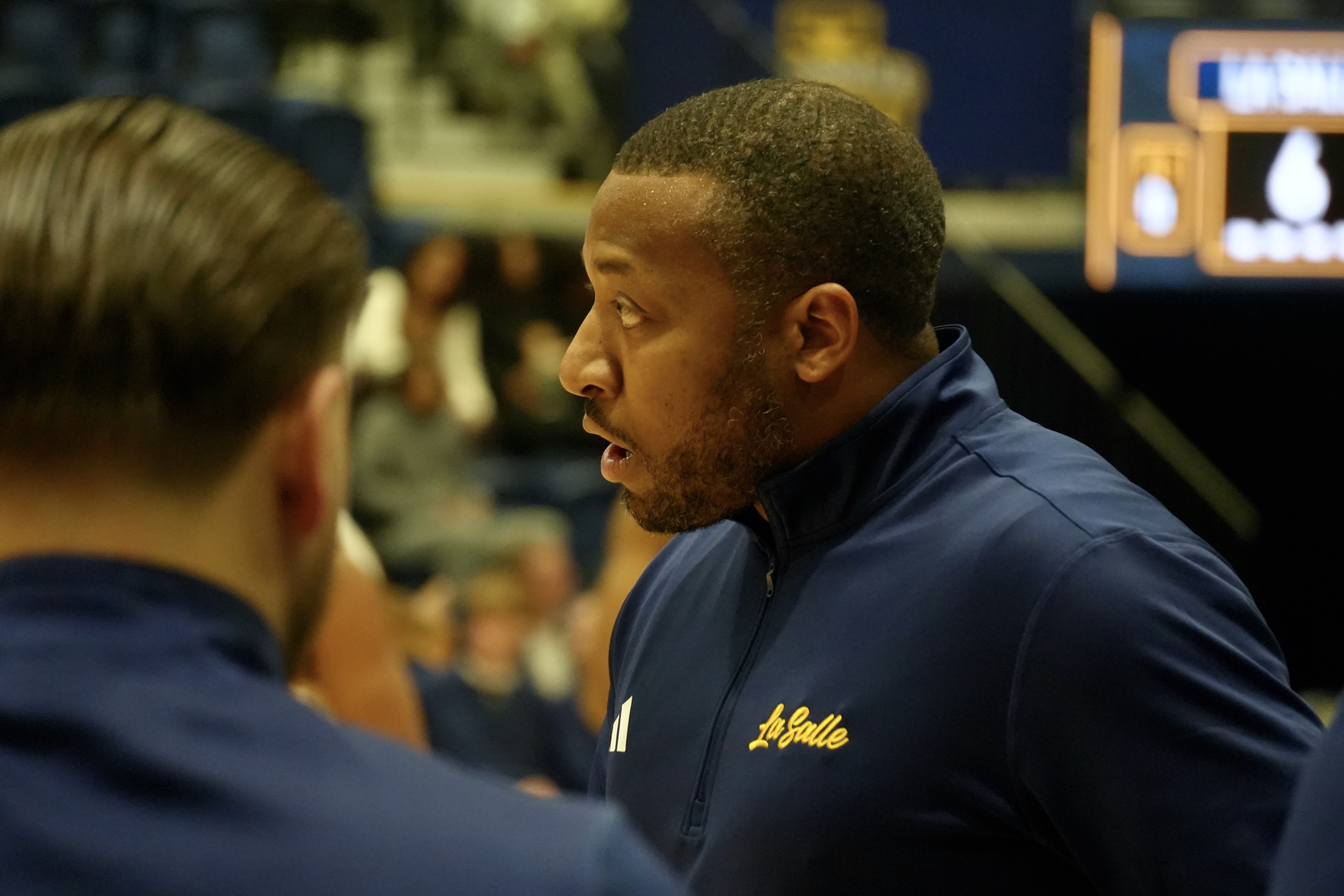
Darris Nichols, La Salle Head Coach

The Uncharted Future

Where this new paradigm will ultimately lead is still uncertain. The revolution has created winners and losers, bestowing newfound wealth and freedom on some athletes while creating instability and uncertainty for others. The core challenge of this nascent paradigm is its sheer chaos—a lack of uniform regulation, concerns over the exploitation of young athletes, and the erosion of any semblance of a level playing field.

Thomas Kuhn taught us that paradigm shifts are not about progress in a moral sense, but about the replacement of one worldview with another. The old paradigm of amateurism is gone, discredited by the courts and abandoned by the culture. The new paradigm of athlete empowerment and free agency is still crystallizing, its final shape unknown. The revolution is complete. The incommensurable has arrived. The games will continue, but they will never be the same.

I miss Micheal Brooks, John Pinone, Mo Martin, Rodney Blake, Howie Evans, Lionel Simmons, Mark Macon, Tim Perry, Mike Vreeswyk, Jameer Nelson, Rap Curry, Bernard Bunt, Jerome Allen, Matt Maloney and Rashid Bey on the court.

I miss John Chaney, Fran Dunphy, Bruiser Flint, Phil Martelli, John Giannini and Rollie Massimino on the sidelines.

Naaaaah… I can’t lie… I don’t miss Rollie.

Girard College Taps St. Joseph’s University Hall of Famer, Mark Bass, a Proven Program Builder, as New Boys Basketball Head Coach

PHILADELPHIA, PA — Girard College announced on October 9, 2025 that it has hired Mark Bass, a Mercer County basketball legend with deep ties to the Philadelphia region and a storied history as both a player and coach, as the new head coach of its boys’ basketball team. Long-time St. Joseph’s University coach Phil Martelli introduced Bass to his Girard College team in an emotional and intimate gathering. The appointment signals an ambitious new direction for the program, entrusting it to a figure renowned for his tactical acumen and a proven record of rapid turnaround.

Phil Martelli and Mark Bass

Bass brings over 24 years of coaching experience to the role, most recently serving as an Assistant Coach for Prep and Development Basketball at the South Kent School, a Connecticut-based incubator for elite talent. His hiring is seen as a coup for Girard College, securing a leader with a demonstrated ability to elevate teams to championship contention.

“We are thrilled to welcome a leader of Mark Bass’s caliber and character to Girard College,” said Tumar Alexander, Girard College Vice-President of Operations. “His philosophy extends far beyond the basketball court, emphasizing the development of student-athletes as scholars and citizens. His record of success, both immediate and sustained, makes him the ideal person to build a proud and successful future for our boys’ basketball program.”

Tumar Alexander and Mark Bass

Bass is not merely a coach; he is a part of the area’s basketball fabric. A member of both the Mercer County Sports Hall of Fame and the St. Joseph’s University Basketball Hall of Fame, he remains the all-time leading scorer for Trenton Catholic Academy (formerly McCorristin), where he led the team to back-to-back state championship games.

His legacy continued at St. Joseph’s University, where he starred as one of the deadliest shooters in the program’s history and a key part of its 1996 NIT finals team. After a professional stint in China, Bass returned to his alma mater, embarking on a 20-year tenure as an assistant coach—the longest in St. Joseph’s history—where he was instrumental in developing NBA players such as Jameer Nelson, Delonte West, and DeAndre Bembry. He also helped lead the Hawks to another NIT final as a coach in 2005.


It is his most recent high school head coaching performance, however, that provides the clearest blueprint for what Girard College can expect. In 2021, Bass was hired to resurrect the Trenton Catholic Preparatory Academy program, a decision hailed at the time as an “absolute no-brainer.”

The results were instantaneous and profound. In his first season at the helm, Bass engineered a dramatic resurgence, leading the Iron Mikes to a Mercer County Championship and, for the first time in 12 years, a South Jersey, Non-Public B title. His team finished the season ranked No. 4 in the state by NJ.com.

“In the program’s first year under coach Mark Bass, Trenton Catholic Preparatory Academy plays with a toughness on the defensive end that figures to make these Iron Mikes a lethal threat,” wrote Greg Johnson of The Trentonian in a mid-season assessment.

Mark Bass and Guy Moore, Girard College Director of Athletics

John Castaldo, Bass’s own high school coach at McCorristin, praised the hire at the time, noting, “He returns to his alma mater with a wealth of basketball knowledge… His skills in developing and nurturing relationships are outstanding. He has always been an individual of high character and moral integrity.”

Bass’s expertise is further honed by his role as a Head Coach for the prestigious WeR1 Basketball Club on the Under Armour Association circuit, where he has continued to develop top-tier amateur talent.

“I am incredibly honored and excited to join the Girard College community,” said Bass. “This is a special institution with tremendous potential. I look forward to building a program that the entire Girard family can be proud of—one that competes for championships while upholding the highest standards of excellence, discipline, and sportsmanship. The work begins now.”

Bass holds a Bachelors degree in Marketing from St. Joseph’s University and Master’s degree from Rider University. He officially assumes his duties on October 20, 2025.


About Girard College


Girard College is a landmark independent boarding school in Philadelphia, providing a full-scholarship, holistic education for academically capable students from families with limited financial resources, serving grades 1 through 12.

###

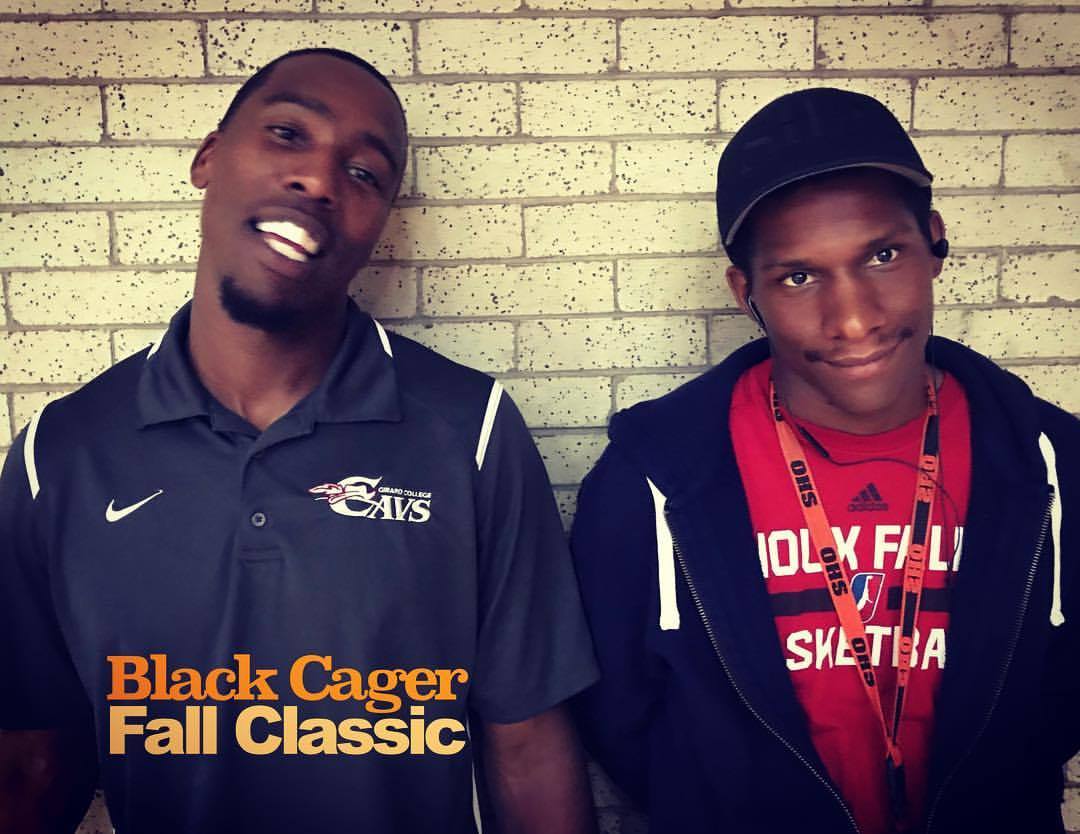
In a Shifting Basketball Landscape, Phil Martelli’s “Philadelphia Coaching Academy” Partners with Black Cager Fall Classic to Reclaim the Art of Coaching

PHILADELPHIA — In an era defined by the seismic influence of Name, Image and Likeness (NIL) advisors, sports agents, and the directors of national basketball academies, a new initiative is aiming to return the focus of youth basketball to its foundational element: teaching the game.

The Philly Coaching Academy, a venture from P and J Enterprises founded by former Saint Joseph’s University and former Michigan associate head coach Phil Martelli, has been named an official sponsor of the upcoming Black Cager Fall Classic. The partnership signals a concerted effort to address a growing void in the development of basketball coaches at the grassroots level.

Phil Martelli

The announcement comes amid what many insiders describe as a paradigm shift in youth and scholastic basketball. The insertion of substantial student-athlete compensation has fundamentally altered the player development process, creating an ecosystem where financially motivated “handlers” and the allure of national programs often overshadow the core mission of instruction and mentorship. Consequently, less time, energy, and resources are being devoted to cultivating the next generation of skilled coaches.

“In today’s environment, the term ‘coach’ can be diluted. A true coach is a person who trains, instructs, and guides a team to improve their skills and performance, with winning as a byproduct of that process,” said Martelli, a Hall of Fame inductee of the Philadelphia Big 5 and one of the most respected figures in the sport. “We are determined to identify and develop good, ethical, and effective youth and scholastic coaches who embody that definition.”

To that end, the Philadelphia  Coaching Academy has been created specifically for coaches operating at the CYO, middle school, recreational, and travel team levels. The academy’s goal is to equip these coaches with the tools to plan and execute efficient, effective practices. The curriculum will be delivered through four standalone sessions, each featuring on-court demonstrations of drills presented by Martelli and other prominent high school coaches.

Delgreco Wilson, founder of Black Cager Sports, expressed strong support for the partnership, drawing from his long-standing observation of Martelli’s career.

“I’ve been fortunate to witness Martelli’s entire coaching journey. More than any other coach I’ve encountered, Martelli has been an open book. His practices were always accessible,” Wilson said. “He is the right guy to teach young Philly men and women how to be professional youth and scholastic basketball coaches.”

As part of the sponsorship, a coach from every high school participating in the Black Cager Fall Classic will be invited to a exclusive Zoom webinar with Martelli. Furthermore, the head coach of two participating Fall Classic teams will receive full certificates to attend a session of the Philadelphia Coaching Academy.

Wilson emphasized the critical timing of this initiative, stating, “Martelli is absolutely the right guy, and this is definitely the right time to focus on actually teaching and coaching the game of basketball. We’ve seen the business side expand rapidly; now it’s time to reinvest in the craft of coaching itself.”

The collaboration between the Philadelphia Coaching Academy and the Black Cager Fall Classic represents a significant step toward reinforcing the instructional backbone of the sport, ensuring that the coaches guiding young athletes are as developed and dedicated as the players they mentor.

About the Philadelphia Coaching Academy:
Founded by Phil Martelli through P and J Enterprises, the Philadelphia Coaching Academy is dedicated to the education and development of basketball coaches at the youth and scholastic levels. Through a series of intensive, practical sessions, the academy provides coaches with the fundamental principles of practice planning, skill development, and team instruction.

About the Black Cager Fall Classic:
The Black Cager Fall Classic is a premier showcase event presented by Black Cager Sports, featuring top high school basketball talent from the Philadelphia region and beyond. It serves as a critical platform for player exposure and development at the onset of the school year.

###

Media Contact:
Delgreco Wilson
Managing Editor, Black Cager Sports
blackcager@gmail.com

The NBA Summer League: A High-Stakes Proving Ground for the Next Generation from Philly & Baltimore

LAS VEGAS — The NBA Summer League, an annual showcase held in the sweltering heat of July, is often dismissed as a series of glorified scrimmages. But for the young Philly and Baltimore area players fighting for their professional futures, it is anything but an exhibition. This is where dreams are validated, where undrafted free agents claw for contracts, and where first-round picks face their first real test against NBA-level competition. The stakes could not be higher.

Thomas Sorber, Oklahoma City Thunder

At its core, the Summer League serves as a bridge between college basketball and the pros—a no-man’s-land where potential meets scrutiny. The rosters are filled with recent draft picks, second-year players looking to prove they belong, and unsigned free agents desperate for a breakthrough. For every future All-Star who shines (think Damian Lillard in 2012 or Donovan Mitchell in 2017), there are dozens whose careers stall before they ever truly begin.

The audience in the gyms of Las Vegas, Salt Lake City, or Sacramento is not just made up of casual fans. NBA executives, scouts, and agents line the courtside seats, evaluating every crossover, every defensive rotation, every missed assignment. Overseas scouts linger as well, ready to offer lifelines to those who fall short of NBA expectations. A strong performance can mean a guaranteed contract; a poor one might relegate a player to the G League—or worse, professional obscurity.

Wooga Poplar, Chicago Bulls

For franchises, the Summer League is an early litmus test. Did the front office make the right draft pick? Is that raw prospect further along than expected? Can that overlooked college star translate his game to the pros? The answers aren’t always definitive—after all, Summer League success doesn’t always translate to the regular season—but the games provide the first real glimpse of how these players handle pressure, coaching, and the speed of the pro game.

And then there are the narratives: The second-round pick outplaying a lottery selection. The undrafted guard from a mid-major school dropping 30 points. The big man from overseas adjusting to the physicality of American basketball. These stories captivate because they are unscripted, unfiltered, and often unpredictable.

Derik Queen, New Orleans Pelicans

In a league where roster spots are scarce and margins for error are slim, the Summer League remains one of the few meritocratic spaces in professional basketball. It doesn’t guarantee stardom, but for those who seize the moment, it can be the first step toward something greater. For everyone else, it’s a reminder of just how fleeting opportunity can be.

The games may not count in the standings, but for these players from the mid-Atlantic region, they count for everything.

NBA Teams & Colleges Breakdown:

  • Atlanta Hawks
    • Dwight Murray Jr. – Rider
  • Boston Celtics
    • Zack Hicks – Temple/Penn State
    • Amari Williams – Drexel/Kentucky
  • Brooklyn Nets
    • TJ Bamba – Villanova/Oregon
    • Caleb Daniels – Tulane/Villanova
  • Chicago Bulls
    • Jahmir Young – Maryland
    • Wooga Poplar – Miami/Villanova
  • Dallas Mavericks
    • Jordan Hall – Saint Joseph’s (SJU)
  • Detroit Pistons
    • Zakai Zeigler – Tennessee
  • Golden State Warriors
    • Donta Scott – Maryland
  • Houston Rockets
    • Jermaine Samuels Jr. – Villanova
  • LA Clippers
    • Izaiah Brockington – Penn State/Iowa State
  • Los Angeles Lakers
    • Eric Dixon – Villanova
    • Julian Reese – Maryland
  • Memphis Grizzlies
    • Ace Baldwin Jr. – VCU/Penn State
    • Tyler Burton – Richmond/Villanova
    • Aaron Estrada – Alabama
  • Miami Heat
    • Steve Settle III – Temple
  • New Orleans Pelicans
    • Derik Queen – Maryland
    • AJ Hoggard – Michigan State/Vanderbilt
  • New York Knicks
    • Nick Jourdain – Temple/Memphis
    • Lance Ware – Kentucky/Villanova
  • Oklahoma City Thunder
    • Thomas Sorber – Georgetown
    • Cameron Brown – Saint Joseph’s (SJU)
    • Erik Reynolds II – Saint Joseph’s (SJU)
  • Philadelphia 76ers
    • Justin Edwards – Kentucky
    • Jack Clark – VCU
    • Andrew Funk – Bucknell/Penn State
  • Phoenix Suns
    • Rasheer Fleming – Saint Joseph’s (SJU)
    • Khalif Battle – Temple/Gonzaga
  • Portland Trail Blazers
    • Andrew Carr – Delaware/Wake Forest/Kentucky
  • Sacramento Kings
    • Daeqwon Plowden – Bowling Green
  • San Antonio Spurs
    • Jameer Nelson Jr. – Delaware/TCU
  • Toronto Raptors
    • Clifford Omoruyi – Rutgers/Alabama
  • Washington Wizards
    • Bub Carrington – Pittsburgh
    • Jamir Watkins – Florida State

Aasim “Flash” Burton and Shon Minnis: The Road Less Traveled

PHILADELPHIA, PA – Philly youth and high school is dominated by conventional wisdom, high-profile high school transfers and shoe-sponsored travel teams often dictate the trajectory of a young player’s career. However, two guys from South Philly, Aasim “Flash” Burton and his mentor, Shon Minnis, have crafted a path that seems to echo Robert Frost’s timeless reflection in his 1916 poem The Road Not Taken. Every decision made by Burton and guided by Minnis over the past five years could be characterized as a deliberate divergence from the norms of Philly basketball’s unforgiving system. Each choice was calculated, often scrutinized, and yet, in the end, remarkably effective.

The First Fork in the Road

Burton’s journey, one marked by thoughtful strategy rather than flashy optics, began when he was a very talented eighth grader with undeniable talent and a world of options. His decision to attend Math, Civics, and Sciences (MCS) Charter High School—a school with a respectable basketball pedigree but outside the traditional powerhouse orbit of Imhotep Charter or the Catholic League giants Roman Catholic and Neumann-Goretti—was met with skepticism.

Why you sending him there?

Why not join a program guaranteed to compete for championships in the fabled Palestra? Why not be part of one of the machines that churn out Division I prospects year after year? The answer, as Minnis would later explain, was rooted in a long-term vision. At MCS, Burton would play meaningful minutes early in his career, honing his skills against strong competition without being buried on a deep bench. The short-term objective was to actually PLAY meaningful games and develop a nuanced feel for the intricacies of the game and not become another workout warrior. Minnis understands that chairs and cones don’t play defense. For two years, Burton thrived at MCS, developing into a multi-dimensional player who could not just contribute but lead.

Another Road Less Traveled

As he entered his junior year, Burton and Minnis decided to pivot. This time, they sought the rigor of the Philadelphia Catholic League, but once again, their choice raised eyebrows. Instead of transferring to Roman Catholic, Neumann-Goretti, or another storied program like Archbishop Wood, Burton enrolled at Cardinal O’Hara—a program more often seen as an underdog than a contender.

This move seemed, to some, like a misstep. Minnis was told by prominent members of the local basketball aristocracy that he was “fucking up” Burton’s opportunity to land a division 1 scholarship. The naysayers LOUDLY noted that O’Hara lacked the glitz and glamour of Imhotep or the Catholic League’s traditional powers, but Minnis saw opportunity where others saw mediocrity. At O’Hara, Burton would have the chance to shoulder the load, to truly grow into his role as a point guard and leader. It was a choice emblematic of Minnis’s philosophy: prioritize substance over style, development over hype.

A Different Kind of Summer

Then came the summers, where the stakes in grassroots basketball are, arguably, higher than during the high school season. Kids play in front of hundreds of college coaches and scouts at a time instead of the 2 or 3 that might attend a good scholastic game. In Philly and other basketball hotbeds like Baltimore, Washington, D.C. and New York/North Jersey, most elite prospects gravitate toward Nike’s EYBL, Adidas’s 3SSB, or Under Armour’s UAA Circuit. Burton had already scratched his shoe company itch the previous year by dabbling with Team Final, a Nike EYBL powerhouse, enjoying the spoils of elite competition and coveted swag. He had a closet full of flip flops, headbands, shorts and, of course, the shoes. But when faced with the choice of returning to Team Final or joining another shoe-sponsored team, Burton, with Minnis’s counsel, opted for East Coast Power, an independent club based in King of Prussia.

They took the road less traveled…

This decision, like the others, was rooted in pragmatism. Playing for East Coast Power meant guaranteed playing time, a chance to truly command the floor as a point guard, and focused, personalized attention from coaches who prioritized his development for the next level. It also meant stepping away from the spotlight that many young players covet. But as Minnis often reminded Burton, the goal wasn’t to chase fleeting validation but to build an impactful and sustainable college career.

By the end of summer and just before the onset of his senior year, Burton’s unconventional choices were beginning to pay off. He had developed into a polished floor general, capable of running an offense and playing with poise under pressure. The work done by East Coast Power’s staff, coupled with Burton’s own maturity and growth, attracted interest from a host of mid-major programs. And when Rider University came calling, Burton and Minnis knew it was the right fit.

The Commitment

Burton’s decision to commit to Rider before his senior season was yet another departure from the norm. Many players in his position, with multiple mid-major offers, might have held out, hoping for offers from schools in higher-profile conferences like the Atlantic 10, the American Athletic or even the Big East. But Burton trusted his instincts and leaned into a philosophy that Minnis instilled in him and served him well: choose the place that truly wants—and needs—you.

These South Philly Muthafuckas truly blocked out all the noise…

Rider offered Burton not just a scholarship but a clear vision for his role within the program. Head Coach Kevin Baggett made it clear that Burton wasn’t just a recruit; he was a cornerstone for the team’s future. Burton appreciated the brutal honesty of Rider Assistant Coaches Geoff Arnold and Dino Presley. These guys are incapable of sugarcoating anything related to basketball. Minnis, ever the realist, tempered expectations but remained confident. Before the start of Burton’s freshman campaign, Minnis predicted, “He’s not gonna be ready to start the first game,” Minnis said, “but he’ll be starting by the time they begin playing league games.”

Tonight… True to Minnis’s prediction, Burton made his first collegiate start in just his 10th college, and 2nd MAAC league, game. The man knows his protege… His performance thus far suggests he will be a fixture in Rider’s lineup for years to come—a testament to the power of patient, deliberate choices in a world often obsessed with instant gratification.

The relationship between Burton and Minnis has been central to this journey. Minnis, a self-described “basketball lifer” with a quiet wisdom honed through decades in the game, has been the steady hand guiding Burton through a labyrinth of pressures and expectations. Minnis’s experiences navigating the high school and college recruiting processes for his own son, Biggie Minnis (Texas Tech, Rhode Island and Wright State), and stepson, Jamir Hanner (Marshall and Buffalo), gave him the perspective needed to help Burton avoid common pitfalls.

At every juncture, the two have chosen what Frost might call “the road less traveled.” And as Frost so poignantly concluded, “that has made all the difference.” For Burton, the difference isn’t just about where he is today but the foundation he has built for the future—a foundation rooted in authenticity, hard work, and a refusal to conform for conformity’s sake.

In an era where basketball decisions are often dictated by trends and peer pressure, Flash Burton and Shon Minnis have shown that there is another way. Their story is not just a basketball story; it’s a story of trust, vision, and the courage to forge one’s own path. And in doing so, they remind us that the road less traveled, though fraught with challenges, often leads to the most rewarding destinations.

Some real South Philly Shit… #Respeck

THE SPOILS: A Review of a Great Documentary Focusing on AAU/Grassroots Basketball

I got a text from former Phil Martelli this afternoon. For the better part of two decades, Martelli and I have maintained an ongoing dialogue surrounding the future of what used to be considered amateur basketball in the United States. We both lament the fact that college, high school and AAU/grassroots basketball at the highest levels have crossed the rubicon and can no longer be consider purely amateur endeavors. The text consisted of a link to a movie trailer to a documentary, “THE SPOILS”, I had never heard of.

After watching the trailer, I understood exactly why Martelli sent me the link. He knew this was a film I had to see.

“THE SPOILS” is a groundbreaking and illuminating documentary that every basketball enthusiast, parent, and coach must watch. This remarkable film, which follows the esteemed Compton Magic AAU/grassroots program over a decade, offers an unparalleled and deeply insightful exploration into the transformation of youth basketball in America into a colossal business enterprise.

Directed by the visionary filmmaker Future, Mike Nicoll, “THE SPOILS” delves into the heart of the American basketball industrial complex, revealing the intricate and often shadowy financial systems that have taken root in AAU and grassroots basketball. Through the eyes of Etop Udo-Ema, the passionate Co-Founder and CEO of the Compton Magic, viewers are treated to an honest and compelling narrative that sheds light on the raw capitalism driving the sport.

The documentary’s unprecedented access to the inner workings of this financial behemoth is nothing short of extraordinary. Future masterfully unravels the various elements that contribute to the commercialization of youth basketball, providing a first-hand examination of how the industry identifies, anoints, and monetizes the next generation of superstars. The film’s candid portrayal of the relentless pursuit of “The Next LeBron” is both eye-opening and thought-provoking.

“THE SPOILS” is more than just a documentary; it is a vital resource for parents of talented high school basketball players. It offers a critical perspective on the summer circuits sponsored by major shoe companies like Adidas, Nike, Under Armour, and Puma. By highlighting the stakes, pressures, and opportunities within this high-stakes environment, the film equips parents with the knowledge they need to navigate their children’s journeys in the world of competitive basketball.

In conclusion, “THE SPOILS” is a masterclass in documentary filmmaking. It captivates, educates, and inspires, all while offering a sobering look at the commercialization of youth sports. This film is an absolute must-watch for anyone connected to the world of basketball, from aspiring players and their families to coaches and fans. “THE SPOILS” is a true cinematic triumph that will leave a lasting impact on its audience.

To watch this magnificent film click the link below.

https://www.jolt.film/watch/the-spoils

U Want Da High? U sure… They Got Billy Richmond

Over the past 4 years, Camden High has produced numerous Division 1 basketball players. Lance Ware (Kentucky/Villanova), Taquan Woodley (South Carolina/UMass), Jerome Brewer (Texas A&M Commerce), Cornelius Robinson (Monmouth), Cian Medley (St. Louis), Dasear Haskins (St. Joseph’s), Rasheer Fleming (St. Joseph’s), Aaron Bradshaw (Kentucky) and DJ Wagner (Kentucky) all played scholastic hoops at THE HIGH. They are all very good and highly capable athletes. Wagner and Bradshaw were universally ranked among the top 5 players in the nation. With these players on the roster and patrolling the hardwood, Camden has been incredibly dominant in South Jersey and highly competitive nationally for the past 4 years. Fifty, sixty point ass whuppins have become the norm.

All of those guys are gone… The current Panther squad is led by the most explosive and athletic Camden player since DeJuan Wagner. Meet Billy Richmond ‘24, the epitome of explosive athleticism, agility, and a fierce competitive spirit at the high school level. As a high school basketball wing, Richmond possesses an exceptional set of athletic gifts and skills that set him apart from his peers. Standing at an impressive 6 feet 7 inches tall, he dominates the court with his sheer physical prowess and an insatiable hunger for victory.

Billy Richmond ’24, The HIGH (Photo: Gavin Bethell)

Originally from Memphis, Tennessee, Richmond is a different kind of athlete. He ain’t from ’round here!

Richmond’s most captivating feature is his extraordinary leaping ability. He jumps higher and remains airborne significantly longer than his peers in the mid-Atlantic region. He’s on some SEC shit… Dudes playing at Kentucky, Alabama, Florida, Tennessee and Arkansas move and leap like Richmond. He defies gravity with every jump, effortlessly soaring through the air with remarkable hang time. His ability to elevate above defenders and throw down thunderous dunks is a spectacle that leaves audiences in awe and opponents demoralized.

One hand dunks… Check.
Left hand dunks… Check.
Right hand dunks… Check.
Two hand dunks… Check.
Alley Oop dunks… Check.
Off one foot… Check.
Off two feet… Check.
However the fuck you want it… Real rap.

In addition to his extraordinary leaping skills, Richmond possesses a lightning-fast agility that allows him to swiftly maneuver through the court. His full speed eurosteps easily cover 15-20 feet. He possesses exceptional footwork, enabling him to blow past defenders and slash to the basket with remarkable speed. This combination of agility and athleticism makes him nearly an unstoppable force at the high school level.

Being highly competitive by nature, Richmond thrives on the intensity of the game. After serving as one of the “other” guys on a star-studded powerhouse Camden team last season, Richmond has fully accepted the leading actor role. He now has top billing in the show at THE HIGH. It is obvious that he relentlessly pushes himself to achieve greatness, constantly seeking ways to improve his skills and elevate his team’s performance. He has an unyielding desire to win, and this mindset fuels his boundless energy and determination during every game.

Richmond is a pleasure to watch. Just ask the scores of SUPAHIGHMAJAH Head Coaches that crowded the perimeter of the court every time Camden laced ‘em up at Philly Live. Richmond was directly responsible for a couple hundred thousand dollars of private jet spending the past two weekend.

Offensively, Richmond’s main weapon is his ability to dunk the ball with breathtaking authority. He takes immense pleasure in posterizing opponents, rising above them and throwing down thunderous slams that reverberate throughout the gym. His dunks are not only aesthetically pleasing but also serve as a psychological advantage, demoralizing opponents and igniting his teammates’ spirits.

Defensively, Richmond is a formidable presence. His leaping ability allows him to block shots with ease, swatting away opponents’ attempts at the rim. He possesses quick reflexes and excellent anticipation, enabling him to disrupt passing lanes and generate turnovers. His relentless defensive efforts inspire his teammates to match his intensity and elevate their own defensive performances.

Off the court, Richmond’s dedication to basketball is evident in the results his disciplined training regimen have produced. He migrated from Memphis, Tennessee to Camden, New Jersey for a reason. He spends countless hours in the gym, honing his skills, improving his strength, and perfecting his craft. Despite his athletic prowess, like the aforementioned Panther athletes that came before him, Richmond remains humble and approachable, serving as an inspiration to aspiring young athletes in Camden and beyond.

Billy Richmond is a super athletic, bouncy, and fiercely competitive high school basketball wing. His jaw-dropping dunks, remarkable leaping ability, relentless drive to win make him a formidable force on the court. He the unquestioned STAR of the show playing this winter at Camden High. With his exceptional skills and unyielding work ethic, he’s destined to leave an indelible mark on the high school game this year and inspire a new generation of basketball players.