“Buy” Games: The Unspoken Bargain That Shapes College Basketball

PHILADELPHIA, PA – In the carefully orchestrated ecosystem of college basketball, the early season schedule presents a curious paradox. While powerhouse programs from the Big 10, Big 12, Atlantic Coast and Southeastern Conferences rack up victories in their gleaming arenas, small schools from conferences like the MEAC, MAAC, and NEC often start their seasons with win-loss records of 0-7 or 1-8. These are not accidents of fate, but the result of a calculated, financial arrangement known as the “buy game”—a practice that is both a lifeline for the struggling and a cornerstone for the elite, revealing the stark economic realities of modern college athletics.

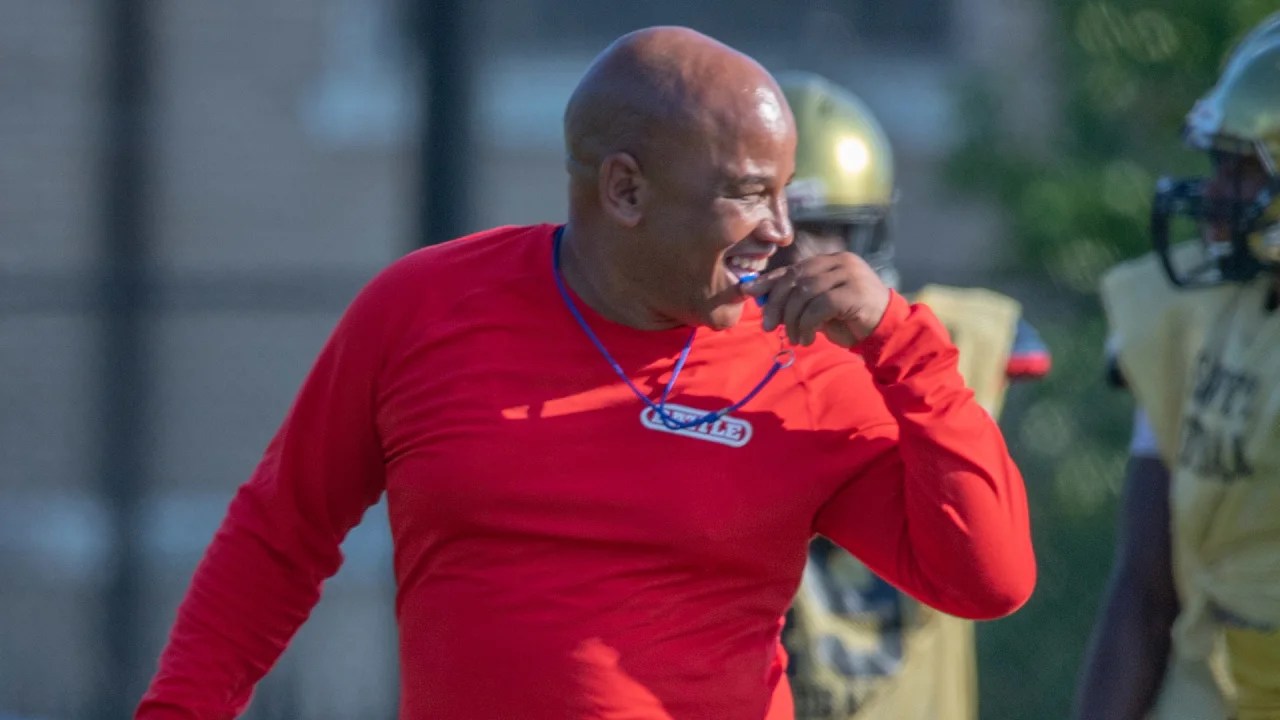
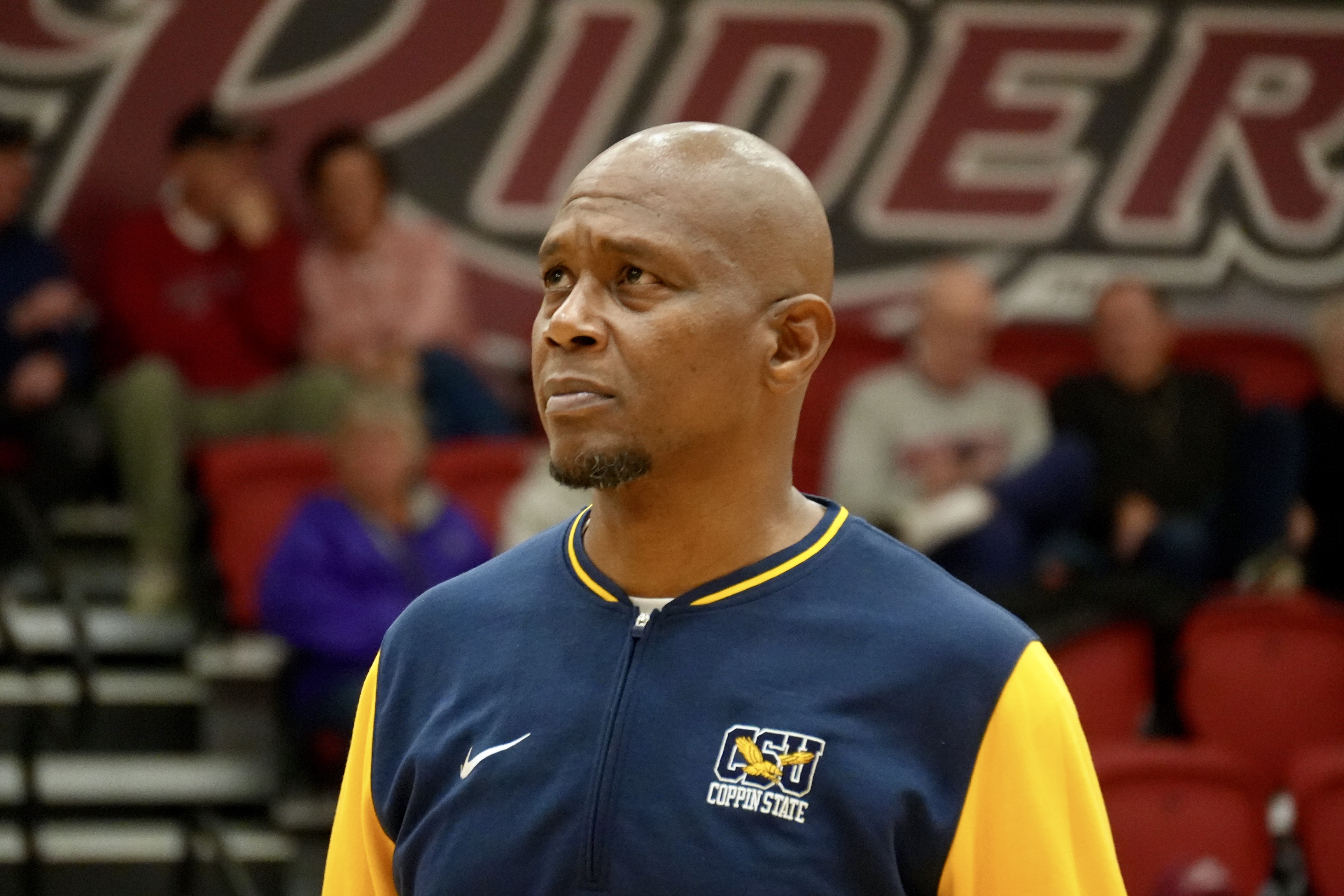
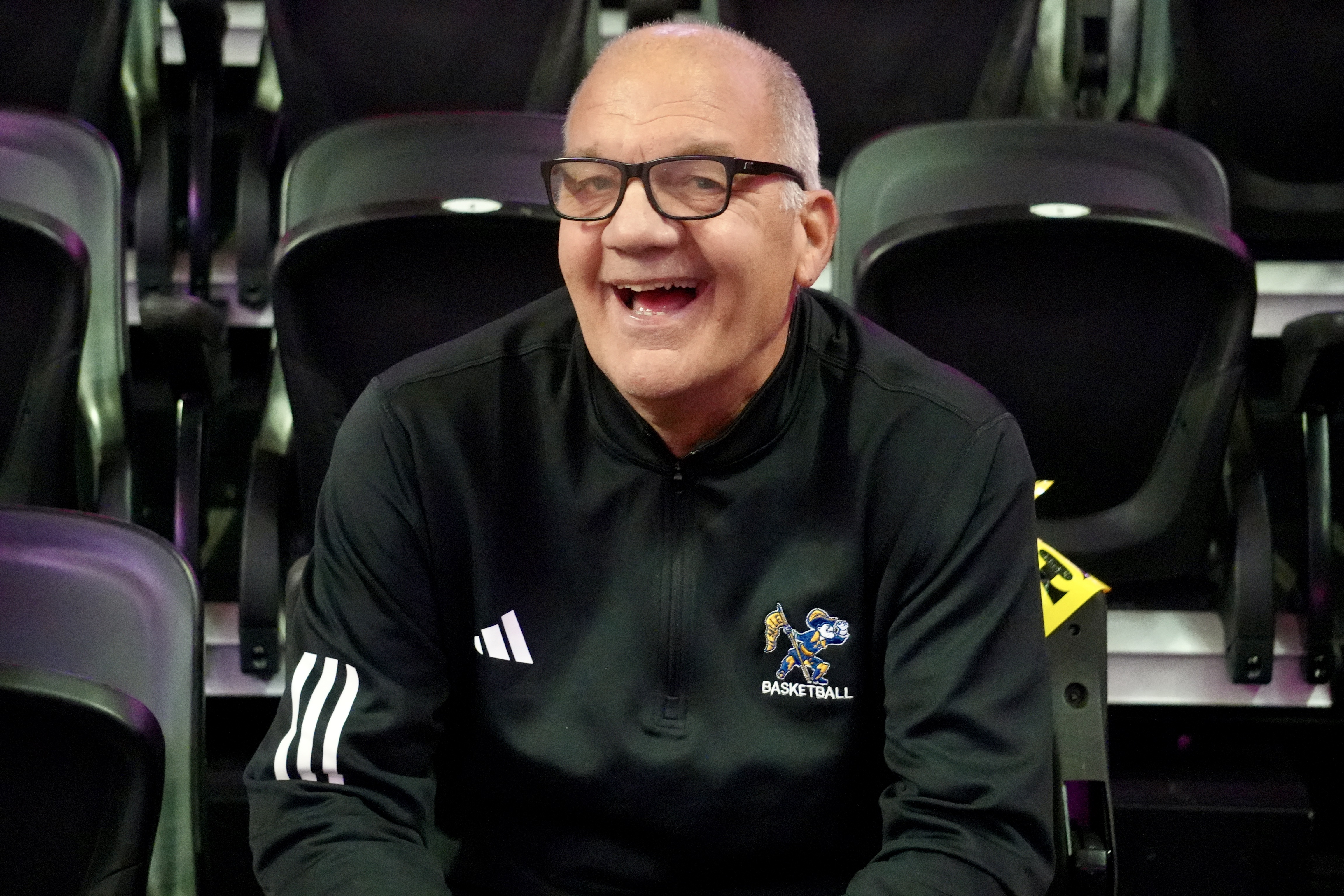
Larry Stewart, Coppin State Head Coach

In this unspoken bargain, high-major programs pay low-major counterparts anywhere from $70,000 to $120,000 to visit their home courts. The terms are clear: the visiting team gets a check; the host gets an almost guaranteed victory. For elite programs, these games are a strategic necessity, allowing them to pile up six, seven, or even eight Division I wins before entering the crucible of league play, padding their records and building momentum. For the low-majors, the calculus is different. As one financial officer at a mid-major program put it, “We run thin. There is not a lot of fat” . The revenue from these games—which can total as much as $600,000 for a school’s athletic department over a season—is not a luxury; it is a essential subsidy that keeps entire sports programs afloat

This financial lifeline, however, comes with a profound competitive toll, warping seasons, stymying coaching careers, and creating a distorted landscape where teams often have no true sense of their own identity.

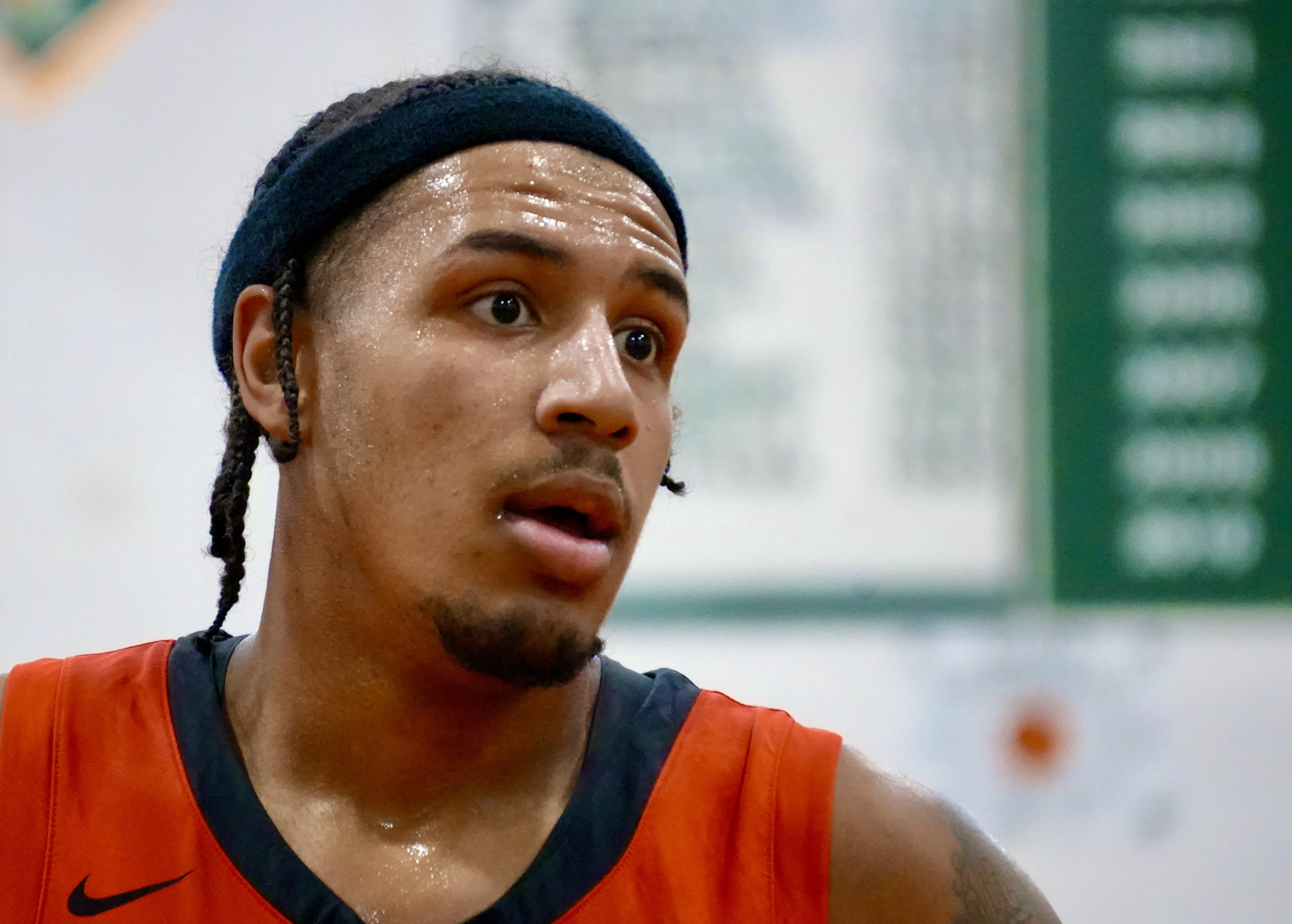
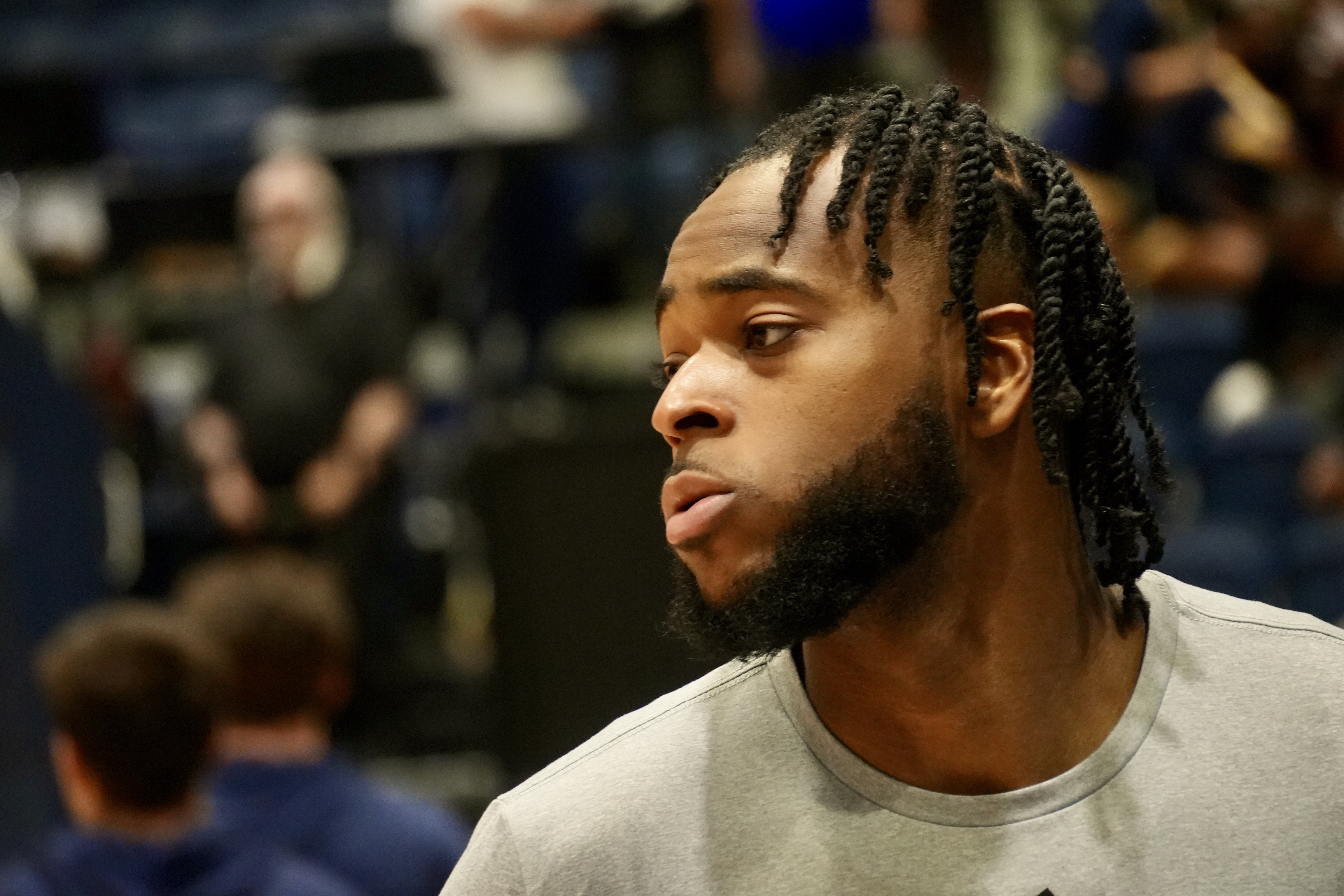
Flash Burton, Rider sophomore guard

The High-Major Calculus: Buying Wins and Building Brands

From the perspective of the nation’s basketball blue bloods, buy games are a rational and efficient investment. They represent a controlled environment to integrate new players, experiment with lineups, and build team chemistry without the immediate threat of a season-damaging loss. In an era where a missed NCAA tournament can mean a significant financial and reputational setback, these guaranteed wins help ensure that a team’s resume is robust enough to catch the eye of the selection committee come March. 

Here’s a breakdown of how many teams from each of those conferences (ACC, Big Ten, Big 12, SEC) made the 2025 men’s NCAA basketball tournament. 

ConferenceNumber of teams in 2025 NCAA Tournament
ACC4
Big Ten8 
Big 127 
SEC14 

The financial outlay, while substantial, is a manageable line item for Power 4 conference schools, which boast operating revenues averaging $97 million in the ACC, for example. For them, the cost of a buy game is easily offset by the revenue from a single home game, which includes ticket sales, concessions, and sponsorships. Furthermore, in the new world of revenue sharing and Name, Image, and Likeness (NIL), where schools are directing $20.5 million annually directly to athletes, the pressure to maintain a winning program—and the financial windfall that comes with deep tournament runs—has never been greater. A successful season built on a foundation of early wins helps drive the brand engagement that underpins these massive financial operations.

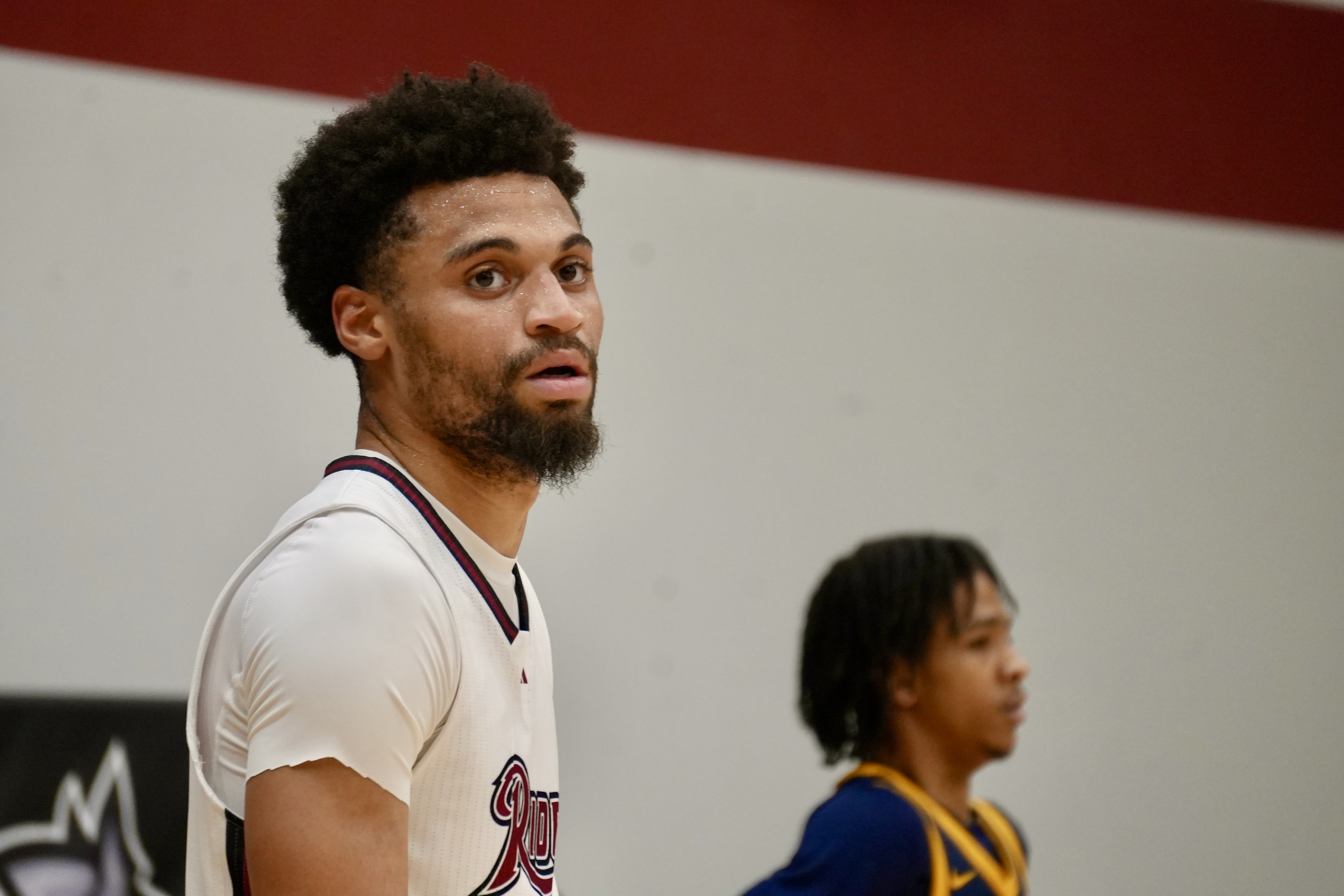
Khali Horton, Coppin State junior forward

The Low-Major Struggle: Survival and Sacrifice

For low- and mid-major programs, the decision to be a “buy team” is a Faustian bargain, balancing financial survival against competitive integrity. The revenue from these games is often the difference between solvency and severe cutbacks. As detailed in a 2020 report, the University of Montana projected a $5 million shortfall in its athletic budget, making the $75,000 to $95,000 earned from a single buy game against a Power 4 school a critical part of its financial planning. This money is used not for luxuries, but for fundamental needs—subsidizing coaching salaries, funding travel for conference play, and paying for equipment

However, this financial lifeline comes at a steep cost.

  • The Psychological Toll: Teams are conditioned to accept losing as a prelude to their “real” season—conference play. This can be demoralizing for players and coaches who, despite their talent and preparation, are thrust into mismatches night after night.
  • The Physical Toll: The travel is often grueling. Montana’s team, for instance, sometimes endures trips through two or three airports to reach a game, or marathon 13-hour bus rides to save costs, all while facing the prospect of a lopsided defeat.
  • A System of Dependence: This model creates a dependency, making it difficult for these programs to escape their subordinate status. The financial incentive to schedule these games can outweigh the competitive incentive to build a balanced schedule that could lead to more wins and long-term growth.
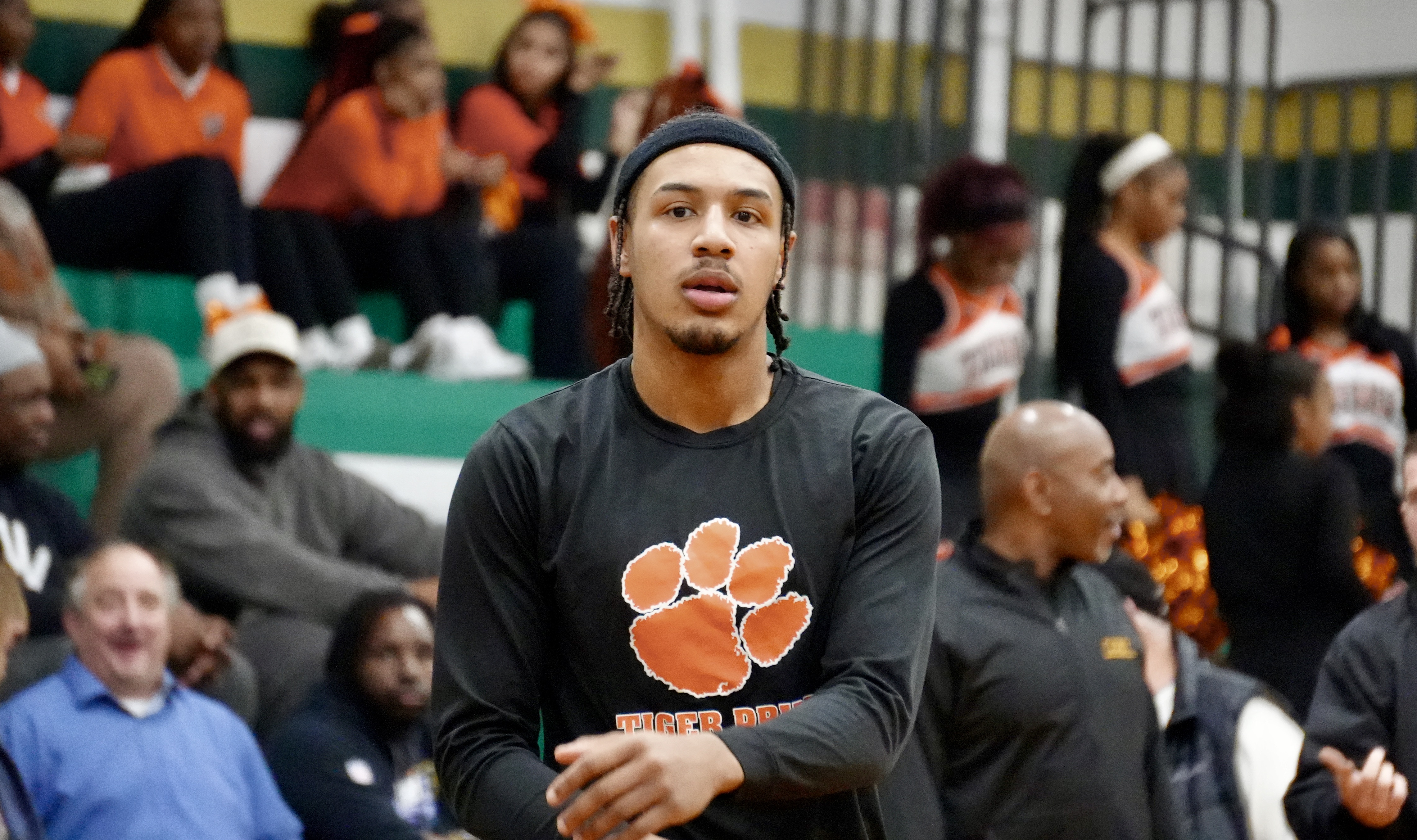
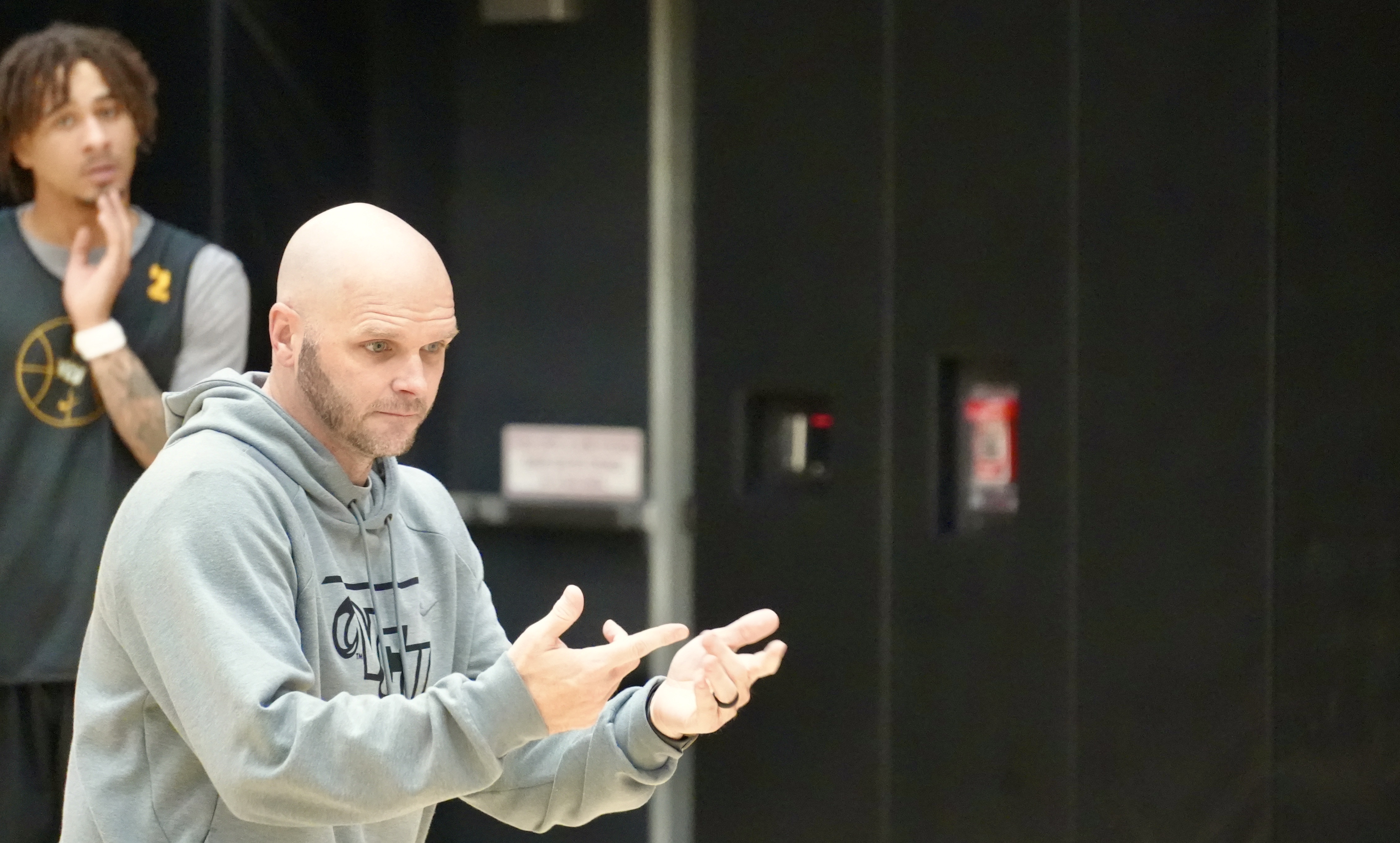
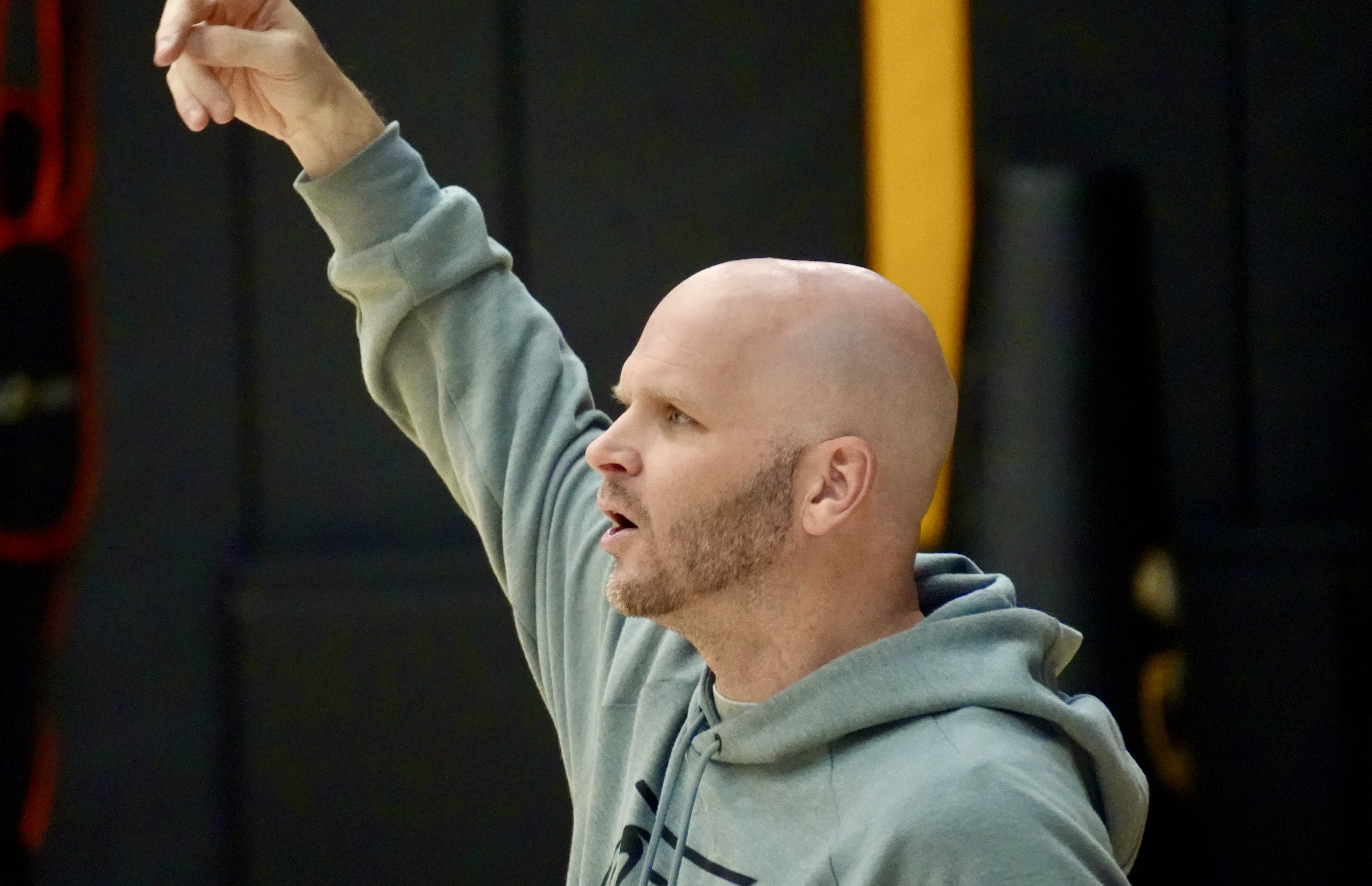
Kevin Baggett, Rider Head Coach

The Sacrifice: A Schedule Built on Blowouts

The brutal reality of this bargain is etched in the season records of teams like Coppin State and Rider University. Consider Coppin State’s schedule heading into its recent game against Rider:

  • vs Maryland: L 83-61
  • @ La Salle: L 87-59
  • @ James Madison: L 84-70
  • @ South Florida: L 100-50
  • vs Central Michigan: L 82-59
  • vs South Alabama: L 72-62
  • vs Central Penn: W 103-62 (a non-Division I opponent)
  • @ VCU: L 101-58

Rider’s path was similarly grim before the two teams met:

  • @ Virginia: L 87-53
  • @ Rutgers: L 81-53
  • vs Eastern: W 86-54 (a non-Division I opponent)
  • @ Texas: L 99-65
  • @ Houston: L 91-45

These are not just losses; they are systematic dismantlings. The differences in athleticism, strength, and size are so vast that the games become less a contest and more an economic exercise. For the players on the losing end, it is a grueling and demoralizing rite of passage, a season that begins with accepting defeat as a precursor to their “real” season in conference play.

The Coaching Conundrum: A Career Stuck in Quicksand

This system creates a particularly vexing problem for ambitious low-major coaches. Their career advancement depends on winning percentages and postseason success. Yet, they are forced to begin every season with a gauntlet of near-certain losses, cratering their overall record before they ever play a peer opponent.

How can a coach prove their program-building mettle when their team is structurally scheduled to start 0-7? The buy game phenomenon acts as a ceiling, trapping talented coaches in a cycle where achieving a strong winning percentage is a mathematical improbability. Their resumes are hamstrung from the outset, making the leap to a higher-profile job significantly more difficult, regardless of their actual coaching acumen.

An Ecosystem at a Crossroads

The buy game system is a microcosm of the broader inequities in college athletics, a landscape where the financial disparity is staggering. A single Power 5 conference, the SEC, generated $1.89 billion in revenue in 2018, a figure that eclipsed the $1.38 billion generated by the entire Football Championship Subdivision, a group of over 100 schools that includes many low-major basketball programs. This chasm is now being codified in new ways, as the advent of revenue sharing and large-scale NIL deals creates what some have called a “pay for play” tier, potentially relegating mid- and low-majors to a permanently lower competitive status.

The pros and cons from each perspective can be summarized as follows:

PerspectiveProsCons
High-Major Program– Nearly guaranteed victories for record-building – Low-risk environment for team development- Protects lucrative postseason prospects– Financial cost of guarantee payments – Risk of player injury in a mismatch- Can be criticized for lack of competitive scheduling
Low-Major Program– Essential revenue for athletic department survival ($600k+/season) – Funds travel, salaries, and operational costs – Opportunity for players to compete in a high-profile environment– Demoralizing starts to the season (0-7, 1-8 records) – Grueling travel and physical toll on players – Perpetuates a cycle of financial and competitive dependency

Yet, even as this system entrenches inequality, it is also being challenged by the same market forces that sustain it. Low-major programs are being forced to find creative revenue streams, from hosting concerts in their facilities to pursuing novel licensing deals for branded merchandise. Some analysts argue that the coming restructuring of college sports might, ironically, offer these schools a way out—freeing them from an unwinnable financial arms race and allowing them to refocus on their educational mission.

Zion Cruz, Rider senior guard

The Distortion: Who Are We, Really?

Perhaps the most subtle yet damaging effect of the buy game system is the competitive distortion it creates. When Coppin State and Rider finally faced each other, they did so with a combined 2-12 record. Their lone wins came against non-Division I schools.

They had no true idea how good or bad their teams were. How do you gauge your defensive schemes after being overwhelmed by Virginia’s size or Houston’s speed? How do you assess your offense after facing defenses with a level of length and athleticism you will never see in your own conference? The games against high-majors are so different in kind, not just degree, that they offer little actionable data for the games that ultimately matter—the conference matchups that determine a chance at the NCAA tournament.

An Uneasy, Enduring Symbiosis

Despite its clear downsides, this ecosystem is remarkably stable. The high-majors have no incentive to change a system that provides them with wins, revenue, and a soft launch to their season. The low-majors, trapped by financial necessity, cannot afford to walk away from the checks.

The buy game is the purest expression of college basketball’s economic hierarchy. It is a transaction that funds dreams at one school by monetizing the competitive hopes of another. For every check that clears, a season is warped, a coach’s record is tarnished, and a team is left to wonder about its own identity until it finally steps onto a court against an opponent its own size. The games will go on, the standings will tell two different stories, and the unspoken bargain will continue to define the sport, for better and for worse.

The VCU Blueprint: How the Martelli Hire Is an Antidote to College Basketball’s Chaos

by Delgreco Wilson

RICHMOND, VA – The tectonic plates of college athletics have shifted irrevocably, creating a landscape that is both exhilarating and unnerving. The confluence of name, image and likeness (NIL) compensation and the transfer portal has ushered in a form of rampant, year-round free agency, where roster-building is a high-stakes puzzle and the very concept of player loyalty is being tested. In this volatile new world, a program’s success is no longer just about the X’s and O’s on the whiteboard; it’s about constructing a culture so compelling, a vision so clear, and relationships so authentic that players choose to stay and build within it, rather than simply pass through. Many, like Philadelphia’s six Division 1 college basketball programs, have struggled to adapt. 

Phil Martelli, Jr., VCU Head Coach

The proud tradition of Philadelphia’s Big 5, once a vibrant tapestry of city-wide basketball passion, is being systematically unraveled by the harsh realities of the modern NCAA. In this new era, defined by the transfer portal’s relentless churn and the financial allure of Name, Image and Likeness deals, the foundational pillars of local recruiting and program continuity have crumbled. The result is a stark and unprecedented decline: for the first time in the consortium’s storied history, no Big 5 program has danced in the NCAA tournament for three consecutive years. These schools, from Saint Joseph’s to Temple, are now caught in a debilitating cycle, struggling to retain burgeoning talent while finding themselves outgunned in the bidding wars for the transfers who could save them. The very model that built these giants of the mid-major world has become a relic, leaving them to fight a existential battle on a playing field tilted decisively against them.

It is against this backdrop of existential change that Virginia Commonwealth University’s hiring of Philly born and bred, Phil Martelli Jr., as its head men’s basketball coach must be viewed. This was not merely a search for a tactician; it was a search for an architect for a new era. In Martelli, and in his strategic assembly of a staff featuring his brother Jimmy and rising star Ryan Daly, VCU has not just found a leader. Drawing from the pool of young Philadelphia coaching talent, it has established a coherent, persuasive, and uniquely qualified command structure designed to thrive amid the chaos. These young men were literally born and raised in the A10. This hire represents a potent blueprint for sustainable success in modern college basketball: a fusion of deep-rooted cultural understanding, proven program-building, and unbreakable personal trust.

Navigating the New Frontier: Culture as the Ultimate Competitive Edge

The transfer portal giveth, and the transfer portal taketh away. In an age where a star player can be lured away by a more lucrative NIL collective at a moment’s notice, the intrinsic value of a program—its identity, its sense of family, its proven path to development—has never been more critical. This is the very heart of VCU’s bet on Phil Martelli Jr.

He is not a mercenary coach; he is a native son of the Atlantic 10. He understands that at a program like VCU, you cannot simply outspend the power conferences. You must out-care, out-develop, and out-connect. His life’s work, from his playing days on the storied courts of St. Joseph’s to engineering a historic turnaround at Bryant, has been about fostering deep, authentic relationships. In the “NIL and free agency” era, this is not a soft skill; it is a strategic imperative. Players today are not just athletes; they are partners and stakeholders in the program’s journey. Martelli’s genuine, grounded approach is precisely the antidote to the transactional nature that threatens to consume the sport.

As VCU Vice President and Director of Athletics Ed McLaughlin stated, Martelli has “clearly lived his entire life amid college basketball legends but has made his own path and paid his dues through hard work, good character and a devotion to developing young men into the best versions of themselves through sport.” This focus on holistic development, on building men rather than just players, is the cornerstone of a culture that can withstand the siren calls of the open market.

The Visionary: Phil Martelli Jr., A10 Native and Modern Program-Builder

Phil Martelli Jr. is the perfect synthesis of old-school values and new-school methodology. His upbringing as the son of a St. Joseph’s coaching legend provided him with an innate, cradle-to-present understanding of the A-10’s competitive soul. He didn’t just study the conference; he was raised on its sidelines, absorbing its rhythms and rivalries. As a player, he was a co-captain on the 2002-03 St. Joseph’s team alongside Jameer Nelson and Delonte West, experiencing the pinnacle of A-10 success and NCAA Tournament glory. He knows the recruiting battles in Philadelphia and the DMV, the grind of the conference schedule, and the specific breed of tough, intelligent player who thrives in this environment.

But his record at Bryant proves he is no traditionalist clinging to the past. He is a self-made architect of success. Arriving as an assistant in 2018, he was a key engineer in the Bulldogs’ first Division I NCAA Tournament berth in 2022. When handed the reins as head coach, he didn’t just maintain success; he elevated it, leading Bryant to both the America East regular season and tournament championships in 2025, earning an NCAA Tournament bid and securing a second straight 20-win campaign. For this, he was deservedly named the 2025 America East Conference and NABC Mid-Atlantic Coach of the Year.

His teams won with a dynamic, modern, up-tempo offensive system that ranked third and sixth, respectively, in the country in adjusted tempo. His 2024-25 squad averaged a blistering 81.8 points per game. This style is a powerful recruiting and retention tool in itself, offering the kind of exciting, pro-friendly basketball that attracts and motivates today’s players. Furthermore, his well-rounded apprenticeship—from being the youngest full-time assistant in Division I at 22, to an NCAA Tournament appearance at Niagara, to a crucial stint in the NBA G-League—provides him with unique credibility when advising players on their professional pathways. In an era where players are focused on their next step, a coach who can speak the language of the pros is invaluable.

The Cornerstone: Jimmy Martelli, The Keeper of the Flame and Bridge to the Future

In his brother, Jimmy, Coach Martelli has an associate head coach who is the ultimate force multiplier, a cornerstone ensuring the entire structure remains stable. Any coaching transition risks the erosion of a program’s intangible identity. At VCU, that identity—a specific brand of relentless defense, communal toughness, and city-wide pride known as “Havoc”—is its most valuable asset. Jimmy Martelli is its living archivist.

Jimmy Martelli, VCU Associate Head Coach

For six formative years, from 2017 to 2023, he served as the director of operations under Mike Rhoades. In that role, he was not a bystander but an integral part of the machinery that produced two Atlantic 10 regular-season titles, a tournament championship, and three NCAA Tournament appearances. He understands the daily rhythms, the operational expectations, and the very soul of Ram Nation. He knows what makes a VCU player tick. This is not knowledge that can be learned in a manual; it is absorbed through years of immersion. His presence guarantees that the foundational principles of VCU basketball remain intact, even as the leadership and tactics evolve.

Crucially, Jimmy is not just a link to the past. His recent two-year stint at Penn State showcased his evolution into a dynamic, forward-thinking coach capable of thriving in one of the nation’s toughest conferences. He helped the Nittany Lions set a program record for scoring (79.1 points per game) and fostered a defensive identity that ranked near the top of the Big Ten in steals and forced turnovers. More impressively, he proved himself as an elite recruiter, serving as the lead recruiter for the highest-ranked recruiting class—and the highest-ranked individual recruit, Kayden Mingo—in Penn State history. This demonstrates a critical capacity: the ability to sell a program not named “VCU” to blue-chip talent, a skill that will translate powerfully back in the A-10.

The head coach-assistant coach dynamic is inherently one of professional trust. The Martelli dynamic elevates this to something far more potent: unshakeable personal and philosophical trust. Having literally grown up in the same household, under the tutelage of a legendary A-10 coach, Jimmy and Phil Jr. share a basketball language and a core set of values forged over a lifetime. This eliminates the typical feeling-out period and inherent friction of a new staff. Jimmy can speak with a candidness to his brother that no other assistant could, facilitating smoother, more honest decision-making. In the high-pressure crucible of a first-time head coaching job in a passionate market, this built-in, trusted confidant is an invaluable asset.

The Firebrand: Ryan Daly, The Embodiment of the Underdog Spirit

Completing this strategic trifecta is Ryan Daly, a coach whose personal narrative is a recruiting pitch in itself. If a culture needs an engine of intensity, Daly is that engine. His story is one of perpetual overcoming. As a Philadelphia Catholic League Player of the Year, he was inexplicably overlooked by the city’s prestigious Big 5 programs. This snub became his fuel. He accepted a scholarship at Delaware and exploded onto the scene, becoming the fastest player in the program’s history to score 1,000 points. When he transferred to his family’s ancestral home at Saint Joseph’s, he didn’t just play; he dominated, leading the Big 5 in scoring for two seasons and cementing himself as one of the most prolific scorers in modern Hawks history. Daly doesn’t just preach perseverance; he is a living monument to it.

Ryan Daly, VCU Assistant Coach and Jadrian Tracey, Senior Guard

His brief but impactful track record proves he can translate his personal grit into team success. In his single season alongside Martelli at Bryant, he was instrumental in the Bulldogs’ America East championship run, directly helping to develop Earl Timberlake into the conference’s Player of the Year and Barry Evans into the Newcomer of the Year. At UAlbany, he helped engineer a top offense and was credited with recruiting and developing All-Conference players. His nomination as one of Silver Waves Media’s Top 100 Rising Stars was a recognition of this burgeoning reputation as a developer and recruiter.

Daly’s deep, almost poetic ties to the Martelli legacy add another layer of cohesion. His grandfather, Jim Boyle, played for the legendary Jack Ramsay on Hawk Hill and was the head coach at Saint Joseph’s who hired a young Phil Martelli Sr. as an assistant. Daly’s own father, Brian, played for Martelli Sr. Now, he joins the staff of Martelli’s son, closing a multi-generational circle. This shared history creates an environment of profound understanding and shared purpose. Daly’s energy, authenticity, and undeniable credibility make him a formidable recruiter who can connect with players on a visceral level, selling the VCU dream because he has lived a version of it himself.

Ryan Daly and Philly Sophomore point guard, Ahmad Nowell

In a sport destabilized by constant change, VCU has chosen not to fight the chaos, but to master it through stability, identity, and trust. VCU joined the A10 in 2012, yet their relative newcomer status, the program has a deep and profound understanding of the A10 culture. By hiring Phil Martelli Jr. and empowering him to bring his brother and Ryan Daly, the Rams have built more than a coaching staff; they have built a familial command structure designed for the modern game. They have invested in a cohesive unit that provides the cultural stability, tactical modernity, and authentic relationships today’s players seek. In the turbulent new world of college athletics, that is not just a smart hire; it is a profound and powerful statement of identity. The Martelli era in Richmond isn’t just beginning; it’s coming home.

College Athletics’ Revolution: How a Paradigm Shift Is Redefining the Game

PHILADELPHIA, PA – The tectonic plates of college sports have shifted, and the landscape will never be the same.

For decades, the world of college athletics operated as a coherent, predictable universe. It was a system where the term “student-athlete” was sacrosanct, amateurism was the guiding creed, and the National Collegiate Athletic Association (NCAA) was the unquestioned governing authority. This model, however, has not merely evolved. It has been violently upended. The past five years have witnessed what the philosopher of science Thomas Kuhn would term a “paradigm shift”—a revolutionary, non-cumulative break from the old order, driven by legal challenges that shattered the NCAA’s foundational principles.

Temple alum and former NBA player, Marc Jackson announcing the La Salle vs Temple matchup

The emergence of name, image, and likeness (NIL) compensation and unlimited transfers with immediate eligibility has not reformed the system; it has created a new one, fundamentally altering the nature of college sports, especially football and men’s and women’s basketball.

The Kuhn Framework: How Revolutions Unfold

To understand what is happening in college sports, one must first understand Kuhn’s theory of scientific revolutions. In his seminal 1962 work, The Structure of Scientific Revolutions, Kuhn argued that scientific progress is not a linear, cumulative process. Instead, it occurs through violent ruptures he called “paradigm shifts”.

La Salle forward Jerome Brewer

A paradigm is a framework of beliefs, values, and techniques shared by a community. For a time, it provides model problems and solutions in a process Kuhn labeled “normal science.”

But eventually, anomalies—observations the prevailing paradigm cannot explain—accumulate, leading to a period of crisis. This crisis deepens until the old paradigm is overthrown and replaced by a new, incompatible one. The new paradigm is “incommensurable” with the old; they are so different that proponents of each see the world differently, use different definitions, and fundamentally talk past one another. This is not a change in degree, but in kind. It is a gestalt switch, where a drawing that was once seen as a duck is now seen as a rabbit, and it is impossible to see both at once.

The Age of ‘Normal Science’ in College Athletics

For the better part of a century, college athletics existed in a prolonged state of Kuhn’s “normal science.” The dominant paradigm was the “amateur ideal.” Its core tenets were simple and universally accepted within the industry:

Camden resident and Big 5 fan, Hunner Cotton

No Pay-for-Play: Athletes were “amateurs” who could not be compensated for their athletic performance beyond the cost of attendance

Limited Mobility: Transfers were heavily restricted, often requiring athletes to sit out a year of competition, thereby discouraging movement

Institutional Control: The NCAA and its member institutions held absolute power to set and enforce the rules

This paradigm was not merely a set of rules; it was a worldview. It defined the very product. As Kuhn might have observed, it told everyone in the system—administrators, coaches, athletes, and fans—how to think and behave. It provided a stable, predictable environment where seasons unfolded with rosters fans could recognize from year to year, and where the NCAA’s authority was as assumed as the rules of gravity.

Accumulating Anomalies and the Onset of Crisis

The facade of this stable world began to crack under the weight of mounting anomalies. The commercial reality of college sports—the billion-dollar television contracts, massive coaching salaries, and lavish facilities—increasingly clashed with the amateur ideology.

Joe Mihalich, Special Assistant to the Head Coach at La Salle University

The sight of athletes, particularly in revenue-generating football and basketball, generating immense wealth without sharing in it became an undeniable contradiction.

This set the stage for a crisis, triggered by a series of legal challenges that acted as Kuhn’s “extraordinary research”. The courts became the laboratory where the old paradigm was tested and found wanting.

The Alston Decision: The pivotal blow came in 2021 from the U.S. Supreme Court in NCAA v. Alston. While the case specifically dealt with education-related benefits, Justice Neil Gorsuch’s majority opinion unequivocally declined to grant the NCAA “immunity from the normal operation of the antitrust laws”.

Justice Kavanaugh’s Concurrence: The true harbinger of revolution was Justice Brett Kavanaugh’s blistering concurrence. He called the ruling a necessary “course correction” and laid bare the anomaly at the system’s core: “Nowhere else in America can businesses get away with agreeing not to pay their workers a fair market rate on the theory that their product is defined by not paying their workers a fair market rate,” he wrote. “The NCAA is not above the law”.

This judicial dismantling of the NCAA’s legal shield created a state of deep crisis. The old paradigm was no longer tenable, and the search for a new one began.

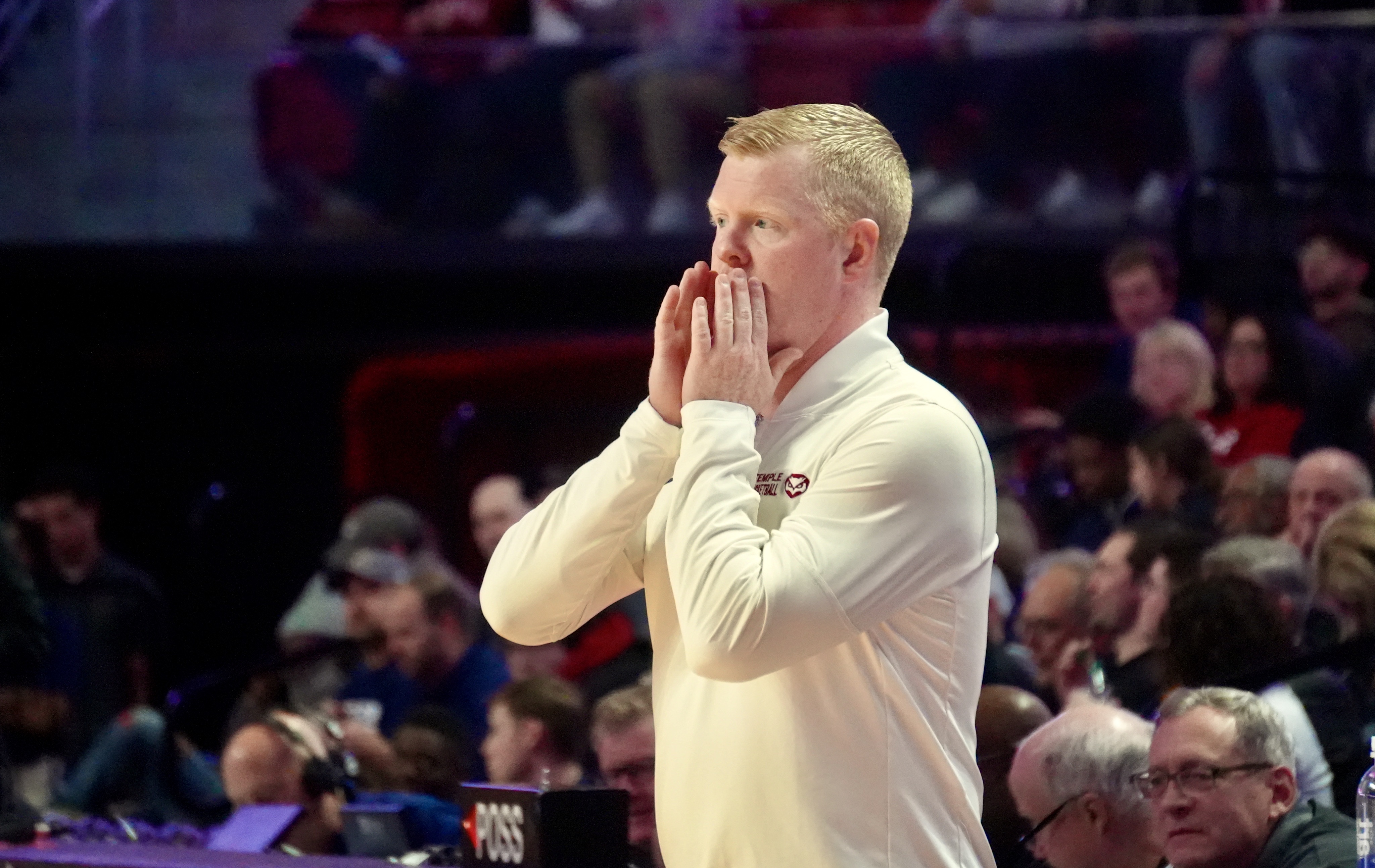
Adam Fisher, Temple Head Coach

The Revolution Unleashed: A New World Order

The collapse of the old model under legal pressure has rapidly given way to a new paradigm, characterized by two revolutionary changes:

Name, Image, and Likeness (NIL): Since 2021, athletes have been allowed to profit from their fame through endorsements, appearances, and social media promotions. This was the death knell for pure amateurism.

Unlimited Transfers with Immediate Eligibility: Following relentless antitrust lawsuits from state attorneys general and the U.S. Department of Justice, the NCAA’s transfer restrictions have been eviscerated.

Athletes can now enter the transfer portal multiple times and play immediately at their new school, creating a system of year-round free agency.


The following table contrasts the core elements of the old and new paradigms in college athletics:

This new system is not merely an adjustment. It is a fundamental redefinition of what college sports are.

Bob Jordan, Temple Assistant Coach

Living in Incommensurable Worlds

The chasm between the old and new paradigms is so vast that they are, in Kuhn’s terms, incommensurable. Stakeholders are effectively living in different realities.

Different Standards: Concepts like “loyalty” and “team-building” now have entirely different meanings. A coach bemoaning a player’s lack of loyalty, based on the old standard of a four-year commitment, cannot communicate with a player operating in a new world where loyalty must be re-earned by the program year after year through NIL offers and playing time

Different Worlds: Coaches now navigate a “transactional culture”. As one soccer coach lamented regarding new roster limits, the focus is on “hit[ting] on virtually all of the 5-6 commits each year,” turning recruiting from an art of potential into a science of immediate ROI . Meanwhile, athletes see themselves not just as students, but as entrepreneurs managing their own brands.

Communication Breakdown: The same words mean different things. An “offer” from a school once meant an athletic scholarship. Now, it is a complex package of scholarship, NIL money from a collective, and potential branding opportunities. When administrators, coaches, athletes, and fans use the term “college sports,” they are, quite literally, talking about different things.


Temple star guard Aiden Tobiason

The View from the Palestra: A Case Study in Revolution

The human cost of this revolution is etched into the history of Philadelphia’s Big 5. For more than six decades, the rivalry between LaSalle, Pennsylvania, St. Joseph’s, Temple, and Villanova was a unique institution in college basketball, a frenetic and beloved intracity competition housed in the musty, hallowed halls of the Palestra.

Big 5 basketball as it existed for generations is dead.

The paradigm shift has turned its teams into annual collections of mercenaries. This year’s rosters at Temple, Villanova, and La Salle are not built through years of patient development and freshman recruiting classes. They are assembled through the transfer portal, featuring 12 to 15 new players who are, in effect, paid free agents. The continuity that allowed for deep, city-wide narratives and enduring player legacies has been shattered. The old-timers who cherish the traditions of the Palestra and the new-age fans who track transfer portal rankings now inhabit incommensurable worlds, looking at the same court but seeing entirely different games.

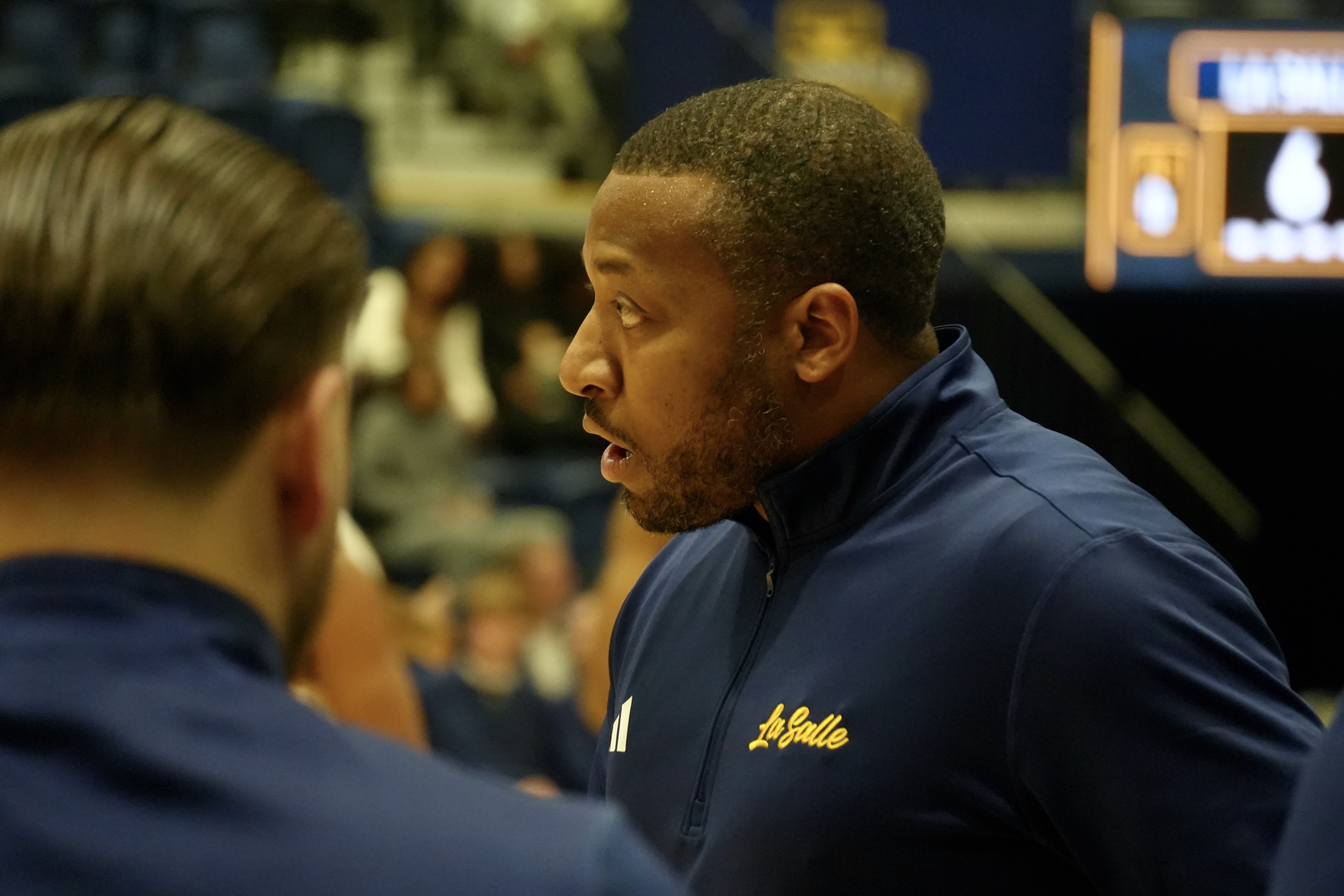
Darris Nichols, La Salle Head Coach

The Uncharted Future

Where this new paradigm will ultimately lead is still uncertain. The revolution has created winners and losers, bestowing newfound wealth and freedom on some athletes while creating instability and uncertainty for others. The core challenge of this nascent paradigm is its sheer chaos—a lack of uniform regulation, concerns over the exploitation of young athletes, and the erosion of any semblance of a level playing field.

Thomas Kuhn taught us that paradigm shifts are not about progress in a moral sense, but about the replacement of one worldview with another. The old paradigm of amateurism is gone, discredited by the courts and abandoned by the culture. The new paradigm of athlete empowerment and free agency is still crystallizing, its final shape unknown. The revolution is complete. The incommensurable has arrived. The games will continue, but they will never be the same.

I miss Micheal Brooks, John Pinone, Mo Martin, Rodney Blake, Howie Evans, Lionel Simmons, Mark Macon, Tim Perry, Mike Vreeswyk, Jameer Nelson, Rap Curry, Bernard Bunt, Jerome Allen, Matt Maloney and Rashid Bey on the court.

I miss John Chaney, Fran Dunphy, Bruiser Flint, Phil Martelli, John Giannini and Rollie Massimino on the sidelines.

Naaaaah… I can’t lie… I don’t miss Rollie.

Girard College Taps St. Joseph’s University Hall of Famer, Mark Bass, a Proven Program Builder, as New Boys Basketball Head Coach

PHILADELPHIA, PA — Girard College announced on October 9, 2025 that it has hired Mark Bass, a Mercer County basketball legend with deep ties to the Philadelphia region and a storied history as both a player and coach, as the new head coach of its boys’ basketball team. Long-time St. Joseph’s University coach Phil Martelli introduced Bass to his Girard College team in an emotional and intimate gathering. The appointment signals an ambitious new direction for the program, entrusting it to a figure renowned for his tactical acumen and a proven record of rapid turnaround.

Phil Martelli and Mark Bass

Bass brings over 24 years of coaching experience to the role, most recently serving as an Assistant Coach for Prep and Development Basketball at the South Kent School, a Connecticut-based incubator for elite talent. His hiring is seen as a coup for Girard College, securing a leader with a demonstrated ability to elevate teams to championship contention.

“We are thrilled to welcome a leader of Mark Bass’s caliber and character to Girard College,” said Tumar Alexander, Girard College Vice-President of Operations. “His philosophy extends far beyond the basketball court, emphasizing the development of student-athletes as scholars and citizens. His record of success, both immediate and sustained, makes him the ideal person to build a proud and successful future for our boys’ basketball program.”

Tumar Alexander and Mark Bass

Bass is not merely a coach; he is a part of the area’s basketball fabric. A member of both the Mercer County Sports Hall of Fame and the St. Joseph’s University Basketball Hall of Fame, he remains the all-time leading scorer for Trenton Catholic Academy (formerly McCorristin), where he led the team to back-to-back state championship games.

His legacy continued at St. Joseph’s University, where he starred as one of the deadliest shooters in the program’s history and a key part of its 1996 NIT finals team. After a professional stint in China, Bass returned to his alma mater, embarking on a 20-year tenure as an assistant coach—the longest in St. Joseph’s history—where he was instrumental in developing NBA players such as Jameer Nelson, Delonte West, and DeAndre Bembry. He also helped lead the Hawks to another NIT final as a coach in 2005.


It is his most recent high school head coaching performance, however, that provides the clearest blueprint for what Girard College can expect. In 2021, Bass was hired to resurrect the Trenton Catholic Preparatory Academy program, a decision hailed at the time as an “absolute no-brainer.”

The results were instantaneous and profound. In his first season at the helm, Bass engineered a dramatic resurgence, leading the Iron Mikes to a Mercer County Championship and, for the first time in 12 years, a South Jersey, Non-Public B title. His team finished the season ranked No. 4 in the state by NJ.com.

“In the program’s first year under coach Mark Bass, Trenton Catholic Preparatory Academy plays with a toughness on the defensive end that figures to make these Iron Mikes a lethal threat,” wrote Greg Johnson of The Trentonian in a mid-season assessment.

Mark Bass and Guy Moore, Girard College Director of Athletics

John Castaldo, Bass’s own high school coach at McCorristin, praised the hire at the time, noting, “He returns to his alma mater with a wealth of basketball knowledge… His skills in developing and nurturing relationships are outstanding. He has always been an individual of high character and moral integrity.”

Bass’s expertise is further honed by his role as a Head Coach for the prestigious WeR1 Basketball Club on the Under Armour Association circuit, where he has continued to develop top-tier amateur talent.

“I am incredibly honored and excited to join the Girard College community,” said Bass. “This is a special institution with tremendous potential. I look forward to building a program that the entire Girard family can be proud of—one that competes for championships while upholding the highest standards of excellence, discipline, and sportsmanship. The work begins now.”

Bass holds a Bachelors degree in Marketing from St. Joseph’s University and Master’s degree from Rider University. He officially assumes his duties on October 20, 2025.


About Girard College


Girard College is a landmark independent boarding school in Philadelphia, providing a full-scholarship, holistic education for academically capable students from families with limited financial resources, serving grades 1 through 12.

###

Sidney Stewart: How a Maryland Freshman Phenom Forged His Own Path to Football Stardom

The Weight of a Legacy

by Delgreco Wilson

COLLEGE PARK, MD – Sidney Stewart was supposed to be a basketball star. It’s in his genes. The Baltimore native is an heir to one of Philadelphia’s great basketball legacies, a family tradition that reads like a history of the game itself. His father, Stephen “Mookie” Stewart, stands ninth in Coppin State history in scoring and rebounding, a MEAC Player of the Year in 1994 and 1995, and now an assistant coach with the Coppin men’s basketball program. Sidney’s uncles, Larry and Lynard Stewart, extended the family’s basketball dominance—Larry became one of only two Coppin State Eagles to play in the NBA, while Lynard starred under John Chaney at Temple before a professional career in Europe.

Yet on Saturday, under the blazing Maryland sun, Sidney Stewart didn’t step onto a hardwood court but rather onto the gridiron of SECU Stadium, where the 6-foot-2, 255-pound freshman defensive lineman delivered a spectacular debut for the University of Maryland Terrapins that announced his arrival as football’s newest sensation.

Sidney Stewart, Maryland Freshman

A Different Path

How does a young man surrounded by basketball royalty find his way to football stardom? For Sidney Stewart, the pull of the gridiron proved irresistible almost as soon as he could walk. While his family legacy pointed toward basketball, Stewart discovered his own passion—one that would eventually lead him to become a preseason freshman All-American selection and one of the most anticipated young talents in Big Ten football.

Stewart’s high school career at Concordia Prep in Towson nearly never was. His time there began in 2020, when COVID-19 forced the cancellation of the season. He reclassified after his freshman year hoping to play four years of football, but ultimately was unable to salvage a season of eligibility for 2024. The disappointment of being allowed to practice but not play during that period forged a resilience that would define his character.

“He was allowed to practice but not play, and that was hard for him to do just because he wanted to be out there so badly with his teammates,” recalled Joe Battaglia, Stewart’s high school coach at Concordia Prep. “I just told him he was going to be so much better for that, and that he was going to have a little different hunger than maybe some other guys that were around him coming in because he understands what it’s like to have football taken from him”.

Character Beyond the Field

If Stewart’s athletic prowess has turned heads, his character has won hearts. In May of this year, after securing Name, Image, and Likeness (NIL) earnings as a college athlete, Stewart made a decision that stunned his former coaches: he donated $4,000 to Concordia Prep’s athletic department—a tangible expression of gratitude to the institution that shaped him.

“What inspired me to do that was the appreciation I have for my school and secondly, I want them to grow because their growth helps my growth,” Stewart explained. “Coming from that school, the better they look the better I look. I just want every area and every aspect of my life that I was a part of to thrive.”

His high school coach remained amazed at the gesture: “Just an incredible thing for a kid who wasn’t supposed to be graduating from high school yet. He enrolled early in Maryland, had made a little bit of money and wanted to give back to the place that kind of built him and give back to his team. I think he appreciates the people along the way.”

This act of generosity wasn’t an isolated moment but part of a pattern of service that defines Stewart’s character. He is “no stranger to acts of service, such as helping out at youth camps or working with young kids any time they are around Concordia Prep,” his old stomping grounds in Towson.

The Family Competitive Fire

Though Stewart chose football over basketball, the competitive fire that burned in his father and uncles clearly ignites his own ambitions. He enters college with a declaration that he wants to be a freshman All-American—a goal directly inspired by his father’s accomplishments on the basketball court.

“My dad played basketball. He’s pretty good. He played basketball overseas and he was an All-American in college,” Stewart said. “One thing he would always tell me growing up whenever [there] was something to do or any specific task he would always boast, ‘It’s only one All-American in this family.’ I can’t be an All-American at 7 years old, but now I have the opportunity to do that.”

Table: The Stewart Family Athletic Legacy

Family MemberSportAccomplishments
Stephen “Mookie” Stewart (Father)BasketballCoppin State Hall of Fame, MEAC Player of the Year (1994, 1995), 9th in Coppin history in scoring/rebounding
Larry Stewart (Uncle)BasketballNBA player (5 seasons), 2x MEAC Player of the Year, Coppin State’s first MEAC Championship
Lynard Stewart (Uncle)BasketballTemple University star, Philadelphia Daily News Player of the Year, professional career in Europe
Sidney StewartFootballMaryland Football freshman, preseason All-American selection, NIL philanthropist

A Debut to Remember

After nearly two years without playing in a real football game, Stewart’s debut for the Terrapins was nothing short of spectacular. Playing multiple positions across the defensive front—right defensive end, left defensive end, occasionally dropping into linebacker coverage—Stewart demonstrated the versatility that makes him such a promising prospect in defensive coordinator Brian Williams’ scheme.

His stat line told the story of a player who had waited patiently for his moment: 5 tackles (4 solo), 1 sack for a safety, and 3 tackles for loss. The sack that resulted in a safety particularly electrified the Maryland crowd, offering a glimpse of the game-changing potential that has coaches and teammates so excited.

Stewart’s physical attributes—documented in his EA SPORTS™ College Football 26 rating as a 64 overall—include impressive acceleration (81), strength (76), and hit power (83) that belie his freshman status. These measurable qualities, combined with his evident motor and football IQ, suggest a player poised for rapid development.

The Maryland Football Future

Stewart represents a crucial piece of Maryland head football coach Michael Locksley’s ambitious plan to “stack back-to-back high-end recruiting classes in 2025 and 2026.” At Big Ten Media Days in July, Locksley boldly declared: “We’ve embarked on recruiting the best two high school classes that we’ve seen in the history of Maryland football. Half of those guys that we signed [for 2025] were able to enroll early and participate in our winter and spring programs, which gives us an opportunity to see those guys as early as possible.”

Stewart’s journey to Maryland was motivated by more than just athletic opportunity—it was driven by a desire to represent his home state. “Growing up here I just kind of felt disrespected,” Stewart explained. “I feel like we had so many guys… I think often they would go to other schools, and they would do well then you would just forget that they’re from Maryland. We never really got the love that I thought we deserved as a football state. Me and a bunch of other guys my age were like, ‘We need to put our foot down and go ball for our home school,’ so I think that’s probably one of the biggest reasons I chose to come here.”

Table: Sidney Stewart’s EA Sports College Football 26 Ratings Highlights

AttributeRatingAttributeRating
Overall64Acceleration81
Speed76Strength76
Tackle79Power Moves77
Pursuit82Hit Power83
Awareness65Agility75

More Than Athletics

What makes Stewart’s story particularly compelling in the NIL era of college athletics is his understanding that his platform extends beyond the football field. His decision to donate a portion of his earnings to his high school reflects a maturity that transcends his 19 years—a recognition that athletic success carries with it the responsibility to uplift others.

This perspective seems deeply ingrained in Stewart’s approach to his sport and his life. “I enjoyed my time there, so the people that helped me [become] who I am I wanted to help in some sort of way,” he said of his Concordia Prep experience.

Stewart’s high school coach believes this character will translate to success at the collegiate level: “I think he brings unbelievable effort. He’s super explosive. Nobody works harder at their craft than Sid does. He’s in a different system in a slightly different position than he’s been in before, but he’s going to work so hard at that and be successful.”

Forging His Own Legacy

As Sidney Stewart continues his freshman season at Maryland, he carries with him both the weight of family expectation and the freedom of having chosen his own path. The basketball legacy that might have defined another man became merely the foundation upon which Stewart is building his football identity—an identity marked by gratitude, resilience, and an unwavering work ethic.

In an era when college athletes face unprecedented scrutiny and opportunity, Stewart represents the best of what the new system can produce—a young man aware of his value but equally conscious of his responsibility to others. His journey from COVID-canceled seasons to college stardom, his decision to give back before he’s truly taken, and his determination to put Maryland football on the map all tell the story of an athlete who understands that legacy is about more than statistics or awards.

The Stewart family tradition of athletic excellence continues, but through Sidney, it has evolved into something new—a football story born from basketball royalty, a Maryland story with Philadelphia roots, and a personal story of gratitude that promises to inspire the next generation of athletes who must choose between following in footsteps or carving their own path.

As the season continues, Sidney Stewart will undoubtedly face challenges—the relentless grind of Big Ten competition, the academic demands of college life, and the pressure of living up to expectations. But if his debut and his journey thus far are any indication, he possesses not just the physical tools but the character necessary to meet those challenges head-on, creating a legacy that honors his family’s past while firmly establishing his own future.

Black Cager Fall Classic Returns to Executive Education Fieldhouse for 2025 Showcase

FOR IMMEDIATE RELEASE

*Premier Pre-Season Basketball Tournament Set to Light Up Allentown on October 11*

Allentown, PA – July 28, 2025 – Black Cager Sports is thrilled to announce the return of the Black Cager Fall Classic to the Executive Education Fieldhouse in Allentown, Pennsylvania, on Saturday, October 11, 2025. Celebrating a decade of elite competition, the Fall Classic has solidified its reputation as one of the East Coast’s premier pre-season basketball showcases, drawing top high school talent, college scouts, and passionate fans from across the region.

Since its inception in 2015, the Black Cager Fall Classic has become a must-attend event for players, coaches, and basketball enthusiasts alike. The tournament has played a pivotal role in elevating mid-Atlantic scholastic basketball, providing unmatched exposure through live streaming, social media coverage, and high-level competition. Each year, the event delivers a significant economic boost to Allentown as teams and fans travel in to witness the action.

“The Executive Education Fieldhouse is the perfect home for the Fall Classic,” said Delgreco Wilson, founder of Black Cager Sports. “When we moved the event here, we knew we had found something special—a world-class facility with four courts, ample parking, and an incredible fan experience. This is where the Fall Classic belongs, and we’re proud to make it our permanent home.”

With over 2,300 college players entering the transfer portal in 2025, roster management has never been more critical. The Fall Classic offers high school coaches a unique opportunity to evaluate their teams in competitive game settings before the official season tips off. For college coaches, the event serves as a key scouting platform, allowing them to identify rising stars early in the year.

Robert Lysek, Chief Executive Officer of Executive Education Academy Charter School, echoed the excitement: “The Black Cager Fall Classic has become a beloved tradition in Allentown, bringing elite basketball talent to our city and introducing new visitors to the Executive Education Fieldhouse each year. We’re honored to partner with Black Cager Sports to host such a prestigious event.”

The tournament’s legacy speaks for itself. NBA standouts like Derik Queen (New Orleans Pelicans), Jalen Duren (Detroit Pistons), Bub Carrington (Washington Wizards), Jamir Watkins (Washington Wizards), and Collin Gillespie (Phoenix Suns) all showcased their skills at past Fall Classics. The event has also been a launching pad for college stars such as Derek Simpson (Saint Joseph’s), DJ Wagner (Arkansas), and Zion Stanford (Villanova). Even Hall of Fame coaches like Bill Self (Kansas), John Calipari (Arkansas), and Danny Hurley (UConn) follow the action closely, using livestreams and game footage to evaluate talent.

Don’t miss the 2025 Black Cager Fall Classic—where the next generation of basketball stars takes center stage!

For media inquiries, contact:
Delgreco Wilson
Founder, Black Cager Sports
Email: blackcager@gmail.com
Instagram: @BlackCagerPress
X: @DelgrecoWilson
Facebook: Delgreco Wilson

#BlackCagerFallClassic #ExecutiveFieldhouse #AllentownBasketball #NextUp

About Black Cager Sports

Black Cager Sports is dedicated to promoting and elevating basketball talent through premier showcases, scouting reports, and media coverage. The Fall Classic remains one of its flagship events, providing unparalleled exposure for high school athletes and a must-see experience for basketball fans.

END

The Shadow Market: How “Handlers” Distort the Truth in College Basketball Recruiting

PHILADELPHIA, PA – In the high-stakes world of elite basketball recruiting, the path from high school phenom to college star is rarely straightforward. Parents and young athletes are told they are making rational, informed choices—weighing scholarship offers, development opportunities, and long-term career prospects. But beneath the glossy promises of scouts and recruiters operates a shadow economy of middlemen—known in the industry as “handlers”—whose influence distorts the decision-making process in ways that often leave families at a disadvantage.

These handlers—AAU coaches, trainers, family advisors, and other self-appointed power brokers—position themselves as indispensable guides, offering access to top programs and insider knowledge. Yet their role frequently undermines the very premise of rational choice: that decisions are made with full information and in the best interest of the athlete. Instead, many operate with hidden agendas, steering players toward schools and agents who compensate them, regardless of whether those choices serve the athlete’s long-term future.

The Myth of Perfect Information

Rational choice theory assumes that individuals make decisions by objectively assessing costs and benefits. In an ideal world, a blue-chip recruit and their family would evaluate colleges based on coaching style, academic fit, playing time, and professional development potential. But the reality is messier. Handlers often control the flow of information, selectively presenting options that benefit them—sometimes at the expense of the athlete.

Consider the case of a five-star recruit deciding between two programs:

  • School A offers strong academics, a proven developmental track record, and a clear path to NBA exposure.
  • School B has a flashier reputation but a history of mismanaging talent—yet its boosters have a financial arrangement with the player’s AAU coach.

If the handler only emphasizes School B’s perks—perhaps exaggerating its NBA pipeline or downplaying past player dissatisfaction—the family may make a choice based on manipulated data. This is not rational decision-making; it is a rigged game.

The Handler’s Playbook: Side Deals and Hidden Incentives

The most insidious aspect of this system is the financial undercurrent. While NCAA rules prohibit direct payments to players (at least before NIL reforms), there are no such restrictions on backroom deals between handlers and programs. Common arrangements include:

  • Kickbacks for commitments: Some AAU coaches receive “donations” from college staff or boosters for delivering top recruits.
  • Agent partnerships: Handlers may have informal ties to sports agencies, steering players toward certain representatives in exchange for future cuts of professional earnings.
  • Shoe company influence: Since Nike, Adidas, and Under Armour sponsor both AAU circuits and college teams, handlers aligned with a brand may push athletes toward affiliated schools, regardless of fit.

These conflicts of interest are rarely disclosed to families. A parent might believe their child is choosing a school for its coaching staff, only to later discover the decision was swayed by a handler’s financial stake.

The Consequences of Distorted Choices

When recruits land in suboptimal situations—riding the bench at a program that doesn’t develop them, or worse, flunking out due to inadequate academic support—the handlers face no repercussions. They’ve already collected their fees. The athlete, meanwhile, bears the cost: wasted eligibility, damaged draft stock, or even a derailed career.

Even when players do succeed, the system’s opacity raises ethical concerns. If a top recruit thrives at a school that paid his handler, was it truly the best choice—or just the most lucrative one for the middleman?

Toward a More Transparent System

Reform is possible, but it requires dismantling the handler economy’s secrecy. Potential solutions include:

  • Mandating disclosure: Requiring handlers to register as “recruiting advisors” and disclose financial ties to schools or agents.
  • Strengthening NCAA enforcement: Investigating suspicious recruitment patterns, such as AAU coaches with unusual influence over multiple high-profile commitments.
  • Educating families: Providing independent resources to help parents and athletes navigate recruitment without relying on potentially biased intermediaries.

For now, the burden falls on families to ask hard questions: Who benefits from this decision? What information am I not seeing? Because in the murky world of elite basketball recruiting, the people whispering in their ears don’t always have their best interests at heart.

The tragedy is not just that some athletes make poor choices—it’s that the system is designed to obscure the truth, leaving them to pay the price for decisions they never fully controlled. Until that changes, the myth of rational choice in recruiting will remain just that: a myth.

Jerome Brewer’s La Salle University Homecoming: A Lesson in Maturity and Purpose

CAMDEN, NJ – In an era when college basketball players often chase the brightest spotlight or the most lucrative NIL deals, Jerome Brewer’s decision to return home stands as a rare act of introspection and social responsibility. The 6’8” forward, who has navigated a winding collegiate journey from Texas A&M Commerce to McNeese State, could have followed his former coach to North Carolina State or sought a bigger stage elsewhere. Instead, he chose La Salle University—not just for basketball, but to fulfill a deeper mission.

Brewer’s choice reflects a maturity beyond his years. At a time when young athletes are frequently pressured to prioritize immediate success, he considered something more enduring: his ability to influence the next generation. His insistence that La Salle facilitate access for Camden City Public School students to games and practices isn’t a mere publicity gesture; it’s an intentional effort to reinforce the values that shaped him.

“Sports act as an agent of socialization,” Brewer said, articulating a perspective more common among seasoned coaches than 22-year-old players. “They teach values, behaviors, and skills—teamwork, communication, resilience.” His words underscore an awareness of basketball’s broader role, one that extends far beyond the box score.

This understanding didn’t emerge in a vacuum. Brewer’s formative years were spent in Camden’s gyms, where the game was both an escape and an education. After a brief stint in the Philadelphia Catholic League, he returned to Camden High, helping restore its basketball prominence alongside future Division I standouts. When college offers didn’t meet his expectations, he bet on himself—first at prep school, then in the Southland Conference, where he blossomed into an All-League performer before injury intervened.

His resilience was tested again last year when he redshirted at McNeese State, biding his time for the right opportunity. When it arrived, he weighed his options with the discernment of someone who recognizes that a career is more than stats or conference prestige. He thought of his younger brother, Domani, a budding seventh-grade phenom who now has a front-row seat to his brother’s final collegiate chapters. He thought of Camden’s kids, who will see in him a path forward.

Camden Mayor Vic Carstarphen, a former Temple standout under John Chaney, praised Brewer’s character, calling him “one of the finest student-athletes to come through Camden in recent years.” City Councilman Arthur Barclay, who played for John Calipari at Memphis, highlighted Brewer’s potential as a role model: “He was one of them not long ago. Now, he’s showing them what’s possible.”

La Salle, under new coach Darris Nichols, gains not just a versatile forward who can stretch defenses and guard multiple positions, but a leader who grasps the weight of his platform. In return, Brewer gets a chance to cement his legacy where it matters most—at home.

In an age of fleeting allegiances and transactional relationships, Brewer’s decision is a reminder that some choices are about more than basketball. They’re about purpose. And in that regard, his homecoming is already a victory.

A Tale of Three Coaching Hires: Temple, Norfolk State, and Delaware State

PHILADELPHIA, PA – Temple University’s recent hiring of K.C. Keeler as head football coach has raised eyebrows, especially when juxtaposed with the bold moves by Norfolk State University and Delaware State University. Both HBCUs have decided to roll the dice, following the Jackson State blueprint and hiring high-profile former NFL stars to lead their programs. The contrast is striking, and it raises questions about the strategic decisions underpinning each hire. Is Temple’s choice a calculated move grounded in a traditional approach to developing college football programs, or is it an exercise in playing it safe in the NIL/transfer portal era when bold action is sorely needed? Let’s talk about this shit.

Delaware State Head Coach Candidate, Desean Jackson

Temple Football: A Program in the Abyss

Let’s not mince words: Temple football is ASS! Over the past five seasons, the Owls have compiled a dismal 13-42 record. In an era dominated by NIL deals and the transfer portal, the Owls are woefully unequipped to compete. So much so, that on November 18, 2024, Inquirer Columnist Marcus Hayes argued that the Temple football “program probably needs to go away.” Quarterbacks at other programs are pocketing millions, while Temple’s head coaching position doesn’t even come close to matching that level of compensation. Add to this the widespread perception of an unsafe campus in North Philadelphia—a reality punctuated by frequent reports of murders, armed robberies, and home invasions involving students—and you’ve got a program fighting a gunfight with a butterknife.

The Owls’ attendance woes at Lincoln Financial Field underscore their plight. While the Eagles sell out every game with an average attendance of nearly 70,000, Temple struggles to draw even 14,000 fans on Saturdays. To put it bluntly, they can’t give away tickets. Nobody is paying hard earned money to watch Temple struggle against Coastal Carolina and North Texas.

Recognizing these challenges, on November 26, 2024, Black Cager Sports publicly called for Temple to consider hiring a high-profile former Eagle, like Brian Dawkins or Jason Kelce, to rejuvenate the program. The logic was simple: inject star power, attract media attention, and leverage NFL prestige to appeal to recruits and reignite fan interest. Philadelphia is, after all, a football town, albeit one where the Eagles monopolize the energy. A beloved former Eagle at the helm could have been the spark Temple football desperately needed.

Norfolk State and Delaware State: The Prime Effect

While Temple opted for tradition with Keeler, Norfolk State and Delaware State have embraced the Coach Prime model. On December 2, 2024, Norfolk State introduced Mike Vick as its new head coach in a press conference that felt more like a star-studded gala. With Allen Iverson and Bruce Smith in attendance, the hire radiated cultural significance and media magnetism.

Similarly, Delaware State is finalizing a deal with DeSean Jackson. Like Vick, Jackson brings NFL pedigree, charisma, and name recognition to the table. Both hires reflect a growing trend among HBCUs: leveraging the cultural capital of NFL stardom to transform their football programs. It’s a strategy pioneered by Deion Sanders at Jackson State and now being tested at Norfolk State and Delaware State.

These moves are not without risk. Neither Vick nor Jackson has extensive coaching experience. But as Sanders demonstrated at Jackson State and now at Colorado, NFL stardom is a currency that resonates deeply with recruits. It’s not just about X’s and O’s; it’s about access, visibility, and credibility. Recruits see an opportunity to learn from and be mentored by someone who has reached the pinnacle of football success.

Arthur Johnson, Athletic Director, K.C. Keeler, Head Coach and President John A. Fry

Temple’s Safe Play: K.C. Keeler

On December 1, 2024, Temple announced the hiring of K.C. Keeler, a seasoned coach with a proven track record. Keeler boasts national championships at Delaware and Sam Houston State, along with a history of consistent postseason appearances. His credentials are impeccable, and on paper, he’s an excellent hire.

But here’s the rub: credentials alone won’t solve Temple’s myriad challenges. The Owls don’t just need a competent coach; they need a savior. Someone who can galvanize a fractured fanbase, attract top-tier recruits, and restore relevance to a program that has become an afterthought in its own city.

Can Keeler convince top prospects to live, learn and practice on North Broad Street? Will he be able to lure impact transfers from the portal to Norf Philly? What’s his pitch?

Keeler is a traditional choice, a steady hand on the tiller. But steady doesn’t sell tickets, and it doesn’t land four-star recruits. In the NIL era, Temple needs more than competence; it needs charisma and cachet.

Kelce, Dawkins, Vick and Jackson ooze that shit… Each and every one of them is DAT DUDE…

The Quasi-Experiment

With Temple taking the traditional route and Norfolk State and Delaware State betting on NFL stardom, we have a real-time quasi-experiment unfolding. Which approach will prove more effective in revitalizing struggling football programs? While it’s too early to draw conclusions, the early indicators are telling.

Temple’s choice reflects a belief in stability and experience. Norfolk State and Delaware State, on the other hand, are banking on the transformative power of star power. The latter approach may be riskier, but it’s also far more aligned with the realities of modern college football.

The Case for Bold Action

Temple’s decision to go with Keeler feels like a missed opportunity. In a city that bleeds green for the Eagles, hiring a beloved former player like Brian Dawkins or Jason Kelce could have electrified the program. The media buzz alone would have been invaluable for a university grappling with declining enrollment and waning athletic fortunes.

Dawkins and Kelce are not just football legends; they are cultural icons in Philadelphia. Their presence on the sidelines would have lent instant credibility to the program and created a recruiting pitch unlike any other. Imagine a high school player being recruited by a Hall of Famer or a Super Bowl champion. That’s the kind of edge Temple needs.

Conclusion

As Norfolk State and Delaware State forge ahead with their high-profile hires, Temple’s choice of K.C. Keeler stands as a stark contrast. Time will tell which approach yields better results, but one thing is clear: Temple’s football program is in dire need of a spark. Whether Keeler can provide it remains to be seen. For now, the Owls remain in the abyss, and the question lingers: What could have been if Temple had dared to dream bigger?

The Reigning Monarch of Philadelphia Hoops: Hannah Hidalgo’s Rapid Ascent to the Throne

CAMDEN, NJ – Basketball royalty has long reigned in the Greater Philadelphia Region. Legends like Tom Gola, Wilt Chamberlain, Kobe Bryant, Earl Monroe, Lionel Simmons, DaJuan Wagner, Jameer Nelson and Dawn Staley have defined the sport across eras, blending artistry, power, and grace on the hardwood. Each generation claims its king or queen—a player so gifted that their dominance transcends debates. Today, Philadelphia basketball hoops has a new, unquestioned ruler: Hannah Hidalgo.

Notre Dame after defeating #3 USC in Los Angeles

A native of Haddonfield, New Jersey, Hidalgo has staked her claim not only as the finest amateur player from the Greater Philadelphia area but as one of the best collegiate basketball players—male or female—in the country. The All-American Notre Dame star has redefined what it means to be an elite two-way player, combining offensive brilliance with defensive ferocity in a way few can match. Her recent 24-point, 8-assist, 6-rebound, 5-steal masterpiece against No. 10 USC is merely the latest testament to her all-around greatness.

Relentless Offensive Brilliance

What separates Hidalgo offensively is her rare combination of skill, intelligence, and relentless competitiveness. Just a sophomore, she commands the floor with a poise that belies her youth, dissecting defenses with surgical precision. Her scoring repertoire is comprehensive: a lethal first step allows her to blow by defenders, a feathery touch finishes plays at the rim, and a reliable jump shot keeps opponents honest. Her stat line against USC—24 points on 9-of-21 shooting—is emblematic of her relentless drive to lead her team, finding ways to score against one of the nation’s best defenses.

Hidalgo’s passing is equally transcendent. Against USC, she orchestrated Notre Dame’s offense with eight assists, threading passes through tight windows and consistently setting up teammates like Olivia Miles for high-percentage looks. It is no wonder Notre Dame led wire to wire and silenced a hostile crowd of nearly 8,000 at Galen Center. USC’s JuJu Watkins is one of the transcendent stars in college basketball. Hidalgo went into Watkin’s crib and dominated the contest. Hidalgo’s ability to elevate her teammates makes her not just a scorer but a truly elite offensive engine.

She’s a DAWG! Defensive Dominance

Hidalgo’s impact on the defensive end is, perhaps, even more remarkable than her offensive prowess. At 5’6″, she defies expectations, leveraging her quickness, instincts, and sheer willpower to straight up terrorize opponents. One the game begins, the angelic Hidalgo becomes a gangsta! Her five steals against USC underscored her knack for disrupting passing lanes and applying relentless ball pressure. She routinely forces the very best ball handlers in the nation to “pick that shit up” before she takes it.

Defense is often an afterthought for star players, but for Hidalgo, it is a source of pride. She does not merely guard; she disrupts, dismantles, and demoralizes. She’s a beautiful basketball bully of the highest order. Her ability to turn defense into offense—whether by igniting fast breaks or snatching rebounds against taller opponents—makes her one of the most complete players in college basketball.

The Relentless Competitor

Beyond the numbers, Hidalgo’s competitive fire sets her apart. She does not merely play the game; she attacks it with an intensity that inspires teammates and overwhelms opponents. When Notre Dame needed a spark in the fourth quarter against USC, it was Hidalgo who delivered, leading a decisive 16-2 run that sealed the game. Watkins and the Trojans, undefeated until that moment, had no answer for Hidalgo’s relentless energy and leadership.

A Legacy in the Making

Philadelphia basketball has long celebrated its legends, but few players have fused offense and defense with the level of mastery displayed by Hannah Hidalgo. Her achievements at Notre Dame are a continuation of her brilliance at Paul VI High School, where she was a McDonald’s All-American and one of the nation’s top recruits. Now, she is taking her place on college basketball’s biggest stage and dominating with the same flair and tenacity that made her a household name in high school.

Hidalgo’s ascent represents more than individual greatness; it is a reminder of the region’s proud basketball tradition. She follows in the footsteps of icons like Dawn Staley and Kobe Bryant while carving her own unique legacy. With every steal, every assist, every clutch basket, she affirms her place as not just Philadelphia’s finest but one of the best players in the history of collegiate basketball.

Hannah Hidalgo is not just a star; she is a phenomenon, a player whose brilliance reminds us why basketball matters so deeply in Philadelphia. She has earned her crown, and her reign has only just begun.