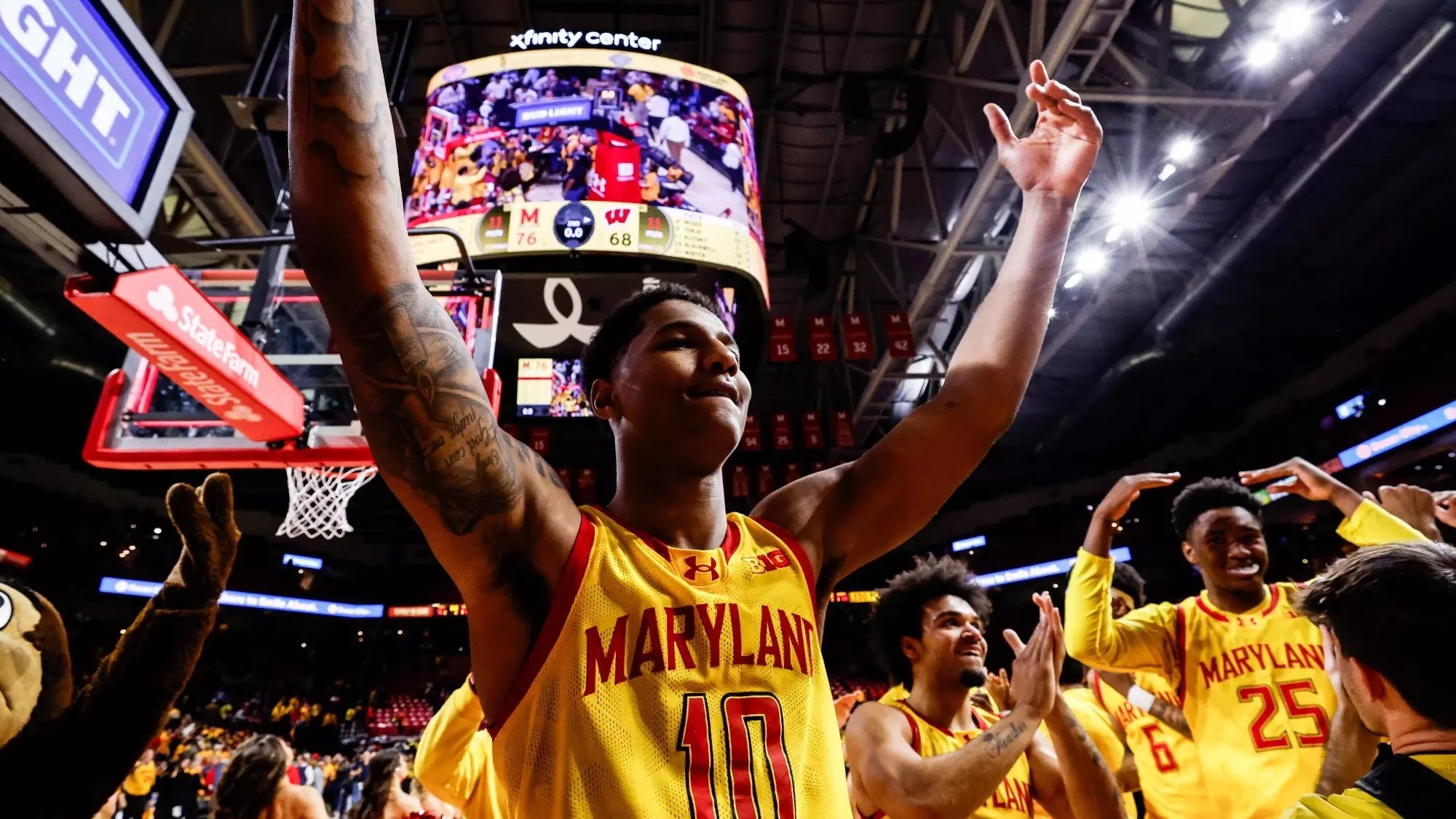
College Athletics’ Revolution: How a Paradigm Shift Is Redefining the Game

PHILADELPHIA, PA – The tectonic plates of college sports have shifted, and the landscape will never be the same.

For decades, the world of college athletics operated as a coherent, predictable universe. It was a system where the term “student-athlete” was sacrosanct, amateurism was the guiding creed, and the National Collegiate Athletic Association (NCAA) was the unquestioned governing authority. This model, however, has not merely evolved. It has been violently upended. The past five years have witnessed what the philosopher of science Thomas Kuhn would term a “paradigm shift”—a revolutionary, non-cumulative break from the old order, driven by legal challenges that shattered the NCAA’s foundational principles.

Temple alum and former NBA player, Marc Jackson announcing the La Salle vs Temple matchup

The emergence of name, image, and likeness (NIL) compensation and unlimited transfers with immediate eligibility has not reformed the system; it has created a new one, fundamentally altering the nature of college sports, especially football and men’s and women’s basketball.

The Kuhn Framework: How Revolutions Unfold

To understand what is happening in college sports, one must first understand Kuhn’s theory of scientific revolutions. In his seminal 1962 work, The Structure of Scientific Revolutions, Kuhn argued that scientific progress is not a linear, cumulative process. Instead, it occurs through violent ruptures he called “paradigm shifts”.
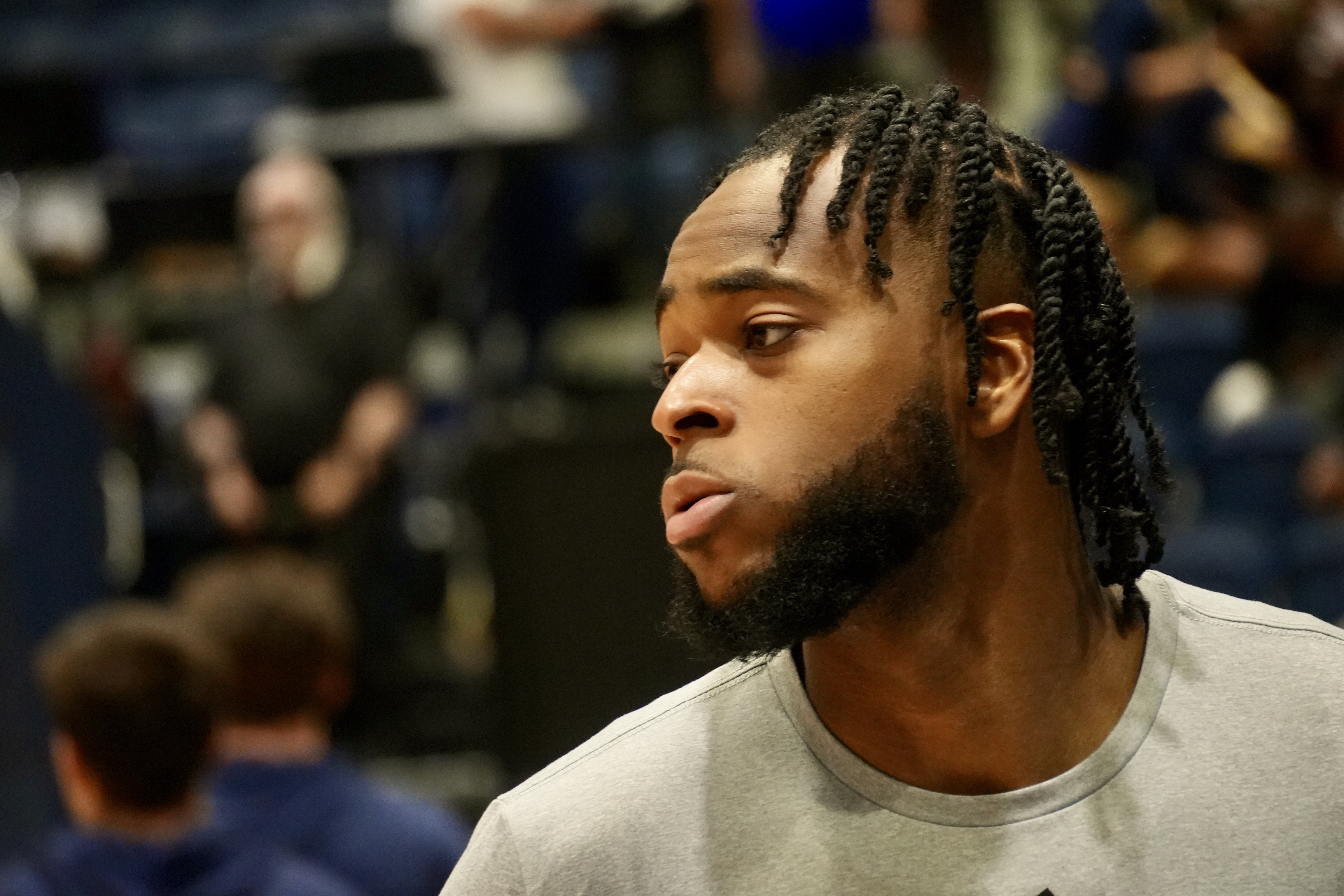
La Salle forward Jerome Brewer

A paradigm is a framework of beliefs, values, and techniques shared by a community. For a time, it provides model problems and solutions in a process Kuhn labeled “normal science.”

But eventually, anomalies—observations the prevailing paradigm cannot explain—accumulate, leading to a period of crisis. This crisis deepens until the old paradigm is overthrown and replaced by a new, incompatible one. The new paradigm is “incommensurable” with the old; they are so different that proponents of each see the world differently, use different definitions, and fundamentally talk past one another. This is not a change in degree, but in kind. It is a gestalt switch, where a drawing that was once seen as a duck is now seen as a rabbit, and it is impossible to see both at once.

The Age of ‘Normal Science’ in College Athletics

For the better part of a century, college athletics existed in a prolonged state of Kuhn’s “normal science.” The dominant paradigm was the “amateur ideal.” Its core tenets were simple and universally accepted within the industry:

Camden resident and Big 5 fan, Hunner Cotton

No Pay-for-Play: Athletes were “amateurs” who could not be compensated for their athletic performance beyond the cost of attendance

Limited Mobility: Transfers were heavily restricted, often requiring athletes to sit out a year of competition, thereby discouraging movement

Institutional Control: The NCAA and its member institutions held absolute power to set and enforce the rules

This paradigm was not merely a set of rules; it was a worldview. It defined the very product. As Kuhn might have observed, it told everyone in the system—administrators, coaches, athletes, and fans—how to think and behave. It provided a stable, predictable environment where seasons unfolded with rosters fans could recognize from year to year, and where the NCAA’s authority was as assumed as the rules of gravity.

Accumulating Anomalies and the Onset of Crisis

The facade of this stable world began to crack under the weight of mounting anomalies. The commercial reality of college sports—the billion-dollar television contracts, massive coaching salaries, and lavish facilities—increasingly clashed with the amateur ideology.
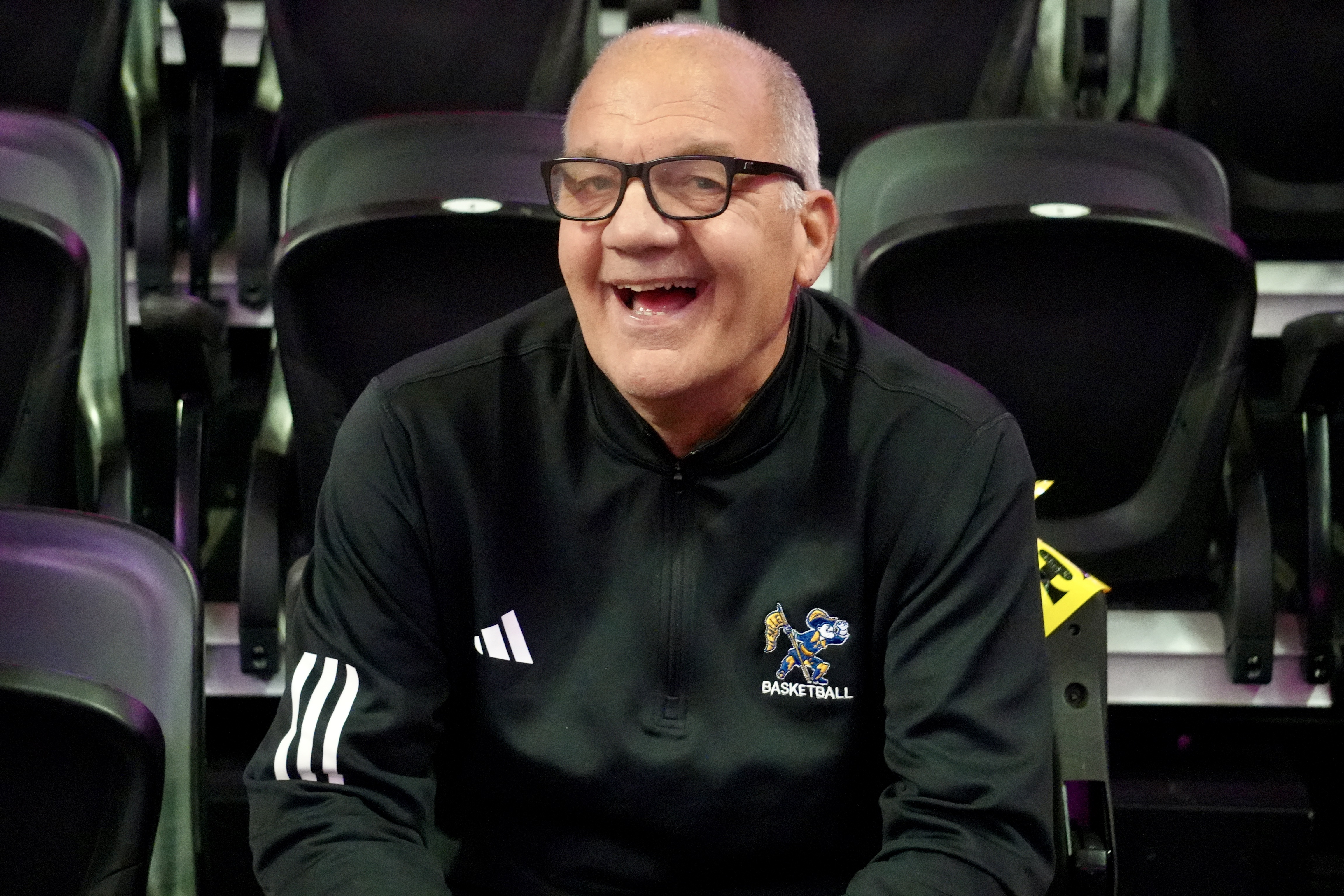
Joe Mihalich, Special Assistant to the Head Coach at La Salle University

The sight of athletes, particularly in revenue-generating football and basketball, generating immense wealth without sharing in it became an undeniable contradiction.

This set the stage for a crisis, triggered by a series of legal challenges that acted as Kuhn’s “extraordinary research”. The courts became the laboratory where the old paradigm was tested and found wanting.

The Alston Decision: The pivotal blow came in 2021 from the U.S. Supreme Court in NCAA v. Alston. While the case specifically dealt with education-related benefits, Justice Neil Gorsuch’s majority opinion unequivocally declined to grant the NCAA “immunity from the normal operation of the antitrust laws”.

Justice Kavanaugh’s Concurrence: The true harbinger of revolution was Justice Brett Kavanaugh’s blistering concurrence. He called the ruling a necessary “course correction” and laid bare the anomaly at the system’s core: “Nowhere else in America can businesses get away with agreeing not to pay their workers a fair market rate on the theory that their product is defined by not paying their workers a fair market rate,” he wrote. “The NCAA is not above the law”.

This judicial dismantling of the NCAA’s legal shield created a state of deep crisis. The old paradigm was no longer tenable, and the search for a new one began.

Adam Fisher, Temple Head Coach

The Revolution Unleashed: A New World Order

The collapse of the old model under legal pressure has rapidly given way to a new paradigm, characterized by two revolutionary changes:

Name, Image, and Likeness (NIL): Since 2021, athletes have been allowed to profit from their fame through endorsements, appearances, and social media promotions. This was the death knell for pure amateurism.

Unlimited Transfers with Immediate Eligibility: Following relentless antitrust lawsuits from state attorneys general and the U.S. Department of Justice, the NCAA’s transfer restrictions have been eviscerated.

Athletes can now enter the transfer portal multiple times and play immediately at their new school, creating a system of year-round free agency.


The following table contrasts the core elements of the old and new paradigms in college athletics:

This new system is not merely an adjustment. It is a fundamental redefinition of what college sports are.
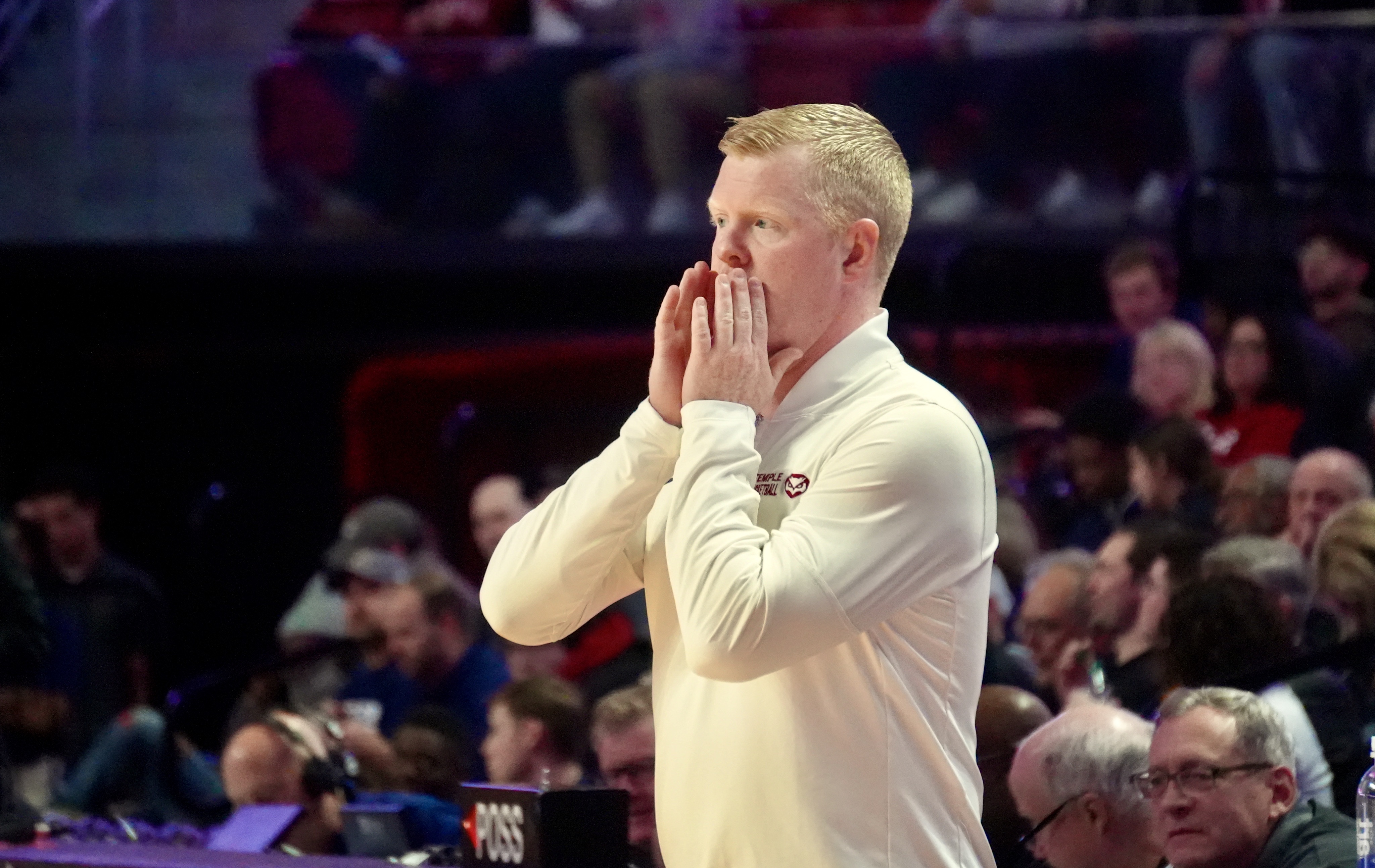
Bob Jordan, Temple Assistant Coach

Living in Incommensurable Worlds

The chasm between the old and new paradigms is so vast that they are, in Kuhn’s terms, incommensurable. Stakeholders are effectively living in different realities.

Different Standards: Concepts like “loyalty” and “team-building” now have entirely different meanings. A coach bemoaning a player’s lack of loyalty, based on the old standard of a four-year commitment, cannot communicate with a player operating in a new world where loyalty must be re-earned by the program year after year through NIL offers and playing time

Different Worlds: Coaches now navigate a “transactional culture”. As one soccer coach lamented regarding new roster limits, the focus is on “hit[ting] on virtually all of the 5-6 commits each year,” turning recruiting from an art of potential into a science of immediate ROI . Meanwhile, athletes see themselves not just as students, but as entrepreneurs managing their own brands.

Communication Breakdown: The same words mean different things. An “offer” from a school once meant an athletic scholarship. Now, it is a complex package of scholarship, NIL money from a collective, and potential branding opportunities. When administrators, coaches, athletes, and fans use the term “college sports,” they are, quite literally, talking about different things.


Temple star guard Aiden Tobiason

The View from the Palestra: A Case Study in Revolution

The human cost of this revolution is etched into the history of Philadelphia’s Big 5. For more than six decades, the rivalry between LaSalle, Pennsylvania, St. Joseph’s, Temple, and Villanova was a unique institution in college basketball, a frenetic and beloved intracity competition housed in the musty, hallowed halls of the Palestra.

Big 5 basketball as it existed for generations is dead.

The paradigm shift has turned its teams into annual collections of mercenaries. This year’s rosters at Temple, Villanova, and La Salle are not built through years of patient development and freshman recruiting classes. They are assembled through the transfer portal, featuring 12 to 15 new players who are, in effect, paid free agents. The continuity that allowed for deep, city-wide narratives and enduring player legacies has been shattered. The old-timers who cherish the traditions of the Palestra and the new-age fans who track transfer portal rankings now inhabit incommensurable worlds, looking at the same court but seeing entirely different games.
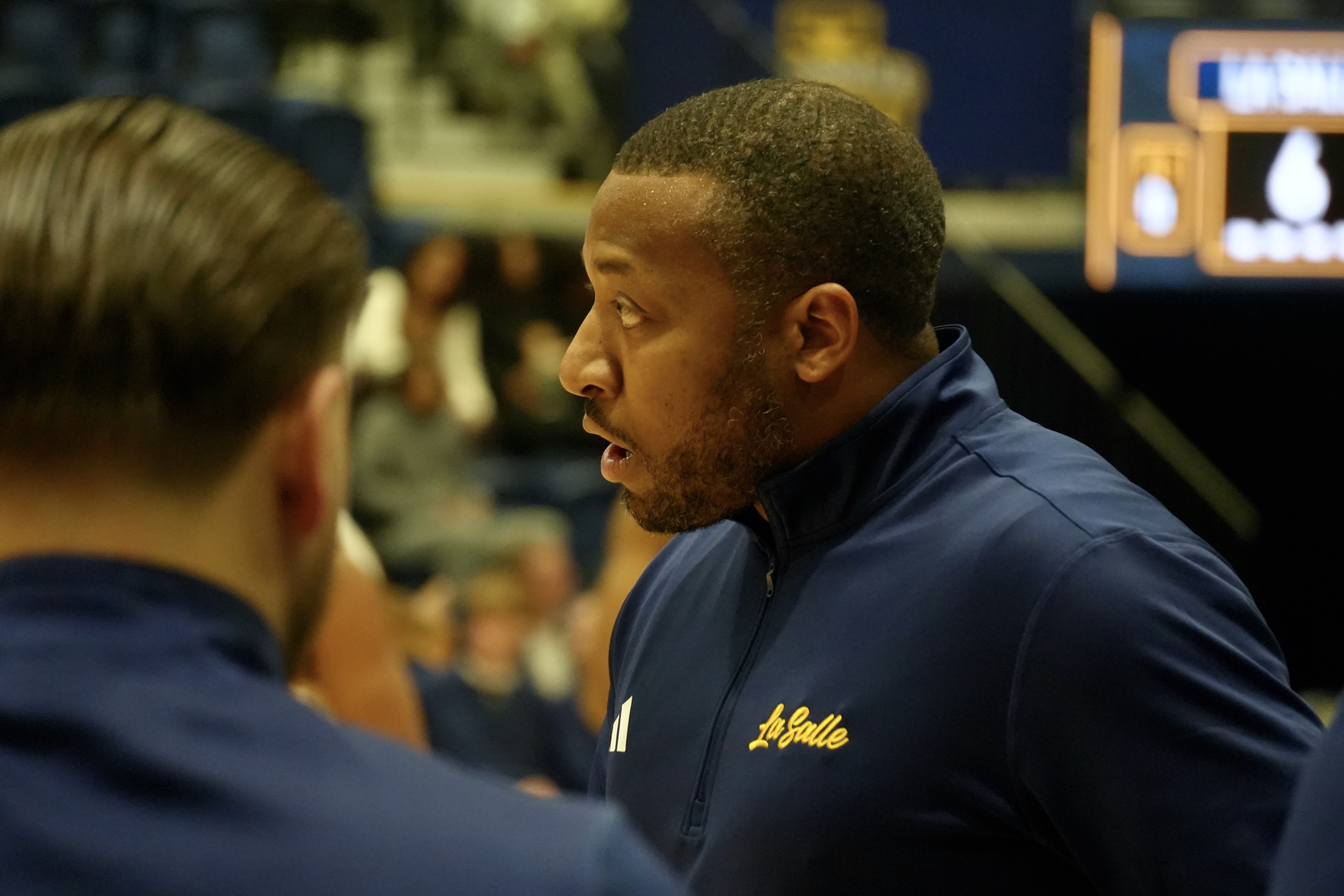
Darris Nichols, La Salle Head Coach

The Uncharted Future

Where this new paradigm will ultimately lead is still uncertain. The revolution has created winners and losers, bestowing newfound wealth and freedom on some athletes while creating instability and uncertainty for others. The core challenge of this nascent paradigm is its sheer chaos—a lack of uniform regulation, concerns over the exploitation of young athletes, and the erosion of any semblance of a level playing field.

Thomas Kuhn taught us that paradigm shifts are not about progress in a moral sense, but about the replacement of one worldview with another. The old paradigm of amateurism is gone, discredited by the courts and abandoned by the culture. The new paradigm of athlete empowerment and free agency is still crystallizing, its final shape unknown. The revolution is complete. The incommensurable has arrived. The games will continue, but they will never be the same.

I miss Micheal Brooks, John Pinone, Mo Martin, Rodney Blake, Howie Evans, Lionel Simmons, Mark Macon, Tim Perry, Mike Vreeswyk, Jameer Nelson, Rap Curry, Bernard Bunt, Jerome Allen, Matt Maloney and Rashid Bey on the court.

I miss John Chaney, Fran Dunphy, Bruiser Flint, Phil Martelli, John Giannini and Rollie Massimino on the sidelines.

Naaaaah… I can’t lie… I don’t miss Rollie.

Girard College Taps St. Joseph’s University Hall of Famer, Mark Bass, a Proven Program Builder, as New Boys Basketball Head Coach

PHILADELPHIA, PA — Girard College announced on October 9, 2025 that it has hired Mark Bass, a Mercer County basketball legend with deep ties to the Philadelphia region and a storied history as both a player and coach, as the new head coach of its boys’ basketball team. Long-time St. Joseph’s University coach Phil Martelli introduced Bass to his Girard College team in an emotional and intimate gathering. The appointment signals an ambitious new direction for the program, entrusting it to a figure renowned for his tactical acumen and a proven record of rapid turnaround.

Phil Martelli and Mark Bass

Bass brings over 24 years of coaching experience to the role, most recently serving as an Assistant Coach for Prep and Development Basketball at the South Kent School, a Connecticut-based incubator for elite talent. His hiring is seen as a coup for Girard College, securing a leader with a demonstrated ability to elevate teams to championship contention.

“We are thrilled to welcome a leader of Mark Bass’s caliber and character to Girard College,” said Tumar Alexander, Girard College Vice-President of Operations. “His philosophy extends far beyond the basketball court, emphasizing the development of student-athletes as scholars and citizens. His record of success, both immediate and sustained, makes him the ideal person to build a proud and successful future for our boys’ basketball program.”

Tumar Alexander and Mark Bass

Bass is not merely a coach; he is a part of the area’s basketball fabric. A member of both the Mercer County Sports Hall of Fame and the St. Joseph’s University Basketball Hall of Fame, he remains the all-time leading scorer for Trenton Catholic Academy (formerly McCorristin), where he led the team to back-to-back state championship games.

His legacy continued at St. Joseph’s University, where he starred as one of the deadliest shooters in the program’s history and a key part of its 1996 NIT finals team. After a professional stint in China, Bass returned to his alma mater, embarking on a 20-year tenure as an assistant coach—the longest in St. Joseph’s history—where he was instrumental in developing NBA players such as Jameer Nelson, Delonte West, and DeAndre Bembry. He also helped lead the Hawks to another NIT final as a coach in 2005.


It is his most recent high school head coaching performance, however, that provides the clearest blueprint for what Girard College can expect. In 2021, Bass was hired to resurrect the Trenton Catholic Preparatory Academy program, a decision hailed at the time as an “absolute no-brainer.”

The results were instantaneous and profound. In his first season at the helm, Bass engineered a dramatic resurgence, leading the Iron Mikes to a Mercer County Championship and, for the first time in 12 years, a South Jersey, Non-Public B title. His team finished the season ranked No. 4 in the state by NJ.com.

“In the program’s first year under coach Mark Bass, Trenton Catholic Preparatory Academy plays with a toughness on the defensive end that figures to make these Iron Mikes a lethal threat,” wrote Greg Johnson of The Trentonian in a mid-season assessment.

Mark Bass and Guy Moore, Girard College Director of Athletics

John Castaldo, Bass’s own high school coach at McCorristin, praised the hire at the time, noting, “He returns to his alma mater with a wealth of basketball knowledge… His skills in developing and nurturing relationships are outstanding. He has always been an individual of high character and moral integrity.”

Bass’s expertise is further honed by his role as a Head Coach for the prestigious WeR1 Basketball Club on the Under Armour Association circuit, where he has continued to develop top-tier amateur talent.

“I am incredibly honored and excited to join the Girard College community,” said Bass. “This is a special institution with tremendous potential. I look forward to building a program that the entire Girard family can be proud of—one that competes for championships while upholding the highest standards of excellence, discipline, and sportsmanship. The work begins now.”

Bass holds a Bachelors degree in Marketing from St. Joseph’s University and Master’s degree from Rider University. He officially assumes his duties on October 20, 2025.


About Girard College


Girard College is a landmark independent boarding school in Philadelphia, providing a full-scholarship, holistic education for academically capable students from families with limited financial resources, serving grades 1 through 12.

###

In a Shifting Basketball Landscape, Phil Martelli’s “Philadelphia Coaching Academy” Partners with Black Cager Fall Classic to Reclaim the Art of Coaching

PHILADELPHIA — In an era defined by the seismic influence of Name, Image and Likeness (NIL) advisors, sports agents, and the directors of national basketball academies, a new initiative is aiming to return the focus of youth basketball to its foundational element: teaching the game.

The Philly Coaching Academy, a venture from P and J Enterprises founded by former Saint Joseph’s University and former Michigan associate head coach Phil Martelli, has been named an official sponsor of the upcoming Black Cager Fall Classic. The partnership signals a concerted effort to address a growing void in the development of basketball coaches at the grassroots level.

Phil Martelli

The announcement comes amid what many insiders describe as a paradigm shift in youth and scholastic basketball. The insertion of substantial student-athlete compensation has fundamentally altered the player development process, creating an ecosystem where financially motivated “handlers” and the allure of national programs often overshadow the core mission of instruction and mentorship. Consequently, less time, energy, and resources are being devoted to cultivating the next generation of skilled coaches.

“In today’s environment, the term ‘coach’ can be diluted. A true coach is a person who trains, instructs, and guides a team to improve their skills and performance, with winning as a byproduct of that process,” said Martelli, a Hall of Fame inductee of the Philadelphia Big 5 and one of the most respected figures in the sport. “We are determined to identify and develop good, ethical, and effective youth and scholastic coaches who embody that definition.”

To that end, the Philadelphia  Coaching Academy has been created specifically for coaches operating at the CYO, middle school, recreational, and travel team levels. The academy’s goal is to equip these coaches with the tools to plan and execute efficient, effective practices. The curriculum will be delivered through four standalone sessions, each featuring on-court demonstrations of drills presented by Martelli and other prominent high school coaches.

Delgreco Wilson, founder of Black Cager Sports, expressed strong support for the partnership, drawing from his long-standing observation of Martelli’s career.

“I’ve been fortunate to witness Martelli’s entire coaching journey. More than any other coach I’ve encountered, Martelli has been an open book. His practices were always accessible,” Wilson said. “He is the right guy to teach young Philly men and women how to be professional youth and scholastic basketball coaches.”

As part of the sponsorship, a coach from every high school participating in the Black Cager Fall Classic will be invited to a exclusive Zoom webinar with Martelli. Furthermore, the head coach of two participating Fall Classic teams will receive full certificates to attend a session of the Philadelphia Coaching Academy.

Wilson emphasized the critical timing of this initiative, stating, “Martelli is absolutely the right guy, and this is definitely the right time to focus on actually teaching and coaching the game of basketball. We’ve seen the business side expand rapidly; now it’s time to reinvest in the craft of coaching itself.”

The collaboration between the Philadelphia Coaching Academy and the Black Cager Fall Classic represents a significant step toward reinforcing the instructional backbone of the sport, ensuring that the coaches guiding young athletes are as developed and dedicated as the players they mentor.

About the Philadelphia Coaching Academy:
Founded by Phil Martelli through P and J Enterprises, the Philadelphia Coaching Academy is dedicated to the education and development of basketball coaches at the youth and scholastic levels. Through a series of intensive, practical sessions, the academy provides coaches with the fundamental principles of practice planning, skill development, and team instruction.

About the Black Cager Fall Classic:
The Black Cager Fall Classic is a premier showcase event presented by Black Cager Sports, featuring top high school basketball talent from the Philadelphia region and beyond. It serves as a critical platform for player exposure and development at the onset of the school year.

###

Media Contact:
Delgreco Wilson
Managing Editor, Black Cager Sports
blackcager@gmail.com

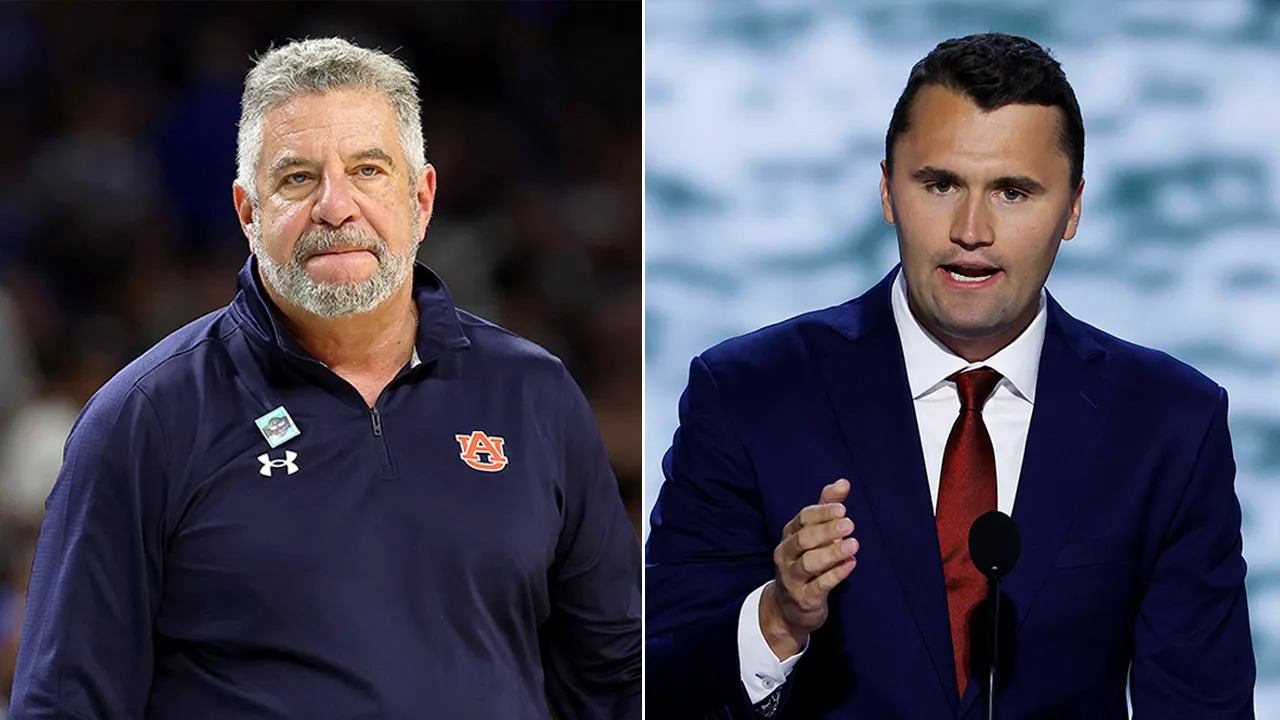
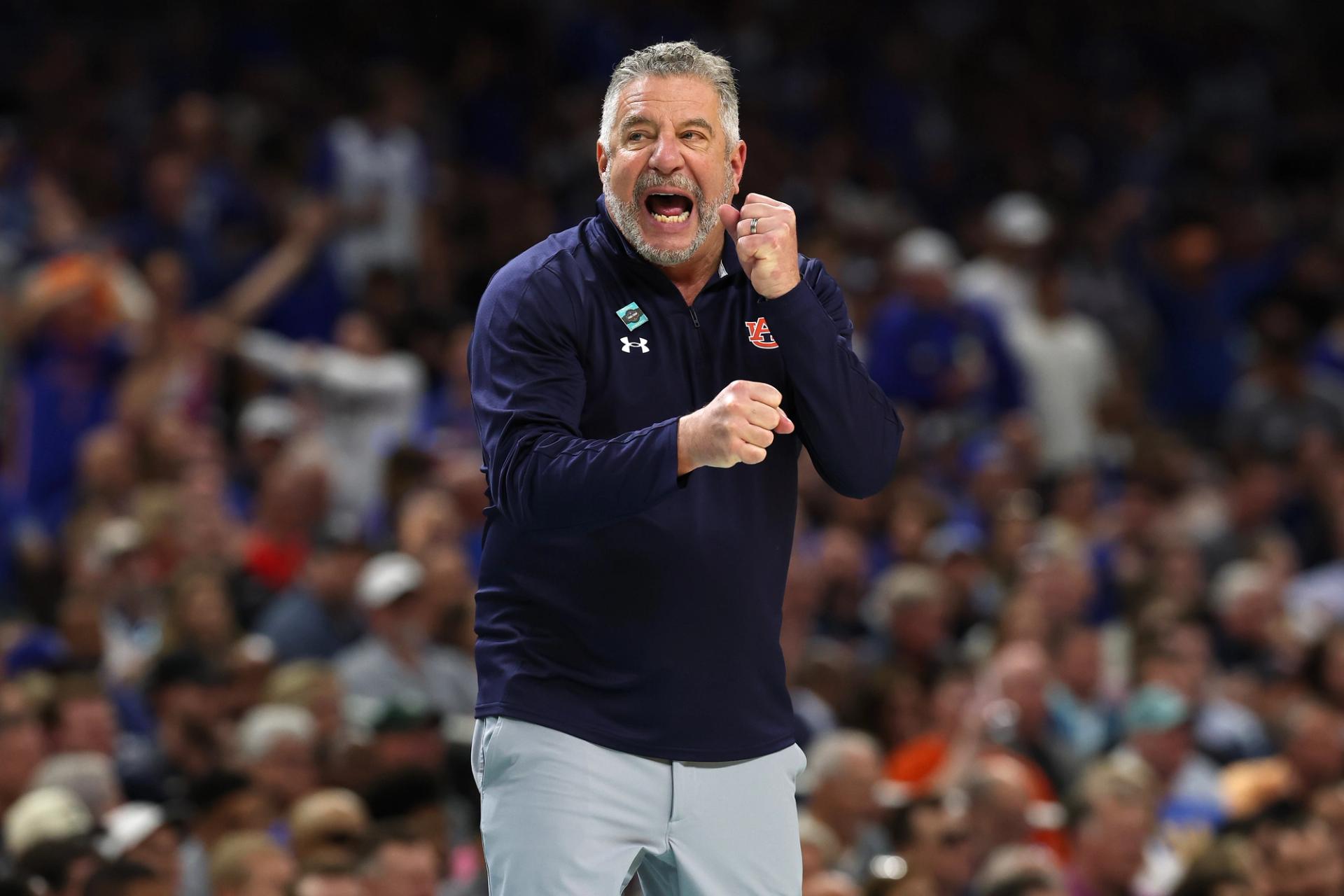
F*ck Him! Why Black Athletes Should Shun Auburn’s Bruce Pearl

PHILADELPHIA, PA – In the aftermath of the assassination of far-right commentator Charlie Kirk, a predictable and distressing pattern has emerged. His death has been met with solemn tributes from powerful allies who have chosen to whitewash a legacy defined by racial animus. Among them is Bruce Pearl, the high-profile head coach of Auburn University’s men’s basketball team. In voicing his “unequivocal support” for Kirk and stating that Kirk “was right about everything he said,” Pearl has offered a profound insight into his own worldview.

For the elite Black basketball prospects being relentlessly recruited by Pearl, and for the parents who entrust their sons to him, this endorsement is not a minor political aside. It is a glaring red flag. It reveals an alignment with a ideology that fundamentally devalues their humanity. In the high-stakes world of college athletics, where coaches wield immense power over the young men in their program, aligning with a coach who champions a racist provocateur is not just a risk—it is an unacceptable compromise.

The Unvarnished Racism of Charlie Kirk

To understand the gravity of Pearl’s endorsement, one must first confront the uncontested record of Charlie Kirk’s rhetoric. This was not a man engaged in good-faith political debate; he was a propagandist who built a career on dehumanization and racial stereotyping. His comments, meticulously documented over years on his show, reveal a deeply ingrained pattern of racism and white supremacy.

Kirk’s philosophy was rooted in the “great replacement” conspiracy theory, a white supremacist trope that claims a deliberate plot is underway to diminish the influence of white people. He stated, “The great replacement strategy, which is well under way every single day in our southern border, is a strategy to replace white rural America with something different”. This theory, which has inspired mass shooters in Pittsburgh, El Paso, and Buffalo, was not a fringe element of his commentary but a central pillar.

His views on Black Americans were particularly venomous and relied on the oldest and most harmful stereotypes. He trafficked in the racist notion of Black criminality, asserting without evidence that “prowling Blacks go around for fun to go target white people, that’s a fact”. He repeatedly questioned the intelligence and competence of Black people, especially in positions of authority. Upon seeing a Black pilot, his first thought was, “boy, I hope he’s qualified” . He reduced accomplished Black women to affirmative action tokens, crudely speculating that a Black customer service worker might be a “moronic Black woman” who got her job not through excellence but through quota systems. He went further, claiming that prominent Black women like Michelle Obama and Supreme Court Justice Ketanji Brown Jackson lacked the “brain processing power” to be taken seriously and had to “steal a white person’s slot”.

His revisionist history on race was equally alarming. In a debate, he callously argued that “Black America is worse than it has been in the last 80 years,” downplaying the horrific era of Jim Crow lynching that saw thousands of Black Americans murdered by racist mobs. When confronted with this history, he dismissed it. He even labeled the landmark Civil Rights Act of 1964 a “mistake” that was turned into an “anti-white weapon.”

This body of work—a relentless campaign to question, demean, and belittle Black achievement and Black pain—is what Bruce Pearl has deemed “right about everything.”

The Power of a Coach and the Failure of Leadership

The role of a major collegiate basketball coach extends far beyond drawing up plays. For the young athletes who leave their homes to play for them, coaches become surrogate parents, mentors, and the most significant authority figures in their lives. They shape not only athletes but young men. Their influence touches on everything from discipline and work ethic to mental health, social awareness, and personal identity.

A coach’s worldview matters. It permeates the culture of the team. A coach who believes, as Kirk did, that systemic racism is a myth, will be ill-equipped to understand or support a player grappling with the realities of being a Black man on a predominantly white campus or dealing with racial abuse from fans. A coach who tacitly endorses the idea that Black people are prone to criminality will bring that bias to his interactions with his players. A coach who champions a movement that frames their very presence as a “replacement” of white America cannot be a true guardian of their well-being.

Bruce Pearl has voluntarily disqualified himself from this sacred trust. By fully embracing Kirk’s ideology, he has signaled that he operates in a reality where the legitimate fears, struggles, and historical oppression of Black people are either invisible or irrelevant to him. How can a young Black man expect empathy from a coach who applauds a man that called George Floyd a “scumbag”? How can a player trust a mentor who aligns with someone who believes the Civil Rights Act was an “anti-white” mistake?

This is not a partisan issue; it is a human one. It is about basic dignity. As an article in First and Pen argued, Pearl’s support for Kirk is part of a pattern of “racial politics” infused with “niceties” to aid recruitment, a strategy that allows him to benefit from the labor of the very people whose humanity his chosen ideology denigrates.

Auburn’s Troubling Environment and the Viable Alternatives

This is not an abstract concern. Auburn University has recently been grappling with its own serious allegations of racial inequity. A lawsuit filed by Travis Thomas, a former Black athletic academic advisor, alleges a hostile work environment and wrongful termination after he reported being berated by white supervisors and raised concerns about a grade being changed for a football player. While a court dismissed the hostile work environment claim due to the high legal bar for such cases, it allowed his claims of race discrimination and retaliation to proceed, noting a pattern of antagonism that followed his complaints. This case paints a picture of an athletic department where Black employees can feel marginalized and where speaking up carries risk.

Furthermore, the broader environment for Black college athletes is often psychologically taxing. They frequently compete at Predominantly White Institutions (PWIs) where they are a minority, face racial microaggressions, and often feel unsupported by their institutions. They are pushed to their physical and mental limits by a system that has been criticized for profiting from their labor. In this high-pressure context, the need for a coach who is not just a tactical genius but a compassionate leader who understands their experience is paramount.

Prospects have a choice. They are not obligated to subject themselves to a coach who has endorsed a racist worldview. There are countless programs across the country with coaches who not not only excel at winning games but also actively strive to create an inclusive, supportive, and empowering environment for their Black players. These coaches understand that nurturing a player’s mental health and personal growth is just as important as developing his jump shot. They see the whole person, not just the athlete.

A Choice About More Than Basketball

For a top recruit, the decision often seems to be about television exposure, tournament appearances, and pathway to the pros. These are important factors. But the choice of a coach is also a choice about what values will be reinforced during some of the most formative years of a young man’s life.

Playing for Bruce Pearl means playing for a man who has stated that the provocateur who trafficked in the “great replacement” theory and called Black pilots unqualified was “right about everything.” It means accepting that your coach is on record supporting a movement that sees your success as a threat and your presence as a problem.

Black athletic talent is not a commodity to be harvested by those who would deny its full humanity. It is a gift that should be nurtured by leaders who respect it, who understand the context from which it comes, and who are committed to defending the player as fiercely as they coach him. Bruce Pearl, by his own admission, is not that leader. Elite Black prospects and their families would be wise to believe him, and to take their talents to a program where they are valued not for what they can do on the court, but for who they are.

Black Cager Fall Classic Returns to Executive Education Fieldhouse for 2025 Showcase

FOR IMMEDIATE RELEASE

*Premier Pre-Season Basketball Tournament Set to Light Up Allentown on October 11*

Allentown, PA – July 28, 2025 – Black Cager Sports is thrilled to announce the return of the Black Cager Fall Classic to the Executive Education Fieldhouse in Allentown, Pennsylvania, on Saturday, October 11, 2025. Celebrating a decade of elite competition, the Fall Classic has solidified its reputation as one of the East Coast’s premier pre-season basketball showcases, drawing top high school talent, college scouts, and passionate fans from across the region.

Since its inception in 2015, the Black Cager Fall Classic has become a must-attend event for players, coaches, and basketball enthusiasts alike. The tournament has played a pivotal role in elevating mid-Atlantic scholastic basketball, providing unmatched exposure through live streaming, social media coverage, and high-level competition. Each year, the event delivers a significant economic boost to Allentown as teams and fans travel in to witness the action.

“The Executive Education Fieldhouse is the perfect home for the Fall Classic,” said Delgreco Wilson, founder of Black Cager Sports. “When we moved the event here, we knew we had found something special—a world-class facility with four courts, ample parking, and an incredible fan experience. This is where the Fall Classic belongs, and we’re proud to make it our permanent home.”

With over 2,300 college players entering the transfer portal in 2025, roster management has never been more critical. The Fall Classic offers high school coaches a unique opportunity to evaluate their teams in competitive game settings before the official season tips off. For college coaches, the event serves as a key scouting platform, allowing them to identify rising stars early in the year.

Robert Lysek, Chief Executive Officer of Executive Education Academy Charter School, echoed the excitement: “The Black Cager Fall Classic has become a beloved tradition in Allentown, bringing elite basketball talent to our city and introducing new visitors to the Executive Education Fieldhouse each year. We’re honored to partner with Black Cager Sports to host such a prestigious event.”

The tournament’s legacy speaks for itself. NBA standouts like Derik Queen (New Orleans Pelicans), Jalen Duren (Detroit Pistons), Bub Carrington (Washington Wizards), Jamir Watkins (Washington Wizards), and Collin Gillespie (Phoenix Suns) all showcased their skills at past Fall Classics. The event has also been a launching pad for college stars such as Derek Simpson (Saint Joseph’s), DJ Wagner (Arkansas), and Zion Stanford (Villanova). Even Hall of Fame coaches like Bill Self (Kansas), John Calipari (Arkansas), and Danny Hurley (UConn) follow the action closely, using livestreams and game footage to evaluate talent.

Don’t miss the 2025 Black Cager Fall Classic—where the next generation of basketball stars takes center stage!

For media inquiries, contact:
Delgreco Wilson
Founder, Black Cager Sports
Email: blackcager@gmail.com
Instagram: @BlackCagerPress
X: @DelgrecoWilson
Facebook: Delgreco Wilson

#BlackCagerFallClassic #ExecutiveFieldhouse #AllentownBasketball #NextUp

About Black Cager Sports

Black Cager Sports is dedicated to promoting and elevating basketball talent through premier showcases, scouting reports, and media coverage. The Fall Classic remains one of its flagship events, providing unparalleled exposure for high school athletes and a must-see experience for basketball fans.

END

The NBA Summer League: A High-Stakes Proving Ground for the Next Generation from Philly & Baltimore

LAS VEGAS — The NBA Summer League, an annual showcase held in the sweltering heat of July, is often dismissed as a series of glorified scrimmages. But for the young Philly and Baltimore area players fighting for their professional futures, it is anything but an exhibition. This is where dreams are validated, where undrafted free agents claw for contracts, and where first-round picks face their first real test against NBA-level competition. The stakes could not be higher.

Thomas Sorber, Oklahoma City Thunder

At its core, the Summer League serves as a bridge between college basketball and the pros—a no-man’s-land where potential meets scrutiny. The rosters are filled with recent draft picks, second-year players looking to prove they belong, and unsigned free agents desperate for a breakthrough. For every future All-Star who shines (think Damian Lillard in 2012 or Donovan Mitchell in 2017), there are dozens whose careers stall before they ever truly begin.

The audience in the gyms of Las Vegas, Salt Lake City, or Sacramento is not just made up of casual fans. NBA executives, scouts, and agents line the courtside seats, evaluating every crossover, every defensive rotation, every missed assignment. Overseas scouts linger as well, ready to offer lifelines to those who fall short of NBA expectations. A strong performance can mean a guaranteed contract; a poor one might relegate a player to the G League—or worse, professional obscurity.

Wooga Poplar, Chicago Bulls

For franchises, the Summer League is an early litmus test. Did the front office make the right draft pick? Is that raw prospect further along than expected? Can that overlooked college star translate his game to the pros? The answers aren’t always definitive—after all, Summer League success doesn’t always translate to the regular season—but the games provide the first real glimpse of how these players handle pressure, coaching, and the speed of the pro game.

And then there are the narratives: The second-round pick outplaying a lottery selection. The undrafted guard from a mid-major school dropping 30 points. The big man from overseas adjusting to the physicality of American basketball. These stories captivate because they are unscripted, unfiltered, and often unpredictable.

Derik Queen, New Orleans Pelicans

In a league where roster spots are scarce and margins for error are slim, the Summer League remains one of the few meritocratic spaces in professional basketball. It doesn’t guarantee stardom, but for those who seize the moment, it can be the first step toward something greater. For everyone else, it’s a reminder of just how fleeting opportunity can be.

The games may not count in the standings, but for these players from the mid-Atlantic region, they count for everything.

NBA Teams & Colleges Breakdown:

  • Atlanta Hawks
    • Dwight Murray Jr. – Rider
  • Boston Celtics
    • Zack Hicks – Temple/Penn State
    • Amari Williams – Drexel/Kentucky
  • Brooklyn Nets
    • TJ Bamba – Villanova/Oregon
    • Caleb Daniels – Tulane/Villanova
  • Chicago Bulls
    • Jahmir Young – Maryland
    • Wooga Poplar – Miami/Villanova
  • Dallas Mavericks
    • Jordan Hall – Saint Joseph’s (SJU)
  • Detroit Pistons
    • Zakai Zeigler – Tennessee
  • Golden State Warriors
    • Donta Scott – Maryland
  • Houston Rockets
    • Jermaine Samuels Jr. – Villanova
  • LA Clippers
    • Izaiah Brockington – Penn State/Iowa State
  • Los Angeles Lakers
    • Eric Dixon – Villanova
    • Julian Reese – Maryland
  • Memphis Grizzlies
    • Ace Baldwin Jr. – VCU/Penn State
    • Tyler Burton – Richmond/Villanova
    • Aaron Estrada – Alabama
  • Miami Heat
    • Steve Settle III – Temple
  • New Orleans Pelicans
    • Derik Queen – Maryland
    • AJ Hoggard – Michigan State/Vanderbilt
  • New York Knicks
    • Nick Jourdain – Temple/Memphis
    • Lance Ware – Kentucky/Villanova
  • Oklahoma City Thunder
    • Thomas Sorber – Georgetown
    • Cameron Brown – Saint Joseph’s (SJU)
    • Erik Reynolds II – Saint Joseph’s (SJU)
  • Philadelphia 76ers
    • Justin Edwards – Kentucky
    • Jack Clark – VCU
    • Andrew Funk – Bucknell/Penn State
  • Phoenix Suns
    • Rasheer Fleming – Saint Joseph’s (SJU)
    • Khalif Battle – Temple/Gonzaga
  • Portland Trail Blazers
    • Andrew Carr – Delaware/Wake Forest/Kentucky
  • Sacramento Kings
    • Daeqwon Plowden – Bowling Green
  • San Antonio Spurs
    • Jameer Nelson Jr. – Delaware/TCU
  • Toronto Raptors
    • Clifford Omoruyi – Rutgers/Alabama
  • Washington Wizards
    • Bub Carrington – Pittsburgh
    • Jamir Watkins – Florida State

The Shadow Market: How “Handlers” Distort the Truth in College Basketball Recruiting

PHILADELPHIA, PA – In the high-stakes world of elite basketball recruiting, the path from high school phenom to college star is rarely straightforward. Parents and young athletes are told they are making rational, informed choices—weighing scholarship offers, development opportunities, and long-term career prospects. But beneath the glossy promises of scouts and recruiters operates a shadow economy of middlemen—known in the industry as “handlers”—whose influence distorts the decision-making process in ways that often leave families at a disadvantage.

These handlers—AAU coaches, trainers, family advisors, and other self-appointed power brokers—position themselves as indispensable guides, offering access to top programs and insider knowledge. Yet their role frequently undermines the very premise of rational choice: that decisions are made with full information and in the best interest of the athlete. Instead, many operate with hidden agendas, steering players toward schools and agents who compensate them, regardless of whether those choices serve the athlete’s long-term future.

The Myth of Perfect Information

Rational choice theory assumes that individuals make decisions by objectively assessing costs and benefits. In an ideal world, a blue-chip recruit and their family would evaluate colleges based on coaching style, academic fit, playing time, and professional development potential. But the reality is messier. Handlers often control the flow of information, selectively presenting options that benefit them—sometimes at the expense of the athlete.

Consider the case of a five-star recruit deciding between two programs:

  • School A offers strong academics, a proven developmental track record, and a clear path to NBA exposure.
  • School B has a flashier reputation but a history of mismanaging talent—yet its boosters have a financial arrangement with the player’s AAU coach.

If the handler only emphasizes School B’s perks—perhaps exaggerating its NBA pipeline or downplaying past player dissatisfaction—the family may make a choice based on manipulated data. This is not rational decision-making; it is a rigged game.

The Handler’s Playbook: Side Deals and Hidden Incentives

The most insidious aspect of this system is the financial undercurrent. While NCAA rules prohibit direct payments to players (at least before NIL reforms), there are no such restrictions on backroom deals between handlers and programs. Common arrangements include:

  • Kickbacks for commitments: Some AAU coaches receive “donations” from college staff or boosters for delivering top recruits.
  • Agent partnerships: Handlers may have informal ties to sports agencies, steering players toward certain representatives in exchange for future cuts of professional earnings.
  • Shoe company influence: Since Nike, Adidas, and Under Armour sponsor both AAU circuits and college teams, handlers aligned with a brand may push athletes toward affiliated schools, regardless of fit.

These conflicts of interest are rarely disclosed to families. A parent might believe their child is choosing a school for its coaching staff, only to later discover the decision was swayed by a handler’s financial stake.

The Consequences of Distorted Choices

When recruits land in suboptimal situations—riding the bench at a program that doesn’t develop them, or worse, flunking out due to inadequate academic support—the handlers face no repercussions. They’ve already collected their fees. The athlete, meanwhile, bears the cost: wasted eligibility, damaged draft stock, or even a derailed career.

Even when players do succeed, the system’s opacity raises ethical concerns. If a top recruit thrives at a school that paid his handler, was it truly the best choice—or just the most lucrative one for the middleman?

Toward a More Transparent System

Reform is possible, but it requires dismantling the handler economy’s secrecy. Potential solutions include:

  • Mandating disclosure: Requiring handlers to register as “recruiting advisors” and disclose financial ties to schools or agents.
  • Strengthening NCAA enforcement: Investigating suspicious recruitment patterns, such as AAU coaches with unusual influence over multiple high-profile commitments.
  • Educating families: Providing independent resources to help parents and athletes navigate recruitment without relying on potentially biased intermediaries.

For now, the burden falls on families to ask hard questions: Who benefits from this decision? What information am I not seeing? Because in the murky world of elite basketball recruiting, the people whispering in their ears don’t always have their best interests at heart.

The tragedy is not just that some athletes make poor choices—it’s that the system is designed to obscure the truth, leaving them to pay the price for decisions they never fully controlled. Until that changes, the myth of rational choice in recruiting will remain just that: a myth.

A New Era for Villanova Basketball: Why Kevin Willard is the Right Fit

RADNOR, PA – In Philadelphia, the head coaching job for Villanova men’s basketball isn’t just another position—it’s a crown. As a lifelong Philadelphian, I’d argue that only the Eagles’ and Phillies’ top jobs command more universal respect than leading the Wildcats. The Sixers, Flyers, and Union coaches have their admirers, but none occupy the same pedestal as the man steering Villanova.

That reverence is largely the legacy of Jay Wright, who transformed the program into a national powerhouse. Wright didn’t just surpass Big 5 legends like John Chaney and Jack Ramsay—he redefined what success looked like in Philadelphia basketball. Six Big East titles, four Final Fours, and two national championships in 21 seasons set a standard that seemed almost impossible to maintain.

When Wright stepped down in 2022, Villanova turned to his protégé, Kyle Neptune. But after three underwhelming seasons—no NCAA Tournament appearances, no deep Big East runs—the school moved on. Now, the Wildcats have handed the keys to Kevin Willard, a seasoned Big East hand with a track record of player development and program-building.

Kevin Willard, Villanova

Willard, 50, arrives after a three-year stint at Maryland, but his roots run deep in the Big East. He spent six years as Rick Pitino’s assistant at Louisville and 12 as Seton Hall’s head coach, where he turned the Pirates into consistent contenders. At his introductory press conference, flanked by a strong staff—David Cox, Kevin Norris, Ashley Howard, Greg Manning Jr.—Willard sounded like a man ready to plant his flag.

Delgreco Wilson, Black Cager Sports (l) and Greg Manning, Villanova Assistant Coach (r)

“I’m in the prime of my coaching career,” he said. “This is where I want to be.”

But beyond the résumé, what makes Willard the right hire? Because he’s a player’s coach—a term often overused but perfectly fitting here. He doesn’t just develop talent; he invests in his players as people.

Take Donta Scott, the former Imhotep Charter star. Willard recruited him to Seton Hall, then coached him at Maryland, pushing him to embrace a more aggressive offensive role. Scott, now in the G League, credits Willard’s guidance for his growth. Or Julian Reese, who became just the second Terp ever to reach 1,000 rebounds under Willard’s watch. And then there’s freshman phenom Derek Queen, whose buzzer-beater in this year’s NCAA Tournament announced him as a future star.

Perhaps the most telling story is that of Michael Nzei, a Seton Hall role player under Willard. When asked if Nzei could play professionally overseas, Willard didn’t hesitate: “He’ll make more money on Wall Street.” Two weeks after his final game, Nzei landed a job at Goldman Sachs.

Eric Watkins, VU Sports (l) and Ashley Howard, Villanova Assistant Coach (r)

That’s the kind of coach Villanova is getting—one who sees the bigger picture. In a Big East loaded with heavyweights like Rick Pitino, Shaka Smart, and Dan Hurley, Willard has the presence, the pedigree, and the player-first approach to restore Villanova to its rightful place among college basketball’s elite.

The Main Line is ready. The Big East should be too.

A Clash of Titans: Auriemma and Staley Meet Again, With Philadelphia Ties Binding Them

PHILADELPHIA, PA – For the past 40 years, I’ve had a front-row seat to Phil Martelli’s brilliant college basketball mind—from the days when his “office” at Saint Joseph’s was little more than a converted broom closet in Alumni Memorial Fieldhouse to his 24-year reign as head coach. Phil was, and remains, my guy. And because he’s my guy, I’ve also been privy to the quiet confidence, the generational rivalries, and the Philadelphia-bred connections that have shaped the modern era of women’s college basketball.

Dawn Staley, resplendent in the Gucci drip

This Sunday’s national championship game between Geno Auriemma’s UConn Huskies and Dawn Staley’s South Carolina Gamecocks isn’t just a battle of the sport’s two best programs—it’s a collision of legacies, Philadelphia ties, and a coach’s unshakable belief in his homie.

At the peak of Geno’s dominance, when his UConn teams seemed invincible, I’d pop into Martelli’s office and tell him, “She’s coming.” Dawn Staley—the North Philly legend, the Raymond Rosen Projects product, the point guard who played with the ferocity of someone who knew the game owed her nothing—was closing the gap. Martelli, ever loyal to his longtime friend Geno, would shrug. “Nah, Del. Geno’s got this thing wired.”

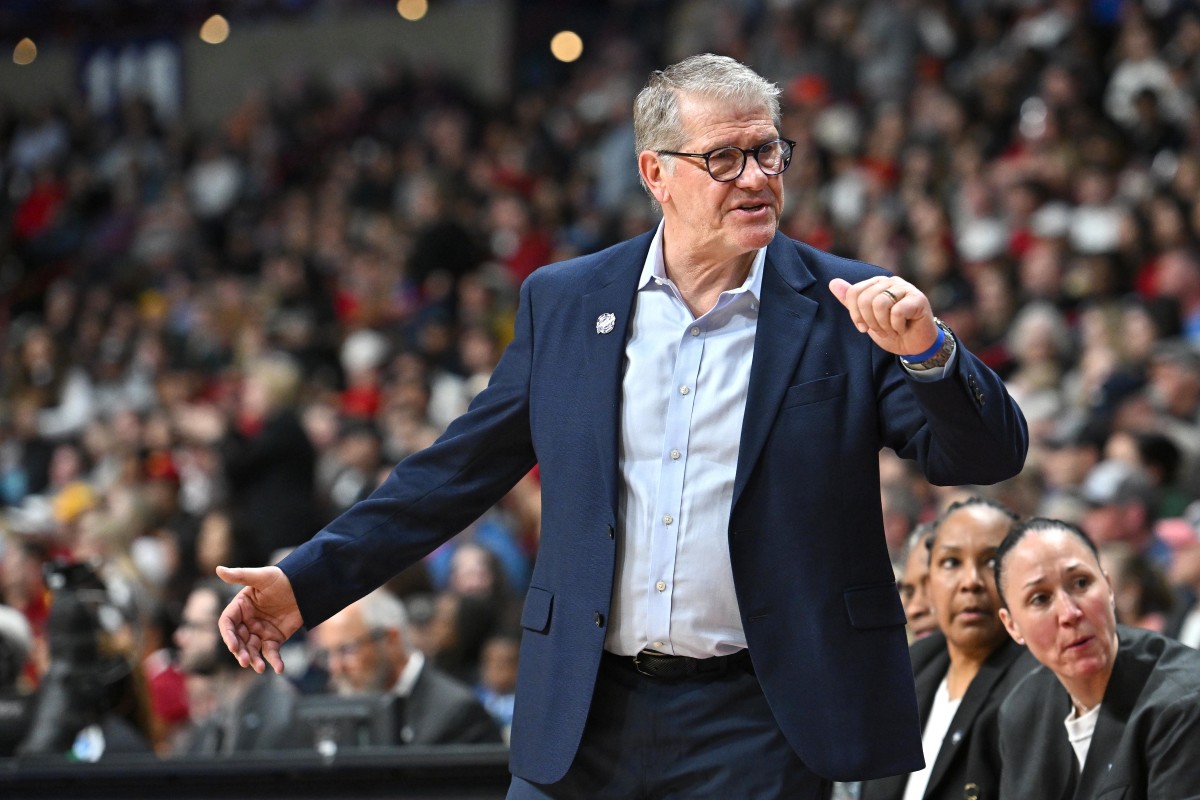
Geno Auriemma, UCONN coaching legend

But then A’ja Wilson arrived in Columbia. Then came the national titles, the undefeated seasons, the undeniable truth: Dawn Staley had ascended to the throne once occupied by Pat Summitt and Geno himself. Now, she stands alongside Kim Mulkey as the new standard-bearers of the sport. And yet, Geno—ever the competitor—wants his crown back.

This morning, at 6 a.m., my phone buzzed with texts from Martelli. Of course, he’s riding with Geno. That’s what Phil does. But me? I’m riding with Dawn, the kid from NORF Philly who turned into a queen.

May the best team win. But know this: No matter the outcome, Philadelphia’s fingerprints are all over this game. And that, more than anything, is worth celebrating.

The Rise of Julian Reese: A Quiet Force in a Basketball Dynasty

COLLEGE PARK, Md. — On a crisp Saturday afternoon in March, senior forward Julian “JuJu” Reese stepped onto the court at the Xfinity Center for the final time in his collegiate career. With 19 points, 11 rebounds, and a commanding presence in the paint, Reese led the No. 11 Maryland Terrapins to a 74-61 victory over Northwestern. It was a fitting farewell for the Baltimore native who has quietly become one of the most dependable and impactful figures in college basketball, even as his older sister, Angel Reese, has become a national icon and a lightning rod for conversation in the sports world.

The Reese family is basketball royalty. Julian’s mother, Angel Reese Sr. (née Webb), was a standout at UMBC in the late 1980s and early 1990s, amassing 1,390 points and 932 rebounds—numbers that Julian has nearly mirrored in his own career. His aunts also played Division I basketball, and the family’s love for the game runs deep. But while Julian’s older sister, Angel, has become a household name for her brash confidence, outspoken personality, and trailblazing impact on women’s basketball, Julian has carved out his own path—one defined by steady growth, quiet determination, and an unwavering commitment to his team.

A Legacy in the Making
Julian Reese arrived at the University of Maryland in the fall of 2021 as a highly touted recruit from St. Frances Academy, a Baltimore-based basketball powerhouse. Standing at 6-foot-9 with a wingspan that seemed to stretch from baseline to baseline, Reese was a physical specimen with raw potential. He chose Maryland over offers from Seton Hall, LSU, and Temple, among others, and immediately made an impact as a freshman. Despite playing just 17.7 minutes per game, he averaged 5.7 points and 4.4 rebounds, showing flashes of the dominant force he would become.

His freshman year, however, was marred by turmoil. Eight games into the season, head coach Mark Turgeon resigned, and interim coach Danny Manning took over. The Terps finished a disappointing 15-17, but Reese’s potential was undeniable. When Kevin Willard was hired as head coach in the off-season, Reese made the decision to stay at Maryland rather than enter the transfer portal—a choice that would prove pivotal for both him and the program.

Under Willard’s guidance, Reese blossomed. As a sophomore, he became a full-time starter, nearly doubling his production to 11.4 points and 7.2 rebounds per game. Maryland improved to 22-13 and made a second-round appearance in the NCAA tournament. By his junior year, Reese had established himself as one of the top frontcourt players in the Big Ten, averaging 13.7 points, 9.5 rebounds, and 1.9 blocks per game.

This season, Reese has been the anchor of a resurgent Maryland team. Alongside his former S. Frances Academy teammate, Derik Queen, Reese has helped the Terps return to national prominence. Heading into the Big Ten tournament, Maryland is ranked 13th in the nation, with Reese leading the charge. He ranks second in the Big Ten in offensive rebound percentage and first in defensive rating, a testament to his relentless work ethic and basketball IQ.

The Reese Family Dynamic
The Reese siblings are a study in contrasts. Angel, the older sister, is a force of nature—charismatic, outspoken, and unapologetically herself. She has become a cultural icon, using her platform to advocate for women’s sports and empower young girls. Her larger-than-life personality has made her one of the most recognizable athletes in the world, and her success at LSU, including a national championship in 2023, has cemented her legacy as one of the greatest players in women’s college basketball history.

Julian, by contrast, is the quiet sibling. Reserved and introspective, he prefers to let his game do the talking. While Angel thrives in the spotlight, Julian is more comfortable in the shadows, focusing on the nuances of his craft. Yet, despite their differences, the bond between the two is unshakable. Angel has been one of Julian’s biggest supporters, often cheering him on from the stands alongside their mother, grandparents, and extended family.

Their contrasting personalities reflect the duality of the Reese family’s basketball legacy. Angel is the trailblazer, the one who pushes boundaries and challenges norms. Julian is the steady hand, the one who embodies the fundamentals and traditions of the game. Together, they represent the past, present, and future of basketball—a sport that has been the lifeblood of their family for generations.

A Future in the NBA
As Julian’s collegiate career winds down, the question on everyone’s mind is whether he has what it takes to succeed at the next level. The answer, according to scouts and analysts, is a resounding yes. Reese’s combination of size, athleticism, and defensive prowess makes him a legitimate NBA prospect. His ability to finish around the rim, coupled with his elite rebounding and shot-blocking skills, has drawn comparisons to players like Clint Capela and Jarrett Allen.

While Reese’s game is not without its limitations—he has attempted just one three-pointer in the past three seasons—his strengths far outweigh his weaknesses. His mobility and versatility on defense, in particular, make him an attractive option for NBA teams in need of a rim protector and rebounder.

A Legacy Secured
Julian Reese’s journey at Maryland has been one of perseverance and growth. From a raw freshman navigating a coaching change to a senior leader poised to make a deep tournament run, Reese has left an indelible mark on the program. He will finish his career with over 1,400 points and 1,000 rebounds, joining an elite group of players who have achieved such milestones.

But more than the numbers, Reese’s legacy lies in his quiet determination and unwavering commitment to his team. In a sports landscape often dominated by flashy personalities and viral moments, Reese has been a reminder that greatness can come in many forms.

As the JuJu Reese era comes to a close, one thing is certain: the Reese family’s basketball legacy is in good hands. Whether on the court or off it, Julian Reese has proven that he is more than just Angel’s little brother. He is a star in his own right—a testament to the power of hard work, humility, and an unyielding love for the game.