Rare Footage, Rarer Vision: A Basketball Showcase for a New Recruiting Age

by Delgreco Wilson

PHILADELPHIA, PA – In the relentless, transactional churn of modern college athletics—where rosters are reshuffled annually via the transfer portal and the pursuit of a “finished product” often overshadows the art of cultivation—a quiet but significant rebellion is being staged not in an arena, but in a high school gym.

On December 6th, the Rare Footage Tip Off Showcase at Archbishop Ryan High School will offer a curated, compelling argument for a different path. In an era where recruiting high school players can seem a fading art, this event, meticulously crafted by the scouts and curators at Rare Footage, reminds us of the enduring value of foundational talent. It is a slate of games designed not just to appeal to fans, but to present college coaches with a rare, concentrated dose of projectable skill, competitive fire, and impeccable character.

The Curator’s Craft: Building a Must-See Schedule

What makes this showcase exceptional is its intentional architecture. Rare Footage has moved beyond simply booking teams. They have constructed narrative arcs and competitive contrasts, understanding that the most revealing evaluations happen under the pressure of a compelling storyline. The schedule is a four-act play designed to test every facet of a prospect’s game.

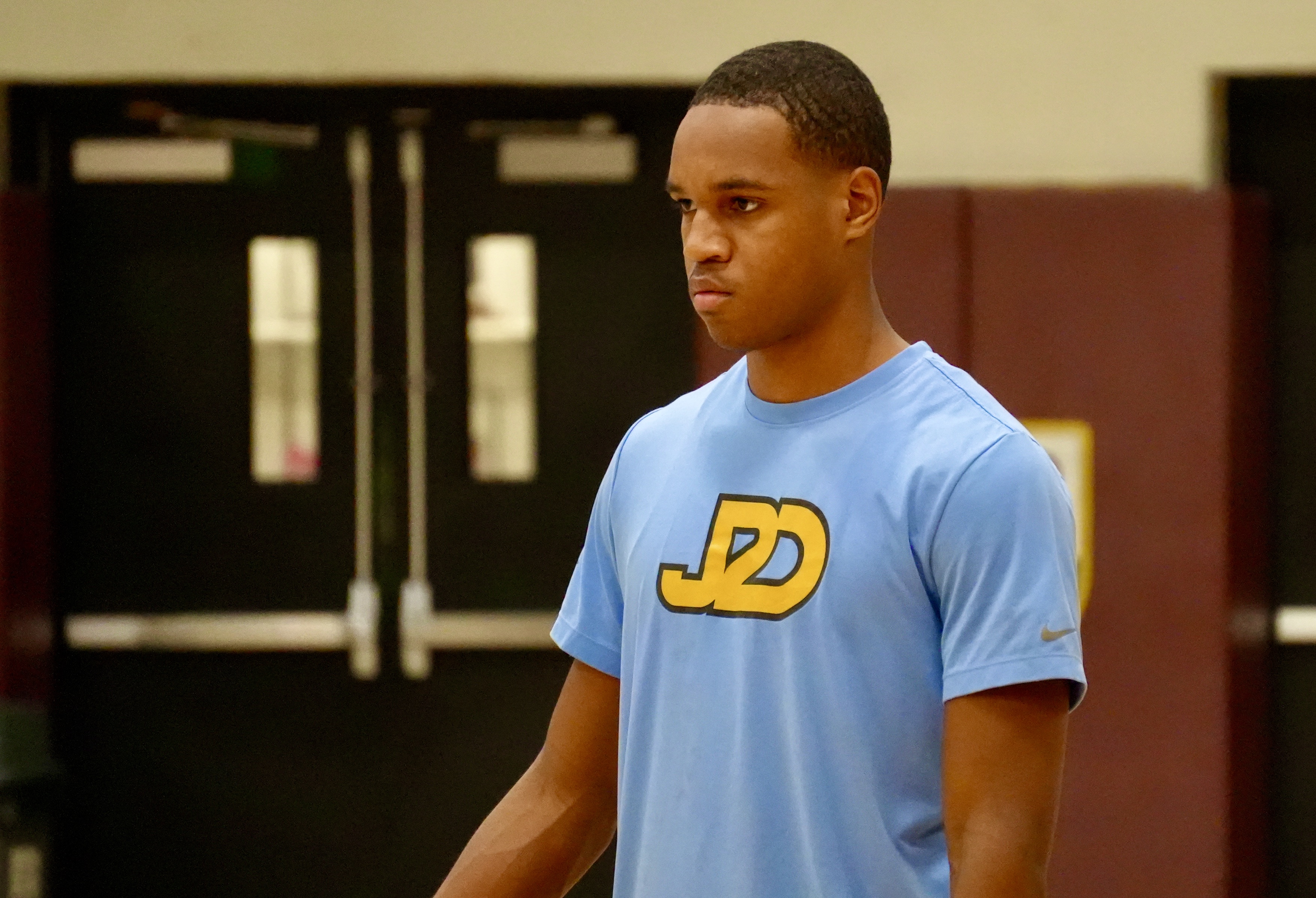
Carter Smith, Sophomore Guard, Penn Charter

Act I: The Veteran vs. The Prodigy
The curtain rises with a Philadelphia private school chess match. Friends Select, led by the poised and savvy senior guard Micah Waters, will try to contain the mercurial brilliance of Penn Charter’s Carter Smith, a sophomore with game-breaking talent. It’s a masterclass in contrasting tempos: experience and defensive discipline versus youthful, explosive ambition.

Act II: The Clash of City Identities
Next, the showcase pivots to pure, unadulterated grit. South Shore (NYC) versus West Catholic (PHL) is more than a game; it’s a battle of urban basketball ethos. Rare Footage has pitted two programs renowned for toughness, defensive intensity, and relentless pride. This is where intangibles like heart and resilience are scouted as closely as jump shots.

Korey Francis, Bonner Prendie, junior guard

Act III: The Marquee Argument
Here lies the centerpiece, the matchup that validates the entire premise of the event. In the transfer-portal era, why should a mid-to-high-major coach invest a scholarship in a high school guard? The duel between Central Dauphin’s Shakur Starling and Bonner Prendie’s Korey Francis is the answer. Rare Footage has engineered the perfect stylistic contrast: Starling’s explosive, north-south athleticism against Francis’s cerebral, physically imposing control. It is a scout’s dream and a definitive test for two of the Mid-Atlantic’s premier 2027 prospects.

Shakur Starling, Central Dauphin, junior guard

Act IV: The Grudge Match
The finale ensures the intensity never wanes. A simmering local rivalry between the host Archbishop Ryan and Academy of the New Church (ANC)—fueled by a disputed preseason result—promises a visceral, emotionally charged contest. It’s a test of poise under the pressure of pure rivalry, another layer of evaluation expertly woven into the fabric of the day.

Beyond the Bracket: A Night of Resonance

Thomas Sorber (r) and NBA Commissioner, Adam Silver (l)

Rare Footage’s effort extends beyond the court. The event will pause to retire the jersey of, Thomas Sorber, a Ryan legend, a poignant reminder of the lasting legacy a dedicated student-athlete can forge. This ceremony connects the past to the present, framing the evening’s competition as part of a continuum—not just a transaction, but a tradition.

The Headliners: A Case Study in Foundational Value

The Starling-Francis matchup is the thesis statement of the showcase.

Shakur Starling represents high-ceiling potential. An explosive athlete with a Division I frame, his ability to attack the rim and create in the open court is undeniable. The blueprint for his ascent is clear: refine his perimeter shot and harness his defensive aggression. Off the court, his strong academic record and interest from Patriot and Ivy League schools paint the picture of a complete scholar-athlete, the kind of player who becomes a pillar of a university community.

Korey Francis offers proven, polished production. A veteran of the prestigious Team Final program, he is a “smart, cerebral point guard and a natural leader.” He dominates with strength, savvy, and exceptional court vision, and his well-rounded stat lines are a testament to his consistent impact. He embodies the term “program pillar” off the court as well, serving as his school’s class president and carrying the academic credentials (Ivy/Patriot League interest) that make him a transformative recruit.

A Call for Visionary Investment

For coaching staffs from the Patriot, Ivy, A-10, CAA, and MEAC conferences, the Rare Footage Tip Off Showcase is not merely a convenient scouting trip; it is an essential one. In a sporting landscape cluttered with mercenary roster moves, this event presents the alternative: identifiable, investable talent.

The players here, particularly Starling and Francis, represent the sustainable model—the cornerstone you build with, not the temporary patch you apply. They are players who will grow in skill, leadership, and institutional knowledge over four years, fostering the kind of program culture and fan loyalty that cannot be portaled in.

The showcase on December 6th is a declaration. It is a testament to the curatorial eye of Rare Footage and a powerful argument that the future of the sport still runs through the passionate, competitive crucible of the high school game. In an age obsessed with the immediate, this is where one can secure a foundation.

A Philly Basketball Reunion in the Heart of the Former Confederacy

RICHMOND, VA – In the echoing concourses of the Stuart Siegel Center in Richmond, Va., a near-capacity crowd roared for the home team, Virginia Commonwealth University. The spectacle was modern college basketball: a hyped-up student section, a relentless pace, and a Rams program that has become a national brand. Yet, for those with a discerning eye for the game’s deeper currents, the most compelling story was not on the court, but on the sidelines. It was, improbably, a story of Philadelphia. As Coppin State battled VCU, six men with the City of Brotherly Love etched into their sporting DNA patrolled the hardwood—a poignant testament to both the enduring export of Philly hoops intellect and a glaring institutional failure back home.

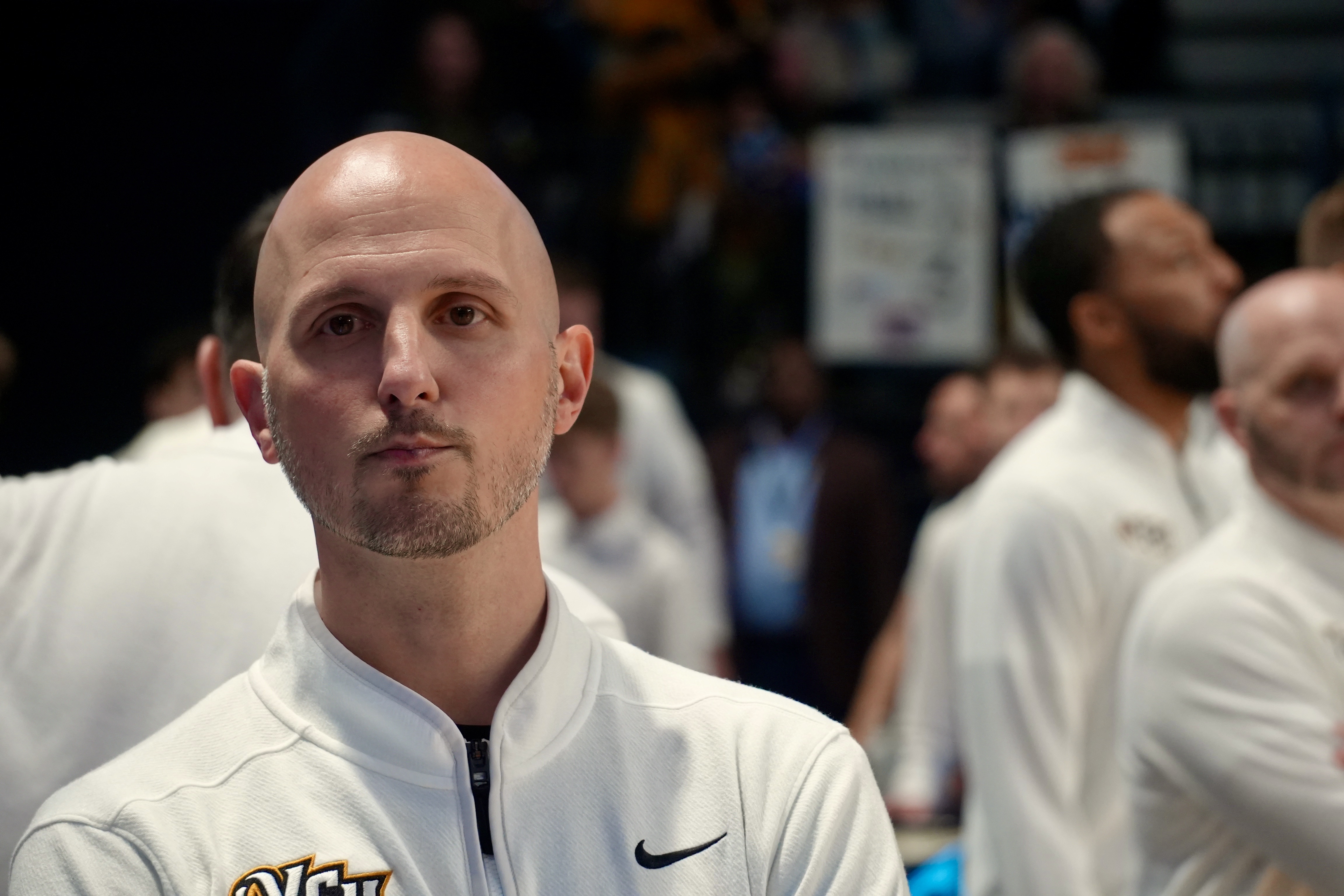
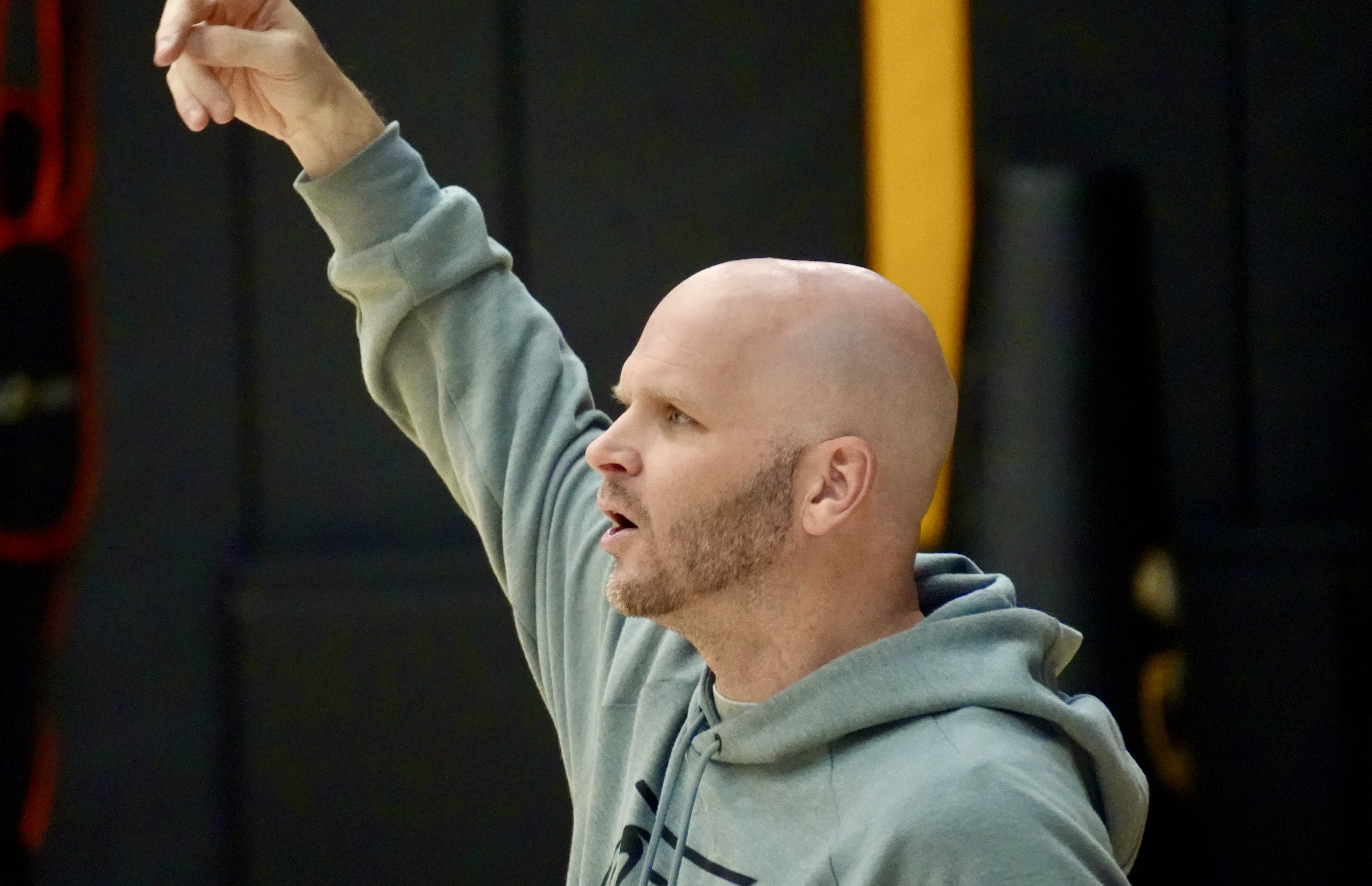
Phil Martelli, Jr., VCU Head Coach

A City’s Storied Legacy, A Modern Exodus

Philadelphia has long considered itself, and rightfully so, a center of the basketball universe. From the pioneering Tarzan Cooper to the sharp shooting Paul Arizin, the monumental Wilt Chamberlain, the poetic Earl “The Pearl” Monroe, the relentless Lionel Simmons, the prolific Kobe Bryant and the current phenom Jalen Duren, the city’s pipeline of talent is the stuff of legend. Yet, this rich history has rarely translated to a southern collegiate migration, with a few notable exceptions like Gene Banks (Duke) and Rasheed Wallace (North Carolina). Philadelphians, it seems, often make their mark elsewhere. Tragically, this now includes their coaches, while the college game in their own city languishes.

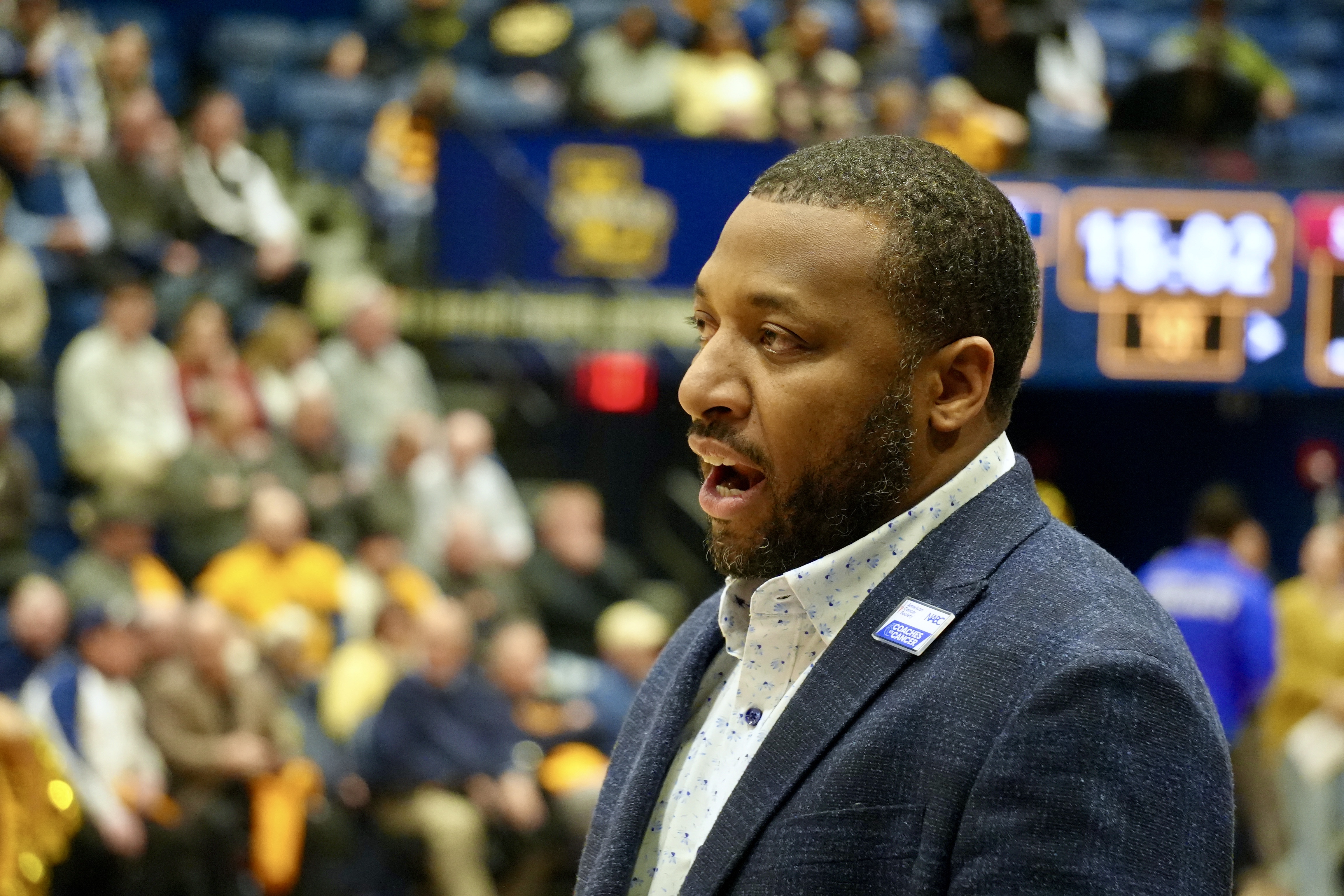
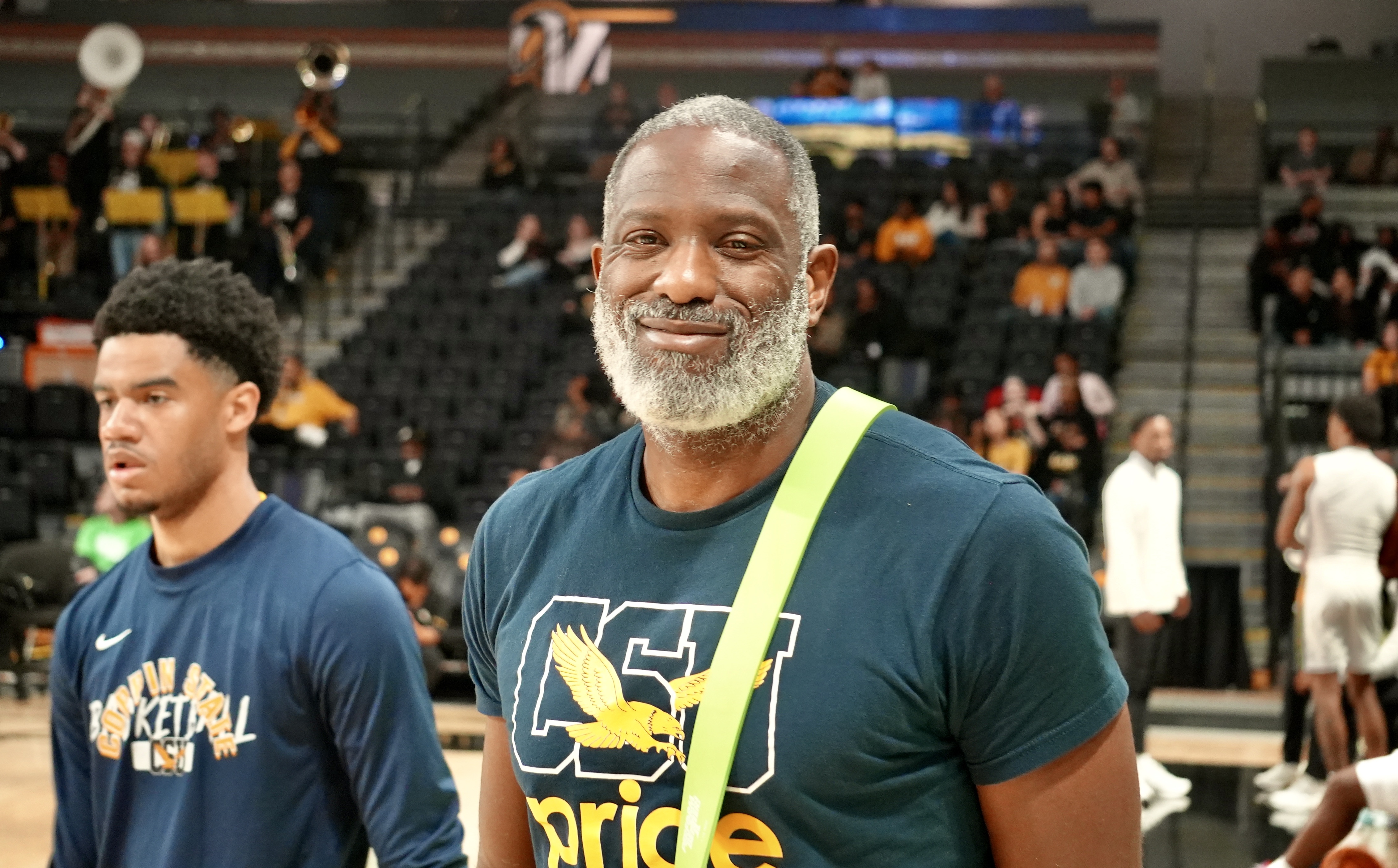
Larry Stewart, Coppin State Head Coach

The Palestra’s Fading Echo

The streamers that once rained down after the first basket at the Palestra feel like a relic from a different century. The Big 5, that once-sacred round-robin, is a shadow of its former self, with programs struggling to fill arenas and recapture the city’s imagination. The intense passion that once defined the college game here has largely decamped to the overheated gyms of the Catholic and Public Leagues, where high school basketball now serves as the true keeper of the flame. Yet, despite this local decline, Philadelphia continues to produce a long line of coaches who understand the game’s grit and nuance.

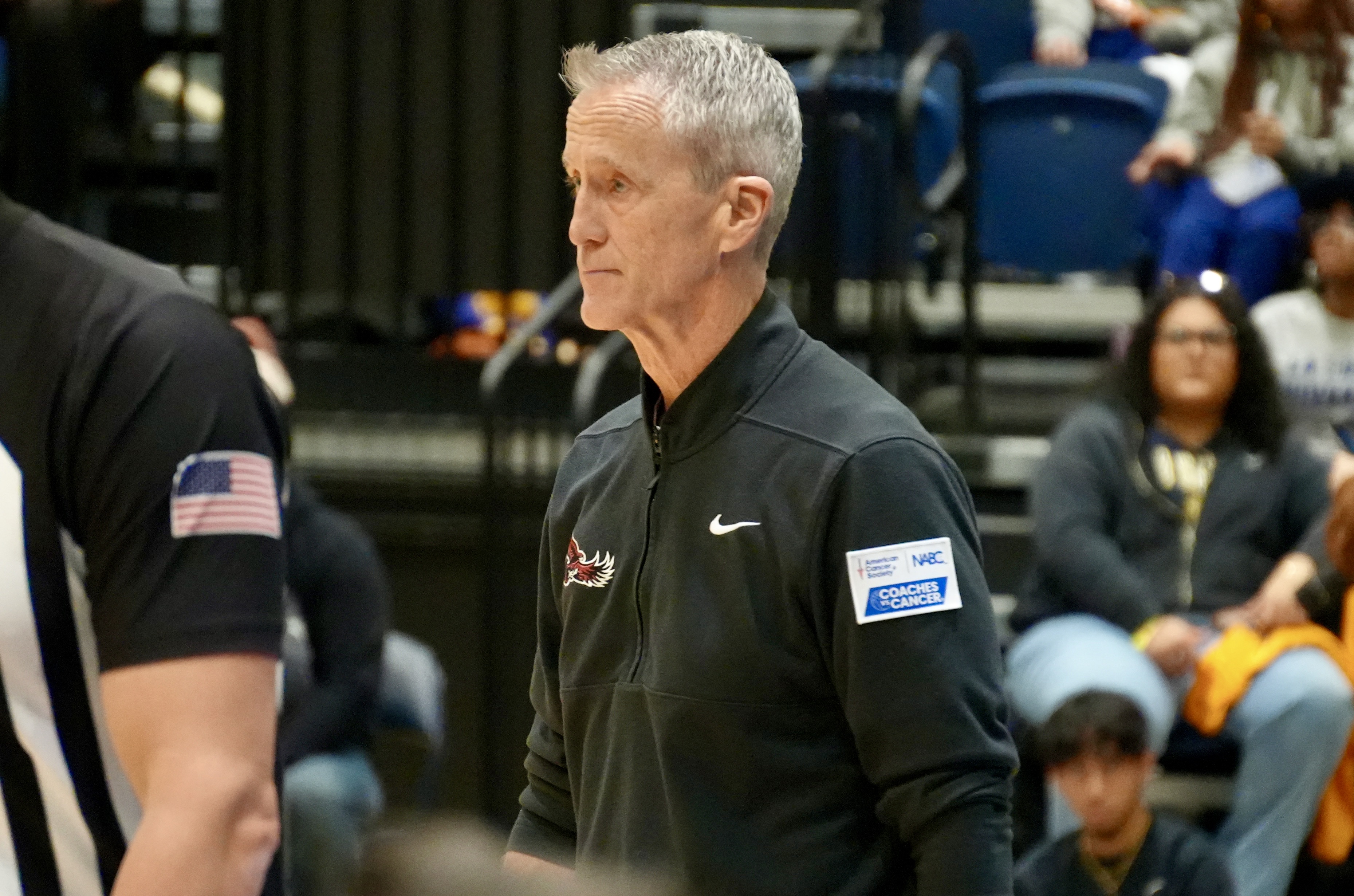
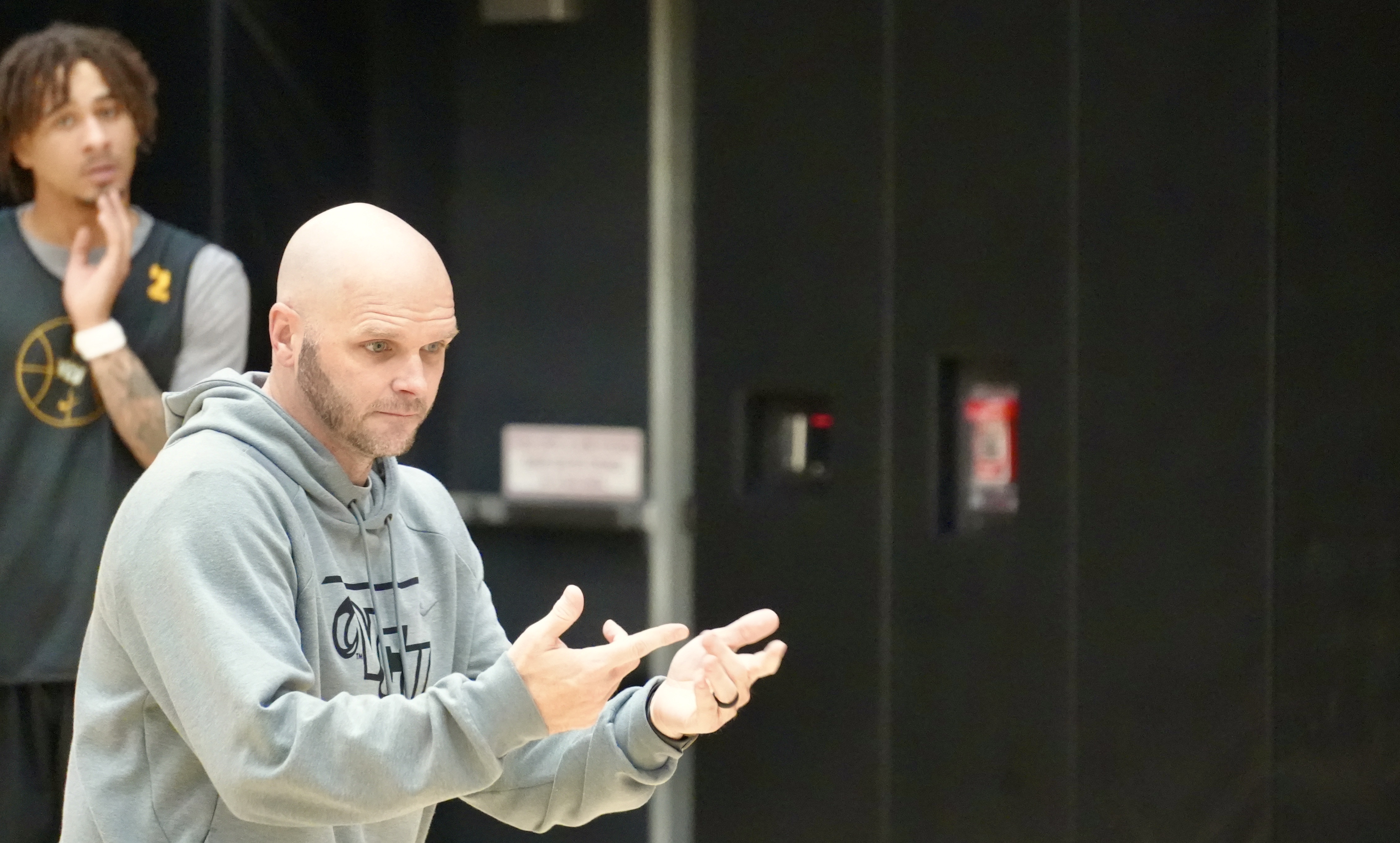
Ryan Daly, VCU Assistant Coach

The Sidelines of Richmond: A Who’s Who of Philly Hoops

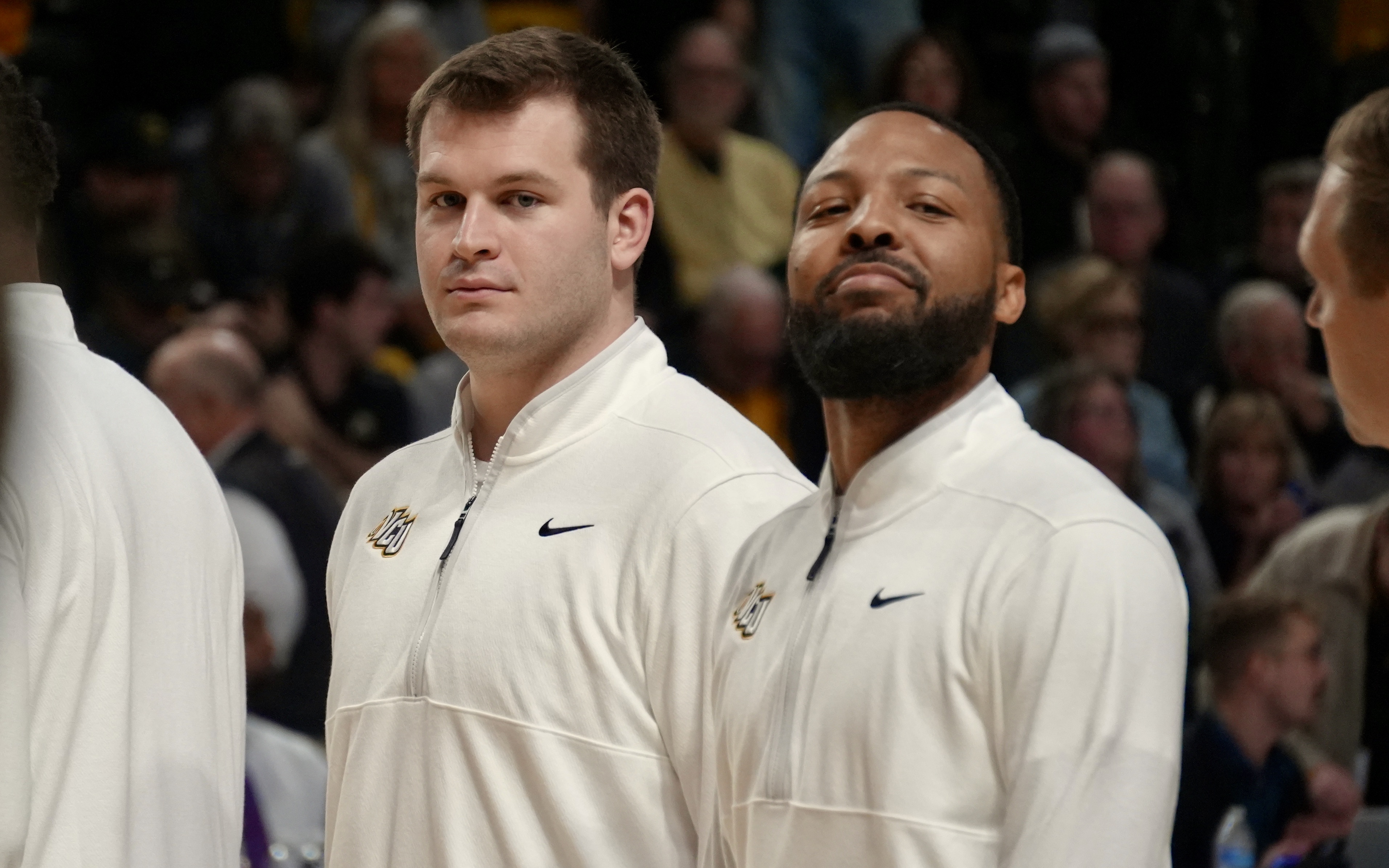
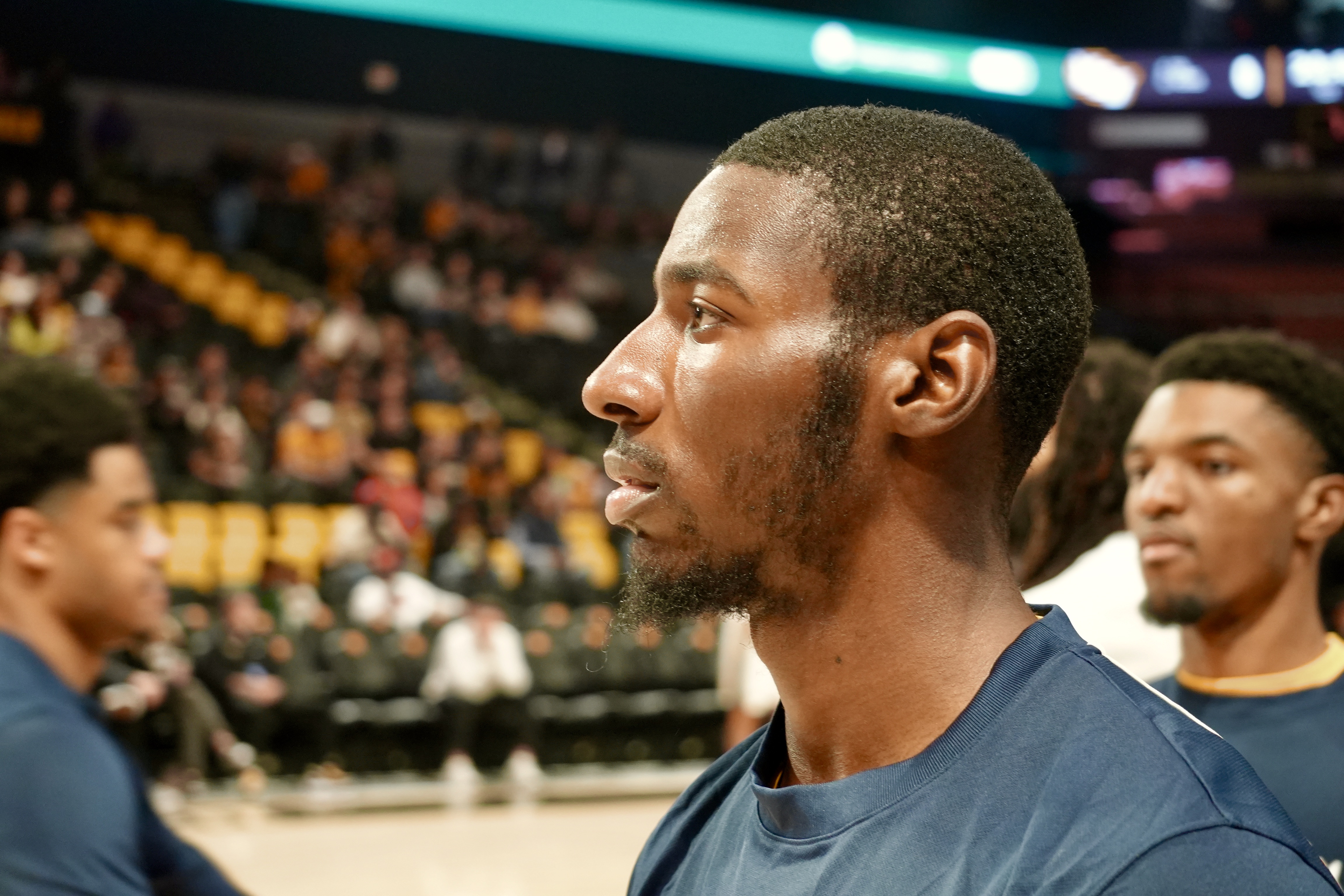
And so, we found them in Richmond. Coppin State was led by Head Coach Larry Stewart, a product of the Philadelphia Public League’s Dobbins High, who carried that Philly swagger to become an NBA player and a Coppin legend. His bench included his brother, Stephen Stewart, another Public League alum, and Terquin Mott, who began his collegiate career in the Big 5 at La Salle. Across the floor, VCU’s staff was equally Philadelphian. Head Coach Phil Martelli, Jr., and his brother, Jimmy, literally grew up in a locker room at St. Joseph’s, weaned on the parochial intensity their father, Phil Sr., embodied for decades. Completing this brotherhood was Ryan Daly, whose grandfather and father built their own legacies within the city’s Catholic League and on Hawk Hill. The connection even extended to the court, where three Philly kids—Coppin’s Baasil Saunders and Nelson Lamizana, and VCU’s Ahmad Nowell—saw action, proving the city-to-Richmond pipeline remains open for players, too.

Stephen Stewart, Coppin State Assistant Coach

A Lopsided Score, A Resonant Symbol

The final score—a 101-58 VCU rout—was not competitive. But the result was almost irrelevant to the night’s deeper narrative. For one night, the Yankees had taken full control of the basketball world in the former capital of the Confederacy. Here was a collective basketball IQ, forged on Philly’s blacktop and in its legendary leagues, being deployed over 250 miles from City Hall. The irony is as thick as a winter coat in February: these men, steeped in the very culture that could revitalize the city’s moribund Division I programs, are plying their trade anywhere but there.

Jimmy Martelli, VCU Assistant

The Case for a Homecoming: Tradition as a Strategic Asset

The case for their return is not one of mere nostalgia; it is a strategic imperative. Philadelphia is a unique town for collegiate athletics. The six programs, with the possible exception of Villanova, are not in a position financially to compete with Power 4 schools in the bidding wars of the NIL and transfer portal era. They cannot simply buy talent. They have to sell something else to prospects and their families: an identity, a legacy, a home. That something else must be the tradition of Philadelphia basketball and the lifelong love and support of its fiercely passionate community—a love that was on full display, of all places, in Richmond, Virginia.

Terquin Mott, VCU Assistant

The six Division I programs in Philadelphia have lost their connection to the lifeblood of the city’s basketball ecosystem. Who better to rebuild the walls than those who know the foundation? Who better to recruit the next Jalen Duren or Lionel Simmons than a Larry Stewart, who walked the same path from the Public League to professional glory? Who better to instill a forgotten identity than a Martelli, whose name is synonymous with Philadelphia basketball resilience? Or a Ryan Daly, whose family tree is rooted in its very soil? These coaches wouldn’t just be drawing up plays; they would be selling a birthright, something no other program can offer a young recruit from Philadelphia.

Baasil Saunders, Coppin State guard

An Indictment and a Path Forward

The exodus of this coaching talent is a quiet indictment of the city’s athletic departments. It reveals a failure to recognize that the solution to reclaiming Philadelphia’s college basketball soul may not be in a flashy, out-of-town hire, but in embracing the proven, passionate individuals it has already produced. The passion was in Richmond last night. The knowledge was on those sidelines. The players who could be the cornerstones of a local revival are already here, playing in those packed high school gyms. It’s time for Philadelphia’s programs to look south, to look within, and finally bring that Philly fight back home where it belongs.

The VCU Blueprint: How the Martelli Hire Is an Antidote to College Basketball’s Chaos

by Delgreco Wilson

RICHMOND, VA – The tectonic plates of college athletics have shifted irrevocably, creating a landscape that is both exhilarating and unnerving. The confluence of name, image and likeness (NIL) compensation and the transfer portal has ushered in a form of rampant, year-round free agency, where roster-building is a high-stakes puzzle and the very concept of player loyalty is being tested. In this volatile new world, a program’s success is no longer just about the X’s and O’s on the whiteboard; it’s about constructing a culture so compelling, a vision so clear, and relationships so authentic that players choose to stay and build within it, rather than simply pass through. Many, like Philadelphia’s six Division 1 college basketball programs, have struggled to adapt. 

Phil Martelli, Jr., VCU Head Coach

The proud tradition of Philadelphia’s Big 5, once a vibrant tapestry of city-wide basketball passion, is being systematically unraveled by the harsh realities of the modern NCAA. In this new era, defined by the transfer portal’s relentless churn and the financial allure of Name, Image and Likeness deals, the foundational pillars of local recruiting and program continuity have crumbled. The result is a stark and unprecedented decline: for the first time in the consortium’s storied history, no Big 5 program has danced in the NCAA tournament for three consecutive years. These schools, from Saint Joseph’s to Temple, are now caught in a debilitating cycle, struggling to retain burgeoning talent while finding themselves outgunned in the bidding wars for the transfers who could save them. The very model that built these giants of the mid-major world has become a relic, leaving them to fight a existential battle on a playing field tilted decisively against them.

It is against this backdrop of existential change that Virginia Commonwealth University’s hiring of Philly born and bred, Phil Martelli Jr., as its head men’s basketball coach must be viewed. This was not merely a search for a tactician; it was a search for an architect for a new era. In Martelli, and in his strategic assembly of a staff featuring his brother Jimmy and rising star Ryan Daly, VCU has not just found a leader. Drawing from the pool of young Philadelphia coaching talent, it has established a coherent, persuasive, and uniquely qualified command structure designed to thrive amid the chaos. These young men were literally born and raised in the A10. This hire represents a potent blueprint for sustainable success in modern college basketball: a fusion of deep-rooted cultural understanding, proven program-building, and unbreakable personal trust.

Navigating the New Frontier: Culture as the Ultimate Competitive Edge

The transfer portal giveth, and the transfer portal taketh away. In an age where a star player can be lured away by a more lucrative NIL collective at a moment’s notice, the intrinsic value of a program—its identity, its sense of family, its proven path to development—has never been more critical. This is the very heart of VCU’s bet on Phil Martelli Jr.

He is not a mercenary coach; he is a native son of the Atlantic 10. He understands that at a program like VCU, you cannot simply outspend the power conferences. You must out-care, out-develop, and out-connect. His life’s work, from his playing days on the storied courts of St. Joseph’s to engineering a historic turnaround at Bryant, has been about fostering deep, authentic relationships. In the “NIL and free agency” era, this is not a soft skill; it is a strategic imperative. Players today are not just athletes; they are partners and stakeholders in the program’s journey. Martelli’s genuine, grounded approach is precisely the antidote to the transactional nature that threatens to consume the sport.

As VCU Vice President and Director of Athletics Ed McLaughlin stated, Martelli has “clearly lived his entire life amid college basketball legends but has made his own path and paid his dues through hard work, good character and a devotion to developing young men into the best versions of themselves through sport.” This focus on holistic development, on building men rather than just players, is the cornerstone of a culture that can withstand the siren calls of the open market.

The Visionary: Phil Martelli Jr., A10 Native and Modern Program-Builder

Phil Martelli Jr. is the perfect synthesis of old-school values and new-school methodology. His upbringing as the son of a St. Joseph’s coaching legend provided him with an innate, cradle-to-present understanding of the A-10’s competitive soul. He didn’t just study the conference; he was raised on its sidelines, absorbing its rhythms and rivalries. As a player, he was a co-captain on the 2002-03 St. Joseph’s team alongside Jameer Nelson and Delonte West, experiencing the pinnacle of A-10 success and NCAA Tournament glory. He knows the recruiting battles in Philadelphia and the DMV, the grind of the conference schedule, and the specific breed of tough, intelligent player who thrives in this environment.

But his record at Bryant proves he is no traditionalist clinging to the past. He is a self-made architect of success. Arriving as an assistant in 2018, he was a key engineer in the Bulldogs’ first Division I NCAA Tournament berth in 2022. When handed the reins as head coach, he didn’t just maintain success; he elevated it, leading Bryant to both the America East regular season and tournament championships in 2025, earning an NCAA Tournament bid and securing a second straight 20-win campaign. For this, he was deservedly named the 2025 America East Conference and NABC Mid-Atlantic Coach of the Year.

His teams won with a dynamic, modern, up-tempo offensive system that ranked third and sixth, respectively, in the country in adjusted tempo. His 2024-25 squad averaged a blistering 81.8 points per game. This style is a powerful recruiting and retention tool in itself, offering the kind of exciting, pro-friendly basketball that attracts and motivates today’s players. Furthermore, his well-rounded apprenticeship—from being the youngest full-time assistant in Division I at 22, to an NCAA Tournament appearance at Niagara, to a crucial stint in the NBA G-League—provides him with unique credibility when advising players on their professional pathways. In an era where players are focused on their next step, a coach who can speak the language of the pros is invaluable.

The Cornerstone: Jimmy Martelli, The Keeper of the Flame and Bridge to the Future

In his brother, Jimmy, Coach Martelli has an associate head coach who is the ultimate force multiplier, a cornerstone ensuring the entire structure remains stable. Any coaching transition risks the erosion of a program’s intangible identity. At VCU, that identity—a specific brand of relentless defense, communal toughness, and city-wide pride known as “Havoc”—is its most valuable asset. Jimmy Martelli is its living archivist.

Jimmy Martelli, VCU Associate Head Coach

For six formative years, from 2017 to 2023, he served as the director of operations under Mike Rhoades. In that role, he was not a bystander but an integral part of the machinery that produced two Atlantic 10 regular-season titles, a tournament championship, and three NCAA Tournament appearances. He understands the daily rhythms, the operational expectations, and the very soul of Ram Nation. He knows what makes a VCU player tick. This is not knowledge that can be learned in a manual; it is absorbed through years of immersion. His presence guarantees that the foundational principles of VCU basketball remain intact, even as the leadership and tactics evolve.

Crucially, Jimmy is not just a link to the past. His recent two-year stint at Penn State showcased his evolution into a dynamic, forward-thinking coach capable of thriving in one of the nation’s toughest conferences. He helped the Nittany Lions set a program record for scoring (79.1 points per game) and fostered a defensive identity that ranked near the top of the Big Ten in steals and forced turnovers. More impressively, he proved himself as an elite recruiter, serving as the lead recruiter for the highest-ranked recruiting class—and the highest-ranked individual recruit, Kayden Mingo—in Penn State history. This demonstrates a critical capacity: the ability to sell a program not named “VCU” to blue-chip talent, a skill that will translate powerfully back in the A-10.

The head coach-assistant coach dynamic is inherently one of professional trust. The Martelli dynamic elevates this to something far more potent: unshakeable personal and philosophical trust. Having literally grown up in the same household, under the tutelage of a legendary A-10 coach, Jimmy and Phil Jr. share a basketball language and a core set of values forged over a lifetime. This eliminates the typical feeling-out period and inherent friction of a new staff. Jimmy can speak with a candidness to his brother that no other assistant could, facilitating smoother, more honest decision-making. In the high-pressure crucible of a first-time head coaching job in a passionate market, this built-in, trusted confidant is an invaluable asset.

The Firebrand: Ryan Daly, The Embodiment of the Underdog Spirit

Completing this strategic trifecta is Ryan Daly, a coach whose personal narrative is a recruiting pitch in itself. If a culture needs an engine of intensity, Daly is that engine. His story is one of perpetual overcoming. As a Philadelphia Catholic League Player of the Year, he was inexplicably overlooked by the city’s prestigious Big 5 programs. This snub became his fuel. He accepted a scholarship at Delaware and exploded onto the scene, becoming the fastest player in the program’s history to score 1,000 points. When he transferred to his family’s ancestral home at Saint Joseph’s, he didn’t just play; he dominated, leading the Big 5 in scoring for two seasons and cementing himself as one of the most prolific scorers in modern Hawks history. Daly doesn’t just preach perseverance; he is a living monument to it.

Ryan Daly, VCU Assistant Coach and Jadrian Tracey, Senior Guard

His brief but impactful track record proves he can translate his personal grit into team success. In his single season alongside Martelli at Bryant, he was instrumental in the Bulldogs’ America East championship run, directly helping to develop Earl Timberlake into the conference’s Player of the Year and Barry Evans into the Newcomer of the Year. At UAlbany, he helped engineer a top offense and was credited with recruiting and developing All-Conference players. His nomination as one of Silver Waves Media’s Top 100 Rising Stars was a recognition of this burgeoning reputation as a developer and recruiter.

Daly’s deep, almost poetic ties to the Martelli legacy add another layer of cohesion. His grandfather, Jim Boyle, played for the legendary Jack Ramsay on Hawk Hill and was the head coach at Saint Joseph’s who hired a young Phil Martelli Sr. as an assistant. Daly’s own father, Brian, played for Martelli Sr. Now, he joins the staff of Martelli’s son, closing a multi-generational circle. This shared history creates an environment of profound understanding and shared purpose. Daly’s energy, authenticity, and undeniable credibility make him a formidable recruiter who can connect with players on a visceral level, selling the VCU dream because he has lived a version of it himself.

Ryan Daly and Philly Sophomore point guard, Ahmad Nowell

In a sport destabilized by constant change, VCU has chosen not to fight the chaos, but to master it through stability, identity, and trust. VCU joined the A10 in 2012, yet their relative newcomer status, the program has a deep and profound understanding of the A10 culture. By hiring Phil Martelli Jr. and empowering him to bring his brother and Ryan Daly, the Rams have built more than a coaching staff; they have built a familial command structure designed for the modern game. They have invested in a cohesive unit that provides the cultural stability, tactical modernity, and authentic relationships today’s players seek. In the turbulent new world of college athletics, that is not just a smart hire; it is a profound and powerful statement of identity. The Martelli era in Richmond isn’t just beginning; it’s coming home.

In Philadelphia’s BIG 5, College Basketball’s New Reality Bites Deep

PHILADELPHIA, PA – For the legendary Big 5, success is no longer measured in championships, but in survival.

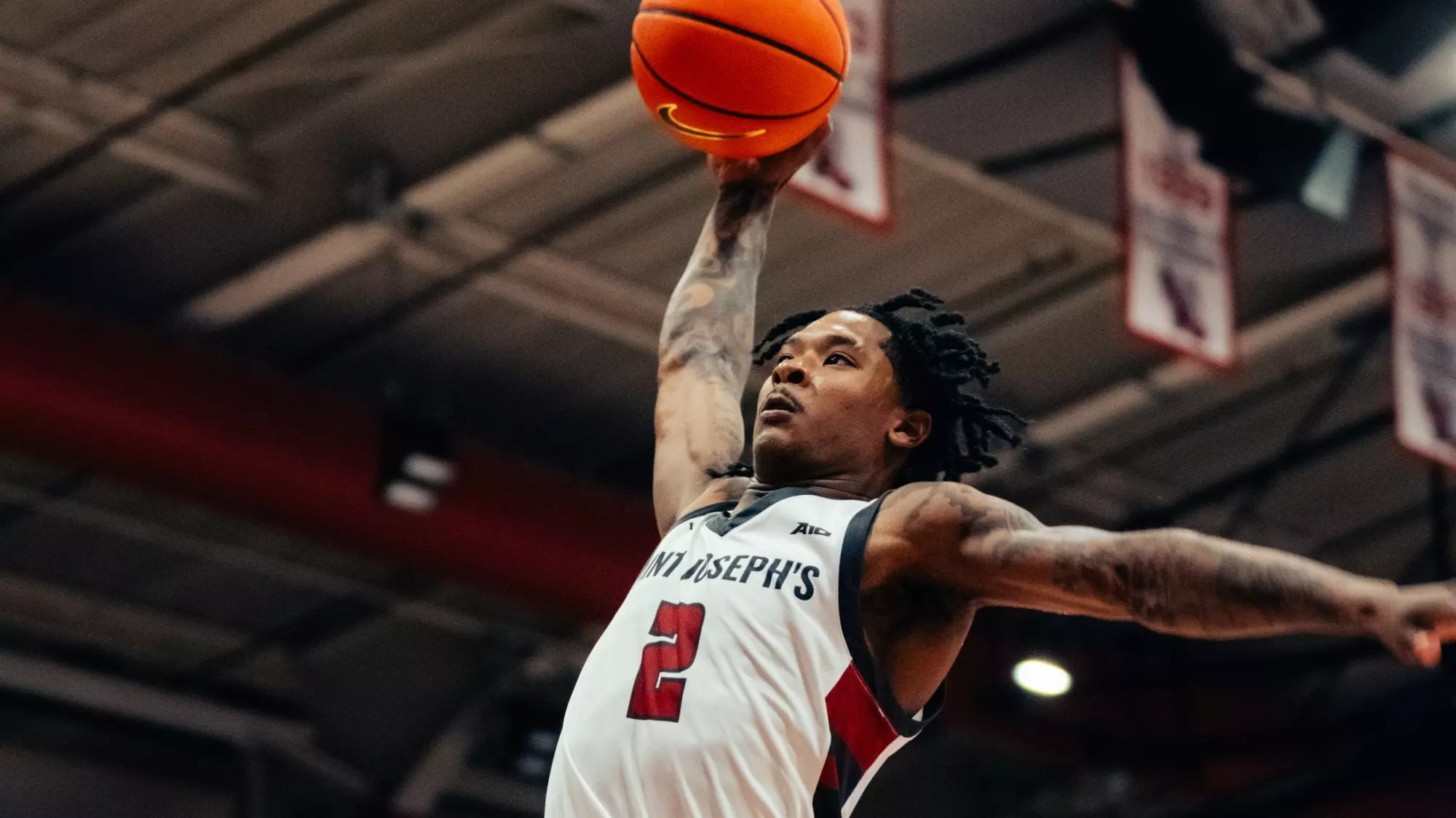
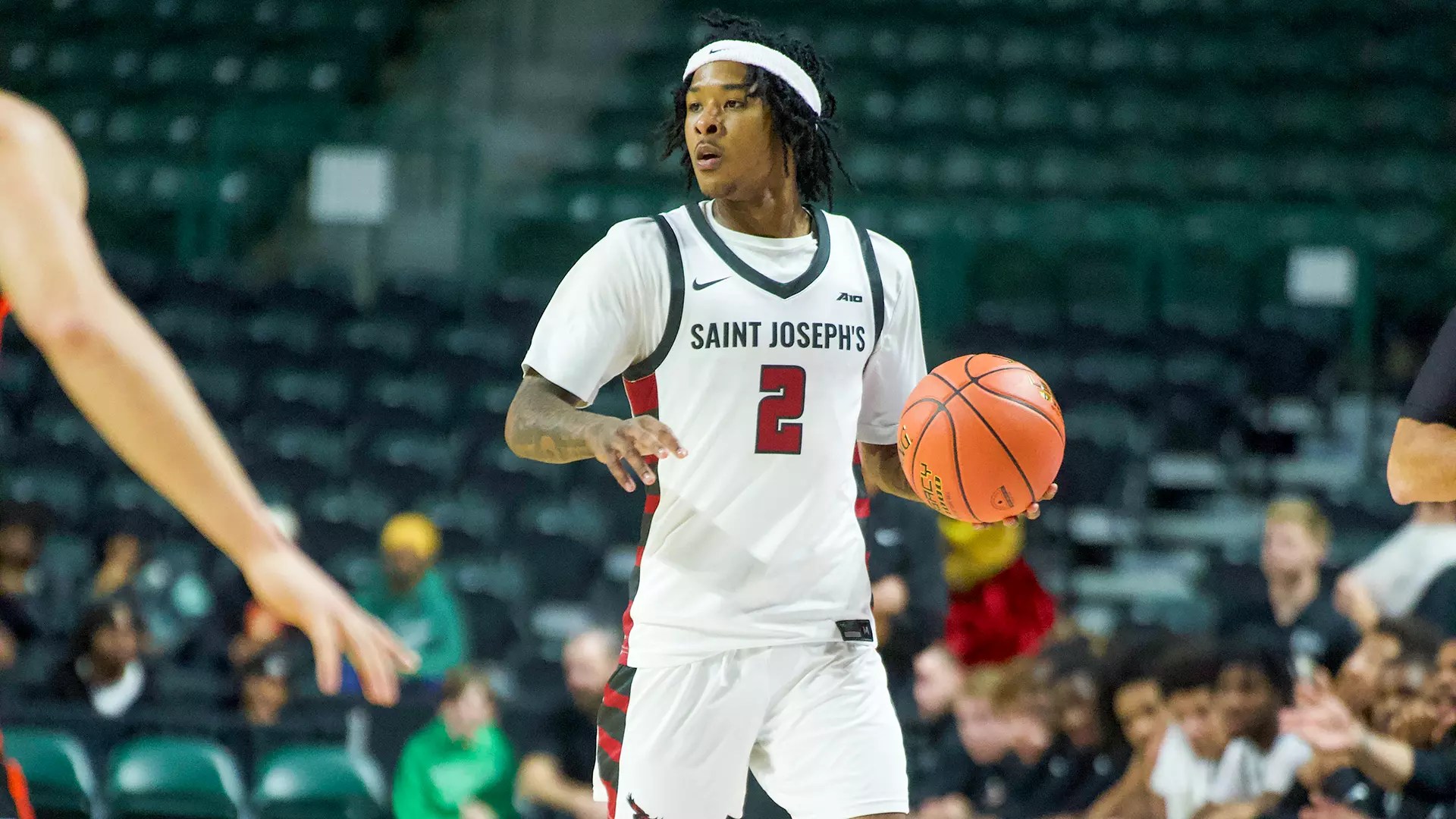
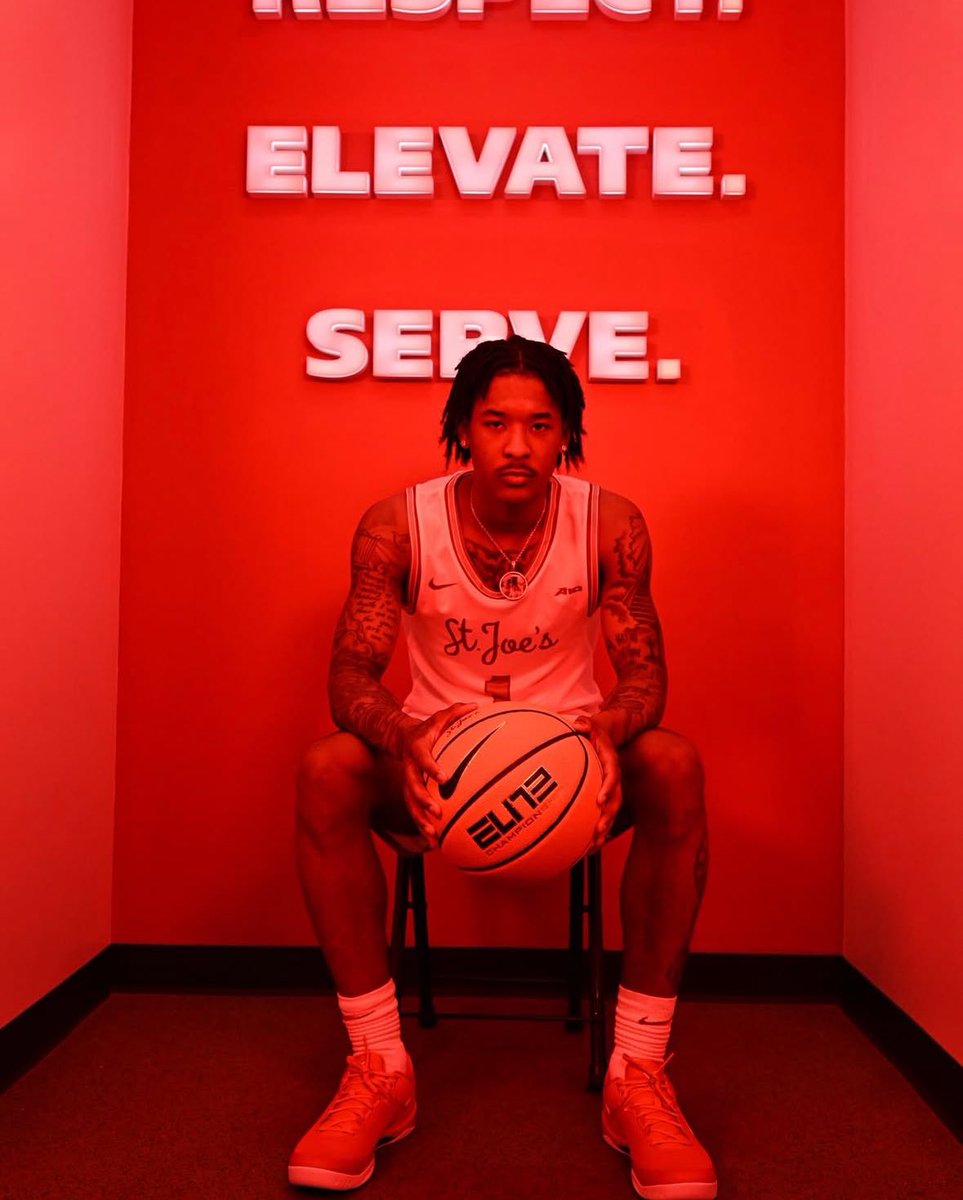
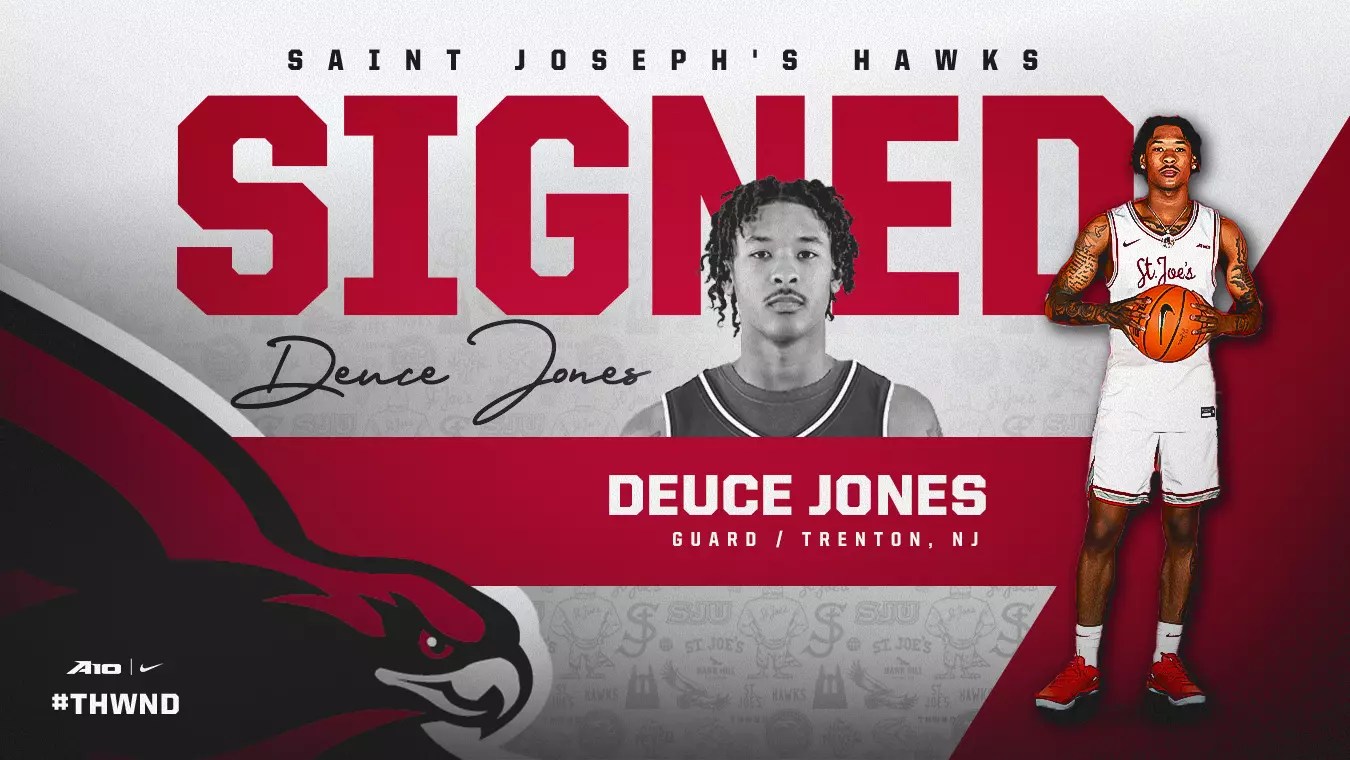
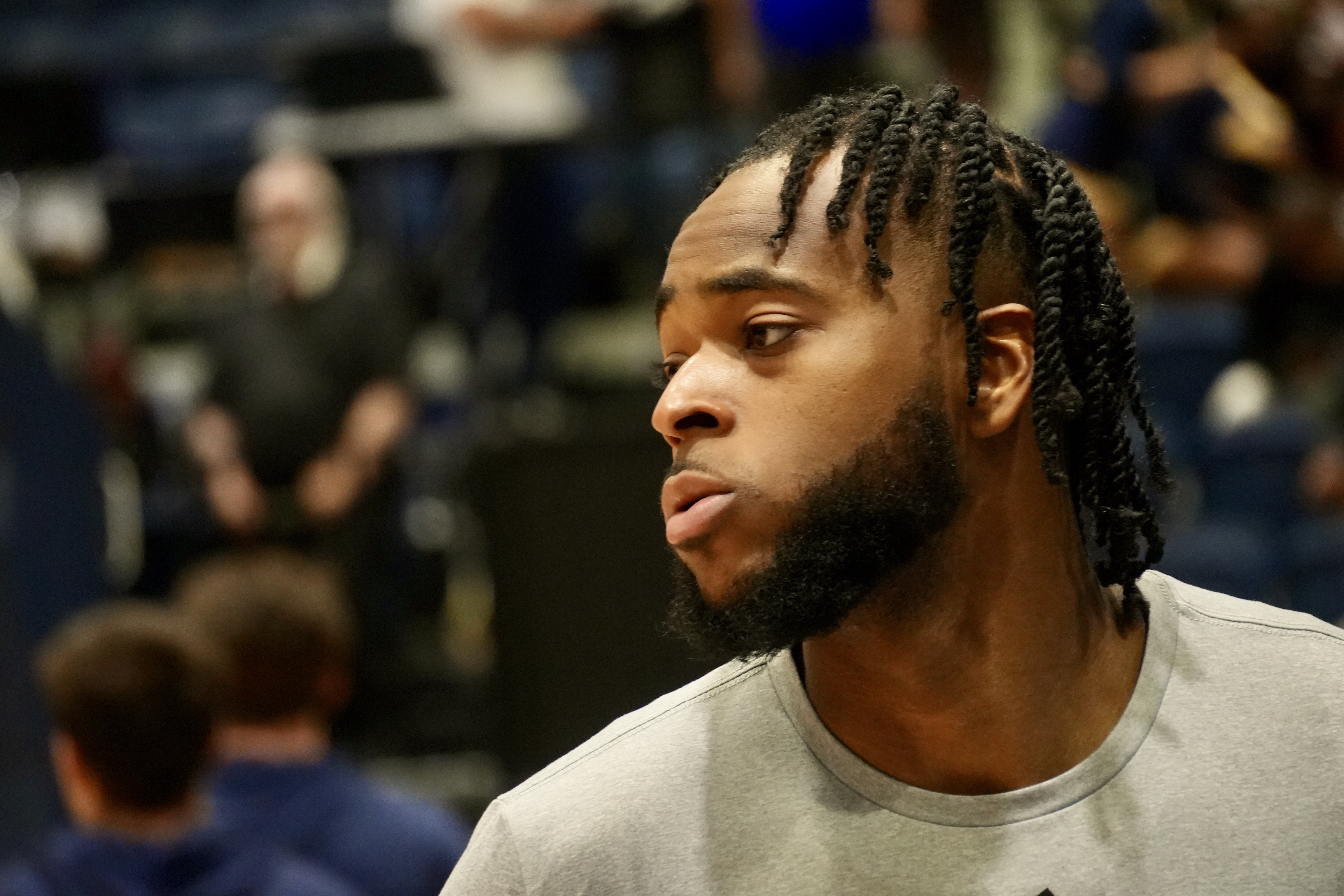
Deuce Jones, La Salle guard

The stained-glass windows of the Palestra, college basketball’s most venerable cathedral, have looked down on decades of Philadelphia basketball lore. They’ve witnessed the intensity of John Chaney stalking the sidelines, the perfection of Saint Joseph’s 2003-04 regular season, and the raw passion of one of sport’s most unique rivalries. For generations, the Philadelphia Big 5 operated within a coherent, predictable universe where tradition mattered, coaches built programs over years, and players became four-year legends on Hawk Hill and North Broad Street.

That world is gone.

The past five years have witnessed what philosopher Thomas Kuhn termed a “paradigm shift”—a revolutionary, non-cumulative break from the old order. The emergence of Name, Image, and Likeness (NIL) compensation and unlimited transfers with immediate eligibility has not merely reformed college basketball; it has created an entirely new ecosystem. The NCAA’s old model of amateurism lies in ruins, dismantled by Justice Brett Kavanaugh’s blistering concurrence in NCAA v. Alston, which declared, “The NCAA is not above the law”.

The question now haunting Philadelphia’s basketball temples is no longer which team will win the city championship, but what constitutes success when the rules of competition have been fundamentally rewritten.

The Shattered Paradigm: Free Agency and Finances

The old paradigm of college athletics was built on stability—the “amateur ideal” where athletes were “student-athletes,” transfers were heavily restricted, and the NCAA maintained absolute control. This framework provided a predictable environment where programs could build through patient development of high school recruits and coaches could construct cultures that lasted decades.

Dasear Haskins, St. Joseph’s wing

The new paradigm operates with entirely different principles:

  • Year-Round Free Agency: The transfer portal has created a marketplace of immediate eligibility, where rosters turn over annually
  • Financial Competition: NIL collectives now determine recruiting outcomes as much as coaching reputations or facilities

Transactional Relationships: Concepts like “loyalty” and “program building” have been redefined in a world where players must be re-recruited each offseason 

This violent rupture has created what Kuhn would call “incommensurable” worlds—the old and new systems are so fundamentally different that stakeholders literally “see different things when they look at the same object” . An “offer” from a school once meant an athletic scholarship; today, it represents a complex package of scholarship, NIL money, and branding opportunities.

Philadelphia’s Pain: Three Years in the Wilderness

The human cost of this revolution is nowhere more evident than in the Big 5’s unprecedented three-year NCAA tournament drought. For the first time in the rivalry’s storied history, no Philadelphia team has danced in March for three consecutive seasons—a stark indication of how dramatically the competitive landscape has shifted.

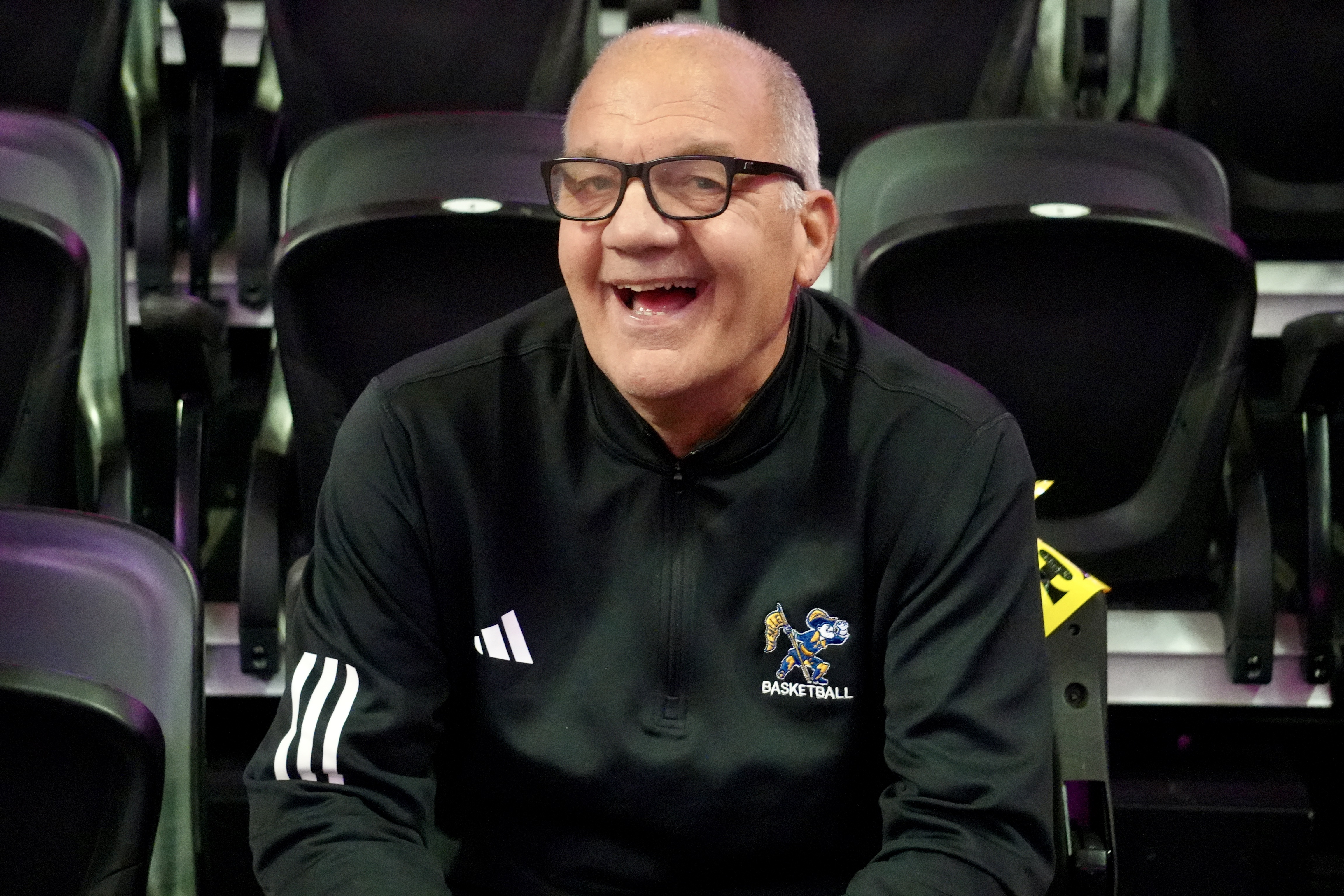
Joe Mihalich, La Salle Special Assistant to Head Coach

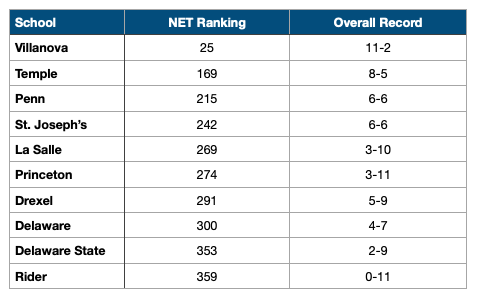
The following table illustrates the challenging preseason outlook for the Big 5 programs according to recent analyses:

The bleak projections reflect the harsh new reality: in a landscape dominated by programs that can leverage financial resources and transfer portal appeal, most of Philadelphia’s teams are fighting with one hand tied behind their backs.

Villanova’s Blueprint: Competing in the Power 6

Villanova stands alone as the only Big 5 program with reasonable aspirations of national relevance. The Wildcats benefit from competing in what analysts now call the “Power 6”—the six basketball conferences that consistently outperform others in NCAA tournament seeding and wins. The Big East has earned at least five NCAA tournament bids in three of the past five seasons, providing Villanova with multiple pathways to the Dance.

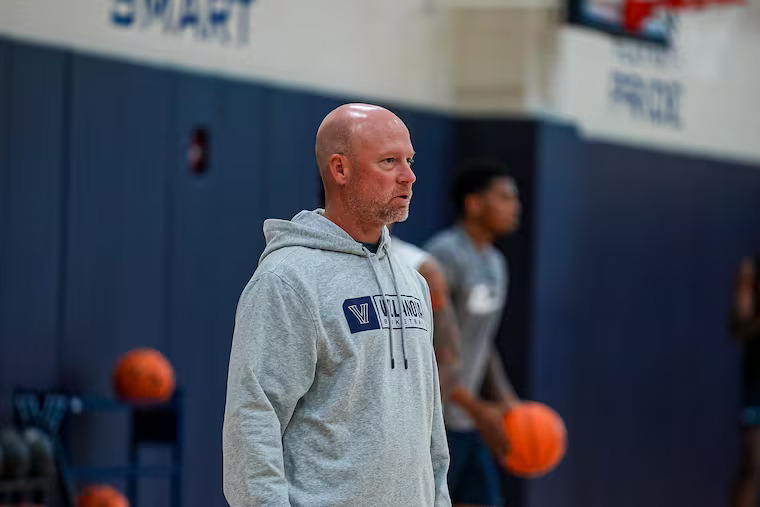
Bryce Lindsay, Villanova guard

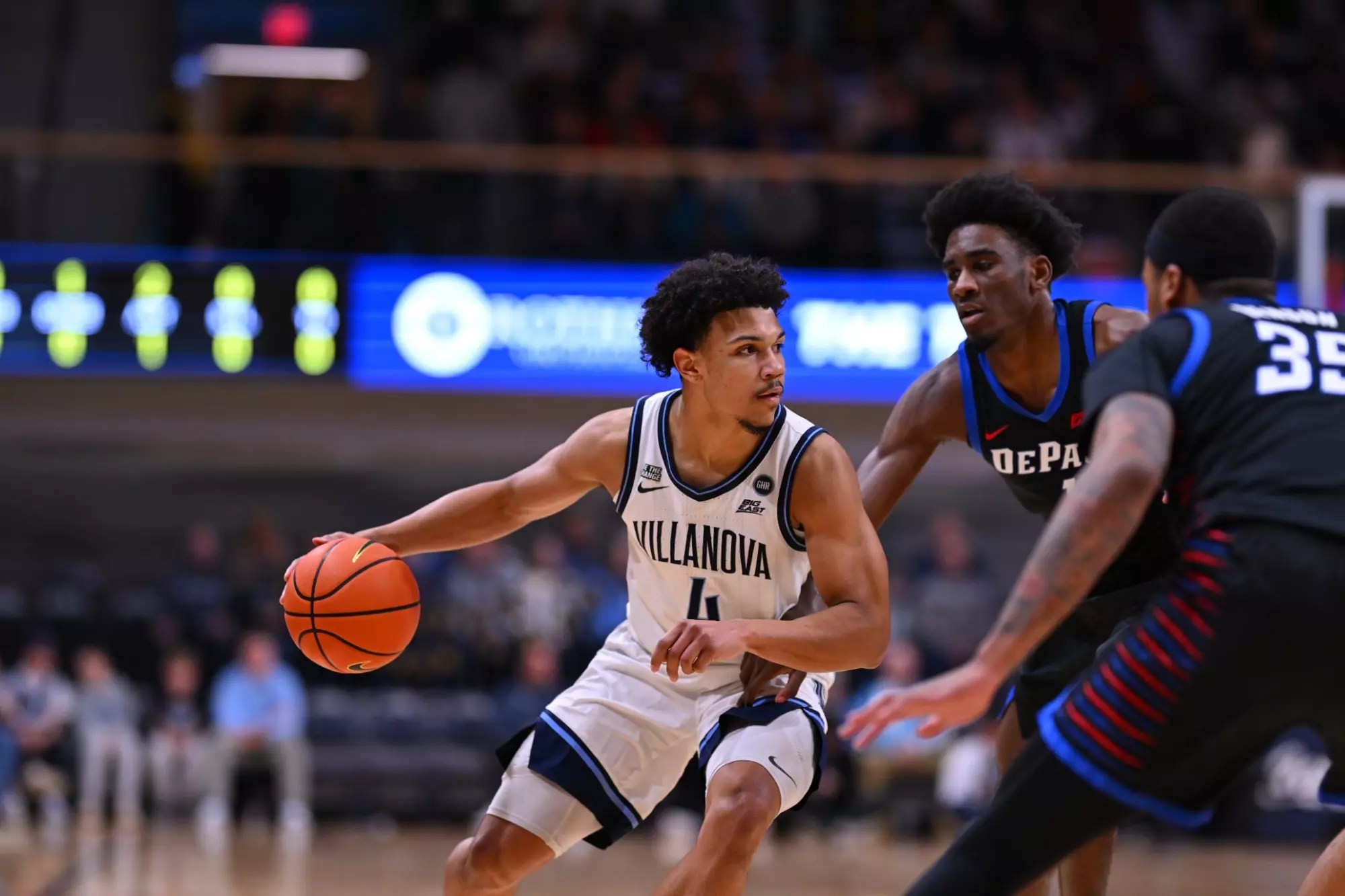
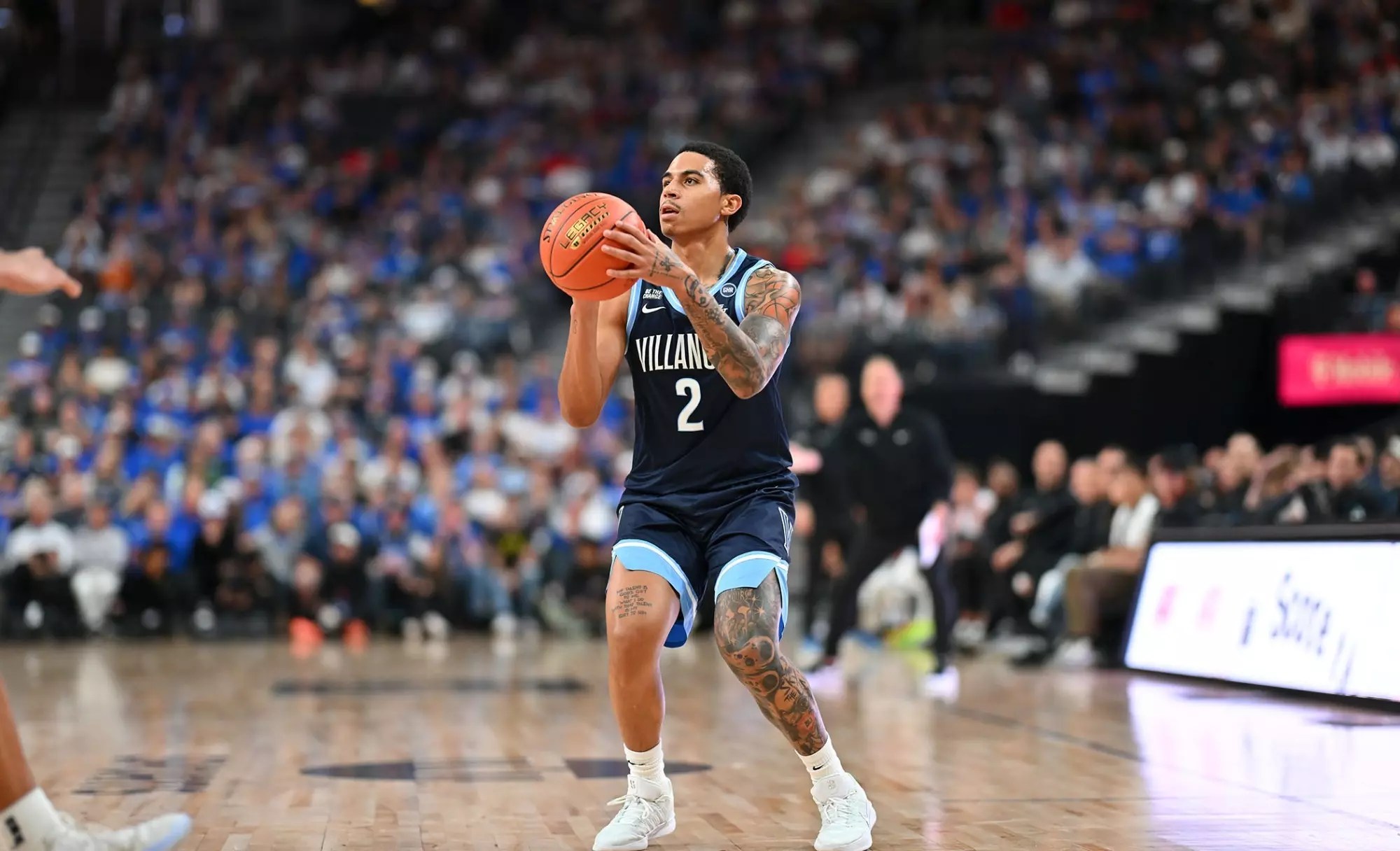
Under first-year coach Kevin Willard, the Wildcats are attempting to leverage their substantial resources—including a robust NIL collective and national brand recognition—to compete in the new paradigm. The program has become a destination for transfers like Bryce Lindsay (James Madison) and Tyler Perkins (Penn), players who can provide immediate production.

Yet even Villanova faces headwinds. The team was picked 7th in the 11-team Big East preseason poll. As one analysis noted, the Wildcats are “relying on players who are stepping up in class, such as Lindsay… or first-year players who have talent but not experience”. In the new paradigm, success requires not just recruiting talent, but constantly rebuilding rosters in an increasingly transactional environment.

Temple’s Storied History Meets Hard New Reality

For Temple, the paradigm shift has been particularly brutal. This is a program with 33 NCAA tournament appearances, 5 Elite Eights, and 2 Final Fours—a legacy built over decades by coaching legends like Chaney, who took the Owls to 17 tournaments in 18 seasons.

Aiden Tobiason, Temple guard

That historical success now means little in the new ecosystem. Temple has made just two NCAA appearances in the past 12 seasons, and this year was picked 9th in the 13-team American Athletic Conference. The AAC typically receives only 1-2 NCAA tournament bids per season, creating a brutal competitive environment where even strong conference records may not be enough for at-large consideration.

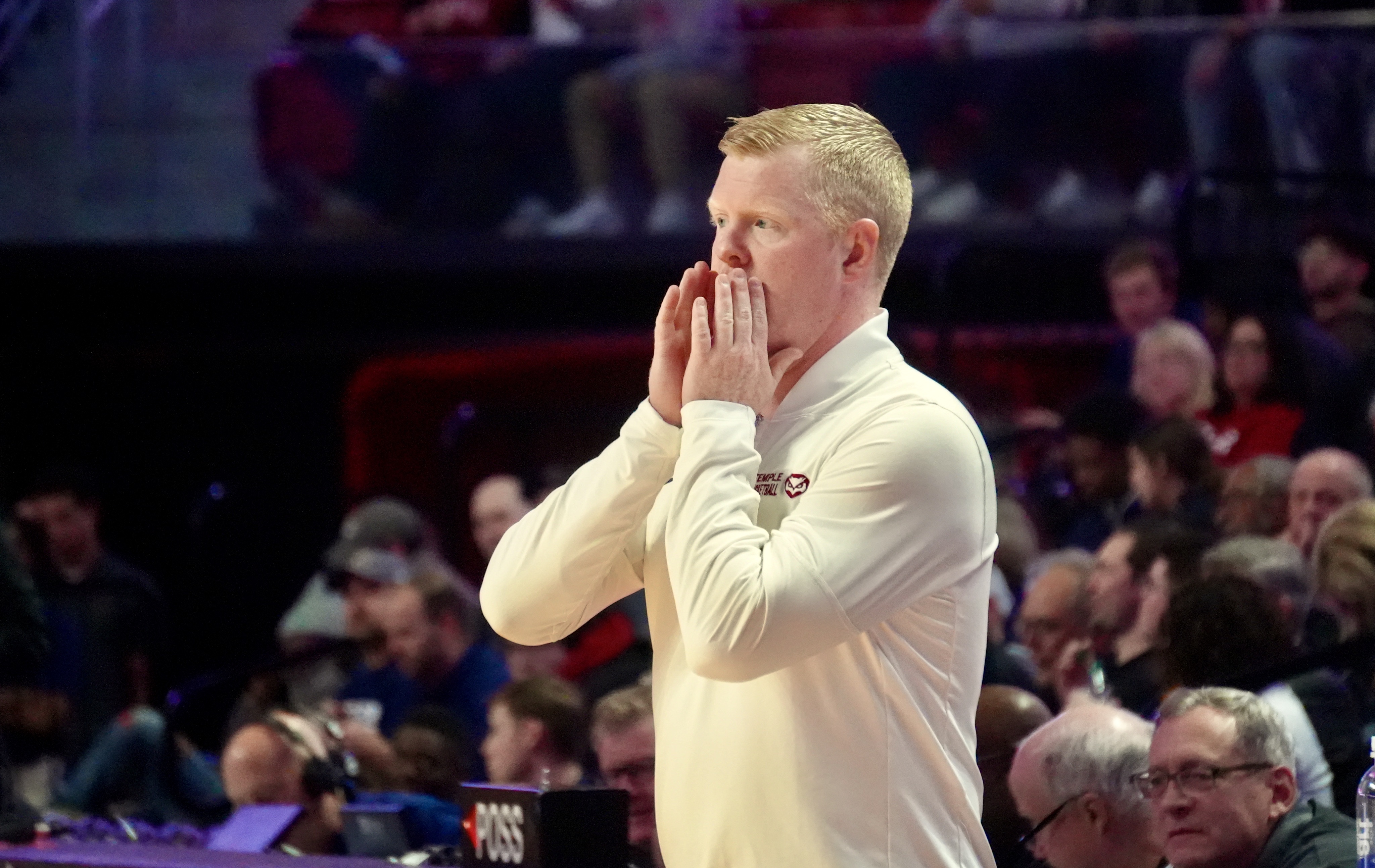
Coach Adam Fisher acknowledges the rebuilding challenge, noting that last season “things could go wrong… they did” with injuries, suspensions, and departures. In the new paradigm, “rebuilding” no longer means developing freshmen over four years, but aggressively working the transfer portal to replace departing talent—a challenge for programs without the NIL war chests of Power 6 competitors.

Saint Joseph’s: The Middle-Class Squeeze

Saint Joseph’s exemplifies the “middle-class” programs caught between historical success and current realities. The Hawks have 21 NCAA tournament appearances, an Elite Eight, and a Final Four in their history, with legends like Jack Ramsay and Phil Martelli accounting for two-thirds of those tournament trips.

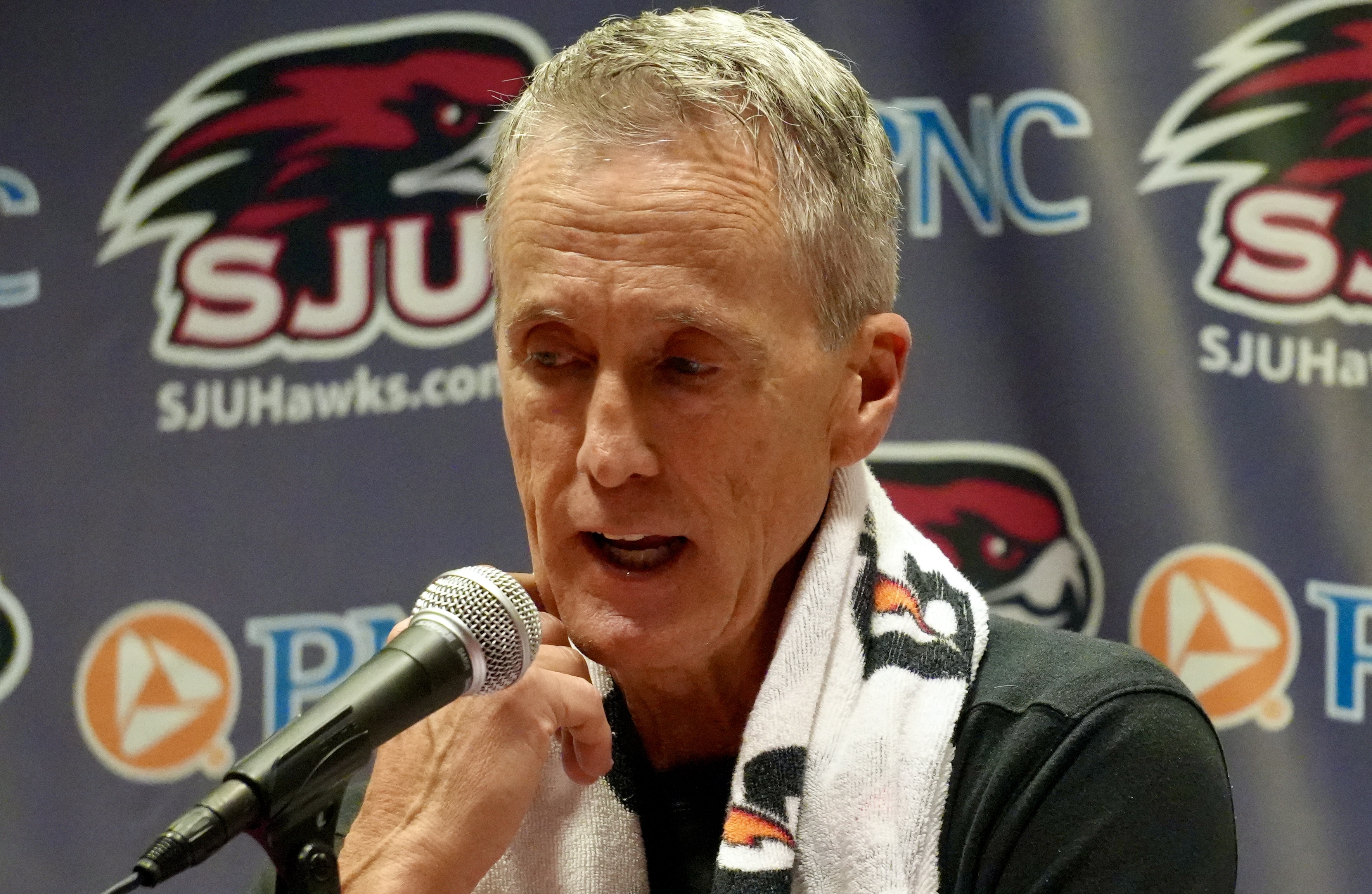
Steve Donahue, St. Joseph’s Head Coach

Yet the program has zero NCAA appearances in the past decade, and despite winning 22 games and a second straight Big 5 title last season, home losses to teams like Central Connecticut and Princeton crushed at-large hopes. This season, the Hawks were picked 7th in the 14-team Atlantic 10, another conference that typically receives only 1-2 NCAA bids annually.

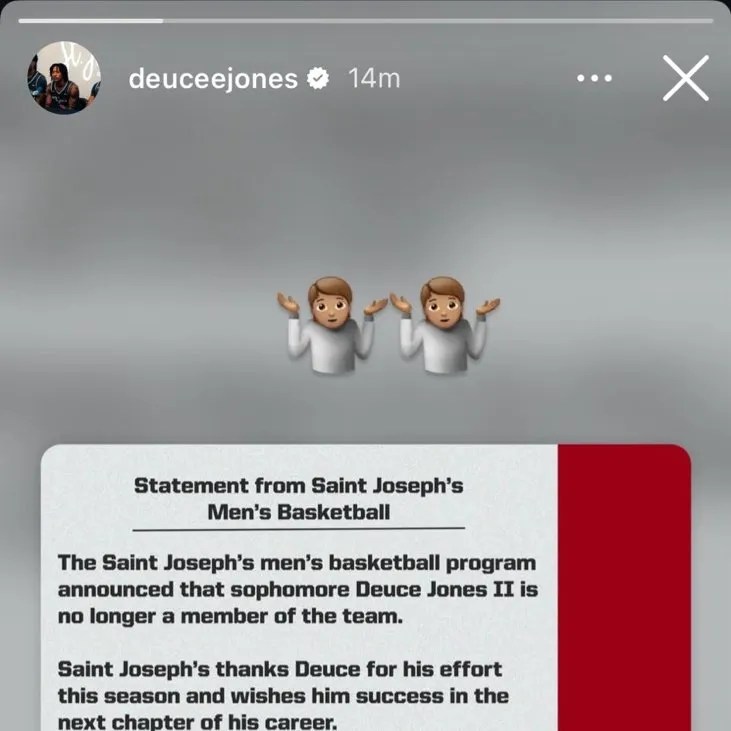
The September resignation of Billy Lange created additional instability, though successor Steve Donahue has talent to work with, including La Salle transfer and reigning A-10 Rookie of the Year Deuce Jones. Donahue believes this is “the most athletic team he’s ever coached”, but in the new paradigm, athleticism alone cannot overcome the structural disadvantages facing mid-major programs.

Penn’s Ivy League Transformation

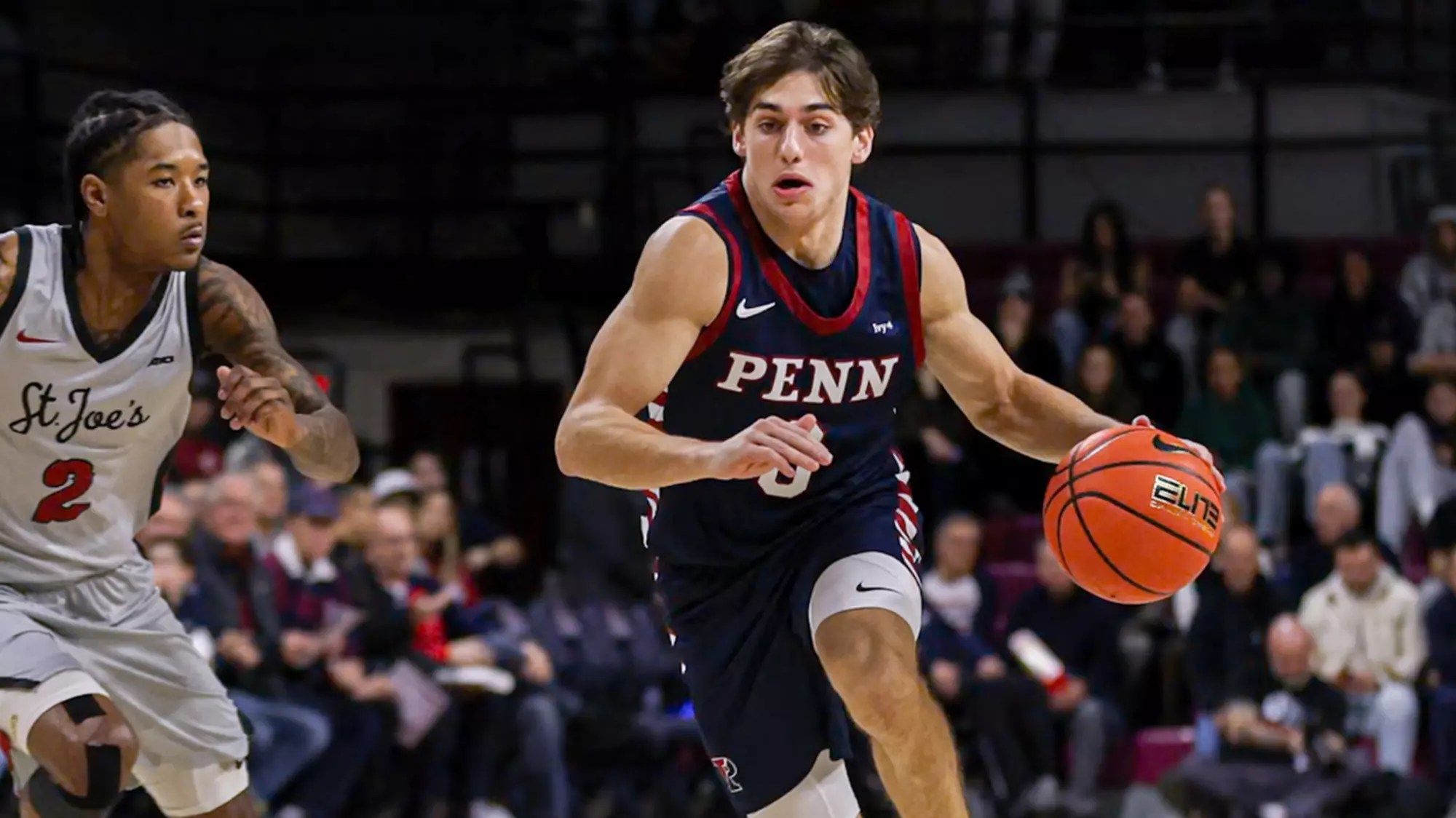
The Quakers represent one of the most fascinating case studies in adaptation. Despite being picked 7th in the 8-team Ivy League, some analysts believe Penn has the best chance among the city’s programs (outside of Villanova) to make noise this season.

Fran McCaffery, Penn Head Coach

The reason? First-year coach Fran McCaffery—the winningest coach in Iowa history—and his ability to leverage the transfer portal, landing former five-star recruit T.J. Power from Virginia. The Quakers also return standout Ethan Roberts (16.8 points per game).

McCaffery’s hiring signals that even Ivy League programs, with their strict academic requirements and no athletic scholarships, must compete aggressively in the new marketplace. As one analysis noted, “If Roberts plays well and Power is healthy and Penn quickly adapts to McCaffery’s style, the Quakers could sneak into the No. 4 spot in the league” and then “anything is possible” in the Ivy League tournament.

La Salle and Drexel: The New Reality’s Hard Edge

For La Salle and Drexel, the new paradigm has created near-insurmountable barriers to national relevance.

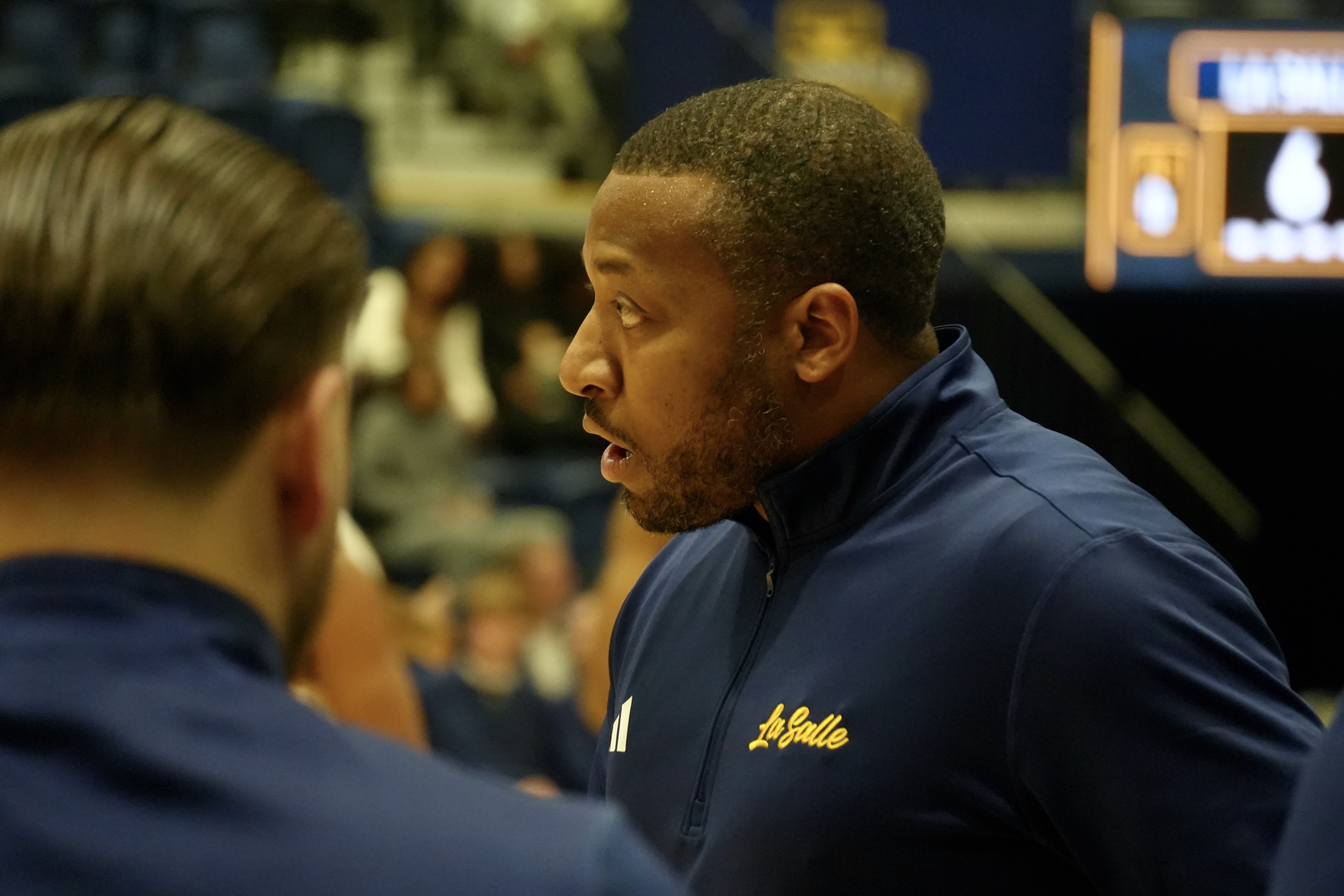
Darris Nichols, La Salle Head Coach

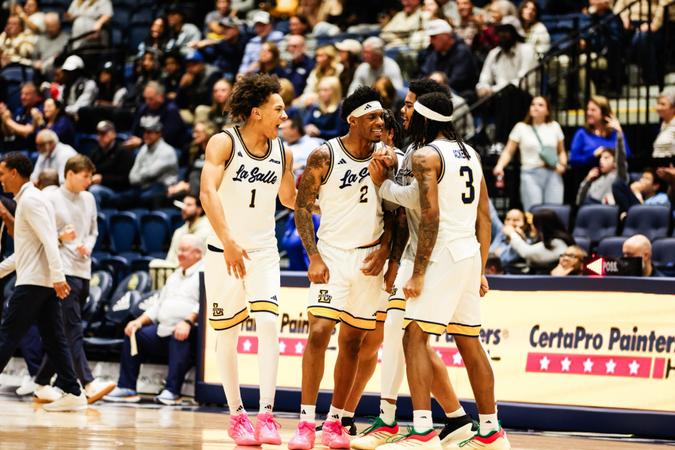
La Salle, with its 12 NCAA tournaments, 2 Final Fours, and a National Championship, has played in just one NCAA tournament over the past 34 years. First-year coach Darris Nichols has brought “youthful enthusiasm and renewed energy” to the program, but the Explorers were picked 13th in the 14-team A-10. As one analysis bluntly stated: “It is a really long way to go from being picked one spot from the bottom of the A-10 to winning the conference title”.

Drexel faces similar challenges in the CAA, a one-bid league where the Dragons were projected 10th of 13 teams. The transfer portal has been particularly unkind to Drexel, with standouts like Yame Butler (Butler), Kobe Magee (Florida State), and Cole Hargrove (Providence) all departing for bigger programs—and presumably, bigger paydays. This talent drain from mid-majors to power conferences represents one of the most significant consequences of the new paradigm.

Redefining Success in the Athlete Empowerment Era

In this new world, the criteria for a “good season” must be recalibrated for all but the elite programs:

  • For Villanova: Success means NCAA tournament appearances and Sweet 16 runs—maintaining status as a national program capable of competing with college basketball’s financial elite
  • For Temple: Given conference constraints, an NCAA tournament appearance represents a major achievement, requiring either a conference tournament championship or a spectacular regular season
  • For Saint Joseph’s: Realistic success means NIT victories and consistent competitiveness in the A-10, with NCAA appearances representing extraordinary rather than expected outcomes
  • For Penn: An NIT appearance would signal remarkable progress, particularly given their preseason projection, and would validate their aggressive adaptation to the new landscape
  • For La Salle and Drexel: Simply reaching the NIT would represent significant achievement, indicating program momentum in an era where mid-majors struggle to retain talent

The tectonic plates of college sports have shifted, and Philadelphia basketball sits directly on the fault line. The Palestra still stands, but the games played within its hallowed halls are governed by new rules— both written and unwritten. The paradigm has shifted, and in this new world, survival itself constitutes a form of victory.

College Athletics’ Revolution: How a Paradigm Shift Is Redefining the Game

PHILADELPHIA, PA – The tectonic plates of college sports have shifted, and the landscape will never be the same.

For decades, the world of college athletics operated as a coherent, predictable universe. It was a system where the term “student-athlete” was sacrosanct, amateurism was the guiding creed, and the National Collegiate Athletic Association (NCAA) was the unquestioned governing authority. This model, however, has not merely evolved. It has been violently upended. The past five years have witnessed what the philosopher of science Thomas Kuhn would term a “paradigm shift”—a revolutionary, non-cumulative break from the old order, driven by legal challenges that shattered the NCAA’s foundational principles.

Temple alum and former NBA player, Marc Jackson announcing the La Salle vs Temple matchup

The emergence of name, image, and likeness (NIL) compensation and unlimited transfers with immediate eligibility has not reformed the system; it has created a new one, fundamentally altering the nature of college sports, especially football and men’s and women’s basketball.

The Kuhn Framework: How Revolutions Unfold

To understand what is happening in college sports, one must first understand Kuhn’s theory of scientific revolutions. In his seminal 1962 work, The Structure of Scientific Revolutions, Kuhn argued that scientific progress is not a linear, cumulative process. Instead, it occurs through violent ruptures he called “paradigm shifts”.

La Salle forward Jerome Brewer

A paradigm is a framework of beliefs, values, and techniques shared by a community. For a time, it provides model problems and solutions in a process Kuhn labeled “normal science.”

But eventually, anomalies—observations the prevailing paradigm cannot explain—accumulate, leading to a period of crisis. This crisis deepens until the old paradigm is overthrown and replaced by a new, incompatible one. The new paradigm is “incommensurable” with the old; they are so different that proponents of each see the world differently, use different definitions, and fundamentally talk past one another. This is not a change in degree, but in kind. It is a gestalt switch, where a drawing that was once seen as a duck is now seen as a rabbit, and it is impossible to see both at once.

The Age of ‘Normal Science’ in College Athletics

For the better part of a century, college athletics existed in a prolonged state of Kuhn’s “normal science.” The dominant paradigm was the “amateur ideal.” Its core tenets were simple and universally accepted within the industry:

Camden resident and Big 5 fan, Hunner Cotton

No Pay-for-Play: Athletes were “amateurs” who could not be compensated for their athletic performance beyond the cost of attendance

Limited Mobility: Transfers were heavily restricted, often requiring athletes to sit out a year of competition, thereby discouraging movement

Institutional Control: The NCAA and its member institutions held absolute power to set and enforce the rules

This paradigm was not merely a set of rules; it was a worldview. It defined the very product. As Kuhn might have observed, it told everyone in the system—administrators, coaches, athletes, and fans—how to think and behave. It provided a stable, predictable environment where seasons unfolded with rosters fans could recognize from year to year, and where the NCAA’s authority was as assumed as the rules of gravity.

Accumulating Anomalies and the Onset of Crisis

The facade of this stable world began to crack under the weight of mounting anomalies. The commercial reality of college sports—the billion-dollar television contracts, massive coaching salaries, and lavish facilities—increasingly clashed with the amateur ideology.

Joe Mihalich, Special Assistant to the Head Coach at La Salle University

The sight of athletes, particularly in revenue-generating football and basketball, generating immense wealth without sharing in it became an undeniable contradiction.

This set the stage for a crisis, triggered by a series of legal challenges that acted as Kuhn’s “extraordinary research”. The courts became the laboratory where the old paradigm was tested and found wanting.

The Alston Decision: The pivotal blow came in 2021 from the U.S. Supreme Court in NCAA v. Alston. While the case specifically dealt with education-related benefits, Justice Neil Gorsuch’s majority opinion unequivocally declined to grant the NCAA “immunity from the normal operation of the antitrust laws”.

Justice Kavanaugh’s Concurrence: The true harbinger of revolution was Justice Brett Kavanaugh’s blistering concurrence. He called the ruling a necessary “course correction” and laid bare the anomaly at the system’s core: “Nowhere else in America can businesses get away with agreeing not to pay their workers a fair market rate on the theory that their product is defined by not paying their workers a fair market rate,” he wrote. “The NCAA is not above the law”.

This judicial dismantling of the NCAA’s legal shield created a state of deep crisis. The old paradigm was no longer tenable, and the search for a new one began.

Adam Fisher, Temple Head Coach

The Revolution Unleashed: A New World Order

The collapse of the old model under legal pressure has rapidly given way to a new paradigm, characterized by two revolutionary changes:

Name, Image, and Likeness (NIL): Since 2021, athletes have been allowed to profit from their fame through endorsements, appearances, and social media promotions. This was the death knell for pure amateurism.

Unlimited Transfers with Immediate Eligibility: Following relentless antitrust lawsuits from state attorneys general and the U.S. Department of Justice, the NCAA’s transfer restrictions have been eviscerated.

Athletes can now enter the transfer portal multiple times and play immediately at their new school, creating a system of year-round free agency.


The following table contrasts the core elements of the old and new paradigms in college athletics:

This new system is not merely an adjustment. It is a fundamental redefinition of what college sports are.

Bob Jordan, Temple Assistant Coach

Living in Incommensurable Worlds

The chasm between the old and new paradigms is so vast that they are, in Kuhn’s terms, incommensurable. Stakeholders are effectively living in different realities.

Different Standards: Concepts like “loyalty” and “team-building” now have entirely different meanings. A coach bemoaning a player’s lack of loyalty, based on the old standard of a four-year commitment, cannot communicate with a player operating in a new world where loyalty must be re-earned by the program year after year through NIL offers and playing time

Different Worlds: Coaches now navigate a “transactional culture”. As one soccer coach lamented regarding new roster limits, the focus is on “hit[ting] on virtually all of the 5-6 commits each year,” turning recruiting from an art of potential into a science of immediate ROI . Meanwhile, athletes see themselves not just as students, but as entrepreneurs managing their own brands.

Communication Breakdown: The same words mean different things. An “offer” from a school once meant an athletic scholarship. Now, it is a complex package of scholarship, NIL money from a collective, and potential branding opportunities. When administrators, coaches, athletes, and fans use the term “college sports,” they are, quite literally, talking about different things.


Temple star guard Aiden Tobiason

The View from the Palestra: A Case Study in Revolution

The human cost of this revolution is etched into the history of Philadelphia’s Big 5. For more than six decades, the rivalry between LaSalle, Pennsylvania, St. Joseph’s, Temple, and Villanova was a unique institution in college basketball, a frenetic and beloved intracity competition housed in the musty, hallowed halls of the Palestra.

Big 5 basketball as it existed for generations is dead.

The paradigm shift has turned its teams into annual collections of mercenaries. This year’s rosters at Temple, Villanova, and La Salle are not built through years of patient development and freshman recruiting classes. They are assembled through the transfer portal, featuring 12 to 15 new players who are, in effect, paid free agents. The continuity that allowed for deep, city-wide narratives and enduring player legacies has been shattered. The old-timers who cherish the traditions of the Palestra and the new-age fans who track transfer portal rankings now inhabit incommensurable worlds, looking at the same court but seeing entirely different games.

Darris Nichols, La Salle Head Coach

The Uncharted Future

Where this new paradigm will ultimately lead is still uncertain. The revolution has created winners and losers, bestowing newfound wealth and freedom on some athletes while creating instability and uncertainty for others. The core challenge of this nascent paradigm is its sheer chaos—a lack of uniform regulation, concerns over the exploitation of young athletes, and the erosion of any semblance of a level playing field.

Thomas Kuhn taught us that paradigm shifts are not about progress in a moral sense, but about the replacement of one worldview with another. The old paradigm of amateurism is gone, discredited by the courts and abandoned by the culture. The new paradigm of athlete empowerment and free agency is still crystallizing, its final shape unknown. The revolution is complete. The incommensurable has arrived. The games will continue, but they will never be the same.

I miss Micheal Brooks, John Pinone, Mo Martin, Rodney Blake, Howie Evans, Lionel Simmons, Mark Macon, Tim Perry, Mike Vreeswyk, Jameer Nelson, Rap Curry, Bernard Bunt, Jerome Allen, Matt Maloney and Rashid Bey on the court.

I miss John Chaney, Fran Dunphy, Bruiser Flint, Phil Martelli, John Giannini and Rollie Massimino on the sidelines.

Naaaaah… I can’t lie… I don’t miss Rollie.

In a Shifting Basketball Landscape, Phil Martelli’s “Philadelphia Coaching Academy” Partners with Black Cager Fall Classic to Reclaim the Art of Coaching

PHILADELPHIA — In an era defined by the seismic influence of Name, Image and Likeness (NIL) advisors, sports agents, and the directors of national basketball academies, a new initiative is aiming to return the focus of youth basketball to its foundational element: teaching the game.

The Philly Coaching Academy, a venture from P and J Enterprises founded by former Saint Joseph’s University and former Michigan associate head coach Phil Martelli, has been named an official sponsor of the upcoming Black Cager Fall Classic. The partnership signals a concerted effort to address a growing void in the development of basketball coaches at the grassroots level.

Phil Martelli

The announcement comes amid what many insiders describe as a paradigm shift in youth and scholastic basketball. The insertion of substantial student-athlete compensation has fundamentally altered the player development process, creating an ecosystem where financially motivated “handlers” and the allure of national programs often overshadow the core mission of instruction and mentorship. Consequently, less time, energy, and resources are being devoted to cultivating the next generation of skilled coaches.

“In today’s environment, the term ‘coach’ can be diluted. A true coach is a person who trains, instructs, and guides a team to improve their skills and performance, with winning as a byproduct of that process,” said Martelli, a Hall of Fame inductee of the Philadelphia Big 5 and one of the most respected figures in the sport. “We are determined to identify and develop good, ethical, and effective youth and scholastic coaches who embody that definition.”

To that end, the Philadelphia  Coaching Academy has been created specifically for coaches operating at the CYO, middle school, recreational, and travel team levels. The academy’s goal is to equip these coaches with the tools to plan and execute efficient, effective practices. The curriculum will be delivered through four standalone sessions, each featuring on-court demonstrations of drills presented by Martelli and other prominent high school coaches.

Delgreco Wilson, founder of Black Cager Sports, expressed strong support for the partnership, drawing from his long-standing observation of Martelli’s career.

“I’ve been fortunate to witness Martelli’s entire coaching journey. More than any other coach I’ve encountered, Martelli has been an open book. His practices were always accessible,” Wilson said. “He is the right guy to teach young Philly men and women how to be professional youth and scholastic basketball coaches.”

As part of the sponsorship, a coach from every high school participating in the Black Cager Fall Classic will be invited to a exclusive Zoom webinar with Martelli. Furthermore, the head coach of two participating Fall Classic teams will receive full certificates to attend a session of the Philadelphia Coaching Academy.

Wilson emphasized the critical timing of this initiative, stating, “Martelli is absolutely the right guy, and this is definitely the right time to focus on actually teaching and coaching the game of basketball. We’ve seen the business side expand rapidly; now it’s time to reinvest in the craft of coaching itself.”

The collaboration between the Philadelphia Coaching Academy and the Black Cager Fall Classic represents a significant step toward reinforcing the instructional backbone of the sport, ensuring that the coaches guiding young athletes are as developed and dedicated as the players they mentor.

About the Philadelphia Coaching Academy:
Founded by Phil Martelli through P and J Enterprises, the Philadelphia Coaching Academy is dedicated to the education and development of basketball coaches at the youth and scholastic levels. Through a series of intensive, practical sessions, the academy provides coaches with the fundamental principles of practice planning, skill development, and team instruction.

About the Black Cager Fall Classic:
The Black Cager Fall Classic is a premier showcase event presented by Black Cager Sports, featuring top high school basketball talent from the Philadelphia region and beyond. It serves as a critical platform for player exposure and development at the onset of the school year.

###

Media Contact:
Delgreco Wilson
Managing Editor, Black Cager Sports
blackcager@gmail.com

Jerome Brewer’s La Salle University Homecoming: A Lesson in Maturity and Purpose

CAMDEN, NJ – In an era when college basketball players often chase the brightest spotlight or the most lucrative NIL deals, Jerome Brewer’s decision to return home stands as a rare act of introspection and social responsibility. The 6’8” forward, who has navigated a winding collegiate journey from Texas A&M Commerce to McNeese State, could have followed his former coach to North Carolina State or sought a bigger stage elsewhere. Instead, he chose La Salle University—not just for basketball, but to fulfill a deeper mission.

Brewer’s choice reflects a maturity beyond his years. At a time when young athletes are frequently pressured to prioritize immediate success, he considered something more enduring: his ability to influence the next generation. His insistence that La Salle facilitate access for Camden City Public School students to games and practices isn’t a mere publicity gesture; it’s an intentional effort to reinforce the values that shaped him.

“Sports act as an agent of socialization,” Brewer said, articulating a perspective more common among seasoned coaches than 22-year-old players. “They teach values, behaviors, and skills—teamwork, communication, resilience.” His words underscore an awareness of basketball’s broader role, one that extends far beyond the box score.

This understanding didn’t emerge in a vacuum. Brewer’s formative years were spent in Camden’s gyms, where the game was both an escape and an education. After a brief stint in the Philadelphia Catholic League, he returned to Camden High, helping restore its basketball prominence alongside future Division I standouts. When college offers didn’t meet his expectations, he bet on himself—first at prep school, then in the Southland Conference, where he blossomed into an All-League performer before injury intervened.

His resilience was tested again last year when he redshirted at McNeese State, biding his time for the right opportunity. When it arrived, he weighed his options with the discernment of someone who recognizes that a career is more than stats or conference prestige. He thought of his younger brother, Domani, a budding seventh-grade phenom who now has a front-row seat to his brother’s final collegiate chapters. He thought of Camden’s kids, who will see in him a path forward.

Camden Mayor Vic Carstarphen, a former Temple standout under John Chaney, praised Brewer’s character, calling him “one of the finest student-athletes to come through Camden in recent years.” City Councilman Arthur Barclay, who played for John Calipari at Memphis, highlighted Brewer’s potential as a role model: “He was one of them not long ago. Now, he’s showing them what’s possible.”

La Salle, under new coach Darris Nichols, gains not just a versatile forward who can stretch defenses and guard multiple positions, but a leader who grasps the weight of his platform. In return, Brewer gets a chance to cement his legacy where it matters most—at home.

In an age of fleeting allegiances and transactional relationships, Brewer’s decision is a reminder that some choices are about more than basketball. They’re about purpose. And in that regard, his homecoming is already a victory.

Philly Hoopheads’ Guide to Surviving the Dry Season

PHILADELPHIA, PA – These Philly hoop streets? They dry as a bone, baby. You can cruise every corner of this city, from the gritty blocks to the shiny high-rises, looking for that fire—Purple Haze, Kush, Modified Bananas, whatever your vice—but don’t you dare step foot in South Philly’s Wells Fargo Center. Nah, Daryl Morey and Nick Nurse out here peddling straight-up trash. That shit they pushing? TRASH! Full of seeds, won’t stay lit, burns your throat like cheap rotgut. Shit’ll leave you with a headache and no buzz, just mad as hell. You’ll wanna slap the taste outta Morey and Nurse’s mouths for putting Maxey out there on the corner hustling that garbage. Straight disrespectful.

Now, if you roll through University City, you’ll catch Steve Donahue slinging what I swear is oregano. Man, it’s a damn shame. Back in the day, the Quakers had that premium smoke at 33rd and Walnut. I ain’t lying, I used to puff on that Ugonna Onyekwe and Koko Archibong back in the day—25 years ago, that was the real deal. Before them, Jerome Allen and Matt Maloney were holding it down with that top-shelf product. You could hit that two, three times a week and never feel cheated. These days? Don’t even bother with 33rd and Walnut unless you wanna waste your time and cash.

Over at 34th and Market, Zack Spiker and Wil Chavis are pushing that reggie. Ain’t nothing special about it. Yeah, it’s better than nothing, but it ain’t gonna get you where you need to be. Smoke two, three blunts of that weak sauce, and all you’ll get is the munchies and a whole lotta disappointment.

Now, if you head up to Wynnefield, it’s a crapshoot. Some nights, you might luck up and catch that fire. I’m talking East Coast elite, smooth flavor, strong but not overwhelming. But other nights? Billy Lange’s out there slinging that same ol’ reggie. Coach Lange and Justin Scott need to find themselves a better connect, ‘cause this ain’t cutting it.

Same story at 20th and Olney. Hit it on the right night, and you’ll find that killer “Deuce Jones” strain Fran Dunphy and Donnie Carr been pushing. That’s the good stuff, baby. But too often, they dry, and you’re stuck with that same weak reggie. Heartbreaking.

Now, if you swing down North to Broad and Cecil B. Moore, prepare to be let down. Earlier this year, they had some decent “mid”—not great, but better than reggie. Lately though? Adam Fisher, Chris Clark, and Bob Jordan been serving up straight disappointment. It’s a damn shame, ‘cause John Chaney held it down for 25 years with that killer product. These new cats? They ain’t got the touch.

And don’t even get me started on the Main Line. A few years back, you couldn’t miss. Yeah, it was overpriced, but it was worth every penny. Jay Wright had that hydroponic lab on lock, harvesting that premium smoke. Every batch was fire, and the demand was sky-high. When he opened shop, it was standing room only. But since he handed the keys to Kyle Neptune and Ashley Howard? They serving “mid” now. And for hoopheads used to that top-tier Pavilion smoke, “mid” just don’t cut it.

But here’s the real deal, the not-so-secret secret. If you’re a true Philly hoophead, you know where to go: 3301 Solly Avenue in the Northeast and downtown at Broad and Vine. That’s where the real fire is. I copped some tonight, and let me tell you, it’s the truth.

While the Sixers and these D1 programs keep letting us down, the Philadelphia Catholic League? They holding it down. Night in, night out, these young boys are serving the best smoke in the city. Roman, Catholic, Devon Prep, Father Judge and St. Joseph’s Prep—they all got that high-end, Grade-A Kush. No laced-up, fake-ass product here. The gyms are packed, the lights are bright, and the smoke is pure. The PCL is keeping Philly hoops alive while the big boys keep dropping the ball.

So, if you’re a real hoophead looking for that fix, skip Wells Fargo and these college programs. Head to the Palestra on Sunday for Catholic League Championship. That’s where you’ll find the finest smoke this city has to offer. Trust me, you won’t be disappointed.

The Philly Flavor Behind Delaware State’s Rise to MEAC Glory

PHILADELPHIA, PA – On a brisk Saturday afternoon, December 28, 2024, the Delaware State Hornets swagger into Hagan Arena, on City Avenue, ready to measure themselves against the Saint Joseph’s Hawks. For the Hornets, this isn’t just another game—it’s a homecoming of sorts. The roster hums with Philly flavor, a testament to the keen eye and relentless hustle of Assistant Coach Horace Owens. Owens, a name that carries tremendous weight in Philly hoops, has orchestrated a symphony of second chances and unpolished gems, bringing together a crew that embodies the grit of their hometown.

Stan Waterman, now in his fourth year as head coach, has steadily turned Delaware State into a competitive program, raising eyebrows with each passing season. But the secret sauce of his success recruiting the City of Brotherly Love is the man beside him: Horace Owens. Known simply as “Pappy” to those who run the city’s courts, Owens’ reputation precedes him. A McDonald’s All-American in 1979, Owens has been both a player and a sage, with his finger on the pulse of Philly basketball for decades.

Robert Smith, Delaware State

Owens’ recruiting prowess lies in spotting what others miss—diamonds in the rough. Take Robert “Man-Man” Smith and Muneer Newton, for example. Both were All-Catholic League stars whose talents were initially deemed too raw or unorthodox for Division 1 programs. Smith began his collegiate journey at a Division 2 school, while Newton found himself in the NAIA. But under Owens’ guidance, they’ve blossomed. Smith has emerged as one of the MEAC’s premier guards, averaging 16.1 points per game while shooting 42% from the field and 35.2% from deep. His scoring binges against Alabama State, NJIT, and Delaware—where he poured in 26, 27, and 22 points respectively—serve as warnings to Saint Joseph’s.

Stan Waterman, Delaware State Head Coach

Newton, meanwhile, has become the Hornets’ quintessential glue guy, chipping in 6.8 points and 5 rebounds per game while taking on the unenviable task of guarding the opposition’s top forward. And then there are the Watson twins, Kareem and Kaseem, who started their college careers at Cal State Bakersfield before Owens lured them back east. Kaseem, with his 12.8 points and 6.2 rebounds per game, has become a cornerstone of Delaware State’s success, while Kareem’s contributions add depth to a squad that’s hungry for respect.

The Hornets arrive in Philadelphia with a 7-6 record and a spot atop the MEAC standings. For them, this game isn’t just about basketball; it’s about proving that Philly talent doesn’t just belong on big-name rosters but can thrive in overlooked places like Dover, Delaware. Their opponent, Saint Joseph’s, represents the establishment: a well-heeled A10 program with a storied history and a home-court advantage that can turn Hagan Arena into a cauldron. The Hawks are heavy betting favorites, but the Hornets’ gritty Philly core has never been one to back down from a fight.

Muneer Newton, Delaware State

Ray Somerville and Muneer Newton’s inside presence will need to counter the Hawks’ big men, while Smith and Kaseem Watson will have to carry the scoring load. But more than Xs and Os, this game will come down to heart—and no one embodies that more than Horace Owens. His fingerprints are all over this squad, from the way they defend to their relentless approach to the game.

Saturday’s game will be a clash of styles: the relentless offensive barrage of Saint Joseph’s versus the raw, unyielding grit of Delaware State. For Owens, it’s another chance to show that his eye for talent is unmatched, and for the Hornets, it’s an opportunity to put their program on the map. Win or lose, one thing is certain: the Hornets will leave it all on the court, embodying the scrappy, resilient spirit of the city that shaped them.

The Rise of Corey McKeithan: La Salle’s Star Guard

PHILADELPHIA, PA – The transfer portal has redefined college basketball, bringing both challenges and opportunities for programs across the nation. For La Salle, the offseason loss of All-League guards Jhamir Brickus and Khalil Brantley to Villanova and Oklahoma State respectively seemed to leave a gaping hole in the backcourt. Yet, in a twist of fate, the portal also delivered a savior — Corey McKeithan.

Corey McKeithan, La Salle Explorers

After three seasons as a role player at Rider University, McKeithan has burst onto the scene with the La Salle Explorers, quickly establishing himself as one of the top players in the Atlantic 10 and Philadelphia Big 5. His latest performance on Saturday night against Temple underscored his meteoric rise.

McKeithan is a combo guard whose game is marked by a lethal capacity for scoring. He is averaging a team high 19 points per game this season. His off the dribble variety is elite—hesitation, rocker and crossover—excellent shiftiness and ability to burst through an open seam. He has demonstrated an ability to score from all three levels. As a result, he is a truly unpredictable defensive assignment in the half court. He is highly efficient in both isolation offense and the pick & roll for the Explorers. 

Facing the Owls in a pivotal Big 5 matchup on Saturday afternoon, McKeithan delivered a career-best performance, scoring 28 points on 10-for-19 shooting. Beyond his scoring outburst, the junior guard added four assists without a single turnover, collected three rebounds, swatted a block, and picked up two steals. McKeithan’s all-around brilliance powered the Explorers to their sixth win in eight games this season and secured a spot in next Saturday’s Big 5 Classic championship game against St. Joseph’s.

Fran Dunphy, La Salle Head Coach

For La Salle head coach Fran Dunphy, McKeithan’s emergence couldn’t have come at a better time. “Corey has a confidence and swagger about him that’s infectious,” Dunphy said. “He’s elevated not just his game but the entire team’s energy. That’s what great players do.”

McKeithan’s transformation has been remarkable. At Rider, he spent much of his time playing off the ball, recording just 15 double-digit scoring games across three seasons. Now, as the primary playmaker for La Salle, McKeithan has embraced the responsibility, showcasing an assertiveness and flair that has turned him into a leader on and off the court.

McKeithan has a deep bag and he’s been digging deep into it…

Saturday’s win was another sign that Dunphy and his staff unearthed a gem in the transfer portal. McKeithan’s ability to step up in critical moments has given La Salle an edge, offsetting the departures of Brickus and Brantley while providing the Explorers with a centerpiece around whom the team can rally.

However, the road ahead is challenging. In the Big 5 Classic championship game, McKeithan will face one of the most formidable guard trios in college basketball: Erik Reynolds, Xzayvier Brown, and Derek Simpson of St. Joseph’s. The Hawks’ elite backcourt will undoubtedly test McKeithan’s mettle, providing a marquee showdown between rising stars and seasoned talent.

As La Salle continues its resurgence, McKeithan’s performance has not only revived the Explorers’ prospects but also solidified his place as one of the premier guards in the region. For La Salle fans, his emergence is a testament to the transformative power of belief, hard work, and the right opportunity.

Next Saturday, all eyes will be on Corey McKeithan, who has proven that sometimes, all it takes to shine is the right stage. The best Philly Guard, just might be the kid from Connecticut.