The Most Credible Messenger: Antwann Postell’s Legacy and a City’s Loss

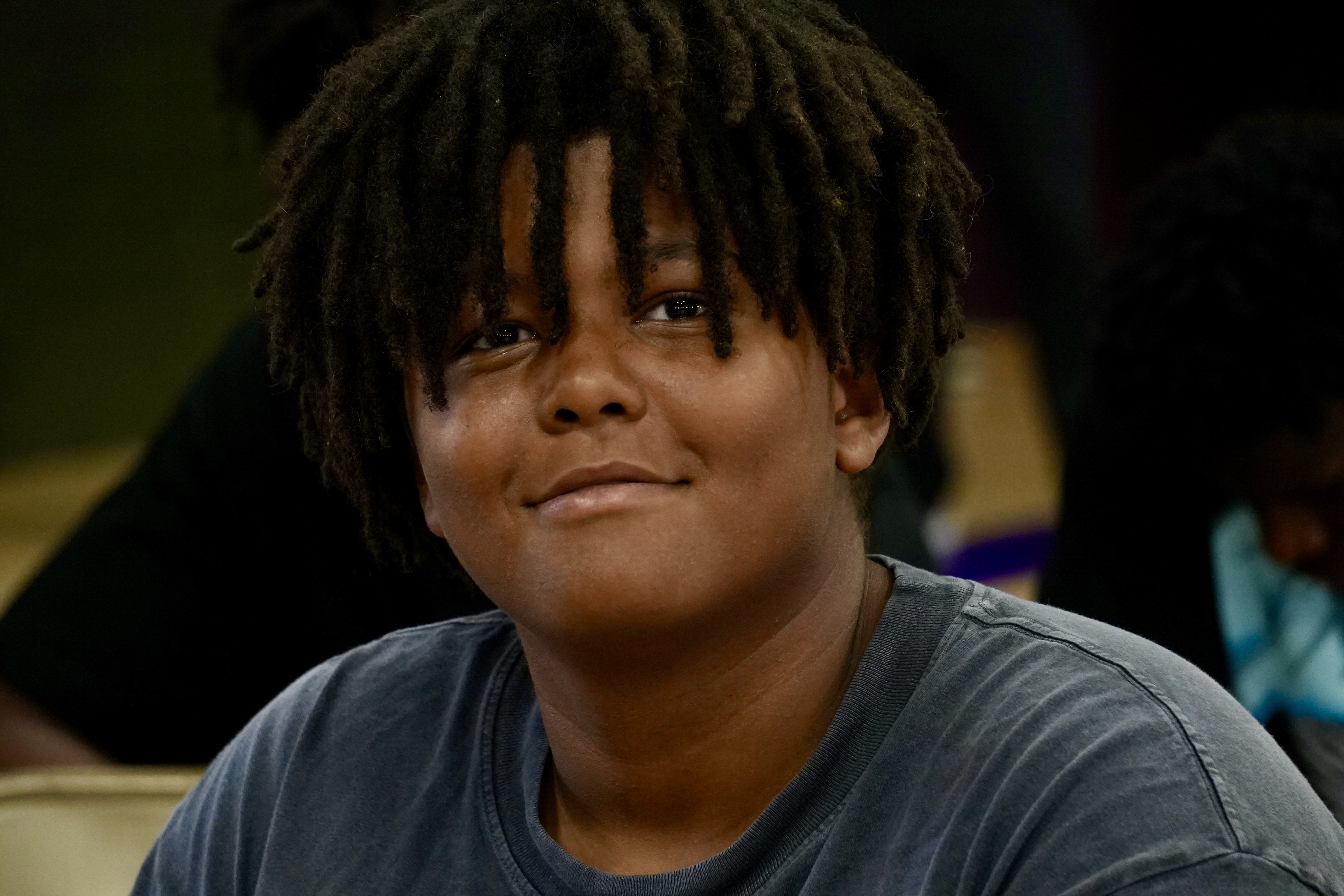
PHILADELPHIA, PA – The death of Antwann Postell, announced this morning in Philadelphia, will not make national headlines. It will not trend on national social media, nor will it prompt statements from elected officials. Yet in the neighborhoods of West Philadelphia, where the constant hum of sirens and the echo of bouncing basketballs create a dissonant soundtrack to daily life, his absence rings with a profound and devastating silence. Postell, a mentor, coach, and a quiet force of redemption, was 35. His sudden passing leaves a void not easily measured in column inches, but in the lives of young men for whom he was a lifeline, a mirror, and a map.

Postell’s story was not one of unblemished virtue, but of hard-won transformation. He emerged over the past decade not as a saint, but as a stalwart—a quintessential “credible messenger” in a city that desperately needs them. He never hid nor minimized his past, including time served in a state penitentiary. In a world where at-risk youth have learned to expertly detect condescension and false promises from outsiders, this history was not a liability; it was the foundation of his authority. He was not a visitor from a safer, more privileged world coming to preach. He was a guide who knew the treacherous terrain because he had walked it, stumbled in it, and found a way out.

The Currency of Credibility

In the ecology of urban mentorship, theoretical advice is cheap. The currency that matters is credibility, earned through shared experience. For the young men on the cracked asphalt courts of West Philly, Postell possessed an enormous amount of this “street credibility.” His warnings about the swift, dead-end finality of violence or the soul-crushing grind of incarceration carried weight because they were not abstract lessons. They were etched in memory, written in the language of personal consequence. When he spoke of lost time and missed opportunities, he spoke from a place of profound, lived loss. This bypassed the reflexive skepticism of a teenager who has heard too many hollow sermons. It built a bridge of trust where other well-intentioned programs often find only a moat of distrust.

Postell understood, at a deep and intellectual level, that he was part of a critical socialization process. He knew the basketball court was more than a place to play a game; it was a powerful classroom. Under the rusting rims and fading lines, he taught the norms and values that sports can instill—teamwork over selfishness, discipline over impulse, resilience over surrender. He used the game to foster communication, leadership, and a sense of identity that wasn’t tied to a corner or a crew, but to a team. For young men often stripped of dignity by systemic neglect, he used the sport to rebuild self-esteem and forge a sense of belonging. It was a two-way process: he taught the game, and through their shared interpretation of its struggles and triumphs, they learned about life.

Heir to a Sacred Legacy

In this sacred work, Postell was one of the most prominent modern heirs to a legendary Philadelphia lineage. He walked in the footsteps of giants like Sonny Hill, Claude Gross, Tee Shields, Sam Rines, Sr., and James Flint—men who understood that coaching in this city was never just about developing players, but about building character and saving lives. They were the architects of an alternative infrastructure of care in neighborhoods where such structures are scarce. Postell took up that mantle, not in a lavish gym, but on the same streets where those legends started, tending to the same deep-seated needs with the same fierce, paternal love. He was a living link in a chain of mentorship that has held entire communities together for generations.

His death, therefore, is not merely the loss of one man. It is a rupture in that vital chain. It leaves a monumental void in the intricate and fragile support network that exists just beneath the official surface of the city. Who now will be there for the 3 a.m. phone call from a kid in crisis? Who will have the earned right to look a young man in the eye and say, “I’ve been where you are, and this path leads nowhere”? The institutional memory of how to navigate from despair to hope—memory held in one man’s heart and stories—is now suddenly, tragically, gone.
The Flicker of Hope He Leaves Behind

There is, perhaps, a fragile hope to be found in the nature of Postell’s work. His teachings were not kept in a manual but embedded in the hearts of those he coached. The real testament to his life will be if the young men he mentored—those who felt the grip of his hand on their shoulder, heard his blunt wisdom in a timeout huddle—can now step forward to keep his teachings alive. The true success of a credible messenger is not in creating dependents, but in creating a new generation of messengers. The legacy of Sonny Hill lives on in every coach who teaches more than a pick-and-roll. So too must Postell’s spirit live on in the next young man who chooses to put down a weapon and pick up a clipboard, who uses his own hard past to forge a safer future for the kid behind him.

Antwann Postell’s life was a testament to the radical power of second chances and the transformative potential of authentic, earned connection. His death is a stark reminder of how precious and precarious such forces are in our cities. We mourn not just a coach, but a cornerstone. And we are left with a pressing question for Philadelphia and every community wrestling with violence and lost youth: How do we identify, support, and protect the next Antwann Postell before his voice, too, is silenced? The game on the West Philly courts will go on. But the guiding voice from the sidelines, the one that spoke with the hard-earned authority of a life redeemed, is now heartbreakingly still.

“Coonish” Behavior: Stephen A. Smith, Jason Whitlock, and the Price of Modern Manumission

By Delgreco K. Wilson, Contributing Opinion Writer

For centuries in America, a grim and paradoxical transaction has shadowed the Black quest for advancement: the exchange of communal fidelity for individual freedom. It is a bargain as old as the nation itself, rooted not in the brutality of the whip, but in the insidious mechanics of psychological and economic leverage. Today, we witness a modern, media-saturated iteration of this dynamic. In the sprawling arena of sports commentary, figures like Stephen A. Smith and Jason Whitlock have built lucrative empires. Their success, however, is shadowed by a persistent and bitter accusation from within the Black community: that they are “coons,” a devastating label of racial betrayal. Their critics are identifying a pattern that feels like a 21st-century performance of meritorious manumission—a striving for personal elevation and favor by servicing narratives that comfort a powerful, predominantly white conservative audience, often at the expense of Black solidarity.

The Historical Bargain: Labor for a Glimmer of Freedom

The foundation of this American transaction is centuries deep. The economic architecture of the early republic was built on Black labor without Black liberty. From the cotton fields that fueled the national economy to the domestic servitude that sustained its households, Black work was the indispensable engine. Yet, the profit from that labor was perpetually alienated. The promise, always dangling, was that exceptional service, superhuman diligence, or unwavering loyalty might be rewarded with a sliver of relief—a less cruel master, a chance to buy one’s family, a mythical pathway to acceptance. This established a corrosive template: advancement could be contingent on reinforcing the system’s logic and calming its conscience. The doctrine of “racial uplift” that followed Emancipation demanded impeccable, respectable conduct to assuage white America’s fears and guilt, proving worthiness for basic citizenship. Diligence became a currency, not just for wages, but for attempting to purchase dignity from a system that withheld it by design.

The Modern Marketplace: From Plantations to Podcasts

The post-Civil Rights era did not erase this template; it digitized and broadcast it. The terrain shifted from physical plantations to cultural and ideological ones. As structural and institutional racism persisted, a new marketplace emerged for Black voices willing to translate Black struggle for white audiences, particularly those eager to believe the work of racial justice is complete. This is where the spectacle of figures like Smith and Whitlock becomes a case study. Their playbook is not one of outright bigotry, but of strategic division and absolution, performed for mass consumption. They operate within a media ecosystem that generously rewards controversy that confirms existing biases, creating a powerful incentive to mine intra-community conflict for content that resonates with a broader, whiter audience.

The Playbook of Modern Manumission

Their performance manifests in several consistent, damaging patterns:

The Dilution of Collective Grievance. When vandals scrawled a racial slur on LeBron James’s home, Jason Whitlock dismissed it as a “disrespectful inconvenience,” arguing racism is “primarily an issue for the poor” and that wealthy Black people should not “embrace victimhood.” This is a classic maneuver. By creating a class hierarchy of pain, he fractures communal empathy and offers a narrative of exception. It tells white audiences that systemic racism is either overstated or a crutch for the unsuccessful, while offering successful Black individuals a ticket out of collective identity—if they renounce it.

The Policing of Black Expression. Stephen A. Smith faced backlash for instructing Black Congresswoman Jasmine Crockett on how she “should talk to the President,” a moment critics saw as enforcing respectability politics. This echoes the historical demand that Black anger be polished into palatable, non-threatening discourse. The transaction here is clear: temper your tone, conform to my comfort, and your voice will be amplified on my platform. It is a modern-day echo of being rewarded for “knowing one’s place” in the conversation.

The Strategic Alliance. Perhaps most revealing is the alignment with architects of racial backlash. Smith’s frequent appearances on Sean Hannity’s show are not incidental. Hannity, who trafficked in the racist “birther” conspiracy against President Barack Obama, represents a media ecosystem invested in denying the very structural racism that defines so much of Black American life. To be a welcomed guest in that house is to perform a powerful act of reassurance. It signals that the analysis will not be too sharp, the history not too inconvenient, the demands not too disruptive. This alliance is the clearest evidence of the transaction: access and platform in exchange for a veneer of ideological diversity that demands little substantive change.

A Spectacle Within the Spectacle: The Smith-Whitlock Feud

The bitter, very public feud between Smith and Whitlock themselves underscores the performative nature of this space. They trade nuclear insults, with Smith calling Whitlock “the devil in the flesh” and “worse than a white supremacist,” while Whitlock labels Smith a “fraud” and a “pathological liar” installed by corporate powers. This is more than personal animus; it is a brutal competition within a narrow lane. They are jousting for the crown of the most compelling Black voice in the conservative-coded spectacle, each accusing the other of the very inauthenticity and opportunism their critics see in them both. It is a meta-commentary on the transaction itself, exposing the ruthless jockeying for position and favor that underlies it. Their conflict dramatizes the ultimate isolation of this path: a solitary pursuit of status that necessitates tearing down the nearest competitor, leaving solidarity in ruins.

The Justification for Disavowal: Preserving Collective Struggle

And so, the community’s fierce condemnation—the label of “coon,” the disavowal—is not a denial of their right to individual opinion. It is a historical and political judgment. It is the recognition that their chosen path to “merit” mirrors the old, soul-crushing bargain. They are seen as seeking manumission from the burdens of racial solidarity by performing a service: managing Black anger, explaining away Black pain, and validating the view that the primary remaining barriers are personal, not systemic.

The justified fury they provoke is born of a deep understanding that true liberation has never been won through these solitary transactions. The March on Washington, the Civil Rights Act, the political power of the Black electorate—these were won through collective struggle, un-bought and un-bossed. To see Black media elites today build personal wealth and brand power by seemingly undermining that collective project feels like a profound betrayal. It is the spectacle of the historically shackled selling a blueprint for lighter chains, and calling it freedom.

Conclusion: The Unfinished Story and the Refusal

In the end, the saga of Smith and Whitlock is a painful reflection of an unfinished American story. It reveals that the marketplace for racial commentary still rewards those who make the complex simple, the systemic personal, and the uncomfortable soothing. Their success is a testament not to their individual genius, but to the enduring demand for a certain kind of Black voice—one that, for a price, helps assuage a nation’s guilt without demanding the fundamental change that true absolution requires. The Black community’s disowning of this model is not an act of censorship, but an act of preservation. It is a refusal to let the transaction of the past define the value of their future. It is a declaration that some forms of meritorious manumission are, in fact, a more sophisticated bondage.

###

Delgreco Wilson 

Wilson formerly taught Comparative Politics and International Relations at Lincoln University. He is a leading political analyst, educator, and advocate whose work centers on empowering Black Americans through a deeper understanding of political strategy and its historical roots in the fight against systemic racism and white supremacy. A prominent voice in the Greater Philadelphia Region, Wilson brings a wealth of academic rigor and real-world insight to his analysis of Black political thought and action.

Wilson’s expertise extends beyond the classroom. His incisive columns and articles have been featured in prominent publications such as the Philadelphia Inquirer,  Philadelphia Tribune, Baltimore Afro-American  and Delaware County Daily Times. A sought-after commentator, he regularly contributes to radio programs and podcasts across the Mid-Atlantic region, offering sharp analysis and actionable strategies for advancing racial justice and equity.

Wanamaker takes the Reins at Roman Catholic: The Crown Jewel of Philadelphia Scholastic Basketball

By Delgreco K. Wilson

A Century of Dominance in the City of Brotherly Love

PHILADELPHIA, PA – Philadelphia’s basketball heritage reads like a who’s who of hardwood legends—from Wilt Chamberlain’s earth-shaking dunks at Overbrook to Rasheed Wallace’s dominant reign at Simon Gratz. Yet when the final buzzer sounds on this century-long game of Philadelphia basketball supremacy, one program stands above all others: Roman Catholic High School and its record 34 Philadelphia Catholic League (PCL) championships. No other institution has so consistently combined competitive excellence with transformative life lessons for young men, creating a basketball dynasty that has flourished across generations.

The numbers alone tell a compelling story. Since the Catholic League’s formation, Roman Catholic has captured nearly twice as many titles as its nearest competitor (Neumann-Goretti with 22). This isn’t merely a statistic—it’s a testament to an enduring culture of excellence that has survived economic downturns, demographic shifts, and the ever-changing landscape of scholastic sports. From Billy Markward’s nine championships between 1922-1934 to Chris McNesby’s most recent titles in 2023-2024, Roman Catholic has set the gold standard for Philadelphia basketball.

The Coaches Who Built a Legacy

What separates Roman Catholic from other storied programs isn’t just the quantity of championships, but the quality of leadership that has sustained success across distinct basketball eras. The program’s foundation was laid by Billy Markward, whose teams dominated the 1920s and 1930s with an unprecedented nine PCL titles. His squads set a standard of excellence that would become the program’s hallmark—a blend of disciplined play and relentless competitiveness.

The torch was later carried by Speedy Morris, who ushered in a new golden age during the 1970s with six championships between 1969-1980. Morris’s teams embodied Philadelphia basketball—tough, fundamentally sound, and mentally resilient. His success proved Roman Catholic could adapt to the modern era while maintaining its core values.

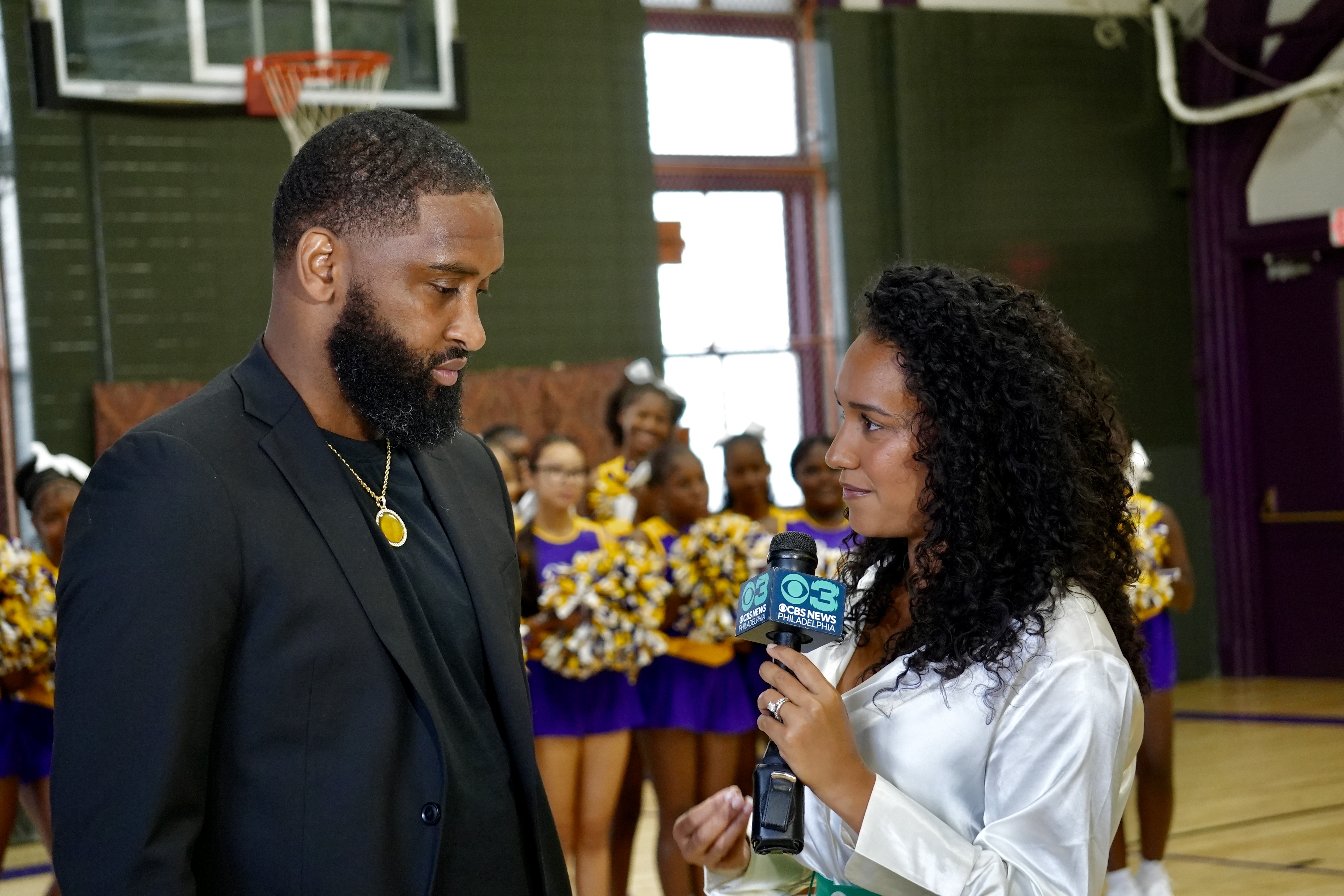
Roman Catholic Coaches – Dennis Seddon, Brad Wanamaker and Chris McNesby

Then came Dennis Seddon, whose tenure from the late 1980s through 2000 represents perhaps the most dominant stretch in PCL history. Nine championships in twelve years (1989-2000) established Roman Catholic as the league’s preeminent power. Seddon’s influence extended beyond wins; he mentored future coaches like Chris McNesby, creating a coaching tree that would extend the program’s success into the 21st century.

McNesby himself—a Roman Catholic alum who played under Seddon—added four PCL titles and three PIAA state championships across two coaching stints (2008-2016 and 2021-2024). His 270-73 career record reflects both consistent excellence and the ability to develop players for life beyond basketball—a hallmark of the Roman Catholic philosophy. As McNesby noted, “It’s after they’re finished playing, seeing them get jobs and seeing them be successful fathers and husbands, and then see them passing it forward”.

Roman Catholic Freshman Shayne Jackson

More Than Championships: The Roman Catholic Difference

Roman Catholic’s supremacy isn’t measured solely in banners. The school has long served as a transformative institution for Philadelphia’s youth, particularly those from working-class backgrounds. Founded in 1890 as the nation’s first free Catholic high school for boys, Roman Catholic maintained its commitment to accessibility even after transitioning to tuition-based education in the 1960s. This mission—to provide “a comprehensive academic curriculum within a disciplined Catholic environment”—has shaped generations of student-athletes.

The school’s impact extends far beyond the court. As McNesby reflected on his own experience: “You really meet kids from all different areas, backgrounds, demographics, financial status. It helps you grow up pretty quickly, and you really learn how to get along with others”. This environment fosters the type of personal growth that produces not just great players, but great men—a fact borne out by the program’s alumni network of successful professionals across industries.

Roman Catholic’s 1902 Basketball Team featuring John Lee (far left)

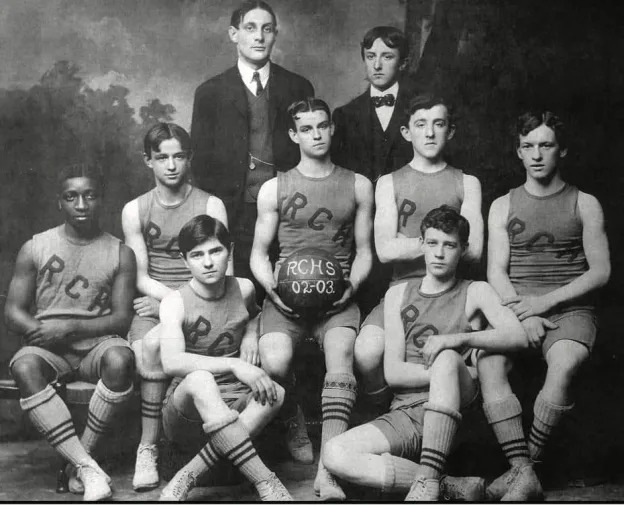
Roman Catholic has also been a pioneer in racial progress. In 1902—just 12 years after its founding—the school fought for the inclusion of John Lee, the first Black player in the Catholic League. This legacy makes Brad Wanamaker’s recent appointment as head coach particularly significant. As the program’s first Black head coach and a distinguished alum (Class of 2007), Wanamaker represents both continuity and progress. His hiring—praised by alumni like Mike Ringgold as proof that “Roman is the best high school job in the city”—signals the program’s commitment to opportunity and meritocracy.

The Wanamaker Era: Tradition Meets the Future

Brad Wanamaker’s ascent to head coach represents a full-circle moment for Roman Catholic basketball. A 2007 graduate who led the Cahillites to a PCL championship that year, Wanamaker brings unique credentials: honorable mention All-American at Pittsburgh, 11-year professional career (including four NBA seasons), and firsthand experience of Roman Catholic’s transformative culture. As he noted upon his hiring: “Roman changed a lot in my life coming in, so I feel like I’m forever indebted to them, and what better way to give back than leading the team?”

Wanamaker’s coaching philosophy blends old-school toughness with modern player development. “Better men is the biggest key,” he emphasizes. “Going through adversity, perseverance and being from Philly, just that toughness”. This approach resonates with Philadelphia basketball purists while addressing contemporary challenges facing young athletes. His professional experience—including stints with the Boston Celtics and Golden State Warriors—provides invaluable perspective for players aspiring to collegiate and professional careers.

Notably, Wanamaker represents a new generation of Roman Catholic leadership while maintaining ties to the program’s storied past. He played under Dennis Seddon and served as an assistant to Chris McNesby, absorbing lessons from both mentors. As McNesby observed: “We were riding together to a game and Brad said ‘I’m ready’. After that I felt it was time for me to step aside…The program is in great hands”. This seamless transition exemplifies Roman Catholic’s unique ability to renew itself while honoring tradition.

Conclusion: The Standard Bearer

Philadelphia’s basketball landscape features numerous legendary programs—Overbrook’s Wilt Chamberlain, West Catholic’s Ernie Beck, Simon Gratz’s Rasheed Wallace, Neumann-Goretti’s Carl Arrigale dynasty. Each has compelling claims to greatness during specific eras. But when evaluating sustained excellence across generations, Roman Catholic stands alone.

The numbers—34 Catholic League championships, multiple coaching dynasties, countless college and professional players—only begin to tell the story . Roman Catholic’s true greatness lies in its ability to win at the highest level while fulfilling its mission to develop “men of personal integrity”. From Thomas E. Cahill’s original vision in 1890 to Brad Wanamaker’s groundbreaking appointment in 2025, the school has remained true to its values while adapting to basketball’s evolution.

As Philadelphia basketball enters its second century, Roman Catholic remains the gold standard—a program where championships and character development go hand-in-hand. The Cahillites’ purple and gold banners represent more than victories; they symbolize a tradition of excellence that continues to shape Philadelphia’s basketball identity. In a city that treasures its hoops history, Roman Catholic stands as the most accomplished and influential program of them all.

New Age Isaiah Montgomery: Black MAGA Supporters

CAMDEN, NJ – In today’s America, as a divided nation navigates the aftermath of Donald Trump’s presidency, Black support for Trump’s MAGA movement has drawn both curiosity and condemnation. Approximately 22 percent of Black men supported Trump in recent elections, a statistic that shocks and confounds many. The reasons are complex, but this phenomenon carries disturbing echoes of a past dilemma once personified by Isaiah Thornton Montgomery, a Black Mississippi leader who, over a century ago, publicly endorsed Black disenfranchisement. While 99.99 percent of Black Americans may have no awareness of Montgomery’s place in history, the eerie parallel to present-day Black MAGA supporters raises troubling questions about compromise, survival, and political self-identity amidst a resurgent wave of White backlash.

The roots of Black conservatism today are as varied as they were in Montgomery’s time. The question, though, is not simply why some Black men align with the MAGA agenda, but whether today’s political landscape is producing contemporary Isaiahs: figures within the Black community who, consciously or unconsciously, may view alignment with right-wing movements as a pragmatic strategy for survival and advancement in an era of unprecedented polarization. With inadequate education around Black history in America’s schools, many Black citizens lack the knowledge to contextualize our current political landscape within the longer arc of racial struggle. Few are aware that today’s MAGA movement fits into a history of White backlash against perceived gains by Black Americans and other marginalized groups.

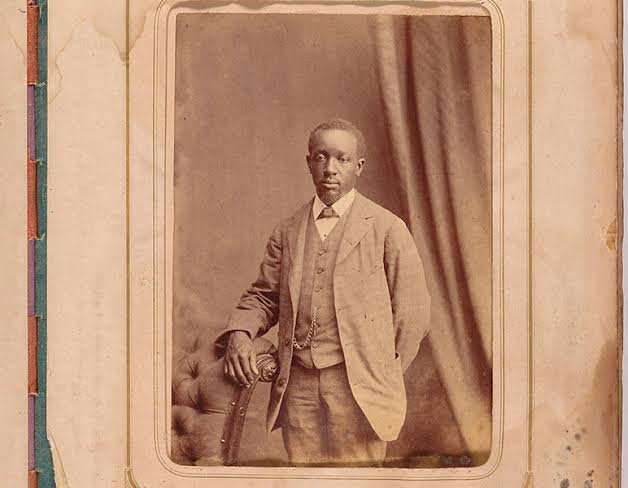
The similarity with Isaiah T. Montgomery is stark, yet his motivations were distinctly rooted in the brutal world of post-Reconstruction America. Montgomery, founder of the Black community of Mound Bayou and son of an enslaved man-turned-businessman, held an unshakeable belief in Black self-sufficiency. But at the 1890 Mississippi Constitutional Convention, Montgomery shocked the Black community by endorsing provisions like literacy tests and poll taxes, which would bar Black voters from the polls. His reasoning was couched in pragmatism: he argued that appeasing White lawmakers and ceding political ground might allow Black Americans the breathing room to pursue social and economic self-sufficiency without inciting more violent backlash from the White South.

This strategy of appeasement, however, came at a profound cost. By endorsing Black disenfranchisement, Montgomery struck a bargain that some historians argue ultimately weakened the broader fight for Black rights. In his eyes, he may have been choosing a “lesser evil,” hoping to secure a modicum of safety and stability for Black communities. But his compromise helped cement a cycle of disenfranchisement that would haunt Black communities for decades.

Today, MAGA-supporting Black men may claim a similar kind of pragmatism, citing dissatisfaction with Democrats’ failures to deliver economic and social progress and pointing to Trump’s “America First” policies as offering greater personal and economic security. This approach may seem attractive for Black men seeking relief from the relentless churn of systemic racial inequity. Yet we must question whether endorsing a movement openly allied with far-right, White supremacist sentiments—and which has fueled harmful policies on everything from immigration to voting rights—is a sustainable or honorable path forward.

Unlike Montgomery, who likely felt he had no choice but to make a Faustian bargain in a violent, oppressive environment, Black MAGA supporters today choose to align with a movement that has often diminished the Black struggle for justice and equality. That choice, whether motivated by frustration with establishment politics, belief in economic “bootstraps” rhetoric, or disillusionment with the left, serves to reinforce a coalition that has actively suppressed minority voting rights and eroded protections against racial discrimination.

Montgomery’s legacy, for all its flaws, at least left behind a vision of Black self-sufficiency through the community of Mound Bayou. His compromise, though painful, was aimed at preserving a sanctuary for Black Americans to thrive away from hostile White dominance. Black MAGA supporters, on the other hand, stake their political future on a movement that has often used their voices to validate policies that threaten the very social progress on which Black Americans rely.

The alignment of any segment of Black America with the MAGA agenda suggests a critical need for education around this country’s cyclical racial history. The disconnection from history—the “woeful inadequacy” of Black history as it is taught in American schools—prevents a clear understanding of today’s political dynamics as part of a long, repeated arc of White backlash. Without awareness of figures like Montgomery or the political choices forced on Black Americans throughout history, many fail to see how Black support of MAGA could lead to similar long-term disenfranchisement.

To be clear, the issue is not the political party of one’s allegiance, but the agenda one chooses to endorse. Black support for MAGA is not simply a divergence in political opinion; it is a move that could ultimately lend support to a movement in direct opposition to Black political and social progress. In this moment, we need more awareness, more connection to history, and, most crucially, a unified sense of purpose. Rather than aligning with those who would turn back the clock on civil rights and equality, today’s Black Americans should look toward alliances that strengthen—not weaken—the collective foundation of our community.

Isaiah Montgomery’s choices were not ideal, but they are instructive. Let us hope that modern Black MAGA supporters will learn from his compromises and understand that the consequences of such alignment often echo far beyond individual gain, shaping the freedoms—or restrictions—of future generations.

University of Michigan Associate Head Coach Phil Martelli Joins Forces with Temple Point Guard Hysier Miller to Combat Gun Violence and Empower Youth in Philadelphia

A powerful collaboration is underway between University of Michigan Associate Head Coach Phil Martelli and Temple point guard Hysier Miller. Despite living in Ann Arbor since 2019, Martelli’s heart and soul remain deeply connected to his hometown of Philadelphia. Recently, he learned about Miller’s book “No Place Like Home: We Have Unfinished Business” and was moved to take action. Phil Martelli has committed to support Miller’s efforts in engaging middle and high school students and sharing his book, with a focus on reducing gun violence in Philadelphia. The collaboration aims to inspire young Black males to become catalysts for change in their communities.

Phil Martelli, Michigan Associate Head Coach

Phil Martelli’s coaching journey began with the 1985-86 St. Joseph’s Hawks, where he spent ten years as an assistant under Jim Boyle and John Griffin before being named the 14th head coach in school history in 1995. Under his leadership, the Hawks achieved notable success, including reaching the final game of the NIT Tournament in his first season. However, it was during the 2003-04 season that Martelli and the Hawks experienced their greatest triumph. With the help of future Naismith College Player of the Year Jameer Nelson and other talented players, the team achieved an impressive 27-0 regular season record, reaching the Elite Eight in the NCAA tournament.

In June 2019, Martelli accepted a position as the associate head coach at the University of Michigan under head coach Juwan Howard. Despite living and working in Ann Arbor, Martelli has maintained a strong connection to his hometown of Philadelphia. Troubled by the sigificant increase in violent crime and gun violence in the city, he remains actively engaged in the community, keeping up with local news and staying in touch with numerous friends in the City of Brotherly Love.


When Phil Martelli learned about Hysier Miller’s book, “No Place Like Home: We Have Unfinished Business,” he was immediately drawn to its powerful message. The book not only tells Miller’s personal story but also sheds light on the pressing issue of gun violence in Philadelphia. Moved by Miller’s initiative to address this critical issue, Martelli expressed his interest in supporting the cause.Though Martelli and Miller had only crossed paths briefly at basketball games in the past, Martelli’s admiration for the young point guard’s game and character has led him to take a proactive role in promoting Miller’s message. Coach Martelli has committed to purchasing a significant number of Miller’s books and distributing them to students at the GESU School and a Philadelphia Public School. This collaboration aims to spark a crucial conversation among young Black males, empowering them to be agents of change in their communities.

Hysier Miller, who was just two years old when Martelli and Jameer Nelson achieved the number one ranking in the nation, has always held great respect for Coach Martelli’s coaching style and program. He acknowledges the impact Martelli had on players like Langston Galloway, DeAndre Bembry, Fresh Kimble, and Charlie Brown. Miller is humbled and grateful that Coach Martelli wants to support his efforts to spread the message of hope and change through his book.

As the collaboration between Phil Martelli and Hysier Miller gains momentum, the two are scheduled to have a zoom teleconference later this month to discuss strategies for working together. Their shared goal is to engage middle and high school students and encourage them to play an active role in combatting gun violence in Philadelphia.

The collaboration between University of Michigan Associate Head Coach Phil Martelli and Temple point guard Hysier Miller exemplifies the power of sports figures in using their platform to bring about positive change. By combining their influence and experiences, they aim to inspire young Black males to stand up against gun violence and become leaders in their communities. This partnership not only showcases the impact of mentorship but also highlights the importance of addressing pressing social issues through collective effort and collaboration.

Link to purchase a copy of “No Place Like Home: We Have Unfinished Business”:
https://black-cager-publications.sellfy.store/p/no-place-like-home-we-have-unfinished-business/

Combating The EVIL That Killed Temple Police Officer Chris Fitzgerald: The Role of Faith-Based Institutions

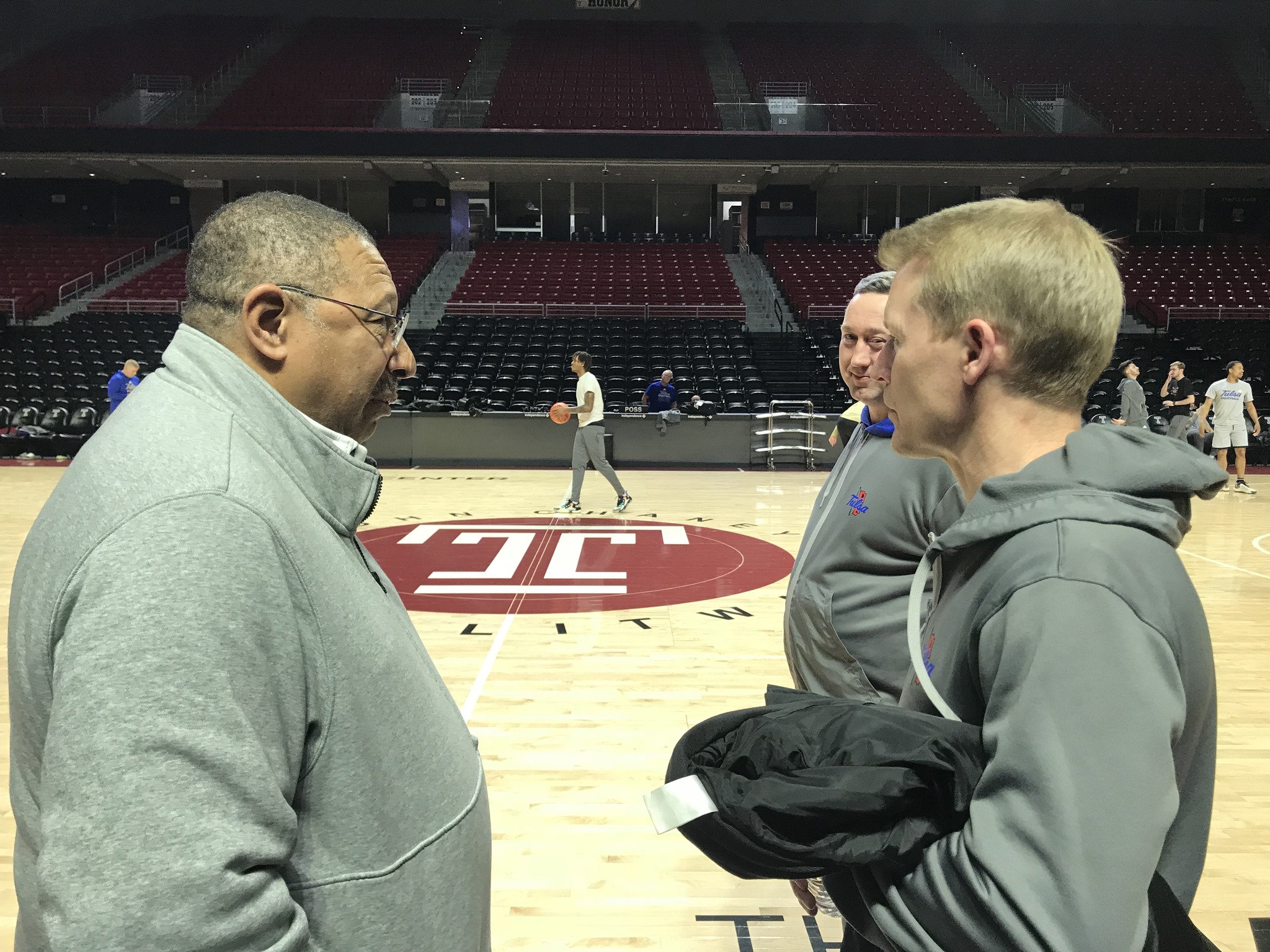
It’s about 8:10 pm on Saturday, February 18th… I’m in my car headed to the Liacouras Center on the campus of Temple University. My Big Bro Perry Clark is in town. He does color commentary for ESPN broadcasts of American Athletic Conference (AAC) basketball games. Tulsa is in town and they are scheduled to face Temple the following day at 2:00 pm in one of few remaining AAC matchups. Tulsa has a shoot around scheduled for 8:30 pm – 9:00 pm.

Temple Police Officer Chris Fitzgerald

Clark likes to attend the shoot arounds to talk to the coaches and key players to get a feel for the team’s emotional state. He leans heavily upon his 4 decades as a college coach to deftly probe the coaches and gain some keen insights he will share with ESPN viewers during the broadcast. I usually meet him when he comes to town and we talk a LOT of Temple basketball and end up at one Philadelphia’s finest dining establishments. Expense accounts come in handy from time to time…

Perry Clark and Tulsa Head Coach Eric Konkol

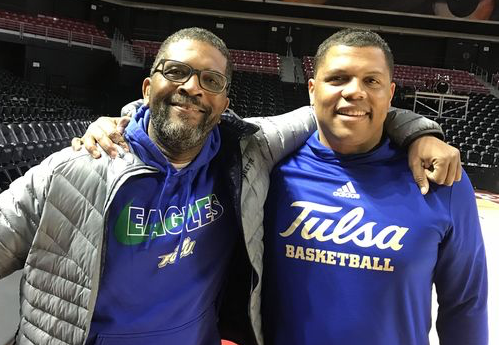
I am eager to get to Temple for this particular shoot around because one of my favorite college coaching buddies, Yaphett King, is on the Tulsa staff. This will give me an opportunity to pop up on King and welcome him to the City of Brotherly Love.

Delgreco Wilson and Yaphett King, Tulsa Asst. Coach

Then my cell phone rings…

It’s Kamal Yard, Founder and Director of the Philly Pride Basketball Club. I talk to Yard several times and week and frequently multiple times in one day. So, I think nothing of it and answer the call…

“What up Mal?”

“Mannnn… How you think Blue and ‘em gonna deal with this?”

Those that have known Temple Head Coach Aaron McKie since his schoolboy days at Gratz know that his nickname is “Blue.”

My mind starts to race… What da fuck is Mal talking bout now?

“I’m on my way to Temple as we speak, I’ll be there in a few minutes… What happened?”

“Youngbuls shot a Temple cop in the head at 18th and Montgomery… They said it was high caliber weapon… Really bad Bro.”

“Whooooooaaaa…”

Now I understood exactly what Yard was asking me… For the past ten years or so, he has been one of the few people that I have engaged in ongoing conversations about the dramatic rise in rampant indiscriminate violent crime, degenerating cultural values, declining academic performances and how they impact and ultimately circumscribe the ability of area college sports programs to recruit elite athletes.

Yard gets it… His Philly Pride colleague, Amauro Austin, gets it… K-Low Elite’s Lonnie Lowry gets it… WeRone’s Terrell Myers gets it…

Sometimes, it seems that Temple’s diehard football and basketball fans don’t get it…

Earlier this season, there were loud rumblings on Temple’s message boards about moving on from McKie. There’s been a constant drumbeat of complaints focused on his “recruiting” and his supposed inability to land the top area prospects.

When Yard asked, “How you think Blue and ‘em gonna deal with this” he was posing a very specific set of highly relevant questions all at once.

Allow me to deconstruct his query… Yard was asking, “With a Temple cop bleeding out on a street adjacent to campus, how is Coach McKie supposed to get kids to choose Temple over Rutgers, Maryland and Penn State?”

He was questioning, “With a seemingly endless string of savagely barbaric murders on or proximate to the Temple campus, how is Coach McKie supposed to get kids to choose Temple over Seton Hall, Villanova, St. John’s and Georgetown?”

As a father, a Temple supporter and basketball lifer, Yard was searching for a perspective that provided a glimmer of light at the end of the tunnel.

I had no answers for him…

I’ll be the first to acknowledge that Temple has worked tirelessly to quell fears among current and prospective students and student-athletes since the brutal murder of Samuel Collington, a 21-year-old senior at the university, over a year ago. Yard, Austin, Lowry and I know through first hand interactions and conversations that students and student-athletes are afraid and parents are afraid for their children’s safety.

Temple sophomore Zack Hicks

Through it all, we have encouraged top local players to seriously consider the Owls when selecting a college destination. Indeed, Yard, Austin and Philly Pride have sent Scootie Randall, Rahlir Hollis-Jefferson, Ramone Moore, Ryan Brooks and current sophomore star Zack Hicks to play on North Broad Street. Lowry’s best player, West Catholic’s Zion Stanford, is already in the fold for next year. I worked hard in conjunction with Carl Arrigale, Pat Sorrentino and the rest of the Neumann-Goretti staff to help Hysier Miller understand the benefits of playing for the sixth winningest program in the history of college basketball.

Temple sophomore Hysier Miller

We all love and respect Temple basketball… We all want to see the Owls return to the heights they experienced under Harry Litwack and John Chaney.

Nonetheless, with his pointed query, Yard was asking if and how it can be done under the existential conditions prevailing on and around North Broad Street.

He was asking an important, damn good and very fair question.

It’s safe to assume that this question has been consistently and carefully pondered by Temple Trustees, Senior Administrators and Department Heads over the past few years.

One can see that Temple clearly understands that they have a serious problem with the way campus safety is perceived. In an attempt to assuage the prevailing perception, Temple President Jason Wingard and his family will relocate to a Temple-owned property on North Carlisle Street between Norris and Diamond streets in spring 2023. The Wingard family will relocate from Chestnut Hill, one of the toniest Philadelphia neighborhoods, to a row home is located in the middle of a North Philadelphia street just a block from campus.
 
It’s a very strong symbolic move. “As a leader, it is crucial to take action that supports strategic priorities,” Wingard said. “For my family and me, this is a move that we have thought about carefully.  It is aligned with institutional and personal values, and we are excited!”
 
But… It’s not enough… It’s no close to sufficient…

Since talking with Yard, his question has consumed my thoughts. I still have no answers. A least none that make any sense…

Five, ten, fifteen or twenty years ago, I would have delved into crime, employment, education and income data in search of a plausible hypothesis. However, it is becoming increasingly apparent that we are dealing with profound immorality and wickedness, in many instances like the murder of the Temple police officer one can only conclude that the killer was a manifestation of pure evil.

This young man, raised in an affluent suburb, is truly evil. He woke up yesterday and explicitly sought to do harm by planning to commit some morally wrong action with no prompting from others. This evil young man tried to carry out this plan with the hope of causing considerable harm to others. This type of evil reigns far too often in far too many circumstances in Philadelphia and many other American urban centers.

It is becoming increasingly difficult to counter the argument that we are witnessing a clear division between good and evil. More and more it seems that evil is winning.

While it may not provide an immediate solution to the conundrums faced by Temple’s leadership, I want to pose a strategy that may stem the tide a bit and certainly will not make matters worse.

Faith-based institutions must become much more involved.

Congregating for an hour or two one a week to worship God is a positive thing that urban communities should not forgo. Even if you are cynical about church, one has to acknowledge that gathering every week to consider higher purposes in life is better than not doing it at all.

We are well past time to admit a simple fact… By any reasonable measure we have lost the ethical cores or centers that held our communities together. The consequences of that include almost daily assaults with high caliber assault weapons resulting in 50, 60 even 80 shell casings strewn across Philadelphia streets and sidewalks. The consequences include an honorable and peaceful senior citizen beaten to death with with traffic cones by seven teenagers. The consequences include five teenagers, one just 13 years old, carjacking a congresswoman in Philadelphia.

The consequences include two gunmen firing 64 shots with four different weapons at five Roxborough high school football players walking off the field killing a 14 year old. The consequences include over 500 homicides in each of the past two years in Philadelphia. The consequences include well over 1,000 carjackings in Philadelphia in 2022.

I have no desire to position myself as some sort of sanctimonious fraud. I don’t know how to lay out a convincing case for gathering at the church, mosque, synagogue, etc. I do want you use whatever time I have left to tell young men and women, especially young Black and Brown people how to avoid the road to hell. I don’t want to do it because I view myself as a moral authority. Indeed, for most of the past half-century I have been a sinner of the highest order.

I do it because I don’t want young Black and Brown boys and girls to burn in hell.

Pastor Dan Jackson, New Kingdom Baptist Church

With Yard’s questions still on my mind, I attended an inspirational and uplifting service today New Kingdom Baptist Church in North Philadelphia. Pastor Daniel Jackson led a prayer for slain Temple Police Officer Christopher Fitzgerald. I then drove a mile or so to the Liacouras Center, where there was a somber moment of silence for Officer Fitzgerald. During the post-game press conference, two Temple players and Coach McKie were asked to comment on the murder.

Plainly stated, the specter of Officer Fitzgerald’s murder hung over today’s activities like an exceedingly heavy and dark rain cloud.

I came home and discovered that Officer Fitzgerald was my cousin’s cousin. He was my cousin by marriage.

New Kingdom Baptist Church, 2445 N Mascher St, Philadelphia, PA 19133

I don’t know how Blue and President Winguard are going to deal with this… Nor do I know what they they should do…

I will, however, be in church somewhere next Sunday. It couldn’t possibly hurt if more and more young people joined me every week. Seriously… I don’t want them to burn in hell like the young man that took Ofc. Fitzgerald’s life last night.

Teaneck’s Pierre Sow Commits to Hampton University!

Pierre Sow (pictured below) is an unassuming, quiet and highly intelligent young man. A strong student, Sow has very good grades and an outstanding SAT score. He also happens to stand about 7’0″ tall and is fast becoming a very good basketball player. A key member of the 2 time State Champion Teaneck (NJ) High School Highwaymen basketball program, Sow has worked his way to a Division 1 scholarship. On the morning of April 7, 2017 he committed to play for Coach Edward Joyner, Jr and the Hampton University Pirates. IMG_1876

Sow just began playing organized basketball a couple of years ago and has really progressed while playing for Teaneck’s fine coach Jerome Smart. However, Division 1 colleges in New Jersey paid little attention to Sow. They missed out on kid with a chance to be a good college player. Sow’s former HS Assistant Coach, Roland Whitley firmly believed in Sow’s ability to compete at the Division 1 level.

“The kid has all the tools… He’s long, he has good timing and he’s very agile. He lacked strength and experience. But, I knew he was a Division 1 player”, said Whitley. “More than anything else, I just needed more people to see him play. So I asked Black Cager Scouting Service to come and check him out two years ago. Delgreco Wilson (below left) came up and agreed that Pierre was a D1 prospect.”

Pierre Sow Poster-page-0.jpg

Wilson noted, “I saw a kid that was raw with a huge upside. The immediate goal was get him in the gym against other good big guys in the off season. I reached out to several Philadelphia area AAU/Grassroots programs. Only Philly Pride invited Pierre to come work out. He didn’t end up playing with them for the summer because the travel was too much, but he made it to several workouts and made some important contacts.”

Philly Pride directors Nette Bennett and Amauro Austin are proud Hampton University alums. Austin reached out to Hampton and strongly encouraged them to offer Sow a scholarship. He had been considering prep school.

“Those guys at Black Cager Scouting really helped me through this thing,” said Whitley. “I played at North Carolina State under Jim Valvano but things are much different these days. I really leaned on them to help me guide the family. We are extremely happy with Hampton University.”

IMG_1874

According to Wilson, “academically, Pierre is the type of kid that usually ends up in the Ivy or Patriot League. Hampton is a perfect fit for him because he has the intellectual tools to really take advantage of Hampton’s academic programs. The University President, Dr. William R. Harvey (above right) made Sow’s mother (above center) feel welcome and assured them that he would take care of their son. There is no substitute for the intimacy and familiarity one finds on HBCU campuses. Jaekwon Carlye is a Philly Pride kid completing his freshman year at Hampton and he loves it there. I know Pierre made the right choice.”


Shit Ain’t Fair… We Need Search Firms for Families!

There’s a BIG ASS thumb on the scale in the college coaching market… I am sure Adam Smith is rolling over in his grave. In this particular market, the “invisible hand” has been amputated! You see… Free Trade and open market exchange are SUPPOSED to automatically channel self-interest toward socially desirable ends. However, in the college basketball coaching market free trade and open markets have been usurped. A group of overwhelmingly white men have formed cabal that controls access to the 350 or so Division 1 head coaching positions. This search firm cabal severely limits minority candidate access to these highly desirable positions.

Thumb-on-Scale

In some ways, the existence of these “search firms” is easy to understand…

Choosing a Division 1 basketball or football coach is very difficult task… Where do you begin? These guys are silky smoooooth… They really know how to come across as personable, gregarious and charming. It’s hard not to like most of them… They present themselves well at all times…

They are TOP NOTCH salesmen… Some would say “slick”… The product they are selling, at all times, is themselves…

FN4ic50

Guys like Mark Turgeon (Maryland), Mike Hopkins (Washington), John Calipari (Kentucky – pictured above), Frank Martin (South Carolina – pictured below), Phil Martelli (St. Joseph’s), Fran Dunphy (Temple), Pat Chambers (Penn State), John Giannini (La Salle), Zach Spiker (Drexel), Martin Ingelsby (Delaware), Todd Bozeman (Morgan State), Kevin Baggett (Rider), Joe Dooley (Florida Gulf Coast) and Mike Brennan (American) are ALL good dudes… Spend a few hours with any of these coaches and you will like them…

maxresdefault

The very best among them can sell water ice to Eskimos in the dead of winter… They can sell a furnace to Satan himself… Oh… they use different approaches and different tactics but selling is selling… It’s what they do best… Buyer beware!!

Indeed, the overwhelming majority of the 351 Division 1 Head Basketball Coaches come across as “good dudes” precisely because they are highly capable pitchmen… The questions that ultimately matter are: Which one is best for you? Which one should you entrust with your future? How do you begin to figure it out?

Two distinct groups grapple with these crucial questions year after year: 1) predominantly white male athletic directors, and; 2) predominantly Black families. They bring vastly different backgrounds and resources to the decision-making process. The former are, generally speaking, experienced and well educated. Most ADs have Masters or Doctorate degrees. The latter are, for the most part, novices in the world of college athletics and often lack Bachelors, much less, advanced degrees.

The differences between the two groups are really profound…

One recent survey found that whites are 89 percent, 90.9 percent and 95.9 percent of the athletic directors in Divisions I, II and III, respectively. Additionally, only 8.3 percent of Division I athletics directors are women. Plainly stated, hiring a college coach is, more or less, a white male task.

Conversely, in 2015-2016, Blacks (3,153) made up a majority (57%) of the total number of Division 1 basketball players (5.472). Black Division 1 football players (13,453) also outnumber white players (11,240) and all other racial groups.

Both groups, white male ADs and Black families, routinely face the difficult challenge of selecting a D1 coach… For both groups, it’s an extremely important decision.

Let’s examine the way each approaches selection processes…

On one hand, university presidents and athletic directors have become increasingly reliant on search firms. The aforementioned cabal has assumed the role formerly played by Athletic Directors in the dysfunctional college basketball coaching market. For that, they are handsomely rewarded. It’s not uncommon for universities to shell out anywhere from $50,000 to $325,000 for assistance in making such decisions. Search firms, supposedly, dig deep into the background of the coaches and provide detailed reports to institutional decision-makers. Thereby enabling highly informed and rational decisions. In this way, it is argued, the help the market function better…

However, very little attention is focused on the extent to which qualified minority coaching candidates are EXCLUDED through this process. With search firms in place, they often can’t even get a sniff!

Black families choosing a coach, on the other hand, all too often are left to fend for themselves… They, typically, have little to no experience and even less background information.

Who provides Mom and Dad a detailed report? Who tells them about the 6 players the coach ran off over the past 3 seasons? Who tells them the program has NEVER had a Black Head Coach in 120 years? Who tells them Black players ALL major in Parks and Recreation? Where are the search firms for families?

There are none… In fact, when well-informed AAU coaches or HS coaches offer assistance and guidance, the media and the general public at large are quick to condemn them as “interfering handlers” or, worse, self-centered “pimps.” The cry is to “let the market prevail in a fair and unfettered manner”…

To sum up… Helping athletic directors = good… Helping families = bad…

It’s a highly hypocritical position to hold… Shit makes NO sense…

These days, presidents and athletic directors rarely rely on their own contacts and instincts… They don’t perform their own due diligence… Parents, however, are forced to go it alone in many cases…

The cabal works in the shadows…

Very little is said about the way university administrators use search firms to shield access to their decision-making process. Arguably, search firms are used to favor some groups and exclude qualified candidates from full consideration.

If a candidate is not on the search firms short list, he has absolutely no shot! He can’t even get a fucking phone interview…

Search firm dealings are Top Secret! They clandestinely develop lists of coaching candidates and put out feelers to “preferred candidates” without divulging any information, should the match not be made. Search firms also prevent problematic situations for coaches under contract at other institutions. Their names are usually not revealed as applicants for said opportunity, preventing awkward conversations with current employers. Perhaps, most importantly, an athletic director can place the blame for what could be a future bad decision on the search firm thus save his own ass.

Compare that to the situation faced by families. Every single offer a family receives from a D1 coach is immediately broadcast on several recruiting websites, college message boards, twitter, instagram, local newspapers, etc. Everyone knows the family’s business… Everyone knows which coaches are vying for their child’s services. If they turn down an offer, everyone knows… Unlike, presidents and athletic directors, families have no one to blame for what could be a future bad decision. The media and the general public hold families accountable for their decisions.

NICKB

Shit ain’t fair… We need search firms for families!

Such firms could lead parents to selecting certain coaches in manner similar to the way universities are led to preferred candidates. Search firms could match parents of elite Black prospects with Black coaches, programs that have high Black student-athlete graduation rates and/or programs with Blacks in leadership positions.

LevelleAbout

Of course such intervention would foster heated discussions among the media and university athletic administrators. Such outcomes would be vilified… The media would predictably condemn a process whereby “middle  men” steer prospects to certain coaches…

The same media  is largely silent while “middle men” steer presidents and athletic director to certain coaches…

I call BULL SHIT!!

These consultants offer a mix of headhunting, background checks and other services formerly performed by Athletic Directors. Cost is no object for NCAA D1 institutions.

At the same time, those offering similar “consulting services” to families are commonly labelled pimps and handlers…

But who is truly pimping the game? According to USA Today, Texas paid the search firm Korn Ferry $267,000 for services associated with the hiring of football coach Charlie Strong. Three years earlier Colorado State paid about $320,000 for a company to run its football coaching search.

Tennessee coughed up $50,000 plus expenses for Collegiate Sports Associates to oversee its men’s basketball coaching search which yielded Rick Barnes. George Mason paid $50,000 paid to Parker Executive Search to help them hire Dave Paulsen away from Bucknell. More recently, N.C. State paid $90,000 to Parker Executive Search to help hire Kevin Keatts and Missouri paid $80,000 to Parker Executive Search to help hire Cuonzo Martin.

Street-agents and handlers ONLY look out for themselves we are told… They do a lot of self dealing… Right?

Baker_Dunleavy_Nova_JENSEN08

Well… Last year Quinnipiac University used the Chicago-based search firm, DHR to hire its athletic director. This year, Quinnipiac fired its men’s basketball coach -Tom Moore. DHR receives the contract to replace him. DHR targeted Villanova Assistant Baker Dunleavy (pictured above) who was recently announced as the Head Coach. Meanwhile, Ashley Howard, also an Villanova Assistant (pictured below), is, apparently, not on the search firm short lists for some reason… SMH…

P 30 Ashley Howard Replacement

Hmmmmm… Pretty sweet arrangement for DHR…

Many hardworking single Moms have no awareness of the differences between low-major, mid-major and high-major programs… They don’t know the Big 10 and from the SWAC… They don’t know how to research NCAA Academic Progress Rates… In too many cases, Dad is not involved… Mom may be working two or more jobs trying to keep food on the table…

These folk need help making extremely difficult choices among D1 football and basketball coaches. In my opinion, low to moderate income Black families need help with these decisions waaaaaaaay more than white guys running $20-$200 million dollar athletic departments.

I’m just saying…

The Paucity of Black Coaches: Does it Matter?

African-Americans have long dominated college basketball on the court. Every year, college send their coaches into Black communities in search of talented Black basketball players. These coaches beg, plead and some even try to bribe young Black men to come play for their colleges and universities.

In the overwhelming majority of instances, the Head Coaches are white. The players are, for the most part, Black.

Does this matter?

Should players, their parents, AAU coaches and others involved in the school decision process consider the racial background of the coaches?

If they do not consider the racial background of the Head Coaches, will the situation ever improve?

Are Black males destined to remain the “talent”? Will their presence on the sideline ever match their presence on the court?

Basketball Racial Disparity-page-0

As you can see on the chart (above), Black players are disproportionately represented in the uniforms. These are ten of the biggest conferences with the largest basketball budgets in the nation.

In the Missouri Valley Conference, Blacks make up about half the players and there are ZERO (0) Black Head Coaches in that league. ZERO!

If Black players never see Black Head Coaches and Black Athletic Directors, how will they envision themselves in these positions of authority?

Kwalifi logo

Where are Today’s John Chaney & John Thompson?

The NCAA has consistently implemented a series of increasingly stringent academic reforms. These reforms have disproportionately impacted Black student-athletes from under-performing urban and rural schools in the South.

Kwalifi logo

When the initial reforms were proposed and implemented John Chaney and John Thompson took incredibly strong stances. They cited the “racist” nature of the measures. They openly criticized the NCAA.

Today, prominent Black coaches and professional athletes are noticeably silent. This despite the fact that the most restrictive and discriminatory reforms are set to become effective August 1, 2016.

This had led me to ask: Where are today’s John Chaney and John Thompson?

I’ve spoken to a couple hundred young student-athletes in the Philadelphia area over the past 3-4 weeks. Maybe 1 in 20 have ever heard of John Chaney and John Thompson.

Our children do not know our history. They have no idea of their place in the struggle for inclusion and equality. As a result, they are not prepared to navigate the traps that have been set for them.

Kwalifi Poster - Rens-page-0