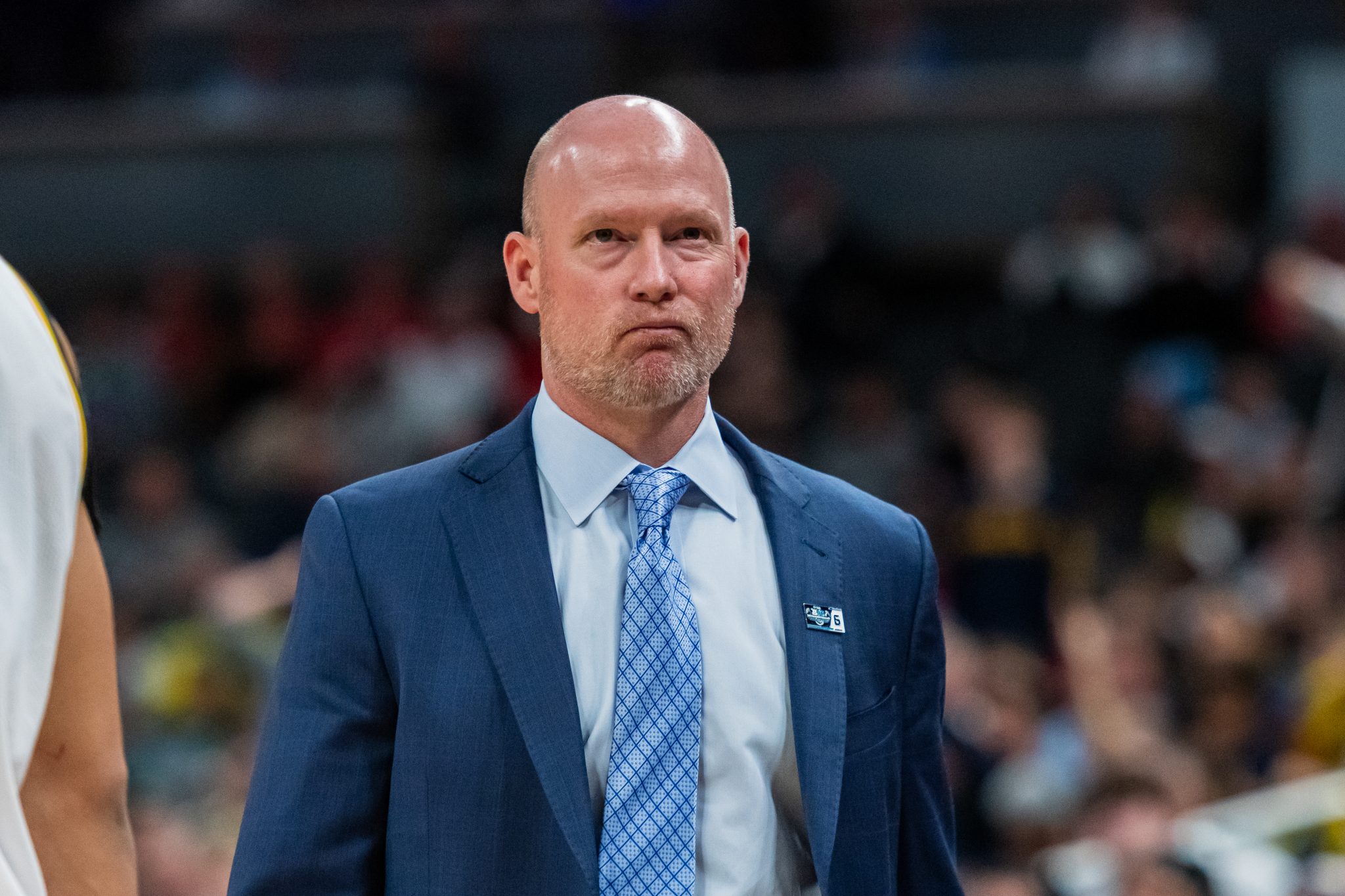
The Main Line’s New Architect: Kevin Willard Is Rebuilding Villanova’s Blue Blood Status

PHILADELPHIA — In the cloistered world of college basketball, the term “blue blood” is more than a compliment. It is a patent of nobility, earned not by a single triumph but by a sustained reign. It signifies a dynasty with championships, constant national relevance and a gravitational pull that shapes the sport’s ecosystem.

For nearly two decades under Jay Wright, the Villanova Wildcats did not just earn an invitation to that elite fraternity; they commandeered a seat at the head table. Wright transformed a proud program with a Cinderella past into a contemporary superpower, aligning its orbit with titans like Duke, Kansas and North Carolina. But the unforgiving test of a blue blood is not achievement under a singular visionary. It is institutional permanence.

The three seasons since Wright’s abrupt retirement in April 2022 have served as that crucible. And the evidence is stark. Without its foundational architect, Villanova has experienced a swift and decisive regression, revealing that its blue-blood stature was a magnificent, coach-dependent edifice, not yet embedded in the program’s bedrock. The Wildcats, for now, have relinquished their hard-won place among the sport’s true aristocracy.
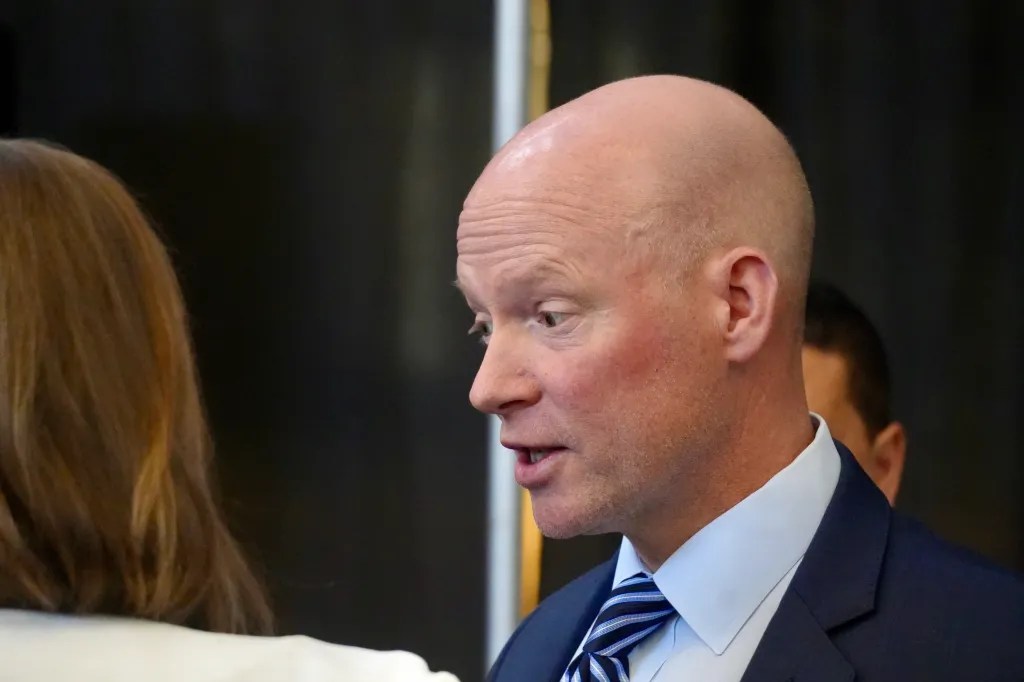
The task of restoration now falls to Kevin Willard, a proven program-builder tasked with a dual mandate: to win immediately in the hyper-competitive Big East and to forge a sustainable culture for the chaotic new age of college athletics. His early returns — a 10-2 start in his first season — are promising. But his true test is whether he can architect a new, resilient version of the Villanova brotherhood.

The Architectural Miracle and Its Swift Demise

Jay Wright’s 21-year tenure was an exercise in systematic elevation. His record — 520 wins, two national championships, four Final Fours — provides the statistical backbone. Yet his genius was in building a modern dynasty that projected power consistently and nationally, the essential hallmark of a blue blood. From 2014 through 2022, Villanova was a constant atop the sport. The 2022 Final Four crystallized this arrival: Villanova joined Duke, North Carolina and Kansas in New Orleans, and the collective logos sparked a mainstream debate about its blue-blood status.

Yet, analysts distinguish between “traditional blue bloods” — whose success spans multiple coaching regimes — and “new bloods.” Villanova’s modern empire was overwhelmingly concentrated in the Wright era. The departure of such a transformative figure is the ultimate stress test.

The tenure of Kyle Neptune, Wright’s chosen successor, provided a clear, and negative, verdict. The decline was measurable across every key metric: Villanova failed to win an NCAA tournament game in the post-Wright era and missed the tournament entirely for three consecutive seasons. Its stranglehold on the Big East vanished. The formidable recruiting pipeline Wright built slowed to a trickle. In March 2025, after a 19-14 season, Neptune was fired.

The simultaneous rise of Big East rival UConn underscores Villanova’s fall. After a brief transition following their own legendary coach, UConn won a National Championship with Kevin Ollie at the helm and UConn won two more national titles under Dan Hurley. This multigenerational, multi-coach success is the definitive argument for blue-blood status. Villanova, in the same period, went from sharing a Final Four stage with blue bloods to watching its conference rival cement the very status it let slip.
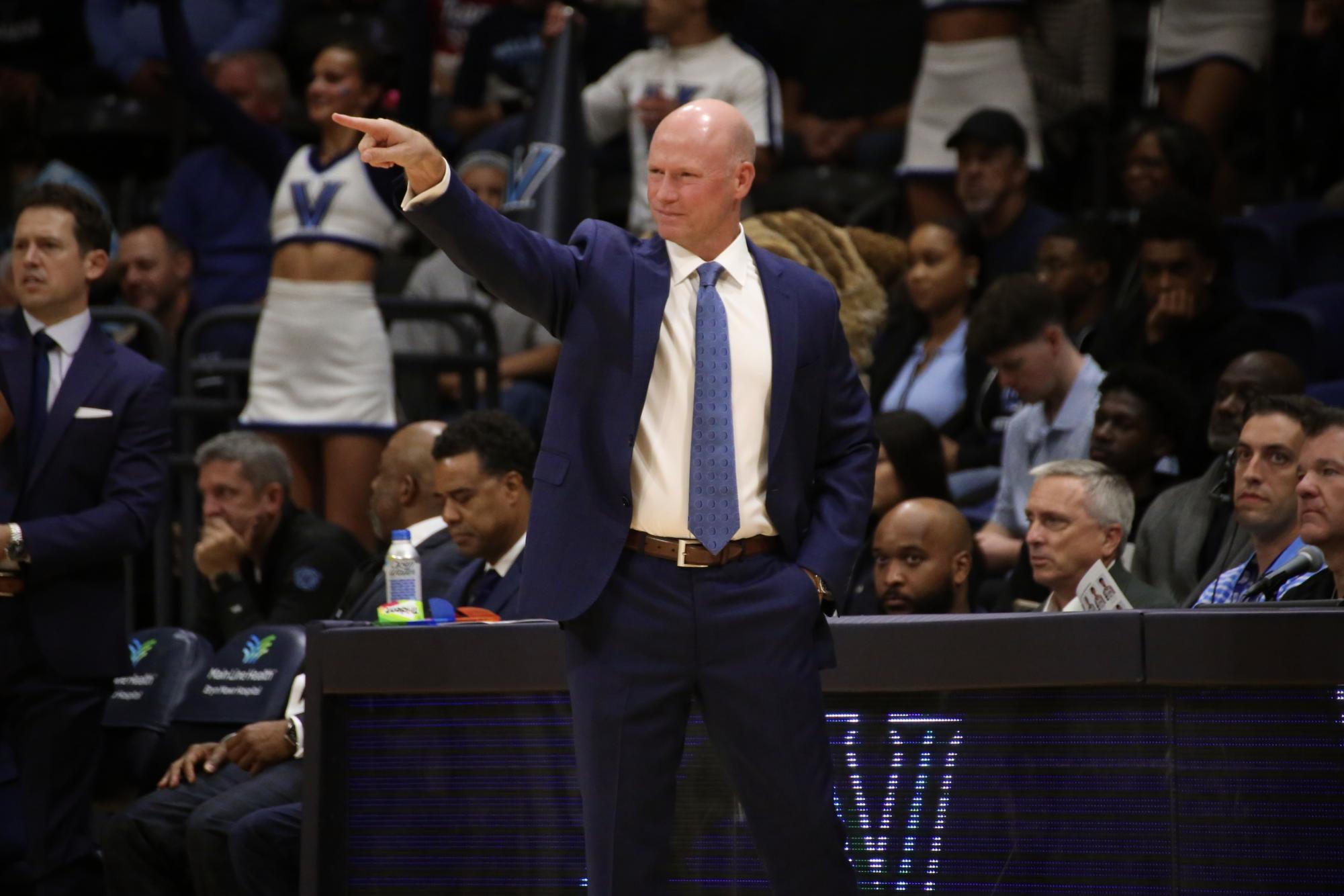
The Willard Blueprint: Proven Success in a New Era

Into this void stepped Kevin Willard. Hired in March 2025, he arrived with a mandate for immediate and lasting restoration. Villanova’s leadership was unequivocal about why he was their choice.

“Coach Willard demonstrated that he has the vision and experience to guide Villanova Basketball in the changing world of college athletics,” said Villanova University President Rev. Peter M. Donohue.

This new world is defined by the transfer portal and, critically, the landmark House v. NCAA settlement, which legalized direct revenue sharing between universities and student-athletes. Willard’s record suggests he is built for this challenge.

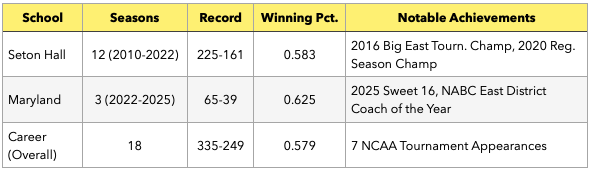
His résumé is a blueprint for building competitive programs against elite competition. At Seton Hall, he inherited a struggling program and, through meticulous building, transformed it into a Big East power. He departed as the second-winningest coach in school history with a conference tournament title and a regular-season crown. He then proved his model worked outside the Big East, leading Maryland to a 27-win season and a Sweet 16 appearance in 2025.

With a career winning percentage of .579 across nearly 600 games at the Division I level, Willard is a proven commodity. His early work at Villanova has been impressive: the Wildcats sprinted to a 10-2 start in his first season, showing renewed defensive grit and offensive balance.

Table: Kevin Willard’s Head Coaching Record Before Villanova
Rebuilding the Brotherhood in the Age of Free Agency

Today’s elite coach must be more than a tactician; he must be a chief executive, a cultural steward and a relationship-builder in an environment of empowered free agency. Willard’s philosophy appears tailored for this reality.

At his introductory press conference, he pledged to embrace the existing culture while adapting it, stating, “Villanova Basketball has a deep tradition of excellence and a culture that is second to none in college basketball”. His approach to roster construction balances the immediate need for talent with long-term cultural stability.

“We want to focus on high school kids and develop them,” Willard has emphasized, a nod to the “Villanova Way” of building through player development. This is evident in his first roster, which blends promising high school recruits like top-100 guard Acaden Lewis with strategic transfers from his former programs.

This human-centric approach is Willard’s hallmark. His career is marked by stories of deep, individualized mentorship. Two of his players hold the record for games played at their respective schools and serve as perfect bookends to his philosophy. Michael Nzei, a forward from Nigeria who played for Willard at Seton Hall, was the epitome of the scholar-athlete. Academically brilliant, he was named the Big East Scholar-Athlete of the Year in 2019. While Nzei spoke openly of professional basketball dreams, Willard saw the fuller picture. In a private moment, the coach expressed a knowing confidence that Nzei’s destiny was not on the court but on Wall Street. Willard’s role was not to dissuade him from his athletic goals, but to provide the platform and support for him to excel in both arenas, understanding that true coaching means preparing a player for the 40 years after basketball, not just the four years within it.

Donta Scott’s journey was different. A talented forward from the Philadelphia Public League who played for Willard at Maryland, Scott arrived with significant academic challenges. As he detailed in his book “Wired Differently”, Scott he was a student who learned differently, with gaps and unmet needs. For Scott, the path to success required intense, personalized academic intervention and support. Willard and his staff provided exactly that, creating a structure that allowed Scott to thrive academically and athletically. The result was not only a successful collegiate basketball career but the ultimate prize: a bachelor’s degree from the University of Maryland.

At Seton Hall, he guided Michael Nzei from Nigeria to become the Big East Scholar-Athlete of the Year, seeing in him a future beyond the court. At Maryland, he provided intensive academic support for Philadelphia native Donta Scott, helping him earn his degree. In an era where players can transfer at will, this ability to forge genuine trust ranks among a coach’s most critical skills. In a transaction-focused, transfer portal/NIL era, Willard is committed to helping players attain and maintain a levels of academic performance and vocational aspirations that are commensurate with their intellectual ability and personal ambition. 

Villanova’s Structural Advantages: A Foundation for Return

While its blue-blood status may have dimmed, Villanova under Willard operates from a position of significant institutional strength. The program’s potential resurgence is built on four key pillars:

Table: Villanova’s Competitive Advantages in the New Era
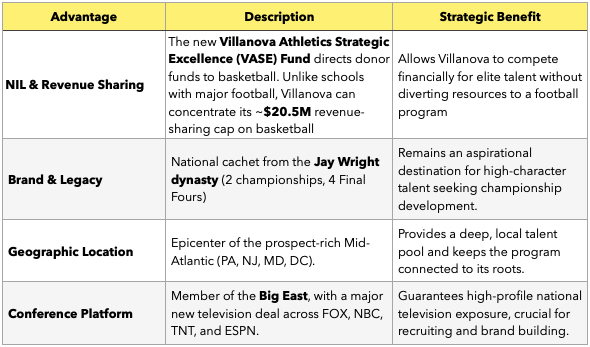
Eric Roedl, Villanova’s Vice President and Director of Athletics, has outlined an aggressive strategy to leverage these assets. “We’re going to be proactive and bold with how we try to position our programs to be successful,” Roedl stated, emphasizing the opportunity to focus resources on basketball.

The Path Forward

The chants in the stands at the Finneran Pavilion have regained a note of optimistic fervor. The early success of Willard’s first season is a necessary first step, but it is only a step. The true measure of his project will not be this season’s win total, but whether he can reignite the self-sustaining engine that defines the sport’s elite.

For any other Big 5 program, an NCAA tournament bid might be a celebration. For Villanova University, it is a non-negotiable baseline—the bare minimum required to uphold a decades-long contract with excellence. The standard on the Main Line is not merely to participate, but to contend for national titles, a reality cemented by championships in 1985, 2016, and 2018. In the modern landscape, where the Big East reliably secures four to five bids, Villanova’s brand, resources, and history demand it be a perennial lock, not a hopeful bubble team. To miss the tournament is not a minor setback; it is an institutional failure, a stark deviation from the very identity of a blue blood program that operates in a basketball-centric conference and commands national respect. The expectation isn’t arrogance; it is the logical conclusion of the program it built.

Within that framework, the tournament itself is merely the entry fee to the arena where true judgment begins. A Sweet 16 appearance is acceptable; an Elite Eight run is good. The Final Four is outstanding. And cutting down the nets is the ultimate, achievable goal. This is the clear and established hierarchy at Villanova, a program whose modern golden age under Jay Wright proved that sustained elite status, not occasional flashes, is the mandate. To lower the bar now, to treat a tournament bid as an aspirational goal, would be to surrender the program’s hard-won stature. In the ruthless calculus of college basketball’s upper echelon, making the field is the price of admission. For Villanova, anything less is an invoice left tragically unpaid.

Willard can get it done. He must prove he can consistently recruit at a blue-blood level, not just in the transfer portal but with the high-school prospects who become program legends. He must navigate the new financial landscape, ensuring Villanova’s NIL apparatus is robust enough to retain homegrown stars. And he must, above all, reforge the brotherhood — that intangible culture of collective sacrifice and trust — in an era that incentivizes individualism.

Jay Wright’s Villanova was a masterpiece. Kevin Willard’s task is not to create a replica, but to design a new, equally formidable structure on the same foundational principles, one capable of withstanding the storms of modern college athletics. The throne sits waiting. Willard is now the architect charged with building a kingdom that can endure long after its king has departed.
Beyond Neptune and Lange: How Two Coaching Tenures Revealed College Basketball’s New Reality

PHILADELPHIA, PA – In the cathedral of Philadelphia college basketball, where the Palestra’s rafters hold the echoes of a thousand city series battles, a stark new reality has settled in. For the first time in nearly five decades, a three-year drought has gripped the Big 5: no team from this proud consortium—Villanova, Saint Joseph’s, Temple, La Salle, or Penn—has heard its name called on NCAA Tournament Selection Sunday. This unprecedented lapse is not merely a coincidence of down cycles but a symptom of a seismic shift in the sport’s landscape, one that has exposed traditional power structures and made coaching hires a perilous high-wire act.

The concurrent tenures of Kyle Neptune at Villanova and Billy Lange at Saint Joseph’s serve as the perfect case studies. Both were tasked with succeeding legends—the graceful, self-determined exit of Jay Wright at Villanova and the summary, contentious dismissal of Phil Martelli at Saint Joseph’s. Both struggled to meet the outsized expectations of their fanbases. Yet, their parallel struggles reveal less about individual failure and more about how the tectonic plates of NIL and the transfer portal have fundamentally reshaped the ground beneath every program. The margin for error has vanished, and Philadelphia’s current coaching crossroads—Villanova’s safe bet on Kevin Willard and Saint Joseph’s gamble on Steve Donahue—show a sport scrambling to adapt.

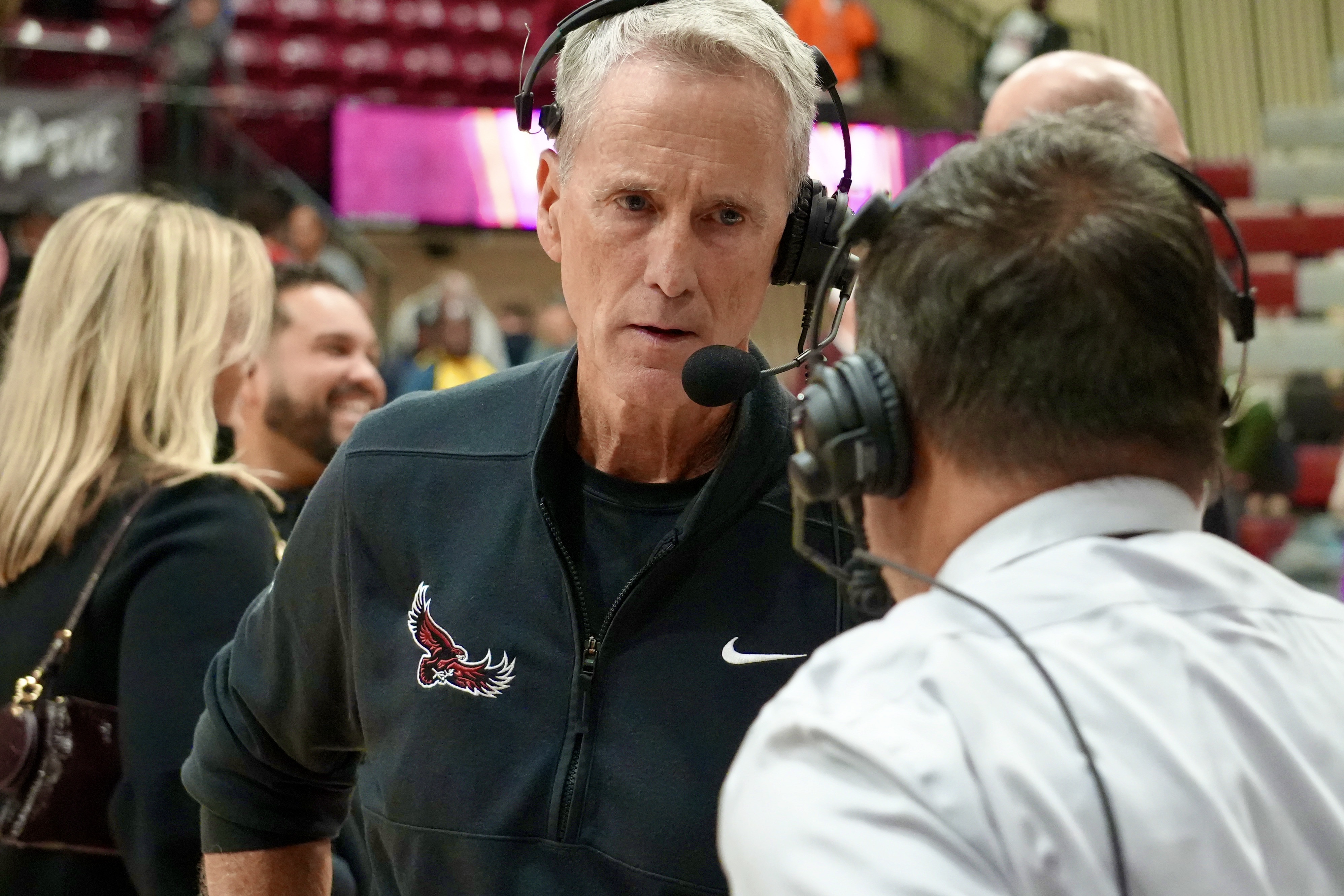
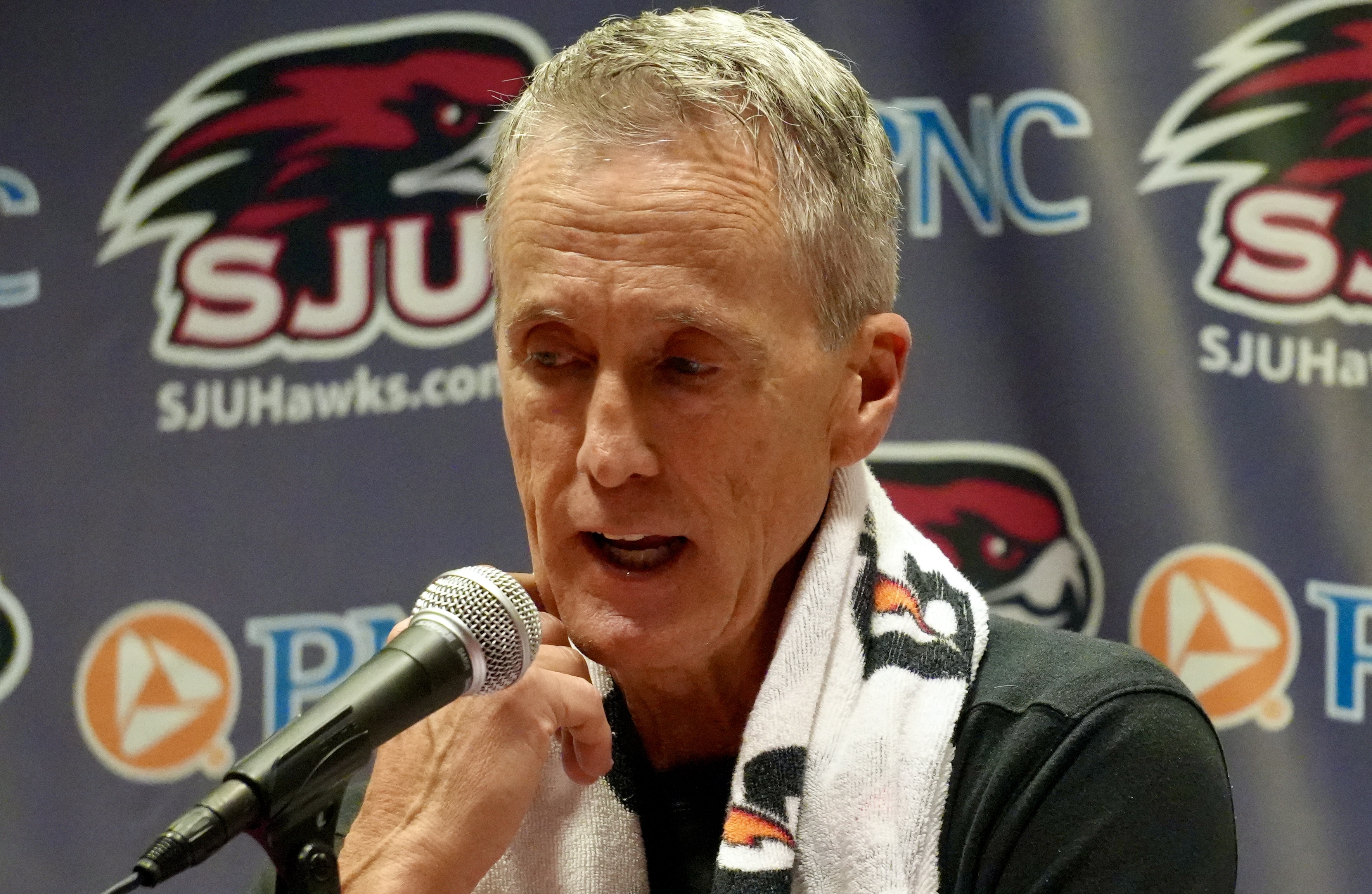
Steve Donahue, St. Joseph’s Head Coach

A Stark New Reality for the Big 5

The Philadelphia Big 5 is not just a basketball competition; it is the soul of the city’s sports culture. Founded in 1955, it forged rivalries so intense that, as former Saint Joseph’s athletic director Don Di Julia noted, the games were “part of the fabric of life in Philadelphia”. For generations, its round-robin battles at the Palestra guaranteed that at least one Philly school would be nationally relevant. From 1977 until 2022, that streak held firm.

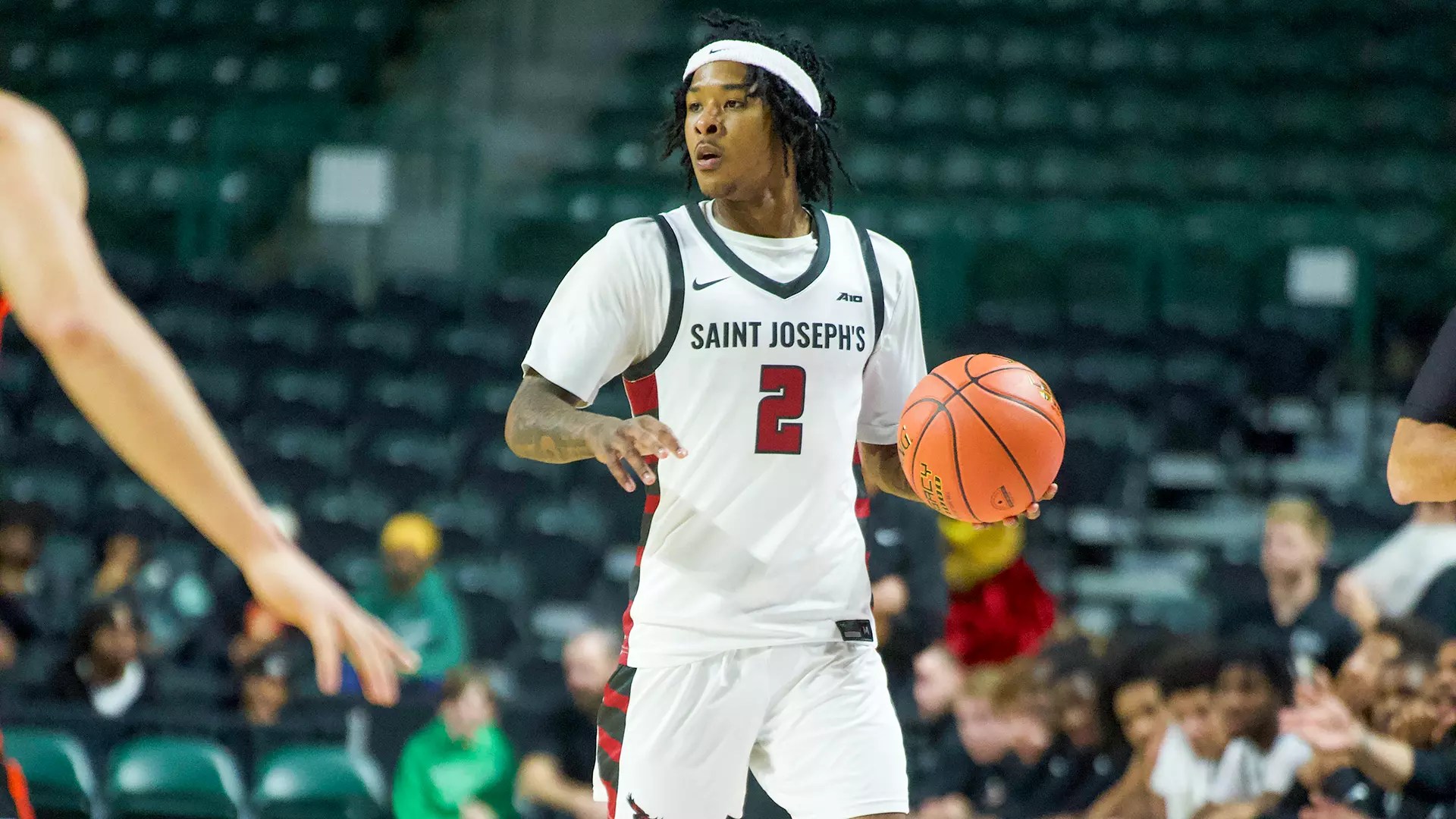
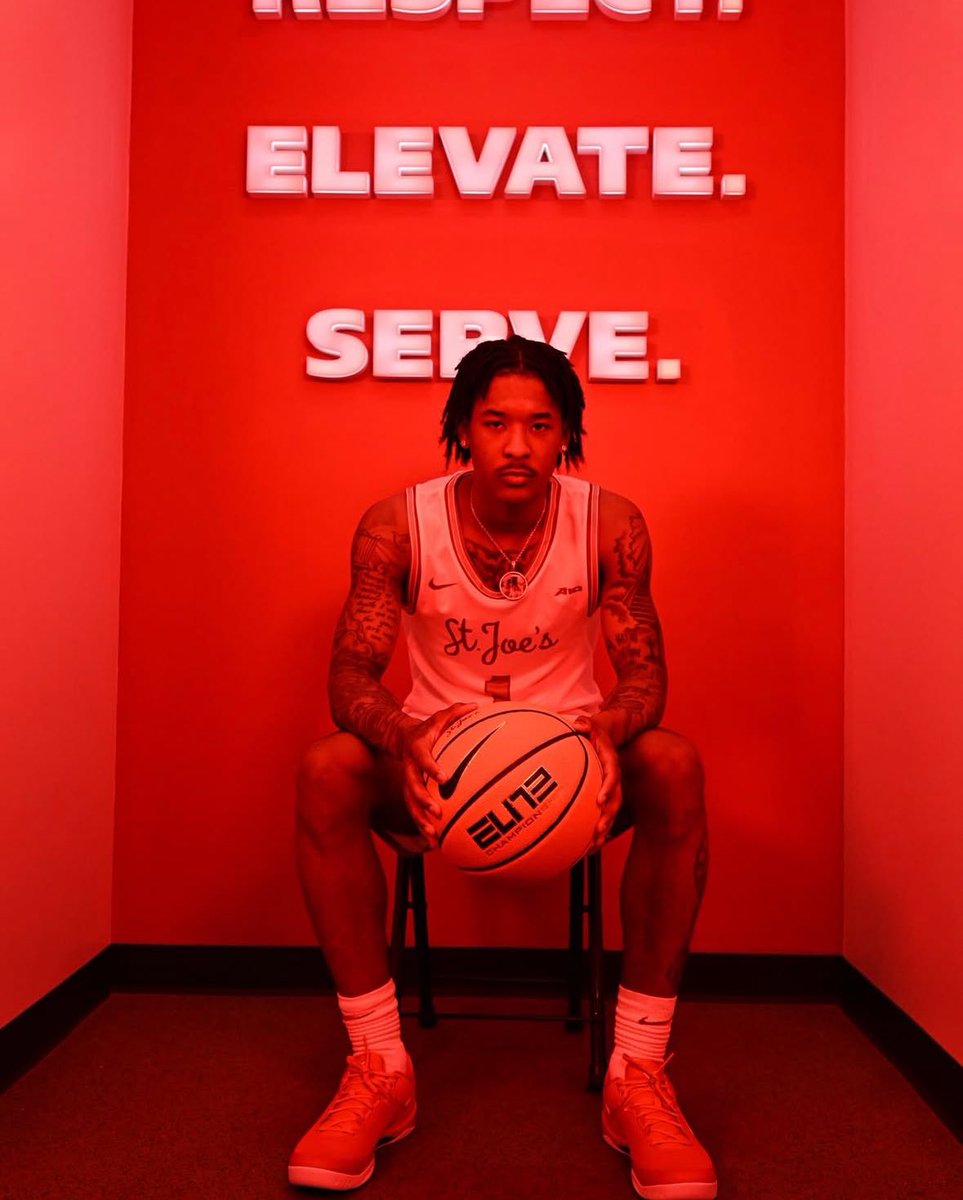
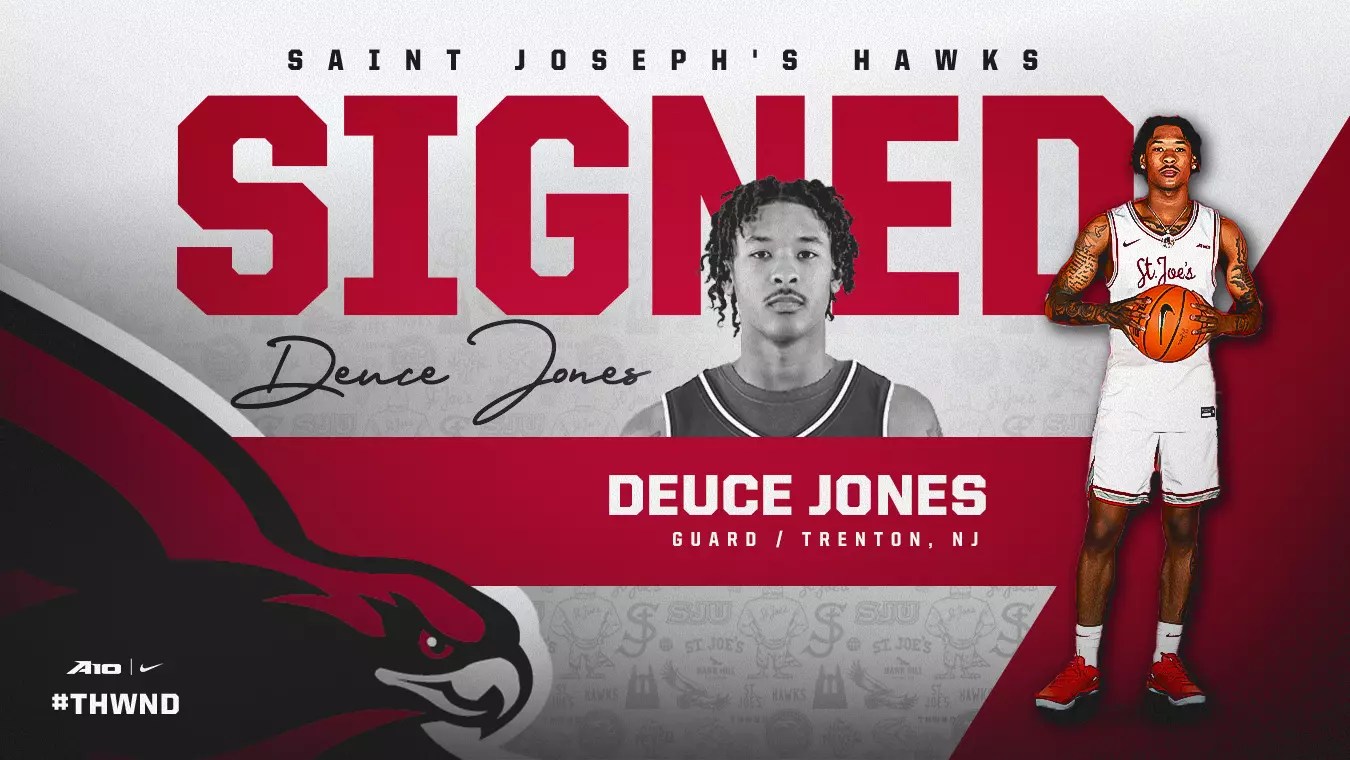
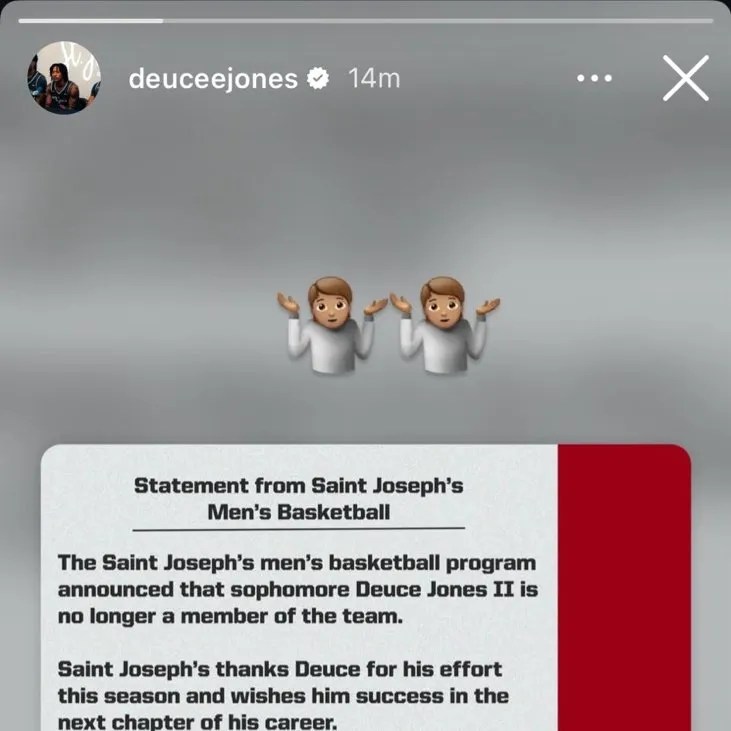
The recent three-year tournament drought is therefore historic and alarming. It signals a disruption of the natural order. The causes are multifaceted—conference realignment, cyclical talent dips—but they are compounded exponentially by the new ecosystem of player movement. In the “old Big 5,” as former player Steve Bilsky recalled, “players would never think of transferring from one Big 5 school to another”. Today, that unwritten code is obsolete. La Salle’s 2024-25 A10 Rookie of the Year, Deuce Jones was just scrubbed from the St. Joseph’s roster, after playing just 10 games, a few days ago. Villanova’s 2024-25 roster, for instance, featured graduate guard Jhamir Brickus from La Salle and sophomore guard Tyler Perkins from Penn, direct intracity transfers that would have been unthinkable a generation ago. The local talent pool, once fiercely guarded, is now a free-agent market.

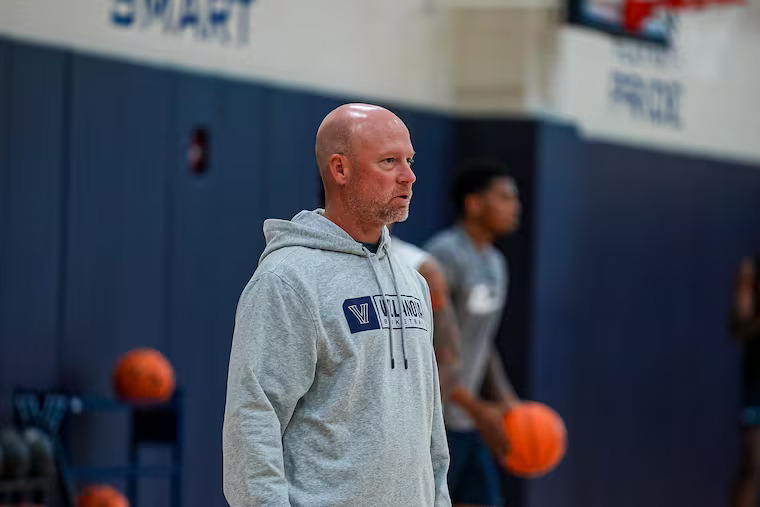
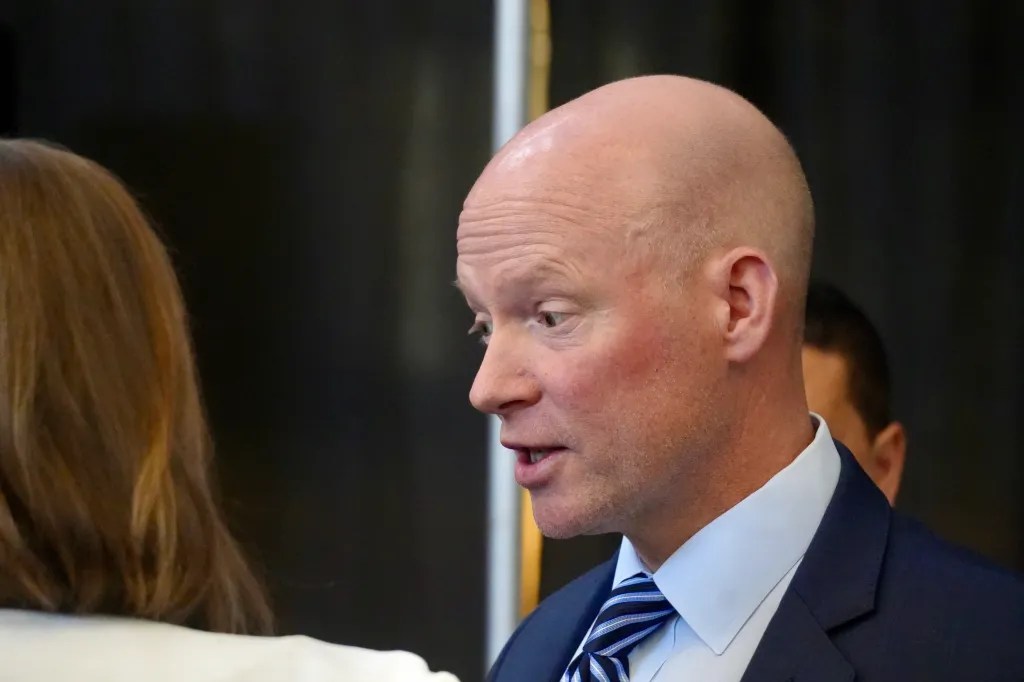
Kevin Willard, Villanova Head Coach

The Lange Era at Saint Joseph’s: A Process Interrupted

Billy Lange arrived at Hawk Hill in March 2019 with a fascinating resume: a Patriot League Coach of the Year at Navy, a key assistant under Jay Wright during Villanova’s rise, and six years in player development with the NBA’s Philadelphia 76ers. He was an analytics focused and process-oriented coach hired to rebuild a program that had struggled in the final years of Phil Martelli’s legendary 24-year run. 

Lange, unfortunately, was never able to approach the heights Martelli’s Hawks reached. Lange’s six-season record—81-104 overall and 38-64 in the Atlantic 10—was undeniably disappointing. However, his tenure coincided precisely with the explosion of the transfer portal and NIL. His developmental philosophy, honed in the NBA, was suddenly at odds with a college game that had grown impatient. As one industry expert notes, the portal has caused coaches to shift from projecting a high school recruit’s potential to seeking “players who are ready now”. For a program like Saint Joseph’s, without the deep NIL war chests of football-powered schools, this meant competing for proven transfers was a brutal, often losing battle.

Lange’s best season, 2023-24, ended with a 21-14 record and an NIT berth—clear progress. But in the new calculus, incremental building is a luxury few coaches are afforded. The pressure to win immediately, fueled by the ease with which players can depart, created a vortex from which he couldn’t escape. His return to the NBA as a New York Knicks assistant in 2025 felt like a natural conclusion for a coach whose skillset may be better suited to a professional landscape free of recruiting’s chaos.

The Neptune Era at Villanova: Inheriting a Colossus

Kyle Neptune’s challenge was of a different magnitude. He was not rebuilding; he was tasked with maintaining a dynasty. Handpicked by Jay Wright following a single 16-16 season at Fordham, Neptune was the anointed keeper of the culture. His first two seasons were a study in stability but also stagnation: a combined 35-33 record and two NIT appearances, a stark fall from the Final Four standard.

The narrative around Neptune solidified quickly: a promising assistant unable to translate the master’s lessons. But this narrative ignores the hurricane into which he stepped. As The Athletic reported, Neptune’s roster underwent near-total annual overhaul due to the portal. In one offseason alone, nine players departed via graduation, the NBA draft, or transfer. He was forced to reconstruct a cohesive team from scratch each year, attempting to instill Villanova’s famed system in a revolving door of newcomers.

A mid-season turnaround in his third year, highlighted by a win over UConn, offered a glimpse of what was possible when portal acquisitions like Brickus and Wooga Poplar meshed with veterans like Eric Dixon. Yet, the very fact that Villanova’s success was now dependent on integrating multiple key transfers from other programs—including city rivals—underscores how profoundly the sport has changed. The “Villanova Way,” built on four-year player development, is an artifact in need of a radical update.

The Choking Grip of the New Ecosystem

The struggles of Lange and Neptune are not isolated failures but evidence of systemic pressures.

  • The Portal’s Preference for Proven Commodities: The transfer portal has fundamentally altered roster construction. Coaches now operate with a professional sports general manager’s mindset, where a known college commodity is almost always valued over a high school prospect’s potential. This “plug-and-play” mentality, as described by experts, shrinks opportunities for developmental high school players and forces coaches to constantly re-recruit their own rosters.
  • The NIL and Revenue-Share Squeeze: The financial landscape is in chaotic flux. With the House v. NCAA settlement introducing direct revenue sharing, programs are now building rosters against a de facto salary cap. As one Big Ten coach starkly put it, the money available now is “about 40-50 percent less than what it has been”. For programs without massive booster collectives, the competition for top-tier portal talent is increasingly unwinnable. This uncertainty has brought the recruitment of the high school class of 2026 to a near-standstill.
  • The Vanishing Margin for Error: In this environment, a single missed evaluation or a bad season can trigger a death spiral. Players leave, creating more holes to fill with an ever-more expensive and competitive portal pool. Coaching tenures are shortened, and patience is extinct. The pressure, as one analysis notes, is so intense that “a recruiting miss isn’t harmless. It’s a mark against you… Stack too many misses, and you don’t just lose games. You lose your job”.

Divergent Paths Forward: The Safe Bet and the Gamble

In response, the two programs have chosen starkly different paths, illuminating their assessment of the new risks.

Villanova’s selection of Kevin Willard is a masterclass in risk mitigation. Willard possesses the exact profile needed for this moment: a proven program-builder at Seton Hall who consistently navigated the Big East and, more recently, the football-dominated Big Ten at Maryland. He is a known quantity with a track record of winning in high-major conferences. For a Villanova program that can still attract talent based on brand and resources, Willard represents stability and a high floor—a safe and smart selection to stop the bleeding and return to the NCAA Tournament.

Saint Joseph’s promotion of Steve Donahue, by contrast, is a fascinating and perilous gamble. Donahue is considered a superb tactician with a history of success at Cornell. However, his recent tenure at Penn saw the Quakers finish 7th in the 8-team Ivy League in his last two seasons. The leap from the Ivy League to the Atlantic 10 is vast, not just in athletic competition but in the cultural and academic recruitment landscape. Can a coach who struggled in a low-major, high-academic environment adapt to the mercenary, NIL-driven world of the A-10? Saint Joseph’s is betting that his coaching acumen and familiarity with Philadelphia can overcome these hurdles, but the margin for error is zero.

The Deuce Jones Effect: A Cautionary Tale for the Transfer Portal Era

PHILADELPHIA, PA – The transaction is instantaneous. An athlete enters a name into a database, a program wires funds from a collective, and a scholarship offer is extended. On spreadsheets in athletic departments across America, this constitutes a successful roster rebuild. Yet in gymnasiums and locker rooms, where the alchemy of teamwork transforms individuals into contenders, the equation is proving far more complex. The abrupt departure of Deuce Jones from the Saint Joseph’s University basketball team after just ten games is not merely a local sports story in Philadelphia; it is a stark, human-sized case study in the collision between a new, transactional model of college athletics and the timeless, relational art of coaching.

Long gone are the days when a coach’s authority was rooted in a simple, autocratic decree. Today’s coach is part strategist, part psychologist, part contract negotiator, and part cultural architect, navigating a landscape where loyalty is provisional and rosters are perpetually in flux. The transfer portal and name, image, and likeness (NIL) deals have created a booming marketplace for talent, but as the Jones saga reveals, a failure to account for the human element—the delicate fit between a player’s spirit and a coach’s philosophy—can render the most promising on-paper union a costly and swift failure.

The New Calculus of Roster Building

The modern college coach operates in an environment of relentless pressure and perpetual motion. The transfer portal is no longer a niche tool but the “fundamental part of college basketball’s ecosystem,” a bustling marketplace where over 4,000 athletes sought new homes in 2025 alone—a 418% increase from 2020. Coaches, their own job security often tenuous, are forced into a high-stakes, reactive game. When a star player departs, the response must be immediate and decisive, often leading to hasty decisions focused on plugging statistical holes rather than cultivating cohesive units

This environment encourages a perilous oversight: the subordination of cultural and emotional fit to the allure of proven production. Programs now strategically allocate NIL budgets, with some high-major schools dedicating 75% of their resources to just five starting players, treating the rest of the roster like “minimum contracts”. In this calculus, a player’s worth is distilled to points, rebounds, and efficiency ratings. The deeper questions—How does this young man respond to criticism? What coaching voice unlocks his best self? Does his competitive fire align with or threaten the existing team culture?—are too often relegated to afterthoughts, if they are considered at all.

The Deuce Jones Conundrum: A Misfit Foretold

The trajectory of Deuce Jones illustrates both the potential of masterful coaching and the consequences of its absence. As a mercurial 15 year old high school talent, he thrived under Coach Mark Bass at Trenton Catholic, who mastered the “delicate balance of discipline and understanding.” Bass redirected Jones’s boundless confidence and energy without breaking his spirit, nearly willing the team to a state championship. The pattern repeated at La Salle under the disciplined, principled guidance of Fran Dunphy, where Jones’s fierce competitiveness earned him Atlantic 10 Rookie of the Year honors. These coaches commanded his respect not with unchecked authority, but with a demanding, invested mentorship he could trust.

His transfer to Saint Joseph’s in April 2025 was a classic portal-era move. The Hawks, reeling from the departure of their entire starting backcourt, needed a savior. Jones, seeking a larger platform, seemed the perfect statistical remedy. Yet, from the outset, the interpersonal foundations were shaky. The coach who recruited him, Billy Lange—a player-friendly coach known for granting offensive freedom—abruptly left for a New York Knicks front office job just weeks before the season. In a rushed decision, the university promoted Steve Donahue, a coach fresh from a nine-year tenure at Penn where his Ivy League teams had a notably different demographic and cultural composition.

The mismatch was profound. Donahue, an analytical tactician, was now tasked with harnessing the same volatile, emotive talent that required such careful handling in high school. While initial returns were strong—Jones was the team’s leading scorer and hit a dramatic game-winner against Temple—the underlying disconnect proved fatal. Reports point to a behind-the-scenes “financial dispute” as the catalyst for the split, but the financial friction was likely a symptom, not the cause. The true failure was a systemic one: a rushed hire, a transactional recruitment, and a profound disconnect in coaching style and relational approach left no reservoir of trust to draw from when conflict arose. The partnership, built on sand, washed away in a matter of weeks.

The Vanishing Art of Developmental Coaching

The Jones episode underscores a broader erosion: the devaluation of the developmental coach in a win-now economy. The portal incentivizes programs to shop for ready-made products, bypassing the arduous, rewarding work of molding raw talent over years. As one athlete poignantly observed in a first-person account, locker rooms now feel transient, with the “idea of having a future… no longer discussed because no one knows who will be staying”.

This shift carries a deep irony. Billy Lange left Saint Joseph’s for the NBA precisely because of his proven skill in player development, having transformed Rasheer Fleming from a role player into an NBA draft pick. Yet, in the college game he exited, that very skill set is becoming obsolete. Why invest years in development when you can purchase a veteran’s production annually? The tragedy is that the greatest coaching artistry—exemplified by legends like John Chaney or John Thompson—was never just about X’s and O’s; it was about the transformative, life-altering mentorship that occurred in the space between a player’s arrival and his departure four years later. The portal, in its current form, systematically shrinks that space.

A Path Forward: Recalibrating for the Human Element

For the health of athletes, coaches, and the games themselves, a recalibration is urgently needed. The solutions are not about dismantling the portal or NIL, which provide necessary freedom and compensation, but about introducing wisdom into a system currently governed by haste and financial leverage.

  • For Programs and Collectives: Recruitment must undergo a paradigm shift. The evaluation process should mandate deep diligence into a player’s motivational drivers and coaching needs, with the same rigor applied to psychological fit as to athletic analytics. NIL agreements, where possible, could include structured incentives tied to tenure and academic progress, subtly rewarding commitment.
  • For Coaches: The role must expand. Today’s coach must be an expert communicator and cultural engineer, capable of building trust at hyperspeed with a roster of strangers. As research confirms, the coach’s reputation and relational ability are now “playing a larger role” than ever in attracting and retaining talent
  • For Families and Advisors: The cautionary tale of Deuce Jones is a vital lesson. The largest NIL offer or the highest-profile program is a hollow victory if the environment cannot nurture the whole athlete. Prospective players must ask not just “What can you pay me?” but “How will you coach me? Who will I become here?”

The final, silent image of Deuce Jones’s Saint Joseph’s career—a social media post of two cryptic emojis following his departure—speaks volumes. It is the digital-age signature of a broken relationship, a connection that never truly formed. In the end, the most advanced analytics, the most generous NIL packages, and the most impressive highlight reels are powerless without the ancient, indispensable ingredient of sport: a meaningful, trusting bond between player and coach. The portal era has changed everything about college athletics except that fundamental truth. The programs that remember it, and build accordingly, will be the ones that truly thrive.

A Coaching Hire That Understands the Game Beyond the Field

PHILADELPHIA, PA – In the complex ecosystem of urban education, where challenges are met head-on and triumphs are hard-won, a school’s most consequential decisions often occur not in the boardroom, but on the hiring lines for positions that shape character. Such a decision has just been made in North Philadelphia. The appointment of Al “Albie” Crosby as the Head Varsity Football coach at Simon Gratz High School Mastery Charter is more than a sports story; it is a profound investment in the social fabric of the community. It is a declaration that the leaders at Mastery Schools and Gratz understand, with keen clarity, that for many young people—especially young African-American men in this city—the gridiron is a classroom, the coach is a life mentor, and the lessons learned there are foundational to survival and success.

This hire is not a gamble on potential; it is the acquisition of a quarter-century of proven, championship-grade mentorship. By securing a figure of Crosby’s caliber, Gratz has signaled an ambition that transcends winning seasons. It has committed to providing its scholars with a guide who has repeatedly navigated the path from Friday night lights to futures of purpose and possibility.

The Resume Speaks, But the Legacy Echoes

A cursory glance at Albie Crosby’s record is enough to stun any Pennsylvania football enthusiast: 26 years of coaching experience, 2 PIAA State Championships, 5 State Championship appearances, 10 PIAA District 12 titles, 12 Philadelphia Catholic League Championships, and 4 Public League Championships. These are the hard metrics of a winner. They are the reason Gratz can, with reasonable expectation, immediately envision competing for Public League and State titles.

But the numbers that truly resonate in the halls of a school like Gratz are these: 126 NCAA Division I athletes and 14 NFL players coached and developed. These figures represent doors opened, college tuition secured, and professional dreams realized. They translate to young men who saw a future beyond their neighborhood’s horizon because a coach showed them the map and walked the road with them. In a city where sports are a vital artery of hope and socialization, this track record is a curriculum vitae for changing lives.

The Coach as Cornerstone: Filling a Crucial Social Role

For generations, in Philadelphia and cities like it, the coach has been a foundational figure in the socialization of young men. He is often a hybrid of teacher, father, disciplinarian, and advocate. He teaches young men how to handle adversity, the necessity of teamwork, the discipline of preparation, and the grace of both victory and defeat. These lessons are critical for all youth, but they carry a particular weight for young African-American men, who navigate a world that often misreads them. A strong coach becomes a shield and a beacon—someone who demands excellence while providing the unwavering support necessary to achieve it.

Principal Erik Zipay’s announcement grasped this totality. He did not just hail Crosby’s championships; he emphasized “the development/coaching of countless players for the next level and life.” He connected the hire directly to the school’s mission of “creating Champions in the Classroom, Community and Athletics.” This holistic vision is what separates a transactional sports hire from a transformative community one. Crosby is not being brought in merely to call plays; he is being entrusted to help build men.

A Statement of Ambition From “Bulldog Nation”

Principal Zipay’s statement is itself a fascinating document of institutional ambition. It is addressed to “Bulldog Nation”—a conscious evocation of shared identity and pride. It seamlessly pivots from the excitement about football to an open invitation for 8th-grade families: “Come get a quality of education and coaching for the future.” This is no accident. It demonstrates an astute awareness that a high-profile, credible hire like Crosby serves as a powerful magnet, attracting families who see in it a symbol of a school’s serious commitment to excellence in all arenas. It says that Gratz is a place where aspiration is taken seriously.

The Road Ahead: More Than Championships

The immediate forecast for the Gratz Bulldogs is clear: the team will be better prepared, more strategically sound, and fiercely competitive. The pedigree Crosby brings assures that. The pipeline of talent that has always existed in Philadelphia will now be honed by one of the most accomplished architects in the state’s history.

But the true victory will be measured years from now, in the lives of the young men who wear the Gratz jersey. It will be seen in the college graduations, the careers launched, the mentors made, and the fathers formed. By hiring Al Crosby, Simon Gratz High School has done more than fill a coaching vacancy. It has secured a master builder for its young men. It has acknowledged that in the gritty, glorious game of shaping futures, the right coach is the most valuable player a school can have. For Bulldog Nation, the future just got a lot brighter, and it promises to teach toughness, resilience, and triumph—both on the field and far beyond it.

The Forgotten Prospect: How NCAA’s New Era Is Closing Doors on Talented High School Players Like Bryce Hillman

CAMDEN, N.J. — In a different era, Bryce Hillman would be a sure fire NCAA Division 1 recruit. The Camden Eastside senior guard is everything low to mid-major college basketball programs traditionally sought: a 6-foot-2, 185-pound leader with deep shooting range, a powerful build, and a floor-general mentality that keeps his team in the game until the final buzzer. Yesterday, at Camden Catholic and Down 7, he hit 2 deep 3-pointers with less than 22 seconds left in the game. Off the court, his profile is equally impressive—a straight-A student, a member of the National Honor Society, and academically eligible for the Ivy and Patriot League programs.

Yet, as the 2026 recruiting cycle inches forward, Hillman’s phone isn’t ringing with Division I offers. Instead, he represents a growing, silent casualty of a revolution in college sports. His stalled recruitment is not a reflection of his talent but a direct consequence of the seismic paradigm shift driven by the transfer portal and Name, Image, and Likeness (NIL) compensation. These changes have professionalized college athletics at a breathtaking pace, creating a system where proven commodities are valued over potential, and where high school prospects like Hillman are increasingly an afterthought.

The New Calculus of Roster Building

College basketball has entered its “Wild West” era, characterized by unprecedented roster turnover and a relentless focus on immediate results. The transfer portal, which saw Division I entries nearly double from 2019 to 2024, has become the primary talent marketplace. For coaches under pressure to win now, the calculus is simple: Why invest a precious scholarship and years of development in an 18-year-old when you can recruit a 22-year-old from the portal who has already proven he can score against college competition?

The data supports this cold logic. A 2024 study found that 65% of Division I men’s basketball players who enter the transfer portal move down a competitive level or out of the sport entirely, suggesting it is often a tool for finding playing time at a lower level rather than a guaranteed path up. Yet, for coaches, the portal offers a known quantity. As one high-major coach bluntly stated about the new financial reality, “No one’s going to pay a freshman $1.5 million anymore. You can’t have a third of your [revenue-share] cap going to a guy who’s never played in college”.

This professionalized approach has led to what one analyst calls “one-year partnerships”. Programs provide NIL money and a platform; in return, players must fill a specific, immediate role. Long-term development plans, once the bedrock of college coaching, are becoming “a thing of the past”. This environment inherently disadvantages high school seniors, like Bryce Hillman, no matter how gifted.

The Squeeze on the 2026 Class

Hillman’s class is caught in a perfect storm. The convergence of the transfer portal’s dominance and the new financial uncertainties of the “rev-share era” has brought high-major recruiting for 2026 prospects to a near standstill. Following the landmark House v. NCAA settlement, schools are navigating how to directly share revenue with athletes while also regulating booster-backed NIL collectives. This has created massive uncertainty about what financial packages can even be offered.

“Coaches are telling us, ‘We’re not going to the portal if you commit to us.’” — Deron Rippey Sr., father of a five-star 2026 recruit. 

As a result, conversations between coaches and top 2026 recruits have barely addressed specific numbers. “Most coaches say the rules are changing in the next two weeks, the next month, we’re trying to figure out what we can do,” said the father of one elite prospect. Another recruit noted, “Some coaches have no clue, really. A lot of their answers… is, ‘I don’t know.’ It’s funny hearing that”.

This financial fog exacerbates the existing bias toward the portal. Coaches, unsure of their future budgets, are hesitant to commit resources to high school players. They know that next spring, they will need to save a significant portion of their funds to compete in the transfer market, where bidding for proven players has reached astonishing levels—with some individual transfers commanding multi-million dollar packages. For a player like Hillman, who isn’t a consensus five-star recruit, the path to a high-major or even a mid-major offer has become exceedingly narrow.

The Cascading Effect and the Lost Art of Development

The impact of this shift creates a cascading effect throughout the ecosystem:

  • High-Major Programs seek players from other high-major programs or stars who have dominated at the mid-major level.
  • Mid-Major Programs, in turn, chase former top-100 high school recruits who are seeking more playing time after sitting on a power-conference bench.
  • Low-Major Programs target frustrated transfers from the higher levels.

This leaves talented, unproven high school prospects in a state of limbo. They are now frequently advised that their route to a Division I opportunity may require a detour—a post-graduate prep school year or proving themselves at the Division II or NAIA level first. This mirrors the transient “Migration Generation” of players who hopscotch between schools in high school and college, a trend that risks academic progress and stable development.

The professionalization of the sport is also changing how programs are run. Forward-thinking schools like the University of North Carolina are building mini-NBA front offices, hiring professionals to handle scouting, NIL negotiations, and roster management—tasks that were once the domain of coaches. In this new structure, the focus of coaching staffs can return to X’s and O’s and player development. The tragic irony is that in this more “professional” system, there are fewer and fewer raw, young players deemed worthy of that development investment.

A Path Forward in a Changed Game

So, what is a player like Bryce Hillman to do? The old blueprint is obsolete. Success now requires a new playbook that acknowledges the reality of the business:

  1. Embrace Alternative Pathways: A post-graduate year at a national prep school or a starring role at a top Division II program can provide the tape and proof of concept that the portal-driven market demands.
  2. Seek Programs Committed to Development: Some coaches, particularly at mid-majors with less portal buying power, still prioritize building through high school recruits. Identifying these programs is crucial.
  3. Leverage Academic Excellence: For a student like Hillman, targeting high-academic schools in the Ivy, Patriot, or similar leagues can be a strategic advantage, as these programs often have different roster-building philosophies and cannot use large NIL offers as their primary tool.
  4. Exercise Patience: The portal creates late-summer roster chaos. Scholarships can materialize in August as teams finalize their rosters, rewarding those who remain ready and visible.

Bryce Hillman’s story is not unique. It is the new normal for thousands of talented high school basketball players. The NCAA’s transformation, born from a long-overdue move toward athlete compensation and freedom, has had profound unintended consequences. It has created a quasi-professional free agency that values immediate production over nurtured potential. In the rush to embrace this new era, we must not forget the Bryce Hillmans of the world—the talented, well-rounded students and athletes who just a few years ago would have been the foundation of a college program, but who now stand on the outside, waiting for a coach still willing to believe in, and invest in, the promise of an 18-year-old.

The system has gained financial freedom for players at the top, but it has quietly closed a door of NCAA Division 1 opportunity for many at the bottom. Whether that door can be nudged back open may define the soul of college basketball in the decades to come.

Neumann-Goretti Launches ‘Patron Saints’ to Preserve the Soul of Scholastic Basketball

PHILADELPHIA — In an era where the soul of traditional high school basketball is increasingly traded for national spotlight and transactional deals, one Philadelphia powerhouse is drawing a line on the hardwood of its home court. The Neumann-Goretti Saints boys’ basketball program today announced the launch of the “Patron Saint Donor Campaign,” a clarion call to preserve the last vestiges of Philly’s traditional scholastic basketball.

The campaign is not merely a fundraiser; it is an innovative and ncessary mobilization. It is a bid for reinforcements in a quiet but intensifying war for the very identity of the sport. For decades, elite basketball was forged in the crucible of local rivalry—in the packed, echoing gyms of neighborhood Catholic and public schools where the dreams were city titles, district crowns, and state championships. The heroes wore the names of their communities on their chests.

That era is fading. Today, the gravitational pull of national basketball academies, with their focus on individual rankings and nascent NIL empires, is siphoning talent from the historic bastions of the game. Iconic programs like Neumann-Goretti, Roman Catholic, DeMatha, Camden, Imhotep, and Chester—institutions that are pillars of their cities—find themselves battling not just for wins, but for their existential relevance.

Yet, Neumann-Goretti refuses to cede the court. The Saints continue to compete at the highest national level, consistently facing off against well-funded, coast-to-coast academies. Their strategy is not to emulate these new models, but to defeat them through the very traditions that built the program: deep local talent, ferocious team identity, and the unbreakable bond between a team and its community.

“This campaign is an innovative response to a national problem,” said Delgreco Wilson, Black Cager Sports. “Neumann-Goretti is not a franchise. It is a Philadelphia institution. To win this fight, they need the army that has always been their foundation: their community.”

The Patron Saint Donor Campaign offers basketball purists and Philadelphia loyalists a direct stake in this struggle.

For the 2025-26 season, a limited cadre of just 20 supporters will be enlisted as “Patron Saints.” A donation of $100 secures this enlistment, granting:

  • Free entry to all Neumann-Goretti HOME games, guaranteeing a seat at every battle, even sellouts against national opponents.
  • A distinctive Patron Saints t-shirt, a uniform of solidarity.\
  • A $10 coupon for the official team store.

“We are calling on anyone who loves what high school basketball was, and what it still should be,” said Assistant Coach Pat Sorrentino. “When you become a Patron Saint, you are not just buying a ticket. You are enlisting in the cause. You are helping to ensure that the future of this game isn’t shaped solely in impersonal academies, but continues to thrive on the home floors where passion is born and legends are made.”

The offer is intentionally exclusive, mirroring the prized, hard-fought nature of a spot on the Saints’ roster itself.

The mission is clear: to provide the resources for Neumann-Goretti to continue its dual quest—to hunt national titles while fiercely guarding the local, communal soul of the sport.

To learn more and to enlist as a Patron Saint for the 2025-26 season, visit the Neumann-Goretti Athletics website. All 20 spots are expected to be claimed swiftly by those who believe the fight is worth the price of admission.

###

About Neumann-Goretti High School: Neumann-Goretti High School, a Catholic secondary school in the Franciscan tradition located in the heart of South Philadelphia, has long been a national epicenter for basketball excellence. Its program is defined by a profound commitment to community, discipline, and the development of young men as both athletes and citizens, producing countless collegiate standouts and professional players.

A New National Home for Elite Development: Why Mt. Zion Prep is the Ideal Choice for the Next-Generation College Prospect

LANHAM, MD – For over eight decades, the New England Preparatory School Athletic Council (NEPSAC) has stood as the undisputed gold standard for elite high school basketball development. Born in 1942 from a need to coordinate athletics during the wartime disruptions of World War II, it has evolved into a highly competitive institution, sanctioning championships and attracting top talent from across the country. Its rigorous, postgraduate-friendly environment has become a non-negotiable proving ground for athletes with Division I aspirations.

Yet, the very landscape that created the NEPSAC’s prominence is shifting. As college programs, now more than ever, focus on the transfer portal for immediate help, the pressure on high school athletes to present as polished, college-ready products is immense. For a student-athlete from the Mid-Atlantic or the South, relocating to a New England boarding school has been the traditional price of entry for this level of competition. But what if you could access a program of identical intensity, exposure, and proven results without leaving your region? This is the proposition of Mt. Zion Preparatory School in Prince George’s County, Maryland.

Mt. Zion Prep offers the elite-level, postgraduate-centric basketball programming synonymous with the NEPSAC’s top tiers but delivers it from a strategically superior location and through a uniquely culturally fluent model. For the ambitious student-athlete from New York to North Carolina, it is not merely an alternative to a New England prep school; it is the next evolution of it.

Favour Ibe, ’26 – Offers from Alabama, Maryland, South Carolina, Villanova, Florida State and Georgia

The NEPSAC Blueprint: A Legacy of Competitive Excellence

To understand Mt. Zion’s value proposition, one must first appreciate the model it emulates and elevates. The NEPSAC is not a single league but a governing association for over 180 independent schools, organized into highly competitive classes like AAA, AA, and A. This structure creates a clear hierarchy of competition. As one college recruiting advisor notes, while class isn’t everything, playing in the top NEPSAC divisions signals to college coaches that a player is “battle-tested” against future college stars and under top-tier coaching.

The environment is deliberately structured for exposure. Events like the New England Prep Schools Showcase at Babson College and Avon Old Farms draw over 600 prospects and are mandatory stops for college recruiters. The association’s history of producing professional players and its allowance for postgraduate athletes—who use a “fifth year” to mature physically and academically—have cemented its reputation. Schools like Northfield Mount Hermon, Brewster Academy, and Worcester Academy are not just schools; they are national brands in player development.

Mt. Zion Prep

The Mt. Zion Advantage: Location, Access, and Modern Fluency

Mt. Zion Prep adopts this successful blueprint but recontextualizes it for today’s recruit. Its location in the Washington, D.C. metropolitan area is a foundational advantage, as shown in the table below comparing key regional benefits.

For a family in Philadelphia, Richmond, or Charlotte, Mt. Zion is a direct flight or a manageable drive away, not a journey to a remote New England campus. This proximity eases the transition for students and allows families to be more involved. More critically, it places the program at the crossroads of several of the nation’s most fertile recruiting grounds. Mt. Zion’s schedule is built not just for local competition but for national visibility, with easy access to elite events and tournaments across the Eastern Seaboard.

Beyond geography, Mt. Zion’s most profound innovation is its commitment to cultural fluency. In an era where teams are global melting pots, understanding how to navigate diverse backgrounds is no longer a soft skill; it is a core component of elite athletic development. The coaches and administrators at Mt. Zion are not just tacticians; they are mentors trained to help young men from all walks of life understand, navigate, and interact effectively with people from different cultural backgrounds.

This goes beyond basic awareness. It is the applied knowledge of how communication styles—verbal and non-verbal—vary across cultures. It is the empathy to appreciate diverse perspectives and the adaptability to adjust behavior in real time to foster genuine inclusion. For a young athlete from Brooklyn adjusting to life alongside a teammate from rural North Carolina or an international recruit, this supportive, intentionally cultivated environment is invaluable. It accelerates personal growth, builds unshakeable team chemistry, and prepares students for the diverse locker rooms and global societies they will encounter in college and beyond.

Rodrick Harrison, Mt. Zion Prep Head Coach

The Verdict for the Modern Prospect

The data is clear: to compete for Division I scholarships in the transfer portal era, a high school prospect must demonstrate proven ability against elite competition. The NEPSAC model has brilliantly provided this for generations. Mt. Zion Prep now offers that same crucible of competition—the demanding schedule, the postgraduate focus, the college-style environment—but from a more accessible geographic and cultural center.

For the talented player in New York, New Jersey, Pennsylvania, Delaware, Maryland, Virginia, or North Carolina who is ready to lead with purpose and rise to their fullest potential, the choice is increasingly evident. You can travel far from home to seek a proven model, or you can find its most advanced iteration, refined for today’s world, at your region’s doorstep. Mt. Zion Prep is not just another option; it is the strategic choice for the next-generation student-athlete determined to build a meaningful future on and off the court.

The Most Credible Messenger: Antwann Postell’s Legacy and a City’s Loss

PHILADELPHIA, PA – The death of Antwann Postell, announced this morning in Philadelphia, will not make national headlines. It will not trend on national social media, nor will it prompt statements from elected officials. Yet in the neighborhoods of West Philadelphia, where the constant hum of sirens and the echo of bouncing basketballs create a dissonant soundtrack to daily life, his absence rings with a profound and devastating silence. Postell, a mentor, coach, and a quiet force of redemption, was 35. His sudden passing leaves a void not easily measured in column inches, but in the lives of young men for whom he was a lifeline, a mirror, and a map.

Postell’s story was not one of unblemished virtue, but of hard-won transformation. He emerged over the past decade not as a saint, but as a stalwart—a quintessential “credible messenger” in a city that desperately needs them. He never hid nor minimized his past, including time served in a state penitentiary. In a world where at-risk youth have learned to expertly detect condescension and false promises from outsiders, this history was not a liability; it was the foundation of his authority. He was not a visitor from a safer, more privileged world coming to preach. He was a guide who knew the treacherous terrain because he had walked it, stumbled in it, and found a way out.

The Currency of Credibility

In the ecology of urban mentorship, theoretical advice is cheap. The currency that matters is credibility, earned through shared experience. For the young men on the cracked asphalt courts of West Philly, Postell possessed an enormous amount of this “street credibility.” His warnings about the swift, dead-end finality of violence or the soul-crushing grind of incarceration carried weight because they were not abstract lessons. They were etched in memory, written in the language of personal consequence. When he spoke of lost time and missed opportunities, he spoke from a place of profound, lived loss. This bypassed the reflexive skepticism of a teenager who has heard too many hollow sermons. It built a bridge of trust where other well-intentioned programs often find only a moat of distrust.

Postell understood, at a deep and intellectual level, that he was part of a critical socialization process. He knew the basketball court was more than a place to play a game; it was a powerful classroom. Under the rusting rims and fading lines, he taught the norms and values that sports can instill—teamwork over selfishness, discipline over impulse, resilience over surrender. He used the game to foster communication, leadership, and a sense of identity that wasn’t tied to a corner or a crew, but to a team. For young men often stripped of dignity by systemic neglect, he used the sport to rebuild self-esteem and forge a sense of belonging. It was a two-way process: he taught the game, and through their shared interpretation of its struggles and triumphs, they learned about life.

Heir to a Sacred Legacy

In this sacred work, Postell was one of the most prominent modern heirs to a legendary Philadelphia lineage. He walked in the footsteps of giants like Sonny Hill, Claude Gross, Tee Shields, Sam Rines, Sr., and James Flint—men who understood that coaching in this city was never just about developing players, but about building character and saving lives. They were the architects of an alternative infrastructure of care in neighborhoods where such structures are scarce. Postell took up that mantle, not in a lavish gym, but on the same streets where those legends started, tending to the same deep-seated needs with the same fierce, paternal love. He was a living link in a chain of mentorship that has held entire communities together for generations.

His death, therefore, is not merely the loss of one man. It is a rupture in that vital chain. It leaves a monumental void in the intricate and fragile support network that exists just beneath the official surface of the city. Who now will be there for the 3 a.m. phone call from a kid in crisis? Who will have the earned right to look a young man in the eye and say, “I’ve been where you are, and this path leads nowhere”? The institutional memory of how to navigate from despair to hope—memory held in one man’s heart and stories—is now suddenly, tragically, gone.

The Flicker of Hope He Leaves Behind

There is, perhaps, a fragile hope to be found in the nature of Postell’s work. His teachings were not kept in a manual but embedded in the hearts of those he coached. The real testament to his life will be if the young men he mentored—those who felt the grip of his hand on their shoulder, heard his blunt wisdom in a timeout huddle—can now step forward to keep his teachings alive. The true success of a credible messenger is not in creating dependents, but in creating a new generation of messengers. The legacy of Sonny Hill lives on in every coach who teaches more than a pick-and-roll. So too must Postell’s spirit live on in the next young man who chooses to put down a weapon and pick up a clipboard, who uses his own hard past to forge a safer future for the kid behind him.

Antwann Postell’s life was a testament to the radical power of second chances and the transformative potential of authentic, earned connection. His death is a stark reminder of how precious and precarious such forces are in our cities. We mourn not just a coach, but a cornerstone. And we are left with a pressing question for Philadelphia and every community wrestling with violence and lost youth: How do we identify, support, and protect the next Antwann Postell before his voice, too, is silenced? The game on the West Philly courts will go on. But the guiding voice from the sidelines, the one that spoke with the hard-earned authority of a life redeemed, is now heartbreakingly still.

Carrying the Weight of History: Why Black America Sees Itself in Shedeur Sanders

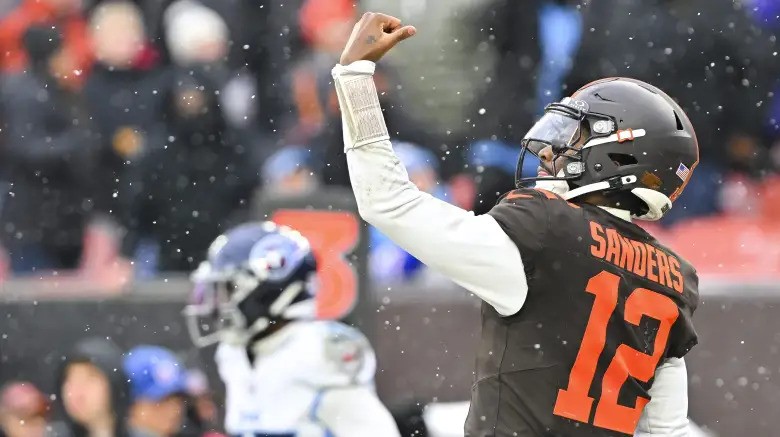
PHILADELPHIA, PA – To watch Shedeur Sanders play quarterback—with his pre-snap poise, his audacious no-look passes, his celebrated, unflappable “Shedeur Face”—is to witness more than a talented athlete. It is to observe a cultural reclamation project. His overwhelming support within the Black community, often chalked up simplistically to his confidence and swagger, is rooted in something far deeper than style. It is a profound, collective recognition. It is the applause of a community that sees in his assured success not just one man’s triumph, but a symbolic redress of a brutal, systemic history—a history whose scars are woven into the very DNA of Black American experience.

The Foundation: American Apartheid on the Playing Field
That history is an American Apartheid, a regime of exclusion not confined to the Deep South but sanctioned at the highest levels of national life, including the playing fields. From its inception in 1906 through the early 1970s, the NCAA operated as a gentlemen’s agreement for segregation, formally barring Black athletes from member institutions, particularly in the powerhouse conferences of the South. For seven decades, the Paul Robesons, Jackie Robinsons, and Jesse Owenses were brilliant, solitary exceptions proving a cruel rule. The Civil Rights Movement forced the gates open, leading to the rapid “tanning” of revenue sports by the 1980s. But the institutional response was not embrace, but a strategic recalibration of exclusion.

The Bureaucratic Barrier: When “Eligibility” Became the New Gate
When blatant segregation became illegal and immoral, the mechanisms of denial became bureaucratic. The NCAA’s evolving “initial eligibility” rules—Proposition 48, the Core Course requirements, sliding GPA scales tied to standardized tests—were weaponized as a more nuanced gate.
Legends like Georgetown’s John Thompson II and Temple’s John Chaney, towering figures who used their platforms without apology, called this what it was: racism. “The NCAA is a racist organization of the highest order,” Chaney declared in 1989, framing the rules as a new punishment for Black kids already punished by poverty. Thompson saw the cynical cycle: athletes were used as integration’s pawns under the guise of benevolence, then discarded with the same paternalistic logic when their numbers grew too great.

The Instinctual Knowledge: A Community Remembers What Was Lost
This is the buried trauma in the collective memory of Black sports fandom. It is the instinctual knowledge that for every Shedeur Sanders lighting up a Power 5 stadium today, there were countless Willie “Satchel” Pages, “Bullet” Bob Hayeses, and Doug Williamses of yesteryear who were denied the stage, their stats relegated to the glory of HBCU lore, their professional careers delayed or diminished. It is the understanding that the path was not cleared, but grudgingly conceded, inch by contested inch.

This brings us back to Shedeur. His journey is a direct rebuke to that entire historical project of exclusion.

Shedeur as Historical Agency, Not Just Athletic Talent
He began not at a traditional blue-blood program, but at Jackson State University, an HBCU, under his father’s tutelage. There, he didn’t just play; he dominated, showcasing a talent so undeniable it forced the mainstream to look to the HBCU, reversing the decades-long drain of talent from them. His subsequent transfer to Colorado and his record-shattering performance—37 touchdowns, 4,134 yards, Big 12 Offensive Player of the Year—wasn’t an assimilation. It was an annexation. He carried the HBCU-developed swagger into Boulder and made it the epicenter of college football.

His confidence, therefore, is read by the Black community as more than personal bravado. It is historical agency. It is the embodiment of a truth: “You could not keep us out forever, and now that we are in, we will not perform with grateful humility. We will excel with the unmistakable flair of those who know the cost of the seat we now occupy.” His much-discussed “swagger” is the posture of liberation from the historical narrative of being the excluded, the regulated, the “problem” to be managed by NCAA legislation.

The Echo in the Draft: A Familiar Story Reinforces the Bond
The fact that his prolific college career culminated in a fifth-round NFL draft pick—seen by many as a slight given his production—only reinforces the narrative. The community, schooled by history, sees the echoes: the subtle devaluation, the search for flaws in the Black quarterback, the institutional reluctance to anoint him the franchise cornerstone his college play warranted. Yet, even in that perceived slight, the support does not waver; it intensifies. Because the story is no longer about what the gatekeepers decide. It’s about what Shedeur, and by extension the community that sees itself in him, has already proven.

An Unfinished Battle, and a Symbol of Its Progress
The contemporary NCAA debate continues, now often couched in the softer language of “unintended consequences” for minority students, as noted by groups like the National Association for Coaching Equity and Development. But the shift from Chaney’s and Thompson’s explicit charges of racism to today’s milder objections itself tells a story of a battle partly won, yet ongoing.

Shedeur Sanders walks onto the field bearing the weight and the defiance of that unfinished battle. The Black community’s embrace is a celebration of his individual talent, yes, but it is also a collective, cathartic affirmation. It is the joy of witnessing a grandson of American Apartheid not just cross the forbidden line, but do so with a dismissive wave, a nod to the crowd, and a perfect spiral into the end zone. His confidence is their vindication. His swagger is their memory, weaponized, and set free.

“Coonish” Behavior: Stephen A. Smith, Jason Whitlock, and the Price of Modern Manumission

By Delgreco K. Wilson, Contributing Opinion Writer

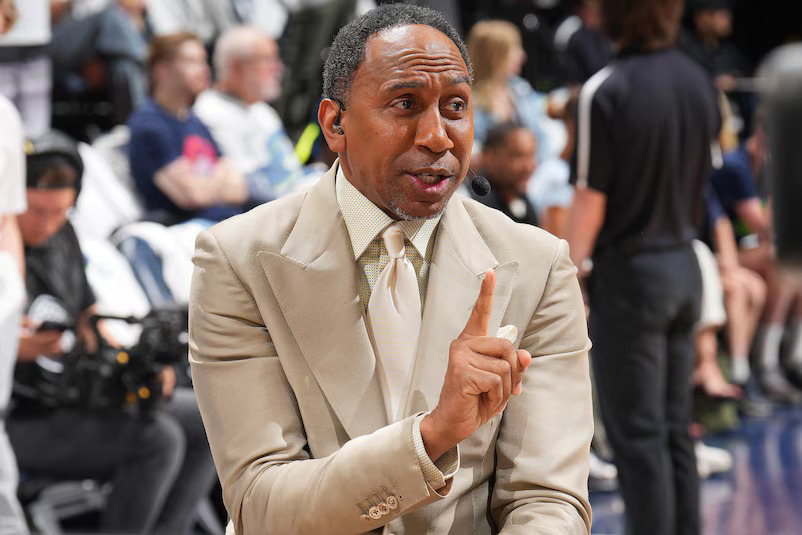
For centuries in America, a grim and paradoxical transaction has shadowed the Black quest for advancement: the exchange of communal fidelity for individual freedom. It is a bargain as old as the nation itself, rooted not in the brutality of the whip, but in the insidious mechanics of psychological and economic leverage. Today, we witness a modern, media-saturated iteration of this dynamic. In the sprawling arena of sports commentary, figures like Stephen A. Smith and Jason Whitlock have built lucrative empires. Their success, however, is shadowed by a persistent and bitter accusation from within the Black community: that they are “coons,” a devastating label of racial betrayal. Their critics are identifying a pattern that feels like a 21st-century performance of meritorious manumission—a striving for personal elevation and favor by servicing narratives that comfort a powerful, predominantly white conservative audience, often at the expense of Black solidarity.

The Historical Bargain: Labor for a Glimmer of Freedom

The foundation of this American transaction is centuries deep. The economic architecture of the early republic was built on Black labor without Black liberty. From the cotton fields that fueled the national economy to the domestic servitude that sustained its households, Black work was the indispensable engine. Yet, the profit from that labor was perpetually alienated. The promise, always dangling, was that exceptional service, superhuman diligence, or unwavering loyalty might be rewarded with a sliver of relief—a less cruel master, a chance to buy one’s family, a mythical pathway to acceptance. This established a corrosive template: advancement could be contingent on reinforcing the system’s logic and calming its conscience. The doctrine of “racial uplift” that followed Emancipation demanded impeccable, respectable conduct to assuage white America’s fears and guilt, proving worthiness for basic citizenship. Diligence became a currency, not just for wages, but for attempting to purchase dignity from a system that withheld it by design.

The Modern Marketplace: From Plantations to Podcasts

The post-Civil Rights era did not erase this template; it digitized and broadcast it. The terrain shifted from physical plantations to cultural and ideological ones. As structural and institutional racism persisted, a new marketplace emerged for Black voices willing to translate Black struggle for white audiences, particularly those eager to believe the work of racial justice is complete. This is where the spectacle of figures like Smith and Whitlock becomes a case study. Their playbook is not one of outright bigotry, but of strategic division and absolution, performed for mass consumption. They operate within a media ecosystem that generously rewards controversy that confirms existing biases, creating a powerful incentive to mine intra-community conflict for content that resonates with a broader, whiter audience.

The Playbook of Modern Manumission

Their performance manifests in several consistent, damaging patterns:

The Dilution of Collective Grievance. When vandals scrawled a racial slur on LeBron James’s home, Jason Whitlock dismissed it as a “disrespectful inconvenience,” arguing racism is “primarily an issue for the poor” and that wealthy Black people should not “embrace victimhood.” This is a classic maneuver. By creating a class hierarchy of pain, he fractures communal empathy and offers a narrative of exception. It tells white audiences that systemic racism is either overstated or a crutch for the unsuccessful, while offering successful Black individuals a ticket out of collective identity—if they renounce it.

The Policing of Black Expression. Stephen A. Smith faced backlash for instructing Black Congresswoman Jasmine Crockett on how she “should talk to the President,” a moment critics saw as enforcing respectability politics. This echoes the historical demand that Black anger be polished into palatable, non-threatening discourse. The transaction here is clear: temper your tone, conform to my comfort, and your voice will be amplified on my platform. It is a modern-day echo of being rewarded for “knowing one’s place” in the conversation.

The Strategic Alliance. Perhaps most revealing is the alignment with architects of racial backlash. Smith’s frequent appearances on Sean Hannity’s show are not incidental. Hannity, who trafficked in the racist “birther” conspiracy against President Barack Obama, represents a media ecosystem invested in denying the very structural racism that defines so much of Black American life. To be a welcomed guest in that house is to perform a powerful act of reassurance. It signals that the analysis will not be too sharp, the history not too inconvenient, the demands not too disruptive. This alliance is the clearest evidence of the transaction: access and platform in exchange for a veneer of ideological diversity that demands little substantive change.

A Spectacle Within the Spectacle: The Smith-Whitlock Feud

The bitter, very public feud between Smith and Whitlock themselves underscores the performative nature of this space. They trade nuclear insults, with Smith calling Whitlock “the devil in the flesh” and “worse than a white supremacist,” while Whitlock labels Smith a “fraud” and a “pathological liar” installed by corporate powers. This is more than personal animus; it is a brutal competition within a narrow lane. They are jousting for the crown of the most compelling Black voice in the conservative-coded spectacle, each accusing the other of the very inauthenticity and opportunism their critics see in them both. It is a meta-commentary on the transaction itself, exposing the ruthless jockeying for position and favor that underlies it. Their conflict dramatizes the ultimate isolation of this path: a solitary pursuit of status that necessitates tearing down the nearest competitor, leaving solidarity in ruins.

The Justification for Disavowal: Preserving Collective Struggle

And so, the community’s fierce condemnation—the label of “coon,” the disavowal—is not a denial of their right to individual opinion. It is a historical and political judgment. It is the recognition that their chosen path to “merit” mirrors the old, soul-crushing bargain. They are seen as seeking manumission from the burdens of racial solidarity by performing a service: managing Black anger, explaining away Black pain, and validating the view that the primary remaining barriers are personal, not systemic.

The justified fury they provoke is born of a deep understanding that true liberation has never been won through these solitary transactions. The March on Washington, the Civil Rights Act, the political power of the Black electorate—these were won through collective struggle, un-bought and un-bossed. To see Black media elites today build personal wealth and brand power by seemingly undermining that collective project feels like a profound betrayal. It is the spectacle of the historically shackled selling a blueprint for lighter chains, and calling it freedom.

Conclusion: The Unfinished Story and the Refusal

In the end, the saga of Smith and Whitlock is a painful reflection of an unfinished American story. It reveals that the marketplace for racial commentary still rewards those who make the complex simple, the systemic personal, and the uncomfortable soothing. Their success is a testament not to their individual genius, but to the enduring demand for a certain kind of Black voice—one that, for a price, helps assuage a nation’s guilt without demanding the fundamental change that true absolution requires. The Black community’s disowning of this model is not an act of censorship, but an act of preservation. It is a refusal to let the transaction of the past define the value of their future. It is a declaration that some forms of meritorious manumission are, in fact, a more sophisticated bondage.

###

Delgreco Wilson 

Wilson formerly taught Comparative Politics and International Relations at Lincoln University. He is a leading political analyst, educator, and advocate whose work centers on empowering Black Americans through a deeper understanding of political strategy and its historical roots in the fight against systemic racism and white supremacy. A prominent voice in the Greater Philadelphia Region, Wilson brings a wealth of academic rigor and real-world insight to his analysis of Black political thought and action.

Wilson’s expertise extends beyond the classroom. His incisive columns and articles have been featured in prominent publications such as the Philadelphia Inquirer,  Philadelphia Tribune, Baltimore Afro-American  and Delaware County Daily Times. A sought-after commentator, he regularly contributes to radio programs and podcasts across the Mid-Atlantic region, offering sharp analysis and actionable strategies for advancing racial justice and equity.