The Rise of Julian Reese: A Quiet Force in a Basketball Dynasty

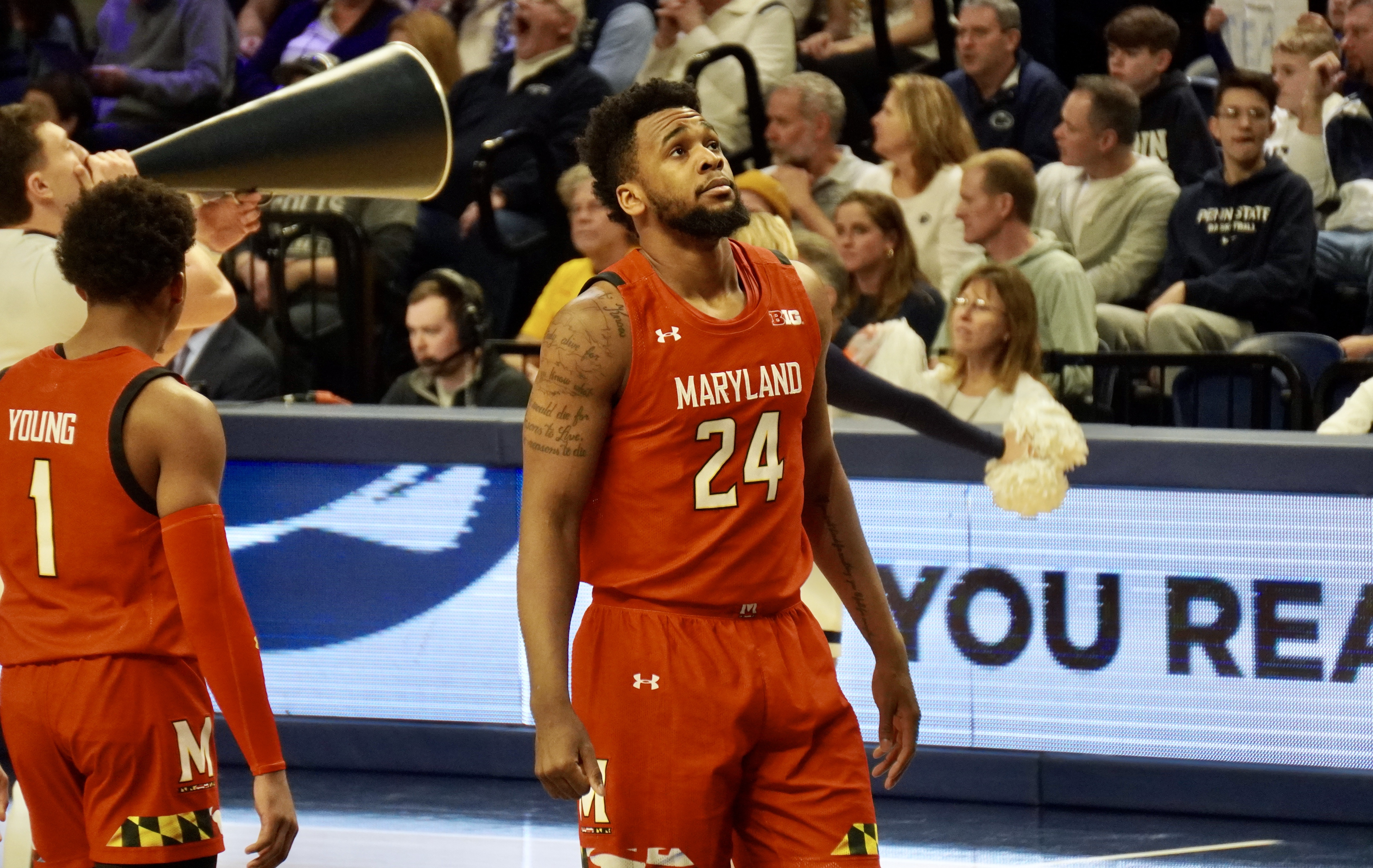
COLLEGE PARK, Md. — On a crisp Saturday afternoon in March, senior forward Julian “JuJu” Reese stepped onto the court at the Xfinity Center for the final time in his collegiate career. With 19 points, 11 rebounds, and a commanding presence in the paint, Reese led the No. 11 Maryland Terrapins to a 74-61 victory over Northwestern. It was a fitting farewell for the Baltimore native who has quietly become one of the most dependable and impactful figures in college basketball, even as his older sister, Angel Reese, has become a national icon and a lightning rod for conversation in the sports world.

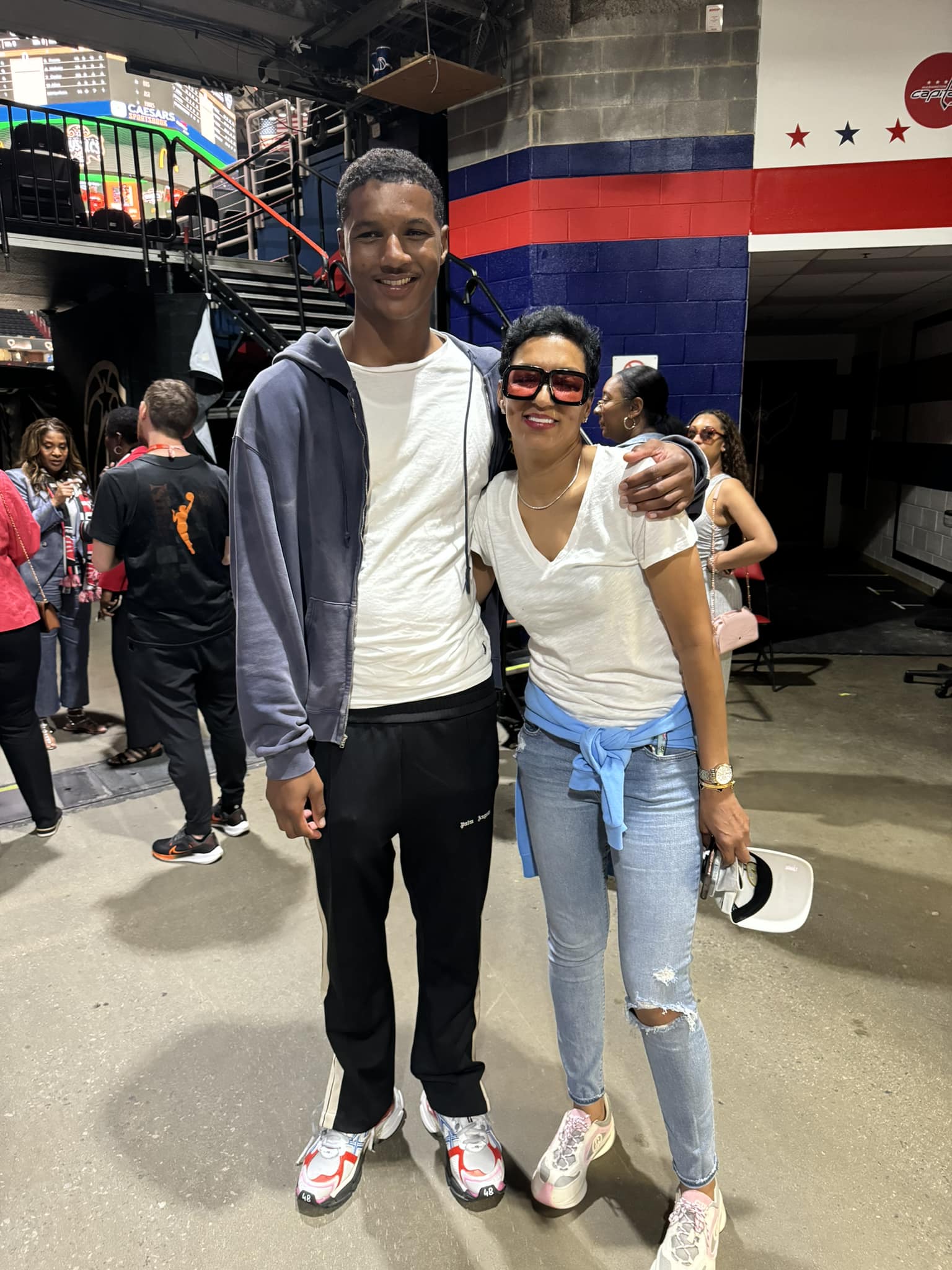
The Reese family is basketball royalty. Julian’s mother, Angel Reese Sr. (née Webb), was a standout at UMBC in the late 1980s and early 1990s, amassing 1,390 points and 932 rebounds—numbers that Julian has nearly mirrored in his own career. His aunts also played Division I basketball, and the family’s love for the game runs deep. But while Julian’s older sister, Angel, has become a household name for her brash confidence, outspoken personality, and trailblazing impact on women’s basketball, Julian has carved out his own path—one defined by steady growth, quiet determination, and an unwavering commitment to his team.
A Legacy in the Making
Julian Reese arrived at the University of Maryland in the fall of 2021 as a highly touted recruit from St. Frances Academy, a Baltimore-based basketball powerhouse. Standing at 6-foot-9 with a wingspan that seemed to stretch from baseline to baseline, Reese was a physical specimen with raw potential. He chose Maryland over offers from Seton Hall, LSU, and Temple, among others, and immediately made an impact as a freshman. Despite playing just 17.7 minutes per game, he averaged 5.7 points and 4.4 rebounds, showing flashes of the dominant force he would become.

His freshman year, however, was marred by turmoil. Eight games into the season, head coach Mark Turgeon resigned, and interim coach Danny Manning took over. The Terps finished a disappointing 15-17, but Reese’s potential was undeniable. When Kevin Willard was hired as head coach in the off-season, Reese made the decision to stay at Maryland rather than enter the transfer portal—a choice that would prove pivotal for both him and the program.
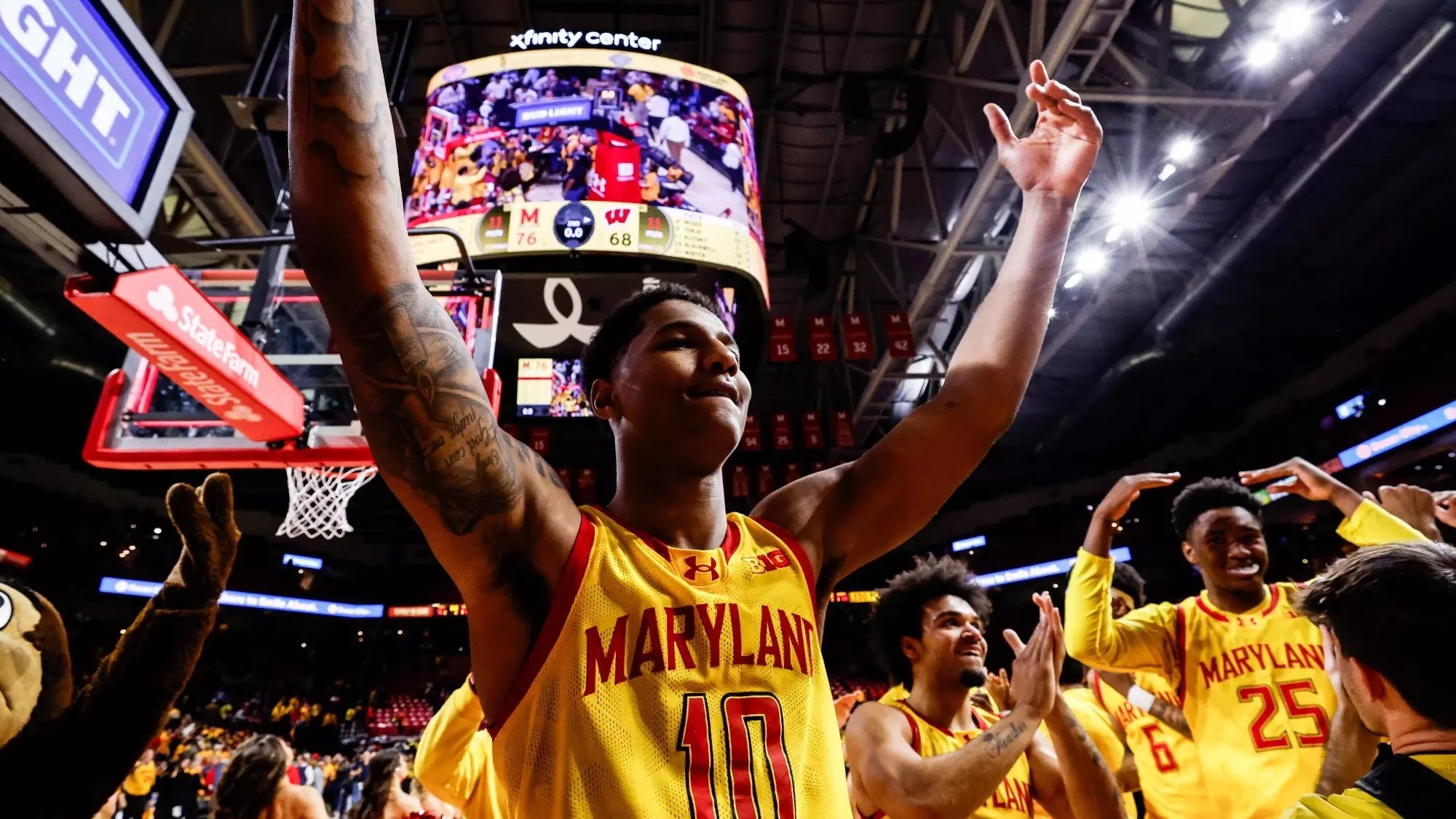
Under Willard’s guidance, Reese blossomed. As a sophomore, he became a full-time starter, nearly doubling his production to 11.4 points and 7.2 rebounds per game. Maryland improved to 22-13 and made a second-round appearance in the NCAA tournament. By his junior year, Reese had established himself as one of the top frontcourt players in the Big Ten, averaging 13.7 points, 9.5 rebounds, and 1.9 blocks per game.

This season, Reese has been the anchor of a resurgent Maryland team. Alongside his former S. Frances Academy teammate, Derik Queen, Reese has helped the Terps return to national prominence. Heading into the Big Ten tournament, Maryland is ranked 13th in the nation, with Reese leading the charge. He ranks second in the Big Ten in offensive rebound percentage and first in defensive rating, a testament to his relentless work ethic and basketball IQ.

The Reese Family Dynamic
The Reese siblings are a study in contrasts. Angel, the older sister, is a force of nature—charismatic, outspoken, and unapologetically herself. She has become a cultural icon, using her platform to advocate for women’s sports and empower young girls. Her larger-than-life personality has made her one of the most recognizable athletes in the world, and her success at LSU, including a national championship in 2023, has cemented her legacy as one of the greatest players in women’s college basketball history.

Julian, by contrast, is the quiet sibling. Reserved and introspective, he prefers to let his game do the talking. While Angel thrives in the spotlight, Julian is more comfortable in the shadows, focusing on the nuances of his craft. Yet, despite their differences, the bond between the two is unshakable. Angel has been one of Julian’s biggest supporters, often cheering him on from the stands alongside their mother, grandparents, and extended family.

Their contrasting personalities reflect the duality of the Reese family’s basketball legacy. Angel is the trailblazer, the one who pushes boundaries and challenges norms. Julian is the steady hand, the one who embodies the fundamentals and traditions of the game. Together, they represent the past, present, and future of basketball—a sport that has been the lifeblood of their family for generations.

A Future in the NBA
As Julian’s collegiate career winds down, the question on everyone’s mind is whether he has what it takes to succeed at the next level. The answer, according to scouts and analysts, is a resounding yes. Reese’s combination of size, athleticism, and defensive prowess makes him a legitimate NBA prospect. His ability to finish around the rim, coupled with his elite rebounding and shot-blocking skills, has drawn comparisons to players like Clint Capela and Jarrett Allen.

While Reese’s game is not without its limitations—he has attempted just one three-pointer in the past three seasons—his strengths far outweigh his weaknesses. His mobility and versatility on defense, in particular, make him an attractive option for NBA teams in need of a rim protector and rebounder.

A Legacy Secured
Julian Reese’s journey at Maryland has been one of perseverance and growth. From a raw freshman navigating a coaching change to a senior leader poised to make a deep tournament run, Reese has left an indelible mark on the program. He will finish his career with over 1,400 points and 1,000 rebounds, joining an elite group of players who have achieved such milestones.

But more than the numbers, Reese’s legacy lies in his quiet determination and unwavering commitment to his team. In a sports landscape often dominated by flashy personalities and viral moments, Reese has been a reminder that greatness can come in many forms.

As the JuJu Reese era comes to a close, one thing is certain: the Reese family’s basketball legacy is in good hands. Whether on the court or off it, Julian Reese has proven that he is more than just Angel’s little brother. He is a star in his own right—a testament to the power of hard work, humility, and an unyielding love for the game.

The Case for Maryland’s Derik Queen: College Basketball’s Unsung Freshman King

PHILADELPHIA, PA – There’s a peculiar artistry in the way college basketball operates, and no one embodies this nuanced game better than Maryland’s magnificent freshman forward, Derik Queen. At first glance, Queen’s physique might not inspire the awe reserved for his contemporaries, Duke’s Cooper Flagg and Rutgers’ Ace Bailey. Both Flagg and Bailey are prototypical NBA superstars — 6-foot-9 athletic marvels with explosiveness and grace that defy physics. Watching them sprint down the court, leap skyward, and finish with electrifying dunks is a spectacle. They embody the kind of raw athleticism that defines highlight reels. But basketball isn’t determined by high jumps, long jumps, or sprints; it’s a nuanced game, requiring precision, strategy, and a mastery of subtle skills. Herein lies the genius of Baltimore’s Derik Queen.

Queen, alongside Georgetown’s Thomas Sorber, thrives in the overlooked aspects of basketball. Their games are steeped in nuance—a masterclass in reading the court, positioning, and elevating teammates through skill and intelligence. Casual fans might marvel at Flagg’s and Bailey’s dazzling athleticism, but for those who understand basketball’s intricacies, Queen’s brilliance shines through. He may not soar the highest or run the fastest, but Queen’s mastery of the mental and technical elements of the game sets him apart as the best freshman big in the nation.

Yup… I said it! The youngbul from Baltimore is the BEST freshman big in the nation…

Basketball IQ and Skill: The Queen Advantage

Queen is a basketball savant, blending size, intelligence, and skill in a way that redefines the modern forward’s role. His scoring efficiency (59.5 fg%) is extraordinary, but it’s how he scores that makes him special. Unlike many big men relegated to traditional post play, Queen is a versatile scorer. His face-up game is a dance of grace and power, an intersection of finesse and ferocity. Possessing the feet of a ballerina and the build of a defensive lineman, Queen’s combination of agility and strength is unparalleled.

His ability to create off the dribble is uncanny for his size. Queen’s fancy footwork, counters, pivots, and pump fakes leave defenders guessing. Whether he’s shaking a defender with a dribble move or drawing them off their feet with a well-timed fake, Queen generates clean looks with surgical precision. These aspects of Queen’s game have been on full display throughout the early part of this season.

This scoring prowess forces defenses to collapse on him, creating opportunities for his teammates. This leads us to Queen’s most exceptional skill: his passing.

Passing as a Superpower

Queen’s passing is not just impressive—it’s transformative. His vision and ability to deliver pinpoint passes make him the fulcrum of Kevin Willard’s offense at Maryland. Consider the evolution of the NBA’s expectations for big men: today’s centers and forwards are expected to orchestrate offenses and facilitate play. Queen is ahead of this curve. At Montverde Academy, he played alongside future NBA talents like Cooper Flagg and Liam McNeeley, yet the offense often frequently ran through him. Despite the talent-rich environment, Queen’s 58 assists in 27 games showcased his ability to create for others. He currently averaging 2.3 apg for the Terps.

His passing isn’t merely functional; it’s dynamic. Queen reads the floor with the precision of a chess grandmaster. He anticipates defensive rotations, exploits mismatches, and threads the needle to open teammates. His halfcourt passing is a revelation, featuring precise interior feeds, kick-outs to shooters, and sharp dishes to cutters.

Unlike many young players, Queen doesn’t merely react to the game—he dictates it.

Comparing the Contenders

To fully appreciate Queen’s game, we must acknowledge the brilliance of Cooper Flagg and Ace Bailey. Flagg, the projected number-one pick, is a two-way phenom with defensive versatility and an offensive arsenal that screams NBA superstar. Bailey’s explosiveness and scoring touch make him equally enticing. These players are the future of the NBA, and their raw potential is unmatched. However, basketball games are not won solely by physical attributes. While Flagg and Bailey soar in transition, Queen dominates in the halfcourt, where games are often decided. His superior court vision, basketball IQ, and ability to control tempo make him invaluable.

Georgetown’s Thomas Sorber deserves recognition as well. Like Queen, Sorber thrives in the nuanced aspects of basketball, using his physicality and intelligence to impact the game. Together, Sorber and Queen represent a shift toward valuing the cerebral side of basketball. They are masters of positioning, timing, and teamwork—skills that often go unnoticed but are critical to success.

Why Queen is the Best

Queen’s ability to combine scoring, passing, and leadership is what separates him. His game embodies the evolving role of big men in basketball. He’s not just a scorer or a passer; he’s a complete player who makes everyone around him better. His skill set is tailor-made for the modern game, where versatility and intelligence reign supreme. While Flagg and Bailey may headline the highlight reels, Queen is the player you build a team around.

Derik Queen is basketball distilled to its essence: a nuanced, strategic, and beautiful game. He may not win a track meet against Flagg or Bailey, but when the ball is tipped, and the game begins, there’s no freshman you’d rather have on your side. Basketball is more than athleticism; it’s artistry, and Derik Queen is the master artist of this freshman class.

I like my #BMoreYoungin over all of ’em…

Battle of the Ol’ Head and the Youngbul: Eric Dixon vs. Derik Queen

NEWARK, NJ – At the Prudential Center, in the “Brick City” of Newark, New Jersey, two basketball players at opposite ends of their collegiate journeys clashed in a contest that felt less like an ordinary November game and more like a referendum on talent, experience, and promise. Villanova’s Eric Dixon, a high skilled seasoned veteran in his sixth year, delivered a performance for the ages, scoring a career-high 38 points. Maryland’s Derik Queen, a freshman sensation, countered with an all-around masterpiece—22 points, 11 rebounds, and 5 assists. In the end, Queen’s Terrapins outlasted Dixon’s Wildcats, securing a hard-fought victory that underscored the growing importance of versatility and team cohesion in modern basketball.

Derik Queen

This game was not just a matchup of two supremely skilled big men but a clash of basketball philosophies. Dixon, a classic Villanova player, is the epitome of what college basketball excellence looks like: disciplined, fundamentally sound, and relentless. His offensive exhibition was a showcase of everything a great college player can be. Whether it was sinking deep NBA-range threes, executing textbook post moves, or blowing by defenders with cunning hesitation dribbles, Dixon seemed unstoppable. He played like a man on a mission, determined to will his team to victory by sheer force of will and skill.

But basketball is rarely a solo endeavor. As Dixon poured in points, Maryland, guided by the precocious Derik Queen, slowly dismantled Villanova’s lead through the synergy of youth, athleticism, and strategic adaptability. Queen’s game was the antithesis of Dixon’s solo heroics. It was symphonic, blending scoring, rebounding, and playmaking into a performance that elevated his entire team. Every time Villanova tried to stretch their advantage, Queen would respond—whether with a slick assist to a cutting teammate, a put-back on the offensive glass, or a soft floater in the lane.

Queen represents the modern big man, a player as comfortable orchestrating an offense from the high post as he is battling in the trenches. His court vision and basketball IQ belied his youth, as he repeatedly found open teammates and exposed Villanova’s defensive lapses. Unlike Dixon, whose scoring was electric but often solitary, Queen’s contributions were woven into Maryland’s collective effort.

Eric Dixon

What makes this matchup fascinating is how it juxtaposes the present and the future of basketball. Dixon is a testament to the value of experience. His five years at Villanova have honed his game to a fine edge, and he plays with a poise and maturity that can only come from time. His mastery of three-level scoring is a reminder that college basketball still has a place for specialists, players who excel in specific roles and who, on their day, can single-handedly carry a team.

Queen, on the other hand, embodies the promise of what basketball can be. At just 18 years old, he is already a complete player. His versatility, unselfishness, and ability to impact the game in multiple ways make him a tantalizing prospect. Queen doesn’t just play basketball; he orchestrates it. He sees the game in layers, understanding not just his role but the roles of everyone around him.

And yet, for all their differences, there is a common thread between Dixon and Queen—a commitment to excellence and an understanding of what it means to lead. Dixon led by example, with his jaw-dropping scoring display reminding everyone why he is one of the best players in college basketball. Queen led through inclusion, making his teammates better and showing why he will one day be one of the best players in the game, period.

Maryland’s victory was a statement win, but it was also a reminder that basketball is a game of moments. On this night, Queen’s all-around brilliance and Maryland’s balanced attack prevailed. But Dixon’s performance will linger in memory, a dazzling exhibition of what a great college basketball player looks like at the peak of their powers.

The season is young, and both players have much to prove. For Dixon, the challenge will be carrying Villanova through the rigors of the Big East and beyond, where his experience and scoring will be indispensable. For Queen, the journey is just beginning, and his growth will be as much about navigating the spotlight as it is about refining his game.

In Newark, the veteran and the rookie gave us a glimpse of basketball’s past, present, and future. Dixon was magnificent, Queen was transformative, and the game was unforgettable. This was more than a matchup—it was a passing of the torch. And while Dixon may be the better player today, Queen’s time is coming. The beauty of basketball is that it allows us to marvel at both.

An Open Letter from Donta Scott ’24 to the University of Maryland Community

Dear Terrapin Family,

As I prepare to graduate this month, I find myself reflecting on my incredible journey at the University of Maryland. It’s hard to believe that just a few years ago, I arrived in College Park as a shy young man with a learning disability. I spent much of my elementary and middle school years struggling to adjust to school. Basketball became my way up and out of Norristown, PA. Basketball led me to Coach Andre Noble and Imhotep Charter High School where I learned how to learn. Today, I stand before you as a college graduate, a published author, and the all-time leader in basketball games played in a Terrapin uniform. This transformation wouldn’t have been possible without the unwavering support of this community.

First and foremost, I want to express my sincere gratitude to the Maryland basketball fanbase. Your prayers and encouragement during our most challenging times meant the world to me and my family. When our home was flooded out, you rallied together, raising over $60,000 to ensure that my mother and siblings could relocate. Your kindness and generosity touched our hearts, and we will forever be grateful.

Throughout my time here, I had the privilege of playing for three different coaches: Mark Turgeon, Danny Manning, and Kevin Willard. While coaching changes can be unsettling for players, I never once considered transferring. Why? Because I knew that my place was right here in College Park. Thousands of college basketball players enter the transfer portal each year, seeking greener pastures elsewhere. But for me, there was no place I’d rather be than wearing the red, black, and gold of the Terps.

As I step off the court and into the next chapter of my life, I carry with me the memories, friendships, and life lessons that this university has given me. My book, WIRED DIFFERENTLY: My School Journey, chronicles my K-12 educational experience as a student who learned differently. It’s a testament to the power of perseverance, resilience, and the unwavering support of a community that believed in me.

To my teammates, coaches, professors, and fellow students: thank you for shaping me into the person I am today. I am proud to be a Terp for life, and I will continue to carry the spirit of Maryland with me wherever I go.

Go Terps!

Sincerely,

Donta Scott ’24

Maryland vs. Villanova – A Critical Showdown: I Can’t Wait for This Shit!

It goes down tonight…

For a couple of hours, beginning at 8:30 pm, the Finneran Pavillion on the campus of Villanova will become the center of the college basketball universe.

A clash between two storied programs, Maryland and Villanova, is set to unfold. The excitement is palpable, the stakes are high, and both teams, under the leadership of second-year coaches, are desperate for a turnaround.

Kyle Neptune, handpicked by the legendary Jay Wright to inherit the keys to the Bentley at Villanova, faces the daunting task of steering the Wildcats back to their former glory. With only a 50 percent win rate since Wright’s retirement and notable local losses to Temple and Penn, the Main Line faithful are becoming restless. Neptune assumed the reins at a program with high expectations, accustomed to Sweet 16s, Final Fours, and National Championships.

Kyle Neptune, Villanova Head Coach

Despite a respectable 17-17 record and a post-season appearance in the NIT in Neptune’s inaugural season, Villanova demands more… Much more… The dynamic duo of Justin Moore and Cam Whitmore, crucial to the program’s success last season, battled injuries, preventing the smooth ride off the lot that Neptune hoped for. Nonetheless, the Main Liners, spoiled by Wright’s two decades of sustained success, yearn for the continuation of their program’s storied legacy.

Toward that end, Neptune and his staff have reloaded. There is a renewed sense of optimism following the the arrival of new talent. On paper, Villanova seems poised for a return to prominence on the national stage. They are healthy and outside of the Milwaukee Bucks signing Dame Lillard, Villanova has made some of the best free agent acquisitions in basketball.

TJ Bamba, Villanova Wing

This Villanova roster is talented, older and very experienced. They picked up Tyler Burton, a Second Team All-Atlantic 10 selection and All-District in NABC District 4 (A-10) who led Richmond with 19.0 points and 7.4 rebounds per game. They brought in TJ Bamba who averaged 32.2 minutes,15.8 points, 3.7 rebounds while starting all 31 games in his third season for Washington State. Hakim Hart decided to return home after a season where he tied for second on the Terrapins with a career-best 11.4 points per game while adding 4.1 rebounds per game. Hart started all 35 games of the season averaging a team-high 32.8 minutes per game while coming in second on the team with 91 assists and 41 steals. Camden High product, Lance Ware represents another key acquisition. Last season, Ware played in 28 games, including six starts while averaging 2.0 points and 2.0 rebounds per game.

Lance Ware, Villanova Forward

The Wildcats still have Eric Dixon, a second team All-Big East selection who led the Wildcats in scoring at 15.4 points per game and also added 6.6 rebounds per contest. They also have a healthy Justin Moore. Two years ago, Moore was named Second Team all-Big East and First Team All-Philadelphia Big Five. He saw he his season ended by a tear in his right achilles tendon suffered in the final minute of Villanova’s 50-44 victory over Houston in the NCAA South Regional Final. Last season, Moore returned from surgery on Jan. 29 and played 32.0 minutes per game over 13 games and contributed 13.5 points and 3.5 rebounds per contest. Jordan Longino, Brandon Hauser and Chris Arcidicano round out a deep and balanced Villanova rotation.

The pressure is on Neptune to get the Bentley rolling again. The rims are polished, the paint is glistening, the sound system is sweet. Let’s drive this muthafucka. The talent is there; now, it’s a matter of making the pieces fit seamlessly and reviving the winning culture that defines Villanova basketball.

On the other side of the court, Maryland, led by coach Kevin Willard, faces its own set of challenges. Fresh off disappointing losses to Davidson and UAB in a four-team tournament, Willard acknowledges the hurdles posed by the early season setbacks. The transfer portal churned the roster, and integrating new faces with three promising freshmen takes time.

Kevin Willard, Maryland Head Coach

Donta Scott, a fifth-year senior and key player for Maryland, is undergoing a slow start to the season. Willard attributes some of Scott’s struggles to experimentation with his position, indicating a willingness to adapt for the team’s success.

When asked about Scott’s early season struggles, Willard said, “Donta’s been great… He brings it every night. He’s our leading plus-minus guy so far this year. He’s been a huge difference. There’s a huge difference for us when he’s on the court and when he’s off the court. Some of his struggles offensively earlier are my fault because I tried to be cute and put him at three spot and the four spot. But he’s just one of those guys that just, I think in five to six, seven, eight years when he’s gone and come back, people are going to look at what his numbers are, what he did, what he won, and really respect the heck out of Donta.”

The Terps’ success, however, hinges on the performances of Scott, along with standout players Julian Reese and Jahmir Young. Tonight, especially, the Terps need Scott to step up in front of his friends and family members. They will also need big performances out of Young (14.7 ppg, 4.3 rpg, 5.7 apg) and Reese (13.0 ppg, 7.7 rpg, 2.0 bpg).

Jullian Reese, Maryland Forward

The anticipation for tonight’s game is palpable, heightened by the sellout Main Line crowd still reeling from recent local losses. For a fanbase accustomed to success, each defeat is a bitter pill to swallow. The Terps, aware of the hostile environment they step into, need a stellar performance from their core players to silence the fervent Villanova faithful.

As the clock ticks down to 8:30 pm, the Finneran Pavilion becomes the epicenter of college basketball, a battleground where redemption, pride, and the pursuit of excellence converge. Tonight’s matchup is not just a game; it’s a pivotal moment for both programs striving to reclaim their positions atop the college basketball hierarchy. The Main Line faithful, hungry for success, and the Terps, determined to overcome early setbacks, set the stage for an unforgettable night of college basketball. The journey towards redemption begins on the hardwood, where Maryland and Villanova will leave it all on the court in a bid to turn their seasons around.

Donta Scott, College Graduate – #DatBoiSmart!

COLLEGE PARK, MD – August 23, 2023 – Hats off to Donta Scott – a true inspiration and a shining example of perseverance! As you stand on the brink of your graduation from the University of Maryland, we can’t help but be immensely proud of your remarkable journey. Your unwavering dedication and unyielding spirit have brought you to this incredible milestone.

From being a four-year starter on the Men’s Basketball team to becoming an author of “WIRED DIFFERENTLY: My School Journey,” you’ve not only conquered the courts but also your own personal challenges. Your book, a poignant narrative of your struggles during elementary and middle school, resonates deeply with those who learn differently. Your willingness to share your firsthand experiences is a beacon of hope, inspiring countless young individuals to triumph over their own obstacles.

In this celebration of your matriculation and impending graduation, we must acknowledge the pivotal role played by your mother, Sandra Campbell, and your mentor, Howard Hudson. Their exceptional guidance and unwavering support have undoubtedly been the bedrock of your success. Your journey is a testament to your fortitude and determination, and it’s equally a tribute to the love and direction you’ve received from these extraordinary individuals.

So here’s to Donta Scott, a true champion in every sense of the word! Your achievement not only reflects your personal growth but also the boundless possibilities that open up when one confronts challenges head-on. As you step into this new chapter of your life, may your story continue to inspire us all to embrace our uniqueness and conquer the odds. Congratulations, Donta Scott!

Order WIRED DIFFERENTLY: My School Journey by Donta Scott

How can struggling students attain and maintain a solid level of academic performance? WIRED DIFFERENTLY: My School Journey is a valuable resource that “helps parents and students understand and support their children’s learning issues and behaviors by providing concrete strategies to help children reach their full potential,” according to Dr. Abby Baker a renowned Philadelphia-based psychologist and assessment expert. According to the National Assessment of Educational Progress (NAEP), a sector of the U.S. Department of Education, 84 percent of Black students lack proficiency in mathematics and 85 percent of Black students lack proficiency in reading skills. How do we begin to improve the academic performance of these youth?

This book helps students, parents and professionals work together to overcome the stigma associated with “Learning Differently.” University of Maryland star basketball player Donta Scott draws upon his personal experiences to cover special education related topics. He provides clear, sound and practical advice for parents seeking guidance.

Most importantly, Scott emphasizes the importance of fighting for educational help. He provides a personal roadmap for young Black boys and other youth trying to achieve a healthy balance between accomplishing academic goals and meeting social and emotional needs.

“I’ve been doing this so long, there have been so many great stories,” said Maryland head coach Mark Turgeon. “But this is one of the all-time great stories. Where he is now, and hopefully where he can end up.”

Order your copy of WIRED DIFFERENTLY today!

https://black-cager-publications.sellfy.store/

Contact:

Black Cager Press – blackcager@gmail.com

Donta Scott and the University of Maryland: A Match Made in Heaven

Seven years ago, I was watching the coaching staff of the nationally prominent St. Joseph’s Prep (PA) football team conduct clinic for the Darby Township Eagles Youth Football Club on a hot August day. One of my good friends approached me with a lanky teen in tow. Howard Hudson, a longtime grassroots basketball coach, had a strong track record of identifying and developing really talented basketball prospects very early.

“He’s next… I’m telling you, he is the next one.”

Howard was pointing toward a 6’4” 13 year old rising 8th grader named Donta Scott. Over the years, hundreds of coaches and parents have introduced me to kids and made similar predictions. My response is always the same, I urge caution. All too often, anointed middle school prodigies are passed by their late blooming peers.

“Ok.. Ok… Howard… I’ll catch him when he’s playing varsity high school basketball.”

I just don’t find middle school basketball very appealing, same with freshman and junior varsity competition. Generally speaking, I start paying attention when the kids put on the varsity HS uniform. But, I knew Howard was dead serious about Donta and I figured I would hear about Donta down the line.

Almost a year later, Howard reached out again as Donta and his parents were narrowing down their high school options. As Howard had predicted, Donta had emerged as one of the top 8th grade prospects in the mid-Atlantic region. He had a lot of options including some of the top private, public and Catholic high schools in the region.

A loyal coach with old school values and sensibilities, Howard wanted to help Donta make a high school choice and then see him graduate from that school four years later. We both disdain the school-hopping that prevails among elite HS student-athletes these days. Howard wanted him to have a complete and fulfilling high school experience. I agreed completely with Howard’s approach and felt that far too many of the top student-athletes end up attending 2, 3 or even 4 schools over the course of their scholastic career.

Sandra Campbell and her son Donta Scott at the University of Maryland

During the course of the school selection process, Donta’s mother, Sandra Campbell, shared his Individualized Education Plan (IEP) with Howard. Sandra wanted to make sure that Donta’s educational needs were fully understood, considered and that an adequate plan would be in place to meet these needs. Howard, Donta and I discussed the importance of the next four years of Donta’s educational developments.

We made sure that Donta understood that he “learned differently” and that he was entitled to certain accommodations and supports to ensure that he could succeed in HS and beyond. Donta, while reticent about his feelings, was extremely attentive to everything that was said about him during these meetings. As a 14 year old, he was reluctant to speak up. But he would make comments and ask questions after the meetings were concluded making it very clear that he fully understood his academic situation. Moreover and more importantly, he grasped what he needed to accomplish to meet his goals of qualifying for and accepting a basketball scholarship.

After considering several private and catholic options, Donta and his parents chose to attend Imhotep Charter High School. While Imhotep is one of the most prominent and successful high school basketball programs in the country, the decision to attend was based primarily on the strength of the special education program and the commitment of coach Andre Noble to holding Donta accountable in the classroom.

With the support of the Imhotep teaching staff and the steadfast encouragement of Coach Noble and his staff, Donta easily exceeded NCAA eligibility requirements.

His four year run, as a starter, at Imhotep on the court will go down as one of the greatest in the history of Philadelphia Scholastic basketball. Donta never lost a regular season Public League game. His teams were routinely ranked in the top 10 nationally and he led the Panthers to 3 state championships as well as wins over programs like Camden, Montverde and Oak Hill.

The University of South Carolina offered Donta a scholarship when he was a sophomore. Over the next couple of years he would receive offers from La Salle, Saint Jospeh’s, Temple, Seton Hall, Penn State, Auburn, Florida and Maryland among others.

Just as we had during Donta’s HS selection process, Howard and I held his hand during the college recruitment process. I told Donta we were like “training wheels”. During the first couple of college visits Howard and I would take the lead during discussions about Donta’s academic background and goals.

We would document academic accommodations, advocate for needed accommodations & services, identify his interests, abilities, talents, needs, learning style preferences and goals. Donta would always listen intently. Then one day, while we were visiting Penn State and entering a meeting with the academic support staff for student-athletes, Donta took the “training wheels” off.

“I got it.”

With those words, he let us know that he was taking control of this process. He proceeded to eloquently discuss his learning “style” and probe the academic counseling staff regarding their approach and the supports they had in place.

From that moment forward, Howard and I took a back seat and Donta assumed full control of his academic development. Ultimately, he chose to attend the University of Maryland. Truth be told, his decision was based in large part on the level of comfort he felt with the Maryland academic support staff. Donta felt comfortable on and off the court during his visits to Maryland.

Donta Scott

After a brief period of adjustment and a very minor hiccup during his first summer session, Donta has done very well academically. His GPA has hovered around the 3.0 range and he is ahead of pace to graduate on time. Howard and I have repeatedly told Donta that he is a role model for young middle and high school students that learn differently and struggle academically. He has gradually accepted this role.

Armed with academic confidence built up over two years in College Park, Donta has written a children’s book, WIRED DIFFERENTLY: My School Journey, that will be published by Black Cager Press next month. His book is intended to help parents and students with learning disabilities navigate the high school selection and matriculation processes. Everything was proceeding as planned.

On August 15, 2021, Howard and I met at Donta’s family home in Norristown to spend a few moments with him and his family. It was a beautiful summer day. We laughed, we joked with Donta… under a bright summer sun. We talked cars with his stepfather and then we went on our way.

And then mother nature intervened…

Two weeks later, on September 1, 2021 Hurricane Ida finally made her way from the Gulf Coast to the Philadelphia region. She brought along torrential rainfall. So much so that the banks of the Schuylkill River quickly gave way and the dark, nasty, coffee colored floodwater spread across Norristown and quickly enveloped Donta’s entire neighborhood. The murky, smelly water invaded their home and spared none of their belongings. In a matter of hours, everything was lost…

Everything…

https://www.nbcphiladelphia.com/news/local/university-of-maryland-basketball-team-helps-norristown-family-devastated-by-flood/2958551/

Fortunately, the fire company rescued the family by boat and carried them to safety. For the past two weeks, Donta’s mother and the rest of his family have resided in hotel rooms as they struggled to regain their bearings. Donta has tried mightily to balance his responsibilities as a college student, leader of one of the nation’s top college basketball programs and a loving son, brother and uncle.

Ultimately, he decided to do what he could within NCAA rules…

“I got it.”

Earlier today (September 14, 2021) he organized a GoFundMe fundraiser and shared this message:

On September 1, 2021, my family and I were displaced from our home in Philadelphia due to the effects of Hurricane Ida. It caused extreme flooding throughout our home and my family was forced to evacuate. We aren’t sure if we’ll ever be able to return. In a matter of hours we lost just about everything we owned. Water levels reached four feet high in our house. We lost TVs, laptops, dining room furniture, our entire family room set, kitchenware, clothing, bedding and countless other items. My family is currently forced to live out of a hotel and expenses are rising rapidly.
My mother Sandra has always been the rock of our family. I would not be where I am today without her. She has always worked so hard for our family to make ends meet.

I’m asking you to please consider helping my family get back on our feet. Any little bit will help during these difficult times. I know with your help and our faith we will manage to get through this. Thank you all for anything you can do to help.

Donta Scott #24

Donta Scott, Hakim Hart, Sr. and Hakim Hart, Jr. after clinching a share of the Big Title in 2020

As of 10:38 pm, the fundraiser had been active for 11 hours and Donta had accumulated $32,659 out of his $50,000 goal. His extended family has truly been embraced and lifted by his Terrapin family. Donta’s GoFundMe campaign will likely exceed his goal within 24 to 48 hours.

I was there when Donta first visited Maryland. I was there when he took his official visit. I was there when he made the decision to commit to Maryland. I was there when he moved into his apartment.

There were some prominent naysayers that questioned his decision to join the Terps. Never once, not for a millisecond has Donta wavered in his commitment to the University of Maryland. He is truly a Terp for life. In the face of tremendous adversity, he has discovered that the larger Maryland community loves and values him and his family.

#GoTerps