College Basketball (other than Nova) in the Greater Philadelphia Region is ASS!

PHILADELPHIA, PA – The Greater Philadelphia Region, throughout much of the last century, has been at the epicenter of college basketball. Very few cities can match the collegiate hoops legacy Philadelphia. For decades, the sport’s soul here was not found in one dynasty, but in the fierce, neighborhood blood feud known as the Big Five. The Palestra floor bore witness to the strategic genius of Penn’s Chuck Daly, the dynasty of Princeton’s Pete Carril, Jack Ramsay’s Hawks, John Chaney’s legendary zone defense, the explosive talent of Temple’s Guy Rodgers and Mark Macon, and the championship grit of Rollie Massimino’s Villanova Wildcats. It was a collective identity, a round-robin of pride where any team could be king on any given night.

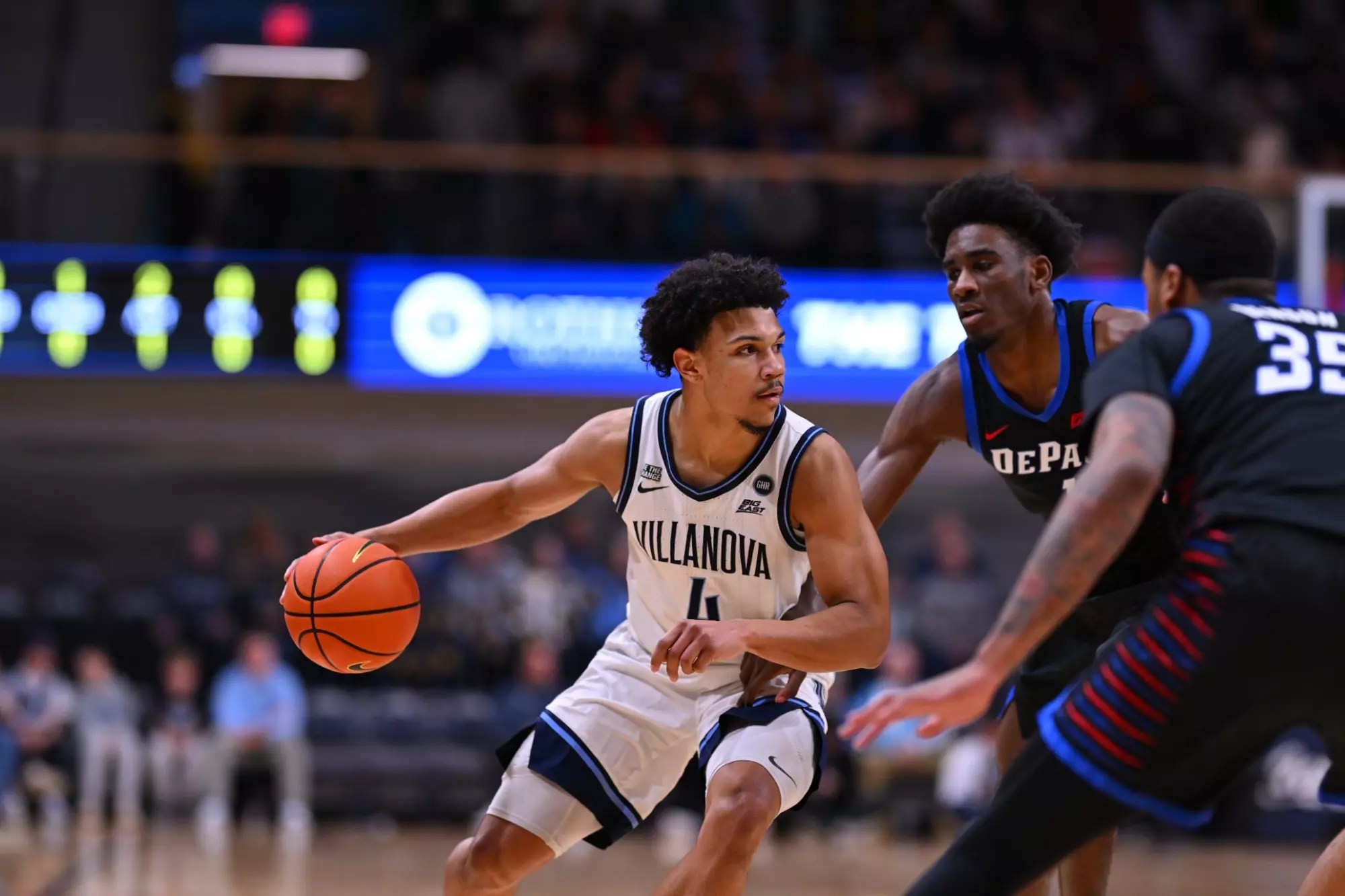
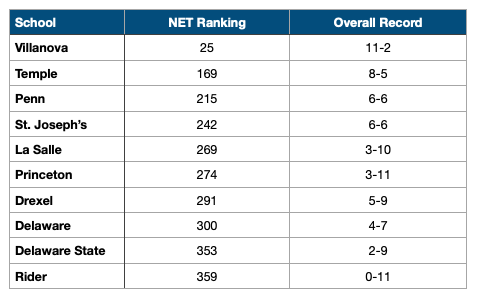
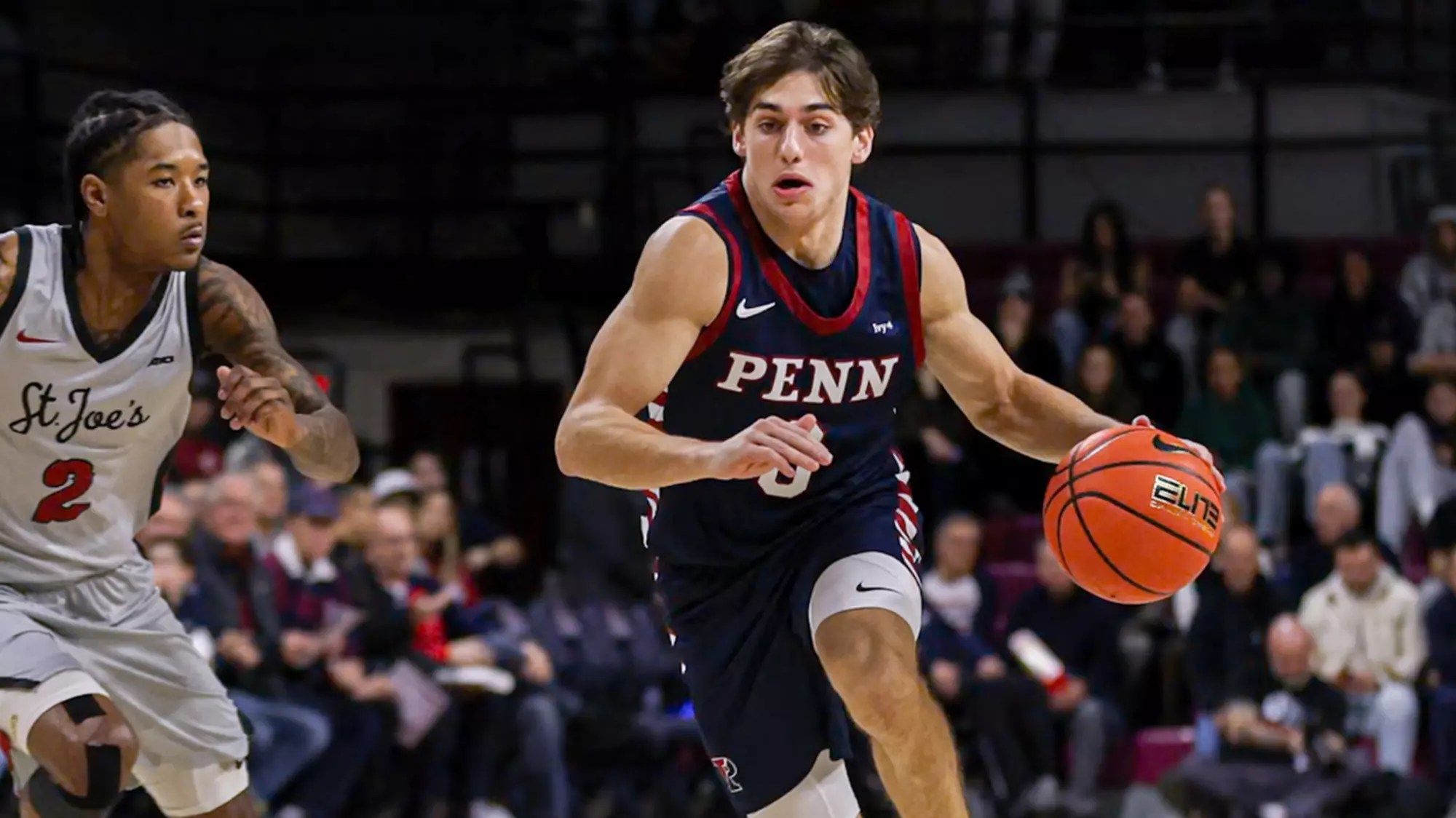
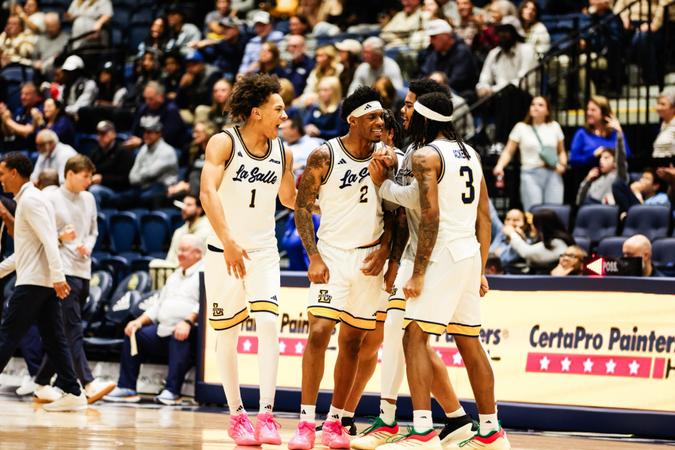
Today, that identity is on life support. A glance at the current NCAA Evaluation Tool (NET) rankings—the modern metric for tournament worth—paints a picture of systemic collapse. Villanova sits at a respectable No. 25 with an 11-2 record, a beacon in a sea of distress signals. Behind them, the landscape is a ruin: Temple at 169, Penn at 215, St. Joseph’s at 242, La Salle at 269, with the others (Delaware, Delaware State and Rider) languishing near or at the very bottom of Division I. For three consecutive seasons, not a single one of these ten local programs has earned an NCAA Tournament bid. The data is unambiguous: Greater Philadelphia college basketball, save for one shining exception, has become noncompetitive. To borrow the blunt lexicon of a younger generation, the teams are, frankly, “ASS.”

How did a cradle of the sport become a cautionary tale? The demise is not an accident of poor seasons, but the result of a perfect and ongoing storm—a confluence of revolutionary NCAA rule changes and a failure of local leadership to adapt, leaving proud programs on the verge of being relegated to the dustbin of history.

The Great Disruption: NIL and the Portal Reshape the Game

The tectonic plates of college athletics have shifted, and Philadelphia’s midsize basketball schools have fallen into the crevasse. The dual emergence of name, image and likeness (NIL) compensation and the unrestricted transfer portal has fundamentally altered the competitive ecosystem. These changes were intended to empower athletes, but in practice, they have created a free-agent market that overwhelmingly favors programs with the deepest pockets and the most exposure.

This new era is tailor-made for football-dominated high-major conferences—the SEC, Big Ten and Big 12. Their athletic departments boast television revenues in the hundreds of millions, which fund massive, collectivized NIL war chests. A standout guard at La Salle or Drexel is no longer just a local hero; he is a tangible asset who can, and often does, portal directly to a power conference school for a life-changing financial offer. The result is a brutal new hierarchy: Philadelphia’s historic programs now risk becoming de facto feeder systems, the equivalent of Triple-A or Double-A farm teams developing talent for the sport’s major leagues.

The Villanova Exception: A Lesson in Ruthless Adaptation

Amid this chaos, Villanova’s continued relevance is not a happy accident; it is a case study in shrewd, unsentimental adaptation. Recognizing that the old formula was broken, the university made a difficult but necessary decision to part ways with Kyle Neptune. In his place, they hired Kevin Willard, a coach with a proven record of program-building and, crucially, deep, well-established relationships in the high school and grassroots basketball circles that now serve as the lifeblood of recruiting in the NIL/portal era.

Villanova’s success underscores the two non-negotiable requirements for survival today: a charismatic coach with profound connections and a university administration willing to marshal serious financial resources to compete for prospects. Villanova has both. It can leverage its Big East pedigree, its national brand, and presumably, a robust NIL apparatus to not only retain its own talent but to selectively pluck the best from the transfer portal. The other local schools, competing in conferences with smaller profiles and budgets, are fighting this battle with one hand tied behind their backs.

A Crisis of Leadership and Vision

While structural forces are immense, they are exacerbated by a local failure to innovate. For years, programs like Temple, St. Joseph’s, and Penn have cycled through coaching hires that have failed to ignite a spark or connect with the modern recruit. In an age where a player’s personal brand and financial future are paramount, a coach must be more than a tactician; he must be a persuasive advocate, a connector, and a visionary who can sell a compelling path to relevance.

The inability to identify and empower such figures has left these programs adrift. Their games, once must-see events that packed the Palestra, now lack the star power and competitive urgency to capture the city’s imagination. The shared cultural touchstone of the Big Five rivalry feels increasingly nostalgic, a celebration of what was, rather than a vibrant showcase of what is.

Is There a Path Back?

The outlook is undeniably bleak, but not necessarily hopeless. The path to resuscitation, however, is narrow and demanding. It begins with a radical commitment from university presidents and boards. They must first acknowledge they are no longer competing in the old collegiate model but in a professionalized marketplace. This means:

  1. Investing in a Proven, Connected Coach: The coaching search cannot be a cost-cutting exercise. It must target a dynamic leader with a tangible plan for navigating NIL and the portal.
  2. Building a Sustainable NIL Collective: Alumni and boosters must be organized to create competitive, if not elite, NIL opportunities. This is not optional; it is the price of admission for retaining a core roster.
  3. Embracing a New Identity: Without Power Conference money, these schools must become brilliant developers of overlooked talent and strategic users of the portal, finding players who fit a specific, hard-nosed system that can upset more talented teams.

The alternative is a continued slide into irrelevance. Philadelphia is too great a basketball city to accept being a one-team town. The ghosts of the Palestra deserve better. But saving this rich heritage will require more than nostalgia; it will require the very money, ruthlessness, and vision that these institutions have, thus far, been unwilling to muster. The final buzzer on an era hasn’t sounded yet, but the shot clock is winding down.

The Deuce Jones Effect: A Cautionary Tale for the Transfer Portal Era

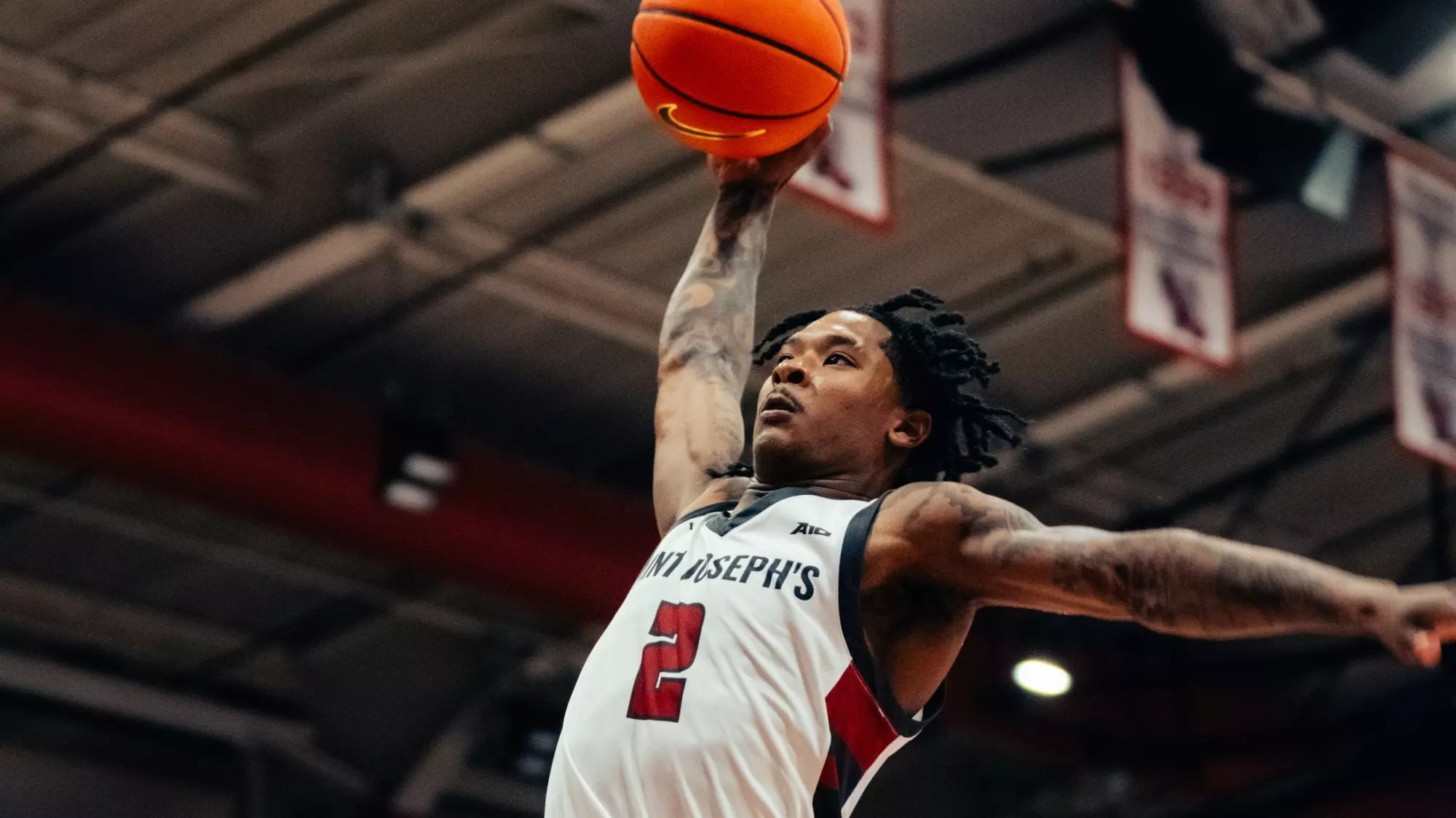
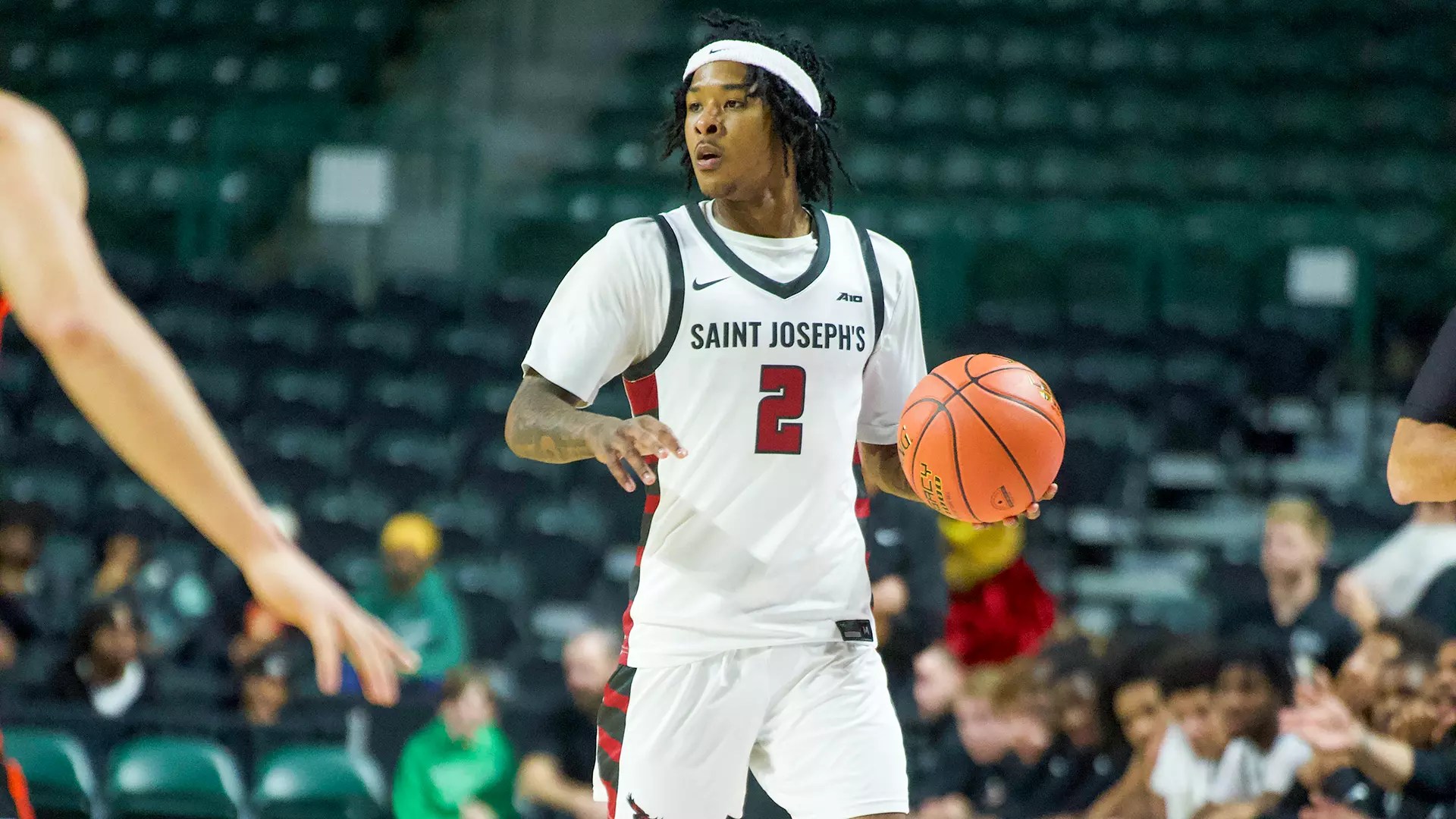
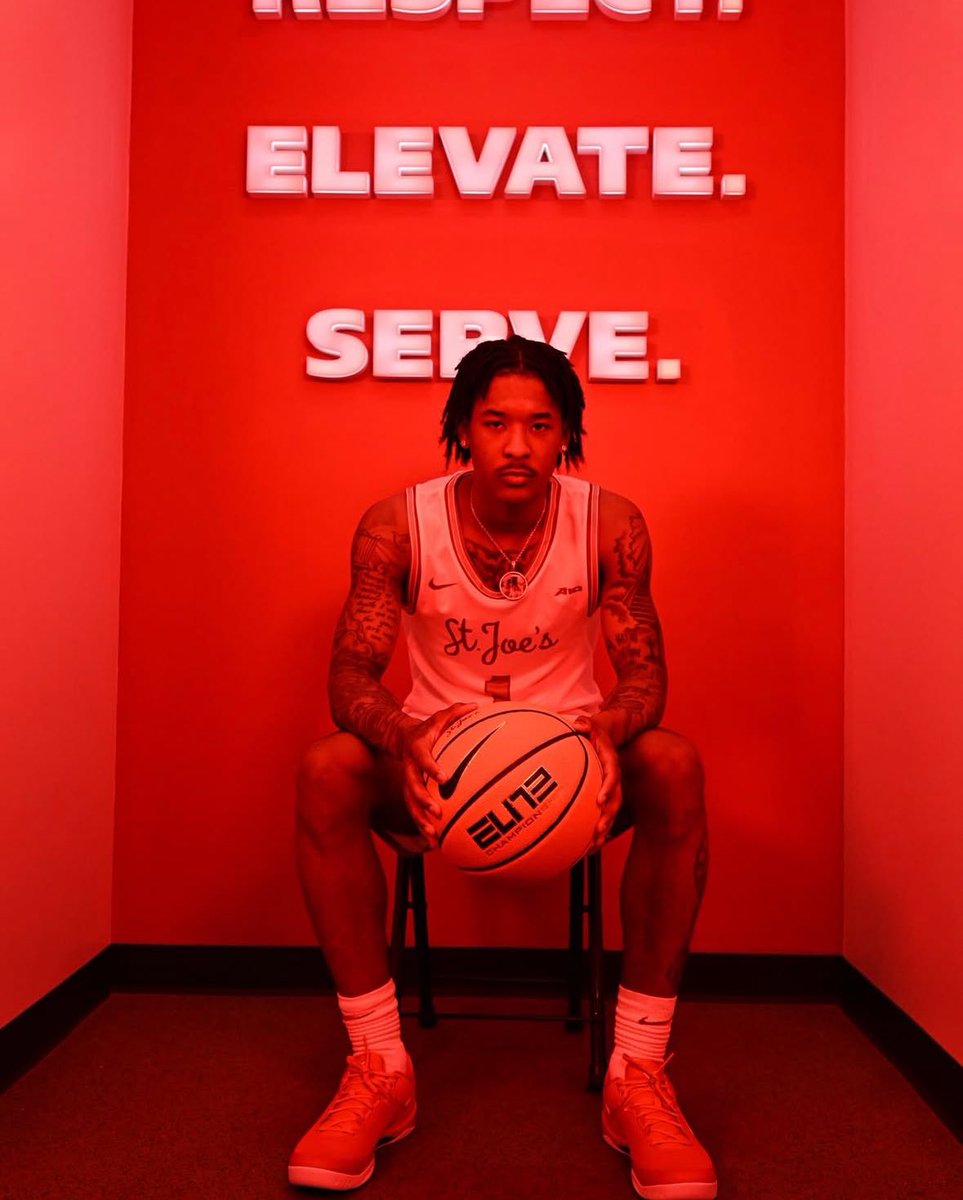
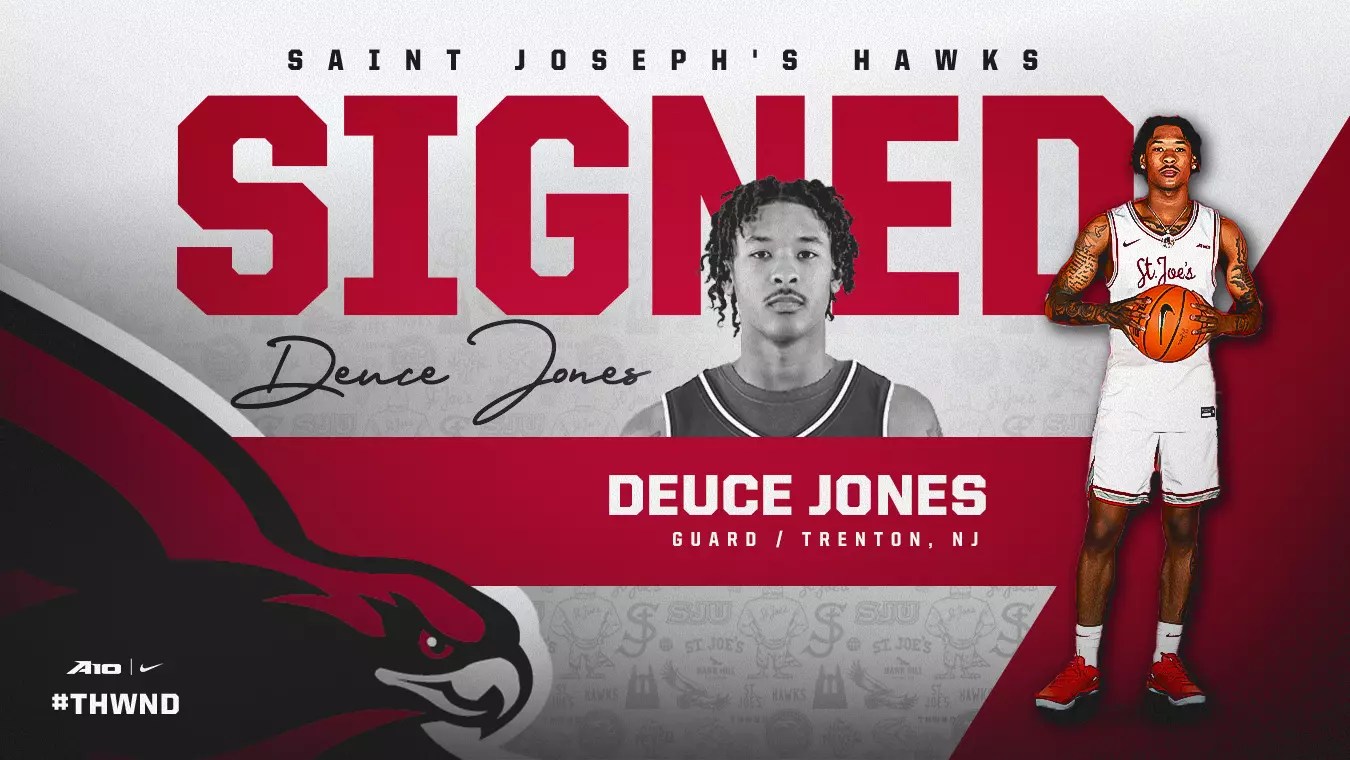
PHILADELPHIA, PA – The transaction is instantaneous. An athlete enters a name into a database, a program wires funds from a collective, and a scholarship offer is extended. On spreadsheets in athletic departments across America, this constitutes a successful roster rebuild. Yet in gymnasiums and locker rooms, where the alchemy of teamwork transforms individuals into contenders, the equation is proving far more complex. The abrupt departure of Deuce Jones from the Saint Joseph’s University basketball team after just ten games is not merely a local sports story in Philadelphia; it is a stark, human-sized case study in the collision between a new, transactional model of college athletics and the timeless, relational art of coaching.

Long gone are the days when a coach’s authority was rooted in a simple, autocratic decree. Today’s coach is part strategist, part psychologist, part contract negotiator, and part cultural architect, navigating a landscape where loyalty is provisional and rosters are perpetually in flux. The transfer portal and name, image, and likeness (NIL) deals have created a booming marketplace for talent, but as the Jones saga reveals, a failure to account for the human element—the delicate fit between a player’s spirit and a coach’s philosophy—can render the most promising on-paper union a costly and swift failure.

The New Calculus of Roster Building

The modern college coach operates in an environment of relentless pressure and perpetual motion. The transfer portal is no longer a niche tool but the “fundamental part of college basketball’s ecosystem,” a bustling marketplace where over 4,000 athletes sought new homes in 2025 alone—a 418% increase from 2020. Coaches, their own job security often tenuous, are forced into a high-stakes, reactive game. When a star player departs, the response must be immediate and decisive, often leading to hasty decisions focused on plugging statistical holes rather than cultivating cohesive units

This environment encourages a perilous oversight: the subordination of cultural and emotional fit to the allure of proven production. Programs now strategically allocate NIL budgets, with some high-major schools dedicating 75% of their resources to just five starting players, treating the rest of the roster like “minimum contracts”. In this calculus, a player’s worth is distilled to points, rebounds, and efficiency ratings. The deeper questions—How does this young man respond to criticism? What coaching voice unlocks his best self? Does his competitive fire align with or threaten the existing team culture?—are too often relegated to afterthoughts, if they are considered at all.

The Deuce Jones Conundrum: A Misfit Foretold

The trajectory of Deuce Jones illustrates both the potential of masterful coaching and the consequences of its absence. As a mercurial 15 year old high school talent, he thrived under Coach Mark Bass at Trenton Catholic, who mastered the “delicate balance of discipline and understanding.” Bass redirected Jones’s boundless confidence and energy without breaking his spirit, nearly willing the team to a state championship. The pattern repeated at La Salle under the disciplined, principled guidance of Fran Dunphy, where Jones’s fierce competitiveness earned him Atlantic 10 Rookie of the Year honors. These coaches commanded his respect not with unchecked authority, but with a demanding, invested mentorship he could trust.

His transfer to Saint Joseph’s in April 2025 was a classic portal-era move. The Hawks, reeling from the departure of their entire starting backcourt, needed a savior. Jones, seeking a larger platform, seemed the perfect statistical remedy. Yet, from the outset, the interpersonal foundations were shaky. The coach who recruited him, Billy Lange—a player-friendly coach known for granting offensive freedom—abruptly left for a New York Knicks front office job just weeks before the season. In a rushed decision, the university promoted Steve Donahue, a coach fresh from a nine-year tenure at Penn where his Ivy League teams had a notably different demographic and cultural composition.

The mismatch was profound. Donahue, an analytical tactician, was now tasked with harnessing the same volatile, emotive talent that required such careful handling in high school. While initial returns were strong—Jones was the team’s leading scorer and hit a dramatic game-winner against Temple—the underlying disconnect proved fatal. Reports point to a behind-the-scenes “financial dispute” as the catalyst for the split, but the financial friction was likely a symptom, not the cause. The true failure was a systemic one: a rushed hire, a transactional recruitment, and a profound disconnect in coaching style and relational approach left no reservoir of trust to draw from when conflict arose. The partnership, built on sand, washed away in a matter of weeks.

The Vanishing Art of Developmental Coaching

The Jones episode underscores a broader erosion: the devaluation of the developmental coach in a win-now economy. The portal incentivizes programs to shop for ready-made products, bypassing the arduous, rewarding work of molding raw talent over years. As one athlete poignantly observed in a first-person account, locker rooms now feel transient, with the “idea of having a future… no longer discussed because no one knows who will be staying”.

This shift carries a deep irony. Billy Lange left Saint Joseph’s for the NBA precisely because of his proven skill in player development, having transformed Rasheer Fleming from a role player into an NBA draft pick. Yet, in the college game he exited, that very skill set is becoming obsolete. Why invest years in development when you can purchase a veteran’s production annually? The tragedy is that the greatest coaching artistry—exemplified by legends like John Chaney or John Thompson—was never just about X’s and O’s; it was about the transformative, life-altering mentorship that occurred in the space between a player’s arrival and his departure four years later. The portal, in its current form, systematically shrinks that space.

A Path Forward: Recalibrating for the Human Element

For the health of athletes, coaches, and the games themselves, a recalibration is urgently needed. The solutions are not about dismantling the portal or NIL, which provide necessary freedom and compensation, but about introducing wisdom into a system currently governed by haste and financial leverage.

  • For Programs and Collectives: Recruitment must undergo a paradigm shift. The evaluation process should mandate deep diligence into a player’s motivational drivers and coaching needs, with the same rigor applied to psychological fit as to athletic analytics. NIL agreements, where possible, could include structured incentives tied to tenure and academic progress, subtly rewarding commitment.
  • For Coaches: The role must expand. Today’s coach must be an expert communicator and cultural engineer, capable of building trust at hyperspeed with a roster of strangers. As research confirms, the coach’s reputation and relational ability are now “playing a larger role” than ever in attracting and retaining talent
  • For Families and Advisors: The cautionary tale of Deuce Jones is a vital lesson. The largest NIL offer or the highest-profile program is a hollow victory if the environment cannot nurture the whole athlete. Prospective players must ask not just “What can you pay me?” but “How will you coach me? Who will I become here?”

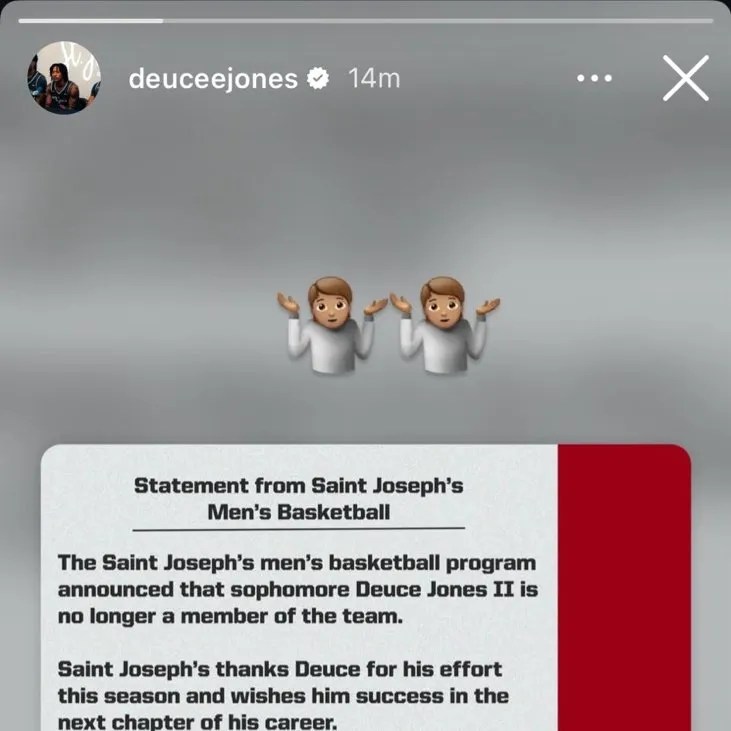
The final, silent image of Deuce Jones’s Saint Joseph’s career—a social media post of two cryptic emojis following his departure—speaks volumes. It is the digital-age signature of a broken relationship, a connection that never truly formed. In the end, the most advanced analytics, the most generous NIL packages, and the most impressive highlight reels are powerless without the ancient, indispensable ingredient of sport: a meaningful, trusting bond between player and coach. The portal era has changed everything about college athletics except that fundamental truth. The programs that remember it, and build accordingly, will be the ones that truly thrive.

A Coaching Hire That Understands the Game Beyond the Field

PHILADELPHIA, PA – In the complex ecosystem of urban education, where challenges are met head-on and triumphs are hard-won, a school’s most consequential decisions often occur not in the boardroom, but on the hiring lines for positions that shape character. Such a decision has just been made in North Philadelphia. The appointment of Al “Albie” Crosby as the Head Varsity Football coach at Simon Gratz High School Mastery Charter is more than a sports story; it is a profound investment in the social fabric of the community. It is a declaration that the leaders at Mastery Schools and Gratz understand, with keen clarity, that for many young people—especially young African-American men in this city—the gridiron is a classroom, the coach is a life mentor, and the lessons learned there are foundational to survival and success.

This hire is not a gamble on potential; it is the acquisition of a quarter-century of proven, championship-grade mentorship. By securing a figure of Crosby’s caliber, Gratz has signaled an ambition that transcends winning seasons. It has committed to providing its scholars with a guide who has repeatedly navigated the path from Friday night lights to futures of purpose and possibility.

The Resume Speaks, But the Legacy Echoes

A cursory glance at Albie Crosby’s record is enough to stun any Pennsylvania football enthusiast: 26 years of coaching experience, 2 PIAA State Championships, 5 State Championship appearances, 10 PIAA District 12 titles, 12 Philadelphia Catholic League Championships, and 4 Public League Championships. These are the hard metrics of a winner. They are the reason Gratz can, with reasonable expectation, immediately envision competing for Public League and State titles.

But the numbers that truly resonate in the halls of a school like Gratz are these: 126 NCAA Division I athletes and 14 NFL players coached and developed. These figures represent doors opened, college tuition secured, and professional dreams realized. They translate to young men who saw a future beyond their neighborhood’s horizon because a coach showed them the map and walked the road with them. In a city where sports are a vital artery of hope and socialization, this track record is a curriculum vitae for changing lives.

The Coach as Cornerstone: Filling a Crucial Social Role

For generations, in Philadelphia and cities like it, the coach has been a foundational figure in the socialization of young men. He is often a hybrid of teacher, father, disciplinarian, and advocate. He teaches young men how to handle adversity, the necessity of teamwork, the discipline of preparation, and the grace of both victory and defeat. These lessons are critical for all youth, but they carry a particular weight for young African-American men, who navigate a world that often misreads them. A strong coach becomes a shield and a beacon—someone who demands excellence while providing the unwavering support necessary to achieve it.

Principal Erik Zipay’s announcement grasped this totality. He did not just hail Crosby’s championships; he emphasized “the development/coaching of countless players for the next level and life.” He connected the hire directly to the school’s mission of “creating Champions in the Classroom, Community and Athletics.” This holistic vision is what separates a transactional sports hire from a transformative community one. Crosby is not being brought in merely to call plays; he is being entrusted to help build men.

A Statement of Ambition From “Bulldog Nation”

Principal Zipay’s statement is itself a fascinating document of institutional ambition. It is addressed to “Bulldog Nation”—a conscious evocation of shared identity and pride. It seamlessly pivots from the excitement about football to an open invitation for 8th-grade families: “Come get a quality of education and coaching for the future.” This is no accident. It demonstrates an astute awareness that a high-profile, credible hire like Crosby serves as a powerful magnet, attracting families who see in it a symbol of a school’s serious commitment to excellence in all arenas. It says that Gratz is a place where aspiration is taken seriously.

The Road Ahead: More Than Championships

The immediate forecast for the Gratz Bulldogs is clear: the team will be better prepared, more strategically sound, and fiercely competitive. The pedigree Crosby brings assures that. The pipeline of talent that has always existed in Philadelphia will now be honed by one of the most accomplished architects in the state’s history.

But the true victory will be measured years from now, in the lives of the young men who wear the Gratz jersey. It will be seen in the college graduations, the careers launched, the mentors made, and the fathers formed. By hiring Al Crosby, Simon Gratz High School has done more than fill a coaching vacancy. It has secured a master builder for its young men. It has acknowledged that in the gritty, glorious game of shaping futures, the right coach is the most valuable player a school can have. For Bulldog Nation, the future just got a lot brighter, and it promises to teach toughness, resilience, and triumph—both on the field and far beyond it.

The Forgotten Prospect: How NCAA’s New Era Is Closing Doors on Talented High School Players Like Bryce Hillman

CAMDEN, N.J. — In a different era, Bryce Hillman would be a sure fire NCAA Division 1 recruit. The Camden Eastside senior guard is everything low to mid-major college basketball programs traditionally sought: a 6-foot-2, 185-pound leader with deep shooting range, a powerful build, and a floor-general mentality that keeps his team in the game until the final buzzer. Yesterday, at Camden Catholic and Down 7, he hit 2 deep 3-pointers with less than 22 seconds left in the game. Off the court, his profile is equally impressive—a straight-A student, a member of the National Honor Society, and academically eligible for the Ivy and Patriot League programs.

Yet, as the 2026 recruiting cycle inches forward, Hillman’s phone isn’t ringing with Division I offers. Instead, he represents a growing, silent casualty of a revolution in college sports. His stalled recruitment is not a reflection of his talent but a direct consequence of the seismic paradigm shift driven by the transfer portal and Name, Image, and Likeness (NIL) compensation. These changes have professionalized college athletics at a breathtaking pace, creating a system where proven commodities are valued over potential, and where high school prospects like Hillman are increasingly an afterthought.
The New Calculus of Roster Building

College basketball has entered its “Wild West” era, characterized by unprecedented roster turnover and a relentless focus on immediate results. The transfer portal, which saw Division I entries nearly double from 2019 to 2024, has become the primary talent marketplace. For coaches under pressure to win now, the calculus is simple: Why invest a precious scholarship and years of development in an 18-year-old when you can recruit a 22-year-old from the portal who has already proven he can score against college competition?

The data supports this cold logic. A 2024 study found that 65% of Division I men’s basketball players who enter the transfer portal move down a competitive level or out of the sport entirely, suggesting it is often a tool for finding playing time at a lower level rather than a guaranteed path up. Yet, for coaches, the portal offers a known quantity. As one high-major coach bluntly stated about the new financial reality, “No one’s going to pay a freshman $1.5 million anymore. You can’t have a third of your [revenue-share] cap going to a guy who’s never played in college”.

This professionalized approach has led to what one analyst calls “one-year partnerships”. Programs provide NIL money and a platform; in return, players must fill a specific, immediate role. Long-term development plans, once the bedrock of college coaching, are becoming “a thing of the past”. This environment inherently disadvantages high school seniors, like Bryce Hillman, no matter how gifted.

The Squeeze on the 2026 Class

Hillman’s class is caught in a perfect storm. The convergence of the transfer portal’s dominance and the new financial uncertainties of the “rev-share era” has brought high-major recruiting for 2026 prospects to a near standstill. Following the landmark House v. NCAA settlement, schools are navigating how to directly share revenue with athletes while also regulating booster-backed NIL collectives. This has created massive uncertainty about what financial packages can even be offered.

“Coaches are telling us, ‘We’re not going to the portal if you commit to us.’” — Deron Rippey Sr., father of a five-star 2026 recruit. 

As a result, conversations between coaches and top 2026 recruits have barely addressed specific numbers. “Most coaches say the rules are changing in the next two weeks, the next month, we’re trying to figure out what we can do,” said the father of one elite prospect. Another recruit noted, “Some coaches have no clue, really. A lot of their answers… is, ‘I don’t know.’ It’s funny hearing that”.

This financial fog exacerbates the existing bias toward the portal. Coaches, unsure of their future budgets, are hesitant to commit resources to high school players. They know that next spring, they will need to save a significant portion of their funds to compete in the transfer market, where bidding for proven players has reached astonishing levels—with some individual transfers commanding multi-million dollar packages. For a player like Hillman, who isn’t a consensus five-star recruit, the path to a high-major or even a mid-major offer has become exceedingly narrow.

The Cascading Effect and the Lost Art of Development

The impact of this shift creates a cascading effect throughout the ecosystem:

  • High-Major Programs seek players from other high-major programs or stars who have dominated at the mid-major level.
  • Mid-Major Programs, in turn, chase former top-100 high school recruits who are seeking more playing time after sitting on a power-conference bench.
  • Low-Major Programs target frustrated transfers from the higher levels.

This leaves talented, unproven high school prospects in a state of limbo. They are now frequently advised that their route to a Division I opportunity may require a detour—a post-graduate prep school year or proving themselves at the Division II or NAIA level first. This mirrors the transient “Migration Generation” of players who hopscotch between schools in high school and college, a trend that risks academic progress and stable development.

The professionalization of the sport is also changing how programs are run. Forward-thinking schools like the University of North Carolina are building mini-NBA front offices, hiring professionals to handle scouting, NIL negotiations, and roster management—tasks that were once the domain of coaches. In this new structure, the focus of coaching staffs can return to X’s and O’s and player development. The tragic irony is that in this more “professional” system, there are fewer and fewer raw, young players deemed worthy of that development investment.

A Path Forward in a Changed Game

So, what is a player like Bryce Hillman to do? The old blueprint is obsolete. Success now requires a new playbook that acknowledges the reality of the business:

  1. Embrace Alternative Pathways: A post-graduate year at a national prep school or a starring role at a top Division II program can provide the tape and proof of concept that the portal-driven market demands.
  2. Seek Programs Committed to Development: Some coaches, particularly at mid-majors with less portal buying power, still prioritize building through high school recruits. Identifying these programs is crucial.
  3. Leverage Academic Excellence: For a student like Hillman, targeting high-academic schools in the Ivy, Patriot, or similar leagues can be a strategic advantage, as these programs often have different roster-building philosophies and cannot use large NIL offers as their primary tool.
  4. Exercise Patience: The portal creates late-summer roster chaos. Scholarships can materialize in August as teams finalize their rosters, rewarding those who remain ready and visible.

Bryce Hillman’s story is not unique. It is the new normal for thousands of talented high school basketball players. The NCAA’s transformation, born from a long-overdue move toward athlete compensation and freedom, has had profound unintended consequences. It has created a quasi-professional free agency that values immediate production over nurtured potential. In the rush to embrace this new era, we must not forget the Bryce Hillmans of the world—the talented, well-rounded students and athletes who just a few years ago would have been the foundation of a college program, but who now stand on the outside, waiting for a coach still willing to believe in, and invest in, the promise of an 18-year-old.

The system has gained financial freedom for players at the top, but it has quietly closed a door of NCAA Division 1 opportunity for many at the bottom. Whether that door can be nudged back open may define the soul of college basketball in the decades to come.

“Buy” Games: The Unspoken Bargain That Shapes College Basketball

PHILADELPHIA, PA – In the carefully orchestrated ecosystem of college basketball, the early season schedule presents a curious paradox. While powerhouse programs from the Big 10, Big 12, Atlantic Coast and Southeastern Conferences rack up victories in their gleaming arenas, small schools from conferences like the MEAC, MAAC, and NEC often start their seasons with win-loss records of 0-7 or 1-8. These are not accidents of fate, but the result of a calculated, financial arrangement known as the “buy game”—a practice that is both a lifeline for the struggling and a cornerstone for the elite, revealing the stark economic realities of modern college athletics.

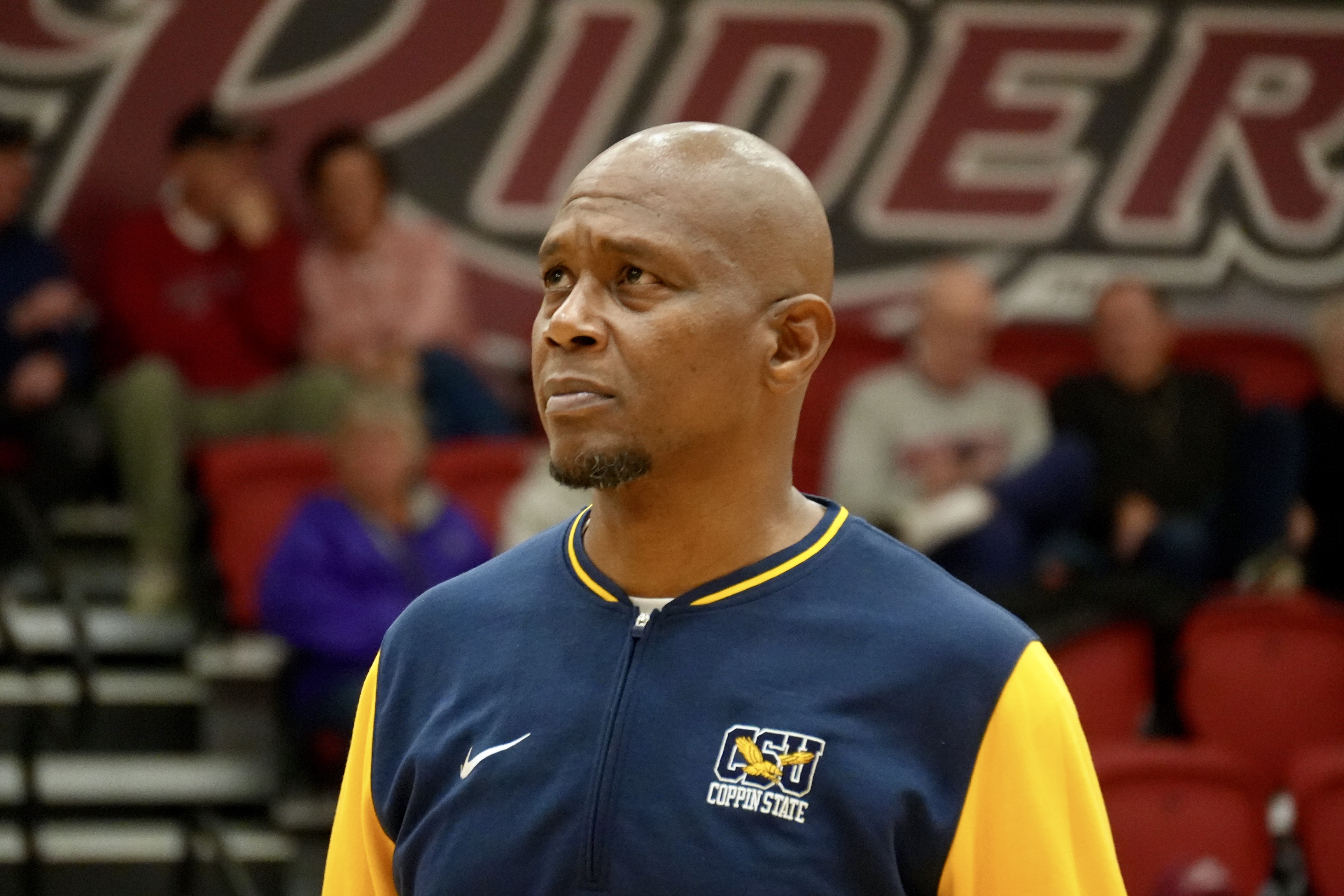
Larry Stewart, Coppin State Head Coach

In this unspoken bargain, high-major programs pay low-major counterparts anywhere from $70,000 to $120,000 to visit their home courts. The terms are clear: the visiting team gets a check; the host gets an almost guaranteed victory. For elite programs, these games are a strategic necessity, allowing them to pile up six, seven, or even eight Division I wins before entering the crucible of league play, padding their records and building momentum. For the low-majors, the calculus is different. As one financial officer at a mid-major program put it, “We run thin. There is not a lot of fat” . The revenue from these games—which can total as much as $600,000 for a school’s athletic department over a season—is not a luxury; it is a essential subsidy that keeps entire sports programs afloat

This financial lifeline, however, comes with a profound competitive toll, warping seasons, stymying coaching careers, and creating a distorted landscape where teams often have no true sense of their own identity.

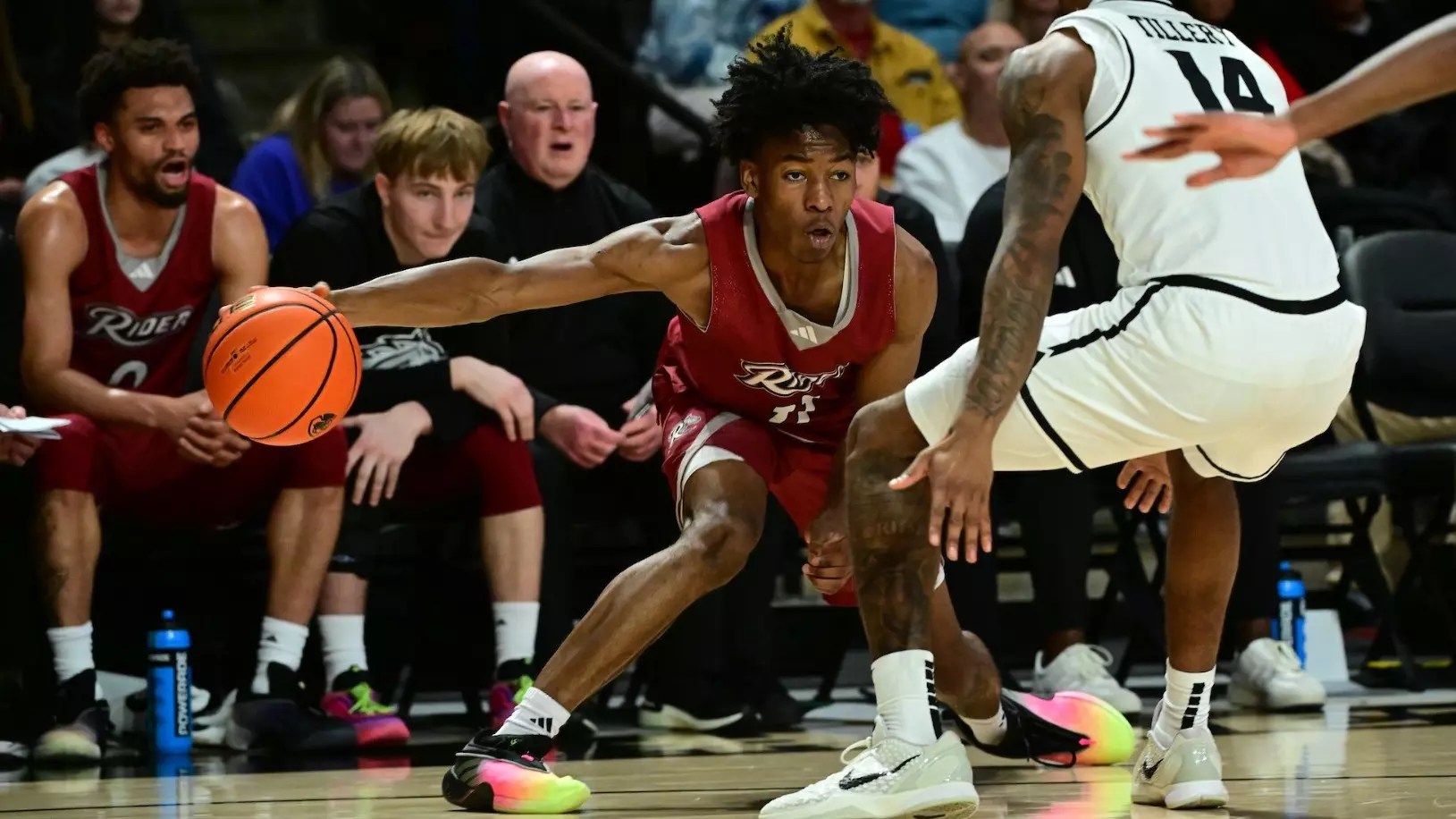
Flash Burton, Rider sophomore guard

The High-Major Calculus: Buying Wins and Building Brands

From the perspective of the nation’s basketball blue bloods, buy games are a rational and efficient investment. They represent a controlled environment to integrate new players, experiment with lineups, and build team chemistry without the immediate threat of a season-damaging loss. In an era where a missed NCAA tournament can mean a significant financial and reputational setback, these guaranteed wins help ensure that a team’s resume is robust enough to catch the eye of the selection committee come March. 

Here’s a breakdown of how many teams from each of those conferences (ACC, Big Ten, Big 12, SEC) made the 2025 men’s NCAA basketball tournament. 

ConferenceNumber of teams in 2025 NCAA Tournament
ACC4
Big Ten8 
Big 127 
SEC14 

The financial outlay, while substantial, is a manageable line item for Power 4 conference schools, which boast operating revenues averaging $97 million in the ACC, for example. For them, the cost of a buy game is easily offset by the revenue from a single home game, which includes ticket sales, concessions, and sponsorships. Furthermore, in the new world of revenue sharing and Name, Image, and Likeness (NIL), where schools are directing $20.5 million annually directly to athletes, the pressure to maintain a winning program—and the financial windfall that comes with deep tournament runs—has never been greater. A successful season built on a foundation of early wins helps drive the brand engagement that underpins these massive financial operations.

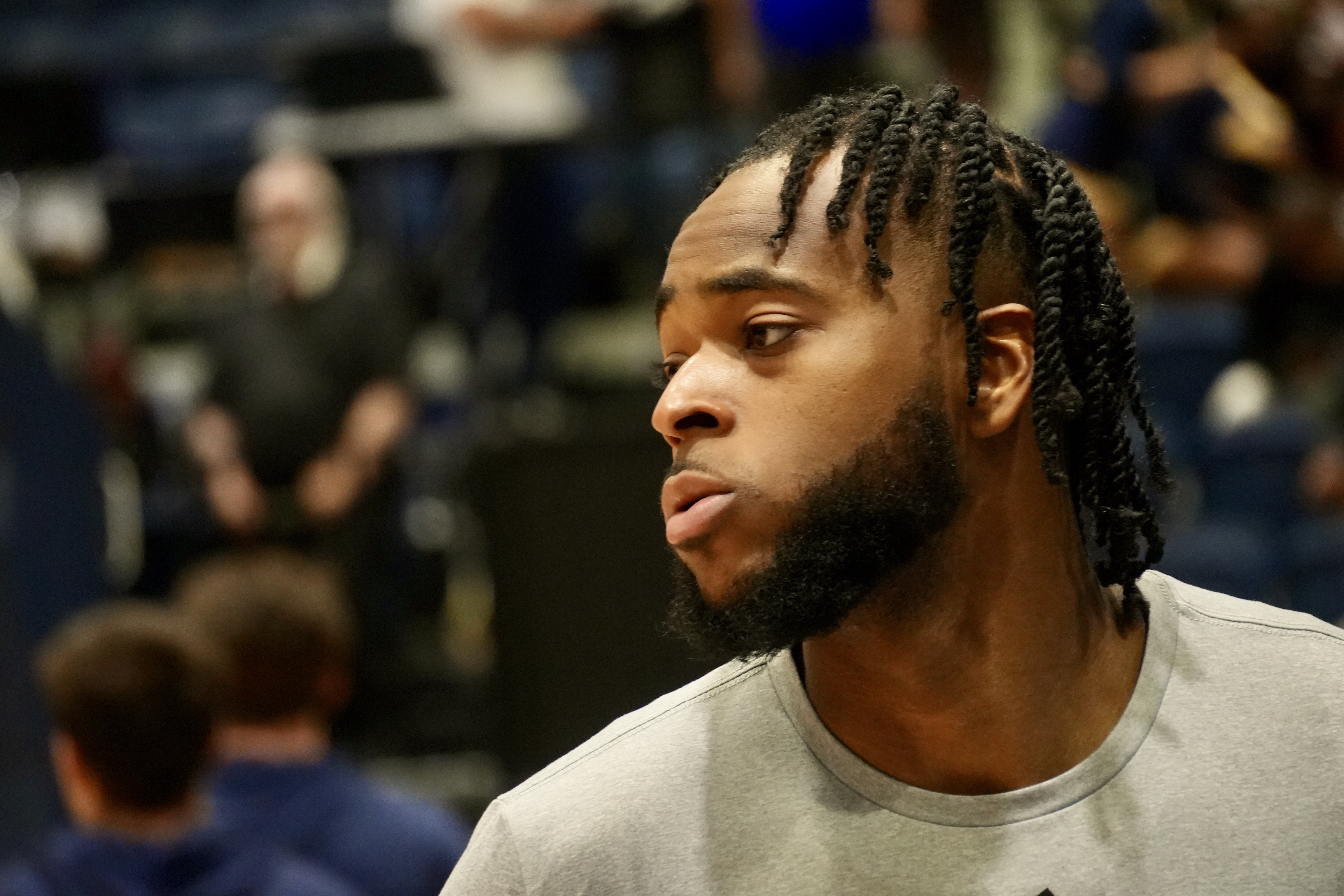
Khali Horton, Coppin State junior forward

The Low-Major Struggle: Survival and Sacrifice

For low- and mid-major programs, the decision to be a “buy team” is a Faustian bargain, balancing financial survival against competitive integrity. The revenue from these games is often the difference between solvency and severe cutbacks. As detailed in a 2020 report, the University of Montana projected a $5 million shortfall in its athletic budget, making the $75,000 to $95,000 earned from a single buy game against a Power 4 school a critical part of its financial planning. This money is used not for luxuries, but for fundamental needs—subsidizing coaching salaries, funding travel for conference play, and paying for equipment

However, this financial lifeline comes at a steep cost.

  • The Psychological Toll: Teams are conditioned to accept losing as a prelude to their “real” season—conference play. This can be demoralizing for players and coaches who, despite their talent and preparation, are thrust into mismatches night after night.
  • The Physical Toll: The travel is often grueling. Montana’s team, for instance, sometimes endures trips through two or three airports to reach a game, or marathon 13-hour bus rides to save costs, all while facing the prospect of a lopsided defeat.
  • A System of Dependence: This model creates a dependency, making it difficult for these programs to escape their subordinate status. The financial incentive to schedule these games can outweigh the competitive incentive to build a balanced schedule that could lead to more wins and long-term growth.
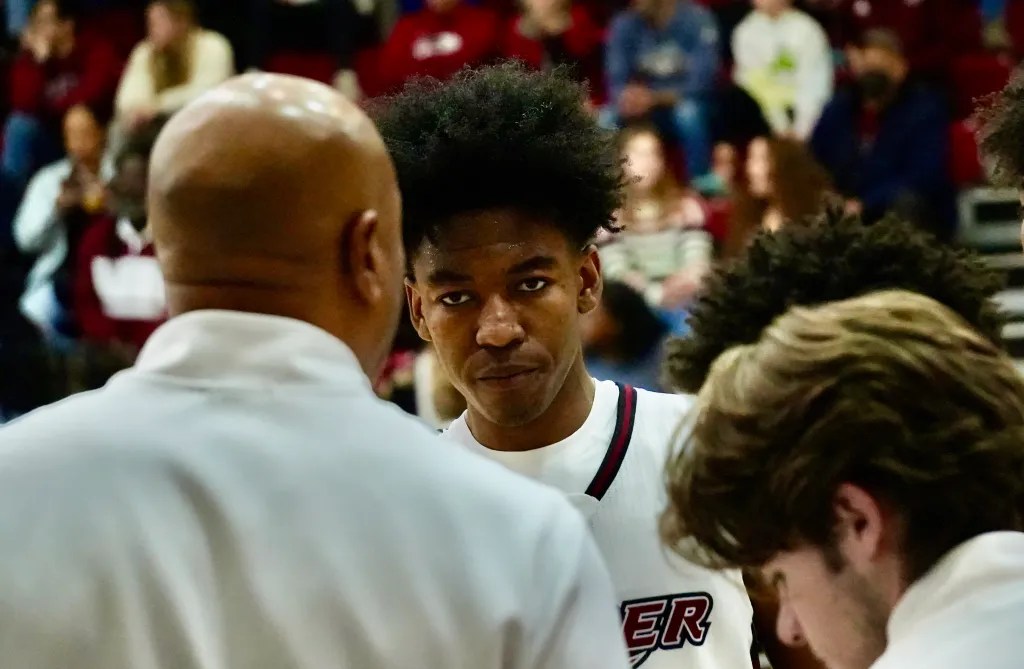
Kevin Baggett, Rider Head Coach

The Sacrifice: A Schedule Built on Blowouts

The brutal reality of this bargain is etched in the season records of teams like Coppin State and Rider University. Consider Coppin State’s schedule heading into its recent game against Rider:

  • vs Maryland: L 83-61
  • @ La Salle: L 87-59
  • @ James Madison: L 84-70
  • @ South Florida: L 100-50
  • vs Central Michigan: L 82-59
  • vs South Alabama: L 72-62
  • vs Central Penn: W 103-62 (a non-Division I opponent)
  • @ VCU: L 101-58

Rider’s path was similarly grim before the two teams met:

  • @ Virginia: L 87-53
  • @ Rutgers: L 81-53
  • vs Eastern: W 86-54 (a non-Division I opponent)
  • @ Texas: L 99-65
  • @ Houston: L 91-45

These are not just losses; they are systematic dismantlings. The differences in athleticism, strength, and size are so vast that the games become less a contest and more an economic exercise. For the players on the losing end, it is a grueling and demoralizing rite of passage, a season that begins with accepting defeat as a precursor to their “real” season in conference play.

The Coaching Conundrum: A Career Stuck in Quicksand

This system creates a particularly vexing problem for ambitious low-major coaches. Their career advancement depends on winning percentages and postseason success. Yet, they are forced to begin every season with a gauntlet of near-certain losses, cratering their overall record before they ever play a peer opponent.

How can a coach prove their program-building mettle when their team is structurally scheduled to start 0-7? The buy game phenomenon acts as a ceiling, trapping talented coaches in a cycle where achieving a strong winning percentage is a mathematical improbability. Their resumes are hamstrung from the outset, making the leap to a higher-profile job significantly more difficult, regardless of their actual coaching acumen.

An Ecosystem at a Crossroads

The buy game system is a microcosm of the broader inequities in college athletics, a landscape where the financial disparity is staggering. A single Power 5 conference, the SEC, generated $1.89 billion in revenue in 2018, a figure that eclipsed the $1.38 billion generated by the entire Football Championship Subdivision, a group of over 100 schools that includes many low-major basketball programs. This chasm is now being codified in new ways, as the advent of revenue sharing and large-scale NIL deals creates what some have called a “pay for play” tier, potentially relegating mid- and low-majors to a permanently lower competitive status.

The pros and cons from each perspective can be summarized as follows:

PerspectiveProsCons
High-Major Program– Nearly guaranteed victories for record-building – Low-risk environment for team development- Protects lucrative postseason prospects– Financial cost of guarantee payments – Risk of player injury in a mismatch- Can be criticized for lack of competitive scheduling
Low-Major Program– Essential revenue for athletic department survival ($600k+/season) – Funds travel, salaries, and operational costs – Opportunity for players to compete in a high-profile environment– Demoralizing starts to the season (0-7, 1-8 records) – Grueling travel and physical toll on players – Perpetuates a cycle of financial and competitive dependency

Yet, even as this system entrenches inequality, it is also being challenged by the same market forces that sustain it. Low-major programs are being forced to find creative revenue streams, from hosting concerts in their facilities to pursuing novel licensing deals for branded merchandise. Some analysts argue that the coming restructuring of college sports might, ironically, offer these schools a way out—freeing them from an unwinnable financial arms race and allowing them to refocus on their educational mission.

Zion Cruz, Rider senior guard

The Distortion: Who Are We, Really?

Perhaps the most subtle yet damaging effect of the buy game system is the competitive distortion it creates. When Coppin State and Rider finally faced each other, they did so with a combined 2-12 record. Their lone wins came against non-Division I schools.

They had no true idea how good or bad their teams were. How do you gauge your defensive schemes after being overwhelmed by Virginia’s size or Houston’s speed? How do you assess your offense after facing defenses with a level of length and athleticism you will never see in your own conference? The games against high-majors are so different in kind, not just degree, that they offer little actionable data for the games that ultimately matter—the conference matchups that determine a chance at the NCAA tournament.

An Uneasy, Enduring Symbiosis

Despite its clear downsides, this ecosystem is remarkably stable. The high-majors have no incentive to change a system that provides them with wins, revenue, and a soft launch to their season. The low-majors, trapped by financial necessity, cannot afford to walk away from the checks.

The buy game is the purest expression of college basketball’s economic hierarchy. It is a transaction that funds dreams at one school by monetizing the competitive hopes of another. For every check that clears, a season is warped, a coach’s record is tarnished, and a team is left to wonder about its own identity until it finally steps onto a court against an opponent its own size. The games will go on, the standings will tell two different stories, and the unspoken bargain will continue to define the sport, for better and for worse.

College Athletics’ Revolution: How a Paradigm Shift Is Redefining the Game

PHILADELPHIA, PA – The tectonic plates of college sports have shifted, and the landscape will never be the same.

For decades, the world of college athletics operated as a coherent, predictable universe. It was a system where the term “student-athlete” was sacrosanct, amateurism was the guiding creed, and the National Collegiate Athletic Association (NCAA) was the unquestioned governing authority. This model, however, has not merely evolved. It has been violently upended. The past five years have witnessed what the philosopher of science Thomas Kuhn would term a “paradigm shift”—a revolutionary, non-cumulative break from the old order, driven by legal challenges that shattered the NCAA’s foundational principles.

Temple alum and former NBA player, Marc Jackson announcing the La Salle vs Temple matchup

The emergence of name, image, and likeness (NIL) compensation and unlimited transfers with immediate eligibility has not reformed the system; it has created a new one, fundamentally altering the nature of college sports, especially football and men’s and women’s basketball.

The Kuhn Framework: How Revolutions Unfold

To understand what is happening in college sports, one must first understand Kuhn’s theory of scientific revolutions. In his seminal 1962 work, The Structure of Scientific Revolutions, Kuhn argued that scientific progress is not a linear, cumulative process. Instead, it occurs through violent ruptures he called “paradigm shifts”.

La Salle forward Jerome Brewer

A paradigm is a framework of beliefs, values, and techniques shared by a community. For a time, it provides model problems and solutions in a process Kuhn labeled “normal science.”

But eventually, anomalies—observations the prevailing paradigm cannot explain—accumulate, leading to a period of crisis. This crisis deepens until the old paradigm is overthrown and replaced by a new, incompatible one. The new paradigm is “incommensurable” with the old; they are so different that proponents of each see the world differently, use different definitions, and fundamentally talk past one another. This is not a change in degree, but in kind. It is a gestalt switch, where a drawing that was once seen as a duck is now seen as a rabbit, and it is impossible to see both at once.

The Age of ‘Normal Science’ in College Athletics

For the better part of a century, college athletics existed in a prolonged state of Kuhn’s “normal science.” The dominant paradigm was the “amateur ideal.” Its core tenets were simple and universally accepted within the industry:

Camden resident and Big 5 fan, Hunner Cotton

No Pay-for-Play: Athletes were “amateurs” who could not be compensated for their athletic performance beyond the cost of attendance

Limited Mobility: Transfers were heavily restricted, often requiring athletes to sit out a year of competition, thereby discouraging movement

Institutional Control: The NCAA and its member institutions held absolute power to set and enforce the rules

This paradigm was not merely a set of rules; it was a worldview. It defined the very product. As Kuhn might have observed, it told everyone in the system—administrators, coaches, athletes, and fans—how to think and behave. It provided a stable, predictable environment where seasons unfolded with rosters fans could recognize from year to year, and where the NCAA’s authority was as assumed as the rules of gravity.

Accumulating Anomalies and the Onset of Crisis

The facade of this stable world began to crack under the weight of mounting anomalies. The commercial reality of college sports—the billion-dollar television contracts, massive coaching salaries, and lavish facilities—increasingly clashed with the amateur ideology.

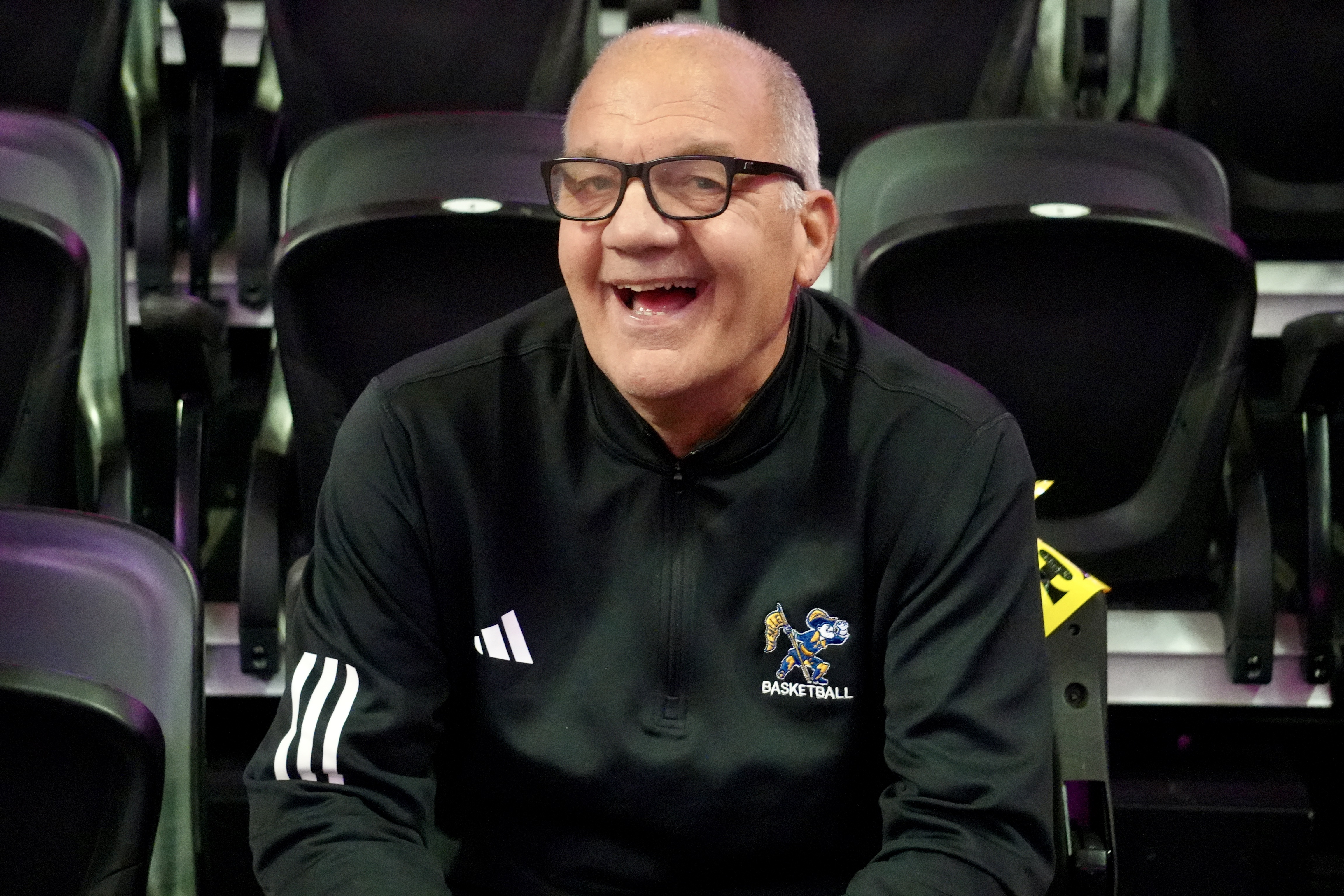
Joe Mihalich, Special Assistant to the Head Coach at La Salle University

The sight of athletes, particularly in revenue-generating football and basketball, generating immense wealth without sharing in it became an undeniable contradiction.

This set the stage for a crisis, triggered by a series of legal challenges that acted as Kuhn’s “extraordinary research”. The courts became the laboratory where the old paradigm was tested and found wanting.

The Alston Decision: The pivotal blow came in 2021 from the U.S. Supreme Court in NCAA v. Alston. While the case specifically dealt with education-related benefits, Justice Neil Gorsuch’s majority opinion unequivocally declined to grant the NCAA “immunity from the normal operation of the antitrust laws”.

Justice Kavanaugh’s Concurrence: The true harbinger of revolution was Justice Brett Kavanaugh’s blistering concurrence. He called the ruling a necessary “course correction” and laid bare the anomaly at the system’s core: “Nowhere else in America can businesses get away with agreeing not to pay their workers a fair market rate on the theory that their product is defined by not paying their workers a fair market rate,” he wrote. “The NCAA is not above the law”.

This judicial dismantling of the NCAA’s legal shield created a state of deep crisis. The old paradigm was no longer tenable, and the search for a new one began.

Adam Fisher, Temple Head Coach

The Revolution Unleashed: A New World Order

The collapse of the old model under legal pressure has rapidly given way to a new paradigm, characterized by two revolutionary changes:

Name, Image, and Likeness (NIL): Since 2021, athletes have been allowed to profit from their fame through endorsements, appearances, and social media promotions. This was the death knell for pure amateurism.

Unlimited Transfers with Immediate Eligibility: Following relentless antitrust lawsuits from state attorneys general and the U.S. Department of Justice, the NCAA’s transfer restrictions have been eviscerated.

Athletes can now enter the transfer portal multiple times and play immediately at their new school, creating a system of year-round free agency.


The following table contrasts the core elements of the old and new paradigms in college athletics:

This new system is not merely an adjustment. It is a fundamental redefinition of what college sports are.

Bob Jordan, Temple Assistant Coach

Living in Incommensurable Worlds

The chasm between the old and new paradigms is so vast that they are, in Kuhn’s terms, incommensurable. Stakeholders are effectively living in different realities.

Different Standards: Concepts like “loyalty” and “team-building” now have entirely different meanings. A coach bemoaning a player’s lack of loyalty, based on the old standard of a four-year commitment, cannot communicate with a player operating in a new world where loyalty must be re-earned by the program year after year through NIL offers and playing time

Different Worlds: Coaches now navigate a “transactional culture”. As one soccer coach lamented regarding new roster limits, the focus is on “hit[ting] on virtually all of the 5-6 commits each year,” turning recruiting from an art of potential into a science of immediate ROI . Meanwhile, athletes see themselves not just as students, but as entrepreneurs managing their own brands.

Communication Breakdown: The same words mean different things. An “offer” from a school once meant an athletic scholarship. Now, it is a complex package of scholarship, NIL money from a collective, and potential branding opportunities. When administrators, coaches, athletes, and fans use the term “college sports,” they are, quite literally, talking about different things.


Temple star guard Aiden Tobiason

The View from the Palestra: A Case Study in Revolution

The human cost of this revolution is etched into the history of Philadelphia’s Big 5. For more than six decades, the rivalry between LaSalle, Pennsylvania, St. Joseph’s, Temple, and Villanova was a unique institution in college basketball, a frenetic and beloved intracity competition housed in the musty, hallowed halls of the Palestra.

Big 5 basketball as it existed for generations is dead.

The paradigm shift has turned its teams into annual collections of mercenaries. This year’s rosters at Temple, Villanova, and La Salle are not built through years of patient development and freshman recruiting classes. They are assembled through the transfer portal, featuring 12 to 15 new players who are, in effect, paid free agents. The continuity that allowed for deep, city-wide narratives and enduring player legacies has been shattered. The old-timers who cherish the traditions of the Palestra and the new-age fans who track transfer portal rankings now inhabit incommensurable worlds, looking at the same court but seeing entirely different games.

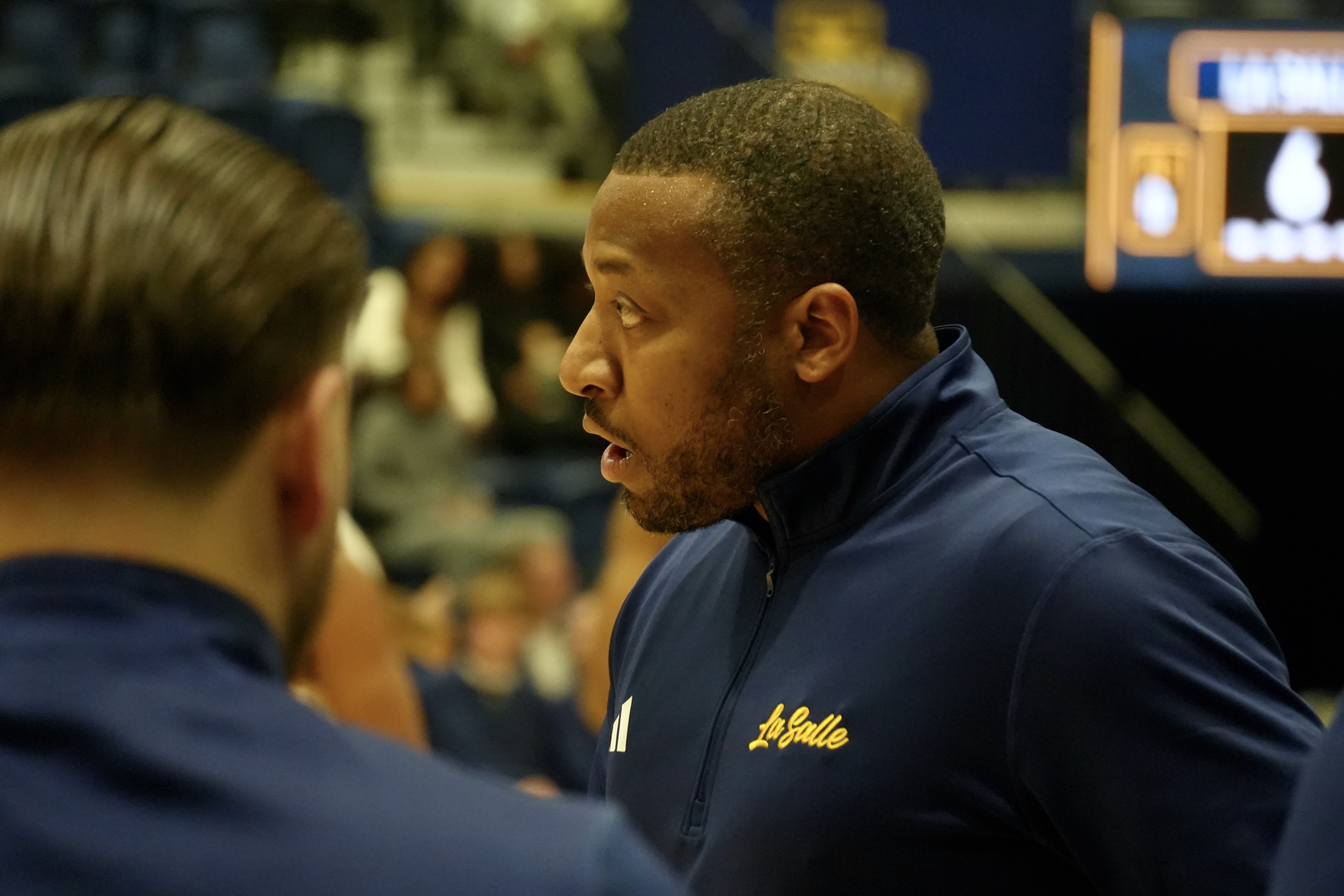
Darris Nichols, La Salle Head Coach

The Uncharted Future

Where this new paradigm will ultimately lead is still uncertain. The revolution has created winners and losers, bestowing newfound wealth and freedom on some athletes while creating instability and uncertainty for others. The core challenge of this nascent paradigm is its sheer chaos—a lack of uniform regulation, concerns over the exploitation of young athletes, and the erosion of any semblance of a level playing field.

Thomas Kuhn taught us that paradigm shifts are not about progress in a moral sense, but about the replacement of one worldview with another. The old paradigm of amateurism is gone, discredited by the courts and abandoned by the culture. The new paradigm of athlete empowerment and free agency is still crystallizing, its final shape unknown. The revolution is complete. The incommensurable has arrived. The games will continue, but they will never be the same.

I miss Micheal Brooks, John Pinone, Mo Martin, Rodney Blake, Howie Evans, Lionel Simmons, Mark Macon, Tim Perry, Mike Vreeswyk, Jameer Nelson, Rap Curry, Bernard Bunt, Jerome Allen, Matt Maloney and Rashid Bey on the court.

I miss John Chaney, Fran Dunphy, Bruiser Flint, Phil Martelli, John Giannini and Rollie Massimino on the sidelines.

Naaaaah… I can’t lie… I don’t miss Rollie.

The Shadow Market: How “Handlers” Distort the Truth in College Basketball Recruiting

PHILADELPHIA, PA – In the high-stakes world of elite basketball recruiting, the path from high school phenom to college star is rarely straightforward. Parents and young athletes are told they are making rational, informed choices—weighing scholarship offers, development opportunities, and long-term career prospects. But beneath the glossy promises of scouts and recruiters operates a shadow economy of middlemen—known in the industry as “handlers”—whose influence distorts the decision-making process in ways that often leave families at a disadvantage.

These handlers—AAU coaches, trainers, family advisors, and other self-appointed power brokers—position themselves as indispensable guides, offering access to top programs and insider knowledge. Yet their role frequently undermines the very premise of rational choice: that decisions are made with full information and in the best interest of the athlete. Instead, many operate with hidden agendas, steering players toward schools and agents who compensate them, regardless of whether those choices serve the athlete’s long-term future.

The Myth of Perfect Information

Rational choice theory assumes that individuals make decisions by objectively assessing costs and benefits. In an ideal world, a blue-chip recruit and their family would evaluate colleges based on coaching style, academic fit, playing time, and professional development potential. But the reality is messier. Handlers often control the flow of information, selectively presenting options that benefit them—sometimes at the expense of the athlete.

Consider the case of a five-star recruit deciding between two programs:

  • School A offers strong academics, a proven developmental track record, and a clear path to NBA exposure.
  • School B has a flashier reputation but a history of mismanaging talent—yet its boosters have a financial arrangement with the player’s AAU coach.

If the handler only emphasizes School B’s perks—perhaps exaggerating its NBA pipeline or downplaying past player dissatisfaction—the family may make a choice based on manipulated data. This is not rational decision-making; it is a rigged game.

The Handler’s Playbook: Side Deals and Hidden Incentives

The most insidious aspect of this system is the financial undercurrent. While NCAA rules prohibit direct payments to players (at least before NIL reforms), there are no such restrictions on backroom deals between handlers and programs. Common arrangements include:

  • Kickbacks for commitments: Some AAU coaches receive “donations” from college staff or boosters for delivering top recruits.
  • Agent partnerships: Handlers may have informal ties to sports agencies, steering players toward certain representatives in exchange for future cuts of professional earnings.
  • Shoe company influence: Since Nike, Adidas, and Under Armour sponsor both AAU circuits and college teams, handlers aligned with a brand may push athletes toward affiliated schools, regardless of fit.

These conflicts of interest are rarely disclosed to families. A parent might believe their child is choosing a school for its coaching staff, only to later discover the decision was swayed by a handler’s financial stake.

The Consequences of Distorted Choices

When recruits land in suboptimal situations—riding the bench at a program that doesn’t develop them, or worse, flunking out due to inadequate academic support—the handlers face no repercussions. They’ve already collected their fees. The athlete, meanwhile, bears the cost: wasted eligibility, damaged draft stock, or even a derailed career.

Even when players do succeed, the system’s opacity raises ethical concerns. If a top recruit thrives at a school that paid his handler, was it truly the best choice—or just the most lucrative one for the middleman?

Toward a More Transparent System

Reform is possible, but it requires dismantling the handler economy’s secrecy. Potential solutions include:

  • Mandating disclosure: Requiring handlers to register as “recruiting advisors” and disclose financial ties to schools or agents.
  • Strengthening NCAA enforcement: Investigating suspicious recruitment patterns, such as AAU coaches with unusual influence over multiple high-profile commitments.
  • Educating families: Providing independent resources to help parents and athletes navigate recruitment without relying on potentially biased intermediaries.

For now, the burden falls on families to ask hard questions: Who benefits from this decision? What information am I not seeing? Because in the murky world of elite basketball recruiting, the people whispering in their ears don’t always have their best interests at heart.

The tragedy is not just that some athletes make poor choices—it’s that the system is designed to obscure the truth, leaving them to pay the price for decisions they never fully controlled. Until that changes, the myth of rational choice in recruiting will remain just that: a myth.

The Afro-Sheen Light Skin Brother Bowl: A Game Worth Watching, A Moment Worth Celebrating

Next Thursday, American history’s getting made, plain and simple. Two Black coaches—Notre Dame’s Marcus Freeman and Penn State’s James Franklin—about to go head-to-head for a shot at the big prize: the National Championship. For Black folks, this ain’t just about football; it’s about kicking down doors that’ve been bolted shut for far too long. But, like clockwork, social media’s lit with white fans scratching their heads, asking why we’re even talking about race. To them, it’s just a game. To us? It’s a revolution.

Black folks know that for most of the 20th century, NCAA D1 colleges and universities wasn’t fuckin’ with us… At all…

The Long Shadow of Jim Crow

See, college ball didn’t always have space for Black excellence. For far too long, American Apartheid shaped collegiate sports. Back in the Jim Crow days, Black athletes were locked out of big-name programs, forced to shine in HBCUs while white players soaked up all the national mainstream media attention and glory. When integration finally hit in the 1970’s, Black players broke through, but the coaching ranks? That’s where the gate stayed locked.
And don’t get it twisted—the system wasn’t just about who could run the fastest or throw the farthest. In ‘87, Al Campanis, a Dodgers exec, told the world Black folks didn’t have the “necessities” to lead. Translation? “We don’t trust y’all to steer the ship.” Those words stuck, seeping into locker rooms, boardrooms, and beyond. Today, that bias may not wear the same ugly face, but it’s still lurking.

Breaking Through the Ceiling

Now here come Freeman and Franklin, rewriting the script. Many of the same cameras and microphones that have been prominently positioned in front of Coach Prime since August, will be pointed at these brothers. With everything on the line, Freeman and Franklin ain’t just holding clipboards; they’re running powerhouse programs, proving that leadership ain’t tied to skin color. For Black fans, it’s more than bragging rights; it’s decades of sweat, tears, and unshakable determination finally paying off.

But the pushback always comes. Some folks argue that sports should be colorblind, that the game’s about skill, not skin. Sounds nice on paper, but let’s be real: race has always been a lead actor in the American story. Black folks have felt the sting of fewer opportunities, lower pay, and higher scrutiny. That’s the backdrop to Thursday’s game, whether well-meaning white folks want to admit it or not.

A Call for Grace

To the white fans who don’t get the hype: this ain’t about excluding you; it’s about uplifting us. When we cheer for Freeman and Franklin, we’re cheering for progress—for the young Black kid watching the game, dreaming of calling plays someday.

Grace ain’t hard to give. It’s about understanding a joy that might not be yours to feel but is yours to witness. It’s about letting us celebrate without questioning the why. Because in moments like this, the why is woven into our history… American history.

Eyes on the Prize

This game’s bigger than football. It’s a chance to honor how far we’ve come and to fuel the journey ahead. For Black America, it’s a rare and beautiful milestone. For everyone else, it’s a reminder that progress, no matter how slow, is always worth the cheer.

So let’s savor this moment, not as a wedge but as a bridge. Let’s lift our voices for what’s right and what’s righteous. Because when the dust settles, it’s not just about who won the game—it’s about who changed the game.

The Light Skin Brother Bowl is ’bout to be lit like a Muthafucka…

A Tale of Three Coaching Hires: Temple, Norfolk State, and Delaware State

PHILADELPHIA, PA – Temple University’s recent hiring of K.C. Keeler as head football coach has raised eyebrows, especially when juxtaposed with the bold moves by Norfolk State University and Delaware State University. Both HBCUs have decided to roll the dice, following the Jackson State blueprint and hiring high-profile former NFL stars to lead their programs. The contrast is striking, and it raises questions about the strategic decisions underpinning each hire. Is Temple’s choice a calculated move grounded in a traditional approach to developing college football programs, or is it an exercise in playing it safe in the NIL/transfer portal era when bold action is sorely needed? Let’s talk about this shit.

Delaware State Head Coach Candidate, Desean Jackson

Temple Football: A Program in the Abyss

Let’s not mince words: Temple football is ASS! Over the past five seasons, the Owls have compiled a dismal 13-42 record. In an era dominated by NIL deals and the transfer portal, the Owls are woefully unequipped to compete. So much so, that on November 18, 2024, Inquirer Columnist Marcus Hayes argued that the Temple football “program probably needs to go away.” Quarterbacks at other programs are pocketing millions, while Temple’s head coaching position doesn’t even come close to matching that level of compensation. Add to this the widespread perception of an unsafe campus in North Philadelphia—a reality punctuated by frequent reports of murders, armed robberies, and home invasions involving students—and you’ve got a program fighting a gunfight with a butterknife.

The Owls’ attendance woes at Lincoln Financial Field underscore their plight. While the Eagles sell out every game with an average attendance of nearly 70,000, Temple struggles to draw even 14,000 fans on Saturdays. To put it bluntly, they can’t give away tickets. Nobody is paying hard earned money to watch Temple struggle against Coastal Carolina and North Texas.
Recognizing these challenges, on November 26, 2024, Black Cager Sports publicly called for Temple to consider hiring a high-profile former Eagle, like Brian Dawkins or Jason Kelce, to rejuvenate the program. The logic was simple: inject star power, attract media attention, and leverage NFL prestige to appeal to recruits and reignite fan interest. Philadelphia is, after all, a football town, albeit one where the Eagles monopolize the energy. A beloved former Eagle at the helm could have been the spark Temple football desperately needed.

Norfolk State and Delaware State: The Prime Effect

While Temple opted for tradition with Keeler, Norfolk State and Delaware State have embraced the Coach Prime model. On December 2, 2024, Norfolk State introduced Mike Vick as its new head coach in a press conference that felt more like a star-studded gala. With Allen Iverson and Bruce Smith in attendance, the hire radiated cultural significance and media magnetism.

Similarly, Delaware State is finalizing a deal with DeSean Jackson. Like Vick, Jackson brings NFL pedigree, charisma, and name recognition to the table. Both hires reflect a growing trend among HBCUs: leveraging the cultural capital of NFL stardom to transform their football programs. It’s a strategy pioneered by Deion Sanders at Jackson State and now being tested at Norfolk State and Delaware State.

These moves are not without risk. Neither Vick nor Jackson has extensive coaching experience. But as Sanders demonstrated at Jackson State and now at Colorado, NFL stardom is a currency that resonates deeply with recruits. It’s not just about X’s and O’s; it’s about access, visibility, and credibility. Recruits see an opportunity to learn from and be mentored by someone who has reached the pinnacle of football success.

Arthur Johnson, Athletic Director, K.C. Keeler, Head Coach and President John A. Fry

Temple’s Safe Play: K.C. Keeler

On December 1, 2024, Temple announced the hiring of K.C. Keeler, a seasoned coach with a proven track record. Keeler boasts national championships at Delaware and Sam Houston State, along with a history of consistent postseason appearances. His credentials are impeccable, and on paper, he’s an excellent hire.

But here’s the rub: credentials alone won’t solve Temple’s myriad challenges. The Owls don’t just need a competent coach; they need a savior. Someone who can galvanize a fractured fanbase, attract top-tier recruits, and restore relevance to a program that has become an afterthought in its own city.

Can Keeler convince top prospects to live, learn and practice on North Broad Street? Will he be able to lure impact transfers from the portal to Norf Philly? What’s his pitch?

Keeler is a traditional choice, a steady hand on the tiller. But steady doesn’t sell tickets, and it doesn’t land four-star recruits. In the NIL era, Temple needs more than competence; it needs charisma and cachet.

Kelce, Dawkins, Vick and Jackson ooze that shit… Each and every one of them is DAT DUDE…

The Quasi-Experiment

With Temple taking the traditional route and Norfolk State and Delaware State betting on NFL stardom, we have a real-time quasi-experiment unfolding. Which approach will prove more effective in revitalizing struggling football programs? While it’s too early to draw conclusions, the early indicators are telling.

Temple’s choice reflects a belief in stability and experience. Norfolk State and Delaware State, on the other hand, are banking on the transformative power of star power. The latter approach may be riskier, but it’s also far more aligned with the realities of modern college football.

The Case for Bold Action

Temple’s decision to go with Keeler feels like a missed opportunity. In a city that bleeds green for the Eagles, hiring a beloved former player like Brian Dawkins or Jason Kelce could have electrified the program. The media buzz alone would have been invaluable for a university grappling with declining enrollment and waning athletic fortunes.

Dawkins and Kelce are not just football legends; they are cultural icons in Philadelphia. Their presence on the sidelines would have lent instant credibility to the program and created a recruiting pitch unlike any other. Imagine a high school player being recruited by a Hall of Famer or a Super Bowl champion. That’s the kind of edge Temple needs.

Conclusion

As Norfolk State and Delaware State forge ahead with their high-profile hires, Temple’s choice of K.C. Keeler stands as a stark contrast. Time will tell which approach yields better results, but one thing is clear: Temple’s football program is in dire need of a spark. Whether Keeler can provide it remains to be seen. For now, the Owls remain in the abyss, and the question lingers: What could have been if Temple had dared to dream bigger?

The Reigning Monarch of Philadelphia Hoops: Hannah Hidalgo’s Rapid Ascent to the Throne

CAMDEN, NJ – Basketball royalty has long reigned in the Greater Philadelphia Region. Legends like Tom Gola, Wilt Chamberlain, Kobe Bryant, Earl Monroe, Lionel Simmons, DaJuan Wagner, Jameer Nelson and Dawn Staley have defined the sport across eras, blending artistry, power, and grace on the hardwood. Each generation claims its king or queen—a player so gifted that their dominance transcends debates. Today, Philadelphia basketball hoops has a new, unquestioned ruler: Hannah Hidalgo.

Notre Dame after defeating #3 USC in Los Angeles

A native of Haddonfield, New Jersey, Hidalgo has staked her claim not only as the finest amateur player from the Greater Philadelphia area but as one of the best collegiate basketball players—male or female—in the country. The All-American Notre Dame star has redefined what it means to be an elite two-way player, combining offensive brilliance with defensive ferocity in a way few can match. Her recent 24-point, 8-assist, 6-rebound, 5-steal masterpiece against No. 10 USC is merely the latest testament to her all-around greatness.

Relentless Offensive Brilliance

What separates Hidalgo offensively is her rare combination of skill, intelligence, and relentless competitiveness. Just a sophomore, she commands the floor with a poise that belies her youth, dissecting defenses with surgical precision. Her scoring repertoire is comprehensive: a lethal first step allows her to blow by defenders, a feathery touch finishes plays at the rim, and a reliable jump shot keeps opponents honest. Her stat line against USC—24 points on 9-of-21 shooting—is emblematic of her relentless drive to lead her team, finding ways to score against one of the nation’s best defenses.

Hidalgo’s passing is equally transcendent. Against USC, she orchestrated Notre Dame’s offense with eight assists, threading passes through tight windows and consistently setting up teammates like Olivia Miles for high-percentage looks. It is no wonder Notre Dame led wire to wire and silenced a hostile crowd of nearly 8,000 at Galen Center. USC’s JuJu Watkins is one of the transcendent stars in college basketball. Hidalgo went into Watkin’s crib and dominated the contest. Hidalgo’s ability to elevate her teammates makes her not just a scorer but a truly elite offensive engine.

She’s a DAWG! Defensive Dominance

Hidalgo’s impact on the defensive end is, perhaps, even more remarkable than her offensive prowess. At 5’6″, she defies expectations, leveraging her quickness, instincts, and sheer willpower to straight up terrorize opponents. One the game begins, the angelic Hidalgo becomes a gangsta! Her five steals against USC underscored her knack for disrupting passing lanes and applying relentless ball pressure. She routinely forces the very best ball handlers in the nation to “pick that shit up” before she takes it.

Defense is often an afterthought for star players, but for Hidalgo, it is a source of pride. She does not merely guard; she disrupts, dismantles, and demoralizes. She’s a beautiful basketball bully of the highest order. Her ability to turn defense into offense—whether by igniting fast breaks or snatching rebounds against taller opponents—makes her one of the most complete players in college basketball.

The Relentless Competitor

Beyond the numbers, Hidalgo’s competitive fire sets her apart. She does not merely play the game; she attacks it with an intensity that inspires teammates and overwhelms opponents. When Notre Dame needed a spark in the fourth quarter against USC, it was Hidalgo who delivered, leading a decisive 16-2 run that sealed the game. Watkins and the Trojans, undefeated until that moment, had no answer for Hidalgo’s relentless energy and leadership.

A Legacy in the Making

Philadelphia basketball has long celebrated its legends, but few players have fused offense and defense with the level of mastery displayed by Hannah Hidalgo. Her achievements at Notre Dame are a continuation of her brilliance at Paul VI High School, where she was a McDonald’s All-American and one of the nation’s top recruits. Now, she is taking her place on college basketball’s biggest stage and dominating with the same flair and tenacity that made her a household name in high school.

Hidalgo’s ascent represents more than individual greatness; it is a reminder of the region’s proud basketball tradition. She follows in the footsteps of icons like Dawn Staley and Kobe Bryant while carving her own unique legacy. With every steal, every assist, every clutch basket, she affirms her place as not just Philadelphia’s finest but one of the best players in the history of collegiate basketball.

Hannah Hidalgo is not just a star; she is a phenomenon, a player whose brilliance reminds us why basketball matters so deeply in Philadelphia. She has earned her crown, and her reign has only just begun.