PHILADELPHIA, PA – Y’all remember Nova, she was the baddest b*tch in Philly and it wasn’t close. She stood out in every crowd and at every event, radiating an allure that captivated everyone who crossed her path. Her beauty was striking; she was by far the finest woman in the City of Brotherly Love. With her stunning features and flawless sense of style, Nova was like a rare gem, adding glamour to every event. Her beauty didn’t merely stand out locally; even when she traveled to metropolises like Chicago, New York, Miami, or Los Angeles—places renowned for their concentration of beauty and sophistication—she turned heads. Her presence was unforgettable, her beauty profound.
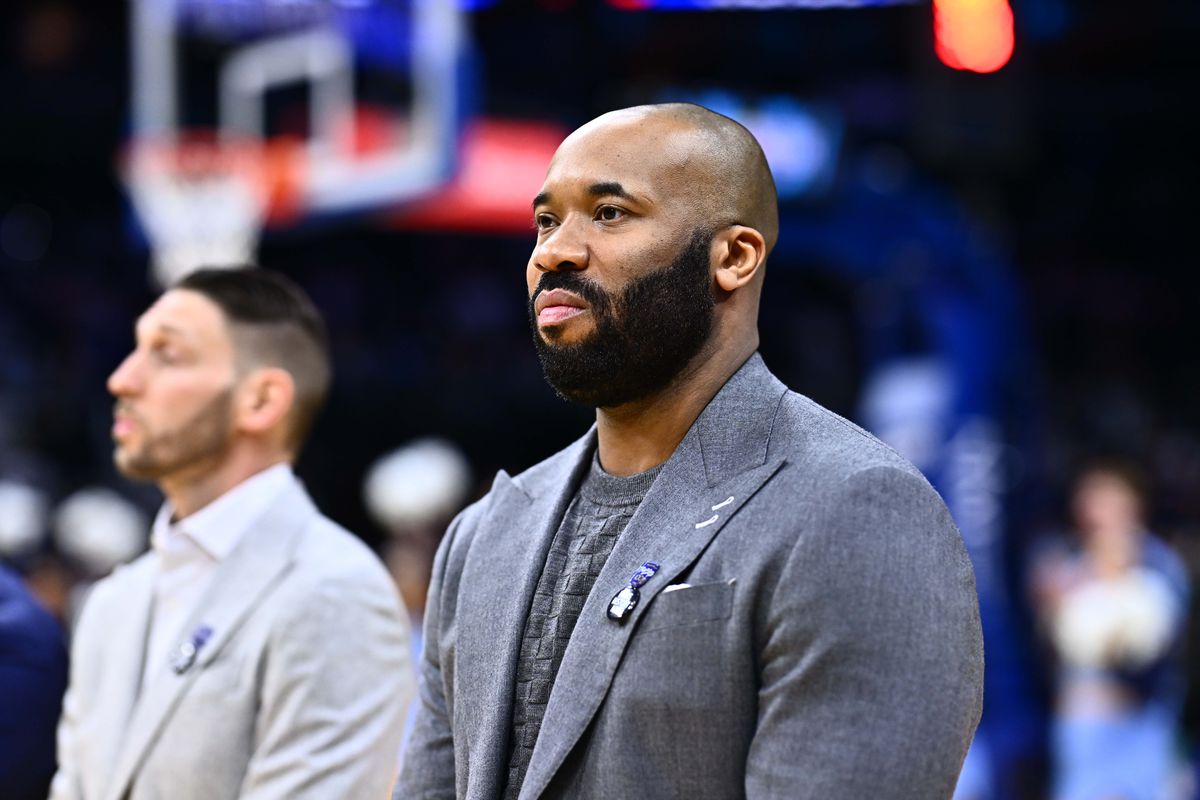
Kyle Neptune, Villanova Head Coach
Her personal style was an extension of her magnetism. She wore only the finest designer clothes and carried the most exclusive, expensive purses. Her hair was never out of place, always perfectly styled, complementing her radiant look. I’m telling y’all she really was a “Bad B*tch.” People marveled at how effortlessly she seemed to maintain such a high standard of presentation, with glossy nails, tailored outfits, and shoes that sparkled as if new. She became Philly’s fashion icon, embodying both aspiration and inspiration for many. Wherever she appeared, be it a local event, a coffee shop, or simply walking down the street, heads turned, conversations halted, and everyone took notice.
But life, as it often does, took an unexpected turn. About two years ago, her man Jay abruptly left her and subtle changes began to creep into her appearance. She gained some weight, a shift that soon made her once-fitted, tailored clothing feel awkward and ill-suited. The designer outfits that once seemed molded to her body now appeared out of place, ill-fitting. Her exclusive wardrobe seemed strained, struggling to adjust to this new version of herself. Her once-vibrant appearance dulled; her shoes began to show wear, and her bags, once sparkling emblems of luxury, became accessories she carried without the same flair and pride.
Once admired for her natural beauty, her new man Kyle sought to help regain her allure through a Brazilian Butt Lift, hoping the procedure would revitalize her image and confidence. Driven by a desperate desire to recapture the attention Nova once commanded, they ignored the risks, trusting the surgery would be the answer. But the results were far from what she’d envisioned. Her buttocks, instead of appearing fuller and shapely, became uneven and lumpy, with one side noticeably higher than the other. The telltale lumps in her skin, visible through her clothing, served as a painful reminder of her attempt to reclaim her youth. Instead of the vibrant appeal Nova yearned for, the botched surgery only left her feeling self-conscious, trapped in a body that didn’t reflect her inner beauty.
As her appearance evolved, so too did her hair, which had always been one of her most defining features. Previously styled with meticulous care, it now looked unruly, with weave extensions that seemed unkempt, a far cry from the polished look she once sported with such ease. While those around her began to notice, for the first two years, she seemed largely unaware of her own transformation. Her stride was still confident, as if nothing had changed, as though she was still the beauty who had once dominated every room. Friends and acquaintances observed the difference, yet she maintained the same proud demeanor, possibly sheltered in a sense of denial or self-assurance that allowed her to look past her reflection.
However, as time progressed, reality began to set in. This year, the shift has become undeniable; even to her own eyes, the contrast between her past and present self has become clear. Each time she looks in the mirror, she can no longer ignore the visible changes that had taken place. Her beauty, once so effortless, now seems like a distant memory. The high standards she once embodied have slipped away, and the image she had once presented to the world feels like a fading dream.
Nova is grappling with her new reality, it was not a mere matter of regaining her physical beauty. For her, it is an inner challenge—a test of self-worth and acceptance. She is at a crossroads, confronted with the possibility of re-creating herself, understanding that beauty is not merely a product of perfect clothes, hair, or body. In this moment, she is beginning a journey inward, seeking strength in qualities beyond the physical. The admiration she once drew from others now holds less meaning, replaced by an imperative to find her own self-worth from within.
Nova ain’t the baddest b*tch anymore. She’s the chubby girl you might call at 2:30 am for a quick booty call before the sun rises. She doesn’t meet the family. She doesn’t know your friends. If she doesn’t get it together soon, you won’t fuck with her at all.
CAMDEN, NJ – In the world of college basketball, Phil Martelli is a known name, revered for his coaching prowess and respected for his decades of experience guiding young athletes on and off the court. But what often goes unnoticed amid the bright lights and roaring crowds is Martelli’s quiet, unwavering commitment to educating and mentoring Philadelphia’s youth. For over 30 years, he has made himself available—without exception—to instill the value of education in countless young lives. And it is this side of Martelli that deserves as much attention as his coaching record.
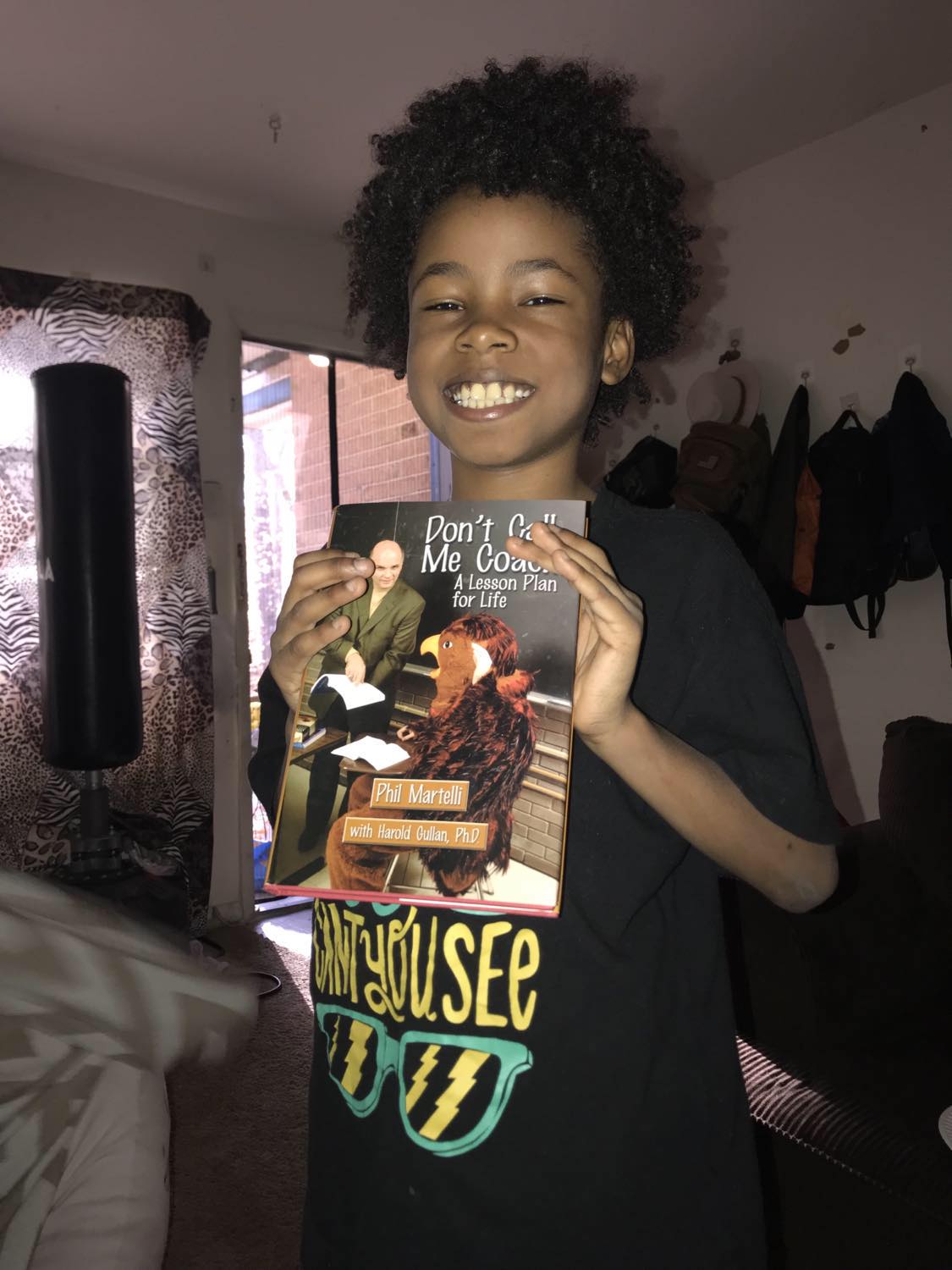
Noah Hanson, Clementon, NJ
Martelli, the former St. Joseph’s University head coach, recently transitioned to a role as a TV analyst for Fox Sports, debuting during Fordham’s nail-biting 57-56 victory over Seton Hall. It was a new chapter for the celebrated coach, who also spent five years as Associate Head Coach under Juwan Howard at Michigan. But his legacy extends well beyond his televised insights or sideline success. Throughout his career, Martelli has remained deeply committed to a cause that speaks to the heart of any community: the power of education to shape futures. It’s a mission he has lived by, often away from the public eye.
Michigan assistant coach Phil Martelli looks on in the second half of their Big Ten basketball game against Ohio State at Crisler Center in Ann Arbor, on Tuesday, February 4, 2020. (Mike Mulholland | MLive.com)
Whether he’s mentoring athletes or meeting with students in Philadelphia schools, Martelli has steadfastly promoted the importance of academics. He has spoken with students on their campuses, met them in local community centers, and even made personal phone calls to young people struggling in school. His outreach knows no boundaries—age, talent, or academic standing are irrelevant. When students are facing difficulties, Martelli is there to reinforce the importance of school, echoing the encouragement of their parents and teachers. His approach is deeply personal; he knows the power of a single conversation in inspiring a young mind.
John “JD” DiFalco, Runnemede, NJ
Martelli’s support extends to more structured acts as well. Recently, he provided two young men with copies of his book, Don’t Call Me Coach, as a motivational reward for their academic improvement. These students had struggled, but with encouragement from mentors like Martelli, they are finding their way forward. In one of the most genuine gestures, Martelli talked to these students personally, reinforcing messages of perseverance and focus.
Martelli’s devotion to education, often overshadowed by his coaching accolades, speaks volumes about the values he holds dear. He understands that success in sports is ephemeral, while the foundation of education offers lifelong benefits. In a world where athletic achievement is often elevated above all else, Martelli insists on grounding students in the importance of intellectual development, responsible citizenship, and resilience. His actions are a testament to his belief that education is the surest path to opportunity.
Phil Martelli has coached under the bright lights, from leading St. Joe’s Hawks to NCAA tournaments to helping guide Michigan to new heights. But perhaps his most meaningful victories are the ones that unfold in the quiet moments: a visit to a school, a call to a struggling student, or an unpublicized conversation after a game. Martelli’s legacy as an educator and mentor is a reminder of the role coaches can—and should—play in shaping not only athletes but well-rounded, educated citizens.
As he transitions into a new chapter as a television analyst, his influence extends beyond what audiences see on screen. Martelli’s presence remains felt across Philadelphia’s schools and neighborhoods, where his message resonates: education is the ultimate playbook for success. It is a legacy that transcends his wins and losses, and one that will endure long after the final whistle.
PHILADELPHIA, PA – If ever there were a game of consequence for two struggling programs, Tuesday’s Holy War Pillowfight between St. Joseph’s and Villanova is it. Not for the lore, the drama, or the fierce rivalry—this time, it’s about the potential future of two head coaches who’ve found themselves under intensifying scrutiny. St. Joseph’s Billy Lange and Villanova’s Kyle Neptune are on alarmingly shaky ground, with the outcome of this clash potentially determining their fates. And yes, to the fans, it’s a big game—albeit for all the wrong reasons.
The alums, boosters and fans have had enough of this shit…
Kyle Neptune, Villanova Head Coach
Imagine a WWE-style steel cage match between Lange and Neptune with the defeated coach forced to turn in his company car, office keys and bid farewell to his team after the final buzzer. It’s the kind of spectacle that perhaps only wrestling fans could appreciate, yet one that feels uncomfortably close to the current reality for both Lange and Neptune. For the respective fan bases, frustration has given way to calls for change, and patience has long run out. Both fan bases have endured too much for too long.
Lange’s record at St. Joseph’s, a tepid 60-92 (.395) since his hiring in 2019, has turned a proud program into a perennial disappointment. The Hawk faithful yearn for a return to the NCAA tournament. Many express deep skepticism regarding the current coaching staff. The St. Joseph’s message board is rife with calls for Lange’s termination. Things are even worse at Villanova. Neptune, though in his third year, has marginally fared better than Lange with a 37-34 (.521) record. However, he was handed the keys to a Ferrari and it feels like it’s been in the shop since he took over. When introduced at home games, his name is met with full throated Philly boos usually reserved for visiting opponents. For two programs that once routinely inspired confidence, their leaders appear to be hanging by the thinnest of threads, and this season’s start—punctuated by jarring losses in “buy games”—hasn’t helped.
Billy Lange, St. Joseph’s Head Coach
The buy game, a time-honored tradition, serves as a revenue stream for small programs and a quick win for larger ones. Schools like St. Joseph’s and Villanova bring in lesser-known “low major” teams, offering a hefty check, sometimes upwards of $100,000, with the tacit understanding that the visiting team will go home defeated. It’s a system that usually allows for the high-major program to pad its win column while the small school collects its payday.
But that unspoken agreement has been unceremoniously disrupted in Philly. St. Joseph’s invited Central Connecticut State for what was expected to be a routine win at 54th and City Avenue. Instead, the visitor walked away with a victory—and a paycheck. Earlier in the week, Columbia arrived at Finneran Pavillion on the Main Line, handed the Wildcats a stinging defeat, took their check, and headed back up I-95 to Manhattan. What should have been easy victories have turned into humiliating losses, pushing the fan bases to the brink.
And they are fed up. Alumni, supporters, and local fans aren’t willing to watch their schools play the role of gracious hosts handing out both checks and victories to supposedly inferior opponents. This shift from reverence to restlessness is palpable across both programs’ communities. For Lange and Neptune, these losses are not just isolated setbacks but the latest entries in a long list of grievances.
For both coaches, Tuesday’s game is likely to carry more weight than most mid-November matchups. It’s a crossroads: Lose, and they will find themselves with a diminishing number of believers. Crawl out of the steel cage with a win, and perhaps they’ll buy some time. But make no mistake, the scales have tipped. Fans are no longer willing to accept mediocrity from programs that once consistently delivered excellence.
Tuesday’s Holy War Pillowfight will be a spectacle—a big game, indeed, but not for the thrill of victory. For the fans of St. Joseph’s and Villanova, it’s about accountability, about honor, and, perhaps, about the possibility of starting anew.
PHILADELPHIA, PA – Villanova University’s men’s basketball program, long the gold standard of success and integrity, now stands at a critical juncture. Once the envy of collegiate hoops, the Wildcats under Jay Wright evolved from an admired East Coast program to a permanent resident among the sport’s “blue bloods.” In his two decades as head coach, Wright led Villanova to six Big East titles, four Final Fours, and a pair of national championships, solidifying the Wildcats’ place alongside the likes of Duke, Kentucky, North Carolina and Kansas.
But Jay Wright’s abrupt departure in 2022 created a seismic shift on the Main Line. Wright had led an undermanned Villanova squad to the Final Four in his final season, only to vanish stage left, much to the surprise and disappointment of the Wildcat faithful. In a swift succession plan, Villanova’s leadership tapped former assistant Kyle Neptune to inherit the program — a coach respected for his Villanova pedigree but still untested at the program’s elite level. There was no search firm involvement, no long drawn out series of interviews with high profile national candidates. The president, the athletic director and, of course, Wright quickly anointed Kyle Neptune as heir to the Villanova throne.
North Philly’s Wooga Poplar
In a matter of days, the Villanova brass handed Neptune the keys to the Lexus.
The move, while somewhat surprising, made sense on many levels. Neptune was no stranger to the Main Line. He spent eight years as an assistant on Wright’s staff with the Wildcats — he was on the sideline when Kris Jenkins knocked in his NCAA championship-winning 3-pointer in 2016. He left Philadelphia for the Bronx in March 2021 after being hired to coach Fordham.
Neptune, took over as Fordham’s coach after the Rams finished an abysmal 2-12 in the pandemic-shortened 2020-21 season. In his lone season at Rose Hill Gymnasium, Neptune impressed, leading Fordham to a 16-16 record. This represented a 14-win improvement between the 2020-21 and 2021-22 seasons and the biggest single-season jump in program history.
After just one season in the Bronx, leading a perennially mediocre Fordham program, Wright tossed the keys to his protege. While he hasn’t “crashed the car,” alums and fans are definitely tired of Neptune driving over the rumble strips. This noise is both unfamiliar and undesirable to Main Line hoopheads. One can only assume that the sound inside the vehicle is just as intolerable. Nonetheless, it serves as a warning to a Neptune and his staff that they have been veering off the roadway.
This stakes could not higher for Neptune. He succeeded Wright on the heels of a Final Four appearance and is just 35-33 over the past two seasons. The Villanova program has dropped from perennial national championship contender to one that has been knocked out of the NIT in the first round the last two seasons. Villanova Athletic director Mark Jackson gave Neptune a strong vote of confidence at the end of last season and subsequently left for Northwestern and the Big 10. At some point during the basketball season, Neptune will get a new boss who will surely notice the fully loaded S-Class Mercedes Benz parked outside Harry A. Gampel Pavilion in Storrs, Connecticut.
A Proving Ground for Neptune
For Neptune, this season is more than just a chance to return to the NCAA tournament after a two-year absence. It’s an opportunity to affirm that Villanova’s reputation as a national powerhouse isn’t just a Jay Wright-era artifact. This is no simple task: He inherits both the pressure of a devoted fan base and the expectation to maintain a “Villanova brand” known for discipline, ball movement, and defensive intensity. Yet, for a program accustomed to national title contention, Neptune’s middling 35-33 record over two seasons is hardly a confidence booster. So… Exactly how will the staff return the Wildcats to prominence?
Graduate Student, Eric Dixon
Philly Area Ballers on the Main Line
Neptune has leaned heavily on players from the Philadelphia region to bring Villanova back to prominence. Leading the charge is graduate student Eric Dixon. This Wildcat squad is Dixon’s team. Hailing from Abington, Dixon is extremely strong for a player at the college level and has often just powered to the basket during his illustrious college career. While he is undersized for the center position, Dixon uses his body very well, has great hands and good post footwork. He able to hold position on the blocks and back down his defender. On most nights, Dixon will be a serious mismatch for defenses in the low post. He posses a soft shooting touch around the basket uses a number of spins and drop steps to score However, it should be noted that he has expanded his offensive repertoire. Despite playing center, he was also tied for second on the team in three-point range attempts, knocking down just under 35% of his nearly five tries per game. He runs the floor well for someone his size. Dixons plays good positional defense due to his above average lateral quickness and wide body. The Wildcats need Dixon to play at an All-American level if they are going to make the NCAA tournament after a two year hiatus.
Alongside Dixon is Jordan Longino, a Germantown Academy product who has shown glimpses of promise, albeit interrupted by injury. Averaging nearly 22 minutes per game last season, Longino’s shot and intensity on both ends of the floor could make him a consistent contributor — if he can stay healthy. The third key local returnee is Nnanna Njoku, whose power forward play and physical presence offer crucial support, though he, too, will need to avoid injuries to fully contribute.
New Faces, High Hopes
Coatesville’s Jhamir Brickus
Surrounding the local returnees will be some key additions from the transfer portal. Manning the point guard position for Neptune will be Jhamir Brickus. A Coatesville High School legend, Brickus is using his COVID bonus season of eligibility, after transferring from La Salle. Brickus played four seasons with the Explorers, and he had an outstanding campaign as a senior. He averaged 13.9 points, 3.5 rebounds, 4.8 assists, and just over a steal per game while hitting 40% of his threes. Brickus is a rock-solid choice to run the Villanova offense. He displays great court vision and makes his teammates better. He is an experienced, savvy, clutch vet who has seen it all. Brickus drives the lane like an NFL fullback, and either finishes strongly or finds the open man. Although relatively short in stature, he plays much bigger than his size on offense. He has been known to effectively post up bigger guards and forwards. Neptune has given him a chance to put his skills on full display before a national audience in Big East competition.
A Philadelphia Public League legend will play on the wing for Neptune. Wooga Poplar, hailing from North Philly, is blessed with truly elite level explosiveness. Poplar was was one of the most intriguing prospects in college basketball last season and considered making the leap to the NBA this past off season. When he is healthy, Poplar displays electric speed and quickness, and is certainly one of the best leapers in college basketball. At MCS High School and subsequently the University of Miami, Poplar played an exciting and fairly flashy style. He is a highlight reel dunker in the transition game. He has a sweet looking jump shot, and his range extends past the NBA 3-point line. Poplar is able to hit shots off of screens or off the dribble, making him a guy who must be accounted for no matter what on the perimeter. He has more than adequate ball-handling ability and will be a tough cover due to his athleticism and shooting skills. He has proven that he can slash when crowded or stop and pop if the defender gives him space. Poplar gets great elevation and has a high release giving him a great ability to get shots off. He has the ability to put up points in bunches. A late blooming prospect, who wasn’t a highly touted recruit until late in his high school career, Poplar could really just be scratching the surface of his true ability.
Fresno State transfer Enoch Boakye
They have added Enoch Boakye to play the center position while Dixon moves to power forward full-time. Boakye is an athletic forward with superior shot blocking and rebounding tools. He brings an evolving offensive game that includes the ability to finish lobs near the rim. last season with Fresno State. He gave the Bulldogs just short of 8 points and 8 rebounds a game. He brings much needed length and explosiveness to the Wildcat front court.
Neptune did not go far for his final portal acquisition. He successfully recruited Tyler Perkins (6’4”, 205 lb, Lorton, Virginia), who was one of the best player in the Ivy League as a freshman at Penn last season. For the season, he averaged 13.7 points and 5.3 rebounds per game and hit nearly 35% of his three-pointers. But, maybe… Just maybe, he’s at Villanova because he for dropped 22 points, six rebounds, and a block on the Wildcats in a 76-72 Quakers victory at The Palestra last season.
Penn transfer Tyler Perkins
The Wildcats have also brought in in four freshmen, including two top 100 prospects. Matthew Hodge (6’8”, 200 lb, Belmar, New Jersey) is #70 in the 247 Sports Composite, while Josiah Moseley (6’6”, 185 lb, Round Rock, Texas) ranked #82. They also add redshirt freshman Kris Parker (6’9”, 195 lb, Tallahassee, Florida) on a transfer from Alabama where he did not play after ranking #99 in the 2023 247 Composite and Jordann Dumont, a versatile and athletic 6’8″ forward.
Neptune’s recruitment has been solid, but the question remains whether he and his staff can coach this talented roster to the program’s accustomed heights. Simply stated, can this staff coach these players to a level that results in deep runs in the NCAA tournament?
A Season on the Brink
The Wildcats’ early season schedule — including tests against St. Joseph’s, Virginia, and Maryland — offers Neptune a chance to prove that his Wildcats can hang with the best. But for the alumni and fans accustomed to the stability and success of Wright’s reign, patience may be wearing thin. The next few months will reveal if Neptune is indeed steering Villanova back on course or if, in the eyes of the Villanova faithful, the Wildcats’ time as a college basketball “blue blood” is starting to fade.
We are about to find out Neptune can avoid the rumble strips early this year.
Philadelphia, PA – On Hawk Hill, where the legacy of Saint Joseph’s University basketball has endured for 116 years, hope springs eternal. Embracing the team’s motto, “The Hawk Will Never Die,” the Hawks enter the 2024-25 season with a roster that boasts both depth and talent, putting them in position to compete at the top of the Atlantic 10 Conference. With head coach Billy Lange improving his team’s winning percentage in each of his five seasons, optimism among fans and alumni is high.
Head Coach, Billy Lange
Under Lange’s guidance, St. Joseph’s has navigated a transformed collegiate landscape, one where NIL and the transfer portal have reshaped the stakes and players are freer than ever to shape their paths. Lange’s ability to build a cohesive, talented squad in this modern climate has kept the Hawks competitive, highlighted by their 21-14 record last season. This year’s lineup continues that trajectory, with a guard trio among the finest in the nation and an athletic, promising frontcourt.
The Backcourt: An Elite Trio
Leading the charge is senior guard Erik Reynolds, who sits just 478 points shy of Jameer Nelson’s all-time scoring record. Known for his fluid shot creation, Reynolds can score from all three levels, whether it’s scoops and floaters inside or deft pull-ups in the midrange. His balance of patience and quickness out of ball screens makes him a persistent offensive threat. With sophomore guard Xzayvier Brown handling point duties, Reynolds has grown more versatile, showing strong instincts as an off-ball scorer and becoming one of the most consistent offensive forces in the Atlantic 10.
Erik Reynolds, Senior Guard
Brown, a Philadelphia native and son of Associate Head Coach Justin Scott, has quickly established himself as one of the top point guards in the conference. He brings a steady hand, exceptional footwork, and a knack for breaking down defenses with smooth crossovers and hesitation moves. Tough and fearless, Brown’s body control enables him to score in traffic or kick the ball to open teammates on the perimeter. Perhaps, his most impressive attribute is the fact that he has big balls… Brown is not afraid of the big moment and will put the team on his shoulders when the offense stagnates. This season, he’ll look to cement his role as a leader capable of taking over when the game is on the line.
Xzayvier Brown, Sophomore Guard
Rounding out this talented backcourt is junior transfer Derek Simpson from Rutgers. A a prototypical mid-high major combo guard in that he does a bit of everything despite having the size of a point guard. He is a supremely confident bucket-getter with three-level scoring capabilities. Although he is most effective getting all the way to the basket and pulling up for mid-range jumpers. He can make an occasional three, but is much more efficient attacking he basket and in transition. Simpson is agile and crafty with the ball in his hands and brings two years of experience playing in the highly physical Big 10 Conference. Simpson thrives in both isolation and pick-and-roll situations. He is highly intelligent, and selfless high-energy player on offense and defense. He makes winning plays. This was a tremendous free agent acquisition for Lange and his staff.
Derek Simpson, Junior Guard
The Frontcourt: Emerging Talent and Physicality
While the guards may steal the spotlight, the front court play will largely determine how deep this version of Hawks can go in March. The time has come for Rasheer Fleming to become a household name. The junior power forward from Camden High, is solidly built and strong. He just has to put it all together in game situations. Fleming is long and has excellent instincts on the offensive end. He is very young (just turned 20) for a college junior playing D1 college basketball. Fleming has natural strength and the type of body that could withstand the physicality of NBA level play. He has already attracted the attention NBA scouts. He has broad shoulders and a wide base yet still has good agility and is fluid on his feet. On the offensive end, Fleming can do a bit of everything. He can score in the post, using his strength to bully opponents. He is particularly adept at getting to his jump hook over his left shoulder, which he makes at a very high rate. He is also an excellent leaper, allowing him to make plays above the rim. He has steadily improved his mid-range game. He shot a decent 32.4% from 3-point range in his sophomore season.
Justice Ajogbor, Graduate Student Center and Rasheer Fleming, Junior Forward
Sophomore Anthony Finkley, another key forward, is set to play the ultimate “glue guy” role this season. Finkley’s versatility and strong basketball IQ make him a valuable presence on the court, especially in passing and rebounding. Known for his unselfish play, Finkley is a key piece in making those around him better, and his intensity adds a gritty edge to the frontcourt.
Sophomore Shawn Simmons brings outstanding athleticism and size to the wing. Known for his quickness and explosiveness, Simmons’ speed makes him a reliable transition player and a potential defensive stalwart. With time and experience, Simmons could become a premier perimeter defender, contesting shots and creating havoc in passing lanes.
Justin Scott, Associate Head Coach and Steven Solano, Freshman Center
Redshirt freshman Dasear Haskins is a promising shot-maker with prototypical size and a smooth three-point shot. At 6’8”, Haskins has the physical tools to stretch defenses and create mismatches. The addition of Harvard graduate Justice Ajogbor in the center role adds experience and defense to the lineup, complemented by seven-footer Steve Solano, a former four-star recruit known for his low-post game and international experience.
Dasear Haskins, Redshirt Freshman Wing
Newcomers and Outlook
New faces like guard Khaafiq Myers and forwards Kevin Kearney and Mekai Johnson round out the roster. Myers is, yet another, quintessential Philly guard, to arrive on Hawk Hill. Prior to a leg injury that cut his senior season short, Myers was dominating the Philadelphia Catholic League and appeared to be a strong contender for MVP. An exceedingly quick player, he regularly forces opposing guards to pick up their dribble in the middle of the court. Myers takes tremendous pride in guarding the best opposing guard.
Khaafiq Myers, Freshman Guard
This roster is built to compete with any team in the A10 and the mid-Atlantic region. On paper, the Hawks may be better than regional high majors like Villanova (Big East), Seton Hall (Big East), Georgetown (Big East), Rutgers (Big 10), Penn State (Big 10) and Temple (American).
Coach Lange and his assistants Justin Scott, Dwayne Jones, Thomas Boyle and the rest of the staff have proven they can build a highly competitive roster.
The question becomes: Can the staff coach these guys to wins on the road in the A10, in the A10 tournament and in the NCAA tournament?
We still do not know the answer… But we ’bout to find out!
PHILADELPHIA, PA – In just his second season as head coach, Brandon Williams has transformed the basketball program at Penn Charter into a national destination for high major college coaches. The once overlooked campus in East Falls is now at the center of the basketball map, luring recruiters and scouts to witness a remarkable assembly of talent. Williams’s efforts have vaulted the Quakers into the ranks of the elite in Philadelphia high school basketball, making it impossible to ignore their rise.
Earlier tonight, Penn Charter’s senior point guard Jake West made headlines with his commitment to Northwestern University, securing a spot in the Big Ten under coach Chris Collins. West’s decision marks a significant moment for the program, but it’s just one in a series of high-profile commitments. His backcourt partner, Kai Shinholster, is also Big Ten-bound, set to play for the University of Minnesota. Meanwhile, the team’s versatile big man, Matt Gilhool, will head south to join the LSU Tigers in the powerhouse SEC, turning down a slew of high major offers.
These achievements on the recruiting front are not isolated incidents but rather part of a growing trend that began with Williams’s arrival. The new coach has reinvigorated a program that was long overshadowed by traditional Philadelphia juggernauts like Roman Catholic, Imhotep Charter, Neumann-Goretti, and Westtown. Now, the roads leading from private airports to the scenic Penn Charter campus are being traveled by top scouts from every corner of the nation, all in pursuit of the school’s newfound talent.
At the heart of Penn Charter’s surge is Williams’s ability to attract and develop top-tier players, a skill that has already paid dividends. The team’s future is exceptionally bright, with freshman guard Carter Smith being widely considered one of the top 25 prospects in the country. The buzz surrounding Smith alone is enough to keep college coaches flocking to the East Falls campus for years to come. His talent, combined with the recent commitments of West, Shinholster, and Gilhool, has cemented the Quakers’ status as a must-see program for high major recruiters.
Williams has instilled a new culture at Penn Charter—one marked by intense preparation, disciplined play, and a sense of ambition that extends beyond the boundaries of the school gym. The players have embraced this culture, with top prospects now seeking out Penn Charter rather than being sought after. The shift is indicative of a broader transformation: the Quakers are no longer content with being competitive; they aim to dominate. The talent level and coaching acumen now in place suggest that the team’s ambitions are more than realistic.
It’s time to include Penn Charter in conversations about the premier programs in the Greater Philadelphia area. For too long, the narrative has been dominated by names like Roman Catholic, Imhotep Charter, Neumann-Goretti, Camden, and Academy of the New Church. With Williams at the helm, the Quakers have earned their place in that elite group. In fact, the arrival of high-profile recruits and the presence of top college coaches at open gyms and games indicates that Penn Charter is no longer just striving to compete against these programs—it may be poised to surpass them.
The school’s transformation is a testament to Williams’s vision and the remarkable pace at which he has executed it. In less than two years, he has established Penn Charter not only as a contender for league and state titles but as a burgeoning national powerhouse. For a program that has long been in the shadow of local rivals, the view from the top is exhilarating, and it’s a view that Penn Charter’s players and fans can get used to.
Brandon Williams’s appointment as head coach has not only changed the trajectory of Penn Charter basketball but may have also rewritten the landscape of high school basketball in Philadelphia. As the season unfolds, and as more top-tier talents commit to the Quakers, the roads to East Falls will become even more well-worn. In Williams’s hands, Penn Charter has become a place where high school players can achieve their loftiest dreams, and college coaches can find the game-changing recruits they covet. The future is bright, and for the Quakers, the journey to the top has only just begun.
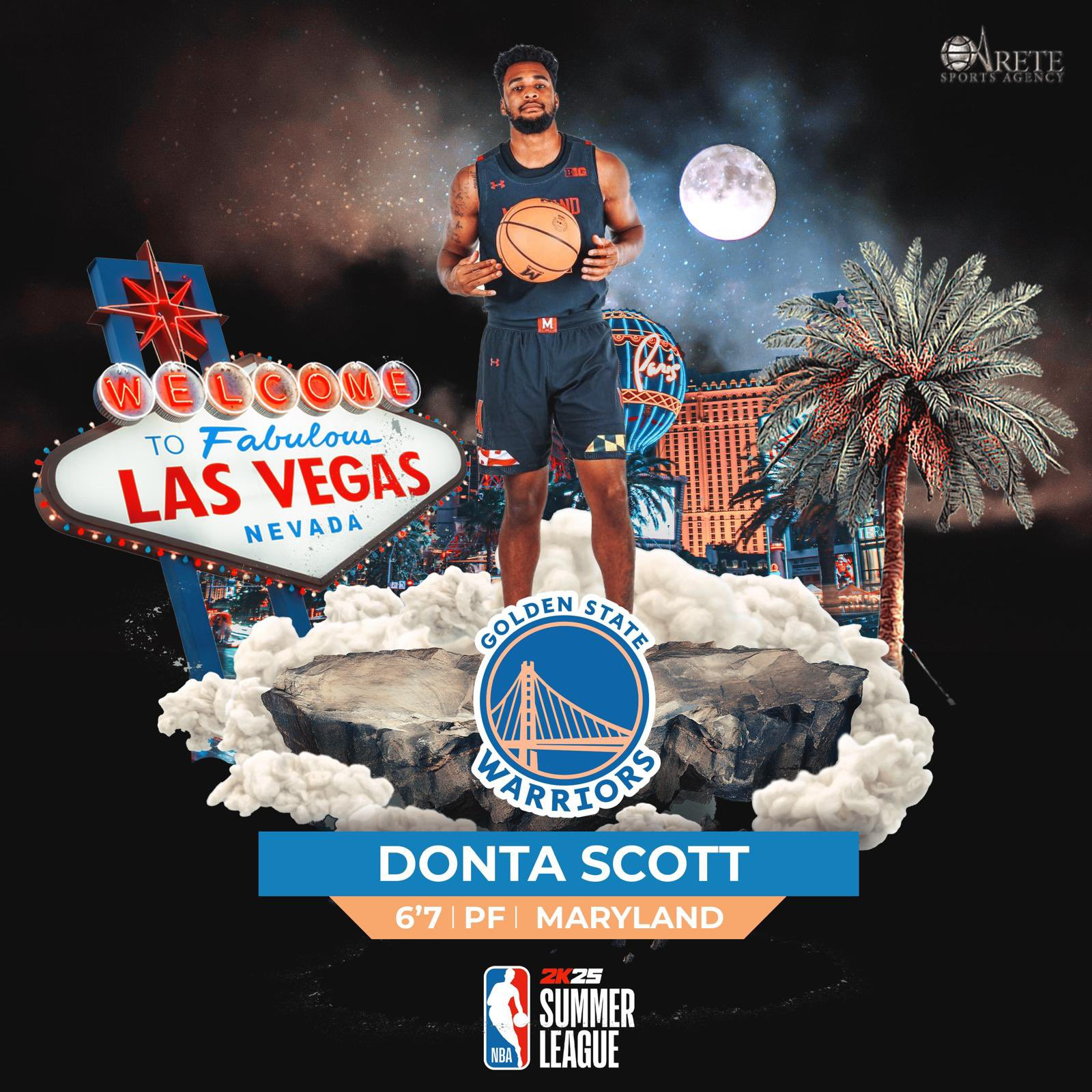
Philadelphia, PA – Norristown native and Imhotep Charter School great Donta Scott has been given an opportunity to pursue his dream of playing in the National Basketball Association. Recently signing an Exhibit 10 contract with the Golden State Warriors, Scott’s basketball journey has been one of resilience and perseverance. But while his talent on the court has been undeniable, his path was far from easy—particularly when it came to navigating the educational challenges that nearly derailed his future.
Growing up in Norristown, Scott struggled from an early age with school. His frustrations, both academic and behavioral, made the classroom a difficult space to thrive in. “It was hard for me to just deal with school,” Scott said in an interview, reflecting on his early years. “Those emotions—I just locked them up.” For much of his childhood, academics felt like an uphill battle, leaving Scott feeling disconnected from his peers and burdened by feelings of inadequacy.
One pivotal moment that forever changed Scott’s outlook occurred when he was hit by a car as a toddler, suffering a head injury that led to lasting cognitive struggles. Later, he was diagnosed with a learning disorder, a challenge that would shape his educational journey. “I was late coming to things,” Scott said, acknowledging the difficulties he faced in keeping up with schoolwork. But amid the academic challenges, Scott found a refuge—basketball. “(With basketball) I started clicking and seeing the bigger picture.”
Under the tutelage and guidance of Howard Hudson, Basketball became Scott’s saving grace, not just a passion but a pathway to something greater. His talent on the court began to attract attention in high school, where he played for Coach Andre Noble at Imhotep Charter, one of the top programs in the country. There, Scott led the Panthers to multiple state, city and Public League championships, building a reputation as an elite small forward and power forward. His performances with Imhotep and the Philly Pride Basketball club earned him a scholarship offers from South Carolina, Seton Hall, Temple, Auburn, Florida, La Salle, and Penn State among others. In a decision that was considered highly controversial by many in the Philadelphia basketball community at the time, Scott chose to attend the University of Maryland, where he would continue to thrive as a player.
Yet, Scott’s journey to college was far from guaranteed. As the youngest of nine siblings, he became the first in his family to attend a four-year university, an achievement that came through sheer determination. Scott used basketball not only to access higher education but also to advocate for young athletes like him—those who struggle academically and may fear seeking help. In 2021, he published a book titled Wired Differently: My School Journey, through Black Cager Press, where he candidly shared his struggles and offered guidance to those facing similar challenges.
“I want to give hope to kids who are going through the same things I went through,” Scott said about his book. “Even if you don’t see it, there are kids who look up to you.”
His time at Maryland was marked by consistent improvement. Scott averaged 11.2 points and 4.7 rebounds this past season for the Terps en route to earning All-Big Ten Honorable Mention honors. He finished his career ranked 14th all-time in scoring with 1,690 points and tied for eighth with 859 career rebounds. He holds the program’s all-time records for games played (162), games started (146), and minutes played (4,770), while also ranking fourth in made three pointers (211).
Scott was a 2023 All-Big Ten Honorable Mention selection and was twice on the Karl Malone Power Forward of the Year Watch List (2021-22, 2022-23). Following the season, he was selected to the 70th annual Portsmouth Invitational Tournament as one of 64 players to compete in the pre-Draft event.
But perhaps most importantly, he left as a college graduate, a milestone that stands as a testament to his perseverance, both on and off the court.
Scott’s journey to the NBA hasn’t been without setbacks. An undrafted free agent, he signed a contract with the Golden State Warriors that allows teams to evaluate players during training camp with the possibility of converting the contract into a two-way or G League deal. While Scott will likely start the season with the Santa Cruz Warriors, Golden State’s G League affiliate, the opportunity to play in the NBA is within reach.
For Scott, basketball has always been more than just a sport—it has been his way out of adversity, a means of coping with the academic struggles that once seemed insurmountable. Now, as a professional athlete and published author, he wants to inspire the next generation of students and athletes facing similar hurdles.
“Today, I stand before you as a college graduate, a published author, and the all-time leader in basketball games played in a Terrapin uniform,” Scott wrote in a letter to Maryland fans after his final season. “This transformation wouldn’t have been possible without the unwavering support of this community.”
Scott’s story is one of triumph, not only on the basketball court but in life. He has become a role model for young athletes, proving that hard work and determination can overcome even the greatest obstacles. His journey from Norristown to the NBA is just beginning, but his legacy as an advocate for education and perseverance is already being written.
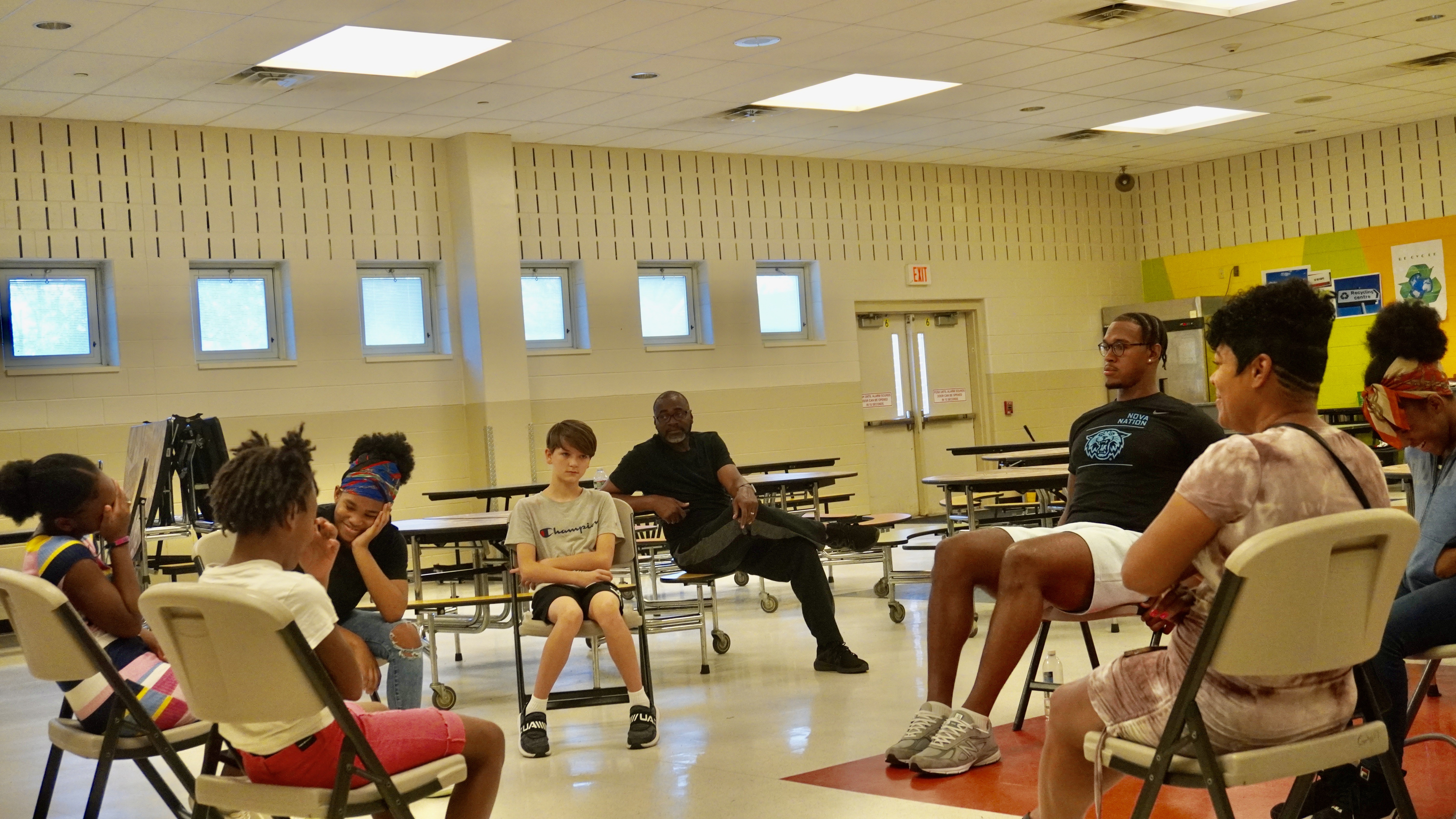
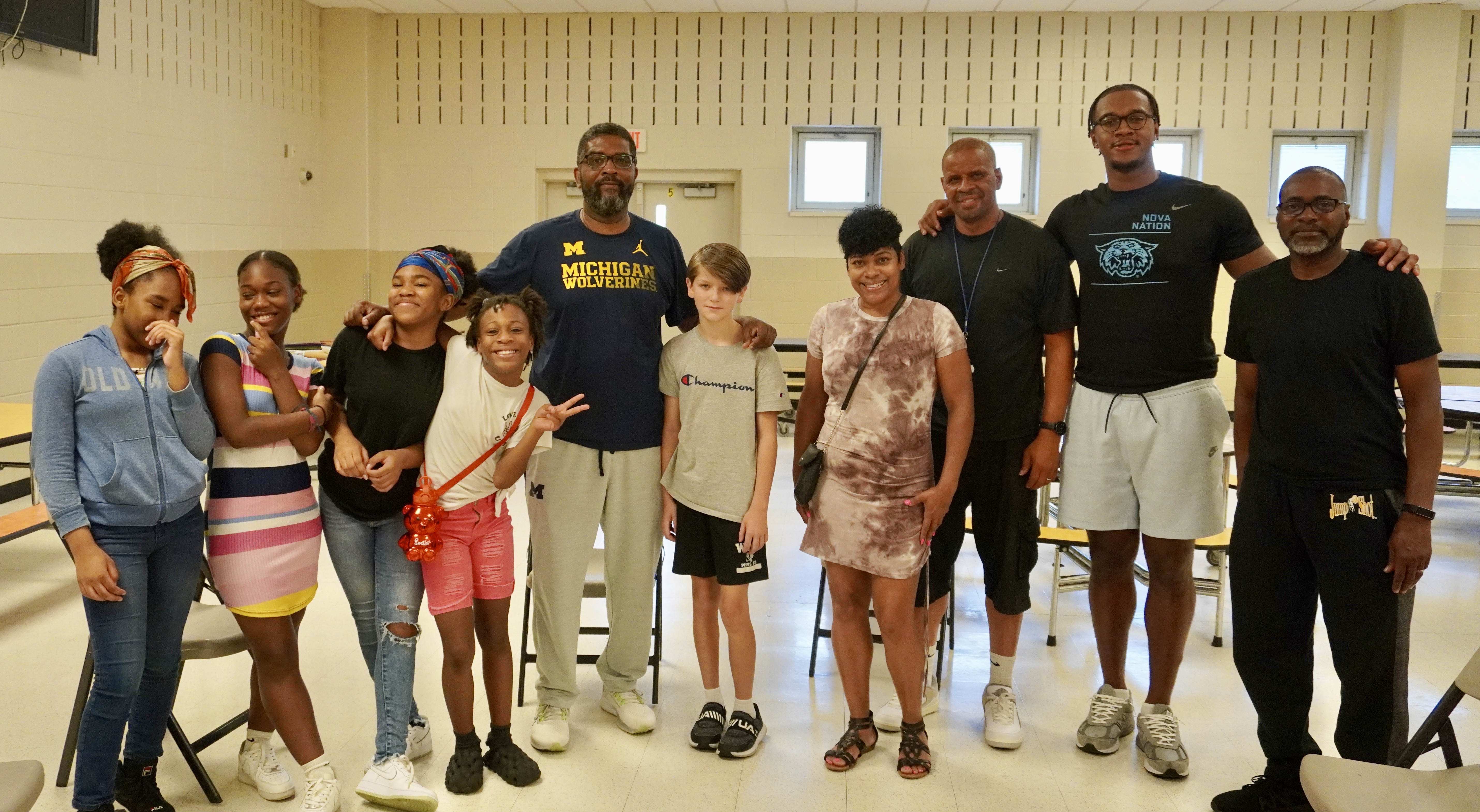
CAMDEN, N.J. — On a bright Saturday morning, the gymnasium at H.B. Wilson Family School buzzed with excitement as Eric Dixon, star basketball player from Villanova University, made a special visit. The scene was a testament to the school’s commitment to student engagement and holistic development, a mission spearheaded by Principal Nicole Harrigan. Dixon, known for his resilience and remarkable journey from a top high school prospect to a standout college athlete, came to share his story with a group of 4th through 8th grade students.
Dixon’s visit was more than a meet-and-greet; it was an interactive session where he not only spoke about perseverance but also took to the court to play basketball with the eager young students. As he moved among them, the palpable excitement in the room mirrored the inspiration they drew from his presence.
In his address, Dixon detailed his transition from a top 100 high school player to the challenges he faced at Villanova University. “When I first arrived on campus, I was told I wasn’t good enough,” he recounted. His journey took a pivotal turn when he chose to redshirt his freshman year, dedicating himself to strength and conditioning. This decision laid the foundation for his emergence as a repeat All-Big East performer.
H.B. Wilson Family School is part of a growing movement across the nation, integrating mindfulness into the classroom. The Saturday morning program, developed and implemented by Principal Harrigan, aims to foster an environment where students can thrive both academically and personally. Mindfulness, defined by Jon Kabat-Zinn as “the awareness that emerges through paying attention on purpose, in the present moment, non-judgmentally,” is becoming a cornerstone of the school’s approach, yielding benefits such as reduced stress, increased focus, and improved academic performance.
“Eric is a wonderful role model for our students,” Harrigan stated. “He shared stories about overcoming adversity and the process of becoming a leader. The kids were really engaged and asked great questions. I look forward to having Eric present to our full student body in the fall.” Dixon, reflecting on his visit, said, “I am grateful for this opportunity to talk to kids that are making an effort to improve themselves and do better in school. My core message to the youth is to find your ‘thing,’ whatever it may be, and focus your energies on becoming the very best in that area. Good things will happen if you do that.”
The impact of Dixon’s visit extended beyond the gymnasium walls, resonating deeply with the students. As H.B. Wilson Family School continues to champion mindfulness and holistic education, moments like these underscore the importance of community and the enduring power of personal stories to inspire the next generation.
I got a text from former Phil Martelli this afternoon. For the better part of two decades, Martelli and I have maintained an ongoing dialogue surrounding the future of what used to be considered amateur basketball in the United States. We both lament the fact that college, high school and AAU/grassroots basketball at the highest levels have crossed the rubicon and can no longer be consider purely amateur endeavors. The text consisted of a link to a movie trailer to a documentary, “THE SPOILS”, I had never heard of.
After watching the trailer, I understood exactly why Martelli sent me the link. He knew this was a film I had to see.
“THE SPOILS” is a groundbreaking and illuminating documentary that every basketball enthusiast, parent, and coach must watch. This remarkable film, which follows the esteemed Compton Magic AAU/grassroots program over a decade, offers an unparalleled and deeply insightful exploration into the transformation of youth basketball in America into a colossal business enterprise.
Directed by the visionary filmmaker Future, Mike Nicoll, “THE SPOILS” delves into the heart of the American basketball industrial complex, revealing the intricate and often shadowy financial systems that have taken root in AAU and grassroots basketball. Through the eyes of Etop Udo-Ema, the passionate Co-Founder and CEO of the Compton Magic, viewers are treated to an honest and compelling narrative that sheds light on the raw capitalism driving the sport.
The documentary’s unprecedented access to the inner workings of this financial behemoth is nothing short of extraordinary. Future masterfully unravels the various elements that contribute to the commercialization of youth basketball, providing a first-hand examination of how the industry identifies, anoints, and monetizes the next generation of superstars. The film’s candid portrayal of the relentless pursuit of “The Next LeBron” is both eye-opening and thought-provoking.
“THE SPOILS” is more than just a documentary; it is a vital resource for parents of talented high school basketball players. It offers a critical perspective on the summer circuits sponsored by major shoe companies like Adidas, Nike, Under Armour, and Puma. By highlighting the stakes, pressures, and opportunities within this high-stakes environment, the film equips parents with the knowledge they need to navigate their children’s journeys in the world of competitive basketball.
In conclusion, “THE SPOILS” is a masterclass in documentary filmmaking. It captivates, educates, and inspires, all while offering a sobering look at the commercialization of youth sports. This film is an absolute must-watch for anyone connected to the world of basketball, from aspiring players and their families to coaches and fans. “THE SPOILS” is a true cinematic triumph that will leave a lasting impact on its audience.
To watch this magnificent film click the link below.
The concept of the “Great White Hope” emerged in the early 20th century against the backdrop of pervasive racism and white supremacy in the United States. This term, deeply rooted in the Apartheid-like dynamics of the era, was first coined in 1911 when Jack Johnson, the first Black heavyweight champion, seemed unbeatable by any white boxer. The term encapsulated the desperation and determination of white America to see a white champion reclaim the title from Johnson, symbolizing a broader desire to restore racial hierarchies disrupted by Johnson’s dominance.
A century later, we are witnessing he re-emergence of the concept as the flames of American racism/white supremacy are raging once again. WNBA rookie sensation Caitlin Clark is carrying the desperation and determination of white America to see a white, heterosexual woman basketball player from the Midwest anointed as the very best the sport has to offer. The immense popularity of Clark among white fans is indicative of her exceptional shooting ability and a yearning to restore white athletic hegemony disrupted by the dismantling of Jim Crow/Apartheid over the past half century.
Historical Context of Racism and White Supremacy In the early 1900s, the United States was steeped in racial discrimination and segregation, epitomized by the Jim Crow/Apartheid laws that rigidly enforced racial segregation in the throughout much of the United States. Jim Crow/Apartheid emerged in response to social, political, economic and educational gains Blacks made during the Reconstruction Era immediately following the Civil War. These laws, upheld by the infamous Plessy v. Ferguson Supreme Court decision in 1896, institutionalized the doctrine of “separate but equal,” which, in practice, meant systemic disenfranchisement and oppression of African Americans. In this climate, sports were not exempt from the pervasive racial attitudes of the time. Boxing, like many other sports, was segregated, with Black athletes often denied opportunities to compete against their white counterparts.
In 2007, Don Imus called the Rutgers Womens Basketball team “nappy-headed hoes” on air.
In the early 2000s, we are in the midst of an intense white backlash. Also known as white rage, this is the negative response from some white individuals to the racial progress and advancements made by Black and other minority groups, particularly in terms of rights, economic opportunities, and cultural or political influence. This phenomenon is often tied to the politics of white grievance, where the progress of minority groups is perceived as a threat to the historical power and privilege held by white individuals under slavery/Jim Crow/Apartheid social orders. Emerging most prominently following the Civil Rights Movement, white backlash manifests as a reaction against the strides made by previously oppressed groups, including their pursuit of equality and self-determination. Additionally, it encompasses a particularly visceral negative reaction from some white Americans when confronted with examinations of their own white privilege, further highlighting the resistance to acknowledging and addressing systemic racial inequalities.
Jack Johnson, first black world heavyweight boxing champion (1908–1915).
Jack Johnson’s Reign and the Search for the “Great White Hope” Jack Johnson’s rise to the heavyweight championship in 1908 was a significant challenge to the racial status quo. Johnson’s prowess in the ring and his flamboyant lifestyle, including his relationships with white women, provoked outrage among white Americans. His dominance in a sport long seen as a bastion of white masculinity was perceived as a direct threat to white supremacy. As Johnson successfully defended his title against a series of white challengers, the anxiety and desperation among white boxing fans grew.
Jim Jeffries (l) and Jack Johnson (r)
The term “Great White Hope” was coined in this context, reflecting the hopes pinned on a white boxer who could dethrone Johnson and restore the racial order. The most famous of these challengers was James J. Jeffries, a former heavyweight champion coaxed out of retirement in 1910 to fight Johnson. Promoted as the “Hope of the White Race,” Jeffries was defeated by Johnson in a match that further inflamed racial tensions and led to race riots across the United States.
Caitlin Clark, the new “Great White Hope” The dominance of Dawn Staley’s predominantly Black South Carolina Gamecocks along with the emergence of Angel Reese as a brash, confident cultural icon among Black women and girls poses a significant challenge to those seeking to re-establish a white supremacist status quo. Reese’s production on the court, immense popularity in the worlds of fashion and hip hip culture provoke intense rage among right wing sports commentators. The dominance of Staley and Reese has been perceived as a threat to white supremacy. As Staley and Reese continued to win at the collegiate level and exemplify “Black Girl Magic,” perturbation and despondency among white basketball fans grew.
Enter Caitlin Clark, a white, heterosexual woman from the midwest playing for a very good predominantly white Iowa team… In college, she looked fearless on the floor and played under control. Against college players, Clark was able to get virtually any shot she wanted. Teams were completely focused on her defensively, rotating different players at her, so she was always under pressure and still found a way to hit difficult shots every game. She moved well without the ball, had great footwork when coming off screens and was always ready to shoot. The hope was that Clark and Iowa could somehow dethrone Staley’s Gamecocks.
Naaaaaah…
But, a the professional level, Clark has emerged as contemporary”Great White Hope.” This cultural revival of the term has extended its definition beyond boxing to women’s basketball. For millions of white American sports fans, Clark represents a highly skilled heterosexual white female challenger in a sport dominated by non-whites.
Broader Implications and Modern Usage The enduring legacy and applicability of the “Great White Hope” concept speaks to the persistent undercurrents of racial bias in sports and society. Even as overt racism has become less socially acceptable, the term’s occasional modern usage reveals lingering prejudices and the pressure placed on white athletes in sports dominated by Black athletes. It also highlights the complex interplay between race, sports, and societal expectations.
Near the end of the championship game in 2023, Angel Reese waved her hand in front of her face, stared at Iowa guard Caitlin Clark and pointed toward her ring finger. One week earlier, after nailing a three at the end of the game against Louisville to cap off a 41 point, 12 assist and 10 rebound triple-double, Clark gave Hailey Van Lith her “you can’t see me” gesture.
Two All-Americans… Same gesture… On week apart.
One week apart, two All-American players in the heat of fierce competition celebrated by talkin’ shit. That’s what ballers do… They talk shit!
But… Reese is Black and Clark is white.
Hence, Clark was celebrated and praised. She’s fierce… She’s an intense competitor…
One week later, when Reese mimicked Clark and let the Iowa star know “you can’t see me,” it sparked outrage in sports around the world. And the 20-year-old young Black woman who led her school to its first-ever championship was called classless, ghetto, and a thug by some of the most prominent white men in sports media.
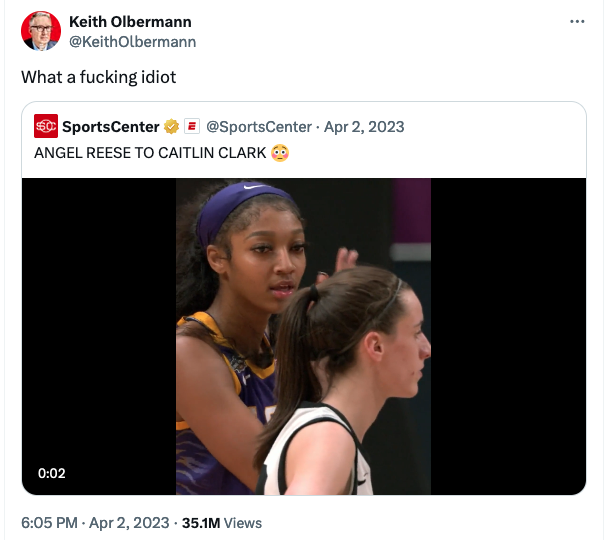
In a post that has reached over 79 million viewers, Barstool Sports Dave Portnoy call young Ms. Reese a “Classless piece of shit.” Keith Olberman, formerly of ESPN and NBC labeled a Reese “a fucking idiot.” Olbermann’s post has been viewed over 35 million times.
In contemporary times, the conversation around race and sports has evolved, but the echoes of the “Great White Hope” mentality can still be observed. The term serves as a reminder of a period when sports were not just about athletic prowess but also about racial pride and prejudice. Understanding this historical context is crucial in recognizing how far society has come and how much further it needs to go in achieving true racial equality in all spheres of life, including sports.
When asked about the “you can’t see me” gesture after the game, Reese defended her response and stated, “All year, I was critiqued for who I was. I don’t fit the narrative. I don’t fit the box that ya’ll want me to be in. I’m too ‘hood. I’m too ghetto. Ya’ll told me that all year.,” Then in reference to Clark, she added, “When other people do it, ya’ll don’t say nothing. So, this is for the girls that look like me. For those that want to speak up for what they believe in. It’s unapologetically you.”
No lies detected…
Conclusion The concept of the “Great White Hope” emerged from a specific historical context marked by intense racism and the desire to maintain white supremacy. Jack Johnson’s success as a Black heavyweight champion challenged these societal norms, prompting the search for a white boxer who could restore the perceived racial order. Today, Caitlin Clark has been charged with the immense task of restoring some sort of racial order to the world of women’s basketball. While the term has evolved and broadened in its application, its origins and continued relevance underscore the deep-seated racial dynamics that have historically shaped, and continue to influence, the world of sports.













 The Black Cager