PHILADELPHIA, PA – In the cathedral of Philadelphia college basketball, where the Palestra’s rafters hold the echoes of a thousand city series battles, a stark new reality has settled in. For the first time in nearly five decades, a three-year drought has gripped the Big 5: no team from this proud consortium—Villanova, Saint Joseph’s, Temple, La Salle, or Penn—has heard its name called on NCAA Tournament Selection Sunday. This unprecedented lapse is not merely a coincidence of down cycles but a symptom of a seismic shift in the sport’s landscape, one that has exposed traditional power structures and made coaching hires a perilous high-wire act.
The concurrent tenures of Kyle Neptune at Villanova and Billy Lange at Saint Joseph’s serve as the perfect case studies. Both were tasked with succeeding legends—the graceful, self-determined exit of Jay Wright at Villanova and the summary, contentious dismissal of Phil Martelli at Saint Joseph’s. Both struggled to meet the outsized expectations of their fanbases. Yet, their parallel struggles reveal less about individual failure and more about how the tectonic plates of NIL and the transfer portal have fundamentally reshaped the ground beneath every program. The margin for error has vanished, and Philadelphia’s current coaching crossroads—Villanova’s safe bet on Kevin Willard and Saint Joseph’s gamble on Steve Donahue—show a sport scrambling to adapt.
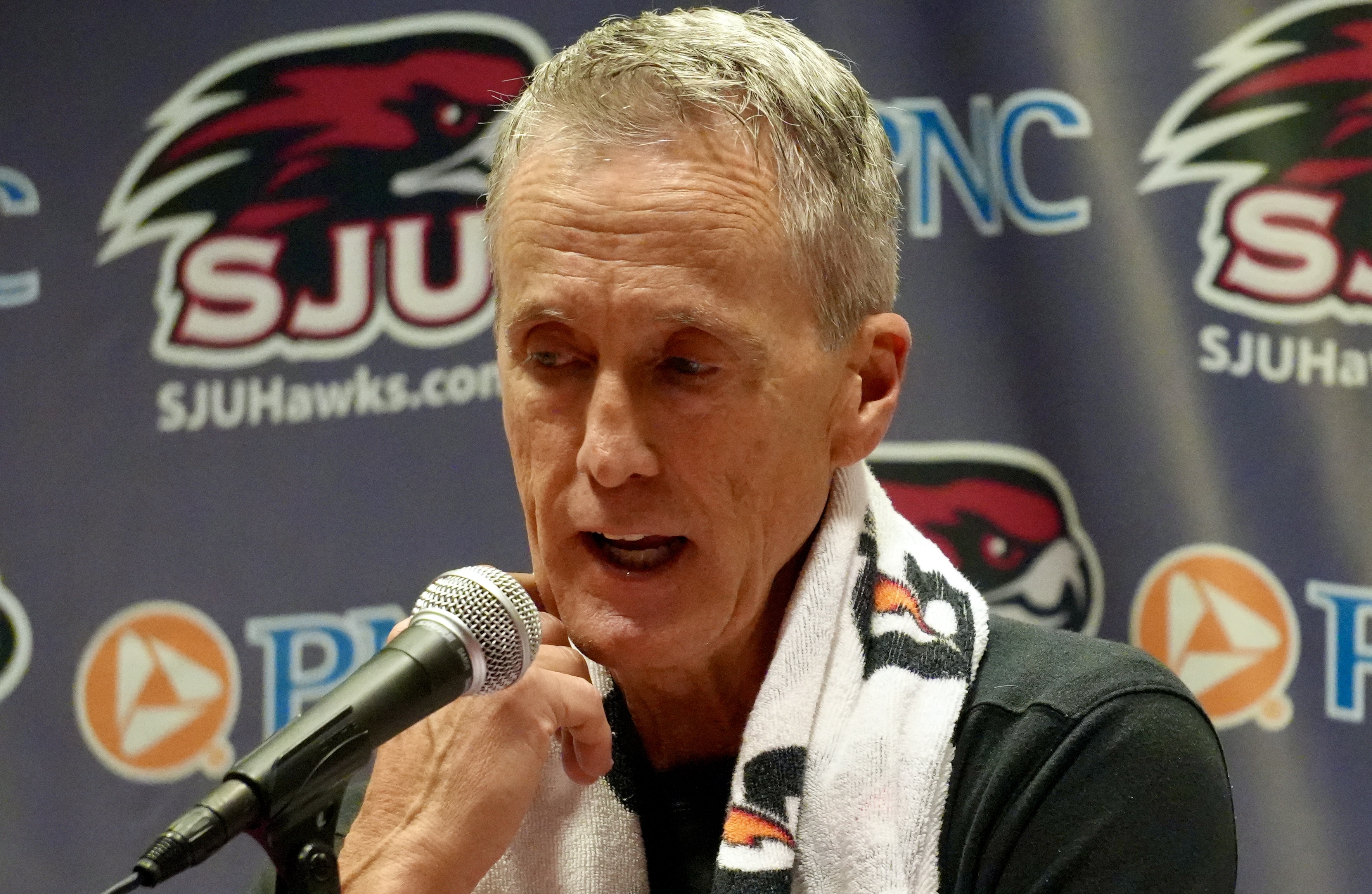
A Stark New Reality for the Big 5
The Philadelphia Big 5 is not just a basketball competition; it is the soul of the city’s sports culture. Founded in 1955, it forged rivalries so intense that, as former Saint Joseph’s athletic director Don Di Julia noted, the games were “part of the fabric of life in Philadelphia”. For generations, its round-robin battles at the Palestra guaranteed that at least one Philly school would be nationally relevant. From 1977 until 2022, that streak held firm.
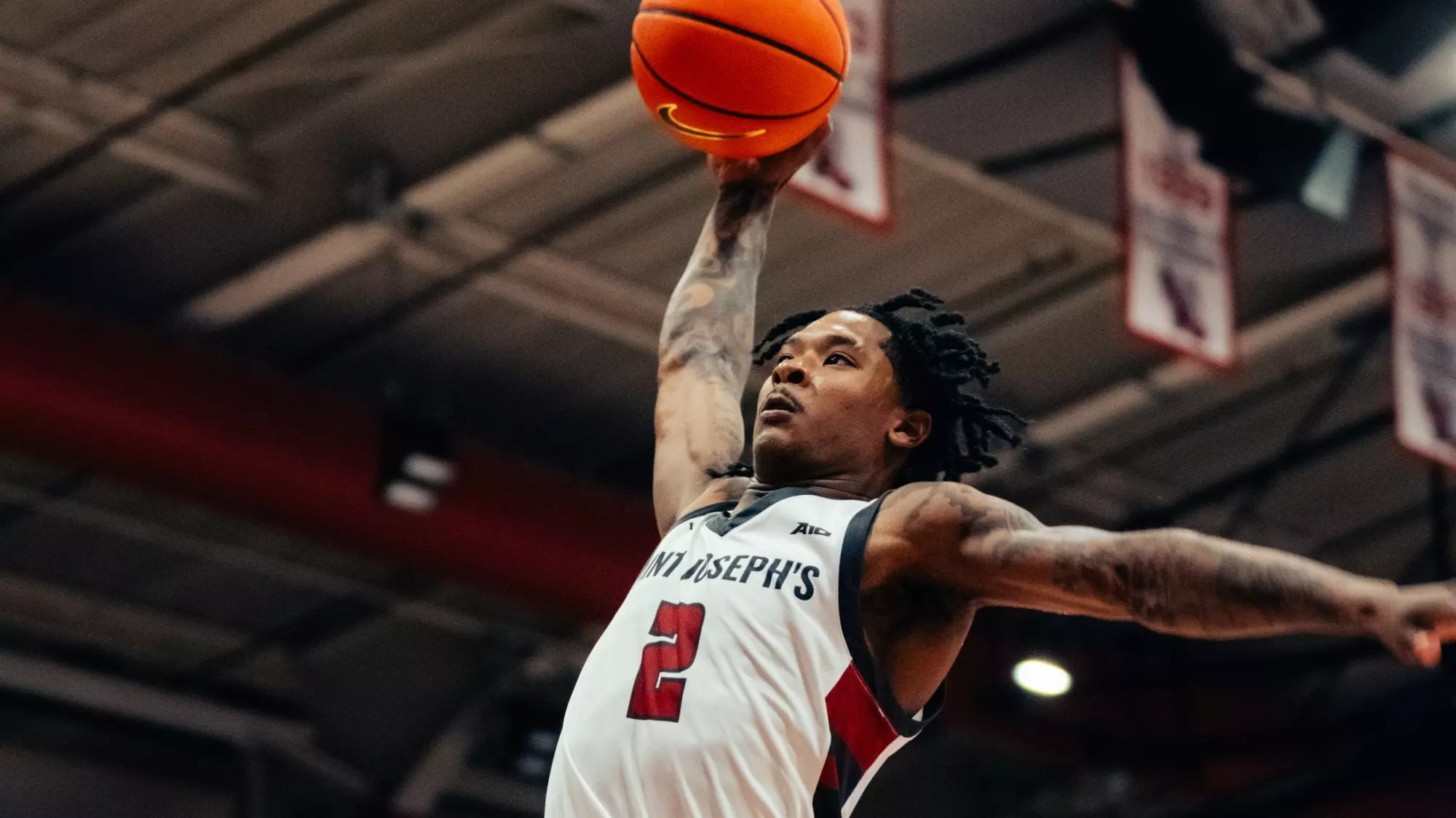
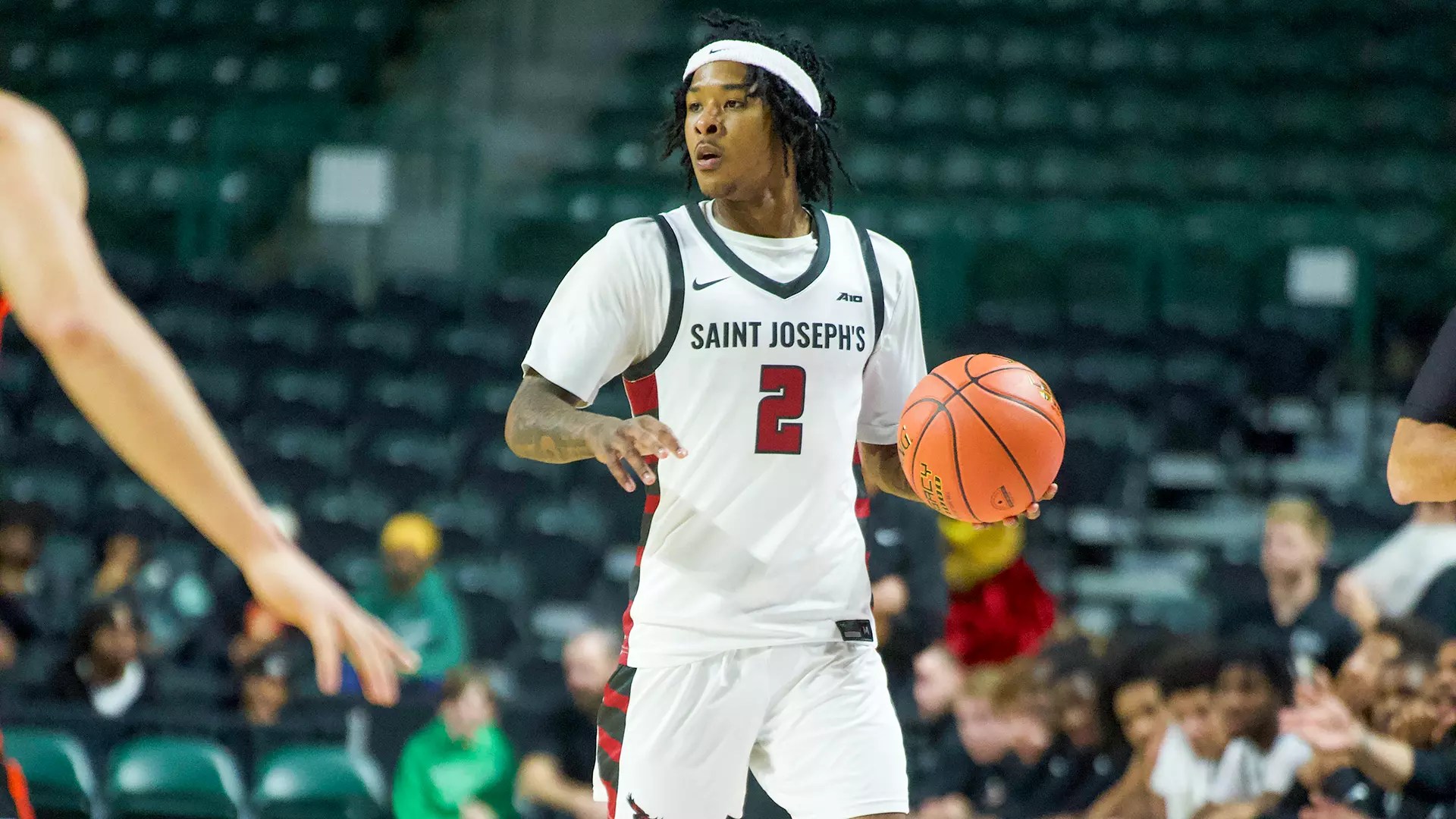
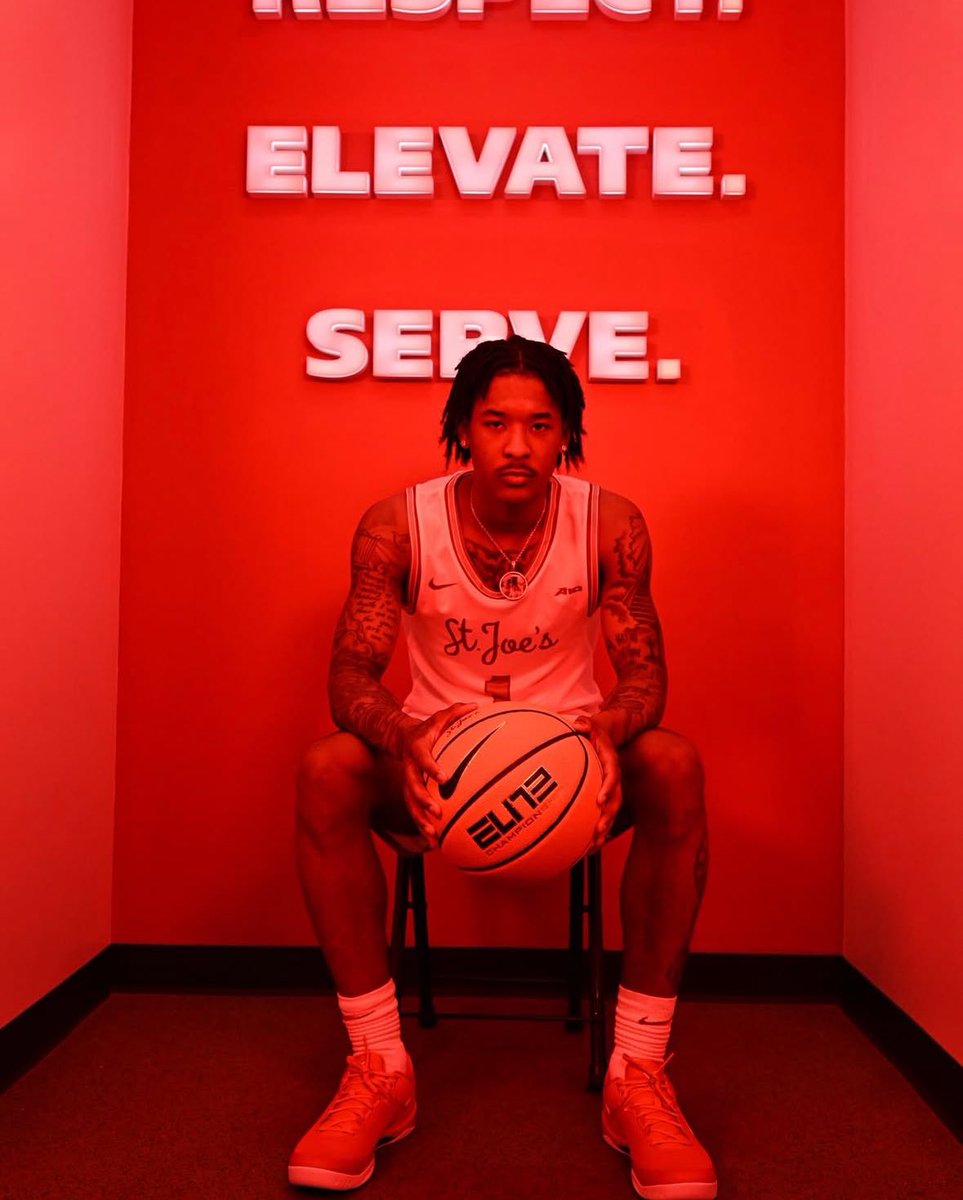
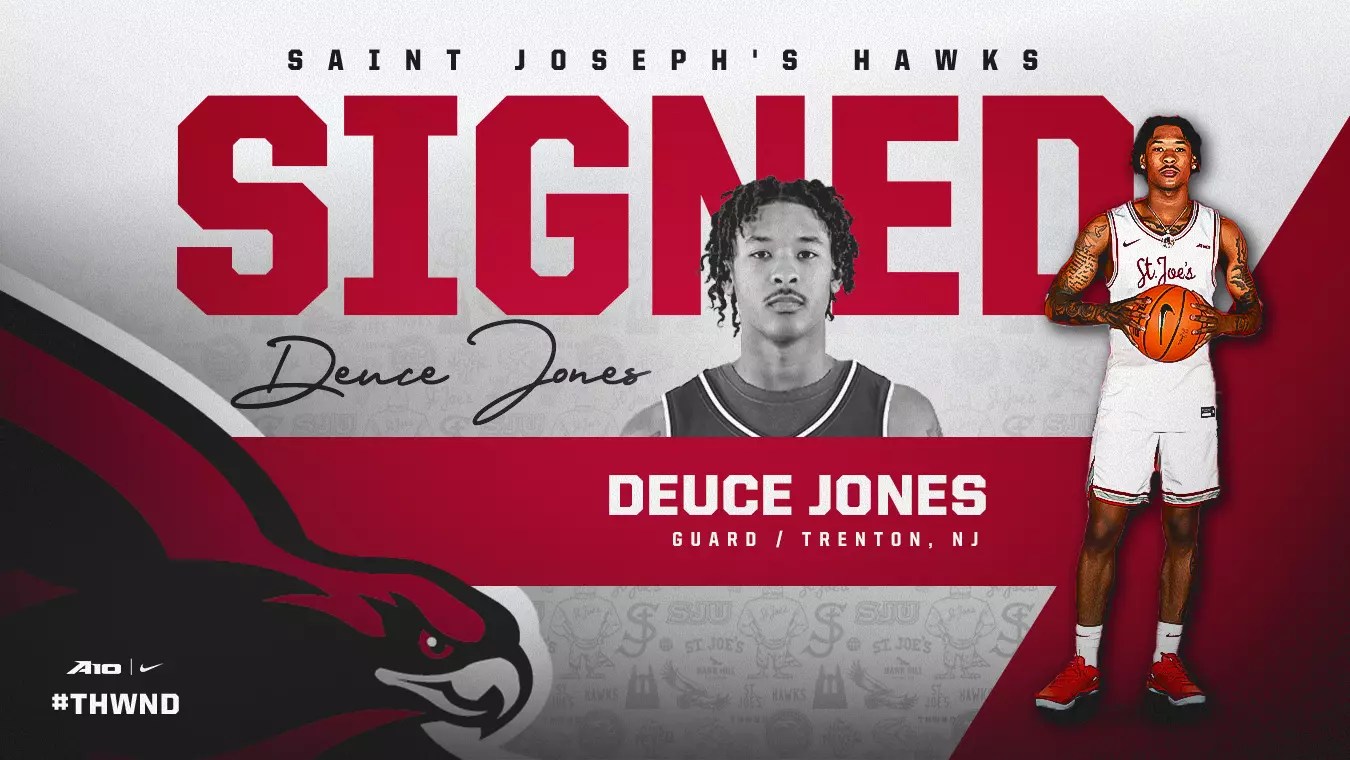
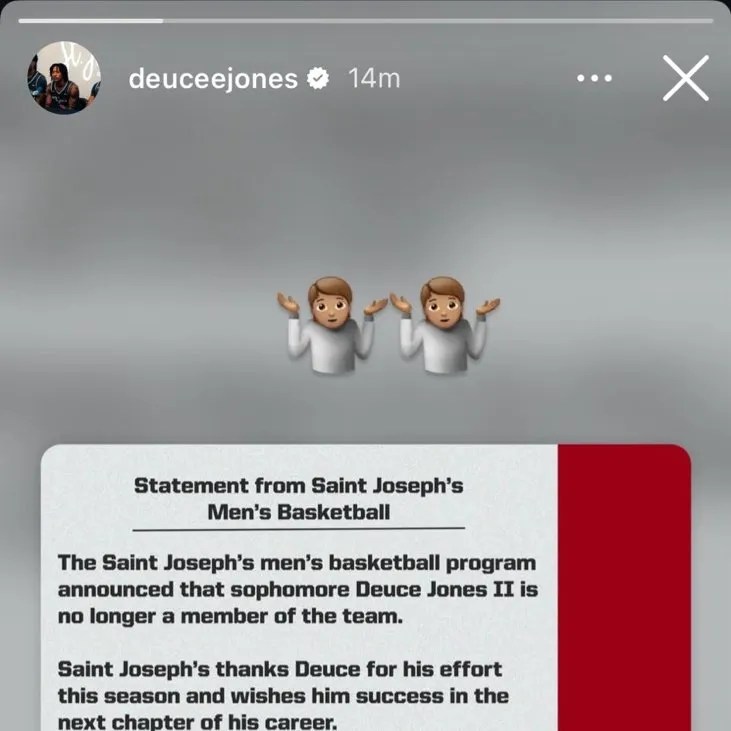
The recent three-year tournament drought is therefore historic and alarming. It signals a disruption of the natural order. The causes are multifaceted—conference realignment, cyclical talent dips—but they are compounded exponentially by the new ecosystem of player movement. In the “old Big 5,” as former player Steve Bilsky recalled, “players would never think of transferring from one Big 5 school to another”. Today, that unwritten code is obsolete. La Salle’s 2024-25 A10 Rookie of the Year, Deuce Jones was just scrubbed from the St. Joseph’s roster, after playing just 10 games, a few days ago. Villanova’s 2024-25 roster, for instance, featured graduate guard Jhamir Brickus from La Salle and sophomore guard Tyler Perkins from Penn, direct intracity transfers that would have been unthinkable a generation ago. The local talent pool, once fiercely guarded, is now a free-agent market.
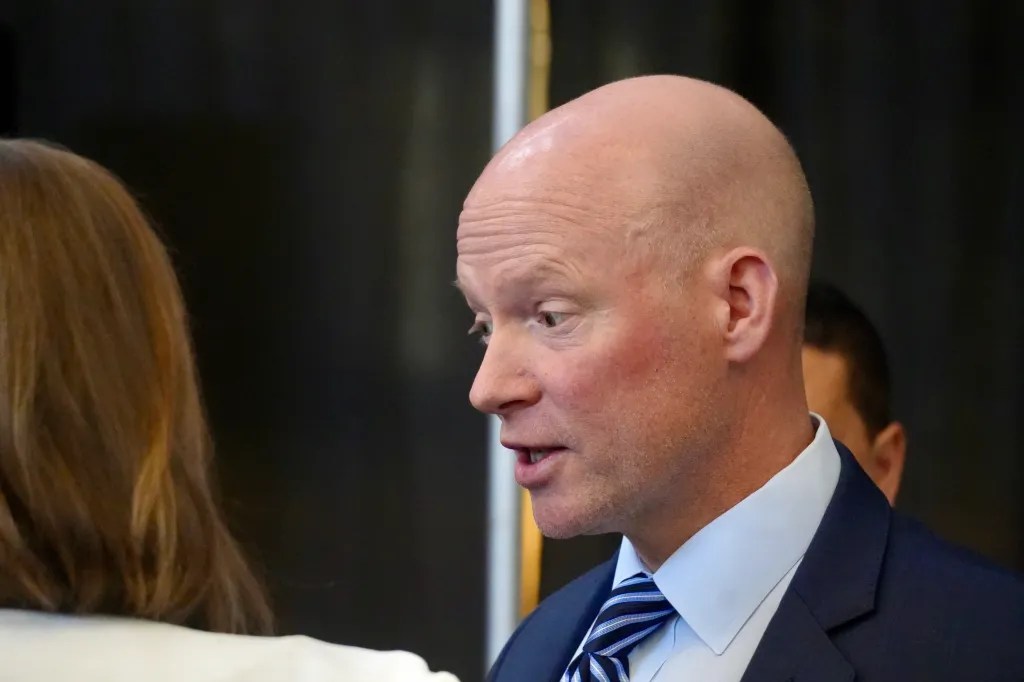
The Lange Era at Saint Joseph’s: A Process Interrupted
Billy Lange arrived at Hawk Hill in March 2019 with a fascinating resume: a Patriot League Coach of the Year at Navy, a key assistant under Jay Wright during Villanova’s rise, and six years in player development with the NBA’s Philadelphia 76ers. He was an analytics focused and process-oriented coach hired to rebuild a program that had struggled in the final years of Phil Martelli’s legendary 24-year run.
Lange, unfortunately, was never able to approach the heights Martelli’s Hawks reached. Lange’s six-season record—81-104 overall and 38-64 in the Atlantic 10—was undeniably disappointing. However, his tenure coincided precisely with the explosion of the transfer portal and NIL. His developmental philosophy, honed in the NBA, was suddenly at odds with a college game that had grown impatient. As one industry expert notes, the portal has caused coaches to shift from projecting a high school recruit’s potential to seeking “players who are ready now”. For a program like Saint Joseph’s, without the deep NIL war chests of football-powered schools, this meant competing for proven transfers was a brutal, often losing battle.
Lange’s best season, 2023-24, ended with a 21-14 record and an NIT berth—clear progress. But in the new calculus, incremental building is a luxury few coaches are afforded. The pressure to win immediately, fueled by the ease with which players can depart, created a vortex from which he couldn’t escape. His return to the NBA as a New York Knicks assistant in 2025 felt like a natural conclusion for a coach whose skillset may be better suited to a professional landscape free of recruiting’s chaos.
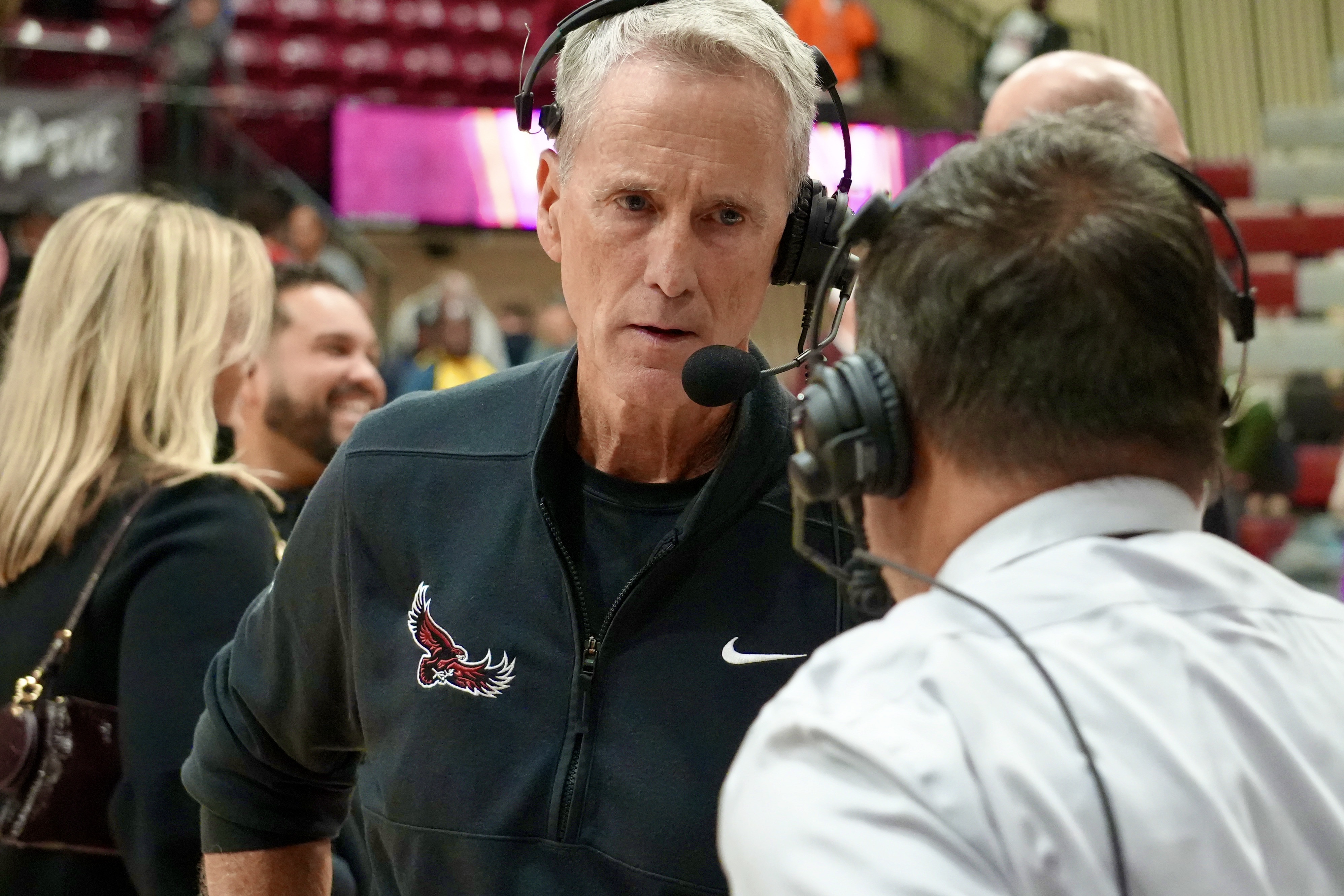
The Neptune Era at Villanova: Inheriting a Colossus
Kyle Neptune’s challenge was of a different magnitude. He was not rebuilding; he was tasked with maintaining a dynasty. Handpicked by Jay Wright following a single 16-16 season at Fordham, Neptune was the anointed keeper of the culture. His first two seasons were a study in stability but also stagnation: a combined 35-33 record and two NIT appearances, a stark fall from the Final Four standard.
The narrative around Neptune solidified quickly: a promising assistant unable to translate the master’s lessons. But this narrative ignores the hurricane into which he stepped. As The Athletic reported, Neptune’s roster underwent near-total annual overhaul due to the portal. In one offseason alone, nine players departed via graduation, the NBA draft, or transfer. He was forced to reconstruct a cohesive team from scratch each year, attempting to instill Villanova’s famed system in a revolving door of newcomers.
A mid-season turnaround in his third year, highlighted by a win over UConn, offered a glimpse of what was possible when portal acquisitions like Brickus and Wooga Poplar meshed with veterans like Eric Dixon. Yet, the very fact that Villanova’s success was now dependent on integrating multiple key transfers from other programs—including city rivals—underscores how profoundly the sport has changed. The “Villanova Way,” built on four-year player development, is an artifact in need of a radical update.
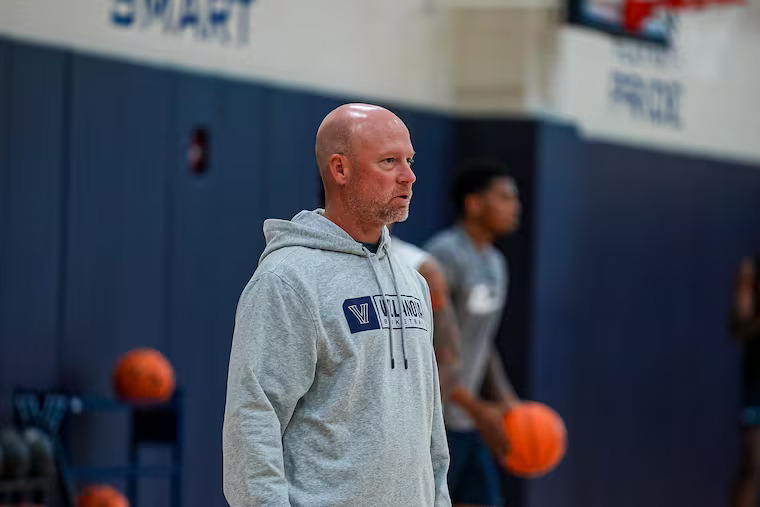
The Choking Grip of the New Ecosystem
The struggles of Lange and Neptune are not isolated failures but evidence of systemic pressures.
- The Portal’s Preference for Proven Commodities: The transfer portal has fundamentally altered roster construction. Coaches now operate with a professional sports general manager’s mindset, where a known college commodity is almost always valued over a high school prospect’s potential. This “plug-and-play” mentality, as described by experts, shrinks opportunities for developmental high school players and forces coaches to constantly re-recruit their own rosters.
- The NIL and Revenue-Share Squeeze: The financial landscape is in chaotic flux. With the House v. NCAA settlement introducing direct revenue sharing, programs are now building rosters against a de facto salary cap. As one Big Ten coach starkly put it, the money available now is “about 40-50 percent less than what it has been”. For programs without massive booster collectives, the competition for top-tier portal talent is increasingly unwinnable. This uncertainty has brought the recruitment of the high school class of 2026 to a near-standstill.
- The Vanishing Margin for Error: In this environment, a single missed evaluation or a bad season can trigger a death spiral. Players leave, creating more holes to fill with an ever-more expensive and competitive portal pool. Coaching tenures are shortened, and patience is extinct. The pressure, as one analysis notes, is so intense that “a recruiting miss isn’t harmless. It’s a mark against you… Stack too many misses, and you don’t just lose games. You lose your job”.
Divergent Paths Forward: The Safe Bet and the Gamble
In response, the two programs have chosen starkly different paths, illuminating their assessment of the new risks.
Villanova’s selection of Kevin Willard is a masterclass in risk mitigation. Willard possesses the exact profile needed for this moment: a proven program-builder at Seton Hall who consistently navigated the Big East and, more recently, the football-dominated Big Ten at Maryland. He is a known quantity with a track record of winning in high-major conferences. For a Villanova program that can still attract talent based on brand and resources, Willard represents stability and a high floor—a safe and smart selection to stop the bleeding and return to the NCAA Tournament.
Saint Joseph’s promotion of Steve Donahue, by contrast, is a fascinating and perilous gamble. Donahue is considered a superb tactician with a history of success at Cornell. However, his recent tenure at Penn saw the Quakers finish 7th in the 8-team Ivy League in his last two seasons. The leap from the Ivy League to the Atlantic 10 is vast, not just in athletic competition but in the cultural and academic recruitment landscape. Can a coach who struggled in a low-major, high-academic environment adapt to the mercenary, NIL-driven world of the A-10? Saint Joseph’s is betting that his coaching acumen and familiarity with Philadelphia can overcome these hurdles, but the margin for error is zero.











 The Black Cager