A New National Home for Elite Development: Why Mt. Zion Prep is the Ideal Choice for the Next-Generation College Prospect

LANHAM, MD – For over eight decades, the New England Preparatory School Athletic Council (NEPSAC) has stood as the undisputed gold standard for elite high school basketball development. Born in 1942 from a need to coordinate athletics during the wartime disruptions of World War II, it has evolved into a highly competitive institution, sanctioning championships and attracting top talent from across the country. Its rigorous, postgraduate-friendly environment has become a non-negotiable proving ground for athletes with Division I aspirations.

Yet, the very landscape that created the NEPSAC’s prominence is shifting. As college programs, now more than ever, focus on the transfer portal for immediate help, the pressure on high school athletes to present as polished, college-ready products is immense. For a student-athlete from the Mid-Atlantic or the South, relocating to a New England boarding school has been the traditional price of entry for this level of competition. But what if you could access a program of identical intensity, exposure, and proven results without leaving your region? This is the proposition of Mt. Zion Preparatory School in Prince George’s County, Maryland.

Mt. Zion Prep offers the elite-level, postgraduate-centric basketball programming synonymous with the NEPSAC’s top tiers but delivers it from a strategically superior location and through a uniquely culturally fluent model. For the ambitious student-athlete from New York to North Carolina, it is not merely an alternative to a New England prep school; it is the next evolution of it.
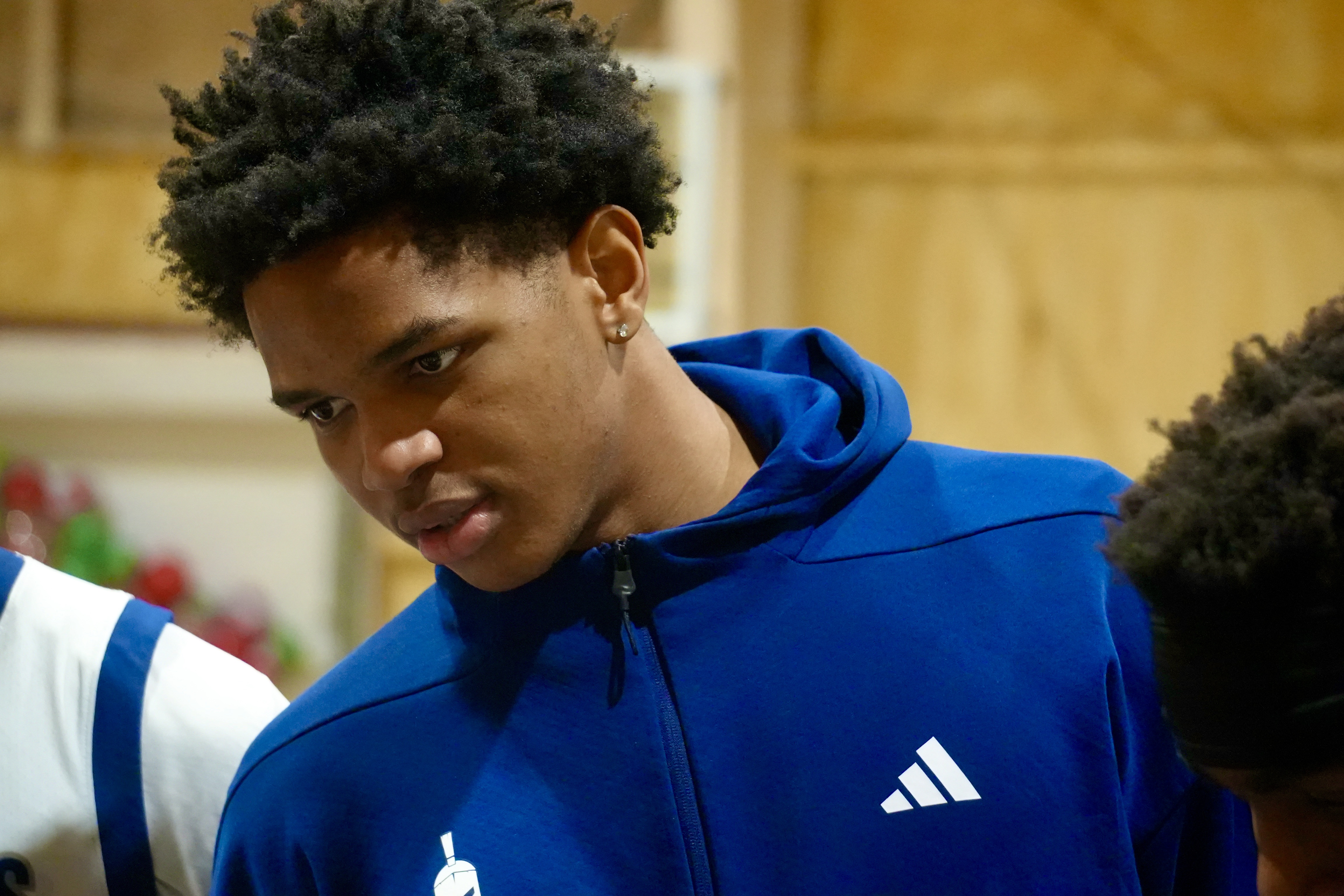
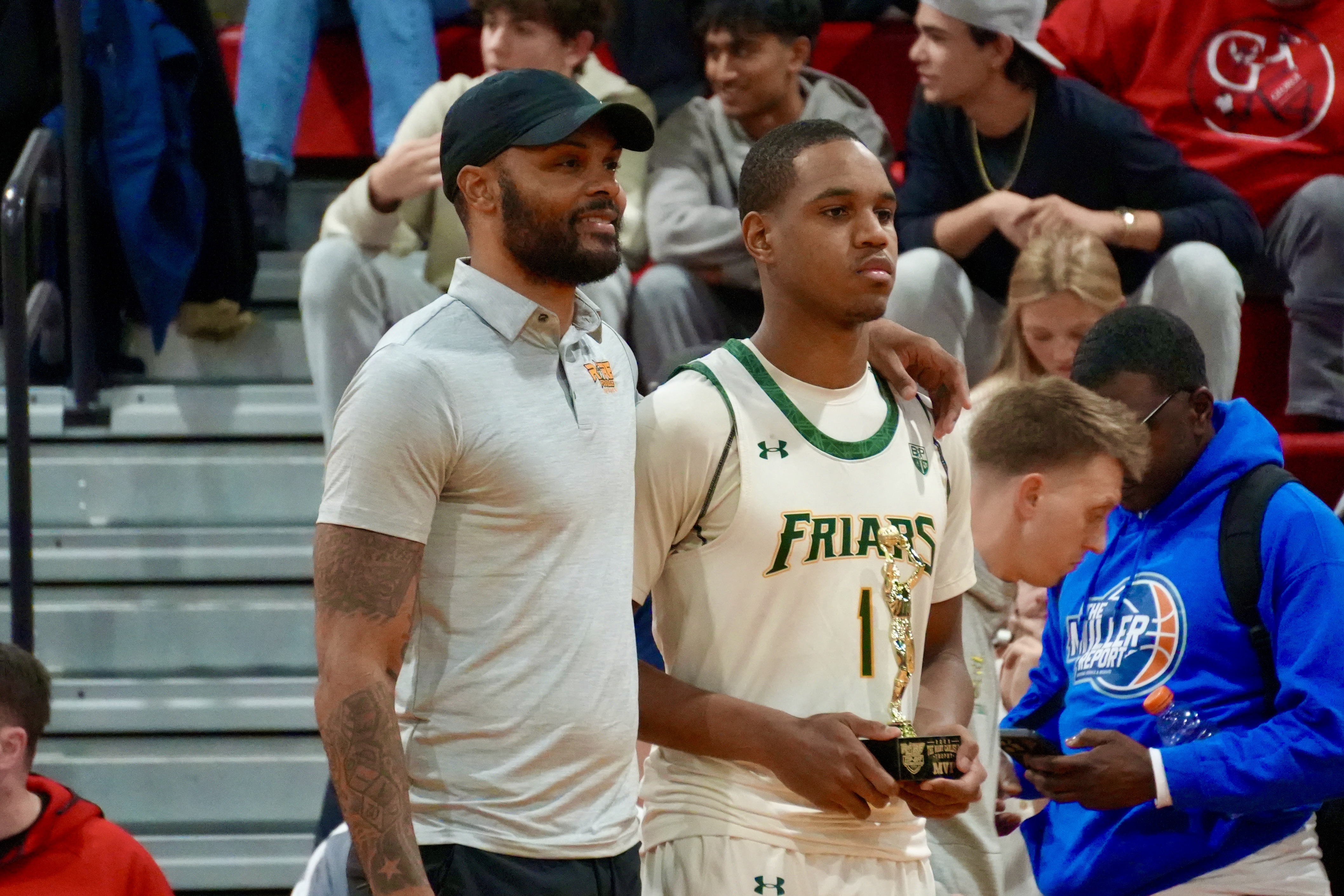
Favour Ibe, ’26 – Offers from Alabama, Maryland, South Carolina, Villanova, Florida State and Georgia

The NEPSAC Blueprint: A Legacy of Competitive Excellence

To understand Mt. Zion’s value proposition, one must first appreciate the model it emulates and elevates. The NEPSAC is not a single league but a governing association for over 180 independent schools, organized into highly competitive classes like AAA, AA, and A. This structure creates a clear hierarchy of competition. As one college recruiting advisor notes, while class isn’t everything, playing in the top NEPSAC divisions signals to college coaches that a player is “battle-tested” against future college stars and under top-tier coaching.

The environment is deliberately structured for exposure. Events like the New England Prep Schools Showcase at Babson College and Avon Old Farms draw over 600 prospects and are mandatory stops for college recruiters. The association’s history of producing professional players and its allowance for postgraduate athletes—who use a “fifth year” to mature physically and academically—have cemented its reputation. Schools like Northfield Mount Hermon, Brewster Academy, and Worcester Academy are not just schools; they are national brands in player development.
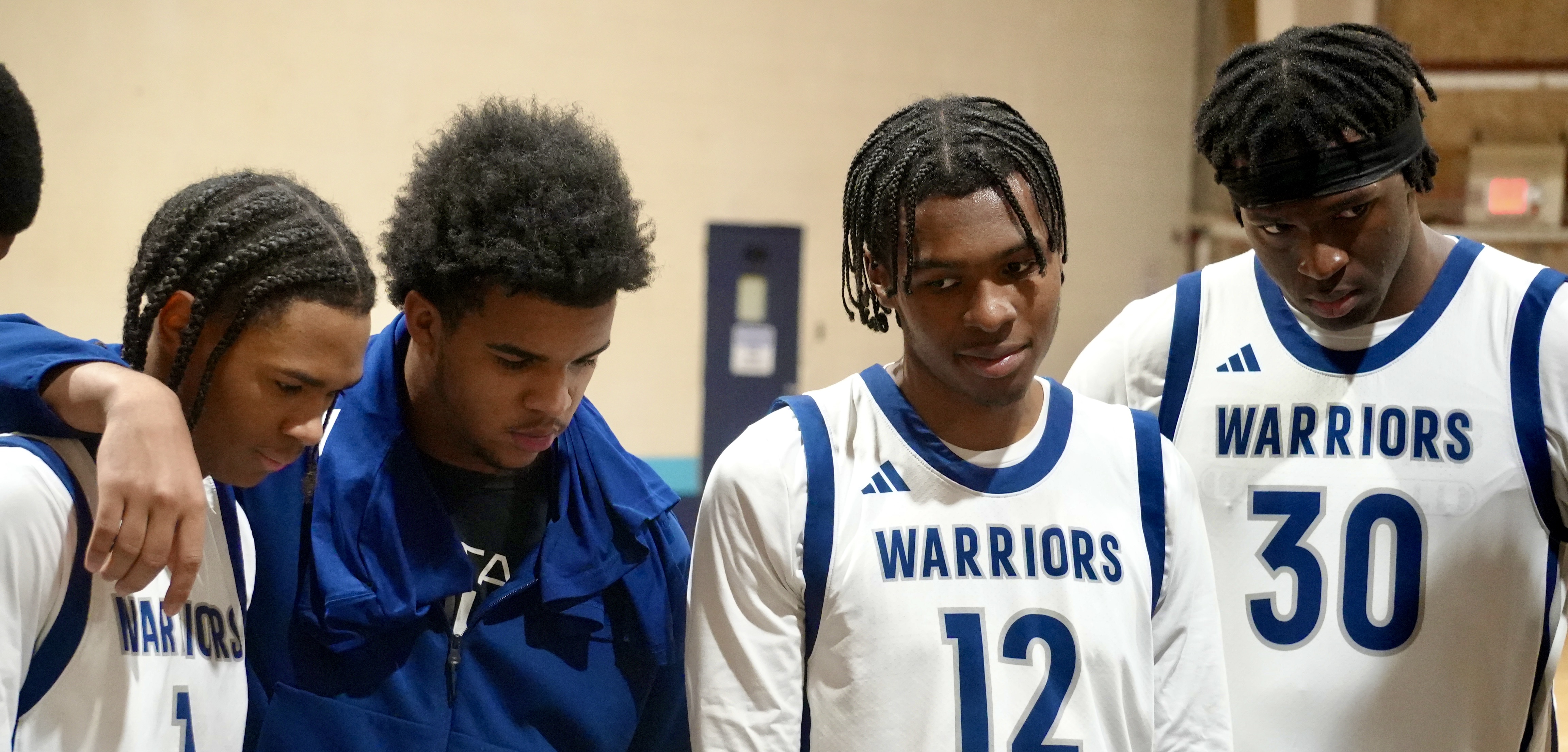
Mt. Zion Prep

The Mt. Zion Advantage: Location, Access, and Modern Fluency

Mt. Zion Prep adopts this successful blueprint but recontextualizes it for today’s recruit. Its location in the Washington, D.C. metropolitan area is a foundational advantage, as shown in the table below comparing key regional benefits.

For a family in Philadelphia, Richmond, or Charlotte, Mt. Zion is a direct flight or a manageable drive away, not a journey to a remote New England campus. This proximity eases the transition for students and allows families to be more involved. More critically, it places the program at the crossroads of several of the nation’s most fertile recruiting grounds. Mt. Zion’s schedule is built not just for local competition but for national visibility, with easy access to elite events and tournaments across the Eastern Seaboard.

Beyond geography, Mt. Zion’s most profound innovation is its commitment to cultural fluency. In an era where teams are global melting pots, understanding how to navigate diverse backgrounds is no longer a soft skill; it is a core component of elite athletic development. The coaches and administrators at Mt. Zion are not just tacticians; they are mentors trained to help young men from all walks of life understand, navigate, and interact effectively with people from different cultural backgrounds.

This goes beyond basic awareness. It is the applied knowledge of how communication styles—verbal and non-verbal—vary across cultures. It is the empathy to appreciate diverse perspectives and the adaptability to adjust behavior in real time to foster genuine inclusion. For a young athlete from Brooklyn adjusting to life alongside a teammate from rural North Carolina or an international recruit, this supportive, intentionally cultivated environment is invaluable. It accelerates personal growth, builds unshakeable team chemistry, and prepares students for the diverse locker rooms and global societies they will encounter in college and beyond.

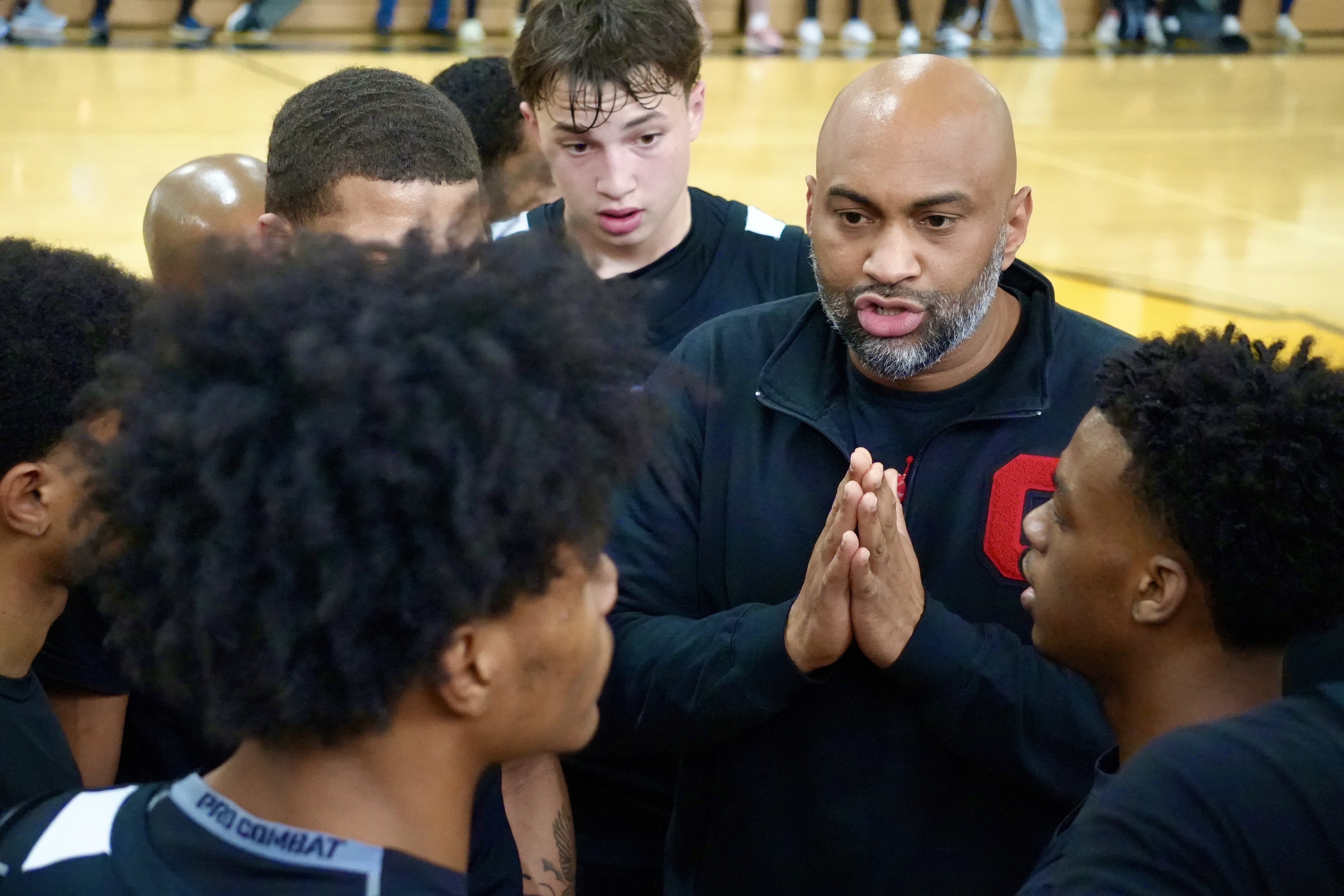
Rodrick Harrison, Mt. Zion Prep Head Coach

The Verdict for the Modern Prospect

The data is clear: to compete for Division I scholarships in the transfer portal era, a high school prospect must demonstrate proven ability against elite competition. The NEPSAC model has brilliantly provided this for generations. Mt. Zion Prep now offers that same crucible of competition—the demanding schedule, the postgraduate focus, the college-style environment—but from a more accessible geographic and cultural center.

For the talented player in New York, New Jersey, Pennsylvania, Delaware, Maryland, Virginia, or North Carolina who is ready to lead with purpose and rise to their fullest potential, the choice is increasingly evident. You can travel far from home to seek a proven model, or you can find its most advanced iteration, refined for today’s world, at your region’s doorstep. Mt. Zion Prep is not just another option; it is the strategic choice for the next-generation student-athlete determined to build a meaningful future on and off the court.

The Next Crown Prince of Harrisburg Hardwood: Why Shakur Starling is Central Pennsylvania’s Must-See Prospect

PHILADELPHIA, PA – In the constellation of American basketball talent, certain places have become fixed stars, producing a rhythm and a archetype of player as reliable as the changing seasons. New York City guards carry a certain swagger, Philadelphia guards a specific mental and physical toughness. And in recent years, a new locus has emerged, a crucible for backcourt talent that demands the attention of college basketball’s power brokers: Harrisburg, Pennsylvania.

Shakur Starling, Central Dauphin junior guard

This is not a fluke, but a tradition being built in real time. It’s a lineage defined by Chance Westry and Malachi Palmer—elite guards who honed their games here before taking the well-trod path to national academies and, subsequently, the bright lights of the Big 10, ACC and Big East. Their departures created a vacuum, a question of who would next assume the throne. The answer is already here, and he is not following the same script. His name is Shakur Starling, a junior guard at Central Dauphin High School, and he is poised to become the most compelling recruitment story in the region, a prospect whose substance may ultimately outshine even his considerable flash.

The Harrisburg Guard: A New Archetype

To be a Harrisburg guard in 2025 means something. It carries a weight and an expectation. It means you are battle-tested in gyms where space is a luxury and physicality a given. It implies a defensive tenacity, a chip-on-the-shoulder grit forged in the crucible of Mid-Penn Conference play. Westry and Palmer established this brand—long, athletic, versatile perimeter players who could dictate the terms of a game on both ends.

Shakur Starling is the latest model, inheriting and evolving this prototype. He has assumed the mantle as “the guy” in Harrisburg, not through self-proclamation, but through a quantum leap in performance over the past year. His game is a testament to the area’s burgeoning reputation, but his story, rooted deeply in family and faith, suggests a different kind of journey—one that will unfold not at a distant basketball factory, but right here at home.

Shyheim Starling (l), freshman guard and Shakur Starling (r)

A Foundation of Character, A Profile of Excellence

Before the first crossover dribble is admired, one must understand the foundation. Starling is, by every account, poised and unfailingly respectful—a young man who looks adults in the eye and understands the weight of “please” and “thank you.” This is not incidental. It is the direct product of an exceptional upbringing by his parents, who are raising Shakur and his three brothers with a clear emphasis on faith, academics, and accountability.

This bedrock character is his first and most persuasive selling point. He is an outstanding student from a family deeply grounded in their faith. In an era of transfer portals and fleeting commitments, a prospect like Starling represents stability. It is why he already holds an offer from John Griffin at Bucknell University, a Patriot League institution that prizes scholars as much as scorers. One can confidently project that nearly every Ivy and Patriot League program will soon enter the fray, seeing in Starling the ideal marriage of academic readiness and athletic promise.

The Game Travels: From Central Dauphin to the EYBL

Do not, however, mistake this strong academic and moral profile for a limited game. Starling’s talent transcends zip codes. He has already proven his mettle on the Nike EYBL circuit, the most competitive grassroots basketball arena in the country, playing for Baltimore-based Team Melo. This is critical. It demonstrates his skills are not merely a product of local competition; they translate against national, elite-level peers.

Starling knocks down a 3 pointer in tough loss to Bonner

On this stage, his athleticism announces itself without subtlety. He possesses a quick-twitch explosiveness and open-floor speed that are innate—you cannot teach a player to get off the ground as he does. In transition, he is a runaway train, capable of finishing through contact and with the acrobatic body control to convert seemingly impossible circus shots at the rim. Defensively, his combination of that athleticism, a strong motor, and high effort makes him a nightmare. He has the tools to be a lockdown, multi-position defender, the kind of “two-way potential” that jumps off the screen to college coaches.

The Blueprint for a High-Major Future

From a purely basketball perspective, Starling is just beginning to scratch the surface. At Central Dauphin, he often operates as an off-guard in half-court sets, using his athleticism to slash and attack. His ability to go through high school bigs is already notable. Yet, the roadmap to becoming a high-major standout is clear.

First, the ceiling of his offensive game will be determined by the consistency and range of his three-point shot. He is solid now, but to transition from an athletic slasher to an elite “3-and-D” wing—the most coveted commodity in modern basketball—requires making that significant leap. Second, to become a primary ball-handling playmaker at the next level, his decision-making must continue to evolve, learning patience and picking his moments within a system.

The raw materials, however, are undeniable. As one evaluator noted, “The athletic prowess is there as far as just speed, explosiveness… When he gets to college, when you have more space, he is going to be a problem for four years.”

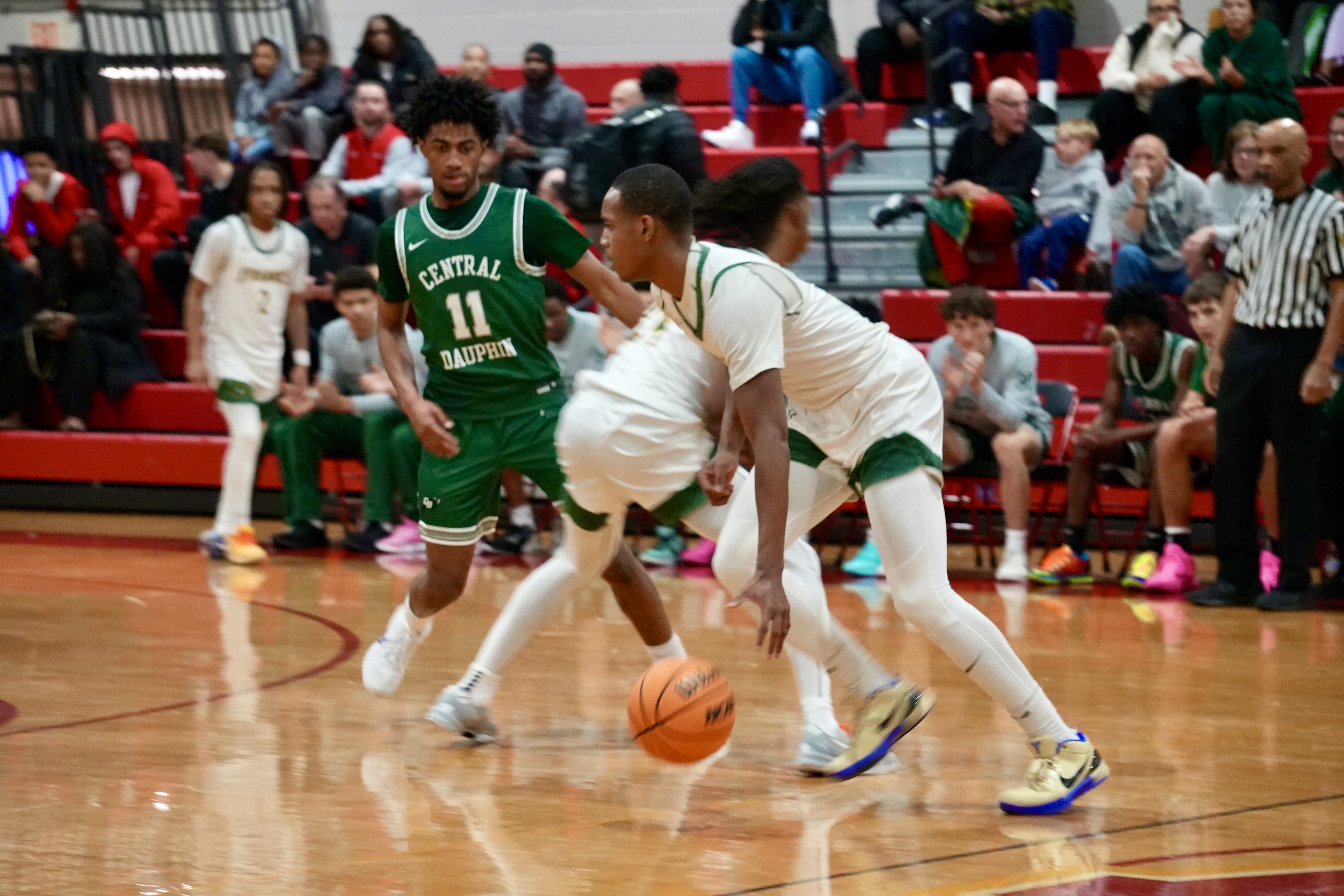
Starling matched up against Bonner-Prendie star guard Korey Francis

A Different Path, A Loyal Legacy

This is where Shakur Starling’s story diverges from his predecessors. His deep commitments to family, church, school, and teammates make a late transfer to a national academy highly unlikely. Unlike Westry and Palmer, we are likely to see this recruitment play out in real time, in the gym at Central Dauphin. This loyalty is rare, and it adds another layer of allure for college coaches seeking a program pillar, not just a transient talent.

The time for passive interest is over. Coaches from the CAA, Atlantic 10, and, yes, the Big East, should be making their pilgrimages to Harrisburg now. They will see a top-tier mid-Atlantic prospect whose best basketball is emphatically ahead of him. They will see a scholar-athlete whose character is as polished as his crossover. And they will see the next chapter in the story of the Harrisburg guard—a chapter defined not by departure, but by legacy; not just by athleticism, but by an unwavering foundation.

Shakur Starling is more than a prospect; he is a statement. He proves that in today’s nomadic basketball landscape, a crown prince can choose to build his kingdom at home, and in doing so, become an even more compelling figure for the programs wise enough to see the complete picture.

The Case for Korey Francis: The Mid-Atlantic Region’s Most Underrated Court General

PHILADELPHIA, PA – In the era of basketball as personal branding, where elite high school prospects migrate to national academies and highlight reels are currency, a counter-narrative is quietly building in the Philadelphia suburbs. His name is Korey Francis, a junior guard at Monsignor Bonner & Archbishop Prendergast Catholic High School. To the casual observer scanning national rankings, he may not yet register. But to watch him play—to truly understand the fabric of his game—is to witness one of the finest, most complete guard prospects in the nation. He is not a product of the assembly line; he is a testament to the enduring value of loyalty, intelligence, and old-school grit.

Korey Francis, Bonner-Prendie junior guard

A Player Without a Position, A Team Without a Ceiling

At Bonner-Prendie, Francis is a basketball paradox listed at guard. Under the shrewd guidance of Coach Billy Cassidy, Francis morphs from game to game, even possession to possession, into whatever his Friars need to win. With a roster featuring smaller, quicker perimeter players, Cassidy deploys Francis as a point guard, shooting guard, small forward, and even a burly power forward. He initiates the offense, posts up smaller defenders, switches onto bigs defensively, and crashes the glass with the tenacity of a forward. This positional fluidity isn’t a gimmick; it’s a master class in basketball utility. Yet, when the clock winds down and the outcome hangs in the balance, the ball inevitably finds its way to Francis’s hands. He is the calm in the chaos, the team’s true north.

The Anatomy of a Floor General

Projecting Francis to the next level clarifies his ultimate destiny: he is a cerebral, classic point guard. His strengths read like a manifesto for purists who believe the game is won between the ears.

His court vision and playmaking are elite. He pushes the ball with purpose, not panic, and sees passing lanes before they materialize. He is a quarterback in high-tops, running the offense with a veteran’s poise, his primary objective being to make his teammates more effective. His physicality is his signature. At a sturdy 6’3″, he leverages his strength like an NFL fullback, using a deft handle and a decisive first step to get a shoulder into defenders, creating space to barrel into the lane. Once there, he is a maestro of the “penetrate-and-pitch” game, finishing through contact or dishing with perfect timing.

Furthermore, he is an exceptional rebounder for a guard, a skill that instantly triggers transition opportunities. Defensively, his strength and intelligence allow him to guard multiple positions, effectively switching onto both bigger and smaller opponents. This is not a flashy scorer hunting shots; this is a conductor orchestrating a victory.

The Measurable Questions and the Intangible Answers

The scouting report will rightly note areas for growth: his three-point shot is inconsistent, and he lacks the blinding, elite athleticism commonly associated with top prospects in leagues like the SEC or Big Ten. He is a worker, not a wow-er.

But to focus solely on these metrics is to miss the forest for the trees. Francis is only a junior, with ample time to refine his jumper—a project far more achievable than instilling the innate feel for the game he already possesses. More importantly, his perceived “lack of elite quickness” is mitigated by a high basketball IQ that allows him to anticipate and dictate, rather than simply react. He wins with positioning, strength, and savvy, assets that translate to any level of competition. He is, in essence, D1-ready in the categories that are hardest to teach: leadership, physicality, and clutch decision-making. His “Iron Man” durability and unflappable demeanor under pressure are the bedrock of his value.

The Loyalty and Leadership of a Throwback

In an age of transactional basketball, Korey Francis’s story is profoundly refreshing. While peers of his stature have left Philadelphia for the national academy circuit, Francis has remained fiercely loyal to Coach Cassidy and Bonner-Prendie. This commitment speaks to a character often absent from the recruiting discourse. He is not just building a team; he is building a community.

Off the court, Francis embodies the ideal of the scholar-athlete. A straight-A student and the elected president of his class, he demonstrates that elite competitiveness and academic excellence are not mutually exclusive but mutually reinforcing. This discipline and intelligence are palpably evident in his play. He processes the game like an honor student, solving defensive schemes in real time.

The Verdict: A Prospect Worth Betting On

The modern basketball landscape is littered with athletic marvels whose games lack soul and structure. Korey Francis is the antithesis. He is a throwback to a time when the point guard was an extension of the coach, tasked with elevating everyone around him.

Yes, he must continue to extend his shooting range. Yes, he will face athletes at the next level who can match his strength. But to bet against Korey Francis is to bet against intelligence, against leadership, against an unwavering will to win. He is not just a mid-to-high major Division I point guard prospect; he is the prototype of a player who wins championships because he makes the complex simple and his teammates better.

In the noisy, hype-driven world of high school basketball, the steady, commanding drumbeat of Korey Francis’s game is a sound more and more college coaches are beginning to hear. They are listening to the future of a program—a leader who doesn’t just play the game, but truly understands it.

The Lost Art of the Philly Guard: Why Micah Waters Embodies What College Basketball is Forgetting

PHILADELPHIA, PA – In the cramped, sweat-stained gyms of Philadelphia, where the echoes of a hundred years of basketball history still reverberate, a certain archetype has been forged. It is not always the flashiest, nor the one chasing the highest point totals. It is the guard who understands that defense is a language, unselfishness is a creed, and winning is the only statistic that truly endures. From the legendary playgrounds to the hallowed Big 5 floors, this player has been a constant: gritty, intelligent, and indispensable to any winning effort.

Micah Waters, Friends Select senior guard

Today, that mold is perfectly embodied by Friends Select School senior Micah Waters. And in a just basketball world—the one that existed even a decade ago—his phone would be ringing with Division 1 scholarship offers. But we are not in that world. We are in the era of the transfer portal and NIL, a paradigm shift that has left exemplary high school prospects like Waters in a dangerous limbo. In the rush to recruit experienced college veterans or chase viral highlights, college coaches are overlooking the foundational players who build programs. For any low- to mid-major program seeking not just a transient talent, but a culture-defining pillar, a trip to Center City Philadelphia to evaluate Micah Waters is not just advisable—it is urgent.

More Than a Prospect: A Philadelphia Story

To understand Waters’ game is to understand his roots. He is the son of the late Micah Waters, Sr., a long-time Philadelphia Police officer who himself played for the famed West Philadelphia Speedboys before suiting up for Cabrini University. This is not incidental biography; it is the bedrock of his identity on the court. He plays with the discipline, responsibility, and communal pride of a public servant’s son. He plays, as those classic Philly guards do, not for stat sheets, but for the final score. His intelligence and high character are repeatedly noted by coaches and teachers, the marks of a young man who would represent a university with integrity.

Ten years ago, a player with this pedigree, this makeup, and his tangible skills would have been a coveted get for a slew of programs. Today, he waits. He is a casualty of a new calculus that undervalues the steady, winning player in favor of the transfer with immediate, if sometimes fleeting, experience. It is a system that risks discarding diamonds before they are ever polished.

A Tenacious Blueprint: Defense as a Destructive Force

The foremost argument for Waters’ scholarship-worthiness begins on the defensive end. In an offensive-centric age, he is a throwback lockdown artist. Scouts label him an elite, tenacious man-to-man defender, routinely tasked with shadowing an opponent’s top perimeter scorer. With long arms and anticipatory instincts, he is a disruptor in passing lanes. But his defense is more than steals; it’s a form of mental attrition. He is adaptable, capable of guarding multiple positions, and plays with a physical grit that sets a tone for his entire team. In the playoff crucible or on the Under Armour Circuit with Philly Pride, Waters has proven his defense travels and intensifies against high-level competition. This skill alone—the ability to neutralize another team’s best guard—is a standalone, roster-worthy talent.

Purcell Coles, Friends Select Head Coach

The Modern Complementary Offensive Skill Set

Offensively, Waters is not a heliocentric, ball-dominant creator. That is not his role, nor is it the role of the classic Philly guard he emulates. His value lies in high-efficiency, high-IQ play that perfectly complements primary scorers. He is a streaky but potent three-point shooter, particularly deadly as a spot-up weapon in the offensive system of coach Purcell Coles, where his understanding of spacing and timing shines. He is a strong finisher in transition, leveraging his defensive efforts into easy baskets. His high basketball IQ allows him to move within complex offensive schemes—he is noted to have a strong grasp of systems—ensuring he is always a productive, rather than a disruptive, offensive piece.

The Grit and The Growth: A Leader’s Profile

Perhaps the most intangible, yet critical, asset Waters possesses is his demeanor. He is described as a vocal leader, playing with a palpable toughness and a winner’s mentality. This is the glue that holds teams together through conference play and tournament pressure. Yes, that intensity can occasionally boil over, leading to unnecessary fouls—a noted area for growth. But coaches consistently prefer to temper a fiery competitor than to ignite a passive one. His occasional struggle to create his own shot off the dribble is a fair critique, defining his ceiling as a primary option. But that misses the point. His ceiling as a program-changing role player—a defensive stopper, a clutch shooter, a culture-setter—is immensely high.

A Perfect Fit for the Right Program

Micah Waters’ ideal role is clear: a gritty, defensive-minded wing who spaces the floor, excels in transition, and provides veteran-like leadership from day one. He is the ultimate “winner” archetype who makes players around him better through effort, intelligence, and selflessness. He would thrive in fast-paced, perimeter-oriented offenses that value defensive accountability. For a coach looking to build a sustainable program, not just rent a one-year scorer, Waters represents the kind of foundational player around which successful teams are constructed.

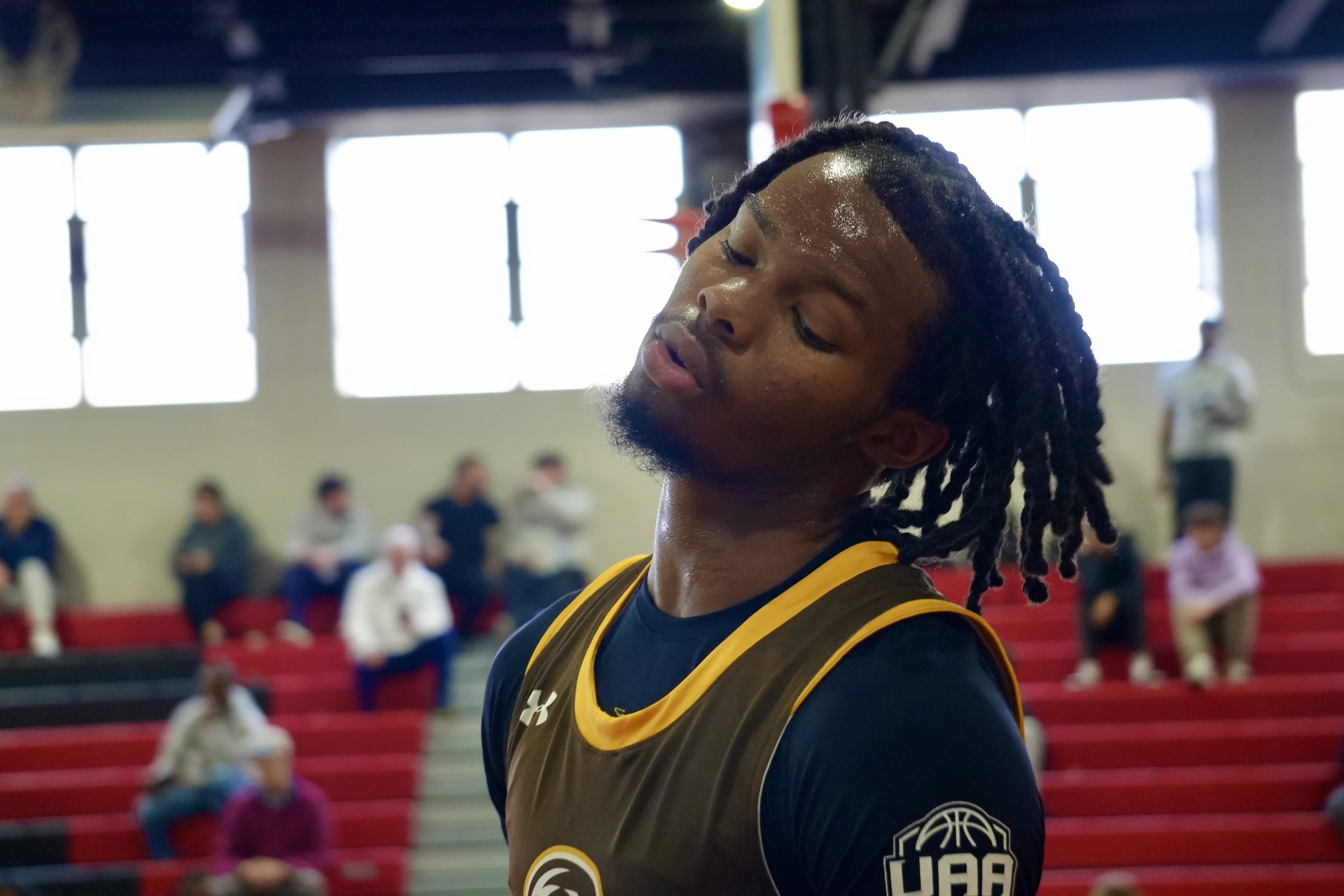
Micah Waters after hearing he has fouled out against Penn Charter

The current model of college athletics, with its frenetic portal churn, is a reality. But it shouldn’t be an excuse for myopia. There is immense value in identifying, recruiting, and developing a young man of character, toughness, and specific, winning skills. Micah Waters isn’t just a collection of strengths and weaknesses on a scout’s sheet. He is the continuation of a Philadelphia basketball legacy, a coach’s son in spirit, and precisely the kind of dependable talent that becomes the heart and soul of a successful college program.

The gym doors at Friends Select are open. The proof of a hundred years of basketball wisdom is on the court, waiting to be seen. It would be a profound shame—and a missed opportunity—if the new era of college basketball meant overlooking a young man who so perfectly embodies the timeless virtues of the old one.

In a Shifting Basketball Landscape, Phil Martelli’s “Philadelphia Coaching Academy” Partners with Black Cager Fall Classic to Reclaim the Art of Coaching

PHILADELPHIA — In an era defined by the seismic influence of Name, Image and Likeness (NIL) advisors, sports agents, and the directors of national basketball academies, a new initiative is aiming to return the focus of youth basketball to its foundational element: teaching the game.

The Philly Coaching Academy, a venture from P and J Enterprises founded by former Saint Joseph’s University and former Michigan associate head coach Phil Martelli, has been named an official sponsor of the upcoming Black Cager Fall Classic. The partnership signals a concerted effort to address a growing void in the development of basketball coaches at the grassroots level.

Phil Martelli

The announcement comes amid what many insiders describe as a paradigm shift in youth and scholastic basketball. The insertion of substantial student-athlete compensation has fundamentally altered the player development process, creating an ecosystem where financially motivated “handlers” and the allure of national programs often overshadow the core mission of instruction and mentorship. Consequently, less time, energy, and resources are being devoted to cultivating the next generation of skilled coaches.

“In today’s environment, the term ‘coach’ can be diluted. A true coach is a person who trains, instructs, and guides a team to improve their skills and performance, with winning as a byproduct of that process,” said Martelli, a Hall of Fame inductee of the Philadelphia Big 5 and one of the most respected figures in the sport. “We are determined to identify and develop good, ethical, and effective youth and scholastic coaches who embody that definition.”

To that end, the Philadelphia  Coaching Academy has been created specifically for coaches operating at the CYO, middle school, recreational, and travel team levels. The academy’s goal is to equip these coaches with the tools to plan and execute efficient, effective practices. The curriculum will be delivered through four standalone sessions, each featuring on-court demonstrations of drills presented by Martelli and other prominent high school coaches.

Delgreco Wilson, founder of Black Cager Sports, expressed strong support for the partnership, drawing from his long-standing observation of Martelli’s career.

“I’ve been fortunate to witness Martelli’s entire coaching journey. More than any other coach I’ve encountered, Martelli has been an open book. His practices were always accessible,” Wilson said. “He is the right guy to teach young Philly men and women how to be professional youth and scholastic basketball coaches.”

As part of the sponsorship, a coach from every high school participating in the Black Cager Fall Classic will be invited to a exclusive Zoom webinar with Martelli. Furthermore, the head coach of two participating Fall Classic teams will receive full certificates to attend a session of the Philadelphia Coaching Academy.

Wilson emphasized the critical timing of this initiative, stating, “Martelli is absolutely the right guy, and this is definitely the right time to focus on actually teaching and coaching the game of basketball. We’ve seen the business side expand rapidly; now it’s time to reinvest in the craft of coaching itself.”

The collaboration between the Philadelphia Coaching Academy and the Black Cager Fall Classic represents a significant step toward reinforcing the instructional backbone of the sport, ensuring that the coaches guiding young athletes are as developed and dedicated as the players they mentor.

About the Philadelphia Coaching Academy:
Founded by Phil Martelli through P and J Enterprises, the Philadelphia Coaching Academy is dedicated to the education and development of basketball coaches at the youth and scholastic levels. Through a series of intensive, practical sessions, the academy provides coaches with the fundamental principles of practice planning, skill development, and team instruction.

About the Black Cager Fall Classic:
The Black Cager Fall Classic is a premier showcase event presented by Black Cager Sports, featuring top high school basketball talent from the Philadelphia region and beyond. It serves as a critical platform for player exposure and development at the onset of the school year.

###

Media Contact:
Delgreco Wilson
Managing Editor, Black Cager Sports
blackcager@gmail.com

Black Cager Fall Classic Returns to Executive Education Fieldhouse for 2025 Showcase

FOR IMMEDIATE RELEASE

*Premier Pre-Season Basketball Tournament Set to Light Up Allentown on October 11*

Allentown, PA – July 28, 2025 – Black Cager Sports is thrilled to announce the return of the Black Cager Fall Classic to the Executive Education Fieldhouse in Allentown, Pennsylvania, on Saturday, October 11, 2025. Celebrating a decade of elite competition, the Fall Classic has solidified its reputation as one of the East Coast’s premier pre-season basketball showcases, drawing top high school talent, college scouts, and passionate fans from across the region.

Since its inception in 2015, the Black Cager Fall Classic has become a must-attend event for players, coaches, and basketball enthusiasts alike. The tournament has played a pivotal role in elevating mid-Atlantic scholastic basketball, providing unmatched exposure through live streaming, social media coverage, and high-level competition. Each year, the event delivers a significant economic boost to Allentown as teams and fans travel in to witness the action.

“The Executive Education Fieldhouse is the perfect home for the Fall Classic,” said Delgreco Wilson, founder of Black Cager Sports. “When we moved the event here, we knew we had found something special—a world-class facility with four courts, ample parking, and an incredible fan experience. This is where the Fall Classic belongs, and we’re proud to make it our permanent home.”

With over 2,300 college players entering the transfer portal in 2025, roster management has never been more critical. The Fall Classic offers high school coaches a unique opportunity to evaluate their teams in competitive game settings before the official season tips off. For college coaches, the event serves as a key scouting platform, allowing them to identify rising stars early in the year.

Robert Lysek, Chief Executive Officer of Executive Education Academy Charter School, echoed the excitement: “The Black Cager Fall Classic has become a beloved tradition in Allentown, bringing elite basketball talent to our city and introducing new visitors to the Executive Education Fieldhouse each year. We’re honored to partner with Black Cager Sports to host such a prestigious event.”

The tournament’s legacy speaks for itself. NBA standouts like Derik Queen (New Orleans Pelicans), Jalen Duren (Detroit Pistons), Bub Carrington (Washington Wizards), Jamir Watkins (Washington Wizards), and Collin Gillespie (Phoenix Suns) all showcased their skills at past Fall Classics. The event has also been a launching pad for college stars such as Derek Simpson (Saint Joseph’s), DJ Wagner (Arkansas), and Zion Stanford (Villanova). Even Hall of Fame coaches like Bill Self (Kansas), John Calipari (Arkansas), and Danny Hurley (UConn) follow the action closely, using livestreams and game footage to evaluate talent.

Don’t miss the 2025 Black Cager Fall Classic—where the next generation of basketball stars takes center stage!

For media inquiries, contact:
Delgreco Wilson
Founder, Black Cager Sports
Email: blackcager@gmail.com
Instagram: @BlackCagerPress
X: @DelgrecoWilson
Facebook: Delgreco Wilson

#BlackCagerFallClassic #ExecutiveFieldhouse #AllentownBasketball #NextUp

About Black Cager Sports

Black Cager Sports is dedicated to promoting and elevating basketball talent through premier showcases, scouting reports, and media coverage. The Fall Classic remains one of its flagship events, providing unparalleled exposure for high school athletes and a must-see experience for basketball fans.

END

The NBA Summer League: A High-Stakes Proving Ground for the Next Generation from Philly & Baltimore

LAS VEGAS — The NBA Summer League, an annual showcase held in the sweltering heat of July, is often dismissed as a series of glorified scrimmages. But for the young Philly and Baltimore area players fighting for their professional futures, it is anything but an exhibition. This is where dreams are validated, where undrafted free agents claw for contracts, and where first-round picks face their first real test against NBA-level competition. The stakes could not be higher.

Thomas Sorber, Oklahoma City Thunder

At its core, the Summer League serves as a bridge between college basketball and the pros—a no-man’s-land where potential meets scrutiny. The rosters are filled with recent draft picks, second-year players looking to prove they belong, and unsigned free agents desperate for a breakthrough. For every future All-Star who shines (think Damian Lillard in 2012 or Donovan Mitchell in 2017), there are dozens whose careers stall before they ever truly begin.

The audience in the gyms of Las Vegas, Salt Lake City, or Sacramento is not just made up of casual fans. NBA executives, scouts, and agents line the courtside seats, evaluating every crossover, every defensive rotation, every missed assignment. Overseas scouts linger as well, ready to offer lifelines to those who fall short of NBA expectations. A strong performance can mean a guaranteed contract; a poor one might relegate a player to the G League—or worse, professional obscurity.

Wooga Poplar, Chicago Bulls

For franchises, the Summer League is an early litmus test. Did the front office make the right draft pick? Is that raw prospect further along than expected? Can that overlooked college star translate his game to the pros? The answers aren’t always definitive—after all, Summer League success doesn’t always translate to the regular season—but the games provide the first real glimpse of how these players handle pressure, coaching, and the speed of the pro game.

And then there are the narratives: The second-round pick outplaying a lottery selection. The undrafted guard from a mid-major school dropping 30 points. The big man from overseas adjusting to the physicality of American basketball. These stories captivate because they are unscripted, unfiltered, and often unpredictable.

Derik Queen, New Orleans Pelicans

In a league where roster spots are scarce and margins for error are slim, the Summer League remains one of the few meritocratic spaces in professional basketball. It doesn’t guarantee stardom, but for those who seize the moment, it can be the first step toward something greater. For everyone else, it’s a reminder of just how fleeting opportunity can be.

The games may not count in the standings, but for these players from the mid-Atlantic region, they count for everything.

NBA Teams & Colleges Breakdown:

  • Atlanta Hawks
    • Dwight Murray Jr. – Rider
  • Boston Celtics
    • Zack Hicks – Temple/Penn State
    • Amari Williams – Drexel/Kentucky
  • Brooklyn Nets
    • TJ Bamba – Villanova/Oregon
    • Caleb Daniels – Tulane/Villanova
  • Chicago Bulls
    • Jahmir Young – Maryland
    • Wooga Poplar – Miami/Villanova
  • Dallas Mavericks
    • Jordan Hall – Saint Joseph’s (SJU)
  • Detroit Pistons
    • Zakai Zeigler – Tennessee
  • Golden State Warriors
    • Donta Scott – Maryland
  • Houston Rockets
    • Jermaine Samuels Jr. – Villanova
  • LA Clippers
    • Izaiah Brockington – Penn State/Iowa State
  • Los Angeles Lakers
    • Eric Dixon – Villanova
    • Julian Reese – Maryland
  • Memphis Grizzlies
    • Ace Baldwin Jr. – VCU/Penn State
    • Tyler Burton – Richmond/Villanova
    • Aaron Estrada – Alabama
  • Miami Heat
    • Steve Settle III – Temple
  • New Orleans Pelicans
    • Derik Queen – Maryland
    • AJ Hoggard – Michigan State/Vanderbilt
  • New York Knicks
    • Nick Jourdain – Temple/Memphis
    • Lance Ware – Kentucky/Villanova
  • Oklahoma City Thunder
    • Thomas Sorber – Georgetown
    • Cameron Brown – Saint Joseph’s (SJU)
    • Erik Reynolds II – Saint Joseph’s (SJU)
  • Philadelphia 76ers
    • Justin Edwards – Kentucky
    • Jack Clark – VCU
    • Andrew Funk – Bucknell/Penn State
  • Phoenix Suns
    • Rasheer Fleming – Saint Joseph’s (SJU)
    • Khalif Battle – Temple/Gonzaga
  • Portland Trail Blazers
    • Andrew Carr – Delaware/Wake Forest/Kentucky
  • Sacramento Kings
    • Daeqwon Plowden – Bowling Green
  • San Antonio Spurs
    • Jameer Nelson Jr. – Delaware/TCU
  • Toronto Raptors
    • Clifford Omoruyi – Rutgers/Alabama
  • Washington Wizards
    • Bub Carrington – Pittsburgh
    • Jamir Watkins – Florida State

Coatesville’s Freshman Phenomenon: Colton Hiller’s

Allow me to introduce you to a young Chester County hustler on the hardwood, straight outta Coatesville.  Standing a proud 6’5″, this freshman named Colton Hiller steps onto the court like he’s been there a thousand times before, the kind of confidence you can’t teach but only admire. His jump shot? It’s a thing of beauty—pure poetry in motion. When he lets it fly, you’d swear he borrowed Jerry West’s stroke, tucking his elbow tight like a secret and pointing it at the rim like he’s aiming down the sights of destiny. The follow-through is the exclamation point, a silky salute to a ball that’s already thinking of kissing the net.

Coatesville freshman Colton Hiller

Coatesville has a history of breeding ballers who play the game like it’s second nature. Richard Hamilton made his way from these streets to UConn and then the NBA, gliding through defenders with the same ease he probably walked through hallways back in high school. John Allen took his hustle and tenacity to Seton Hall, and Jhamir Brickus—a magician with the rock—handled his business at La Salle before landing at Villanova. These legends built their names one bucket, one crossover, one clutch moment at a time.

And now there’s Hiller.

He’s got the body of a man and the raw talent of a prodigy, but his game is seasoned beyond his years. In addition to NBA 3-point long balls, he’s starting to master the art of the 1-2 dribble midrange, that lost treasure most players won’t dig for. The youngbul is moving like a chess player, thinking three steps ahead, and when the defense collapses, his passing finds teammates like a jazz musician hitting the perfect note.

Coatesville Head Coach John Allen

The next four years? They’ll be a ride for anyone lucky enough to watch this kid. He’ll play in packed gyms where the air buzzes with the dreams of a city that loves its basketball like family. Every game will add to the legend, every highlight reel another chapter in the story of Hiller. Where he’ll wind up after Coatesville is a question only time can answer. Will it be UConn, Seton Hall, Villanova—or some other kingdom where his game will reign supreme?

But for now, we get to sit back and enjoy the show, watching a young king rise. This is Coatesville basketball. This is history in the making. And Hiller? He’s writing it one jumper at a time.

Scouting Report: Kashon Page, Whitman Park Tigers

Scouting Report: Kashon Page
Team: Whitman Park Tigers (Camden, NJ)
Age: 9
Positions: Defensive End, Tight End, Running Back

Kashon Page, Whitman Park

Kashon Page is a dynamic, versatile athlete who excels on both sides of the ball. His ability to impact the game from multiple positions sets him apart as a standout performer on the youth football circuit.

Defensive Analysis

At defensive end, Kashon consistently wreaks havoc in the backfield. His explosive first step, coupled with excellent lateral agility, allows him to beat offensive linemen off the edge with ease. He has a natural instinct for tracking down ball carriers and frequently records tackles for loss. Kashon’s high motor and relentless pursuit make him a nightmare for opposing quarterbacks, as evidenced by his impressive sack totals.

Kashon Page with BIG hit!

Offensive Analysis

On offense, Kashon’s versatility shines through. As a tight end, he demonstrates strong hands and an ability to create mismatches against smaller defenders. He excels in both blocking and route running, making him a reliable target for his quarterback. When lined up at running back, Kashon’s sprinter-level speed becomes a major asset. He has a rare blend of power and elusiveness, capable of breaking long runs and turning broken plays into game-changing moments.

Strengths

  • Athleticism: Combines speed, strength, and agility to dominate in multiple roles.
  • Football IQ: Shows an advanced understanding of the game for his age.
  • Versatility: Can play and excel in multiple positions on both sides of the ball.
  • Work Ethic: Demonstrates a relentless drive to improve, both during games and in practice.

Areas for Growth

  • Technical Development: As he matures, refining his technique, particularly in hand usage on defense and route running on offense, will elevate his game.
  • Physical Development: Continued growth and strength training will help him reach his full potential.

Outlook

As a proud Camden native, Kashon Page has his sights set on suiting up for Camden High in the future, a goal that seems well within reach given his current trajectory. With his natural talent, relentless work ethic, and love for the game, Kashon is poised to become one of the most highly recruited middle school prospects in the region. His playmaking ability and leadership on the field already make him a cornerstone of the Whitman Park Tigers, and his best football is still ahead of him.

Projection: High-impact middle school player and future star at Camden High. Keep an eye on Kashon as he continues to develop his game and establish himself as a premier talent in New Jersey youth football.

Powerhouse Emerging at Penn Charter Under Coach Brandon Williams

PHILADELPHIA, PA – In just his second season as head coach, Brandon Williams has transformed the basketball program at Penn Charter into a national destination for high major college coaches. The once overlooked campus in East Falls is now at the center of the basketball map, luring recruiters and scouts to witness a remarkable assembly of talent. Williams’s efforts have vaulted the Quakers into the ranks of the elite in Philadelphia high school basketball, making it impossible to ignore their rise.

Earlier tonight, Penn Charter’s senior point guard Jake West made headlines with his commitment to Northwestern University, securing a spot in the Big Ten under coach Chris Collins. West’s decision marks a significant moment for the program, but it’s just one in a series of high-profile commitments. His backcourt partner, Kai Shinholster, is also Big Ten-bound, set to play for the University of Minnesota. Meanwhile, the team’s versatile big man, Matt Gilhool, will head south to join the LSU Tigers in the powerhouse SEC, turning down a slew of high major offers.

These achievements on the recruiting front are not isolated incidents but rather part of a growing trend that began with Williams’s arrival. The new coach has reinvigorated a program that was long overshadowed by traditional Philadelphia juggernauts like Roman Catholic, Imhotep Charter, Neumann-Goretti, and Westtown. Now, the roads leading from private airports to the scenic Penn Charter campus are being traveled by top scouts from every corner of the nation, all in pursuit of the school’s newfound talent.

At the heart of Penn Charter’s surge is Williams’s ability to attract and develop top-tier players, a skill that has already paid dividends. The team’s future is exceptionally bright, with freshman guard Carter Smith being widely considered one of the top 25 prospects in the country. The buzz surrounding Smith alone is enough to keep college coaches flocking to the East Falls campus for years to come. His talent, combined with the recent commitments of West, Shinholster, and Gilhool, has cemented the Quakers’ status as a must-see program for high major recruiters.

Williams has instilled a new culture at Penn Charter—one marked by intense preparation, disciplined play, and a sense of ambition that extends beyond the boundaries of the school gym. The players have embraced this culture, with top prospects now seeking out Penn Charter rather than being sought after. The shift is indicative of a broader transformation: the Quakers are no longer content with being competitive; they aim to dominate. The talent level and coaching acumen now in place suggest that the team’s ambitions are more than realistic.

It’s time to include Penn Charter in conversations about the premier programs in the Greater Philadelphia area. For too long, the narrative has been dominated by names like Roman Catholic, Imhotep Charter, Neumann-Goretti, Camden, and Academy of the New Church. With Williams at the helm, the Quakers have earned their place in that elite group. In fact, the arrival of high-profile recruits and the presence of top college coaches at open gyms and games indicates that Penn Charter is no longer just striving to compete against these programs—it may be poised to surpass them.

The school’s transformation is a testament to Williams’s vision and the remarkable pace at which he has executed it. In less than two years, he has established Penn Charter not only as a contender for league and state titles but as a burgeoning national powerhouse. For a program that has long been in the shadow of local rivals, the view from the top is exhilarating, and it’s a view that Penn Charter’s players and fans can get used to.

Brandon Williams’s appointment as head coach has not only changed the trajectory of Penn Charter basketball but may have also rewritten the landscape of high school basketball in Philadelphia. As the season unfolds, and as more top-tier talents commit to the Quakers, the roads to East Falls will become even more well-worn. In Williams’s hands, Penn Charter has become a place where high school players can achieve their loftiest dreams, and college coaches can find the game-changing recruits they covet. The future is bright, and for the Quakers, the journey to the top has only just begun.