The Luxury of Louis and the Hunt for Hidden Gems at Marshalls and TJ Maxx: High Major and Mid Major Recruiting Realities

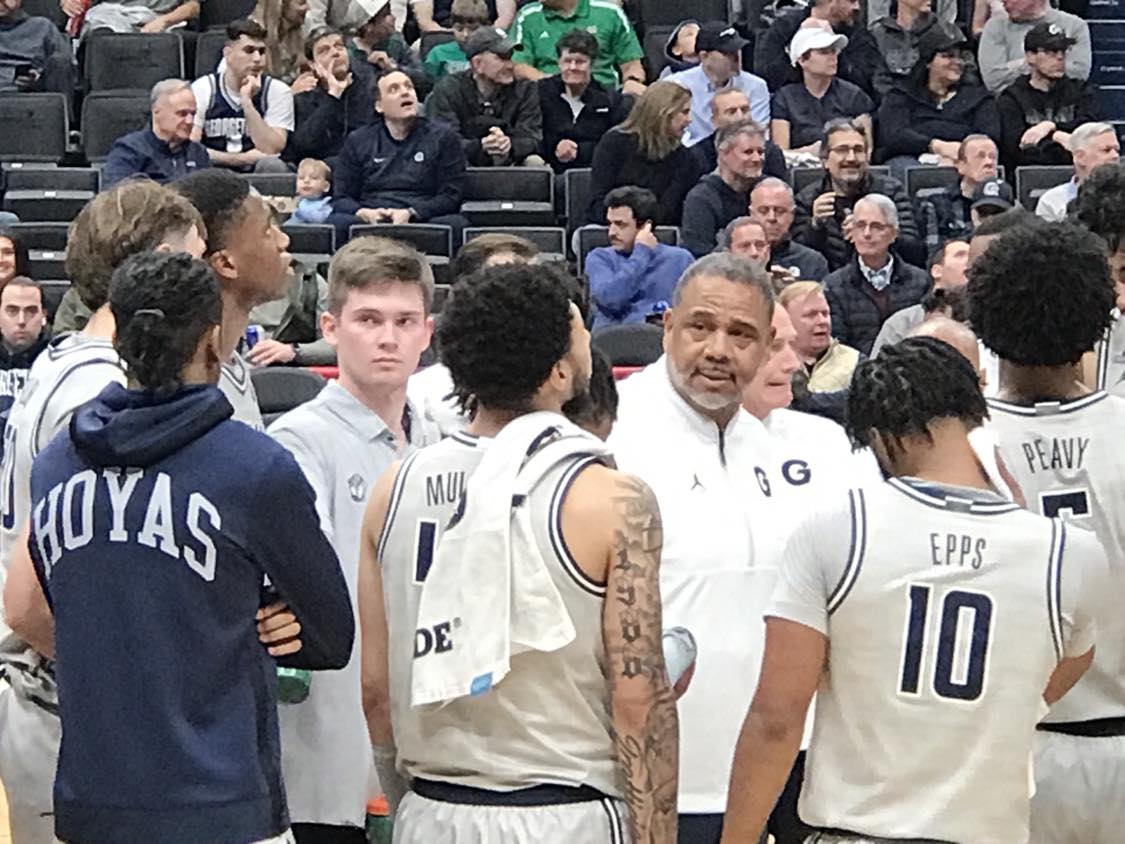
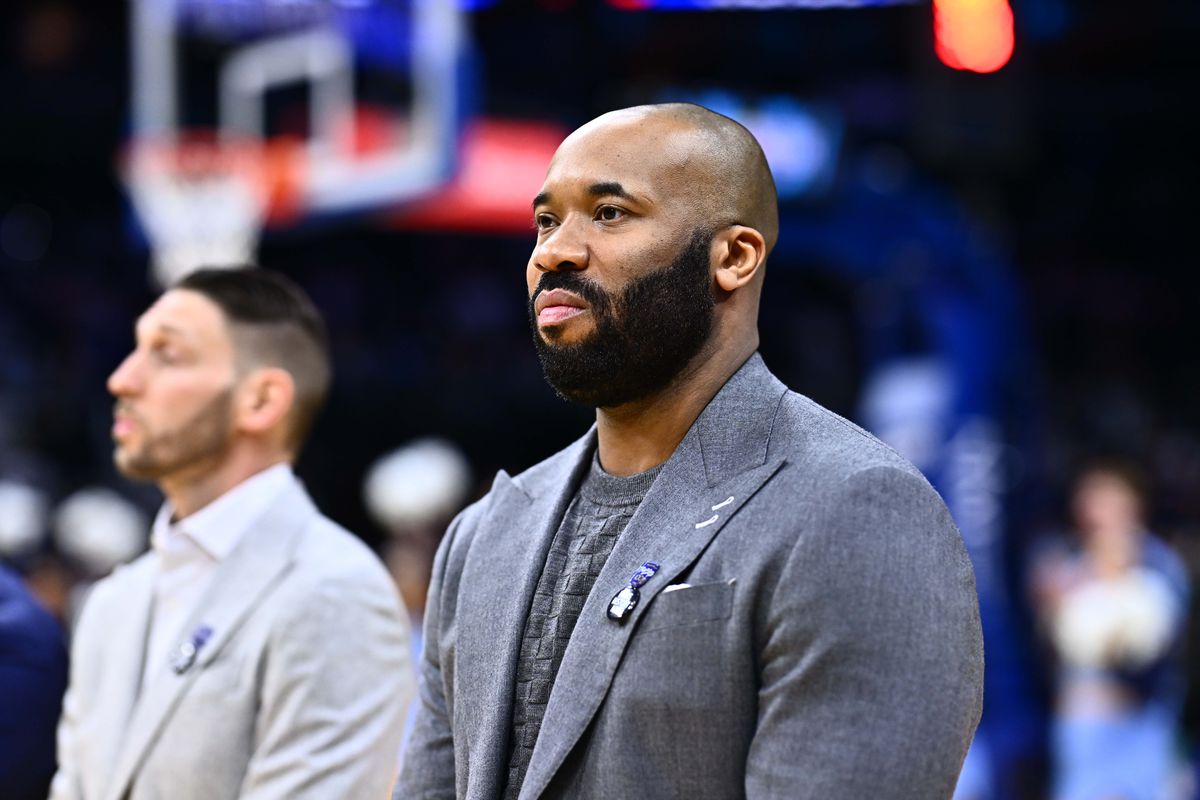
CAMDEN, NJ: Watching the Bryant Bulldogs edge out the home court Delaware Blue Hens, 85-84, in a fiercely competitive basketball game last night, I couldn’t help but reflect on the ever-widening chasm in college athletics, particularly in the era of NIL (Name, Image, and Likeness) deals, transfer portals, and immediate eligibility. As I admired the work of coaches like Phil Martelli Jr. and Martin Ingelsby, their relentless hustle, and their ability to construct cohesive rosters from unlikely sources, my mind drifted to Colorado’s Football Coach Deion Sanders and his now-infamous declaration when he met his inherited football team: “I’m bringing my luggage with me, and it’s Louis.”

Coach Prime

That statement, dripping with urban swagger and intent, encapsulated the reality of the high-major recruiting ecosystem in today’s college sports. Coach Prime wasn’t merely warning his players that change was coming—he was announcing that he, with his cultural cachet, financial resources, and unmatched name recognition, could shop at the most exclusive recruiting boutiques. For Sanders, recruiting isn’t about finding diamonds in the rough; it’s about walking into Louis Vuitton or Gucci and selecting the finest clothing and accessories crafted from the most exclusive materials with zero regard for the price. Plainly stated, Coach Prime was “talking’ dat shit”…

Coach Prime’s Cultural and Financial Advantage

Deion Sanders embodies a unique blend of celebrity, charisma, and cultural influence. As a Hall of Fame athlete who transcends football, Sanders commands attention in a way few coaches can. His name alone draws recruits, and his bold personality ensures that Colorado is always in the conversation. Add to that the deep NIL coffers available at high-major programs like Colorado—backed by boosters, local businesses, and national sponsorships—and you have a recruiting juggernaut.

At Colorado, Sanders can promise recruits not just the opportunity to play but to profit. The NIL deals available to his players mean that they don’t just join a team—they join a brand. This access to financial opportunity is a game-changer in recruiting, especially for families who see NIL as a way to escape economic hardship. Combined with Sanders’ ability to curate a team narrative that feels larger than life, it’s little wonder he attracts top talent.

When Coach Prime references “Louis,” he’s not just talking about talent—he’s talking about perception. High-major recruits are not only better athletes but often come with the polish of elite training programs, social media followings, and marketable personas. At Colorado, these players become the centerpiece of a well-funded, highly visible machine. Sanders doesn’t just coach players—he amplifies their brands.
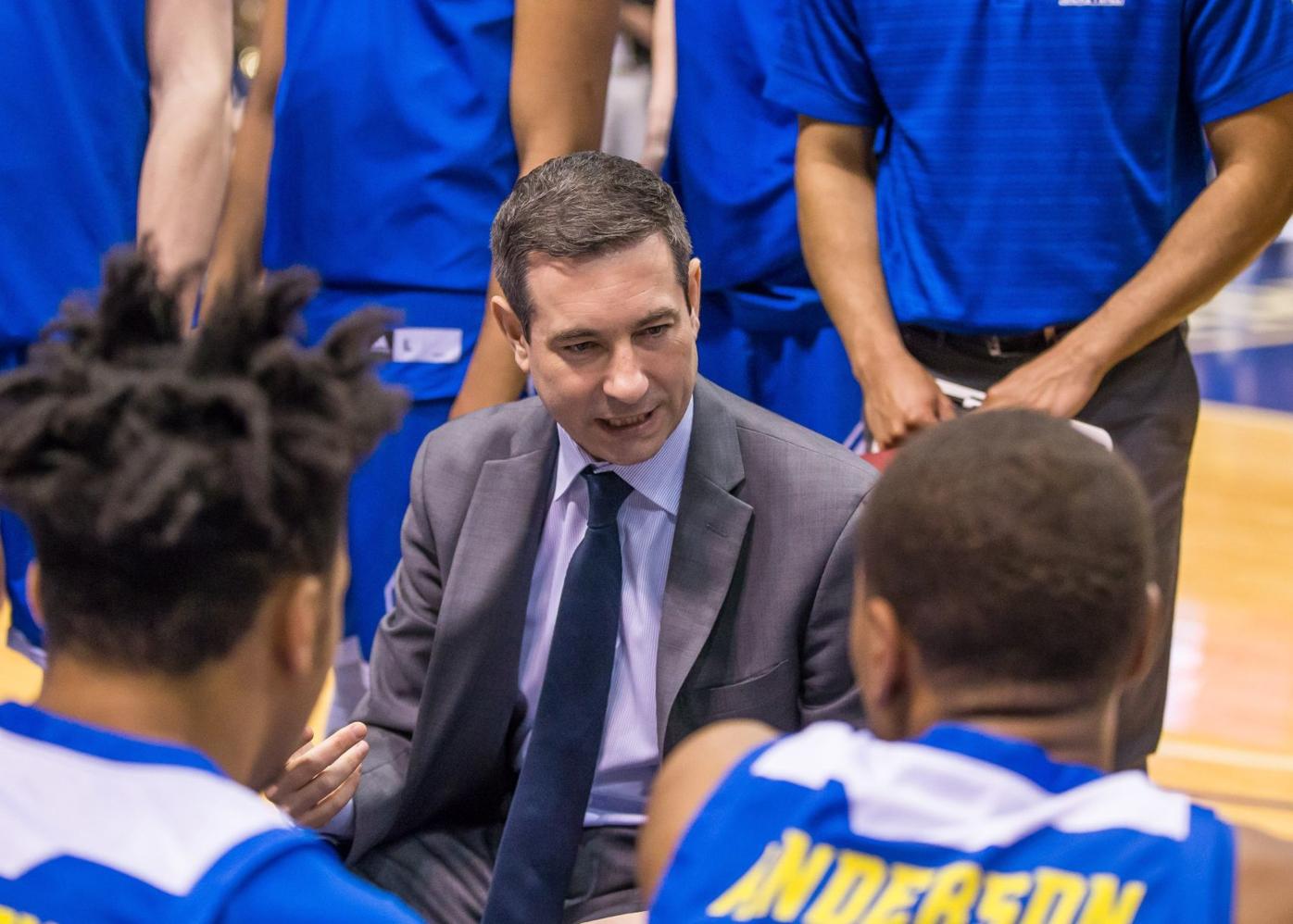
Martin Ingelsby

The Mid-Major Reality: The Hunt for Prospects at Marshalls and TJ Maxx

Contrast this with the world of mid-major coaches like Martelli and Ingelsby, whose programs don’t have the luxury of shopping for recruits at Louis Vuitton. Instead, they scour the aisles of Marshalls, TJ Maxx, and even scratch-and-dent outlets, searching for overlooked talent and undervalued gems.

The players on mid-major rosters are often transfers, walk-ons, or athletes who have endured significant challenges—whether injuries, academic struggles, or simply being overlooked by high-majors. These coaches spend countless hours scouring the “racks” identifying potential in players who, for various reasons, slipped through the cracks. They’re not offering $300,000 NIL deals; they’re selling opportunity, development, and the chance to shine on a smaller stage.

This makes mid-major recruiting a different kind of art. Coaches at programs like Delaware and Bryant must be relentless scouts, combing through tape, traveling to obscure high school gyms, and building relationships with junior college programs. They have to spot talent that others miss and then cultivate it, often transforming “scratch-and-dent” players into stars.

The Transfer Portal: A Shared Marketplace

The transfer portal has complicated this dynamic further. For high-majors, it’s another Louis Vuitton boutique—a place to restock quickly and efficiently. For mid-majors, it’s a double-edged sword. While they can snag players who didn’t thrive in high-major environments, they also risk losing their own developed talent to the bigger programs.

This constant churn forces mid-major coaches to be even more resourceful. They must balance the need to recruit high-potential transfers with the understanding that a breakout season might mean losing their best player to a higher bidder. This reality is perhaps the most glaring difference between the two levels: high-majors can afford to poach, while mid-majors must perpetually rebuild.

Phil Martelli, Jr.

The Luxury of Louis vs. the Grind of Marshalls

In this era of NIL and transfer portal frenzy, programs like Colorado operate in an entirely different ecosystem than Delaware or Bryant. For Coach Prime, the combination of recognition, cultural influence, and financial resources means he can approach recruiting like a luxury shopping spree. For mid-major coaches, it’s a relentless grind, searching for hidden gems and hoping to polish them before they’re poached.

And yet, there’s beauty in the hunt. Watching Martelli and Ingelsby’s teams battle last night, I saw a different kind of success—one born of resourcefulness, resilience, and the ability to make the most of what’s available. Their players, whether transfers or “scratch-and-dent” pickups, play with a chip on their shoulder and a drive to prove their worth.

Coach Prime’s Louis Vuitton luggage may draw the headlines, but there’s something to be said for the mid-major hustle. In the world of college sports, not every success story starts in luxury boutiques. Some begin in the clearance aisles, and those stories, too, are worth celebrating.

Scouting Report: Caiden Kennedy, Gloucester City Mustangs

Scouting Report: Caiden Kennedy
Team: Gloucester City Mustangs (Gloucester City, NJ)
Age: 9
Positions: Linebacker, Running Back

Caiden Kennedy is a tough, physical competitor whose love for contact and relentless effort make him a standout player. Known for his hard-nosed approach to the game, Caiden is the type of athlete who sets the tone on both sides of the ball.

Caiden Kennedy

Defensive Analysis

As a linebacker, Caiden is a punishing presence in the middle of the field. His ability to read plays quickly and attack downhill leads to consistent big stops for his team. Caiden thrives on delivering hard hits, often stopping ball carriers in their tracks and halting any forward progress. His toughness and instinct for the game make him a leader on defense and a critical piece of the Mustangs’ game plan.

Offensive Analysis

On offense, Caiden brings the same physicality to the running back position. He relishes contact, often initiating it rather than avoiding it. His refusal to go down on first contact and determination to fight for extra yards make him a difficult player to tackle. Caiden has a powerful running style complemented by surprising agility, allowing him to break through defenses and create big plays.

Strengths

  • Physicality: Thrives in physical situations, delivering hard hits on defense and running through contact on offense.
  • Toughness: Plays with a relentless attitude, showing grit and determination in every snap.
  • Instincts: Reads plays well, especially on defense, where his ability to anticipate the action leads to timely tackles.
  • Work Ethic: Puts in the effort to improve his skills and elevate his game.

Areas for Growth

  • Speed and Agility: Continued focus on speed and lateral quickness will enhance his ability to make plays in space.
  • Pass Coverage: Developing his skills in coverage will make him a more complete linebacker.
  • Vision as a Runner: Refining his ability to read blocks and find running lanes will add to his offensive effectiveness.
Caiden Kennedy and his Mother, Maureen O’Kane

Outlook

As a proud Gloucester City legacy athlete, Caiden Kennedy has all the tools to continue his family tradition of excellence at Gloucester City High School. His physical style of play, combined with his natural leadership on the field, positions him as a future star at the middle school and high school levels. With his unmatched determination and love for the game, Caiden is on track to become a highly recruited middle school prospect and a key contributor to any team he plays for.

Projection: High-impact middle school player with the potential to be a cornerstone for Gloucester City High School’s football program. A true competitor whose best years of football are still ahead.

Scouting Report: Kashon Page, Whitman Park Tigers

Scouting Report: Kashon Page
Team: Whitman Park Tigers (Camden, NJ)
Age: 9
Positions: Defensive End, Tight End, Running Back

Kashon Page, Whitman Park

Kashon Page is a dynamic, versatile athlete who excels on both sides of the ball. His ability to impact the game from multiple positions sets him apart as a standout performer on the youth football circuit.

Defensive Analysis

At defensive end, Kashon consistently wreaks havoc in the backfield. His explosive first step, coupled with excellent lateral agility, allows him to beat offensive linemen off the edge with ease. He has a natural instinct for tracking down ball carriers and frequently records tackles for loss. Kashon’s high motor and relentless pursuit make him a nightmare for opposing quarterbacks, as evidenced by his impressive sack totals.

Kashon Page with BIG hit!

Offensive Analysis

On offense, Kashon’s versatility shines through. As a tight end, he demonstrates strong hands and an ability to create mismatches against smaller defenders. He excels in both blocking and route running, making him a reliable target for his quarterback. When lined up at running back, Kashon’s sprinter-level speed becomes a major asset. He has a rare blend of power and elusiveness, capable of breaking long runs and turning broken plays into game-changing moments.

Strengths

  • Athleticism: Combines speed, strength, and agility to dominate in multiple roles.
  • Football IQ: Shows an advanced understanding of the game for his age.
  • Versatility: Can play and excel in multiple positions on both sides of the ball.
  • Work Ethic: Demonstrates a relentless drive to improve, both during games and in practice.

Areas for Growth

  • Technical Development: As he matures, refining his technique, particularly in hand usage on defense and route running on offense, will elevate his game.
  • Physical Development: Continued growth and strength training will help him reach his full potential.

Outlook

As a proud Camden native, Kashon Page has his sights set on suiting up for Camden High in the future, a goal that seems well within reach given his current trajectory. With his natural talent, relentless work ethic, and love for the game, Kashon is poised to become one of the most highly recruited middle school prospects in the region. His playmaking ability and leadership on the field already make him a cornerstone of the Whitman Park Tigers, and his best football is still ahead of him.

Projection: High-impact middle school player and future star at Camden High. Keep an eye on Kashon as he continues to develop his game and establish himself as a premier talent in New Jersey youth football.

Thomas Sorber: Georgetown’s Beacon of Hope for a New Era

PHILADELPHIA, PA – In the hallowed halls of Georgetown basketball lore, a tradition of transcendent big men looms large: Patrick Ewing, Alonzo Mourning, Dikembe Mutombo, Greg Monroe, Othella Harrington, and Roy Hibbert. To that lineage, the Hoyas now add a new name—Thomas Sorber. The freshman center from Philadelphia, already making waves with averages of 19 points, 8.7 rebounds, and 1.3 blocks through his first three collegiate games, is more than just a promising player; he represents the program’s clearest path back to national prominence.

Thomas Sorber, Georgtown Center

At 6-foot-9 and 250 pounds, Sorber blends physicality and finesse in a way that recalls the greats of Georgetown’s storied past. His high school accolades are substantial: as a senior at Archbishop Ryan, he averaged an imposing double-double with 18.9 points, 11.2 rebounds, and 4.8 blocks per game. On the Nike EYBL circuit, he showcased his versatility for Team Final, displaying the kind of court awareness and soft touch that have made him a nightmare matchup for opposing bigs. But Sorber’s potential extends far beyond his statistics.

Under the tutelage of new head coach Ed Cooley, Georgetown basketball is undergoing a seismic shift. Cooley, known for his success at Providence, has a proven track record of rebuilding programs and instilling a winning culture. Sorber, a cornerstone recruit ranked No. 50 nationally in the Class of 2024, is the perfect player to anchor Cooley’s ambitious vision. Together, they aim to revive a program that has been mired in mediocrity since its last NCAA Tournament victory in 2015.

The Heir Apparent

Georgetown’s identity has always been synonymous with dominant post players. From Ewing’s national championship in 1984 to Hibbert’s leadership during the Hoyas’ 2007 Final Four run, the big man has been a symbol of both power and pride. Sorber’s presence rekindles that legacy. His polished footwork, ability to control the paint, and burgeoning outside shot make him a modern adaptation of Georgetown’s traditional mold.

But Sorber’s value extends beyond his individual skill set. As Nate Hodge, his AAU coach, astutely observed, Sorber’s combination of size, skill, and feel for the game could make him “something really special” as he continues to refine his conditioning and shooting range. Those are precisely the attributes Georgetown needs to reestablish itself as a force in the Big East and beyond.

Ed Cooley, Georgetown Head Coach

A New Era of Leadership

The importance of Cooley’s leadership cannot be overstated. Georgetown’s previous era, led by Patrick Ewing, was defined by nostalgic optimism that quickly soured into disarray. Now, with Cooley at the helm, the Hoyas have a tactician who excels at player development and cultivating team chemistry. Sorber, described by his high school coach Joe Zeglinski as “unselfish” and “a coachable kid,” embodies the type of player who will thrive under Cooley’s system.

Off the court, Sorber has already earned admiration for his humility and respectfulness—a foundation that will serve him well as he becomes the face of a rebuilding program. His teammates love playing with him, a testament to his leadership and character.

The Road Ahead

For Georgetown, Sorber represents more than just hope; he is a reminder of what the program can be at its best. The Hoyas’ return to relevance won’t happen overnight, but the early signs are promising. Sorber’s ability to impact both ends of the floor, combined with Cooley’s strategic vision, offers Georgetown fans something they haven’t had in years: belief.

The path forward will be challenging. The Big East remains one of the toughest conferences in college basketball, and the Hoyas must contend with powerhouses like UConn and Marquette. But with Sorber anchoring the post and Cooley steering the ship, Georgetown has a chance to reclaim its place among the nation’s elite.

For now, the echoes of the past reverberate in the present, as Thomas Sorber steps onto the court at Capital One Arena. His presence is a declaration: Georgetown basketball is back, and its future starts now.

Nova Ain’t the Baddest B*tch No Mo’

PHILADELPHIA, PA – Y’all remember Nova, she was the baddest b*tch in Philly and it wasn’t close. She stood out in every crowd and at every event, radiating an allure that captivated everyone who crossed her path. Her beauty was striking; she was by far the finest woman in the City of Brotherly Love. With her stunning features and flawless sense of style, Nova was like a rare gem, adding glamour to every event. Her beauty didn’t merely stand out locally; even when she traveled to metropolises like Chicago, New York, Miami, or Los Angeles—places renowned for their concentration of beauty and sophistication—she turned heads. Her presence was unforgettable, her beauty profound.

Kyle Neptune, Villanova Head Coach

Her personal style was an extension of her magnetism. She wore only the finest designer clothes and carried the most exclusive, expensive purses. Her hair was never out of place, always perfectly styled, complementing her radiant look. I’m telling y’all she really was a “Bad B*tch.” People marveled at how effortlessly she seemed to maintain such a high standard of presentation, with glossy nails, tailored outfits, and shoes that sparkled as if new. She became Philly’s fashion icon, embodying both aspiration and inspiration for many. Wherever she appeared, be it a local event, a coffee shop, or simply walking down the street, heads turned, conversations halted, and everyone took notice.

But life, as it often does, took an unexpected turn. About two years ago, her man Jay abruptly left her and subtle changes began to creep into her appearance. She gained some weight, a shift that soon made her once-fitted, tailored clothing feel awkward and ill-suited. The designer outfits that once seemed molded to her body now appeared out of place, ill-fitting. Her exclusive wardrobe seemed strained, struggling to adjust to this new version of herself. Her once-vibrant appearance dulled; her shoes began to show wear, and her bags, once sparkling emblems of luxury, became accessories she carried without the same flair and pride.

Once admired for her natural beauty, her new man Kyle sought to help regain her allure through a Brazilian Butt Lift, hoping the procedure would revitalize her image and confidence. Driven by a desperate desire to recapture the attention Nova once commanded, they ignored the risks, trusting the surgery would be the answer. But the results were far from what she’d envisioned. Her buttocks, instead of appearing fuller and shapely, became uneven and lumpy, with one side noticeably higher than the other. The telltale lumps in her skin, visible through her clothing, served as a painful reminder of her attempt to reclaim her youth. Instead of the vibrant appeal Nova yearned for, the botched surgery only left her feeling self-conscious, trapped in a body that didn’t reflect her inner beauty.

As her appearance evolved, so too did her hair, which had always been one of her most defining features. Previously styled with meticulous care, it now looked unruly, with weave extensions that seemed unkempt, a far cry from the polished look she once sported with such ease. While those around her began to notice, for the first two years, she seemed largely unaware of her own transformation. Her stride was still confident, as if nothing had changed, as though she was still the beauty who had once dominated every room. Friends and acquaintances observed the difference, yet she maintained the same proud demeanor, possibly sheltered in a sense of denial or self-assurance that allowed her to look past her reflection.

However, as time progressed, reality began to set in. This year, the shift has become undeniable; even to her own eyes, the contrast between her past and present self has become clear. Each time she looks in the mirror, she can no longer ignore the visible changes that had taken place. Her beauty, once so effortless, now seems like a distant memory. The high standards she once embodied have slipped away, and the image she had once presented to the world feels like a fading dream.

Nova is grappling with her new reality, it was not a mere matter of regaining her physical beauty. For her, it is an inner challenge—a test of self-worth and acceptance. She is at a crossroads, confronted with the possibility of re-creating herself, understanding that beauty is not merely a product of perfect clothes, hair, or body. In this moment, she is beginning a journey inward, seeking strength in qualities beyond the physical. The admiration she once drew from others now holds less meaning, replaced by an imperative to find her own self-worth from within.

Nova ain’t the baddest b*tch anymore. She’s the chubby girl you might call at 2:30 am for a quick booty call before the sun rises. She doesn’t meet the family. She doesn’t know your friends. If she doesn’t get it together soon, you won’t fuck with her at all.

Phil Martelli’s Quiet Legacy of Educational Advocacy

CAMDEN, NJ – In the world of college basketball, Phil Martelli is a known name, revered for his coaching prowess and respected for his decades of experience guiding young athletes on and off the court. But what often goes unnoticed amid the bright lights and roaring crowds is Martelli’s quiet, unwavering commitment to educating and mentoring Philadelphia’s youth. For over 30 years, he has made himself available—without exception—to instill the value of education in countless young lives. And it is this side of Martelli that deserves as much attention as his coaching record.

Noah Hanson, Clementon, NJ

Martelli, the former St. Joseph’s University head coach, recently transitioned to a role as a TV analyst for Fox Sports, debuting during Fordham’s nail-biting 57-56 victory over Seton Hall. It was a new chapter for the celebrated coach, who also spent five years as Associate Head Coach under Juwan Howard at Michigan. But his legacy extends well beyond his televised insights or sideline success. Throughout his career, Martelli has remained deeply committed to a cause that speaks to the heart of any community: the power of education to shape futures. It’s a mission he has lived by, often away from the public eye.

Michigan assistant coach Phil Martelli looks on in the second half of their Big Ten basketball game against Ohio State at Crisler Center in Ann Arbor, on Tuesday, February 4, 2020. (Mike Mulholland | MLive.com)

Whether he’s mentoring athletes or meeting with students in Philadelphia schools, Martelli has steadfastly promoted the importance of academics. He has spoken with students on their campuses, met them in local community centers, and even made personal phone calls to young people struggling in school. His outreach knows no boundaries—age, talent, or academic standing are irrelevant. When students are facing difficulties, Martelli is there to reinforce the importance of school, echoing the encouragement of their parents and teachers. His approach is deeply personal; he knows the power of a single conversation in inspiring a young mind.

John “JD” DiFalco, Runnemede, NJ

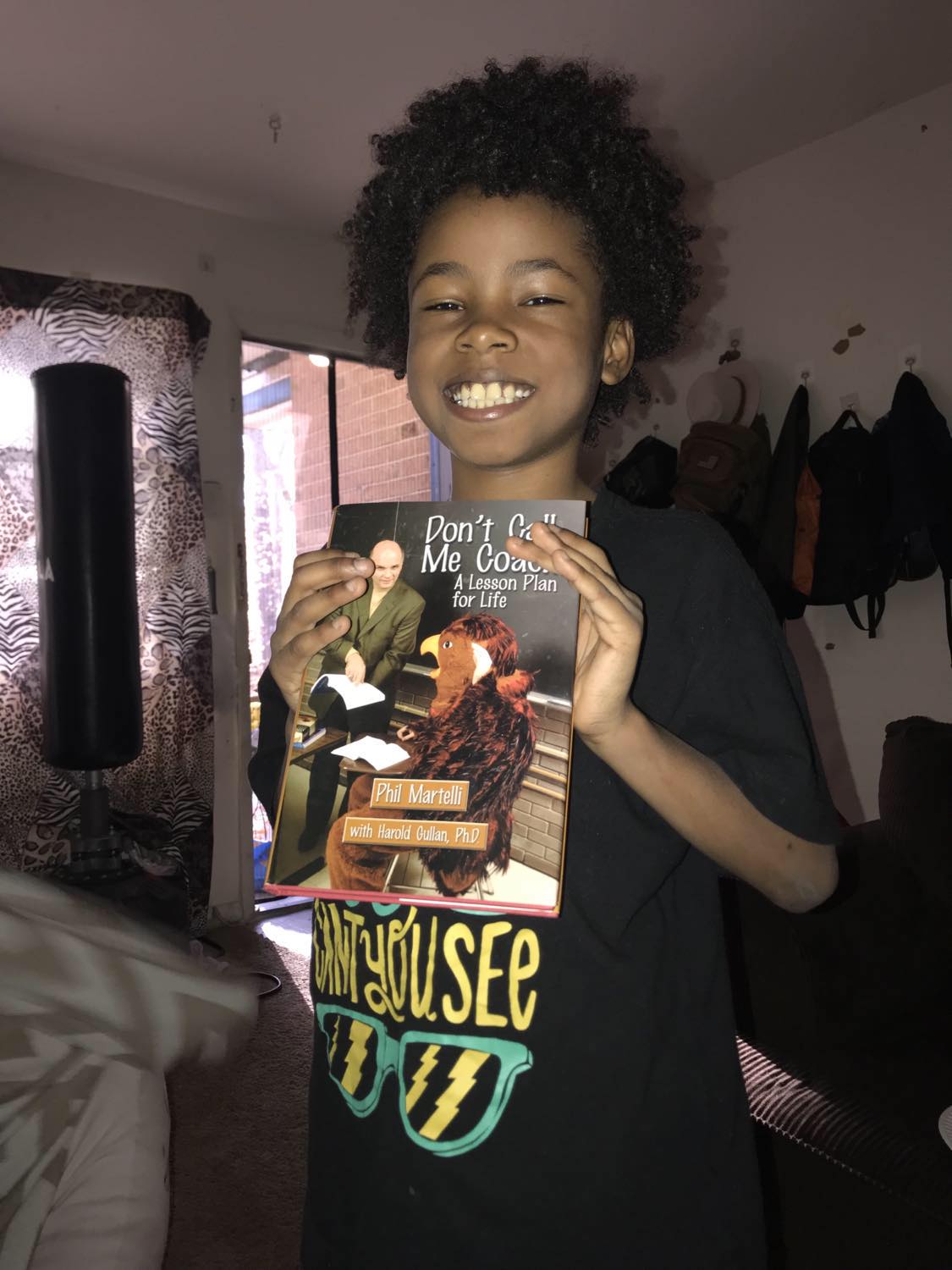
Martelli’s support extends to more structured acts as well. Recently, he provided two young men with copies of his book, Don’t Call Me Coach, as a motivational reward for their academic improvement. These students had struggled, but with encouragement from mentors like Martelli, they are finding their way forward. In one of the most genuine gestures, Martelli talked to these students personally, reinforcing messages of perseverance and focus.

Martelli’s devotion to education, often overshadowed by his coaching accolades, speaks volumes about the values he holds dear. He understands that success in sports is ephemeral, while the foundation of education offers lifelong benefits. In a world where athletic achievement is often elevated above all else, Martelli insists on grounding students in the importance of intellectual development, responsible citizenship, and resilience. His actions are a testament to his belief that education is the surest path to opportunity.

Phil Martelli has coached under the bright lights, from leading St. Joe’s Hawks to NCAA tournaments to helping guide Michigan to new heights. But perhaps his most meaningful victories are the ones that unfold in the quiet moments: a visit to a school, a call to a struggling student, or an unpublicized conversation after a game. Martelli’s legacy as an educator and mentor is a reminder of the role coaches can—and should—play in shaping not only athletes but well-rounded, educated citizens.

As he transitions into a new chapter as a television analyst, his influence extends beyond what audiences see on screen. Martelli’s presence remains felt across Philadelphia’s schools and neighborhoods, where his message resonates: education is the ultimate playbook for success. It is a legacy that transcends his wins and losses, and one that will endure long after the final whistle.

The Holy War: A Big Game for All the Wrong Reasons

PHILADELPHIA, PA – If ever there were a game of consequence for two struggling programs, Tuesday’s Holy War Pillowfight between St. Joseph’s and Villanova is it. Not for the lore, the drama, or the fierce rivalry—this time, it’s about the potential future of two head coaches who’ve found themselves under intensifying scrutiny. St. Joseph’s Billy Lange and Villanova’s Kyle Neptune are on alarmingly shaky ground, with the outcome of this clash potentially determining their fates. And yes, to the fans, it’s a big game—albeit for all the wrong reasons.

The alums, boosters and fans have had enough of this shit…

Kyle Neptune, Villanova Head Coach

Imagine a WWE-style steel cage match between Lange and Neptune with the defeated coach forced to turn in his company car, office keys and bid farewell to his team after the final buzzer. It’s the kind of spectacle that perhaps only wrestling fans could appreciate, yet one that feels uncomfortably close to the current reality for both Lange and Neptune. For the respective fan bases, frustration has given way to calls for change, and patience has long run out. Both fan bases have endured too much for too long.

Lange’s record at St. Joseph’s, a tepid 60-92 (.395) since his hiring in 2019, has turned a proud program into a perennial disappointment. The Hawk faithful yearn for a return to the NCAA tournament. Many express deep skepticism regarding the current coaching staff. The St. Joseph’s message board is rife with calls for Lange’s termination. Things are even worse at Villanova. Neptune, though in his third year, has marginally fared better than Lange with a 37-34 (.521) record. However, he was handed the keys to a Ferrari and it feels like it’s been in the shop since he took over. When introduced at home games, his name is met with full throated Philly boos usually reserved for visiting opponents. For two programs that once routinely inspired confidence, their leaders appear to be hanging by the thinnest of threads, and this season’s start—punctuated by jarring losses in “buy games”—hasn’t helped.

Billy Lange, St. Joseph’s Head Coach

The buy game, a time-honored tradition, serves as a revenue stream for small programs and a quick win for larger ones. Schools like St. Joseph’s and Villanova bring in lesser-known “low major” teams, offering a hefty check, sometimes upwards of $100,000, with the tacit understanding that the visiting team will go home defeated. It’s a system that usually allows for the high-major program to pad its win column while the small school collects its payday.

But that unspoken agreement has been unceremoniously disrupted in Philly. St. Joseph’s invited Central Connecticut State for what was expected to be a routine win at 54th and City Avenue. Instead, the visitor walked away with a victory—and a paycheck. Earlier in the week, Columbia arrived at Finneran Pavillion on the Main Line, handed the Wildcats a stinging defeat, took their check, and headed back up I-95 to Manhattan. What should have been easy victories have turned into humiliating losses, pushing the fan bases to the brink.

And they are fed up. Alumni, supporters, and local fans aren’t willing to watch their schools play the role of gracious hosts handing out both checks and victories to supposedly inferior opponents. This shift from reverence to restlessness is palpable across both programs’ communities. For Lange and Neptune, these losses are not just isolated setbacks but the latest entries in a long list of grievances.

For both coaches, Tuesday’s game is likely to carry more weight than most mid-November matchups. It’s a crossroads: Lose, and they will find themselves with a diminishing number of believers. Crawl out of the steel cage with a win, and perhaps they’ll buy some time. But make no mistake, the scales have tipped. Fans are no longer willing to accept mediocrity from programs that once consistently delivered excellence.

Tuesday’s Holy War Pillowfight will be a spectacle—a big game, indeed, but not for the thrill of victory. For the fans of St. Joseph’s and Villanova, it’s about accountability, about honor, and, perhaps, about the possibility of starting anew.

New Age Isaiah Montgomery: Black MAGA Supporters

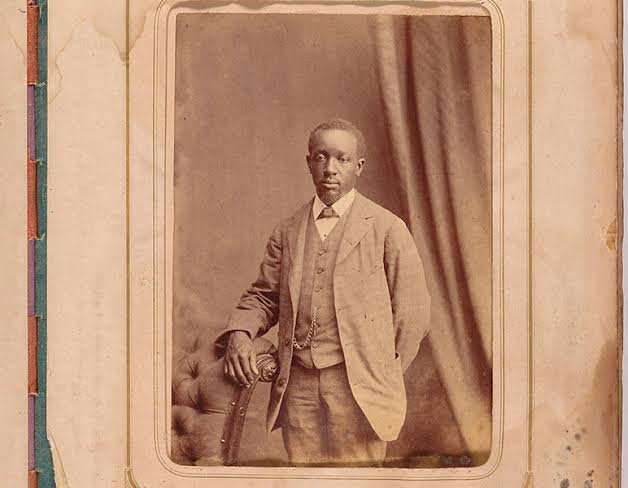
CAMDEN, NJ – In today’s America, as a divided nation navigates the aftermath of Donald Trump’s presidency, Black support for Trump’s MAGA movement has drawn both curiosity and condemnation. Approximately 22 percent of Black men supported Trump in recent elections, a statistic that shocks and confounds many. The reasons are complex, but this phenomenon carries disturbing echoes of a past dilemma once personified by Isaiah Thornton Montgomery, a Black Mississippi leader who, over a century ago, publicly endorsed Black disenfranchisement. While 99.99 percent of Black Americans may have no awareness of Montgomery’s place in history, the eerie parallel to present-day Black MAGA supporters raises troubling questions about compromise, survival, and political self-identity amidst a resurgent wave of White backlash.

The roots of Black conservatism today are as varied as they were in Montgomery’s time. The question, though, is not simply why some Black men align with the MAGA agenda, but whether today’s political landscape is producing contemporary Isaiahs: figures within the Black community who, consciously or unconsciously, may view alignment with right-wing movements as a pragmatic strategy for survival and advancement in an era of unprecedented polarization. With inadequate education around Black history in America’s schools, many Black citizens lack the knowledge to contextualize our current political landscape within the longer arc of racial struggle. Few are aware that today’s MAGA movement fits into a history of White backlash against perceived gains by Black Americans and other marginalized groups.

The similarity with Isaiah T. Montgomery is stark, yet his motivations were distinctly rooted in the brutal world of post-Reconstruction America. Montgomery, founder of the Black community of Mound Bayou and son of an enslaved man-turned-businessman, held an unshakeable belief in Black self-sufficiency. But at the 1890 Mississippi Constitutional Convention, Montgomery shocked the Black community by endorsing provisions like literacy tests and poll taxes, which would bar Black voters from the polls. His reasoning was couched in pragmatism: he argued that appeasing White lawmakers and ceding political ground might allow Black Americans the breathing room to pursue social and economic self-sufficiency without inciting more violent backlash from the White South.

This strategy of appeasement, however, came at a profound cost. By endorsing Black disenfranchisement, Montgomery struck a bargain that some historians argue ultimately weakened the broader fight for Black rights. In his eyes, he may have been choosing a “lesser evil,” hoping to secure a modicum of safety and stability for Black communities. But his compromise helped cement a cycle of disenfranchisement that would haunt Black communities for decades.

Today, MAGA-supporting Black men may claim a similar kind of pragmatism, citing dissatisfaction with Democrats’ failures to deliver economic and social progress and pointing to Trump’s “America First” policies as offering greater personal and economic security. This approach may seem attractive for Black men seeking relief from the relentless churn of systemic racial inequity. Yet we must question whether endorsing a movement openly allied with far-right, White supremacist sentiments—and which has fueled harmful policies on everything from immigration to voting rights—is a sustainable or honorable path forward.

Unlike Montgomery, who likely felt he had no choice but to make a Faustian bargain in a violent, oppressive environment, Black MAGA supporters today choose to align with a movement that has often diminished the Black struggle for justice and equality. That choice, whether motivated by frustration with establishment politics, belief in economic “bootstraps” rhetoric, or disillusionment with the left, serves to reinforce a coalition that has actively suppressed minority voting rights and eroded protections against racial discrimination.

Montgomery’s legacy, for all its flaws, at least left behind a vision of Black self-sufficiency through the community of Mound Bayou. His compromise, though painful, was aimed at preserving a sanctuary for Black Americans to thrive away from hostile White dominance. Black MAGA supporters, on the other hand, stake their political future on a movement that has often used their voices to validate policies that threaten the very social progress on which Black Americans rely.

The alignment of any segment of Black America with the MAGA agenda suggests a critical need for education around this country’s cyclical racial history. The disconnection from history—the “woeful inadequacy” of Black history as it is taught in American schools—prevents a clear understanding of today’s political dynamics as part of a long, repeated arc of White backlash. Without awareness of figures like Montgomery or the political choices forced on Black Americans throughout history, many fail to see how Black support of MAGA could lead to similar long-term disenfranchisement.

To be clear, the issue is not the political party of one’s allegiance, but the agenda one chooses to endorse. Black support for MAGA is not simply a divergence in political opinion; it is a move that could ultimately lend support to a movement in direct opposition to Black political and social progress. In this moment, we need more awareness, more connection to history, and, most crucially, a unified sense of purpose. Rather than aligning with those who would turn back the clock on civil rights and equality, today’s Black Americans should look toward alliances that strengthen—not weaken—the collective foundation of our community.

Isaiah Montgomery’s choices were not ideal, but they are instructive. Let us hope that modern Black MAGA supporters will learn from his compromises and understand that the consequences of such alignment often echo far beyond individual gain, shaping the freedoms—or restrictions—of future generations.

The Miseducation of Black (Democratic) Political Leadership and America’s Enduring Animosity Toward Immigrants

CAMDEN, NJ – As the United States grapples with immigration reform, Democrats—and Black American political leaders in particular—seem fundamentally ill-equipped to recognize a force driving much of the nation’s debate: a deeply embedded and historical animosity toward immigrants. This sentiment, often neglected in our education system, remains a potent force in American politics, one that Republicans have expertly wielded to achieve significant political victories.

America has never fucked with non-Protestant European immigrants.

The 2024 election serves as a recent and stark example. While many on the left advocated for inclusive immigration policies, Republicans, led by President-elect Trump, tapped into the powerful strain of anti-immigrant sentiment woven into the fabric of American society. By adopting a strict posture against “illegal” immigration, Trump’s campaign skillfully activated an underlying hostility that has persisted for centuries. This approach resonated deeply with many Americans, proving politically advantageous despite, or perhaps because of, its divisive nature.

For generations, various immigrant groups have faced prejudice, discrimination, and violence in America. Irish, Italian, and Polish immigrants were among the earliest to endure this treatment in the 19th and early 20th centuries. Irish Catholics, for example, were often viewed as a religious and political threat, accused of being loyal to the Pope rather than the U.S. government. Many Irish immigrants were relegated to low-wage labor, while signs like “No Irish Need Apply” blatantly excluded them from workplaces. Italian immigrants faced racial discrimination, as Southern Italians were frequently seen as “non-white” and associated with criminality. The lynching of eleven Italian men in New Orleans in 1891 exemplified the violence they encountered. Polish immigrants, similarly, faced harsh economic exploitation and religious discrimination, navigating poor working conditions and pervasive anti-Catholic sentiment.

Asian immigrants experienced even harsher exclusionary policies. The Chinese Exclusion Act of 1882 specifically targeted Chinese laborers, barring them from entering the country and making it nearly impossible for Chinese immigrants to achieve citizenship. Japanese immigrants, in turn, faced racist land laws and forced segregation. Anti-Asian prejudice ultimately culminated in the internment of Japanese Americans during World War II, when tens of thousands of U.S. citizens of Japanese descent were stripped of their rights and forced into internment camps.

Despite these enduring struggles, many Americans are educated under the myth of the “melting pot”—the notion that diverse ethnicities can seamlessly blend into a unified, harmonious American society. This idealistic image is built on the assumption that immigrants will eventually assimilate, adopting mainstream American values while contributing their unique perspectives. This myth is repeated in schools as the ultimate American story, obscuring the realities of exclusion, racial discrimination, and social conflict that have long shaped the immigrant experience.

For Black Americans, the miseducation surrounding immigration is compounded by an educational system that frames American history through a Eurocentric lens, omitting or downplaying the discriminatory treatment of immigrants and the struggles of people of color. Many Black leaders, influenced by this same flawed education, may struggle to recognize that the “melting pot” has always had limits. The melting pot framework encourages leaders to advocate for diversity and inclusivity, often at the cost of acknowledging the longstanding antipathy toward immigrants that has pervaded American history.

By contrast, Republicans have astutely identified this antipathy, leveraging it with precision. President-elect Trump and his advisors astutely recognized that a portion of the American public harbors an underlying hostility toward new immigrants, particularly those perceived as “illegal.” This animosity has nothing to do with any single ethnicity or cultural group; rather, it is directed toward the very idea of immigration itself. Trump’s campaign capitalized on this sentiment by framing immigrants as economic competitors or cultural threats, a narrative that resonated in regions where concerns about jobs and cultural change run high.

If the “melting pot” were truly representative of American society, then one might expect Latino and Asian immigrants to show similar sentiments, internalizing an “American” identity that mirrors long-standing anti-immigration attitudes. But the reality is far more complex, with second- and third-generation immigrants often challenging these divisive narratives. This resistance itself demonstrates that the American melting pot has long been an imperfect metaphor—a convenient story rather than an honest representation of a fractured reality.

The time has come for Black political leaders, and Democrats more broadly, to confront this entrenched hostility toward immigrants. American history reveals a pattern of discrimination and exclusion, one that often reemerges when politically expedient. For too long, Black leaders have been shaped by an educational system that fails to equip them with the tools to recognize this reality. Miseducation has, ironically, become an effective means of controlling narratives around immigration and identity.

Recognizing the deeply rooted bias against immigrants is not an endorsement of anti-immigrant sentiment, but a necessary step in addressing it. Until Democrats and Black political leaders can move past the ideals of the melting pot and address the full spectrum of America’s complex and often troubled relationship with immigration, they will remain vulnerable to the political forces that skillfully exploit these divisions. If Democrats hope to counteract the appeal of anti-immigrant policies, they must confront the miseducation that has hindered their ability to see what Republicans have long understood: that in the United States, immigrant acceptance has always been more aspiration than reality.

American Democracy: Trump’s Victory and the Complex Legacy of Equality and Exclusion

CAMDEN, NJ – In the early hours of Wednesday morning, Americans awoke to news that Donald Trump had been re-elected as president in a hard-fought campaign. Once again, the peaceful transfer of power through a free and fair election reinforced a hallmark of the American experiment: a democracy, as James Madison wrote, that preserves the “spirit and form” of governance by the people. To many, particularly Black Americans and communities historically marginalized, Trump’s victory reads as an existential threat to American democracy as they know it. But the prevailing narrative that American political culture has been a pristine example of democracy in world history—one that safeguards freedom for all—is, and always has been, incomplete.

America’s democracy has endured in form, but the substance of that democracy has always been as much shaped by exclusionary ideologies—racism, sexism, xenophobia—as by the ideal of equality. These dual forces have existed side by side since the nation’s founding, influencing not only who participates in politics but the very values that American governance upholds. With that reality in mind, perhaps it’s worth reframing what some see as the potential “end” of American democracy. While the Civil Rights Era may have come to a symbolic close last night, democracy in its original, sometimes mercilessly exclusive form, will likely persist, even flourish.

American democracy, founded in ideals of freedom and representative government, was also founded as a racial and gendered hierarchy. For nearly two centuries, the racist/white supremacist system with procedurally democratic features held firm, enshrining the values of White male property owners while excluding millions based on race, nationality, and gender. Women, enslaved Black Americans, Indigenous peoples, and other minorities were systematically denied full participation in what was nonetheless celebrated as a bastion of democratic governance. From its birth, America’s so-called democracy was a profoundly unequal system, designed for the enfranchisement and empowerment of a narrow group of wealthy, White men.

When the Founders issued their declaration of freedom to the British crown, declaring “all men are created equal,” they carved out that declaration to serve a select few. This sentiment laid the groundwork for a nation that would go on to build institutions catering to the privilege of a specific demographic. A revolution against monarchy and aristocracy—yes. But a democracy for all? Hardly. While revolutionary in comparison to European monarchies, America’s democratic spirit came bound with the chains of slavery, the forced dispossession of Native lands and rigid exclusion of women.

This enduring myth—that America has always stood as a beacon of equality—feeds a dangerous misperception. Many Black Americans fearing democracy’s end in light of Trump’s return are responding to a version of history that never fully included them. The American education system has long centered its lessons on the actions of wealthy, White Protestant men, pushing the contributions and sacrifices of Black Americans, Indigenous peoples, women, and other marginalized groups to the periphery. This has cultivated an understanding of democracy as a singular narrative of freedom and progress when, in reality, it is a deeply divided one.

To critique America’s selective version of democracy is not to minimize the contributions of Founders like Jefferson, Adams, Washington, and Franklin. Nor is it an appeal to disparage the “MAGA” movement’s resurgence. Rather, it is a call to recognize that America’s political culture is far more complex than the sanitized version we’ve long been taught. The stark reality is that racism, sexism, and xenophobia are as American as baseball, apple pie and hip-hop. These inegalitarian ideologies are as deeply ingrained in our political fabric as any notion of liberty. For nearly two centuries, America was considered a democracy while enslaving millions on armed labor camps, slaughtering and forcibly removing surviving Native Americans, and rigidly upholding an Apartheid/Jim Crow segregation system. Rest assured that American democracy, at least in “spirit and form,” will endure through the next four years and beyond.

True, the election of Donald Trump may well signal the end of the Civil Rights Era’s vision of democracy, but that vision is only a recent addition to American life. The structures that enabled the original version of democracy to exist—and indeed, thrive—in the face of brutality and exclusion still stand. To reclassify our current system as anything but democracy would require rethinking the foundational structures laid by the Founding Fathers themselves. We would have to classify Washington, Jefferson, Adams and Madison as antidemocratic.  That is a project that, for now, remains highly unlikely. 

Instead, it is up to Black educators, leaders, and all Americans who see through the myth to challenge the dominant historical narratives. An education system grounded in truth, not legend, will better serve our future generations. It will equip them to recognize the contradictions and complexities that define American political culture—a democracy that has always held equality and exclusion in uneasy balance.