I got a text from former Phil Martelli this afternoon. For the better part of two decades, Martelli and I have maintained an ongoing dialogue surrounding the future of what used to be considered amateur basketball in the United States. We both lament the fact that college, high school and AAU/grassroots basketball at the highest levels have crossed the rubicon and can no longer be consider purely amateur endeavors. The text consisted of a link to a movie trailer to a documentary, “THE SPOILS”, I had never heard of.
After watching the trailer, I understood exactly why Martelli sent me the link. He knew this was a film I had to see.
“THE SPOILS” is a groundbreaking and illuminating documentary that every basketball enthusiast, parent, and coach must watch. This remarkable film, which follows the esteemed Compton Magic AAU/grassroots program over a decade, offers an unparalleled and deeply insightful exploration into the transformation of youth basketball in America into a colossal business enterprise.
Directed by the visionary filmmaker Future, Mike Nicoll, “THE SPOILS” delves into the heart of the American basketball industrial complex, revealing the intricate and often shadowy financial systems that have taken root in AAU and grassroots basketball. Through the eyes of Etop Udo-Ema, the passionate Co-Founder and CEO of the Compton Magic, viewers are treated to an honest and compelling narrative that sheds light on the raw capitalism driving the sport.
The documentary’s unprecedented access to the inner workings of this financial behemoth is nothing short of extraordinary. Future masterfully unravels the various elements that contribute to the commercialization of youth basketball, providing a first-hand examination of how the industry identifies, anoints, and monetizes the next generation of superstars. The film’s candid portrayal of the relentless pursuit of “The Next LeBron” is both eye-opening and thought-provoking.
“THE SPOILS” is more than just a documentary; it is a vital resource for parents of talented high school basketball players. It offers a critical perspective on the summer circuits sponsored by major shoe companies like Adidas, Nike, Under Armour, and Puma. By highlighting the stakes, pressures, and opportunities within this high-stakes environment, the film equips parents with the knowledge they need to navigate their children’s journeys in the world of competitive basketball.
In conclusion, “THE SPOILS” is a masterclass in documentary filmmaking. It captivates, educates, and inspires, all while offering a sobering look at the commercialization of youth sports. This film is an absolute must-watch for anyone connected to the world of basketball, from aspiring players and their families to coaches and fans. “THE SPOILS” is a true cinematic triumph that will leave a lasting impact on its audience.
To watch this magnificent film click the link below.
The concept of the “Great White Hope” emerged in the early 20th century against the backdrop of pervasive racism and white supremacy in the United States. This term, deeply rooted in the Apartheid-like dynamics of the era, was first coined in 1911 when Jack Johnson, the first Black heavyweight champion, seemed unbeatable by any white boxer. The term encapsulated the desperation and determination of white America to see a white champion reclaim the title from Johnson, symbolizing a broader desire to restore racial hierarchies disrupted by Johnson’s dominance.
A century later, we are witnessing he re-emergence of the concept as the flames of American racism/white supremacy are raging once again. WNBA rookie sensation Caitlin Clark is carrying the desperation and determination of white America to see a white, heterosexual woman basketball player from the Midwest anointed as the very best the sport has to offer. The immense popularity of Clark among white fans is indicative of her exceptional shooting ability and a yearning to restore white athletic hegemony disrupted by the dismantling of Jim Crow/Apartheid over the past half century.
Historical Context of Racism and White Supremacy In the early 1900s, the United States was steeped in racial discrimination and segregation, epitomized by the Jim Crow/Apartheid laws that rigidly enforced racial segregation in the throughout much of the United States. Jim Crow/Apartheid emerged in response to social, political, economic and educational gains Blacks made during the Reconstruction Era immediately following the Civil War. These laws, upheld by the infamous Plessy v. Ferguson Supreme Court decision in 1896, institutionalized the doctrine of “separate but equal,” which, in practice, meant systemic disenfranchisement and oppression of African Americans. In this climate, sports were not exempt from the pervasive racial attitudes of the time. Boxing, like many other sports, was segregated, with Black athletes often denied opportunities to compete against their white counterparts.
In 2007, Don Imus called the Rutgers Womens Basketball team “nappy-headed hoes” on air.
In the early 2000s, we are in the midst of an intense white backlash. Also known as white rage, this is the negative response from some white individuals to the racial progress and advancements made by Black and other minority groups, particularly in terms of rights, economic opportunities, and cultural or political influence. This phenomenon is often tied to the politics of white grievance, where the progress of minority groups is perceived as a threat to the historical power and privilege held by white individuals under slavery/Jim Crow/Apartheid social orders. Emerging most prominently following the Civil Rights Movement, white backlash manifests as a reaction against the strides made by previously oppressed groups, including their pursuit of equality and self-determination. Additionally, it encompasses a particularly visceral negative reaction from some white Americans when confronted with examinations of their own white privilege, further highlighting the resistance to acknowledging and addressing systemic racial inequalities.
Jack Johnson, first black world heavyweight boxing champion (1908–1915).
Jack Johnson’s Reign and the Search for the “Great White Hope” Jack Johnson’s rise to the heavyweight championship in 1908 was a significant challenge to the racial status quo. Johnson’s prowess in the ring and his flamboyant lifestyle, including his relationships with white women, provoked outrage among white Americans. His dominance in a sport long seen as a bastion of white masculinity was perceived as a direct threat to white supremacy. As Johnson successfully defended his title against a series of white challengers, the anxiety and desperation among white boxing fans grew.
Jim Jeffries (l) and Jack Johnson (r)
The term “Great White Hope” was coined in this context, reflecting the hopes pinned on a white boxer who could dethrone Johnson and restore the racial order. The most famous of these challengers was James J. Jeffries, a former heavyweight champion coaxed out of retirement in 1910 to fight Johnson. Promoted as the “Hope of the White Race,” Jeffries was defeated by Johnson in a match that further inflamed racial tensions and led to race riots across the United States.
Caitlin Clark, the new “Great White Hope” The dominance of Dawn Staley’s predominantly Black South Carolina Gamecocks along with the emergence of Angel Reese as a brash, confident cultural icon among Black women and girls poses a significant challenge to those seeking to re-establish a white supremacist status quo. Reese’s production on the court, immense popularity in the worlds of fashion and hip hip culture provoke intense rage among right wing sports commentators. The dominance of Staley and Reese has been perceived as a threat to white supremacy. As Staley and Reese continued to win at the collegiate level and exemplify “Black Girl Magic,” perturbation and despondency among white basketball fans grew.
Enter Caitlin Clark, a white, heterosexual woman from the midwest playing for a very good predominantly white Iowa team… In college, she looked fearless on the floor and played under control. Against college players, Clark was able to get virtually any shot she wanted. Teams were completely focused on her defensively, rotating different players at her, so she was always under pressure and still found a way to hit difficult shots every game. She moved well without the ball, had great footwork when coming off screens and was always ready to shoot. The hope was that Clark and Iowa could somehow dethrone Staley’s Gamecocks.
Naaaaaah…
But, a the professional level, Clark has emerged as contemporary”Great White Hope.” This cultural revival of the term has extended its definition beyond boxing to women’s basketball. For millions of white American sports fans, Clark represents a highly skilled heterosexual white female challenger in a sport dominated by non-whites.
Broader Implications and Modern Usage The enduring legacy and applicability of the “Great White Hope” concept speaks to the persistent undercurrents of racial bias in sports and society. Even as overt racism has become less socially acceptable, the term’s occasional modern usage reveals lingering prejudices and the pressure placed on white athletes in sports dominated by Black athletes. It also highlights the complex interplay between race, sports, and societal expectations.
Near the end of the championship game in 2023, Angel Reese waved her hand in front of her face, stared at Iowa guard Caitlin Clark and pointed toward her ring finger. One week earlier, after nailing a three at the end of the game against Louisville to cap off a 41 point, 12 assist and 10 rebound triple-double, Clark gave Hailey Van Lith her “you can’t see me” gesture.
Two All-Americans… Same gesture… On week apart.
One week apart, two All-American players in the heat of fierce competition celebrated by talkin’ shit. That’s what ballers do… They talk shit!
But… Reese is Black and Clark is white.
Hence, Clark was celebrated and praised. She’s fierce… She’s an intense competitor…
One week later, when Reese mimicked Clark and let the Iowa star know “you can’t see me,” it sparked outrage in sports around the world. And the 20-year-old young Black woman who led her school to its first-ever championship was called classless, ghetto, and a thug by some of the most prominent white men in sports media.
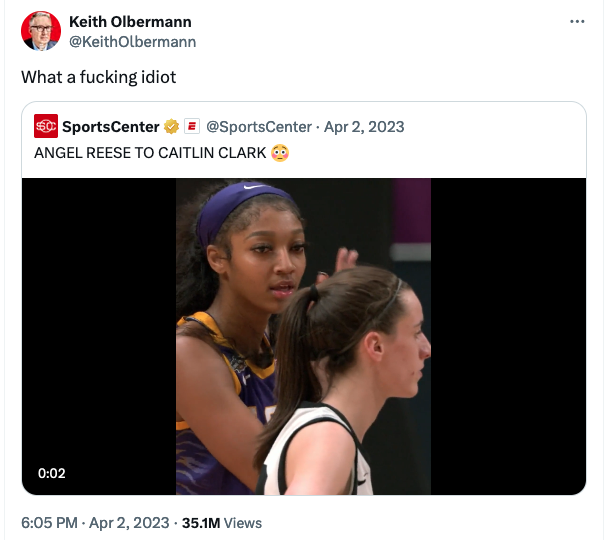
In a post that has reached over 79 million viewers, Barstool Sports Dave Portnoy call young Ms. Reese a “Classless piece of shit.” Keith Olberman, formerly of ESPN and NBC labeled a Reese “a fucking idiot.” Olbermann’s post has been viewed over 35 million times.
In contemporary times, the conversation around race and sports has evolved, but the echoes of the “Great White Hope” mentality can still be observed. The term serves as a reminder of a period when sports were not just about athletic prowess but also about racial pride and prejudice. Understanding this historical context is crucial in recognizing how far society has come and how much further it needs to go in achieving true racial equality in all spheres of life, including sports.
When asked about the “you can’t see me” gesture after the game, Reese defended her response and stated, “All year, I was critiqued for who I was. I don’t fit the narrative. I don’t fit the box that ya’ll want me to be in. I’m too ‘hood. I’m too ghetto. Ya’ll told me that all year.,” Then in reference to Clark, she added, “When other people do it, ya’ll don’t say nothing. So, this is for the girls that look like me. For those that want to speak up for what they believe in. It’s unapologetically you.”
No lies detected…
Conclusion The concept of the “Great White Hope” emerged from a specific historical context marked by intense racism and the desire to maintain white supremacy. Jack Johnson’s success as a Black heavyweight champion challenged these societal norms, prompting the search for a white boxer who could restore the perceived racial order. Today, Caitlin Clark has been charged with the immense task of restoring some sort of racial order to the world of women’s basketball. While the term has evolved and broadened in its application, its origins and continued relevance underscore the deep-seated racial dynamics that have historically shaped, and continue to influence, the world of sports.
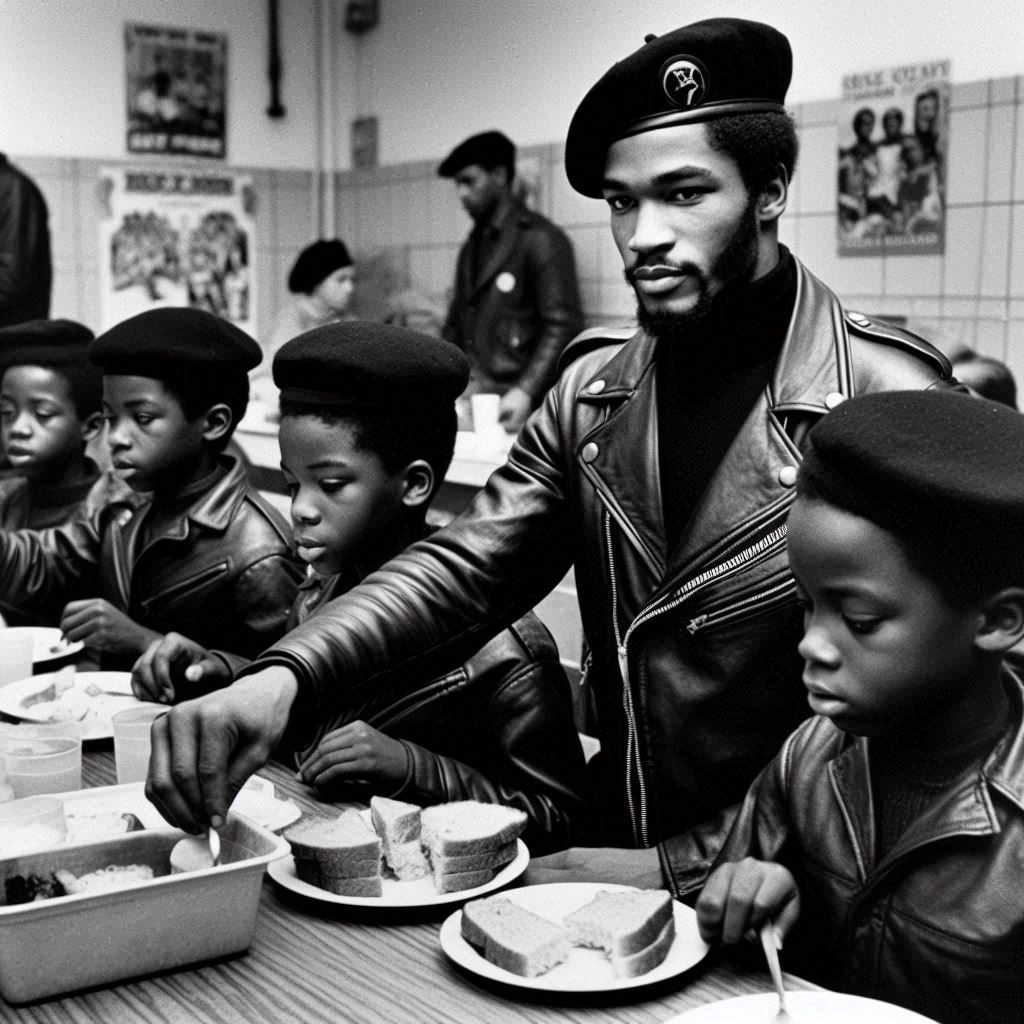
Understanding the evolution of Black political thought in America is crucial for Black youth for several compelling reasons. It provides historical context, fosters critical thinking, nurtures a sense of identity and empowerment, and equips them to navigate and challenge contemporary social and political issues. The current right wing assault on critical race theory (CRT), often misrepresented and maligned, poses a significant threat to the dissemination of this important historical information.
Historical Context and Awareness
Recognizing Struggles and Achievements: Knowledge of the evolution of Black political thought allows Black youth to understand the historical struggles and achievements of African Americans. This includes the fight against slavery, segregation, and systemic racism, as well as the contributions of Black leaders, activists, and intellectuals. This historical awareness is vital for comprehending the context of present-day social and political dynamics.
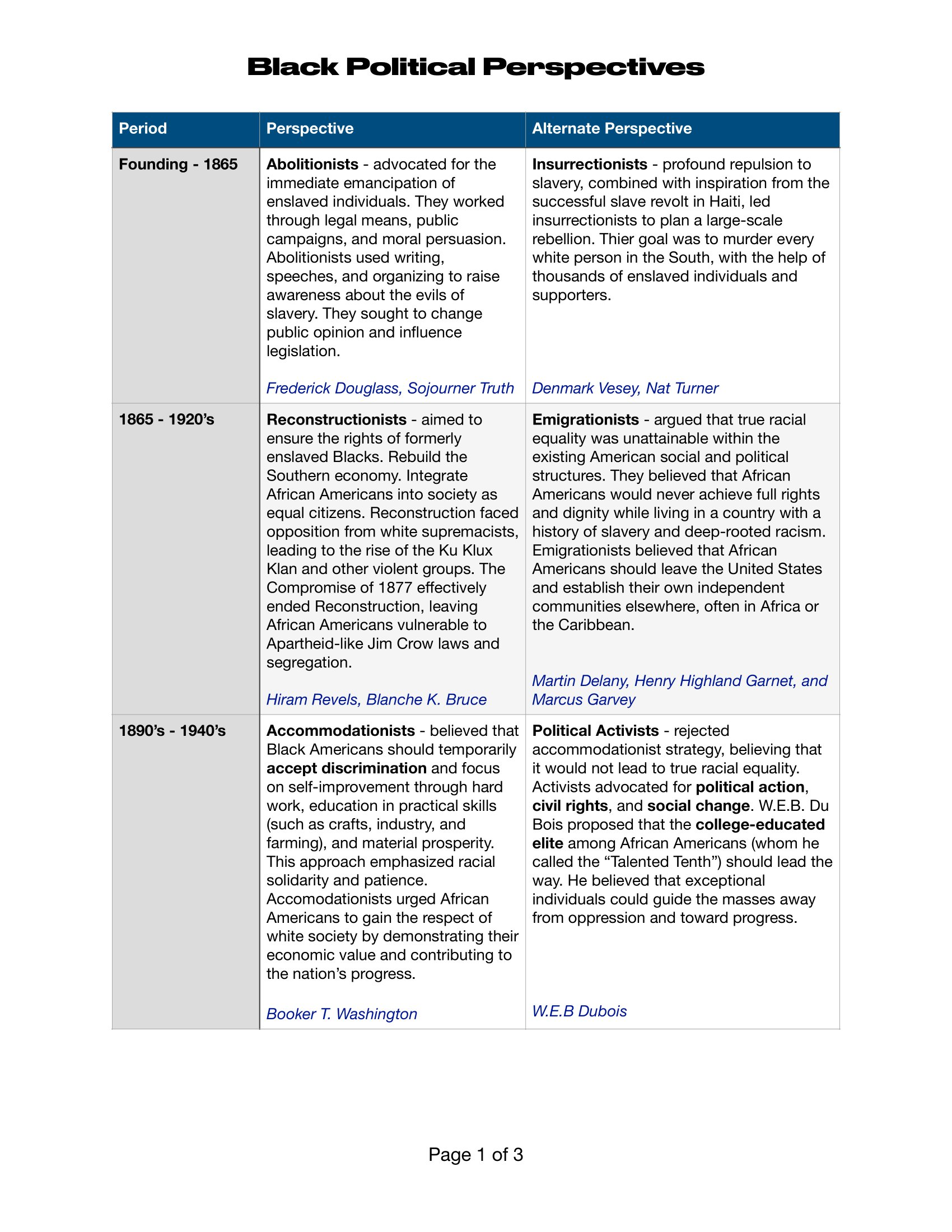
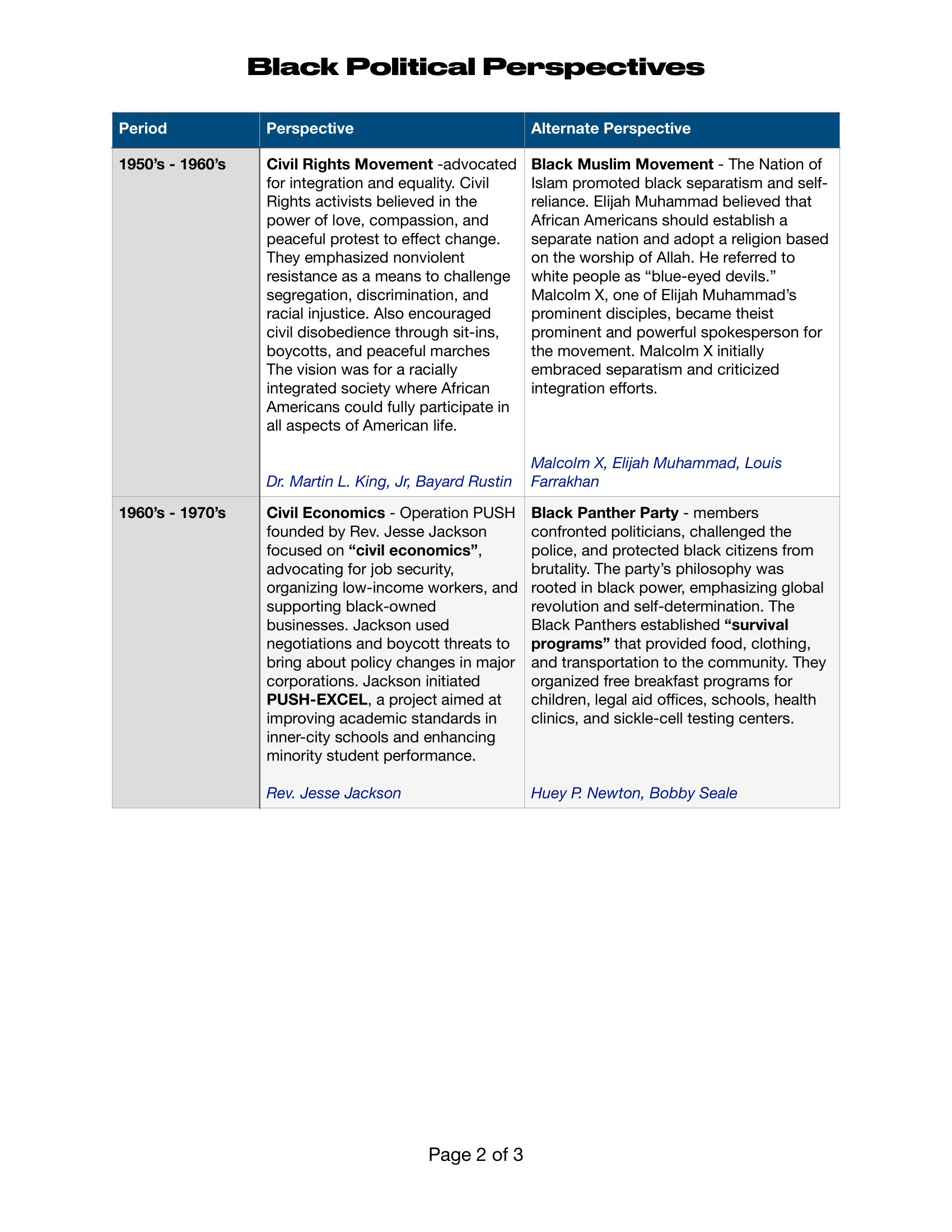
Understanding Diverse Perspectives: The landscape of Black political thought is diverse, encompassing various ideologies from Black Conservatism to Black Nationalism, from Civil Rights to Black Power movements and from Abolitionist movements to Insurrectionist movements. Familiarity with these different perspectives helps Black youth appreciate the unique complexity and richness of their heritage and the multiple pathways through which their ancestors sought justice and equality.
Fostering Critical Thinking
Analyzing Contrasting Views: Engaging with the ideas of thinkers like Nat Turner, Frederick Douglass, W.E.B. DuBois, Booker T. Washington, Thomas Sowell, Shelby Steele, and Walter Williams, alongside those of Black Lives Matter and other contemporary movements, encourages critical thinking. Black youth can learn to analyze, compare, and contrast different viewpoints, fostering a deeper understanding of political and social issues.
Developing Informed Opinions: By studying the evolution of Black political thought, Black youth are better equipped to form their own informed opinions about current issues. This includes understanding the historical roots of systemic racism, the debates surrounding economic policies, and the various approaches to achieving social justice.
Identity and Empowerment
Building a Sense of Identity: Knowledge of their history and the intellectual legacy of their forebears helps Black youth build a strong sense of identity and pride. It affirms their place in the American narrative and highlights the resilience and contributions of their community.
Empowerment Through Knowledge: Understanding the struggles and achievements of past generations can be empowering. It provides Black youth with role models and a sense of continuity, motivating them to engage in activism, leadership, and efforts to bring about positive change in their communities.
Navigating Contemporary Issues
Addressing Systemic Challenges: The historical and theoretical frameworks provided by Black political thought are essential tools for understanding and addressing contemporary issues such as police brutality, economic inequality, and educational disparities. These frameworks offer insights into the root causes of these problems and potential strategies for overcoming them.
Resisting Misrepresentation: The current assault on CRT often involves misrepresenting it as an anti-American ideology. In reality, CRT and the broader study of Black political thought provide critical analyses of American history and society, essential for a comprehensive education. By understanding these ideas, Black youth can better resist and challenge attempts to restrict or distort their history and the ongoing struggle for justice.
Countering the Assault on Critical Race Theory
The Importance of Accurate Historical Education: The misrepresentation of CRT as a divisive or harmful ideology is a red herring that distracts from its true purpose: to critically examine and understand the role of race and racism in shaping American society. Restricting the teaching of CRT and related historical content deprives Black youth of crucial knowledge and undermines efforts to create an informed and equitable society.
Advocating for Comprehensive Curriculum: Ensuring that Black youth have access to a comprehensive and accurate curriculum that includes the evolution of Black political thought is essential. This not only fosters a more inclusive education system but also prepares all students to engage thoughtfully and empathetically with issues of race and social justice.
In conclusion, more than ever before, it is vital for Black youth to know and understand the evolution of Black political thought in America. This knowledge enriches their historical awareness, fosters critical thinking, nurtures their sense of identity, empowers them to address contemporary challenges, and equips them to counter efforts to misrepresent and restrict their history. Ensuring access to this important information is a crucial step towards a more just and informed society
PHILADELPHIA, PA – May 14, 2024 – The world of college basketball scholarships has undergone a seismic shift in recent years, and the epicenter of this transformation lies in the transfer portal. Once a mere footnote in the recruiting process, the transfer portal has now become a game-changer, reshaping the landscape for both high school prospects and college coaches.
The Transfer Portal: A New Frontier
Imagine a bustling marketplace where athletes can freely explore their options, unshackled by the traditional constraints of commitment. That’s the transfer portal—a digital agora where players can test the waters, seek greener pastures, and redefine their collegiate destinies. No longer bound by the rigid boundaries of their initial commitment, student-athletes can now move with unprecedented fluidity.
The Recruiting Dance: A New Choreography
For college coaches, the transfer portal has rewritten the recruiting playbook. Gone are the days when coaches could meticulously court high school phenoms, nurturing them from raw talent to polished stars. Instead, they find themselves wading through a sea of experienced players who have already tasted the college game. These transfer prospects arrive battle-tested, their skills honed in the crucible of actual competition.
The Second (and Third) Act
In this new era, players transferring for the second or even third time are no longer outliers—they’re the norm. The transfer portal grants immediate eligibility, allowing these seasoned athletes to step onto the court without missing a beat. Their maturity, physicality, and court awareness make them coveted assets for college programs hungry for instant impact.
The High School Dilemma
But what of the high school prospects—the fresh-faced dreamers who once held the keys to college basketball scholarships? Their path has grown rockier. With more than 2,000 transfer prospects flooding the market, coaches now have a buffet of options. Why invest in an untested high schooler when a battle-tested transfer is readily available?
The Numbers Don’t Lie
Let’s crunch the numbers. In the Big Ten alone, 79 scholarship players entered the transfer portal during the recent window. These weren’t just fringe players; some were major contributors. The transfer frenzy has left high school recruits jostling for attention, their star potential overshadowed by the allure of experience.
The Way Forward
As we navigate this brave new world, we must strike a balance. Yes, the transfer portal offers exciting opportunities for athletes seeking fresh starts. But let’s not forget the magic of discovering raw talent—the high school kid with fire in their eyes, dreaming of cutting down nets. College coaches, take heed: The next superstar might still be shooting hoops in a high school gym.
In the end, the transfer portal isn’t the villain—it’s the catalyst for change. As we recalibrate our expectations, let’s remember that every journey begins somewhere. Perhaps, just perhaps, the next college basketball legend is dribbling a ball on a high school court, waiting for their chance to shine.
High School Live Periods
In the world of college basketball recruiting, there remain High School Live Periods when coaches focus their attention on high school prospects. These critical junctures allow coaches to assess both academic qualifications and playing ability. Among these periods, two specific windows stand out: June 21-23 and June 28-30. During these six days, Division 1 college coaches engage in off-campus activities to evaluate prospective student-athletes. Importantly, no in-person, off-campus recruiting contacts occur during these evaluation periods.
Black Cager Pre-Live Summer Classic
The Philadelphia/Camden region boasts one of the nation’s premier live events for high school prospects: “Philly Live.” Hundreds of Division I college coaches converge on Philadelphia annually to scout local talent. For high school coaches, participation in Philly Live has become essential—a strategic move to position their players for basketball scholarships. But there’s more: the Black Cager Pre-Live Summer Classic, taking place on June 15th and 16th, offers an additional opportunity. This event allows coaches to “warm up” their teams with two highly competitive games, closely mirroring the actual live period. Coaches can analyze game footage from these matchups to prepare for the high school live period.
While Division I coaches cannot attend the Black Cager Summer Classic, hundreds of small college coaches do. NAIA, Division II, and Division III coaches actively recruit players at Black Cager events. For high school coaches aiming to help their players secure college scholarships, participating in Black Cager tournaments is a strategic move that pays huge dividends. It’s an opportunity to showcase talent, build connections, and open doors for aspiring student-athletes. So, as the calendar turns to those crucial June days, the basketball world watches, and high school coaches seize their limited opportunities to shape the future of the game for the young men in their respective programs.
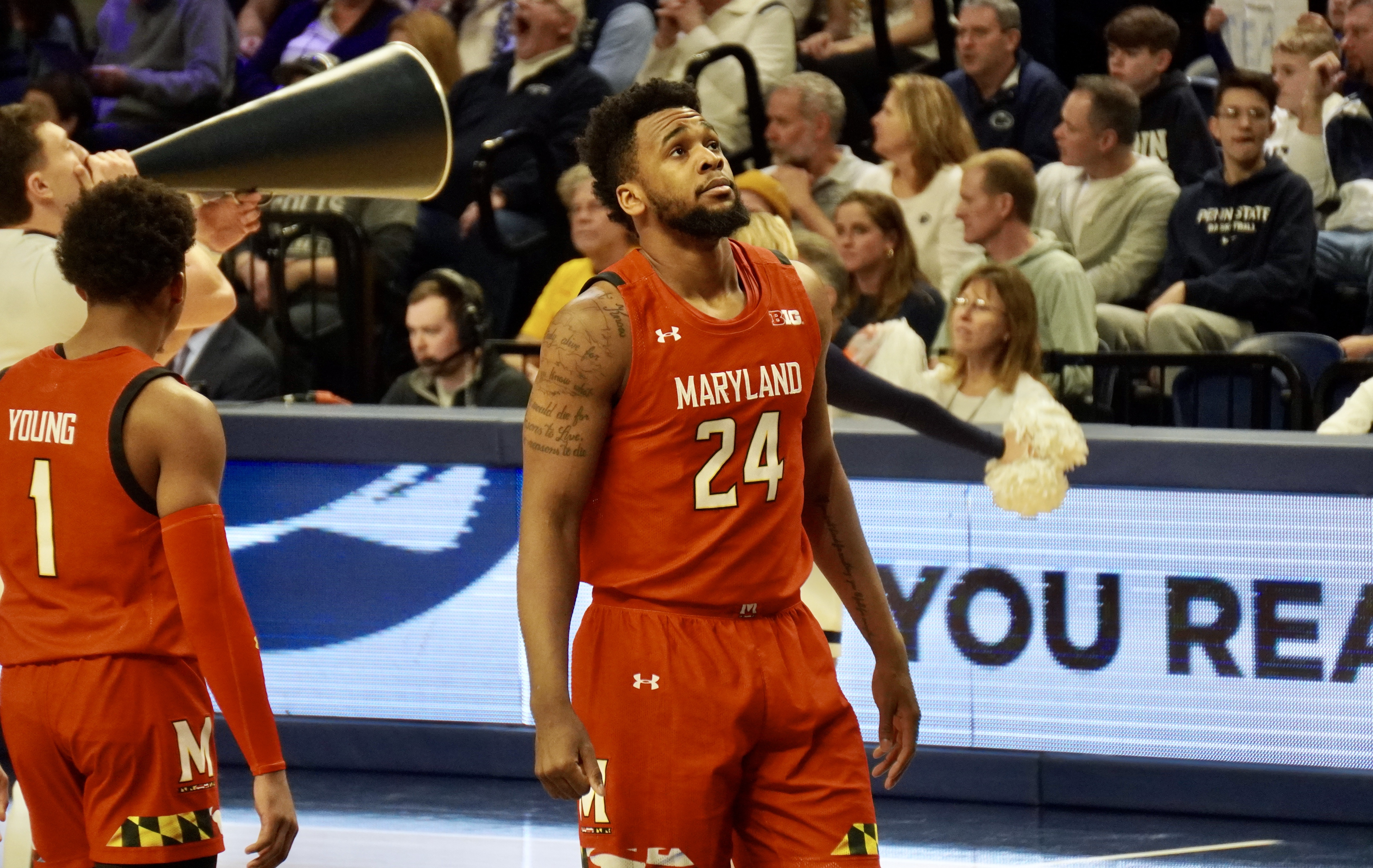
As I prepare to graduate this month, I find myself reflecting on my incredible journey at the University of Maryland. It’s hard to believe that just a few years ago, I arrived in College Park as a shy young man with a learning disability. I spent much of my elementary and middle school years struggling to adjust to school. Basketball became my way up and out of Norristown, PA. Basketball led me to Coach Andre Noble and Imhotep Charter High School where I learned how to learn. Today, I stand before you as a college graduate, a published author, and the all-time leader in basketball games played in a Terrapin uniform. This transformation wouldn’t have been possible without the unwavering support of this community.
First and foremost, I want to express my sincere gratitude to the Maryland basketball fanbase. Your prayers and encouragement during our most challenging times meant the world to me and my family. When our home was flooded out, you rallied together, raising over $60,000 to ensure that my mother and siblings could relocate. Your kindness and generosity touched our hearts, and we will forever be grateful.
Throughout my time here, I had the privilege of playing for three different coaches: Mark Turgeon, Danny Manning, and Kevin Willard. While coaching changes can be unsettling for players, I never once considered transferring. Why? Because I knew that my place was right here in College Park. Thousands of college basketball players enter the transfer portal each year, seeking greener pastures elsewhere. But for me, there was no place I’d rather be than wearing the red, black, and gold of the Terps.
As I step off the court and into the next chapter of my life, I carry with me the memories, friendships, and life lessons that this university has given me. My book, WIRED DIFFERENTLY: My School Journey, chronicles my K-12 educational experience as a student who learned differently. It’s a testament to the power of perseverance, resilience, and the unwavering support of a community that believed in me.
To my teammates, coaches, professors, and fellow students: thank you for shaping me into the person I am today. I am proud to be a Terp for life, and I will continue to carry the spirit of Maryland with me wherever I go.
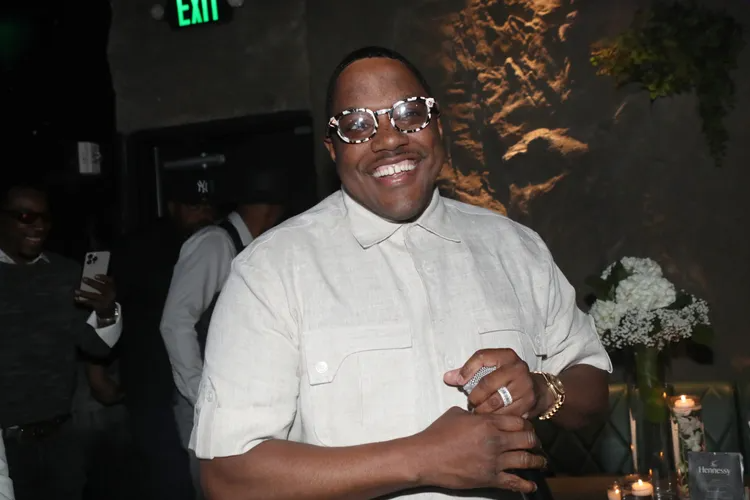
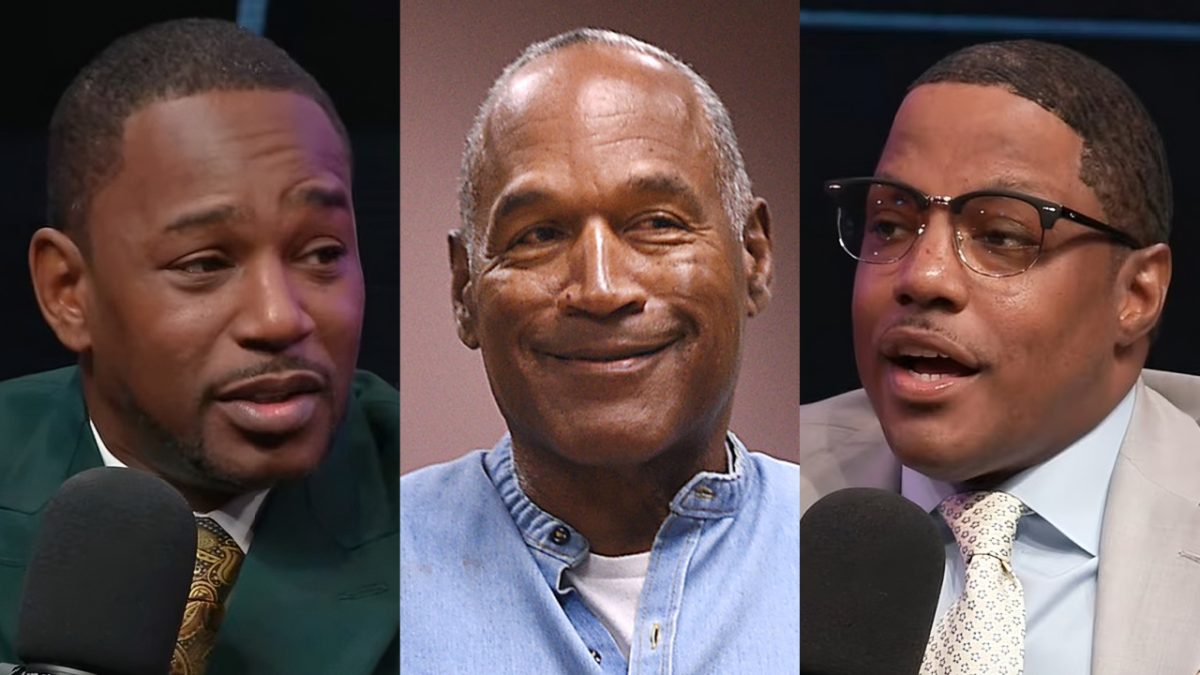
In a sports media landscape dominated by conventional narratives and mainstream perspectives, the emergence of Cameron Giles and Mason Bethea’s sports talk show “It Is What It Is” marks a pivotal moment in media representation. Their unapologetically Black platform has provided a voice to urban communities, offering authentic analysis and commentary on professional and collegiate sports. Moreover, their decision to reintroduce the great Heisman winner and Hall of Fame running back O.J. Simpson as a football analyst on a national media platform was a commendable act of inclusivity and fairness.
Cameron Giles, “It Is What It Is”
Plainly stated, Cam and Mase are some “real niggas.”
Firstly, it’s crucial to acknowledge the significance of Cameron Giles, better known as Cam’ron, and Mason Bethea, known as Mase, in reshaping the media landscape. Through “It Is What It Is,” they have shattered stereotypes and provided a space for genuine dialogue, reflecting the diverse perspectives within the Black community. By addressing sports from an urban Black male perspective, they have filled a void in the media that was long overdue for recognition. Their decision to hire O.J. Simpson as a professional football analyst on their platform is particularly noteworthy. Despite Simpson’s controversial past, including his acquittal of all charges related to the deaths of his ex-wife Nicole Brown Simpson and her friend Ron Goldman, he remains a figure of interest and relevance in the sports world. However, mainstream media outlets had long ostracized Simpson, effectively silencing his voice.
Mason Bethea, “It Is What It Is”
The white controlled media totally discarded the Juice… They didn’t fuck with him at all.
Giles and Bethea’s willingness to challenge this status quo and provide Simpson with a platform to share his insights demonstrates an honorable commitment to fairness and inclusivity. In doing so, they have acknowledged the complexities of Simpson’s legacy while affirming his right to participate in public discourse. By offering viewers an uncensored and unfiltered perspective, “It Is What It Is” continues to push boundaries and redefine norms in sports media.
Moreover, the decision to feature Simpson aligns with the ethos of their show, which prioritizes authenticity and honesty above all else. Urban Black males, a demographic often marginalized in mainstream media, have historically maintained a connection with Simpson that transcends his controversial past. By recognizing this connection and embracing Simpson as a contributor, Giles and Bethea have reaffirmed their commitment to representing the diverse experiences within their community.
In conclusion, Cameron Giles and Mason Bethea’s “It Is What It Is” serves as a beacon of inclusion and authenticity in the media landscape. By providing a platform for unfiltered dialogue and diverse perspectives, they have challenged conventional narratives and empowered marginalized communities. Their decision to reintroduce O.J. Simpson as a football analyst reflects their commitment to fairness and inclusivity, while also acknowledging the complexities of his legacy. As we celebrate their contributions to sports media, we must also recognize the broader impact of their work in promoting diversity and representation.
Join us on the Black Cager Sports Talk Show as we delve into the electrifying journey of Ahmad Nowell, the shining star of Philadelphia’s scholastic basketball scene. Fresh off his stellar career at Imhotep Charter and committed to UCONN, Nowell sits down for an exclusive interview alongside his mentor Tasheed Carr, only on Black Cager Sports.
Ahmad Nowell isn’t just another high school phenom; he’s a symbol of resilience and determination. With an impressive three consecutive Public League, District 12, and PIAA State Championships, Nowell’s name is etched in the history books of Philadelphia high school basketball. But his success isn’t merely a result of talent—it’s a testament to his relentless dedication and hunger for excellence. Under the mentorship of Tasheed Carr, Nowell has honed his skills to perfection. For over six years, they’ve embarked on a journey of relentless pursuit, setting Nowell apart from his competitors. Nowell’s rise to prominence isn’t just about the roar of the crowd or championship rings—it’s about unwavering determination and an unparalleled work ethic.
But what sets Nowell apart on the court? He’s not just an athletic point guard; he’s a strategic mastermind with impeccable scoring instincts. With the physique of an SEC safety and the craftiness of a seasoned ballhandler, Nowell dominates on both ends of the court. His ability to finish with finesse around the basket, coupled with his deadly midrange game, makes him a force to be reckoned with. But it’s not just about what Nowell does on the court; it’s about his character and leadership off it. He’s a team player with exceptional court vision, and his defensive prowess is second to none. Nowell isn’t just chasing greatness on the court; he’s embodying it in every aspect of his life.
Join us on the Black Cager Sports Talk Show as Nowell and Carr share their journey to success. Discover how hard work, dedication, and a commitment to excellence have propelled Nowell to the brink of greatness. Don’t miss out on this exclusive interview—tune in and witness the story behind the legend!
Sponsored by Philadelphia Youth Basketball and Next Step Vocational Services.
Suspend logic for a moment… Imagine… somehow, someway… In the heart of Camden, where basketball is akin to religion, a peculiar and remarkable event unfolded, intertwining the spirits and DNA of the Philadelphia Catholic League Championship Game held annually at the Palestra with the soulful HBCU clashes between Lincoln University and Cheyney University. After a few drinks at Victor’s Pub on the Camden waterfront, they are feeling one another and decide to take the short stroll over to the Hilton Garden Inn. A serendipitous encounter, fueled by the convivial atmosphere and seemingly endless libations culminated, 9 months later, in the birth of what would become the Camden City Middle School Basketball Championship.
I had no idea… Seriously… I had not a fuckin’ clue…
For local hoopheads, this is a bucket list event.
While recent discussions lamented the tepid support for the Philadelphia Public League High School basketball playoffs, the Camden Middle School Championship garnered fervent community backing, evoking echoes of tradition and festivity reminiscent of the hallowed Catholic League tournament games of grounds of the fabled Palestra. Although on a much smaller scale, the same sense of tradition and pageantry that surrounds the Catholic League Finals at the Palestra permeated the Camden Eastside Gymnasium.
Shit was intense. As it should be…
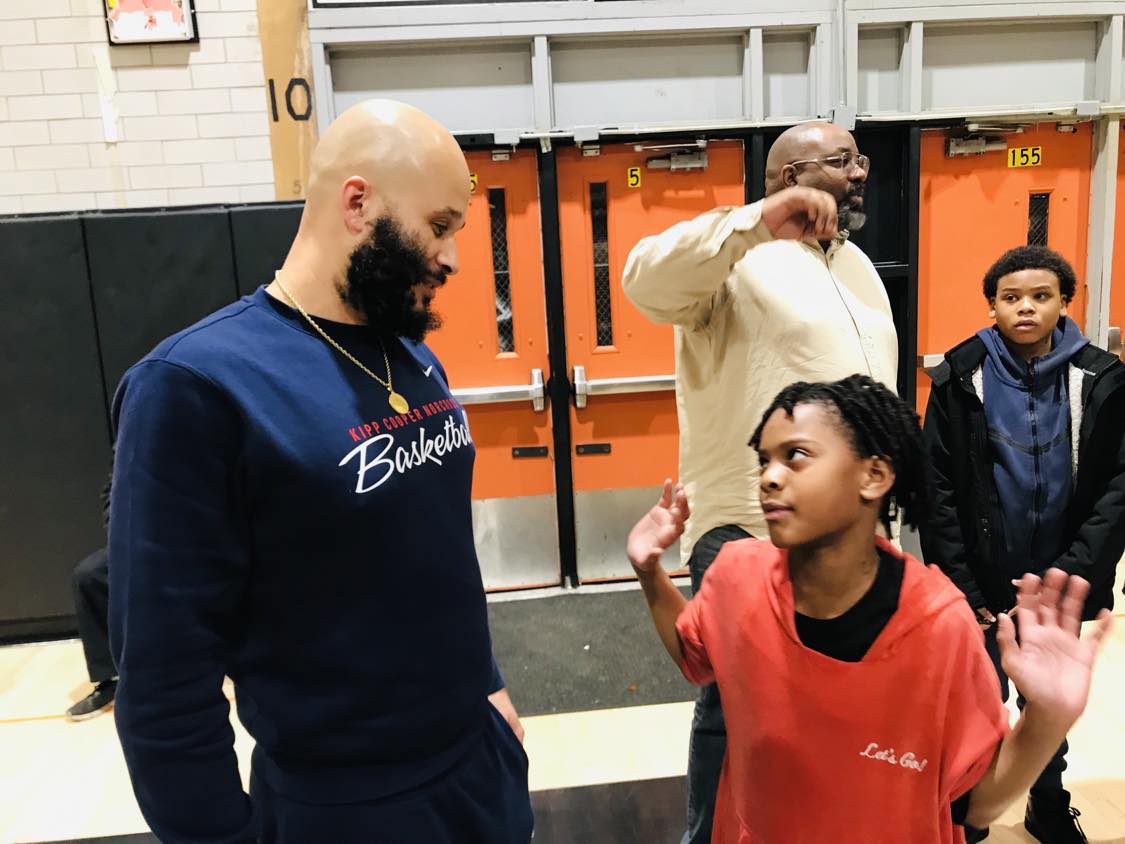
Antoine Miller, KIPP Cooper Norcross Head Coach
The City of Camden, the actual “day to day” home of the Philadelphia 76ers, has three very strong scholastic boys basketball programs. KIPP Cooper Norcross Academy, led by Head Coach Antoine Miller, reached the NJSIAA South Jersey Group 1 championship game. National power, Camden High, led by Maalik Wayns, will play in the Group 2 State Championship game after “kinda, sorta, sumthin-like” defeating (but to really beating) Manasquan in a highly controversial semifinal contest. Camden Eastside, under the direction of Head Coach Kenny Avent, fell to Ocean City in a NJSIAA Group 3 semifinal matchup.
These esteemed high school coaches, stationed in along the baselines in separate corners of the gym, bore witness to a spectacle brimming with intensity and promise.
While the tradition and pageantry of the Camden Middle School Championship game is similar to that of the Philadelphia Catholic League Championship, the culture is decidedly Black. Amidst the echoes of cheers and the scent of sweat, there lingered a distinct cultural resonance. I kept waiting for the Kappas and Ques to emerge and start stepping on the sideline. The essence of the game reverberated with shades of epic HBCU Lincoln/Cheyney and Morgan/Coppin showdowns.
Mayor Vic Castarphen, a highly regarded former Camden High and Temple University PG sat midcourt with Arthur Barclay a former Camden High and Memphis University PF. Aaron Walton-Moss, a Panther legend and 3-time small college All-American at Cabrini came to witness the youngbuls battling for the chip.
These luminaries came to watch a new generation of Camden hoop talent emerge, eager to etch their names into the annals of Camden basketball lore. Guiding the proceedings with a deft hand was Woodrow Wilson standout Nelly Perry, who played for Dawn Staley at South Carolina after three years at Clemson.
Nelly Perry, Camden Public Schools and Delgreco Wilson, Black Cager Sports
I take great pride in seeing Perry provide such a platform for young middle school students. As a high school junior, Perry and I spent somewhere between 30-40 hours in my office along with Temple great Alliya Butts preparing for their transition from high school to college. Today she coaches and helps middle school student-athletes make the difficult jump too high school.
A full circle moment… #bigGIRLbasketball.
And in a testament to generational continuity, Camden Eastside senior point guard, Jalen Long, the great grandson of legendary Temple Hall of Fame coach John Chaney informed me that he will be playing collegiately at Cheyney University. Long will be playing at the university where his great grandfather amassed a dominating record of 225 wins and 59 losses and led the Wolves to the 1978 NCAA Division II Men’s Basketball Championship. The commitment of Long to Cheyney underscores the timeless allure of the sport in Camden.
Eastside Sr. PG and Cheyney commit Jalen Long
Another full circle moment… #bigBOYbasketball
The championship game itself was highly competitive albeit sloppily played. There were some very quick small guards with crafty handles. There were plenty of killer crossovers, followed by badly missed layups. There were some aggressive wings with decent athleticism that lacked an understanding of basic basketball principles and concepts. Overall, the actual quality of basketball was far from polished.
None of that mattered… Not even a little bit… I loved it…
These kids played extremely HARD for their respective schools, families and for themselves. As the game unfolded with a mix of tenacity and raw talent, it became evident that the true essence of basketball transcended mere skill. These young athletes, driven by pride and determination, epitomized the spirit of competition in its purest form. Their fervor for victory rendered the nuances of polished play inconsequential, as they battled fiercely for the honor of their schools and communities.
They wanted to win. This game mattered for that reason.
If you enjoy the Catholic League at the Palestra, you will definitely find the Camden Middle School Championship entertaining. Just know you will not find many Northeast Philly Irish or South Philly Italian faces in the gym.
This is Camden, New Jersey…
The gym will be full of those that prefer fried chicken, ribs, collard greens and candied yams. Of course, there will be more than a few Puerto Ricans players and their families munching on plantains, pork, and sofrito.
Over the next few years, we will see many of the kids in this game don Eastside, KIPP Cooper Norcross and Mastery High School of Camden jerseys. The purple and gold uniforms have proven elusive for Camden’s native sons in recent years. They seem to be reserved for highly ranked passengers traveling to Camden via the transfer portal on the underground railroad from locales near and far.
As the final buzzer sounded, and the victors from Kipp Lanning Square Middle School celebrated their win over Morgan Village amidst a chorus of cheers, it became clear that the legacy of this championship would endure far beyond the confines of the gymnasium. For in the hearts and minds of these young athletes, the spirit of competition burns brightly, igniting dreams and aspirations that transcend the boundaries of the court.
Camden basketball is some good shit, it’s not just a game that’s celebrated, but a community united in its passion for the sport.
It is simply the finest scholastic basketball event in the nation. The pageantry and passion are unmatched. Every year in late February they shoehorn about 10,000 fans, students, media, security, cheerleaders, coaches and players into the Cathedral of College Basketball for the Philadelphia Catholic League Semifinals and Finals. Situated at 235 South 33rd Street, adjacent to Franklin Field, the Palestra’s significance in the annals of college basketball is unparalleled, its aura palpable as soon as one steps foot inside.
The Catholic League Final Four is a tradition steeped in history and an unrivaled passion for the city game. Arguably, the event stands as the pinnacle of scholastic basketball nationwide. Steven Haug and the Athletic Department at the Archdiocese of Philadelphia do an exceptional job hosting and seem to get better every year.
One simply cannot imagine a young boy or girl between the ages of 5 and 14 experiencing this event and not wanting to play in the Catholic League. It is truly special.
Roman Catholic. Photo by Gavin Bethell
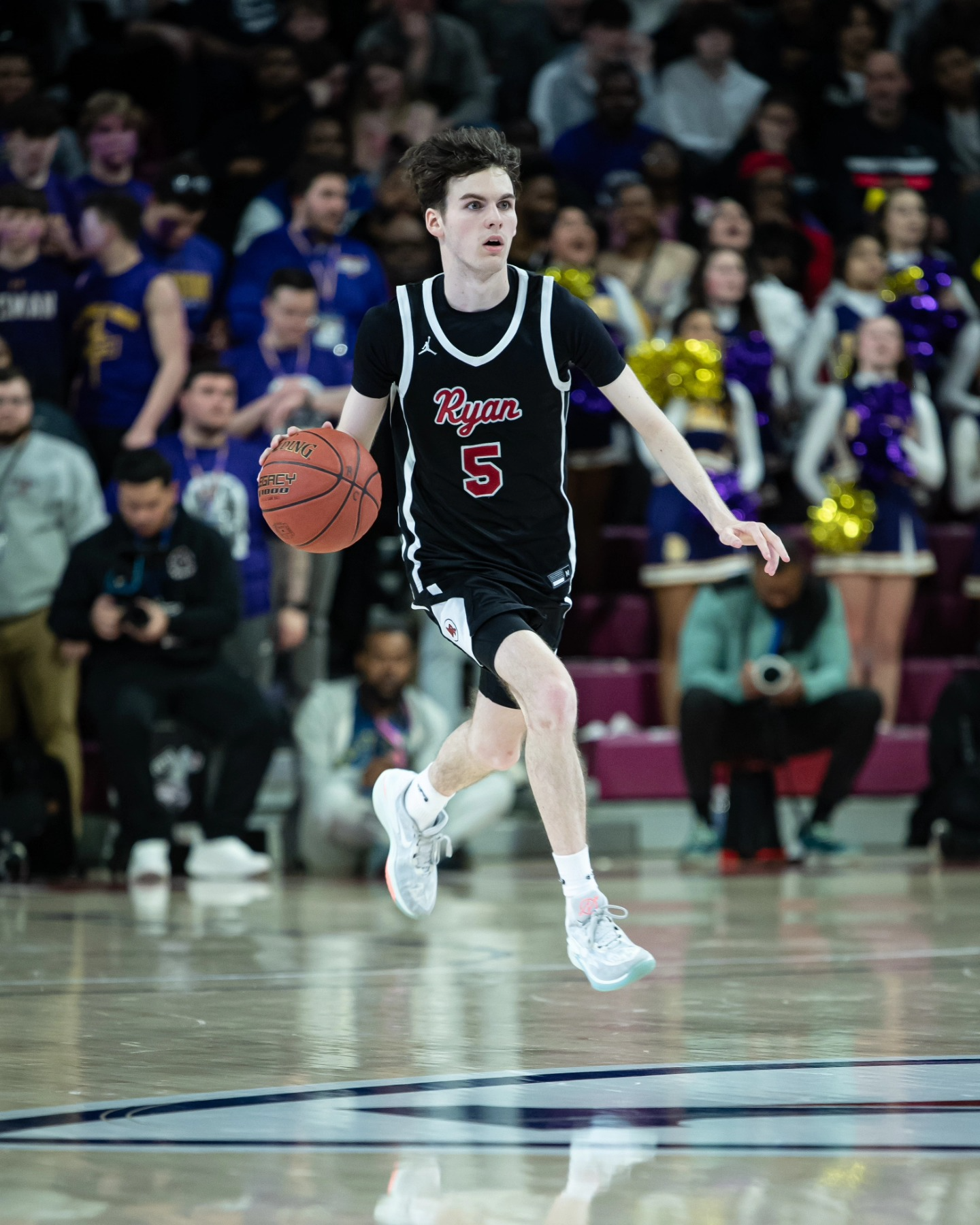
This year’s clash saw the Roman Catholic Cahillites, under the stewardship of Head Coach Chris McNesby, making the 15 block journey from Broad and Vine to University City. Their eyes were set on clinching their 34th Philadelphia Catholic League Championship. Opposing them were the Archbishop Ryan Raiders, led by Joe Zeglinski, venturing down I-95 from the far Northeast, thirsting for their maiden title.
Within Philly’s Basketball community, Roman Catholic is a dynasty of the highest order. The boys from Broad and Vine have a basketball tradition that is recognized nationwide. Like the Babe Ruth’s Yankees, Red Auerbach’s Celtics, Bill Belichick’s Patriots, Geno Auriemma’s Huskies and Mike Krzyzewski’s Blue Devils, these muthafuckas always – I mean always – seem to win the BIG fuckin games.
Shareef Jackson. Photo by Gavin Bethell
Some people like dominant teams, not me…
Dynasties breed fervent followings, and the Cahillite faithful stand as some of the most passionate on the eastern seaboard. The fanbases for dynasties like the Yankees, Celtics, Patriots, Huskies and, dare I say, Cahillites are expansive and exasperating. Roman fans are among the most passionate on the eastern seaboard. Nonetheless, truth be told, Cahillite fans make Catholic League playoff games pop. Spend more than a few minutes with them and you quickly understand one basic fact. They view an appearance in the Catholic League Final Four and Championship games at the Palestra as a birthright.
It’s the power that comes from the collective experience of fandom, whether in euphoria or misery, that makes the Catholic League Final Four so compelling. Tonight, I was hoping to see the Cahillite fans experience the latter. After all, just 12 months ago, I watched as Xzayvier Brown etched his name in the annals of Catholic League history by single handedly carrying the Cahillites to victory on the Palestra floor. Cahillite euphoria was at all-time high that night. The stakes are always heightened with the PCL championship on the line, and the contest are all the more riveting when Roman is involved.
Tonight was no exception.
Before the prayer and nation anthem, I saw my friends and Roman alums Reggie Jackson and Mike Wild. Both asked “who you like?” To both, I replied “Y’all got 33 of ‘em, I want to see Ryan get one.” Both of these Roman guys said, “Naaaah, we NEED one more.”
These muthafuckas…
Darren Williams. Photo by Gavin Bethell
Looking in the stands and along the sideline I see legendary Roman coaches Dennis Seddon and Speedy Morris. Maaaaaan… they are preparing for yet another coronation.
Let’s go Ryan…
I’ve never identified with dynasties. Were I alive during the era of Ruth, Gehrigh, Dimaggio and Mantle, I would have undoubtedly been a fan of the Homestead Grays and Pittsburgh Crawfords. Although, I never saw either play, I am convinced the Josh Gibson was better than Babe Ruth. While I admire and respect Bill Russell’s 11 NBA championships, I would have been a ride or die Wilt Chamberlain fan. As I have tried to explain the Phil Martelli for more than a decade, Dawn Staley is better than Geno. Andy Reid is superior to Belichick. And, everyone knows that John Chaney was superior to Coach K in every way.
Amidst this backdrop of tradition and Roman Catholic dominance, I steadfastly maintain a yearning for the underdog narrative, a desire to witness the coronation of a new champion. Tonight, I hoped Archbishop Ryan would defy the odds and vanquish the mighty Cahillites. With Roman Catholic boasting the aforementioned 33 championship trophies, the stage was set for a clash of titanic proportions.
Early on, the towering presence of Shareef Jackson loomed large for Roman Catholic. Shareef is a physical mismatch in almost every sense at the high school level. His size, power, skill and reflexes give him the ability to do things even when he’s not in position to do them. He’s an underrated athlete, despite lacking great explosiveness, he’s extremely nimble and dexterous for such a big man. He has great hands and soft touch, he is also ambidextrous which allows him to finish easily around the rim. Shareef’s feet are quick for a player with so much weight allowing him to react to plays very well. He has a diverse skill set offensively, to go along with great footwork in the paint that makes him much more than just a big body. He is extremely adept at finishing through contact. Shareef feels he can score almost every time he gets the ball in the post. He can create for himself with a variety of offensive moves whether its facing up or with his back to the basket. On the block, he uses his strength well to overpower opponents and create space to score.
In the first half he also demonstrated that he is capable of knocking down mid-range jumpers and even 3-pointers. Shareef dominates the boards at the high school level, while eating up more space than anyone on the court. He shows solid passing ability and vision for a big man. He can also handle the ball very well, even in the open court when called upon. He also has surprising ball skills for a big man. He has a mean streak which scouts like to see. Marc Jackson’s eldest boy is a leader of men.
Shit… I cannot fathom how Drexel, St. Joseph’s, La Salle, Temple and Penn are not wearing a groove in the Jackson’s front door from constant pounding. This young man is a winning basketball player… Lord knows, EVERY BIG 5 program could use a few of those.
But then Shareef picked up a second foul in the first half and had to sit. His younger brother Sammy, a long, lean highly skilled 6’6” wing, was forced to patrol the paint while big bro sat for a while. A 15 year-old sophomore, Sammy immediately blocked a couple shots and continued to sumo wrestle Ryan’s All-State center Thomas Sorber. Sammy was very poised and held down the fort while his brother sat out much of the second quarter. The sophomore sensation rose to the occasion, embodying poise and tenacity in equal measure.
Shit… I was waiting for Tito, Randy and Jermaine to enter game and pick up the Raiders Ryan for 94 feet… Dem Jackson boys are tuff.
As is often the case in Catholic League playoff games, the contest ebbed and flowed, tension mounting with each possession. Archbishop Ryan, led by the indomitable Thomas Sorber and the electric Darren Williams, staged a stirring comeback, fueled by the relentless energy of sixth man Ryan Everett. Everett made his impact immediately upon entering the game in the second half, collecting three consecutive rebounds, scoring on a putback and feeding Sorber for a crowd pleasing dunk.
Ryan Everett. Photo by Gavin Bethell
Everett willed the Raiders back into the game.
In a heart-stopping finale, it was Everett who seemed poised to etch his name into folklore, sinking a clutch shot to put Ryan ahead by one with mere seconds remaining. But in a moment of breathtaking brilliance, Roman Catholic’s Kabe Goss seized the opportunity, delivering a game-winning dagger from top of the key.
Kabe Goss. Photo by Gavin Bethell
And so, the Cahillites added yet another chapter to their illustrious history, while Archbishop Ryan’s quest for glory continues. In the hallowed halls of the Palestra, where legends are born and dreams are shattered, the Philadelphia Catholic League Boys Basketball Championship remains a testament to the enduring spirit of the game and the timeless allure of tradition.
Fuckin Roman wins… AGAIN!
I like Chris Roantree and Father Judge to knock off Roman and capture the title next year…
The impending closure of Math, Civics and Sciences High School casts a poignant shadow over Philadelphia’s storied basketball landscape. In a city where the game is more than a pastime but a cultural cornerstone, the loss of the Mighty Elephant program resonates deeply.
The Philadelphia Public League has a long and distinguished basketball tradition. The city game has been the core of scholastic sports in Philadelphia for 125 years. Over the course of the first 100 years, traditional high schools West Philadelphia, Overbrook, Southern, Central and Gratz captured 79 boys basketball championships.
Then shit changed…
The narrative shifted dramatically with the rise of charter schools. Dan Brinkley and Prep Charter ushered in a new era in 2007, forever altering the competitive landscape. Since then, traditional powerhouses have found themselves grappling with the influx of charters, drawing talent from across the city and beyond.
A few traditional high schools have managed to win a single Public League title in the Charter era. Lou Biester triumphed with Communication Tech in 2008, Rob Moore and Constitution’s reigned supreme in 2012, and Sean Colson and Martin L. King, Jr. sat on the throne in 2014.
Other than those isolated seasons, Charters have ruled the roost. Indeed, Imhotep has emerged as a prominent national power. This weekend, Andre Noble’s Panthers will capture, what seems like, their 383rd Public League Championship. Noble has shaped the Charter era landscape. He is akin to a Public League version of John Wooden
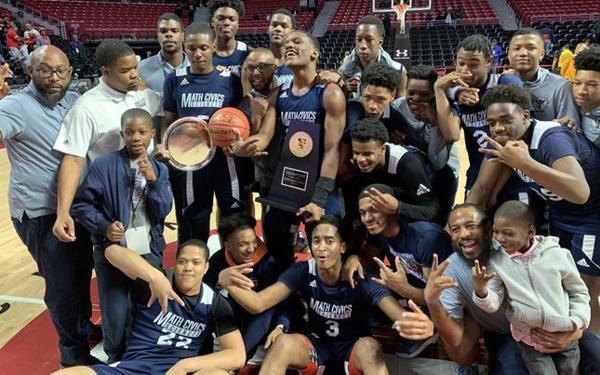
As the current season unfolds, anticipation hangs heavy over the Public League playoffs, with Imhotep poised to clinch yet another title. However, amidst the fervor of competition lies a bittersweet moment as the basketball community prepares to bid farewell to Math, Civics and Sciences High School. In February 2020, led by the exceptional Wooga Poplar, MCS secured the Public League Championship, a testament to their prowess on the court. The Mighty Elephants have served as a bastion of excellence, producing a cadre of standout players who could have chosen any program but opted for MCS.
Here is a list of some of the outstanding performers that have donned the Mighty Elephant uniform over the past quarter century:
Wooga Poplar Samir Doughty Mike Watkins Lump Worthem Malik Starkes Quadir Welton Britton Lee Lou Myers, Jr. Terquin Mott, Jr. Thomas Moore Kwahmere Gredic Zaahir Smith Jose Ortiz Eric Johnson
From Poplar to Doughty, Watkins to Starkes, the list reads like a who’s who of Philadelphia basketball talent, each name leaving an indelible mark on the game. Their legacy transcends mere statistics, enriching the city’s basketball tapestry with their skill and dedication.
As we bid adieu to Math, Civics and Sciences High School, we also bid farewell to a proud institution steeped in tradition. Their absence will be keenly felt, a void in the tapestry of Philadelphia basketball that may never be fully filled. Yet, amidst the lament, we celebrate the legacy they leave behind and the countless lives they’ve touched through the sport they loved.