A Pilgrimage of Greatness: Why Dawn Staley’s South Carolina Playing at Coppin State Is More Than a Game

CAMDEN, NJThis Sunday in West Baltimore, the physical boundaries of the Physical Education Complex Arena will dissolve, and a hallowed basketball ritual from a bygone era will briefly return — not as a charity exhibition, but as a competitive testament to history and homecoming.

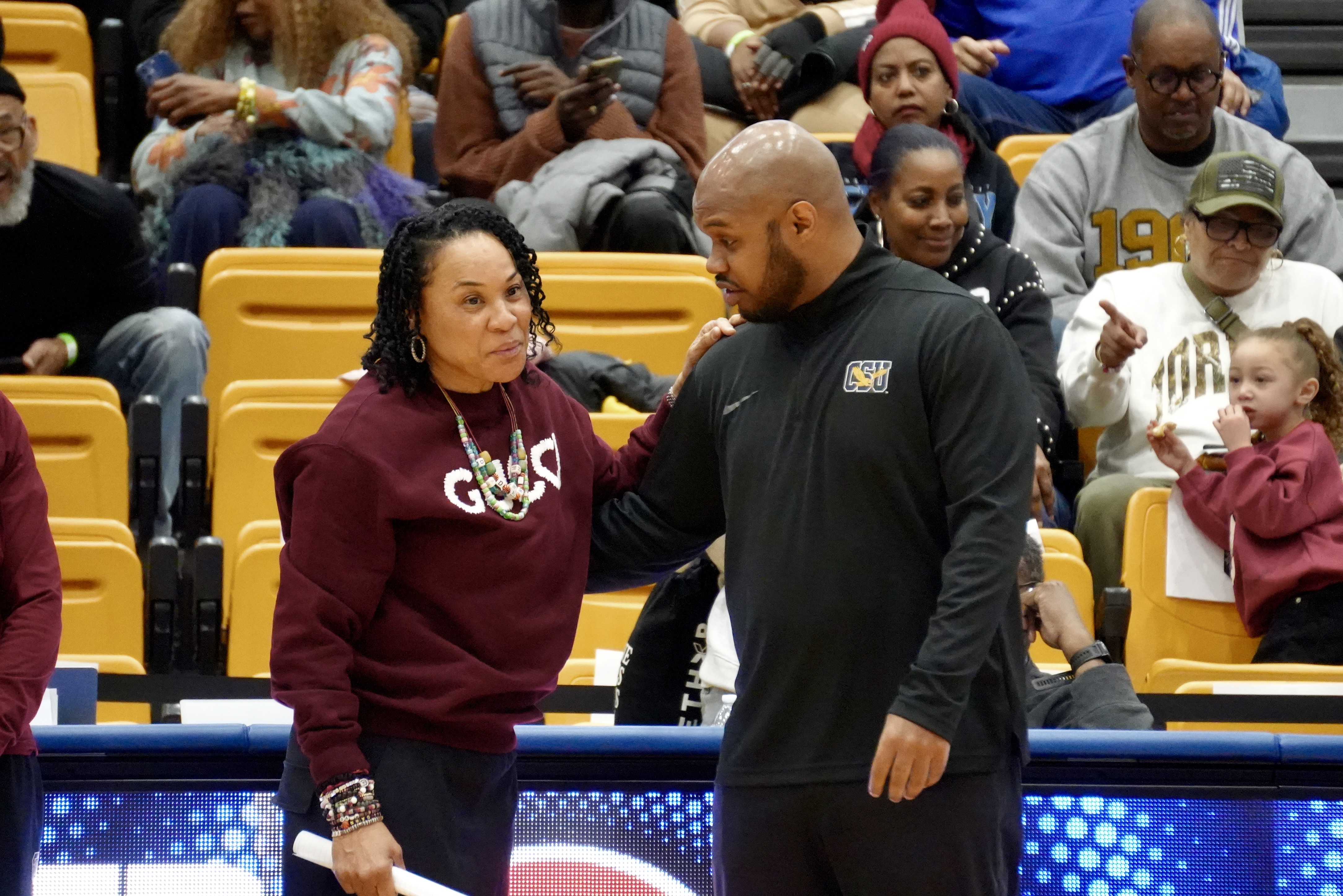
This Sunday, on a weekend set aside to honor a legacy of justice and dreams, the city of Baltimore will witness a collision of basketball eras. In the heart of the Coppin State University campus, in an arena that holds 4,100 passionate souls, the undisputed titans of women’s college basketball will take the floor. The South Carolina Gamecocks, ranked No. 2 in the nation and led by the Hall of Fame coach Dawn Staley, are not hosting a pay-to-play cupcake game. They are the visitors. They are walking into the home gym of the Coppin State Eagles, a team with a 4-14 (2-1) record battling in the Mid-Eastern Athletic Conference (MEAC), for a noon tip-off that transcends a schedule. This game is a profound gesture of respect, a rare act of pilgrimage by a modern colossus to the intimate venues that once nurtured the soul of Black athletic and artistic excellence. It is the basketball equivalent of hearing Aretha Franklin’s voice shake the rafters of a neighborhood club or watching Stevie Wonder’s genius unfold a few feet away.

The Chitlin’ Circuit and the Modern HBCU Landscape

To understand the gravity of this moment, one must grasp the historical parallel. From the 1930s through the 1960s, the Chitlin’ Circuit was the vital, life-sustaining network of Black-owned theaters, clubs, and juke joints that allowed artists like James Brown, Sam Cooke, and Dinah Washington to hone their craft and build devoted followings in a segregated America. These were not just performance spaces; they were cultural sanctuaries where artistry was refined in the crucible of a knowing, demanding community.

In the world of college sports, for decades, the conferences of Historically Black Colleges and Universities (HBCUs) like the MEAC and the SWAC served a parallel purpose. They were the incubators for phenomenal Black athletic talent, which, due to the barriers of “American Apartheid,” often had nowhere else to go. The games in these gymnasiums were events of communal pride and electric atmosphere. Then, as integration took hold, the talent pipeline shifted dramatically. The major Power 5 conferences—the SEC, ACC, and Big Ten—aggressively recruited the best Black athletes, and the economic and competitive gap widened.

Today, the relationship is often transactional: a financially strapped HBCU team will take a “buy game,” traveling to a powerhouse’s arena for a guaranteed payout and a near-certain loss, funding their athletic department in the process. The modern transfer portal and NIL (Name, Image, and Likeness) economy have only made the rich richer. The chance for an HBCU to host a true national champion on its home floor, to bring the spectacle around the way, became almost unthinkable.

Coppin State Cracks the Code

One program, however, has rewritten the playbook. Coppin State University’s athletic department has made hosting the game’s elite a point of pride and principle. On December 20, 2023, they engineered a coup by hosting the defending national champion LSU Tigers, led by Baltimore’s own Angel Reese, in a sold-out spectacle that was less a game and more a homecoming celebration. That event proved a model: it showcased respect for the HBCU platform, generated immense local energy, and demonstrated that these games have value beyond a check—they have soul.

Now, they have done it again. Securing a visit from Dawn Staley’s South Carolina dynasty is a monumental achievement. Staley is not merely a successful coach; she is a foundational pillar of the sport. Her career winning percentage of .777 over 26 seasons places her among the all-time greats. At South Carolina, she has built an era of dominance: three national championships (2017, 2022, 2024), seven Final Fours in the last ten years, and a staggering 86 total weeks ranked No. 1 in the nation. She is the only Black basketball head coach, man or woman, to win multiple national titles, and she led the U.S. Women’s National Team to Olympic gold. She is, by any measure, a living legend.

The Stature of Staley and the Power of Her Pilgrimage

For a coach of Staley’s stature to schedule this game, in the middle of a grueling SEC season that includes battles against titans like Texas, LSU, and Tennessee, speaks volumes about her character and consciousness. This is not a mandated diversion. It is a choice. It is a nod to history, an investment in visibility, and a powerful act of solidarity.

  • A Bridge Between Eras: Staley’s own story connects these worlds. A product of Philadelphia’s Raymond Rosen Homes, she rose to become a national player of the year at Virginia, an Olympic gold medalist, and a Hall of Famer. She understands the ecosystem of talent that thrives in overlooked places.
  • A Teaching Moment for Her Program: For her top-ranked Gamecocks, many of whom are future WNBA stars, this is more than a road game. It is an education in the broader cultural landscape of the sport they dominate. They will play in an environment fueled by different drums, where every basket for the home team will feel like a seismic event.
  • A Beacon for the Sport: In an era where women’s basketball is soaring in popularity but remains concentrated in certain arenas, Staley is using her platform to shine a light on a different stage. She is affirming that greatness can—and should—be showcased everywhere.

Witnessing Mythical Greatness, Up Close and Personal

This is the irreplaceable magic of Sunday’s game. For the price of a ticket at the Physical Education Complex Arena, a fan will not see a distant blur of movement from the nosebleed seats of a 20,000-seat stadium. They will be close enough to hear Staley’s instructions, to see the intensity in her players’ eyes, to feel the vibration of a dunk or a blocked shot. It is the chance to witness a myth in an intimate setting.

Think of the stories told by those who saw Marvin Gaye at the Uptown Theater in Philadelphia or The Supremes at the Apollo in Harlem. They don’t just say they saw a concert; they speak of a communal experience, a brush with history that felt personal and raw. This game offers that same potential. It is a living, breathing connection to the tradition of the Chitlin’ Circuit, where the wall between performer and audience was thin, and the exchange of energy was everything.

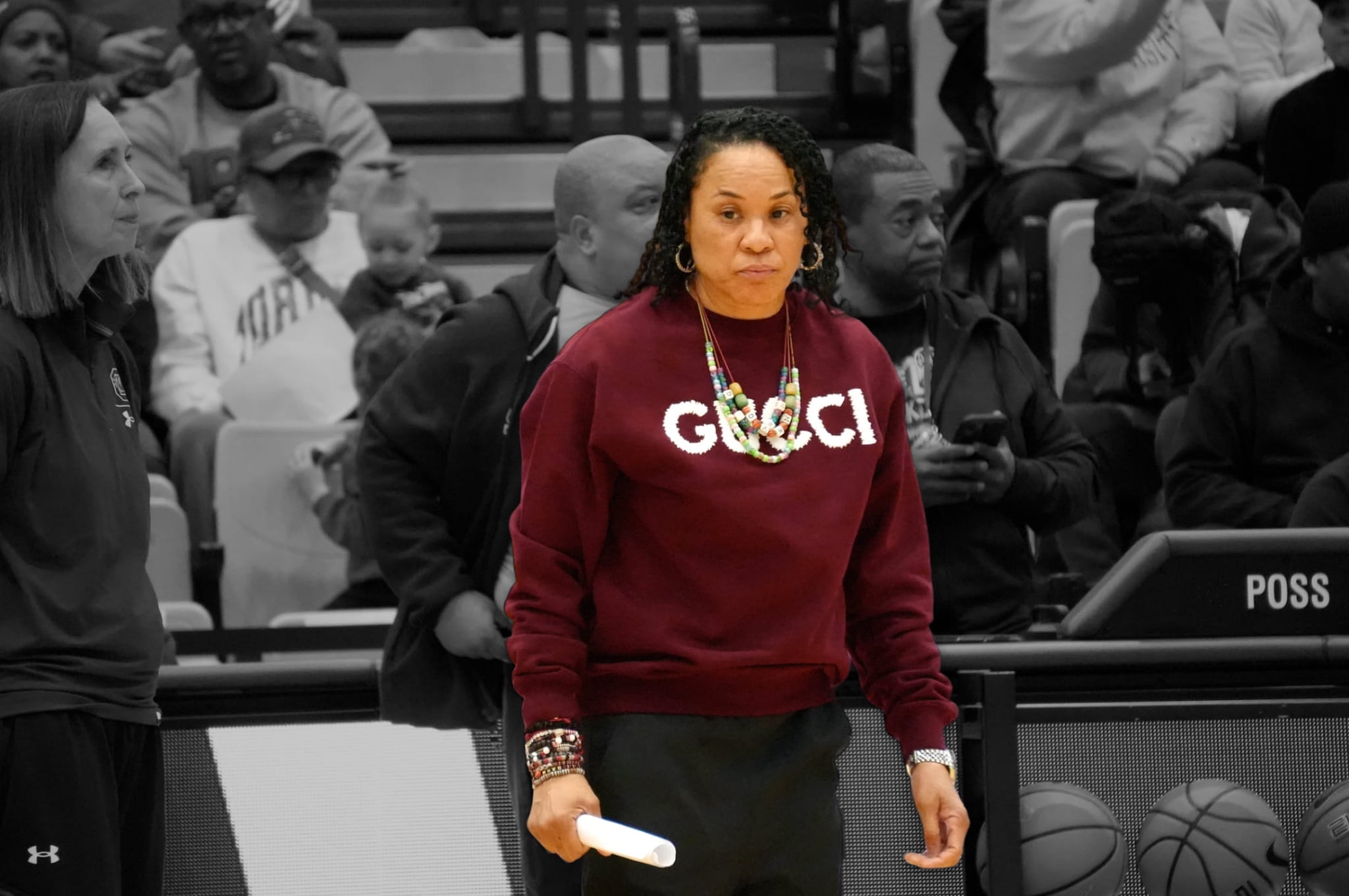
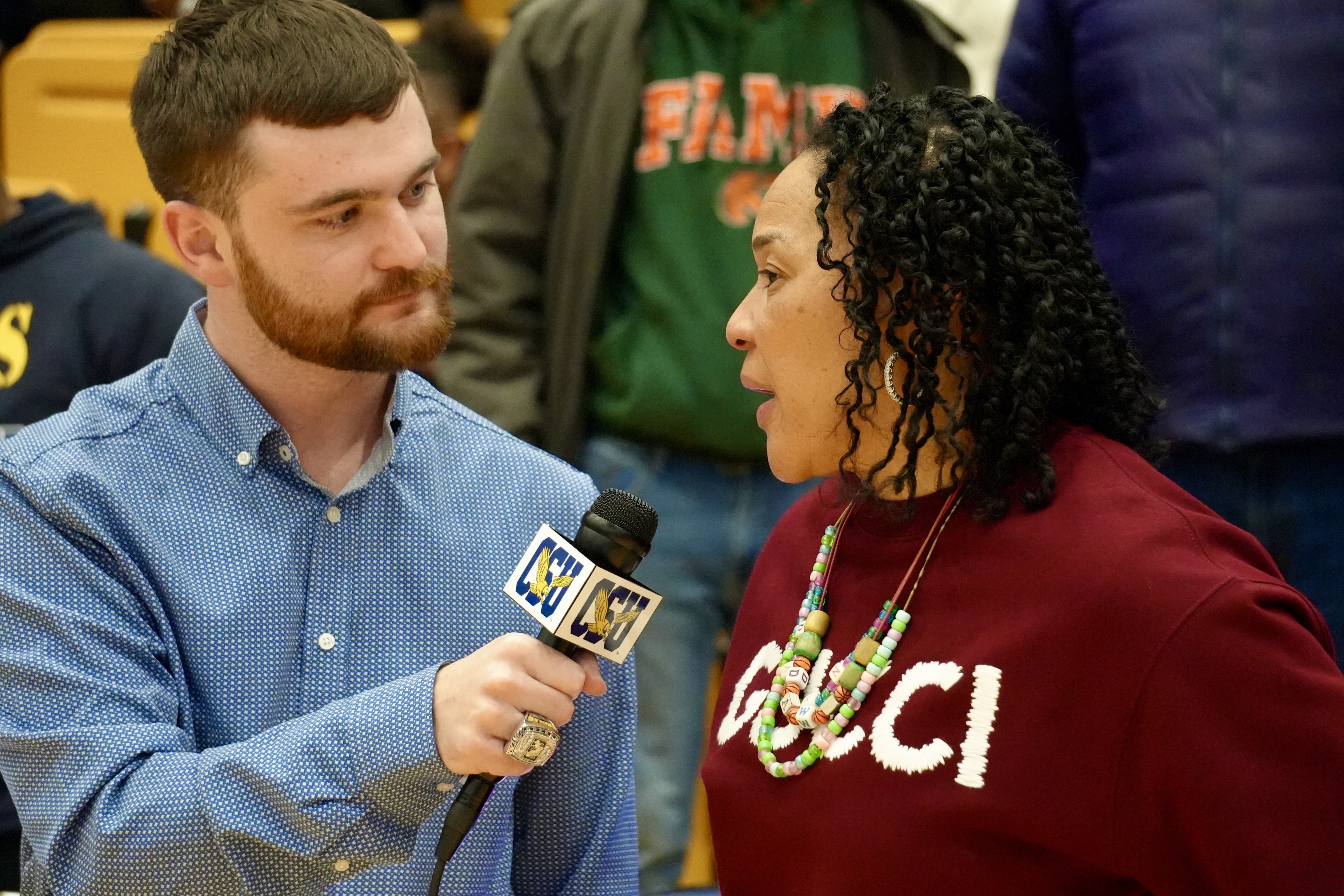
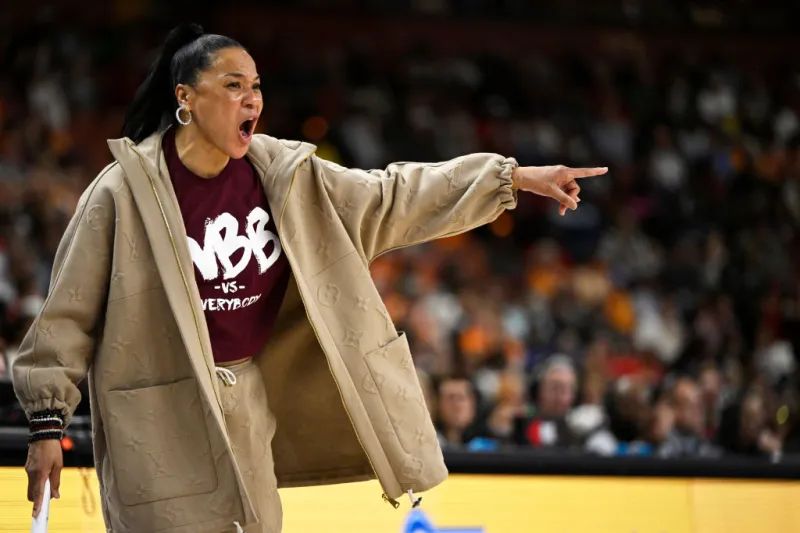
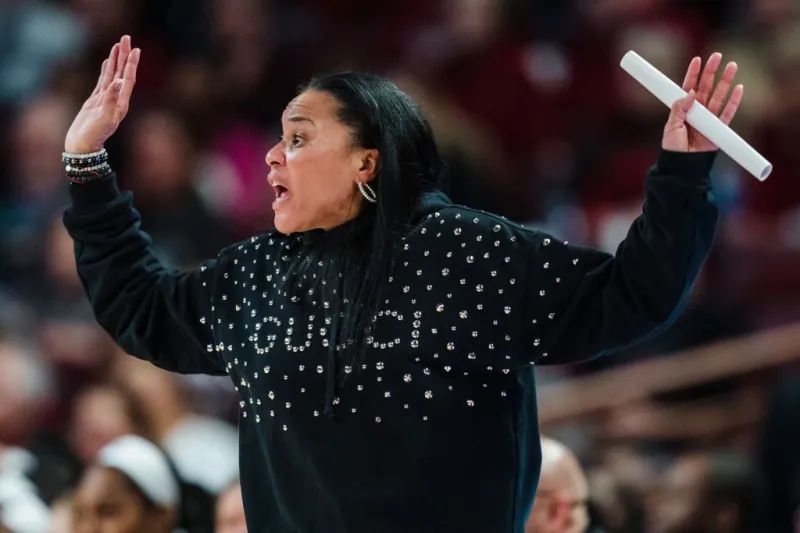
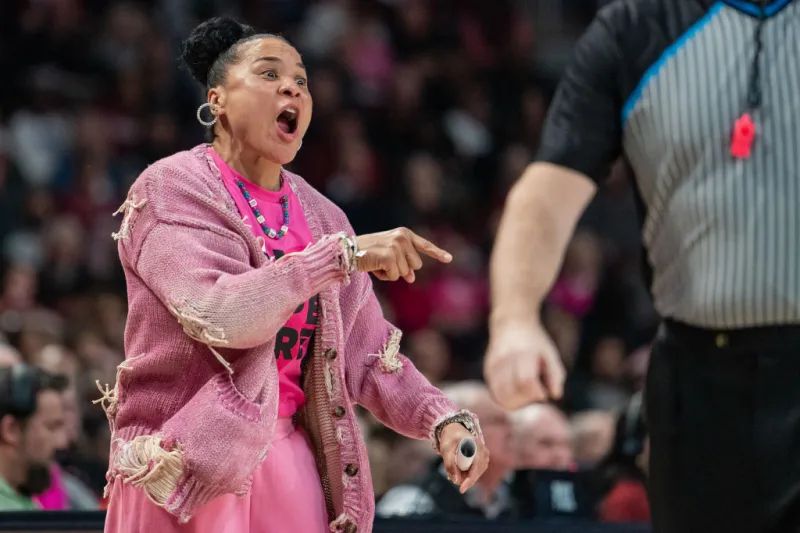
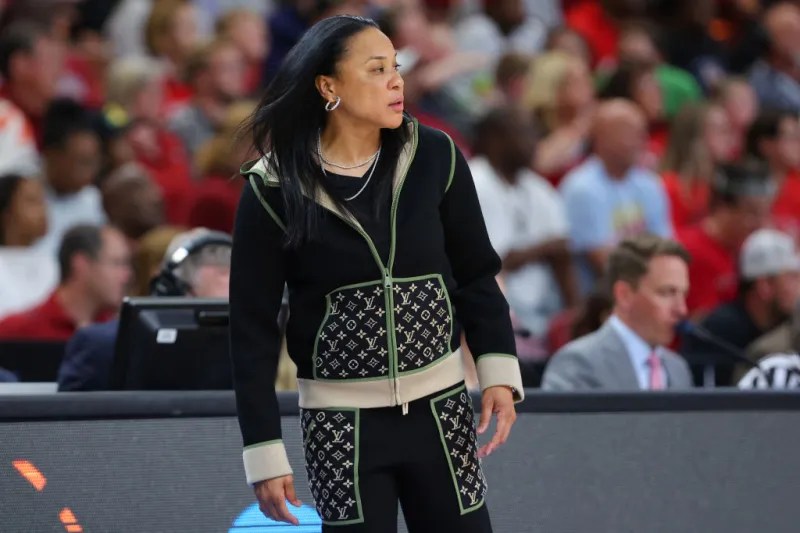
One thing for sure, Coach Staley is gonna have that good shit on… The young women in attendance will get to see America’s best dressed coach resplendent in Louis Vuitton, Gucci, R13, Balenciaga or some other high fashion designer. 

For the young players of Coppin State, led by first-year head coach Darrell Mosley, this is the ultimate measuring stick and an unforgettable life experience. To compete against the very best, on your home floor, in front of your community, is a privilege that can redefine a player’s ambition and a program’s belief.

A Weekend for Legacy and Community

Falling on Martin Luther King Jr. Weekend, the timing is poetically resonant. Dr. King spoke of dignity, opportunity, and the beloved community. This game, in its own way, embodies those ideals. It is about the dignity of competition, the opportunity for exposure and inspiration, and the building of community across traditional divides in sports.

https://fundraise.givesmart.com/f/5to0/n?vid=1o59b4

The event extends beyond the court, with an official after-party at Select Lounge on Paca Street, ensuring the energy and conversation continue. It becomes a full-day celebration of Baltimore, of HBCU culture, and of basketball excellence.

In the end, the final score on Sunday is almost secondary. South Carolina, with its 17-1 record and overwhelming talent, is the heavy favorite. The true victory was secured the moment the game was scheduled. It is the victory of audacity over convention, of respect over transaction, and of history over oblivion.

When the Gamecocks take the floor in West Baltimore, they will not be slumming. They will be honoring a legacy. And for those lucky enough to be in the arena, they will witness something increasingly rare: not just a game, but an event—a moment where the walls between past and present, between powerhouse and proving ground, between legend and neighbor, beautifully, and temporarily, come down. Do not miss the chance to be there when it happens.

A Black Grandfather’s Open Letter to a Grandson Facing a New Jim Crow

January 12, 2026

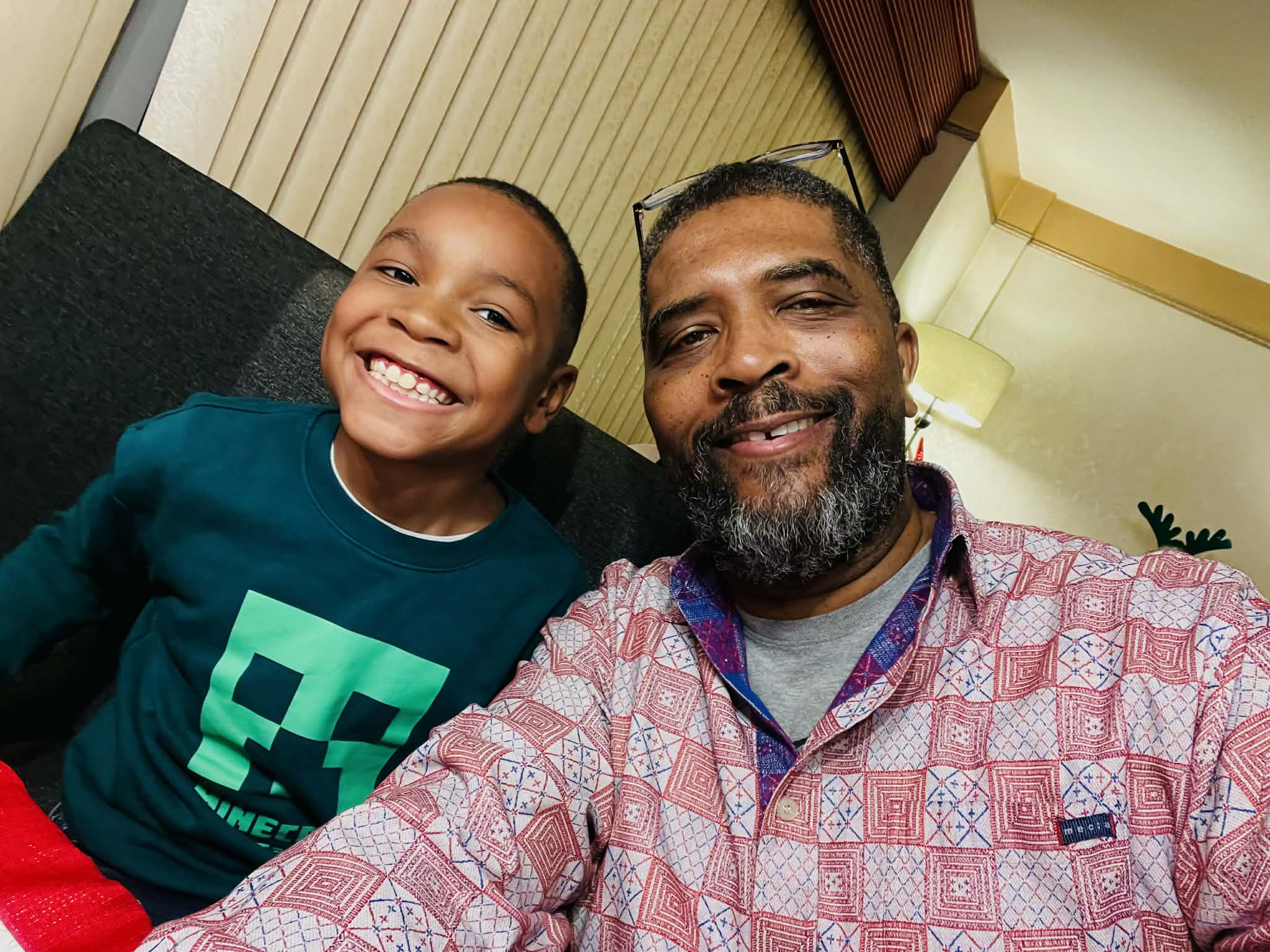
Dear Kameron,

Three days ago, you turned 9 years old, full of the vibrant energy and intellectual curiosity I so adore. Today, I am 61, a number that grants me the perspective of a witness. I was born on this date in 1965, five weeks before Malcolm X was killed, three years before Martin Luther King Jr. was assassinated, a child when Fred Hampton was murdered. You are now the age I was when the 1970s dawned, a decade that promised much and retreated from even more.

I write this to you not just as your grandfather, but as a Black man who has had the profound privilege you may never know: I sat with my grandfathers, and even my great-grandfathers. These men lived under American apartheid—Jim Crow. I heard their stories, but only the ones they chose to tell. I never knew, truly knew, how their hearts broke when they saw the photograph of Emmett Till’s brutalized body, or what silent fury coiled inside them when news came of four little girls blown apart in a Birmingham church. Their inner worlds, their perceptions of the abhorrent conditions they endured, are lost to me. I cannot ask them. That loss is a specific kind of grief.

So I write to you now, for the day you turn 61 and I am long gone. I write so you will know, without question, how your grandfather saw this moment of drastic and unnerving upheaval in the age of Trump, and so you will understand the single most important task before your generation: the curation and dissemination of our counter-narratives.

The American Creed: A Doctrine of Contradiction

First, you must understand the bedrock truth: racism and white supremacy are not an aberration in America; they are part of the American Creed. This nation was conceived in a fatal contradiction—liberty alongside bondage, freedom alongside a race-based caste system. That contradiction was not an accident; it was a design feature. The “MAGA”movement you hear about is not a novel phenomenon. It is the latest, most overt embrace of this original tradition. It seeks not to make America great again, but to make America’s racial hierarchy explicit again. They understand a fundamental principle: he who controls the past controls the future. This is why their most relentless campaign is against memory itself.

The War on Memory and Why It Targets You

Kameron, the fierce movement to ban so-called “critical race theory” from classrooms is not about a complex academic framework. It is an attempt to erase the brutal and inhumane history that is your inheritance. It is a drive to sanitize the past, to turn the genocide of Indigenous peoples, the savagery of the Middle Passage, the terrorism of lynching, and the systemic cruelty of Jim Crow into vague “mistakes” or, worse, omit them entirely.

The simultaneous attack on Diversity, Equity, and Inclusion (DEI) is the policy arm of this erasure. It is an effort to firmly re-entrench that caste system, to dismantle the meager tools created to ensure people like you might have a fighting chance in institutions built to exclude us. They are selling a revisionist history of a pure, virtuous nation, and any fact that complicates that fiction must be destroyed.

You are living through what historians will recognize as the Second Great White Backlash. The first came after Reconstruction (1865-1877), when the fleeting promise of multiracial democracy was drowned in a wave of lynching, Black codes, and the establishment of Jim Crow. We are now witnessing the furious response to the cultural and political progress symbolized by the Civil Rights Movement and, more potently, by the presidency of Barack Obama.

A Legacy of Strategizing Against the Scourge

Do not believe for a moment that our people have been passive in the face of this centuries-old scourge. Your bloodline is one of strategists. We have debated the path in cotton fields, barbershops, churches, dorm rooms, song lyrics and kitchens for generations.

Denmark Vesey and Nat Turner saw rebellion as the only solution.

Martin Delany and Marcus Garvey determined emigration was the only route to dignity.

Booker T. Washington argued for accommodation and economic advancement, setting politics aside.

Elijah Muhammad and Malcolm X preached separation from the “white devil.”

Martin Luther King Jr.Bayard Rustin, and a legion of others staked their lives on nonviolent, moral protest.

These were all responses to the same core antagonism: a nation that vowed liberty yet practiced bondage. The MAGA movement seeks to eliminate the very possibility that you, Kameron, will understand this long, strategic conversation. They want you ignorant of your own intellectual and resistant heritage.

The Battle for the Narrative: Why Civil Society Must Be Our Fortress

This brings me to my urgent plea. The mainstream avenues of information are failing or have been co-opted. Legacy media is consolidated and often sympathetic to the forces of revisionism. Billionaire tech overlords control the algorithms of Twitter, Facebook, and TikTok—opaque systems that can amplify lies and bury truth with a tweak of code. You cannot rely on them to tell your story.

Therefore, enlightened Blacks and people of color must become relentless curators and disseminators of counter-narratives. This letter is a small act of that curation. We must build and fortify our own institutions of memory and truth-telling.

The Black church must be more than a place of Sunday worship; it must be a sanctuary for our historical truth.
Our fraternities and sororities must pass down not just rituals, but the unvarnished chronicle of our struggle.
Our barbershops and beauty salons must remain seminaries of street-level scholarship.
Our historians, artists, filmmakers, and writers must be supported, celebrated, and protected.
Our family dinners must become spaces where we explicitly connect the past to the present.


We must create our own archives, our own film series, our own book clubs, our own social media networks. We must document, document, document. We must tell our stories to our children with the complexity and courage they deserve.

My Charge to You

Kameron, when you read this at 61, you will have lived through the flowering of this second backlash. I do not know what America you will see. But I need you to know what I saw, and what I feared.
I feared a nation that chooses amnesia over atonement. I feared a system that would try to make you a stranger to your own history. But I also have hope, because I see you. I see your brilliance.
My deepest wish is that this letter finds you as a man who has taken up this sacred work. That you have been a curator of truth for your children and your community. That you understood your grandfather’s perception not as a burden, but as a blueprint. The American experiment’s fatal contradiction remains unresolved. Your generation will not complete the work, but you must advance it.
The only way forward is to hold, protect, and loudly proclaim our counter-narrative. It is the story of our survival, our analysis, our sorrow, our joy, and our unwavering demand for a humanity this country has too often denied. It is the story I pass to you.

Keep it. Add to it. And pass it on.
With all my love and faith in you,


Pop Pop

Get Down or Lay Down: Trump’s Foreign Policy and the JBM Playbook

By Delgreco K. Wilson

January 8, 2026

CAMDEN, NJ – In the annals of international diplomacy, the notion of a U.S. president seriously threatening to purchase or seize a vast, self-governing territory from a NATO ally would have been relegated to the realm of dark satire. Yet, as the Trump administration openly discusses offering Greenlanders individual cash payments or contemplating military force to “acquire” the island, we are witnessing a foreign policy doctrine stripped of diplomatic veneer. This crude transactional approach—where sovereignty is a commodity and alliances are obstacles—finds a disturbing parallel not in the halls of traditional statecraft, but in the violent, coercive tactics of Philadelphia organized crime. To understand the logic now emanating from Washington, one need look no further than the ruthless playbook of Philadelphia’s infamous Junior Black Mafia (JBM) and its mythologized street boss, Aaron Jones.

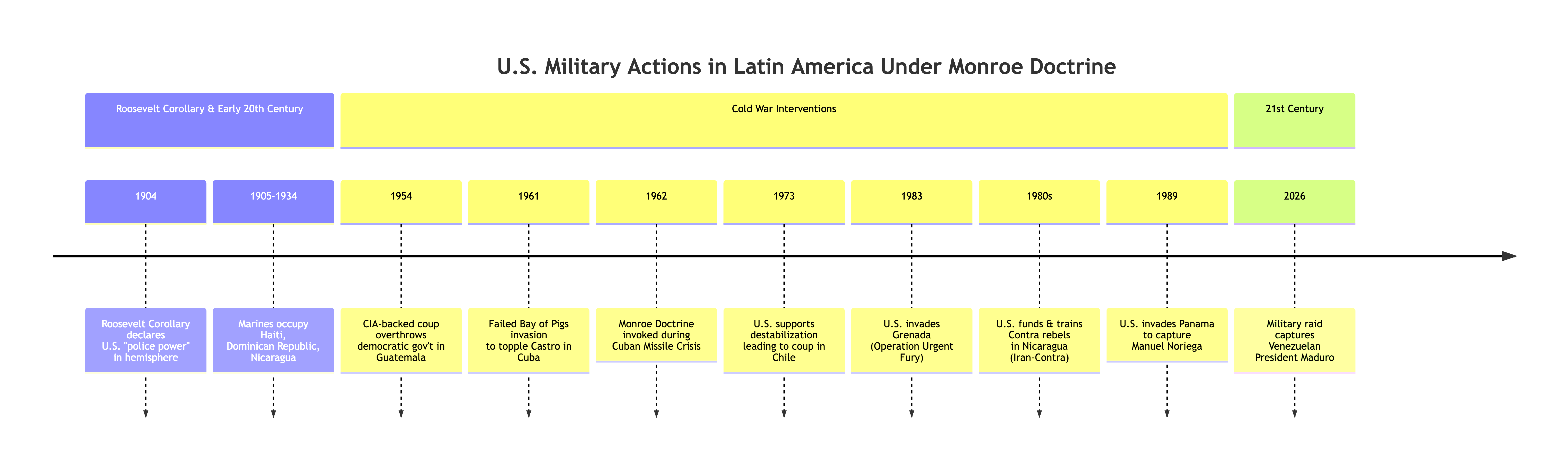
Both paradigms operate on a foundational principle: power is asserted not through legitimate authority or mutual benefit, but through the demonstration of overwhelming force and the calculated application of fear. For the JBM, whose motto was chillingly reported as “Get down or lay down,” control of the cocaine trade was enforced through intimidation and brutal violence. The Trump administration’s Greenland scheme, which Danish officials have labeled a threat requiring a defense of “the fundamental principles of the UN Charter and international law,” operates on a similarly crude binary. The offer of payments—reported to be between $10,000 and $100,000 per individual—is the “get down” option, a lavish but coercive inducement. The explicit refusal to rule out military action, chillingly underscored by the recent abduction of Venezuela’s president, is the “lay down” ultimatum made to an entire nation and its allies. The message is clear: acquiesce to the transaction or face the consequences.

Aaron Jones, JBM

The Godfather Fantasy: Cultivating Power Through Persona

The parallel extends into the realm of cultivated image. Aaron Jones was said to be obsessed with “The Godfather,” consciously molding his persona after Don Vito Corleone to command a mix of fear, respect, and loyalty on the streets of Philadelphia. He became a legendary figure, a “death before dishonor icon” whose name carried immense weight. This careful construction of an untouchable, dominant persona is a core tactic of gangsterism.

Similarly, the Trump administration’s foreign policy is deeply performative, centered on projecting an image of uncompromising strength and deal-making prowess. The public fixation on Greenland—a large, mineral-rich asset—is not subtle geopolitics; it is a power flex, a demonstration of America’s ability to rearrange the map to its liking. As analysts note, this aligns with a 19th-century “great power politics” mindset, where spheres of influence are dictated by strength alone. By floating the military option against a NATO ally, the administration cultivates an aura of unpredictability and ruthlessness designed to make other nations capitulate to lesser demands, much like a neighborhood bully establishes dominance.

The Illusion of Voluntary Association and the Reality of Coercion

A key tactic in both playbooks is dressing coercion in the garb of voluntary choice. The JBM, at its height, was adept at creating legitimate business fronts—from video stores to security firms—to launder money and project a façade of normal enterprise. The Trump administration’s preferred narrative frames the Greenland proposal as a potential “Compact of Free Association,” akin to agreements with Pacific nations. This suggests a partnership between consenting parties.

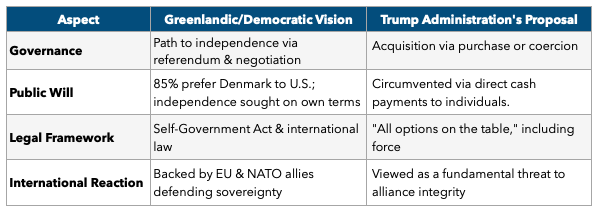
However, this illusion shatters against the reality of Greenlandic self-determination. Polls consistently show that while a majority of Greenlanders favor eventual independence from Denmark, an overwhelming 85% prefer remaining with Denmark over joining the United States. The island’s political future is a careful, democratically managed process defined by its 2009 Self-Government Act, which outlines a path to independence that must be approved by its people and the Danish parliament. The U.S. offer of cash payments is a blatant attempt to bypass and corrupt this sovereign process, treating citizenship and national allegiance as an individual financial transaction rather than a collective democratic will. It is a hostile takeover bid, not a friendly merger.

Table: Contrasting Visions for Greenland’s Future

The Cost of “Respect” and the End of Alliances

Ultimately, the gangster’s quest for “respect” is a zero-sum game that destroys the community it purports to lead. The JBM’s reign contributed to the devastation of Philadelphia’s crack era. The Trump doctrine, as applied to Greenland, threatens to incinerate the very foundations of the post-war international order. Danish Prime Minister Mette Frederiksen has stated unequivocally that a U.S. attack on Greenland would mean the end of “everything,” including NATO. European leaders have issued a unified rebuke, stating security rests on the “inviolability of borders”.

The administration’s justification—that Greenland is “covered with Russian and Chinese ships” and is a national security necessity—has been widely questioned by security experts. The U.S. already maintains the strategic Pituffik Space Base on the island under a defense agreement with Denmark. The real driver appears to be a desire for absolute control over territory, resources, and shipping routes, framed within a new “Donroe Doctrine” of regional dominance. Like a gangster who confuses fear for respect, this approach fails to see that true strength and security are built on reliable partnerships, not shattered alliances.

Conclusion: From the Streets to the World Stage

The comparison between a Philadelphia drug crew and the foreign policy of a global superpower is jarring because it should be unthinkable. Yet, the Trump administration’s maneuvers on Greenland reveal a logic that has abandoned diplomacy for intimidation, mutual security for unilateral gain, and international law for the law of the jungle. Aaron Jones’s JBM is a chapter in the history of Philadelphia’s organized crime. The method of governance it represents—coercion, transactional loyalty, and performative violence—must not become the blueprint for American statecraft.

The people of Greenland have a clear message for those who would try to purchase their homeland or seize it by force: “Greenland is not for sale, and Greenland never will be for sale”. It is a statement of dignified sovereignty that deserves more than a gangster’s reply. The world must hope that in the meeting between U.S. Secretary of State Marco Rubio and Danish officials next week, the language of diplomacy, law, and alliance can still prevail over the ultimatum to “get down or lay down”. The future of the transatlantic world may depend on it.

College Basketball (other than Nova) in the Greater Philadelphia Region is ASS!

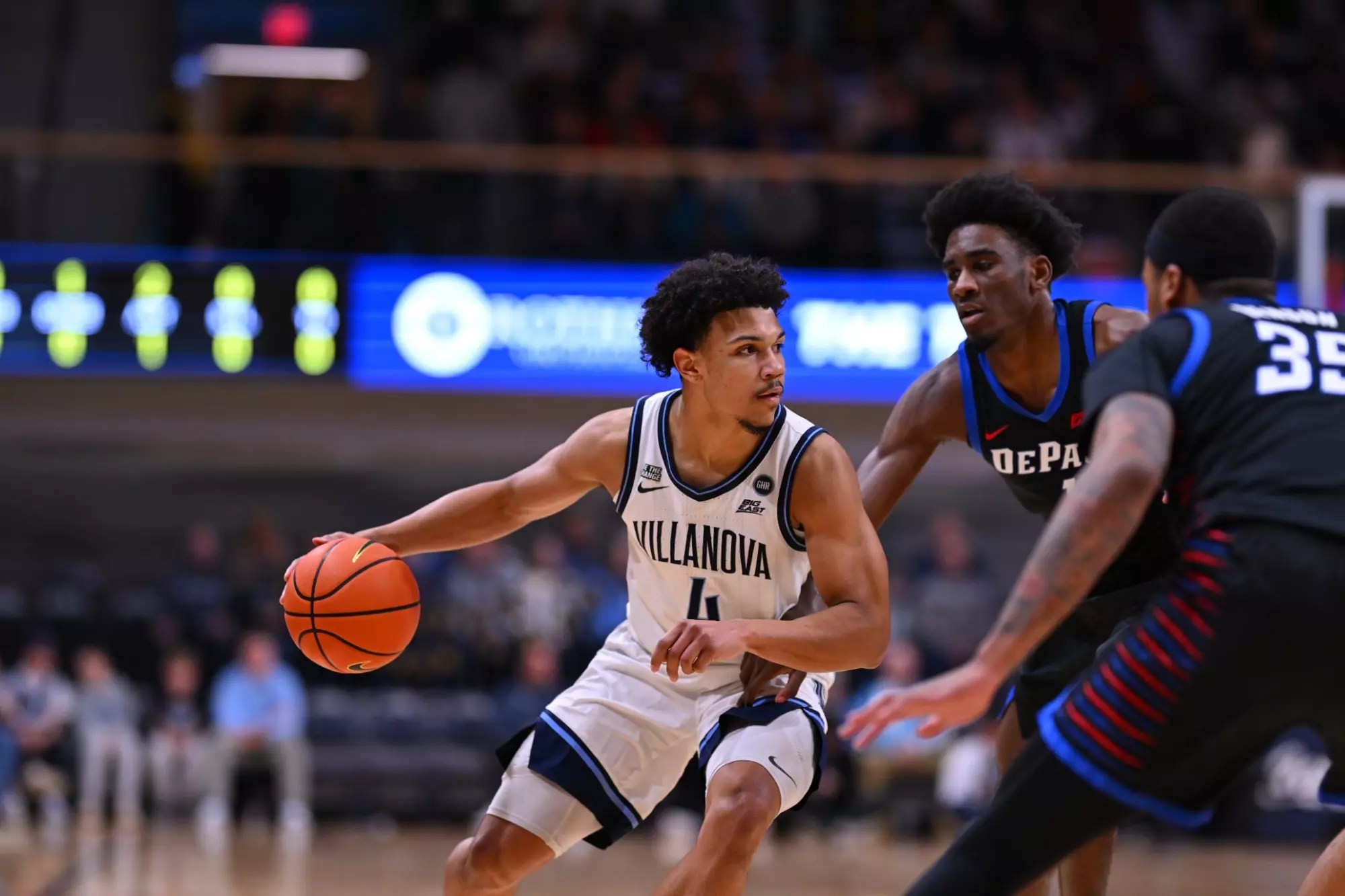
PHILADELPHIA, PA – The Greater Philadelphia Region, throughout much of the last century, has been at the epicenter of college basketball. Very few cities can match the collegiate hoops legacy Philadelphia. For decades, the sport’s soul here was not found in one dynasty, but in the fierce, neighborhood blood feud known as the Big Five. The Palestra floor bore witness to the strategic genius of Penn’s Chuck Daly, the dynasty of Princeton’s Pete Carril, Jack Ramsay’s Hawks, John Chaney’s legendary zone defense, the explosive talent of Temple’s Guy Rodgers and Mark Macon, and the championship grit of Rollie Massimino’s Villanova Wildcats. It was a collective identity, a round-robin of pride where any team could be king on any given night.

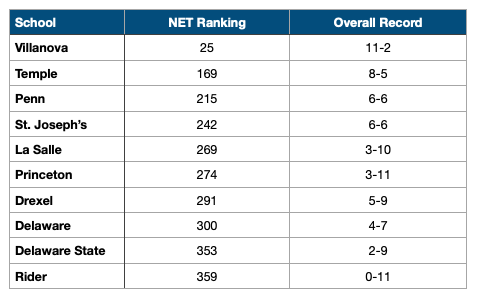
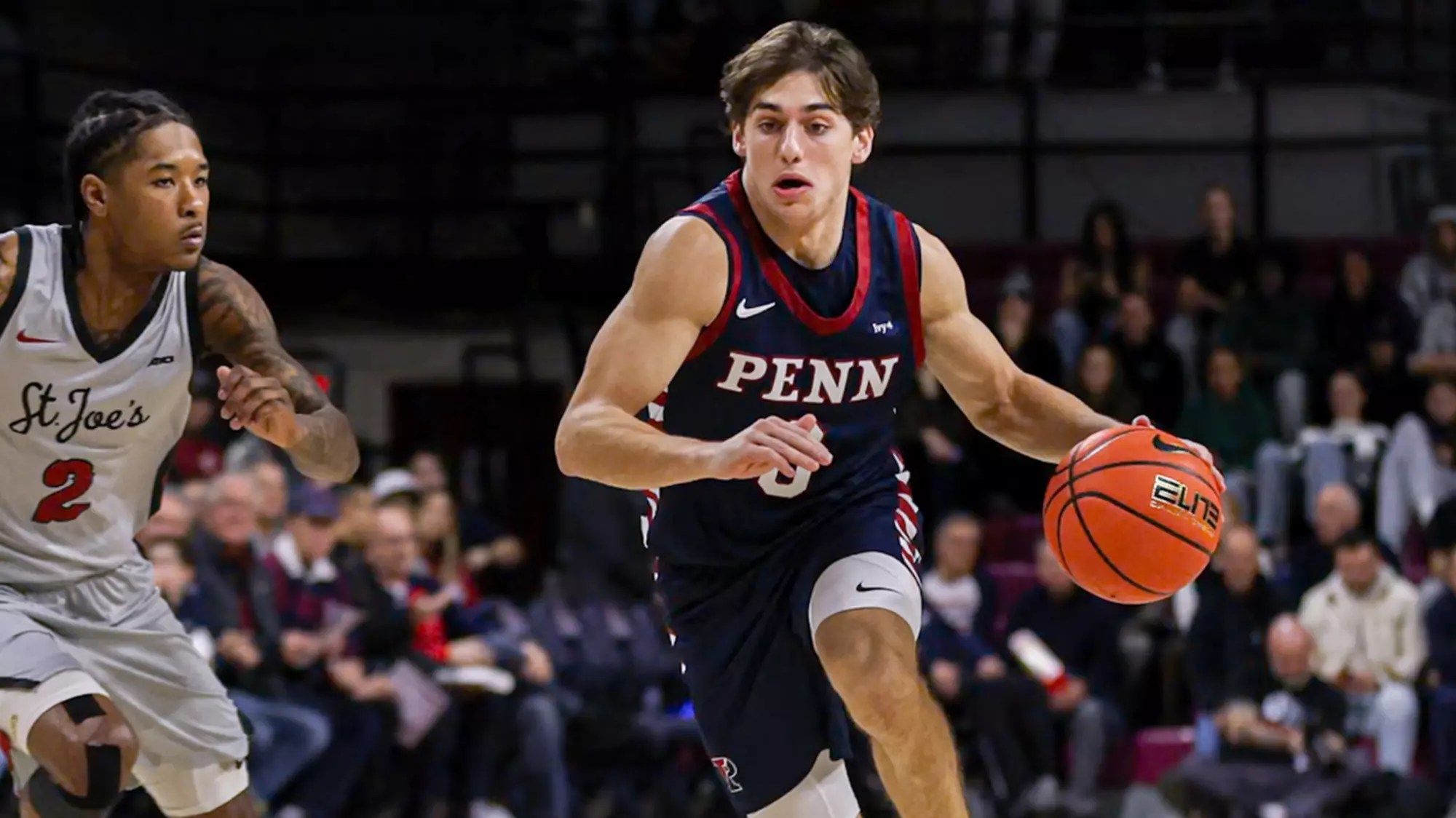
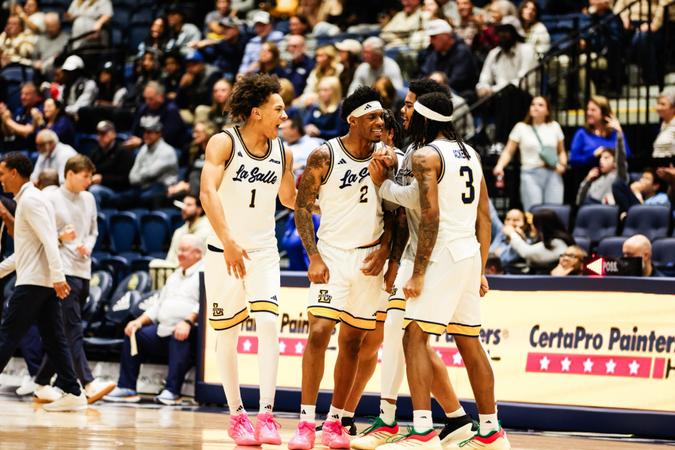
Today, that identity is on life support. A glance at the current NCAA Evaluation Tool (NET) rankings—the modern metric for tournament worth—paints a picture of systemic collapse. Villanova sits at a respectable No. 25 with an 11-2 record, a beacon in a sea of distress signals. Behind them, the landscape is a ruin: Temple at 169, Penn at 215, St. Joseph’s at 242, La Salle at 269, with the others (Delaware, Delaware State and Rider) languishing near or at the very bottom of Division I. For three consecutive seasons, not a single one of these ten local programs has earned an NCAA Tournament bid. The data is unambiguous: Greater Philadelphia college basketball, save for one shining exception, has become noncompetitive. To borrow the blunt lexicon of a younger generation, the teams are, frankly, “ASS.”

How did a cradle of the sport become a cautionary tale? The demise is not an accident of poor seasons, but the result of a perfect and ongoing storm—a confluence of revolutionary NCAA rule changes and a failure of local leadership to adapt, leaving proud programs on the verge of being relegated to the dustbin of history.

The Great Disruption: NIL and the Portal Reshape the Game

The tectonic plates of college athletics have shifted, and Philadelphia’s midsize basketball schools have fallen into the crevasse. The dual emergence of name, image and likeness (NIL) compensation and the unrestricted transfer portal has fundamentally altered the competitive ecosystem. These changes were intended to empower athletes, but in practice, they have created a free-agent market that overwhelmingly favors programs with the deepest pockets and the most exposure.

This new era is tailor-made for football-dominated high-major conferences—the SEC, Big Ten and Big 12. Their athletic departments boast television revenues in the hundreds of millions, which fund massive, collectivized NIL war chests. A standout guard at La Salle or Drexel is no longer just a local hero; he is a tangible asset who can, and often does, portal directly to a power conference school for a life-changing financial offer. The result is a brutal new hierarchy: Philadelphia’s historic programs now risk becoming de facto feeder systems, the equivalent of Triple-A or Double-A farm teams developing talent for the sport’s major leagues.

The Villanova Exception: A Lesson in Ruthless Adaptation

Amid this chaos, Villanova’s continued relevance is not a happy accident; it is a case study in shrewd, unsentimental adaptation. Recognizing that the old formula was broken, the university made a difficult but necessary decision to part ways with Kyle Neptune. In his place, they hired Kevin Willard, a coach with a proven record of program-building and, crucially, deep, well-established relationships in the high school and grassroots basketball circles that now serve as the lifeblood of recruiting in the NIL/portal era.

Villanova’s success underscores the two non-negotiable requirements for survival today: a charismatic coach with profound connections and a university administration willing to marshal serious financial resources to compete for prospects. Villanova has both. It can leverage its Big East pedigree, its national brand, and presumably, a robust NIL apparatus to not only retain its own talent but to selectively pluck the best from the transfer portal. The other local schools, competing in conferences with smaller profiles and budgets, are fighting this battle with one hand tied behind their backs.

A Crisis of Leadership and Vision

While structural forces are immense, they are exacerbated by a local failure to innovate. For years, programs like Temple, St. Joseph’s, and Penn have cycled through coaching hires that have failed to ignite a spark or connect with the modern recruit. In an age where a player’s personal brand and financial future are paramount, a coach must be more than a tactician; he must be a persuasive advocate, a connector, and a visionary who can sell a compelling path to relevance.

The inability to identify and empower such figures has left these programs adrift. Their games, once must-see events that packed the Palestra, now lack the star power and competitive urgency to capture the city’s imagination. The shared cultural touchstone of the Big Five rivalry feels increasingly nostalgic, a celebration of what was, rather than a vibrant showcase of what is.

Is There a Path Back?

The outlook is undeniably bleak, but not necessarily hopeless. The path to resuscitation, however, is narrow and demanding. It begins with a radical commitment from university presidents and boards. They must first acknowledge they are no longer competing in the old collegiate model but in a professionalized marketplace. This means:

  1. Investing in a Proven, Connected Coach: The coaching search cannot be a cost-cutting exercise. It must target a dynamic leader with a tangible plan for navigating NIL and the portal.
  2. Building a Sustainable NIL Collective: Alumni and boosters must be organized to create competitive, if not elite, NIL opportunities. This is not optional; it is the price of admission for retaining a core roster.
  3. Embracing a New Identity: Without Power Conference money, these schools must become brilliant developers of overlooked talent and strategic users of the portal, finding players who fit a specific, hard-nosed system that can upset more talented teams.

The alternative is a continued slide into irrelevance. Philadelphia is too great a basketball city to accept being a one-team town. The ghosts of the Palestra deserve better. But saving this rich heritage will require more than nostalgia; it will require the very money, ruthlessness, and vision that these institutions have, thus far, been unwilling to muster. The final buzzer on an era hasn’t sounded yet, but the shot clock is winding down.