PHILADELPHIA, PA – For three long winters, a familiar silence hung over the basketball cathedrals of Philadelphia. No streamers raining from the Palestra rafters. No jubilant students rushing the court at the Finn. No knowing smiles on Hawk Hill. For the first time in the modern era, the City of Brotherly Love was exiled from of March Madness for more than 1,000 days. The Big Five, that storied confederation of basketball identity, had become an afterthought on the national stage.
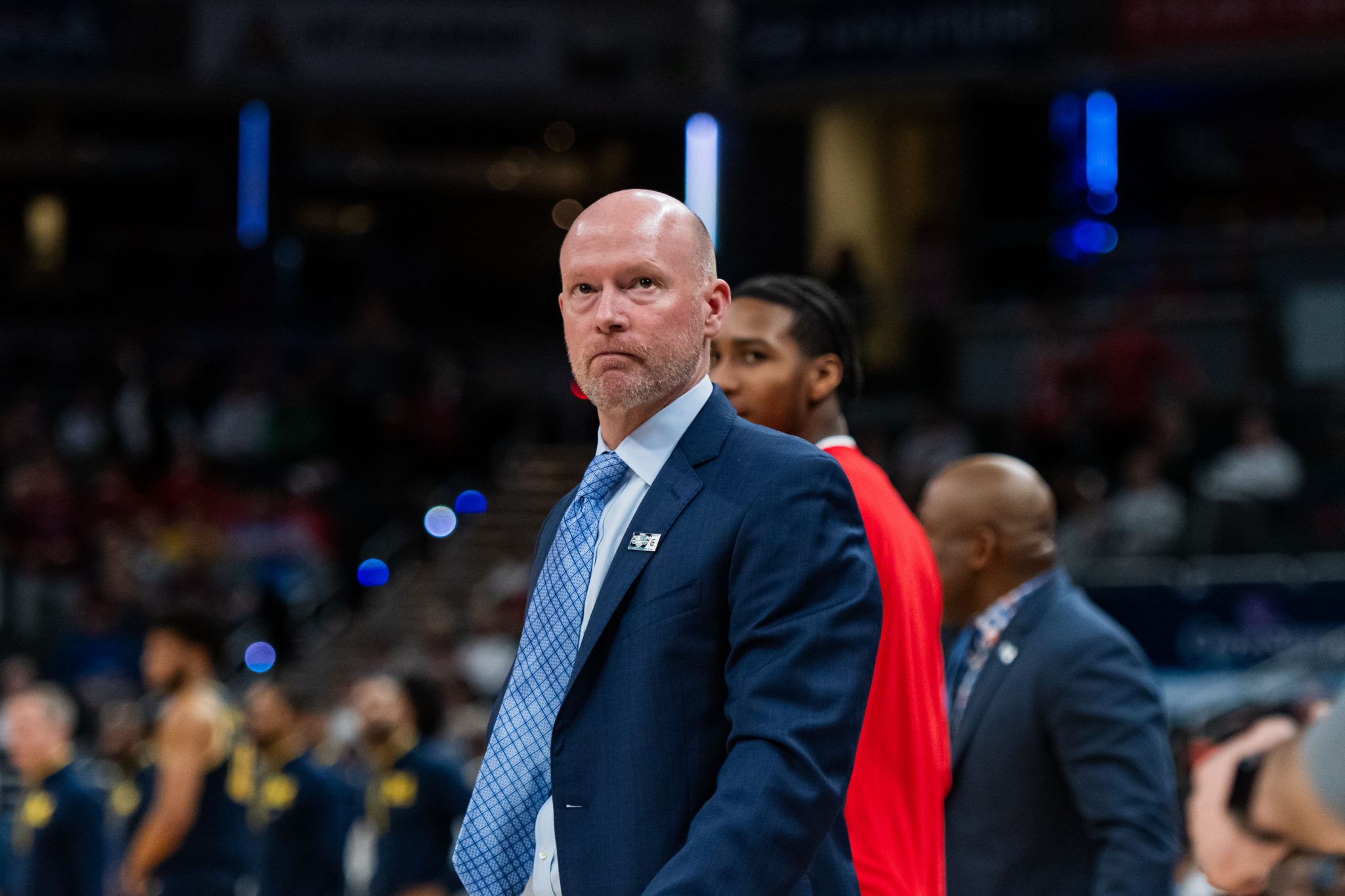
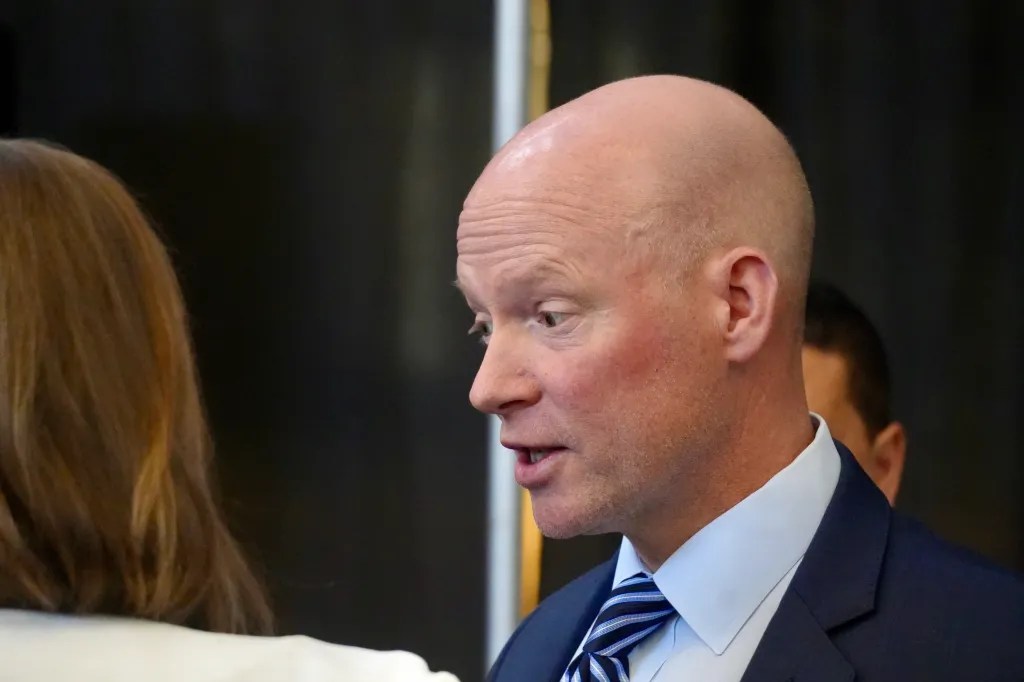
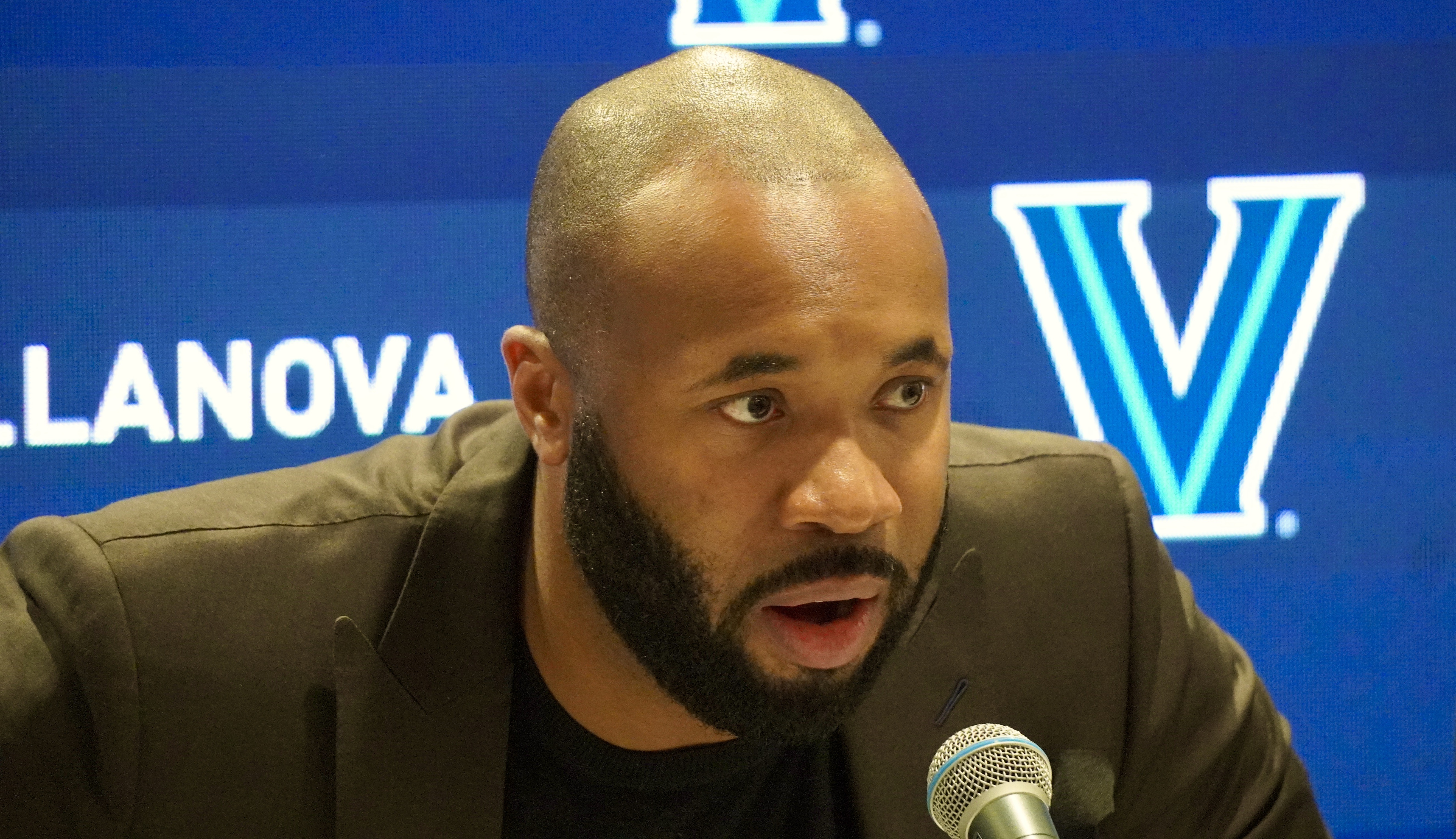
Kevin Willard, Villanova
That drought ended on Selection Sunday. And as the names “Villanova” and “Penn” flashed onto the bracket, it signaled not merely a return to the fold, but a validation of a new philosophy in college athletics. Faced with the existential disruption of the transfer portal and NIL (Name, Image, and Likeness), the Presidents and athletic directors at Villanova and Penn did not simply hire basketball coaches; they hired CEOs of basketball programs. In Kevin Willard and Fran McCaffery, they found leaders whose immediate success provides a masterclass in navigating the chaotic waters of modern college sports.
The Calculus of Change
To understand the euphoria of this March, one must revisit the difficult decisions of last spring. Villanova’s decision to move on from Kyle Neptune and Penn’s separation from Steve Donahue were not indictments of their character or effort. Rather, they were strategic choices made under conditions of incomplete information, asymmetric power, and immense time pressure. In the current paradigm, a coach is no longer judged solely on x’s and o’s, but on their ability to manage a high-turnover roster, fundraise for NIL collectives, and leverage support staff with the precision of a general manager.
Both programs were not simply choosing a coach; they were seeking a return to pride for programs with strong historical traditions. They needed leaders capable of translating history into a pitch that resonates in a present where players are also employees. By any measurable standard, both hires have paid immediate, resounding dividends.
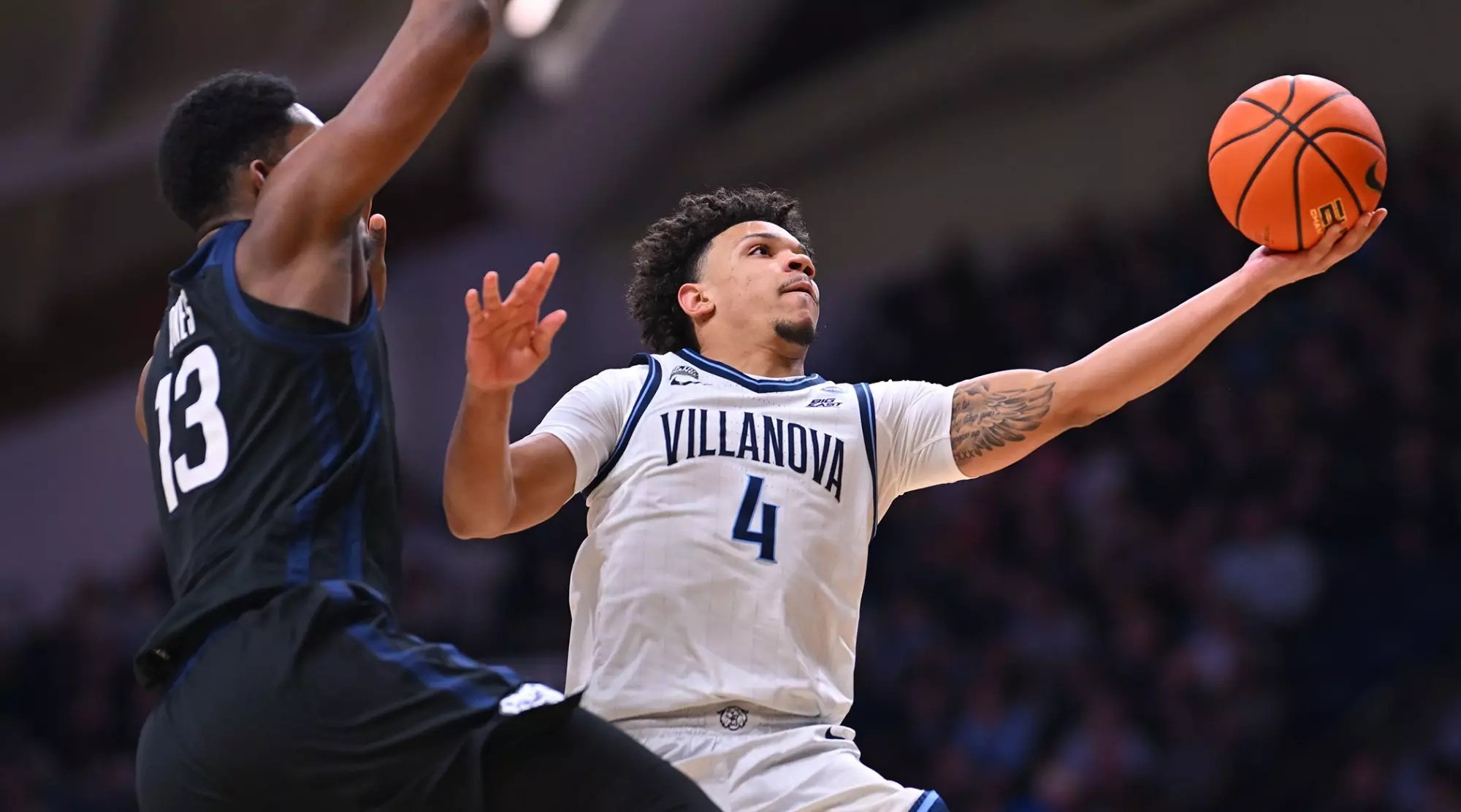
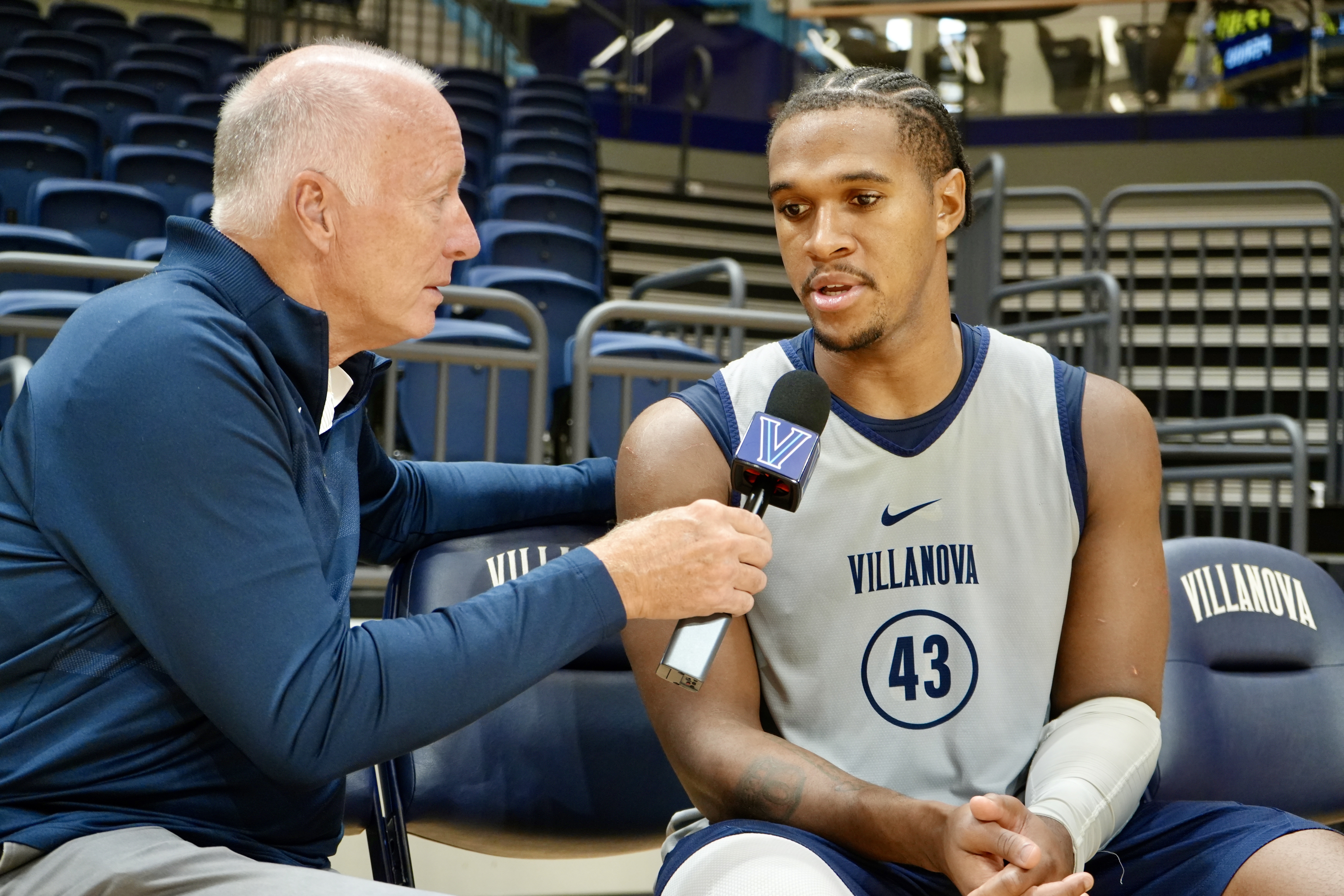
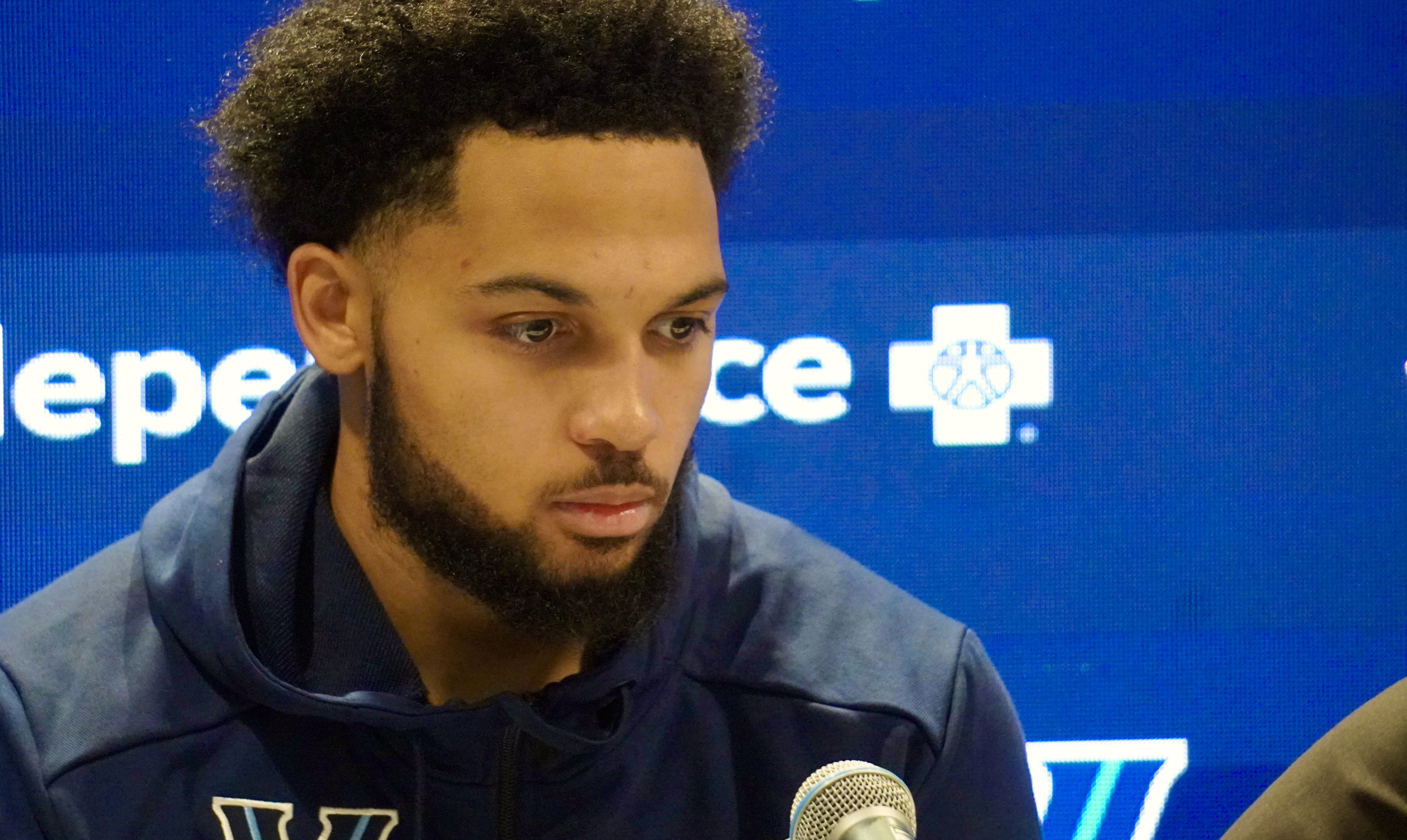
Tyler Perkins, Villanova
The Measurable Success of Kevin Willard at Villanova
In the cutthroat environment of the Big East, Villanova needed to reclaim its birthright. Kevin Willard’s first season on the Main Line is a textbook example of modern roster management fused with winning basketball.
Traditional On-Court Performance: The Wildcats are dancing. After a 3 year absence, Villanova is back in the NCAA Tournament. While the regular season had its growing pains, the team peaked at the right time, demonstrating the coaching acumen necessary to win in March.
Recruiting & Roster Management: Willard inherited a program in flux. His immediate success in the transfer portal was staggering. He didn’t just fill gaps; he retooled the engine, securing high-impact players who bought into his system immediately. This ability to “re-recruit” his own roster while acquiring proven talent is the hallmark of a modern coach who understands the portal is not a threat, but a resource.
Adaptability to Modern Landscape: Willard arrived with a clear understanding that fundraising is coaching. He engaged the Villanova donor base, ensuring the NIL infrastructure could compete with the blue bloods of the sport.
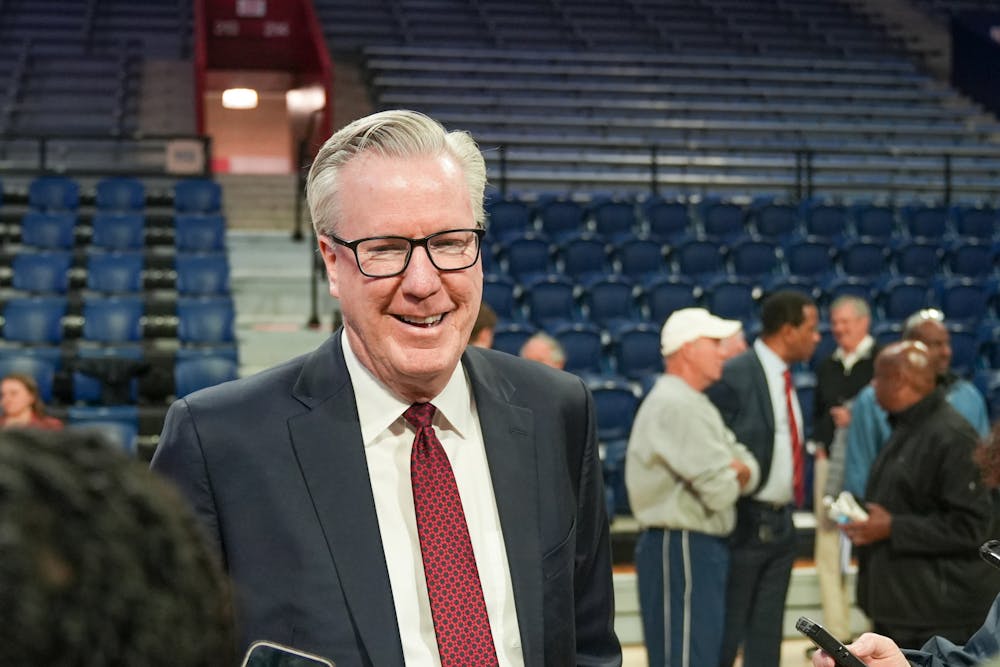
Fran McCaffery, Penn
The Renaissance of Fran McCaffery at Penn
While Villanova fights in the gladiator arena of high-major basketball, Penn’s success is arguably a more delicate engineering feat. Coaching in the Ivy League requires adhering to strict academic standards and operating without the scholarship flexibility of the power conferences. Fran McCaffery has navigated these constraints with the savvy of a veteran diplomat.
Traditional On-Court Performance: The Quakers are Ivy League Champions. They cut down the nets. This is the ultimate metric. McCaffery took a program that had stagnated and immediately instilled a winning DNA, capturing the conference’s automatic bid.
Program Leadership & Culture: In the Ivy League, you cannot simply “portal” your way to a title. You must develop players over four years. McCaffery has a legendary reputation for player development. He inherited a roster and immediately improved its synergy, blending the returning talent with his system to create a cohesive unit that played with a chemistry absent in recent years. He restored the standard of Penn Basketball: excellence.
Budget Management & Adaptability: The Ivy League presents a unique challenge in the NIL era—namely, that it doesn’t exist in the same way. McCaffery’s success lies in selling a different kind of value: the value of an Ivy League degree combined with high-major coaching. He is winning the recruiting battles not with cash, but with culture and a vision, proving that adaptability sometimes means knowing how to win with the tools unique to your workshop.
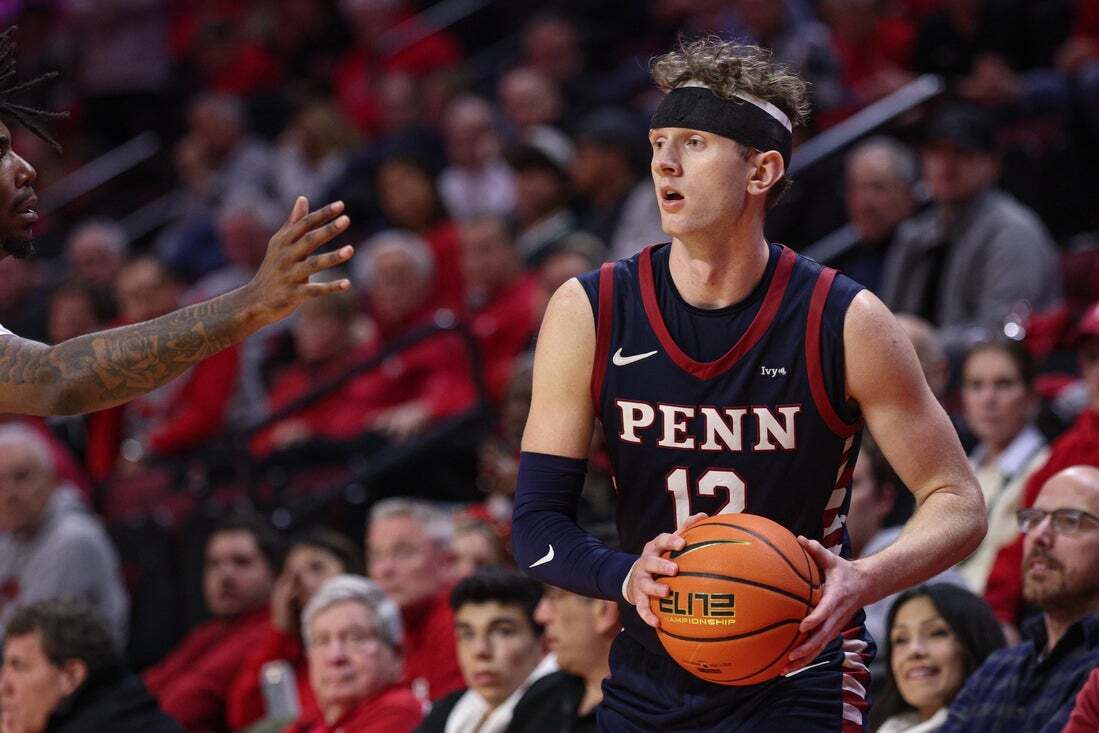
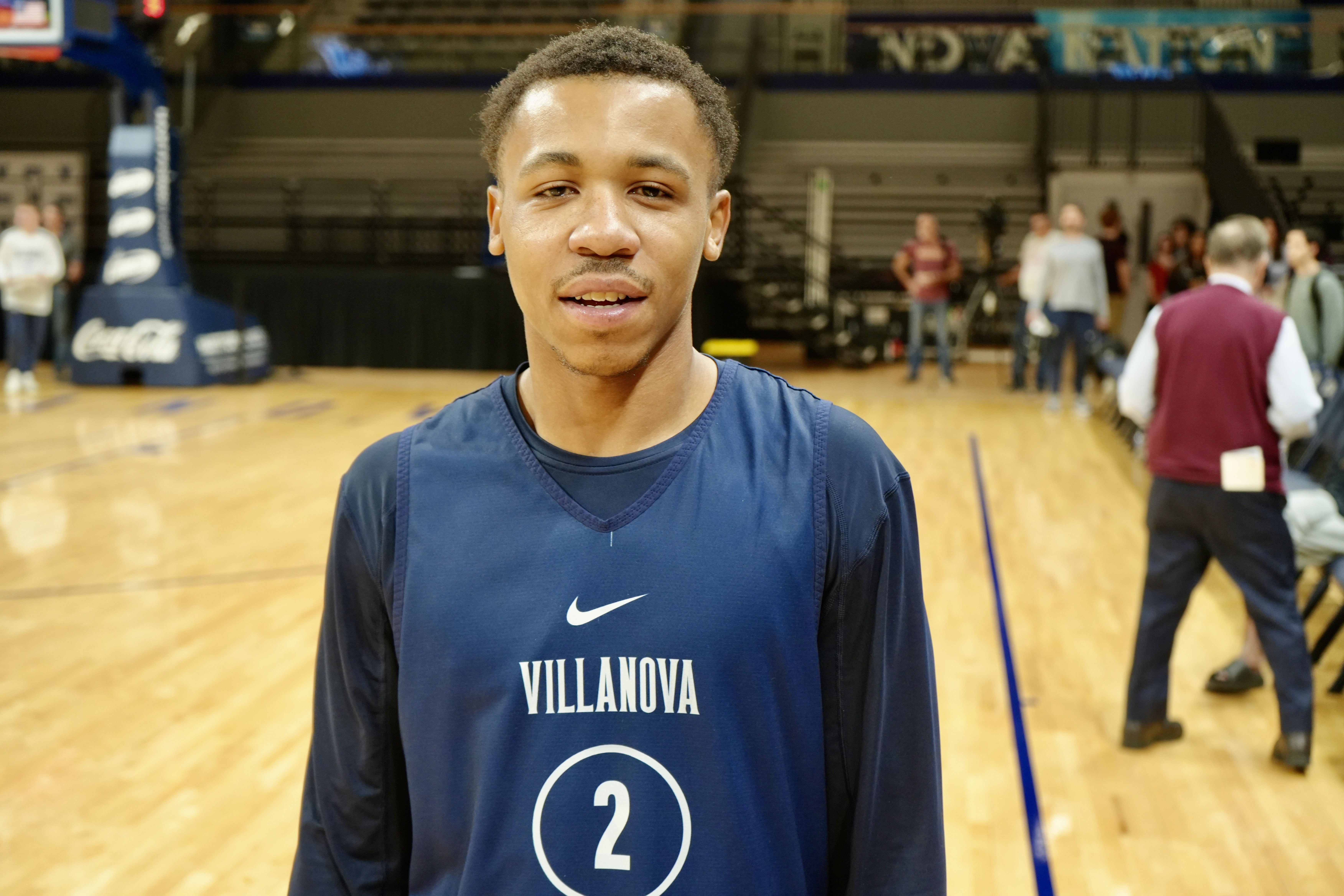
TJ Power, Pennsylvania
A City’s Pride Restored
The return of Villanova and Penn to the NCAA Tournament is more than a statistical correction; it is a cultural revival. The “Holy City of Hoops” has its altars lit once more.
By moving on from the past, both programs embraced a future that demands versatility. Kevin Willard proved he could handle the mercenary nature of the Big East, while Fran McCaffery proved he could galvanize the scholar-athletes of the Ivy League. They represent two sides of the same coin: success in the 21st-century college game requires a coach who is part X’s and O’s savant, part general manager, and part fundraiser.
As the brackets are filled out in corner bars from Manayunk to Media, the names “Nova” and “Penn” are written in ink with hope. The drought is over. The strategic gambles paid off. And in Philadelphia, that is worth celebrating—because in this town, basketball isn’t just a game. It’s a birthright.
PHILADELPHIA — In the cloistered world of college basketball, the term “blue blood” is more than a compliment. It is a patent of nobility, earned not by a single triumph but by a sustained reign. It signifies a dynasty with championships, constant national relevance and a gravitational pull that shapes the sport’s ecosystem.
For nearly two decades under Jay Wright, the Villanova Wildcats did not just earn an invitation to that elite fraternity; they commandeered a seat at the head table. Wright transformed a proud program with a Cinderella past into a contemporary superpower, aligning its orbit with titans like Duke, Kansas and North Carolina. But the unforgiving test of a blue blood is not achievement under a singular visionary. It is institutional permanence.
The three seasons since Wright’s abrupt retirement in April 2022 have served as that crucible. And the evidence is stark. Without its foundational architect, Villanova has experienced a swift and decisive regression, revealing that its blue-blood stature was a magnificent, coach-dependent edifice, not yet embedded in the program’s bedrock. The Wildcats, for now, have relinquished their hard-won place among the sport’s true aristocracy.
The task of restoration now falls to Kevin Willard, a proven program-builder tasked with a dual mandate: to win immediately in the hyper-competitive Big East and to forge a sustainable culture for the chaotic new age of college athletics. His early returns — a 10-2 start in his first season — are promising. But his true test is whether he can architect a new, resilient version of the Villanova brotherhood.
The Architectural Miracle and Its Swift Demise
Jay Wright’s 21-year tenure was an exercise in systematic elevation. His record — 520 wins, two national championships, four Final Fours — provides the statistical backbone. Yet his genius was in building a modern dynasty that projected power consistently and nationally, the essential hallmark of a blue blood. From 2014 through 2022, Villanova was a constant atop the sport. The 2022 Final Four crystallized this arrival: Villanova joined Duke, North Carolina and Kansas in New Orleans, and the collective logos sparked a mainstream debate about its blue-blood status.
Yet, analysts distinguish between “traditional blue bloods” — whose success spans multiple coaching regimes — and “new bloods.” Villanova’s modern empire was overwhelmingly concentrated in the Wright era. The departure of such a transformative figure is the ultimate stress test.
The tenure of Kyle Neptune, Wright’s chosen successor, provided a clear, and negative, verdict. The decline was measurable across every key metric: Villanova failed to win an NCAA tournament game in the post-Wright era and missed the tournament entirely for three consecutive seasons. Its stranglehold on the Big East vanished. The formidable recruiting pipeline Wright built slowed to a trickle. In March 2025, after a 19-14 season, Neptune was fired.
The simultaneous rise of Big East rival UConn underscores Villanova’s fall. After a brief transition following their own legendary coach, UConn won a National Championship with Kevin Ollie at the helm and UConn won two more national titles under Dan Hurley. This multigenerational, multi-coach success is the definitive argument for blue-blood status. Villanova, in the same period, went from sharing a Final Four stage with blue bloods to watching its conference rival cement the very status it let slip.
The Willard Blueprint: Proven Success in a New Era
Into this void stepped Kevin Willard. Hired in March 2025, he arrived with a mandate for immediate and lasting restoration. Villanova’s leadership was unequivocal about why he was their choice.
“Coach Willard demonstrated that he has the vision and experience to guide Villanova Basketball in the changing world of college athletics,” said Villanova University President Rev. Peter M. Donohue.
This new world is defined by the transfer portal and, critically, the landmark House v. NCAA settlement, which legalized direct revenue sharing between universities and student-athletes. Willard’s record suggests he is built for this challenge.
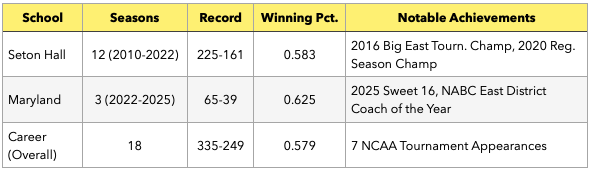
His résumé is a blueprint for building competitive programs against elite competition. At Seton Hall, he inherited a struggling program and, through meticulous building, transformed it into a Big East power. He departed as the second-winningest coach in school history with a conference tournament title and a regular-season crown. He then proved his model worked outside the Big East, leading Maryland to a 27-win season and a Sweet 16 appearance in 2025.
With a career winning percentage of .579 across nearly 600 games at the Division I level, Willard is a proven commodity. His early work at Villanova has been impressive: the Wildcats sprinted to a 10-2 start in his first season, showing renewed defensive grit and offensive balance.
Table: Kevin Willard’s Head Coaching Record Before Villanova
Rebuilding the Brotherhood in the Age of Free Agency
Today’s elite coach must be more than a tactician; he must be a chief executive, a cultural steward and a relationship-builder in an environment of empowered free agency. Willard’s philosophy appears tailored for this reality.
At his introductory press conference, he pledged to embrace the existing culture while adapting it, stating, “Villanova Basketball has a deep tradition of excellence and a culture that is second to none in college basketball”. His approach to roster construction balances the immediate need for talent with long-term cultural stability.
“We want to focus on high school kids and develop them,” Willard has emphasized, a nod to the “Villanova Way” of building through player development. This is evident in his first roster, which blends promising high school recruits like top-100 guard Acaden Lewis with strategic transfers from his former programs.
This human-centric approach is Willard’s hallmark. His career is marked by stories of deep, individualized mentorship. Two of his players hold the record for games played at their respective schools and serve as perfect bookends to his philosophy. Michael Nzei, a forward from Nigeria who played for Willard at Seton Hall, was the epitome of the scholar-athlete. Academically brilliant, he was named the Big East Scholar-Athlete of the Year in 2019. While Nzei spoke openly of professional basketball dreams, Willard saw the fuller picture. In a private moment, the coach expressed a knowing confidence that Nzei’s destiny was not on the court but on Wall Street. Willard’s role was not to dissuade him from his athletic goals, but to provide the platform and support for him to excel in both arenas, understanding that true coaching means preparing a player for the 40 years after basketball, not just the four years within it.
Donta Scott’s journey was different. A talented forward from the Philadelphia Public League who played for Willard at Maryland, Scott arrived with significant academic challenges. As he detailed in his book “Wired Differently”, Scott he was a student who learned differently, with gaps and unmet needs. For Scott, the path to success required intense, personalized academic intervention and support. Willard and his staff provided exactly that, creating a structure that allowed Scott to thrive academically and athletically. The result was not only a successful collegiate basketball career but the ultimate prize: a bachelor’s degree from the University of Maryland.
At Seton Hall, he guided Michael Nzei from Nigeria to become the Big East Scholar-Athlete of the Year, seeing in him a future beyond the court. At Maryland, he provided intensive academic support for Philadelphia native Donta Scott, helping him earn his degree. In an era where players can transfer at will, this ability to forge genuine trust ranks among a coach’s most critical skills. In a transaction-focused, transfer portal/NIL era, Willard is committed to helping players attain and maintain a levels of academic performance and vocational aspirations that are commensurate with their intellectual ability and personal ambition.
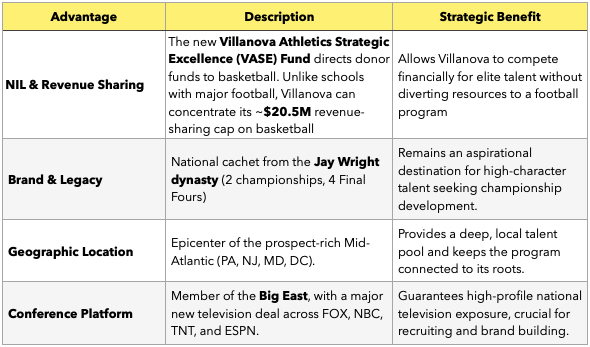
Villanova’s Structural Advantages: A Foundation for Return
While its blue-blood status may have dimmed, Villanova under Willard operates from a position of significant institutional strength. The program’s potential resurgence is built on four key pillars:
Table: Villanova’s Competitive Advantages in the New Era
Eric Roedl, Villanova’s Vice President and Director of Athletics, has outlined an aggressive strategy to leverage these assets. “We’re going to be proactive and bold with how we try to position our programs to be successful,” Roedl stated, emphasizing the opportunity to focus resources on basketball.
The Path Forward
The chants in the stands at the Finneran Pavilion have regained a note of optimistic fervor. The early success of Willard’s first season is a necessary first step, but it is only a step. The true measure of his project will not be this season’s win total, but whether he can reignite the self-sustaining engine that defines the sport’s elite.
For any other Big 5 program, an NCAA tournament bid might be a celebration. For Villanova University, it is a non-negotiable baseline—the bare minimum required to uphold a decades-long contract with excellence. The standard on the Main Line is not merely to participate, but to contend for national titles, a reality cemented by championships in 1985, 2016, and 2018. In the modern landscape, where the Big East reliably secures four to five bids, Villanova’s brand, resources, and history demand it be a perennial lock, not a hopeful bubble team. To miss the tournament is not a minor setback; it is an institutional failure, a stark deviation from the very identity of a blue blood program that operates in a basketball-centric conference and commands national respect. The expectation isn’t arrogance; it is the logical conclusion of the program it built.
Within that framework, the tournament itself is merely the entry fee to the arena where true judgment begins. A Sweet 16 appearance is acceptable; an Elite Eight run is good. The Final Four is outstanding. And cutting down the nets is the ultimate, achievable goal. This is the clear and established hierarchy at Villanova, a program whose modern golden age under Jay Wright proved that sustained elite status, not occasional flashes, is the mandate. To lower the bar now, to treat a tournament bid as an aspirational goal, would be to surrender the program’s hard-won stature. In the ruthless calculus of college basketball’s upper echelon, making the field is the price of admission. For Villanova, anything less is an invoice left tragically unpaid.
Willard can get it done. He must prove he can consistently recruit at a blue-blood level, not just in the transfer portal but with the high-school prospects who become program legends. He must navigate the new financial landscape, ensuring Villanova’s NIL apparatus is robust enough to retain homegrown stars. And he must, above all, reforge the brotherhood — that intangible culture of collective sacrifice and trust — in an era that incentivizes individualism.
Jay Wright’s Villanova was a masterpiece. Kevin Willard’s task is not to create a replica, but to design a new, equally formidable structure on the same foundational principles, one capable of withstanding the storms of modern college athletics. The throne sits waiting. Willard is now the architect charged with building a kingdom that can endure long after its king has departed.
RADNOR, PA – In Philadelphia, the head coaching job for Villanova men’s basketball isn’t just another position—it’s a crown. As a lifelong Philadelphian, I’d argue that only the Eagles’ and Phillies’ top jobs command more universal respect than leading the Wildcats. The Sixers, Flyers, and Union coaches have their admirers, but none occupy the same pedestal as the man steering Villanova.
That reverence is largely the legacy of Jay Wright, who transformed the program into a national powerhouse. Wright didn’t just surpass Big 5 legends like John Chaney and Jack Ramsay—he redefined what success looked like in Philadelphia basketball. Six Big East titles, four Final Fours, and two national championships in 21 seasons set a standard that seemed almost impossible to maintain.
When Wright stepped down in 2022, Villanova turned to his protégé, Kyle Neptune. But after three underwhelming seasons—no NCAA Tournament appearances, no deep Big East runs—the school moved on. Now, the Wildcats have handed the keys to Kevin Willard, a seasoned Big East hand with a track record of player development and program-building.
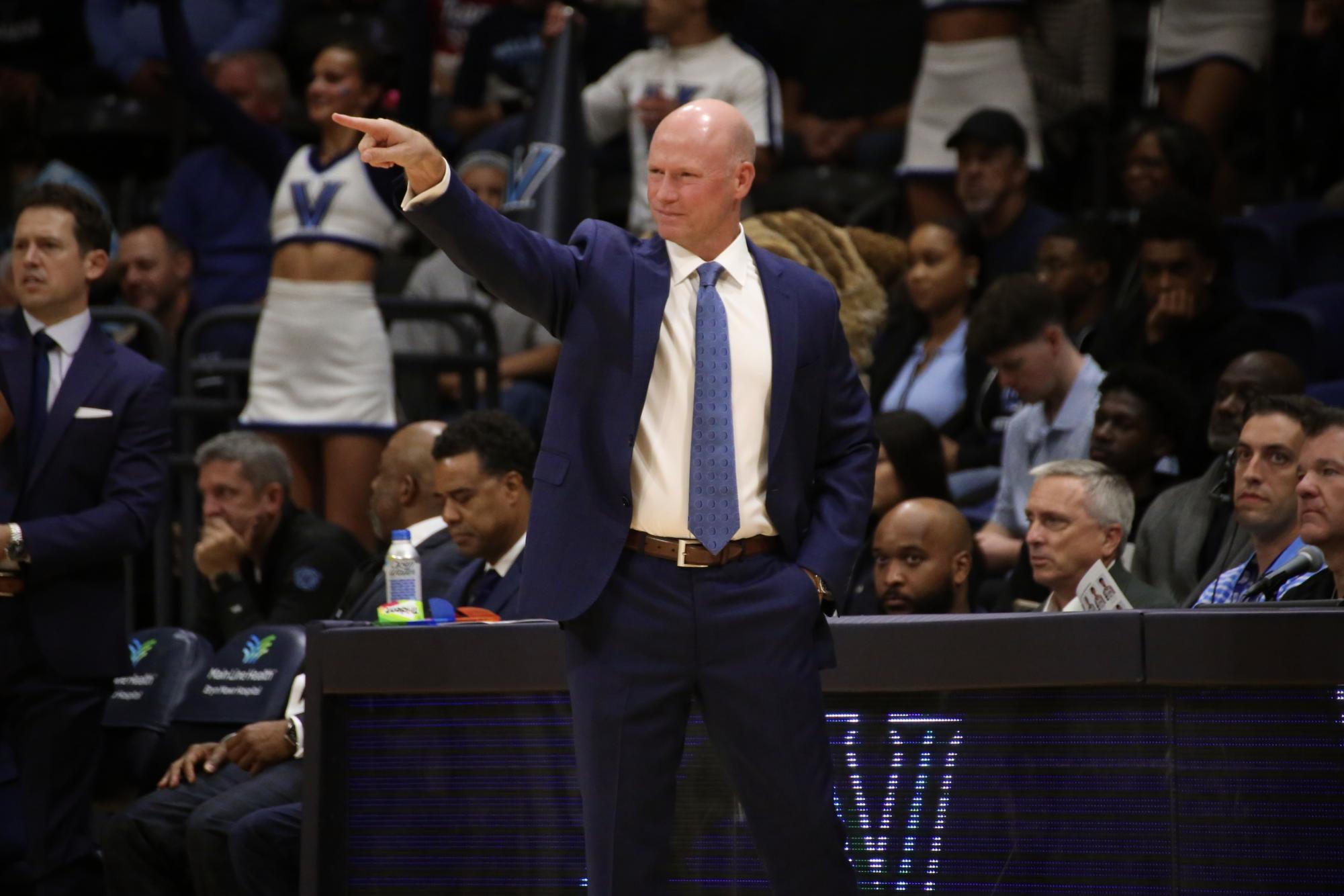
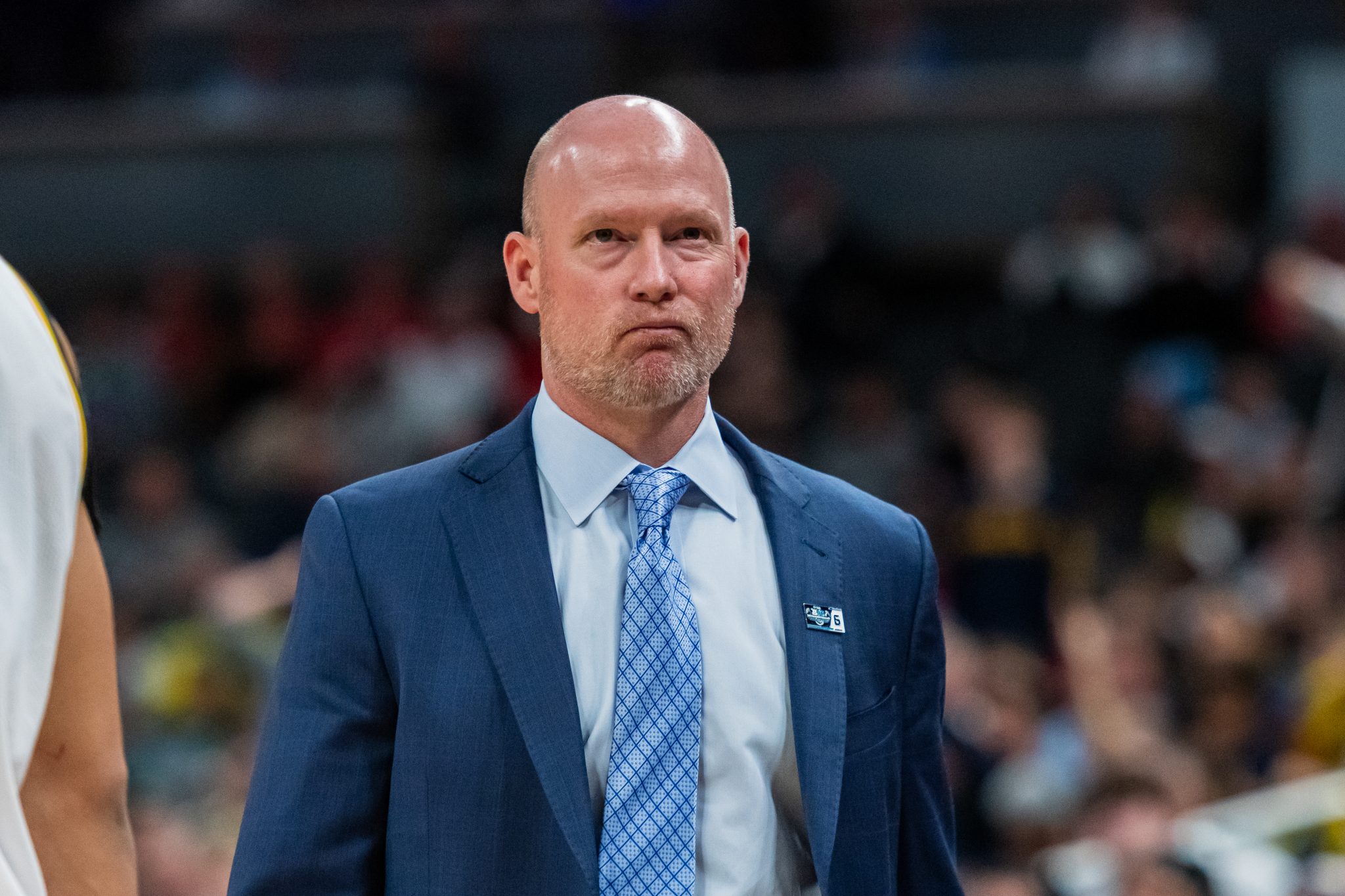
Kevin Willard, Villanova
Willard, 50, arrives after a three-year stint at Maryland, but his roots run deep in the Big East. He spent six years as Rick Pitino’s assistant at Louisville and 12 as Seton Hall’s head coach, where he turned the Pirates into consistent contenders. At his introductory press conference, flanked by a strong staff—David Cox, Kevin Norris, Ashley Howard, Greg Manning Jr.—Willard sounded like a man ready to plant his flag.
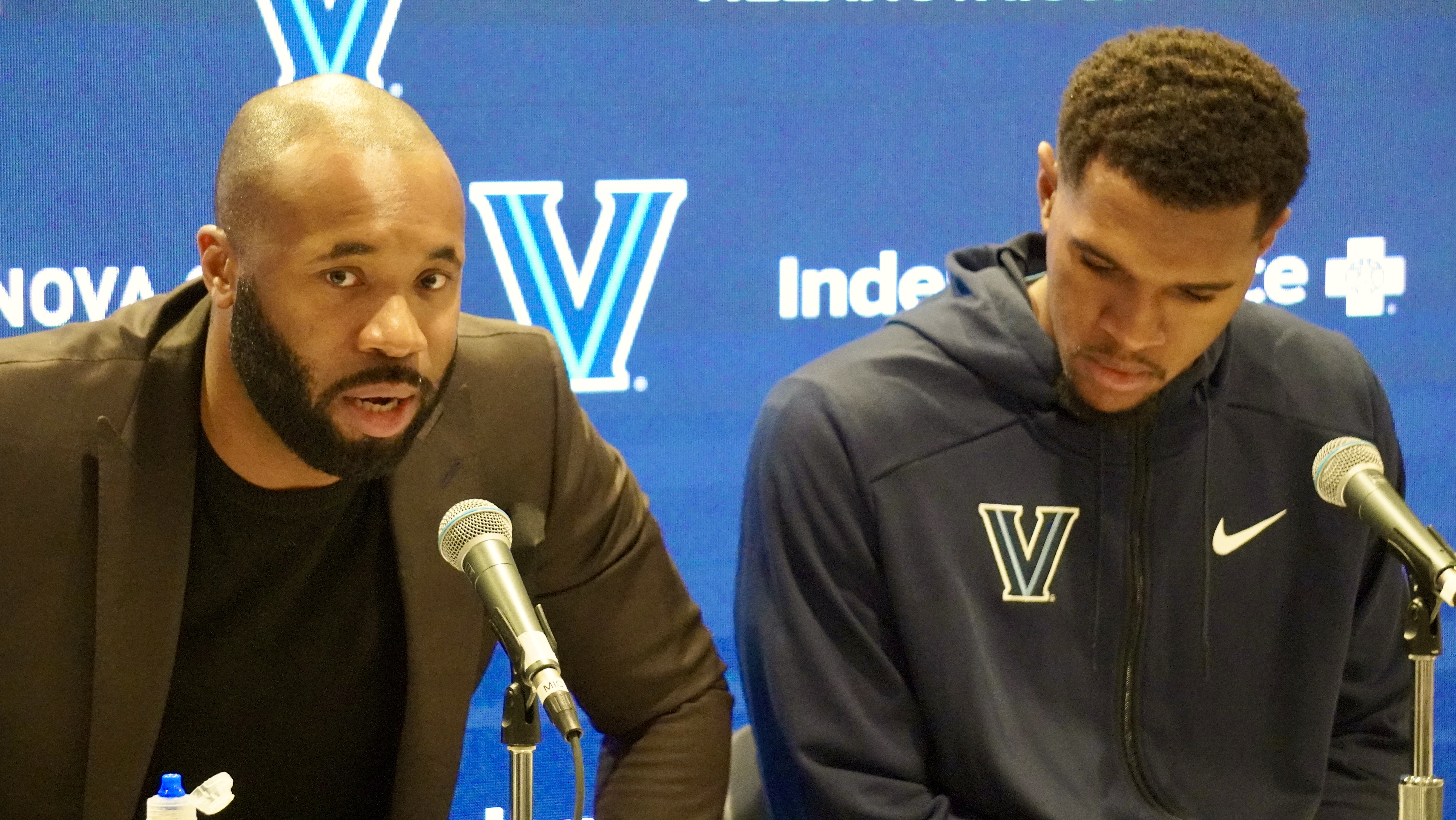
Delgreco Wilson, Black Cager Sports (l) and Greg Manning, Villanova Assistant Coach (r)
“I’m in the prime of my coaching career,” he said. “This is where I want to be.”
But beyond the résumé, what makes Willard the right hire? Because he’s a player’s coach—a term often overused but perfectly fitting here. He doesn’t just develop talent; he invests in his players as people.
Take Donta Scott, the former Imhotep Charter star. Willard recruited him to Seton Hall, then coached him at Maryland, pushing him to embrace a more aggressive offensive role. Scott, now in the G League, credits Willard’s guidance for his growth. Or Julian Reese, who became just the second Terp ever to reach 1,000 rebounds under Willard’s watch. And then there’s freshman phenom Derek Queen, whose buzzer-beater in this year’s NCAA Tournament announced him as a future star.
Perhaps the most telling story is that of Michael Nzei, a Seton Hall role player under Willard. When asked if Nzei could play professionally overseas, Willard didn’t hesitate: “He’ll make more money on Wall Street.” Two weeks after his final game, Nzei landed a job at Goldman Sachs.
Eric Watkins, VU Sports (l) and Ashley Howard, Villanova Assistant Coach (r)
That’s the kind of coach Villanova is getting—one who sees the bigger picture. In a Big East loaded with heavyweights like Rick Pitino, Shaka Smart, and Dan Hurley, Willard has the presence, the pedigree, and the player-first approach to restore Villanova to its rightful place among college basketball’s elite.
The Main Line is ready. The Big East should be too.
NEWARK, NJ – At the Prudential Center, in the “Brick City” of Newark, New Jersey, two basketball players at opposite ends of their collegiate journeys clashed in a contest that felt less like an ordinary November game and more like a referendum on talent, experience, and promise. Villanova’s Eric Dixon, a high skilled seasoned veteran in his sixth year, delivered a performance for the ages, scoring a career-high 38 points. Maryland’s Derik Queen, a freshman sensation, countered with an all-around masterpiece—22 points, 11 rebounds, and 5 assists. In the end, Queen’s Terrapins outlasted Dixon’s Wildcats, securing a hard-fought victory that underscored the growing importance of versatility and team cohesion in modern basketball.
Derik Queen
This game was not just a matchup of two supremely skilled big men but a clash of basketball philosophies. Dixon, a classic Villanova player, is the epitome of what college basketball excellence looks like: disciplined, fundamentally sound, and relentless. His offensive exhibition was a showcase of everything a great college player can be. Whether it was sinking deep NBA-range threes, executing textbook post moves, or blowing by defenders with cunning hesitation dribbles, Dixon seemed unstoppable. He played like a man on a mission, determined to will his team to victory by sheer force of will and skill.
But basketball is rarely a solo endeavor. As Dixon poured in points, Maryland, guided by the precocious Derik Queen, slowly dismantled Villanova’s lead through the synergy of youth, athleticism, and strategic adaptability. Queen’s game was the antithesis of Dixon’s solo heroics. It was symphonic, blending scoring, rebounding, and playmaking into a performance that elevated his entire team. Every time Villanova tried to stretch their advantage, Queen would respond—whether with a slick assist to a cutting teammate, a put-back on the offensive glass, or a soft floater in the lane.
Queen represents the modern big man, a player as comfortable orchestrating an offense from the high post as he is battling in the trenches. His court vision and basketball IQ belied his youth, as he repeatedly found open teammates and exposed Villanova’s defensive lapses. Unlike Dixon, whose scoring was electric but often solitary, Queen’s contributions were woven into Maryland’s collective effort.
Eric Dixon
What makes this matchup fascinating is how it juxtaposes the present and the future of basketball. Dixon is a testament to the value of experience. His five years at Villanova have honed his game to a fine edge, and he plays with a poise and maturity that can only come from time. His mastery of three-level scoring is a reminder that college basketball still has a place for specialists, players who excel in specific roles and who, on their day, can single-handedly carry a team.
Queen, on the other hand, embodies the promise of what basketball can be. At just 18 years old, he is already a complete player. His versatility, unselfishness, and ability to impact the game in multiple ways make him a tantalizing prospect. Queen doesn’t just play basketball; he orchestrates it. He sees the game in layers, understanding not just his role but the roles of everyone around him.
And yet, for all their differences, there is a common thread between Dixon and Queen—a commitment to excellence and an understanding of what it means to lead. Dixon led by example, with his jaw-dropping scoring display reminding everyone why he is one of the best players in college basketball. Queen led through inclusion, making his teammates better and showing why he will one day be one of the best players in the game, period.
Maryland’s victory was a statement win, but it was also a reminder that basketball is a game of moments. On this night, Queen’s all-around brilliance and Maryland’s balanced attack prevailed. But Dixon’s performance will linger in memory, a dazzling exhibition of what a great college basketball player looks like at the peak of their powers.
The season is young, and both players have much to prove. For Dixon, the challenge will be carrying Villanova through the rigors of the Big East and beyond, where his experience and scoring will be indispensable. For Queen, the journey is just beginning, and his growth will be as much about navigating the spotlight as it is about refining his game.
In Newark, the veteran and the rookie gave us a glimpse of basketball’s past, present, and future. Dixon was magnificent, Queen was transformative, and the game was unforgettable. This was more than a matchup—it was a passing of the torch. And while Dixon may be the better player today, Queen’s time is coming. The beauty of basketball is that it allows us to marvel at both.
PHILADELPHIA, PA – Villanova University’s men’s basketball program, long the gold standard of success and integrity, now stands at a critical juncture. Once the envy of collegiate hoops, the Wildcats under Jay Wright evolved from an admired East Coast program to a permanent resident among the sport’s “blue bloods.” In his two decades as head coach, Wright led Villanova to six Big East titles, four Final Fours, and a pair of national championships, solidifying the Wildcats’ place alongside the likes of Duke, Kentucky, North Carolina and Kansas.
But Jay Wright’s abrupt departure in 2022 created a seismic shift on the Main Line. Wright had led an undermanned Villanova squad to the Final Four in his final season, only to vanish stage left, much to the surprise and disappointment of the Wildcat faithful. In a swift succession plan, Villanova’s leadership tapped former assistant Kyle Neptune to inherit the program — a coach respected for his Villanova pedigree but still untested at the program’s elite level. There was no search firm involvement, no long drawn out series of interviews with high profile national candidates. The president, the athletic director and, of course, Wright quickly anointed Kyle Neptune as heir to the Villanova throne.
North Philly’s Wooga Poplar
In a matter of days, the Villanova brass handed Neptune the keys to the Lexus.
The move, while somewhat surprising, made sense on many levels. Neptune was no stranger to the Main Line. He spent eight years as an assistant on Wright’s staff with the Wildcats — he was on the sideline when Kris Jenkins knocked in his NCAA championship-winning 3-pointer in 2016. He left Philadelphia for the Bronx in March 2021 after being hired to coach Fordham.
Neptune, took over as Fordham’s coach after the Rams finished an abysmal 2-12 in the pandemic-shortened 2020-21 season. In his lone season at Rose Hill Gymnasium, Neptune impressed, leading Fordham to a 16-16 record. This represented a 14-win improvement between the 2020-21 and 2021-22 seasons and the biggest single-season jump in program history.
After just one season in the Bronx, leading a perennially mediocre Fordham program, Wright tossed the keys to his protege. While he hasn’t “crashed the car,” alums and fans are definitely tired of Neptune driving over the rumble strips. This noise is both unfamiliar and undesirable to Main Line hoopheads. One can only assume that the sound inside the vehicle is just as intolerable. Nonetheless, it serves as a warning to a Neptune and his staff that they have been veering off the roadway.
This stakes could not higher for Neptune. He succeeded Wright on the heels of a Final Four appearance and is just 35-33 over the past two seasons. The Villanova program has dropped from perennial national championship contender to one that has been knocked out of the NIT in the first round the last two seasons. Villanova Athletic director Mark Jackson gave Neptune a strong vote of confidence at the end of last season and subsequently left for Northwestern and the Big 10. At some point during the basketball season, Neptune will get a new boss who will surely notice the fully loaded S-Class Mercedes Benz parked outside Harry A. Gampel Pavilion in Storrs, Connecticut.
A Proving Ground for Neptune
For Neptune, this season is more than just a chance to return to the NCAA tournament after a two-year absence. It’s an opportunity to affirm that Villanova’s reputation as a national powerhouse isn’t just a Jay Wright-era artifact. This is no simple task: He inherits both the pressure of a devoted fan base and the expectation to maintain a “Villanova brand” known for discipline, ball movement, and defensive intensity. Yet, for a program accustomed to national title contention, Neptune’s middling 35-33 record over two seasons is hardly a confidence booster. So… Exactly how will the staff return the Wildcats to prominence?
Graduate Student, Eric Dixon
Philly Area Ballers on the Main Line
Neptune has leaned heavily on players from the Philadelphia region to bring Villanova back to prominence. Leading the charge is graduate student Eric Dixon. This Wildcat squad is Dixon’s team. Hailing from Abington, Dixon is extremely strong for a player at the college level and has often just powered to the basket during his illustrious college career. While he is undersized for the center position, Dixon uses his body very well, has great hands and good post footwork. He able to hold position on the blocks and back down his defender. On most nights, Dixon will be a serious mismatch for defenses in the low post. He posses a soft shooting touch around the basket uses a number of spins and drop steps to score However, it should be noted that he has expanded his offensive repertoire. Despite playing center, he was also tied for second on the team in three-point range attempts, knocking down just under 35% of his nearly five tries per game. He runs the floor well for someone his size. Dixons plays good positional defense due to his above average lateral quickness and wide body. The Wildcats need Dixon to play at an All-American level if they are going to make the NCAA tournament after a two year hiatus.
Alongside Dixon is Jordan Longino, a Germantown Academy product who has shown glimpses of promise, albeit interrupted by injury. Averaging nearly 22 minutes per game last season, Longino’s shot and intensity on both ends of the floor could make him a consistent contributor — if he can stay healthy. The third key local returnee is Nnanna Njoku, whose power forward play and physical presence offer crucial support, though he, too, will need to avoid injuries to fully contribute.
New Faces, High Hopes
Coatesville’s Jhamir Brickus
Surrounding the local returnees will be some key additions from the transfer portal. Manning the point guard position for Neptune will be Jhamir Brickus. A Coatesville High School legend, Brickus is using his COVID bonus season of eligibility, after transferring from La Salle. Brickus played four seasons with the Explorers, and he had an outstanding campaign as a senior. He averaged 13.9 points, 3.5 rebounds, 4.8 assists, and just over a steal per game while hitting 40% of his threes. Brickus is a rock-solid choice to run the Villanova offense. He displays great court vision and makes his teammates better. He is an experienced, savvy, clutch vet who has seen it all. Brickus drives the lane like an NFL fullback, and either finishes strongly or finds the open man. Although relatively short in stature, he plays much bigger than his size on offense. He has been known to effectively post up bigger guards and forwards. Neptune has given him a chance to put his skills on full display before a national audience in Big East competition.
A Philadelphia Public League legend will play on the wing for Neptune. Wooga Poplar, hailing from North Philly, is blessed with truly elite level explosiveness. Poplar was was one of the most intriguing prospects in college basketball last season and considered making the leap to the NBA this past off season. When he is healthy, Poplar displays electric speed and quickness, and is certainly one of the best leapers in college basketball. At MCS High School and subsequently the University of Miami, Poplar played an exciting and fairly flashy style. He is a highlight reel dunker in the transition game. He has a sweet looking jump shot, and his range extends past the NBA 3-point line. Poplar is able to hit shots off of screens or off the dribble, making him a guy who must be accounted for no matter what on the perimeter. He has more than adequate ball-handling ability and will be a tough cover due to his athleticism and shooting skills. He has proven that he can slash when crowded or stop and pop if the defender gives him space. Poplar gets great elevation and has a high release giving him a great ability to get shots off. He has the ability to put up points in bunches. A late blooming prospect, who wasn’t a highly touted recruit until late in his high school career, Poplar could really just be scratching the surface of his true ability.
Fresno State transfer Enoch Boakye
They have added Enoch Boakye to play the center position while Dixon moves to power forward full-time. Boakye is an athletic forward with superior shot blocking and rebounding tools. He brings an evolving offensive game that includes the ability to finish lobs near the rim. last season with Fresno State. He gave the Bulldogs just short of 8 points and 8 rebounds a game. He brings much needed length and explosiveness to the Wildcat front court.
Neptune did not go far for his final portal acquisition. He successfully recruited Tyler Perkins (6’4”, 205 lb, Lorton, Virginia), who was one of the best player in the Ivy League as a freshman at Penn last season. For the season, he averaged 13.7 points and 5.3 rebounds per game and hit nearly 35% of his three-pointers. But, maybe… Just maybe, he’s at Villanova because he for dropped 22 points, six rebounds, and a block on the Wildcats in a 76-72 Quakers victory at The Palestra last season.
Penn transfer Tyler Perkins
The Wildcats have also brought in in four freshmen, including two top 100 prospects. Matthew Hodge (6’8”, 200 lb, Belmar, New Jersey) is #70 in the 247 Sports Composite, while Josiah Moseley (6’6”, 185 lb, Round Rock, Texas) ranked #82. They also add redshirt freshman Kris Parker (6’9”, 195 lb, Tallahassee, Florida) on a transfer from Alabama where he did not play after ranking #99 in the 2023 247 Composite and Jordann Dumont, a versatile and athletic 6’8″ forward.
Neptune’s recruitment has been solid, but the question remains whether he and his staff can coach this talented roster to the program’s accustomed heights. Simply stated, can this staff coach these players to a level that results in deep runs in the NCAA tournament?
A Season on the Brink
The Wildcats’ early season schedule — including tests against St. Joseph’s, Virginia, and Maryland — offers Neptune a chance to prove that his Wildcats can hang with the best. But for the alumni and fans accustomed to the stability and success of Wright’s reign, patience may be wearing thin. The next few months will reveal if Neptune is indeed steering Villanova back on course or if, in the eyes of the Villanova faithful, the Wildcats’ time as a college basketball “blue blood” is starting to fade.
We are about to find out Neptune can avoid the rumble strips early this year.
PHILADELPHIA, PA: The College Basketball Season got underway today. Which game to watch live? Tough call for me… Donta Scott and Hakim Hart opened up their fourth season at Maryland under new Head Coach Kevin Willard. The Terps faced Niagara at home. Hysier Miller and Zach Hicks began their sophomore campaign at Temple. The Owls faced a tough Wagner squad led by Donald Copeland in his first year at the helm. Seth Lundy and Andrew Funk laced ’em up for Penn State against Winthrop.
Villanova Head Coach, Kyle Neptune
I decided to head to Villanova. I wanted to see if Fran Dunphy’s Xs & Os could overcome a distinct disadvantage in the Jimmies and Joes. Dunphy began his coaching career 50 years ago at the United States Military Academy (1971–72). Bear in mind, Dunphy is the all-time winningest coach in Big 5 history. After a three year hiatus, he’s back to coach his alma mater and lead his third Big 5 program.
Nova’s head coach, Kyle Neptune was 16-16 last year in his lone season at Fordham in the Atlantic 10 Conference before being tapped to succeed the greatest coach in Big 5 history. This matchup against the Explorers was Neptune’s inaugural Big 5 game.
Does the Big 5 matter? Was I alone in considering that aspect of the game? Did anyone else give even the slightest f*#k that this was a Big 5 contest?
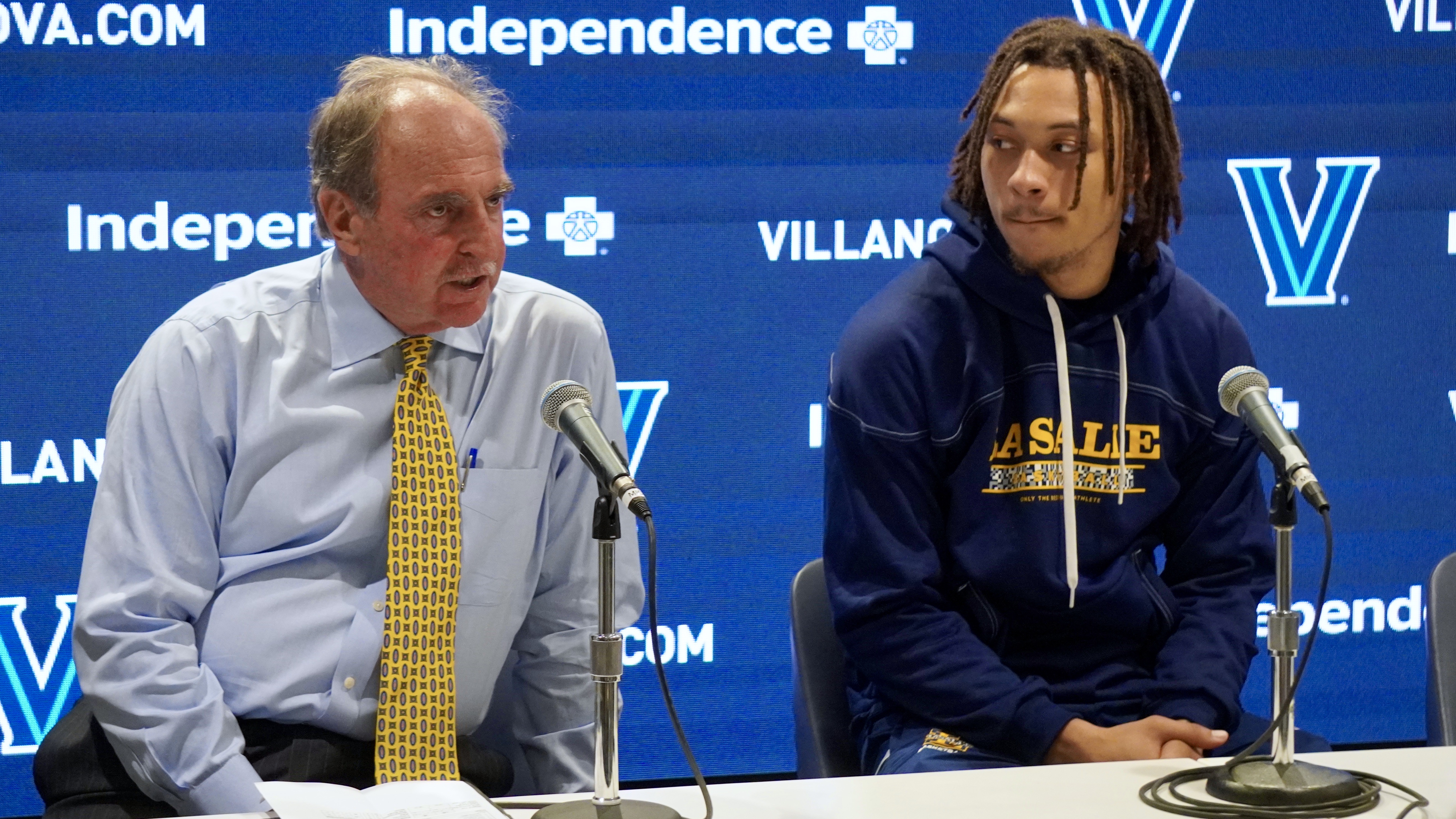
La Salle Head Coach, Fran Dunphy and guard, Josh Nickelberry
Serious question… Just curious.
With 580 career wins, it seemed reasonable to give the X & O advantage to Dunphy. Neptune, however, had a rather distinct Jimmy & Joe advantage. Eric Dixon and Caleb Daniel are top notch veteran Big East performers. During his senior year in high school, Dixon was named by USA Today as Pennsylvania State Player of the Year. He was listed at No. 74 by espn.com in its Top 100 Prospects of 2019. Last season, Dixon started every one of Villanova’s 38 games during the run to another Wildcat Final Four. He averaged 9.1 points and 6.4 rebounds in 25.2 minutes per outing. A very efficient offensive player, he shot .498 from the field goal and .486 from behind the 3-point line. Last year he was awarded Most Improved Player by the Philadelphia Big Five.
This year he’s making an early case for best player in the Big 5.
Kyle Neptune and Villanova forward, Eric Dixon
He’s just one of the Neptune’s Jimmies…
And… There are several Joes.
Last year, Caleb Daniels averaged 10.2 points per game and helped Nova win the BIG EAST Tournament title and make it to another Final Four. Daniels was named to the All-NCAA South Regional Team and Second Team All-Philadelphia Big Five.
Brandon Slater started all 38 games last season. He scored 8.5 points and grabbed 3.7 rebounds for the Wildcats on their run to the Final Four.
Highly touted freshman Mark Armstrong was the 2022 Hudson County Interscholastic Player of the Year. He set a St. Peter’s Prep record with 1,776 career points. Armstrong was listed at No. 61 in ESPN’s Top 100 in the Class of 2022.
Keep in mind that Villanova has two (2) NBA Joes in street clothes at the moment. Senior guard, Justin Moore was named Second Team all-BIG EAST and First Team All-Philadelphia Big Five last season. He was the second leading scorer for the Wildcats, contributing 14.8 points per game and grabbing 4.8 rebounds per game. Moore tore his right achilles tendon suffered in the final minute of Villanova’s 50-44 victory over Houston in the NCAA South Regional Final. He is currently rehabbing the injury.
Freshman Cam Whitmore was the 2022 Gatorade Maryland Boys Basketball Player of the Year and a McDonald’s All-American. He was a two-time Baltimore Catholic League Player of the Year who also played in the 2022 Jordan Brand Classic. Whitmore was ranked No. 21 in the ESPN Top 100 of the Class of 2022.
Now… Keep in mind Whitmore and Moore were unavailable. Maybe… just maybe… Dunphy could scheme his way to an upset in a sold out Finneran Pavillion.
After all, it is a Big 5 game. Anything can happen… right?
Naaaaaah…
The Jimmies and Joes overcame the Xs & Os…
Indeed, there were moments when Eric Dixon looked like he was playing against Quakertown. He finished with 20 points on 8-17 shooting, including 2-4 from behind the 3 point line. Dixon also contributed 4 assists and 3 blocks. Grabbing only 2 rebounds, he’ll need to improve considerably on the boards going forward.
Daniels was magnificent. He finished with 24 points, while shooting an efficient 8-11 from the field and 6-7 from behind the 3 point line. Daniels also pulled down a game high 10 rebounds.
Villanova guard, Caleb Daniels
Dixon and Daniels bussed dey ass…
For the Explorers, Josh Nickelberry scored 22 points while shooting 7-12 from the field and 5-9 from 3. He also pulled down 6 rebounds and 2 assists.
Khalil Brantley probed and penetrated throughout the contest. He managed to score a tough 11 points on 5-12 shooting from the field. He grabbed 4 rebounds and dished 2 assists.
Jhamir Brickus played a listless 34 minutes and did not score a point. Indeed, he only took 3 shots and 2 of them were 3 point attempts. La Salle will struggle to compete against quality opponents if Brickus is not contributing significantly at the offensive end.
Nonetheless, Dunphy kept it within reach… the Explorers were only down 11 with 2:37 remaining.
But it was not to be… Not tonight… The young coach with the Jimmies & Joes got the win. The winningest coach in Big 5 history learned something about his team… Gotta somehow get some of those Jimmies & Joes…
For the first time in the history of the Wildcat program, the Head Men’s Basketball coach is a Black man. Deserves mentioning, didn’t really factor in the game so I placed it here.
Quade Green has the bigger rep. He’s a Team USA Gold Medalist… He’s a McDonald’s All-American… He will play in the Jordan Brand game… He killed Nike’s EYBL last summer… He will travel to the land of “One and Dones” when he joins the vaunted Kentucky Wildcat program in the fall.
Collin Gillespie, on the other hand, was a nice Catholic League guard… Last year, he tended to defer to another nice Catholic League guard, Tommy Funk. Funk ended up at West Point, where he was named to the Patriot League All-Rookie team. Nice stuff… But… Light years away from the land of “One and Dones.” Unlike Quade who shined on the brightest summer stage at the Peach Jam, Collin plied his trade on the equivalent of the AAU “Chitlin’ Circuit”. As a member of Nike Team Final’s “B Team” he played in Spooky Nook, King of Prussia and Neptune, NJ. As late as December, Collin was sitting on scholarship offers from Basketball powers Albany and Maine.
Then over a period of about 8 days, he received offers from Rider, Drexel, Delaware and Hofstra. All of sudden, he was becoming “sexy”… The word was getting out…
He was the darling of mid-majors… His performances were becoming impossible to overlook… 25 in a win over suburban power Abington… 27 in blowout over Scranton Prep… 27 in a tough loss to Father Judge… 29 in win over 2-time defending Catholic League and State Champion Roman Catholic… All this while playing the role of a traditional pass-first point guard.
If you paid close attention to the crowds at these games, there was always a well-dressed guy lurking on the fringes of the crowd. He tried to blend in, but it was tough. He was always surrounded by friends and passionate Philly hoop heads peppering him with question after question… Ashley Howard, Villanova Assistant Coach, was stalking Collin Gillespie.
Unlike so many other college coaches, Ashley Howard trusted his own eyes. Like his mentor, the legendary Claude Gross, Ashley determined on his own that Collin Gillespie could really fucking play basketball. He never had to ask: “Who else is recruiting him?” He watched him closely game after game after game… He concluded that Gillespie could play at Villanova. Based on that determination alone he brought his boss, National Coach of the Year, Jay Wright out to see what he had been witnessing for weeks.
They sat together during the first matchup between the two number 1s… They were not disappointed. Mr. Green put up 30 points in a valiant effort. The night, however, belonged to Mr. Gillespie! He poured in 42 points while playing a flawless floor game to lead Wood, a football and girl’s basketball school, to the top of the Catholic League standings.
Those who were there, knew what they witnessed. It was now undeniable… Gillespie is a bad muthafucka! Heard it in the gym… Heard it in the parking lot… Heard it over the phone on the ride home… But… in the rematch, you had to like Green’s chance to redeem himself and the Neumann-Goretti juggernaut.
Well… they played tonight before an overflowing crowd of 9,000 plus. The Catholic League Championship was on the line. All the familiar faces were in the building… St. Joseph’s greats like Brian Warrick and Rashid Bey. Temple alums Lynn Greer and Levan Alston sat courtside. Representatives from every media outlet in the region clicked away on MacBook Pros. College coaches from near and far glad-handed their way through the thick crowd. In the end, everyone agreed, Quade Green is a magnificent high school player. But… After the game, they were all saying the same thing…
Collin Gillespie is a “Bad Muthafucka”! Heard it in the gym… Heard it in the parking lot… Heard it over the phone on the ride home…
Early names surfacing around the Drexel Basketball coaching job include Geoffrey Arnold, St. Joseph’s University assistant and Ashley Howard, Villanova assistant. Both worked previously as Drexel assistant coaches.
Geoffrey Arnold, pictured with his nephew Langston Galloway (NY Knicks) whom he recruited out of Baton Rouge, Louisiana.
Ashley Howard, Assistant Coach under Jay Wright at Villanova University
Terrell Myers, Director of the WeRone Hoops Basketball Club which plays on the Under Armour circuit, weighed in on the Drexel coaching search. “It’s a no-brainer… If they want a guy with experience recruiting high level players and getting Philly players to stay home they can’t go wrong with Geoff or Ashley. I have a tremendous amount of respect for those guys. They have paid their dues. WeRone would be fully supportive of either one of them at Drexel.”
SUWANEE, GA – JULY 19, 2014: The Under Armour Association Finals at the Suwanee Sports Academy in Suwanee, GA. (Photo by Kelly Kline/Under Armour)
WeRone Hoops won the 2014 National Championship on the Under Armour Association Circuit. Their current 17U roster includes Trevon Duval, (ranked 5th on the ESPN top 60 Class of 2017), Zack Kent (ranked 50th by 247sports.com) and Antwan Butler (All-City, All-Public in Philadelphia). Recent WeRone alums include Austin Tilghman (Monmouth), AJ English (Iona), Sedee Keita (South Carolina commit), Ben Bentil (1st Team All-Big East) and Nysier Brooks (Cincinnati commit).






 The Black Cager