CAMDEN, NJ – For more than a century, the National Collegiate Athletic Association (NCAA) has wrapped itself in the flag of “amateurism,” a quaint, Victorian-era ideal suggesting that the pursuit of a ball is somehow cheapened by the pursuit of a paycheck. But beneath this high-minded rhetoric lies a darker, more calculated history. The story of the NCAA is not merely one of sport; it is a narrative of systematic exclusion, structural racism, and a relentless commitment to a labor model that, according to the Supreme Court, would be recognized as a cartel in any other American industry.
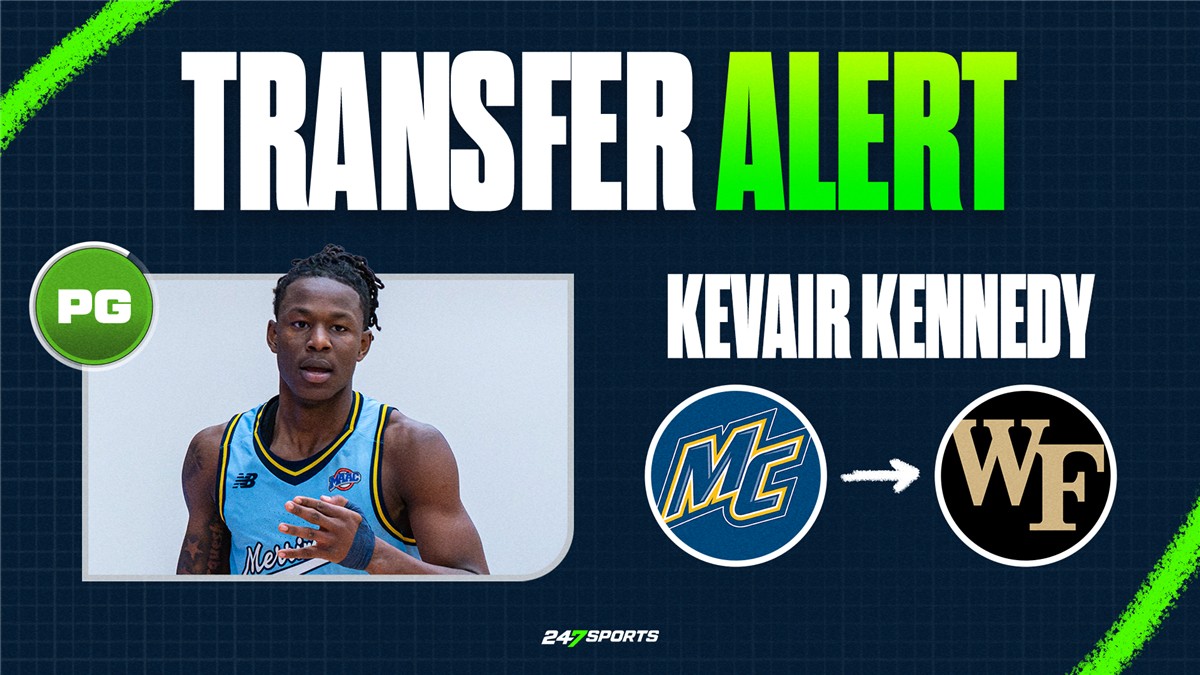
And yet, listen closely to today’s public debates about the transfer portal. You will hear a curious refrain. The players, we are told, are greedy. They are disloyal. They chase NIL dollars like mercenaries, abandoning their teammates and their universities at the first whisper of a better offer. The phrase “lack of commitment” echoes from booster clubs to cable news panels.
Let us be clear: This criticism is not merely misguided. It is a moral inversion. The players are behaving exactly as any rational economic actor would after decades of exploitation. The true authors of the chaos we now witness are not 19-year-olds seeking opportunity. They are the university presidents, NCAA bureaucrats, athletic directors, coaches, and general managers who ran a neo-plantation system for generations—and who now stand aghast that their former laborers have finally read the fine print of emancipation.
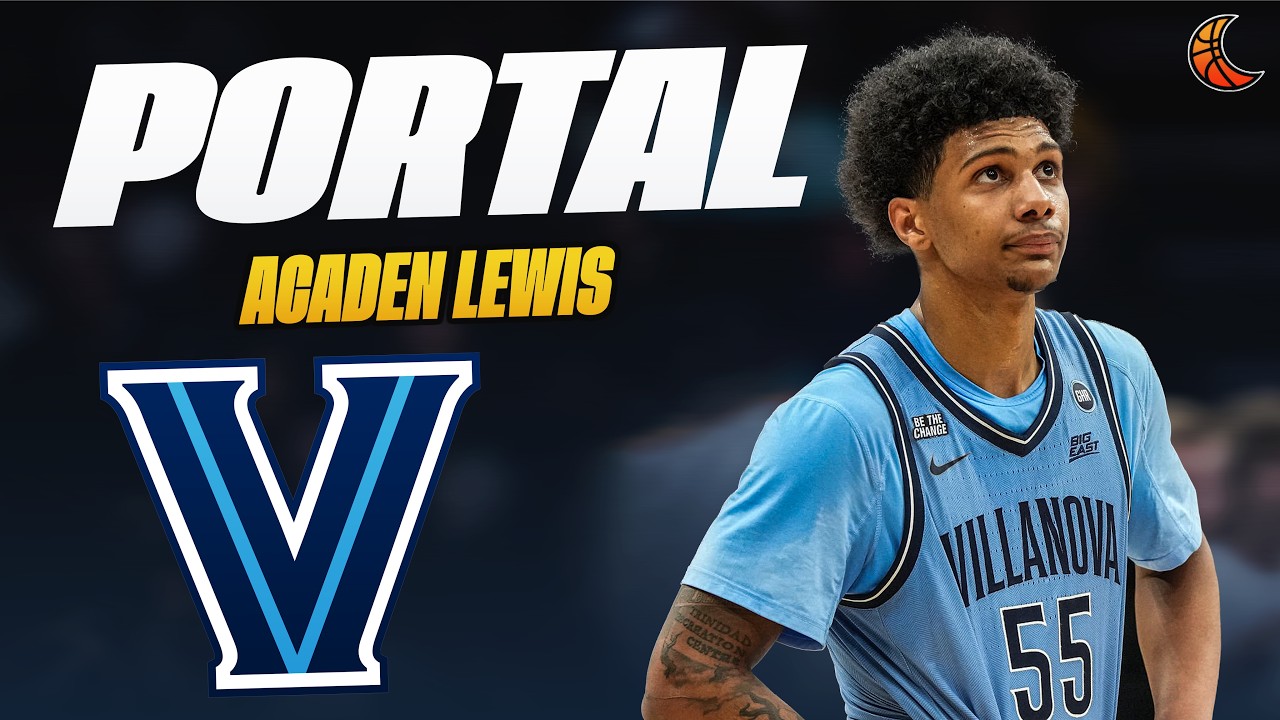
The Neo-Plantation Confession
We should not mince words here because the words have already been spoken by the men who ran the system. Walter Byers, the NCAA’s first executive director, served from 1951 to 1988. Late in his life, after the scales had fallen from his eyes, Byers published a memoir titled “Unsportsmanlike Conduct.” In it, he confessed that the NCAA had constructed a labor system that was, in his own phrase, a “neo-plantation” model. The association extracted billions in revenue from the bodies of primarily Black athletes—men and women who were denied wages, denied basic labor protections, and denied the right to move freely to better conditions.
Byers knew the machinery from the inside. The scholarship, he wrote, was a “price-fixing mechanism.” The term “student-athlete” was a legal fiction invented by NCAA president Walter Byers himself—not as a description of reality, but as a weapon to block workmen’s compensation claims. For decades, the NCAA was steadfastly committed to limiting player compensation to exactly zero ($0.00) dollars. Not a living wage. Not a share of jersey sales. Not a penny from the television deals that made coaches multimillionaires.
They held this position not because of principle, but because of power. And they relinquished it only when federal courts pried it from their fingers.
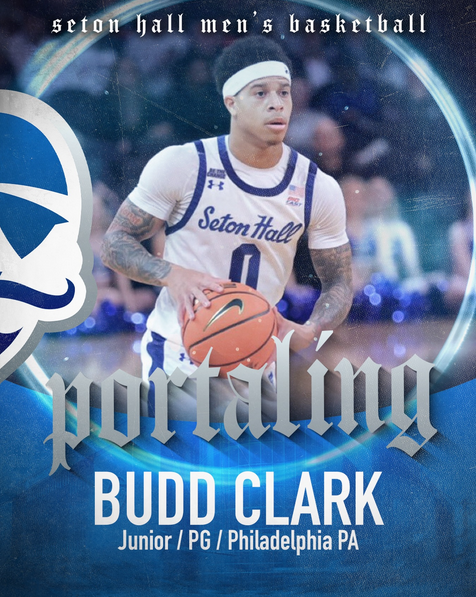
The Legal Reckoning They Refused to Acknowledge
The dam began to crack with NCAA v. Board of Regents of the University of Oklahoma (1984), which broke the NCAA’s monopoly over television rights. But the real earthquake came later. In O’Bannon v. NCAA (2015), a federal judge ruled that the NCAA’s rules prohibiting compensation for name, image, and likeness violated antitrust law. Then came NCAA v. Alston (2021), in which the Supreme Court unanimously upheld a ruling against the NCAA’s caps on education-related benefit.
Justice Brett Kavanaugh’s concurring opinion was a scalpel. “Nowhere else in America,” he wrote, “can businesses get away with agreeing not to pay their workers a fair market rate on the theory that their product is defined by not paying their workers a fair market rate. The NCAA is not above the law.”
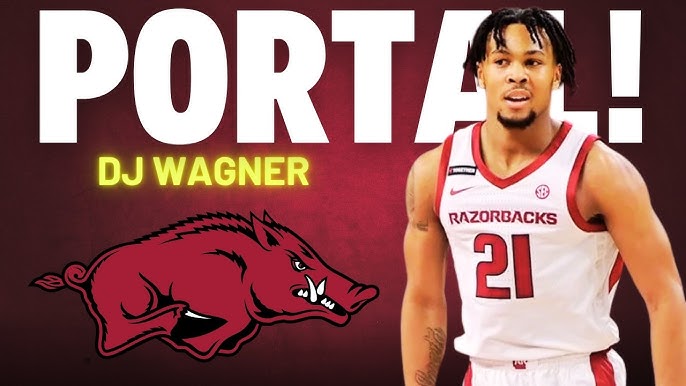
That sentence is the epitaph of the old order. But the NCAA did not reform itself. It did not apologize. It did not offer reparations for the generations of Black athletes who built the house of college sports and were never allowed inside. Instead, it fought every inch of the way—and only conceded when the courts left it no ground to stand on.
The Portal as a Natural Consequence
Which brings us to the transfer portal. Launched in 2018, the portal was itself a grudging concession. For decades, the NCAA shackled players to their schools through a “transfer penalty” requiring athletes to sit out an entire year if they moved. Coaches, meanwhile, could leave for a rival on a Tuesday and be on the sideline by Saturday, earning a raise and a signing bonus.
This was not a bug. It was the feature. The system was designed to maximize control and minimize mobility. A player who was denied playing time, who suffered a coaching change, who experienced racism on campus, or who simply wanted a better education had no recourse except to sacrifice a year of eligibility for a second transfer—a year they could never get back.
The portal, imperfect as it is, ended that feudal arrangement. Today, players can enter their names and be contacted by other schools. That is not greed. That is the basic freedom of movement that every university president enjoys, every athletic director enjoys, and every coach enjoys.
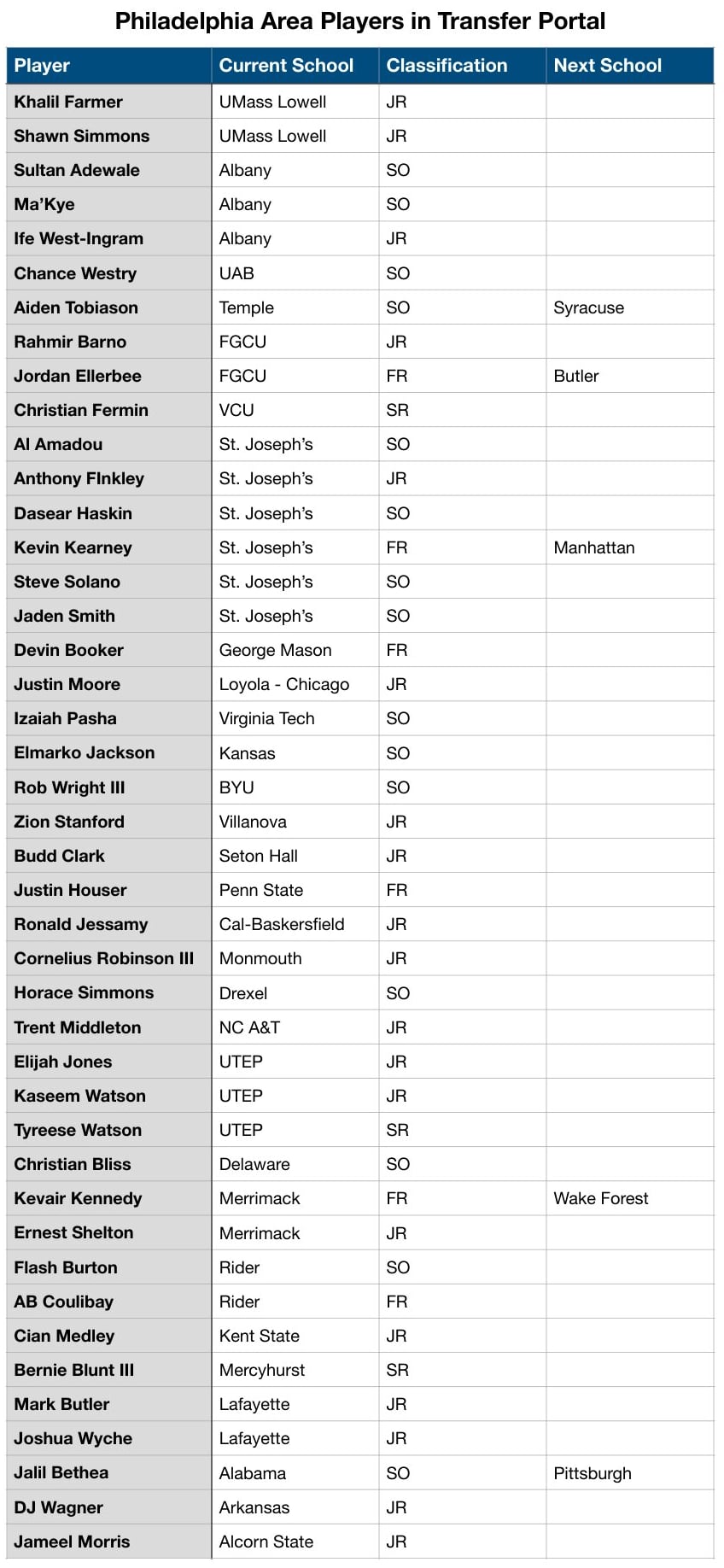
Yet the critics cry “disloyalty.” Let us examine that word. Where was the loyalty when the NCAA paid coaches $5 million a year while capping athlete compensation at the cost of a ham sandwich? Where was the loyalty when universities sold jerseys with players’ numbers but not their names, ensuring no athlete saw a dime? Where was the loyalty when the NCAA defended segregationist policies well into the 1960s and early 1970s, or when Proposition 48 in the 1980s used standardized tests to disproportionately disqualify Black athletes from scholarship eligibility?
The loyalty argument is a rhetorical trap designed to protect a $15 billion industry from the nuisance of fairness.
Redirecting the Blame: The Real Villains
If we are to assign responsibility for the current chaos—and there is plenty of chaos to assign—we must direct our gaze upward, not downward.
University Presidents: They sit atop the pyramid, collecting prestige and six-figure salaries while signing off on television contracts that prioritize revenue over athlete welfare. They could have created a reasonable compensation framework decades ago.
They chose not to.
NCAA Bureaucrats: From Byers to his successors, the NCAA’s professional staff constructed and defended the cartel. They wrote the rules. They hired the lawyers. They lost in court because their position was legally indefensible.
Athletic Directors and Coaches: They are not innocent bystanders. ADs have long presided over budgets larger than many academic departments, paying coaches like hedge fund managers. Coaches have recruited players with promises they knew were contingent on the coach’s own continued employment—then left for greener pastures without a backward glance.
General Managers: A new title for a new era of roster management, these quasi-front-office executives now handle NIL deals and transfer acquisitions. They are the logical endpoint of a system that always treated players as assets. One cannot complain about “professionalization” while employing professional managers to oversee it.
The Hypocrisy of Tampering Outrage
The latest panic concerns “tampering”—coaches contacting players before they officially enter the portal. The NCAA has proposed “nuclear” penalties, including half-season suspensions for head coaches. This is rich. For decades, coaches contacted recruits daily, year-round, long before the recruitment window officially opened. They called it “building relationships.” Now that players have the same informal networks, suddenly it is a crisis.
Let us also note who is not being blamed. No one suggests that coaches should sit out a year when they change jobs. No one demands “loyalty” from athletic directors who jump from one Power Five school to another for a 30 percent raise. The loyalty tax is levied only on the young, the Black, and the uncompensated.
The Path Forward Is Not Backward
None of this is to argue that the transfer portal is perfect. It is not. The current environment, supercharged by NIL collectives and a Wild West of booster-funded inducements, has produced genuine problems. Roster instability is real. The “mid-major farm team” effect is real. And too many athletes enter the portal only to find no scholarship waiting, leaving them stranded without a degree.
But these are problems of implementation, not of principle. They require guardrails, not a return to servitude. A few common-sense reforms would help: a single “free” transfer followed by a year of residency unless the athlete has graduated; mandatory financial and academic counseling before portal entry; a federal statute providing antitrust protection in exchange for a uniform NIL framework.
What we do not need is a moral panic about the ingratitude of youth. The players did not create this system. They inherited it. And they are using the only tools they have—mobility and market leverage—to escape a structure that was designed to keep them poor, quiet, and in place.
Conclusion
The next time you hear a commentator lament the death of loyalty in college sports, ask yourself: Loyalty to whom? To the university president who never learned your name? To the coach who would leave tomorrow for a better job? To the NCAA that spent a century treating you as chattel?
Walter Byers, late in his life, expressed remorse for the system he built. “The NCAA exploited these young men,” he said. “I am sorry for my part in it.” That is a confession we have yet to hear from the current crop of university presidents and athletic directors. Until we do, spare us the lectures about greedy teenagers. The transfer portal is not the problem. It is the symptom of a problem that the powerful refused to solve while they still had the chance.
And now that the players have finally seized a measure of freedom, the only disloyalty that remains is the effort to take it away.
 The Black Cager