Comprehensive Scouting Report: Aasim “Flash” Burton – Strategic Analysis of On-Court Development and Portfolio-Based Transfer Decision

Player: Aasim “Flash” Burton | Position: Combo Guard | Height: 6’3″
Current Program: Rider University (Metro Atlantic Athletic Conference)
High School: Cardinal O’Hara, Philadelphia Catholic League
Recruiting Profile: 2024 Class, Committed to Rider 

1. Executive Summary & Revised Strategic Recommendation

Aasim “Flash” Burton is at a pivotal juncture, completing a sophomore season at Rider that has firmly established him as a high-caliber MAAC player with tangible professional potential. The speculative asset of an immediate high-major transfer (A-10, Big East) is undeniably present and alluring. However, a comprehensive analysis of his development arc, current statistical production, Rider’s unique structural position, and the high-risk realities of the transfer portal leads to a clear recommendation: Burton should remain at Rider for his junior season.
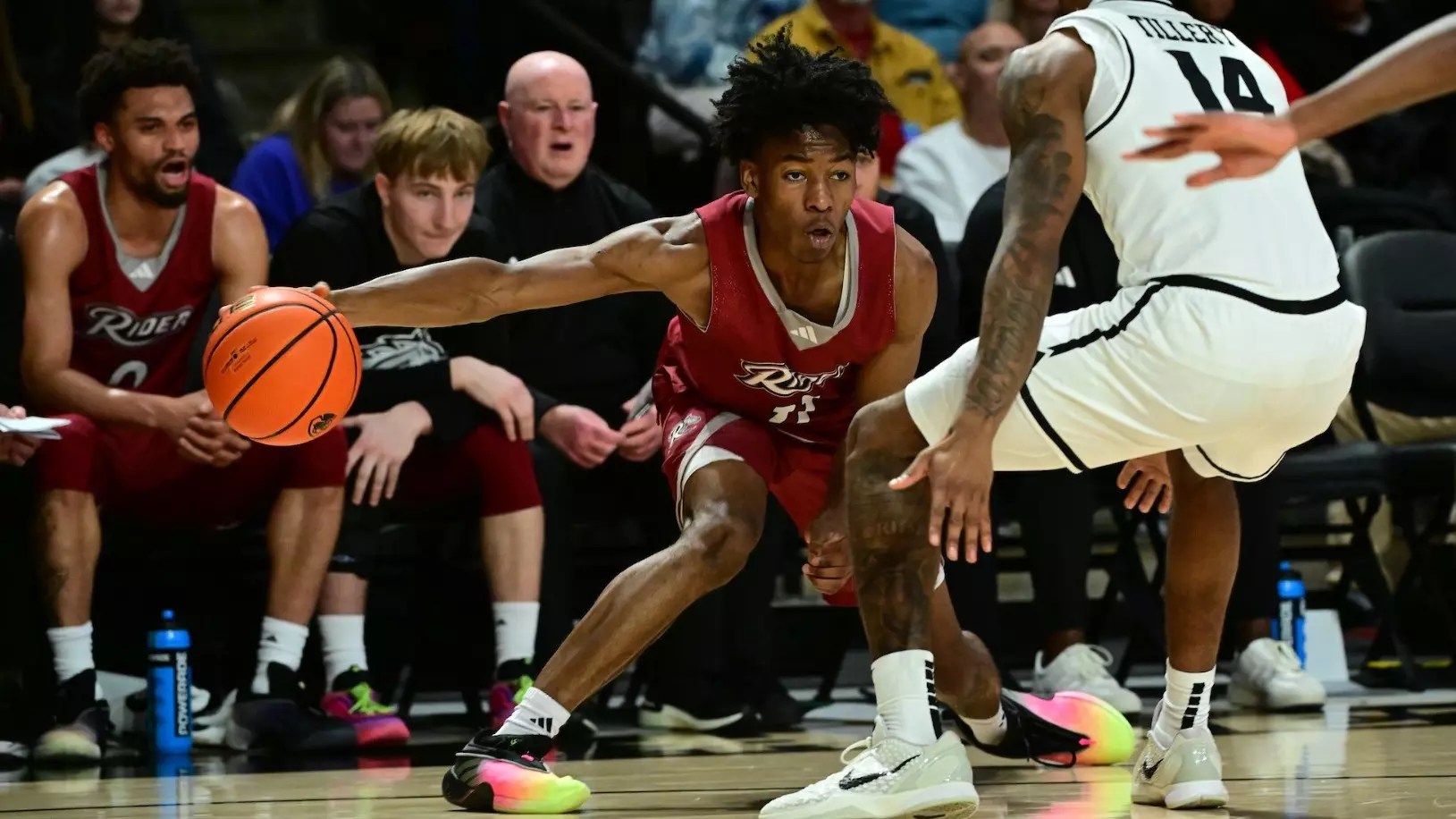
This path is not about avoiding ambition but about strategically maximizing it. By solidifying his role as the unquestioned leader and face of a rebuilding program, Burton can convert his proven production into a dominant, All-MAAC campaign. This approach offers superior agency, controlled development, and the opportunity to enter a future transfer portal—if still desired—as a proven commodity with significantly greater leverage and value. A commitment to stay should be paired with a proactive renegotiation of his NIL portfolio to reflect his elevated status and long-term value to the university.

2. Qualitative & Quantitative On-Court Assessment (2025-26 Season)

Burton’s sophomore campaign confirms the scoring talent and clutch mentality observed in his freshman year, with notable statistical growth that underscores his central role.

  • Statistical Profile & Role: Burton is the engine of the Rider offense, averaging 14.2 points, 3.2 rebounds, and 3.2 assists per game. His usage rate of 27.6% confirms he is the primary option. While his field goal percentage (38.3%) indicates room for efficiency gains, his true shooting percentage of 49.0% and volume of free throws made (66) show an ability to draw contact and get to the line.
  • Scoring Instincts & Playmaking: The “Flash” moniker is apt for his ability to create shots and deliver in key moments, a trait solidified by last season’s game-winning heroics. His 3.2 assists per game demonstrate evolving playmaking skills beyond pure scoring.
  • Physicality & Defense: At 6’3″, his frame is ideal for a combo guard. His athleticism allows him to defend multiple positions, contributing 1.1 steals per game. His toughness, honed in the Philadelphia Catholic League, remains a foundational asset.
  • Context of Team Performance: This assessment must acknowledge the team’s challenging season. Rider’s record stands at 3-18 overall and 2-10 in the MAAC, placing them at the bottom of the conference standings. This context is critical; Burton’s production occurs as the focal point of opposing scouting reports with limited supporting firepower, which can suppress efficiency metrics.

3. The Portfolio Analysis: Re-Allocating for Maximum Appreciation

The decision to stay or transfer is a portfolio rebalancing act. Burton must weigh the appreciating, known assets at Rider against the high-variance, speculative assets of a high-major transfer.

Asset ClassCurrent Position at RIDER (Appreciating & Controllable)Hypothetical Position at A-10/Big East (Speculative & High-Risk)
Immediate ReturnsCornerstone Role & Usage: Proven, high-usage go-to option (27.6% USG%). Guaranteed starter and offensive centerpiece.Uncertain Role & Fit: Likely a rotational player (6th-8th man) initially. Must compete for touches in a crowded, high-talent environment.
Skill DevelopmentPersonalized, High-Trust Infrastructure: Rider’s staff has a proven, two-year track record of developing him as the focal point. Offseason work can be fully customized.Generalized Elite Infrastructure: Better facilities but intense competition for individualized coaching attention. Risk of being molded into a system-specific role player.
Competitive SuccessPath to Legacy & Leadership: Opportunity to be the architect of a dramatic program turnaround. An All-MAAC campaign is a tangible, resume-defining achievement.Tournament Exposure (Potential): Chance to play in March, but contribution may be limited. Risk of being on a winning team without a defining role or statistical impact.
Brand & NIL ValueRegional Star Power: Opportunity to be the face of Rider Athletics. Can command a premier, renegotiated NIL package as the program’s most valuable asset.National Obscurity: One of many talents. NIL opportunities may be larger in total pool but highly diluted, with established stars and high-profile transfers commanding top dollar.

Structural Realities & Portal Risk:
The transfer portal is a saturated, high-stakes marketplace. As seen in football, top-tier valuations (often $1-3 million+) are reserved for proven, elite producers at the Power 5 level or transcendent talents moving up. Entering now, Burton would be one of thousands, competing against other mid-major stars and high-major players seeking new homes. The information asymmetry is severe; promises are easily made. His proven production at Rider is a solid asset, but in the portal’s frenzy, it may not translate to the guaranteed role or financial offer he currently holds.
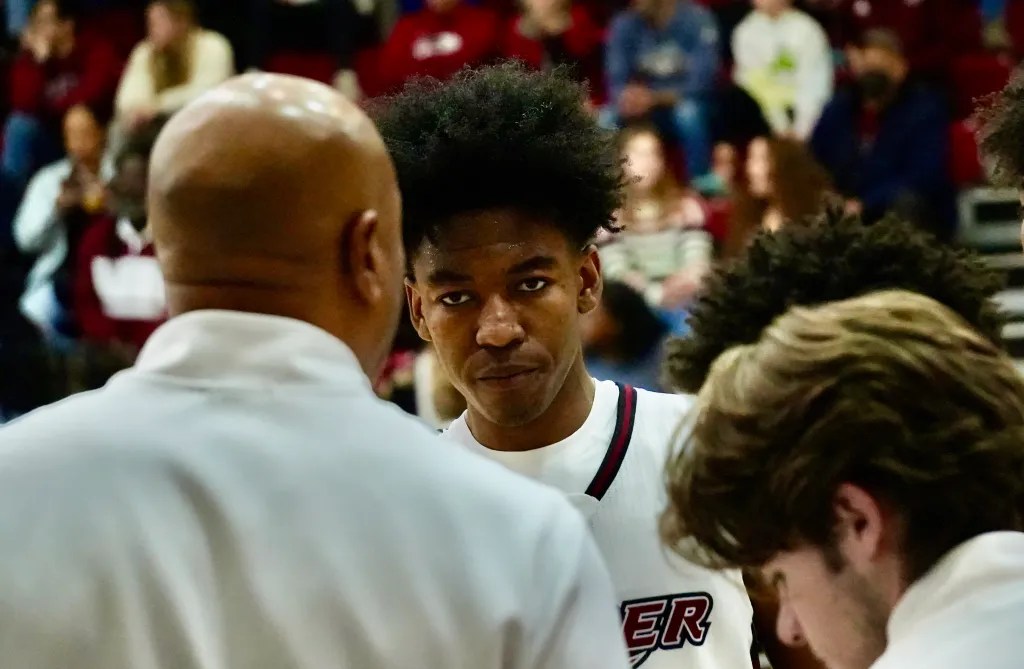
4. The Persuasive Case for Rider: Building Tangible Equity

Staying is an active, ambitious strategy to build unassailable value.

  1. Evolve into an All-MAAC Performer: Burton’s current stats (14.2 PPG) already place him in the MAAC’s upper echelon of scorers. With a dedicated offseason focused on shot selection and efficiency, averaging 18+ points, 5+ rebounds, and 4+ assists is an achievable target that would make him a lock for All-Conference honors. This achievement carries concrete weight in professional evaluations.
  2. Lead a Definitive Program Turnaround: Rider’s current record is a challenge, but it presents a historic leadership opportunity. Guiding the team from the MAAC cellar to the middle of the pack or better as a junior would be a transformative narrative. This story of “the star who stayed and rebuilt” demonstrates intangible qualities—loyalty, resilience, leadership—that are highly valued by professional scouts and future employers alike.
  3. Secure a Premier, Renegotiated NIL Position: Burton and his representatives have a strong case to negotiate a significantly enhanced NIL package for the 2026-27 season. This deal should reflect his status as the program’s central pillar and marketing keystone. This provides immediate financial reward and security while he builds his basketball portfolio in a stable environment, mirroring the value of controlled development.
  4. Control the Timeline and Maximize Future Leverage: Excelling as a junior at Rider does not close the door to a high-major transfer; it builds a more powerful one. Entering the portal after an All-MAAC season leading a resurgent team would position him as a proven, mature commodity. He would have multiple years of high-level production, granting him superior choice, negotiating power, and likely a more lucrative NIL deal at his next destination.

5. Final Assessment & Action Plan

Scout’s Bottom Line: Aasim “Flash” Burton’s optimal path to maximizing his long-term career value and professional potential runs directly through Lawrenceville for one more season. The “transfer up” impulse is understandable but premature. By choosing Rider, he chooses agency, guaranteed growth, and the chance to author a legacy that will amplify his value far beyond what a role-player season in a major conference could provide.

Recommended Action Plan:

  1. Publicly Commit to Rider for the 2026-27 season, framing it as a commitment to finishing the rebuild he started.
  2. Engage Rider’s Collective/Administration to negotiate an NIL agreement commensurate with his value as a program-changing talent and All-MAAC candidate.
  3. Set Clear, Ambitious Goals with the coaching staff: All-MAAC First Team, MAAC Most Improved Player, and leading Rider to a .500+ conference record.
  4. Own the Offseason: Return as the vocal and exemplary leader, setting the standard for work ethic and building the chemistry required for a turnaround.

By investing in Rider, Burton invests in the most valuable asset: his own proven and elevated trajectory. The most strategic move is often to consolidate gains and build from a position of proven strength.
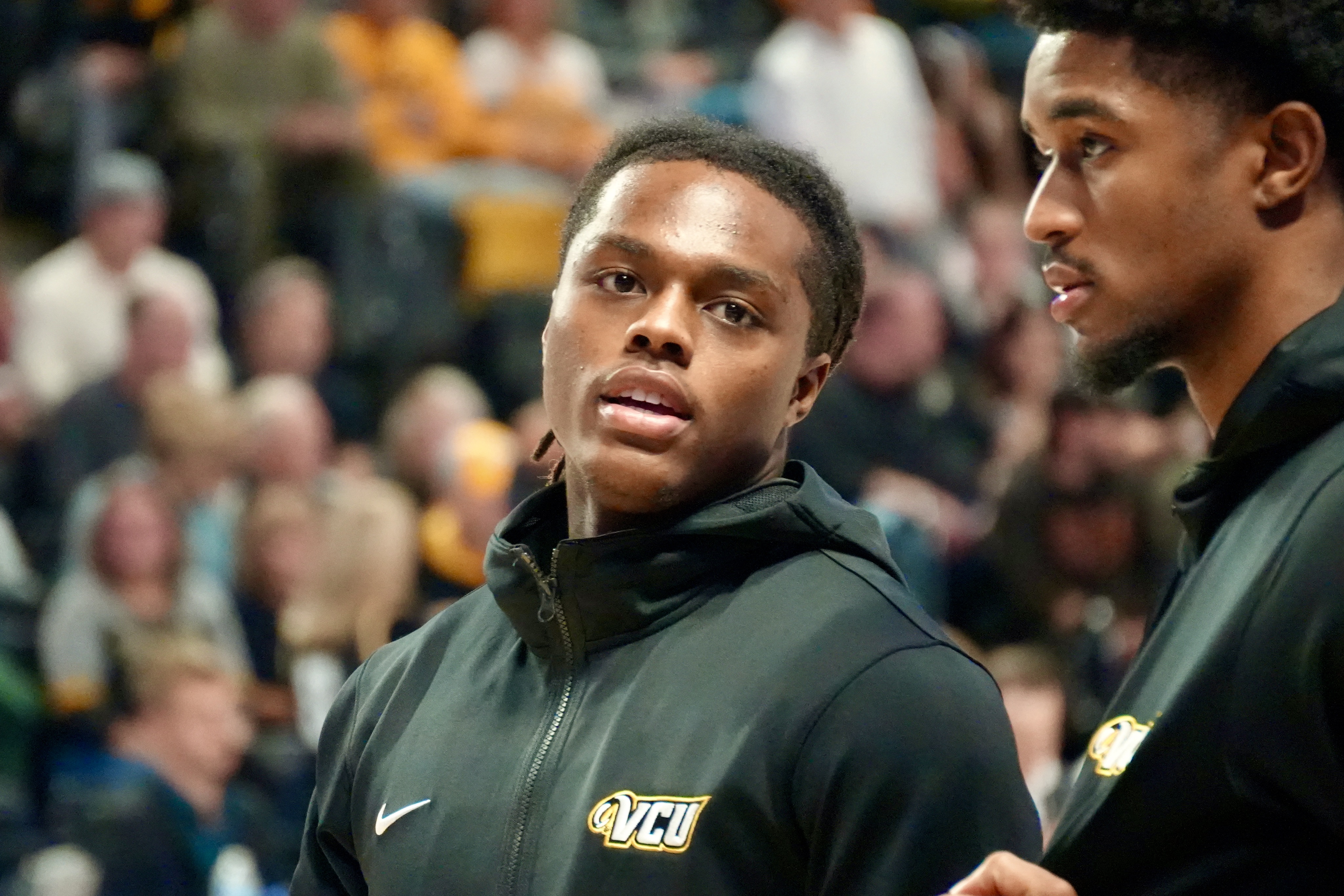
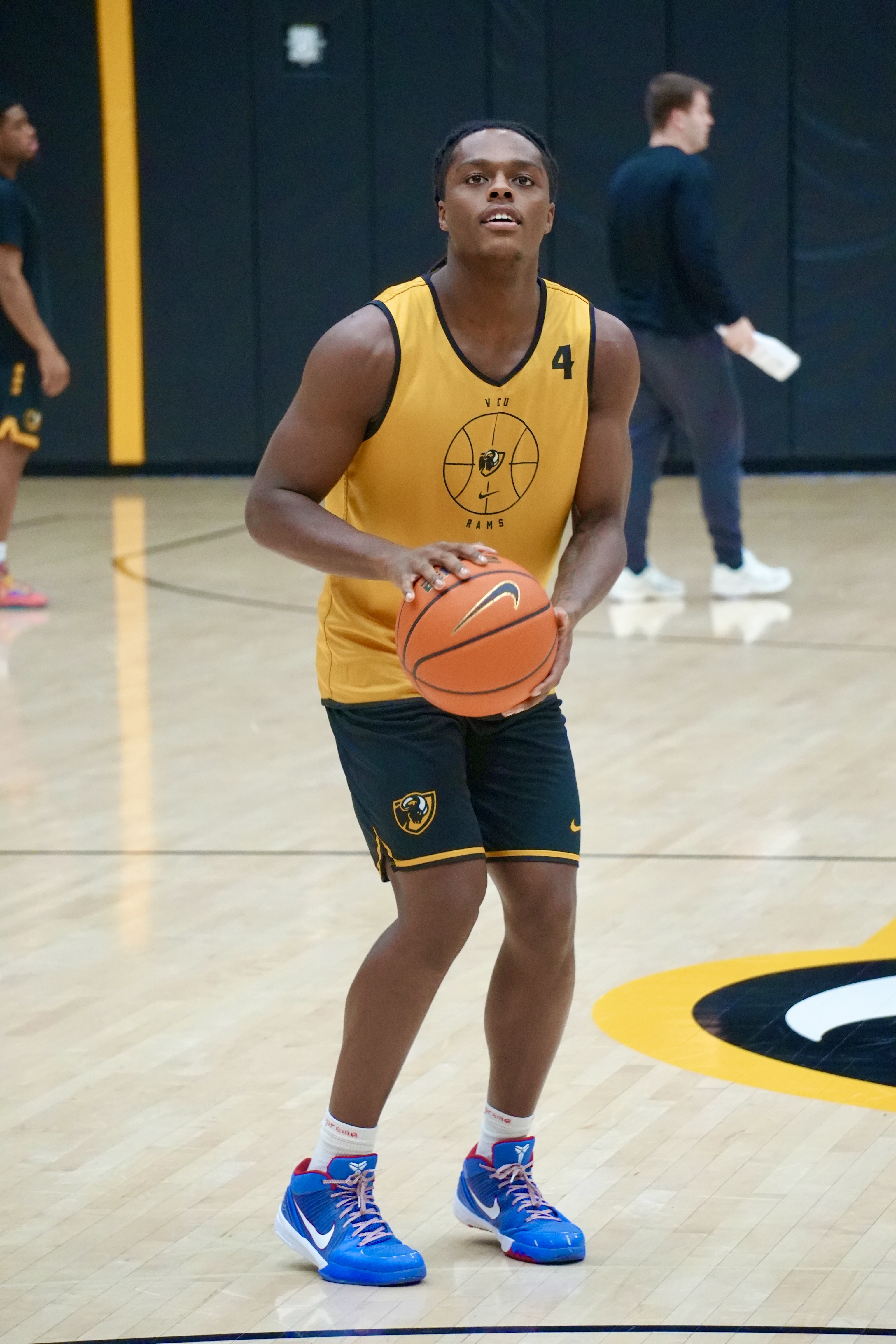
Comprehensive Scouting Report: Ahmad Nowell – Strategic Analysis of On-Court Development and Portfolio-Based Transfer Decision

Player: Ahmad Nowell | Position: Combo Guard | Height/Weight: 6’1″, 195 lbs
Current Program: VCU Rams (Atlantic 10) | Class: Sophomore
High School: Imhotep Charter, Philadelphia Public League
Prior Program: Connecticut Huskies (Big East)
Draft Projection: Possible Second-Round Pick (2026/2027)

I. Executive Summary & Strategic Transfer Grade

Ahmad Nowell’s transfer from Connecticut to VCU represents a masterclass in modern player agency and portfolio optimization. Confronted with a clear developmental bottleneck as a deep reserve at a national powerhouse, Nowell executed a high-leverage decision to prioritize immediate on-court opportunity and system fit over brand prestige. The early returns on this strategic bet are overwhelmingly positive. He has transformed from a seldom-used prospect at UConn into a core rotational piece for a competitive VCU squad, posting elite efficiency metrics and validating his high school pedigree as a quintessential “Philly Guard”. By maximizing his tangible assets—guaranteed minutes, a tailored role, and a winning environment—Nowell has not only salvaged his collegiate trajectory but has significantly enhanced his professional profile. His decision is a case study in astute self-assessment, earning a strategic grade of A- for its clarity, execution, and the dramatic appreciation in his primary assets.

II. Portfolio Analysis: The VCU Transfer Decision

Nowell’s portal entry was a direct response to a freshman season at UConn where he averaged just 6.4 minutes and 1.5 points per game. His choice of VCU was a targeted investment in specific, appreciating assets while mitigating the risks of continued obscurity.

  • Immediate Returns (Appreciated Assets):
    • Guaranteed Role & Usage: The foundational bet. At VCU, Nowell’s minutes have nearly doubled to 12.0 per game, providing the consistent floor time essential for development and scouting visibility. He has transitioned from a practice player to a legitimate game-changer, evidenced by outbursts like a 19-point game on perfect shooting (7-7 FG, 5-5 3PT).
    • System & Cultural Fit: VCU’s hard-nosed, defensive identity under Coach Phil Martelli Jr. is a seamless match for Nowell’s “bulldog mentality”. He is celebrated for his toughness, competitiveness, and defensive tenacity—traits that were underutilized at UConn but are foundational at VCU. This alignment maximizes his innate strengths.
    • Competitive Success: VCU is a consistent winner and NCAA Tournament contender in the Atlantic 10. Nowell contributes to a program with a 16-6 record (as of late January 2026), providing the “winning proof” that professional scouts value.
  • Speculative Assets & Long-Term Risk Mitigation:
    • Skill Development: The VCU environment allows for the practical application and refinement of skills. His dramatic statistical improvements are the direct result of this applied development.
    • Professional Pathway: By showcasing his full two-way arsenal in a featured role, Nowell has rebuilt his draft stock from an afterthought to a potential second-round pick. The exposure is different but more effective; he is now a “big fish” demonstrating leadership and impact.
    • NIL & Brand Growth: While total compensation may differ from a high-major, his marketability as a standout local star in a passionate market like Richmond can create unique, sustainable value that complements his athletic brand.
  • Structural Constraints Navigated: Nowell operated within the classic power asymmetry of the portal, where a young player must forecast fit without complete roster information. He astutely identified a program in VCU that had just won the A-10 but was in need of backcourt reinforcement, thereby creating a mutually beneficial opportunity for impact.

III. On-Court Performance & Skill Assessment

Nowell’s sophomore season statistics represent not just improvement, but a qualitative leap in efficiency and impact.

Quantitative Leap & Efficiency Profile:

MetricUConn (Freshman)VCU (Sophomore)Analysis
Minutes Per Game6.412.0Role has solidified, trust earned.
Points Per Game1.55.7Scoring output has increased nearly fourfold.
Field Goal %35.7%47.3%Elite efficiency for a guard.
3-Point %18.8%42.9%Transformative improvement; now a certified weapon.
Effective FG%41.1%61.5%Ranks among the most efficient guards nationally.
Player Efficiency Rating16.117.9Confirms high-level impact in his minutes.

Qualitative Skill Breakdown:

TraitGradeAnalysis & Evidence
Shooting & ScoringA-Once a question mark, now a premier strength. His 42.9% three-point shooting on 2.5 attempts per game is elite. He combines this with a fearless, physical drive game, using his strength to absorb contact and finish.
On-Ball DefenseA-The hallmark of his “Philly Guard” identity. An aggressive, communicative, and physically imposing defender who takes pride in shutting down opponents. His steal rate (0.6 per game) is solid and reflects his active hands.
Physicality & CompetitivenessABuilt like a “hard-hitting safety”. His strength and “bulldog mentality” allow him to guard bigger players, rebound in traffic, and set a relentless tone. He is a certified winner and gym rat.
Ball-Handling & PlaymakingBShows excellent control and can initiate offense. His assist numbers are modest (0.8 APG), suggesting his current role is more scoring-oriented, but his high school eval noted elite vision and passing creativity.
Decision-Making & PoiseB+Plays within himself and the flow of the game. Low turnover rate (0.7 per game) indicates good care of the ball. Thrives in high-pressure moments, a trait honed at Imhotep.

IV. Professional Projection & Pathway Analysis

Nowell has successfully repositioned himself from a project to a prospect. His archetype is the defensive-minded, three-and-D combo guard with secondary creation ability, drawing a compelling comparison to Eric Bledsoe for his power and two-way aggression.

  • Current Draft Stock: Projected as a possible second-round pick in the 2026 or 2027 NBA Draft. This is a significant restoration of value from his freshman year.
  • Critical Development Needs: To secure and elevate his position, the focus must now shift to scaling his production within a larger role.
    1. Increase Playmaking Volume: Showcasing more of the orchestration skills noted in high school to prove he can run an offense at the next level.
    2. Sustain Elite Efficiency with Increased Usage: The next challenge is maintaining his stellar shooting percentages as his shot attempts and defensive attention inevitably rise.
  • The VCU Advantage: The program provides the ideal laboratory for this next phase. He can incrementally increase his responsibilities as a junior, potentially as a starter, within a system that already highlights his best traits.

V. Conclusion & Strategic Recommendations

Nowell’s transfer portfolio is performing exceptionally well. The investment in immediate opportunity at VCU has yielded massive dividends in skill manifestation, confidence, and professional visibility.

Final Assessment:
Nowell has proven that shrewd self-placement in the modern ecosystem can be more valuable than association with a traditional blue blood. He has not just found minutes; he has found a home that magnifies his identity as a tough, two-way competitor. His story is one of the clearest successes of the portal era for a player of his caliber.

Strategic Recommendations:

  1. For the Remainder of 2025-26: Continue to be a dominant force in his reserve role. Focus on being the definitive “energy and defensive stopper” off the bench, while capitalizing on every offensive opportunity. Lead VCU on a deep A-10 and NCAA Tournament run.
  2. Offseason & 2026-27 Outlook: The clear and obvious path is to return to VCU for his junior season. The goal should be to transition into a full-time starting role, where he can work on increasing his playmaking load and proving his efficiency is scalable. Another year of development and production in this ideal system could make him a surefire draft pick.
  3. Long-Term Focus: Continue to hone the pull-up jumper and expand his pick-and-roll repertoire. Physically, maintaining his strength and explosiveness is paramount for his style of play.

Scout’s Bottom Line: Ahmad Nowell’s decision to transfer to VCU was not a step down; it was a step into the spotlight. He traded the jersey prestige of UConn for the player empowerment of VCU, and in doing so, has authored one of the most impressive career resurgences in college basketball. His portfolio is strong, his assets are appreciating, and his pathway is clear. The recommendation is unequivocal: stay the course at VCU.

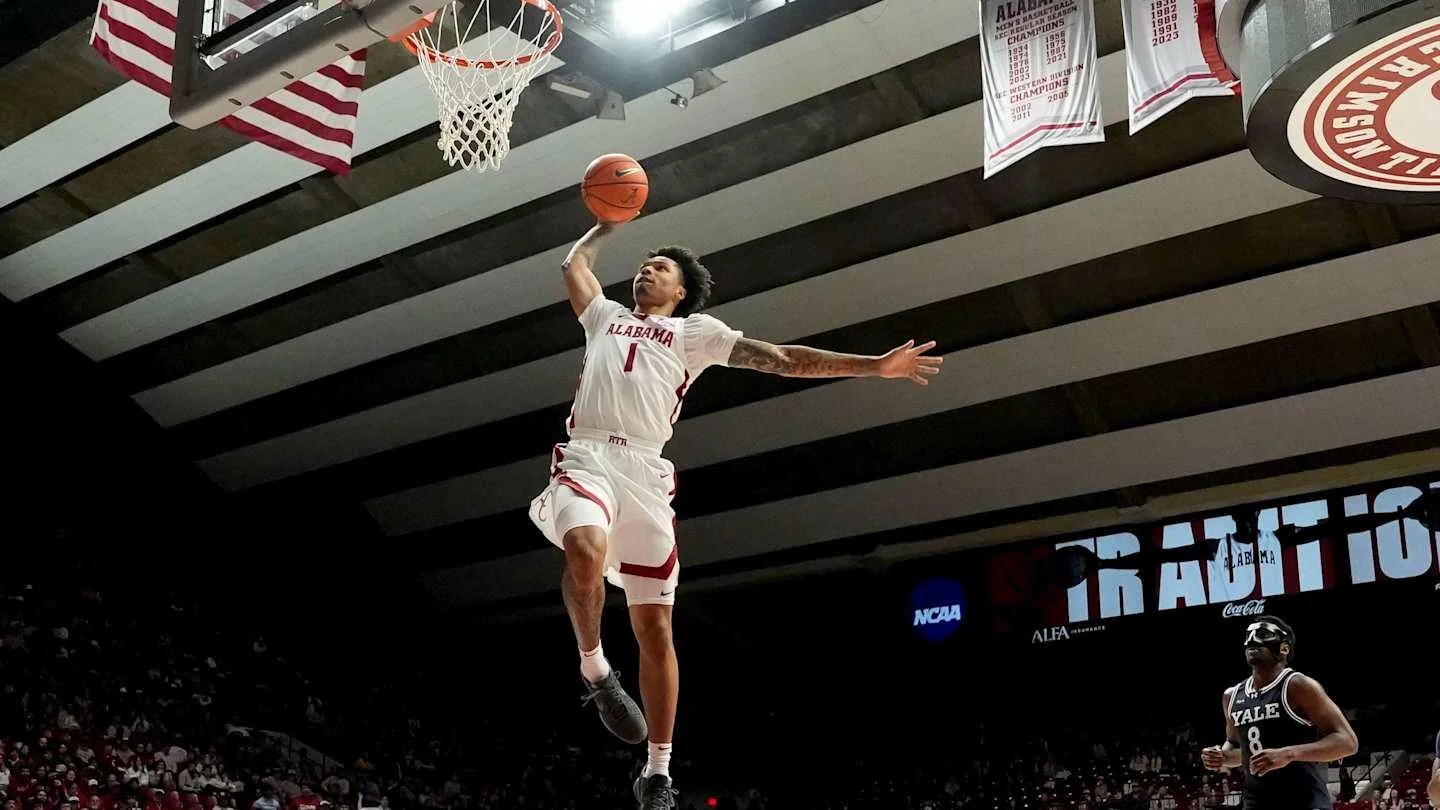
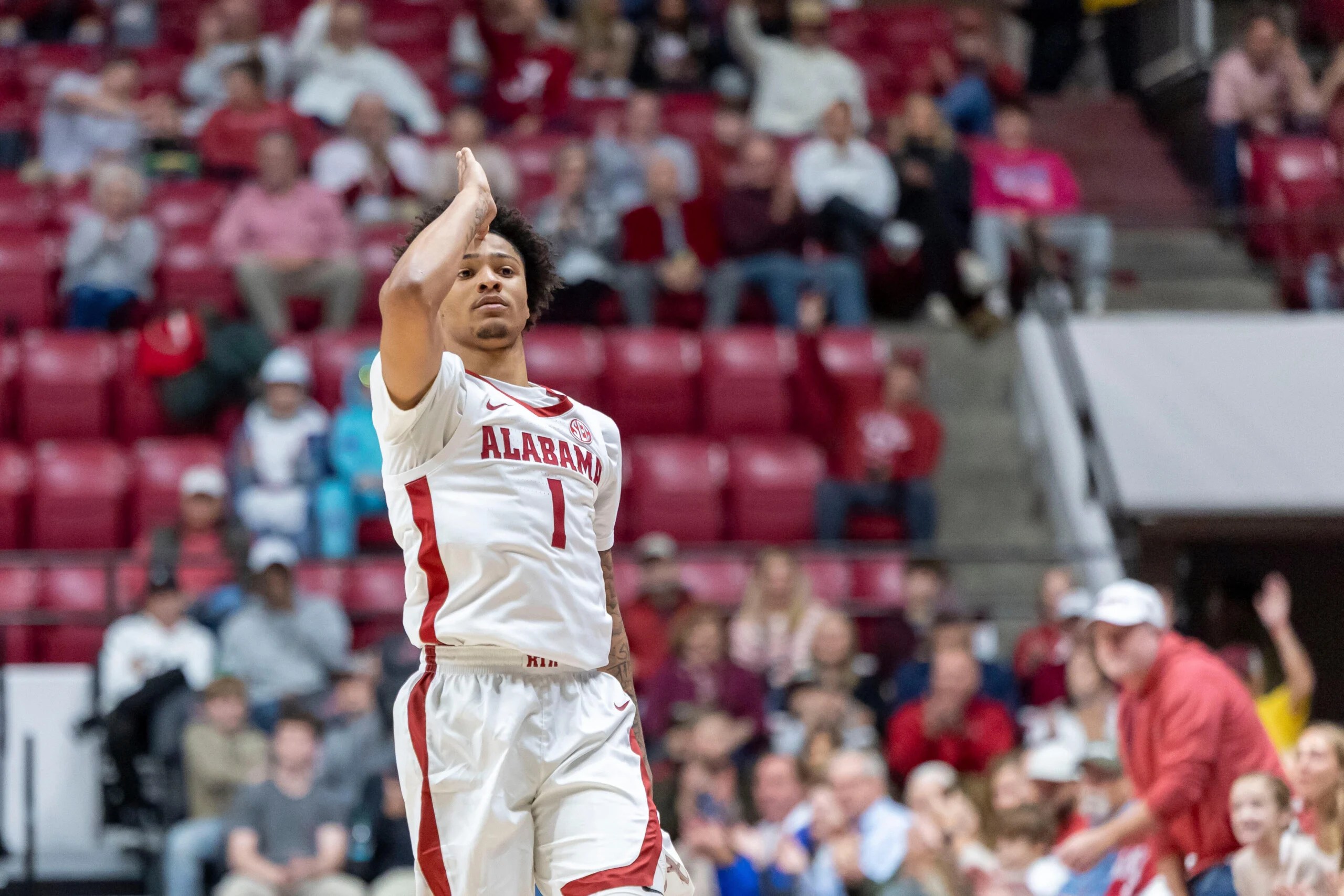
Comprehensive Scouting Report: Jalil Bethea – Strategic Analysis of On-Court Development and Portfolio-Based Transfer Decision

Player: Jalil Bethea | Position: Shooting Guard | Height/Weight: 6’5″, 190 lbs
Current Program: Alabama Crimson Tide (SEC) | Class: Sophomore
High School: Archbishop Wood Catholic, Philadelphia Catholic League (PCL)
Prior Program: Miami (FL) Hurricanes (ACC)
Draft Projection (2026): Potential Second-Round Pick

I. EXECUTIVE SUMMARY & STRATEGIC TRANSFER GRADE

Jalil Bethea’s move from Miami to Alabama represents a high-stakes portfolio reallocation aimed at recovering value after a freshman season that failed to meet his five-star promise. The decision to join a high-octane, NBA-feeder program like Alabama under Coach Nate Oats was analytically sound, targeting the speculative assets of professional development, competitive visibility, and system fit. However, the 2025-26 season has revealed a significant miscalculation in the assessment of “immediate returns,” particularly regarding guaranteed on-court opportunity. Bethea has transitioned from a 16-game starter at Miami to a deep reserve at Alabama, seeing his role and production diminish dramatically. While the long-term developmental bet on Alabama’s infrastructure remains plausible, the short-term cost to his draft stock and rhythm is substantial. Therefore, his strategic transfer decision earns a C+ grade: a conceptually logical move undercut by flawed execution and unforeseen constraints, leaving his professional pathway more uncertain than anticipated.

II. PORTFOLIO ANALYSIS: THE ALABAMA TRANSFER DECISION

Bethea’s portal entry was a forced recalibration after a freshman year at Miami (7.1 PPG, 32.6% 3PT) that failed to solidify his status as a one-and-done prospect. His choice of Alabama was a bet on specific appreciating assets.

  • Targeted Speculative Assets:
    • Developmental Infrastructure & System Fit: This was the core bet. Alabama’s NBA-style, pace-and-space offense under Nate Oats, which prioritizes three-point volume and transition play, appeared tailor-made for Bethea’s reputation as a movement shooter and explosive athlete. The program’s recent success with guard development (e.g., Brandon Miller, Josh Primo) offered a credible professional pathway.
    • Competitive Success & Exposure: Moving to the SEC and a perennial NCAA Tournament contender offered a higher platform for March visibility, a critical factor for draft stock.
    • Brand Growth: Association with a top-10 national program enhances marketability, potentially offsetting any relative NIL disparity from leaving Miami.
  • Compromised Immediate Returns:
    • Projected On-Court Opportunity: This is where the portfolio has most underperformed. Bethea’s role has not materialized as likely projected. He is averaging only 10.1 minutes per game off the bench for Alabama, a stark decrease from his 19.0 minutes at Miami. In recent games, his playing time has often been in the single digits.
    • Statistical Contribution: His per-game averages at Alabama (5.4 PPG, 2.2 REB) are below his Miami output, and his shooting efficiency (40.0% FG, 34.3% 3PT) has not made the significant leap required.
  • Structural Constraints Encountered: Bethea entered a saturated market for touches at Alabama. The Crimson Tide’s offense runs through established, high-usage stars like Mark Sears (21.6 PPG), creating a hierarchy difficult for a new transfer to crack. The information asymmetry of the portal—where a player cannot fully gauge future roster composition and internal competition—has proven to be a decisive factor limiting his agency.

III. ON-COURT PERFORMANCE & SKILL ASSESSMENT

Bethea’s season is a tale of two data sets: encouraging per-minute efficiency obscured by a lack of consistent opportunity.

Statistical Profile & Context:

  • Per-Game (Alabama): 5.4 PPG, 2.2 RPG, 0.8 APG, 40.0% FG, 34.3% 3PT, 82.6% FT in 10.1 MPG.
  • Per-36 Minute Projection: 18.9 PPG, 7.8 RPG, 2.8 APG. This highlights his latent scoring potential but also underscores the central dilemma: he has been unable to earn the minutes to actualize it.
  • Efficiency Metrics: A solid 56.9% True Shooting percentage and 124.5 Offensive Rating indicate he produces effectively when on the floor, but a high 22.8% Usage Rate shows he needs the ball in his hands to be impactful.

Qualitative Skill Breakdown:

TraitGradeAnalysis & Evidence
Shooting & Scoring InstinctsB+Remains his premier skill. NBA-level range with a quick, fluid release. Capable of explosive scoring bursts (21 pts vs UTSA, 15 vs Yale). However, consistency from deep remains elusive (34.3% 3PT), partly due to erratic minutes.
Athleticism & FinishingA-An explosive leaper with “big time above the rim ability”. Can finish with power or finesse in traffic. This trait is underutilized in his limited role.
Ball-Handling & CreationB-Has a quick first step and can create separation for his shot. Can be a ball-dominant, score-first guard; playmaking for others (0.8 APG) is a clear weakness and limits his ability to impact games without scoring.
Defensive EngagementC-The most consistent critique from scouts. Possesses the physical tools (size, athleticism) but shows inconsistent focus and effort. Averaging only 0.2 steals per game, he does not use his athleticism to be a disruptive force.
Decision-Making & ResilienceC+Can force shots and struggle to impact the game when his shot isn’t falling. The emotional toll of a reduced role is visible in fluctuating performances, raising questions about adaptability and mental toughness in adversity.

IV. PROFESSIONAL PROJECTION & PATHWAY ANALYSIS

Bethea’s draft stock has cooled from its five-star, potential lottery-pick origins. He is now viewed as a potential second-round pick in the 2026 draft, a projection that hinges almost entirely on speculative upside rather than proven production.

  • Archetype: He profiles as a microwave scoring guard—a player who can enter a game and instantly provide offensive sparks. His ceiling at the next level is a dynamic bench scorer, but his floor is a player whose limited defensive focus and playmaking make him a situational specialist.
  • Critical Development Needs: To secure and improve his draft position, Bethea must demonstrate tangible growth in two areas scouts consistently flag:
    1. Consistent Defensive Effort: Translating athletic tools into tangible defensive stops and disruption.
    2. Playmaking & Game Feel: Developing a more nuanced understanding of how to create for teammates and impact winning beyond scoring.
  • The Alabama Paradox: The very program chosen for development has, thus far, been unable to provide him the consistent in-game reps required to showcase and refine these skills. His development is occurring largely in practice, which is insufficient for NBA evaluators who need to see game-speed application.

V. CONCLUSION & STRATEGIC RECOMMENDATIONS

Bethea stands at a career inflection point. The logic behind the Alabama transfer—betting on a superior developmental system—is not yet invalidated, but the timeline for return has lengthened dangerously.

Final Assessment:
Bethea retains the raw talent of a high-major contributor and future professional. His shooting touch, athletic pop, and scoring instincts are undeniable. However, his freshman stagnation at Miami has been followed by a sophomore season of disconcerting marginalization at Alabama. The “portfolio” is underperforming, with the asset of immediate opportunity having depreciated significantly.

Recommendations:

  1. For the Remainder of 2025-26: Bethea must maximize every minute, however sparse, by showcasing an unmatched competitive fire—particularly on defense. Earning coach’s trust through effort is the only path to increased role.
  2. Offseason Decision Point: Following this season, a clear-eyed assessment is required. If a pathway to a starting or major sixth-man role at Alabama in 2026-27 is not concrete, he must seriously consider re-entering the transfer portal. His next move would need to prioritize a guaranteed, featured role at a strong mid-major or lower-tier high-major program where he can be “the man,” rebuild his value, and prove he can lead a team to success.
  3. Long-Term Focus: Regardless of venue, the developmental checklist is non-negotiable: commit to being a defensive presence, add strength to finish through contact, and work diligently to become a more willing and capable passer.

Scout’s Bottom Line: Jalil Bethea’s story is a cautionary tale of the modern era’s complexities. A player’s agency in choosing a program is real, but it is powerfully mediated by structural factors like roster depth and coaching preference. Bethea bet on the right system but misjudged the situation. His undeniable talent is currently trapped in a role that does not serve his development or draft prospects. The coming months will determine if he can break free and reclaim the trajectory expected of a player with his pedigree.

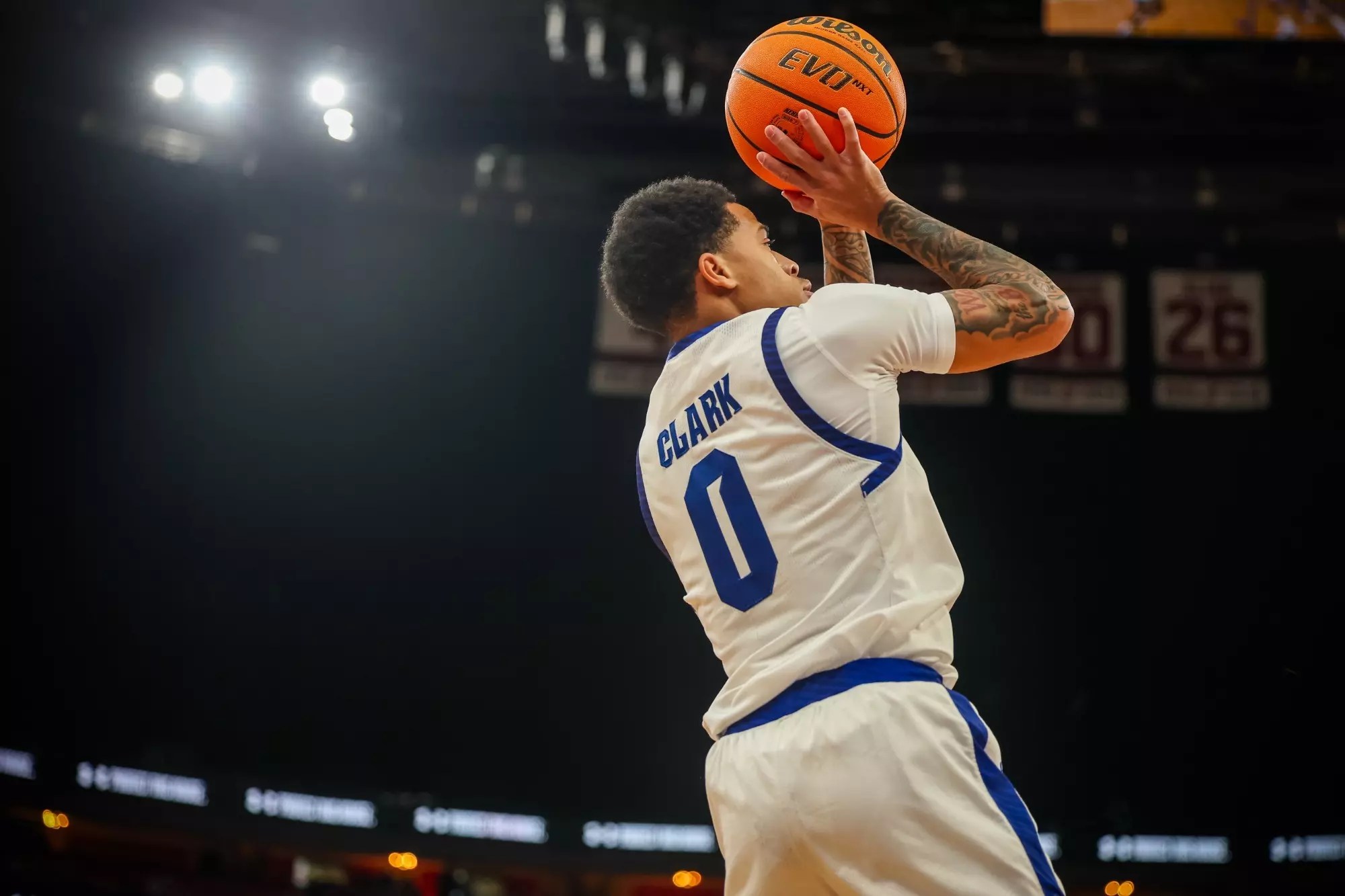
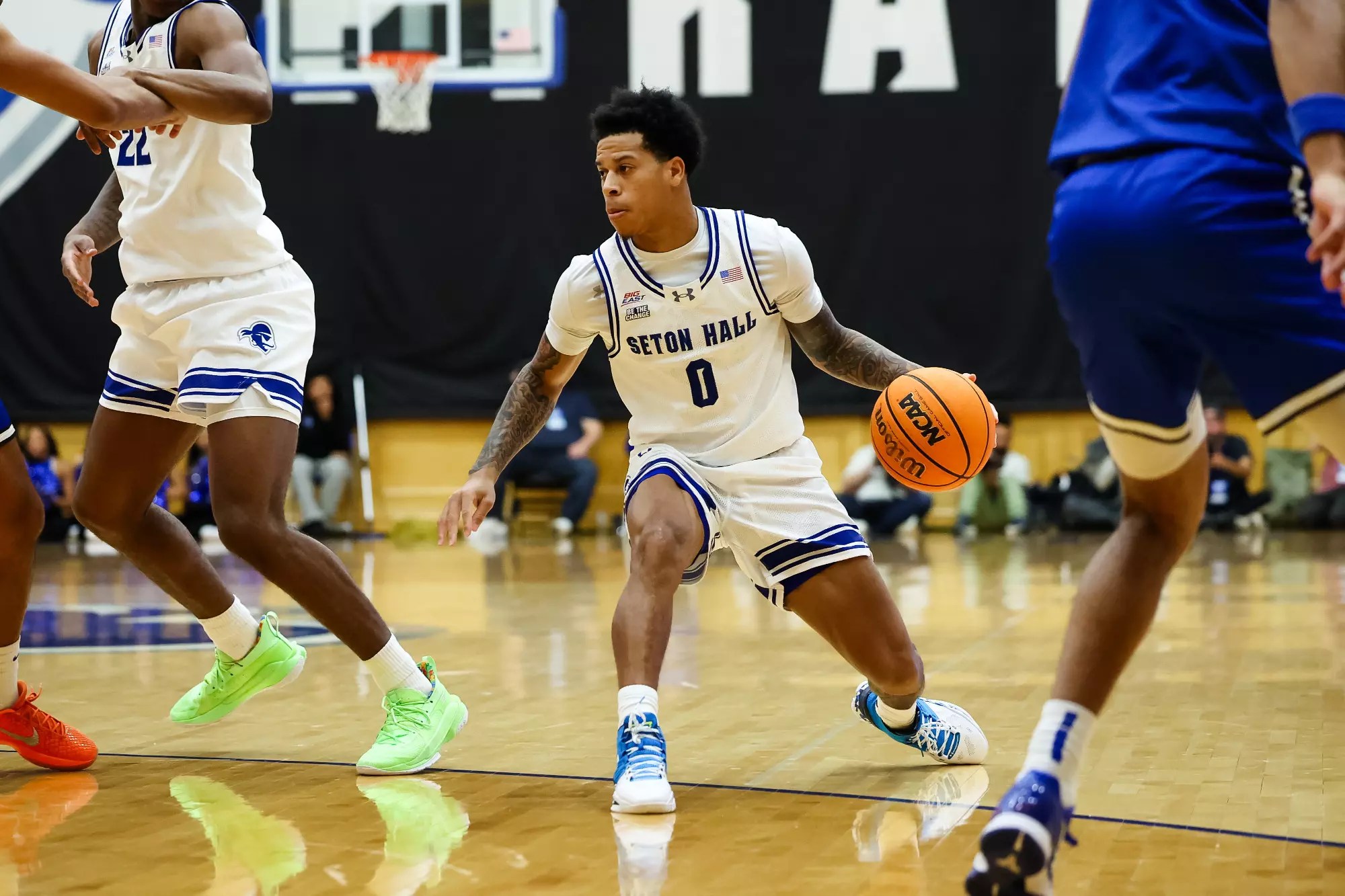
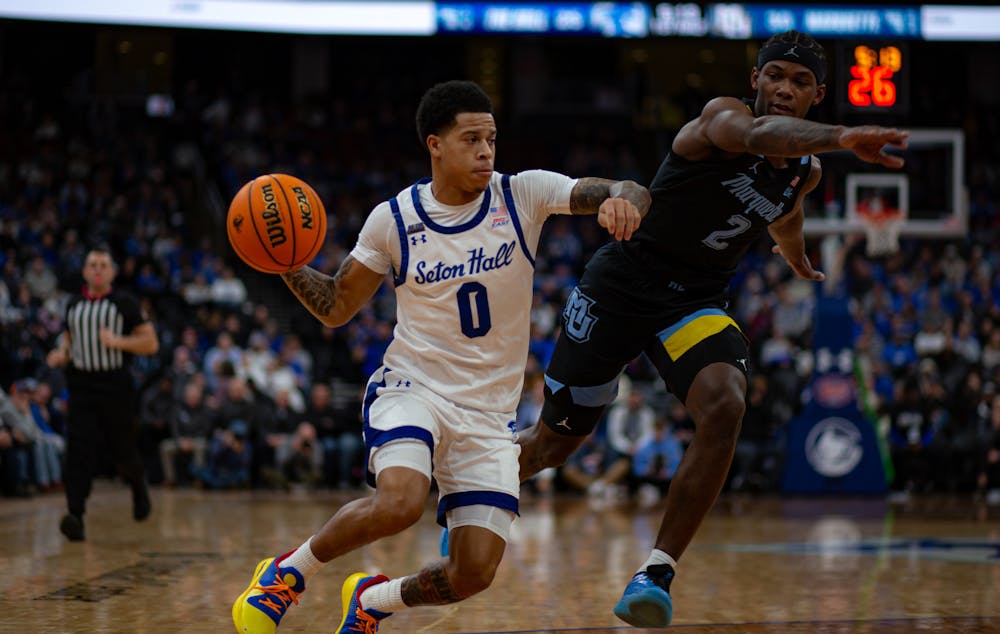
Comprehensive Scouting Report: Adam “Budd” Clark – Strategic Analysis of On-Court Development and Portfolio-Based Transfer Decision

Player: Adam “Budd” Clark | Position: Point Guard | Height: 5’10” | Class: Junior (Transfer)
Current Program: Seton Hall Pirates (Big East Conference)
High School: West Catholic, Philadelphia Catholic League (PCL)
Prior Program: Merrimack College (Northeast Conference / MAAC)

Executive Summary & Strategic Grade

Adam “Budd” Clark’s transfer from Merrimack to Seton Hall represents a high-stakes, calculated portfolio reallocation in the modern collegiate marketplace. Facing significant structural constraints—including Seton Hall’s threadbare roster and well-documented NIL resource disparities within the Big East—Clark wagered his proven mid-major production against the speculative assets of high-major exposure, professional development, and tournament visibility. The early returns are promising: Clark has secured an immediate starting role and demonstrated he can be a primary engine for a power-conference team, validating a key pillar of his decision. However, the portfolio’s riskiest assets—specifically, transformative skill development and team success in a brutally competitive league—remain unrealized and are under severe pressure. His on-court performance shows a high-variance, high-impact profile: an elite disruptor and fearless driver whose glaring shooting limitations cap his efficiency and create exploitable defensive schemes. Based on his strategic positioning and initial adaptation, Clark earns a B- grade with a “Conditional” outlook. His final valuation hinges entirely on his and Seton Hall’s ability to convert current struggles into future competitive success.

I. Portfolio Analysis: The Transfer Decision

Clark’s move must be assessed not as a simple upgrade, but as a risk-balanced investment under conditions of incomplete information and asymmetric power.

  • Immediate Returns (Realized Assets):
    • Promised Role & Usage: This is the portfolio’s most secured asset. With Seton Hall returning only three players and lacking established guard depth, Clark was guaranteed a primary ball-handler role. This has materialized; he has started all 22 games, averaging over 30 minutes per contest as the team’s clear offensive initiator.
    • Competitive Platform: The asset is partially realized. He has gained access to the Big East’s national television schedule and the scouting visibility that comes with it. However, the platform’s value is diminished by the team’s current struggles (6-6 in conference play), limiting high-leverage, showcase opportunities.
  • Speculative Assets & Long-Term Risk:
    • Skill Development Infrastructure: This high-potential asset carries high risk. Coaching under Shaheen Holloway, a former elite point guard, offers a credible development pathway. The critical question is whether this environment can address Clark’s most significant limitation: perimeter shooting. Early data (22.7% 3PT) shows no improvement, threatening the entire investment’s return.
    • Professional Pathway Exposure: Risk is elevated. While the Big East is an NBA pipeline, Clark’s archetype (undersized, non-shooting guard) is increasingly rare at the professional level. His pathway likely requires not just statistical production, but winning proof-of-concept in March, which is currently in jeopardy.
    • NIL & Brand Growth: This asset is highly constrained by structural factors. Reports indicate massive NIL spending gaps within the Big East (e.g., St. John’s at ~$10M, UConn at ~$8M), putting Seton Hall and its players at a inherent market disadvantage. Clark’s financial upside may be limited compared to peers at resource-rich programs, regardless of performance.
  • Structural Constraints Acknowledged: Clark entered a unique and challenging decision space. Seton Hall was not a stable powerhouse but a program in total rebuild, having lost 10 players to the portal. This presented a rare opportunity for immediate, high-usage control but also came with the severe risk of being onboarded to a non-competitive vessel in a top-tier conference. His choice was a quintessential bet on himself within a constrained ecosystem.

II. On-Court Performance & Impact Analysis

Statistical Profile (2025-26 Season):

  • Scoring: 11.3 PPG, 42.4% FG, 22.7% 3PT, 71.1% FT
  • Playmaking: 4.6 APG, 2.9 APG/TOV Ratio
  • Defensive Activity: 2.9 RPG, 2.5 SPG (Elite)
  • Efficiency: 43.5% eFG%, 15.8 PER

Qualitative Assessment:

TraitGradeAnalysis & Evidence
Ball Pressure & DefenseA-Clark’s defining elite skill. Averaging 2.5 steals per game, he is a pest with outstanding anticipation and quick hands. His high school scouting report noted he could “take the ball” at will, a trait that has translated to the high-major level. This fuels transition opportunities and disrupts opponent rhythm.
Playmaking & PaceBShows clear capability as a primary initiator (4.6 APG, 12-ast game). Operates well in ball-screen actions and can deliver live-dribble passes. Turnovers can spike against elite pressure (5-TO game vs. Washington State), but his assist-to-turnover ratio remains positive.
Finishing & FearlessnessBDespite his size, is an undeterred driver. Uses change of pace and craft to get into the lane. Capable of high-volume free-throw attempts (10-12 FTAs vs. Georgetown), proving he can pressure the rim.
Shooting (Spot-Up/Catch & Shoot)DThe portfolio’s most damaging liability. A non-threat from three-point range (22.7%), allowing defenders to go under screens and clog driving lanes. This lack of gravity severely limits spacing for himself and the team’s offense.
Shooting (Pull-Up/Mid-Range)C-Marginally more effective inside the arc but inconsistent. Can hit floaters and runners, yet games like his 0-7, 0-point outing against St. John’s showcase how defenses can completely neutralize him when his driving lanes are cut off.
Consistency & Decision-MakingC+Embodies a high-variance profile. Can log 24 pts/4 stl vs. Xavier, then 3 pts the next game. His decision-making is sound within his skill set but is often forced into difficult choices because defenses do not respect his jumper.

III. Fit within Ecosystem & Program Context

Clark’s performance cannot be divorced from Seton Hall’s broader ecosystem, which is currently a mitigating factor in his assessment.

  • Roster Construction: The Pirates’ roster is incomplete, lacking depth at forward and center. This places excessive burden on the backcourt to create offense and magnifies spacing issues caused by Clark’s shooting limitations.
  • Big East Competition: The conference is a gauntlet. Clark’s stat lines often bifurcate: strong against mid-tier competition (19 pts vs. Marquette, 22 pts vs. Georgetown) but prone to being schemed out by elite defenses (3 pts @ St. John’s, 4 pts vs. Villanova). This volatility is a direct function of the scouting and talent gap he now faces nightly.
  • Developmental Pathway: The Holloway connection is tangible. Holloway’s proven affinity for tough, defensive-minded guards provides a cultural fit. The next 12-18 months are critical to determine if this staff can develop Clark’s jump shot, the single skill that would unlock his entire portfolio’s value.

IV. Professional Projection & Long-Term Outlook

Clark’s professional pathway is narrow but exists. He projects as a potential undrafted free agent/two-way contract candidate whose ceiling is a defensive specialist and secondary ball-handler. The archetype is akin to a Jevon Carter, but Carter’s collegiate 3PT% was nearly 10 points higher than Clark’s current mark. Without a radical transformation as a shooter, his margin for error is infinitesimal.

Final Recommendation & Risk Assessment:
Clark’s transfer was a bold, rational decision that maximized his immediate control and visibility. The portfolio, however, is currently underperforming relative to the risk taken. The success of this investment is now contingent on two parallel, challenging developments:

  1. Individual Skill Appreciation: Clark must demonstrate measurable, sustained improvement as a perimeter shooter to increase his offensive efficiency and scalability.
  2. Team Asset Appreciation: Seton Hall must successfully complete its rebuild in the 2026 offseason, surrounding Clark with complementary shooters and frontcourt talent to create a competitive team. Individual stats on a losing team will not satisfy the speculative assets of his transfer.

Grade: B- (Conditional)
Outlook: Clark has proven he belongs in the Big East as a competitor. He has not yet proven he can be the engine of a successful Big East team or that he can evolve the flaws in his game. His report card today reflects a promising but precarious position. The next evaluation period—the upcoming offseason and the start of the 2026-27 season—will be definitive, determining whether this strategic portfolio reallocation yields a championship return or depreciates into a missed opportunity.

Game Plan Advisors Recommendation 

Based on the on-court data and program trajectory, we strongly recommend that Adam “Budd” Clark continues his career at Seton Hall for the 2026-27 season. The strategic investment of his transfer is showing clear signs of success, and remaining in this system offers the best path to achieving his core portfolio goals: competitive success, professional development, and brand growth.

Current Season Success & Team Trajectory

Your primary goal in transferring was to join a competitive high-major program. The data shows Seton Hall is not just competing but emerging as a force.

  • Strong Standings: Seton Hall holds a winning 6-5 record in the Big East, positioning them solidly in 4th place behind only nationally elite programs like UConn, St. John’s, and Villanova.
  • Impressive Overall Record: The team’s 16-6 overall record reflects a successful season built on consistent performance.
  • Momentum: The team is currently on a two-game win streak, indicating they are hitting their stride at a crucial point in the season.

Fulfilling Your Strategic Portfolio

Your decision to transfer was a calculated portfolio allocation. Staying at Seton Hall allows you to fully realize the value of each asset you invested in.

Portfolio GoalCurrent Status at Seton HallRecommendation Rationale
Immediate ReturnsRealized & SecureYou have an established, 22-game starting role in the Big East, averaging 29.3 minutes. This is the foundational asset.
Competitive SuccessAppreciatingThe team is in 4th place with a strong NCAA Tournament resume. A second year provides a chance to lead a deeper run.
Skill DevelopmentIn ProgressAdapting to the Big East’s physicality has been a challenge (scoring dropped from 19.8 to 11.3 PPG). A full offseason with Coach Holloway is critical to address shooting efficiency and adjust your game for this level.
Professional PathwayActive ShowcaseYou are proving you can impact winning against top-25 competition nightly. This is the exact tape professional scouts need to see for an undersized guard.

Critical Offseason Development Focus

While the team success is evident, your individual statistical transition highlights the single most important reason to stay: dedicated, high-major skill development. Your elite defensive activity (2.2 SPG) and playmaking (4.6 APG) have translated immediately. However, working with Coach Holloway—a former elite point guard himself—for a full offseason is essential to refine your offensive efficiency and consistency against Big East defenses.

Risks of Re-Entering the Portal

Leaving this situation now would introduce significant new risks:

  • Loss of Proven Fit: You would abandon a confirmed successful role for the complete unknown of a new system, coach, and roster.
  • Timing & Leverage: Entering the portal again could signal instability to programs and potentially reduce your negotiating leverage for both role and NIL.
  • Disruption of Growth: You would reset the crucial skill development cycle just as you are adapting to high-major play.

Final Verdict: Your transfer to Seton Hall is a case study in a successful strategic move. The team is winning, your role is central, and the infrastructure for your professional development is in place. The most prudent financial and basketball decision is to see the investment through. Commit to the offseason work at Seton Hall to elevate your efficiency, lead this team in your senior year, and capitalize on the platform you’ve successfully earned.

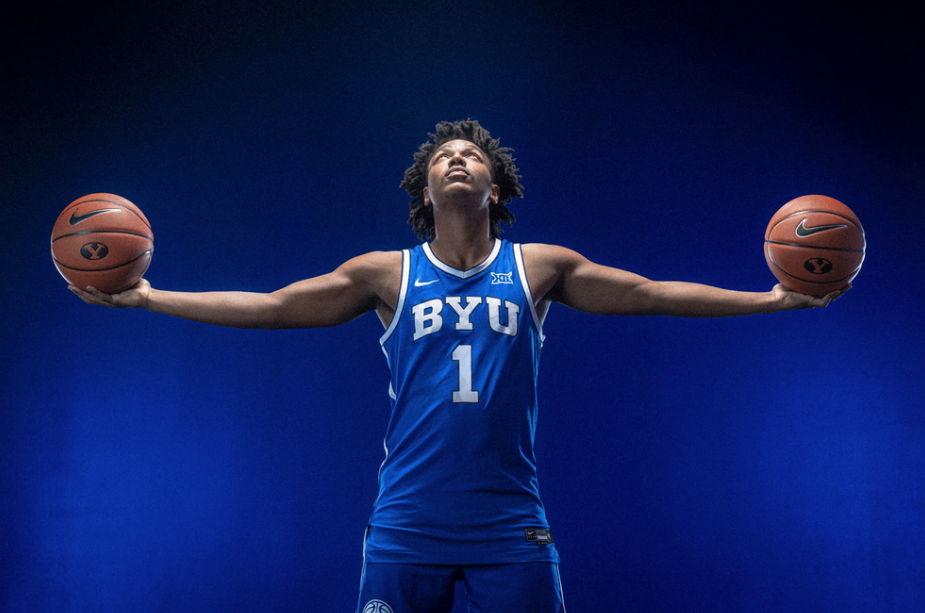
Comprehensive Scouting Report: Robert Wright III – Strategic Analysis of On-Court Development and Portfolio-Based Transfer Decision

Executive Summary & Strategic Grade

Robert Wright III has demonstrated exceptional strategic acumen in navigating the modern collegiate basketball landscape, executing a calculated transfer from Baylor to BYU that optimizes both immediate returns and long-term career development. This move exemplifies portfolio-based decision-making under conditions of incomplete information, leveraging his position as a prized transfer to balance guaranteed NIL compensation against speculative assets in skill development, professional pathway exposure, and competitive success. On the court, Wright has established himself as a primary offensive catalyst for a top-15 program, averaging 16.8 points and 5.4 assists while shouldering significant offensive responsibilities in BYU’s high-paced system. His decision-making reflects a sophisticated understanding of the structural constraints and opportunity landscapes within the Big 12 conference, positioning him advantageously for professional aspirations. Given his performance integration at BYU and the strategic foresight displayed in his transfer, Wright earns a B+ overall grade with upward trajectory toward A- territory pending continued development in efficiency and defensive impact.

1 Player Profile & Program Context

1.1 Background and Career Trajectory

Robert Wright III emerged from the highly competitive Philadelphia Catholic League at Neumann-Goretti High School, where he earned Pennsylvania Gatorade Player of the Year honors as a junior before finishing his prep career at basketball powerhouse Montverde Academy. At Montverde, he contributed to a 33-0 national championship teamthat featured elite talents including Cooper Flagg, providing valuable experience in a high-stakes, high-expectation environment. As a consensus four-star recruit ranked 24th nationally in the ESPN 100, Wright initially committed to Baylor where he delivered an All-Big 12 Freshman Team performance (11.5 PPG, 4.2 APG) while breaking Baylor’s freshman assist records. His subsequent transfer to BYU represents a strategic repositioning within the conference hierarchy, moving from a traditional power to an ascendant program under NBA-experienced coach Kevin Young.

1.2 BYU Program Metrics & Competitive Landscape

BYU’s basketball program under Coach Kevin Young presents a distinctive environment characterized by several key metrics that informed Wright’s transfer decision:

  • Team Performance: Currently holding a 17-4 record (5-3 in Big 12) with a #13 AP ranking, demonstrating competitive viability in the nation’s toughest conference.
  • Offensive System: Ranking 21st nationally in scoring (86.4 PPG) with an offensive efficiency rating of 121.4 (19th nationally), implementing a pro-style pace-and-space approach.
  • Program Trajectory: BYU maintains a top-10 ranking throughout the season despite playing the 26th toughest schedule nationally, indicating sustainable competitive success.
  • Talent Infrastructure: The program has successfully recruited elite talent, including #1 overall prospect AJ Dybantsa ($4.1M NIL valuation), creating an ecosystem of high-level competition in practice and games.

1.3 Transfer Portal Dynamics & Market Positioning

Wright entered the transfer portal as one of the most sought-after point guards available, creating a competitive bidding environment with “almost every school in the country” expressing interest. His market value was enhanced by demonstrated production in the Big 12, freshman accolades, and the positional scarcity of experienced lead guards. Reports indicated his BYU NIL package approached $3 million, placing him among the top compensated basketball transfers despite his public minimization of financial considerations. This positioning allowed him to negotiate from a position of relative power despite the inherent information asymmetries of the portal process, where programs typically possess more complete knowledge of roster construction and resource allocation than transferring athletes.

2 On-Court Performance & Developmental Trajectory

2.1 Statistical Impact & Efficiency Profile

Wright has assumed a substantially expanded offensive role at BYU compared to his freshman season at Baylor, increasing his scoring average by 46% while maintaining commendable efficiency metrics within a higher-usage context:

  • Scoring Production: Averaging 16.8 points per game on 14.2 field goal attempts, demonstrating increased offensive responsibility as evidenced by 35+ minutes in 10 of 21 games.
  • Playmaking Proficiency: Distributing 5.4 assists per game with multiple 10+ assist performances, including a season-high 12 assists against California Baptist.
  • Efficiency Metrics: Shooting 46.2% from two-point range but exhibiting volatility from three (34.9%) and the free-throw line (74.3%), highlighting areas for consistency improvement.
  • Performance Against Elite Competition: In games against top-15 opponents (Kansas, Arizona, Texas Tech, Connecticut), Wright averages 17.3 points and 4.5 assists, indicating production sustainability against premier defensive schemes.

Table: Wright’s Performance Against Tiered Competition at BYU

Competition TierGamesPPGAPGFG%3P%
Top-15 Opponents417.34.543.2%28.6%
Top-50 Opponents816.15.145.8%32.4%
All Other Opponents1317.15.849.3%38.7%

2.2 Skill Development & Role Integration

Within BYU’s offensive ecosystem, Wright has developed several distinctive capabilities while adapting to the program’s specific requirements:

  • Pace Manipulation: Excelling in transition opportunities while demonstrating improved decision-making in early offensive scenarios, crucial for BYU’s 8th-fastest tempo nationally.
  • Pick-and-Roll Orchestration: Showing enhanced processing speed in ball-screen actions, particularly in partnerships with BYU’s versatile frontcourt personnel.
  • Late-Game Execution: Displaying increased comfort in clutch situations, including a 28-point performance against Texas Tech and 23-point outing at Utah.
  • Defensive Adaptability: While not an elite defender, demonstrating improved positioning in BYU’s defensive schemes that prioritize limiting three-point attempts over forcing turnovers.

Coach Kevin Young’s system emphasizes pace, space, and player empowerment, creating an environment where Wright’s “fast-paced” playing style finds optimal expression. The coaching staff’s experience with NBA development—particularly Young’s work with Chris Paul—provides a professional development framework that Wright explicitly cited as influential in his transfer decision.

3 Transfer Decision Analysis: A Portfolio Allocation Framework

3.1 Immediate Returns vs. Speculative Assets

Wright’s transfer decision can be conceptualized as an investment portfolio balancing guaranteed returns against growth-oriented assets with varying risk profiles:

Table: Portfolio Analysis of Wright’s Transfer to BYU

Asset ClassSpecific InvestmentRisk ProfileCurrent Realization
Immediate ReturnsGuaranteed NIL Compensation (~$3M)LowFully realized
Promised Primary Ball-Handler RoleLowFully realized (team-high 34.4 MPG)
Growth AssetsNBA Development Infrastructure (Kevin Young staff)Medium-HighPartially realized (skill development visible)
Professional Pathway Exposure (Pro-style system)MediumPartially realized (increased draft visibility)
Competitive Success (NCAA Tournament run)Medium-HighIn progress (17-4 record)
Brand & Market Expansion (BYU national platform)MediumIn progress (increased media exposure)

3.2 Risk Assessment & Structural Constraints

The transfer decision occurred within several structural constraints that shaped Wright’s opportunity space:

  • Conference Realignment Dynamics: The Big 12’s consolidation as basketball’s premier conference created both competitive challenges and exposure opportunities that informed Wright’s lateral conference move.
  • Roster Construction Uncertainty: BYU was replacing its entire backcourt (Egor Demin to NBA, Dallin Hall to transfer portal), creating immediate opportunity but also integration risk.
  • Program Transition Phase: BYU under second-year coach Kevin Young represented an ascending but unproven entity compared to Baylor’s established success, introducing execution risk.
  • Geographic & Cultural Adjustment: Moving from Texas to Utah’s distinctive cultural environment presented potential adjustment challenges despite Wright’s previous experience at faith-based Baylor.

Wright mitigated these risks through several mechanisms: leveraging pre-existing relationships with AJ Dybantsa from USA Basketball camps, conducting due diligence on coaching staff NBA development credentials, and valuing BYU’s consistent fan support and game atmosphere experienced firsthand during his 22-point performance against BYU the previous season.

3.3 Information Asymmetries & Decision Process

The transfer portal environment inherently features significant information gaps between programs and athletes. Wright navigated these asymmetries through:

  • Delegated Negotiation: Utilizing his father and agent (Jelani Floyd of Wasserman Group) for NIL discussions while focusing personally on basketball fit considerations.
  • Direct Experience: Drawing from firsthand competitive experience against BYU rather than relying solely on program presentations.
  • Peer Intelligence: Leveraging relationships with Dybantsa for internal program insights unavailable through official channels.
  • Temporal Advantage: Committing rapidly (within two weeks of portal entry) to secure position before roster slots filled, demonstrating decisive risk assessment.

Wright’s public minimization of NIL considerations (“down the list of reasons”) while reportedly securing approximately $3 million reflects sophisticated negotiation positioning that maximizes both financial and developmental outcomes without compromising public perception.

4 Competitive Evaluation & Professional Projection

4.1 Strengths Assessment

  • Decision-Making Maturity: Demonstrates advanced processing speed in live-ball situations, particularly in early offense and semi-transition where he creates advantages before defenses organize.
  • Playmaking Versatility: Capable of generating offense through both traditional point guard distribution (5.4 APG) and self-created scoring, presenting defensive planning challenges.
  • Competitive Resilience: Maintains production against elite competition with minimal statistical drop-off, indicating psychological readiness for high-leverage environments.
  • Developmental Awareness: Exhibits metacognitive understanding of his own development pathway, evidenced by transfer rationale focused on specific skill development rather than general playing time or financial considerations.

4.2 Areas for Improvement

  • Shooting Consistency: Requires improved three-point and free-throw efficiency to maximize offensive impact, particularly in late-clock and end-game situations where spacing becomes critical.
  • Defensive Engagement: While positionally sound, lacks elite defensive playmaking (0.6 SPG) that would elevate his two-way impact and pro projection.
  • Turnover Management: Records 2.0 turnovers per game, occasionally forcing plays in traffic rather than maintaining advantage through ball movement.
  • Physical Development: At 6’1″, benefits from additional strength to withstand switching defenses and finish through contact at the rim.

4.3 Professional Pathway Analysis

Wright’s current trajectory positions him as a potential second-round selection with first-round upside pending continued development. The BYU ecosystem provides several distinct advantages for professional preparation:

  • NBA-Connected Coaching: Kevin Young’s extensive NBA experience provides both tactical preparation and networking access unavailable at most collegiate programs.
  • Pro-Style System: BYU’s pace-and-space offense with multiple ball-handlers mirrors contemporary NBA offensive philosophy, easing transition.
  • High-Usage Development: As primary initiator in a high-powered offense, Wright accumulates the decision-making repetitions necessary for professional readiness.
  • Big 12 Competition: Nightly NBA-level defensive challenges accelerate processing development against switching schemes and aggressive ball pressure.

5 Conclusion & Strategic Grade

5.1 Decision Outcome Evaluation

Robert Wright III’s transfer to BYU represents a strategically sound portfolio allocation that effectively balances immediate returns against growth-oriented assets. The decision demonstrates sophisticated understanding of the modern collegiate basketball landscape, where athletes must optimize across multiple dimensions simultaneously rather than prioritizing single variables. The move has yielded substantial immediate returns in guaranteed compensation and primary role while positioning Wright advantageously for long-term development through NBA-connected coaching, professional system integration, and competitive exposure. While the ultimate return on speculative assets (NBA draft position, professional career longevity) remains unrealized, early indicators suggest positive trajectory with Wright’s statistical production and team success validating the decision framework.

5.2 Final Assessment & Recommendations

Overall Grade: B+ with clear pathway to A- through continued efficiency development and defensive impact.

Immediate Recommendations:

  • Focus offseason development on three-point consistency through increased repetition volume and refined mechanics.
  • Enhance defensive playmaking through improved anticipation and hand activity without compromising positional integrity.
  • Study film of NBA guards with similar physical profiles who successfully navigated switching defenses.
  • Leverage BYU’s sports science resources for targeted strength development while maintaining speed and agility advantages.

Strategic Outlook: Wright has positioned himself advantageously within the professional development pipelinewhile maximizing immediate collegiate compensation—a difficult balance few transfers achieve optimally. His demonstrated decision-making sophistication both on and off the court suggests continued upward trajectory, with the potential to emerge as one of the most impactful point guards in the 2027 NBA draft class should development continue at its current pace. The BYU experiment represents a case study in modern athlete empowerment, showcasing how strategic portal navigation can create environments where athletic, educational, and professional development objectives align rather than conflict.