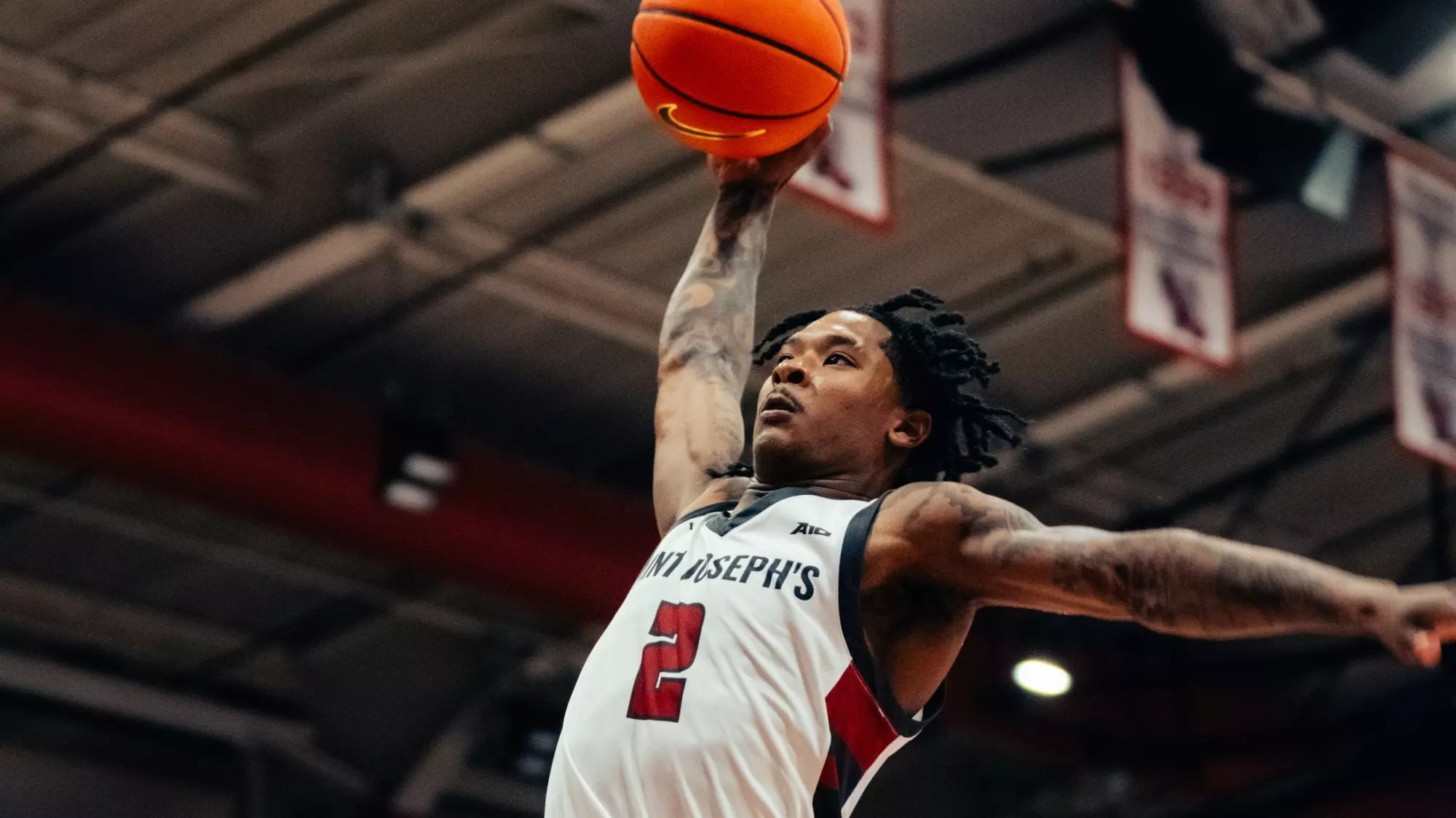
PHILADELPHIA, PA – The transaction is instantaneous. An athlete enters a name into a database, a program wires funds from a collective, and a scholarship offer is extended. On spreadsheets in athletic departments across America, this constitutes a successful roster rebuild. Yet in gymnasiums and locker rooms, where the alchemy of teamwork transforms individuals into contenders, the equation is proving far more complex. The abrupt departure of Deuce Jones from the Saint Joseph’s University basketball team after just ten games is not merely a local sports story in Philadelphia; it is a stark, human-sized case study in the collision between a new, transactional model of college athletics and the timeless, relational art of coaching.
Long gone are the days when a coach’s authority was rooted in a simple, autocratic decree. Today’s coach is part strategist, part psychologist, part contract negotiator, and part cultural architect, navigating a landscape where loyalty is provisional and rosters are perpetually in flux. The transfer portal and name, image, and likeness (NIL) deals have created a booming marketplace for talent, but as the Jones saga reveals, a failure to account for the human element—the delicate fit between a player’s spirit and a coach’s philosophy—can render the most promising on-paper union a costly and swift failure.
The New Calculus of Roster Building
The modern college coach operates in an environment of relentless pressure and perpetual motion. The transfer portal is no longer a niche tool but the “fundamental part of college basketball’s ecosystem,” a bustling marketplace where over 4,000 athletes sought new homes in 2025 alone—a 418% increase from 2020. Coaches, their own job security often tenuous, are forced into a high-stakes, reactive game. When a star player departs, the response must be immediate and decisive, often leading to hasty decisions focused on plugging statistical holes rather than cultivating cohesive units
This environment encourages a perilous oversight: the subordination of cultural and emotional fit to the allure of proven production. Programs now strategically allocate NIL budgets, with some high-major schools dedicating 75% of their resources to just five starting players, treating the rest of the roster like “minimum contracts”. In this calculus, a player’s worth is distilled to points, rebounds, and efficiency ratings. The deeper questions—How does this young man respond to criticism? What coaching voice unlocks his best self? Does his competitive fire align with or threaten the existing team culture?—are too often relegated to afterthoughts, if they are considered at all.
The Deuce Jones Conundrum: A Misfit Foretold
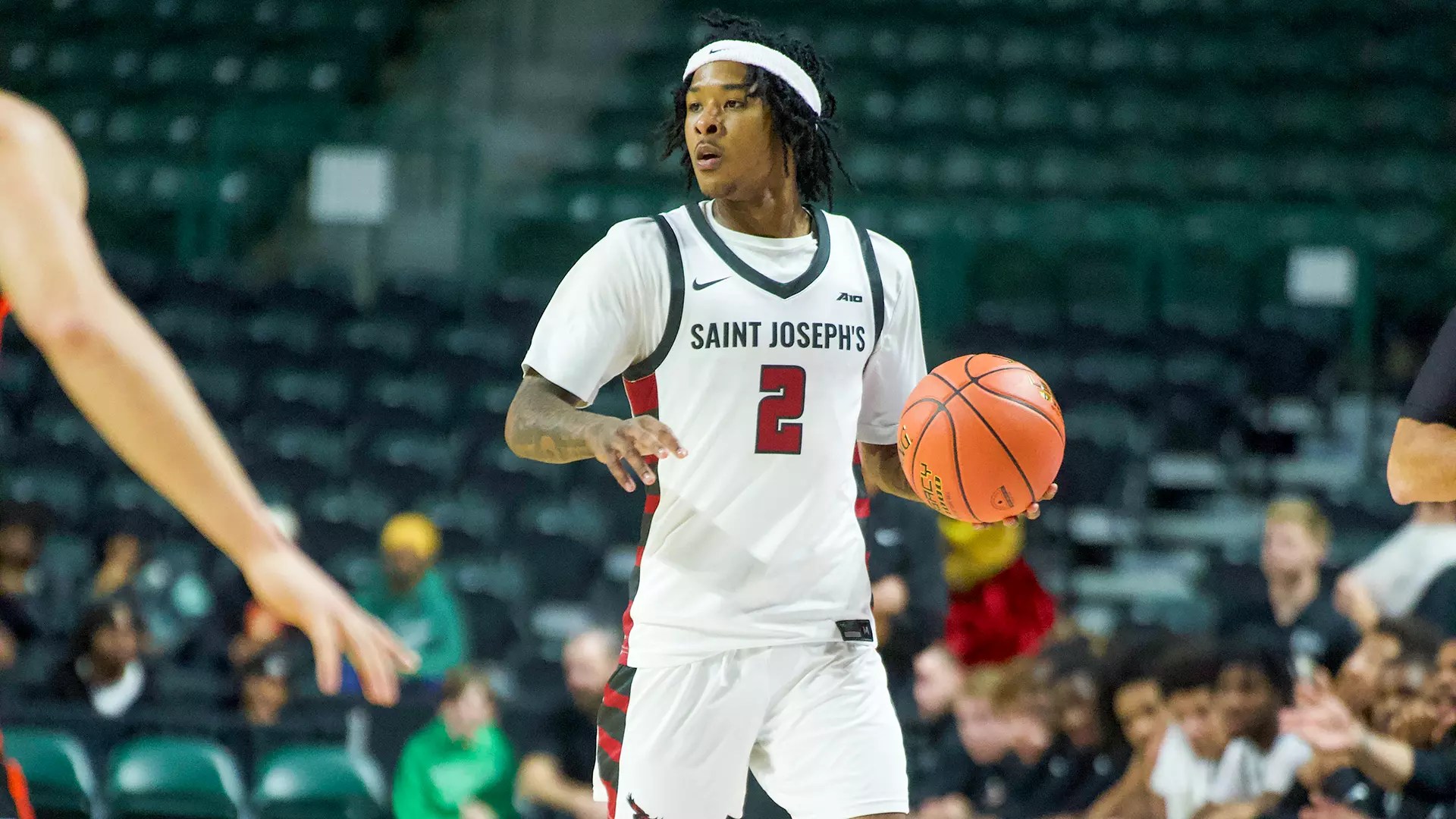
The trajectory of Deuce Jones illustrates both the potential of masterful coaching and the consequences of its absence. As a mercurial 15 year old high school talent, he thrived under Coach Mark Bass at Trenton Catholic, who mastered the “delicate balance of discipline and understanding.” Bass redirected Jones’s boundless confidence and energy without breaking his spirit, nearly willing the team to a state championship. The pattern repeated at La Salle under the disciplined, principled guidance of Fran Dunphy, where Jones’s fierce competitiveness earned him Atlantic 10 Rookie of the Year honors. These coaches commanded his respect not with unchecked authority, but with a demanding, invested mentorship he could trust.

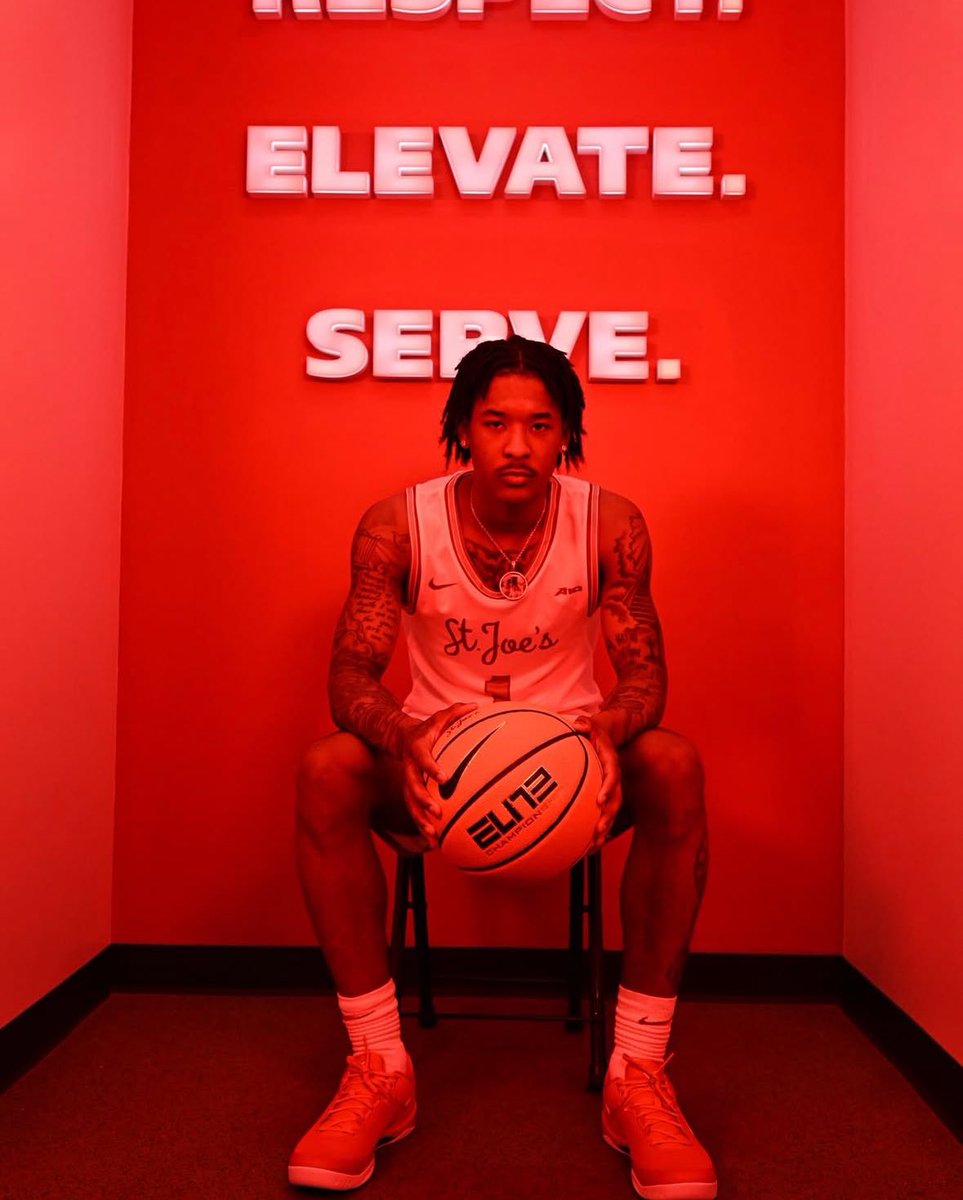
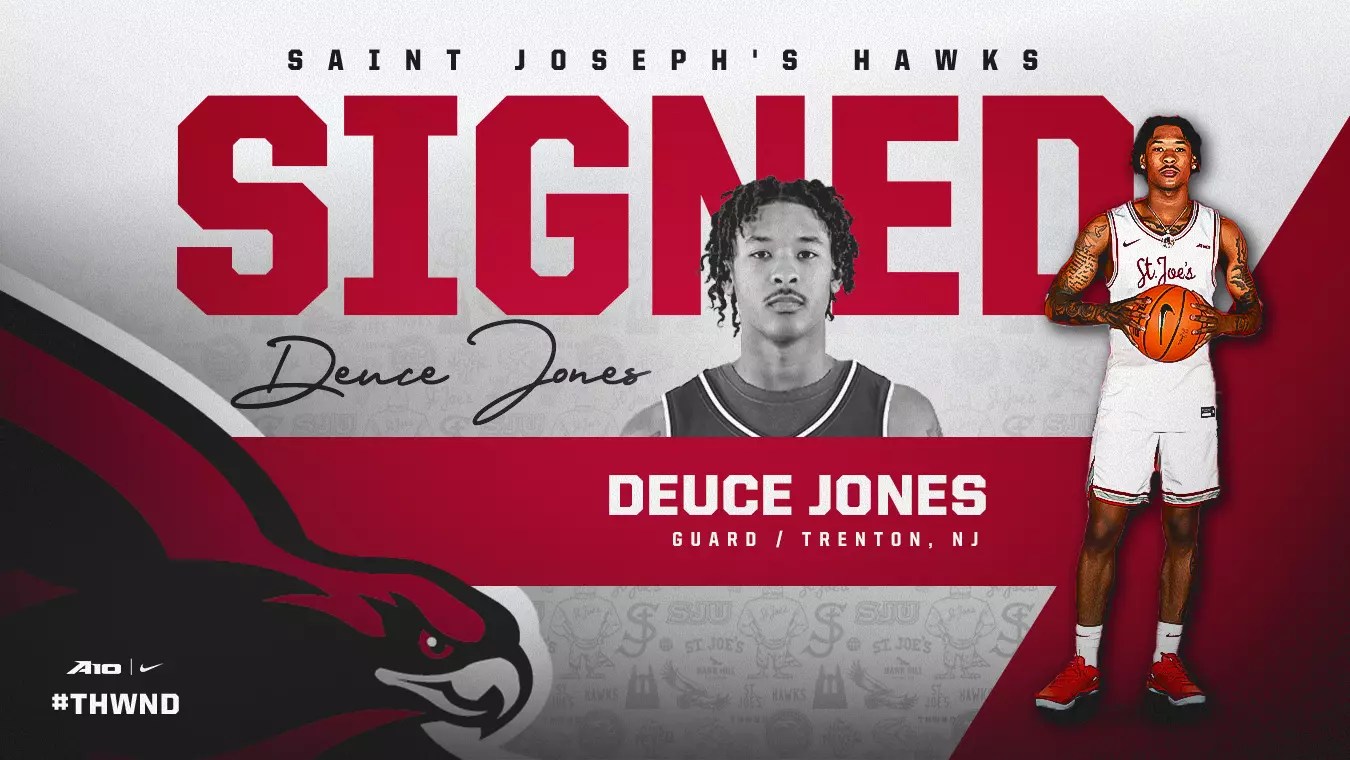
His transfer to Saint Joseph’s in April 2025 was a classic portal-era move. The Hawks, reeling from the departure of their entire starting backcourt, needed a savior. Jones, seeking a larger platform, seemed the perfect statistical remedy. Yet, from the outset, the interpersonal foundations were shaky. The coach who recruited him, Billy Lange—a player-friendly coach known for granting offensive freedom—abruptly left for a New York Knicks front office job just weeks before the season. In a rushed decision, the university promoted Steve Donahue, a coach fresh from a nine-year tenure at Penn where his Ivy League teams had a notably different demographic and cultural composition.
The mismatch was profound. Donahue, an analytical tactician, was now tasked with harnessing the same volatile, emotive talent that required such careful handling in high school. While initial returns were strong—Jones was the team’s leading scorer and hit a dramatic game-winner against Temple—the underlying disconnect proved fatal. Reports point to a behind-the-scenes “financial dispute” as the catalyst for the split, but the financial friction was likely a symptom, not the cause. The true failure was a systemic one: a rushed hire, a transactional recruitment, and a profound disconnect in coaching style and relational approach left no reservoir of trust to draw from when conflict arose. The partnership, built on sand, washed away in a matter of weeks.
The Vanishing Art of Developmental Coaching
The Jones episode underscores a broader erosion: the devaluation of the developmental coach in a win-now economy. The portal incentivizes programs to shop for ready-made products, bypassing the arduous, rewarding work of molding raw talent over years. As one athlete poignantly observed in a first-person account, locker rooms now feel transient, with the “idea of having a future… no longer discussed because no one knows who will be staying”.
This shift carries a deep irony. Billy Lange left Saint Joseph’s for the NBA precisely because of his proven skill in player development, having transformed Rasheer Fleming from a role player into an NBA draft pick. Yet, in the college game he exited, that very skill set is becoming obsolete. Why invest years in development when you can purchase a veteran’s production annually? The tragedy is that the greatest coaching artistry—exemplified by legends like John Chaney or John Thompson—was never just about X’s and O’s; it was about the transformative, life-altering mentorship that occurred in the space between a player’s arrival and his departure four years later. The portal, in its current form, systematically shrinks that space.
A Path Forward: Recalibrating for the Human Element
For the health of athletes, coaches, and the games themselves, a recalibration is urgently needed. The solutions are not about dismantling the portal or NIL, which provide necessary freedom and compensation, but about introducing wisdom into a system currently governed by haste and financial leverage.
- For Programs and Collectives: Recruitment must undergo a paradigm shift. The evaluation process should mandate deep diligence into a player’s motivational drivers and coaching needs, with the same rigor applied to psychological fit as to athletic analytics. NIL agreements, where possible, could include structured incentives tied to tenure and academic progress, subtly rewarding commitment.
- For Coaches: The role must expand. Today’s coach must be an expert communicator and cultural engineer, capable of building trust at hyperspeed with a roster of strangers. As research confirms, the coach’s reputation and relational ability are now “playing a larger role” than ever in attracting and retaining talent
- For Families and Advisors: The cautionary tale of Deuce Jones is a vital lesson. The largest NIL offer or the highest-profile program is a hollow victory if the environment cannot nurture the whole athlete. Prospective players must ask not just “What can you pay me?” but “How will you coach me? Who will I become here?”
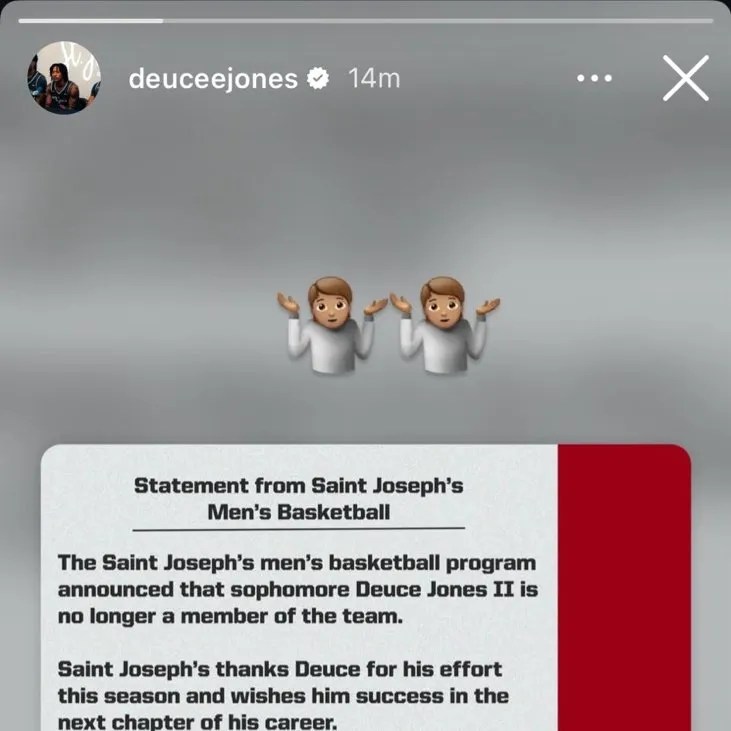
The final, silent image of Deuce Jones’s Saint Joseph’s career—a social media post of two cryptic emojis following his departure—speaks volumes. It is the digital-age signature of a broken relationship, a connection that never truly formed. In the end, the most advanced analytics, the most generous NIL packages, and the most impressive highlight reels are powerless without the ancient, indispensable ingredient of sport: a meaningful, trusting bond between player and coach. The portal era has changed everything about college athletics except that fundamental truth. The programs that remember it, and build accordingly, will be the ones that truly thrive.
 The Black Cager
The Bobby Knight my way, or the highway system will not work. Today’s game has changed so much. The rules are different now. The way kids are allowed to play are different now. St Joe’s hired a 1970’s coach with a 1970’s system. It eventually ran its course in Indiana with Bob Knight’s archaic system. It will do the same for the coach at St Joe’s. These older coaches must adjust their system to fit modern day basketball, and the way that it is played. You can’t tell a kid like Deuce Jones not to drive to the basket. Tell him I don’t want to see you crossing defenders, or creating your own shot. I just want you to shoot 3’s, or pass the ball. So you are telling your leading scorer on the team to essentially to stop scoring. Telling him don’t drive to the basket to create a shot for yourself, or one of your teammates. I think this coach feels that he inherited this team from the previous coach. So he wants to get rid of the players that don’t fit his system. He will soon learn that 95 percent of the modern day player will not fit his system. At the end of the day St Joe’s basketball team will continue to lose at an alarming rate. They will lose most of their games the rest of the season.
I believe we have lost the core reason of College athletics. Allegiance to a school or the school to its student athletes is gone. This game is supposed to be students and admin/coaches improving their skills, oneself and representing their school and themselves over a scholastic career. Now it’s money and it has corrupted the games.
Reasonable Compensation of athletes is just. But controls need to be in place for the both the athlete and the institution. What’s next, kicking a student athlete off the team and rescinding the scholarship that gets them prepared for life after basketball due to poor performance? It’s starting to happen, which is going down the wrong path.
Get it fixed before the student athlete is destroyed. And the purpose of teaching, being taught, growing and being apart of team, is no longer apart of a students experience.
St. Joe’s recovers from the loss of a good player in Duce Jones. Sad that it did not work out with Jones. We wish him the best. We are happy to see the team members and coach rebound from the loss of Jones, a proven scorer. With a 13-8 record as of today, we approach a game vs LaSalle with confidence and a promising future. Go Hawks !!!