Sidney Stewart: How a Maryland Freshman Phenom Forged His Own Path to Football Stardom

The Weight of a Legacy

by Delgreco Wilson

COLLEGE PARK, MD – Sidney Stewart was supposed to be a basketball star. It’s in his genes. The Baltimore native is an heir to one of Philadelphia’s great basketball legacies, a family tradition that reads like a history of the game itself. His father, Stephen “Mookie” Stewart, stands ninth in Coppin State history in scoring and rebounding, a MEAC Player of the Year in 1994 and 1995, and now an assistant coach with the Coppin men’s basketball program. Sidney’s uncles, Larry and Lynard Stewart, extended the family’s basketball dominance—Larry became one of only two Coppin State Eagles to play in the NBA, while Lynard starred under John Chaney at Temple before a professional career in Europe.

Yet on Saturday, under the blazing Maryland sun, Sidney Stewart didn’t step onto a hardwood court but rather onto the gridiron of SECU Stadium, where the 6-foot-2, 255-pound freshman defensive lineman delivered a spectacular debut for the University of Maryland Terrapins that announced his arrival as football’s newest sensation.

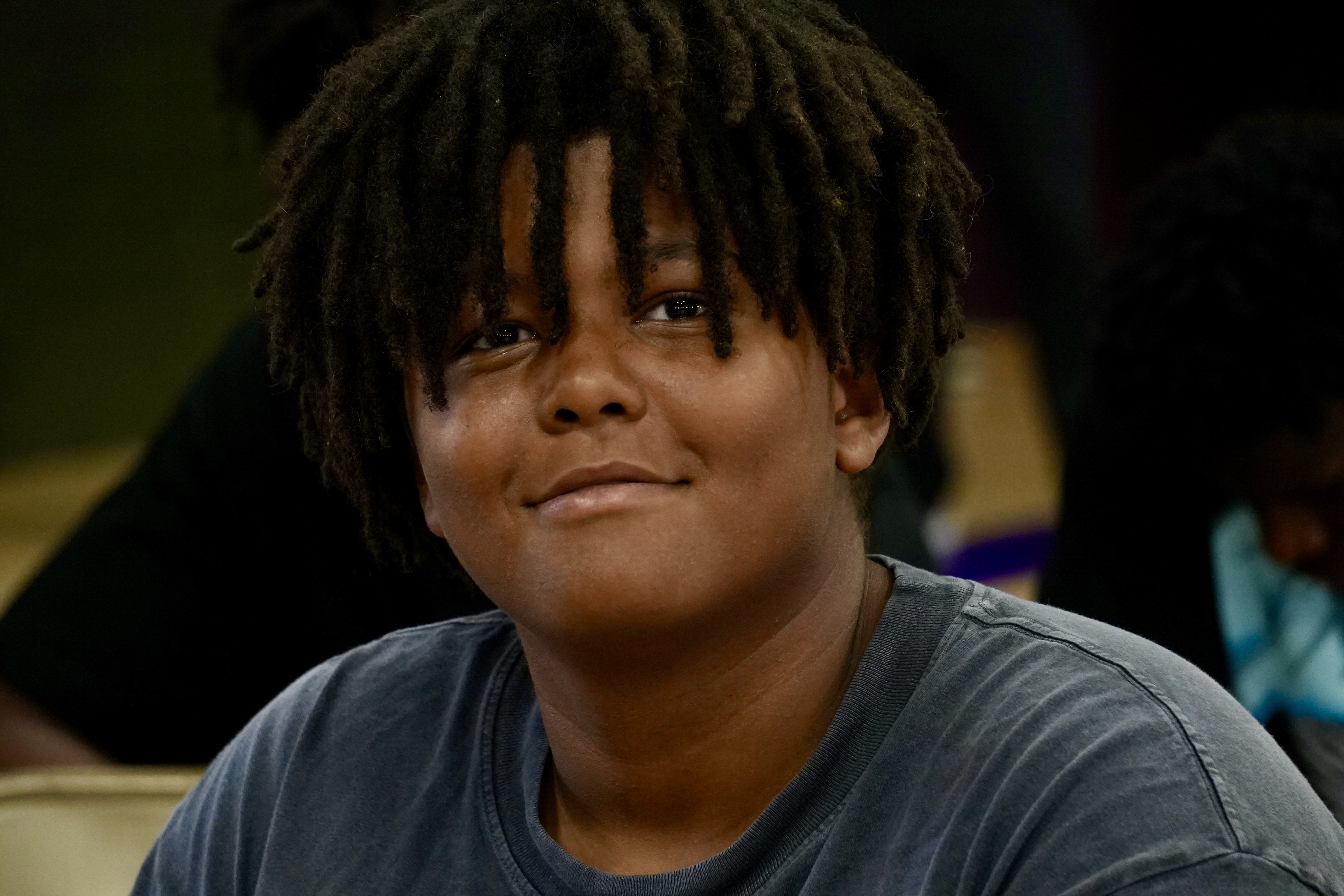
Sidney Stewart, Maryland Freshman

A Different Path

How does a young man surrounded by basketball royalty find his way to football stardom? For Sidney Stewart, the pull of the gridiron proved irresistible almost as soon as he could walk. While his family legacy pointed toward basketball, Stewart discovered his own passion—one that would eventually lead him to become a preseason freshman All-American selection and one of the most anticipated young talents in Big Ten football.

Stewart’s high school career at Concordia Prep in Towson nearly never was. His time there began in 2020, when COVID-19 forced the cancellation of the season. He reclassified after his freshman year hoping to play four years of football, but ultimately was unable to salvage a season of eligibility for 2024. The disappointment of being allowed to practice but not play during that period forged a resilience that would define his character.

“He was allowed to practice but not play, and that was hard for him to do just because he wanted to be out there so badly with his teammates,” recalled Joe Battaglia, Stewart’s high school coach at Concordia Prep. “I just told him he was going to be so much better for that, and that he was going to have a little different hunger than maybe some other guys that were around him coming in because he understands what it’s like to have football taken from him”.

Character Beyond the Field

If Stewart’s athletic prowess has turned heads, his character has won hearts. In May of this year, after securing Name, Image, and Likeness (NIL) earnings as a college athlete, Stewart made a decision that stunned his former coaches: he donated $4,000 to Concordia Prep’s athletic department—a tangible expression of gratitude to the institution that shaped him.

“What inspired me to do that was the appreciation I have for my school and secondly, I want them to grow because their growth helps my growth,” Stewart explained. “Coming from that school, the better they look the better I look. I just want every area and every aspect of my life that I was a part of to thrive.”

His high school coach remained amazed at the gesture: “Just an incredible thing for a kid who wasn’t supposed to be graduating from high school yet. He enrolled early in Maryland, had made a little bit of money and wanted to give back to the place that kind of built him and give back to his team. I think he appreciates the people along the way.”

This act of generosity wasn’t an isolated moment but part of a pattern of service that defines Stewart’s character. He is “no stranger to acts of service, such as helping out at youth camps or working with young kids any time they are around Concordia Prep,” his old stomping grounds in Towson.

The Family Competitive Fire

Though Stewart chose football over basketball, the competitive fire that burned in his father and uncles clearly ignites his own ambitions. He enters college with a declaration that he wants to be a freshman All-American—a goal directly inspired by his father’s accomplishments on the basketball court.

“My dad played basketball. He’s pretty good. He played basketball overseas and he was an All-American in college,” Stewart said. “One thing he would always tell me growing up whenever [there] was something to do or any specific task he would always boast, ‘It’s only one All-American in this family.’ I can’t be an All-American at 7 years old, but now I have the opportunity to do that.”

Table: The Stewart Family Athletic Legacy

Family MemberSportAccomplishments
Stephen “Mookie” Stewart (Father)BasketballCoppin State Hall of Fame, MEAC Player of the Year (1994, 1995), 9th in Coppin history in scoring/rebounding
Larry Stewart (Uncle)BasketballNBA player (5 seasons), 2x MEAC Player of the Year, Coppin State’s first MEAC Championship
Lynard Stewart (Uncle)BasketballTemple University star, Philadelphia Daily News Player of the Year, professional career in Europe
Sidney StewartFootballMaryland Football freshman, preseason All-American selection, NIL philanthropist

A Debut to Remember

After nearly two years without playing in a real football game, Stewart’s debut for the Terrapins was nothing short of spectacular. Playing multiple positions across the defensive front—right defensive end, left defensive end, occasionally dropping into linebacker coverage—Stewart demonstrated the versatility that makes him such a promising prospect in defensive coordinator Brian Williams’ scheme.

His stat line told the story of a player who had waited patiently for his moment: 5 tackles (4 solo), 1 sack for a safety, and 3 tackles for loss. The sack that resulted in a safety particularly electrified the Maryland crowd, offering a glimpse of the game-changing potential that has coaches and teammates so excited.

Stewart’s physical attributes—documented in his EA SPORTS™ College Football 26 rating as a 64 overall—include impressive acceleration (81), strength (76), and hit power (83) that belie his freshman status. These measurable qualities, combined with his evident motor and football IQ, suggest a player poised for rapid development.
The Maryland Football Future

Stewart represents a crucial piece of Maryland head football coach Michael Locksley’s ambitious plan to “stack back-to-back high-end recruiting classes in 2025 and 2026.” At Big Ten Media Days in July, Locksley boldly declared: “We’ve embarked on recruiting the best two high school classes that we’ve seen in the history of Maryland football. Half of those guys that we signed [for 2025] were able to enroll early and participate in our winter and spring programs, which gives us an opportunity to see those guys as early as possible.”

Stewart’s journey to Maryland was motivated by more than just athletic opportunity—it was driven by a desire to represent his home state. “Growing up here I just kind of felt disrespected,” Stewart explained. “I feel like we had so many guys… I think often they would go to other schools, and they would do well then you would just forget that they’re from Maryland. We never really got the love that I thought we deserved as a football state. Me and a bunch of other guys my age were like, ‘We need to put our foot down and go ball for our home school,’ so I think that’s probably one of the biggest reasons I chose to come here.”

Table: Sidney Stewart’s EA Sports College Football 26 Ratings Highlights

AttributeRatingAttributeRating
Overall64Acceleration81
Speed76Strength76
Tackle79Power Moves77
Pursuit82Hit Power83
Awareness65Agility75

More Than Athletics

What makes Stewart’s story particularly compelling in the NIL era of college athletics is his understanding that his platform extends beyond the football field. His decision to donate a portion of his earnings to his high school reflects a maturity that transcends his 19 years—a recognition that athletic success carries with it the responsibility to uplift others.

This perspective seems deeply ingrained in Stewart’s approach to his sport and his life. “I enjoyed my time there, so the people that helped me [become] who I am I wanted to help in some sort of way,” he said of his Concordia Prep experience.

Stewart’s high school coach believes this character will translate to success at the collegiate level: “I think he brings unbelievable effort. He’s super explosive. Nobody works harder at their craft than Sid does. He’s in a different system in a slightly different position than he’s been in before, but he’s going to work so hard at that and be successful.”

Forging His Own Legacy

As Sidney Stewart continues his freshman season at Maryland, he carries with him both the weight of family expectation and the freedom of having chosen his own path. The basketball legacy that might have defined another man became merely the foundation upon which Stewart is building his football identity—an identity marked by gratitude, resilience, and an unwavering work ethic.

In an era when college athletes face unprecedented scrutiny and opportunity, Stewart represents the best of what the new system can produce—a young man aware of his value but equally conscious of his responsibility to others. His journey from COVID-canceled seasons to college stardom, his decision to give back before he’s truly taken, and his determination to put Maryland football on the map all tell the story of an athlete who understands that legacy is about more than statistics or awards.

The Stewart family tradition of athletic excellence continues, but through Sidney, it has evolved into something new—a football story born from basketball royalty, a Maryland story with Philadelphia roots, and a personal story of gratitude that promises to inspire the next generation of athletes who must choose between following in footsteps or carving their own path.

As the season continues, Sidney Stewart will undoubtedly face challenges—the relentless grind of Big Ten competition, the academic demands of college life, and the pressure of living up to expectations. But if his debut and his journey thus far are any indication, he possesses not just the physical tools but the character necessary to meet those challenges head-on, creating a legacy that honors his family’s past while firmly establishing his own future.

Black Cager Sports Announces Sponsorship Opportunities for the Landmark 10th Annual Black Cager Fall Classic

FOR IMMEDIATE RELEASE

ALLENTOWN, PA – August 22, 2025Black Cager Sports is thrilled to announce the highly anticipated return of the Black Cager Fall Classic, set to tip off on Saturday, October 11, 2025, at the prestigious Executive Education Fieldhouse in Allentown, Pennsylvania. This year marks a significant milestone as the event celebrates a decade of delivering elite basketball competition and unparalleled exposure for the region’s top high school talent.

To commemorate this landmark occasion, Black Cager Sports is officially launching its 2025 sponsorship program, inviting local and national businesses to align their brands with the East Coast’s premier pre-season basketball showcase.

Fall Classic Alum, Jalen Duren, Detroit Pistons

Since its inception in 2015, the Black Cager Fall Classic has cemented its reputation as a must-attend event for NCAA scouts, top-tier high school programs, passionate basketball enthusiasts, and media. The tournament has been instrumental in elevating the profile of mid-Atlantic scholastic basketball, creating a direct pipeline for player recruitment and development. The event consistently delivers a substantial economic impact to the city of Allentown, attracting thousands of visitors who fill local hotels, restaurants, and businesses.

Fall Classic Alum, Collin Gillespie, Phoenix Suns

“The 10th Annual Fall Classic is more than just a tournament; it’s a celebration of a decade of community, competition, and the incredible growth of these young athletes,” said a spokesperson for Black Cager Sports. “Our sponsors are vital partners in this mission. Their support not only makes the event possible but also connects their brands with a deeply engaged, community-oriented audience of families, coaches, and dedicated sports fans. We offer tailored packages designed to deliver maximum visibility and value.”

Fall Classic Alum, Bub Carrington, Washington Wizards

The 2025 Black Cager Fall Classic offers a powerful platform for sponsors to reach a captive audience through extensive multi-channel promotion, including live event exposure, digital marketing, and print media.

Detailed sponsorship opportunities are as follows:

Presenting Sponsor: $2,000 (Extremely Limited Availability)

  • Premier full-page ad in the official Event Program & Schedule.
  • Prime-location display table proximate to the main facility entrance for maximum foot traffic.
  • Exclusive access to the contact information for all Head Coaches of participating programs.
  • Prominent featuring in all direct mail, social media campaigns, and billboard advertising.
  • Logo featured on the Black Cager Sports website for one full year and on all event invitations and materials.
  • Ten (10) complimentary tickets to the event.

Black Cager Fall Classic Excellence Award Sponsor: $1,000

  • Exclusive naming rights for one of the event’s prestigious Fall Classic Excellence Awards, presented live during the event.
  • Prominent half-page ad in the event program and display advertising at the venue.
  • Featured recognition in newspaper and billboard advertising.
  • Name listed on all event invitations and logo featured on the Black Cager Sports website for six months.
  • Six (6) complimentary tickets to the event.

Silver Sponsor: $500

  • Half-page ad in the event program and display advertising at the venue.
  • Featured recognition in newspaper advertising for the event.
  • Name listed on event invitations and logo featured on the Black Cager Sports website for six months.
  • Four (4) complimentary tickets to the event.

Bronze Sponsor: $250

  • Quarter-page ad in the event program.
  • Logo featured on the Black Cager Sports website for six months.
  • Two (2) complimentary tickets to the event.

Partner Sponsor: $100

  • Business listing in the event program (ad calendar).
  • Listing on the Black Cager Sports website for three months.
  • Two (2) complimentary tickets to the event.
Fall Classic Alum, Thomas Sorber, Oklahoma City Thunder

About Black Cager Sports:
Black Cager Sports is a leading media and event organization dedicated to the coverage and promotion of scholastic and amateur basketball across the mid-Atlantic region. Through its high-profile tournaments, in-depth reporting, and dynamic digital content, Black Cager Sports provides a crucial platform for student-athletes to gain exposure and for the community to celebrate the game.

For more information on sponsorship opportunities and to secure a package, please visit http://www.delgrecowilson.com, http://www.blackcagertv.com or contact Delgreco Wilson at blackcager@gmail.com or 856-366-0992.

Media Contact:
Delgreco Wilson
Managing Editor
Black Cager Sports
856-366-0992
email: blackcager@gmail.com
Instagram: blackcagerpress

Facebook: Delgreco Wilson

X: DelgrecoWilson

Threads: blackcagerpress

###

Wanamaker takes the Reins at Roman Catholic: The Crown Jewel of Philadelphia Scholastic Basketball

By Delgreco K. Wilson

A Century of Dominance in the City of Brotherly Love

PHILADELPHIA, PA – Philadelphia’s basketball heritage reads like a who’s who of hardwood legends—from Wilt Chamberlain’s earth-shaking dunks at Overbrook to Rasheed Wallace’s dominant reign at Simon Gratz. Yet when the final buzzer sounds on this century-long game of Philadelphia basketball supremacy, one program stands above all others: Roman Catholic High School and its record 34 Philadelphia Catholic League (PCL) championships. No other institution has so consistently combined competitive excellence with transformative life lessons for young men, creating a basketball dynasty that has flourished across generations.

The numbers alone tell a compelling story. Since the Catholic League’s formation, Roman Catholic has captured nearly twice as many titles as its nearest competitor (Neumann-Goretti with 22). This isn’t merely a statistic—it’s a testament to an enduring culture of excellence that has survived economic downturns, demographic shifts, and the ever-changing landscape of scholastic sports. From Billy Markward’s nine championships between 1922-1934 to Chris McNesby’s most recent titles in 2023-2024, Roman Catholic has set the gold standard for Philadelphia basketball.

The Coaches Who Built a Legacy

What separates Roman Catholic from other storied programs isn’t just the quantity of championships, but the quality of leadership that has sustained success across distinct basketball eras. The program’s foundation was laid by Billy Markward, whose teams dominated the 1920s and 1930s with an unprecedented nine PCL titles. His squads set a standard of excellence that would become the program’s hallmark—a blend of disciplined play and relentless competitiveness.

The torch was later carried by Speedy Morris, who ushered in a new golden age during the 1970s with six championships between 1969-1980. Morris’s teams embodied Philadelphia basketball—tough, fundamentally sound, and mentally resilient. His success proved Roman Catholic could adapt to the modern era while maintaining its core values.

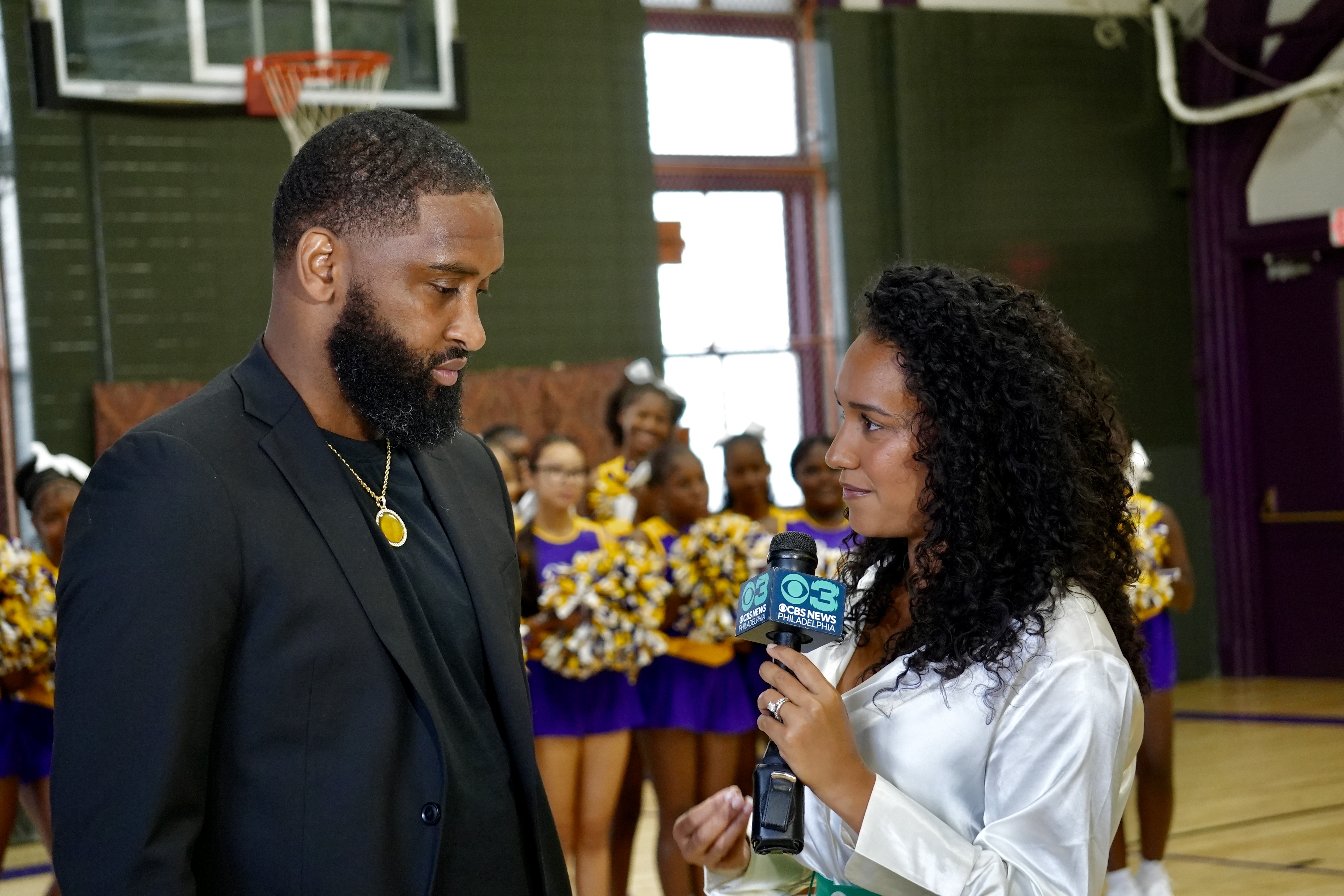
Roman Catholic Coaches – Dennis Seddon, Brad Wanamaker and Chris McNesby

Then came Dennis Seddon, whose tenure from the late 1980s through 2000 represents perhaps the most dominant stretch in PCL history. Nine championships in twelve years (1989-2000) established Roman Catholic as the league’s preeminent power. Seddon’s influence extended beyond wins; he mentored future coaches like Chris McNesby, creating a coaching tree that would extend the program’s success into the 21st century.

McNesby himself—a Roman Catholic alum who played under Seddon—added four PCL titles and three PIAA state championships across two coaching stints (2008-2016 and 2021-2024). His 270-73 career record reflects both consistent excellence and the ability to develop players for life beyond basketball—a hallmark of the Roman Catholic philosophy. As McNesby noted, “It’s after they’re finished playing, seeing them get jobs and seeing them be successful fathers and husbands, and then see them passing it forward”.

Roman Catholic Freshman Shayne Jackson

More Than Championships: The Roman Catholic Difference

Roman Catholic’s supremacy isn’t measured solely in banners. The school has long served as a transformative institution for Philadelphia’s youth, particularly those from working-class backgrounds. Founded in 1890 as the nation’s first free Catholic high school for boys, Roman Catholic maintained its commitment to accessibility even after transitioning to tuition-based education in the 1960s. This mission—to provide “a comprehensive academic curriculum within a disciplined Catholic environment”—has shaped generations of student-athletes.

The school’s impact extends far beyond the court. As McNesby reflected on his own experience: “You really meet kids from all different areas, backgrounds, demographics, financial status. It helps you grow up pretty quickly, and you really learn how to get along with others”. This environment fosters the type of personal growth that produces not just great players, but great men—a fact borne out by the program’s alumni network of successful professionals across industries.

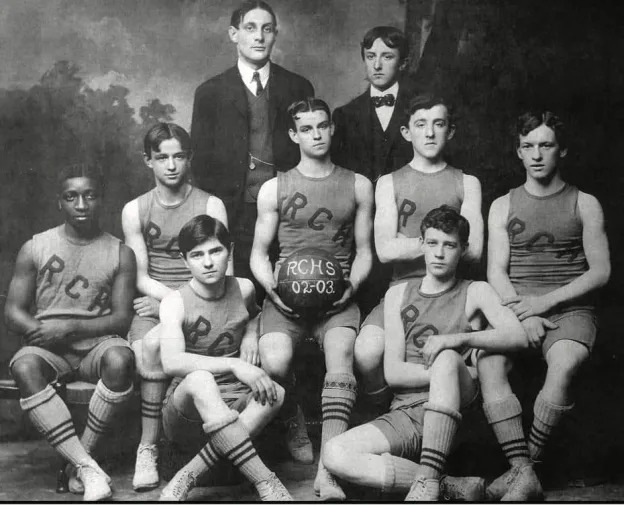
Roman Catholic’s 1902 Basketball Team featuring John Lee (far left)

Roman Catholic has also been a pioneer in racial progress. In 1902—just 12 years after its founding—the school fought for the inclusion of John Lee, the first Black player in the Catholic League. This legacy makes Brad Wanamaker’s recent appointment as head coach particularly significant. As the program’s first Black head coach and a distinguished alum (Class of 2007), Wanamaker represents both continuity and progress. His hiring—praised by alumni like Mike Ringgold as proof that “Roman is the best high school job in the city”—signals the program’s commitment to opportunity and meritocracy.

The Wanamaker Era: Tradition Meets the Future

Brad Wanamaker’s ascent to head coach represents a full-circle moment for Roman Catholic basketball. A 2007 graduate who led the Cahillites to a PCL championship that year, Wanamaker brings unique credentials: honorable mention All-American at Pittsburgh, 11-year professional career (including four NBA seasons), and firsthand experience of Roman Catholic’s transformative culture. As he noted upon his hiring: “Roman changed a lot in my life coming in, so I feel like I’m forever indebted to them, and what better way to give back than leading the team?”

Wanamaker’s coaching philosophy blends old-school toughness with modern player development. “Better men is the biggest key,” he emphasizes. “Going through adversity, perseverance and being from Philly, just that toughness”. This approach resonates with Philadelphia basketball purists while addressing contemporary challenges facing young athletes. His professional experience—including stints with the Boston Celtics and Golden State Warriors—provides invaluable perspective for players aspiring to collegiate and professional careers.

Notably, Wanamaker represents a new generation of Roman Catholic leadership while maintaining ties to the program’s storied past. He played under Dennis Seddon and served as an assistant to Chris McNesby, absorbing lessons from both mentors. As McNesby observed: “We were riding together to a game and Brad said ‘I’m ready’. After that I felt it was time for me to step aside…The program is in great hands”. This seamless transition exemplifies Roman Catholic’s unique ability to renew itself while honoring tradition.

Conclusion: The Standard Bearer

Philadelphia’s basketball landscape features numerous legendary programs—Overbrook’s Wilt Chamberlain, West Catholic’s Ernie Beck, Simon Gratz’s Rasheed Wallace, Neumann-Goretti’s Carl Arrigale dynasty. Each has compelling claims to greatness during specific eras. But when evaluating sustained excellence across generations, Roman Catholic stands alone.

The numbers—34 Catholic League championships, multiple coaching dynasties, countless college and professional players—only begin to tell the story . Roman Catholic’s true greatness lies in its ability to win at the highest level while fulfilling its mission to develop “men of personal integrity”. From Thomas E. Cahill’s original vision in 1890 to Brad Wanamaker’s groundbreaking appointment in 2025, the school has remained true to its values while adapting to basketball’s evolution.

As Philadelphia basketball enters its second century, Roman Catholic remains the gold standard—a program where championships and character development go hand-in-hand. The Cahillites’ purple and gold banners represent more than victories; they symbolize a tradition of excellence that continues to shape Philadelphia’s basketball identity. In a city that treasures its hoops history, Roman Catholic stands as the most accomplished and influential program of them all.

The Danny Rumph Classic: How a Memorial Tournament Became Philadelphia’s Basketball Heartbeat

By Delgreco K. Wilson
August 10, 2025

PHILADELPHIA, PA — In a city where basketball is less a pastime than a birthright—where legends like Wilt Chamberlain, Earl Monroe, Gene Banks and Rasheed Wallace honed their games on cracked asphalt and in dimly lit rec centers—the Danny Rumph Classic has carved out its own special legacy. What began 20 years ago as a somber tribute to a fallen local star has grown into something far greater: a summer institution that embodies Philadelphia’s grit, camaraderie, and unwavering love for the game.

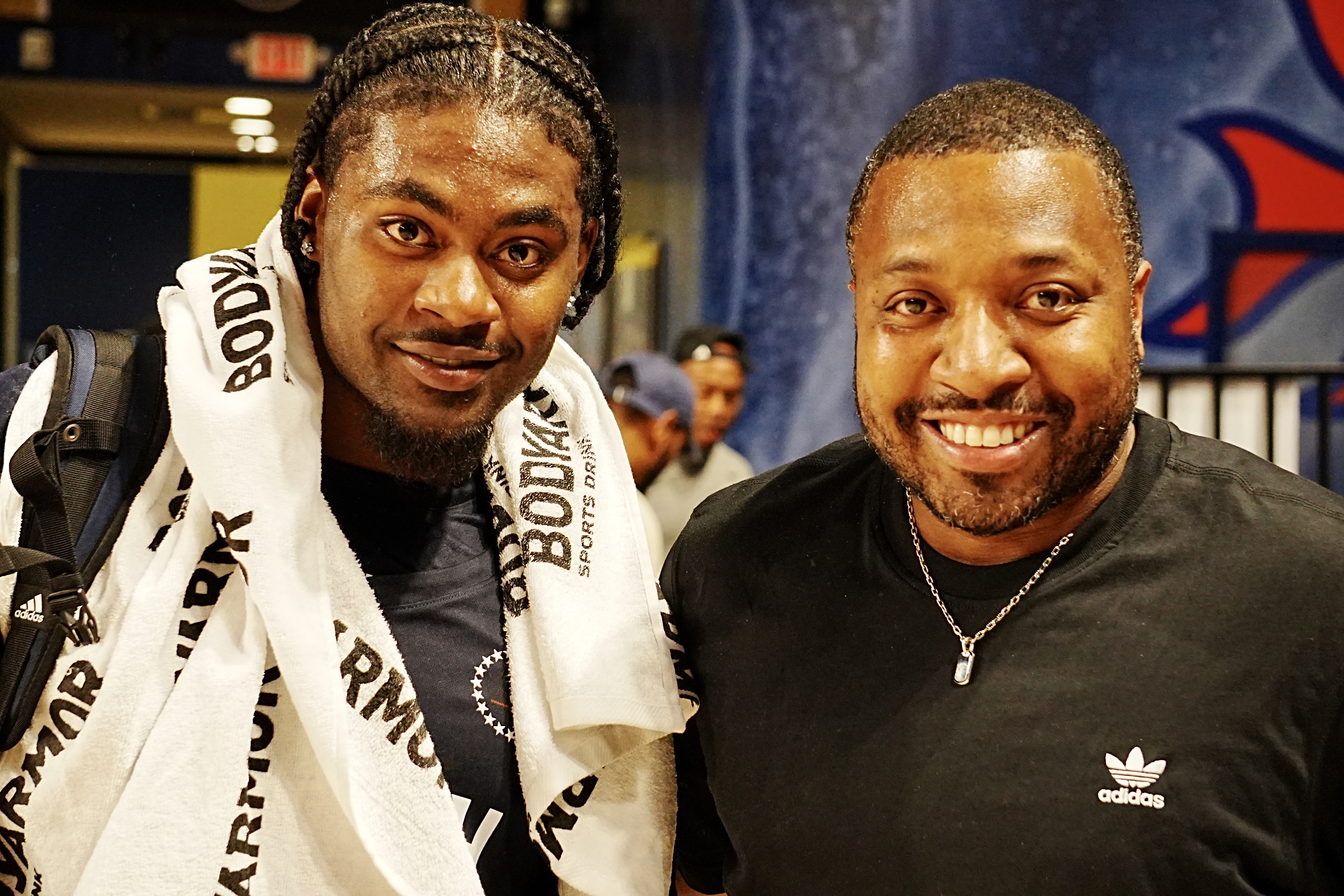
Marcus Randolph (St. Peter’s and Archbishop Wood alum) and Darris Nichols, La Salle University Head Coach

A City Forged on the Hardwood

Philadelphia’s basketball history runs deep. From the Big Five’s collegiate rivalries to the playground kings of Sonny Hill and Baker League fame, the City of Brotherly Love has long been a crucible for hoops talent. The Danny Rumph Classic, now in its 20th year, sits squarely in this tradition—a bridge between the past and present, where NBA stars share courts with neighborhood heroes and wide-eyed kids clutch free tickets at the door.

But unlike the storied Sonny Hill League or the fabled Donofrio Classic, the Rumph is more than just a showcase. It’s a lifeline. The tournament honors Danny Rumph, a 21-year-old Western Kentucky guard who collapsed and died in 2005 after a pickup game at Germantown’s Mallery Recreation Center, a victim of hypertrophic cardiomyopathy. His death galvanized friends and family to turn grief into action, launching a tournament to fund heart screenings and place defibrillators in gyms across the city.

This mission has been accomplished.

The Classic’s evolution mirrors Philadelphia itself. It’s scrappy (moving venues from rec centers to college arenas), inclusive (adding women’s pro games and youth clinics), and relentlessly purposeful.

Hysier Miller (Temple and Neumann-Goretti alum)

From Germantown to the National Stage

The early years were intimate. The first Classic, held at the rec center later renamed for Rumph, drew 500 fans crammed so tightly they couldn’t see the out-of-bounds lines. Former NBA forward Hakim Warrick, a Rumph family friend, became the tournament’s first marquee participant, playing in all 12 of its early editions.

Then came the tipping point. In 2016, NBA superstar James Harden—then a Houston Rocket—showed up unannounced. The line outside La Salle’s Tom Gola Arena snaked down Wister Street, and social media lit up. “That’s when it went to the stratosphere,” said Marcus Owens, Danny’s uncle. Soon, Philly-connected NBA stars like Tyrese Maxey, Jalen Brunson, Bones Hyland and the Morris twins made the Rumph a summer pilgrimage. The tournament’s “Philly basketball festival” vibe—a mix of elite talent, trash talk, and communal pride—became its trademark.

Mike Watkins (Penn State and MCS alum)

More Than a Game

The Classic’s evolution mirrors Philadelphia itself. It’s scrappy (moving venues from rec centers to college arenas), inclusive (adding women’s pro games and youth clinics), and relentlessly purposeful. Viola “Candy” Owens, Danny’s mother, estimates the event has funded thousands of heart screenings and placed over 100 defibrillators in rec centers. One undiagnosed teen, flagged at a Rumph screening, underwent life-saving surgery—proof, as co-founder Mike Morak says, that “the basketball’s cool, but the mission’s the thing.”

The tournament also stitches together generations. Middle schoolers now scrimmage before the championship game, just as a young Jessie Moses once sat on the Morris twins’ bench, wide-eyed. Former players return as coaches; kids who once mopped floors now run the shot clock. “It’s all the people you grew up with,” Morak said. “This is the time you come back.”

A Tradition Built to Last

In a sports landscape where summer leagues often prioritize hype over heart, the Rumph Classic stands apart. It’s a living memorial—one that thrives not just on NBA star power but on Philly’s unshakable sense of community. As Marcus Owens put it: “We miss Danny every day. But we believe he’s looking down with a big smile.”

Two decades in, the Classic is no longer just a tournament. It’s a Philadelphia tradition—one that dribbles, defends, and saves lives with equal ferocity. And if the city’s basketball history is any guide, it’s only just getting started.

For schedules or to donate: rumphclassic.com 

The New Jim Crow: Why BLACK ATHLETES Must Respond

By Delgreco K. Wilson
Aug. 9, 2025

PHILADELPHIA, PA – The contemporary push by MAGA Republicans to redraw congressional maps in states like South Carolina, Texas, Florida, and Ohio represents nothing less than a 21st century iteration of the Jim Crow-era voter suppression tactics that systematically disenfranchised Black Americans following Reconstruction. This modern assault on Black political power—exemplified by South Carolina gubernatorial candidate Ralph Norman’s bid to eliminate the state’s sole majority-Black congressional district—follows the same playbook white supremacists used after the Civil War: using ostensibly race-neutral mechanisms to achieve racially discriminatory outcomes while maintaining a thin veneer of legal justification. As these efforts intensify, Black student-athletes who power the billion-dollar high major college sports industrial complex face a moral imperative: withhold their talents from institutions in states actively suppressing Black votes, just as civil rights activists used economic boycotts to combat segregation.

The Blueprint of Suppression: From Reconstruction to Redistricting

The post-Reconstruction dismantling of Black political participation provides the historical template for today’s Republican redistricting schemes. Following the 15th Amendment’s ratification in 1870, southern states implemented an arsenal of discriminatory measures—literacy tests, poll taxes, grandfather clauses, and all-white primaries—that reduced Black voter registration to single digits within decades. Mississippi’s 1890 constitutional convention openly admitted its purpose was to “reduce the colored vote to insignificance” without explicitly violating the 15th Amendment. The results were catastrophic: by 1920, Louisiana’s 130,000 registered Black voters dwindled to just 1,342.

Today’s MAGA Republican mapmakers employ nearly identical tactics with updated jargon. The Supreme Court’s 2024 Alexander v. South Carolina NAACP decision—which upheld South Carolina’s congressional map despite evidence it “bleached” 30,000 Black voters from Charleston County—established a troubling precedent. Writing for the 6-3 conservative majority, Justice Samuel Alito created nearly insurmountable barriers for proving racial gerrymanders, requiring plaintiffs to “disentangle race and politics” in regions where race and party affiliation correlate at 90%. This legal framework enables what Justice Elena Kagan condemned as “sorting citizens by race” under the guise of partisan gerrymandering.

The South Carolina Case Study: MAGA’s Modern-Day Vardaman

Ralph Norman’s push to dismantle Rep. Jim Clyburn’s 6th District mirrors the rhetoric of Mississippi Governor James Vardaman (1904-1908), who vowed to use “any device” necessary to maintain white supremacy. Norman’s public rationale—that a 7-0 Republican delegation would help “President Trump pass his agenda”—masks the racial impact: eliminating South Carolina’s only Black-majority district in a state where 30% of residents are Black. The 6th District was originally created in the 1990s to comply with the Voting Rights Act after centuries of Black political exclusion.

Legal experts note this violates Section 2 of the Voting Rights Act, which requires minority communities to have “an opportunity to elect representatives of their choice.” The ACLU’s Allen Chaney calls Section 2 an “impenetrable bulwark” against such plans, but the Supreme Court’s recent rulings have weakened these protections. Norman’s proposal follows South Carolina Republicans’ successful 2021 redistricting that made the neighboring 1st District safely Republican by excising Black Charleston neighborhoods—a move the Supreme Court sanctioned in Alexander.

The National MAGA Playbook: Texas, Florida, and the New Voter Suppression Complex

South Carolina’s efforts are part of a coordinated national MAGA strategy:

  • Texas Republicans seek to gain five new GOP House seats through redistricting, with Trump declaring they’re “entitled” to them
  • Florida Governor Ron DeSantis signed a 2022 map dismantling two Black-performing districts, which courts initially blocked before conservative appellate rulings allowed it
  • Ohio Republicans repeatedly defied state Supreme Court orders to stop using unconstitutionally gerrymandered maps

These states share Reconstruction’s sinister innovation: using technical legality to mask racial disenfranchisement. Just as Mississippi’s 1890 poll tax avoided mentioning race while devastating Black turnout, today’s GOP cites “partisan fairness” while surgically removing Black voters from competitive districts. The Princeton Gerrymandering Project gives South Carolina’s map an “F” for fairness and competitiveness, creating districts where general elections are irrelevant and representatives cater only to far-right primaries.

“If 5-star recruits en masse chose Michigan over Alabama, or UCLA over Texas, the message would resonate louder than any court ruling.

The Athletes’ Dilemma: Billion-Dollar Bodies, Second-Class Citizenship

Black athletes—particularly in revenue-generating football and basketball programs—face a moral contradiction: their labor funds universities in states actively suppressing their communities’ votes. Consider:

  • Southeastern Conference (SEC) schools generated $852 million in 2022 athletics revenue, predominantly from Black football players
  • Clemson (SC) and Texas A&M football programs each exceed $150 million annual value
  • NCAA Tournament basketball broadcasts net $1 billion yearly, powered, primarily, by Black athletes

Yet these same states:

  • Host 63% of all restrictive voting laws passed since 2021 (Brennan Center)
  • Contain 9 of 10 worst Black voter suppression states (Northern Illinois University)
  • Are dismantling majority-minority districts like Clyburn’s

The Boycott Imperative: Leveraging Athletic Capital for Civil Rights

A coordinated boycott by elite Black recruits could achieve what lawsuits cannot: imposing economic consequences for voter suppression. Potential strategies:

  1. Targeted Recruitment Strikes
  • Top 300 football and Top 100 boys and girls basketball recruits pledge to avoid SEC/ACC schools in suppression states
  • Current suppression state players transfer to HBCUs or northern schools (Michigan, Ohio State)

2. Game-Day Protests

  • Kneeling during alma maters in state capitols (e.g., South Carolina State House visible from USC stadium)
  • Wearing “Votes Over Victories” jerseys during warmups

3. NIL Collective Bargaining

  • Athlete-led protests demand universities lobby against suppression laws
  • Redirect a portion of endorsement money to voting rights groups

History shows economic pressure works. The Montgomery Bus Boycott (1955-56) crippled transit revenues, forcing desegregation. Today, a 20% decline in SEC football ratings could cost ESPN $285 million annually—enough to spur change.

Counterarguments and Complexities

Critics will claim:

  • “Sports and politics shouldn’t mix”: But stadiums fly state flags; coaches earn millions from public funds
  • “It hurts Black athletes’ futures”: Yet NFL/NBA scouts will find talent anywhere (see: Antonio Brown from Central Michigan)
  • “It’s unfair to students”: More unfair than losing voting rights?

The NCAA’s own history shows activism works. After 1969, when Black Texas Western players boycotted segregated facilities, the Southwest Conference integrated.

Conclusion: From Reconstruction to Redistribution of Power

The MAGA redistricting push proves that voter suppression remains the GOP’s most potent tool—updated with GIS precision rather than burning crosses. As in 1896, when Plessy v. Ferguson sanctioned “separate but equal,” today’s Supreme Court has greenlit racialized gerrymandering through Alexander.

Black athletes now stand where sharecroppers once did: exploited for economic value while denied full citizenship. Their predecessors fought poll taxes with protest; today’s stars must weaponize their billion-dollar leverage. If 5-star recruits en masse chose Michigan over Alabama, or UCLA over Texas, the message would resonate louder than any court ruling.

As Rep. Clyburn—whose district faces elimination—told the Post and Courier, this is about “absolutism.” The response must be equally absolute: no Black knees on fields in states that kneel on Black necks at ballot boxes. The playbook exists—from Reconstruction’s martyrs to Colin Kaepernick. Time to run the damn play.