The Shadow Market: How “Handlers” Distort the Truth in College Basketball Recruiting

PHILADELPHIA, PA – In the high-stakes world of elite basketball recruiting, the path from high school phenom to college star is rarely straightforward. Parents and young athletes are told they are making rational, informed choices—weighing scholarship offers, development opportunities, and long-term career prospects. But beneath the glossy promises of scouts and recruiters operates a shadow economy of middlemen—known in the industry as “handlers”—whose influence distorts the decision-making process in ways that often leave families at a disadvantage.

These handlers—AAU coaches, trainers, family advisors, and other self-appointed power brokers—position themselves as indispensable guides, offering access to top programs and insider knowledge. Yet their role frequently undermines the very premise of rational choice: that decisions are made with full information and in the best interest of the athlete. Instead, many operate with hidden agendas, steering players toward schools and agents who compensate them, regardless of whether those choices serve the athlete’s long-term future.

The Myth of Perfect Information

Rational choice theory assumes that individuals make decisions by objectively assessing costs and benefits. In an ideal world, a blue-chip recruit and their family would evaluate colleges based on coaching style, academic fit, playing time, and professional development potential. But the reality is messier. Handlers often control the flow of information, selectively presenting options that benefit them—sometimes at the expense of the athlete.

Consider the case of a five-star recruit deciding between two programs:

  • School A offers strong academics, a proven developmental track record, and a clear path to NBA exposure.
  • School B has a flashier reputation but a history of mismanaging talent—yet its boosters have a financial arrangement with the player’s AAU coach.

If the handler only emphasizes School B’s perks—perhaps exaggerating its NBA pipeline or downplaying past player dissatisfaction—the family may make a choice based on manipulated data. This is not rational decision-making; it is a rigged game.

The Handler’s Playbook: Side Deals and Hidden Incentives

The most insidious aspect of this system is the financial undercurrent. While NCAA rules prohibit direct payments to players (at least before NIL reforms), there are no such restrictions on backroom deals between handlers and programs. Common arrangements include:

  • Kickbacks for commitments: Some AAU coaches receive “donations” from college staff or boosters for delivering top recruits.
  • Agent partnerships: Handlers may have informal ties to sports agencies, steering players toward certain representatives in exchange for future cuts of professional earnings.
  • Shoe company influence: Since Nike, Adidas, and Under Armour sponsor both AAU circuits and college teams, handlers aligned with a brand may push athletes toward affiliated schools, regardless of fit.

These conflicts of interest are rarely disclosed to families. A parent might believe their child is choosing a school for its coaching staff, only to later discover the decision was swayed by a handler’s financial stake.

The Consequences of Distorted Choices

When recruits land in suboptimal situations—riding the bench at a program that doesn’t develop them, or worse, flunking out due to inadequate academic support—the handlers face no repercussions. They’ve already collected their fees. The athlete, meanwhile, bears the cost: wasted eligibility, damaged draft stock, or even a derailed career.

Even when players do succeed, the system’s opacity raises ethical concerns. If a top recruit thrives at a school that paid his handler, was it truly the best choice—or just the most lucrative one for the middleman?

Toward a More Transparent System

Reform is possible, but it requires dismantling the handler economy’s secrecy. Potential solutions include:

  • Mandating disclosure: Requiring handlers to register as “recruiting advisors” and disclose financial ties to schools or agents.
  • Strengthening NCAA enforcement: Investigating suspicious recruitment patterns, such as AAU coaches with unusual influence over multiple high-profile commitments.
  • Educating families: Providing independent resources to help parents and athletes navigate recruitment without relying on potentially biased intermediaries.

For now, the burden falls on families to ask hard questions: Who benefits from this decision? What information am I not seeing? Because in the murky world of elite basketball recruiting, the people whispering in their ears don’t always have their best interests at heart.

The tragedy is not just that some athletes make poor choices—it’s that the system is designed to obscure the truth, leaving them to pay the price for decisions they never fully controlled. Until that changes, the myth of rational choice in recruiting will remain just that: a myth.
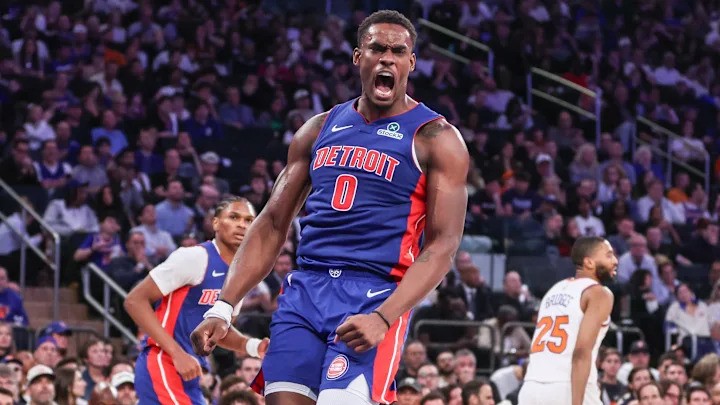
Understanding the Drastic Increase in Transfers Among HS Basketball Players: A Rational Choice Approach

by Delgreco K. Wilson, M.A.

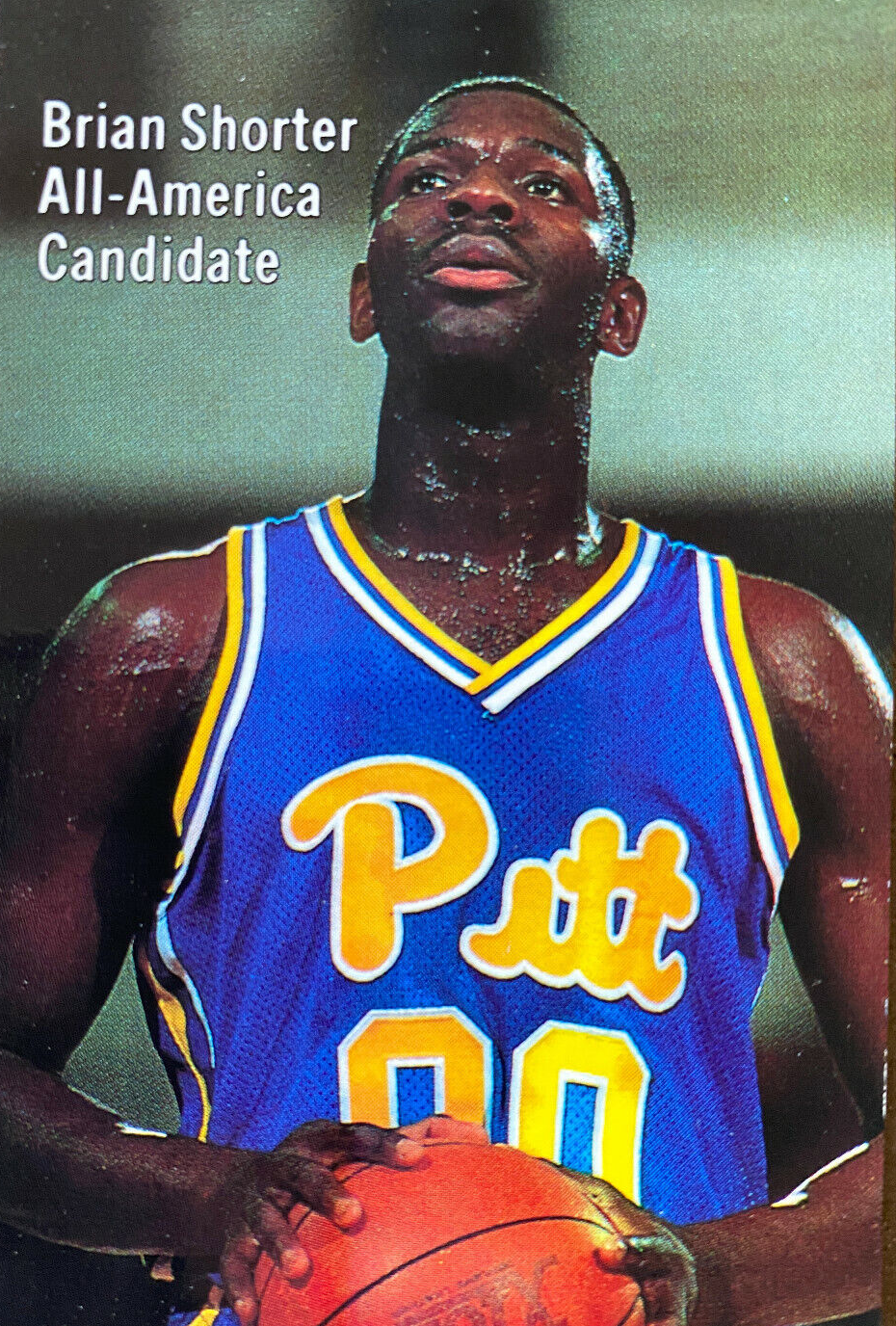
The Onset of the Modern Transfer Era in Philly: Brian Shorter’s Transfer to Oak Hill

As a freshman at Simon Gratz High School in Philadelphia, Brian Shorter quickly established himself as a force on the court. Coming off the bench, he averaged 15.3 points per game, earning All-Public League Third Team honors—an impressive debut for a young player in one of the nation’s most competitive high school leagues.

By his sophomore year, Shorter’s dominance was undeniable. Named ESPN’s Sophomore of the Year, he put up 20 points and 10 rebounds per game, leading Gratz to the Public League semifinals, where they fell just short, 70-69, to a Southern High team led by future college standout Lionel Simmons. Shorter’s efforts landed him on the All-Public League First Team and All-City Third Team—a testament to his rapid ascent.

His junior season was nothing short of spectacular. Averaging 31.8 points, 15.8 rebounds, and 2.6 blocks, Shorter delivered a masterclass in the semifinals, dropping 33 points and grabbing 17 rebounds while shooting an astonishing 14-of-15 from the field. Yet once again, Gratz fell to Southern, leaving Shorter with back-to-back semifinal heartbreaks. Despite the team’s playoff struggles, his individual brilliance was undeniable: repeat First Team All-Public and All-City selections, along with Pennsylvania’s Gatorade Player of the Year award.

After three seasons, Shorter had amassed 1,869 career points—just 383 shy of Wilt Chamberlain’s storied Philadelphia Public League record. But rather than return for a final chase at history, he made a pivotal decision: transferring to Oak Hill Academy, the Virginia boarding school renowned for grooming elite basketball talent.

The move was a calculated one. At Oak Hill, Shorter would face national competition, gain exposure to top-tier scouts, and position himself for a marquee college recruitment—priorities that outweighed the allure of local accolades. In an era before high school transfers became commonplace, Shorter’s choice foreshadowed a growing trend: the pursuit of broader horizons, even at the cost of hometown legacy.

His story raises enduring questions about ambition, loyalty, and the evolving landscape of prep sports. Was it a betrayal of Philadelphia basketball, or simply the smart play for a star with bigger dreams? Decades later, as elite prospects routinely hop between schools in search of the best platform, Shorter’s decision looks less like an anomaly and more like a precursor to the modern game.

Rational Choice Analysis of Elite High School Basketball Transfers

Under a rational choice framework, individuals (in this case, elite basketball players and their families) make decisions by weighing the perceived costs and benefits of different options to maximize their expected utility. In the context of high school basketball transfers, the primary utility being maximized is future career success in basketball, which includes college scholarships, NBA prospects, and long-term financial security.

Key Factors Influencing Transfer Decisions

1. Maximizing Exposure & Development (Benefit)

  • National academies (IMG, Montverde, Oak Hill, etc.) provide:
    • Higher-level competition, improving skills faster.
    • Better coaching & training facilities, increasing NBA draft potential.
    • National TV games & scouting exposure, enhancing recruitment chances.
  • Rational calculation: The long-term payoff (D1 scholarship/NBA career) outweighs short-term costs (leaving hometown).

2. College Scholarship & NBA Draft Prospects (Benefit)

  • Elite programs have proven pipelines to top NCAA programs (Duke, Kentucky, etc.).
  • Playing at a nationally ranked school boosts recruiting rankings, increasing scholarship offers.
  • Rational choice: A marginal increase in draft stock (e.g., moving from a 3-star to a 5-star recruit) can mean millions in future earnings.

3. Social & Peer Effects (Benefit)

  • Networking with other elite players improves visibility (e.g., playing alongside future NBA talent).
  • Rational incentive: Being in a “basketball factory” increases the likelihood of being scouted.

4. Financial Incentives (Benefit – Sometimes Explicit, Often Implicit)

  • While direct payments are prohibited (NCAA rules), some elite programs offer:
    • Indirect benefits (housing, travel, academic support).
    • Name, Image, Likeness (NIL) opportunities in states with favorable laws.
  • Rational calculation: Even without direct pay, the future financial upside justifies the move.

5. Costs of Transferring (Considered but Outweighed)

  • Social/emotional cost of leaving friends & family.
  • Academic disruption (though many elite programs provide tutoring).
  • Risk of reduced playing time (if joining a stacked roster).
  • Rational response: These costs are deemed acceptable given the potential career payoff.

Conclusion: A Calculated Risk for Long-Term Gain

Under rational choice theory, elite players and their families act as utility-maximizing agents, making strategic moves to optimize career outcomes. The short-term sacrifices (relocating, leaving hometown teams) are outweighed by the expected long-term benefits (scholarships, NBA opportunities, financial security).

This trend mirrors free agency in professional sports, where players seek the best environment for career advancement—except in this case, the “market” is high school basketball, and the “currency” is future earning potential.

Some Prominent High School Transfers in the Greater Philadelphia Region

Carlin Warley, transferred from Frankford to Phil-Mont Christian in 1989

Arthur “Yah” Davis, transferred from Frankford to Roman in 1996

Kyle Lowry,  transferred from Northeast High School to Cardinal Dougherty in 2002

Jarrod Denard, transferred from Imhotep to Friere Charter in 2006

Shannon Givens, transferred from ANC to Fels in 2008

DJ Newbill, transferred from Imhotep to Strawberry Mansion in 2008

Sam Foreman, transferred from Haverford School to Vaux in 2012

Lamar Stevens, transferred from Haverford School to Roman in in 2015

Stevie Jordan, transferred from Conwell-Egan to Advanced Prep in 2015

David Beatty, transferred from Carroll to St. Benedict to Imhotep

Cam Reddish, transferred from Haverford School to Westtown  in 2016

Hakim Hart, transferred from Kingsway Regional to Roman in 2017

Isaiah Wong, transferred from Notre Dame to Bonner in 2017

Allen Betrand, transferred from Fels to Roman in 2017

AJ Hoggard, transferred from Carrol to Huntington Prep in 2018

Jerome Brewer, transferred from West Catholic to Camden in 2018

Taquan Woodley, transferred from Neumann-Goretti to Camden in 2018

Jaylen Stinson, transferred from Haverford School to Wood in 2019

Hysier Miller, transferred from King to Neumann in 2019

Marcus Randolph, transferred from Willingboro to Wood in 2019

Jalen Duren, transferred from Roman to Montverde in 2020

Justice Williams, transferred from Roman to Montverde in 2020

Dan Skillings, transferred from St. Joe’s Hammonton to Roman in 2020

Khalil Farmer, transferred from Shipley to Roman Catholic in 2020

Christian Tomasco, transferred from Bishop Eustace to Ryan in 2020

Budd Clark, transferred from Boys Latin to West Catholic in 2020

Sultan Adewale, transferred from St. Louis Christian Academy to Neumann-Goretti on 2020

Jameel Brown, transferred from Haverford School to Westtown in 2021 

Thomas Sorber, transferred from Trenton Catholic to Ryan in 2021

Ahmad Nowell, transferred from Houston High School to Roman Catholic in 2021

Flash Burton, transferred from MCS to O’Hara to in 2022

Larenzo Jerkins, transferred from Chester to Neumann-Goretti in 2202

Elmarko Jackson, transferred from St. Augustine Prep to South Kent in 2022

Ant Finkley, transferred from West Catholic to Huntington Prep to Roman Catholic

Shawn Simmons, transferred from Bonner to Friends Central to Life Center to Hillcrest

Tristen Guillouette, Life Center Academy, St. Joseph’s Prep, George School 

Robert Wright III, transferred from Neumann-Goretti to Montverde in 2023

RJ Smith, transferred from Imhotep to Roman Catholic in 2025

Luca Foster, transferred from Archbishop Carroll to Link Academy in 2025

The Uninhibited Brilliance of Calvin Coleman: A Lincoln Lion’s Journey From Classroom to Canvas

A Lincoln Legacy

Baltimore, Maryland – There are places that shape you irrevocably—not just through education, but through an alchemy of community, history, and shared purpose. Lincoln University, the nation’s first degree-granting HBCU, chartered in 1854 as the Ashmun Institute, is such a place. To attend Lincoln in the 1980s, as Calvin Coleman and I did, was to be woven into a tapestry of Black excellence, where the echoes of Langston Hughes’ poetry and Thurgood Marshall’s courtroom triumphs lingered in the halls. It was, then and remains today, a small, loving, nurturing learning community where the motto “If the Son shall make you free, ye shall be free indeed” wasn’t just scripture—it was a call to creative and intellectual audacity.

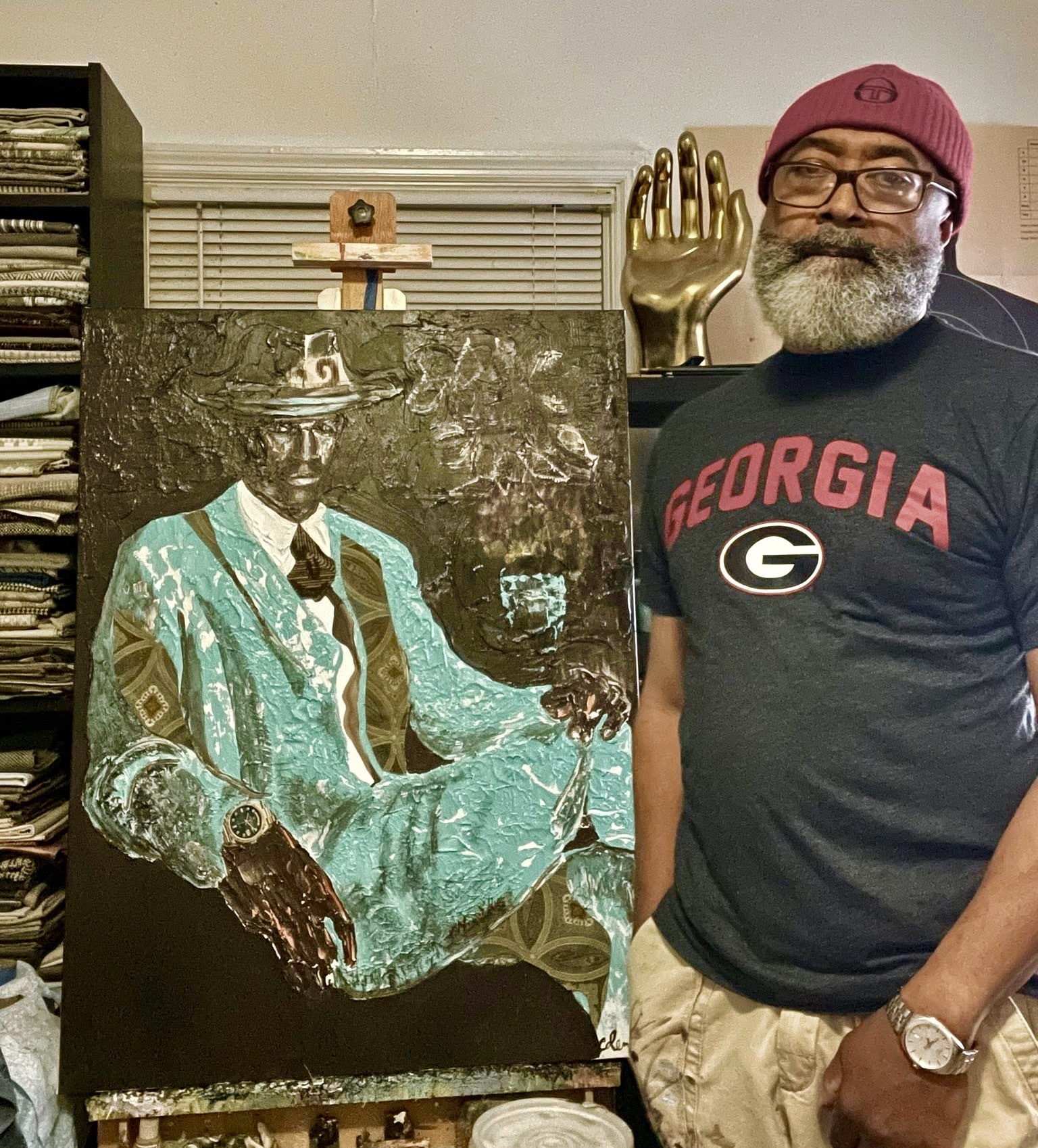
Coleman, a Hampton-born, Swarthmore-raised scholar-athlete with a Lincoln degree in Early Childhood Education, seemed an unlikely candidate to become a globally exhibited artist. He admits art was “the furthest thing from [his] mind” during his athletic youth. Yet Lincoln’s transformative spirit—where future doctors, lawyers, and poets sat shoulder-to-shoulder in the shadow of the Alumni Memorial Arch—has a way of revealing hidden destinies. For Coleman, that destiny would unfold in layers of acrylic, fabric, and lyrical abstraction.

The Unlikely Artist: From Classroom to Canvas

After 14 years teaching elementary school, Coleman made a leap of faith in 2004, trading lesson plans for canvases. His self-taught style, a vibrant fusion of Abstract Expressionism and Fauvism, emerged not from formal training but from an intuitive dialogue with texture and hue. “My work is inspired by spirituality, love of music, and nature’s beauty,” he explains. “The messages are global: God is real, the human spirit is strong, and the world is a beautiful place”.

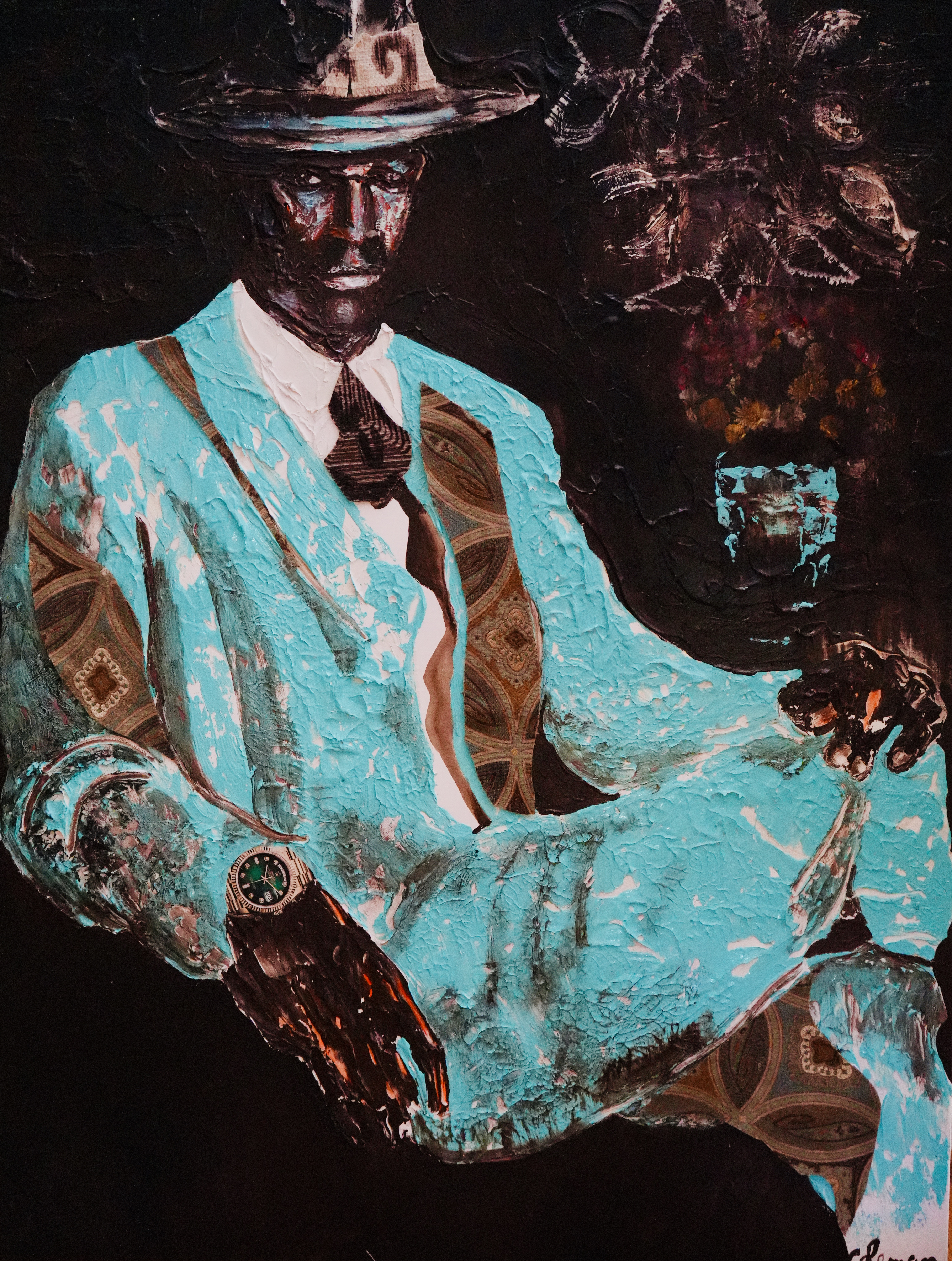
Coleman’s technique is tactile, unrestrained and authentically Black. He builds paintings like a jazz composer—layering “heavy body acrylic paint,” textiles, and manipulated canvas strips into symphonies of color. Influenced by Richard Mayhew’s chromatic fluidity and Chaim Soutine’s dense textures, his works pulse with what critic Wuanda Walls called “an aura of originality and poetic whimsy”. In series like “The Family” and “The Key to Knowing,” Coleman distills universal themes into visual poetry. A 2008 “Rebirth” exhibition at Philadelphia’s ArtJaz Gallery showcased his evolution: haunting portraits of familial bonds, where “together as a unit, the family prevails with greater strength”.

Lincoln’s Echoes in Coleman’s Art

The Lincoln experience—steeped in Black intellectual tradition and communal resilience—permeates Coleman’s oeuvre. His 2013 exhibition “Do You Feel What I See?” (Galerie Myrtis, Baltimore) and 2010 “Amalgamation” (DuSable Museum, Chicago) reflect the same interdisciplinary curiosity nurtured at Lincoln, where Albert Einstein once lectured on physics and racism. Coleman’s art, like Lincoln’s legacy, bridges divides: his works hang in U.S. embassies and corporate offices (Goldman Sachs, GE Healthcare).

During our recent reunion at his Maryland home/studio, Coleman gestured to a half-finished piece. “This is Lincoln,” he said. “The colors, the chaos, the harmony—it’s all there.” Indeed, his paintings mirror the university’s ethos: bold, unapologetic, and deeply human.

A Testament to Black Creative Freedom

Coleman’s journey—from Lincoln’s “Orange and Blue” to international galleries—embodies the HBCU’s mission: Learn. Liberate. Lead. His art, like Lincoln itself, refuses to be confined. Whether in Rome’s U.S. Embassy or a private collection, his works declare, as Langston Hughes might, that Black creativity is “a dream deferred” no longer.

As the sun set over his studio, Coleman mused, “Lincoln gave me the courage to trust my voice.” For those of us who walked those hallowed grounds, his art is more than pigment and fabric—it’s a love letter to the institution that taught us to rise, always, in our might.

“L U!” we shout—knowing, as ever, that Calvin Coleman’s brilliance is Lincoln’s too.

Delgreco K. Wilson, ’88  is a Lincoln University alumnus and cultural critic. Calvin Coleman’s work can be viewed at ArtJaz Gallery.