Player: Ahmad Nowell | Position: Combo Guard | Height/Weight: 6’1″, 195 lbs
Current Program: VCU Rams (Atlantic 10) | Class: Sophomore
High School: Imhotep Charter, Philadelphia Public League
Prior Program: Connecticut Huskies (Big East)
Draft Projection: Possible Second-Round Pick (2026/2027)
I. Executive Summary & Strategic Transfer Grade
Ahmad Nowell’s transfer from Connecticut to VCU represents a masterclass in modern player agency and portfolio optimization. Confronted with a clear developmental bottleneck as a deep reserve at a national powerhouse, Nowell executed a high-leverage decision to prioritize immediate on-court opportunity and system fit over brand prestige. The early returns on this strategic bet are overwhelmingly positive. He has transformed from a seldom-used prospect at UConn into a core rotational piece for a competitive VCU squad, posting elite efficiency metrics and validating his high school pedigree as a quintessential “Philly Guard”. By maximizing his tangible assets—guaranteed minutes, a tailored role, and a winning environment—Nowell has not only salvaged his collegiate trajectory but has significantly enhanced his professional profile. His decision is a case study in astute self-assessment, earning a strategic grade of A- for its clarity, execution, and the dramatic appreciation in his primary assets.
II. Portfolio Analysis: The VCU Transfer Decision
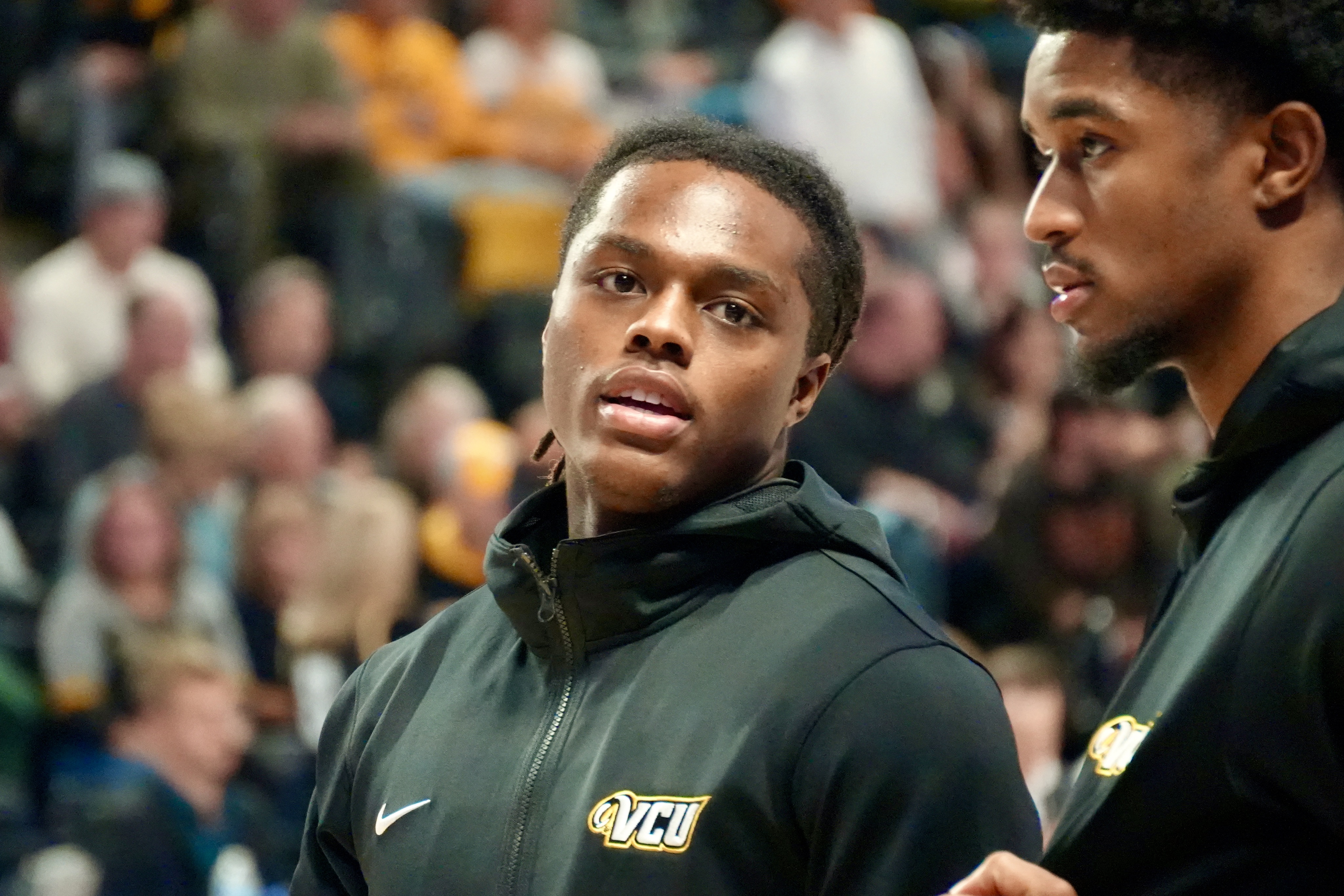
Nowell’s portal entry was a direct response to a freshman season at UConn where he averaged just 6.4 minutes and 1.5 points per game. His choice of VCU was a targeted investment in specific, appreciating assets while mitigating the risks of continued obscurity.
- Immediate Returns (Appreciated Assets):
- Guaranteed Role & Usage: The foundational bet. At VCU, Nowell’s minutes have nearly doubled to 12.0 per game, providing the consistent floor time essential for development and scouting visibility. He has transitioned from a practice player to a legitimate game-changer, evidenced by outbursts like a 19-point game on perfect shooting (7-7 FG, 5-5 3PT).
- System & Cultural Fit: VCU’s hard-nosed, defensive identity under Coach Phil Martelli Jr. is a seamless match for Nowell’s “bulldog mentality”. He is celebrated for his toughness, competitiveness, and defensive tenacity—traits that were underutilized at UConn but are foundational at VCU. This alignment maximizes his innate strengths.
- Competitive Success: VCU is a consistent winner and NCAA Tournament contender in the Atlantic 10. Nowell contributes to a program with a 16-6 record (as of late January 2026), providing the “winning proof” that professional scouts value.
- Guaranteed Role & Usage: The foundational bet. At VCU, Nowell’s minutes have nearly doubled to 12.0 per game, providing the consistent floor time essential for development and scouting visibility. He has transitioned from a practice player to a legitimate game-changer, evidenced by outbursts like a 19-point game on perfect shooting (7-7 FG, 5-5 3PT).
- Speculative Assets & Long-Term Risk Mitigation:
- Skill Development: The VCU environment allows for the practical application and refinement of skills. His dramatic statistical improvements are the direct result of this applied development.
- Professional Pathway: By showcasing his full two-way arsenal in a featured role, Nowell has rebuilt his draft stock from an afterthought to a potential second-round pick. The exposure is different but more effective; he is now a “big fish” demonstrating leadership and impact.
- NIL & Brand Growth: While total compensation may differ from a high-major, his marketability as a standout local star in a passionate market like Richmond can create unique, sustainable value that complements his athletic brand.
- Skill Development: The VCU environment allows for the practical application and refinement of skills. His dramatic statistical improvements are the direct result of this applied development.
- Structural Constraints Navigated: Nowell operated within the classic power asymmetry of the portal, where a young player must forecast fit without complete roster information. He astutely identified a program in VCU that had just won the A-10 but was in need of backcourt reinforcement, thereby creating a mutually beneficial opportunity for impact.

III. On-Court Performance & Skill Assessment
Nowell’s sophomore season statistics represent not just improvement, but a qualitative leap in efficiency and impact.
Quantitative Leap & Efficiency Profile:
| Metric | UConn (Freshman) | VCU (Sophomore) | Analysis |
| Minutes Per Game | 6.4 | 12.0 | Role has solidified, trust earned. |
| Points Per Game | 1.5 | 5.7 | Scoring output has increased nearly fourfold. |
| Field Goal % | 35.7% | 47.3% | Elite efficiency for a guard. |
| 3-Point % | 18.8% | 42.9% | Transformative improvement; now a certified weapon. |
| Effective FG% | 41.1% | 61.5% | Ranks among the most efficient guards nationally. |
| Player Efficiency Rating | 16.1 | 17.9 | Confirms high-level impact in his minutes. |
Qualitative Skill Breakdown:
| Trait | Grade | Analysis & Evidence |
| Shooting & Scoring | A- | Once a question mark, now a premier strength. His 42.9% three-point shooting on 2.5 attempts per game is elite. He combines this with a fearless, physical drive game, using his strength to absorb contact and finish. |
| On-Ball Defense | A- | The hallmark of his “Philly Guard” identity. An aggressive, communicative, and physically imposing defender who takes pride in shutting down opponents. His steal rate (0.6 per game) is solid and reflects his active hands. |
| Physicality & Competitiveness | A | Built like a “hard-hitting safety”. His strength and “bulldog mentality” allow him to guard bigger players, rebound in traffic, and set a relentless tone. He is a certified winner and gym rat. |
| Ball-Handling & Playmaking | B | Shows excellent control and can initiate offense. His assist numbers are modest (0.8 APG), suggesting his current role is more scoring-oriented, but his high school eval noted elite vision and passing creativity. |
| Decision-Making & Poise | B+ | Plays within himself and the flow of the game. Low turnover rate (0.7 per game) indicates good care of the ball. Thrives in high-pressure moments, a trait honed at Imhotep. |
IV. Professional Projection & Pathway Analysis
Nowell has successfully repositioned himself from a project to a prospect. His archetype is the defensive-minded, three-and-D combo guard with secondary creation ability, drawing a compelling comparison to Eric Bledsoe for his power and two-way aggression.
- Current Draft Stock: Projected as a possible second-round pick in the 2026 or 2027 NBA Draft. This is a significant restoration of value from his freshman year.
- Critical Development Needs: To secure and elevate his position, the focus must now shift to scaling his production within a larger role.
- Increase Playmaking Volume: Showcasing more of the orchestration skills noted in high school to prove he can run an offense at the next level.
- Sustain Elite Efficiency with Increased Usage: The next challenge is maintaining his stellar shooting percentages as his shot attempts and defensive attention inevitably rise.
- The VCU Advantage: The program provides the ideal laboratory for this next phase. He can incrementally increase his responsibilities as a junior, potentially as a starter, within a system that already highlights his best traits.
V. Conclusion & Strategic Recommendations
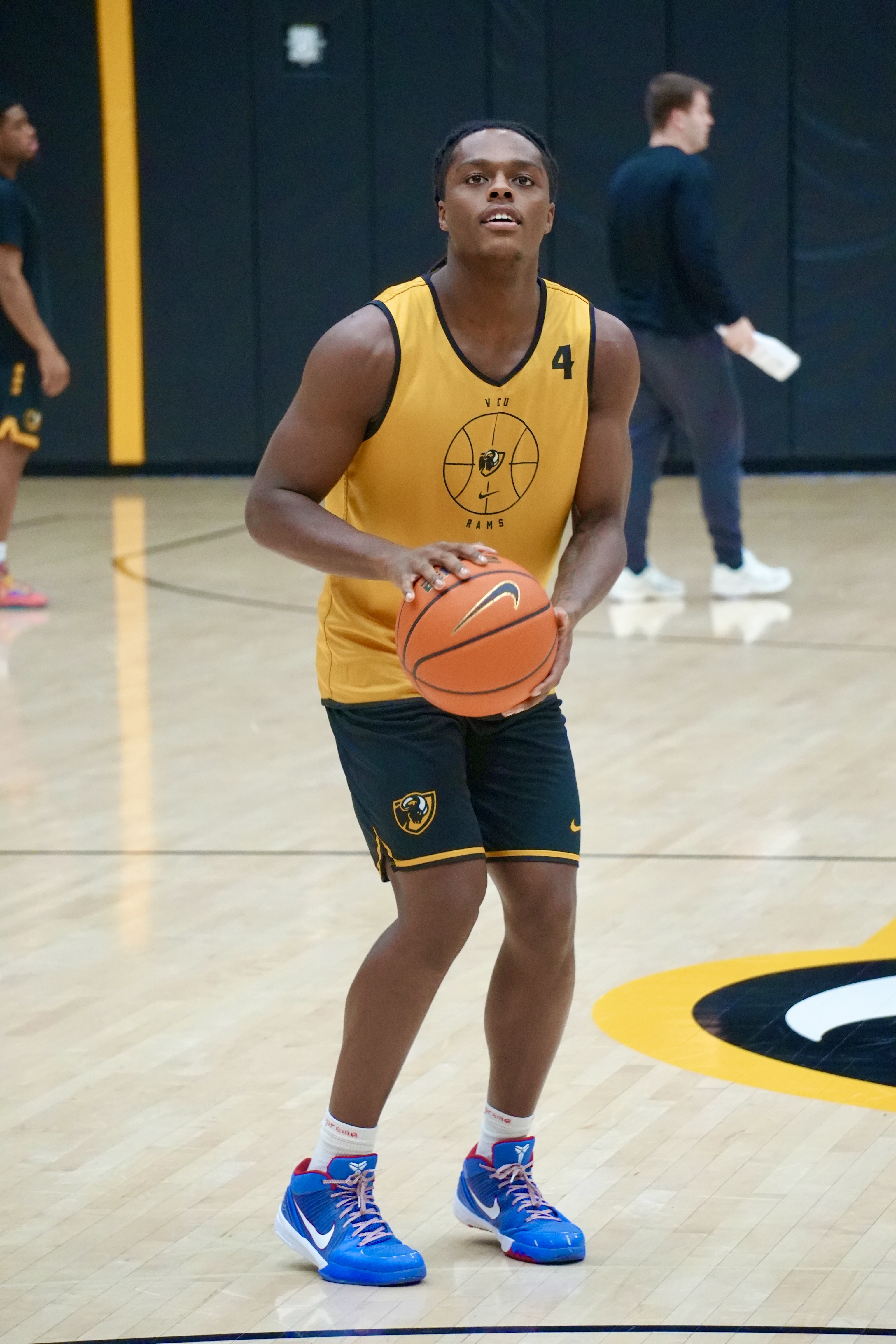
Nowell’s transfer portfolio is performing exceptionally well. The investment in immediate opportunity at VCU has yielded massive dividends in skill manifestation, confidence, and professional visibility.
Final Assessment:
Nowell has proven that shrewd self-placement in the modern ecosystem can be more valuable than association with a traditional blue blood. He has not just found minutes; he has found a home that magnifies his identity as a tough, two-way competitor. His story is one of the clearest successes of the portal era for a player of his caliber.
Strategic Recommendations:
- For the Remainder of 2025-26: Continue to be a dominant force in his reserve role. Focus on being the definitive “energy and defensive stopper” off the bench, while capitalizing on every offensive opportunity. Lead VCU on a deep A-10 and NCAA Tournament run.
- Offseason & 2026-27 Outlook: The clear and obvious path is to return to VCU for his junior season. The goal should be to transition into a full-time starting role, where he can work on increasing his playmaking load and proving his efficiency is scalable. Another year of development and production in this ideal system could make him a surefire draft pick.
- Long-Term Focus: Continue to hone the pull-up jumper and expand his pick-and-roll repertoire. Physically, maintaining his strength and explosiveness is paramount for his style of play.
Scout’s Bottom Line: Ahmad Nowell’s decision to transfer to VCU was not a step down; it was a step into the spotlight. He traded the jersey prestige of UConn for the player empowerment of VCU, and in doing so, has authored one of the most impressive career resurgences in college basketball. His portfolio is strong, his assets are appreciating, and his pathway is clear. The recommendation is unequivocal: stay the course at VCU.







 The Black Cager