CAMDEN, NJ: Watching the Bryant Bulldogs edge out the home court Delaware Blue Hens, 85-84, in a fiercely competitive basketball game last night, I couldn’t help but reflect on the ever-widening chasm in college athletics, particularly in the era of NIL (Name, Image, and Likeness) deals, transfer portals, and immediate eligibility. As I admired the work of coaches like Phil Martelli Jr. and Martin Ingelsby, their relentless hustle, and their ability to construct cohesive rosters from unlikely sources, my mind drifted to Colorado’s Football Coach Deion Sanders and his now-infamous declaration when he met his inherited football team: “I’m bringing my luggage with me, and it’s Louis.”

That statement, dripping with urban swagger and intent, encapsulated the reality of the high-major recruiting ecosystem in today’s college sports. Coach Prime wasn’t merely warning his players that change was coming—he was announcing that he, with his cultural cachet, financial resources, and unmatched name recognition, could shop at the most exclusive recruiting boutiques. For Sanders, recruiting isn’t about finding diamonds in the rough; it’s about walking into Louis Vuitton or Gucci and selecting the finest clothing and accessories crafted from the most exclusive materials with zero regard for the price. Plainly stated, Coach Prime was “talking’ dat shit”…
Coach Prime’s Cultural and Financial Advantage
Deion Sanders embodies a unique blend of celebrity, charisma, and cultural influence. As a Hall of Fame athlete who transcends football, Sanders commands attention in a way few coaches can. His name alone draws recruits, and his bold personality ensures that Colorado is always in the conversation. Add to that the deep NIL coffers available at high-major programs like Colorado—backed by boosters, local businesses, and national sponsorships—and you have a recruiting juggernaut.
At Colorado, Sanders can promise recruits not just the opportunity to play but to profit. The NIL deals available to his players mean that they don’t just join a team—they join a brand. This access to financial opportunity is a game-changer in recruiting, especially for families who see NIL as a way to escape economic hardship. Combined with Sanders’ ability to curate a team narrative that feels larger than life, it’s little wonder he attracts top talent.
When Coach Prime references “Louis,” he’s not just talking about talent—he’s talking about perception. High-major recruits are not only better athletes but often come with the polish of elite training programs, social media followings, and marketable personas. At Colorado, these players become the centerpiece of a well-funded, highly visible machine. Sanders doesn’t just coach players—he amplifies their brands.
The Mid-Major Reality: The Hunt for Prospects at Marshalls and TJ Maxx
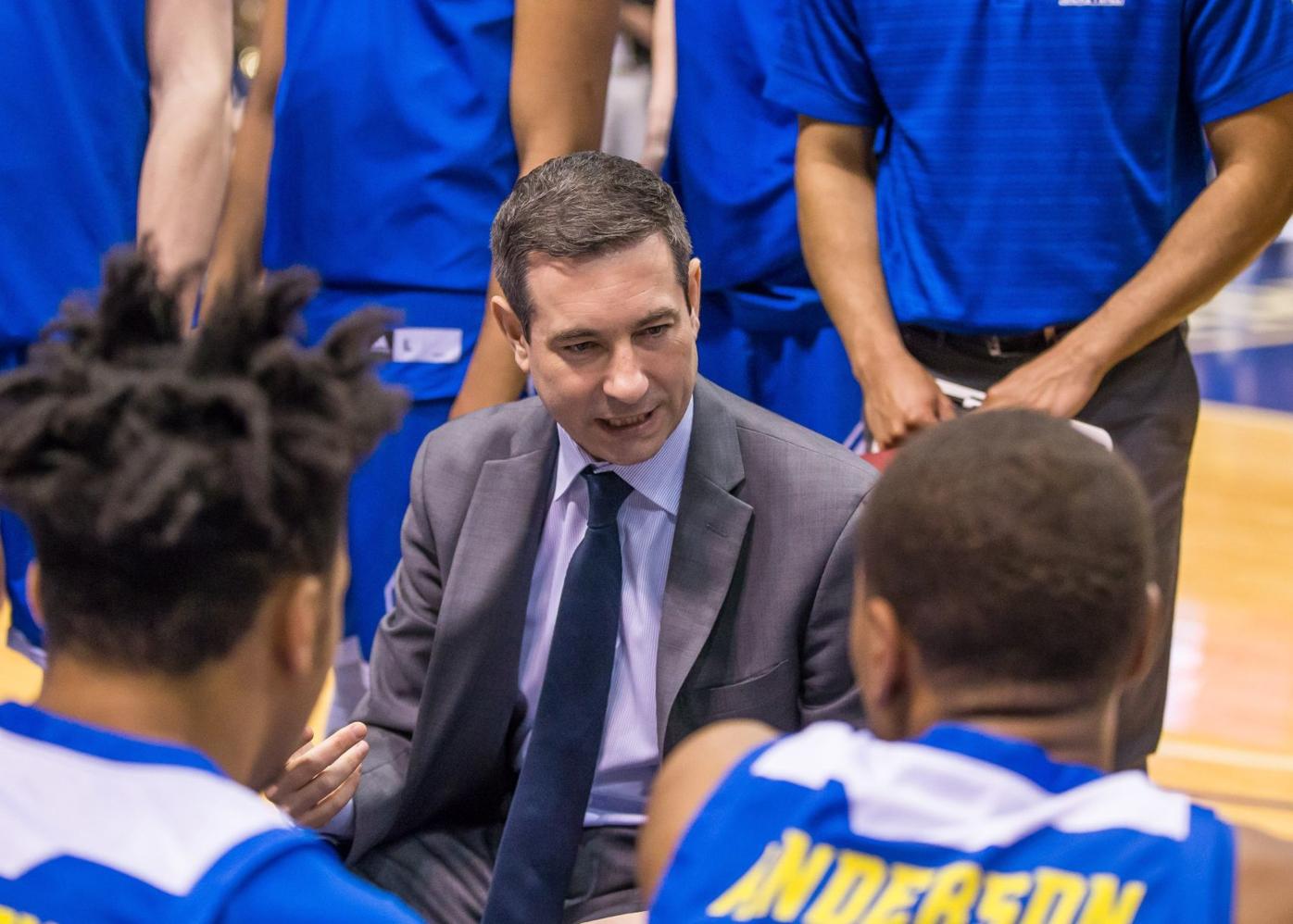
Contrast this with the world of mid-major coaches like Martelli and Ingelsby, whose programs don’t have the luxury of shopping for recruits at Louis Vuitton. Instead, they scour the aisles of Marshalls, TJ Maxx, and even scratch-and-dent outlets, searching for overlooked talent and undervalued gems.
The players on mid-major rosters are often transfers, walk-ons, or athletes who have endured significant challenges—whether injuries, academic struggles, or simply being overlooked by high-majors. These coaches spend countless hours scouring the “racks” identifying potential in players who, for various reasons, slipped through the cracks. They’re not offering $300,000 NIL deals; they’re selling opportunity, development, and the chance to shine on a smaller stage.
This makes mid-major recruiting a different kind of art. Coaches at programs like Delaware and Bryant must be relentless scouts, combing through tape, traveling to obscure high school gyms, and building relationships with junior college programs. They have to spot talent that others miss and then cultivate it, often transforming “scratch-and-dent” players into stars.
The Transfer Portal: A Shared Marketplace
The transfer portal has complicated this dynamic further. For high-majors, it’s another Louis Vuitton boutique—a place to restock quickly and efficiently. For mid-majors, it’s a double-edged sword. While they can snag players who didn’t thrive in high-major environments, they also risk losing their own developed talent to the bigger programs.
This constant churn forces mid-major coaches to be even more resourceful. They must balance the need to recruit high-potential transfers with the understanding that a breakout season might mean losing their best player to a higher bidder. This reality is perhaps the most glaring difference between the two levels: high-majors can afford to poach, while mid-majors must perpetually rebuild.

The Luxury of Louis vs. the Grind of Marshalls
In this era of NIL and transfer portal frenzy, programs like Colorado operate in an entirely different ecosystem than Delaware or Bryant. For Coach Prime, the combination of recognition, cultural influence, and financial resources means he can approach recruiting like a luxury shopping spree. For mid-major coaches, it’s a relentless grind, searching for hidden gems and hoping to polish them before they’re poached.
And yet, there’s beauty in the hunt. Watching Martelli and Ingelsby’s teams battle last night, I saw a different kind of success—one born of resourcefulness, resilience, and the ability to make the most of what’s available. Their players, whether transfers or “scratch-and-dent” pickups, play with a chip on their shoulder and a drive to prove their worth.
Coach Prime’s Louis Vuitton luggage may draw the headlines, but there’s something to be said for the mid-major hustle. In the world of college sports, not every success story starts in luxury boutiques. Some begin in the clearance aisles, and those stories, too, are worth celebrating.


 The Black Cager