By Delgreco K. Wilson
A Century of Dominance in the City of Brotherly Love
PHILADELPHIA, PA – Philadelphia’s basketball heritage reads like a who’s who of hardwood legends—from Wilt Chamberlain’s earth-shaking dunks at Overbrook to Rasheed Wallace’s dominant reign at Simon Gratz. Yet when the final buzzer sounds on this century-long game of Philadelphia basketball supremacy, one program stands above all others: Roman Catholic High School and its record 34 Philadelphia Catholic League (PCL) championships. No other institution has so consistently combined competitive excellence with transformative life lessons for young men, creating a basketball dynasty that has flourished across generations.

The numbers alone tell a compelling story. Since the Catholic League’s formation, Roman Catholic has captured nearly twice as many titles as its nearest competitor (Neumann-Goretti with 22). This isn’t merely a statistic—it’s a testament to an enduring culture of excellence that has survived economic downturns, demographic shifts, and the ever-changing landscape of scholastic sports. From Billy Markward’s nine championships between 1922-1934 to Chris McNesby’s most recent titles in 2023-2024, Roman Catholic has set the gold standard for Philadelphia basketball.
The Coaches Who Built a Legacy
What separates Roman Catholic from other storied programs isn’t just the quantity of championships, but the quality of leadership that has sustained success across distinct basketball eras. The program’s foundation was laid by Billy Markward, whose teams dominated the 1920s and 1930s with an unprecedented nine PCL titles. His squads set a standard of excellence that would become the program’s hallmark—a blend of disciplined play and relentless competitiveness.
The torch was later carried by Speedy Morris, who ushered in a new golden age during the 1970s with six championships between 1969-1980. Morris’s teams embodied Philadelphia basketball—tough, fundamentally sound, and mentally resilient. His success proved Roman Catholic could adapt to the modern era while maintaining its core values.

Then came Dennis Seddon, whose tenure from the late 1980s through 2000 represents perhaps the most dominant stretch in PCL history. Nine championships in twelve years (1989-2000) established Roman Catholic as the league’s preeminent power. Seddon’s influence extended beyond wins; he mentored future coaches like Chris McNesby, creating a coaching tree that would extend the program’s success into the 21st century.
McNesby himself—a Roman Catholic alum who played under Seddon—added four PCL titles and three PIAA state championships across two coaching stints (2008-2016 and 2021-2024). His 270-73 career record reflects both consistent excellence and the ability to develop players for life beyond basketball—a hallmark of the Roman Catholic philosophy. As McNesby noted, “It’s after they’re finished playing, seeing them get jobs and seeing them be successful fathers and husbands, and then see them passing it forward”.
More Than Championships: The Roman Catholic Difference
Roman Catholic’s supremacy isn’t measured solely in banners. The school has long served as a transformative institution for Philadelphia’s youth, particularly those from working-class backgrounds. Founded in 1890 as the nation’s first free Catholic high school for boys, Roman Catholic maintained its commitment to accessibility even after transitioning to tuition-based education in the 1960s. This mission—to provide “a comprehensive academic curriculum within a disciplined Catholic environment”—has shaped generations of student-athletes.
The school’s impact extends far beyond the court. As McNesby reflected on his own experience: “You really meet kids from all different areas, backgrounds, demographics, financial status. It helps you grow up pretty quickly, and you really learn how to get along with others”. This environment fosters the type of personal growth that produces not just great players, but great men—a fact borne out by the program’s alumni network of successful professionals across industries.
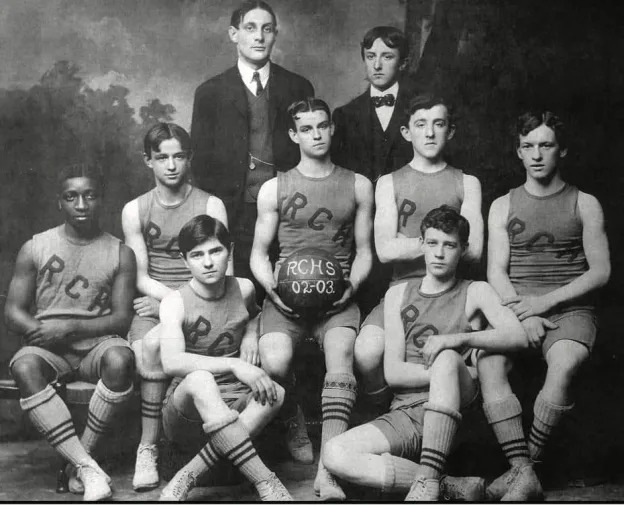
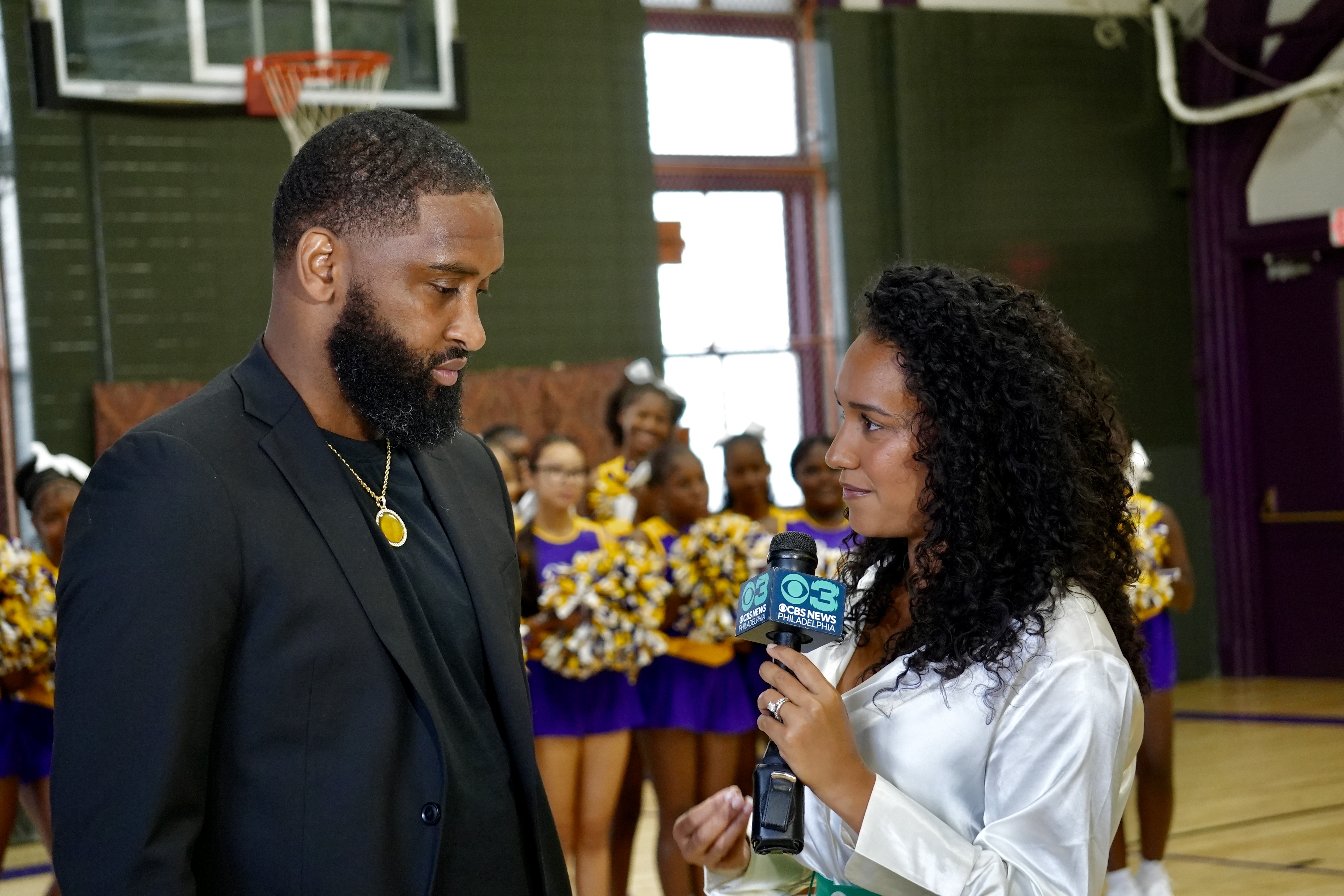
Roman Catholic has also been a pioneer in racial progress. In 1902—just 12 years after its founding—the school fought for the inclusion of John Lee, the first Black player in the Catholic League. This legacy makes Brad Wanamaker’s recent appointment as head coach particularly significant. As the program’s first Black head coach and a distinguished alum (Class of 2007), Wanamaker represents both continuity and progress. His hiring—praised by alumni like Mike Ringgold as proof that “Roman is the best high school job in the city”—signals the program’s commitment to opportunity and meritocracy.
The Wanamaker Era: Tradition Meets the Future
Brad Wanamaker’s ascent to head coach represents a full-circle moment for Roman Catholic basketball. A 2007 graduate who led the Cahillites to a PCL championship that year, Wanamaker brings unique credentials: honorable mention All-American at Pittsburgh, 11-year professional career (including four NBA seasons), and firsthand experience of Roman Catholic’s transformative culture. As he noted upon his hiring: “Roman changed a lot in my life coming in, so I feel like I’m forever indebted to them, and what better way to give back than leading the team?”
Wanamaker’s coaching philosophy blends old-school toughness with modern player development. “Better men is the biggest key,” he emphasizes. “Going through adversity, perseverance and being from Philly, just that toughness”. This approach resonates with Philadelphia basketball purists while addressing contemporary challenges facing young athletes. His professional experience—including stints with the Boston Celtics and Golden State Warriors—provides invaluable perspective for players aspiring to collegiate and professional careers.
Notably, Wanamaker represents a new generation of Roman Catholic leadership while maintaining ties to the program’s storied past. He played under Dennis Seddon and served as an assistant to Chris McNesby, absorbing lessons from both mentors. As McNesby observed: “We were riding together to a game and Brad said ‘I’m ready’. After that I felt it was time for me to step aside…The program is in great hands”. This seamless transition exemplifies Roman Catholic’s unique ability to renew itself while honoring tradition.
Conclusion: The Standard Bearer
Philadelphia’s basketball landscape features numerous legendary programs—Overbrook’s Wilt Chamberlain, West Catholic’s Ernie Beck, Simon Gratz’s Rasheed Wallace, Neumann-Goretti’s Carl Arrigale dynasty. Each has compelling claims to greatness during specific eras. But when evaluating sustained excellence across generations, Roman Catholic stands alone.
The numbers—34 Catholic League championships, multiple coaching dynasties, countless college and professional players—only begin to tell the story . Roman Catholic’s true greatness lies in its ability to win at the highest level while fulfilling its mission to develop “men of personal integrity”. From Thomas E. Cahill’s original vision in 1890 to Brad Wanamaker’s groundbreaking appointment in 2025, the school has remained true to its values while adapting to basketball’s evolution.
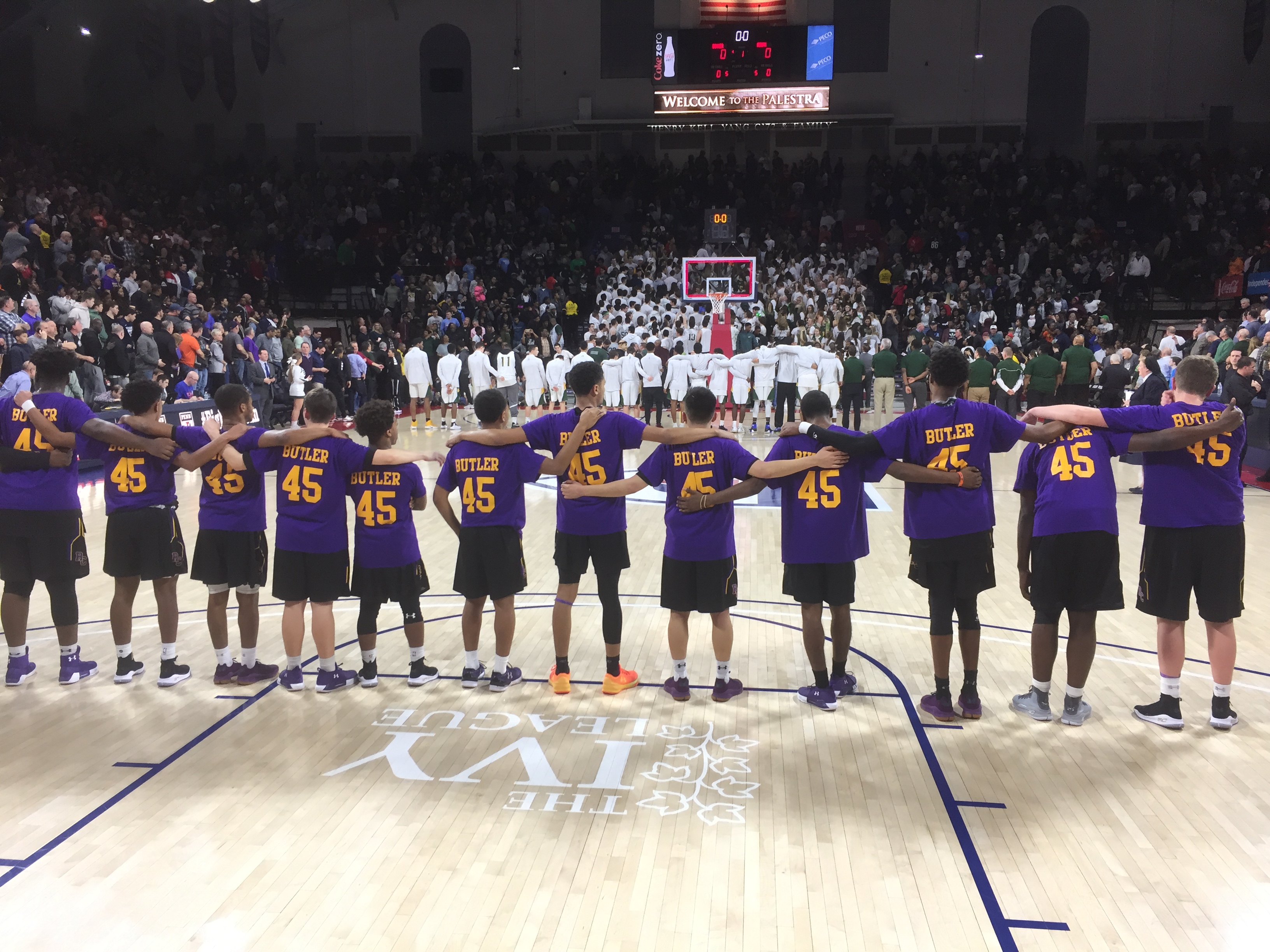
As Philadelphia basketball enters its second century, Roman Catholic remains the gold standard—a program where championships and character development go hand-in-hand. The Cahillites’ purple and gold banners represent more than victories; they symbolize a tradition of excellence that continues to shape Philadelphia’s basketball identity. In a city that treasures its hoops history, Roman Catholic stands as the most accomplished and influential program of them all.




 The Black Cager