PHILADELPHIA, PA – For three long winters, a familiar silence hung over the basketball cathedrals of Philadelphia. No streamers raining from the Palestra rafters. No jubilant students rushing the court at the Finn. No knowing smiles on Hawk Hill. For the first time in the modern era, the City of Brotherly Love was exiled from of March Madness for more than 1,000 days. The Big Five, that storied confederation of basketball identity, had become an afterthought on the national stage.
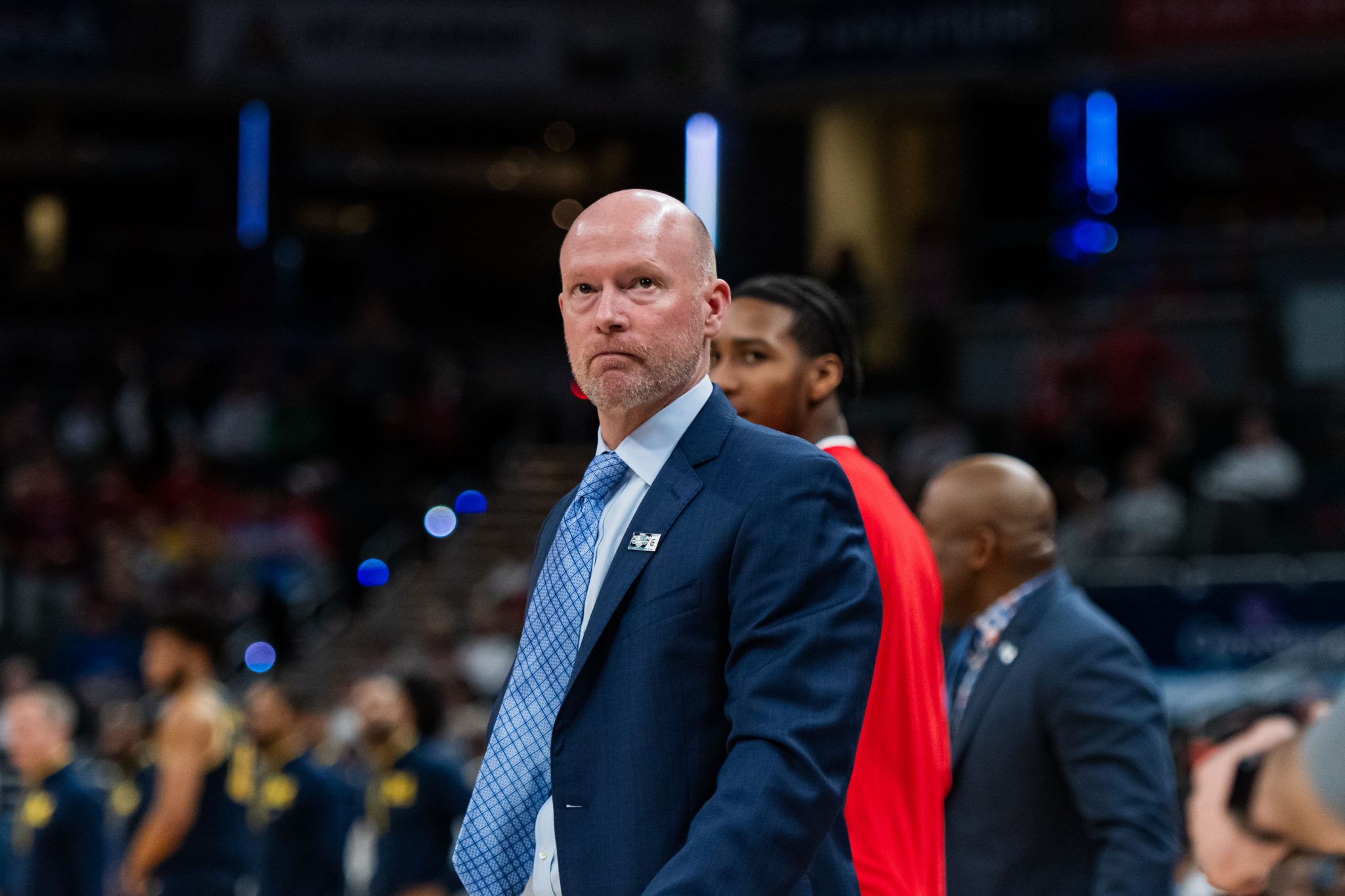
That drought ended on Selection Sunday. And as the names “Villanova” and “Penn” flashed onto the bracket, it signaled not merely a return to the fold, but a validation of a new philosophy in college athletics. Faced with the existential disruption of the transfer portal and NIL (Name, Image, and Likeness), the Presidents and athletic directors at Villanova and Penn did not simply hire basketball coaches; they hired CEOs of basketball programs. In Kevin Willard and Fran McCaffery, they found leaders whose immediate success provides a masterclass in navigating the chaotic waters of modern college sports.
The Calculus of Change
To understand the euphoria of this March, one must revisit the difficult decisions of last spring. Villanova’s decision to move on from Kyle Neptune and Penn’s separation from Steve Donahue were not indictments of their character or effort. Rather, they were strategic choices made under conditions of incomplete information, asymmetric power, and immense time pressure. In the current paradigm, a coach is no longer judged solely on x’s and o’s, but on their ability to manage a high-turnover roster, fundraise for NIL collectives, and leverage support staff with the precision of a general manager.
Both programs were not simply choosing a coach; they were seeking a return to pride for programs with strong historical traditions. They needed leaders capable of translating history into a pitch that resonates in a present where players are also employees. By any measurable standard, both hires have paid immediate, resounding dividends.
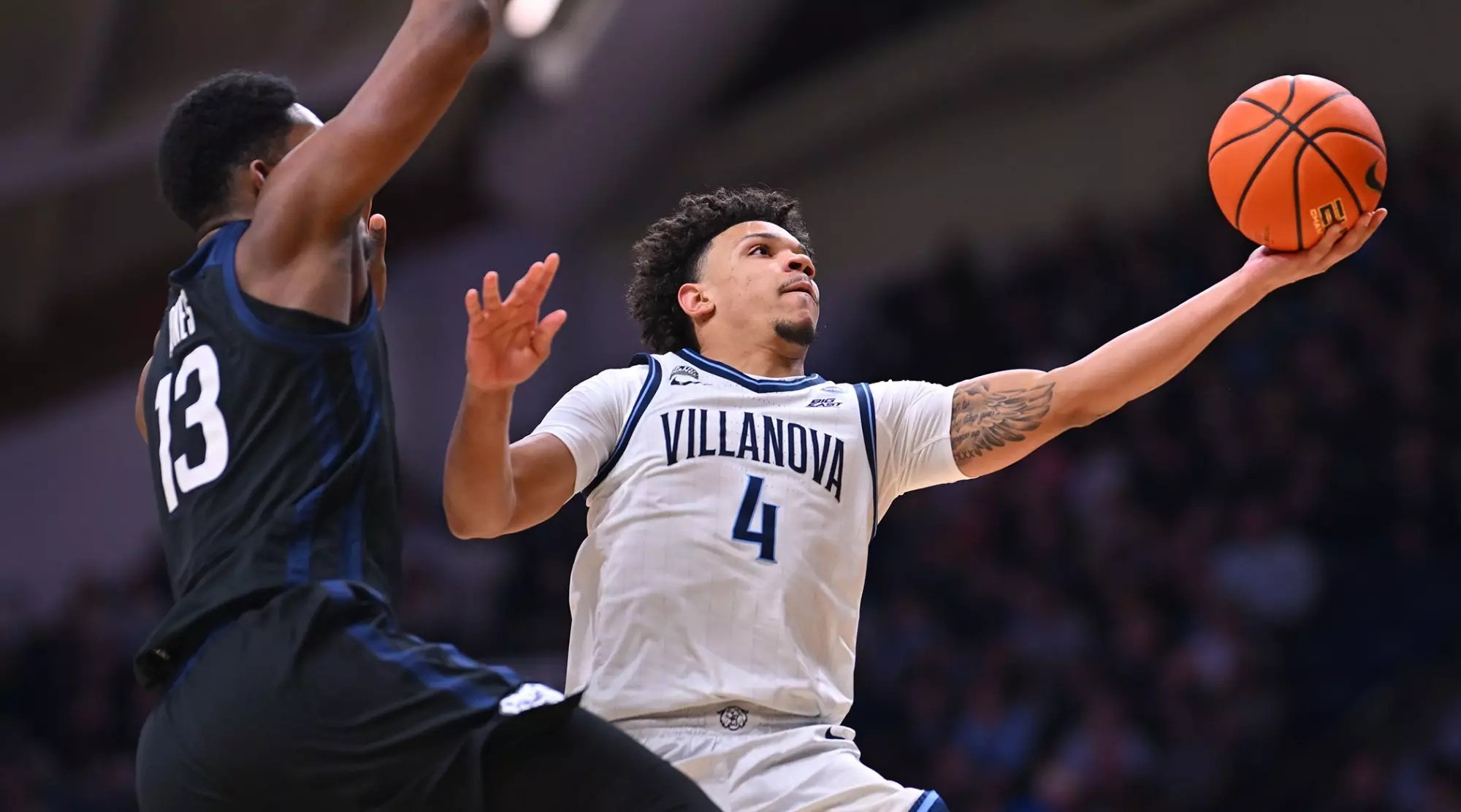
The Measurable Success of Kevin Willard at Villanova
In the cutthroat environment of the Big East, Villanova needed to reclaim its birthright. Kevin Willard’s first season on the Main Line is a textbook example of modern roster management fused with winning basketball.
- Traditional On-Court Performance: The Wildcats are dancing. After a 3 year absence, Villanova is back in the NCAA Tournament. While the regular season had its growing pains, the team peaked at the right time, demonstrating the coaching acumen necessary to win in March.
- Recruiting & Roster Management: Willard inherited a program in flux. His immediate success in the transfer portal was staggering. He didn’t just fill gaps; he retooled the engine, securing high-impact players who bought into his system immediately. This ability to “re-recruit” his own roster while acquiring proven talent is the hallmark of a modern coach who understands the portal is not a threat, but a resource.
- Adaptability to Modern Landscape: Willard arrived with a clear understanding that fundraising is coaching. He engaged the Villanova donor base, ensuring the NIL infrastructure could compete with the blue bloods of the sport.
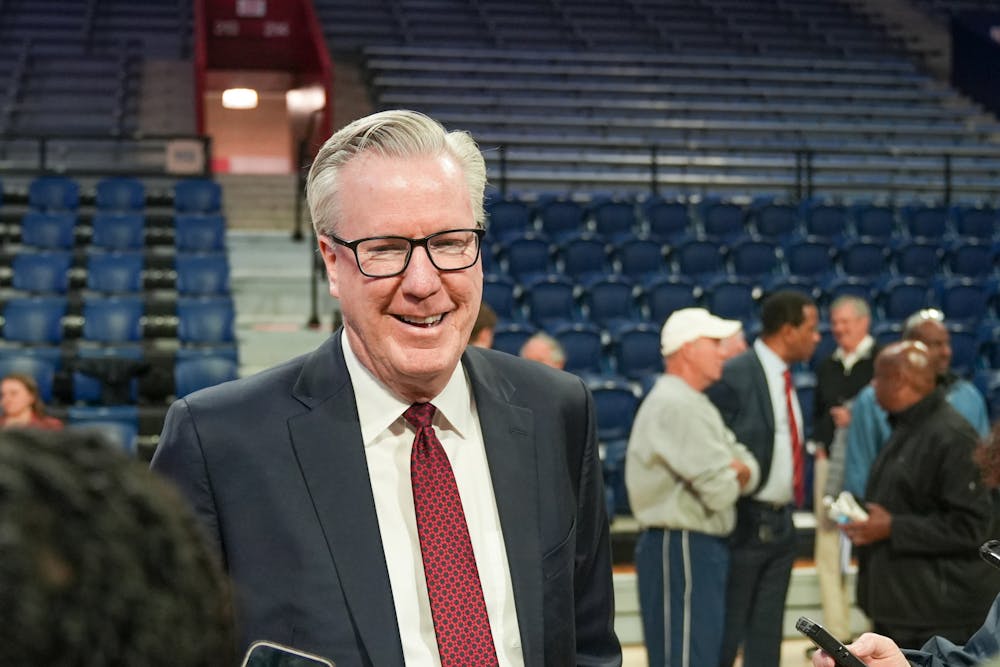
The Renaissance of Fran McCaffery at Penn
While Villanova fights in the gladiator arena of high-major basketball, Penn’s success is arguably a more delicate engineering feat. Coaching in the Ivy League requires adhering to strict academic standards and operating without the scholarship flexibility of the power conferences. Fran McCaffery has navigated these constraints with the savvy of a veteran diplomat.
- Traditional On-Court Performance: The Quakers are Ivy League Champions. They cut down the nets. This is the ultimate metric. McCaffery took a program that had stagnated and immediately instilled a winning DNA, capturing the conference’s automatic bid.
- Program Leadership & Culture: In the Ivy League, you cannot simply “portal” your way to a title. You must develop players over four years. McCaffery has a legendary reputation for player development. He inherited a roster and immediately improved its synergy, blending the returning talent with his system to create a cohesive unit that played with a chemistry absent in recent years. He restored the standard of Penn Basketball: excellence.
- Budget Management & Adaptability: The Ivy League presents a unique challenge in the NIL era—namely, that it doesn’t exist in the same way. McCaffery’s success lies in selling a different kind of value: the value of an Ivy League degree combined with high-major coaching. He is winning the recruiting battles not with cash, but with culture and a vision, proving that adaptability sometimes means knowing how to win with the tools unique to your workshop.
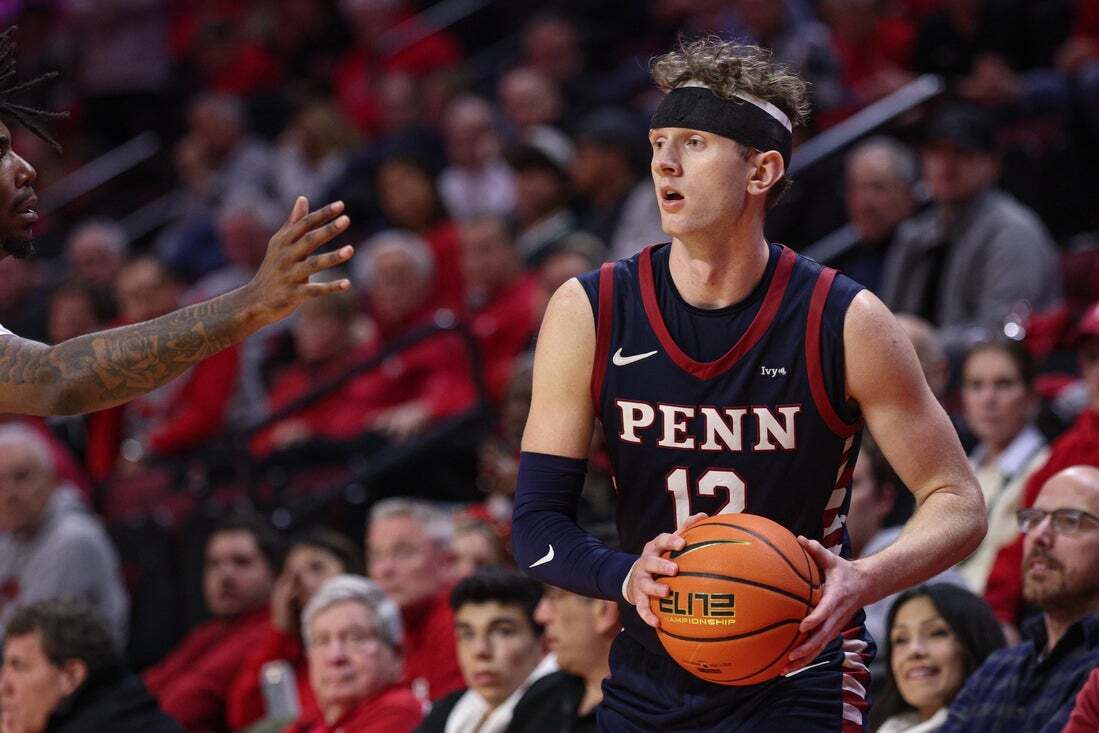
A City’s Pride Restored
The return of Villanova and Penn to the NCAA Tournament is more than a statistical correction; it is a cultural revival. The “Holy City of Hoops” has its altars lit once more.
By moving on from the past, both programs embraced a future that demands versatility. Kevin Willard proved he could handle the mercenary nature of the Big East, while Fran McCaffery proved he could galvanize the scholar-athletes of the Ivy League. They represent two sides of the same coin: success in the 21st-century college game requires a coach who is part X’s and O’s savant, part general manager, and part fundraiser.
As the brackets are filled out in corner bars from Manayunk to Media, the names “Nova” and “Penn” are written in ink with hope. The drought is over. The strategic gambles paid off. And in Philadelphia, that is worth celebrating—because in this town, basketball isn’t just a game. It’s a birthright.
 The Black Cager