PHILADELPHIA, PA – There is a moment in early March, long before the office pools are printed and the talking heads begin their dissection of the regional finals, when a hush falls over mid-major arenas and Power Six conference halls alike. It is the moment when a team that has spent the entire season laboring in the middle of its league standings suddenly realizes that the previous four months no longer matter. The conference tournament has arrived, and with it, the last remaining path to salvation.
This is where March Madness truly begins.
For all the justifiable fanfare surrounding the NCAA Men’s and Women’s Basketball Championships, the popular conception of March Madness is missing its opening act. The 68-team brackets unveiled on Selection Sunday are not the start of the madness. They are the result of it. The actual crucible—the place where careers are forged and legends born—unfolds in the days preceding the Big Dance, when conference tournaments transform also-rans into champions and anonymous role players into household names.
The Crucible of Conference Play
Consider the mathematics of the NCAA tournament. Of the 68 teams that hear their names called on Selection Sunday, 32 arrive there not because of a cumulative resume of quadrant-one wins and strength-of-schedule metrics, but because they won their conference tournaments. They claimed the automatic bid, the golden ticket that renders the previous four months of evaluation suddenly, blissfully irrelevant .
This is the mechanism that makes American college basketball the most egalitarian postseason in sports. A team that stumbled through the regular season, that lost winnable games in December and January, that entered February with its NCAA hopes all but extinguished, can still play its way into the field. The only requirement is to catch fire at precisely the right moment.
Last year provided a master class in this phenomenon. North Carolina State entered the ACC tournament as a middle-of-the-pack team with little realistic hope of an at-large bid. What followed was one of the most improbable runs in recent memory. The Wolfpack won five games in five days, claimed the conference crown, and rode that momentum all the way to the Final Four as an 11-seed . DJ Burns Jr., a 6-foot-9, 275-pound forward with an old-school game and a new-school smile, became the breakout star of March, captivating a nation with his array of post moves and his simple, winning philosophy. “Nobody cares about a loser,” he told reporters. “That’s why I decided to be a winner” .
Burns did not make his name during the NCAA tournament’s first weekend. He made it in the crucible of the ACC tournament, when his team’s season hung by a thread and every possession carried the weight of finality.
The Audition Before the Stage
For players whose professional aspirations exceed their recruiting rankings, conference tournaments represent something even more valuable than a championship trophy. They represent an audition.
The NBA draft is an imperfect science, a multi-billion-dollar guessing game in which front offices attempt to project how 19 and 20-year-old athletes will perform against the world’s best competition. There is no better laboratory for this projection than the conference tournament. The stakes are higher than any regular-season game. The pressure is suffocating. The opponent is often familiar, which eliminates the element of surprise and forces players to win with execution rather than novelty.
Bryce Drew understands this reality as well as anyone. In 1998, he was a senior at Valparaiso University, a mid-major program that had not sent a player to the NBA since the Eisenhower administration. Then came the conference tournament. Then came the NCAA tournament. Then came “The Shot”—Drew’s last-second, game-winning basket against Ole Miss that remains one of the most replayed moments in March Madness history .
That moment, born in the crucible of postseason play, fundamentally altered the trajectory of Drew’s life. Though he insists that private workouts solidified his status as a first-round pick, he acknowledges that the tournament attention got his foot in the door. “It helped me get my name out there, because they got to see me play against a different type of athlete in the NCAA tournament on a different stage,” he later reflected .
The pattern repeats itself annually. Stephen Curry was a lightly recruited prospect from Davidson College until his 2008 NCAA tournament run, when he averaged over 30 points per game and captured the imagination of a sport . Ja Morant played at Murray State, a mid-major program that does not typically produce top-five NBA draft picks. But his performance in the 2019 postseason—including a historic triple-double—convinced scouts that his athleticism and court vision would translate to the next level . Jimmer Fredette became a cultural phenomenon during Brigham Young’s 2011 tournament run, earning name-drops in rap songs and a place in college basketball lore .
These players did not wait for the NCAA tournament to introduce themselves to the world. They used their conference tournaments as launching pads.
Bid Stealers and Bubble Bursters
There is a term of art that emerges this time every year, a phrase that captures the chaos of conference tournament week: “bid stealer.” It refers to a team that captures its league’s automatic bid despite having no chance of receiving an at-large invitation. By winning the tournament, that team “steals” a bid from a bubble team that would otherwise have slipped into the field .
Last year’s men’s tournament featured five such bid stealers: North Carolina State, Duquesne, UAB, Oregon, and New Mexico . On the women’s side, Portland’s stunning victory over Gonzaga in the West Coast Conference tournament sent shockwaves through the bracket . These are not merely statistical curiosities. They are the lifeblood of March Madness, the proof that the system still works, that the sport has not yet been reduced to a closed shop for the wealthy and well-connected.
The NCAA’s own selection criteria acknowledge the fluidity of this process. “Bubble teams’ statuses can change based on results from conference tournaments and potential ‘bid stealers’ who unexpectedly win their leagues, taking away an at-large spot from another deserving team,” the organization notes . In other words, the bracket is not finalized until the final buzzer sounds on the final conference championship game. Everything before that is provisional.
The Democracy of the Dance
What makes this system so peculiarly American, so resistant to the consolidation that has afflicted so many other aspects of our national life, is its fundamental fairness. As one observer recently noted, March Madness is America: deeply flawed, inherently unequal, but still “more conducive to magic and excitement than most anything else in its realm” .
The magic derives from the knowledge that anyone can win. Sure, the Kentuckys and Connecticuts and South Carolinas of the world enjoy inherent advantages. They recruit better players. They play in better facilities. They appear on television more frequently. But when the conference tournament begins, those advantages recede slightly. The game is played on a neutral court. The opponent is desperate. The officials swallow their whistles. And sometimes, a 15-seed becomes “Dunk City” and captures the imagination of a nation .
Florida Gulf Coast’s run to the Sweet 16 in 2013 began, as all such runs must, with a conference tournament championship. The Eagles won the Atlantic Sun tournament, earned their automatic bid, and then became the first 15-seed to advance to the second weekend of the NCAA tournament. Without the conference tournament, without the automatic bid, without the democracy of the Dance, that magic never happens.
The Weight of Finality
There is another dimension to conference tournaments that deserves acknowledgment, one that transcends brackets and bubble talk. For many players, these games represent the final competitive moments of their basketball lives.
The NBA employs approximately 450 players. Division I college basketball features more than 5,000. The vast majority of those 5,000 will never hear their names called on draft night. They will never sign professional contracts. Their careers will end not with a standing ovation, but with a loss in some mid-major arena, in a game that matters desperately to everyone on the court and almost no one watching at home.
Conference tournament games carry the weight of this finality. As one observer put it, “In each of these games, at least some of the players on the court are playing to keep their athletic careers alive. It’s survive and advance on multiple levels” . When the buzzer sounds, the victors experience joy and relief. The vanquished experience something far more permanent: the knowledge that they have played their final competitive game.
This is not melodrama. It is the structure of the sport, the architecture of March. And it is why conference tournaments matter more than the casual fan might suppose.
A Reassessment
The phrase “March Madness” has become synonymous with the NCAA tournament, with brackets and buzzer-beaters and the impossible hope of picking every game correctly. This is understandable. The three-week extravaganza that follows Selection Sunday is among the great spectacles in American sports, a carnival of competition that commands the nation’s attention.
But the spectacle does not emerge from a vacuum. It emerges from the crucible of conference tournament week, when teams that have struggled find their rhythm, when players who have labored in obscurity introduce themselves to the world, when the bracket begins to take shape not in some committee room but on the court, in real time, with everything at stake.
The madness, in other words, begins before the bracket. It begins in the conference tournaments, where the dreams of March are born.
The Finest From the Greater Philadelphia Region Make Their March Statements
There is a certain vernacular in college basketball that coaches use when they describe their ideal floor general. They do not say they are looking for a scorer, though that helps. They do not say they are looking for an athlete, though that is assumed. What they say, with increasing frequency and a kind of reverential shorthand, is that they are looking for a “Philly guard.”
The phrase carries meaning that transcends geography. It suggests a player who is unselfish by instinct but lethal when necessary. Fundamentally sound without being mechanical. Focused on winning rather than statistics. A defender first, a scorer second, a leader always. It is the basketball equivalent of “Pittsburgh steel” or “Napa Valley wine”—a designation that promises a certain standard, a certain toughness, a certain way of conducting business on the court.
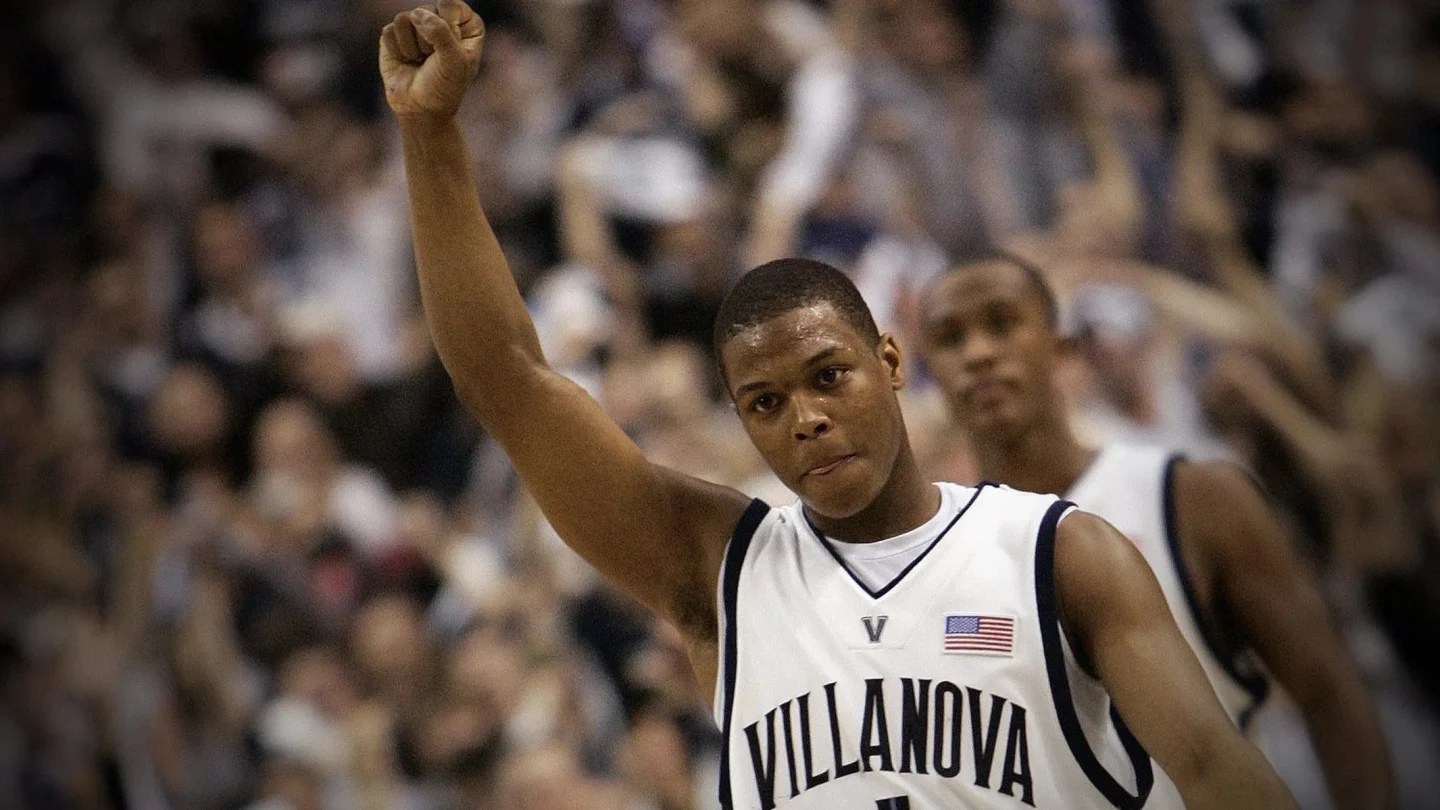
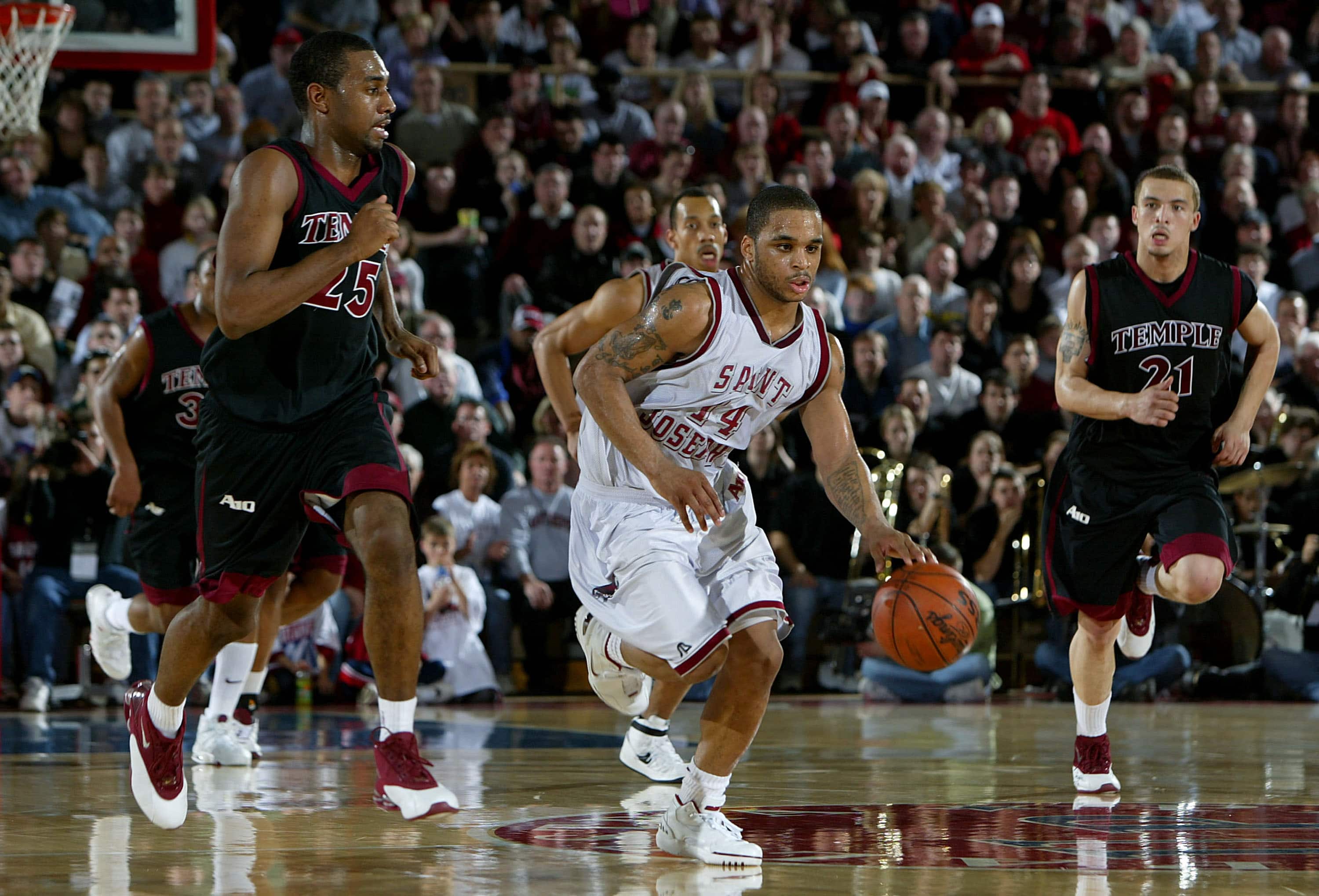
Since the turn of the century, the archetype has been embodied by two sons of the city who happened to arrive in the same extraordinary high school class. Villanova’s Kyle Lowry and Saint Joseph’s Jameer Nelson did not merely succeed in college basketball; they redefined what success looks like for point guards from the region. Nelson won the Naismith Trophy as the national player of the year in 2004 and carried the Hawks to an undefeated regular season and an Elite Eight appearance. Lowry, perhaps the quintessential Philly guard, built a career on toughness, defensive tenacity, and an unerring feel for the game that would eventually make him an NBA champion and All-Star.
Their legacy is not measured merely in their own accomplishments, however. It is measured in the generation of players who have followed, who grew up watching them, who learned what it means to be a point guard from Philadelphia by observing how Lowry and Nelson conducted themselves in the crucible of March.
This past week, as conference tournaments unfolded across the country, that legacy was on full display. From the Big East to the SEC, from the Atlantic 10 to the MAC, Philadelphia guards seized the stage and reminded the sport what the designation means.
The Platform and the Stakes
Conference tournament week occupies a unique space in the basketball calendar. It is not the regular season, where a bad night can be forgotten by the next game. It is not the NCAA Tournament, where the stakes are obvious and the audience is national. It is something in between—a liminal space where careers can be made, where professional scouts finalize their evaluations, and where, in the era of name, image and likeness and the transfer portal, players dramatically enhance their market value.
For Philadelphia guards, this week represents an opportunity to demonstrate the qualities that have defined the city’s basketball culture for generations. Unselfishness manifests in assist totals. Fundamentally sound play manifests in low turnover rates and high basketball IQ. Defensive tenacity manifests in steals and disruptions. Winning manifests in, well, winning.
And for those considering their next move—whether to the NBA, the G League, overseas professional opportunities, or simply to a new program via the transfer portal—conference tournament performances serve as a kind of living resume, a demonstration of what a player can do when everything is on the line.
The Breakout and the Validation
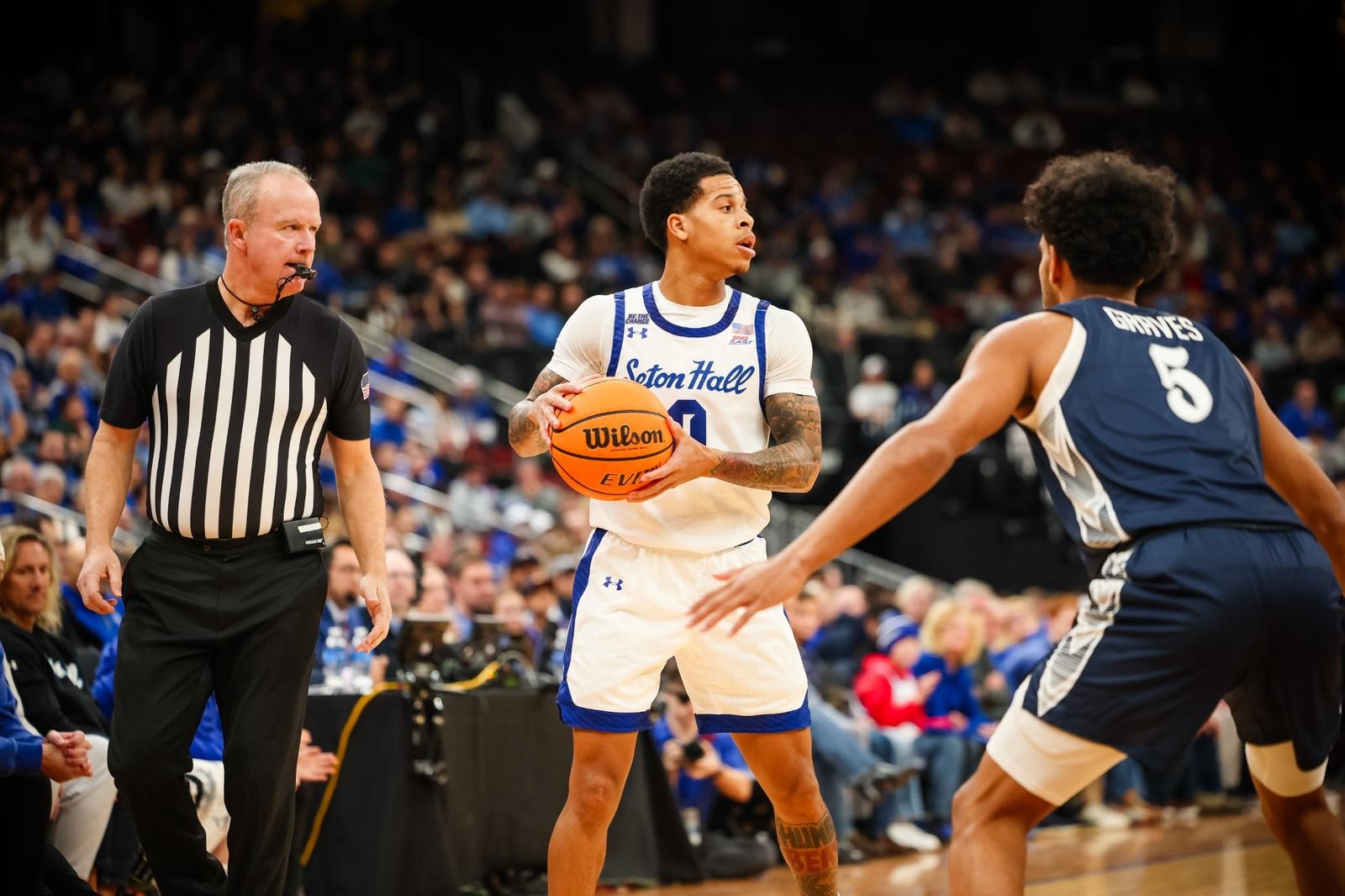
Few players have embodied the Philly guard ethos this season quite like Budd Clark. The West Catholic alum made the leap from mid-major Merrimack in the MAAC to Seton Hall in the Big East, a significant step up in competition that could have overwhelmed a lesser talent. Instead, Clark thrived. He was named to the All-Big East Defensive Team and Second Team, validating the decision to test himself at the highest level of conference basketball.
In the Big East Tournament quarterfinal against Rick Pitino’s St. John’s squad—a game played at Madison Square Garden, on professional basketball’s most hallowed stage—Clark delivered a performance that encapsulated everything coaches seek in a Philly guard. In 33 minutes against the Red Storm’s relentless pressure, he accumulated 17 points, 11 assists, 3 rebounds and 2 steals . The Pirates ultimately fell to the deeper, more talented Johnnies, but Clark’s performance was not lost on the NBA scouts in attendance or the coaches who might seek his services in the portal. Now with over 1,500 career points and nine assists shy of 500, Clark has positioned himself as one of the most attractive guard prospects in the country, with another season of eligibility remaining.
His journey—from high school recruitment to mid-major success to high-major validation—illustrates the path that Philadelphia guards have been navigating for decades. It is a path that requires not only talent but judgment, the ability to make the right decision at the right time. Clark’s decision-making, both on the court and in his recruitment, has been exceptional.
The Veteran’s Journey
Quadir Copeland’s career has been something of a tour through college basketball’s landscape. After two seasons at Syracuse, he transferred to McNeese State to play for Will Wade, then followed Wade to NC State this year. Such a path might suggest instability to the casual observer, but to those who understand the modern game, it suggests something else: a player who knows what he wants and how to get it.
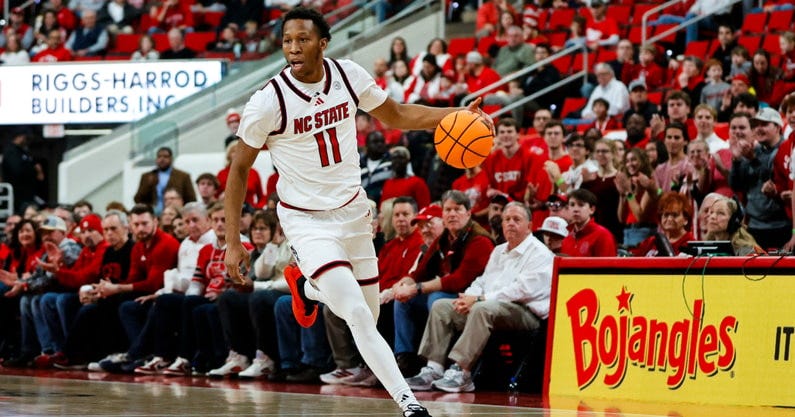
This season, Copeland was named All-ACC Third Team, a recognition of his consistent excellence in one of the nation’s premier conferences. In the ACC Tournament, he reminded everyone why. Against Pittsburgh, Copeland exploded for 24 points and 8 assists, leading the Wolfpack to a 98-88 victory . It was the kind of performance—efficient, controlled, devastating—that makes coaches desperate to find a Philly guard of their own.
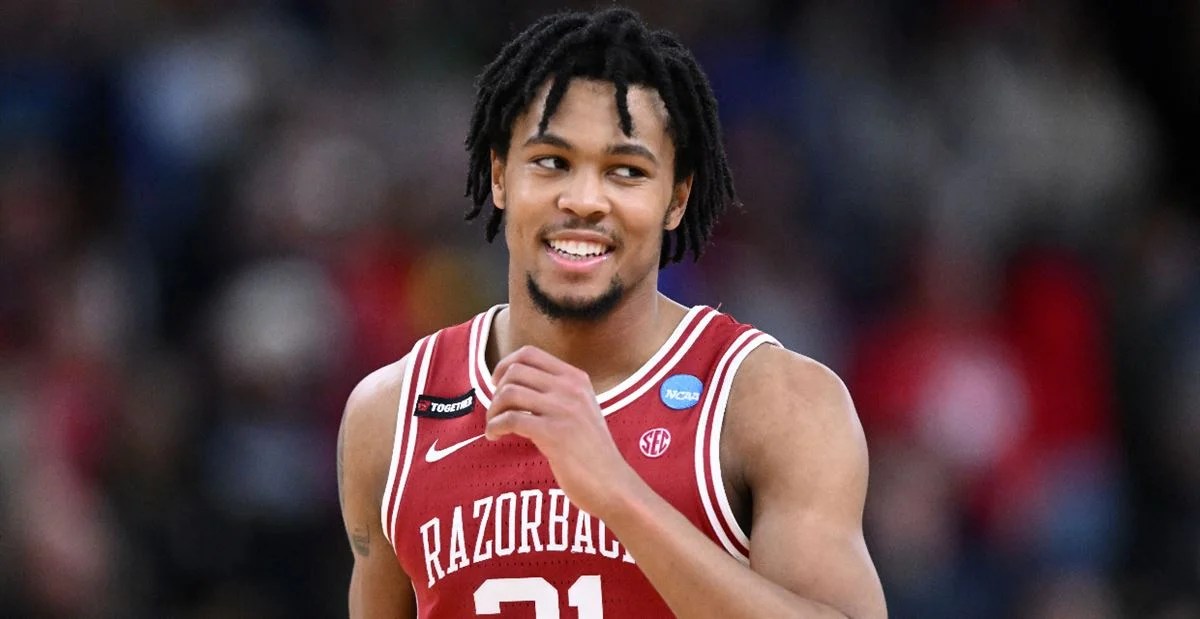
DJ Wagner’s journey is perhaps the most quietly instructive among this fraternity of Philadelphia area guards, a testament to the fact that the path does not always run in a straight line toward the spotlight. Once the consensus No. 1 recruit in his high school class, a player whose pedigree—son of a former NBA player, grandson of a basketball legend—suggested a preordained trajectory to stardom, Wagner has instead spent his three collegiate seasons learning a different kind of lesson. In two years at Kentucky and now his first at Arkansas, all under the demanding tutelage of John Calipari, Wagner has settled into a role he likely never anticipated as a high school senior: key contributor off the bench. The numbers—24.1 minutes per game, 7.7 points, 2.4 assists—do not scream lottery pick. They suggest something else entirely: a player absorbing the game’s nuances, learning to impact winning without dominating the box score. In Arkansas’ SEC Tournament victory over Oklahoma, Wagner’s line was modest—5 points, 1 rebound, 1 assist in 16 minutes—but those who watched him closely noticed the defensive rotations, the ball movement, the absence of forcing. He is still only a junior, still carrying that Philadelphia guard DNA, still playing for a Hall of Fame coach who has sent more point guards to the NBA than almost anyone in history. The headline numbers may have dimmed, but the education continues. And in a city that produced Kyle Lowry—a player whose own trajectory required patience before exploding—there is an understanding that Wagner’s story is far from finished.
The Freshman Phenoms
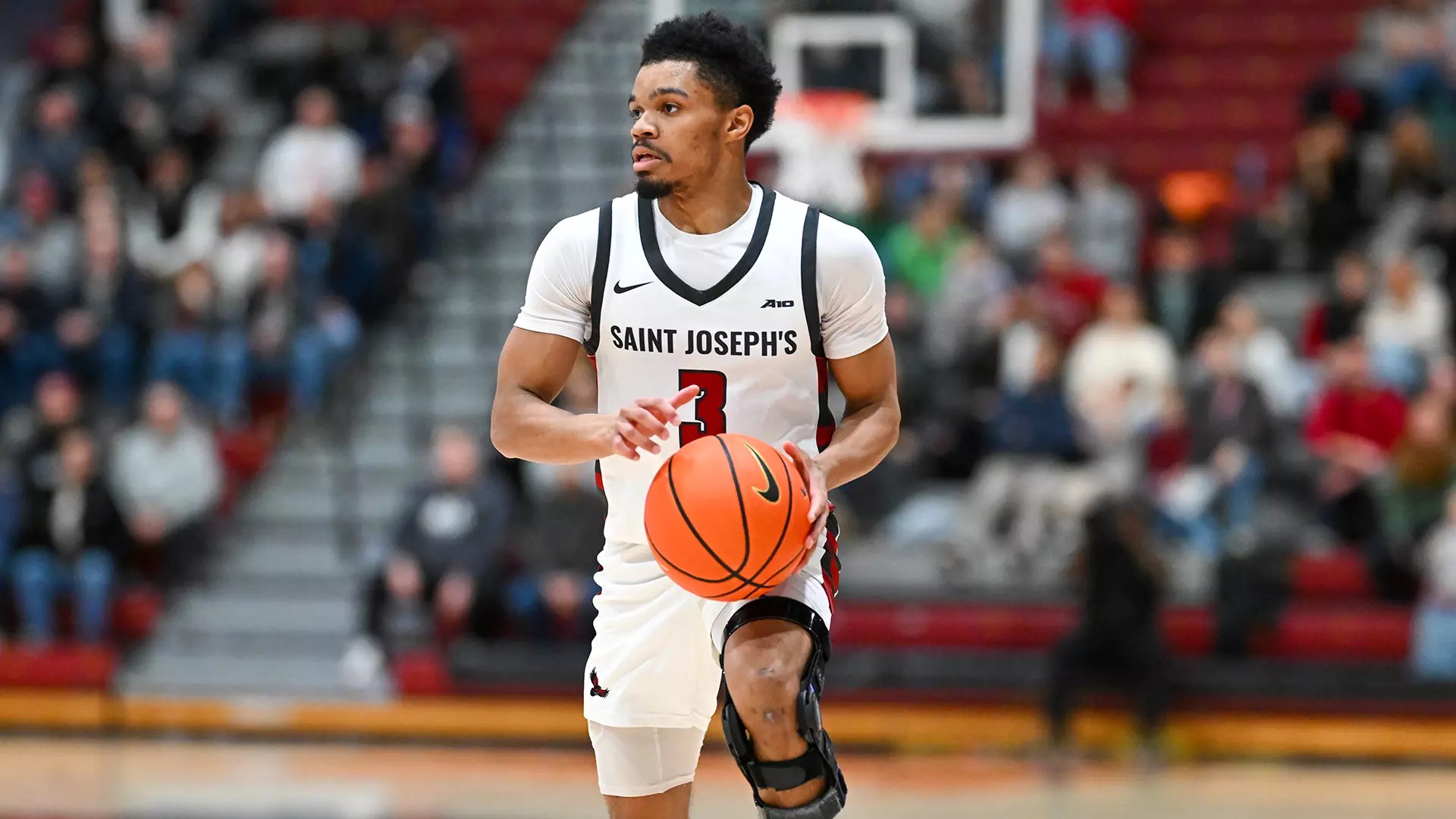
The future of Philadelphia point guard play appears to be in capable hands if this season’s freshman class is any indication. At St. Joseph’s, the Hawks feature two guards from the Greater Philadelphia area who have revitalized the program. Senior point guard Derek Simpson was named First Team All-Atlantic 10 after a season in which he stuffed the stat sheet with 13.8 points, 5.2 rebounds and 5.2 assists per game. In the A-10 Tournament quarterfinal win over Davidson, Simpson delivered 16 points, 5 rebounds and 6 assists, reminding everyone why he has been the engine of the Hawks’ surprising third-place finish in the regular season.
Behind him, Khaafiq Myers has emerged as the logical successor at point guard on Hawk Hill. As a freshman, Myers has appeared in 30 games, averaging 15.5 minutes, 5.1 points, 2.8 rebounds and 2.2 assists. In that same Davidson victory, he contributed 2 points, 2 rebounds, 2 assists and 2 steals in 13 minutes—a stat line that reflects the well-rounded game that Philadelphia guards pride themselves on.
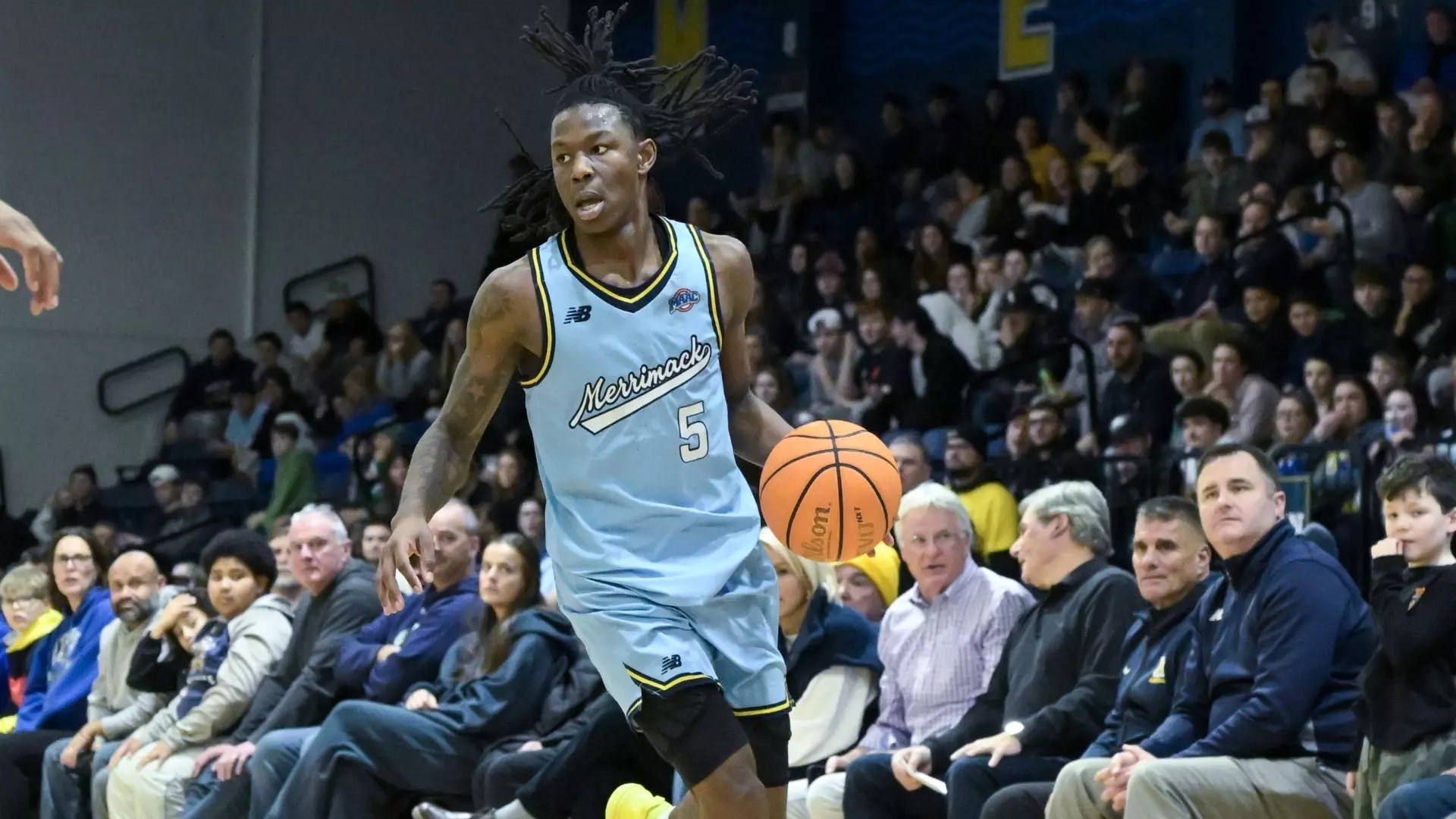
Further north, at Merrimack, Kevair Kennedy exploded onto the scene as a freshman, replacing Budd Clark and somehow making fans forget about the departed star. The Father Judge graduate and Philly Pride alum was named both Rookie of the Year and Player of the Year in the MAAC Conference—a rare double that speaks to his immediate dominance. Kennedy started all 34 games, averaging an astonishing 36.8 minutes, 18.4 points, 4.6 rebounds and 4.2 assists. In the MAAC Tournament Championship game, a tough loss to Siena, Kennedy played 38 minutes, scoring 15 points, grabbing 5 rebounds and dishing out 4 assists. It was a performance that announced his arrival as the next great Philly guard in the mid-major ranks.
At Northwestern, Jake West has carved out a significant role as a freshman, starting 17 of 33 games and averaging 22.0 minutes, 5.3 points and 2.8 assists. In the Big Ten Tournament, West delivered his best performance of the season against Indiana, playing 36 minutes and scoring 18 points with 3 rebounds and 3 assists in a victory. Though he was held in check against Purdue in the subsequent game, the performance against the Hoosiers demonstrated his ability to rise to the occasion.
The Comeback and the Struggle
The path is not always linear, as several Philly guards have discovered. Chance Westry’s collegiate career began with promise but was derailed by injuries at Auburn and Syracuse. Three years of frustration might have broken a lesser competitor. Instead, Westry transferred to UAB, finally healthy, and made the most of his opportunity. He was named to the All-American Conference Second Team after averaging 15.5 points, 3.8 rebounds and 5.5 assists. In a tough loss to Charlotte in the AAC Tournament, Westry dished out 15 assists to go along with 9 points and 1 rebound—a performance that reminded everyone why he was so highly recruited coming out of high school.
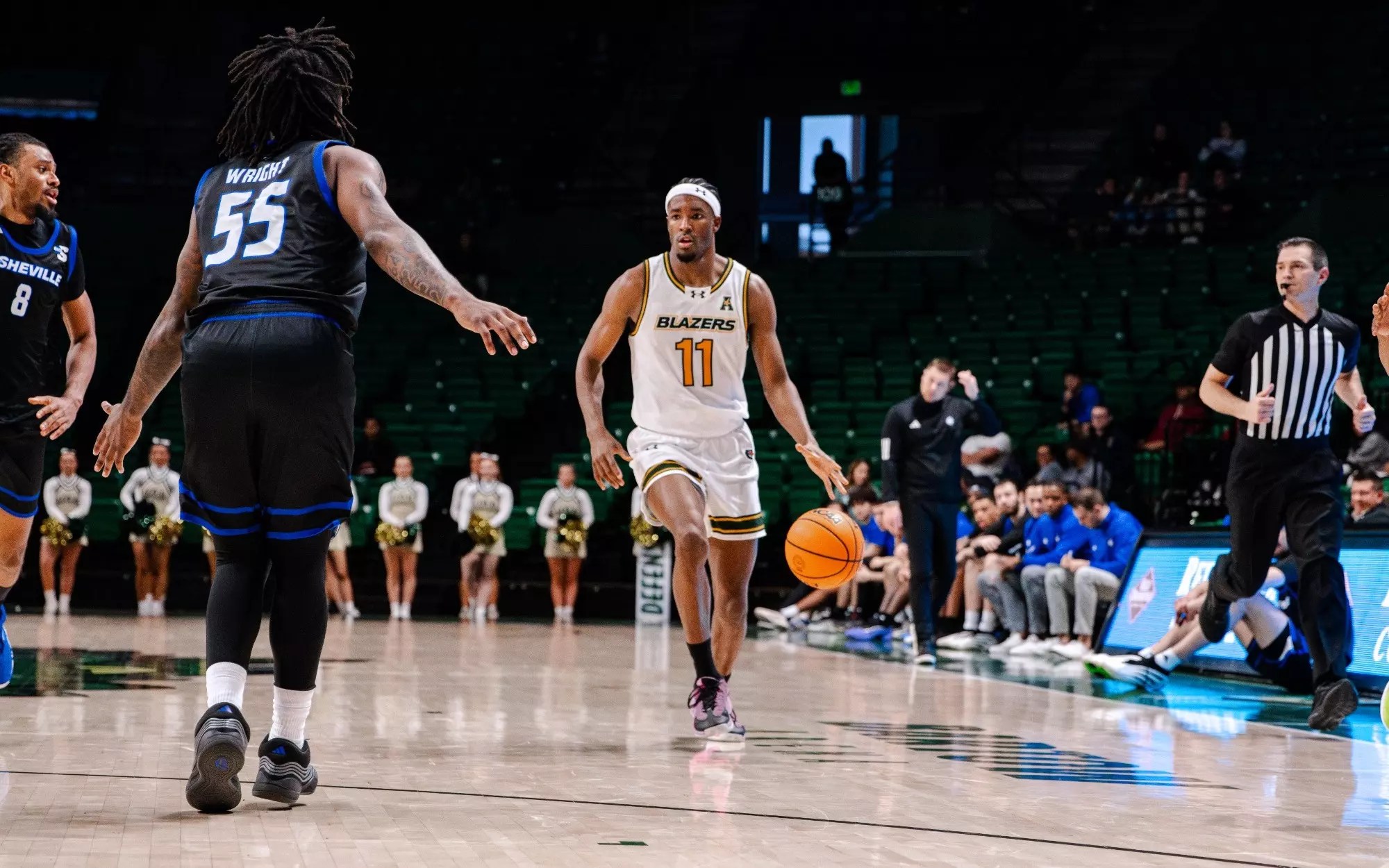
Elmarko Jackson’s story is different but equally compelling. After suffering a season-ending torn left patellar tendon during a camp scrimmage in June 2024, Jackson missed the entire 2024-25 season. He returned to action for the 2025-26 campaign, averaging 4.9 points, 1.8 rebounds and 1.5 assists. In the Big 12 Tournament, he contributed 3 points, 2 assists and 3 rebounds in a loss to Houston—modest numbers, to be sure, but significant for a player who had to wonder, during those long months of rehabilitation, whether he would ever play competitive basketball again.
The Transfer Portal Calculus
The transfer portal has fundamentally altered the calculus of college basketball, and Philadelphia guards have navigated it with the same savvy they display on the court. Xzayvier Brown’s journey from St. Joseph’s to Oklahoma represents a bet on himself—a decision to test his skills in the SEC, the nation’s deepest and most competitive conference. The bet has paid off in exposure if not always in results. Brown averaged 15.3 points, 3.2 rebounds and 3.2 assists during the regular season, but the SEC Tournament provided a reminder of how thin the margin is at this level. In a loss to Arkansas, Brown struggled to find his shot, finishing 2-10 from the field with 4 points, 7 rebounds and 8 assists in 31 minutes . The shooting line was disappointing, but the rebounding and assist numbers—7 and 8 from a 6-foot-2 guard—spoke to his willingness to impact the game in other ways.
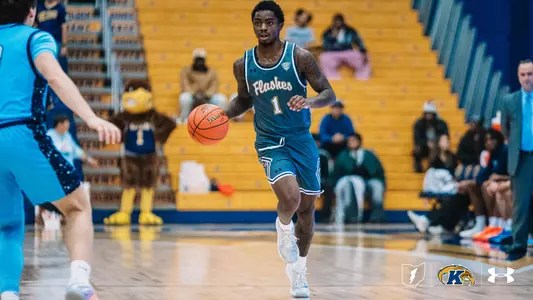
Cian Medley’s transfer from Saint Louis to Kent State in the MAC Conference has been an unqualified success. This season, Medley led the MAC in assists, dishing out 6.4 per game while averaging 10.3 points and 2.3 rebounds. In a MAC Tournament loss to Akron, Medley played 32 minutes, scoring 7 points with 3 rebounds and 3 assists—a solid if unspectacular performance that nonetheless reflected his value to the program.
Ahmad Nowell’s journey from UConn to VCU has been more complicated. After a frustrating freshman season playing for Dan Hurley, Nowell transferred to VCU to play for first-year coach Phil Martelli, Jr. His minutes increased from 6.4 to 10.7, his scoring from 1.5 to 4.8. He has shown flashes of the skills that made him a consensus top-30 national recruit, shooting 41.1% from three-point range. Yet in VCU’s win over Duquesne in the A-10 Tournament, Nowell was a DNP-Coach’s Decision, a reminder that even the most talented players must earn their minutes in March.
Jalil Bethea’s adjustment from Miami to Alabama has been the most challenging of the group. His minutes have decreased from 18.9 to 8.5 per game, his scoring from 7.1 to 4.4. In an SEC Tournament loss to Ole Miss, Bethea played just 2 minutes and did not accumulate any statistics . For a player of his talent, it has been a humbling season. But those who know Philadelphia guards understand that adversity is often the precursor to breakthrough.
The Supporting Cast
The list extends beyond the headliners. Sam Brown, after two strong seasons at Pennsylvania, transferred to Davidson and started 31 games, averaging 8.0 points and 2.3 assists. In a loss to St. Joseph’s in the A-10 Tournament, he played 33 minutes and contributed 8 points and 3 assists. Nick Coval, also at Davidson, appeared in 32 games as a freshman, averaging 6.4 points and 1.6 assists in 19.8 minutes. In that same loss to St. Joseph’s, Coval played 13 minutes, scoring 6 points.
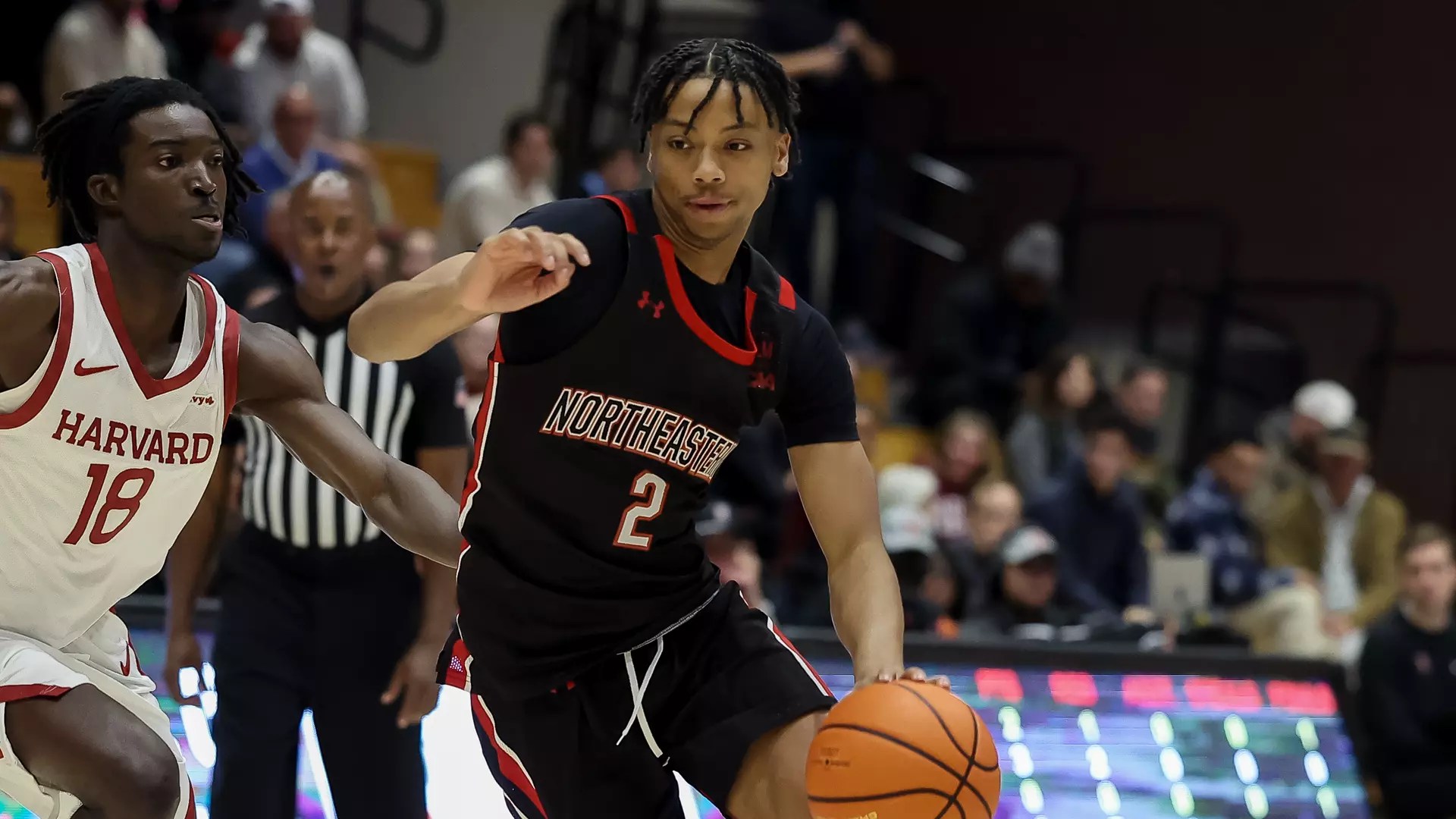
Ryan Williams, the sophomore guard at Northeastern, has had an up-and-down season, starting 10 of 29 games and averaging 7.1 points and 1.5 assists. In the CAA Tournament, he contributed 2 points, 2 assists and 2 steals in a win over North Carolina A&T, then added 4 points and 2 rebounds in a subsequent loss to Drexel.
The Philadelphia Brand
What unites these players, beyond their shared geography, is a certain approach to the game. It is visible in Budd Clark’s 11-assist performance against St. John’s, in Quadir Copeland’s 24-point outburst in the ACC Tournament, in Kevair Kennedy’s conference Player of the Year award as a freshman, in Chance Westry’s 15-assist game after three years of injury frustration.
College coaches do not seek Philly guards by accident. They seek them because they know what they are getting: unselfishness, fundamental soundness, a focus on winning, defensive tenacity. These are not qualities that can be taught in a single season. They are qualities that are cultivated over years, in playgrounds and high school gyms across the city, passed down from one generation to the next.
As conference tournament week gave way to Selection Sunday, the Philadelphia guards who competed across the country could take satisfaction in a job largely well done. Some will advance to the NCAA Tournament. Others will see their seasons end. Still others will enter the transfer portal once more, seeking new opportunities to demonstrate their value.
But whatever comes next, they have already made their statement. The legacy of Lowry and Nelson endures. The city’s point guard pipeline flows on. And coaches will continue to say, with that reverential shorthand, that they are looking for a Philly guard.
Because in March, when everything is on the line, there is no one else you would rather have with the ball in their hands.
 The Black Cager