CAMDEN, NJ – This Sunday in West Baltimore, the physical boundaries of the Physical Education Complex Arena will dissolve, and a hallowed basketball ritual from a bygone era will briefly return — not as a charity exhibition, but as a competitive testament to history and homecoming.
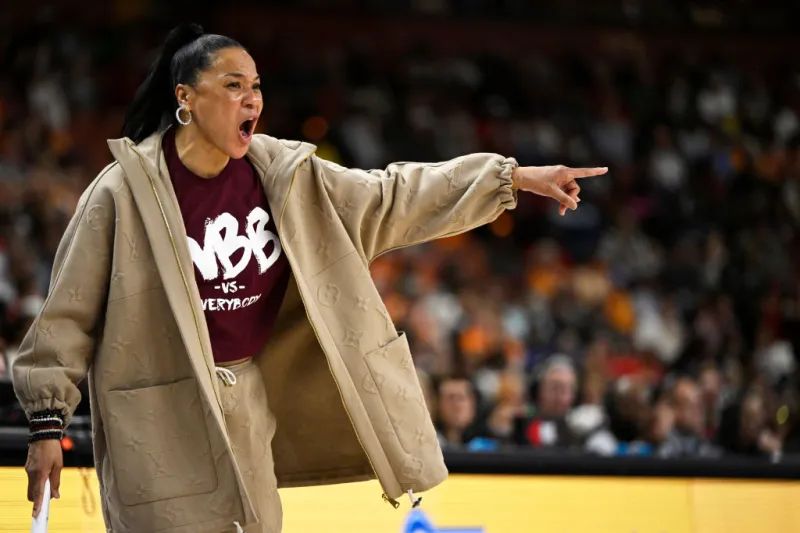
This Sunday, on a weekend set aside to honor a legacy of justice and dreams, the city of Baltimore will witness a collision of basketball eras. In the heart of the Coppin State University campus, in an arena that holds 4,100 passionate souls, the undisputed titans of women’s college basketball will take the floor. The South Carolina Gamecocks, ranked No. 2 in the nation and led by the Hall of Fame coach Dawn Staley, are not hosting a pay-to-play cupcake game. They are the visitors. They are walking into the home gym of the Coppin State Eagles, a team with a 4-14 (2-1) record battling in the Mid-Eastern Athletic Conference (MEAC), for a noon tip-off that transcends a schedule. This game is a profound gesture of respect, a rare act of pilgrimage by a modern colossus to the intimate venues that once nurtured the soul of Black athletic and artistic excellence. It is the basketball equivalent of hearing Aretha Franklin’s voice shake the rafters of a neighborhood club or watching Stevie Wonder’s genius unfold a few feet away.
The Chitlin’ Circuit and the Modern HBCU Landscape
To understand the gravity of this moment, one must grasp the historical parallel. From the 1930s through the 1960s, the Chitlin’ Circuit was the vital, life-sustaining network of Black-owned theaters, clubs, and juke joints that allowed artists like James Brown, Sam Cooke, and Dinah Washington to hone their craft and build devoted followings in a segregated America. These were not just performance spaces; they were cultural sanctuaries where artistry was refined in the crucible of a knowing, demanding community.
In the world of college sports, for decades, the conferences of Historically Black Colleges and Universities (HBCUs) like the MEAC and the SWAC served a parallel purpose. They were the incubators for phenomenal Black athletic talent, which, due to the barriers of “American Apartheid,” often had nowhere else to go. The games in these gymnasiums were events of communal pride and electric atmosphere. Then, as integration took hold, the talent pipeline shifted dramatically. The major Power 5 conferences—the SEC, ACC, and Big Ten—aggressively recruited the best Black athletes, and the economic and competitive gap widened.
Today, the relationship is often transactional: a financially strapped HBCU team will take a “buy game,” traveling to a powerhouse’s arena for a guaranteed payout and a near-certain loss, funding their athletic department in the process. The modern transfer portal and NIL (Name, Image, and Likeness) economy have only made the rich richer. The chance for an HBCU to host a true national champion on its home floor, to bring the spectacle around the way, became almost unthinkable.
Coppin State Cracks the Code
One program, however, has rewritten the playbook. Coppin State University’s athletic department has made hosting the game’s elite a point of pride and principle. On December 20, 2023, they engineered a coup by hosting the defending national champion LSU Tigers, led by Baltimore’s own Angel Reese, in a sold-out spectacle that was less a game and more a homecoming celebration. That event proved a model: it showcased respect for the HBCU platform, generated immense local energy, and demonstrated that these games have value beyond a check—they have soul.
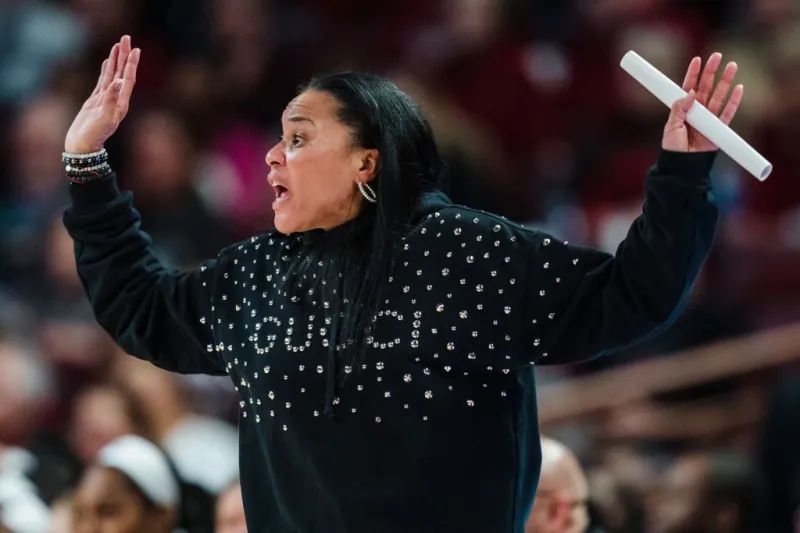
Now, they have done it again. Securing a visit from Dawn Staley’s South Carolina dynasty is a monumental achievement. Staley is not merely a successful coach; she is a foundational pillar of the sport. Her career winning percentage of .777 over 26 seasons places her among the all-time greats. At South Carolina, she has built an era of dominance: three national championships (2017, 2022, 2024), seven Final Fours in the last ten years, and a staggering 86 total weeks ranked No. 1 in the nation. She is the only Black basketball head coach, man or woman, to win multiple national titles, and she led the U.S. Women’s National Team to Olympic gold. She is, by any measure, a living legend.
The Stature of Staley and the Power of Her Pilgrimage
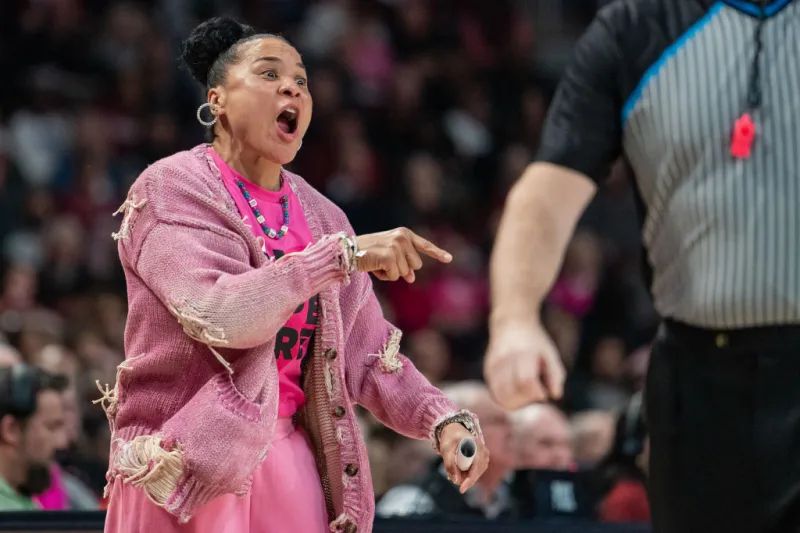
For a coach of Staley’s stature to schedule this game, in the middle of a grueling SEC season that includes battles against titans like Texas, LSU, and Tennessee, speaks volumes about her character and consciousness. This is not a mandated diversion. It is a choice. It is a nod to history, an investment in visibility, and a powerful act of solidarity.
- A Bridge Between Eras: Staley’s own story connects these worlds. A product of Philadelphia’s Raymond Rosen Homes, she rose to become a national player of the year at Virginia, an Olympic gold medalist, and a Hall of Famer. She understands the ecosystem of talent that thrives in overlooked places.
- A Teaching Moment for Her Program: For her top-ranked Gamecocks, many of whom are future WNBA stars, this is more than a road game. It is an education in the broader cultural landscape of the sport they dominate. They will play in an environment fueled by different drums, where every basket for the home team will feel like a seismic event.
- A Beacon for the Sport: In an era where women’s basketball is soaring in popularity but remains concentrated in certain arenas, Staley is using her platform to shine a light on a different stage. She is affirming that greatness can—and should—be showcased everywhere.
Witnessing Mythical Greatness, Up Close and Personal
This is the irreplaceable magic of Sunday’s game. For the price of a ticket at the Physical Education Complex Arena, a fan will not see a distant blur of movement from the nosebleed seats of a 20,000-seat stadium. They will be close enough to hear Staley’s instructions, to see the intensity in her players’ eyes, to feel the vibration of a dunk or a blocked shot. It is the chance to witness a myth in an intimate setting.
Think of the stories told by those who saw Marvin Gaye at the Uptown Theater in Philadelphia or The Supremes at the Apollo in Harlem. They don’t just say they saw a concert; they speak of a communal experience, a brush with history that felt personal and raw. This game offers that same potential. It is a living, breathing connection to the tradition of the Chitlin’ Circuit, where the wall between performer and audience was thin, and the exchange of energy was everything.
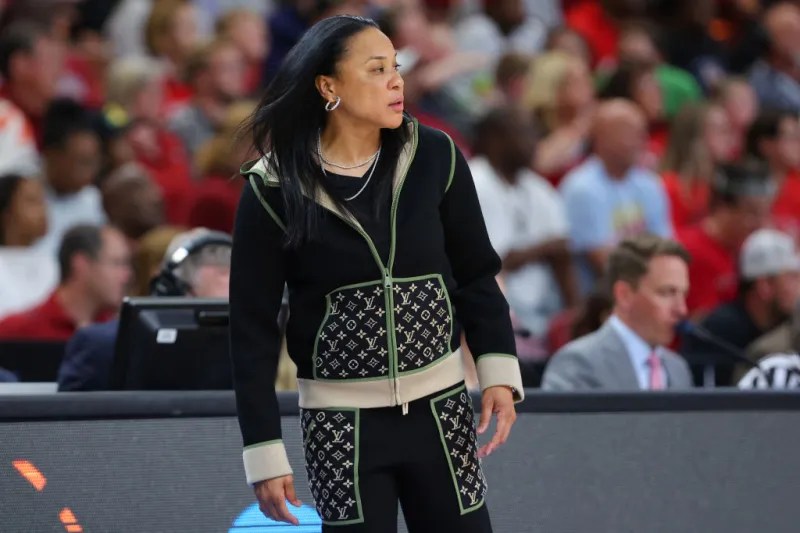
One thing for sure, Coach Staley is gonna have that good shit on… The young women in attendance will get to see America’s best dressed coach resplendent in Louis Vuitton, Gucci, R13, Balenciaga or some other high fashion designer.
For the young players of Coppin State, led by first-year head coach Darrell Mosley, this is the ultimate measuring stick and an unforgettable life experience. To compete against the very best, on your home floor, in front of your community, is a privilege that can redefine a player’s ambition and a program’s belief.
A Weekend for Legacy and Community
Falling on Martin Luther King Jr. Weekend, the timing is poetically resonant. Dr. King spoke of dignity, opportunity, and the beloved community. This game, in its own way, embodies those ideals. It is about the dignity of competition, the opportunity for exposure and inspiration, and the building of community across traditional divides in sports.

The event extends beyond the court, with an official after-party at Select Lounge on Paca Street, ensuring the energy and conversation continue. It becomes a full-day celebration of Baltimore, of HBCU culture, and of basketball excellence.
In the end, the final score on Sunday is almost secondary. South Carolina, with its 17-1 record and overwhelming talent, is the heavy favorite. The true victory was secured the moment the game was scheduled. It is the victory of audacity over convention, of respect over transaction, and of history over oblivion.
When the Gamecocks take the floor in West Baltimore, they will not be slumming. They will be honoring a legacy. And for those lucky enough to be in the arena, they will witness something increasingly rare: not just a game, but an event—a moment where the walls between past and present, between powerhouse and proving ground, between legend and neighbor, beautifully, and temporarily, come down. Do not miss the chance to be there when it happens.




 The Black Cager