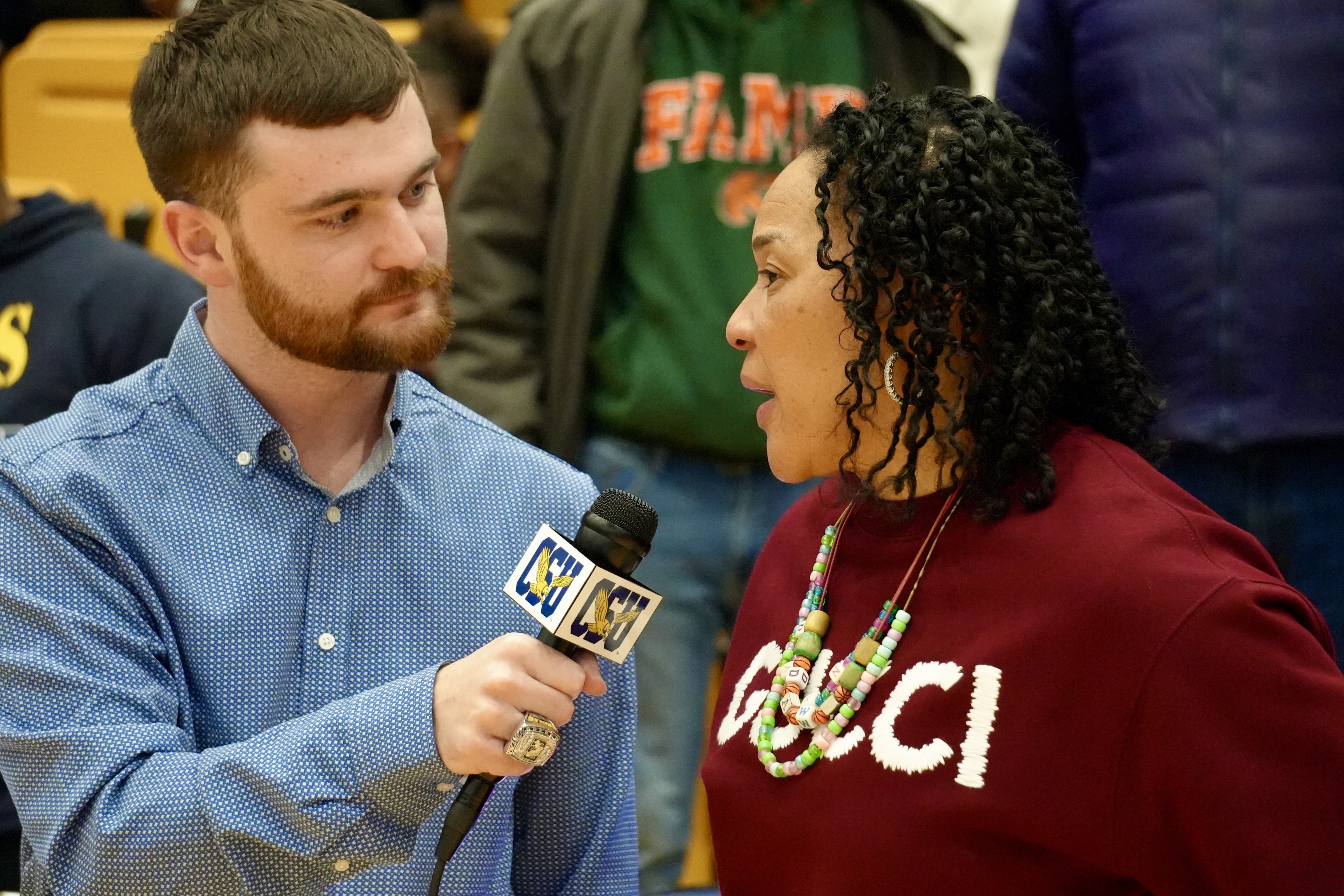
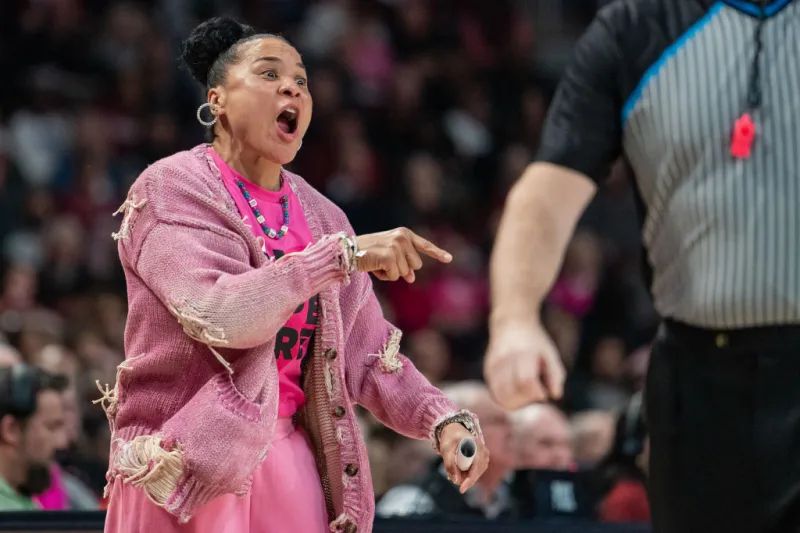
BALTIMORE, MD – In the deliberate and profound choices of a champion, a culture finds its voice. This past Sunday, in the heart of West Baltimore, on a stage far smaller than the arenas she now owns, Dawn Staley offered a masterclass in that truth. Under Staley, the South Carolina women’s basketball program has captured nine SEC regular season championships, nine SEC tournament titles, six Final Fours, three NCAA national championships, twelve Sweet Sixteen appearances, five SEC player of the year awards and five SEC freshman of the year awards. Staley herself has been awarded SEC coach of the year five times. Her South Carolina Gamecocks, the most dominant force in women’s college basketball, did not host Coppin State University as a paid exhibition. They traveled to them. They walked into the 4,100-seat Physical Education Complex Arena, a venue that will hold barely a quarter of the faithful who regularly fill their own Colonial Life Arena, and they played.
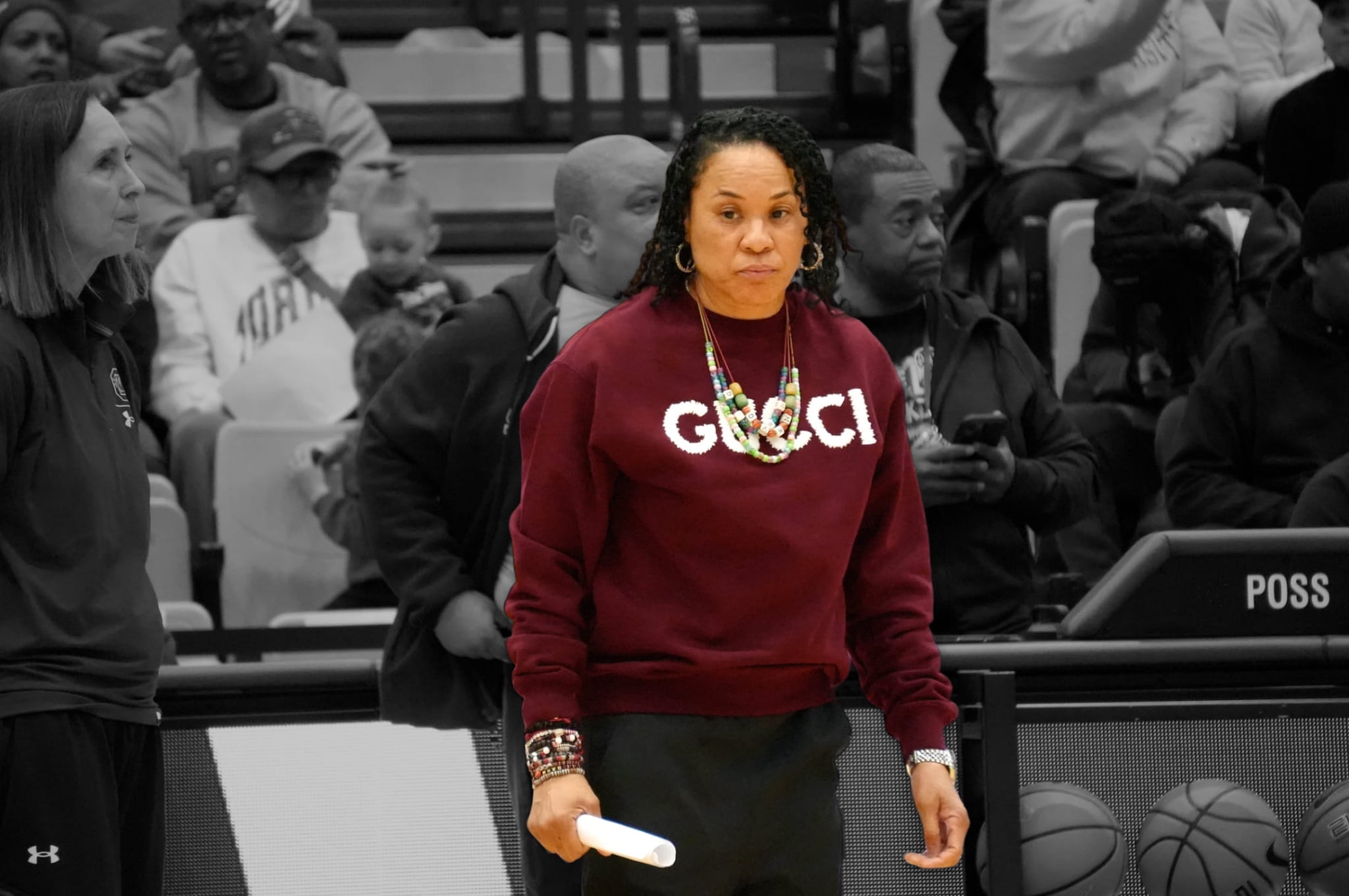
The outcome was never in doubt. The meaning, however, was everything. In an era when college sports grow more transactional by the minute, Staley engineered a pilgrimage. She brought mythical greatness to an intimate space, echoing a tradition where artistry is refined not in sterile cathedrals but in the crucible of a knowing community. It was the basketball equivalent of hearing Aretha Franklin shake the rafters of a neighborhood club in 1967—an otherworldly talent choosing proximity to the culture that forged her.
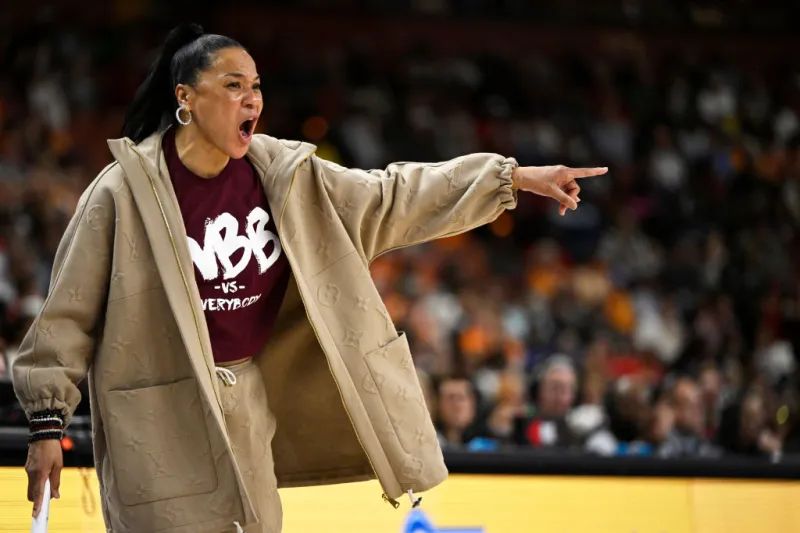
With this single, elegant act, Staley did more than schedule a game. She claimed a legacy. She has emerged, unmistakably, as the most significant cultural voice in college basketball coaching today, the rightful successor to a lineage of giants: John Thompson, John Chaney and Nolan Richardson. Like them, she understands that her platform is not just for winning games, but for winning respect, for shaping minds, and for speaking truths that echo far beyond the hardwood.
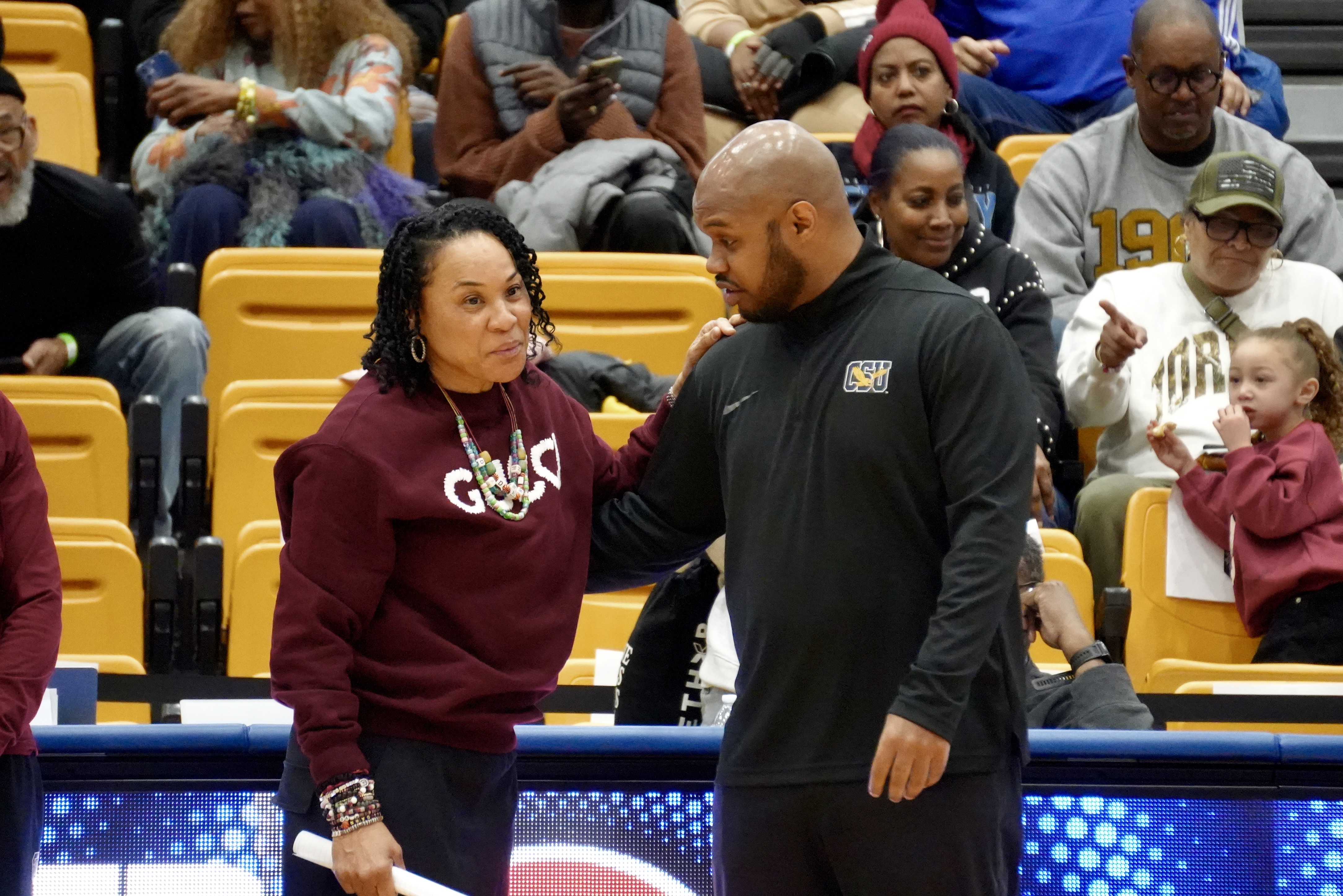
A Lineage Forged in Defiance and Dignity
The path Staley walks was paved by defiant pioneers. John Thompson of Georgetown was not merely a coach; he was a glowering, towel-draped monument to Black authority in a predominantly white institution. He was the first Black coach to win an NCAA title, but his greater victory was using his platform to demand educational equity for his players and to protest systemic injustice. John Chaney of Temple, a product of the Philadelphia playgrounds like Staley, was a volcanic teacher whose ferocity was rooted in an unshakable love for his “kids” and a furious demand for their fair shot. Nolan Richardson of Arkansas fought his own battles in the South, championing his “40 Minutes of Hell” as not just a style of play, but a metaphor for the relentless pressure Black excellence must apply to break down doors.
These men carried a sacred baton: the responsibility to succeed at the highest level while never assimilating away from the community that birthed them, to win on terms that often seemed stacked against them, and to pull others up as they climbed. It was a burden of representation that required equal parts tactical genius and cultural sovereignty.
Dawn Staley has not only picked up that baton; she is sprinting with it into new territory. As the only Black basketball coach, man or woman, to win multiple Division I national championships, her on-court dynasty is secure. But her cultural impact is what places her squarely in this lineage. She has built in Columbia, South Carolina, a city with a fraught racial history, what former state representative Bakari Sellers calls “arguably the largest Black fandom in women’s college basketball”. Game days at Colonial Life Arena are less sporting events than “family reunions,” a vibrant, intergenerational gathering of Black joy and pride orchestrated by a coach who is, as fans say, “one of us”.
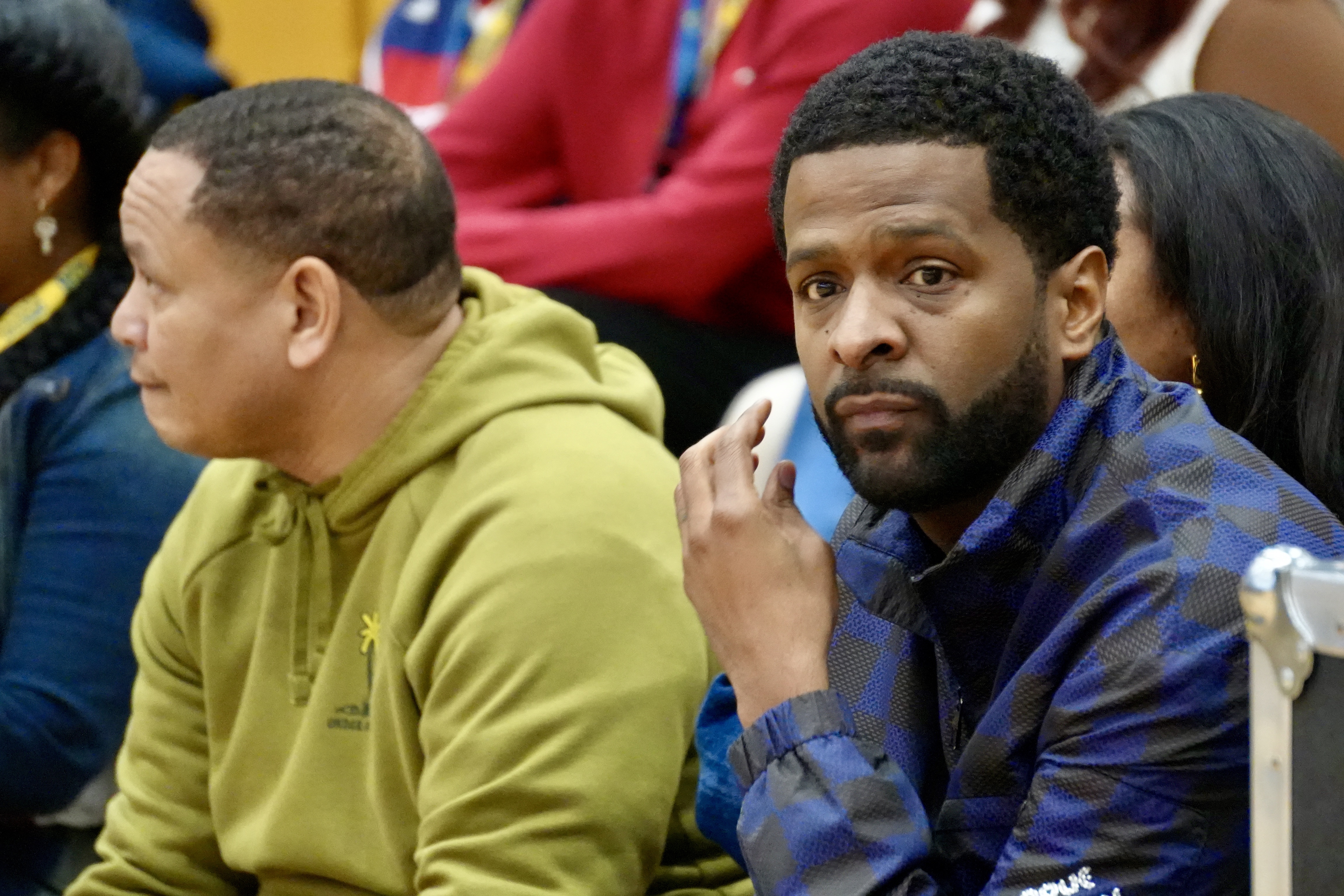
The Coppin State Game: A Homage to the Circuit
To understand the full weight of the trip to Coppin State, one must understand the historical parallel. For generations, the “Chitlin’ Circuit” of Black-owned theaters and clubs provided the only stage for artists like James Brown and Sam Cooke to hone their genius under segregation. In college sports, Historically Black Colleges and Universities (HBCUs) like those in the MEAC and SWAC conferences served a parallel purpose as incubators for phenomenal athletic talent barred from predominantly white institutions.
Integration opened doors but often drained talent from these vital cultural hubs. Today, the relationship between powerhouse programs and HBCUs is frequently transactional: a “buy game” where the smaller school travels for a guaranteed payout and a loss. For Staley to reverse this flow—to bring her titanic program to the HBCU’s home floor—is a radical act of respect. It is a direct homage to the circuit.
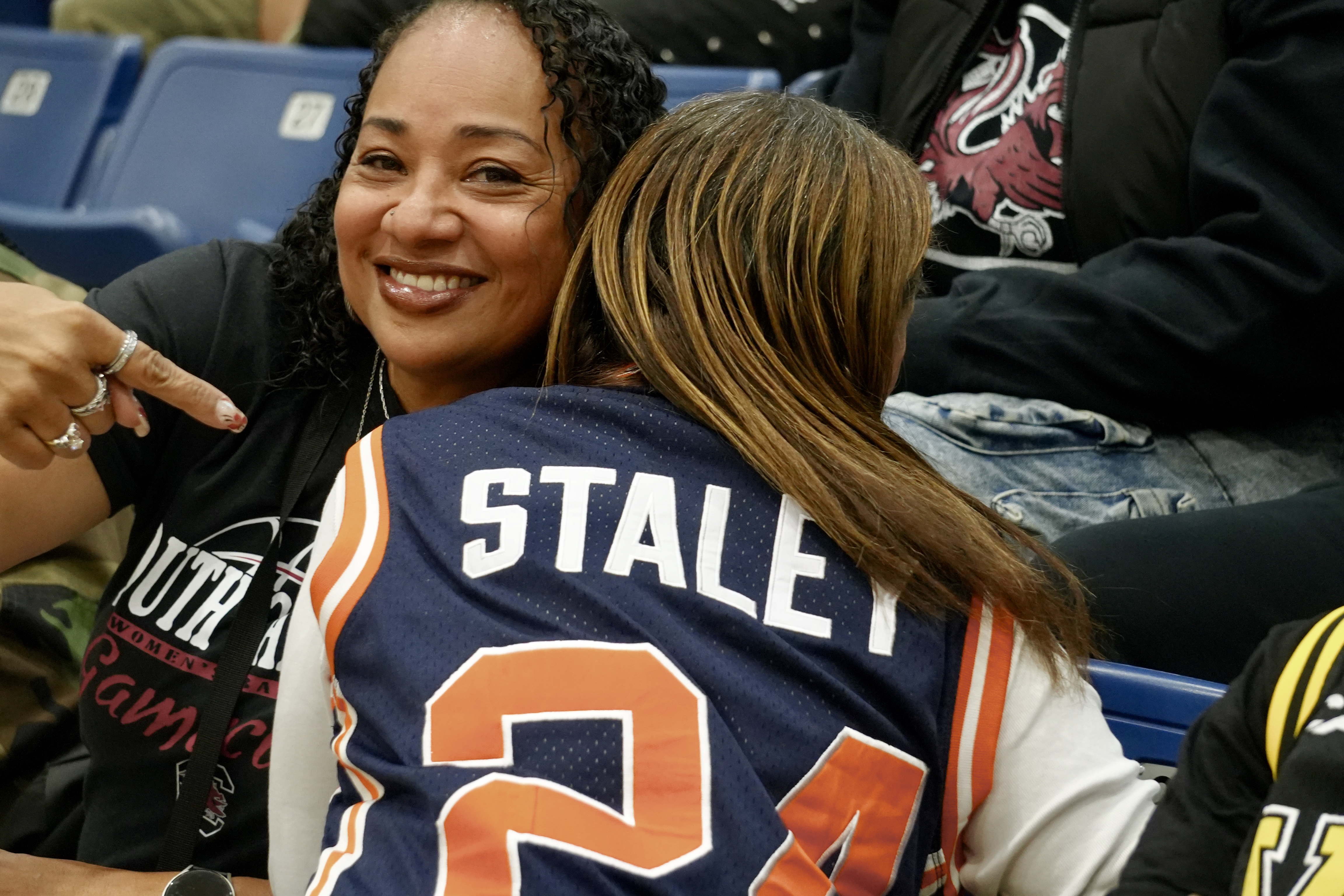
As detailed in reports, the genesis of the game was characteristically authentic. In 2024, Staley took to social media to fill a schedule gap, writing, “I love my HBCUs!” and setting the series in motion. For Coppin State, the impact is tangible. First-year coach Darrell Mosley, who has sought Staley’s advice throughout his career, noted that while a typical Coppin game might draw 200 fans, Staley’s visit would pack the 4,100-seat arena, generating crucial revenue from tickets, concessions and parking. Beyond finances, Mosley said, “It’s great advertisement… The biggest thing is what better weekend to do it than MLK weekend”.
Staley’s explanation was simple and profound: “It’s usually [smaller conference teams] having to come to us, why not return the favor, it’s for the greater good of the game”. She is using her unprecedented power not for convenience, but for community, providing her players an education in the broader cultural ecosystem of their sport and telling every young girl in West Baltimore that they are worthy of a visit from royalty.
The Unflinching Voice: Advocacy as Coaching Philosophy
Staley’s cultural leadership extends far beyond symbolic gestures. She wields her platform with an unflinching courage that continues the advocacy work of her predecessors. Last April, on the eve of the national championship game, a reporter tried to pull her into the culture-war debate over transgender athletes. Staley could have demurred. Instead, she stated clearly: “I’m of the opinion that if you’re a woman, you should play… If you consider yourself a woman and you want to play sports or vice versa, you should be able to play”.
Black LGBTQ+ leaders immediately applauded her. Dr. David J. Johns of the National Black Justice Coalition noted the “additional weight and tension” shaped by her race and gender, and the significance of her speaking out amid a flood of anti-trans legislation. She knew she would face a “barnstorm” of backlash, but, true to form, she said, “I’m OK with that”. This was not an isolated stance but part of a pattern. She has fiercely defended her players from racist “bully” tropes, fought for and won pay equity for herself and by extension all women coaches, and been a vocal advocate for Brittney Griner’s freedom.
This advocacy is her coaching philosophy. “By nature, I’m a life point guard,” Staley has said. “Being a servant to the game and being a servant for my team comes naturally to me. Whenever I can help my people, I’m going to go the extra mile”. She prepares her players for the battles off the court as diligently as for those on it, creating what she calls an “option” for young Black women to see someone who fundamentally understands them in a leadership role.
“We Had to Create Everything”: The North Philly Foundation
The source of Staley’s unshakeable authenticity is her origin story, which she has narrated with powerful clarity. She grew up in the Raymond Rosen Homes in North Philadelphia, a landscape of resourcefulness where “we had to create everything”. Basketball hoops were made from milk crates nailed to wood; track lanes were hand-drawn in the dirt. She recalls watching shows like Hart to Hart and learning that “to have those things, you had to look a certain way”. Her journey to the University of Virginia was a culture shock, a navigation of a world with “nothing in common” with where she was from.
This formative experience—of building something from nothing, of understanding the divide between the “haves and have-nots”—is the bedrock of her empathy and her mission. She knows what it means to be overlooked. She knows the electric pride of a community that sees itself in its champions. When she walks through Columbia today and hears Black residents say, “I had never been on that campus before coming to your game,” she understands her success is “bigger than basketball.” It is about “bringing together people who were once, and in some ways still are, divided”.
The Standard Bearer
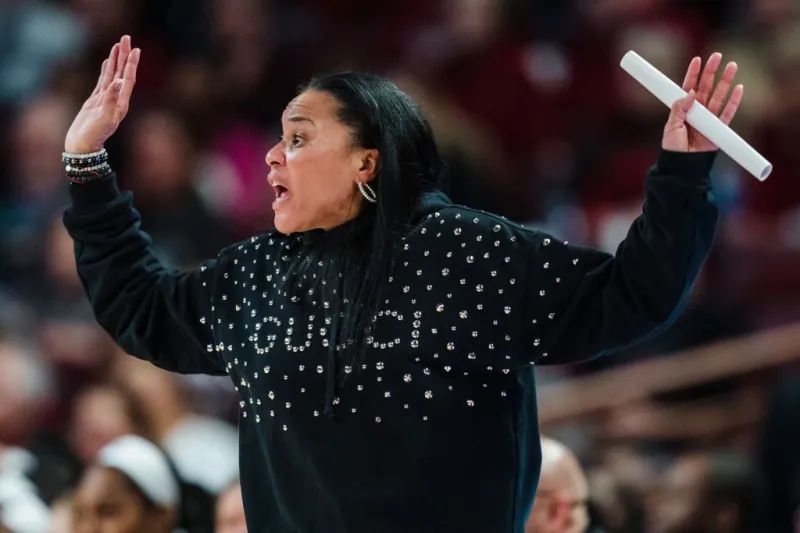
The pantheon of college basketball’s greatest coaches is filled with names like Wooden, Krzyzewski, Summitt and Auriemma. Dawn Staley has earned her place among them by the cold calculus of championships and wins. But what makes her singular, what makes her the voice of a culture, is how she has achieved that dominance. She has done it while remaining, at every step, unmistakably and unapologetically herself—a proud Black woman from the projects of North Philly who never forgot the sound of the freight trains or the feel of a hand-painted foul line.
In her, the fierce dignity of Thompson, the passionate mentorship of Chaney, and the combative pride of Richardson find their contemporary expression. She carries their baton while sprinting past the limitations they faced, opening doors for those who will follow. Her trip to Coppin State was not a charity game. It was a homecoming, a communion, and a declaration. It was the sound of a voice, forged on the circuit, now powerful enough to fill any arena in the land, choosing to return to a packed, pulsing room where the walls between legend and neighbor, between past and present, beautifully come down. Dawn Staley gets it. And in getting it, she is leading the way.

 The Black Cager