PHILADELPHIA, PA – In the aftermath of the assassination of far-right commentator Charlie Kirk, a predictable and distressing pattern has emerged. His death has been met with solemn tributes from powerful allies who have chosen to whitewash a legacy defined by racial animus. Among them is Bruce Pearl, the high-profile head coach of Auburn University’s men’s basketball team. In voicing his “unequivocal support” for Kirk and stating that Kirk “was right about everything he said,” Pearl has offered a profound insight into his own worldview.

For the elite Black basketball prospects being relentlessly recruited by Pearl, and for the parents who entrust their sons to him, this endorsement is not a minor political aside. It is a glaring red flag. It reveals an alignment with a ideology that fundamentally devalues their humanity. In the high-stakes world of college athletics, where coaches wield immense power over the young men in their program, aligning with a coach who champions a racist provocateur is not just a risk—it is an unacceptable compromise.
The Unvarnished Racism of Charlie Kirk
To understand the gravity of Pearl’s endorsement, one must first confront the uncontested record of Charlie Kirk’s rhetoric. This was not a man engaged in good-faith political debate; he was a propagandist who built a career on dehumanization and racial stereotyping. His comments, meticulously documented over years on his show, reveal a deeply ingrained pattern of racism and white supremacy.
Kirk’s philosophy was rooted in the “great replacement” conspiracy theory, a white supremacist trope that claims a deliberate plot is underway to diminish the influence of white people. He stated, “The great replacement strategy, which is well under way every single day in our southern border, is a strategy to replace white rural America with something different”. This theory, which has inspired mass shooters in Pittsburgh, El Paso, and Buffalo, was not a fringe element of his commentary but a central pillar.
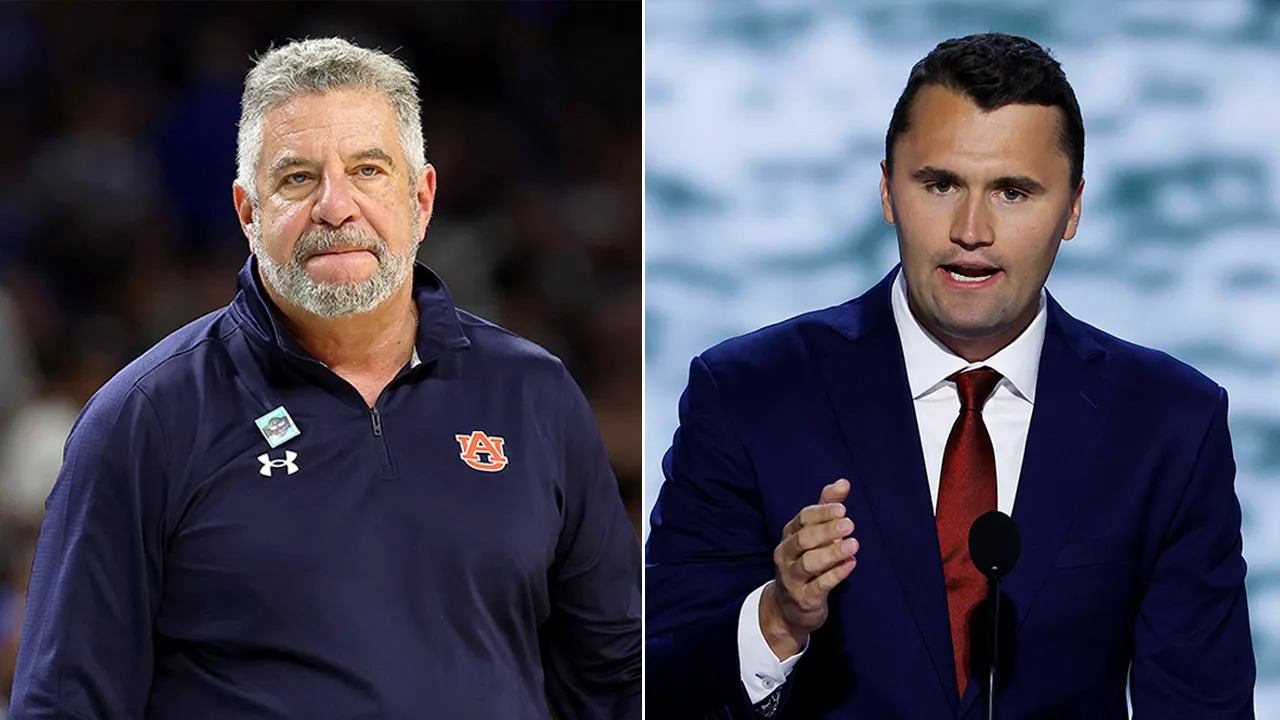
His views on Black Americans were particularly venomous and relied on the oldest and most harmful stereotypes. He trafficked in the racist notion of Black criminality, asserting without evidence that “prowling Blacks go around for fun to go target white people, that’s a fact”. He repeatedly questioned the intelligence and competence of Black people, especially in positions of authority. Upon seeing a Black pilot, his first thought was, “boy, I hope he’s qualified” . He reduced accomplished Black women to affirmative action tokens, crudely speculating that a Black customer service worker might be a “moronic Black woman” who got her job not through excellence but through quota systems. He went further, claiming that prominent Black women like Michelle Obama and Supreme Court Justice Ketanji Brown Jackson lacked the “brain processing power” to be taken seriously and had to “steal a white person’s slot”.
His revisionist history on race was equally alarming. In a debate, he callously argued that “Black America is worse than it has been in the last 80 years,” downplaying the horrific era of Jim Crow lynching that saw thousands of Black Americans murdered by racist mobs. When confronted with this history, he dismissed it. He even labeled the landmark Civil Rights Act of 1964 a “mistake” that was turned into an “anti-white weapon.”
This body of work—a relentless campaign to question, demean, and belittle Black achievement and Black pain—is what Bruce Pearl has deemed “right about everything.”

The Power of a Coach and the Failure of Leadership
The role of a major collegiate basketball coach extends far beyond drawing up plays. For the young athletes who leave their homes to play for them, coaches become surrogate parents, mentors, and the most significant authority figures in their lives. They shape not only athletes but young men. Their influence touches on everything from discipline and work ethic to mental health, social awareness, and personal identity.
A coach’s worldview matters. It permeates the culture of the team. A coach who believes, as Kirk did, that systemic racism is a myth, will be ill-equipped to understand or support a player grappling with the realities of being a Black man on a predominantly white campus or dealing with racial abuse from fans. A coach who tacitly endorses the idea that Black people are prone to criminality will bring that bias to his interactions with his players. A coach who champions a movement that frames their very presence as a “replacement” of white America cannot be a true guardian of their well-being.
Bruce Pearl has voluntarily disqualified himself from this sacred trust. By fully embracing Kirk’s ideology, he has signaled that he operates in a reality where the legitimate fears, struggles, and historical oppression of Black people are either invisible or irrelevant to him. How can a young Black man expect empathy from a coach who applauds a man that called George Floyd a “scumbag”? How can a player trust a mentor who aligns with someone who believes the Civil Rights Act was an “anti-white” mistake?
This is not a partisan issue; it is a human one. It is about basic dignity. As an article in First and Pen argued, Pearl’s support for Kirk is part of a pattern of “racial politics” infused with “niceties” to aid recruitment, a strategy that allows him to benefit from the labor of the very people whose humanity his chosen ideology denigrates.
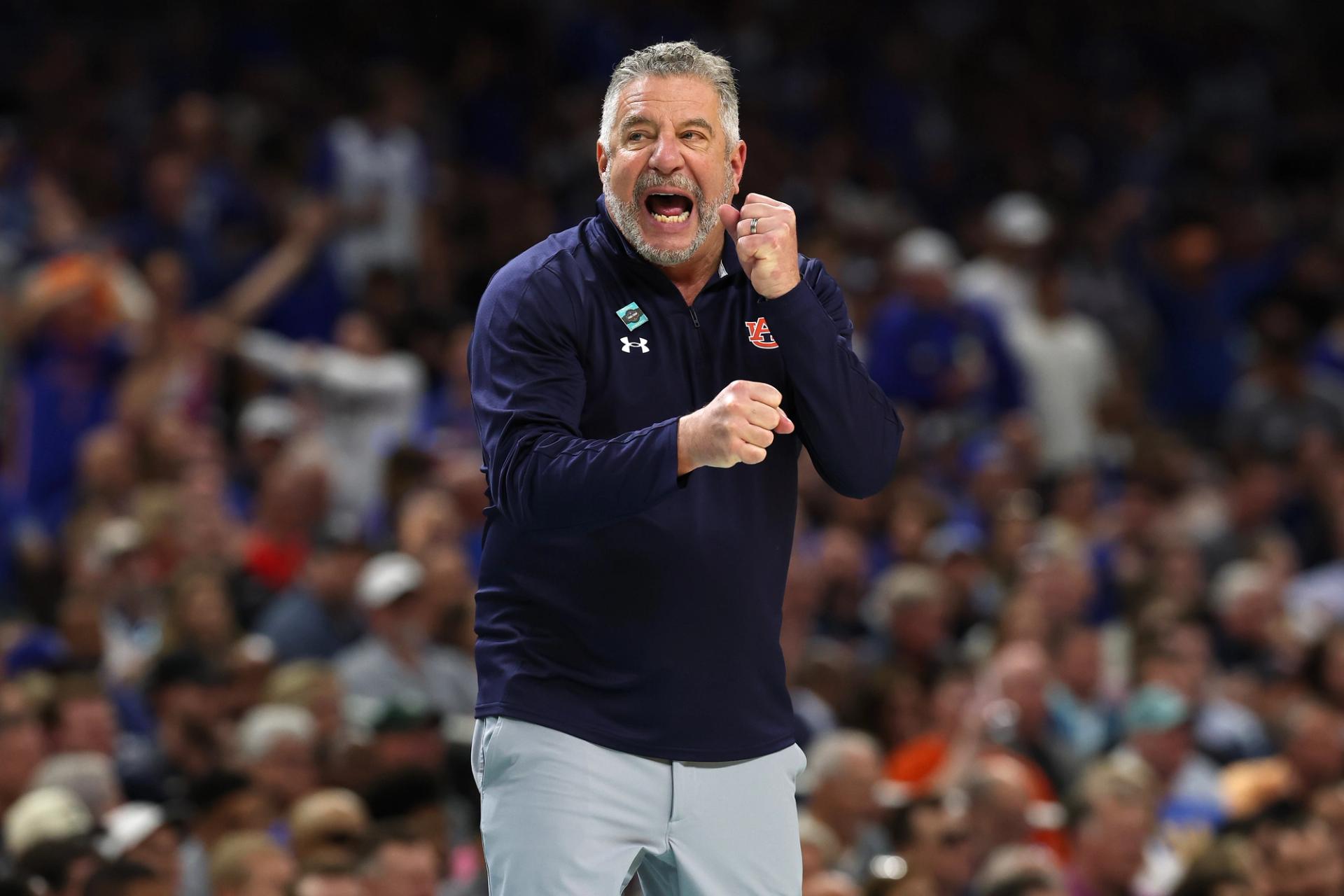
Auburn’s Troubling Environment and the Viable Alternatives
This is not an abstract concern. Auburn University has recently been grappling with its own serious allegations of racial inequity. A lawsuit filed by Travis Thomas, a former Black athletic academic advisor, alleges a hostile work environment and wrongful termination after he reported being berated by white supervisors and raised concerns about a grade being changed for a football player. While a court dismissed the hostile work environment claim due to the high legal bar for such cases, it allowed his claims of race discrimination and retaliation to proceed, noting a pattern of antagonism that followed his complaints. This case paints a picture of an athletic department where Black employees can feel marginalized and where speaking up carries risk.
Furthermore, the broader environment for Black college athletes is often psychologically taxing. They frequently compete at Predominantly White Institutions (PWIs) where they are a minority, face racial microaggressions, and often feel unsupported by their institutions. They are pushed to their physical and mental limits by a system that has been criticized for profiting from their labor. In this high-pressure context, the need for a coach who is not just a tactical genius but a compassionate leader who understands their experience is paramount.
Prospects have a choice. They are not obligated to subject themselves to a coach who has endorsed a racist worldview. There are countless programs across the country with coaches who not not only excel at winning games but also actively strive to create an inclusive, supportive, and empowering environment for their Black players. These coaches understand that nurturing a player’s mental health and personal growth is just as important as developing his jump shot. They see the whole person, not just the athlete.
A Choice About More Than Basketball
For a top recruit, the decision often seems to be about television exposure, tournament appearances, and pathway to the pros. These are important factors. But the choice of a coach is also a choice about what values will be reinforced during some of the most formative years of a young man’s life.
Playing for Bruce Pearl means playing for a man who has stated that the provocateur who trafficked in the “great replacement” theory and called Black pilots unqualified was “right about everything.” It means accepting that your coach is on record supporting a movement that sees your success as a threat and your presence as a problem.
Black athletic talent is not a commodity to be harvested by those who would deny its full humanity. It is a gift that should be nurtured by leaders who respect it, who understand the context from which it comes, and who are committed to defending the player as fiercely as they coach him. Bruce Pearl, by his own admission, is not that leader. Elite Black prospects and their families would be wise to believe him, and to take their talents to a program where they are valued not for what they can do on the court, but for who they are.
 The Black Cager