A Lincoln Legacy
Baltimore, Maryland – There are places that shape you irrevocably—not just through education, but through an alchemy of community, history, and shared purpose. Lincoln University, the nation’s first degree-granting HBCU, chartered in 1854 as the Ashmun Institute, is such a place. To attend Lincoln in the 1980s, as Calvin Coleman and I did, was to be woven into a tapestry of Black excellence, where the echoes of Langston Hughes’ poetry and Thurgood Marshall’s courtroom triumphs lingered in the halls. It was, then and remains today, a small, loving, nurturing learning community where the motto “If the Son shall make you free, ye shall be free indeed” wasn’t just scripture—it was a call to creative and intellectual audacity.
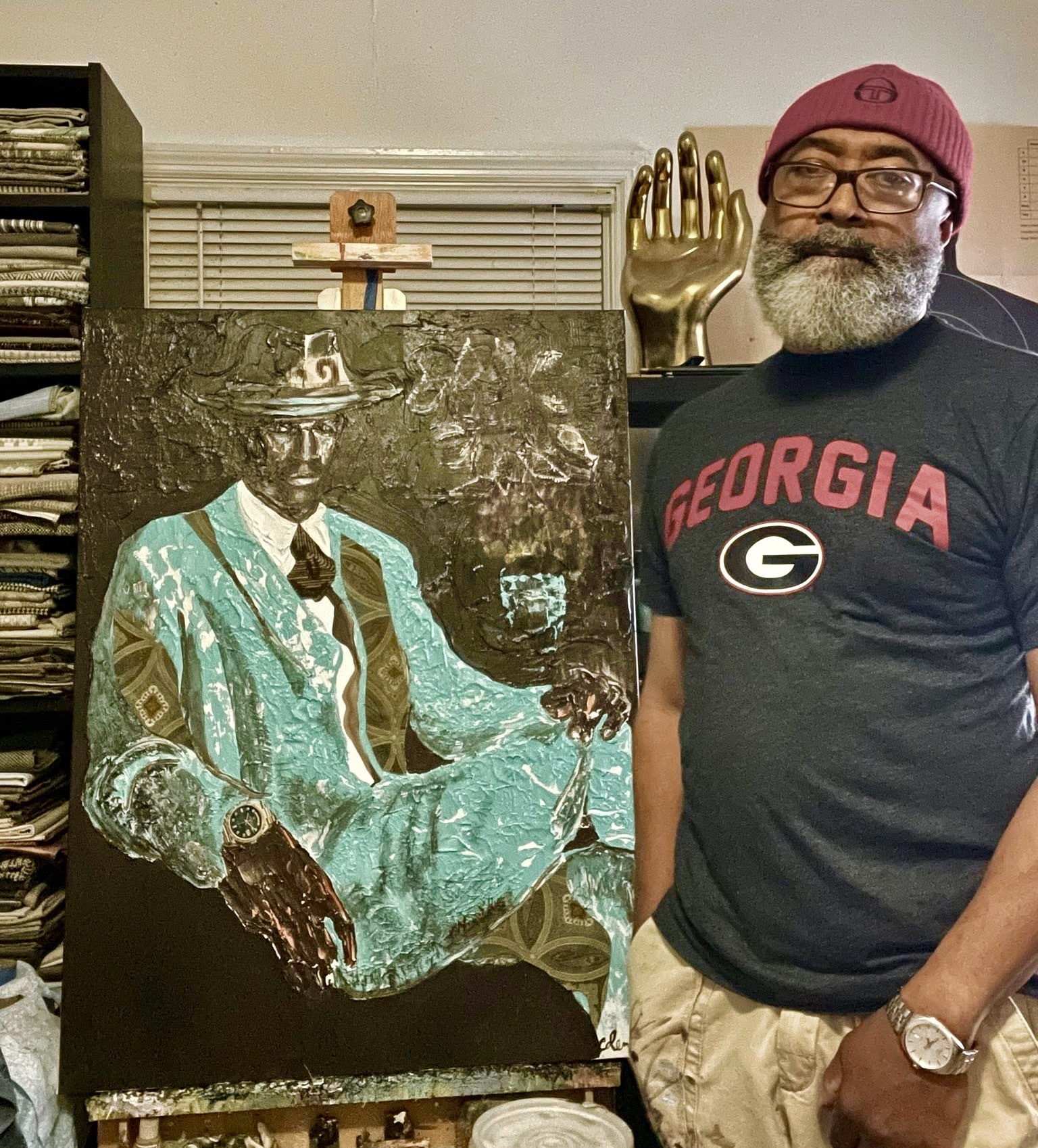
Coleman, a Hampton-born, Swarthmore-raised scholar-athlete with a Lincoln degree in Early Childhood Education, seemed an unlikely candidate to become a globally exhibited artist. He admits art was “the furthest thing from [his] mind” during his athletic youth. Yet Lincoln’s transformative spirit—where future doctors, lawyers, and poets sat shoulder-to-shoulder in the shadow of the Alumni Memorial Arch—has a way of revealing hidden destinies. For Coleman, that destiny would unfold in layers of acrylic, fabric, and lyrical abstraction.
The Unlikely Artist: From Classroom to Canvas
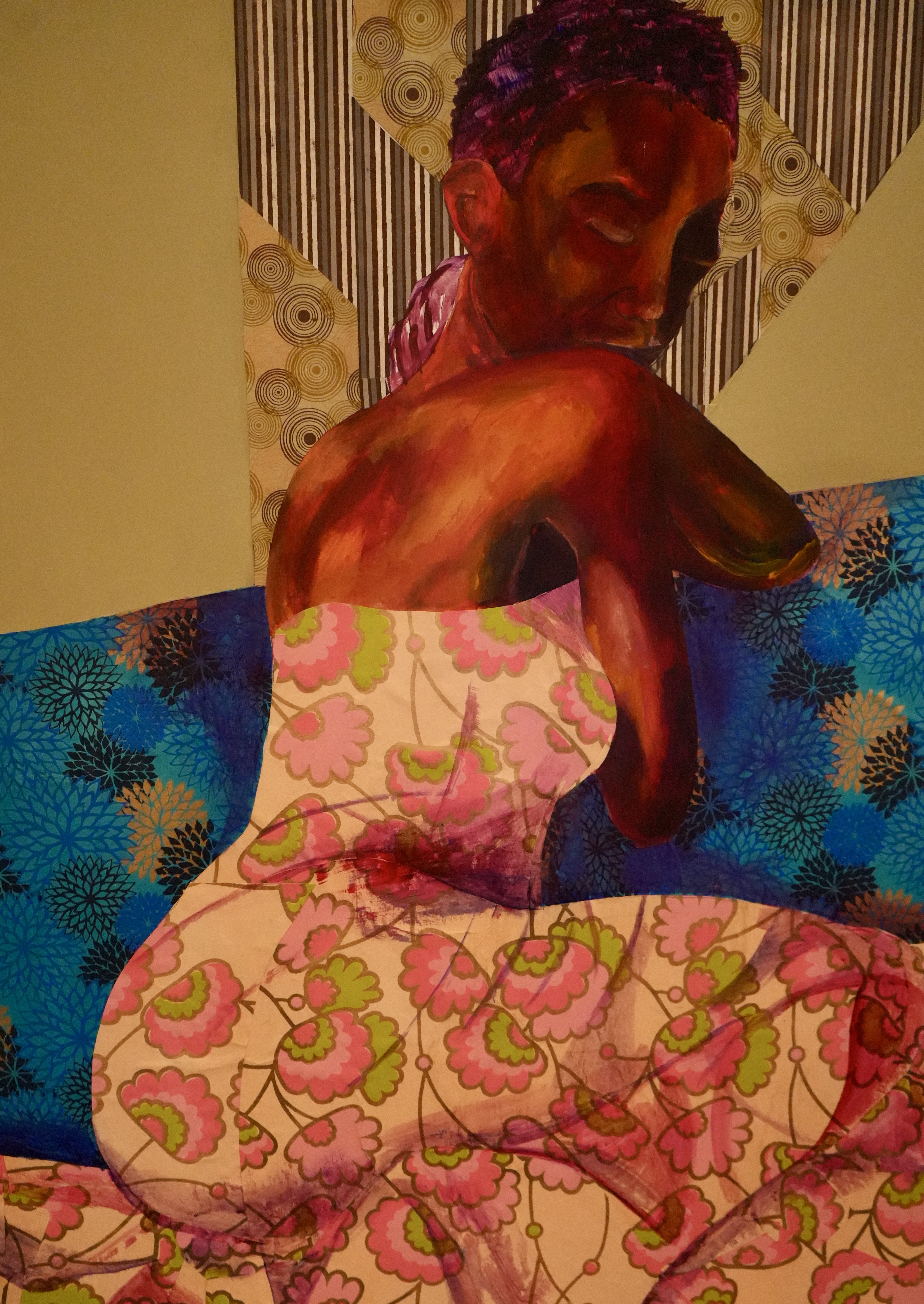
After 14 years teaching elementary school, Coleman made a leap of faith in 2004, trading lesson plans for canvases. His self-taught style, a vibrant fusion of Abstract Expressionism and Fauvism, emerged not from formal training but from an intuitive dialogue with texture and hue. “My work is inspired by spirituality, love of music, and nature’s beauty,” he explains. “The messages are global: God is real, the human spirit is strong, and the world is a beautiful place”.
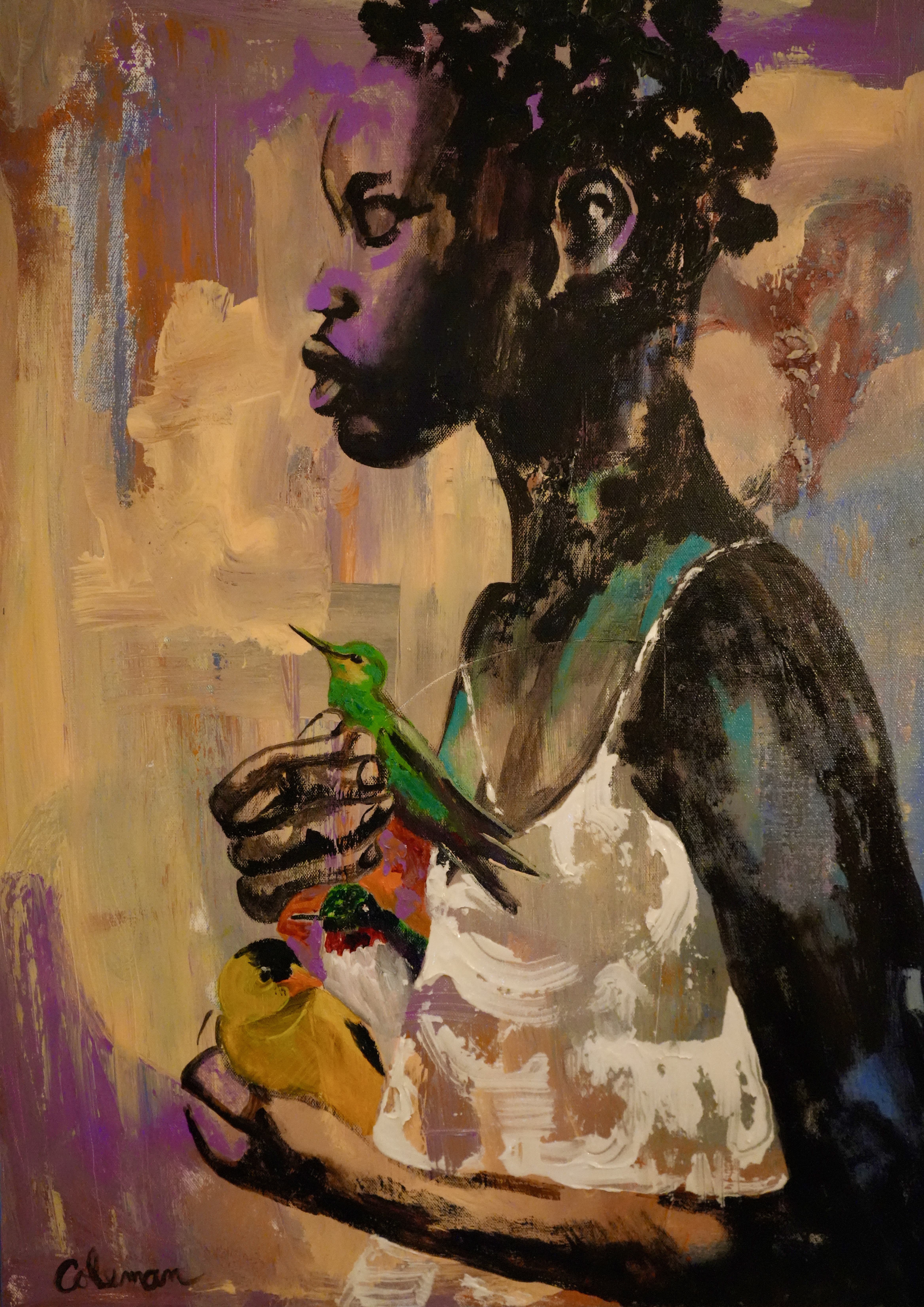
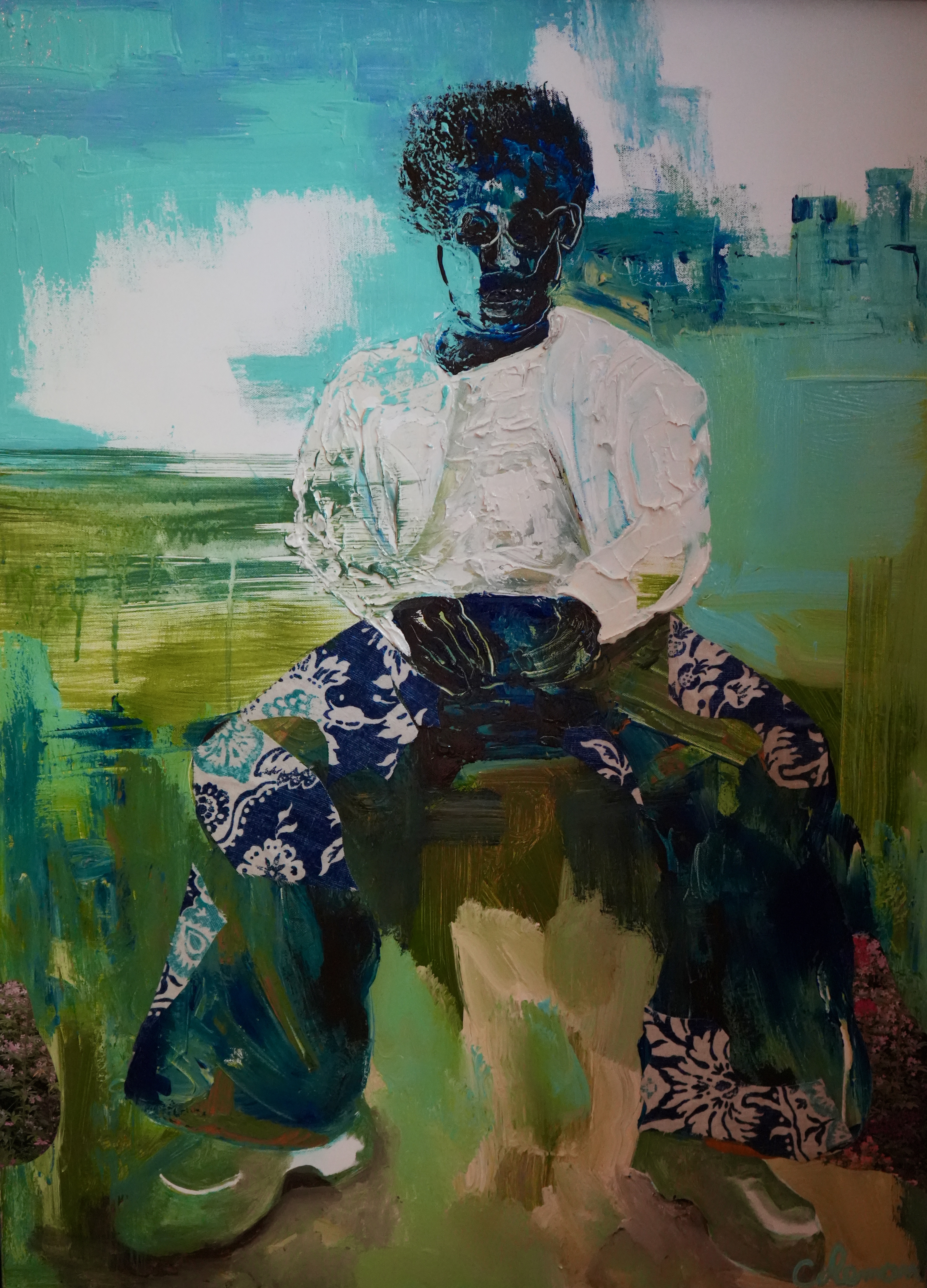
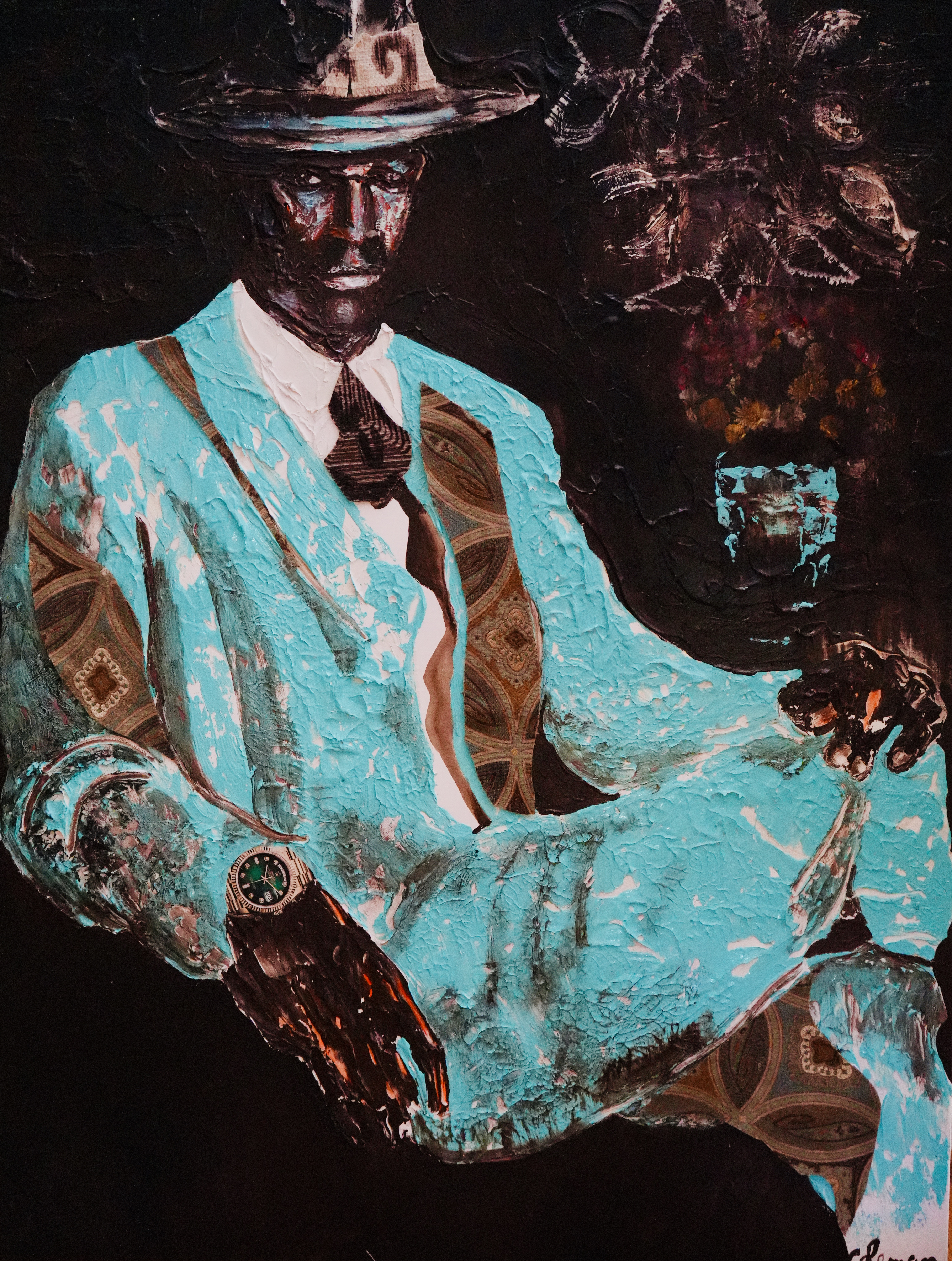
Coleman’s technique is tactile, unrestrained and authentically Black. He builds paintings like a jazz composer—layering “heavy body acrylic paint,” textiles, and manipulated canvas strips into symphonies of color. Influenced by Richard Mayhew’s chromatic fluidity and Chaim Soutine’s dense textures, his works pulse with what critic Wuanda Walls called “an aura of originality and poetic whimsy”. In series like “The Family” and “The Key to Knowing,” Coleman distills universal themes into visual poetry. A 2008 “Rebirth” exhibition at Philadelphia’s ArtJaz Gallery showcased his evolution: haunting portraits of familial bonds, where “together as a unit, the family prevails with greater strength”.
Lincoln’s Echoes in Coleman’s Art
The Lincoln experience—steeped in Black intellectual tradition and communal resilience—permeates Coleman’s oeuvre. His 2013 exhibition “Do You Feel What I See?” (Galerie Myrtis, Baltimore) and 2010 “Amalgamation” (DuSable Museum, Chicago) reflect the same interdisciplinary curiosity nurtured at Lincoln, where Albert Einstein once lectured on physics and racism. Coleman’s art, like Lincoln’s legacy, bridges divides: his works hang in U.S. embassies and corporate offices (Goldman Sachs, GE Healthcare).
During our recent reunion at his Maryland home/studio, Coleman gestured to a half-finished piece. “This is Lincoln,” he said. “The colors, the chaos, the harmony—it’s all there.” Indeed, his paintings mirror the university’s ethos: bold, unapologetic, and deeply human.
A Testament to Black Creative Freedom
Coleman’s journey—from Lincoln’s “Orange and Blue” to international galleries—embodies the HBCU’s mission: Learn. Liberate. Lead. His art, like Lincoln itself, refuses to be confined. Whether in Rome’s U.S. Embassy or a private collection, his works declare, as Langston Hughes might, that Black creativity is “a dream deferred” no longer.
As the sun set over his studio, Coleman mused, “Lincoln gave me the courage to trust my voice.” For those of us who walked those hallowed grounds, his art is more than pigment and fabric—it’s a love letter to the institution that taught us to rise, always, in our might.
“L U!” we shout—knowing, as ever, that Calvin Coleman’s brilliance is Lincoln’s too.
Delgreco K. Wilson, ’88 is a Lincoln University alumnus and cultural critic. Calvin Coleman’s work can be viewed at ArtJaz Gallery.
 The Black Cager