PHILADELPHIA, PA – For eighty-seven years, the phrase “Philadelphia City Champion” has carried a weight that transcends the ordinary boundaries of high school athletics. It is a designation steeped in the soot and sweat of a blue-collar town, a title that once represented the ultimate validation of hardwood supremacy. In the era before the PIAA enfranchised the city’s two great leagues, the City Title game was not merely a postseason affair; it was a civic referendum. When Simon Gratz High School edged South Catholic 23-13 in that inaugural 1939 clash at Convention Hall, they established more than a trophy line. They established a proving ground.
In the decades that followed, Convention Hall, the Palestra, and the Spectrum became coliseums where legends were certified. The roll call of those who competed for the crown reads like a syllabus of Philadelphia basketball history: from Tom Gola’s machine-like precision to Wilt Chamberlain’s unfathomable dominance, from the imposing power and skill of Gene Banks to the iron will of the Lynn Greer I and Lynn Greer II. These were not just players; they were demigods whose local mythology was forged in the crucible of the Public vs. Catholic clash.
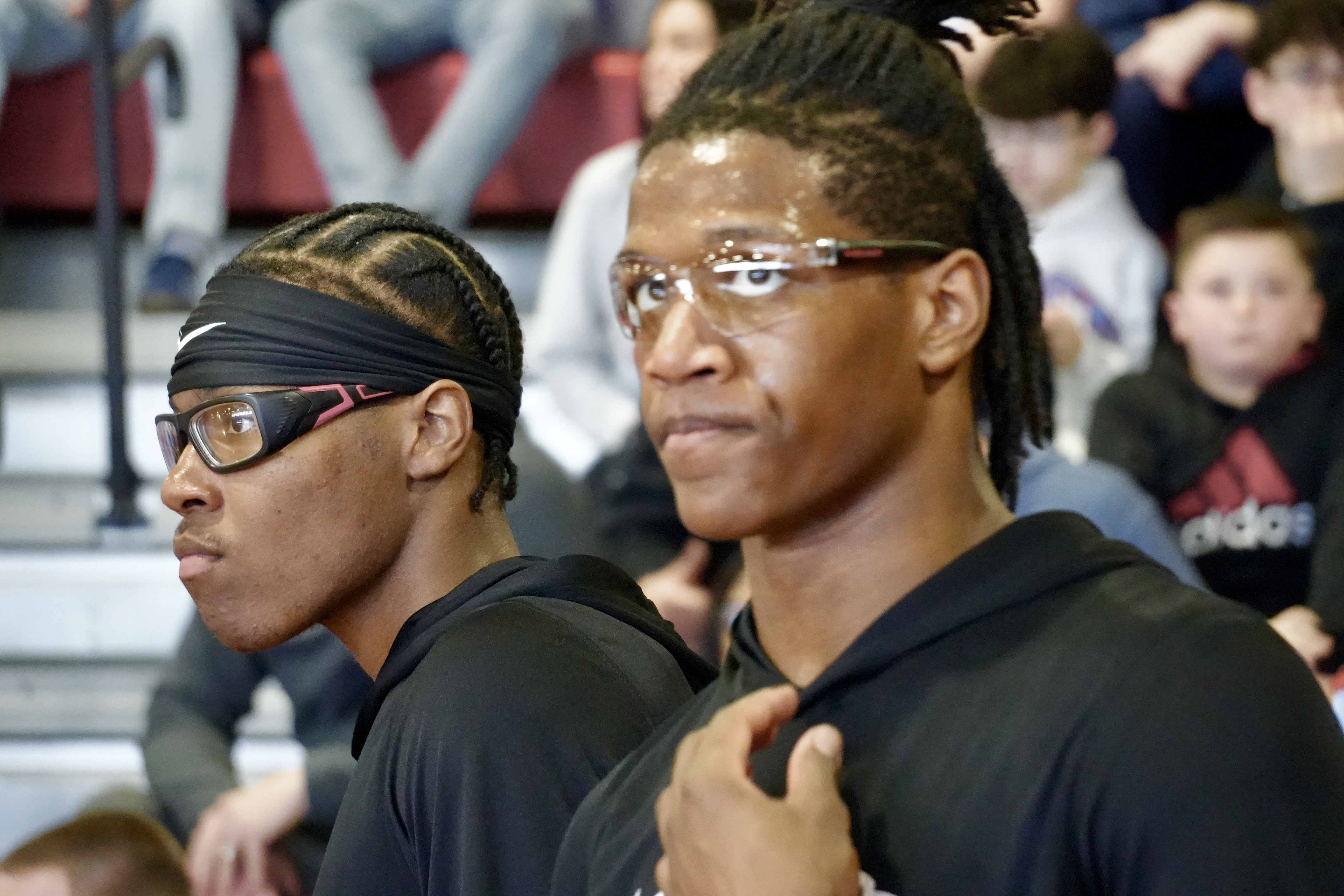
A Dormant Tradition, A Resurrection
For 27 years following Overbrook’s overtime masterpiece against Roman Catholic in 1980, the tradition lay dormant, a victim of the changing landscape of statewide competition. When the games resumed in 2009, the format had splintered into classification-specific contests, a necessary concession to the parity of the PIAA but a dilution of the singular, unifying spectacle. This year, however, the basketball gods realigned the stars. The Public League champion, Imhotep Charter, and the Catholic League champion, Father Judge, both stood as Class 6A titans. The District 12 championship was no longer just a procedural step toward Hershey; it was a resurrection. It was, at long last, a true City Title.
That the game was played in the gloriously cramped confines of Archbishop Ryan’s gymnasium—a building bulging at the seams with 1,600 souls where only 1,300 were meant to fit—was poetically appropriate. The intimacy of the setting forced the intensity. The roaring, 80-20 pro-Judge crowd created an atmosphere that felt less like a district final and more like a block party on the verge of a brawl. It was precisely the kind of environment where Philadelphia basketball character is revealed.
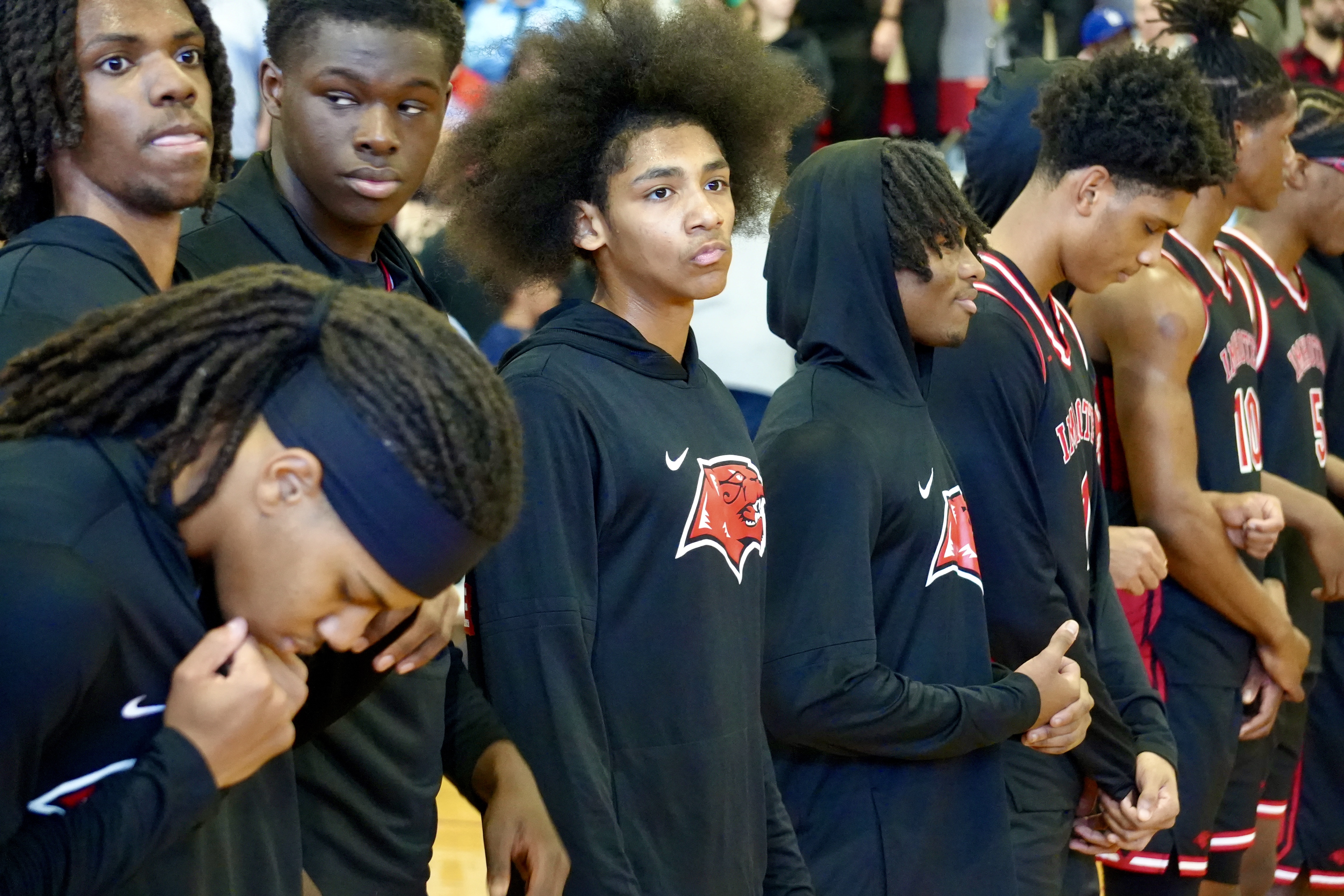
The Panther’s Response: Muhammad-Gray and the Wire-to-Wire Statement
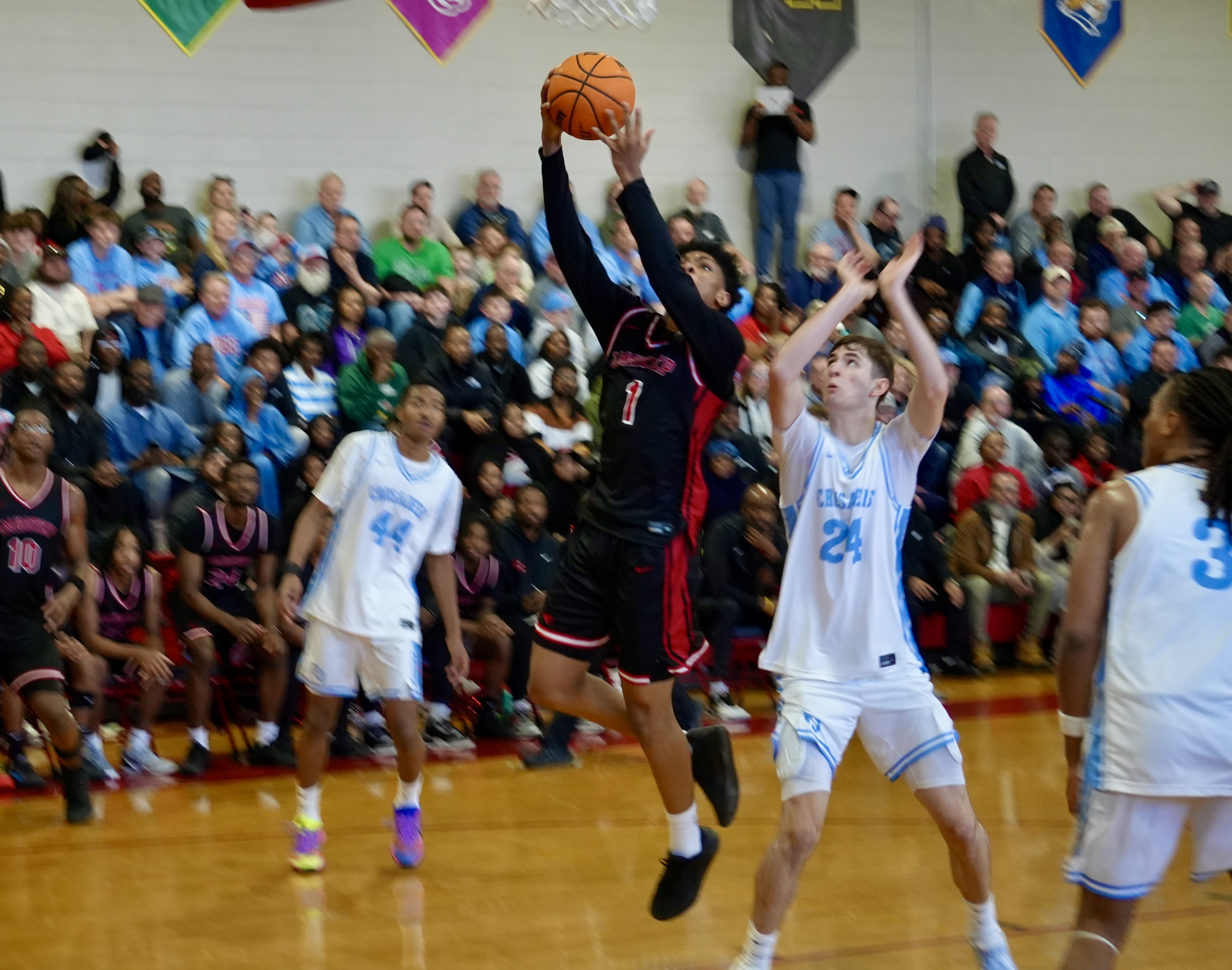
And in that environment, the character of the Imhotep Panthers, and their architect, Coach Andre Noble, was undeniable. Zaahir Muhammad-Gray, playing with the vintage power and rebounding ferocity of a young Buck Williams, imposed his will, scoring 21 points and answering every Judge surge with a stoic, two-handed reply. The Panthers controlled the game wire-to-wire, silencing a building that had arrived expecting to will the Crusaders to victory.
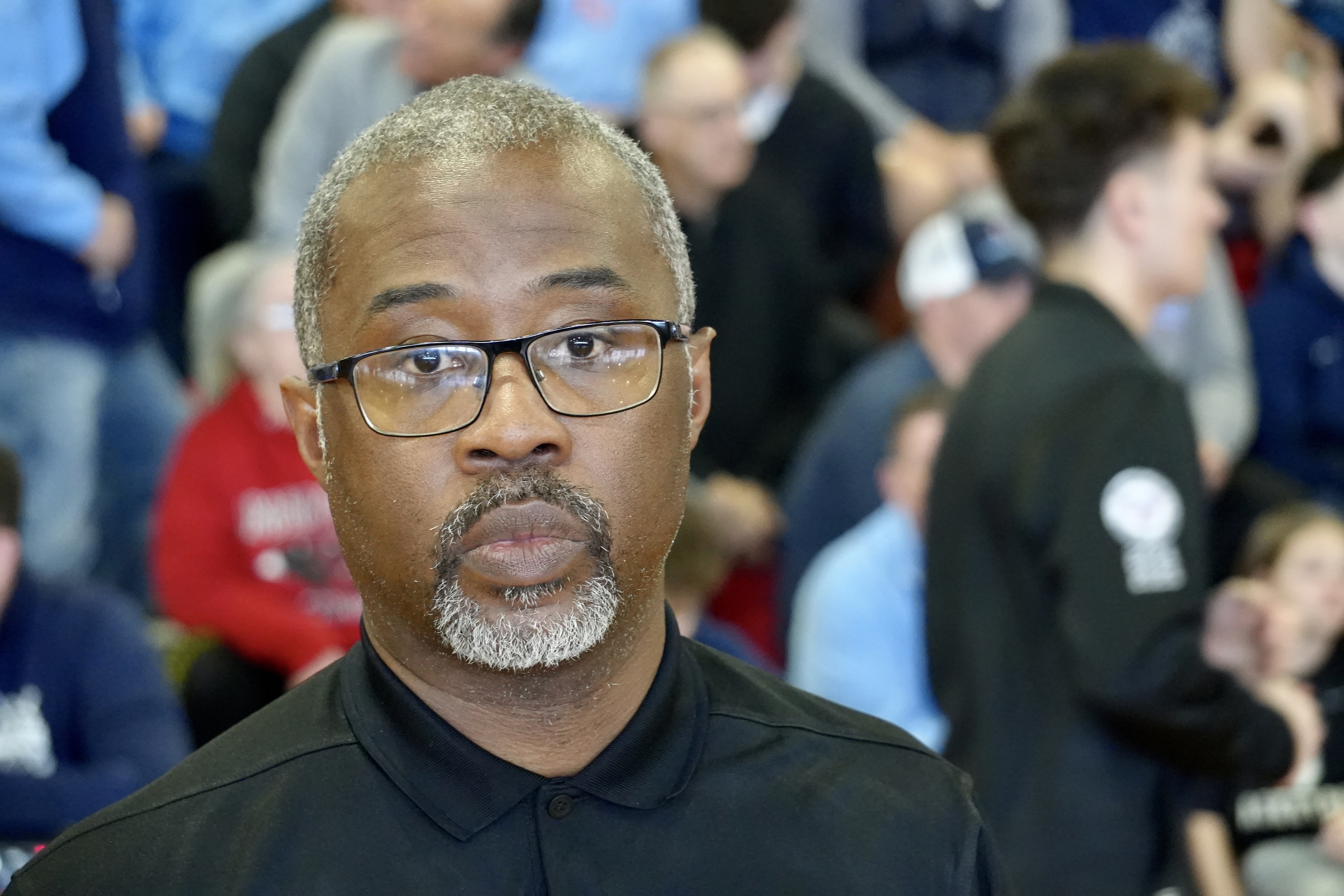
Andre Noble: Carving a Place in the Pantheon
Yet, to focus solely on the box score of this 57-54 victory is to miss the larger historical narrative taking shape on the sideline. Coach Andre Noble is not merely winning games; he is redefining the paradigm of Philadelphia basketball. To mention the pantheon of great coaches in this city—Joe Goldenberg, Bill Ellerbee, Ken Hamilton, the venerable Speedy Morris, and the gold standard of the modern Catholic League, Carl Arrigale—is to invite a necessary addition. Andre Noble now belongs on that mount.
His Imhotep program has become an anomaly, a Public League school that operates with the discipline of a prep school powerhouse and the swagger of a neighborhood legend. While the Philadelphia Catholic League rightfully boasts of its depth, its coaching acumen, and its production of Division I talent, it is no longer the sole proprietor of the city’s basketball soul. The argument must be made, emphatically and with evidence, that Imhotep Charter is not just among the best in the city, but among the very best programs in the entire country.
Dismantling the Old Trope: Public League Grit Meets Strategic Sophistication
Consider the landscape. The Catholic League’s dominance in the modern era—particularly runs by Neumann-Goretti and Roman Catholic—is undisputed. They play a brutal schedule, they prepare players for the rigors of college basketball, and they win state titles. But Imhotep, under Noble, has built a fortress on the idea that Public League kids can not only compete with that pedigree but surpass it. Year after year, the Panthers face a national schedule, travel to premier tournaments, and return to Philadelphia to bulldoze local competition. They have become a destination program, not despite being a charter school, but because of the culture Noble has cultivated.
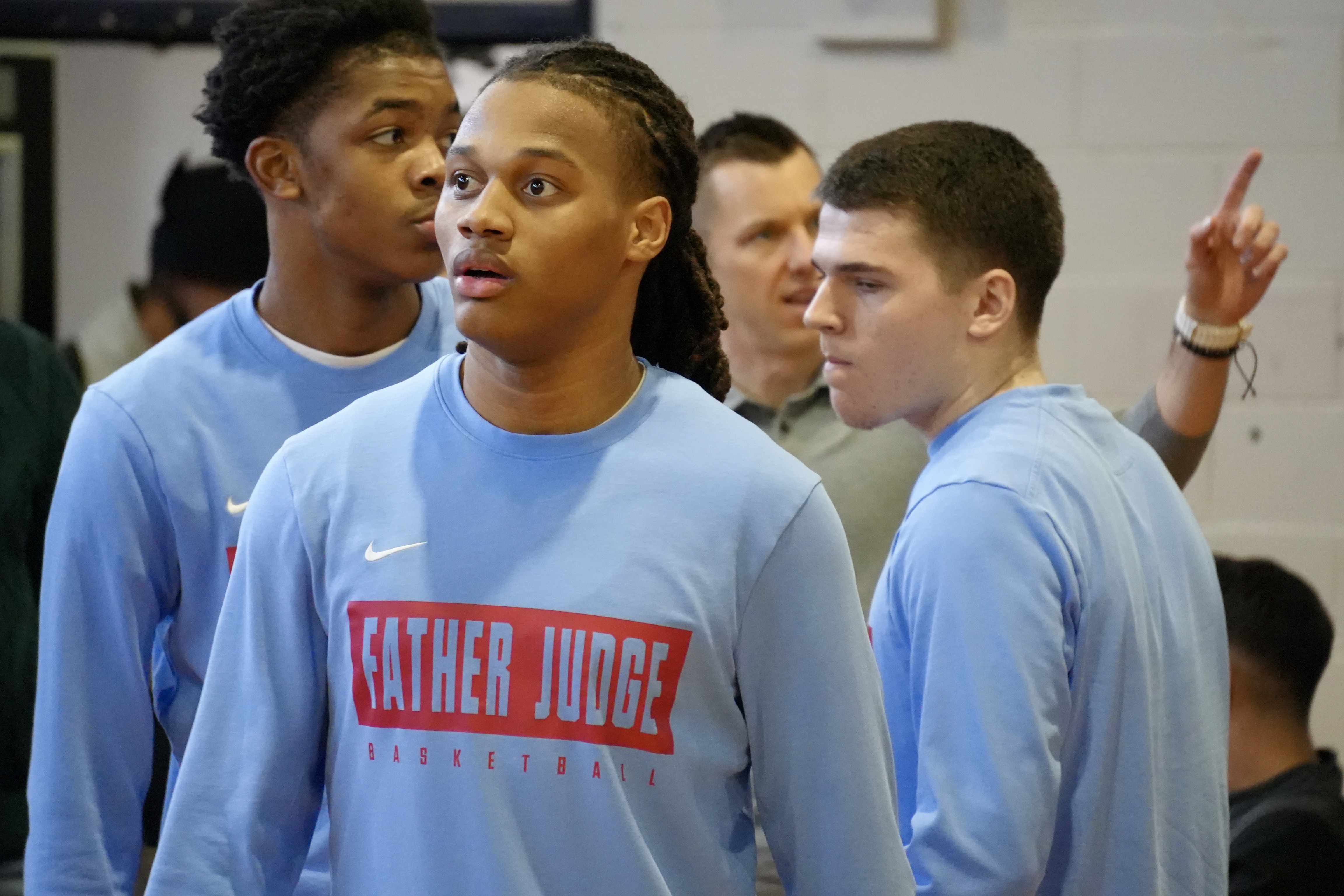
A Microcosm of Excellence: The Victory Over Father Judge
This year’s victory over Father Judge was a microcosm of that programmatic excellence. Facing a hostile crowd and a resilient Judge team led by the ice-veined Temple-bound guard Derrick Morton-Rivera and the explosive Nazir Tyler, Imhotep never flinched. When Tyler singlehandedly tried to drag the Crusaders back into the game, scoring nine straight points in the third quarter, it was the Panthers’ collective defensive resolve—honed in countless high-leverage moments over the years—that held the line. When Muhammad-Gray sank those clinching free throws with 38 seconds left, it was the culmination of a trust built between a coach and his player in the thousands of unseen reps.
The Verdict: A Crown Worthy of the City
The narrative that the Catholic League represents a higher brand of basketball is a comfortable, decades-old trope. But Andre Noble and Imhotep have systematically dismantled that notion. They have proven that the grit of the Public League, when combined with strategic sophistication and a commitment to player development, yields a product that is not just competitive, but superior. The Panthers are now 6A District 12 champions. They will embark on a quest for the PIAA “big boy” state championship, the one title that has eluded them.
Win or lose in Hershey, however, this season has already served its purpose for the historical record. It has reminded a fractured city of the magic of a unified title game. It has showcased the heart of a Father Judge program that refused to quit. And it has cemented Andre Noble’s legacy as a coach who took the raw materials of the Public League and built a dynasty that stands toe-to-toe with any in the nation. For the first time in years, Philadelphia has a true, undisputed City Champion. And in Imhotep Charter, the city has a program worthy of that singular, historic crown.
 The Black Cager