By Delgreco Wilson
In the heart of the a city where sports passion runs as deep as the Schuylkill River, a quiet but determined resurgence is taking shape on the basketball courts of Hawk Hill and Olney. The St. Joseph’s Hawks and La Salle Explorers, two of Philadelphia’s historic college programs, are being rebuilt from the ground up by new leadership, playing a gritty, unselfish brand of ball that honors their city’s blue-collar ethos. Yet, as I sat among the 2,700 or so spectators—a sea of mostly older faces like my own—at their recent Big 5 matchup, a profound disconnect was palpable. Just 24 hours earlier and a few miles south, the new 3-on-3 Unrivaled women’s professional league had made history, drawing over 21,400 jubilant, youthful fans to South Philadelphia, setting an attendance record and electrifying the arena with a palpable, modern energy. The contrast was stark, revealing not a lack of love for basketball in Philadelphia, but a critical misalignment between its storied college programs and the city’s next generation of fans. For St. Joe’s and La Salle to truly rise again, their revival must extend beyond the sidelines. It demands a fundamental reimagining of what success looks like in a radically changed sport and a revolutionary, digitally-native marketing strategy to reclaim their place in the City of Basketball Love.
The New Reality: Recalibrating Success in a Transformed Landscape
The first step in this renaissance is an honest, clear-eyed assessment of the modern college basketball ecosystem, which has rendered the golden eras of these programs nearly impossible to replicate. Under coaches like Phil Martelli, who led St. Joe’s to A10 championships and memorable NCAA Tournament runs in 2014 and 2016, the expectation was clear: compete for conference titles and dance in March. Today, that template is obsolete. The Atlantic 10 conference, once a reliable multi-bid league, is now, at best, a two-bid conference and more often a one-bid league. The financial chasm between high-major conferences and the rest has widened into a canyon, accelerated by name, image, and likeness (NIL) policies and the transfer portal, which constantly threaten to siphon a mid-major’s best talent to richer programs.
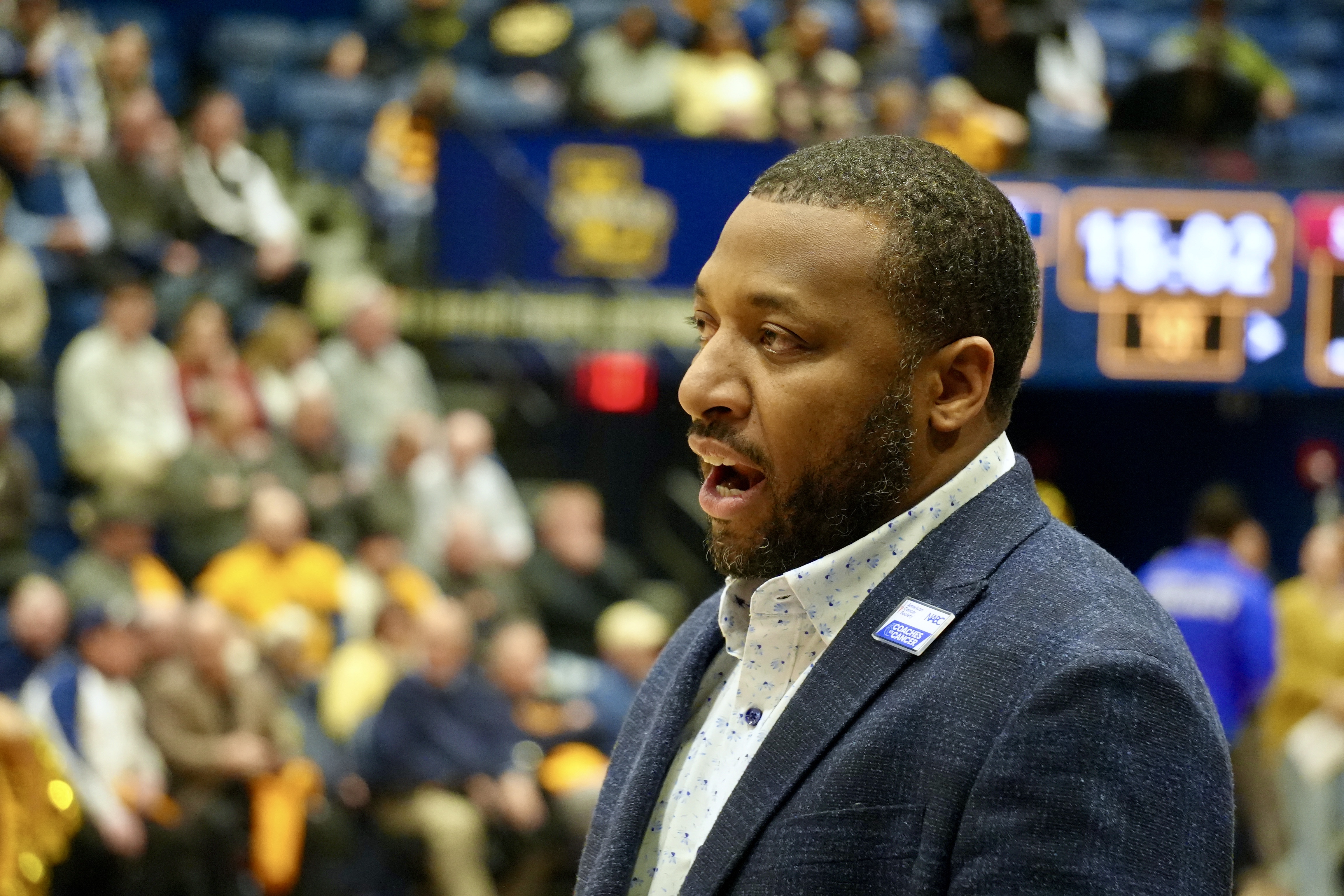
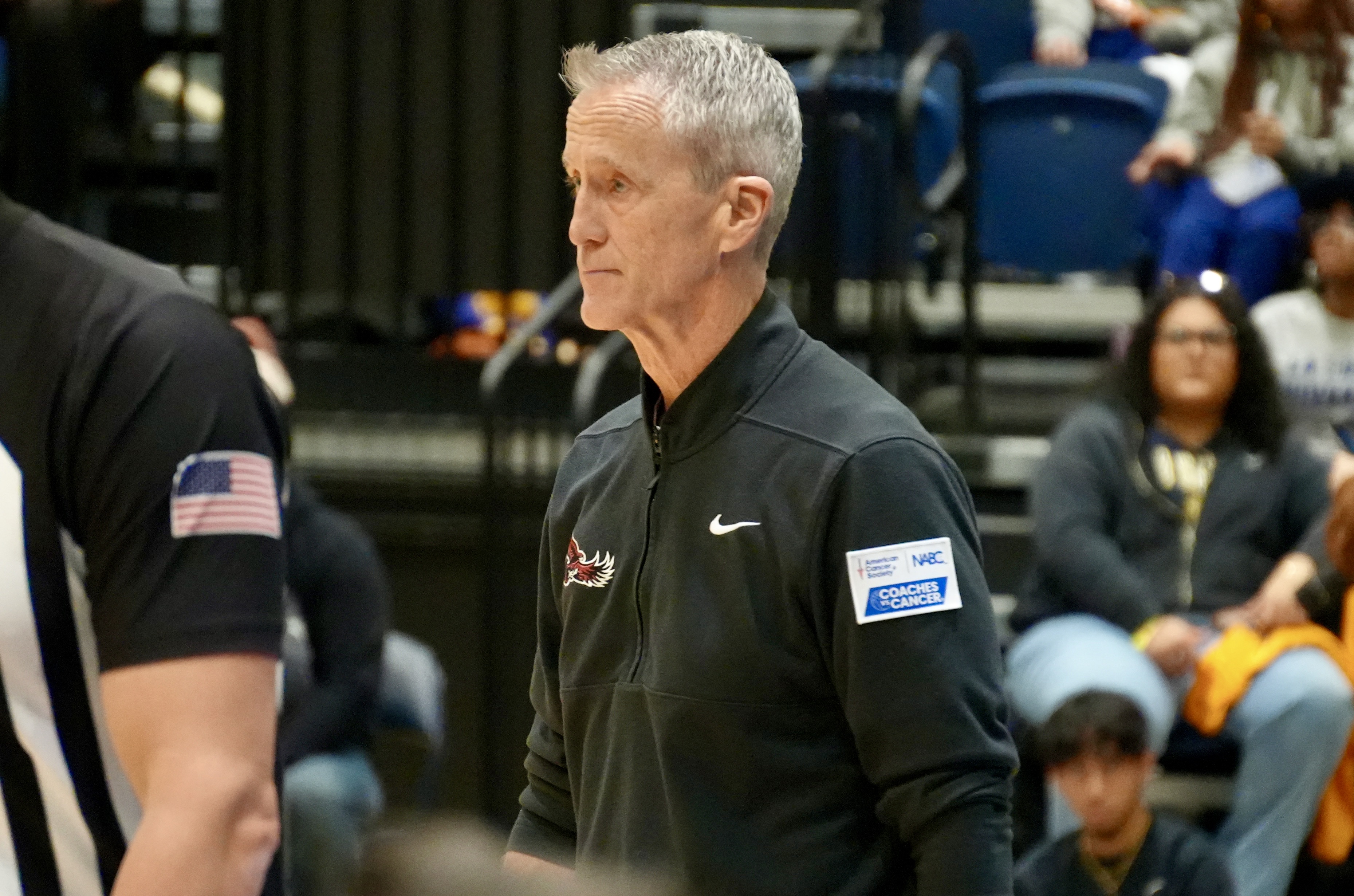
Therefore, the reasonable expectation for St. Joseph’s and La Salle is no longer “regular and consistent NCAA appearances.” It is sustainable competitiveness. It is the gritty identity being forged by first-year coaches Steve Donahue and Darris Nichols—teams that play hard, defend, and represent the city’s toughness every night. Success should be measured by winning records in a tough conference, contention in the A10 tournament, and the development of players who become pillars of the program for more than a single season. The goal is to build programs that are perennial tough outs, occasionally catching lightning in a bottle for a tournament run, rather than factories for NBA talent like Jameer Nelson or Lionel Simmons. This is not a concession to mediocrity; it is a strategic adaptation to a harsh new reality.
The Marketing Mandate: From Nostalgia to Digital Native Engagement
While the on-court product adjusts, the off-court outreach must undergo a revolution. The demographic at the recent Big 5 game—predominantly older, male, and white—is not a sustainable audience. It is the echo of a past glory. To survive and thrive, these programs must aggressively court the diverse, youthful, and digitally-immersed fans who packed the arena for Unrivaled.
This requires abandoning a reliance on traditional sports pages and radio spots for a hyper-local, social media-infused marketing strategy. Philadelphia’s young hoops fans live on TikTok, Instagram, and YouTube, and they engage with personalities, authenticity, and interactive experiences. The city is teeming with influencers who have built passionate followings around Philadelphia sports. Imagine La Salle’s Darris Nichols doing a film breakdown crossover with a macro-influencer like @thephillysportsguy (129.6K followers), or St. Joe’s players collaborating on a skill challenge with a Philly-based influencer like @8eyemedia, whose tight-knit community of 96.6K followers represents exactly the engaged, youthful audience these programs need.
The blueprint for this exists within the city’s own professional ranks. During the COVID-19 pandemic, the Philadelphia 76ers’ youth marketing team brilliantly pivoted to digital platforms, leveraging the HomeCourt A.I. app to create virtual camps and challenges. They didn’t just stream content; they created interactive, gamified experiences. They hosted an “Al Horford Challenge” and later an “Allen Iverson Runs Practice” campaign, where fans could replicate drills and win shout-outs from legends. The result was staggering engagement: 1.25 million dribbles and 29,000 shots recorded by participating kids in just a few months.
Why can’t St. Joe’s and La Salle do the same? Imagine a “Hawk Hill Handles Challenge” judged by former star Langston Galloway, or a “La Salle Lockdown Drill” promoted through local micro-influencers. These programs should partner with the very tech companies and app developers that the Sixers used to “meet kids where they are”. As Mike Goings, the Sixers’ Director of Alumni & Youth Marketing, stated, this digital shift allowed them to “engage just as many kids” as in-person events and offered sponsors deeper, more meaningful impressions. For mid-majors with limited budgets, this is not a frivolous expense; it is a cost-effective necessity to build their brand and cultivate future donors and season-ticket holders.
The Path Forward: Embracing a Holistic Revival
The resurgence of St. Joseph’s and La Salle will be defined by a dual commitment: competitive realism on the court and marketing innovation off it. Coaches Donahue and Nichols are laying the foundational groundwork with effort and identity. Now, the athletic departments and university administrations must match that energy with visionary outreach.
They must see the 21,000 fans at the Unrivaled event not as a threat, but as proof of concept. Philadelphia is a basketball city—a fact underscored by the 10 million viewers who tuned into the 2025 NCAA championship game and the major programs that regularly draw average home crowds of over 20,000. The passion is here; it simply needs to be channeled. The goal should be to make the Big 5 cool again—not as a museum piece, but as a living, breathing, and digitally-connected rivalry that celebrates city pride.
This means hosting doubleheaders with the vibrant women’s programs at these schools. It means transforming game days into community festivals with live music, local food trucks, and fan zones that mirror the energy of a block party. It means empowering student creators to tell their team’s story on social media. It means recognizing that in today’s landscape, building a compelling program is as much about cultural relevance as it is about win-loss records.
The history of Philadelphia basketball, written by legends from Gola to Nelson, is not a burden for St. Joseph’s and La Salle to bear, but a legacy to build upon in new ways. By marrying gritty, intelligent coaching with fearless, modern engagement, these programs can do more than just swing upward. They can reconnect with the soul of their city and ensure that the next generation is in the stands, not as occasional visitors, but as the lifeblood of a renewed tradition. The foundation is being poured. The time for a true renaissance is now.
 The Black Cager
Very thought provoking read. Well done.