By Delgreco K. Wilson
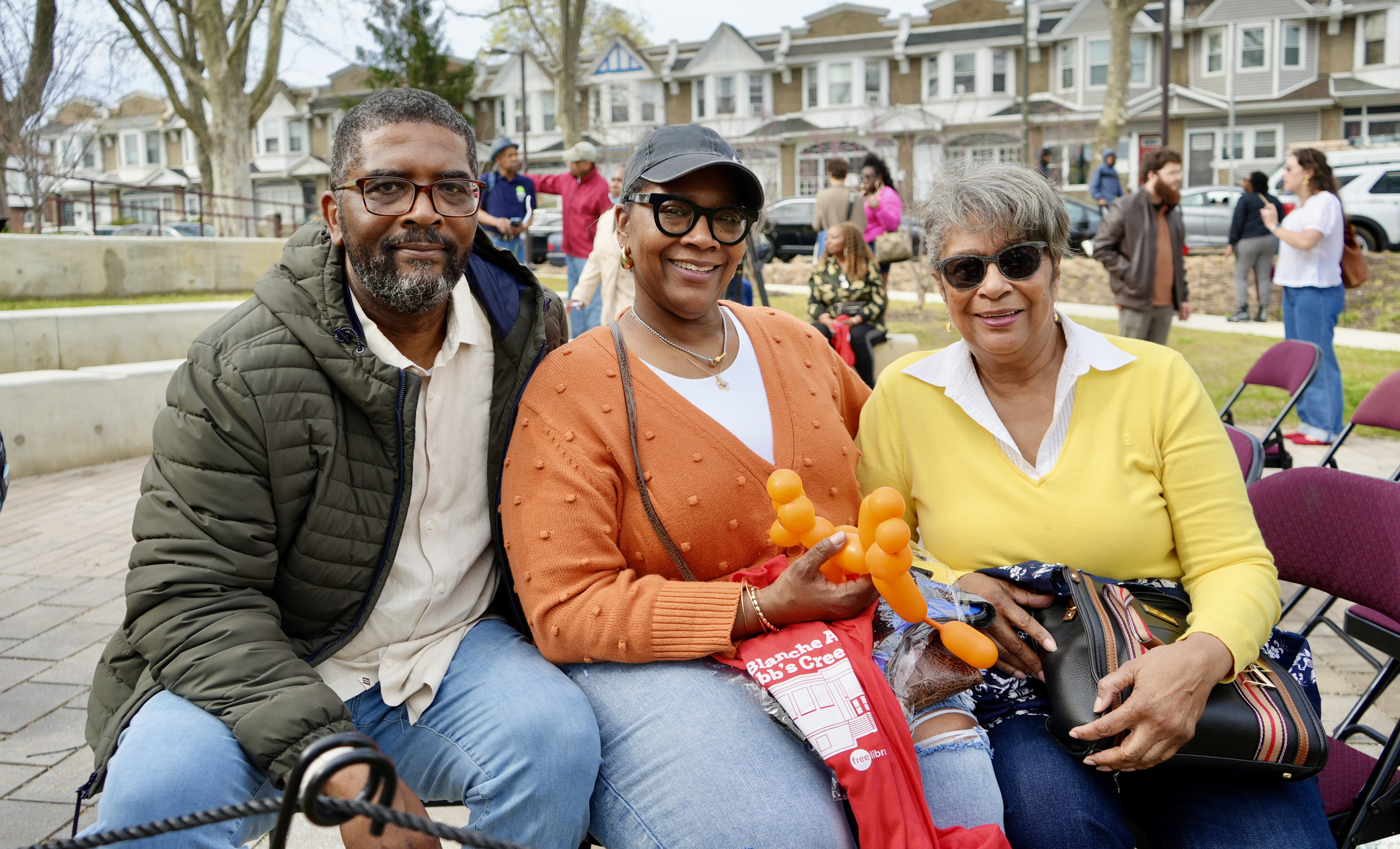
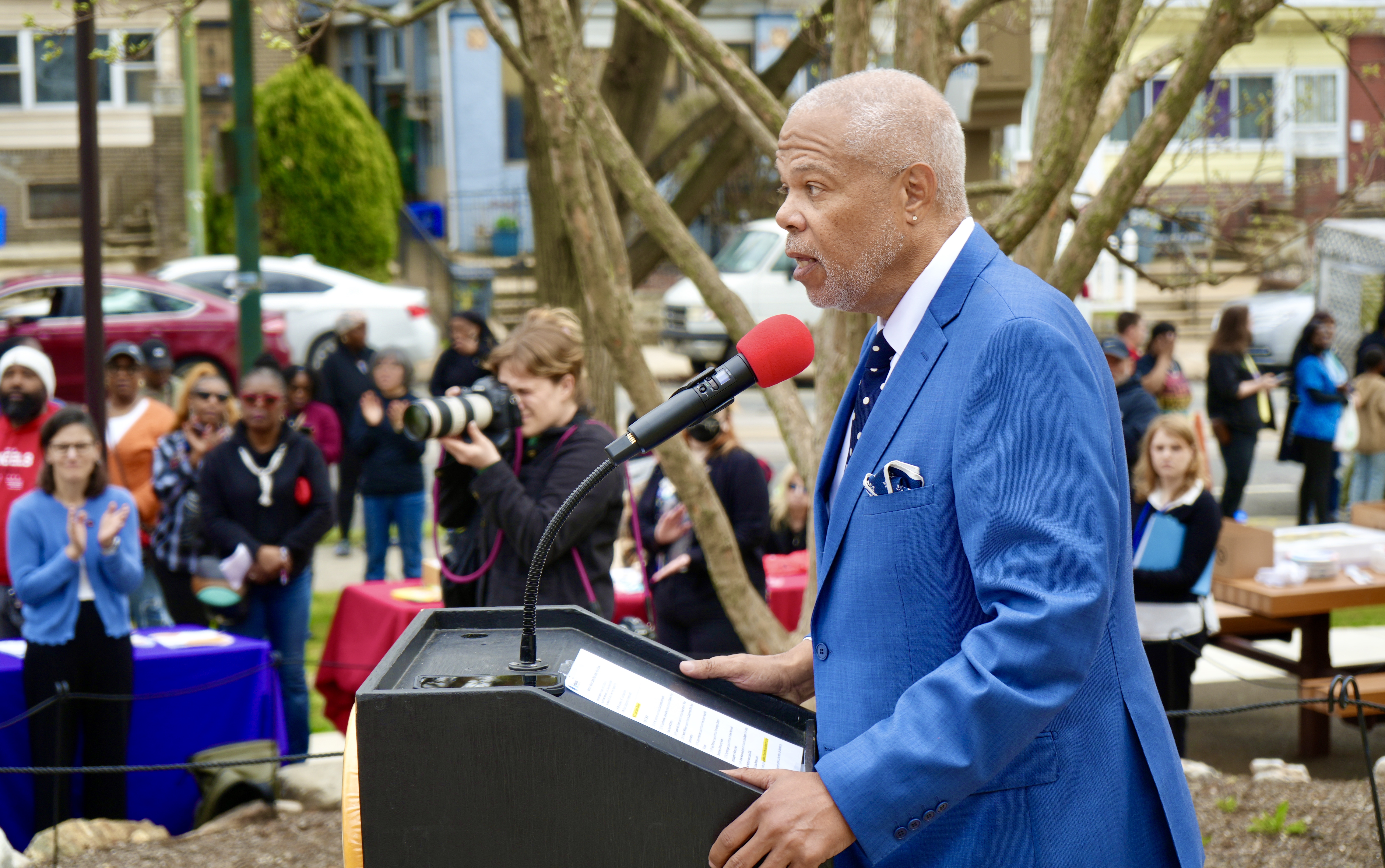
PHILADELPHIA, PA — On a bright afternoon this week, my family gathered at the Blanche A. Nixon/Cobbs Creek Branch of the Free Library of Philadelphia for a rededication ceremony honoring my great-aunt’s legacy. Blanche Nixon was a petite but formidable woman, a relentless advocate for the children of Southwest Philadelphia, who believed fiercely in their potential. “There’s no such thing as a bad child,” she often said, and her life’s work reflected that conviction. She understood that civil society—the network of libraries, schools, churches, and community organizations operating outside direct government control—was the lever by which marginalized youth could be uplifted, their talents nurtured, and their futures secured.

The timing of this celebration could not be more significant. As America’s 250th anniversary approaches, the nation finds itself at a precarious juncture, one in which the very foundations of an inclusive, truthful historical narrative are under siege. Public institutions—particularly libraries—will be called upon as never before to sustain democracy by preserving access to knowledge, fostering civic engagement, and resisting the erosion of fact in favor of political expediency.
The Assault on Truth and the Role of Civil Society
Recent years have seen a deliberate campaign to narrow the scope of American history, stripping it of its complexities and contradictions. President Donald Trump’s executive order targeting so-called “critical race theory” in schools was just one salvo in a broader effort to enforce a sanitized version of the past—one that ignores the competing traditions of liberalism, civic republicanism, and the ascriptive hierarchies of racism, nativism, and sexism that have shaped the nation.
Republican-led states have accelerated this trend, passing laws that restrict how race, gender, and systemic inequality are taught. The result is a distorted narrative, one that suggests America’s political culture has been defined solely by individualism and egalitarianism, rather than a continuous struggle between these ideals and the forces of exclusion.
In this environment, civil society must become the keeper of inconvenient truths. Libraries, universities, advocacy groups, and cultural institutions—organizations that operate independently of government and corporate control—are now essential counterweights to state-sponsored historical revisionism. They provide the spaces where marginalized stories can be told, where banned books remain accessible, and where citizens can engage in the kind of informed discourse that democracy requires.

Why Libraries Are Democracy’s Lifeline
Public libraries, in particular, stand as one of the last truly democratic institutions in America. They are not just repositories of books but civic hubs—what sociologists call “third spaces”—where people of all backgrounds can gather, learn, and debate without the pressures of commerce or partisan influence.
- Guardians of Truth in an Age of Misinformation
In an era of algorithmic echo chambers and politicized media, libraries provide free access to vetted information. They are among the few remaining places where individuals can engage with diverse perspectives, fact-check dubious claims, and develop the media literacy necessary to navigate a fractured information landscape. - Sanctuaries for Banned Knowledge
As school boards and state legislatures remove books on race, gender, and sexuality from curricula, public libraries often become the only places where such works remain available. In doing so, they fulfill their historic role as defenders of intellectual freedom. - Community Anchors in Neglected Neighborhoods
Blanche Nixon understood that libraries are more than just buildings—they are lifelines for underserved communities. They offer job training, after-school programs, and safe spaces for children who might otherwise lack them. In neighborhoods like Cobbs Creek, they are often the only institutions providing free internet access, literacy programs, and legal resources to residents shut out of traditional power structures. - Archives of Local History
Beyond their role in education, libraries serve as living archives, preserving the stories of ordinary people whose struggles and triumphs are too often excluded from official narratives. In doing so, they ensure that history is not merely the domain of the powerful but a collective inheritance.

The Fight Ahead
The challenges facing American democracy are not abstract. They manifest in the closure of rural libraries due to funding cuts, in the intimidation of educators who teach about systemic racism, and in the growing partisan divide over what constitutes “acceptable” knowledge.
But the rededication of the Blanche A. Nixon Library is a reminder that resistance is possible. It is a testament to the power of civil society—of individuals and institutions that refuse to let communities be defined by neglect or historical amnesia.
Blanche Nixon’s legacy teaches us that the work of democracy is not just about elections or laws but about the daily, unglamorous labor of sustaining spaces where people can learn, question, and grow. As the nation moves toward its semiquincentennial, the survival of its democratic experiment may well depend on whether institutions like public libraries can continue to fulfill that role.
The alternative—a nation stripped of its full history, where access to knowledge is dictated by ideology—is one that figures like Blanche Nixon spent their lives fighting against. The best way to honor her memory is to ensure that fight continues.
 The Black Cager