PHILADELPHIA, PA – In the Commonwealth of Pennsylvania, the high school basketball season does not end with a league trophy. For the vast majority of the state’s 500-plus schools, the ultimate validation arrives in the form of a gold medal from the Pennsylvania Interscholastic Athletic Association, Inc. (PIAA). For 113 years—since a group of principals gathered in Pittsburgh on December 29, 1913, to “eliminate abuses, establish uniform rules, and place interscholastic athletics in the overall context of secondary education”—the PIAA has served as the singular organizing body for scholastic sports. But in the realm of boys’ basketball, the organization has become something far greater than an administrative entity. It is the arbiter of legacy, the catalyst for communal ecstasy, and the stage upon which small-town legends are born.
Where the Gym is the Town Square: Small Town Pennsylvania Basketball
To understand the virtue of the PIAA state championship tournament is to understand the geography of Pennsylvania. It is a Commonwealth defined by its ridges and valleys, its coal towns and rust-belt boroughs, places where the bright lights of professional sports are a distant glow. In these communities, the local high school gymnasium is not merely a facility; it is the town square. When a team from Coatesville, Chester, or Scranton makes a run through February and into March, the gravitational pull of that pursuit is inescapable. There are no professional franchises in these towns, no high-major college programs to dilute the loyalty. The “basketball energy,” as it were, is concentrated entirely on the scholastic game.
A Personal Recollection: The Legend of Bob Stevenson and Elk Lake
I have witnessed this fervor firsthand. Growing up in Darby Township, the PIAA tournament was the backdrop of adolescence. Over a seventeen-year span, my alma mater played in four state championship games, winning two. But my true introduction to the mystique of small-town Pennsylvania basketball came in 1977, through the legend of Bob Stevenson of Elk Lake. In the small town of Elk Lake, Stevenson was not just a player; he was a titan. When an undefeated Darby Township squad—featuring a towering frontline of Alton McCoullough, Billy Johnson, and Mike Gale—met Elk Lake in a Single-A playoff game, the collision was seismic. A record crowd of 5,100 fans packed the Scranton CYC, a testament to the consuming nature of these contests. In a brutally physical game, Elk Lake’s reliance on Stevenson—who converted an astounding 26 of 30 free throws—neutralized our frontline and handed Darby Township a heartbreaking loss. That night, the stakes felt national, the heartbreak communal. It is a memory etched not just in my mind, but in the lore of two towns.
The City That Stayed Home: Philadelphia’s Historic Distance from the PIAA
This passion, however, was for nearly a century a foreign concept to the giants of Philadelphia basketball. For decades, the Philadelphia Public League and the Philadelphia Catholic League operated as sovereign nations, producing prodigious talents—Tom Gola, Wilt Chamberlain, Earl Monroe, Lionel Simmons—who never competed for a PIAA title. They were ostracized from the state narrative, their brilliance confined to the city limits.
The Integration Era: When Philly Finally Joined the Party
That finally changed in the mid-2000s. The Public League joined the PIAA fold in 2004, followed by the Catholic League in 2008, ushering the city’s powerhouses into the newly formed District 12. The results on the scoreboard have been undeniable. Philadelphia’s depth and talent have produced a torrent of state championships. In 2025 alone, four Catholic League schools captured gold. Neumann-Goretti, under the legendary Carl Arrigale, has amassed ten titles. Imhotep Charter has become a veritable dynasty, winning ten championships since 2009 and once boasting a staggering 34-game state playoff winning streak.
The PCL vs. The State: Why the Catholic League Still Values Its Own Crown More
And yet, for all this on-court dominance, the small-town passion for the state tournament has failed to take root in the Philadelphia basketball psyche. Ask a Catholic League coach, player, or alum if they would rather have a PIAA gold medal or a Catholic League crown, and the answer is universal. One hundred out of one hundred would choose to cut down the nets at the Palestra for the PCL title. The city’s basketball identity is hyper-local, forged in the crucible of neighborhood rivalries like Roman vs. St. Joe’s Prep. The state tournament, for them, is an addendum, not the thesis.
A Charter School’s Unique Challenge: Imhotep’s Missing Generational Ties
Imhotep Charter’s rise perfectly illustrates this dichotomy. A charter school founded in 1998, it draws students from across the city, not from a specific geographic enclave. It lacks the generational continuity of a traditional town school. There are no octogenarian alums from the 1950s trekking through the Poconos to watch the Panthers in Hershey. The school’s identity is built on modern excellence, not ancestral tradition.
A District Final for the Ages: Coatesville and Plymouth-Whitemarsh at Hagan Arena
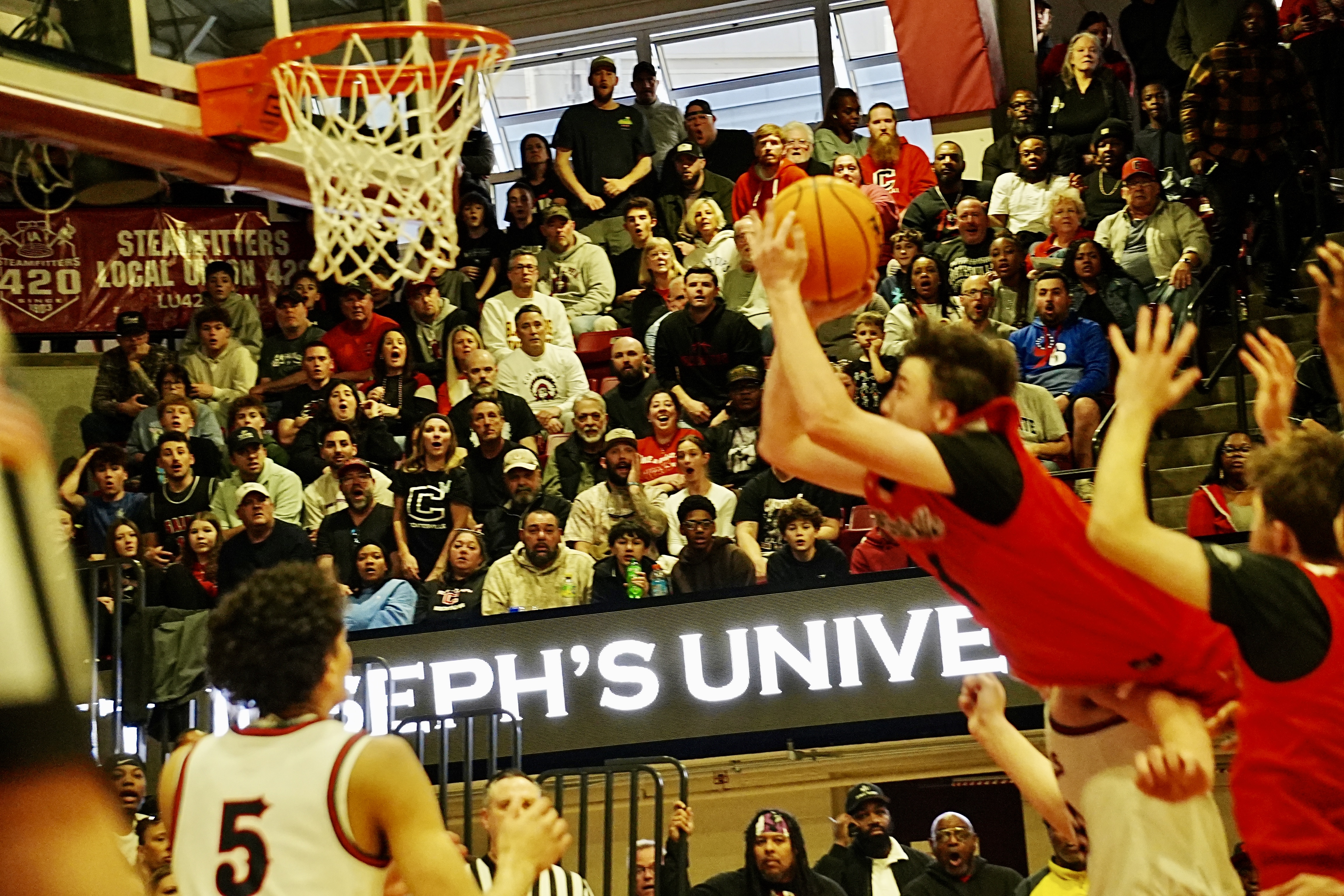
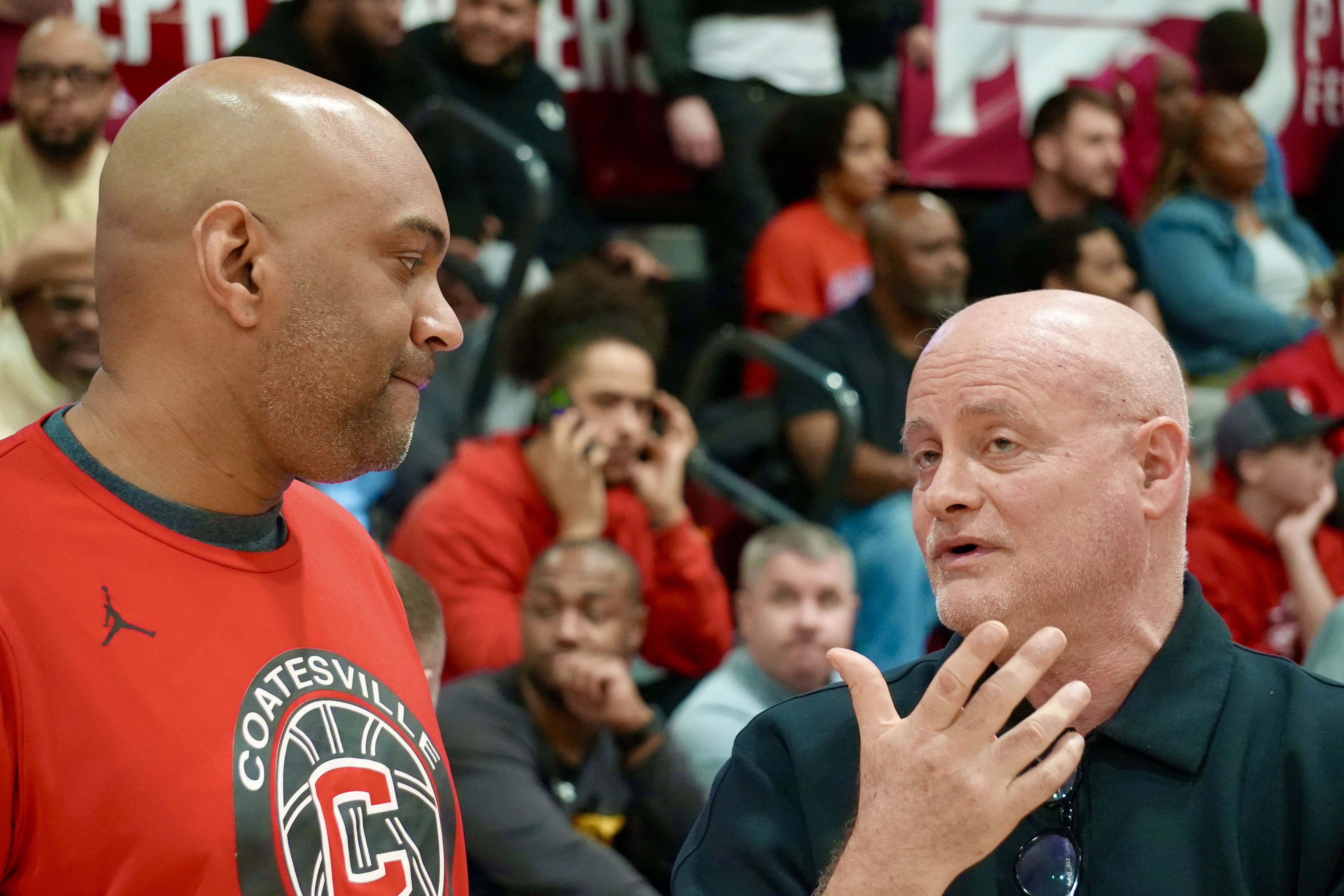
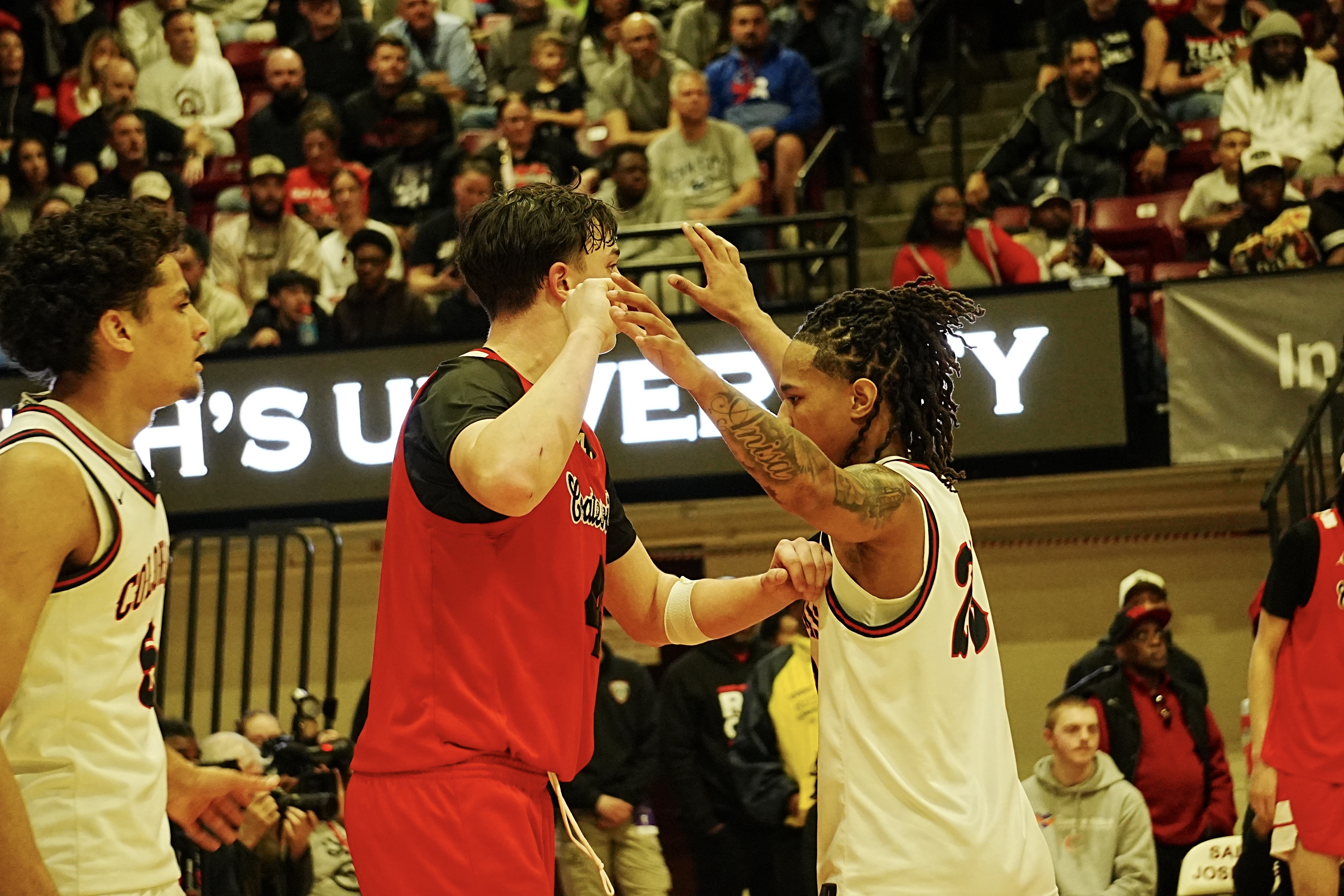
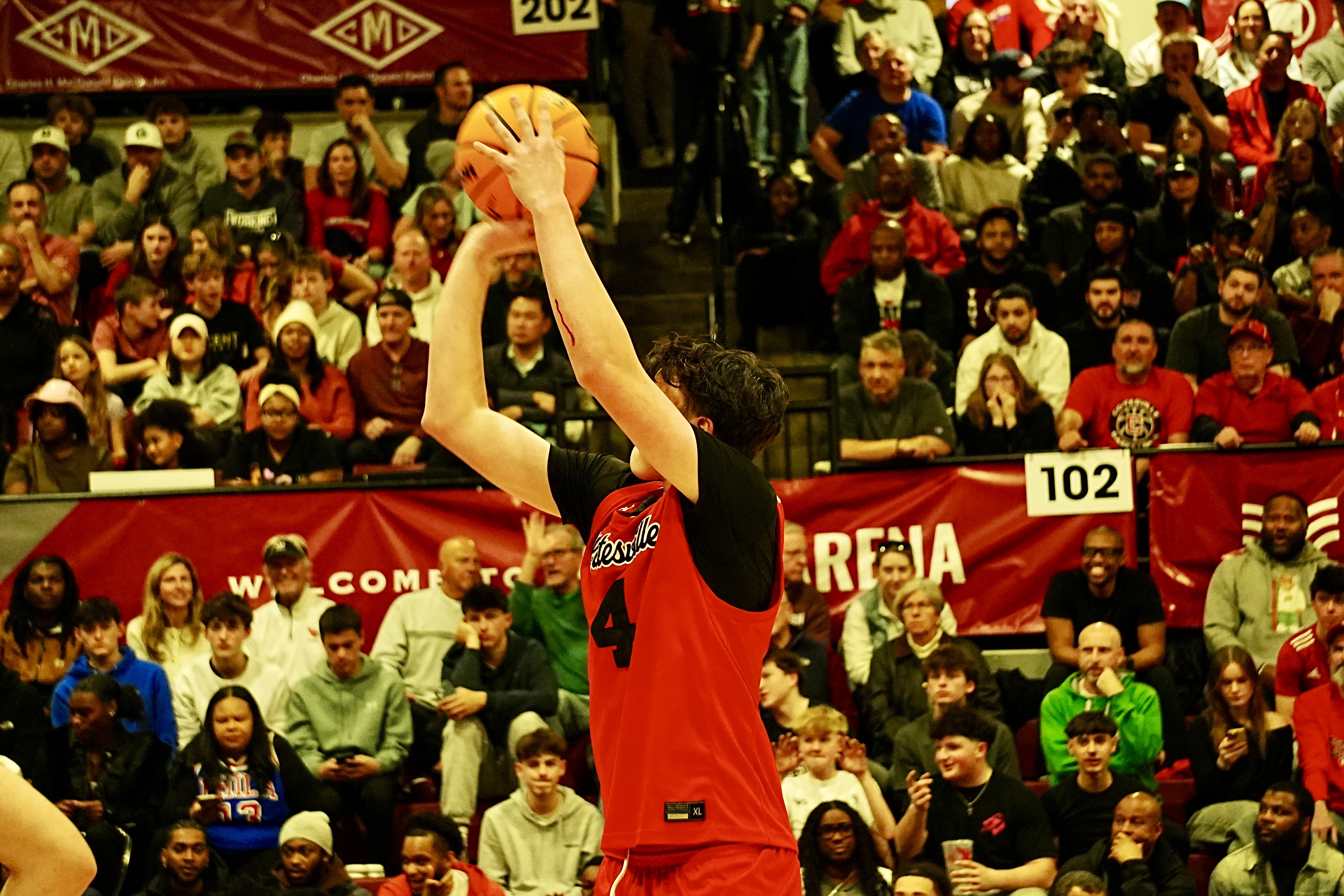
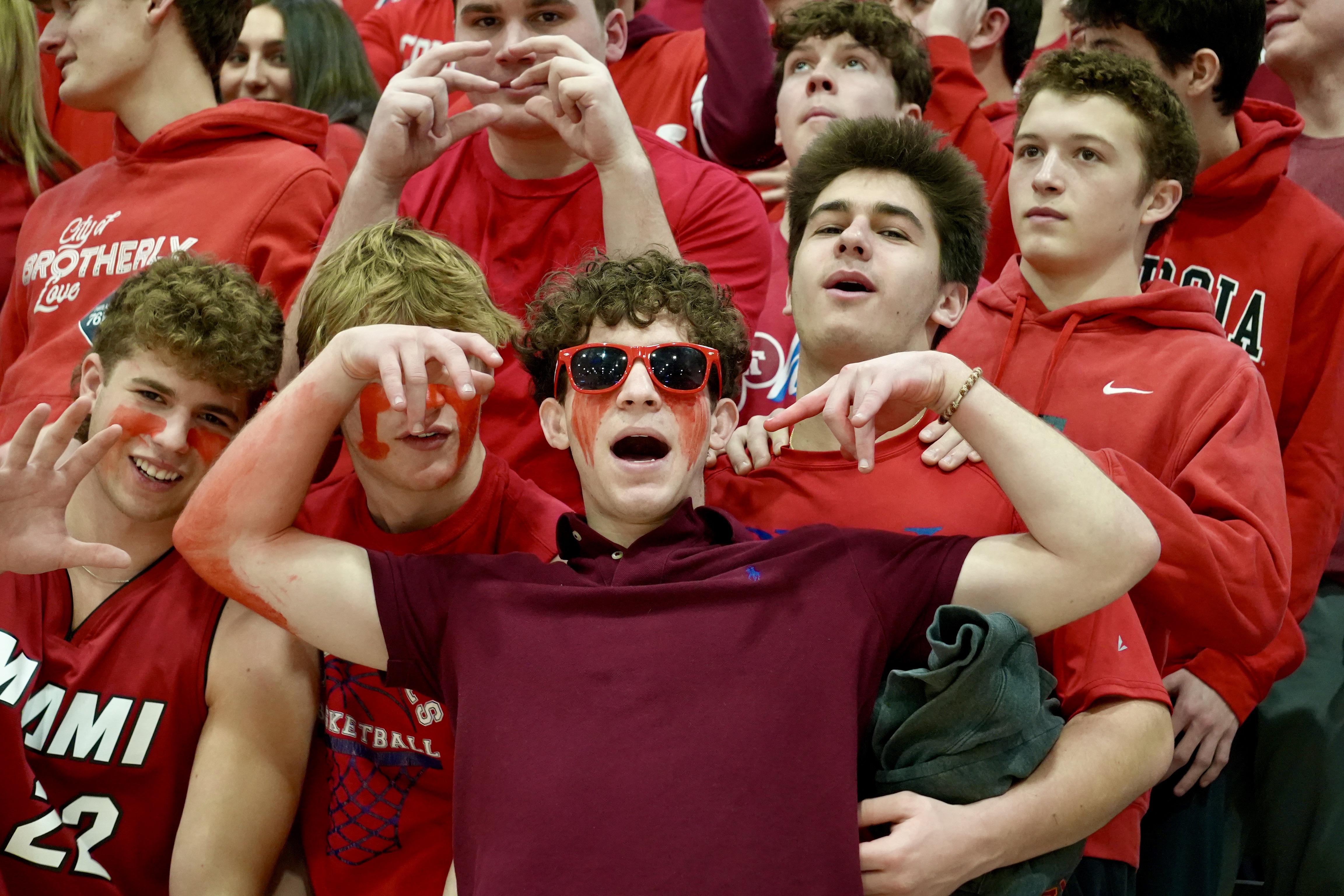
Contrast that with the scene at St. Joseph’s University’s Hagan Arena last Sunday. There, in the District 1 Class 6A championship, the very soul of suburban Pennsylvania basketball was on display. On one side stood Coatesville, a racially diverse working-class community of about 13,400. It was not hyperbole to suggest that a quarter of the town had made the hour-long trek to Philadelphia. On the other side stood Plymouth-Whitemarsh, backed by the fierce loyalty of Conshohocken and the surrounding townships of Montgomery County. The arena was sold out, standing room only, a raucous sea of school colors.
The Rise of a Phenom: Colton Hiller’s Stunning First Half
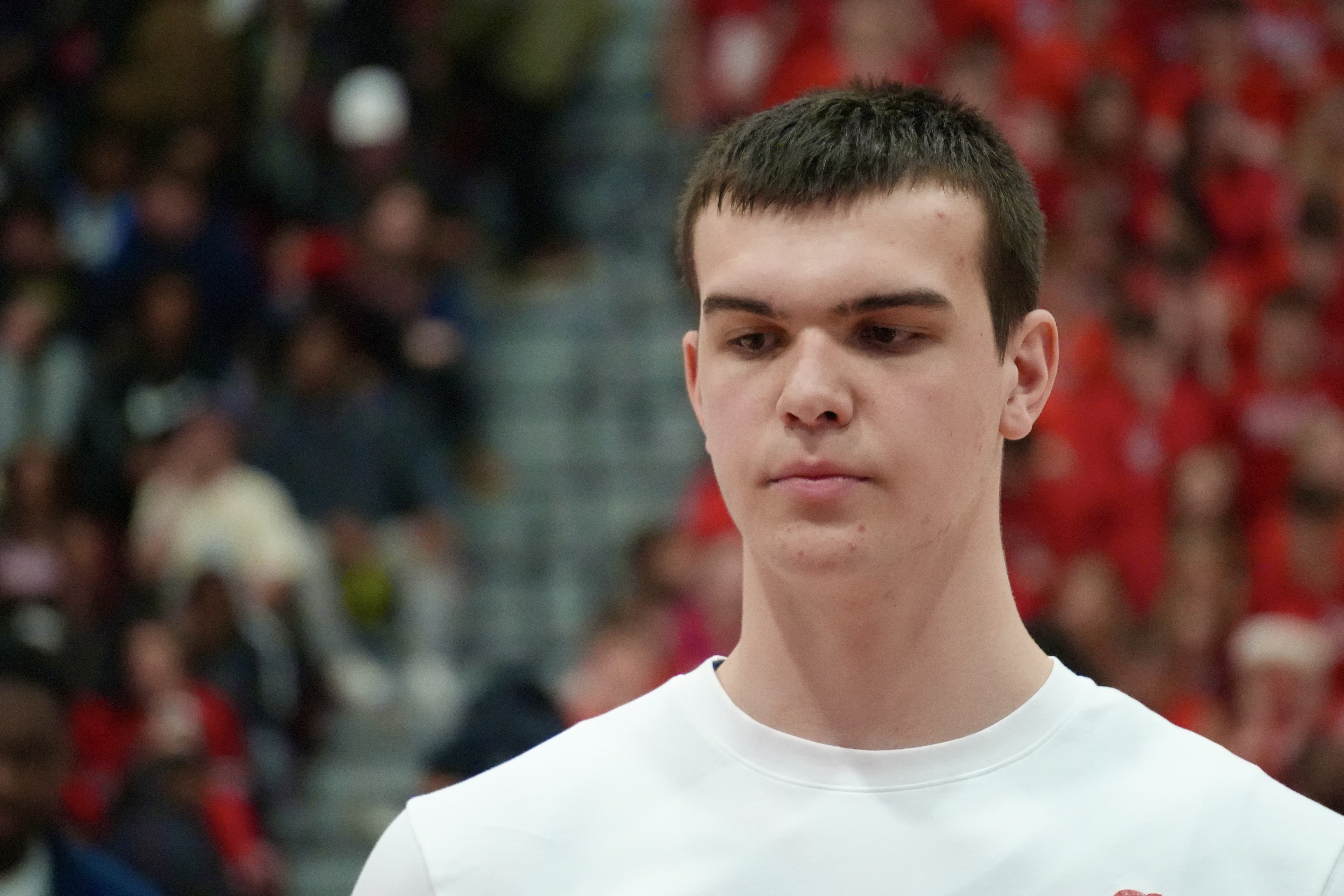
The game itself was a masterpiece drama of Shakespearean proportions. Coatesville’s super sophomore, Colton Hiller, looked every bit the part of a national recruit in the first half, pouring in 21 fantastic points. He drilled NBA-range three-pointers, finished over defenders, and seemed to will his team to a 42-27 lead just before halftime. The lead felt insurmountable.
The Adjustment: Coach Donofrio’s Old School Strategy
But PIAA playoff basketball, at its best, is a chess match, and Plymouth-Whitemarsh coach Jim Donofrio is a grandmaster. During the intermission, he devised a plan that was brutally simple and devastatingly effective: an old-school strategy reminiscent of the Moses Malone era, feeding the ball relentlessly to his Penn-bound senior, Michael Pereira. Playing in front of his future coach, Fran McCaffery, Pereira became the immovable object. Coatesville threw three different bigs at him. Colton’s older brother, the 6-foot-6, 290-pound junior Max Hiller—a football prospect destined for stadiums of 100,000—fouled out trying to contain him. The other two bigs finished with four fouls apiece.
A Methodical Comeback: Pereira and the Colonials Flip the Script
As Donofrio’s guard, Buddy Denard, face-guarded Colton Hiller for 94 feet, the younger star was neutralized. The Colonials chipped away, not through pretty offense, but through sheer force, sending Pereira to the line again and again. With 5:39 left, a Pereira putback gave Plymouth-Whitemarsh its first lead since the first quarter. Coatesville, which had managed only two field goals in the entire second half, fell, 56-52.
Conclusion: The Virtue of a Tournament That Unites the Commonwealth
It was a glorious, old-school suburban battle. It was a game decided by a coach’s adjustment, a senior’s will, and the roar of a crowd that treated every possession like a matter of life and death. For the fans who packed Hagan Arena, this was not a prelude; this was the main event. The win secured a district title, a trophy in its own right. But for both teams, the journey continues into the state bracket.
And that is the ultimate virtue of the PIAA tournament. It is the only arena where these two distinct basketball cultures—the small-town communal obsession and the city’s hyper-competitive league pride—can collide. For Coatesville and Plymouth-Whitemarsh, the state tournament is the culmination of a year’s work, a chance to bring glory back to Main Street. For Philadelphia’s powerhouses, it is a chance to prove their mettle against the “whole state.” The PIAA, born 113 years ago from a desire to bring order to scholastic sports, now provides the stage for the Commonwealth’s most compelling drama. It is a tournament that turns sophomores into legends, coaches into sages, and towns into families united in hope. And as long as there are communities like Coatesville willing to pack an arena on a Sunday afternoon, its virtue will remain beyond question.
 The Black Cager