RICHMOND, VA – In the echoing concourses of the Stuart Siegel Center in Richmond, Va., a near-capacity crowd roared for the home team, Virginia Commonwealth University. The spectacle was modern college basketball: a hyped-up student section, a relentless pace, and a Rams program that has become a national brand. Yet, for those with a discerning eye for the game’s deeper currents, the most compelling story was not on the court, but on the sidelines. It was, improbably, a story of Philadelphia. As Coppin State battled VCU, six men with the City of Brotherly Love etched into their sporting DNA patrolled the hardwood—a poignant testament to both the enduring export of Philly hoops intellect and a glaring institutional failure back home.
A City’s Storied Legacy, A Modern Exodus
Philadelphia has long considered itself, and rightfully so, a center of the basketball universe. From the pioneering Tarzan Cooper to the sharp shooting Paul Arizin, the monumental Wilt Chamberlain, the poetic Earl “The Pearl” Monroe, the relentless Lionel Simmons, the prolific Kobe Bryant and the current phenom Jalen Duren, the city’s pipeline of talent is the stuff of legend. Yet, this rich history has rarely translated to a southern collegiate migration, with a few notable exceptions like Gene Banks (Duke) and Rasheed Wallace (North Carolina). Philadelphians, it seems, often make their mark elsewhere. Tragically, this now includes their coaches, while the college game in their own city languishes.

The Palestra’s Fading Echo
The streamers that once rained down after the first basket at the Palestra feel like a relic from a different century. The Big 5, that once-sacred round-robin, is a shadow of its former self, with programs struggling to fill arenas and recapture the city’s imagination. The intense passion that once defined the college game here has largely decamped to the overheated gyms of the Catholic and Public Leagues, where high school basketball now serves as the true keeper of the flame. Yet, despite this local decline, Philadelphia continues to produce a long line of coaches who understand the game’s grit and nuance.
The Sidelines of Richmond: A Who’s Who of Philly Hoops
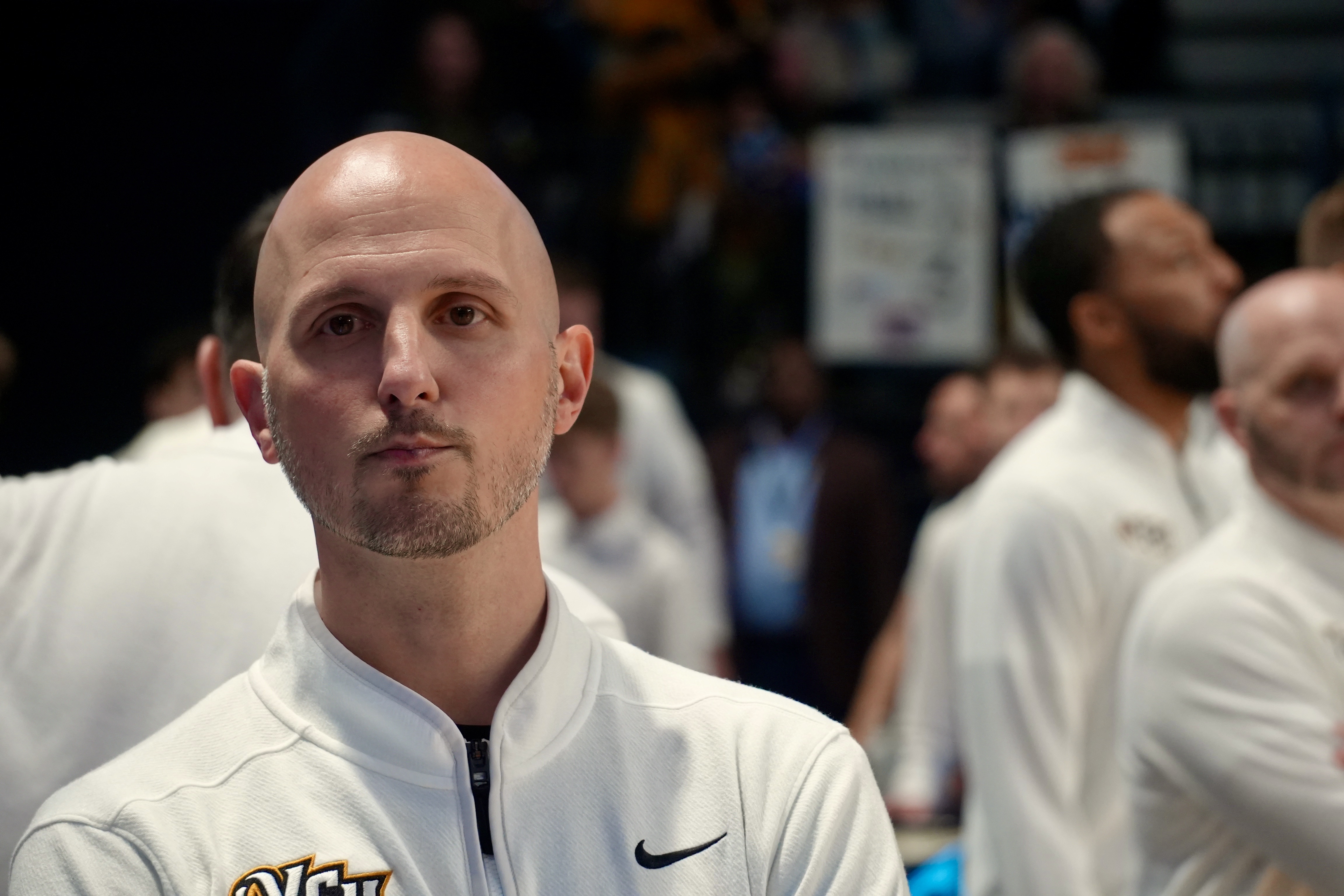
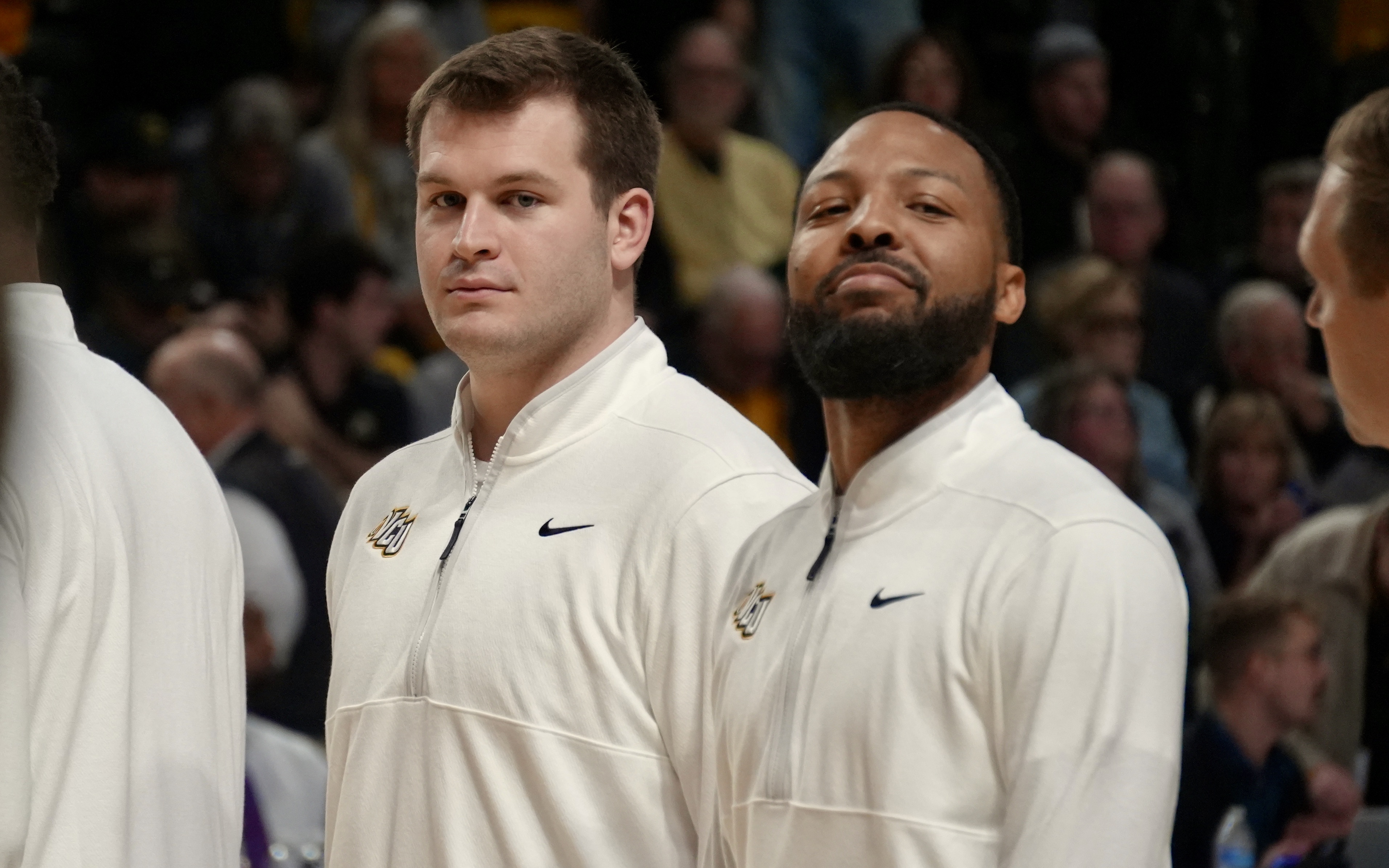
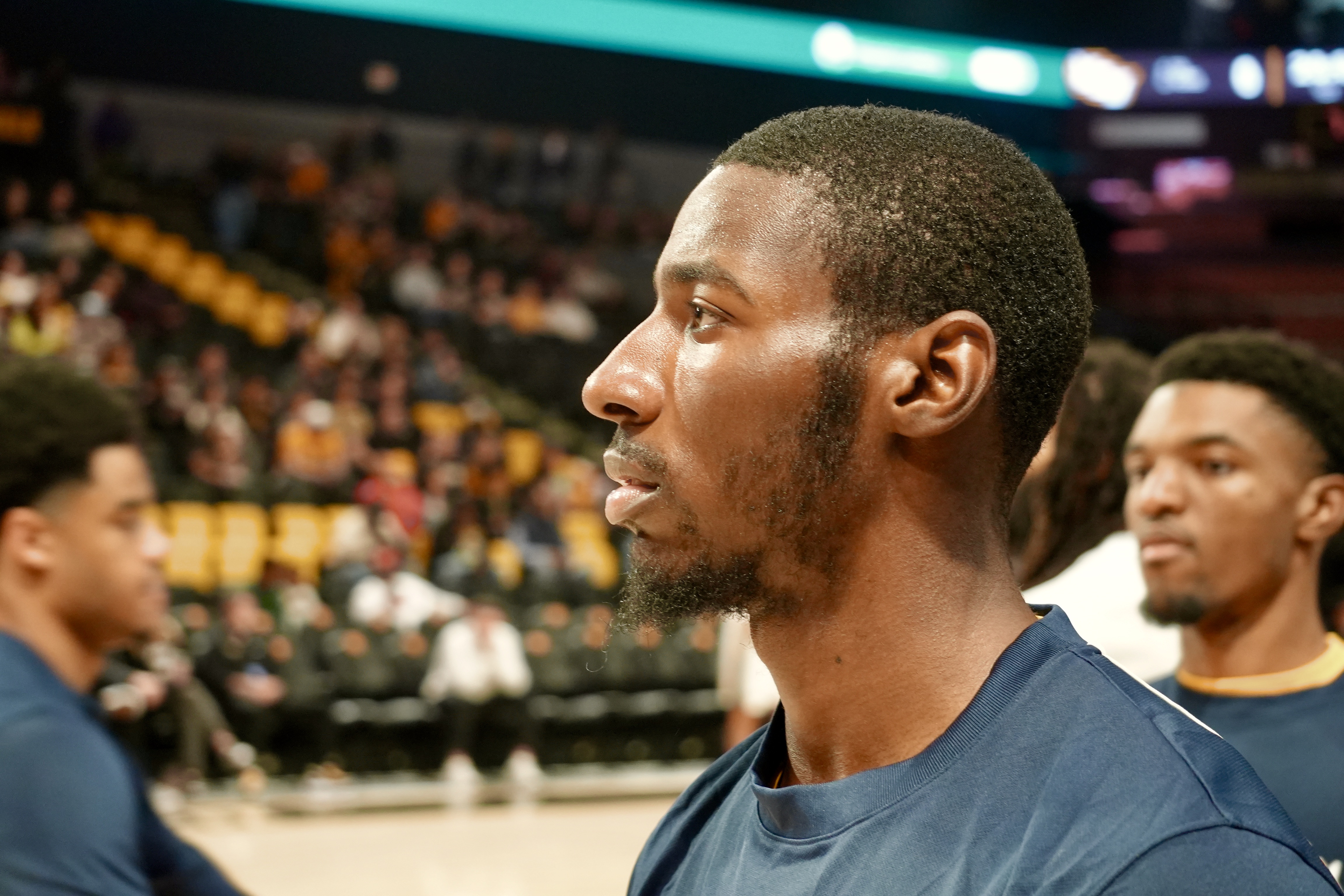
And so, we found them in Richmond. Coppin State was led by Head Coach Larry Stewart, a product of the Philadelphia Public League’s Dobbins High, who carried that Philly swagger to become an NBA player and a Coppin legend. His bench included his brother, Stephen Stewart, another Public League alum, and Terquin Mott, who began his collegiate career in the Big 5 at La Salle. Across the floor, VCU’s staff was equally Philadelphian. Head Coach Phil Martelli, Jr., and his brother, Jimmy, literally grew up in a locker room at St. Joseph’s, weaned on the parochial intensity their father, Phil Sr., embodied for decades. Completing this brotherhood was Ryan Daly, whose grandfather and father built their own legacies within the city’s Catholic League and on Hawk Hill. The connection even extended to the court, where three Philly kids—Coppin’s Baasil Saunders and Nelson Lamizana, and VCU’s Ahmad Nowell—saw action, proving the city-to-Richmond pipeline remains open for players, too.

A Lopsided Score, A Resonant Symbol
The final score—a 101-58 VCU rout—was not competitive. But the result was almost irrelevant to the night’s deeper narrative. For one night, the Yankees had taken full control of the basketball world in the former capital of the Confederacy. Here was a collective basketball IQ, forged on Philly’s blacktop and in its legendary leagues, being deployed over 250 miles from City Hall. The irony is as thick as a winter coat in February: these men, steeped in the very culture that could revitalize the city’s moribund Division I programs, are plying their trade anywhere but there.

The Case for a Homecoming: Tradition as a Strategic Asset
The case for their return is not one of mere nostalgia; it is a strategic imperative. Philadelphia is a unique town for collegiate athletics. The six programs, with the possible exception of Villanova, are not in a position financially to compete with Power 4 schools in the bidding wars of the NIL and transfer portal era. They cannot simply buy talent. They have to sell something else to prospects and their families: an identity, a legacy, a home. That something else must be the tradition of Philadelphia basketball and the lifelong love and support of its fiercely passionate community—a love that was on full display, of all places, in Richmond, Virginia.
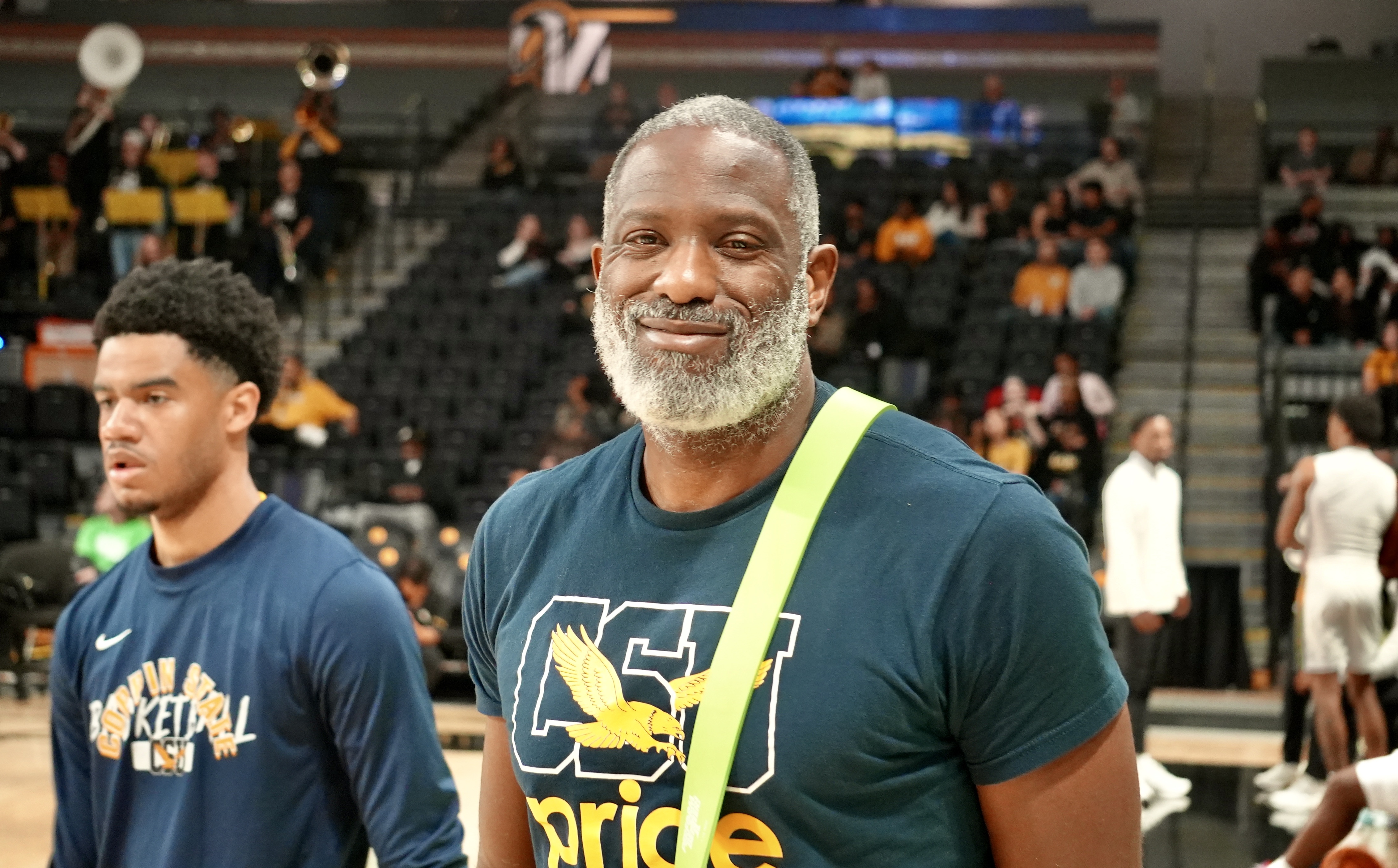
The six Division I programs in Philadelphia have lost their connection to the lifeblood of the city’s basketball ecosystem. Who better to rebuild the walls than those who know the foundation? Who better to recruit the next Jalen Duren or Lionel Simmons than a Larry Stewart, who walked the same path from the Public League to professional glory? Who better to instill a forgotten identity than a Martelli, whose name is synonymous with Philadelphia basketball resilience? Or a Ryan Daly, whose family tree is rooted in its very soil? These coaches wouldn’t just be drawing up plays; they would be selling a birthright, something no other program can offer a young recruit from Philadelphia.
An Indictment and a Path Forward
The exodus of this coaching talent is a quiet indictment of the city’s athletic departments. It reveals a failure to recognize that the solution to reclaiming Philadelphia’s college basketball soul may not be in a flashy, out-of-town hire, but in embracing the proven, passionate individuals it has already produced. The passion was in Richmond last night. The knowledge was on those sidelines. The players who could be the cornerstones of a local revival are already here, playing in those packed high school gyms. It’s time for Philadelphia’s programs to look south, to look within, and finally bring that Philly fight back home where it belongs.
 The Black Cager